 Intellect Plus
Nature
11,198 cards. Each one is a 40-second story with a five-minute read behind it. Page 165 of 187.
Subtopics: Ageing · Air · Animal behaviour · Animal breeds and hybrids · Animals · Arthropods · Atmosphere · Big cats · Bilateria, others · Birds · Botany · Cnidarians · Conservation · Coral reefs · Deep sea · Deserts · Dinosaurs · Earth science · Earth science and physical geography · Earth science basics · Earthquakes & tsunamis · Echinoderms · Ecology · Ecosystems · Endangered species · Extinct animals · Farming · Fish · Forests · Fungi · General classifications · Geology · Geomorphology · How Long Can It Live? · Ice · Individual animals · Insects · Lightning · Longevity · Mammals · Marsupials · Migration · Mollusks · Ocean · Organisms · Parasites · Physical geography · Plants · Porifera · Predators · Primates · Rainforest · Reptiles & amphibians · Researched · Sharks & rays · Spiders & arachnids · Symbiosis · Trees · UK & Ireland: nature · Vertebrates · Vision · Volcanoes · Water · Waves · Weather · Whales & dolphins · Zoology
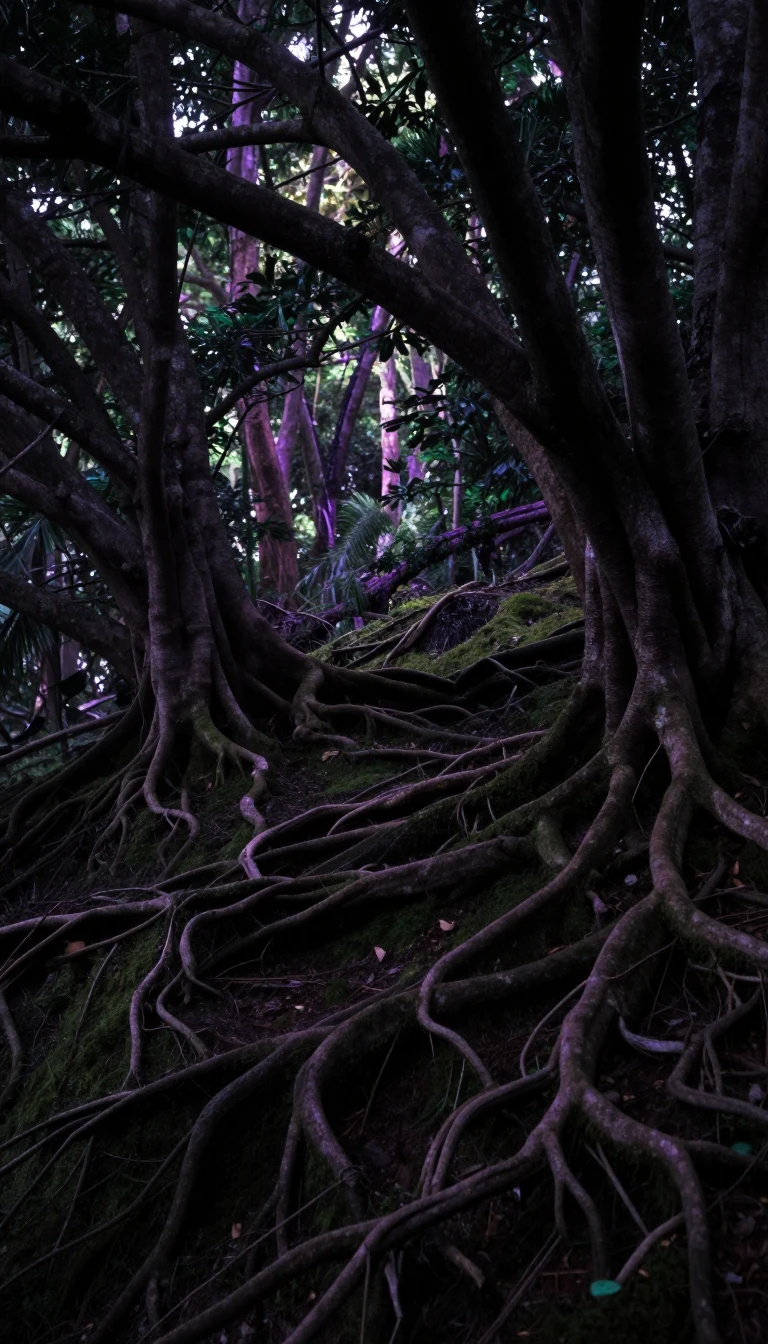 Mosses soak up billions of tons of carbon a year without roots or seedsMosses have no flowers, seeds or true roots, and their leaves are often a single cell thick. Yet these small plants absorb an estimated 6.4 billion tons of carbon every year, hold…
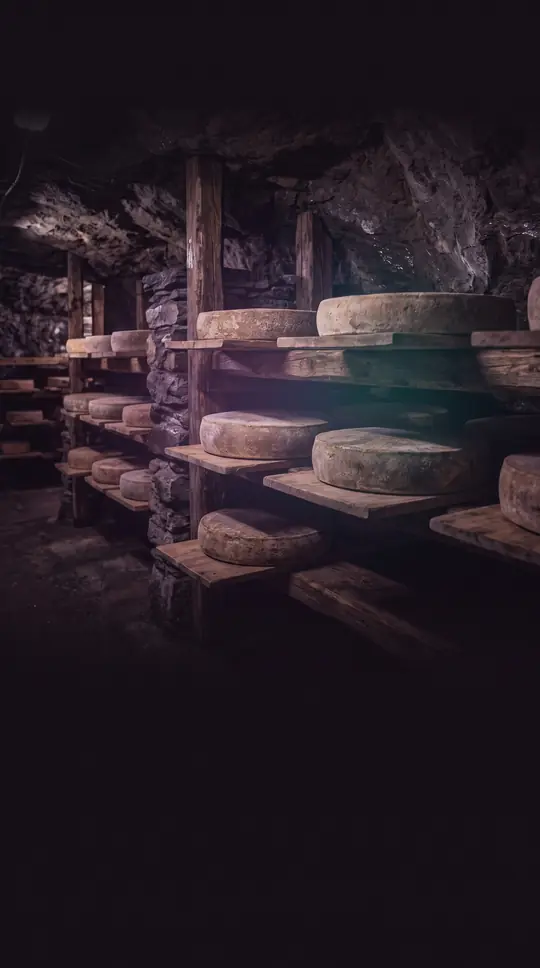 Mice do not especially crave cheese, but they do make facesThe cartoon mouse chasing cheese is mostly myth: mice prefer sweet, high-calorie carbohydrates and eat cheese only when nothing better is around. Meanwhile, scientists at the Max …
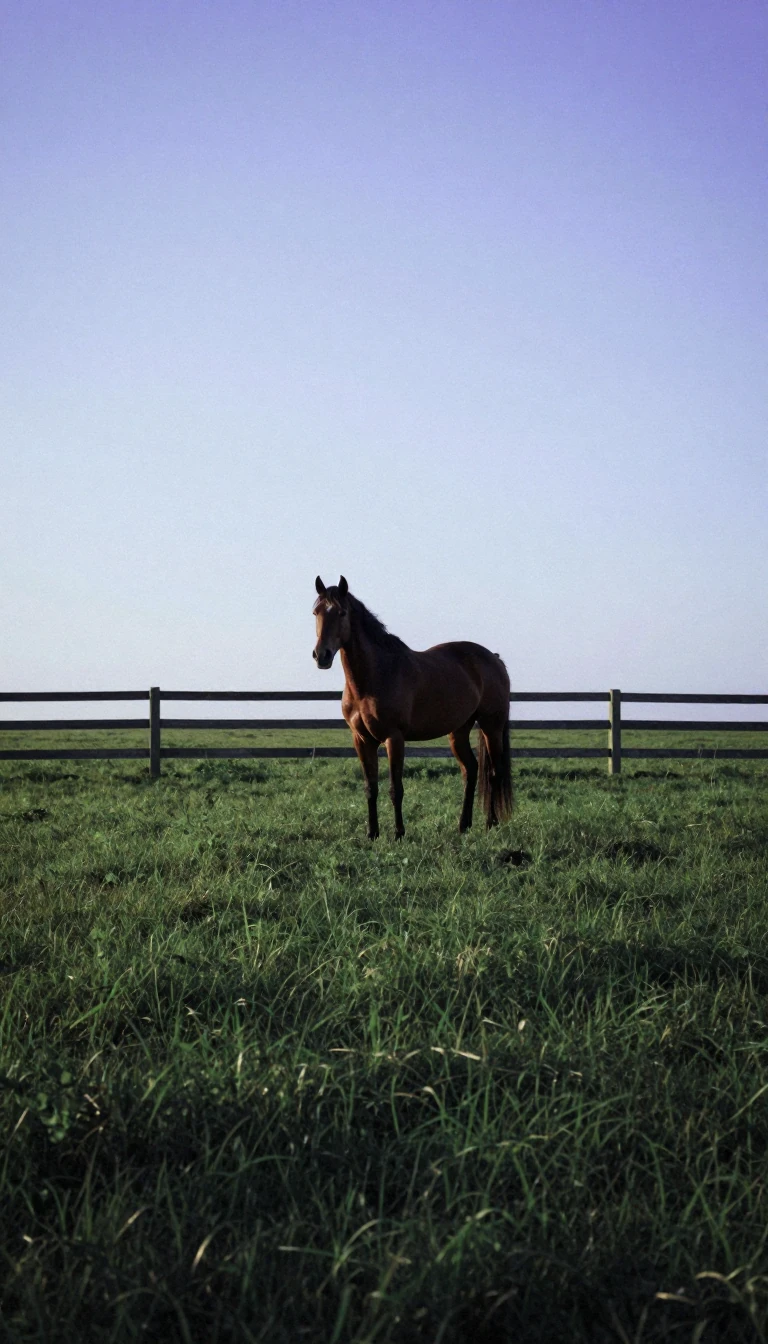 The Hittites paid three times more for a mule than for a fine horseMules, the offspring of a male donkey and a female horse, were prized long before cars and tractors. In Hittite Anatolia one cost three good horses, and Sumerians valued them at s…
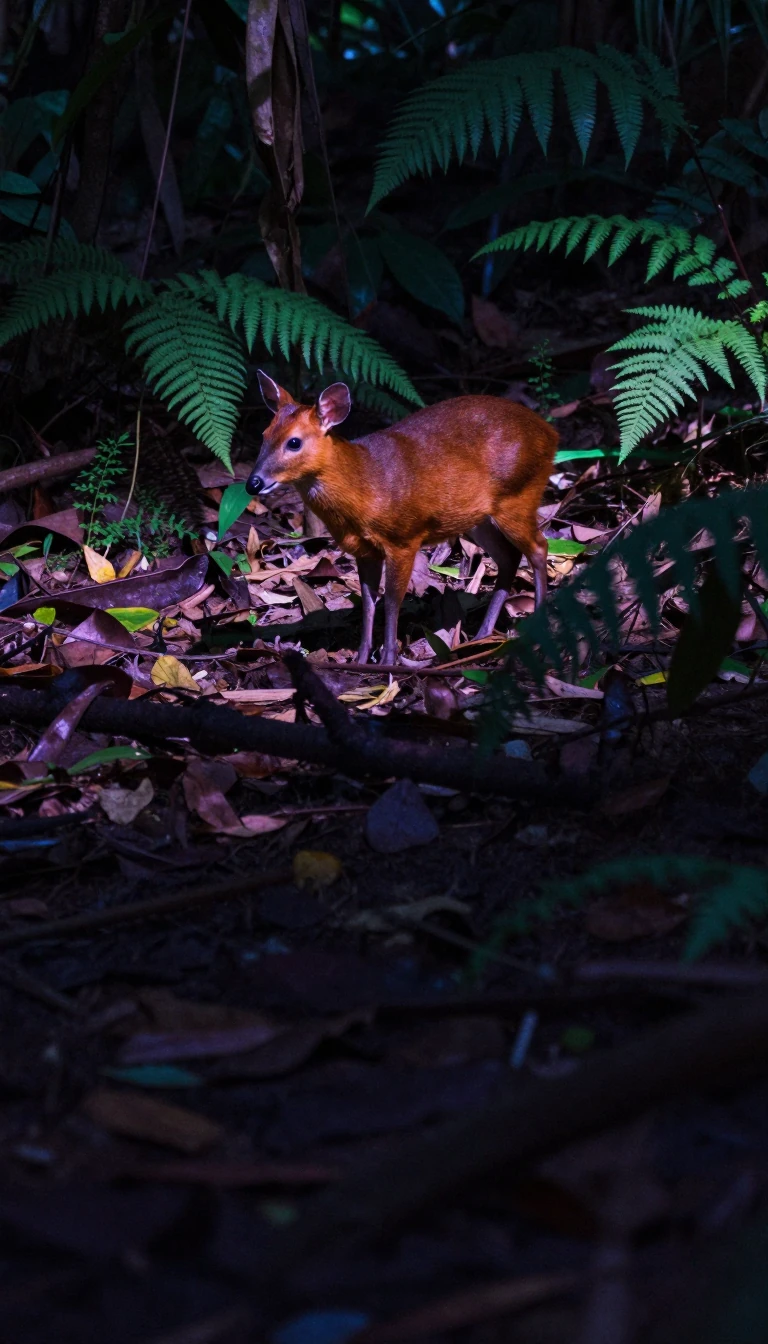 No murid rodent is native to the Americas, yet house mice live everywhereThe murid family of mice, rats and gerbils holds around 870 species, making it the largest or second-largest mammal family. None evolved in the Americas, but the house mouse and b…
 Leave a mushroom cap on paper overnight and it prints its own fingerprintSet a sporulating mushroom cap gill-side down overnight and it drops a powdery pattern called a spore print. Its colour, usually white, sometimes brown, black, pink or yellow but …
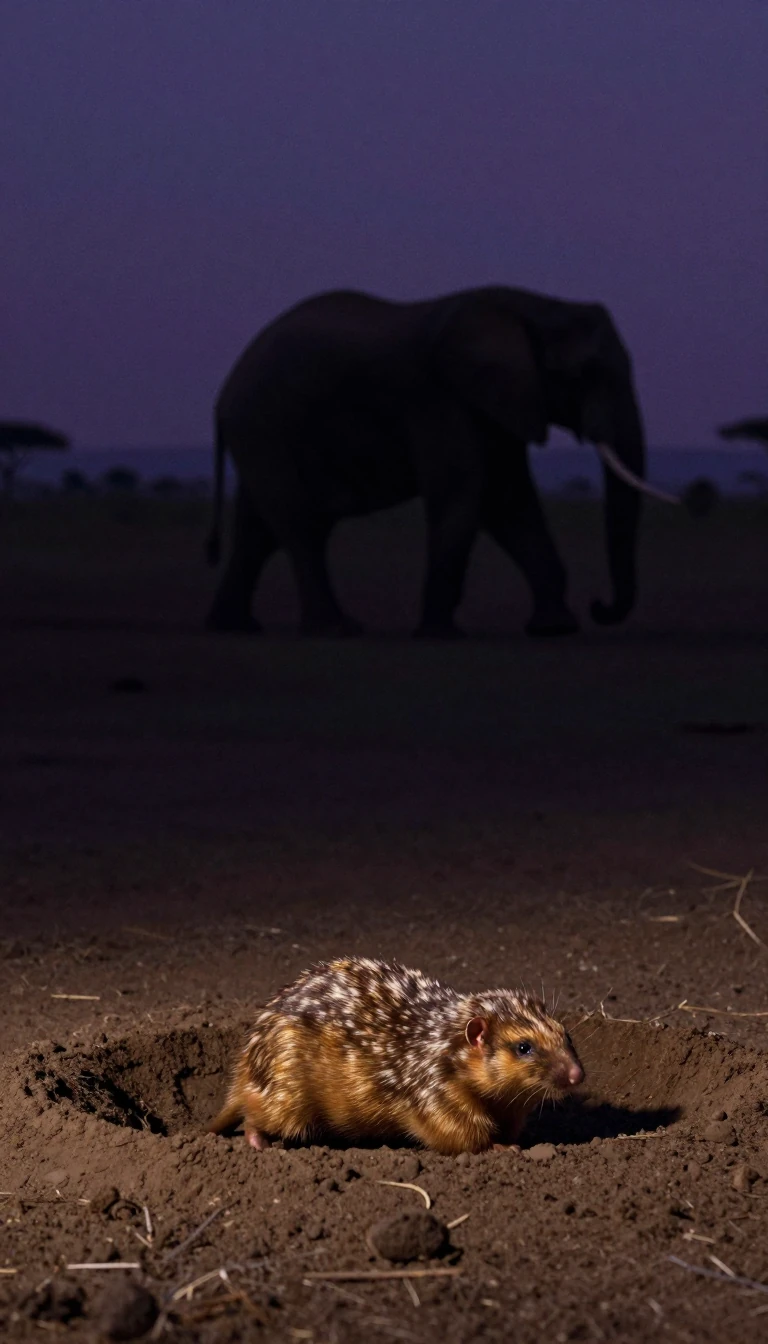 Moles stockpile paralysed earthworms in underground larders, sometimes over a thousand at onceA mole's saliva carries a toxin that paralyses earthworms, so it can keep them alive but helpless for later meals. Researchers have dug up larders holding more than a thousand wor…
 Herodotus's gold-digging ants may really have been Himalayan marmotsThe Greek historian Herodotus told of giant ants that dug up gold. The explorer Michel Peissel argued the tale grew from golden marmots on Pakistan's Deosai Plateau, whose burrows…
 One botanist named 434 new mints in five years; most were not realMints cross-breed so freely that botanists have published more than 3,000 names for them. Between 1911 and 1916 one taxonomist described 434 new kinds from central Europe alone. T…
 Smuggling a merino sheep out of Spain could once cost you your lifeFor centuries Spain guarded its fine-wooled merino sheep so jealously that exporting one was a capital crime. Then kings began giving flocks away as diplomatic presents, and in 17…
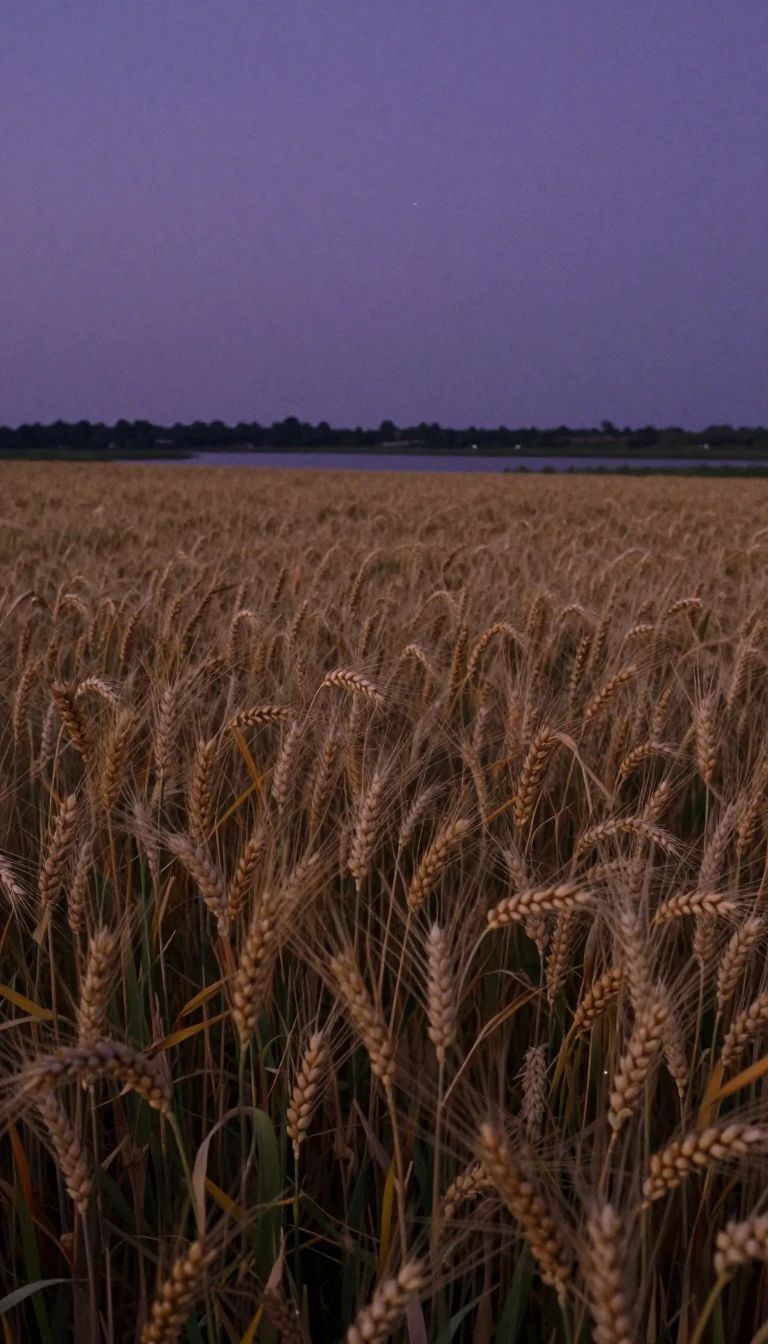 Millet is not one crop but a grab bag of only distantly related grassesPearl millet, finger millet, proso, fonio and Job's tears all share a name, yet they come from different tribes and even different subfamilies of grasses. What unites them is smal…
 Hawaii's macadamia industry may trace back to a single Australian treeIn 2019, geneticists compared hundreds of wild Queensland macadamias with Hawaiian orchard trees and found that nearly all the Hawaiian crop descends from a small group near Gympi…
 After humans, no primate genus has spread as widely as the macaquesFrom Japan's snowy mountains to Gibraltar's rock and a Florida river, macaques range farther than any primate except us. They eat fruit, raid crops, pocket food in their cheeks an…
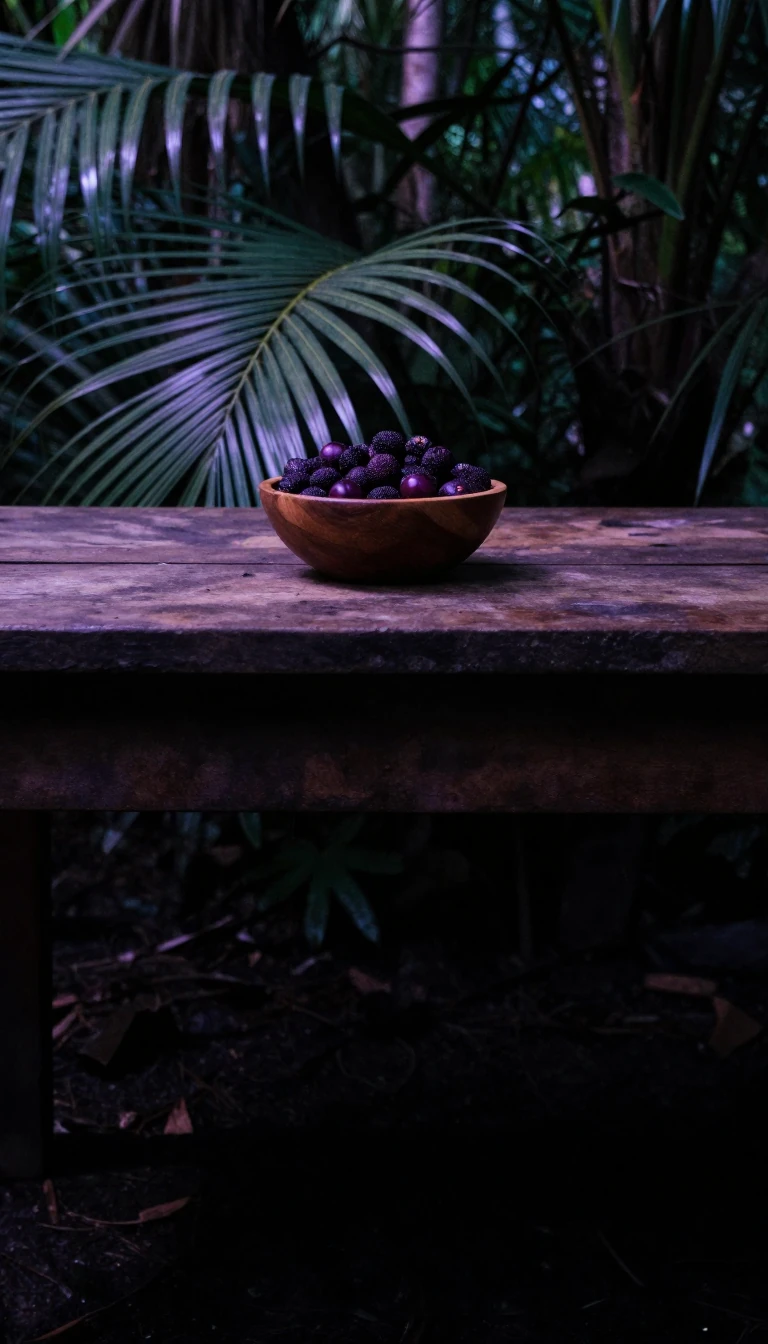 Avocado, black pepper, nutmeg and cinnamon all belong to one ancient plant groupYour spice rack and your guacamole share a family secret. Avocado, black pepper, nutmeg, cinnamon, bay laurel and the magnolia tree all belong to the magnoliids, a branch of flowe…
- Nobody agrees where the word mahogany came from, Bahamas or West AfricaMahogany became Georgian Britain's luxury furniture wood, with imports soaring from 525 tons in 1740 to over 30,000 by 1788. Yet the name is a puzzle. One scholar traced it to a B…
 Chocolate, cotton, okra and durian are all members of the mallow familyA single plant family gives us chocolate from cacao, the cotton in our shirts, okra for gumbo, cola nuts, baobab fruit and the notoriously pungent durian. The mallows, Malvaceae, …
 Woolly mammoths were still alive when the first Egyptian civilisation roseThe last mammoths did not vanish in some distant ice age. A population on Wrangel Island, in the Arctic Ocean, lasted until roughly 4,000 years ago, while early civilisations flou…
 The Christmas stocking mandarin began as a New Year gift from JapanNorth Americans stuff mandarins into Christmas stockings thanks to Japanese immigrants in the 1880s, whose families shipped them the fruit for New Year. Trains with orange-painted…
 Year-round mangoes owe everything to a Filipino farming trick involving smokeMango trees used to flower only every 16 to 18 months. In 1974 the Filipino horticulturist Ramon Barba turned a traditional smoke technique into a chemical spray that makes them b…
 Canada's flag leaf has 11 points; a real sugar maple leaf has 23The maple leaf on Canada's flag is a simplified sugar maple leaf with eleven points, less than half the usual 23. Maples inspire engineers too: their spinning winged seeds were th…
 Most liquorice sweets get their flavour mainly from aniseed, not liquoriceThe root of Glycyrrhiza glabra holds glycyrrhizin, a compound 30 to 50 times sweeter than sugar, with a slow, lingering taste. Yet many black sweets sold as liquorice contain litt…
 Liverworts can fire sperm-laden water 15 centimetres through the airLiverworts are tiny, easily overlooked plants with no internal plumbing, yet some shoot jets of sperm-carrying water up to 15 centimetres, reaching female plants more than a metre…
 Chinese emperors ran express horse relays just to get lychees freshLychees spoil fast, and the Han court wanted them anyway. In the first century, riders on fast horses carried fresh fruit from Guangdong to the capital, and centuries later Empero…
 Today's humble clubmosses had ancestors taller than a 12-storey buildingLiving lycophytes are modest plants, easily mistaken for moss. Their Carboniferous relatives, the Lepidodendrales, grew into trees over 40 metres tall and formed vast forests whos…
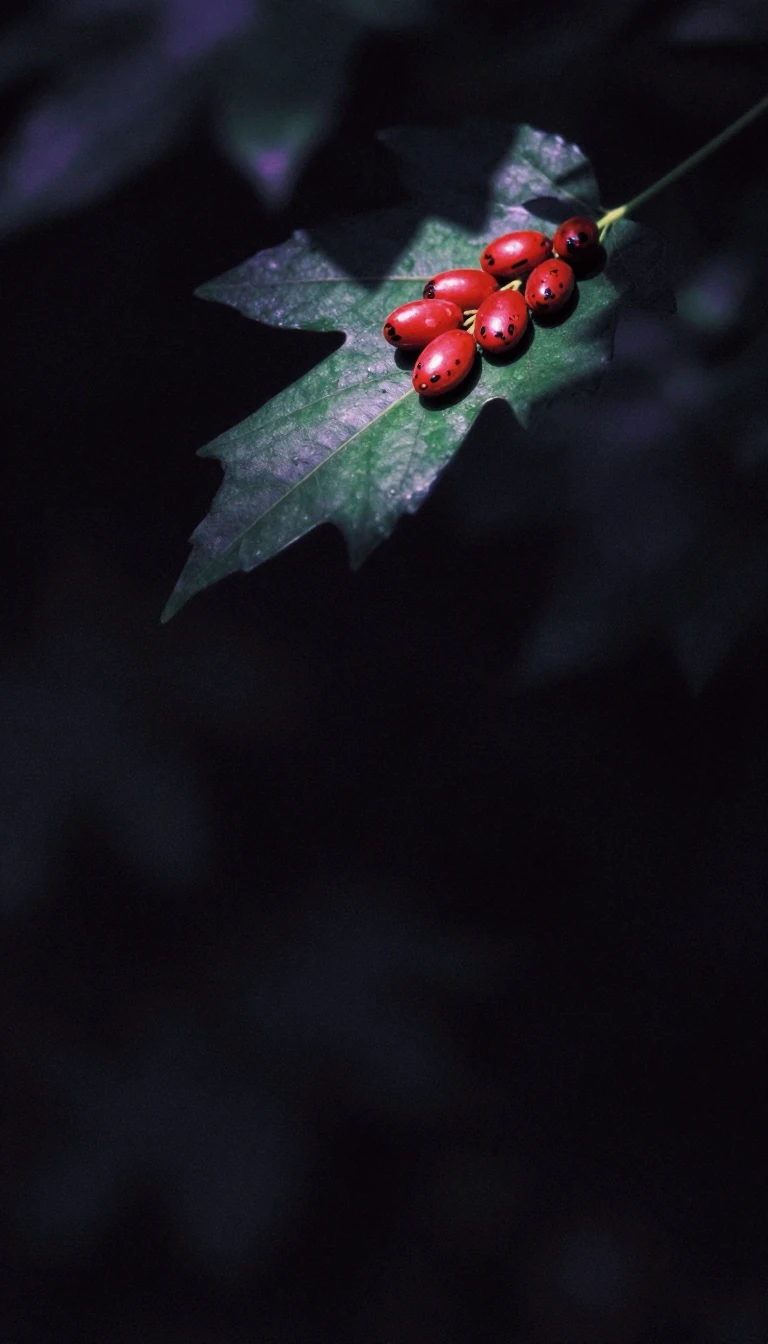 Under attack, a lima bean plant calls in hungry mites as bodyguardsWhen spider mites chew a lima bean's leaves, the plant releases airborne chemicals that summon a carnivorous mite, which hunts the attackers. It also bribes the bodyguards with ne…
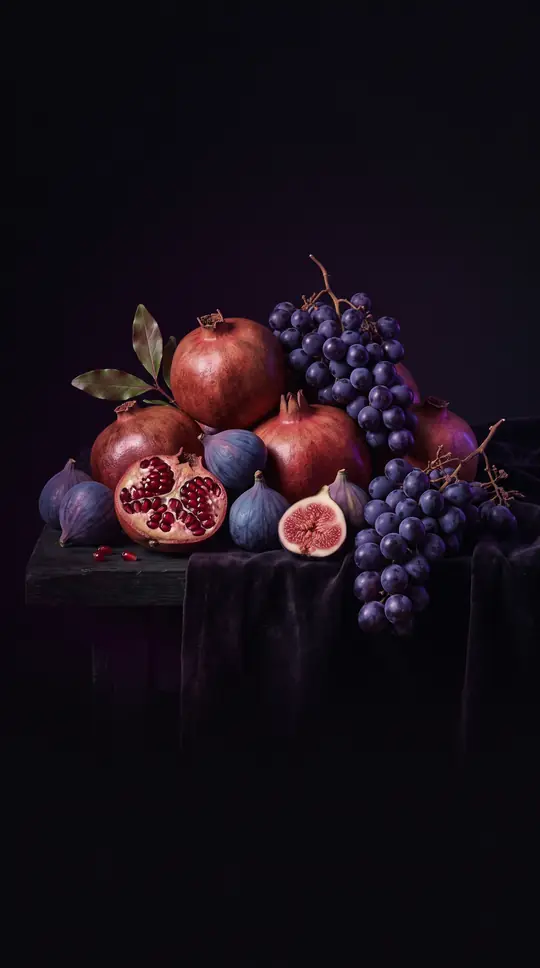 Lime is not one fruit but a grab bag of citrus hybridsKey lime, Persian lime, makrut, finger lime and desert lime share a name but not a single botanical lineage. Most are hybrids stitched together from citron, mandarin, pomelo and o…
- Lavender in herbes de Provence is a 1970s marketing additionLavender feels like the essence of southern French cooking, yet around 1900 Provençal cooks did not use it; the classic regional cookbook never mentions it. Spice wholesalers inve…
 Emperor Nero ate so many leeks that Romans nicknamed him Leek EaterNero believed raw leeks, taken in soup or oil, improved his singing voice, and the habit earned him the nickname Porrophagus. Romans rated the vegetable above garlic and onions. C…
- The lemon is a hybrid, born from citron crossed with bitter orangeEvery true lemon descends from a cross between citron and bitter orange, probably first arising in northeastern India during the first millennium BC. From there it travelled throu…
 Lemurs were named for Roman ghosts, but not because they look spookyLinnaeus borrowed the word lemur from the restless spirits of Roman festivals. The popular story says he was thinking of glowing eyes and eerie cries. In fact his own note explain…
- Optical lenses are named after lentils, not the other way roundThe glass lens takes its name from the Latin lens, meaning lentil, because the classic shape resembles the seed. Roman families took names from legumes too: Cicero from the chickp…
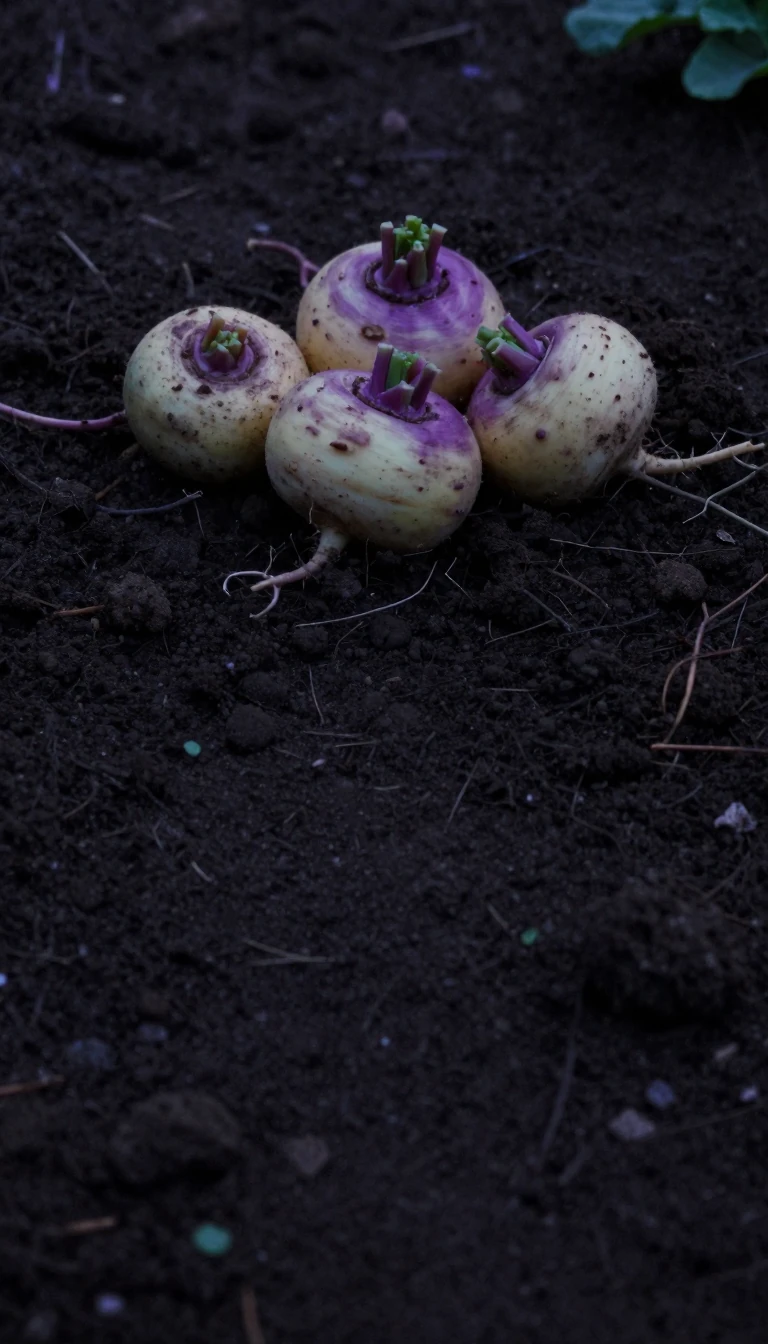 Lettuce was first farmed for cooking oil, not salad leavesDNA from 445 kinds of lettuce points to domestication near the Caucasus, where early farmers wanted its seeds, pressed for oil. Egyptians grew it that way by about 2680 BC and lin…
- The lily family ballooned to 4,500 species, then DNA shrank it to 610For two centuries botanists used the lily family as a wastebasket for any showy monocot that fitted nowhere else. By 1981 it held roughly 300 genera and 4,500 species. Molecular s…
- The word lily may trace back to an ancient Egyptian word for flowerLilium comes from the Greek leirion, borrowed through Coptic and Demotic from an Egyptian word simply meaning flower. Plenty of plants carry the name without earning it, from wate…
 No perfumer can extract lily of the valley's scent, so it is fakedLily of the valley smells so sweet that Christian Dior made it the heart of Diorissimo in 1956, yet the flower yields no usable natural extract. Every perfume evoking it relies on…
- The world's largest tree fruit can weigh as much as a grown adult's suitcase: 50 kilogramsA single jackfruit can reach 90 centimetres long and 50 kilograms, the biggest fruit any tree bears. It sprouts straight from the trunk, holds up to 500 seed-filled bulbs, and sme…
 Once dismissed as obscure and uninviting, rushes quietly clean polluted waterIn 1819 a botanist wrote off the rush genus Juncus as dull. Two centuries later these grass-like wetland plants look far more interesting: they grow on every continent but Antarct…
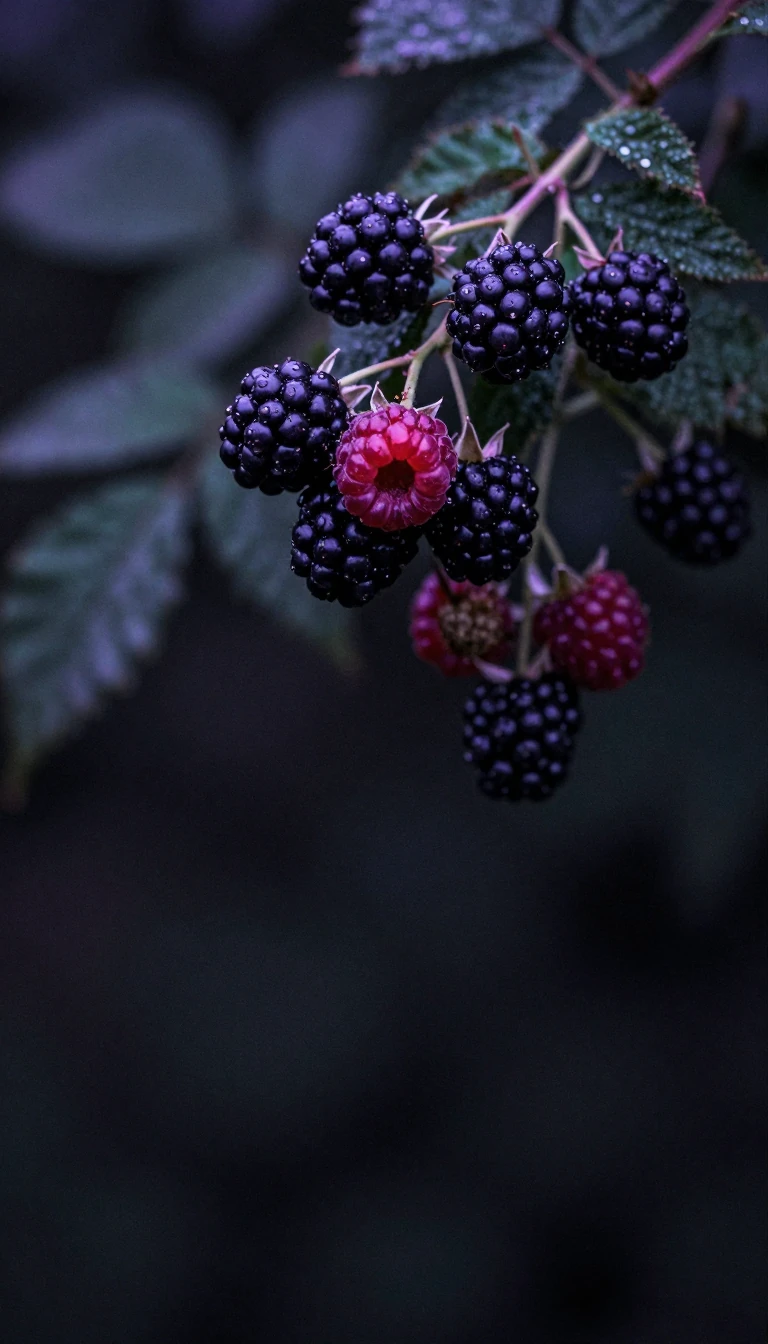 Juniper berries that flavour gin are not berries at allThe blue beads that give gin its flavour are actually cones whose fleshy scales have fused into a berry-like ball. Junipers are conifers with no true fruit or flowers, and they ar…
- In 2012 Pizza Hut bought about 14,000 pounds of kale purely as decorationFor most of the twentieth century Americans treated kale as garnish, and a pizza chain once bought roughly seven tonnes just to dress its salad bars. Only from the 1990s did it be…
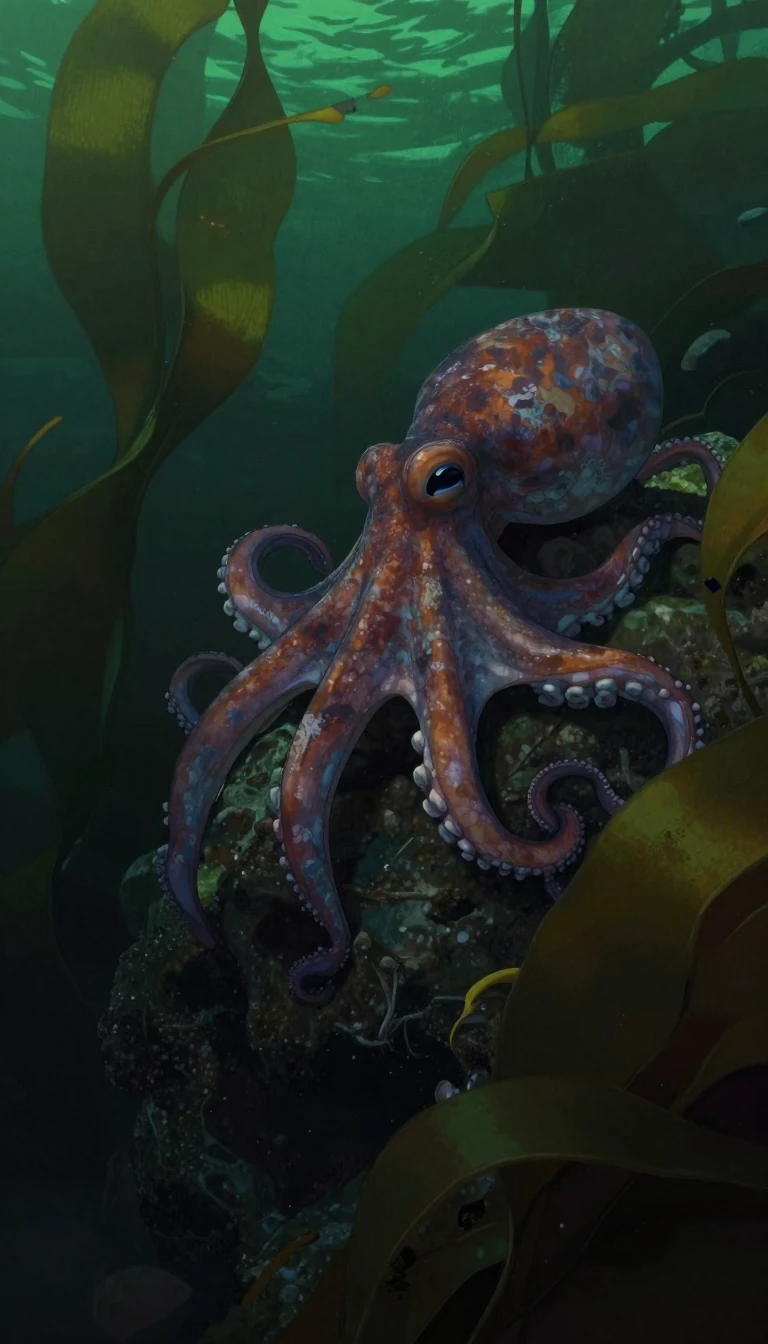 Kelp builds underwater forests without being a plant at allGiant kelp can add half a metre in a single day and tower up to 80 metres, forming dense forests in cold coastal seas. It photosynthesises and has stalks and blades, yet kelp is n…
- Kiwifruit got its name partly to slip past American quarantine inspectorsIn 1959 a New Zealand exporter renamed the Chinese gooseberry after a US client warned that berries were attracting suspicion at quarantine, over fears of soil contaminated with a…
- Kohlrabi looks like a turnip but is really a swollen cabbage stemIts German name means cabbage turnip, and its common English nicknames call it a turnip too, yet kohlrabi is no turnip at all. Breeders coaxed wild cabbage into growing a fat, alm…
- The kumquat flips citrus logic: sweet skin, sour insideA kumquat looks like an orange shrunk to olive size, and you eat it whole. The surprise is that the peel is the sweet part while the pulp inside is tart. Its name is Cantonese for…
 Your herb garden and the teak tree belong to the same plant familyBasil, rosemary, thyme and lavender are all members of the mint family, Lamiaceae, along with chia and catnip. So, less obviously, is teak, a timber tree. With roughly seven thous…
- St. John's wort bleeds red, which is how it got its saintly nameCrush the tiny dark dots on a St. John's wort leaf or petal and they leave a red stain. In the 16th century Paracelsus called the secretion John's blood, tying the plant to the ma…
- Touch-me-nots fling their seeds several metres with an exploding podImpatiens means impatient in Latin, and the name is earned. Ripe seed capsules split open violently at the slightest touch, hurling seeds up to several metres away. That explosive…
- The iris family survives wildfires by hiding underground in corms and bulbsMost members of the iris family die back above ground during dry or cold seasons and wait it out as bulbs, corms or rhizomes. In fire-prone grasslands and South African fynbos, th…
 Iris flowers helped launch a classic statistics experiment in 1936Ronald Fisher's 1936 paper on using multiple measurements in taxonomy relied on three kinds of iris. The resulting iris flower data set became a standard example of linear discrim…
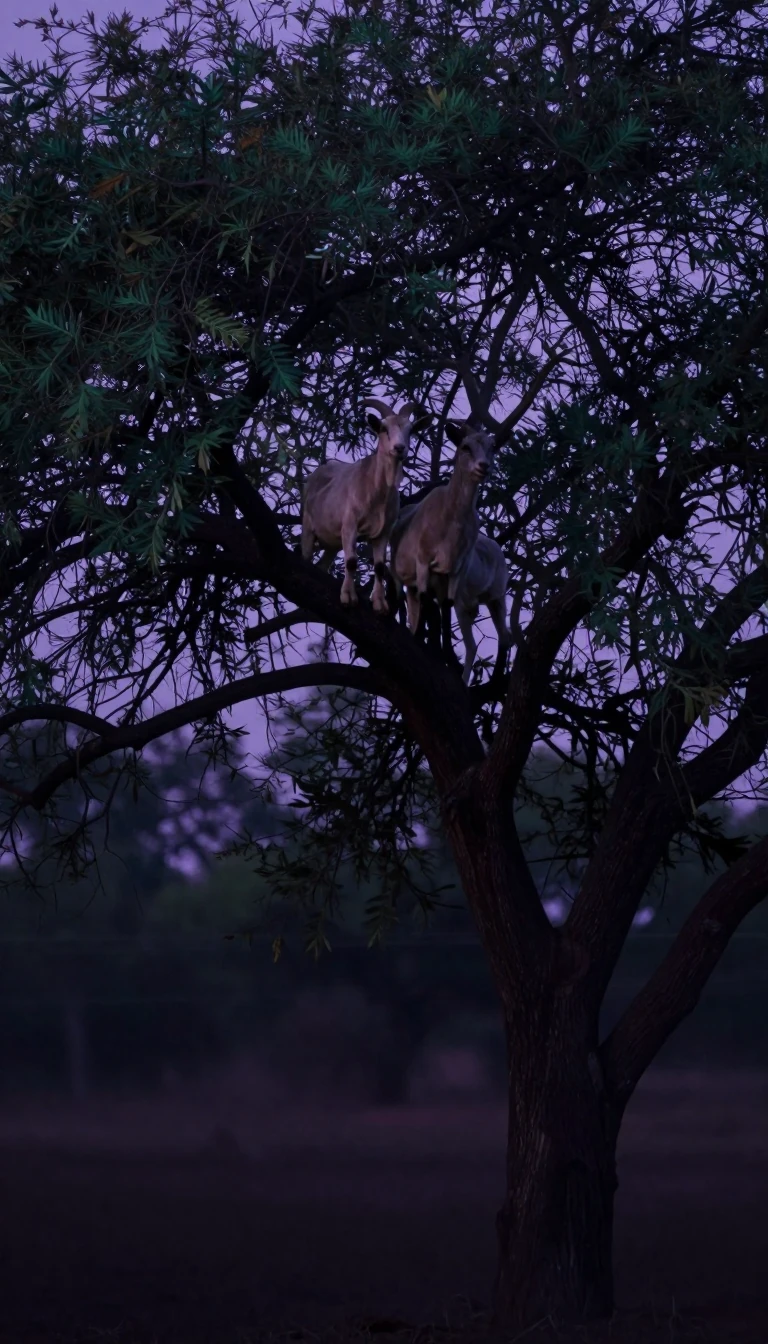 Every herding dog is a hunter taught not to finish the chaseHerding is predatory behaviour, reshaped. Over generations, breeders dampened dogs' urge to treat sheep and cattle as prey while keeping the stalking, circling and staring that hu…
 Herefords were once solid red; the white face came laterBefore the 18th century, Herefordshire cattle looked like other southern English stock: entirely red with a white tail switch. Crossing with other breeds, chiefly Shorthorns, prod…
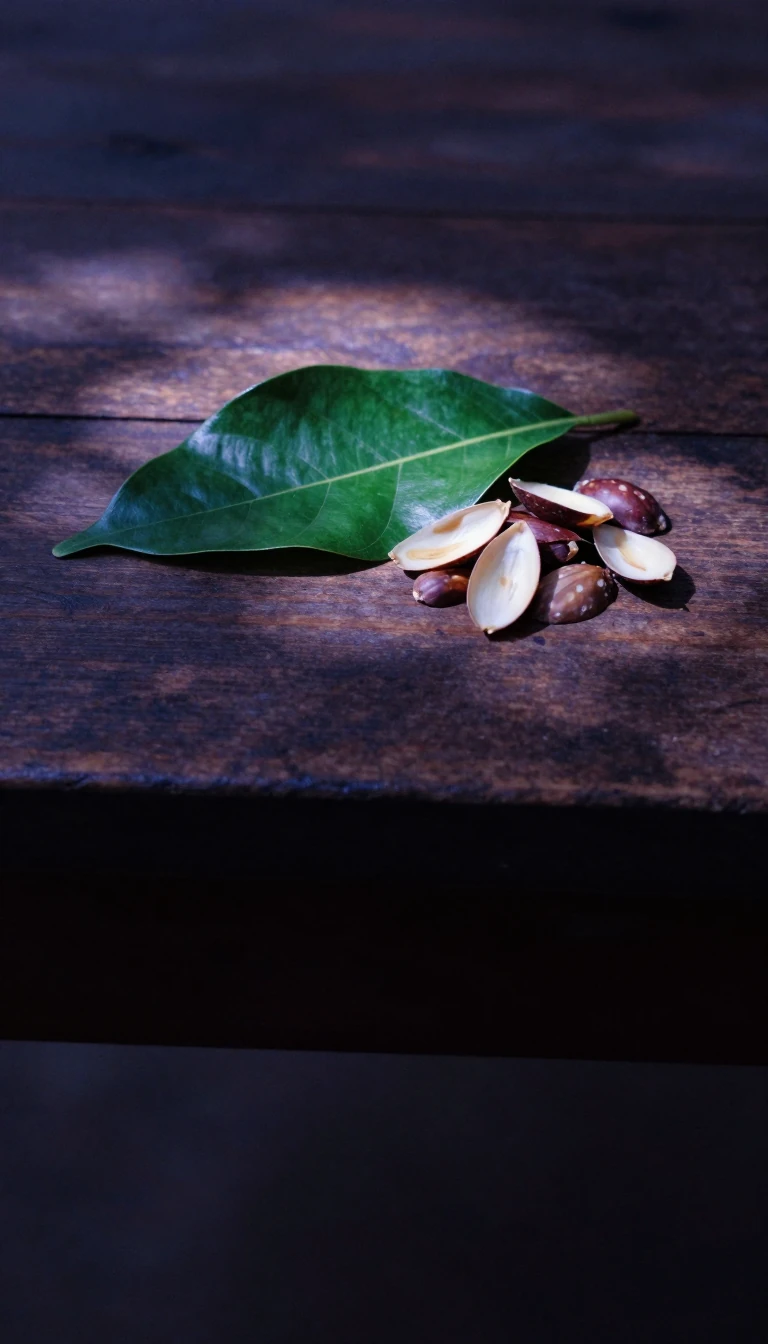 Hickory nuts grew thicker shells as defence against rodentsFossil hickory nuts have thinner, simpler shells than living species, pecans excepted. The likeliest explanation is an evolutionary arms race: over millions of years, trees whose …
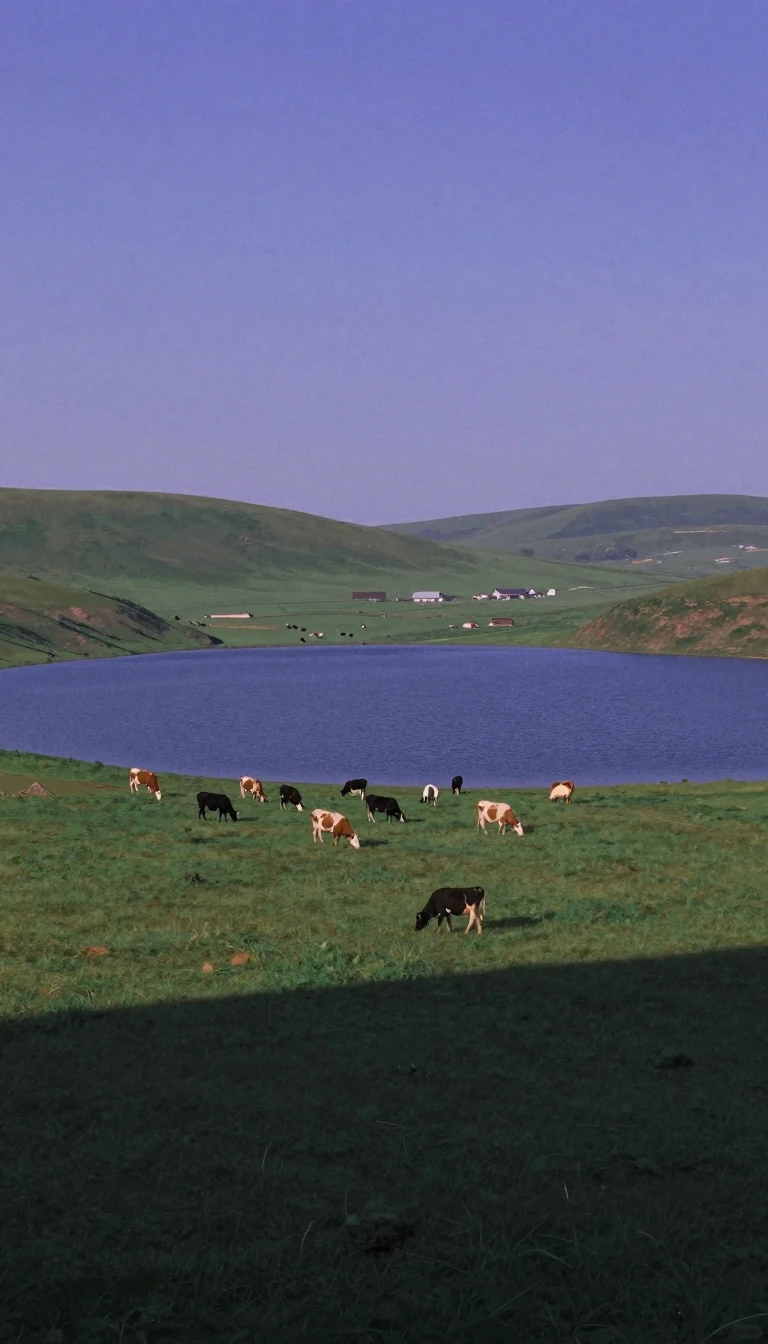 No two Holstein cows share exactly the same black and white patternThe piebald gene lays down Holstein patches at random, so every cow's coat is unique. Some are red and white, rare ones mix black and red, and a few look bluish where white hairs …
 Scratches on an ancient tooth hint that Homo habilis was right-handedThe teeth of one Homo habilis fossil, OH 65, carry scratches slanting to the right. One explanation: the individual gripped meat in its teeth and left hand while slicing with a st…
 Hornworts lure bacteria into slimy chambers to farm nitrogen-fixing partnersMany hornworts grow internal cavities filled with mucilage, then release chemical signals that coax free-living cyanobacteria, especially Nostoc, to move in. The resulting colonie…
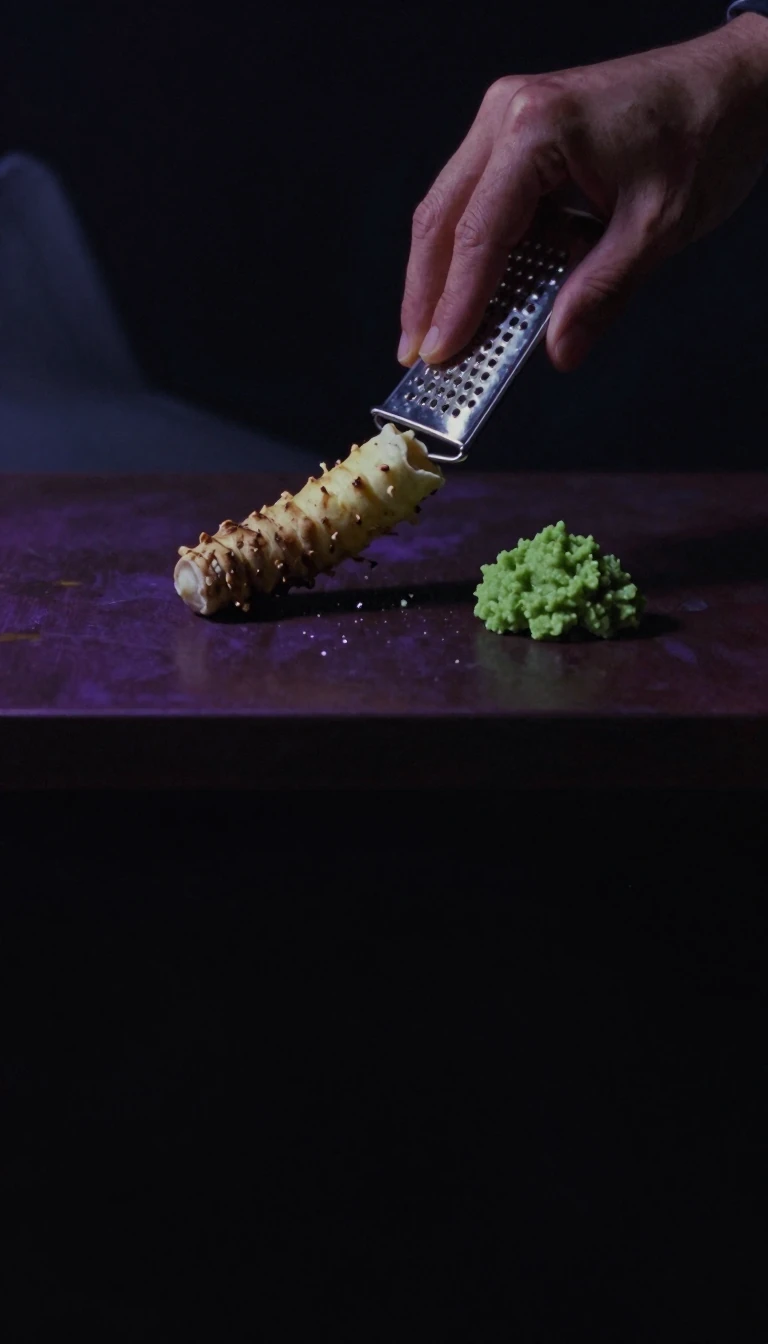 Most wasabi served outside Japan is actually horseradishTrue wasabi is scarce, so the green paste beside sushi abroad is usually made from horseradish instead. Japanese botanists even call horseradish Western wasabi. Both belong to the…
- Our earliest ancestors may have been less like chimpanzees than assumedA study of Ardipithecus ramidus, a hominin from roughly 4.4 million years ago, argues that it looked and perhaps behaved more like a gentle bonobo than an aggressive chimpanzee. I…
 Ivy grows two completely different kinds of leaf on the same plantDown on the ground and up a wall, ivy produces lobed leaves on slender stems that grip with tiny aerial roots. Once a shoot reaches full sun high on a tree or cliff, it switches t…
- Young sunflowers follow the sun, then settle facing east for goodBefore they bloom, sunflower heads swing from east to west during the day and turn back overnight to greet the dawn. Once mature, they stop and stay pointed east, warmed by the ri…
 Heliconias are the oldest known hummingbird-pollinated plants on EarthLobster-claw heliconias arose in the Late Eocene, about 39 million years ago, making them the oldest known lineage of plants pollinated by hummingbirds. Their blazing waxy bracts …
 Fresh henna leaves cannot stain skin until they are crushedThe dye in henna, a molecule called lawsone, stays locked inside intact leaves. Only when dried leaves are ground and mixed into a paste does it seep into the outer skin and bind …
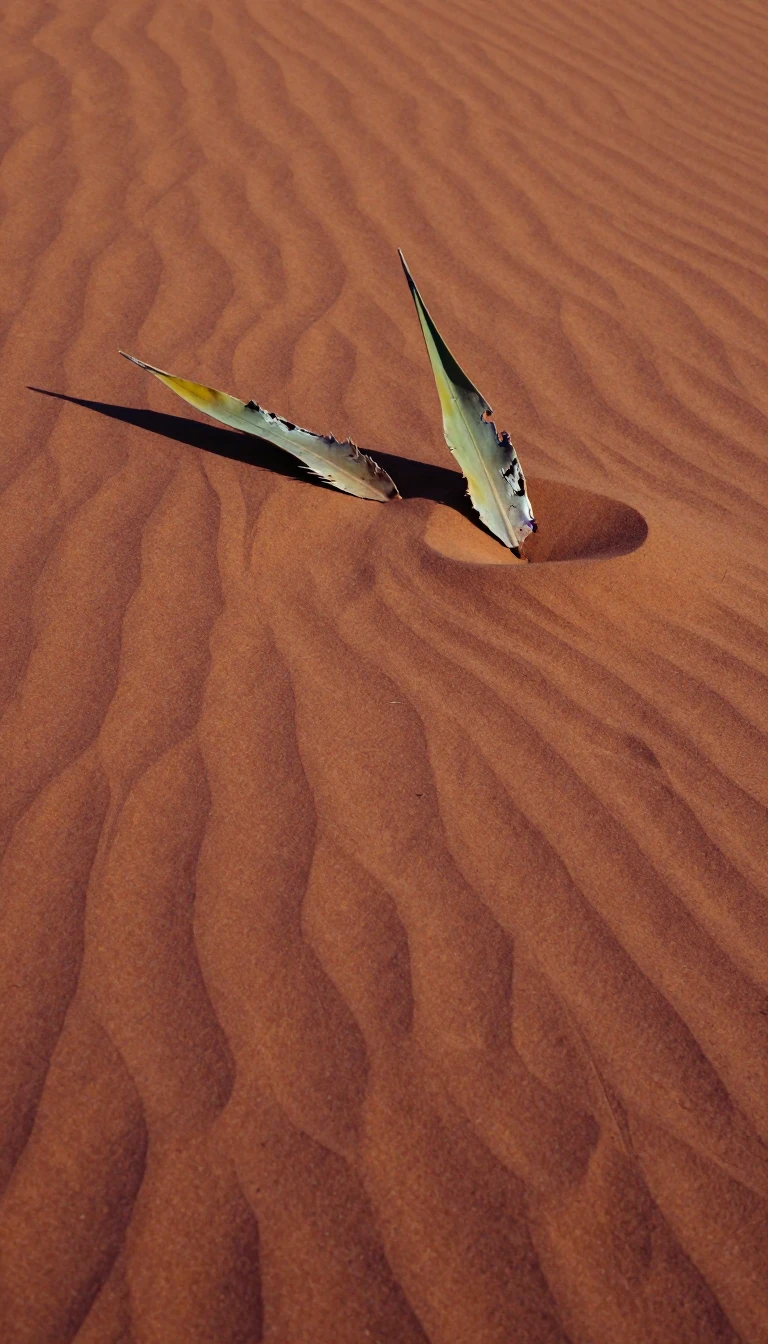 Gymnosperm means 'naked seed', and they are Earth's most threatened plantsPines, cycads, the ginkgo and the bizarre Welwitschia share one feature: their seeds sit exposed on scales or leaves instead of tucked inside a fruit. That lineage split from the …