 Intellect Plus
Nature
11,198 cards. Each one is a 40-second story with a five-minute read behind it. Page 167 of 187.
Subtopics: Ageing · Air · Animal behaviour · Animal breeds and hybrids · Animals · Arthropods · Atmosphere · Big cats · Bilateria, others · Birds · Botany · Cnidarians · Conservation · Coral reefs · Deep sea · Deserts · Dinosaurs · Earth science · Earth science and physical geography · Earth science basics · Earthquakes & tsunamis · Echinoderms · Ecology · Ecosystems · Endangered species · Extinct animals · Farming · Fish · Forests · Fungi · General classifications · Geology · Geomorphology · How Long Can It Live? · Ice · Individual animals · Insects · Lightning · Longevity · Mammals · Marsupials · Migration · Mollusks · Ocean · Organisms · Parasites · Physical geography · Plants · Porifera · Predators · Primates · Rainforest · Reptiles & amphibians · Researched · Sharks & rays · Spiders & arachnids · Symbiosis · Trees · UK & Ireland: nature · Vertebrates · Vision · Volcanoes · Water · Waves · Weather · Whales & dolphins · Zoology
 From a 4-centimetre wild gourd to a pumpkin heavier than a tonneWild squash fruits can be as small as 4 centimetres across. In 2014, Beni Meier of Switzerland set the world record with a pumpkin weighing 1,054 kg. Both belong to Cucurbita, a g…
 Ciliates keep two genomes: one for heredity, a shredded copy for daily lifeEach ciliate carries a small nucleus that it passes to offspring but never reads, and a huge working nucleus built by chopping, copying and splicing that inherited DNA. In some sp…
 Spice traders invented giant cinnamon birds to hide where cinnamon grewHerodotus reported that huge birds built nests from cinnamon sticks gathered in an unknown land. Pliny called it a traders' fiction designed to inflate prices, yet the tale still …
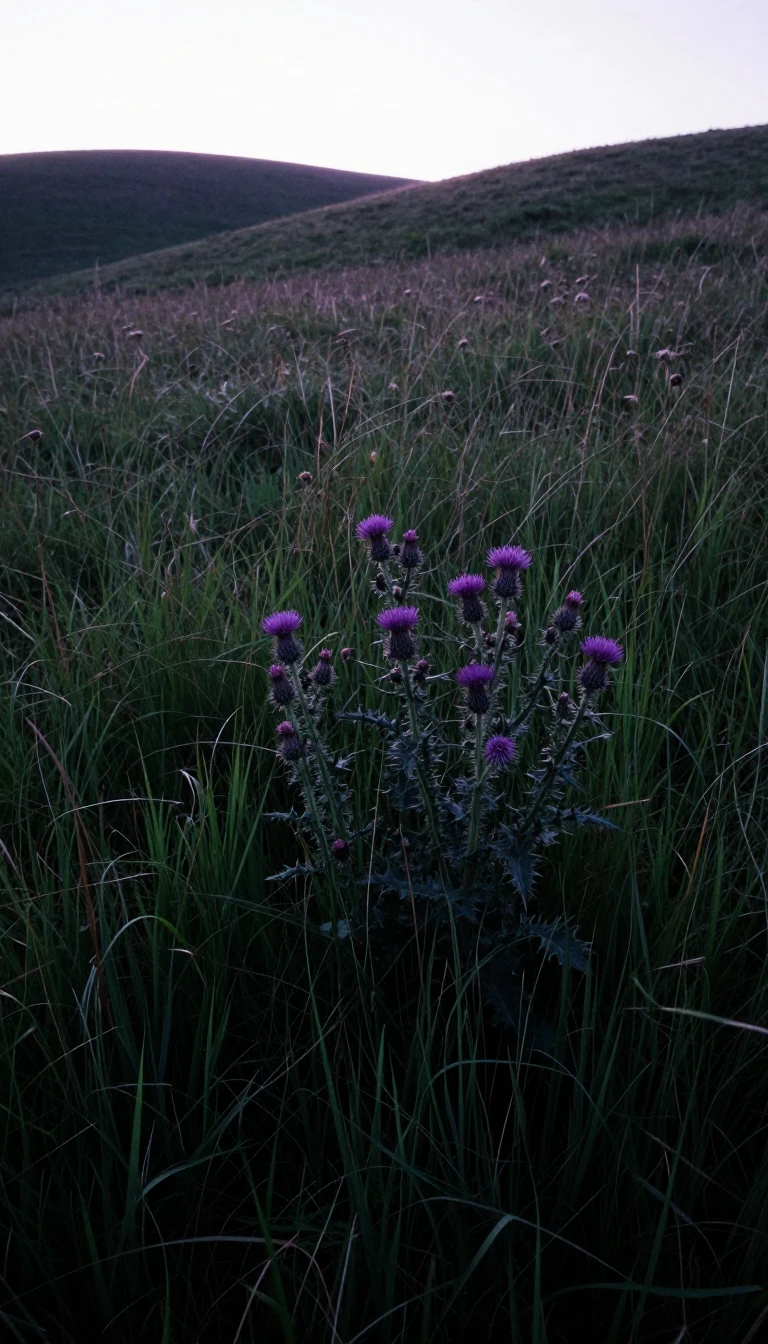 A thistle banned as a noxious weed ranks among Britain's best nectar plantsSpear thistle is Scotland's national flower, a legally listed noxious weed in nine American states, and one of the richest nectar sources in the British countryside. That split pe…
 Oranges, lemons and limes are nearly all mixes of just three wild fruitsSweet oranges, lemons, grapefruit and limes are not ancient wild species. Nearly every major commercial citrus is a hybrid of three ancestors, the mandarin, the pomelo and the cit…
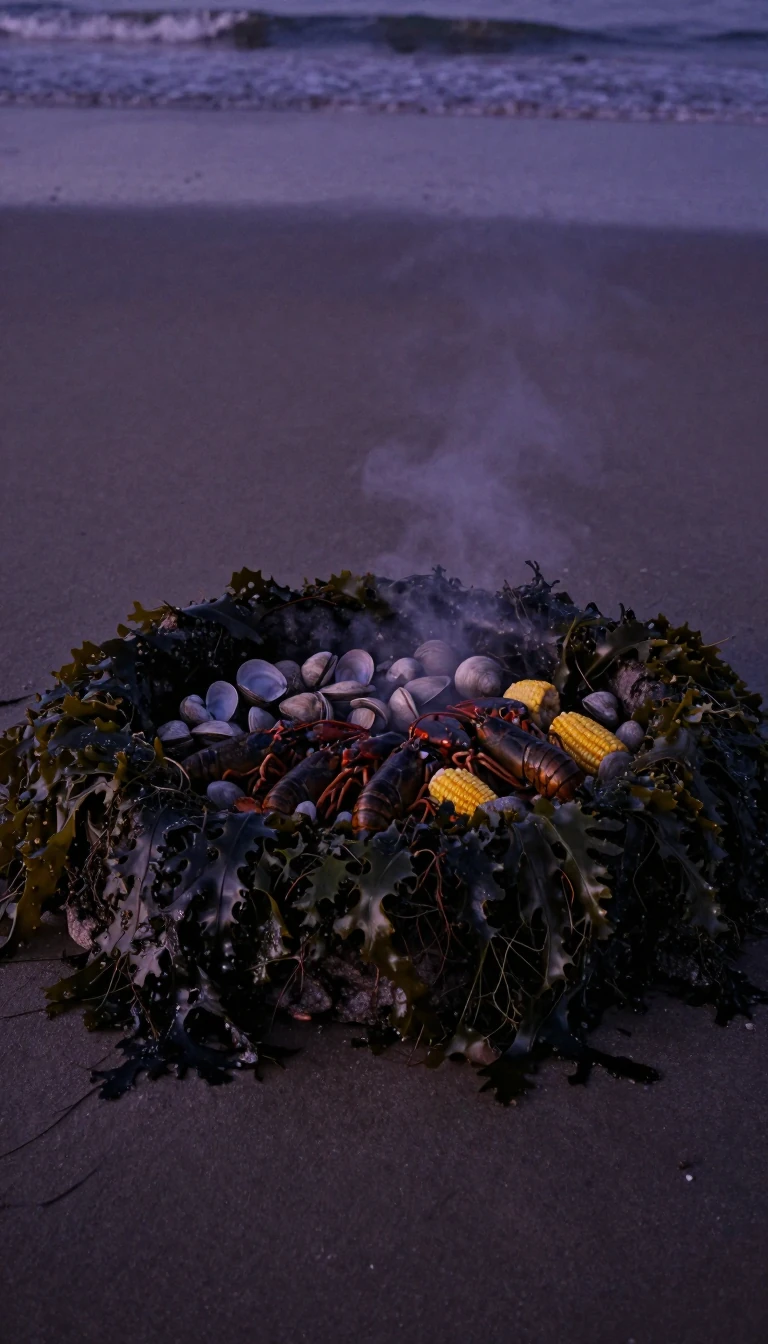 Cloves from a few tiny Indonesian islands reached Syria by 1720 BCUntil colonial times, clove trees grew only on a handful of islands in Indonesia's Moluccas. Yet cloves turned up in a burned house in Terqa, Syria, dated to 1720 BC, and Han dyna…
- Coconuts couldn't float across the Pacific alone; people carried themCoconuts are famous for drifting on ocean currents, yet models of Pacific winds and currents show they could not have crossed that ocean by themselves. Austronesian voyagers domes…
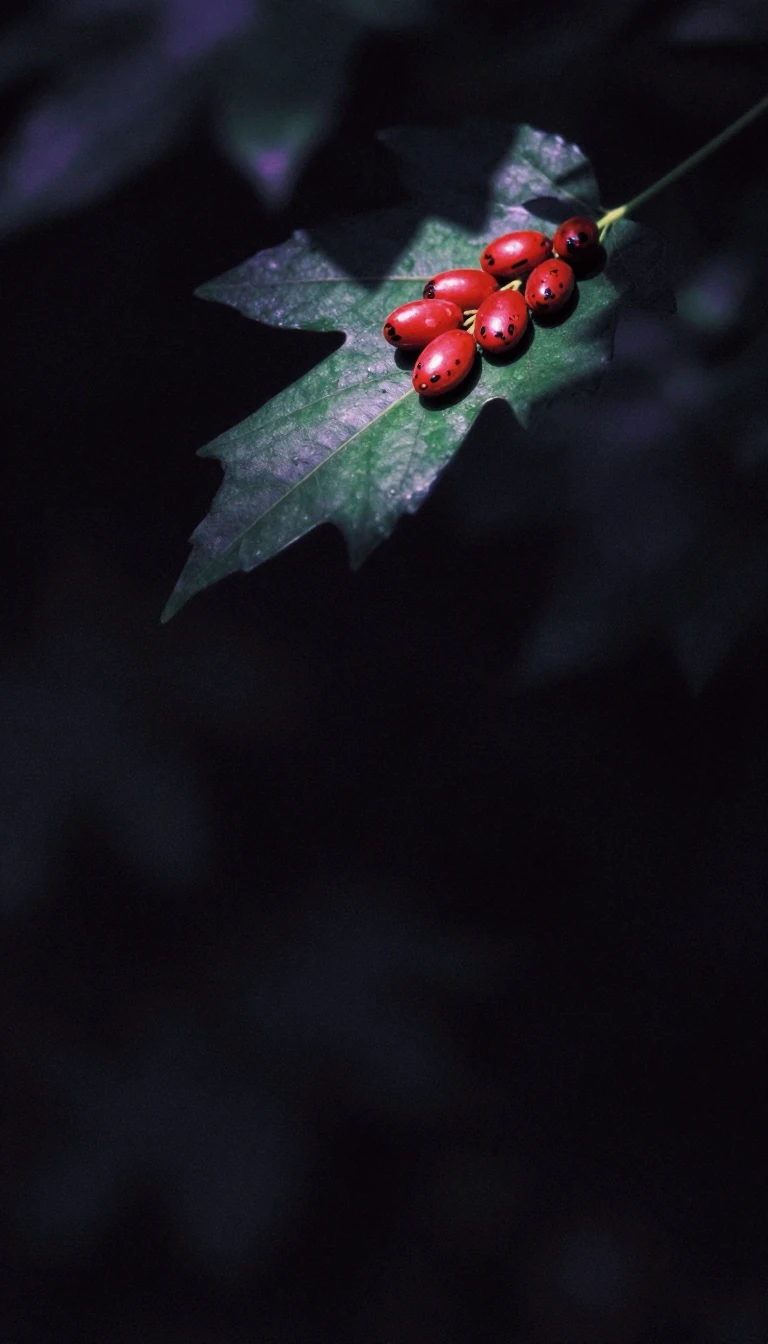 The autumn crocus isn't a crocus, and every species is poisonousAutumn crocus, meadow saffron and naked lady all name Colchicum, a genus that is neither crocus nor saffron. Its bare, crocus-like flowers rise in autumn months before any leaves …
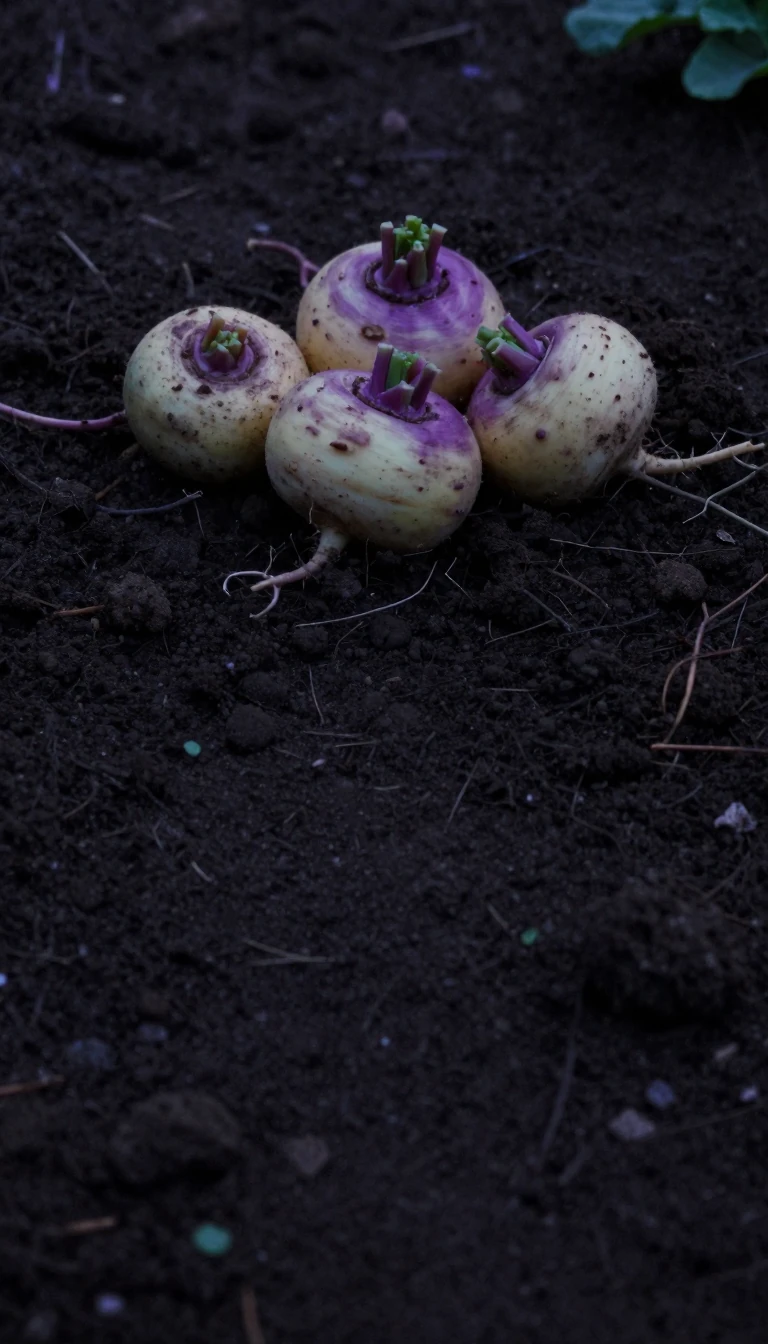 Collards, cabbage and broccoli are the same species wearing different leavesCollard greens belong to Brassica oleracea, the species that also gives us cabbage and broccoli. Collards simply never form a tight head, which helps them shrug off humidity and f…
 Swiss chard is the same species as beetroot, and may not be SwissChard is simply beet grown for its leaves instead of its root, which is why it answers to names like leaf beet, silver beet and perpetual spinach. Nobody is sure where the 'Swiss'…
 Every tree and flower on land grew out of a family of pond algaeCharophytes are humble freshwater green algae, yet land plants evolved from deep within their family tree. That makes oak trees and orchids, in a strict evolutionary sense, highly…
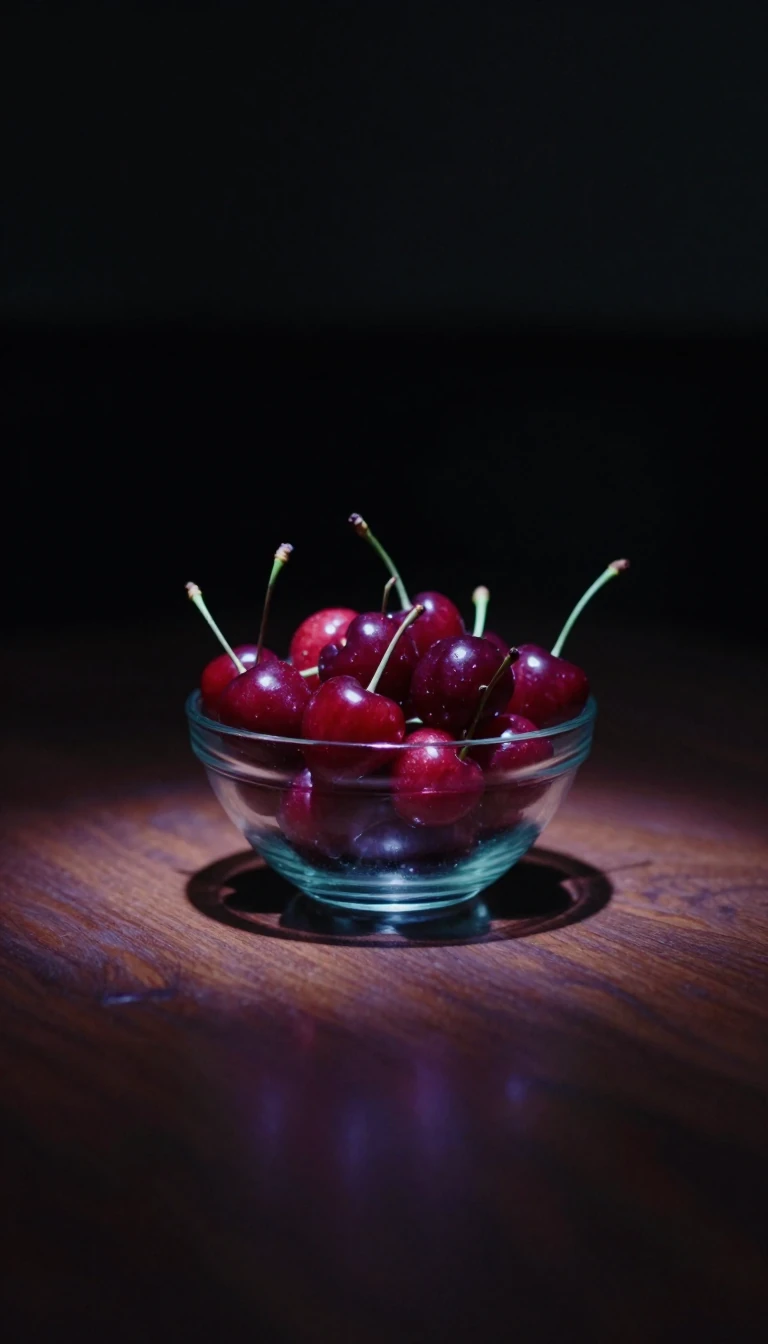 Cherries are named after a Black Sea town and reached England via Henry VIIIThe word cherry traces to Kerasous, near modern Giresun in Turkey, once thought to be where Europe got its first cherries. A Roman general carried a cultivated tree to Rome in 72 …
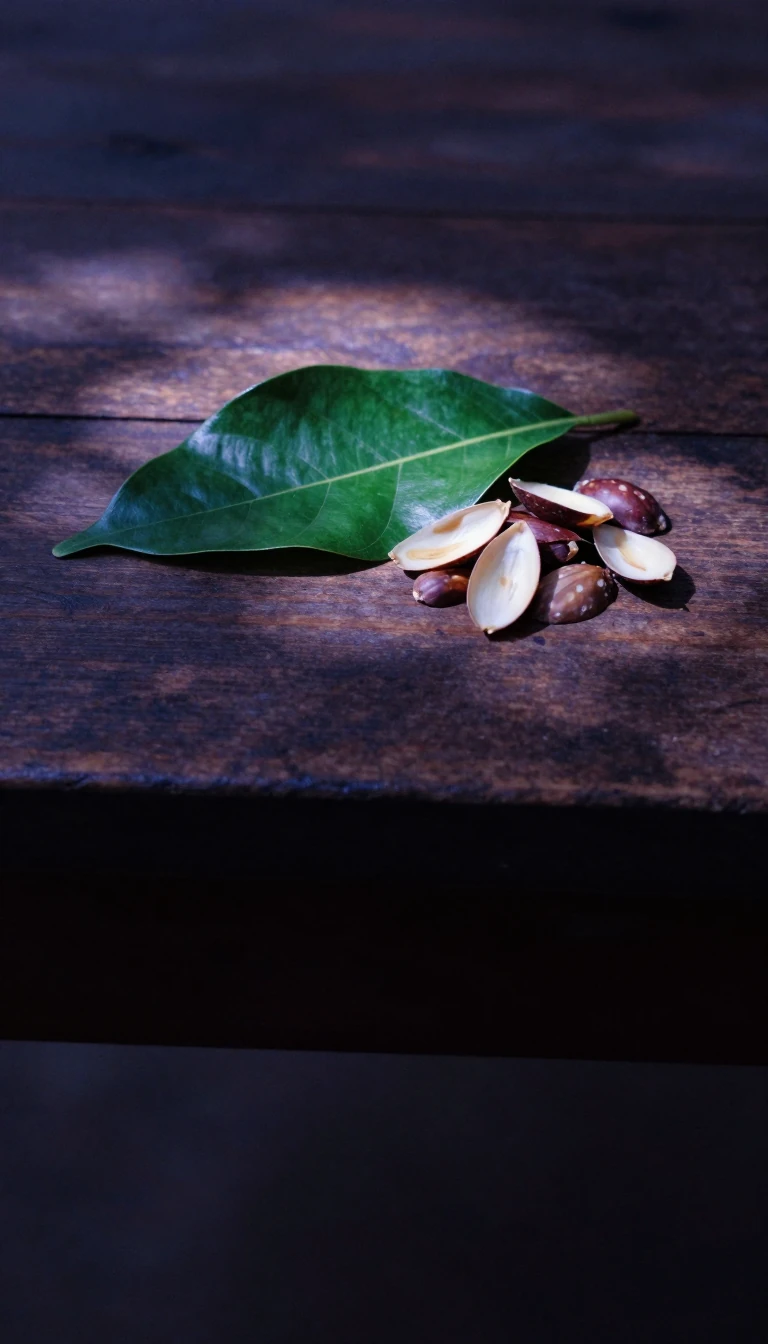 Horse chestnuts, water chestnuts and Brazil nuts are not chestnuts at allOnly trees of the genus Castanea, cousins of oaks and beeches, bear true chestnuts. Horse chestnuts are mildly poisonous lookalikes, water chestnuts are sedge tubers, and Brazil n…
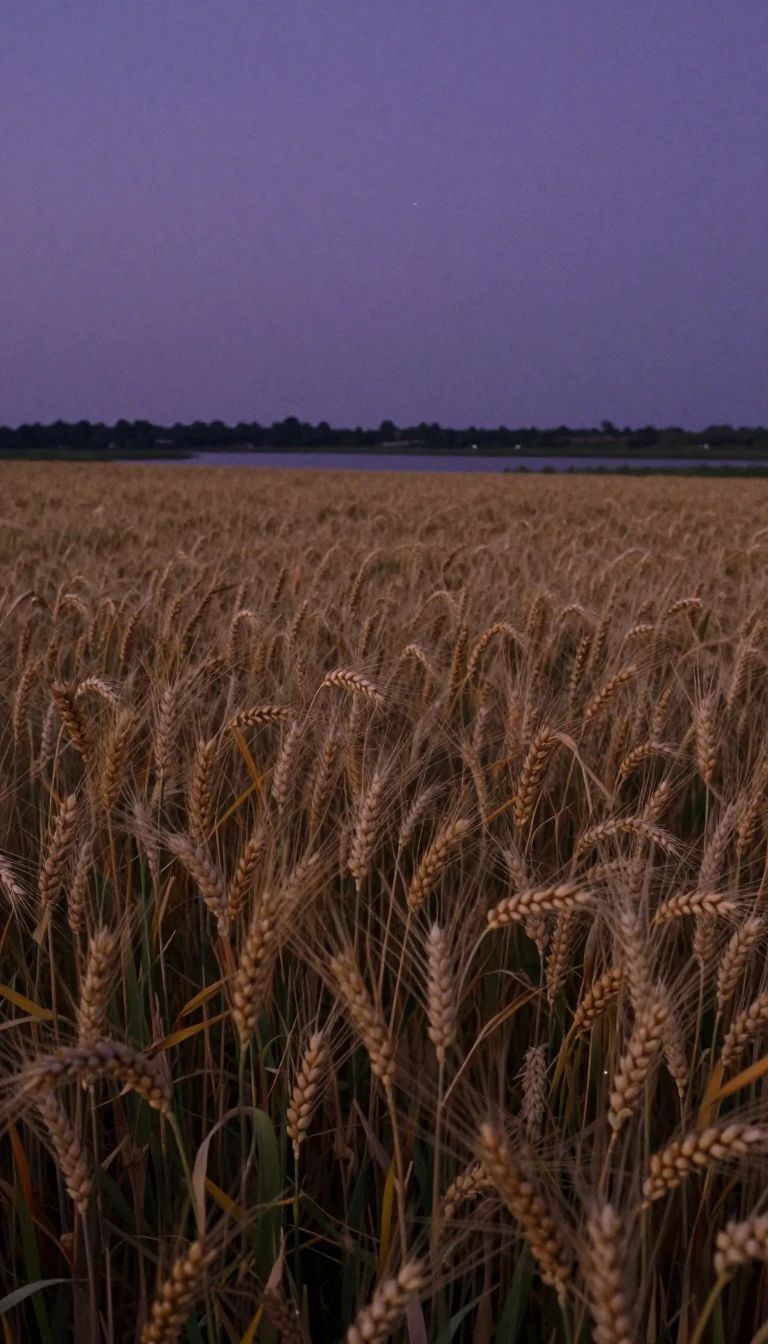 Chickpeas were named for looking like a ram's headThe chickpea's Latin species name, arietinum, comes from the seed's resemblance to a ram's head, a likeness noted by Theophrastus, Columella and Pliny. Domesticated around 10,000 …
 Belgian endive is a chicory root forced to sprout in total darknessThe pale, bitter heads called witloof, 'white leaf', grow from harvested chicory roots left to sprout indoors without light, which keeps the leaves from turning green or opening. …
 Thirsty chili plants make hotter peppersChili heat comes from capsaicin, a colourless, odourless waxy compound. How much a pepper makes depends partly on hardship: water-stressed plants usually yield fiercer fruit, and …
 Green algae fix over a billion tons of carbon a yearChlorophytes range from single swimming cells to seaweeds on rocky shores, and as phytoplankton they lock away more than a billion tons of carbon annually. One species colours alp…
- The canna's showy 'petals' are really transformed stamensCanna lilies are not lilies at all but cousins of gingers and bananas. Their blazing red and orange blooms are mostly modified stamens, while the true petals hide underneath. Belo…
 Capuchin monkeys have been cracking nuts with stone tools for 3,000 yearsCapuchins carry the largest brain relative to body size of any primate besides us, and they use it. Wild groups pick hammer stones by weight, place nuts on stone anvils and strike…
 The world's largest rodent can stay underwater for five minutesCapybaras weigh as much as an adult person, swim superbly and hide beneath the surface for up to five minutes. They are so relaxed that birds ride on their backs hunting insects. …
 Carrots never gave pilots night vision; radar did, and wartime propaganda hid itDuring the Second World War, Britain spread the story that carrots helped its pilots see in the dark. It was cover for the real secret, radar. The vegetable itself has a stranger …
- The cashew nut grows outside its fruit, wrapped in a poison ivy relative's oilA cashew hangs beneath a fleshy, pear-shaped 'apple' that is not truly the fruit at all. The real fruit is the kidney-shaped shell, and it carries an irritant chemically related t…
- Cauliflower is a flower head frozen before it could bloomThe white 'curd' we eat is a dense mass of undeveloped flower buds, an arrested inflorescence that arose around 2,500 years ago. Genomic work suggests it branched off from broccol…
 Cedar has been prized timber since the days of GilgameshNo conifer has a longer record of human use than the true cedar. For over 4,000 years its fragrant, rot-resistant wood built temples and palaces. Genetic studies now confirm that …
 Celery was once a winter remedy against scurvy and an Egyptian funeral garlandBefore it became a diet snack, celery decorated ancient Egyptian funeral garlands and was grown as a cold-season cleanser for people living on salted meat. Its name appears in Lin…
 Most 'chanterelles' in French markets may not be the species people thinkChefs rank the golden chanterelle alongside truffles and morels. Yet DNA work keeps splitting what looked like one mushroom into many, and French specialists Eyssartier and Roux s…
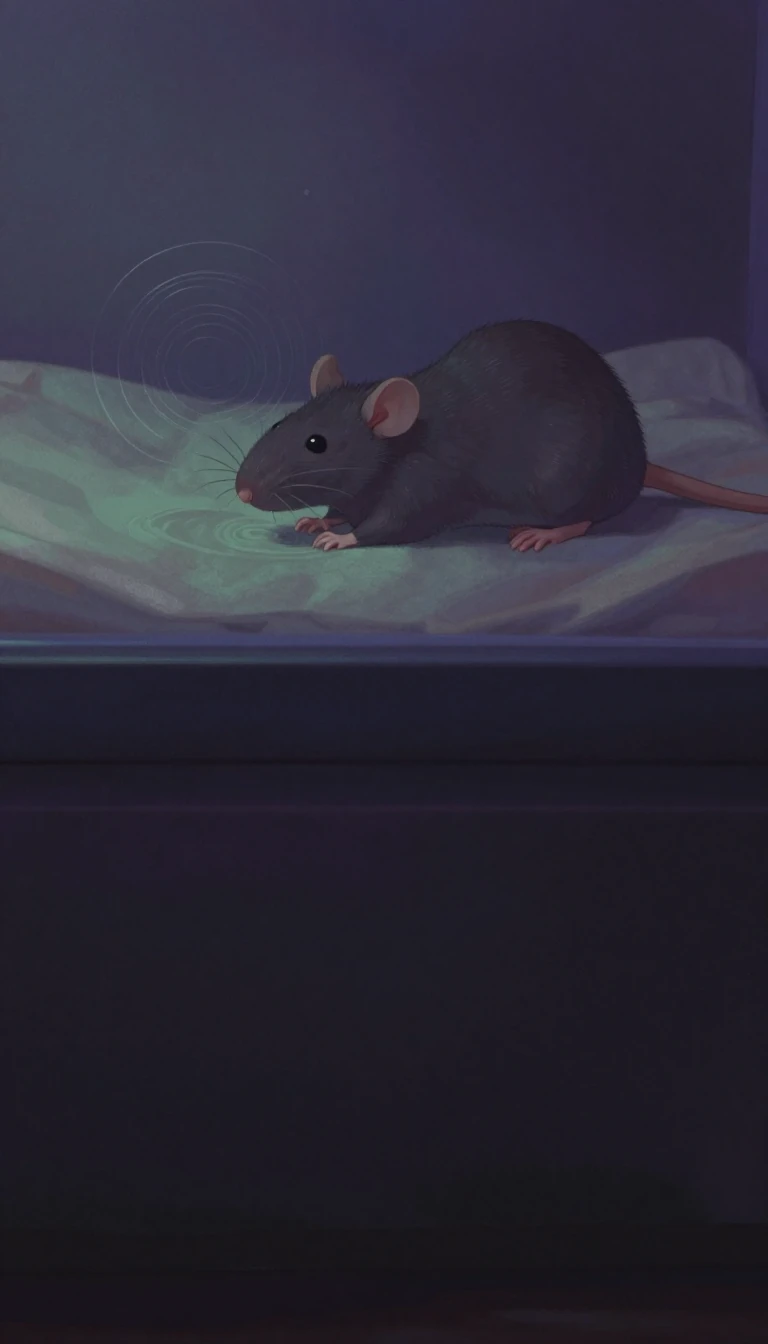 The Norway rat isn't from Norway, and it chirps with delight when tickledThe brown rat's scientific name means Norwegian rat, a mistake popularised by an 18th-century English naturalist. It actually came from northern China. Tickle one and it emits ult…
 In mosses, the plant you see is the half-chromosome generationEvery land plant alternates between two generations, one with a single set of chromosomes and one with two. Trees and ferns put the double-set phase in charge. Mosses, liverworts …
- Buckwheat isn't wheat, isn't a grass, and is closer to rhubarbDespite the name, buckwheat is no cereal. It belongs to the knotweed family alongside sorrel and rhubarb, and its name compares its three-sided seeds to beech nuts. First farmed i…
- Cabbage literally means head, and the record one weighed over 62 kilogramsThe word cabbage comes from caboche, an old Picard French word for head. Most heads weigh half a kilo to a kilo, but under the long summer days of high northern latitudes they bal…
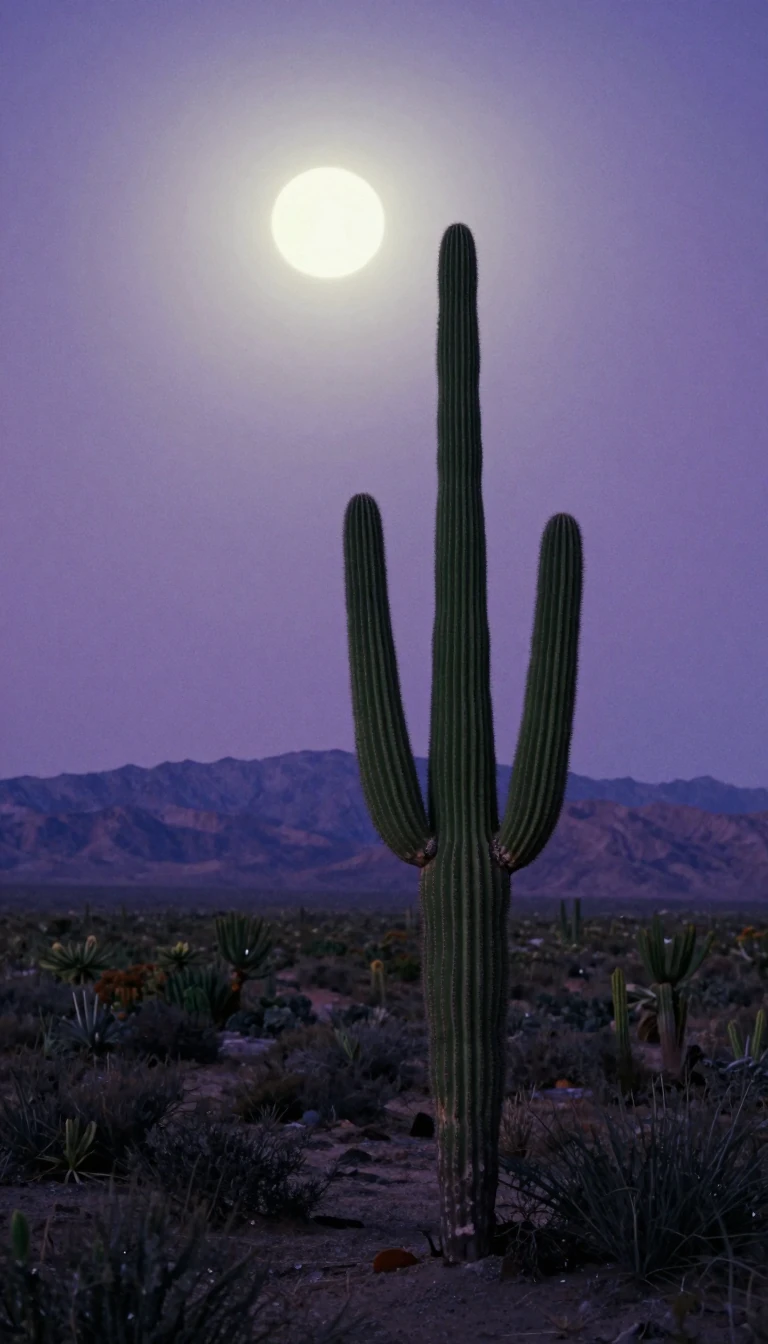 Cactus ribs often come in Fibonacci numbers, and there's a reasonCount the ribs on a cactus and you will often land on a Fibonacci number: 3, 5, 8, 13, 21. Those pleats let the stem swell after rain and shrink during drought, like an accordion.…
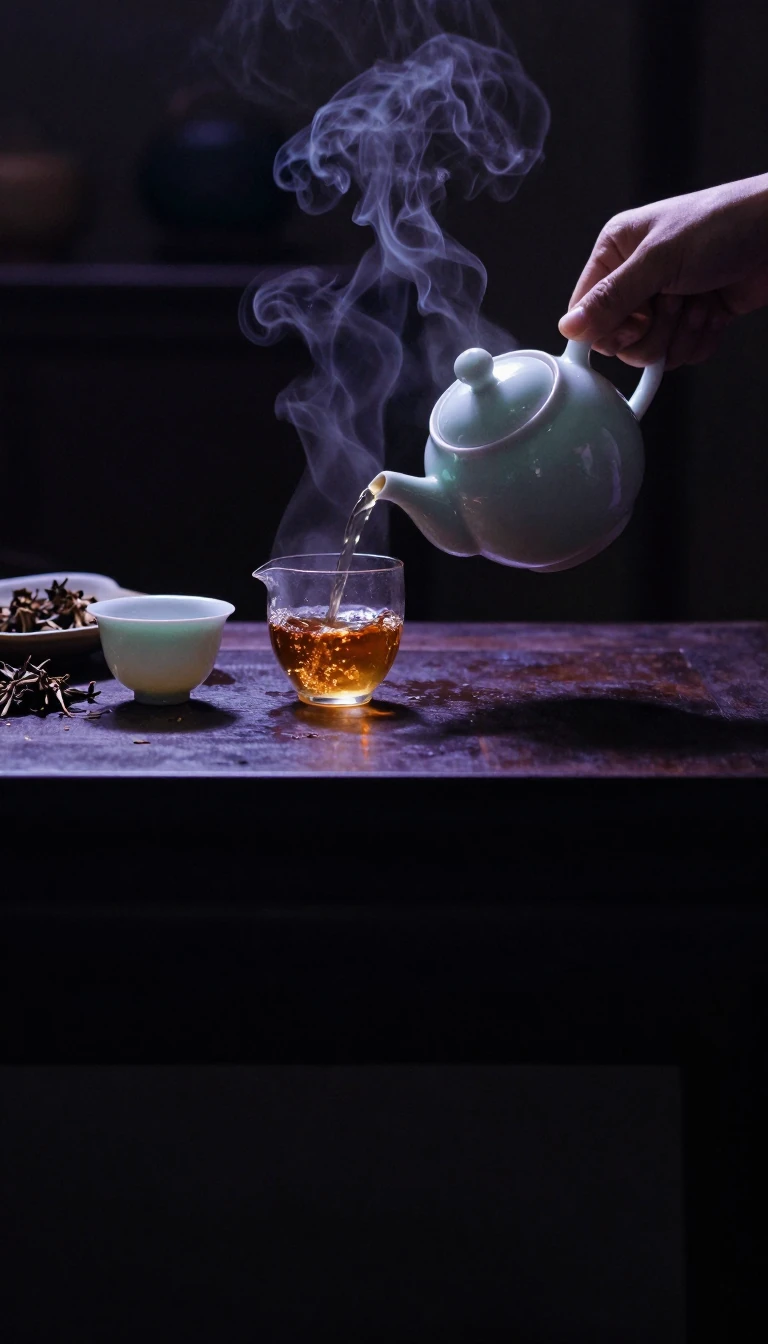 Your cup of tea and the camellia in the garden are close cousinsTea comes from the leaves of Camellia sinensis, a sibling of the showy garden camellias. In the 1840s those blooms were the luxury flower of Europe, and a Parisian courtesan famou…
 The bellflower family builds pollen pumps and has lizards as pollinatorsHarebells and lobelias look modest, but their family is inventive. Some push pollen out of a tube like a piston, presenting it to visitors. In Hawaii the family evolved palm-like …
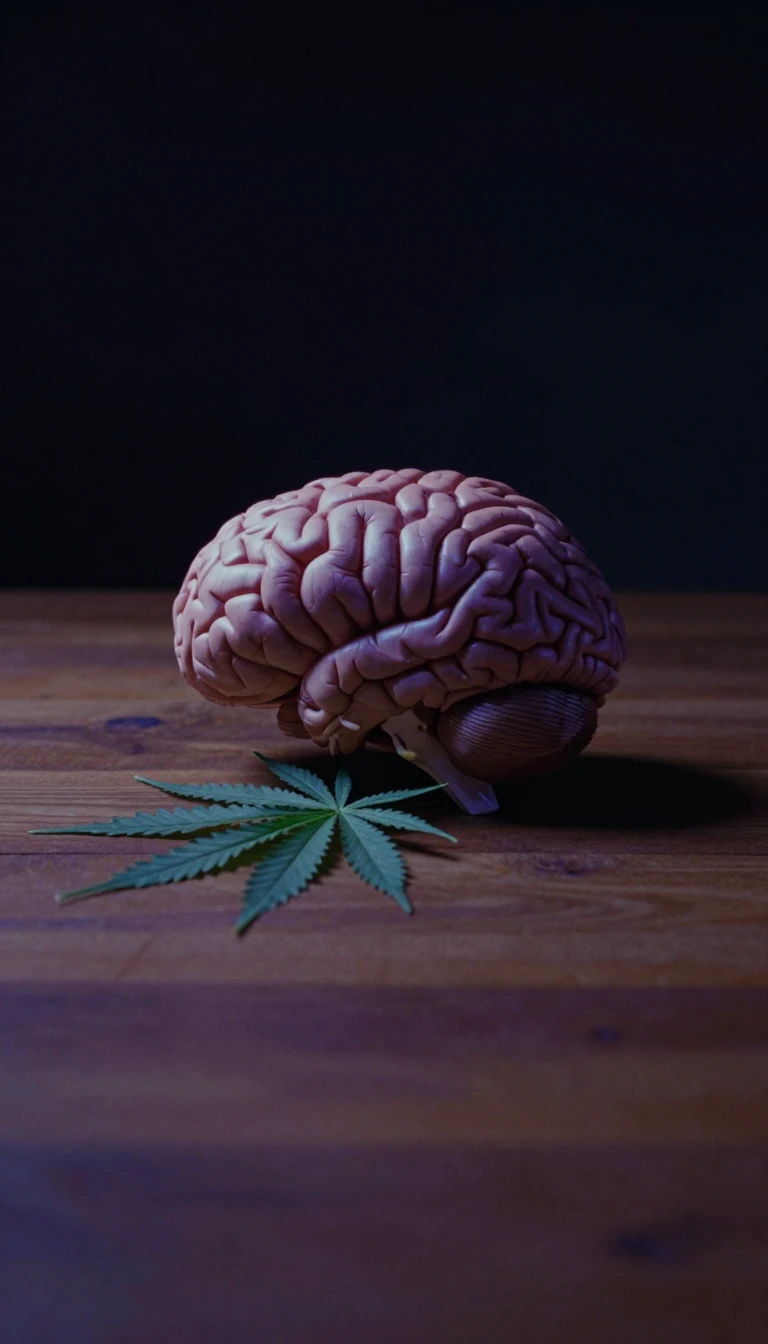 Cannabis has one of the plant world's most tangled ways of deciding sexMost cannabis plants are either male or female, a rarity among flowering plants. Yet scientists have argued for a century over how that sex is set. Chromosomes play a part, but so…
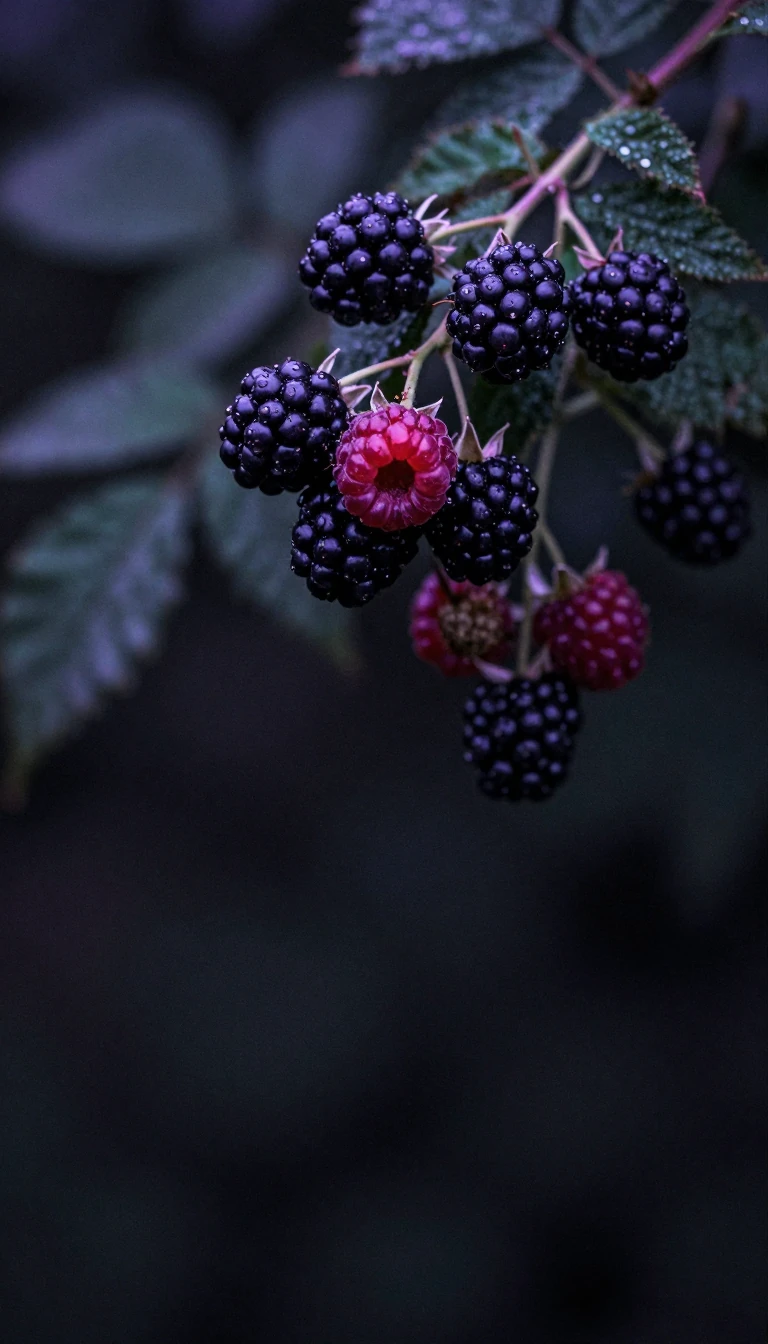 America banned the blackcurrant for decades to protect its pine forestsBlackcurrants are a European staple for juice, jam and cassis, yet for much of the 20th century the United States outlawed growing them. The shrub hosts a rust fungus that barely …
- Cultivated blueberries exist because one New Jersey woman paid locals for wild bushesA century ago, blueberries were a wild crop. Then Elizabeth Coleman White, daughter of a cranberry grower in the New Jersey Pine Barrens, offered cash for wild bushes with unusual…
 The porcini mushroom defies farming and once had a Swedish king as fanPorcini, ceps, penny buns: one prized mushroom with dozens of names, from squirrel's bread in Dutch to belly in Mexican Spanish. It can grow a cap wider than a dinner plate, yet i…
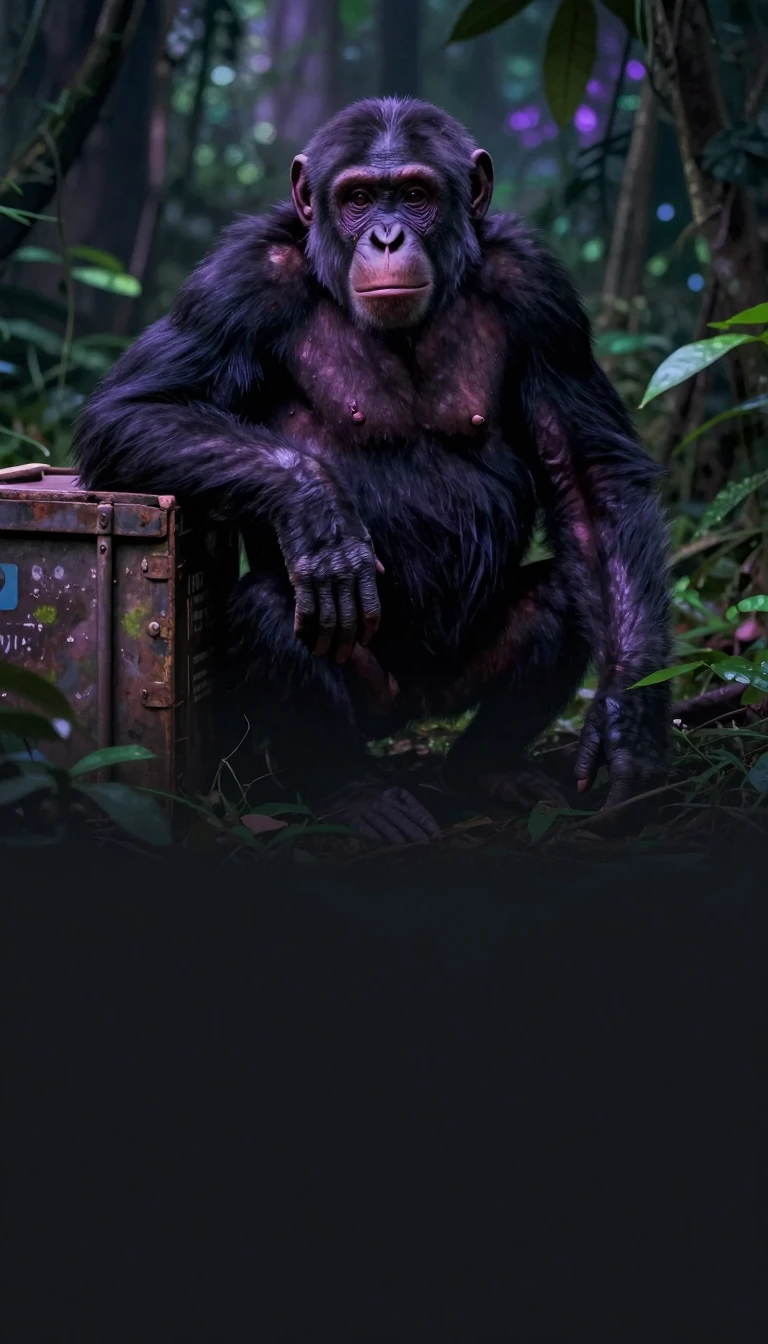 The bonobo's name probably comes from a misspelled shipping crateOne of humanity's two closest living relatives was named by accident. Bonobo is thought to be a garbled spelling of Bolobo, a Congo River town stencilled on a crate. And the old l…
- Cabbage, broccoli, kale and cauliflower are all one species wearing different outfitsThe mustard family gives us cabbage, kale, cauliflower, broccoli and collards, and all of them are cultivated forms of the single species Brassica oleracea. The family's sharp bit…
 Brazil nuts depend on big wild bees and a rodent that forgets its stashAlmost every Brazil nut sold comes from wild Amazon trees, because plantations barely produce. The flowers can be opened only by large-bodied bees that vanish when forest is distu…
 The Bounty voyage was a mission to carry breadfruit across the worldWilliam Bligh's ill-fated voyage on HMS Bounty had a botanical purpose: fetching breadfruit from Tahiti to feed enslaved workers in British Caribbean colonies. That attempt failed…
 Broccoli is a bouquet of unopened flowers, and machines still can't pick itEvery broccoli head is a dense cluster of flower buds harvested before they bloom yellow. Its name comes from an Italian word for a cabbage's flowering crest, it was shaped by Rom…
 One bromeliad's water tank held a frog, an ant colony and a centipedeMany bromeliads grow leaves in a tight rosette that forms a natural tank holding up to 10 litres. These pools become miniature ecosystems. One was found housing a small frog, an a…
 Giant kelp isn't a plant, and its closest kin are microscopicBrown seaweeds such as giant kelp can top 50 metres, the largest algae on Earth, forming undersea forests rich in life. Yet they are not related to plants or to green and red seaw…
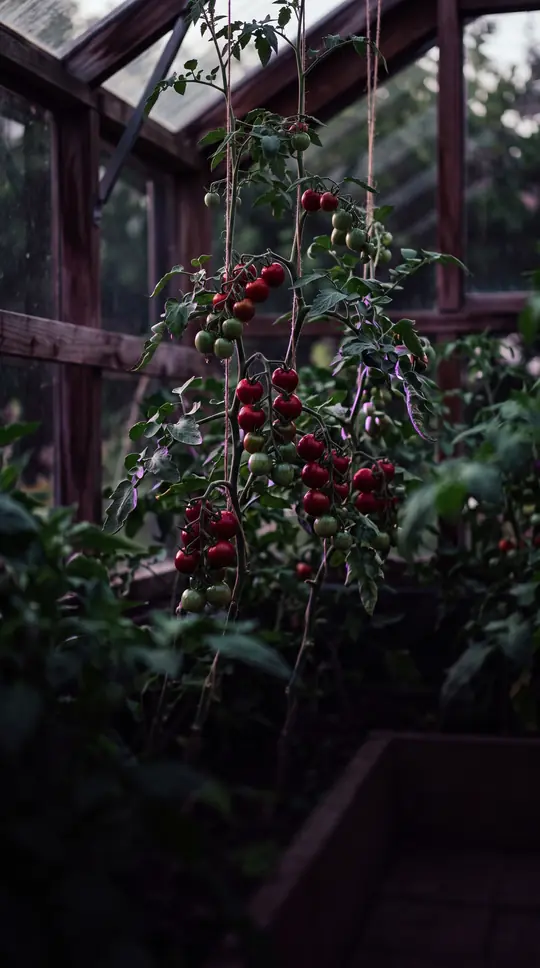 Black, white and green pepper all come from one climbing vineThe pepper in your grinder is the dried fruit of a woody vine from South Asia. Pick it unripe and scald it, and it turns black and wrinkled. Soak ripe berries for a week and strip…
- A blackberry isn't a berry, and it keeps a core raspberries loseBotanically, a blackberry is a cluster of tiny stone fruits, not a berry at all. What separates it from a raspberry is the core: pick a raspberry and the central stem stays on the…
 Beetroot was first farmed for its leaves, not the purple rootEarly farmers in the ancient Middle East grew beet for its greens; the swollen root came later, probably by Roman times. Since then it has tinted 17th-century wine, cured garlic b…
- A red bell pepper is just a green one left to ripenGreen, yellow and red peppers in a stoplight pack are often the same plant at different ages; reds are simply ripened greens. The bell pepper is botanically a berry, borrowed a sp…
- The word daisy began as day's eye, for a flower that sleepsThe common lawn daisy shuts its whole head at night and opens again at dawn, which is probably how it got its name: day's eye. Chaucer called it the eye of the day. Its flowers al…
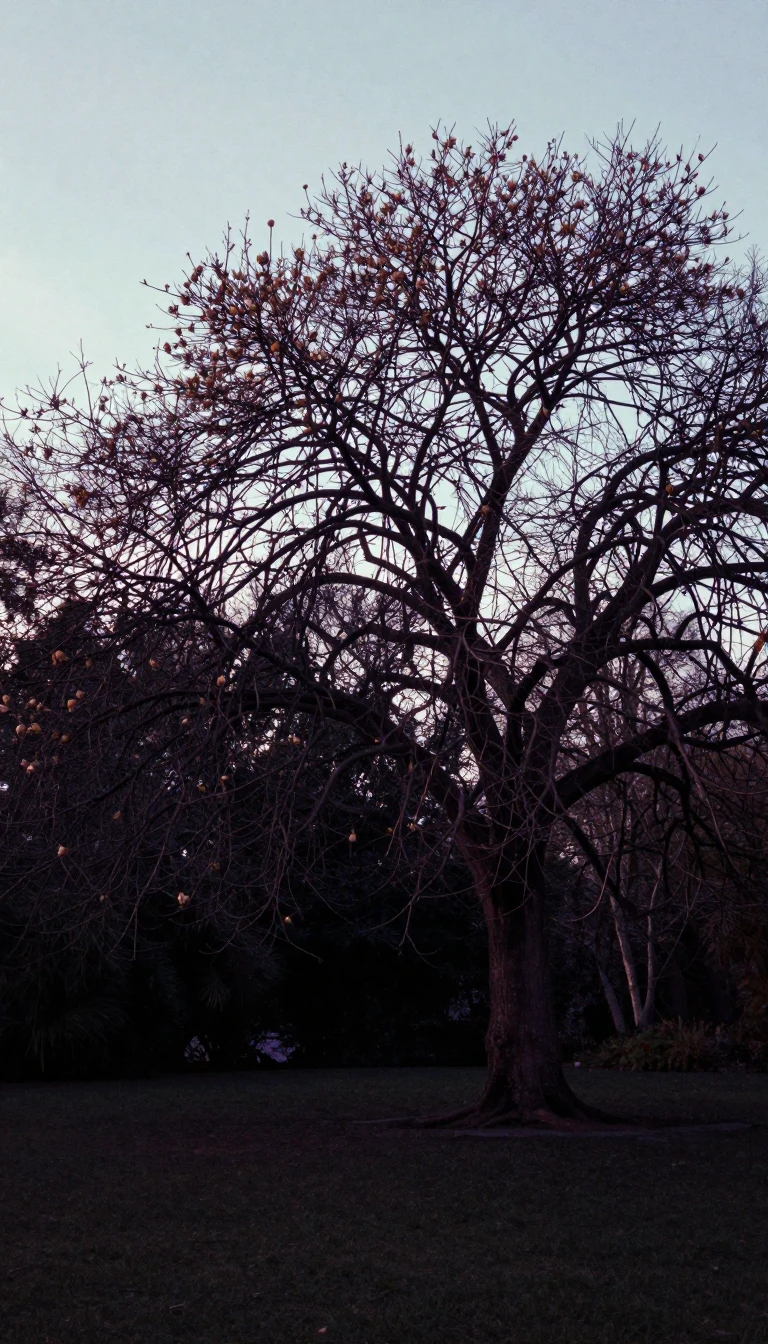 Birches are fast-living pioneers whose catkins shatter to release seedsBirches are among the first trees to colonise open ground across the northern world, and most do not live long. Their bark peels in papery sheets and gives species their names: si…
 About 43,000 bacterial species have names, yet most remain unstudiedEarth holds an estimated two million trillion trillion bacteria, a living mass second only to plants. They were among the first life on the planet. Yet science barely knows them: …
 Some bamboo shoots out almost a metre in a single dayBamboo is a grass, yet its giants reach 46 metres and weigh up to 450 kilograms. Certain species add 91 centimetres in a day, about a millimetre every 90 seconds. Stranger still, …
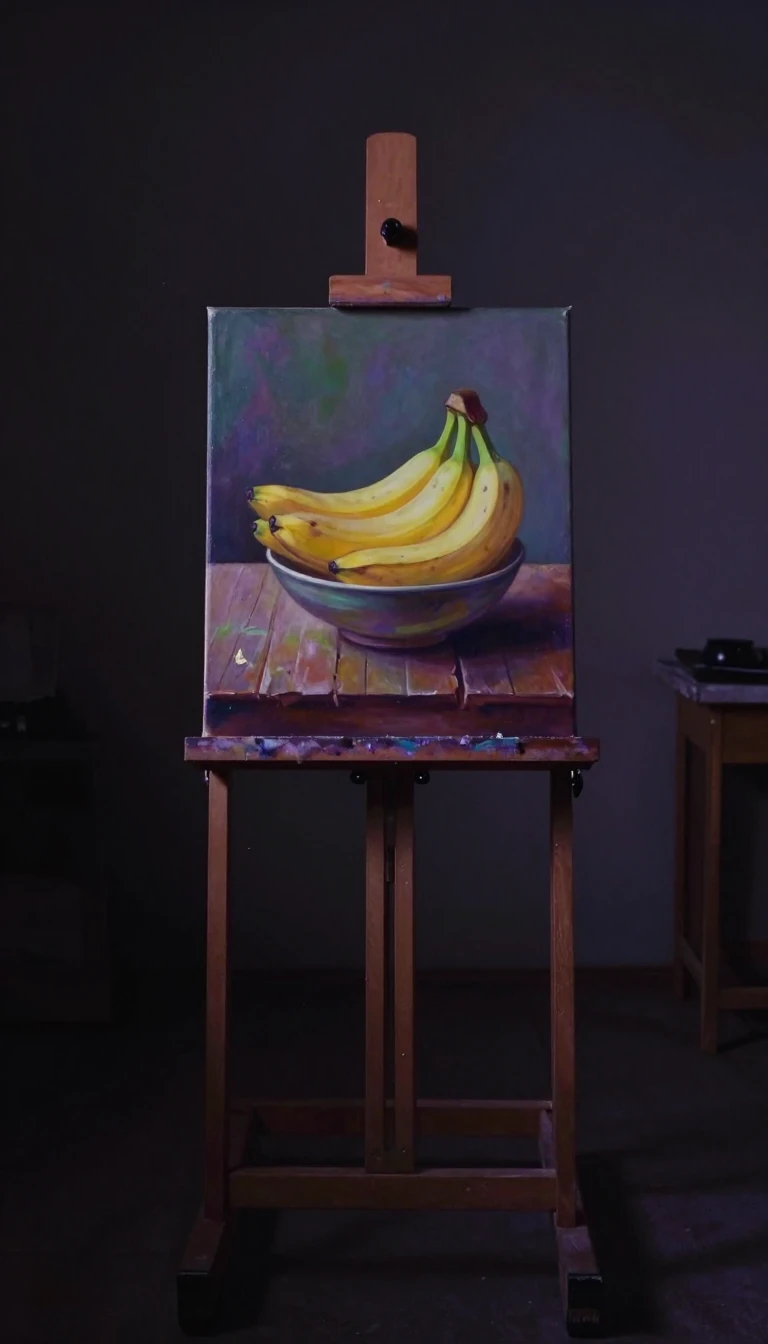 The banana plant has no trunk and is technically a giant herbWhat looks like a banana tree is the largest herbaceous flowering plant on Earth, standing on a false stem of tightly rolled leaf sheaths. Its seedless fruit is botanically a berr…
- The English word barn originally meant a store for barleyBarley was among the first grains humans ever farmed, domesticated in the Fertile Crescent around 9000 BC. It fed Mycenaean workers, flavoured a sacred drink at Eleusis and gave E…
- Mushroom fungi have no males or females, only compatible partnersChanterelles, puffballs, bracket fungi, crop-ruining rusts and a yeast that infects people all belong to one fungal division. Their shared signature is a club-shaped cell that fir…
 Basil's name means the royal plant, perhaps from kingly perfumesBasil's name traces to a Greek phrase for a kingly herb, possibly because it went into royal perfumes, and the French still call it the royal herb. The clove note in sweet basil c…
- Europe had beans for millennia before the ones most people eat todayThe word bean was in West Germanic speech before the 12th century, naming broad beans and chickpeas. Then the Columbian exchange delivered Phaseolus, the American genus behind mos…
 Beavers were hunted almost to extinction, then bounced back as ecosystem engineersBy felling trees and damming streams, beavers create whole wetlands that many other species depend on, which is why ecologists call them a keystone species. Fur, meat and a scent …
 The English word book may grow from the beech treeOld English boc, German Buche and Swedish bok all meant both beech and book, a link often explained by early runic tablets carved from beech wood. The tree's Latin name, fagus, ev…
 Truffles, baker's yeast and penicillin all come from the sac fungiThe biggest group of fungi, with more than 64,000 species, gives us bread, beer, cheese and antibiotics. It also contains rice blast, ergot and Candida, plus Cordyceps, a genus th…