 Intellect Plus
Nature
11,198 cards. Each one is a 40-second story with a five-minute read behind it. Page 177 of 187.
Subtopics: Ageing · Air · Animal behaviour · Animal breeds and hybrids · Animals · Arthropods · Atmosphere · Big cats · Bilateria, others · Birds · Botany · Cnidarians · Conservation · Coral reefs · Deep sea · Deserts · Dinosaurs · Earth science · Earth science and physical geography · Earth science basics · Earthquakes & tsunamis · Echinoderms · Ecology · Ecosystems · Endangered species · Extinct animals · Farming · Fish · Forests · Fungi · General classifications · Geology · Geomorphology · How Long Can It Live? · Ice · Individual animals · Insects · Lightning · Longevity · Mammals · Marsupials · Migration · Mollusks · Ocean · Organisms · Parasites · Physical geography · Plants · Porifera · Predators · Primates · Rainforest · Reptiles & amphibians · Researched · Sharks & rays · Spiders & arachnids · Symbiosis · Trees · UK & Ireland: nature · Vertebrates · Vision · Volcanoes · Water · Waves · Weather · Whales & dolphins · Zoology
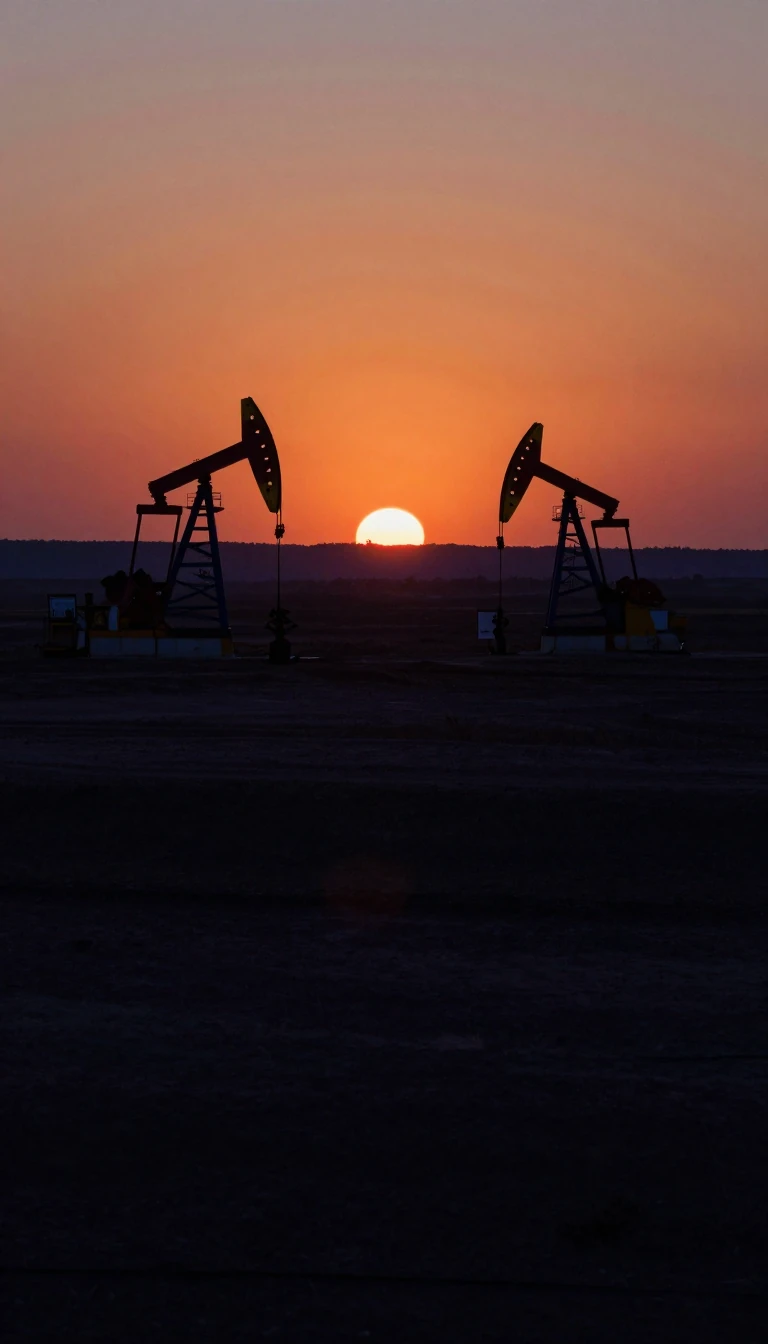 An oval basin named for the Mexica holds vast oil shelvesThe Gulf of Mexico is an Atlantic marginal sea cupped by the U.S. Gulf Coast, Mexican states from Tamaulipas to Quintana Roo, and Cuba. The oval basin spans about 1.6 million squa…
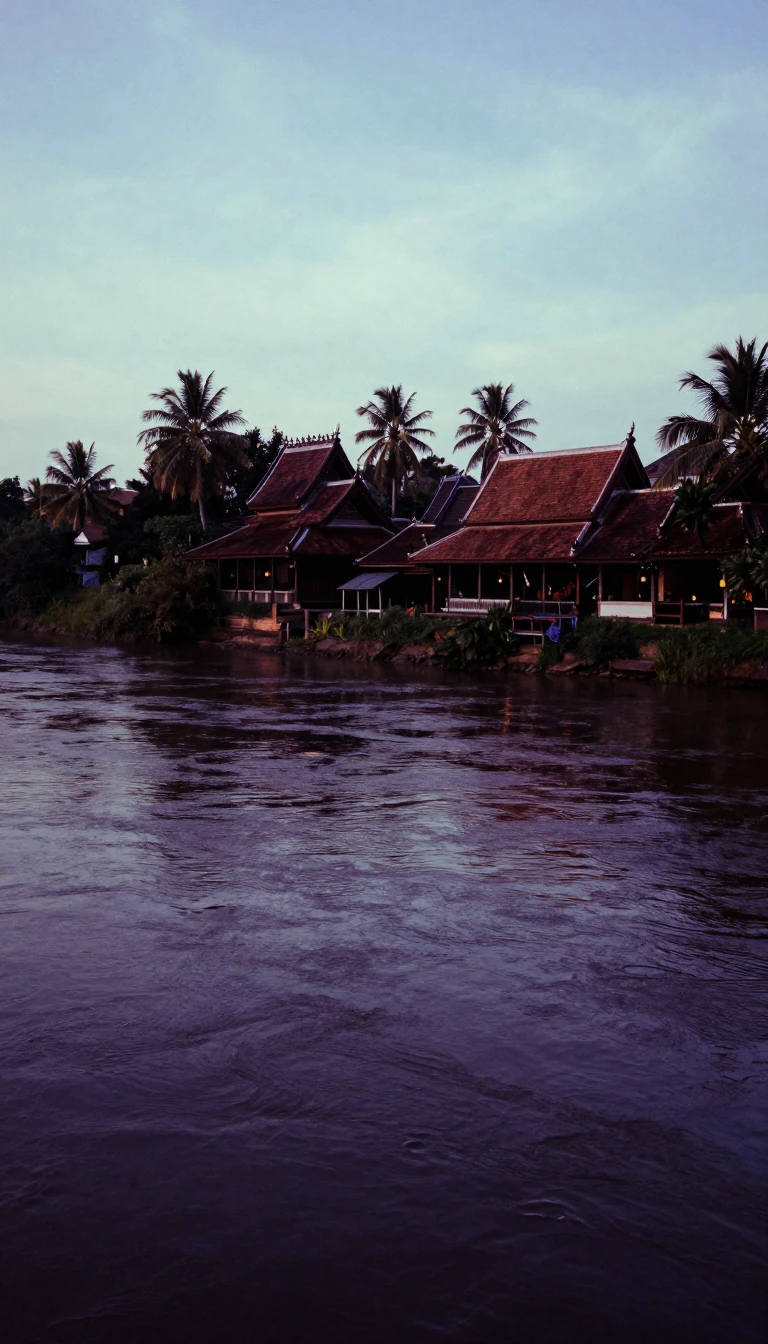 Siam’s shallow gulf kept a phantom Dragon Tail off mapsThe Gulf of Thailand—once the Gulf of Siam—is a shallow South China Sea inlet between mainland Southeast Asia and the Malay Peninsula, about 800 kilometres long, up to 560 wide, a…
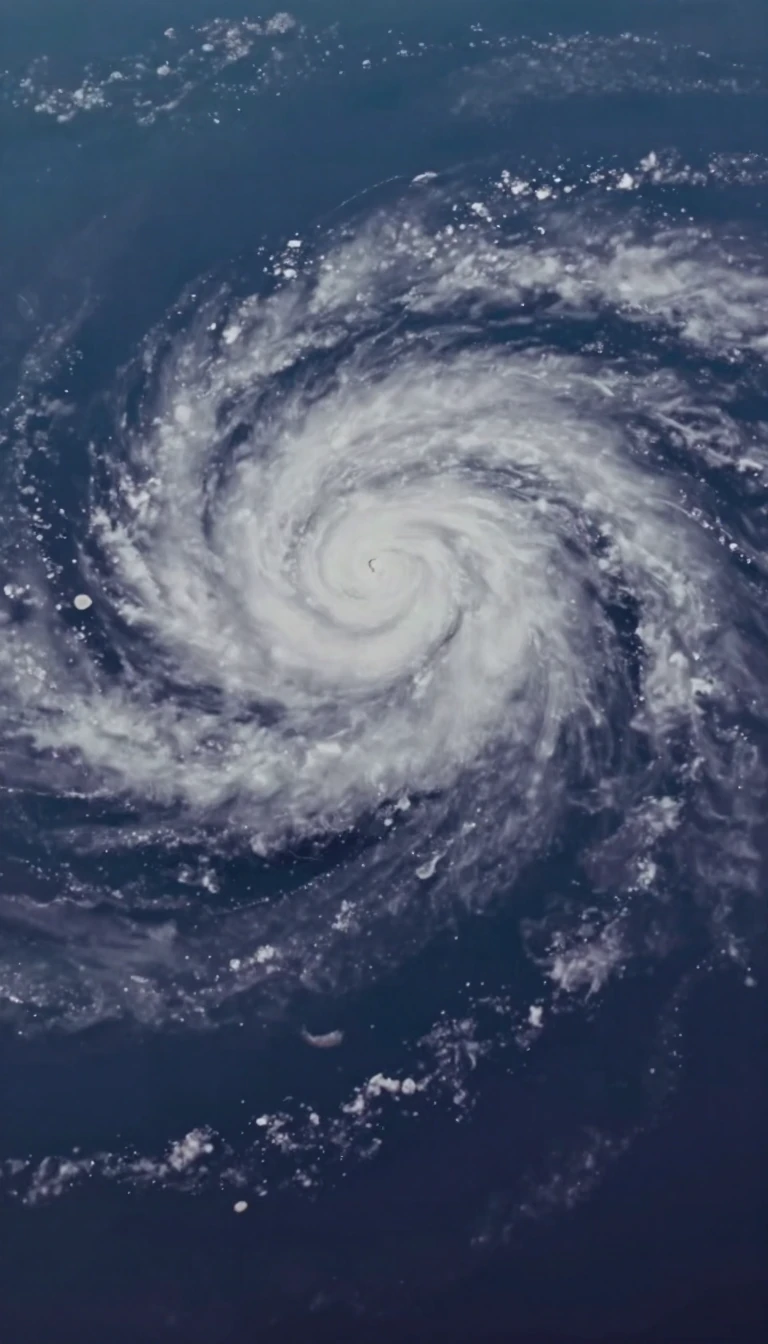 A Florida current Franklin mapped still warms Northwest EuropeThe Gulf Stream is a swift, warm Atlantic current born in the Gulf of Mexico, squeezing between Florida and Cuba and then running north along the U.S. East Coast before turning ea…
 Sanskrit’s “abode of snow” holds a hundred peaks over 7,200 metresThe Himalayas separate the Indian subcontinent’s plains from the Tibetan Plateau and host Earth’s highest summit, Everest, plus more than one hundred peaks above 7,200 metres. The…
 Ibn Battuta first wrote the name that may mean “Hindu-killer”The Hindu Kush runs about 800 kilometres across Afghanistan into northwestern Pakistan and a corner of Tajikistan, west of the Himalayas. Tirich Mir, at 7,708 metres, caps a range…
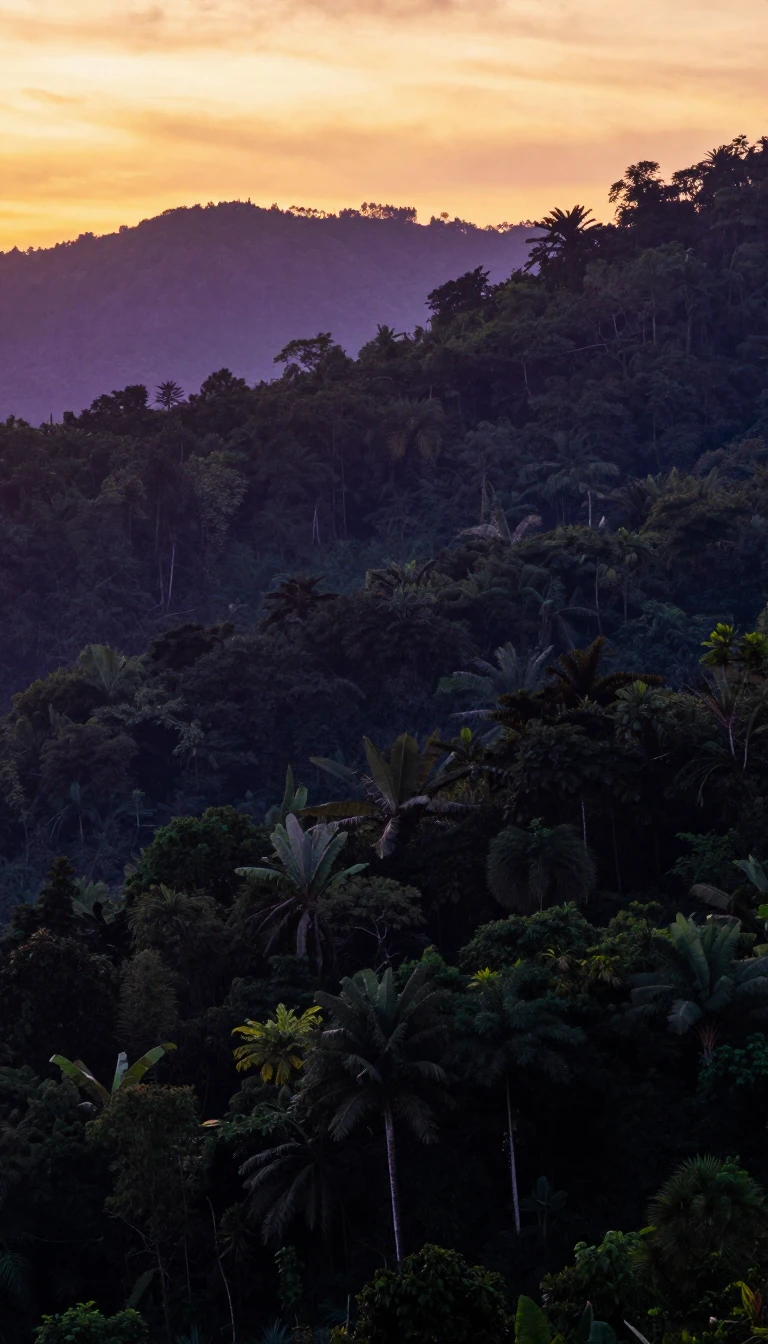 One Caribbean island held Europe’s first American townsHispaniola, between Cuba and Puerto Rico in the Greater Antilles, is the West Indies’ most populous island and second-largest after Cuba—about 76,192 square kilometres split betwe…
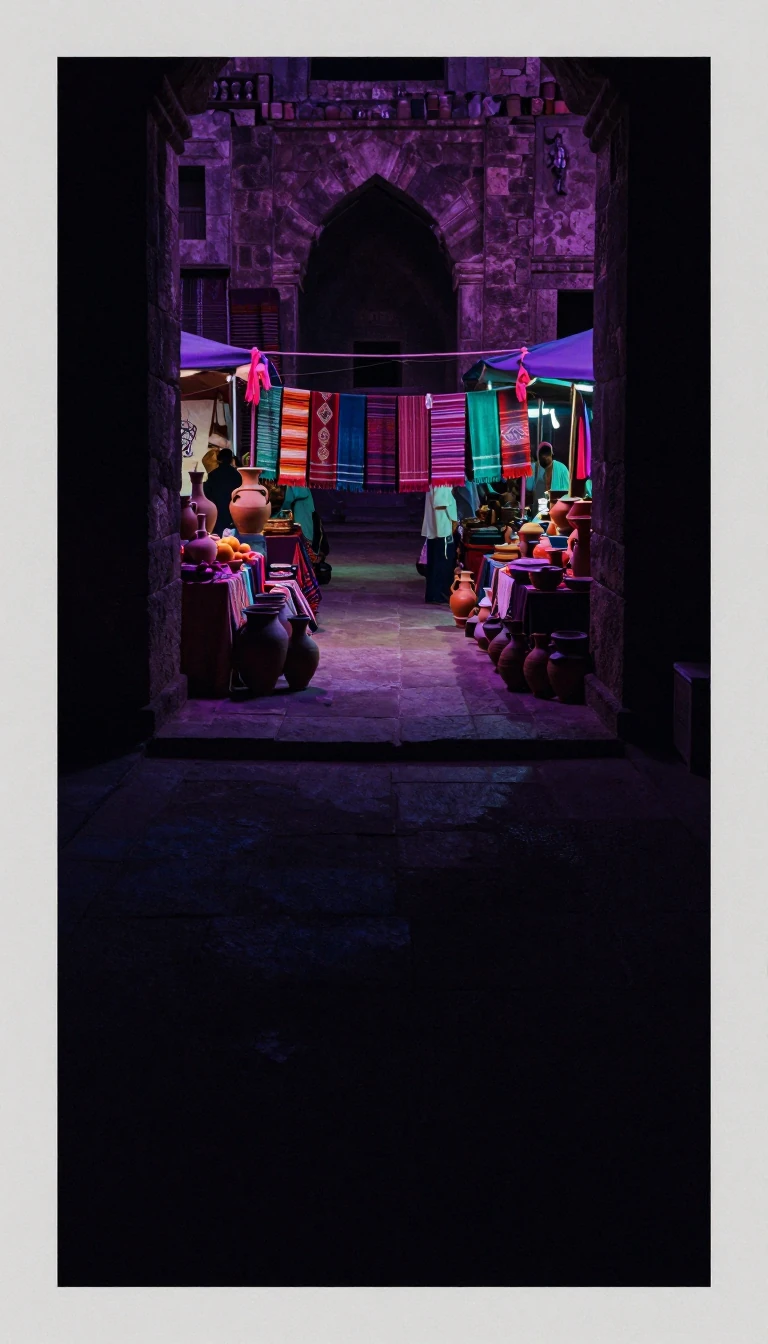 Africa’s eastern horn was Rome’s land of aromaticsThe Horn of Africa—also the Somali Peninsula—is mainland Africa’s easternmost projection and the world’s fourth-largest peninsula. Geographically it comprises Somalia, Djibouti, E…
 The world’s second-largest “bay” built a fur empireHudson Bay covers about 1,230,000 square kilometres of northeastern Canadian saltwater—politically all Nunavut even though its long shores also touch the provinces of Manitoba, On…
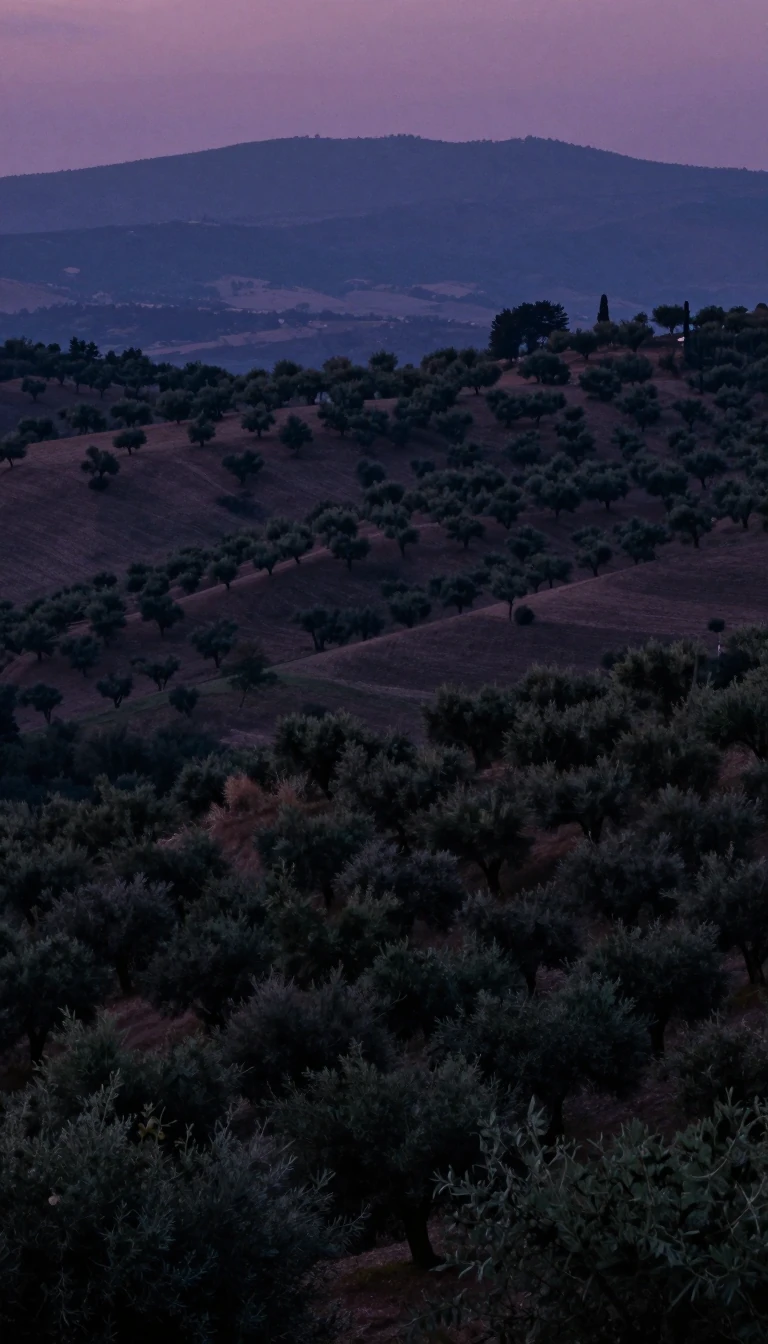 The Ebro’s name still defines southwestern Europe’s peninsulaThe Iberian Peninsula—Iberia—juts from southwestern Europe behind the Pyrenees, packing Peninsular Spain, continental Portugal, Andorra, Gibraltar, and a sliver of France into abo…
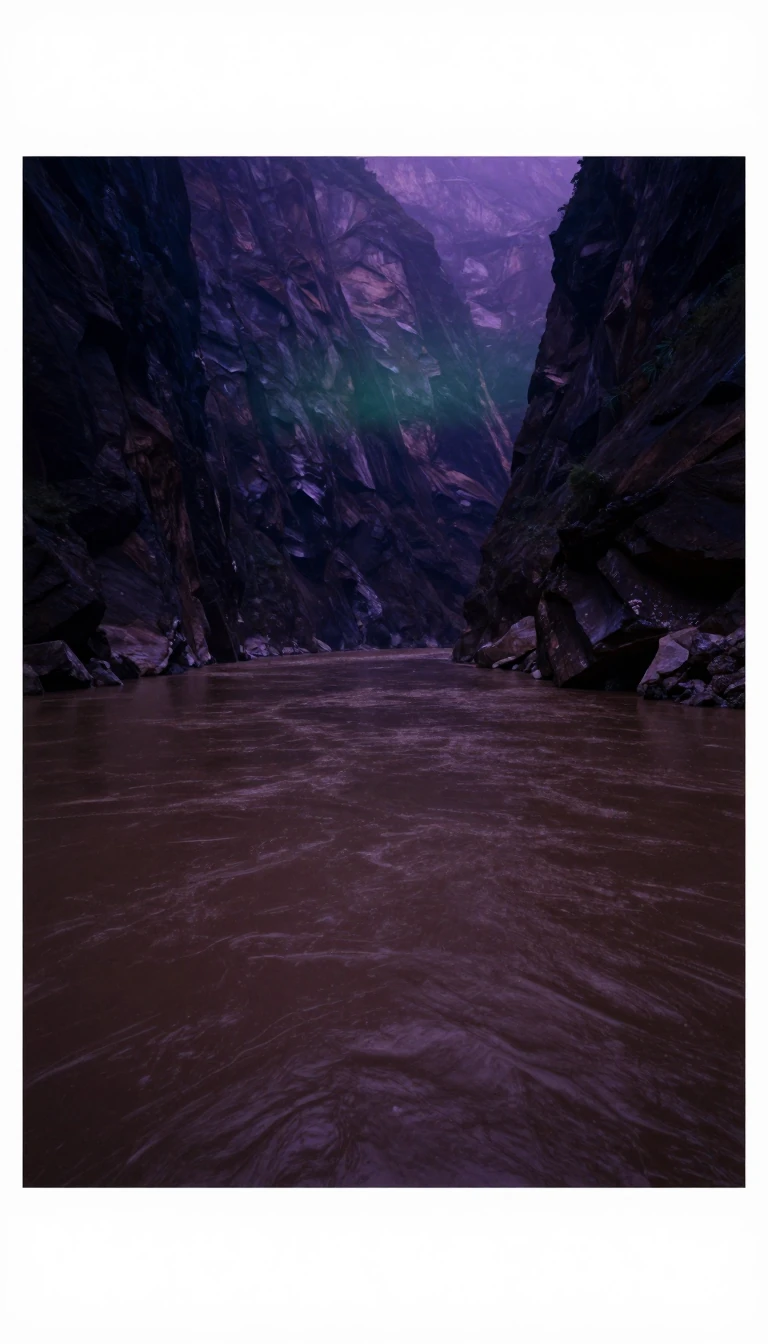 A reversed-J of basalt is Earth’s largest waterfall systemIguazú Falls—or Iguaçu—span the Iguazu River between Argentina’s Misiones and Brazil’s Paraná as the world’s largest waterfall system. Guarani or Tupi y (“water”) plus ûasú (“big”…
 Earth’s youngest ocean still carries India’s name west and eastThe Indian Ocean, third-largest of five oceanic divisions, covers about 70,560,000 square kilometres—roughly twenty percent of Earth’s water surface—between Asia, Africa, Australi…
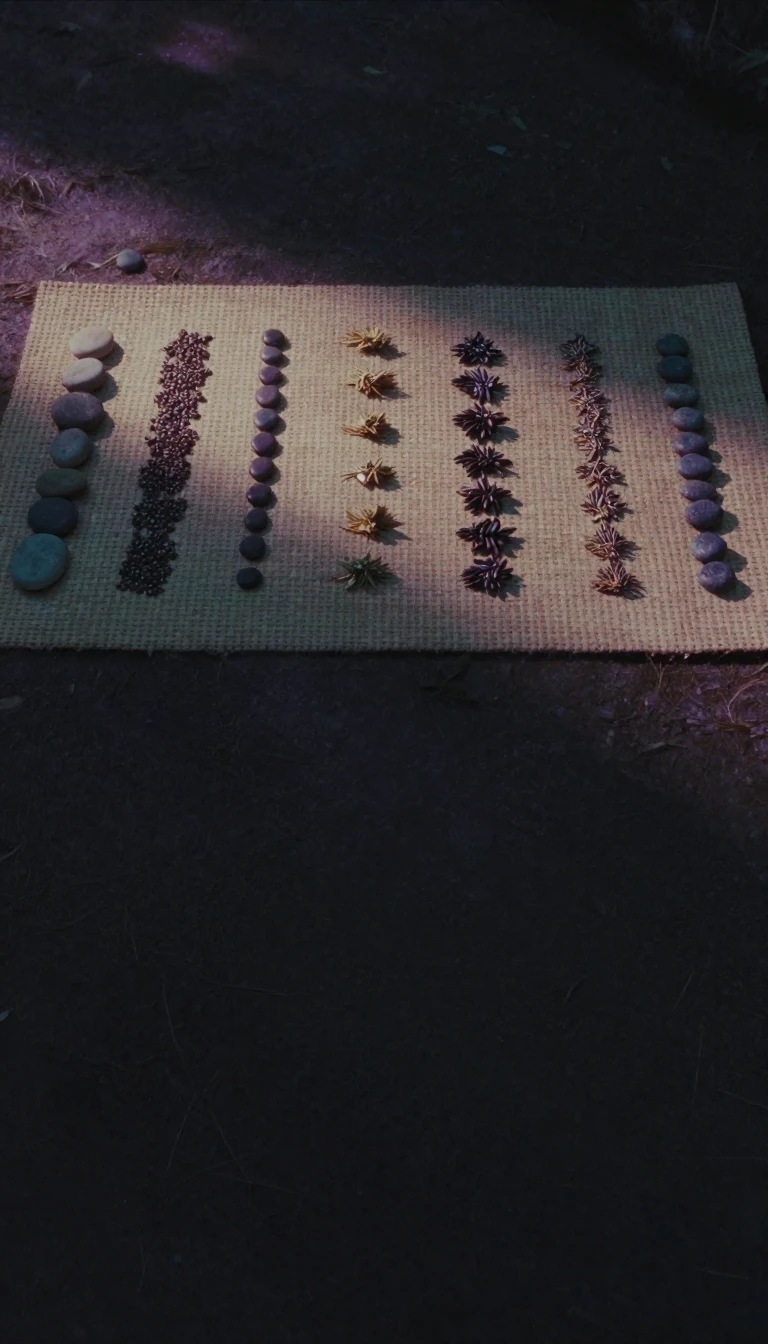 Himalayan silt feeds a plain holding one-seventh of humanityThe Indo-Gangetic—or North Indian—Plain spreads about 700,000 square kilometres of fertile silt across northern South Asia from the Himalayas to the Deccan’s edge and from northea…
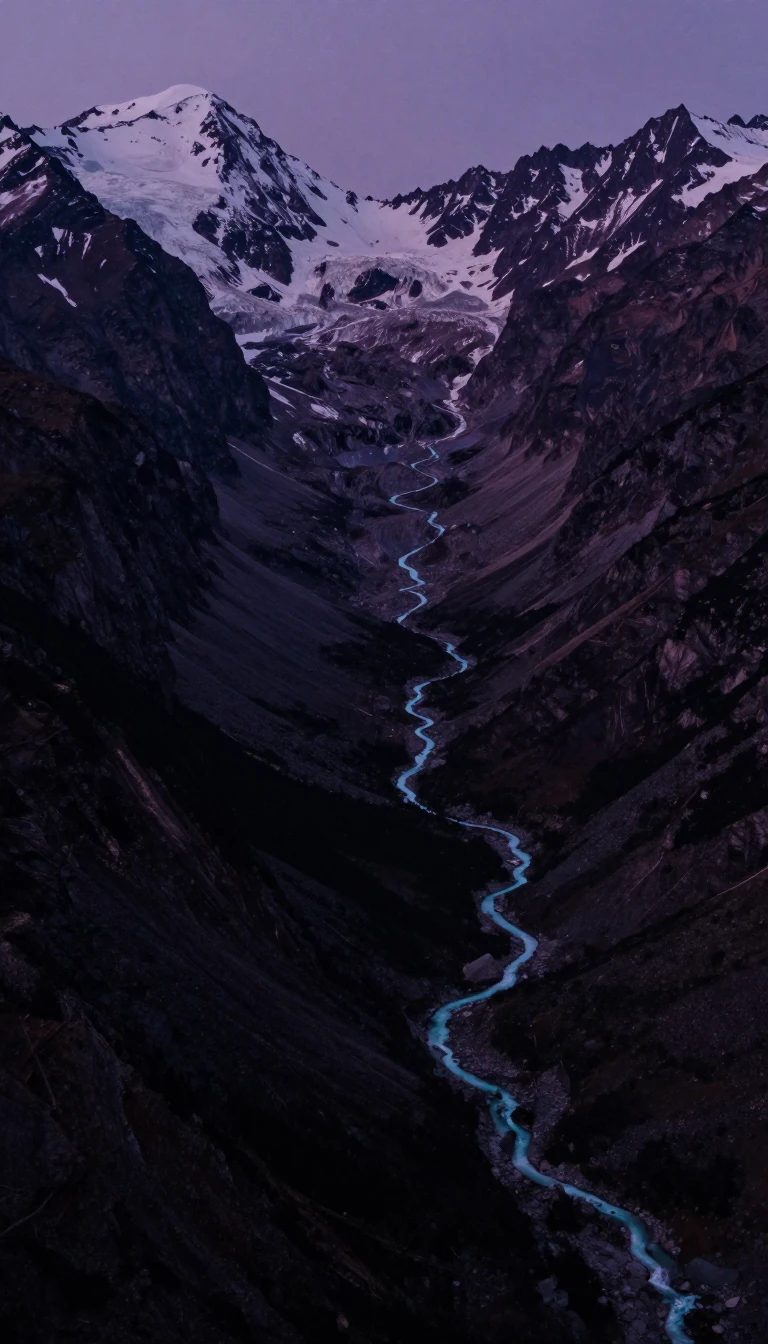 A 3,180-kilometre suture-zone river named a subcontinentThe Indus runs about 3,180 kilometres from Tibet’s Sengge Zangbo northwest through disputed Kashmir and the length of Pakistan to the Arabian Sea. Its roughly 1,120,000 square-kil…
 Io’s swim names a sea that holds the Mediterranean’s deepest pointThe Ionian Sea is an elongated Mediterranean bay between southern Italy—including Sicily and Salento—and the coasts of southern Albania and western Greece. All major eastern islan…
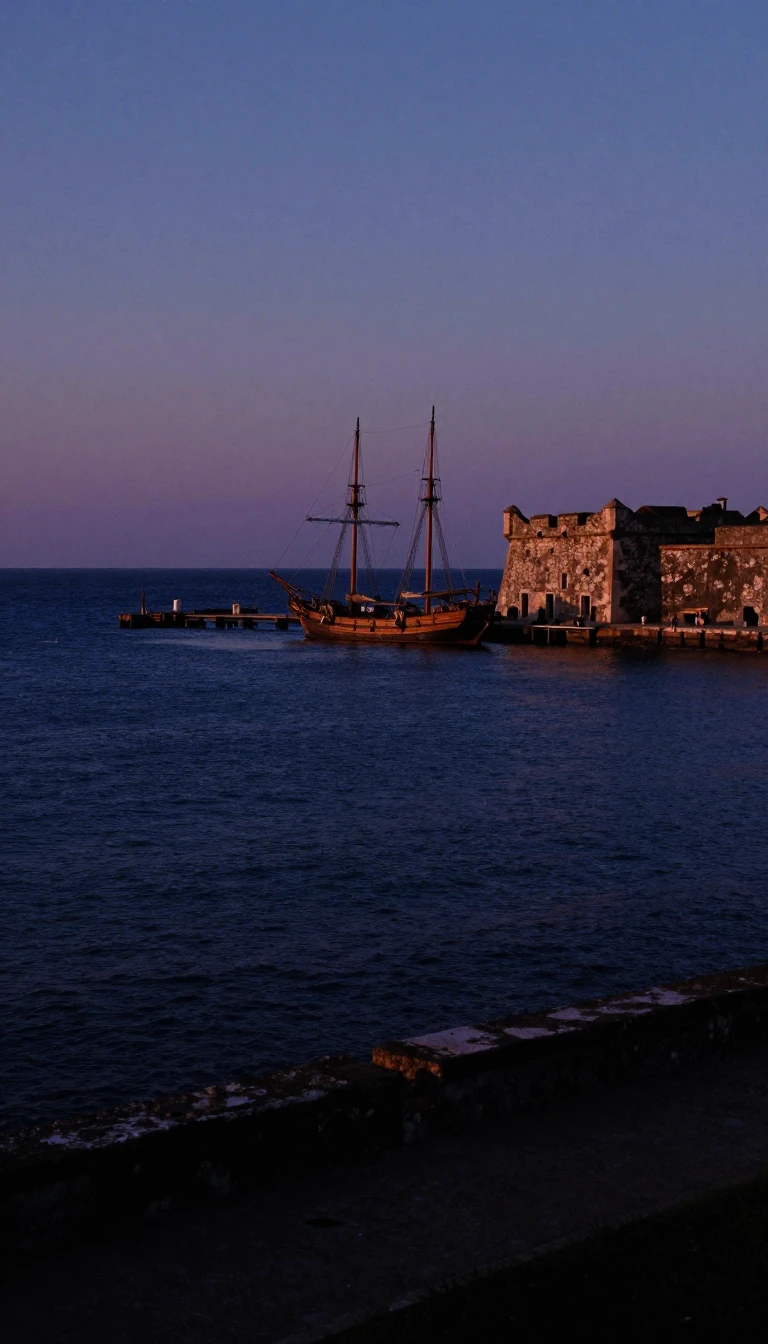 Greater Antilles began as a medieval phantom island on chartsCuba, Hispaniola, Jamaica, Puerto Rico, plus Navassa and the Caymans, form the Greater Antilles, the Caribbean’s cluster of big islands. The word Antilles itself comes from Antill…
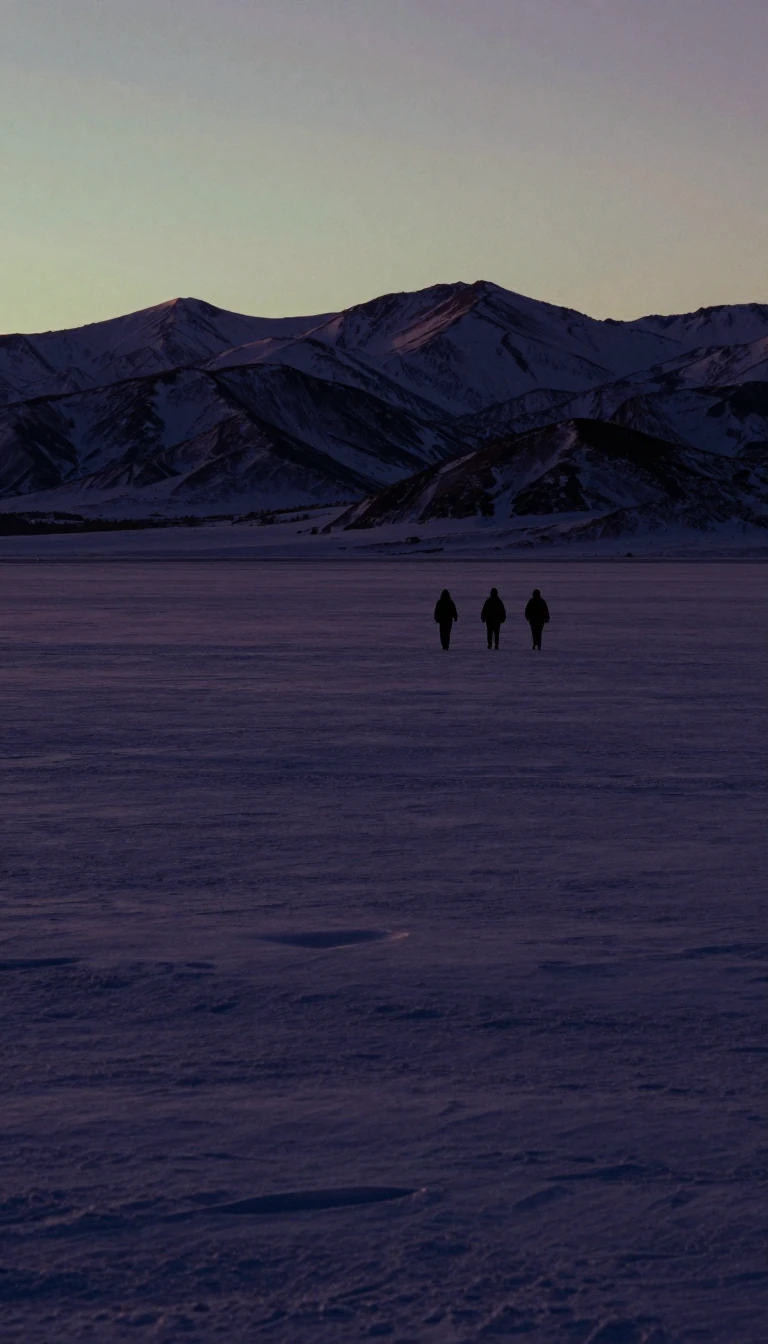 Greenland’s ice is Earth’s second-largest frozen reservoirThe Greenland ice sheet averages 1,673 metres thick and exceeds 3,488 metres at its deepest, running almost 2,900 kilometres north–south. Only Antarctica holds more ice—and Greenl…
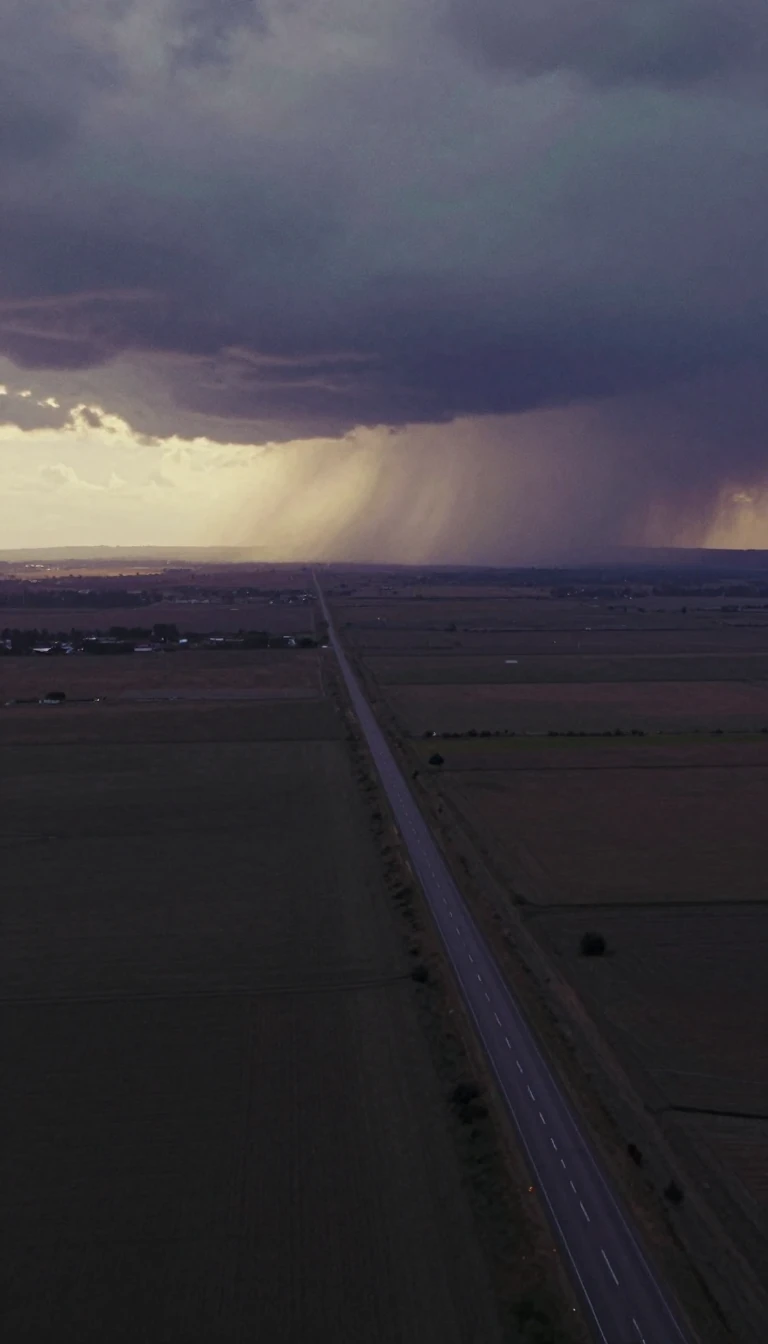 Fram Strait’s Greenland Sea once grew an ice tongue called OddenThe Greenland Sea sits between Greenland and Svalbard, opening north through Fram Strait to the Arctic Ocean and south toward the Norwegian Sea and Iceland. Arctic winds keep temp…
 Guam’s Chamorro settled Remote Oceania first—and longestGuam, a U.S. unincorporated territory in western Micronesia, calls itself where America’s day begins near the Date Line. Chamorro people, Austronesian kin to Philippines and Polyn…
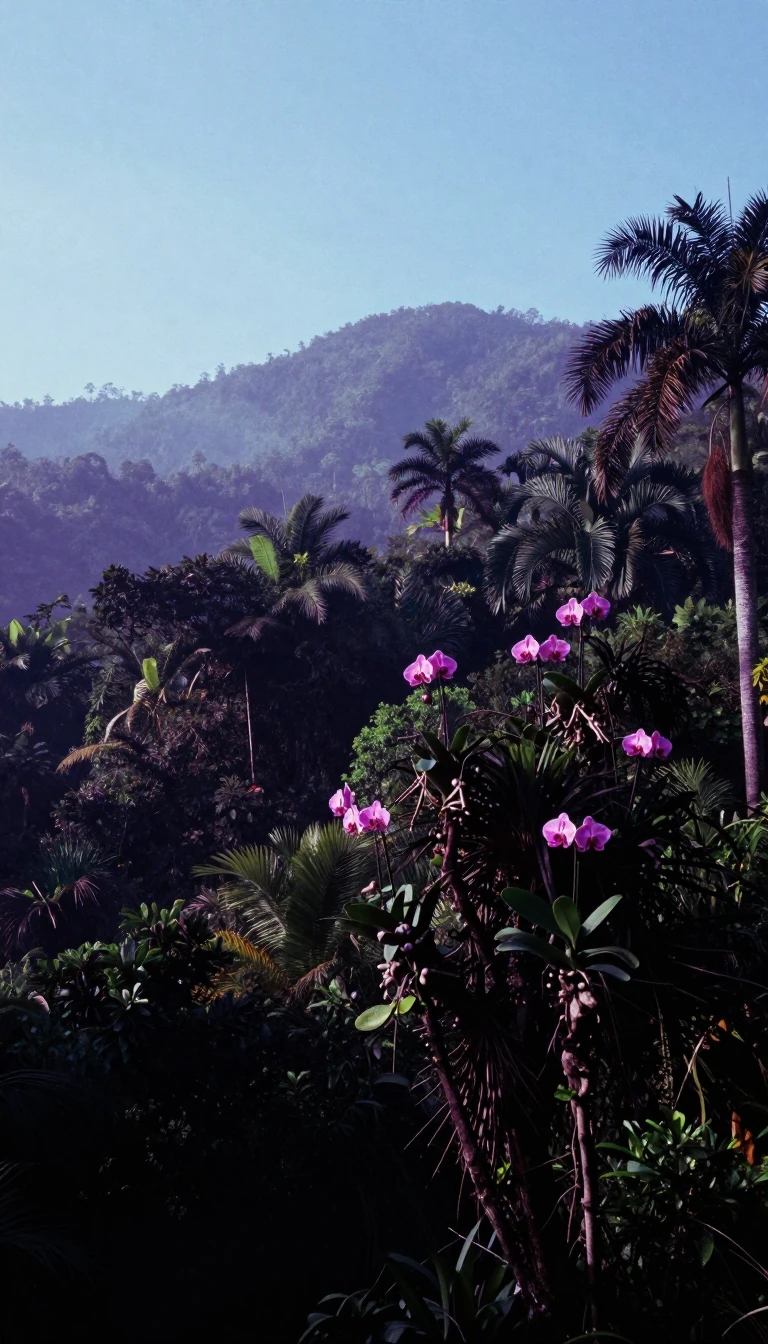 South America’s ancient Guiana Shield still holds tepui countryThe Guiana Shield is one of South America’s three continental cratons, flooring Guyana, Suriname, French Guiana, southern Venezuela, northern Brazil, and eastern Colombia. Archean…
 Twenty-one thousand ships a year thread the Gulf of AdenBetween Yemen and the Horn of Africa, the Gulf of Aden funnels Suez traffic toward the Arabian Sea—about 21,000 ships annually, many hauling Persian Gulf oil. Greeks folded it int…
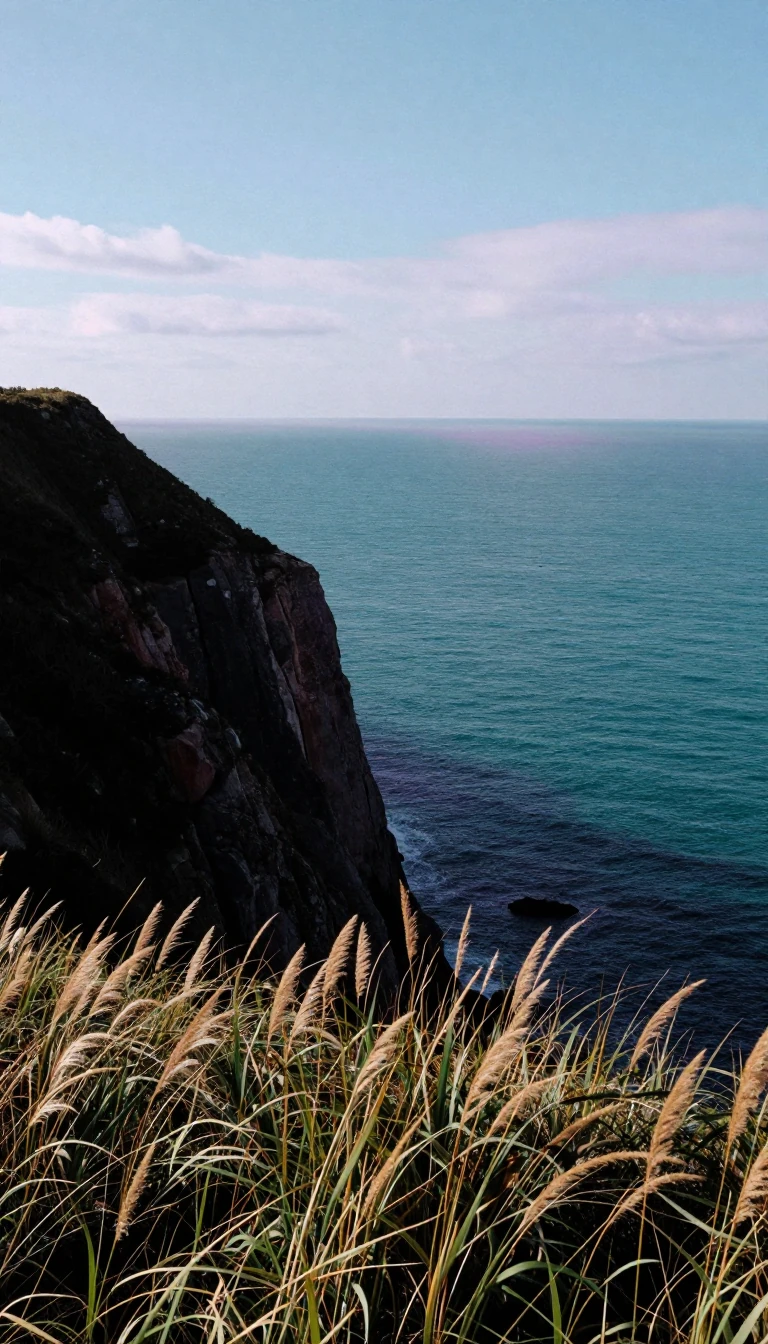 Empty isles got two names from one French portThe Falklands sit on the Patagonian Shelf about 500 kilometres east of southern South America. Uninhabited when Europeans arrived, they collected French, British, Spanish, and Arg…
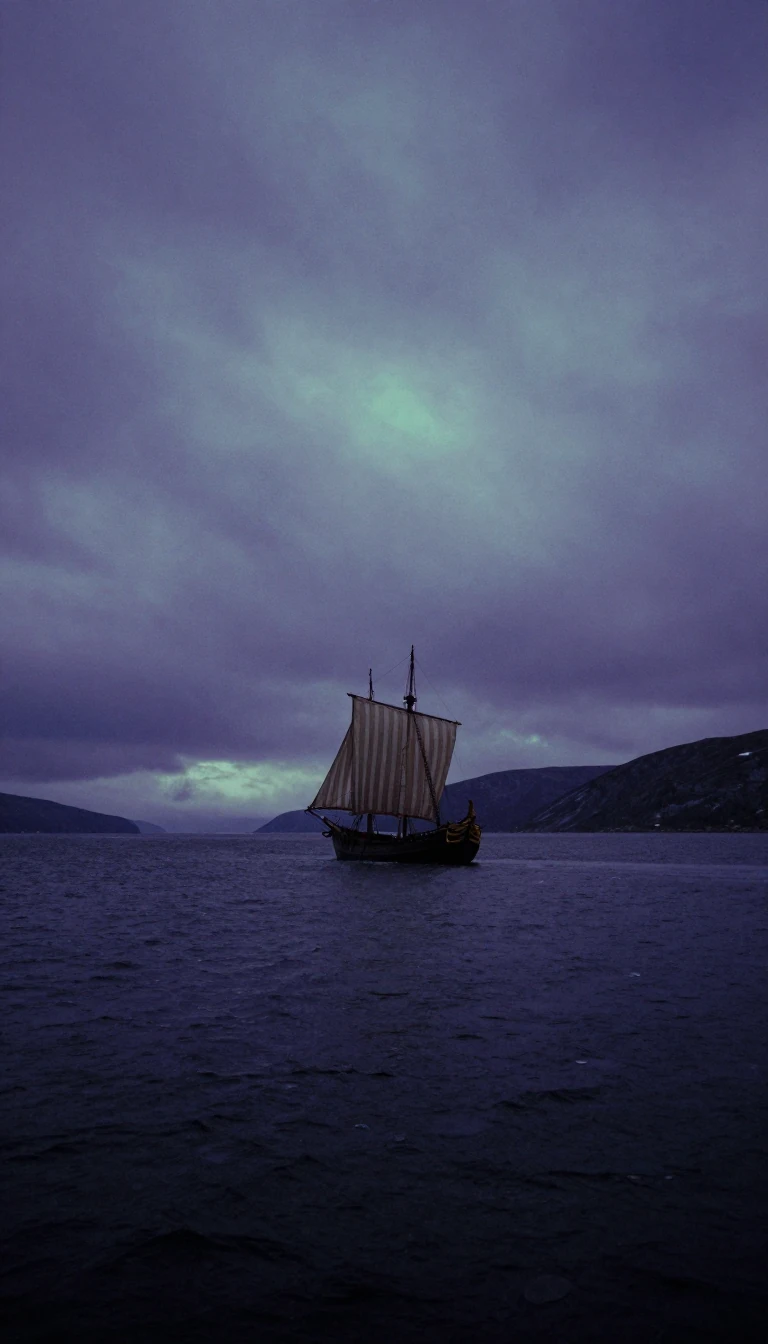 Sheep islands kept Norse speech and skipped the EECThe Faroes, an autonomous Danish Atlantic archipelago between Iceland, Norway, and Scotland’s northern isles, held about 54,870 people as of November figures in the source. Fishin…
 121 Pacific isles form France’s only overseas countryFrench Polynesia is a French overseas collectivity and its sole overseas country, listed by the UN as non-self-governing. Across five archipelagos it counts 121 islands and atolls…
 Galápagos volcanoes ride a hotspot toward South AmericaEcuador’s Galápagos sit on the equator about 898 kilometres west of South America, named for giant tortoises—galápagos. They perch on a triple junction and hotspot as the Nazca pl…
 Sacred Ganges water near Varanasi fails official bacteria limitsThe Ganges is India’s holiest river and a lifeline for hundreds of millions in its basin. Yet near Varanasi, fecal coliform from human waste exceeds the government’s official limi…
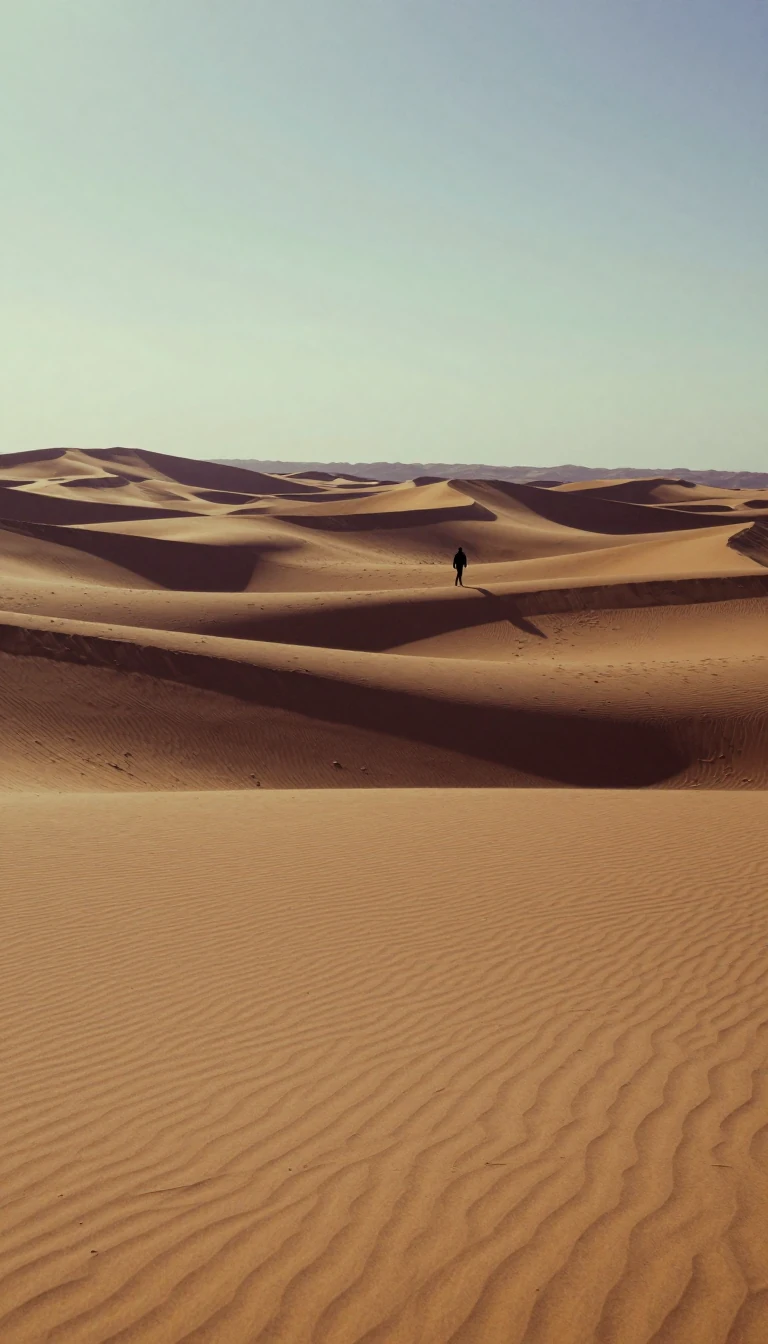 The Gobi is a cold rock desert, not endless soft dunesSpanning southern Mongolia and northern China, the Gobi is the world’s sixth-largest desert, covering roughly 1,295,000 square kilometres. Its Mongolian name means dryland, and mu…
 Godavari drains a tenth of India yet starts 80 km from the seaIndia’s second-longest river after the Ganges, the Godavari runs 1,465 kilometres from Trimbakeshwar near Nashik, which lies only about 80 kilometres from the Arabian Sea. Instead…
- South America’s second forest is vanishing into soy and cattleThe Gran Chaco sprawls more than a million square kilometres across Bolivia, Paraguay, Argentina, and bits of Brazil—the continent’s second-largest forested ecoregion after Amazon…
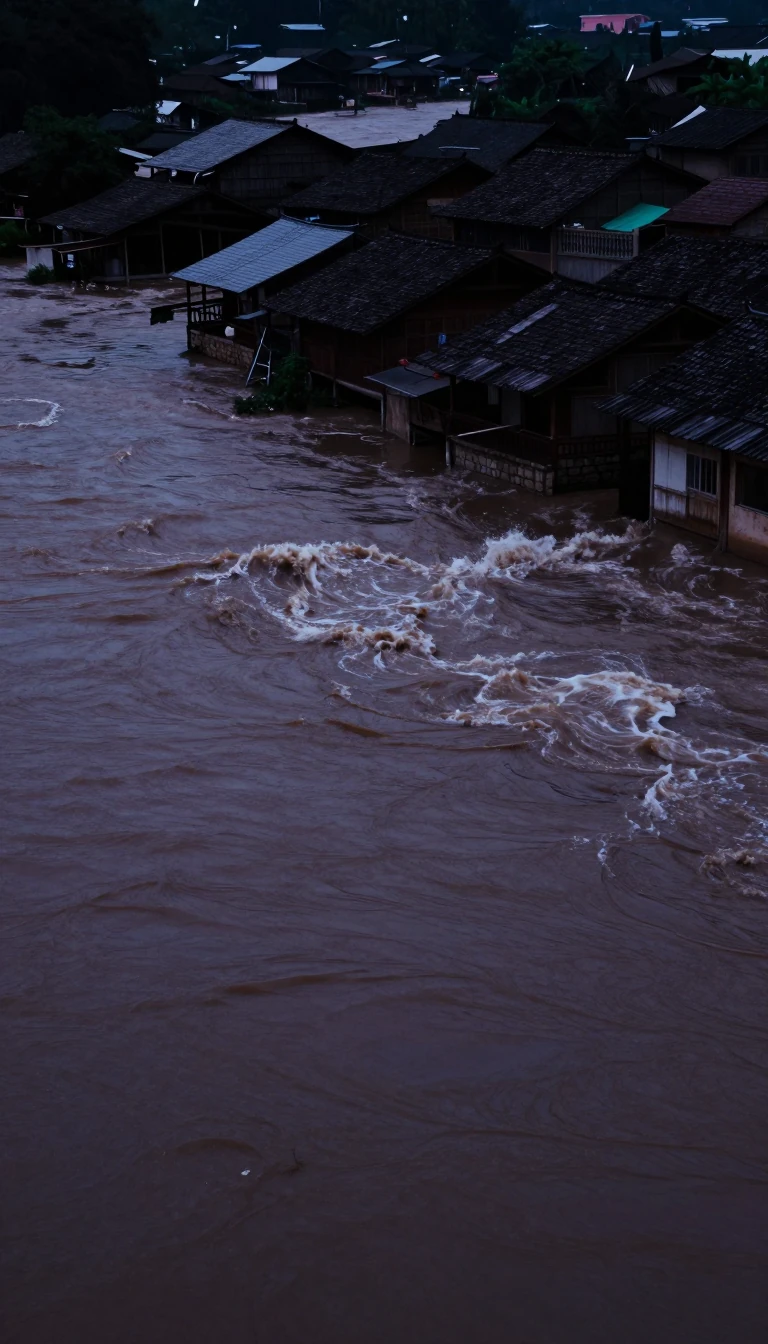 China’s Grand Canal climbs 42 metres with Song pound locksThe Jing–Hang Grand Canal links Beijing to Hangzhou across roughly 1,776 kilometres of rivers and lakes—the spine of medieval China’s north–south grain and troop moves. Its highes…
- The Grand Canyon may be a collage of differently aged gorgesArizona’s Grand Canyon runs 277 miles along the Colorado River, up to 18 miles wide and more than a mile deep. New dating fights suggest it is not one young slot but linked segmen…
 Australia’s buried sea of water is being mined faster than it refillsThe Great Artesian Basin is Earth’s largest and deepest artesian system, covering about 1.7 million square kilometres—22 percent of Australia. Water runs 30 to 100 °C, yet extract…
 Two rival maps disagree how big Australia’s southern bight isThe Great Australian Bight opens along the continent’s central-west south coast—an oceanic gulf born when Gondwana split Australia from Antarctica some 50 million years ago. Hydro…
- Earth’s biggest reef keeps bleaching—and sometimes bouncing backQueensland’s Great Barrier Reef strings more than 2,900 reefs and 900 islands across 2,300-plus kilometres and about 344,400 square kilometres of Coral Sea. Marine parks blunt som…
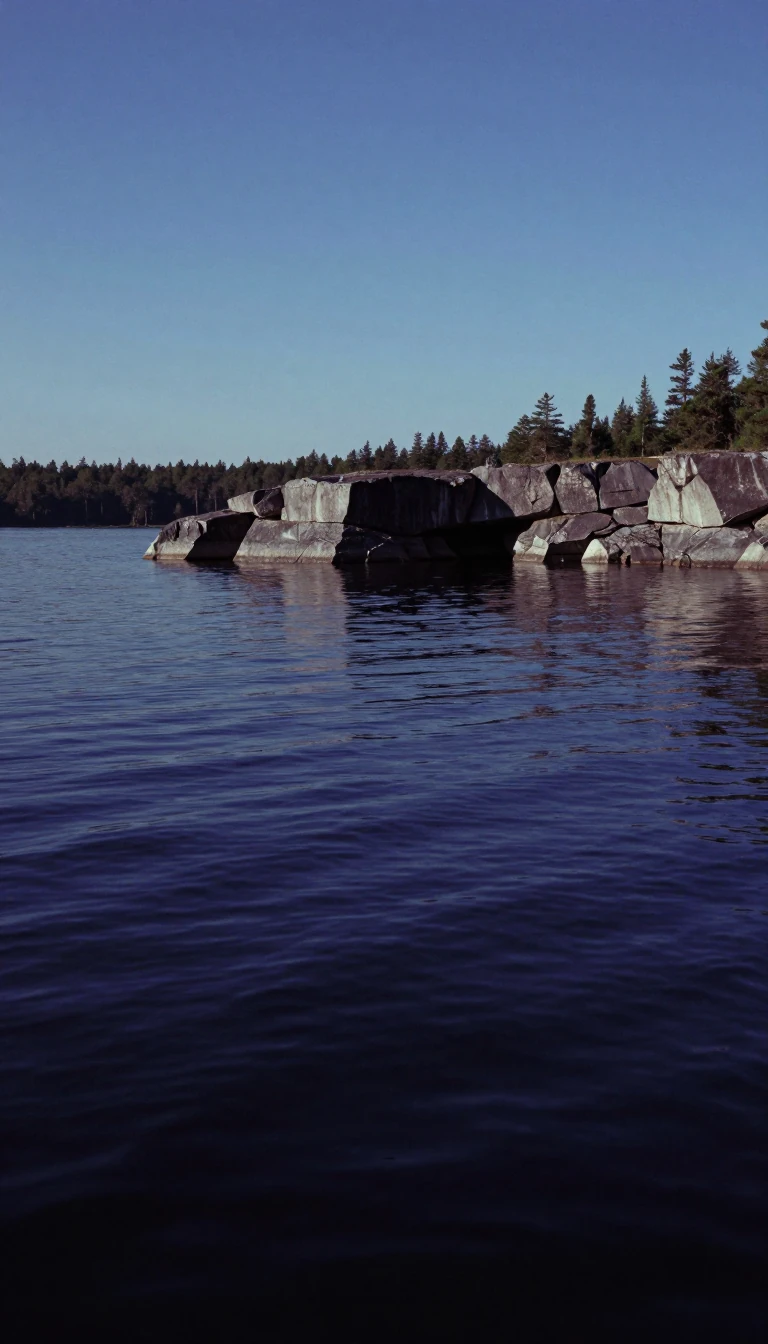 Canada’s largest wholly domestic lake hides uranium shoresGreat Bear Lake—Sahtú—is the biggest lake entirely inside Canada, fourth-largest in North America and eighth on Earth. Ice seals it from late November into summer, yet John Frankl…
 Ptolemy already distinguished “great” Britain from IrelandGreat Britain—England, Scotland, and Wales on one island—covers 209,331 km², Europe’s largest isle and the world’s ninth. About 61 million people lived there in 2011, making it th…
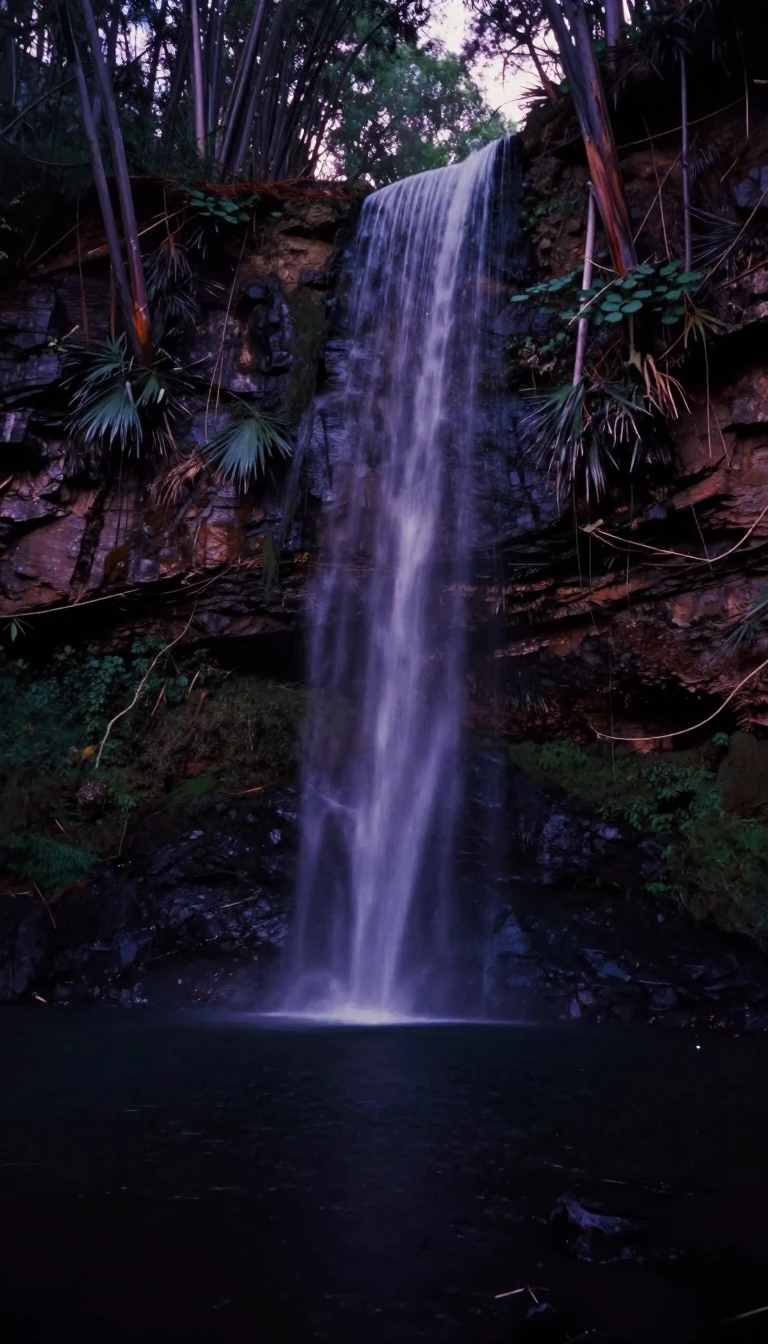 Australia’s east-coast wall is a watershed, not one ridgeThe Great Dividing Range—East Australian Cordillera—runs more than 3,500 kilometres from Torres Strait’s Dauan Island down the east coast and west across Victoria into the Wimmera…
 Five Great Lakes hold more than a fifth of Earth’s surface fresh waterSuperior, Michigan, Huron, Erie, and Ontario form the largest freshwater lake group by area and the second by volume, storing over 20 percent of the planet’s surface fresh water a…
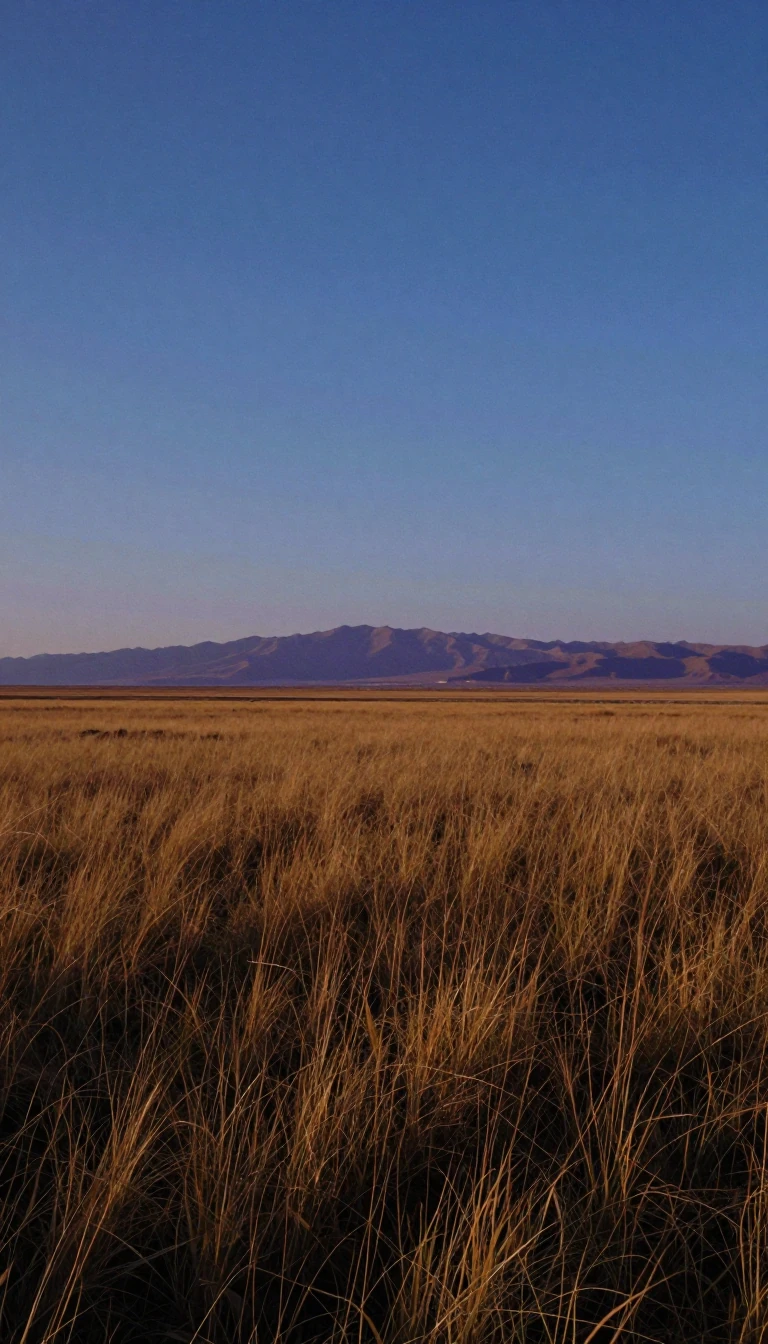 Great Plains once meant High Plains, not a map labelEast of the Rockies, North America’s Great Plains stretch about 500 miles east–west and 2,000 miles north–south across prairie and steppe—some 500,000 square miles. The name only …
- Gregory’s Great Rift stitches Syria’s valleys to East AfricaThe Great Rift Valley, as first defined, links about 6,500 kilometres of depressions from northern Syria’s plains through the Red Sea to Mozambique. John Walter Gregory coined the…
 North America’s deepest lake still wears a contested nameGreat Slave Lake is North America’s deepest at 614 metres, the Northwest Territories’ second-largest after Great Bear, and the world’s tenth by area. Gold on its North Arm birthed…
 West Asia’s longest river still feeds Mesopotamia’s nameAt about 2,780 kilometres the Euphrates is West Asia’s longest river and Asia’s fifteenth longest, draining some 440,000 square kilometres across six countries. Paired with the Ti…
 Florida’s River of Grass begins near Orlando’s KissimmeeThe Everglades are flooded grasslands filling southern Florida’s great drainage basin. Water starts near Orlando in the Kissimmee River, spills into Lake Okeechobee, then creeps s…
 A sixty-one-kilometre strait still gates the Black Sea worldNarrow enough that land forts once defined its English name, the Dardanelles runs sixty-one kilometres between Marmara and the Aegean, averaging fifty-five metres deep. Paired wit…
 Earth's lowest shore sits 440 metres under ocean levelBy 2025 the Dead Sea's surface lay about 439.78 metres below sea level—the planet's lowest land elevation. At 34.2 percent salinity it is roughly 9.6 times saltier than the ocean,…
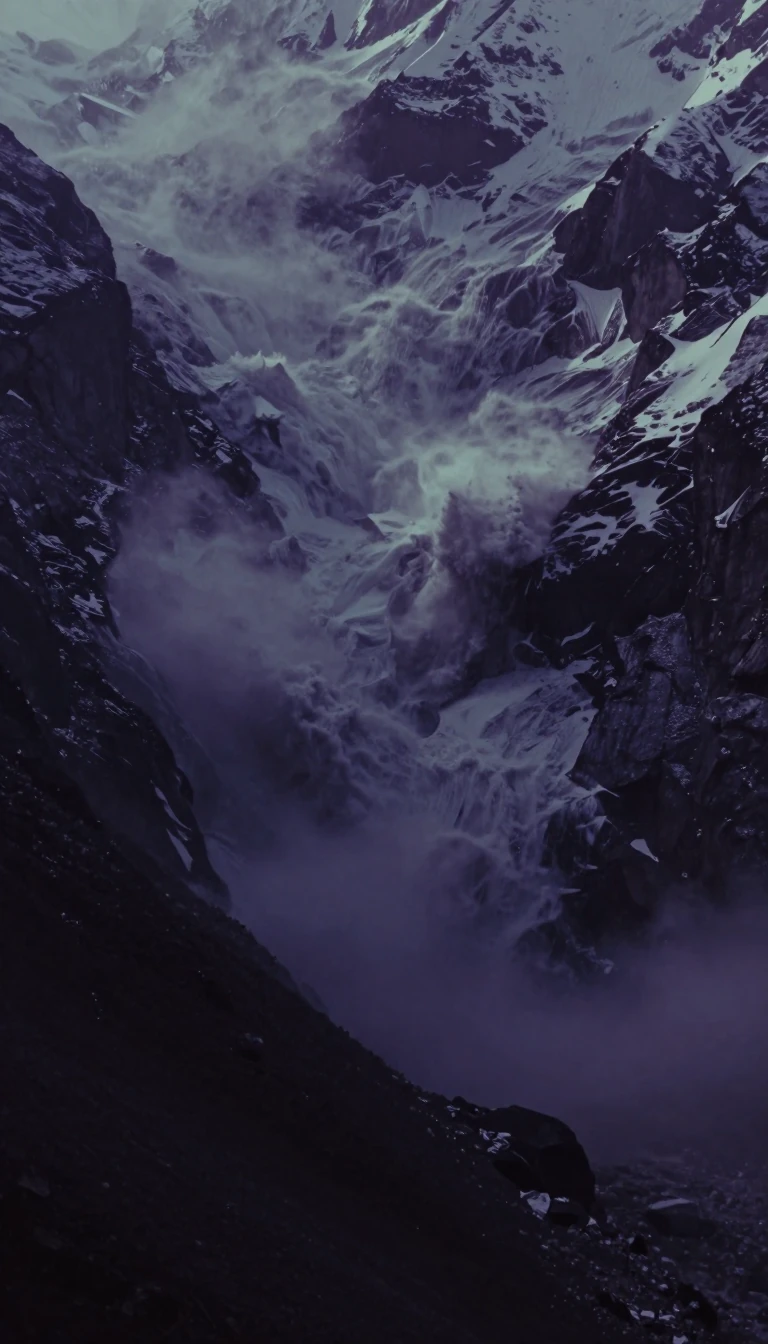 Cretaceous lava still roofs India's southern plateauThe Deccan Plateau covers about 422,000 square kilometres of peninsular India, averaging roughly 600 metres high between the Western and Eastern Ghats. Its northwest traps are sta…
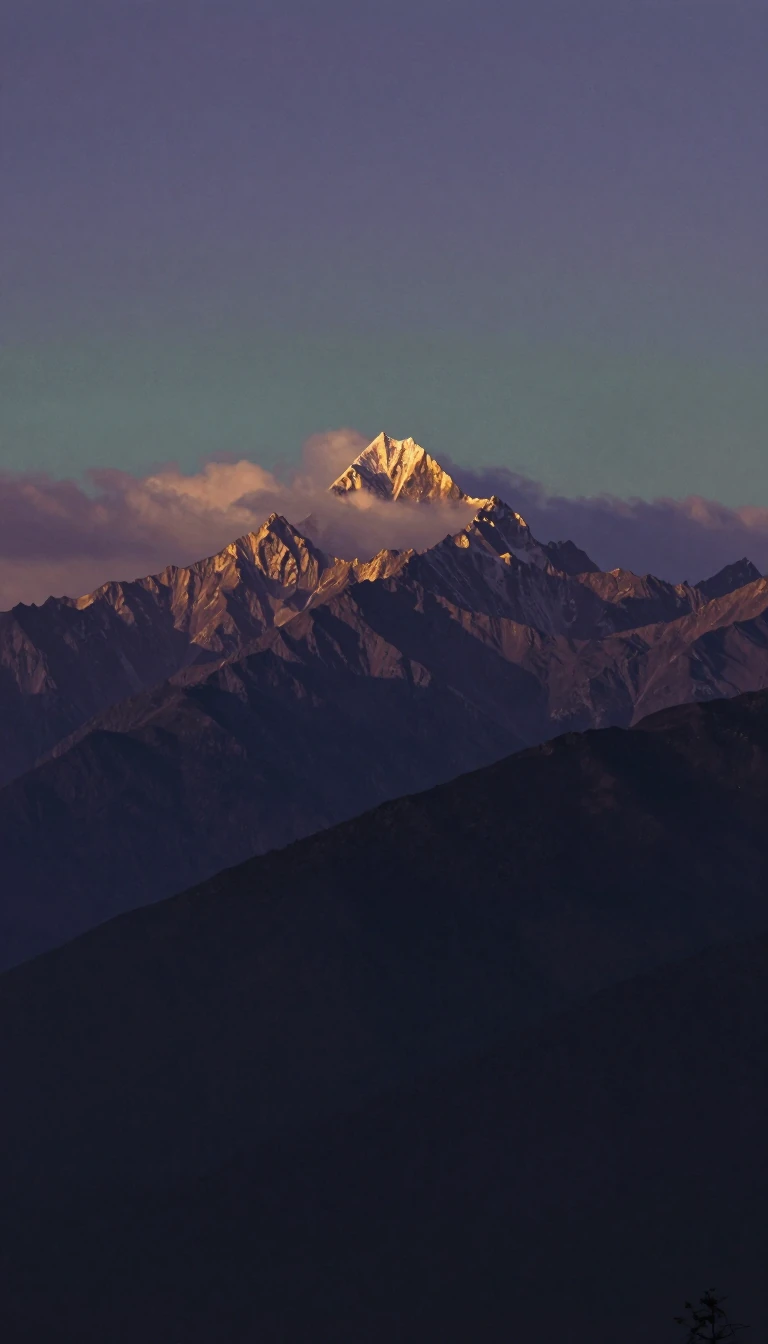 North America's roof lost ten feet in a 2015 remeasureDenali—federally also Mount McKinley—tops North America at 20,310 feet after a 2015 USGS survey trimmed ten feet from the 1952 photogrammetric figure. Koyukon speakers called the …
- Antarctica's narrowest gap drives the planet's strongest currentBetween Chile's Cape Horn and Antarctica's South Shetlands, the Drake Passage—also Sea of Hoces—funnels the Antarctic Circumpolar Current with no land to brake it. Waves can top t…
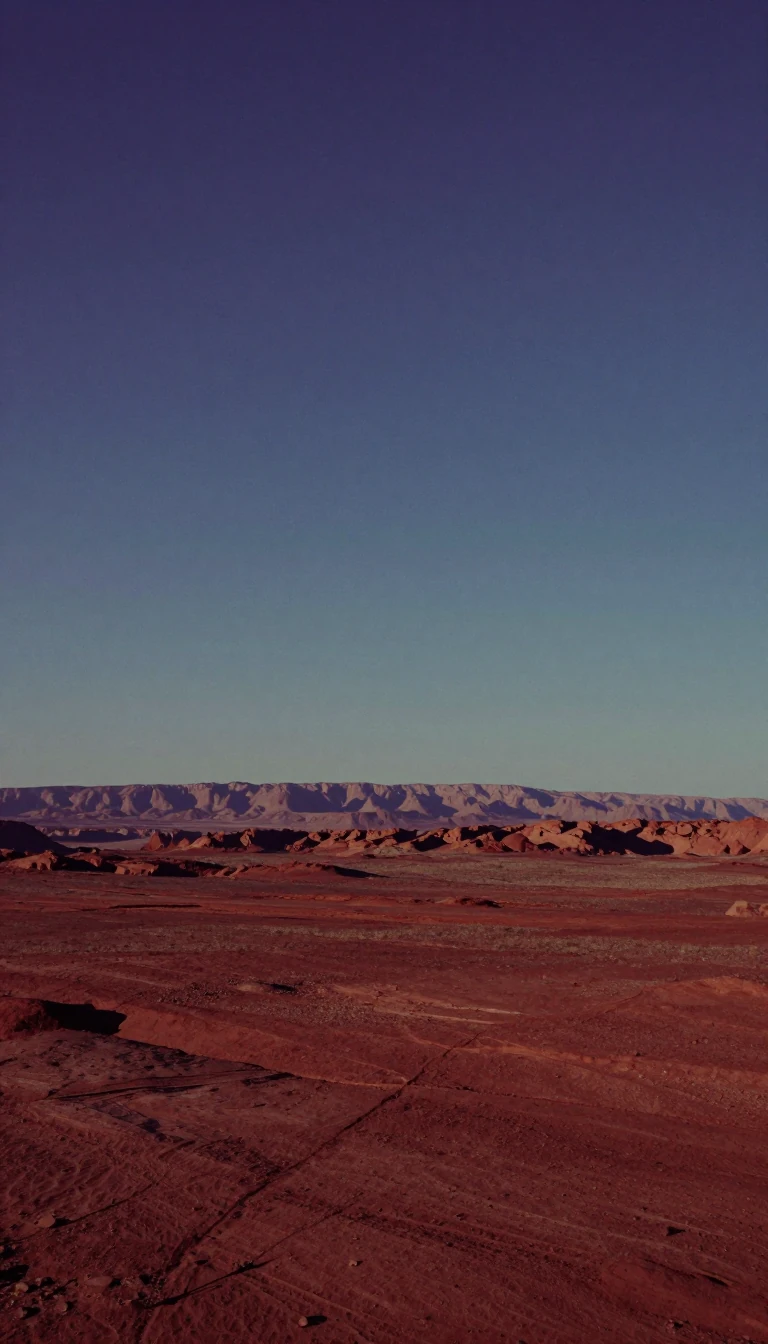 Dragon Mountains rise where Gondwana's rim eroded inlandAfrikaans settlers heard dragons in the escarpment they named Drakensberge; Zulu uKhahlamba and Sotho Maloti call the same wall a barrier of pointed spears. Along more than a thou…
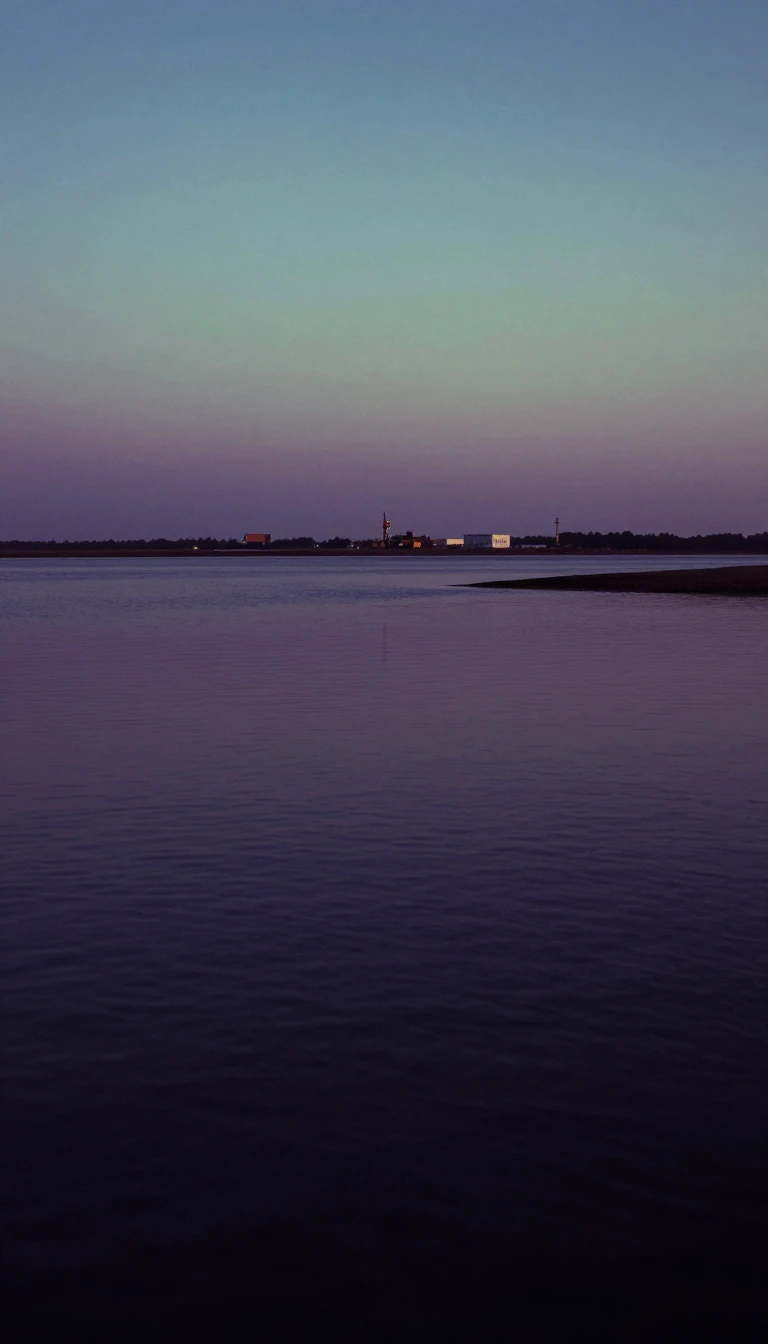 Three-fourths of this sea is shallower than two hundred metresRoughly 1.25 million square kilometres of Western Pacific shelf wash China's eastern shore—the East China Sea, or Dong Hai in Chinese direction-names. Almost three-quarters of it …
 Four million square kilometres of Europe barely rise above 170 metresAlso called the Russian or Sarmatic Plain, the East European Plain spreads across some four million square kilometres from about 25 degrees east toward the Urals, averaging only 1…
- Moai watch from one of Earth's most remote inhabited islesRapa Nui, Chile's Easter Island, sits at the southeastern tip of the Polynesian Triangle and is famous for nearly a thousand moai. Pitcairn, the nearest inhabited land, lies 2,075…
- A Czech mountain trickle becomes Germany's North Sea highwayAs the Labe, the Elbe spills from Mount Violík at 1,386 metres in the Giant Mountains, then crosses Bohemia and Germany to meet the North Sea at Cuxhaven. Its 148,268-square-kilom…
 The world's busiest shipping lane is only 34 kilometres wideAt Dover the English Channel squeezes to about 34 kilometres between England and France, yet along 560 kilometres it funnels more commercial traffic than any other sea lane. Roman…
 Africa's largest high roof split by a salt-lake riftLittle of the Ethiopian—or Abyssinian—Highlands falls below 1,500 metres, forming the continent's largest continuous elevated mass from Ethiopia into Eritrea. The Main Ethiopian R…
 Earth's biggest lake sits twenty-seven metres below ocean levelThe Caspian holds more inland water than any other body on Earth—about the area of Japan—yet its surface lies roughly twenty-seven metres under true sea level. Fed mainly by the V…
 Europe's disputed roof rises 5,642 metres between two seasMount Elbrus tops the Caucasus at 5,642 metres—832 metres above Mont Blanc—yet whether it counts as Europe's highest peak depends on where you draw the continent line. The range i…
- Brazil's richest savanna covers a fifth of the nationAfter the Amazon, the Cerrado is Brazil's second-greatest habitat, holding about 21 percent of the country—some two million square kilometres of mosaic savanna. WWF calls it the p…
 Two Norman bailiwicks share a sea but almost no governmentJersey and Guernsey look like one Channel archipelago, yet they have been separate Crown Dependencies since the late thirteenth century—each with its own laws and elections. The U…
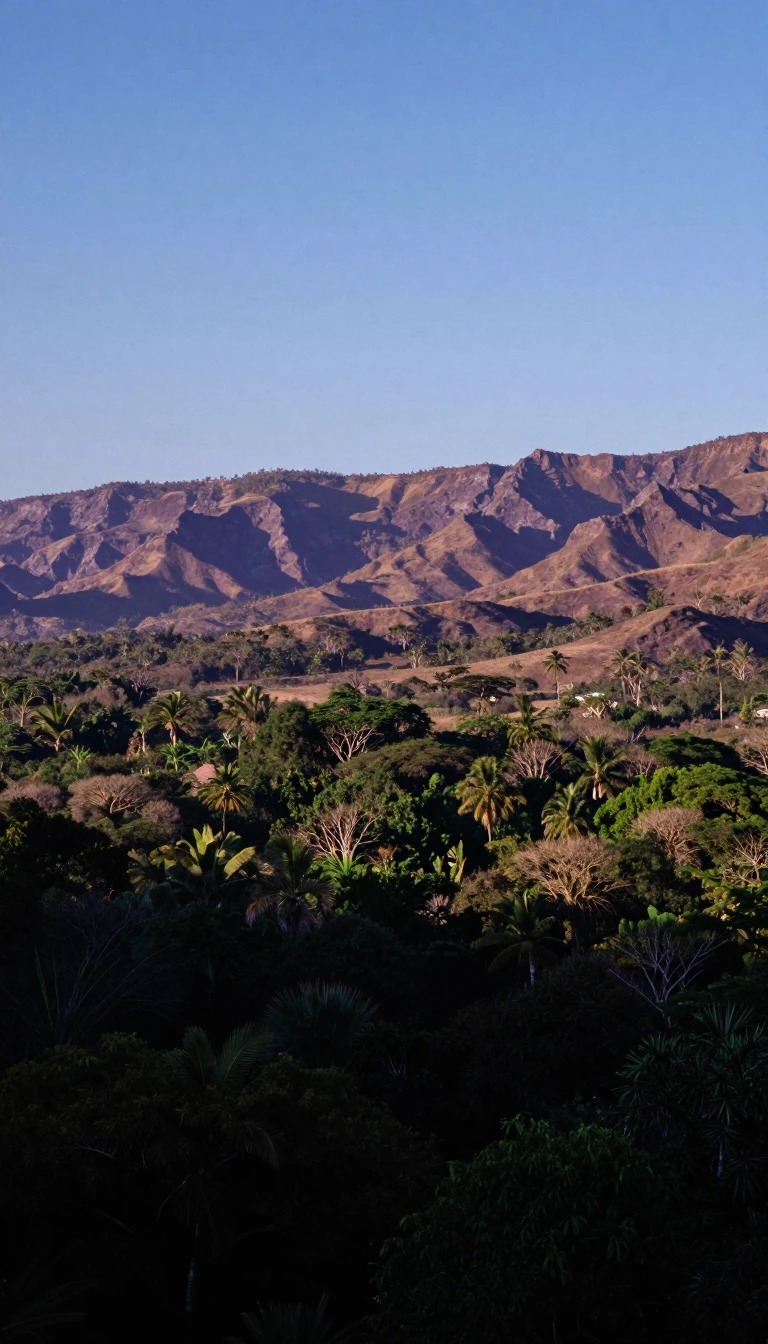 Rain-shadow ranges may hide Earth's most diverse desertWWF ranks the Chihuahuan Desert among the world's most biologically diverse arid lands by species richness and endemism. Sierra Madre walls steal Pacific and Gulf moisture, leavin…
- A 1,450-mile river rarely reaches the sea anymoreFrom Rocky Mountain National Park to the Gulf of California, the Colorado once carried reddish silt that gave it a Spanish name. Dams, aqueducts, and treaties now divert nearly al…