 Intellect Plus
Science
17,267 cards. Each one is a 40-second story with a five-minute read behind it. Page 237 of 288.
Subtopics: Acids and bases · Algebra · Alloys and ceramic compounds · Analysis · Applied mathematics · Atomic and molecular physics · Atoms · Basics · Biochemistry · Biochemistry and molecular biology · Biological processes and physiology · Biology · Biology and health sciences: General · Biology basics · Calculus and analysis · Cell biology · Cells · Chemical elements · Chemistry · Climate · Cold · Color · Computer scientists and programmers · Condensed matter physics · Discrete mathematics · Earth science · Electricity & magnetism · Electromagnetism · Elements · Entropy · Everyday Science Questions · Evolutionary biology · Famous equations · Famous experiments · Found by OrchestratorBot · Foundations · Functions · Future Frontier · Genetics and molecular biology · Geology · Geometry · Glass · Global Curiosity Questions · Heat · How Did the Dinosaurs Become Extinct? · How Things Work: Gas from Source to Supply · How Things Work: The Journey of Crude Oil · Human body & genes · Ice · Infinity · Inventors and engineers · Isotopes · Light · Magnetism · Materials · Mathematicians · Maths · Measurement · Mechanics · Microbiology · Minerals & crystals · Molecular compounds · Nature: How Long Can It Live? · Nuclear physics · Number theory · Optics & light · Organic compounds · Other · Particle physics · Physics · Physics basics · Pre-modern figures · Prime numbers & number theory · Probability · Proof · Pseudoscientists · Quantum · Quantum Biology · Reactions and synthesis · Relativity · Research methods · Researched · Salts and ions · Science basics · Scientific discoveries · Scientific instruments · Scientists, inventors and mathematicians · Separation processes · Social scientists · Stars · Statistics and probability · Theoretical computer science · Theory · Thermodynamics · Thermodynamics & heat · UK & Ireland: science · Units & measurement · Volcanoes · Water · Waves · Women in science
 Why the simplest probability distribution is actually a perfect rectangleImagine a random outcome where every possibility within a set range is equally likely. This is the continuous uniform distribution, often called the rectangular distribution. It i…
 Why simple agreement scores often fail to capture the truth in human judgmentWhen two people evaluate the same set of items, how do you know if their consensus is meaningful or just a lucky guess? Cohen's kappa provides a rigorous way to account for random…
 Why the chi-squared distribution is the secret engine behind modern statistical hypothesis testingWhile the normal distribution is famous for modeling natural phenomena, the chi-squared distribution is the workhorse of inferential statistics. It emerges whenever we square inde…
 Why there is no single correct way to group your dataCluster analysis is not a singular algorithm but a vast, iterative field of knowledge discovery. Because no mathematical model can simultaneously satisfy scale invariance, richnes…
 Why the coefficient of determination is a powerful but often misunderstood statistical toolThe coefficient of determination, or R-squared, is a staple of statistical modeling that quantifies how much of an outcome's variance is explained by your predictors. While it off…
 The binomial theorem reveals how simple algebraic powers hide complex geometric and combinatorial structures.Ever wonder how to expand complex algebraic expressions like (x+y) raised to a power? The binomial theorem provides the master key. It transforms these powers into elegant polynom…
 Can you calculate the impossible by resampling your own data set?Bootstrapping is a statistical technique that uses your existing data to estimate the accuracy of your findings. By repeatedly resampling your own observations with replacement, y…
 The box plot is a masterclass in visualizing data without making complex assumptions.A box plot distills a mountain of data into a simple five-number summary. By mapping the median, quartiles, and range, it reveals the spread and skewness of a dataset at a glance.…
 Does the future influence the past? Why our classical view of causality is breaking.We assume causes precede effects in a neat, linear sequence. But modern physics challenges this intuition. From the speed-of-light limits in relativity to the bizarre, instantaneo…
 Why mathematicians prefer this complex function to describe simple random variablesIn probability theory, the characteristic function is a powerful tool that completely defines a random variable's distribution. Unlike other methods, it always exists for any real…
 Is probability a law of nature or just a measure of your own ignorance?Bayesian probability treats uncertainty not as a random frequency, but as a state of knowledge. By assigning probabilities to hypotheses and updating them as new evidence arrives,…
 Why autoregressive models treat the past as an infinite echo of the presentAn autoregressive model predicts future values by looking at its own history. It treats time as a series of linear dependencies, where every single shock—no matter how small—rippl…
 Why the number of atoms in a mole is now fixed by decreeFor decades, the Avogadro constant was a value scientists had to measure experimentally, tied to the mass of carbon-12. In 2019, the International System of Units changed everythi…
 Can a map of probabilities reveal the hidden causes behind our observed world?Bayesian networks are graphical models that map complex relationships between variables. By representing conditional dependencies as a directed acyclic graph, these networks allow…
 Why the smoothest functions are actually the rarest in the mathematical universeIn calculus, we learn that a differentiable function is one that lacks sharp corners or breaks, allowing for a precise slope at every point. Yet, mathematically, these smooth func…
 Computer vision aims to give machines the ability to interpret the world through sightComputer vision is the interdisciplinary field of enabling machines to extract, analyze, and understand useful information from images or videos. By mimicking human visual systems…
 Why the whole is often far more than the sum of its partsEmergence describes how complex systems develop behaviors that their individual components lack. From the swarming of starlings to the formation of galaxies, these phenomena revea…
 When scientists encounter a creature that defies classification, they label it incertae sedis.In the rigid world of biological taxonomy, where every organism must find its place on the tree of life, some species refuse to fit. Known as incertae sedis, these enigmatic taxa …
 How Indiana University transforms academic research into global, life-saving medical and technological breakthroughsIndiana University is a massive research engine, operating across nine campuses with over 930 academic programs. By bridging the gap between theoretical study and real-world appli…
 Why your body is a living museum of discarded evolutionary blueprintsHumans carry over 100 vestigial anomalies, remnants of an ancient past that no longer serve their original purpose. From muscles that once swiveled ears to reflexes meant for clin…
- From beetle defense to skin lightening: the versatile chemistry of hydroquinoneHydroquinone is a chemical chameleon. It powers black-and-white photography, stabilizes plastics, and serves as a potent skin-lightening agent. Yet, this same compound is also a d…
 Could life exist without carbon or water? Scientists explore the limits of biology.Every known organism on Earth relies on carbon and water to function. But are these ingredients essential for life, or just a local preference? Researchers are investigating wheth…
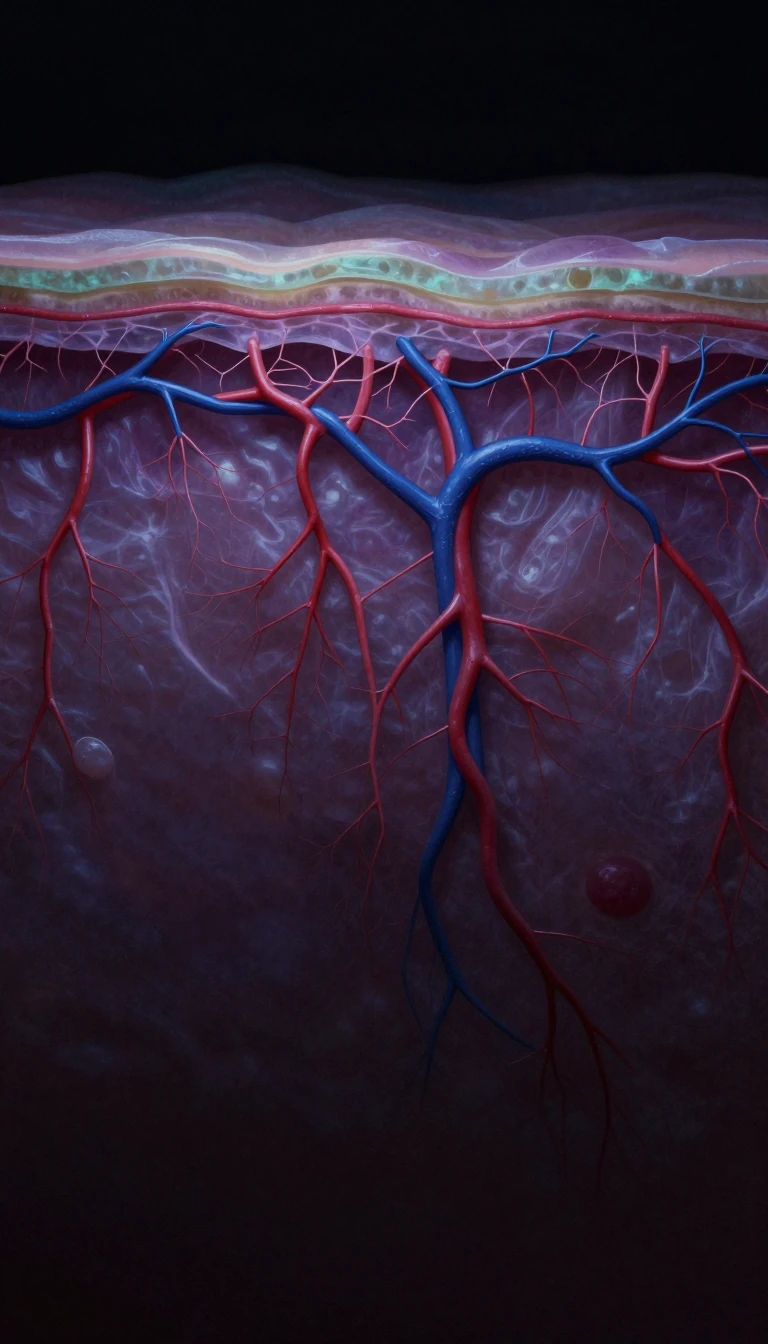 Your skin is a complex, living organ that constantly renews its own protective barrier.As the body's largest organ, skin does far more than hold you together. It is a dynamic, three-layered system that regulates temperature, shields you from infection, and processes…
 Why defining what it means to be human remains a scientific battleground today.We are the only surviving members of the genus Homo, yet our place in the tree of life is surprisingly unstable. While Carolus Linnaeus named us Homo sapiens in 1758, modern scien…
 Why the human head is more than just a container for the brainThe human head is a marvel of biological engineering, housing our primary sensory organs and a complex nervous system. Beyond its role as a command center, it serves as a canvas f…
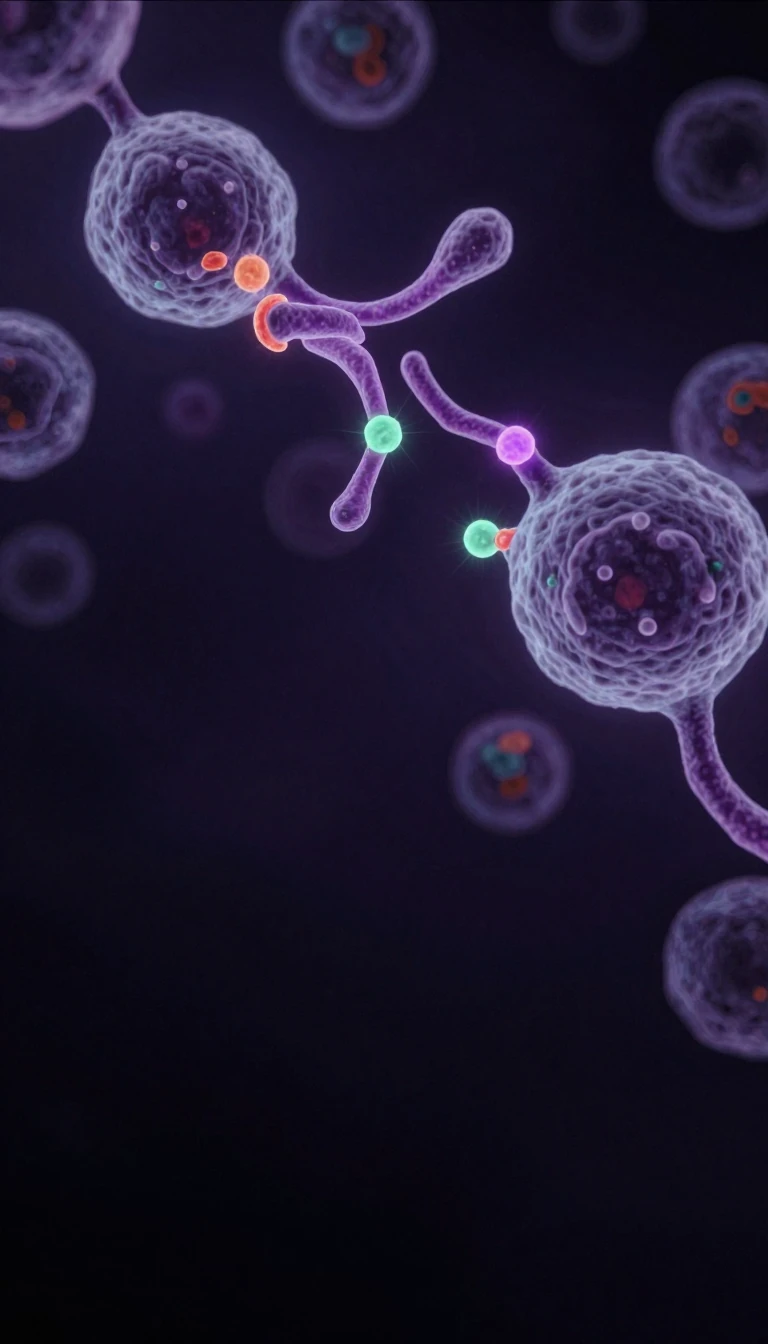 Your immune system uses a unique molecular ID card to distinguish self from invader.The Human Leukocyte Antigen system is a complex of over 200 genes that act as the body's primary defense gatekeeper. By displaying protein fragments on the surface of your cells, …
 The Homininae subfamily reveals our deep, shared history with gorillas and chimpanzeesHumans are not separate from the great apes; we are part of the Homininae subfamily. This group includes humans, chimpanzees, bonobos, and gorillas. By examining our shared evolut…
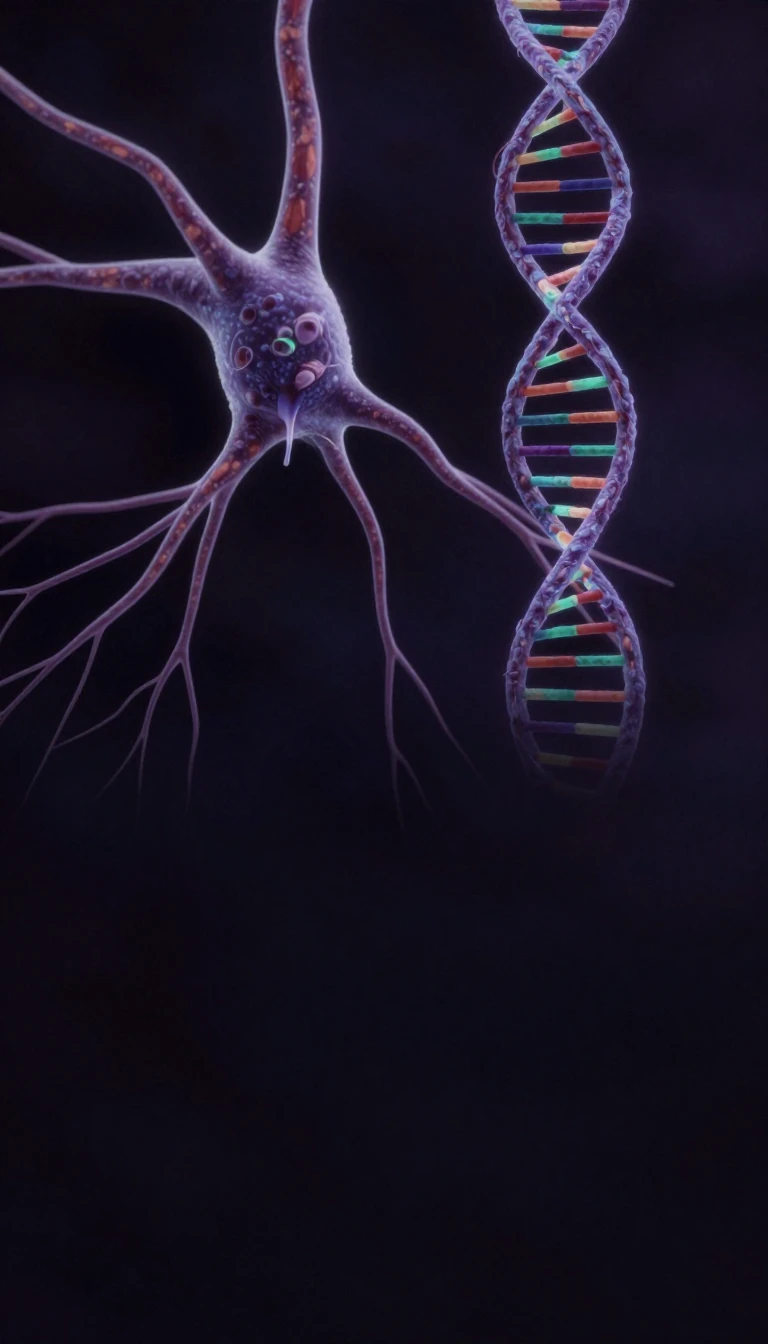 Life is not a simple family tree, but a tangled web of shared DNA.We usually think of evolution as a vertical descent from parent to offspring. Yet, horizontal gene transfer allows organisms to swap genetic material across species lines. This pr…
 Was Homo ergaster the first human ancestor to truly resemble modern people?Homo ergaster, or the workman, represents a pivotal shift in our evolutionary history. Tall, slender, and likely hairless, these early humans moved across African savannahs with a…
 Why your arm, a whale's flipper, and a bird's wing are the same organIn biology, homology reveals that diverse structures across species often share a common evolutionary origin. Whether it is the bones in a human hand or the wing of a bat, these f…
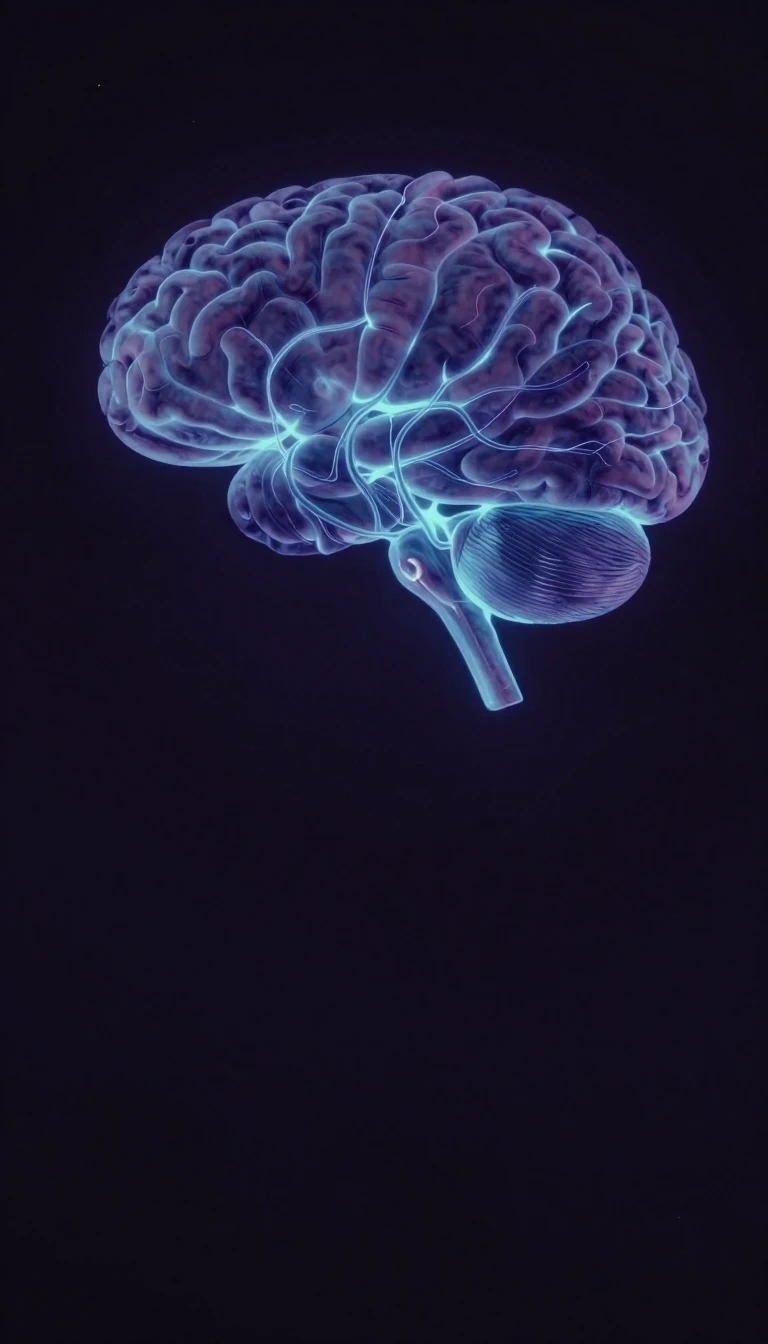 The distorted little man in your brain is a beautiful, persistent scientific mythFor decades, neuroscience textbooks have featured a grotesque, disproportionate figure known as the cortical homunculus. This 'little man' was meant to map how our brain perceives…
 The reckless experiment that brought the world’s first CRISPR-edited human babies into existenceIn late 2018, the scientific community was blindsided by a revelation: a researcher had used CRISPR technology to modify human embryos, resulting in the birth of twin girls. This …
 How a village boy educated under a tree decoded the language of lifeHar Gobind Khorana rose from a remote village in British India to win the 1968 Nobel Prize. By synthesizing RNA chains and cracking the genetic code, he revealed how cells transla…
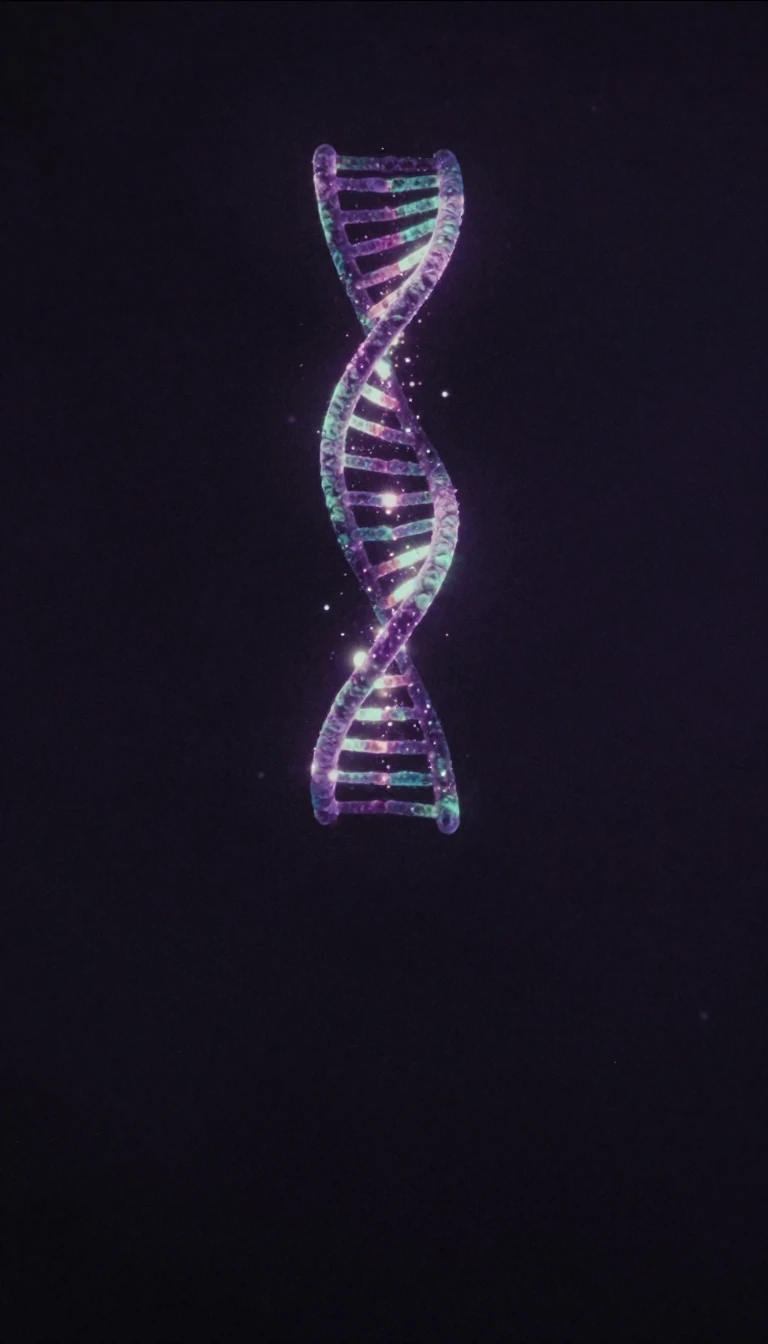 How your DNA acts as a permanent record of your deep ancestral lineageMost of your genetic material shuffles and mixes every generation, erasing your history. However, Y-DNA and mitochondrial DNA remain largely unchanged, acting as biological time c…
 How a 19th-century medical textbook became the definitive bible for modern surgeons and doctors.First published in 1858, Gray's Anatomy was designed as an affordable, accessible guide for medical students. It has since evolved into a massive, authoritative reference work, su…
 Why human hair removal is a complex dance of hygiene, status, and evolutionFrom ancient Egyptian priests to modern athletes, humans have spent millennia removing body hair. While often viewed through the lens of contemporary fashion, the practice is root…
 From ancient papyrus to modern surgery, the study of women's health has evolved significantly.Gynaecology, literally the study of women, traces its roots to ancient medical texts like the Kahun Gynaecological Papyrus. While once dominated by midwives, the field transformed…
- Haemophilia is a genetic disorder that prevents blood from clotting, causing dangerous internal bleeding.Haemophilia is an inherited condition that impairs the body's ability to form blood clots. While often associated with spontaneous joint and muscle bleeds, the severity varies sig…
 Why half-life is a game of probability rather than a fixed countdownWe often think of half-life as a precise clock, but it is actually a statistical prediction. While it describes the time required for a substance to reduce by half, it relies on t…
- Your genome is not just a blueprint; it is a sprawling, repetitive, and evolving landscape.While we often think of the genome as a precise instruction manual for building a human, it is actually a chaotic collection of functional genes, ancient viral remnants, and vast …
 Why medieval law once forbade marriage between a child and their own godparent.The role of the godparent began as a legal safeguard for adult converts, not infants. Over centuries, this spiritual bond became so legally potent that it created marriage barrier…
 Your body's ancient survival mechanism is still firing, even when there is no predator.The fight-or-flight response was designed to keep our ancestors alive when facing immediate, life-threatening danger. Today, this sympathetic nervous system reaction often trigger…
 New genomic data reveals the complex, hidden history of the first AmericansFor decades, the story of how the Americas were settled seemed straightforward. Now, high-coverage genome sequencing of 128 Indigenous individuals across eight Latin American coun…
 Why the birds in your backyard are ancient survivors of the dinosaur ageFowl are not just farmyard staples; they are a resilient evolutionary lineage known as Galloanserae. Emerging 85 million years ago, these birds survived the mass extinction that c…
 Are Jewish populations genetically distinct, or are they a mosaic of their host regions?Genetic research reveals that Jewish communities worldwide share significant Middle Eastern ancestry, yet they are not a single biological prototype. Instead, these groups represe…
 How a childhood accident led E.O. Wilson to become the world's leading ant expert.After losing sight in one eye during a fishing accident, E.O. Wilson pivoted from birds to insects. This shift launched a career that redefined biology, from his foundational work…
 Why exponential growth is not just rapid growth, but a specific mathematical ruleExponential growth is often mistaken for simple rapid expansion, but it is a precise mathematical relationship where a quantity's growth rate is directly proportional to its curre…
 The extracellular matrix is not just cellular glue; it is a dynamic biological architect.Long dismissed as passive scaffolding, the extracellular matrix is actually a complex, active network that dictates how cells grow, move, and heal. Far from being inert, this stru…
 Why your genes are not simply dominant or recessive, but a complex relative danceWe often learn that one gene variant masks another, creating a simple dominant or recessive trait. Yet, this is merely a relative effect between alleles. A single gene can be domi…
 Why the legal protection against being tried twice is not as absolute as imaginedDouble jeopardy prevents the state from prosecuting you twice for the same crime, but the rule is riddled with modern exceptions. From plea bargaining to retrials based on fresh e…
- DNA sequencing is the blueprint for life, revealing the code that builds every organism.DNA sequencing is the laboratory technique used to determine the exact order of nucleotides in a DNA molecule. By reading these four chemical bases—adenine, thymine, cytosine, and…
 Why this tiny fruit fly is the secret key to understanding human biologyDrosophila, the humble fruit fly, is a titan of modern science. Because they share 75% of human disease-producing genes and possess a surprisingly complex brain, these flies have …
 Subduction is the engine of Earth, recycling our planet's crust into its fiery interior.Subduction is the geological process where heavy oceanic plates dive beneath others, sinking into the mantle. This recycling mechanism drives plate tectonics, creates most of our …
- How the geometry of pentominoes shaped the foundation of the game TetrisThis video explores the mathematical origins of pentominoes and their connection to the development of the iconic game Tetris. It examines how these geometric shapes, formed by fi…
 The world's largest submarine plateau is not the continental fragment scientists once imagined.Deep beneath the southern Indian Ocean lies the Kerguelen Plateau, a massive underwater elevation that dwarfs all others. Long assumed to be a sunken piece of a lost continent, mo…
 Can you solve the classic hat puzzle using simple mathematical logic?This video explores the classic hat problem, a staple of recreational mathematics that tests your ability to deduce information from limited observations. It is worth watching to …
 Hurricane Ivan was a record-breaking storm that circled back to strike the United States twiceIn September 2004, Hurricane Ivan carved a path of destruction across the Caribbean and the American Gulf Coast. A long-lived Cape Verde storm, it reached Category 5 intensity thr…
- Hematite is a blood-red stone that has fascinated humanity for over 160,000 years.Named for the Greek word for blood, this iron oxide is more than just a vital industrial ore. From ancient cave pigments to Martian spherules and radiation shielding, hematite’s u…
 The Pacific-Antarctic Ridge is a massive, hidden mountain chain shaping our planet's crust.Deep beneath the southeastern Pacific Ocean lies a vast submarine mountain range where the Earth is constantly renewing itself. This geological powerhouse, known as the Pacific-An…
 Why the Great Ice Age was a moving target for modern geologistsThe Pleistocene is famously defined by its cycles of intense glaciation, yet for decades, scientists could not agree on when it actually began. The debate over its starting point …