 Intellect Plus
Science
17,267 cards. Each one is a 40-second story with a five-minute read behind it. Page 210 of 288.
Subtopics: Acids and bases · Algebra · Alloys and ceramic compounds · Analysis · Applied mathematics · Atomic and molecular physics · Atoms · Basics · Biochemistry · Biochemistry and molecular biology · Biological processes and physiology · Biology · Biology and health sciences: General · Biology basics · Calculus and analysis · Cell biology · Cells · Chemical elements · Chemistry · Climate · Cold · Color · Computer scientists and programmers · Condensed matter physics · Discrete mathematics · Earth science · Electricity & magnetism · Electromagnetism · Elements · Entropy · Everyday Science Questions · Evolutionary biology · Famous equations · Famous experiments · Found by OrchestratorBot · Foundations · Functions · Future Frontier · Genetics and molecular biology · Geology · Geometry · Glass · Global Curiosity Questions · Heat · How Did the Dinosaurs Become Extinct? · How Things Work: Gas from Source to Supply · How Things Work: The Journey of Crude Oil · Human body & genes · Ice · Infinity · Inventors and engineers · Isotopes · Light · Magnetism · Materials · Mathematicians · Maths · Measurement · Mechanics · Microbiology · Minerals & crystals · Molecular compounds · Nature: How Long Can It Live? · Nuclear physics · Number theory · Optics & light · Organic compounds · Other · Particle physics · Physics · Physics basics · Pre-modern figures · Prime numbers & number theory · Probability · Proof · Pseudoscientists · Quantum · Quantum Biology · Reactions and synthesis · Relativity · Research methods · Researched · Salts and ions · Science basics · Scientific discoveries · Scientific instruments · Scientists, inventors and mathematicians · Separation processes · Social scientists · Stars · Statistics and probability · Theoretical computer science · Theory · Thermodynamics · Thermodynamics & heat · UK & Ireland: science · Units & measurement · Volcanoes · Water · Waves · Women in science
 Why the term progestogen is often misunderstood in both science and medicineProgestogens are essential steroid hormones, yet the terms used to describe them are frequently confused. While progesterone is the body's primary natural progestogen, synthetic v…
 Proline is the structural rebel of the amino acid world, defying standard protein rules.Unlike its peers, proline is a secondary amine with a rigid, five-membered ring structure. This unique geometry forces it to break the rules of protein folding, acting as a struct…
 The genetic switch: how DNA decides which genes to turn on or offA promoter is the essential control center of your DNA. By acting as a landing pad for RNA polymerase, these specialized segments determine exactly when and where a gene is activa…
 The proteasome is a sophisticated molecular machine that recycles your cells' proteinsInside your cells, a massive protein complex called the proteasome acts as a high-precision waste disposal unit. By selectively breaking down damaged or unneeded proteins, this 2.…
 Your cells are constantly building, folding, and modifying proteins to keep you alive.Protein biosynthesis is the essential biological process that maintains your body by replacing lost proteins. From the transcription of DNA into messenger RNA to the complex foldi…
- Proteins are not just chains of amino acids; they are complex, self-folding molecular machines.Proteins are the workhorses of life, defined by their precise three-dimensional shapes. While they begin as simple, linear sequences of amino acids, they fold into intricate, func…
- How do proteins know where to go inside your cells to keep you alive?Every protein in your body is born in the cytosol, yet most must travel to specific destinations to function. This complex logistics system relies on internal postal codes—short a…
- Life builds its entire complexity from a surprisingly limited set of twenty-two building blocks.Across all known life, only twenty-two amino acids are genetically encoded to construct proteins. While thousands of other amino acids exist in nature, these specific few were sel…
- Your genome is just the blueprint; the proteome is the living, breathing machine.While your DNA provides a static instruction manual, the proteome represents the dynamic, shifting reality of your biology. It is the complete collection of proteins active within…
- Why your genome is only the beginning of your biological storyYour DNA is a static blueprint, but your proteome is a dynamic, shifting landscape. While genes provide instructions, proteins are the actual workers of your cells. Because these …
 Why your height and health are more than just a simple genetic codeMost traits like height or longevity do not follow simple Mendelian rules. Instead, they are complex, polygenic, and influenced by the environment. Quantitative genetics uses stat…
 Receptors are the biological locks that translate chemical signals into cellular action.Receptors are specialized proteins that act as cellular gatekeepers, receiving chemical messages and triggering precise physiological responses. From neurotransmitters to hormones…
 Your DNA is not a fixed script but a dynamic, editable molecular libraryCells do not simply read their genes; they actively curate them. Through complex mechanisms like chromatin remodeling and epigenetic tagging, your body decides which genes to sile…
 Regurgitation is a vital survival strategy for many species, but a health concern for humans.While humans often view regurgitation as a symptom of digestive distress, for much of the animal kingdom, it is a sophisticated, voluntary mechanism. From feeding offspring to pro…
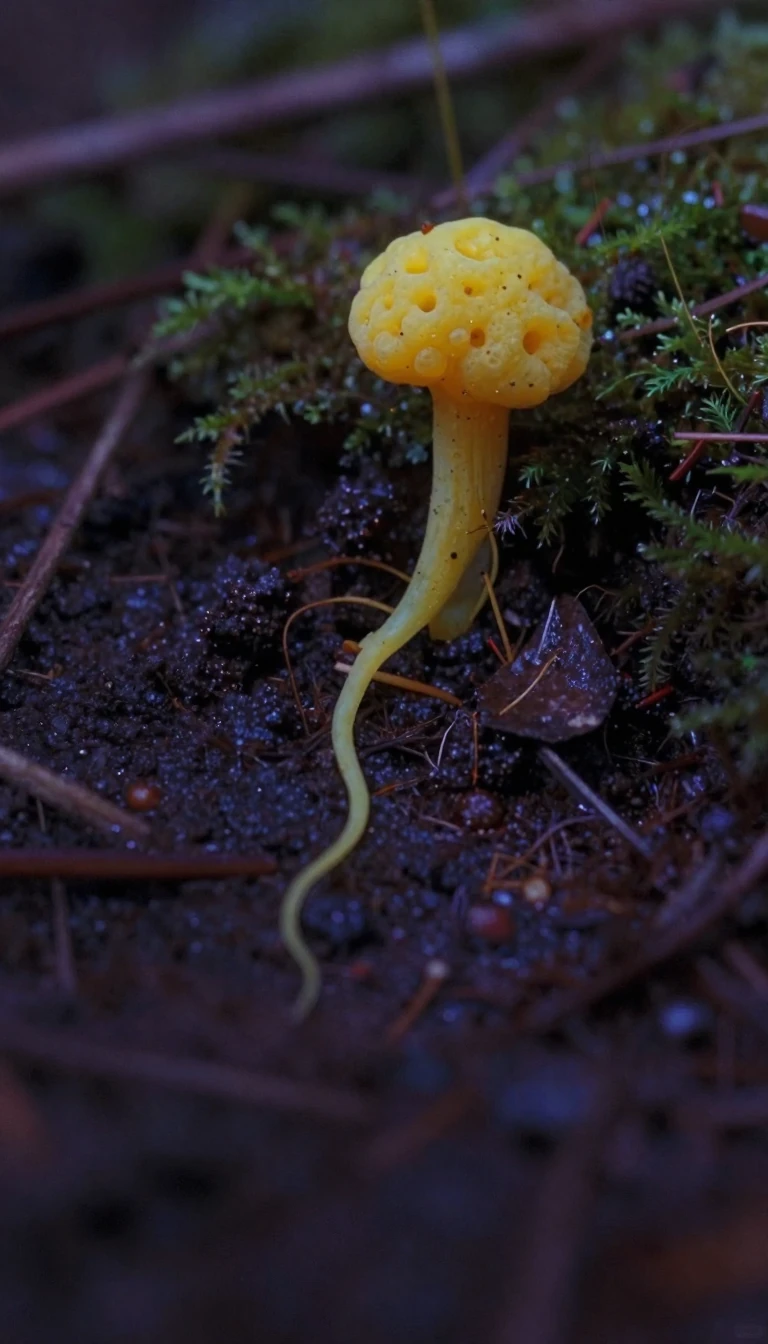 Why nature keeps species apart through the rigid clockwork of time and behaviorSpecies do not always need mountains or oceans to stay separate. Sometimes, the barrier is as simple as a calendar or a dance. By timing their reproduction to different seasons, d…
 Reverse genetics flips the script on biology by starting with genes, not traits.Traditional genetics begins with an observable trait and hunts for the responsible gene. Reverse genetics does the opposite: it starts with a specific genetic sequence and enginee…
 Reverse transcriptase defies the central dogma by turning viral RNA into host DNAFor decades, biology followed a strict one-way street: DNA becomes RNA, which becomes protein. This central dogma was challenged by the discovery of reverse transcriptase, an enzy…
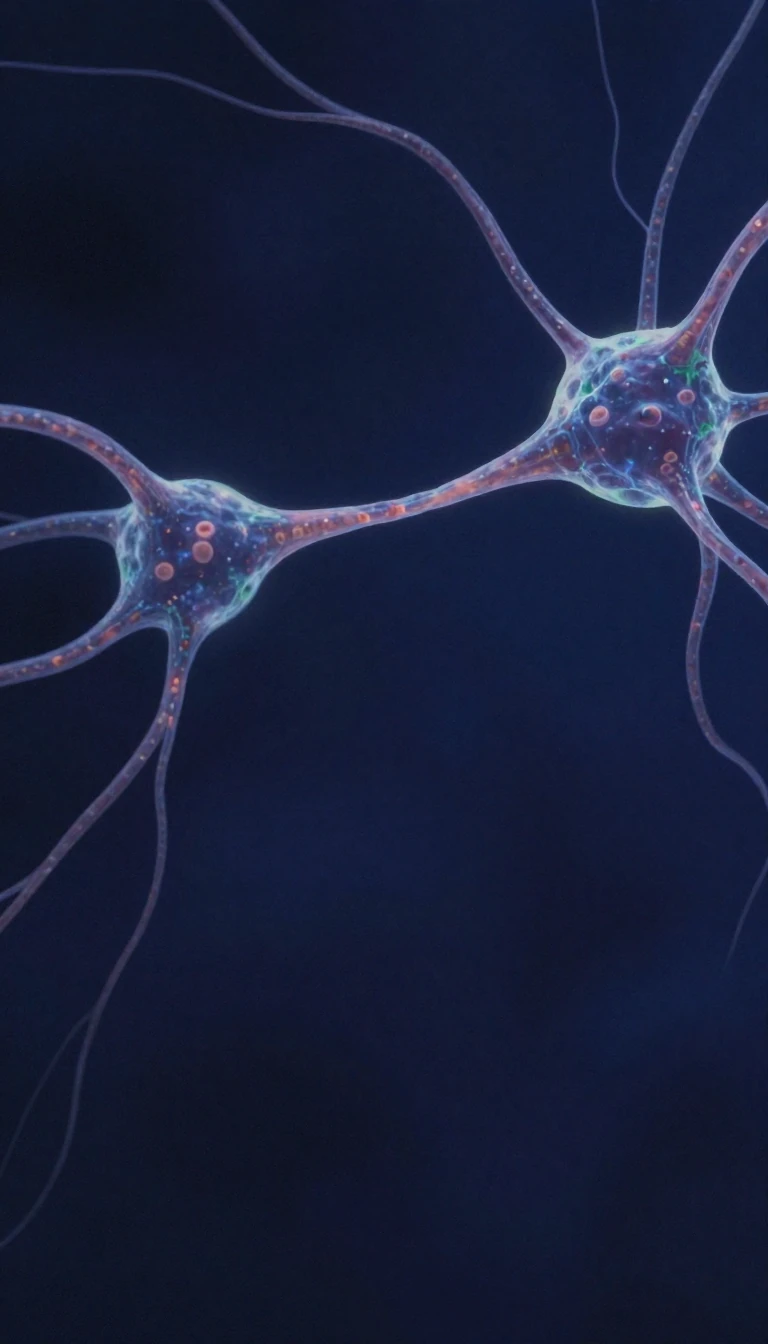 How a single protein turns a flicker of light into a neural signalRhodopsin is the biological switch that makes vision possible in dim light. By combining a protein with a vitamin A derivative, it creates a light-sensitive sensor that triggers a…
 Ribose is the unsung molecular architect behind your genetic code and cellular energy.Beyond its role as the backbone of RNA, this simple five-carbon sugar acts as a vital currency for biological energy. From powering muscle recovery to orchestrating complex signal…
- Ribosomal RNA is the ancient catalyst that may have sparked life on EarthRibosomal RNA is not just a structural scaffold for protein synthesis; it is a functional ribozyme. By acting as both a repository of genetic information and a catalyst for chemic…
- A cellular defense mechanism against viruses has become a powerful tool for genetic research.Cells possess a sophisticated internal surveillance system that identifies and destroys foreign genetic material. Known as RNA interference, this process uses double-stranded RNA …
- RNA polymerase is the molecular machine that translates your genetic code into living reality.Every cell in your body relies on RNA polymerase to transcribe DNA into the instructions needed for life. This sophisticated enzyme does more than just copy genetic sequences; it …
- Your genes are not linear blueprints but complex mosaics that require constant editing.Most eukaryotic genes are not simple, continuous instructions. Instead, they are fragmented mosaics of coding exons and non-coding introns. To function, cells must perform RNA spl…
- How cells translate external signals into internal action using a clever molecular messenger systemCells cannot always read external signals directly. To bridge the gap, they use second messengers—tiny molecules that relay information from surface receptors to the cell interior…
 Plants produce complex chemical defenses that are not essential for their own survivalSecondary metabolites are organic compounds produced by plants and other organisms that are not required for basic growth or reproduction. Instead, these substances mediate ecolog…
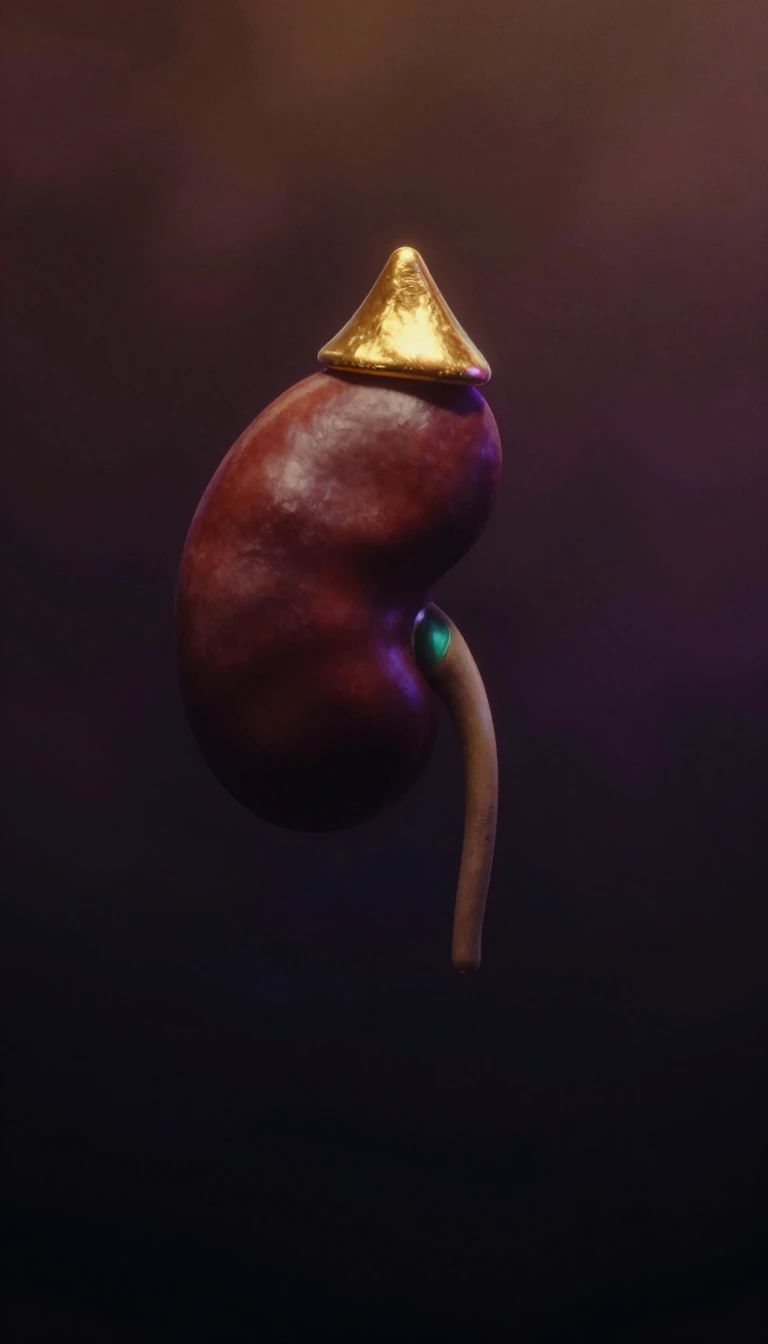 The hormone that proved our bodies are controlled by chemistry, not just nervesIn 1902, two physiologists severed the nerves connecting a dog's pancreas to its gut, expecting digestion to stop. Instead, the pancreas kept working. This accidental discovery re…
 Your body builds its own serine, but when this internal factory fails, disaster strikes.Serine is a vital building block for proteins and brain signaling, synthesized within your cells through a three-step metabolic route. When this internal production line breaks do…
- Why your sex determines how you inherit certain traits, from eyes to bloodSex linkage reveals why genes on X and Y chromosomes follow unique inheritance patterns. Because these chromosomes are not homologous, males often express recessive traits that fe…
 How your cells turn external chaos into precise, life-sustaining biological instructionsEvery second, your cells act as sophisticated information processors. They detect external cues, translate them into internal messages, and trigger specific responses like gene ex…
 The 74-day journey from stem cell to a swimming, fertilization-ready sperm cellDeep within the testes, a complex biological assembly line works constantly to produce sperm. Starting from simple stem cells in the seminiferous tubules, this process involves pr…
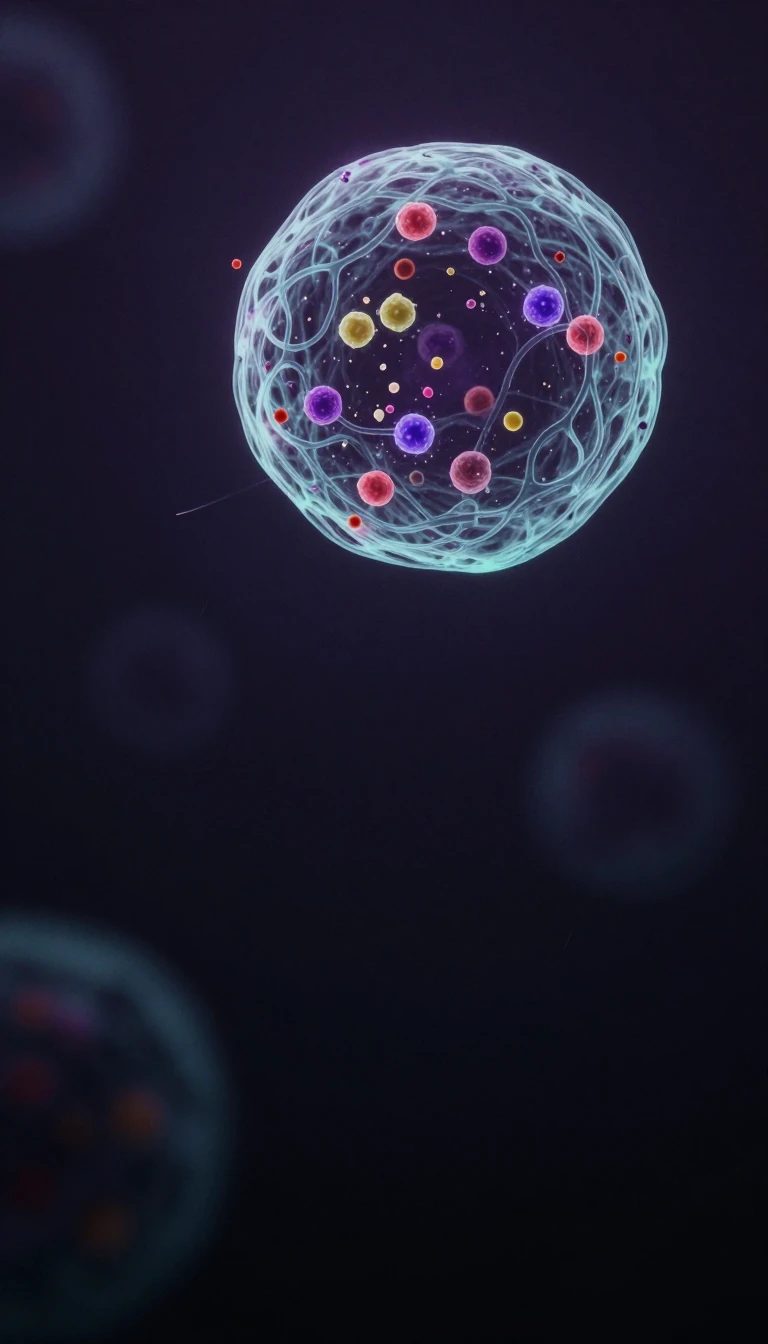 How scientists use chemical dyes to make the invisible structures of life visibleBiological staining is a precise technique that adds contrast to transparent cells, allowing researchers to map complex tissues and diagnose diseases. By selecting specific dyes t…
 Why some species perish when the temperature shifts by only a few degreesMost organisms are built to handle a wide range of climates, but stenotherms are different. These specialized creatures thrive only within a very narrow temperature window. If the…
- Steroid hormones are the body's master regulators, traveling through blood to command distant cells.These fat-soluble chemical messengers originate in glands like the adrenal cortex, testes, and ovaries. By slipping directly through cell membranes, they bypass traditional barrie…
 Stillbirth is a common, often misunderstood, and frequently preventable tragedy for many familiesStillbirth, defined as the loss of a pregnancy after 20 or 24 weeks depending on the region, is more prevalent than many realize. While causes range from placental issues to mater…
- How the three-dimensional architecture of life dictates everything our cells doStructural biology reveals the hidden shapes of proteins and nucleic acids. By mapping these molecules in atomic detail, scientists uncover how specific folds enable biological fu…
 Systematics is the grand map of life, charting how every organism is related today.Ever wonder how scientists organize the chaotic diversity of life on Earth? Systematics is the rigorous field that maps evolutionary history, turning biological relationships into…
 Life is a relationship among molecules, not a property of any single oneSystems biology treats living organisms as integrated networks rather than collections of isolated parts. By shifting focus from individual genes or proteins to the complex intera…
- A taxon is more than just a name; it is a map of life.In biology, a taxon is a group of organisms recognized as a distinct unit. While these groupings help us organize the natural world, they are often contested. Modern scientists in…
- Telomeres act as biological aglets, protecting your genetic code from unraveling every single day.Think of your chromosomes like shoelaces. At the ends, you have telomeres—specialized caps that prevent your DNA from fraying or fusing together. As your cells divide, these caps …
- How cells know when to stop reading their own genetic codeTranscription is the process of copying DNA into RNA, but it must have a clear end point to function. Without specific terminator sequences, cells would waste energy on runaway tr…
 Thermogenesis is the metabolic process that turns your body into a biological furnace.Beyond simple shivering, your body employs sophisticated internal mechanisms to generate heat and maintain a stable temperature. From brown fat burning fatty acids to futile cellu…
 The sac-like structures inside your plants that turn sunlight into chemical energyDeep within the green tissues of plants, microscopic, disk-shaped compartments called thylakoids act as the engine room for life on Earth. These intricate, membrane-bound structur…
- Thymine is the essential DNA base that keeps our genetic code stable and readable.Thymine is one of the four fundamental building blocks of DNA, acting as the critical partner to adenine. While it is famously known for its role in the double helix, this pyrimid…
- Your thyroid gland acts as the master thermostat for your body's entire metabolic engine.Tucked in your neck, this butterfly-shaped gland orchestrates your energy levels by releasing two primary hormones. While one is largely inactive, the other drives your cells to b…
 Trace fossils reveal the ancient history of life through behavior rather than body parts.While most people look for bones or shells, paleontologists often find more truth in the tracks, burrows, and waste left behind by ancient creatures. These trace fossils provide a…
- Your genome is static, but your transcriptome is a dynamic map of active life.While your DNA sequence remains largely fixed, your transcriptome is a constantly shifting landscape of RNA molecules. It captures the precise state of gene expression in your cel…
- Transfer RNA is the essential molecular chef that translates genetic code into living proteins.Imagine a master chef in a kitchen, too busy to gather ingredients. Transfer RNA acts as the vital assistant, fetching specific amino acids and delivering them to the ribosome. By…
- Why the term missing link is a scientific misnomer for evolutionary historyTransitional fossils are not missing links, but rather snapshots of life that bridge the anatomical gaps between major groups. While popular culture views evolution as a linear ch…
- Jumping genes: The mobile DNA sequences that rewrite the blueprint of lifeOnce dismissed as genetic noise, transposable elements are now known to be ubiquitous architects of the genome. These jumping genes move across DNA, driving evolution and genetic …
 Why the suffix on a scientific name tells you exactly where it fitsIn the vast hierarchy of biological classification, the tribe sits quietly between the genus and the family. While these groupings help scientists organize life, identifying them …
 Why every biological family name is anchored to a single, specific genusIn the complex world of biological classification, names are not arbitrary. Every family-group taxon is tethered to a single, name-bearing genus known as the type genus. This foun…
 How a single physical specimen anchors the scientific name of an entire species forever.Naming a species is a permanent commitment that links a name to a physical reference point. Scientists use a type specimen—a single, designated individual—to define a species. Thi…
- Beyond cheese: How a single amino acid powers your brain and photosynthesisNamed after the Greek word for cheese, tyrosine is far more than a dietary building block. This versatile amino acid acts as a critical switch in cellular signaling, a precursor t…
- The tiny protein tag that decides whether your cells live or dieUbiquitin is a small, highly conserved protein that acts as a cellular master regulator. By attaching itself to other proteins, it dictates their fate—whether they should be trans…
 The umbilical cord is a temporary lifeline that leaves behind a permanent biological scar.After birth, your baby’s umbilical cord is secured with a plastic clip and left to wither. Within a few weeks, this former conduit for oxygen and nutrients dries, shrinks, and det…
 Why your bladder is a masterclass in biological engineering and pressure managementUrination is more than a simple reflex; it is a complex physiological dance involving the brain, spinal cord, and specialized muscles. While we often take this process for granted…
 Why this essential amino acid is the secret to metabolic health and stem cellsValine is an essential building block for human proteins that our bodies cannot produce on their own. Beyond its role in muscle fuel, this branched-chain amino acid acts as a meta…
 Why cloning your garden is the secret to perfect, predictable plant resultsGrowing plants from seed is a gamble, as offspring often fail to mirror their parents. Vegetative propagation bypasses this uncertainty by creating exact clones. Whether through c…
 Why your body is a walking museum of ancient, forgotten evolutionary historyVestigiality refers to structures or behaviors that have lost their original ancestral function. From the human tailbone to the wings of flightless birds, these remnants are not n…
 Why viruses evolve so fast that they constantly outrun our best medical defensesViruses are masters of rapid adaptation, driven by massive population sizes and incredibly short generation times. By accumulating heritable genetic changes in response to host im…