 Intellect Plus
Nature
11,198 cards. Each one is a 40-second story with a five-minute read behind it. Page 146 of 187.
Subtopics: Ageing · Air · Animal behaviour · Animal breeds and hybrids · Animals · Arthropods · Atmosphere · Big cats · Bilateria, others · Birds · Botany · Cnidarians · Conservation · Coral reefs · Deep sea · Deserts · Dinosaurs · Earth science · Earth science and physical geography · Earth science basics · Earthquakes & tsunamis · Echinoderms · Ecology · Ecosystems · Endangered species · Extinct animals · Farming · Fish · Forests · Fungi · General classifications · Geology · Geomorphology · How Long Can It Live? · Ice · Individual animals · Insects · Lightning · Longevity · Mammals · Marsupials · Migration · Mollusks · Ocean · Organisms · Parasites · Physical geography · Plants · Porifera · Predators · Primates · Rainforest · Reptiles & amphibians · Researched · Sharks & rays · Spiders & arachnids · Symbiosis · Trees · UK & Ireland: nature · Vertebrates · Vision · Volcanoes · Water · Waves · Weather · Whales & dolphins · Zoology
 Why having extra DNA might have helped some plants survive the K-Pg extinction event.This video explores how certain plant species managed to endure the massive ecological upheaval of the K-Pg extinction. It examines the theory that possessing a larger amount of D…
 Why did nautiloids retreat from the global oceans thirty million years ago?For half a billion years, nautiloids dominated the seas. This video explores the emergence of new predators thirty million years ago that forced these ancient cephalopods into a s…
 Why did these bizarre therizinosaurs evolve such a confusing, mixed-up anatomy?Therizinosaurs are famous for their strange, mashed-up appearance. This video explores how these creatures lived and evolved, revealing that their lifestyle was just as unusual as…
 Could the oldest known predator in the animal kingdom hide in ancient rocks?Scientists may have discovered the earliest predatory animal in the fossil record. This video examines the surprising find of complex life within geological layers previously cons…
- Are bird wings actually stranger than we ever imagined from an evolutionary perspective?This video examines the evolutionary history of bird wings, questioning our traditional understanding of what makes these structures unique. It highlights new scientific discoveri…
 How the Earth survived a massive, half-million-year ocean suffocation eventDuring the Cretaceous Period, the planet underwent a dramatic transformation to stabilize its climate. This process triggered a catastrophic environmental shift that left the worl…
 An ancient, invisible boundary divides the wildlife of the Indonesian islandsBetween two Indonesian islands lies a mysterious, invisible line that separates distinct biological worlds. This video explores the nature of this geographic divide and why it rem…
 How human environmental changes forced mosquitoes to evolve into our specialized urban pestsSix millennia ago, an ecological shift in Africa's Sahel region triggered a transformation in mosquito behavior. This video explores how environmental changes drove these insects …
 The evolutionary mystery of how the giraffe developed its iconic long neck.Biologists have debated for generations why giraffes evolved such long necks. This video examines the mystery and explains how this ongoing scientific inquiry forces us to constan…
 Did ants conquer the planet entirely on their own, or did they have help?Ants are global powerhouses, but their rise to dominance might not be a solo achievement. This video explores the possibility that ants thrived by hitching a ride on a separate, m…
 Did animal life begin a billion years before the Cambrian explosion?Fossil discoveries in billion-year-old rocks challenge our timeline of animal evolution. This video explores whether a long, slow-burning biological fuse preceded the sudden diver…
- Is bigger always better in the evolutionary race toward giant proportions?Paleontologists have debated for over a century whether evolution inevitably drives species toward gigantism. This video examines the trajectory of thunderbeasts, tracing their de…
 How tiny fossilized organisms reveal hidden, catastrophic shifts in ancient ocean healthGraptolites, once overlooked, are now providing scientists with a clearer picture of the Silurian period. This video explores how these fossils reveal previously unknown extinctio…
 Why Earth is the only planet in the universe capable of sustaining fireFire is not just a chemical reaction; it is a planetary phenomenon that requires life. This video explains why Earth stands alone in the solar system as the only world where fire …
 Why beans and bees are the true architects of the butterflyContrary to the popular belief that bats might be responsible for the evolution of butterflies, recent findings suggest that bees and beans played the decisive role in their exist…
 Did tiny exoskeleton fragments help ancient microbes colonize the open ocean?Microscopic life may have relied on discarded insect parts to travel across the sea. This video explores how these ancient hitchhikers used exoskeleton fragments as vessels, poten…
 The surprising, somewhat gross way scientists track the origins of human clothingArchaeologists struggle to find ancient garments, as the oldest known example is the Tarkhan Dress. To determine when humans first began wearing clothes, researchers look to an un…
 Why identifying the sex of a dinosaur remains a significant paleontological challengeDespite our extensive knowledge of how dinosaurs moved and what they consumed, determining their sex has long remained an elusive biological mystery. This video explores why disti…
- Why South Carolina's vital salt marshes are disappearing and if they can recoverSouth Carolina holds the largest salt marsh expanse on the Atlantic coast, yet these essential ecosystems are in decline. This video examines the ecological importance of these nu…
 Why this festive marine worm is a secret guardian of coral reefsThe Christmas tree worm is a marine relative of the earthworm that thrives in coral reefs. This video explores how these colorful creatures differ from their soil-dwelling cousins…
 What can a museum collection teach us about the elusive aoudad?Join James Ashworth and scientist Alex Cranston as they examine the aoudad, a species represented within the vast Natural History Museum collections. This video offers a behind-th…
 Behind the lens of the world's most prestigious wildlife photography competitionExplore the 2023 Wildlife Photographer of the Year exhibition at the Natural History Museum. This video features insights from award-winning photographers and competition judges, …
 Why seeing a sloth in Costa Rica is actually a sign of troubleWildlife photographer Suzi Eszterhas captures the reality of urban sloths in Costa Rica. Her award-winning image, featured in the fifty-eighth Wildlife Photographer of the Year co…
 Why do some trees shed their leaves while others remain green all year?Explore the biological mechanisms behind autumn leaf colour changes and the diversity of tree foliage. Join experts from the Natural History Museum to understand why trees exhibit…
 Earth is a fire planet, but are we entering a new, dangerous age?This episode explores our planet's history with fire and how nature might adapt to a future defined by flame. By examining the relationship between humans, plants, and animals, th…
 Why one in five people rely on glaciers for their daily drinking waterGlaciers function as the planet's primary freshwater reservoir. This video examines the critical role these ice masses play in sustaining human communities and ecosystems, while q…
 Can we help the Earth breathe again by restoring its tropical rainforests?Tropical rainforests perform roughly 30% of land-based photosynthesis, acting as vital carbon sinks. As these ecosystems shrink and face degradation, experts explore the science a…
 Why the Natural History Museum is finally cleaning its massive whale skeletons annuallyAfter sixteen years of neglect, the Natural History Museum has overhauled its conservation process for its whale specimens. Learn how the team stabilized these giants during a gal…
- Can forgotten urban patches transform city life and boost local biodiversity?The Derbyshire Wildlife Trust is revitalizing neglected city land to create green corridors. This project explores how connecting urban residents with nature improves both biodive…
- Can the Peak District transform from a nature-depleted landscape into a thriving ecosystem?The Peak District is a National Park, yet it suffers from severe nature depletion. This video explores how the Derbyshire Wildlife Trust collaborates with local farmers to restore…
- Why do some animals use their own urine to attract a potential mate?Explore the curious biological practice of self-anointing. This video examines how animals use their own scent to communicate and attract partners, offering a glimpse into the sur…
- Why these soggy, carbon-rich landscapes are essential to our climate futurePeat bogs are far more than just wetlands. They act as vital carbon sinks and natural buffers against extreme weather. This video explores how these unique environments support bi…
- Can a former municipal golf course become the UK's largest urban rewilding project?On the outskirts of Derby, a former golf course is being transformed into a massive urban rewilding site. This project demonstrates how degraded land can be restored to nature whi…
- How removing river barriers brought Atlantic salmon back after a century of absenceAfter over 100 years, Atlantic salmon have returned to spawn in the upper Ecclesbourne river. This video explores the restoration efforts in Derbyshire, examining how improving ri…
 Why your backyard is the most important laboratory for understanding the natural worldConnecting with nature is more than a hobby; it is a vital relationship that enhances your quality of life while supporting local biodiversity. By observing the rhythms of your ow…
- Are meerkats the most homicidal mammals on the planet?Join James Ashworth and Dr. Natalie Cooper from the Natural History Museum to investigate the surprising aggressive behaviors of meerkats. This video explores why these social cre…
- London's Natural History Museum transforms its grounds into a living urban wildlife sanctuaryThe Natural History Museum in London has unveiled newly redesigned gardens that function as both a public oasis and a scientific laboratory. This project realizes a long-held visi…
- Caecilians are legless amphibians with unique sensory tentacles and unusual parental care habits.Caecilians are often overlooked compared to frogs, toads, and salamanders. This video explores their distinct biology, including their tiny eyes, specialized tentacles, and the su…
- Can urban rewilding projects transform city life and restore local biodiversity?Josh Davis travels across Derbyshire to investigate how diverse rewilding initiatives—from rural farms to city centers—are actively supporting nature. This series highlights the p…
 Why the ostrich is the world's fastest bird with the fewest toes.Explore the anatomy of the ostrich, the world's fastest running bird. This video features Museum scientist Jo Cooper and Alison Shean, who examine 100-year-old specimens from the …
- How one photographer captured a hidden underwater world of thousands of Western toad tadpoles.Shane Gross, the 2024 Wildlife Photographer of the Year, reveals the patience and technical skill required to document the life cycle of Western toad tadpoles. This video explores…
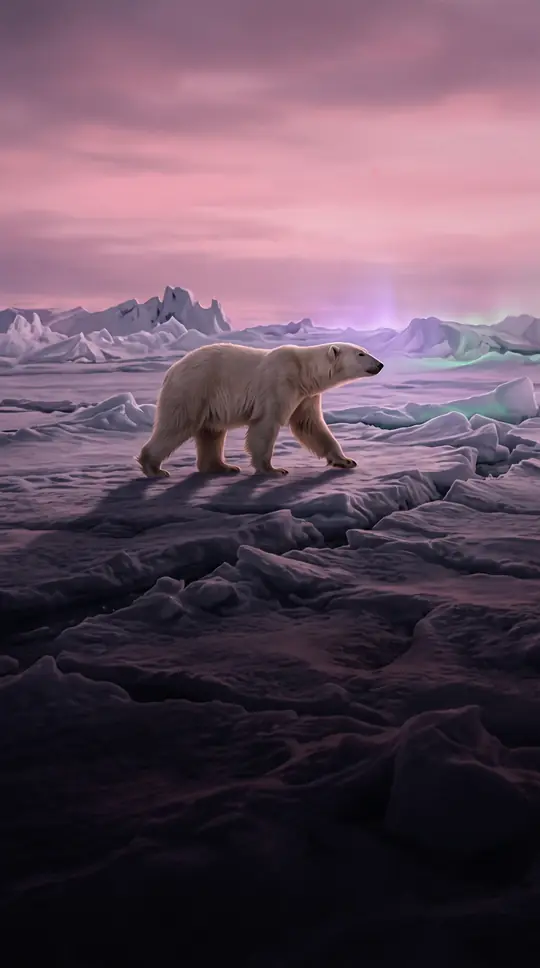 Sixty years of capturing the planet's most vital natural stories through a lensExplore the sixtieth anniversary of the Wildlife Photographer of the Year exhibition. This video offers an exclusive look at the winning images, featuring insights from the judges…
 Uncovering the hidden seasonal transformations occurring right on your doorstepExplore the vibrant revival of spring as host Emma Caton and scientist Shathuki Perera reveal the spectacular biodiversity thriving in even our urban environments.
 Why do these tiny mammals possess such an insatiable, constant need for food?Shrews are among the smallest mammals on Earth, yet they maintain an appetite that defies their size. This video explores the biological drivers behind their intense eating habits…
- Why have polar bears and penguins never met in the wild?Polar bears and penguins are iconic cold-weather animals, yet they inhabit opposite ends of the Earth. This video explores the geographical divide between these species and examin…
- Do lemurs really have two tongues and a built-in grooming tool?Explore the unique anatomy of lemurs, including their specialized tooth combs and the mystery of their double tongues. This behind-the-scenes look at the Natural History Museum co…
- Beyond the villain: uncovering the true nature of the hyenaOften cast as the cinematic villain, hyenas are far more complex than media portrayals suggest. This behind-the-scenes look at the Natural History Museum's vertebrate collection e…
- Meet the sea snail that builds its own mobile museum of curiositiesCarrier shells, or Xenophora, are nature’s most dedicated collectors. Unlike humans who gather shells on the beach, these snails physically attach objects to their own backs as th…
- Some beetles grow larger than a human hand and weigh hundreds of gramsWhile many beetles like ladybirds are tiny, some species reach massive proportions. This video takes you behind the scenes at the Natural History Museum to explore the world of gi…
 Why does the flightless kiwi lay such remarkably large eggs?The kiwi is New Zealand's national bird, a unique creature with distinct biological traits. This video features bird nest and egg specialist Douglas Russell from the Natural Histo…
- Why do giraffes have long necks and can they actually lie down?Explore the biology and behavior of Earth's tallest animal. This video goes behind the scenes at the Natural History Museum to investigate common questions about giraffe sleeping,…
- Can a single word define the perfect museum specimen from 80 million objects?Hosts Josh and Natalie explore the Natural History Museum's vast collection to find the perfect specimen based on the word squishy. This episode examines the criteria for museum p…
- Can you find the perfect specimen among 80 million museum objects?Josh and Natalie explore the Natural History Museum's vast collection to identify the perfect specimen based on a single word. In this episode, they select four items that embody …
 How Indigenous stewardship protects the world's most vital ecosystemsAs global wildlife populations have plummeted by 69 percent in just 50 years, a different model of conservation is emerging. Beyond modern technology, the key to preserving our bi…
- Can a museum hold 80 million specimens and still be incomplete?The Natural History Museum in London houses over 80 million objects, ranging from dinosaur bones to giant squids. This video explores the concept of the perfect specimen through t…
- Why summer is the peak season for urban wildlife and biodiversitySummer transforms gardens and urban green spaces into bustling hubs of activity. This video explores the thriving ecosystems found in our own backyards, highlighting the diverse s…
 Can microscopic worms and pet dogs unlock the secret to human longevity?Scientists are racing to decode the biological mechanisms of aging, shifting focus from merely extending lifespans to preserving health. By utilizing high-speed robotics to screen…
- Can sharks actually change their skin color to become more effective predators?National Geographic Explorer Gibbs Kuguru faced a pivotal choice in college: study for the MCAT or go free diving with sharks. He chose the sharks, leading to a career in genetic …
- Designing a Floating Castle: How Imagineers Built the Massive Disney Wish Cruise ShipImagineers are not just theme park designers; they are architects of impossible scale. Laura Cabo, a creative executive at Walt Disney Imagineering, spent five years leading the d…
- Why Cheetahs Are Currently Racing Against Extinction in the Wilds of South AfricaCheetahs face a precarious future as they struggle against the dual threats of habitat loss and illegal trafficking. National Geographic photographer Nichole Sobecki is documentin…