 Intellect Plus
Nature
11,198 cards. Each one is a 40-second story with a five-minute read behind it. Page 143 of 187.
Subtopics: Ageing · Air · Animal behaviour · Animal breeds and hybrids · Animals · Arthropods · Atmosphere · Big cats · Bilateria, others · Birds · Botany · Cnidarians · Conservation · Coral reefs · Deep sea · Deserts · Dinosaurs · Earth science · Earth science and physical geography · Earth science basics · Earthquakes & tsunamis · Echinoderms · Ecology · Ecosystems · Endangered species · Extinct animals · Farming · Fish · Forests · Fungi · General classifications · Geology · Geomorphology · How Long Can It Live? · Ice · Individual animals · Insects · Lightning · Longevity · Mammals · Marsupials · Migration · Mollusks · Ocean · Organisms · Parasites · Physical geography · Plants · Porifera · Predators · Primates · Rainforest · Reptiles & amphibians · Researched · Sharks & rays · Spiders & arachnids · Symbiosis · Trees · UK & Ireland: nature · Vertebrates · Vision · Volcanoes · Water · Waves · Weather · Whales & dolphins · Zoology
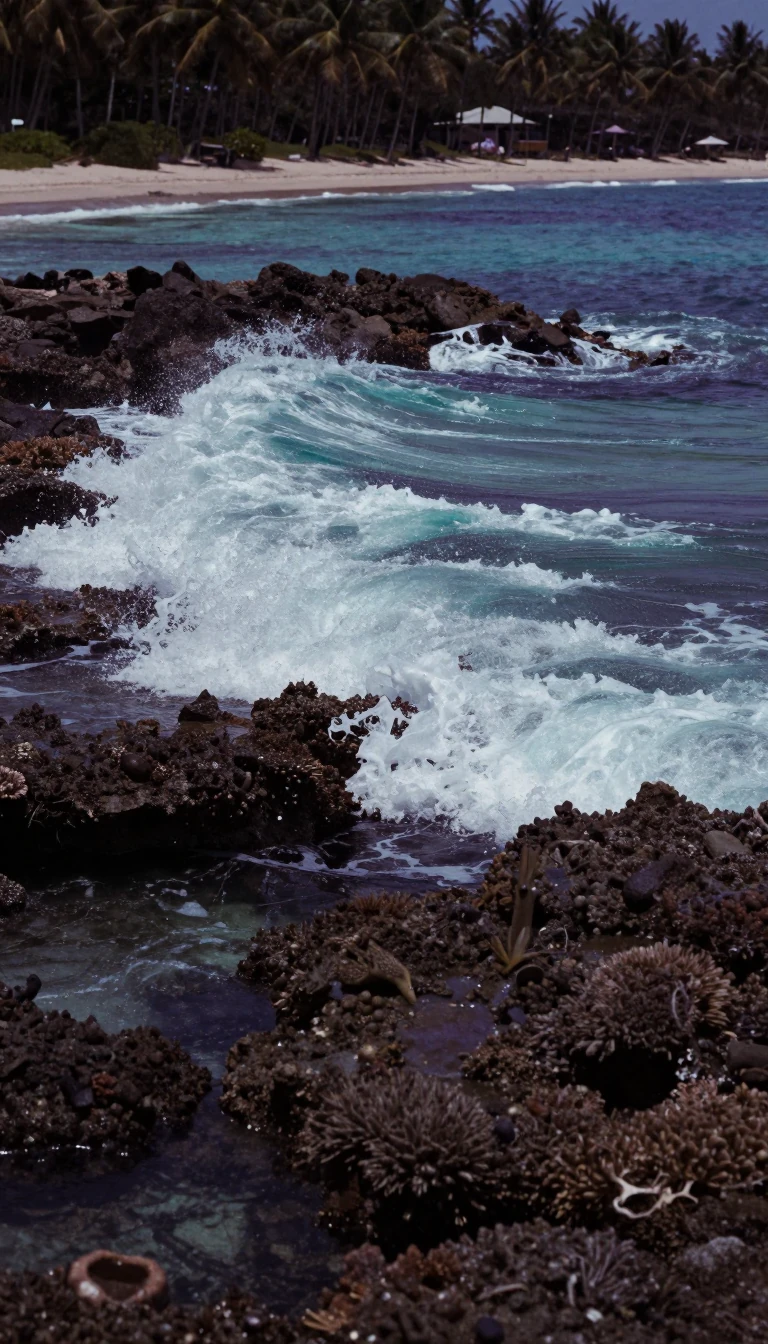 Jordan’s hidden underwater sanctuary: how a tiny coastline protects a vast marine ecosystemEstablished in 1997, the Aqaba Marine Reserve represents Jordan’s commitment to preserving its only maritime outlet to the Red Sea. Despite occupying just a fraction of the countr…
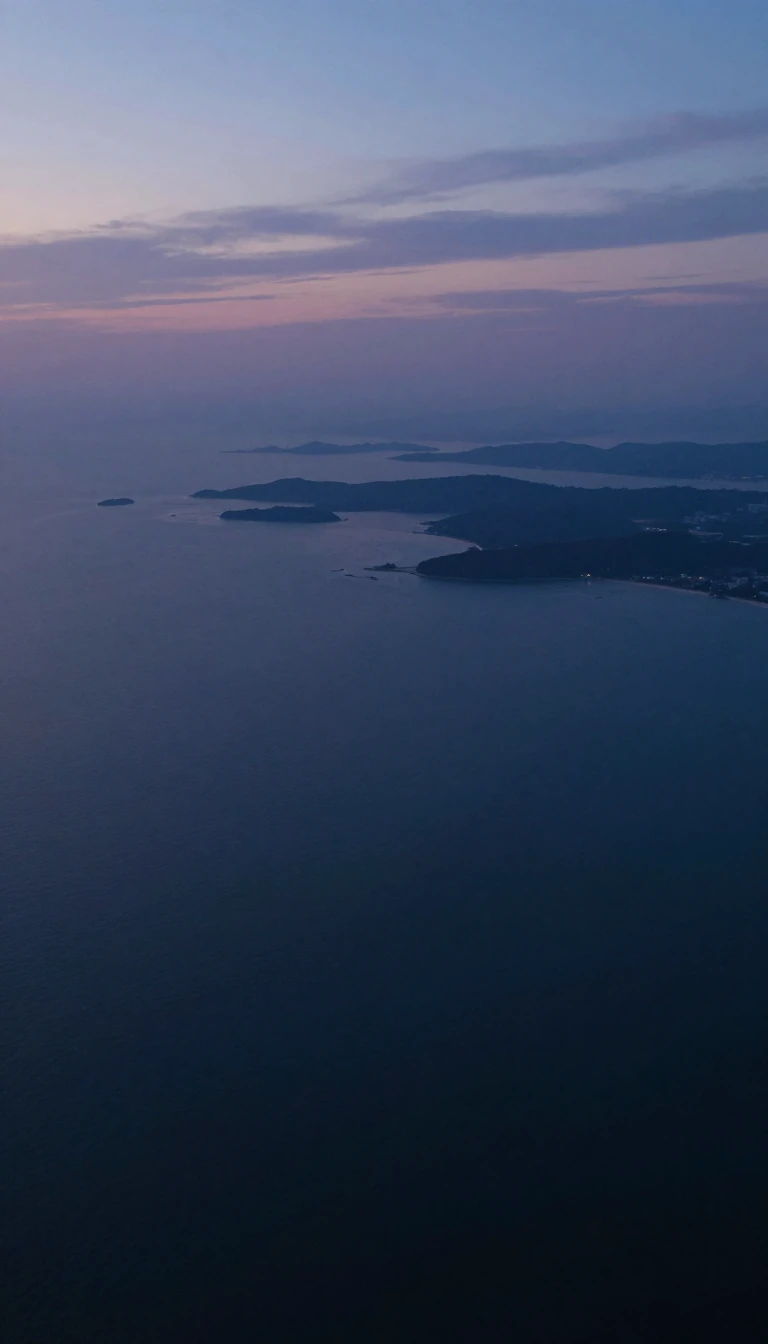 Four Japanese islands host a unique, biodiversity-rich UNESCO World Heritage siteSpanning four distinct islands in the Ryukyu Arc, this serial World Heritage site is a global hotspot for rare, endemic species. From the elusive Amami rabbit to the Iriomote cat,…
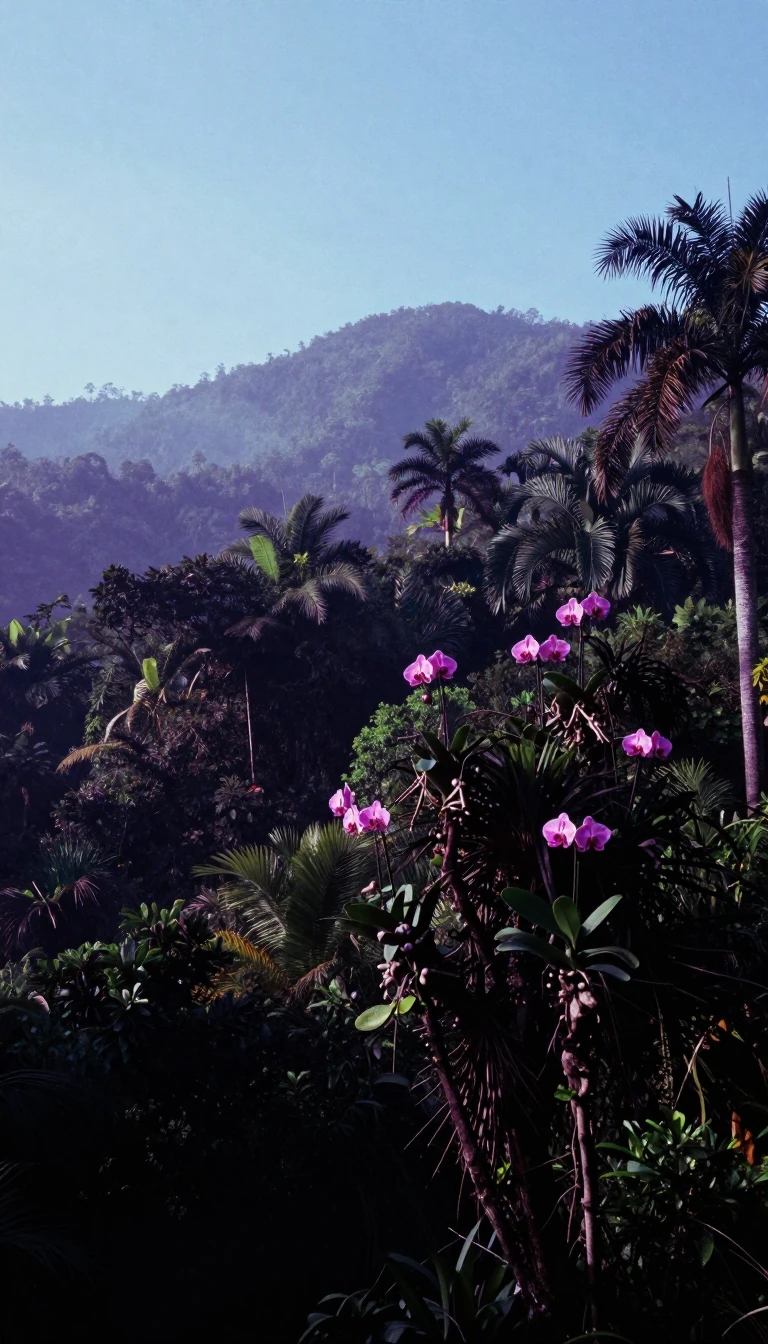 Why this Cuban wilderness is a living laboratory for evolution and ancient geologySpanning over 700 square kilometers, Alejandro de Humboldt National Park is a biological treasure chest. Its unique serpentine soils and stable climate, preserved since the Pleist…
 The white-tailed eagle is a massive apex predator with a surprisingly complex history.Widely distributed across temperate Eurasia, the white-tailed eagle is a formidable raptor that has survived centuries of human persecution and environmental threats. As one of th…
 The Northwestern Pacific Basin is the most active and intense tropical cyclone region globally.Accounting for nearly one-third of all tropical cyclones, the Northwestern Pacific produces the world's most powerful storms. Unlike Atlantic hurricanes, these typhoons form year-…
 Why this legendary tropical hardwood is the gold standard for boat decks and furniturePrized for its natural oils, water resistance, and durability, teak has been a premier building material for over 2,000 years. From ancient shipyards to the Kaaba in Mecca, this t…
 How a 1980 box office hit helped scientists discover a rare species of iguanaThe Blue Lagoon is remembered for its controversial romance and critical panning, but the film left an unexpected scientific legacy. While shooting on a remote Fijian island, the …
 The ocelot is a master of camouflage that once walked alongside Aztec and Incan gods.This elusive, spotted predator roams from the American Southwest to Argentina. Known for its unique coat patterns and solitary nature, the ocelot has fascinated humans for centuri…
 The mugger crocodile is a surprisingly intelligent predator that uses lures to hunt birds.Beyond its reputation as a powerful swimmer and apex predator of the Indian subcontinent, the mugger crocodile exhibits rare cognitive complexity. By balancing sticks on its head …
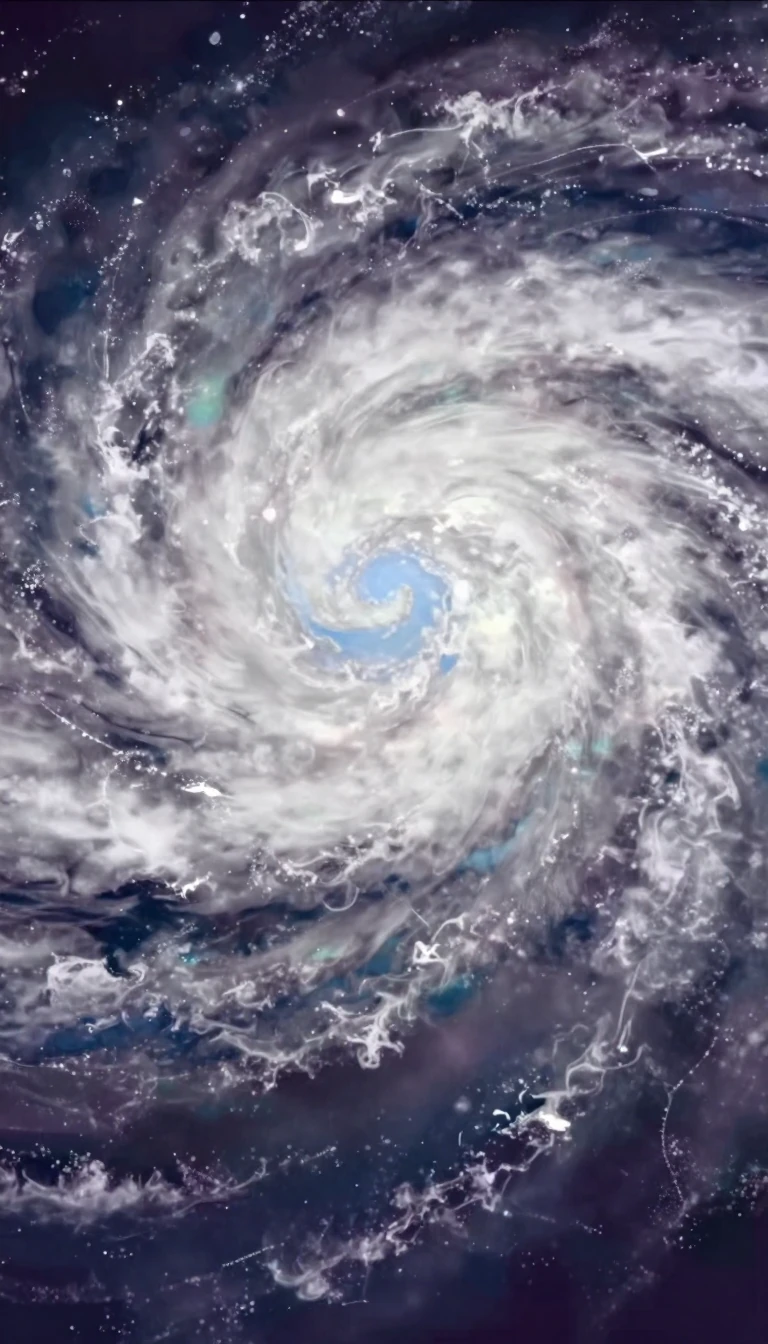 The Doldrums: A Global Belt of Storms That Once Stalled the Age of SailKnown to sailors as the doldrums, the Intertropical Convergence Zone is a shifting band of thunderstorms encircling the globe near the equator. While it once spelled death for bec…
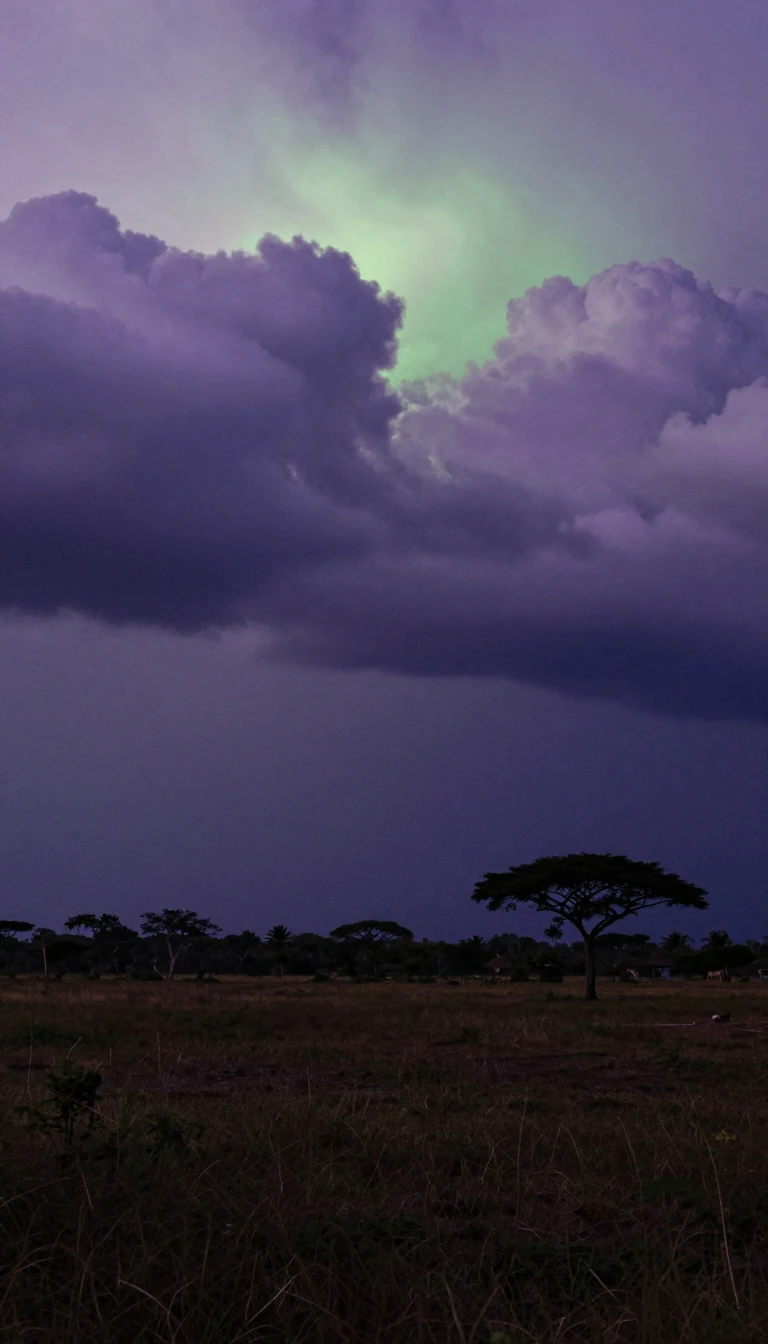 Why the humid continental climate is defined by trees and seasonal temperature swingsDefined by Wladimir Köppen in 1900, the humid continental climate is a region of four distinct seasons and significant temperature shifts. It is characterized by warm summers and …
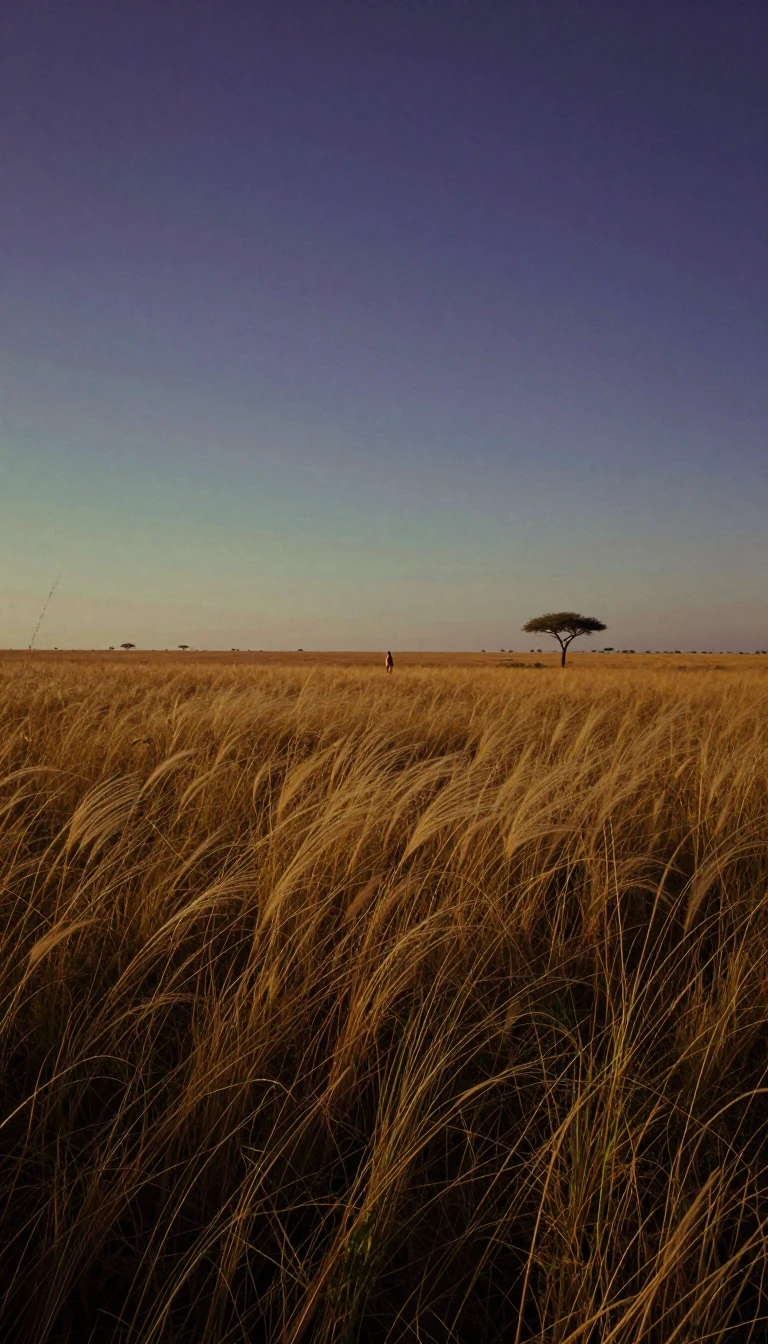 The elusive genet is a master climber that occasionally hitches rides on large mammalsGenets are slender, cat-like carnivorans native to Africa, known for their exceptional agility and solitary nature. While they are primarily tree-dwellers, these mysterious creatu…
 The European rabbit is a master of survival, yet it faces a precarious future.Native to the Iberian Peninsula, the European rabbit has conquered every continent except Antarctica. Despite its reputation as a prolific invasive species, it is now listed as ne…
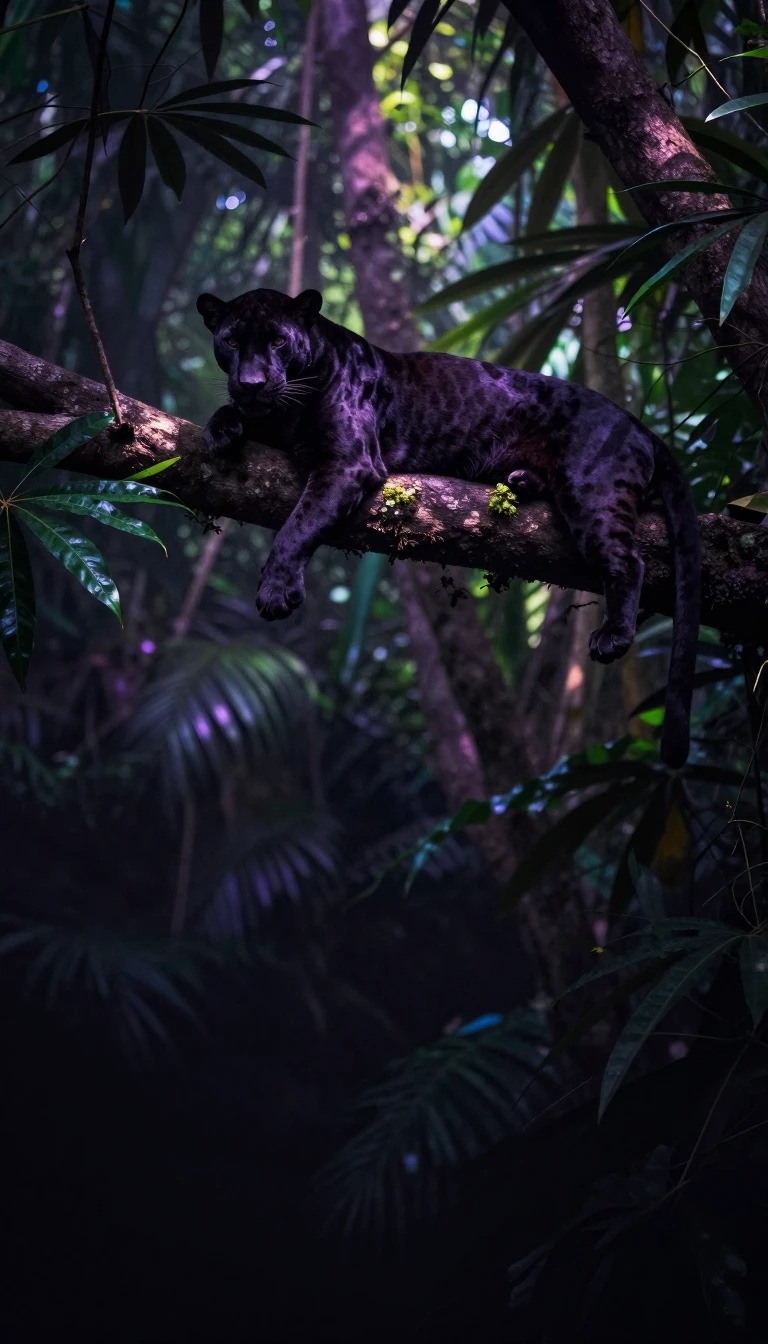 The black panther is not a distinct species but a melanistic color variantThe term black panther describes a striking genetic phenomenon rather than a unique animal. Whether it is a leopard in Africa or Asia, or a jaguar in the Americas, these cats carr…
- The blue jay's vibrant color is a clever optical illusion, not a pigment.The blue jay is a master of deception. Its striking azure plumage contains no blue pigment at all; instead, the color arises from light interference within the feather structure. …
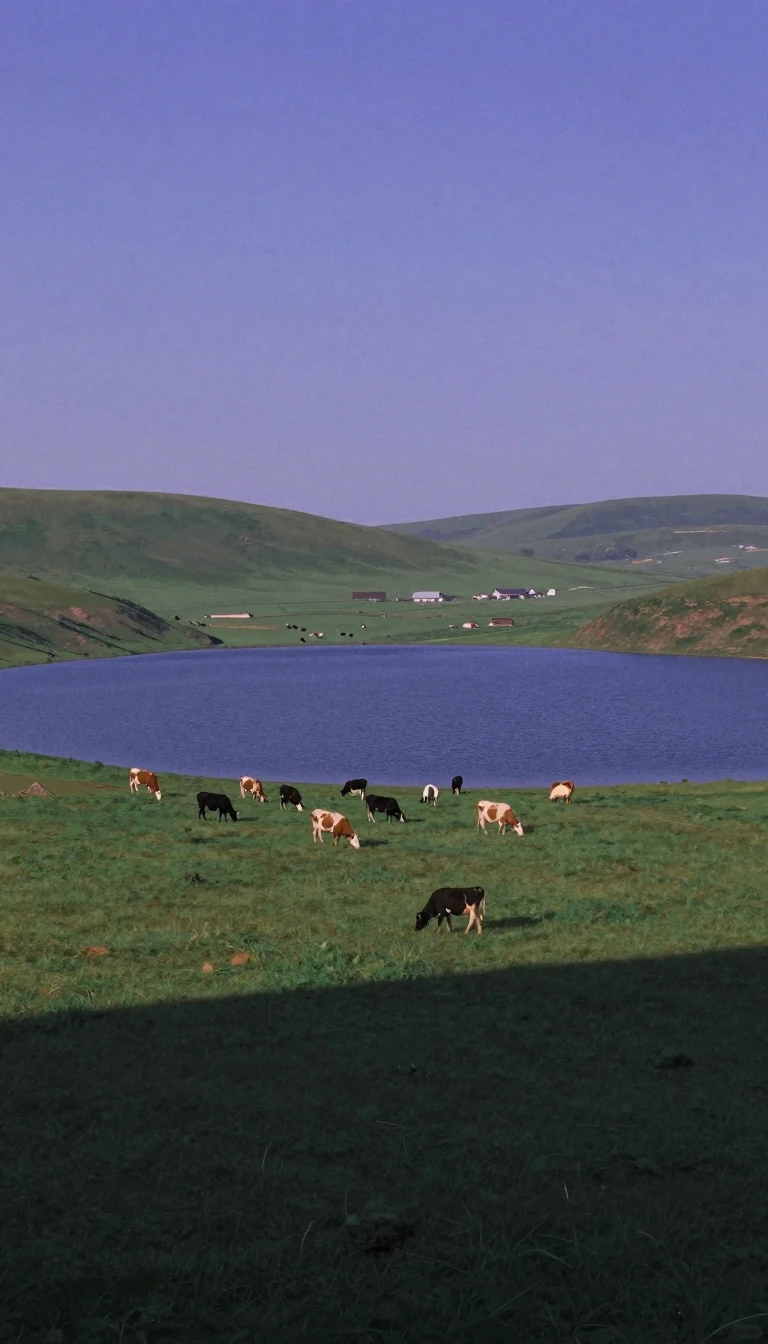 The American bison is not a buffalo, but it is a survivor of near-extinction.Often mislabeled as buffalo, the American bison is a distinct bovine more closely related to yaks. Once numbering in the tens of millions, this iconic animal was hunted to the bri…
- Are Bengal tigers the largest wild cats, or just masters of their unique habitats?The Bengal tiger is a powerhouse of the Indian subcontinent, ranging from the Himalayan foothills to the dense mangroves of the Sundarbans. While often cited as one of the world's…
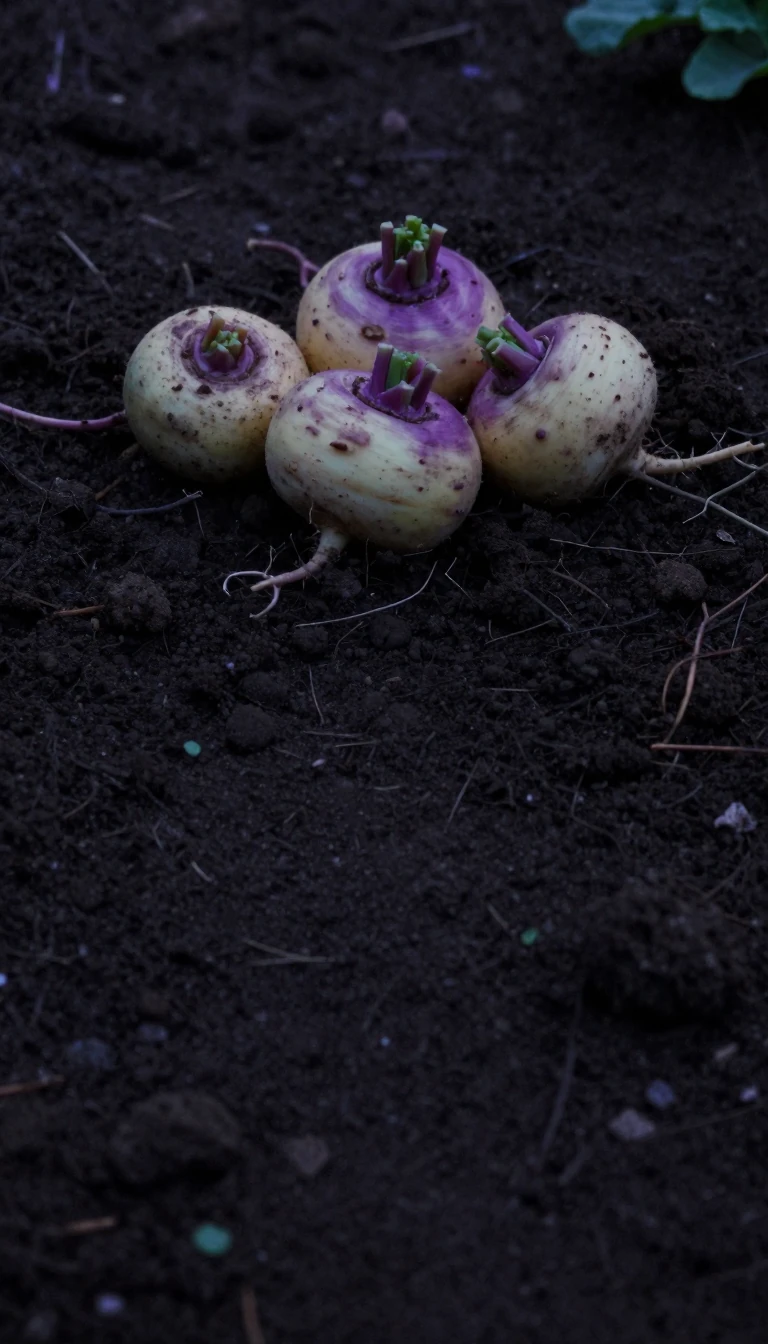 Did a mourning woman's tears create the world's most diverse floral genus?With over 2,000 species, begonias are one of the largest flowering plant groups on Earth. While modern science traces their origin to African ancestors migrating across ancient mo…
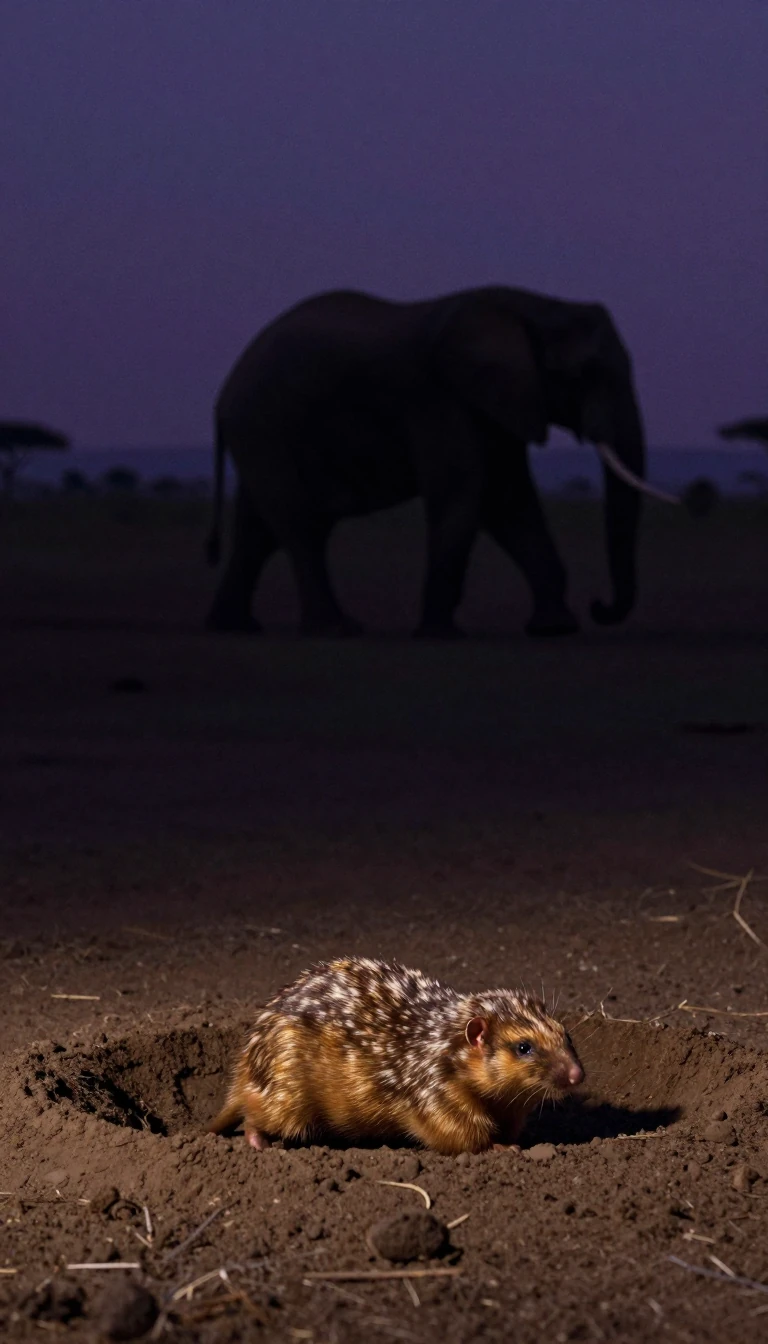 The Asian elephant is a master of chemical communication and complex social intelligence.Asian elephants are not just large land mammals; they are highly intelligent beings with a complex neocortex. They navigate their world using sophisticated pheromone signaling, in…
 Despite their name, American cockroaches are actually ancient travelers from Africa and the Middle East.The American cockroach is a misnomer. These resilient insects are not native to the Americas at all, but arrived via global trade routes starting in the 17th century. Today, they …
- The African bush elephant is the largest living land animal on Earth today.As the world's heaviest terrestrial creature, the African bush elephant is a master of survival. From its highly sensitive, dexterous trunk to the unique thermoregulation provided…
- The African forest elephant is a master gardener essential to the Congo Basin's survival.Small, elusive, and critically endangered, the African forest elephant is a unique species that shapes its environment. By dispersing seeds across vast distances, these elephants …
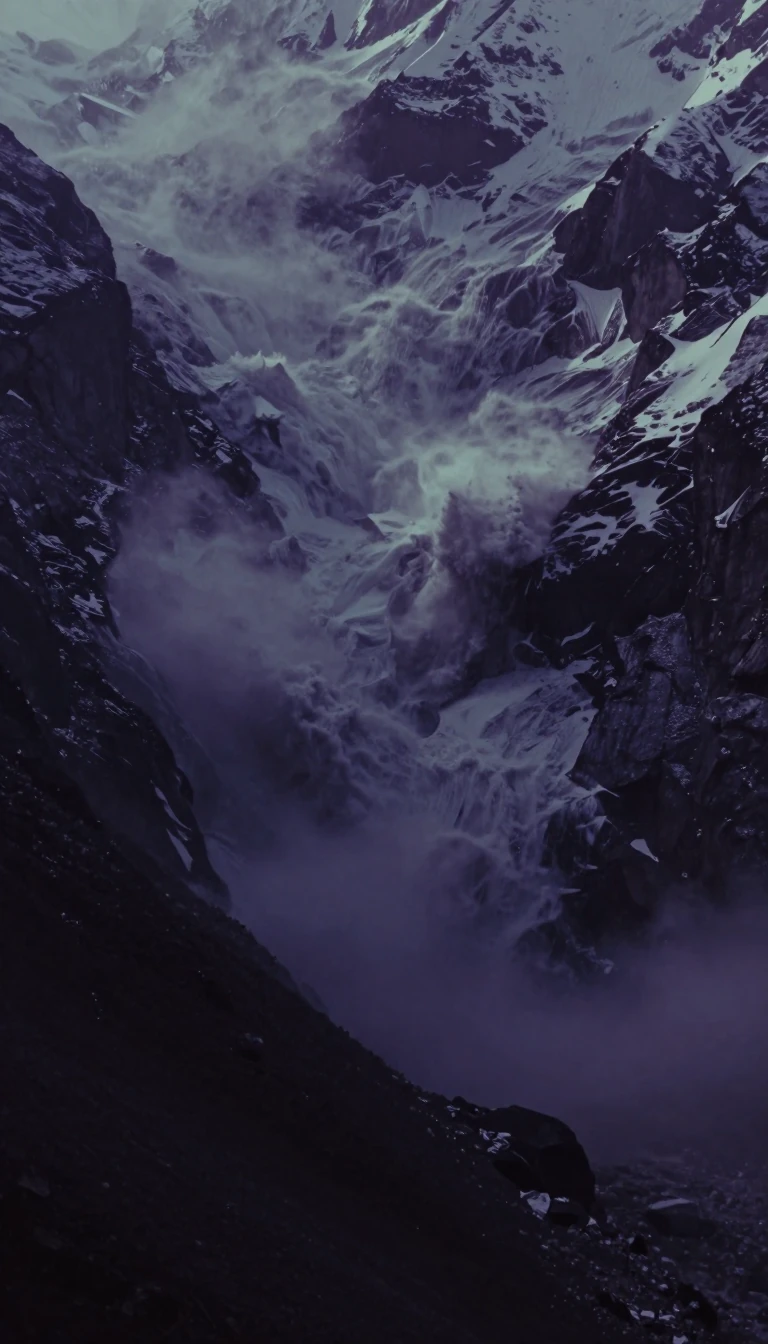 A massive glacier collapse triggered a catastrophic, high-velocity debris flow in the HimalayasOn 26 August 2026, a sudden glacier collapse near Langtang Lirung unleashed a devastating debris flow that surged through the Trishuli River valley. Traveling at speeds up to 190 …
- Why the world's most fragile landscapes sit between deserts and humid forestsSemi-arid climates are the planet's ecological middle ground. Receiving more rain than a desert but less than a forest, these regions are defined by a precise mathematical thresho…
 The mangosteen is a botanical clone that defies traditional sexual reproduction and breedingKnown as the Queen of Fruits, the mangosteen is a tropical delicacy that does not require fertilization to form. Because its seeds are asexual clones of the mother tree, this frui…
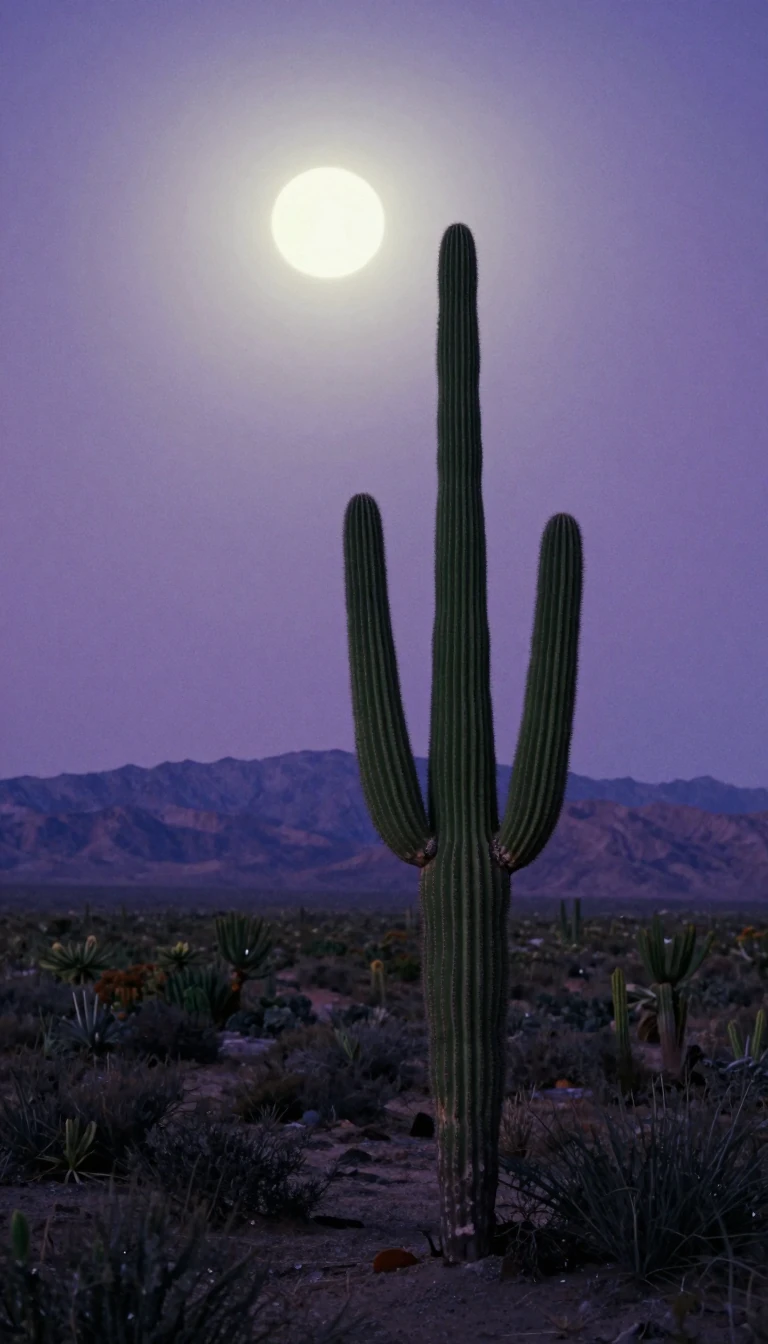 The nocturnal cactus that produces the vibrant, scaly fruit known as dragon fruitKnown as pitahaya or pitaya, this succulent cactus is native to Mexico and Central America. Its flowers bloom only once, under the cover of night, relying on bats and moths for po…
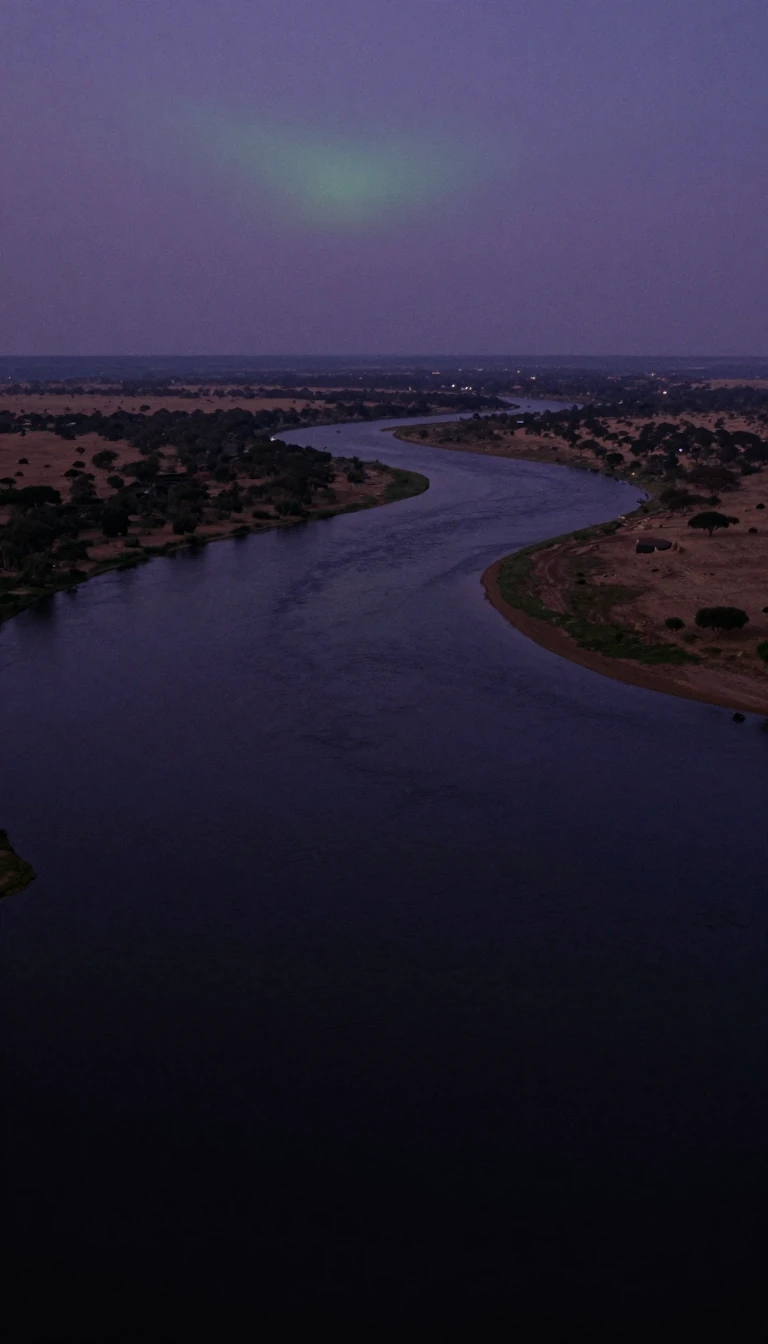 Why the Congo Basin is the planet's most overlooked climate powerhouseThe Congo Basin is the world's second-largest rainforest, acting as a critical carbon sink and a global climate regulator. While it receives far less scientific attention than the…
 The spotted deer of India has become a global traveler and an invasive nuisance.Native to the Indian subcontinent, the chital is a graceful, spotted deer known for its complex social bonds and unique relationship with langur monkeys. While thriving in its hom…
 Why Japan’s iconic cherry blossoms are blooming earlier than at any point in historyFor over a millennium, the timing of Japan's cherry blossom season remained remarkably steady. Today, that rhythm is shifting. Driven by rising global temperatures and urban heat,…
 How a Massive Invasive Snake Rewired Its Own Biology to Conquer the Florida EvergladesThe Burmese python is a biological marvel that can fast for 18 months, then undergo a radical internal transformation to digest prey whole. In Florida, this sit-and-wait predator …
 The Siberian Husky: An Ancient Arctic Survivor Transformed Into a Modern Household CompanionDeveloped by the Chukchi people of Siberia to endure extreme Arctic conditions, the Siberian Husky is a resilient sled dog with a lineage stretching back over 9,500 years. Once es…
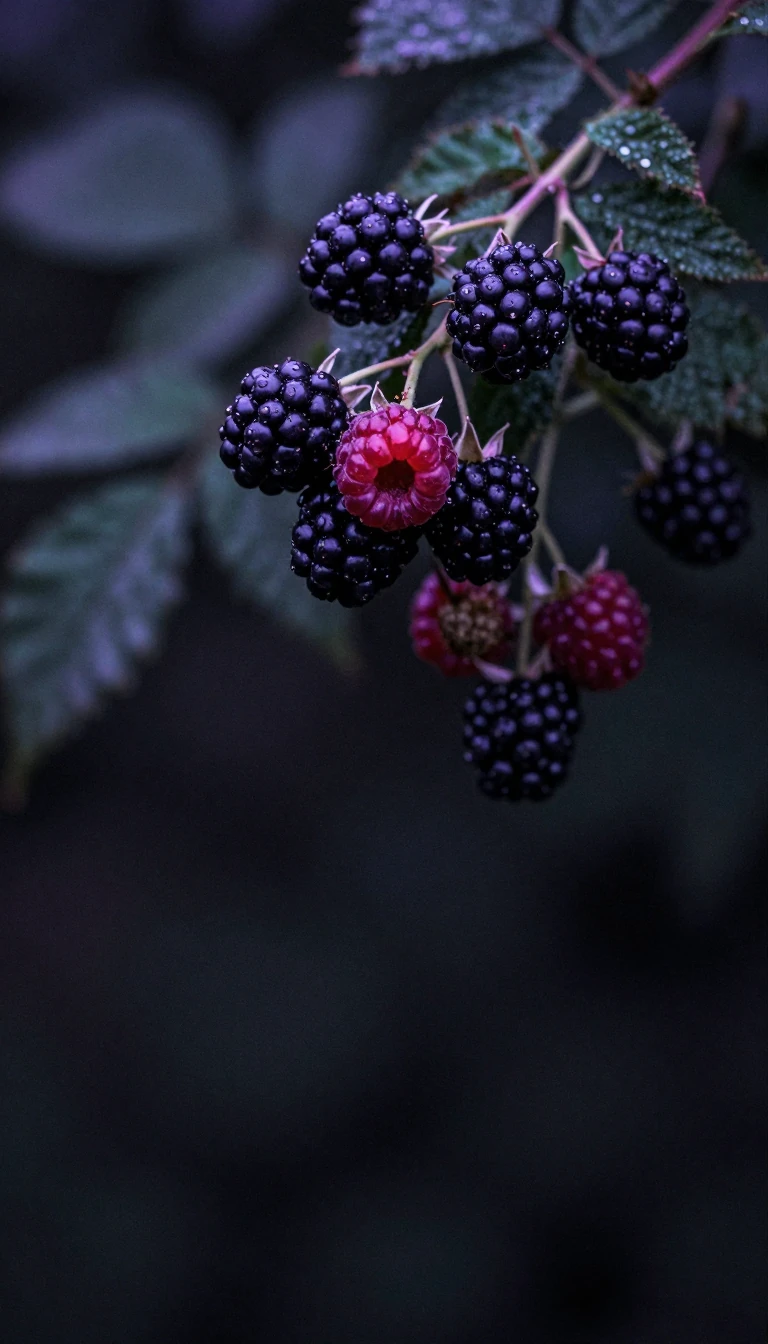 The Arctic berry that grows on clouds and appears on national currencyKnown as the gold of the north, the cloudberry is a resilient, circumpolar plant that thrives in harsh tundra and bogs. While it remains stubbornly wild and uncultivated, this amb…
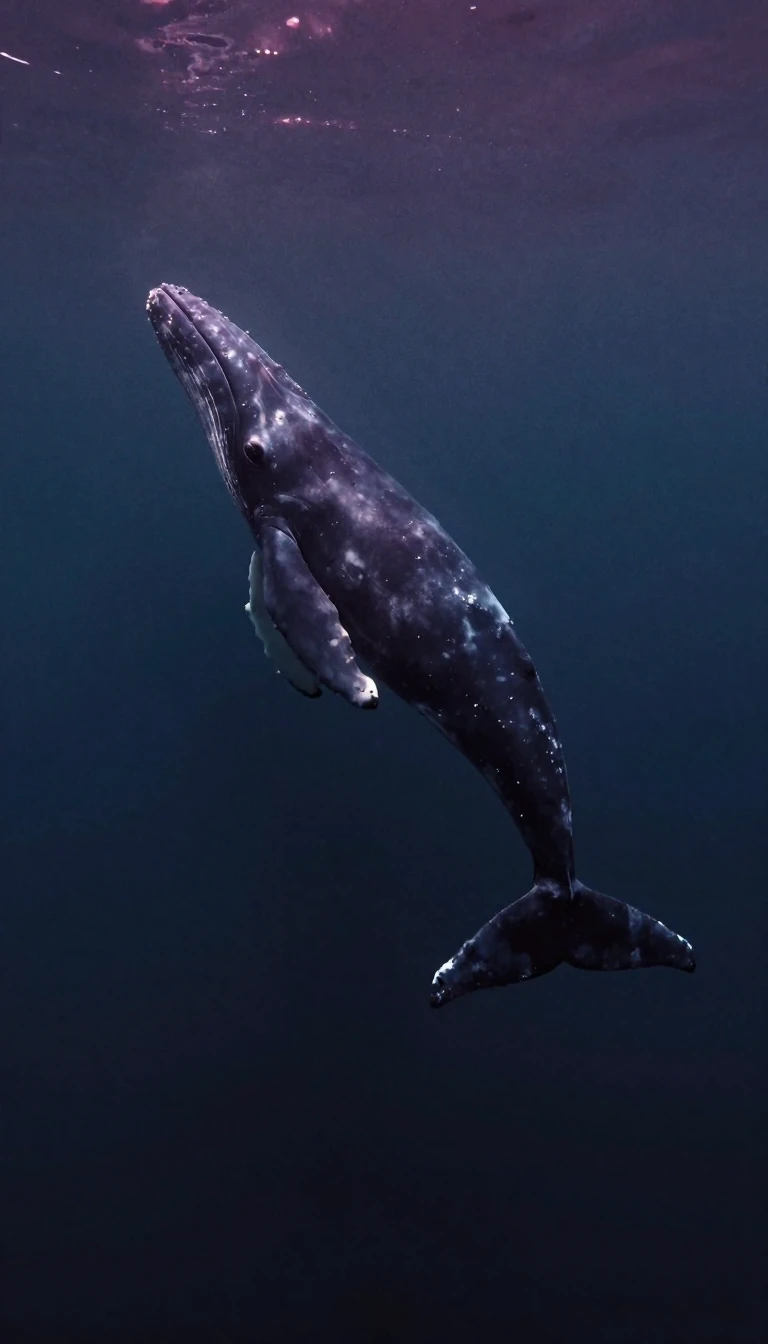 Marine mammals are a diverse, informal group unified only by their reliance on the ocean.From the massive blue whale to the tool-using sea otter, marine mammals are not a single biological family. Instead, they are an eclectic collection of 129 species that evolved in…
 The harp seal is an ice-dependent nomad that survives on a high-fat dietThese earless seals are masters of the Arctic, relying on seasonal pack ice to breed and raise their young. With a unique ability to delay pregnancy and a rapid nursing cycle, the…
 Fens are the hidden, mineral-rich engines of global biodiversity and carbon storageOften confused with bogs, fens are distinct, peat-accumulating wetlands powered by mineral-rich groundwater. These complex ecosystems act as vital nutrient sinks and biodiversity …
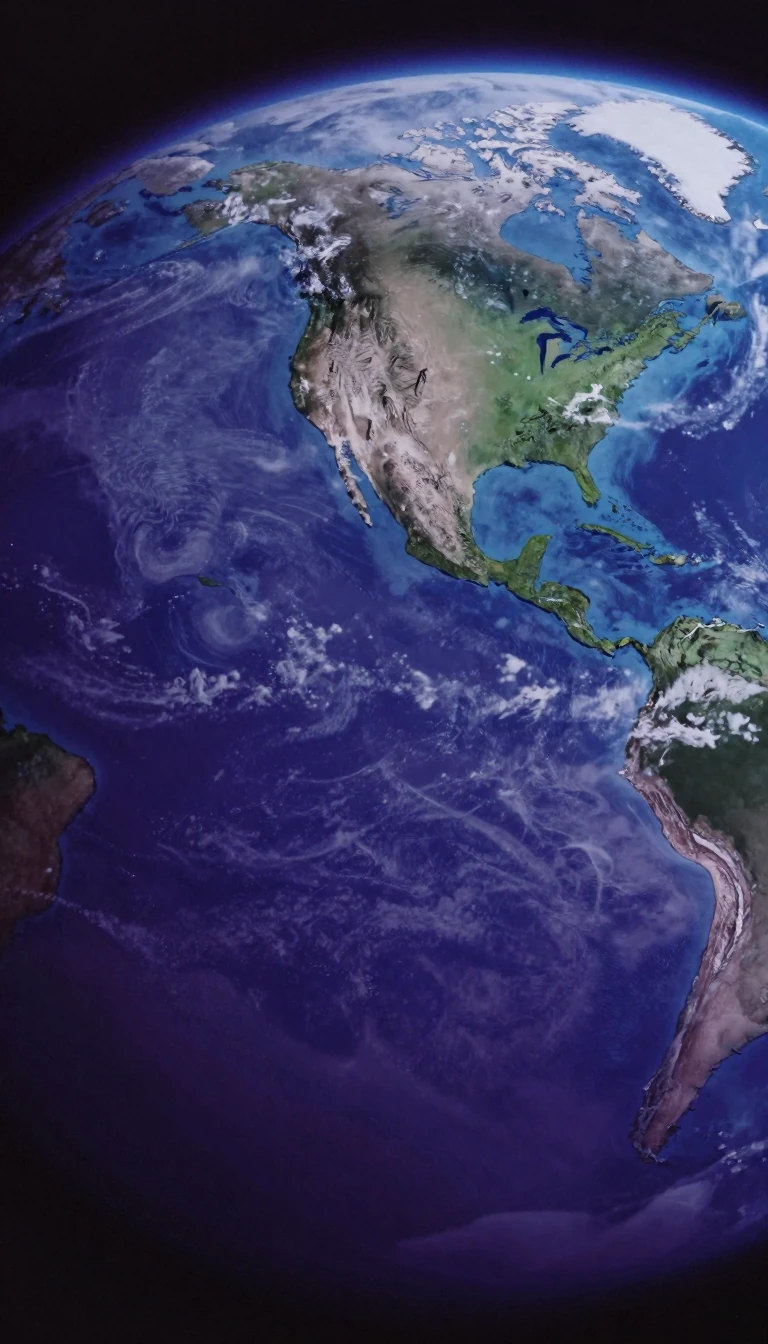 These shifting sand ribbons are the world’s most effective natural coastal defense systemsBarrier islands are dynamic, narrow landforms that act as nature's shock absorbers. By absorbing intense wave energy and storm surges, these sand chains protect mainland ecosystem…
- Why deer grow and shed the fastest-growing bone structures in the animal kingdomAntlers are not just ornaments; they are complex, rapidly regenerating bone structures that function as weapons, sensory aids, and metabolic indicators. While often mistaken for p…
- The desert giant that sequesters carbon and survives by drinking the rainThe saguaro is more than a symbol of the American Southwest; it is a keystone species that can live for two centuries. By storing massive amounts of water, it survives brutal drou…
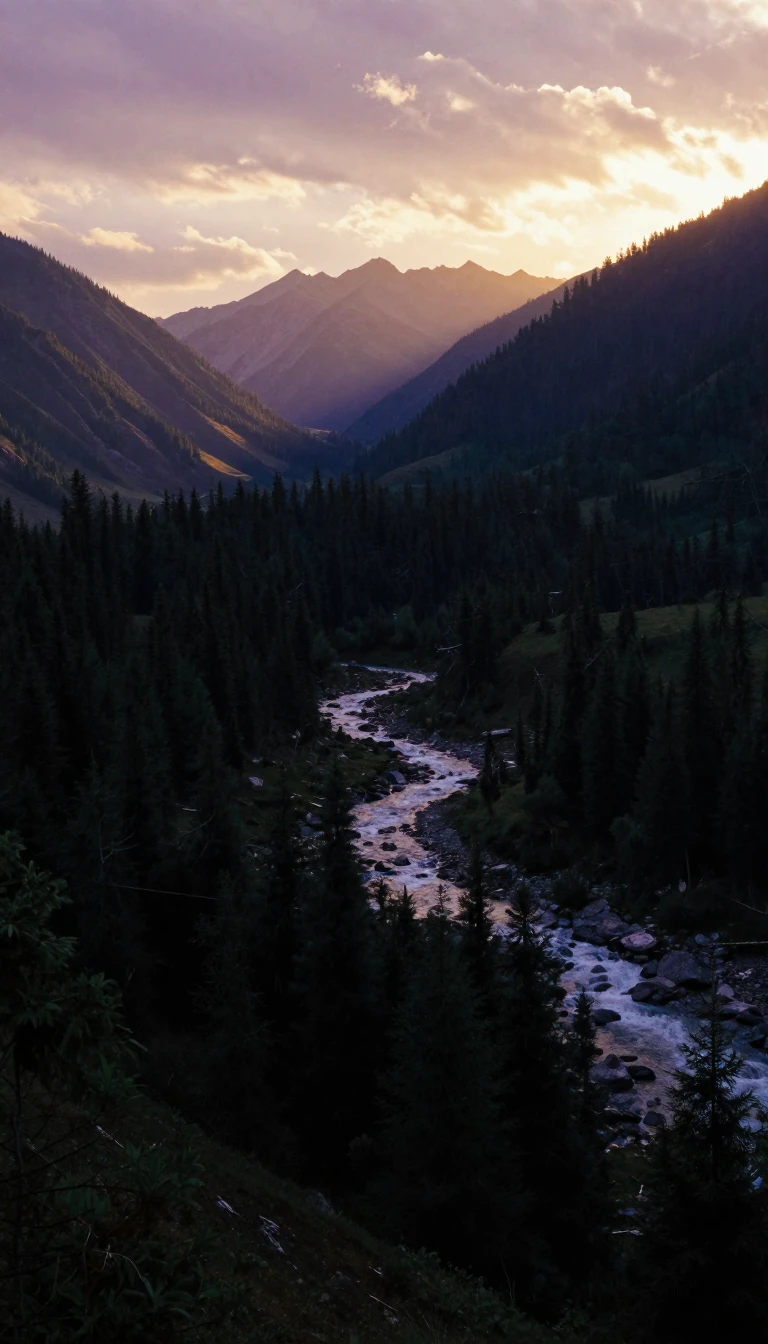 Why the Great Smoky Mountains are perpetually shrouded in a mysterious, living blue mistThe Smokies are famous for the ethereal fog that clings to their ridges, but this haze is not merely water vapor. It is a chemical byproduct of the forest itself, as trees release…
 The bobcat is a master of adaptation, thriving from Canadian forests to Mexican deserts.Named for its distinctive stubby tail, the bobcat is North America's most common wildcat. This elusive, solitary predator has successfully colonized nearly every state in the cont…
- Why ducks stay dry: the hidden engineering of their waterproof feathersDucks and geese remain warm and dry in frigid water thanks to a combination of obsessive grooming and specialized feather structures. By applying wax from a hidden gland and maint…
 Why does the microscopic Peranema curl into a perfect, cozy circle?The Peranema is a microscopic organism that displays surprisingly feline behavior. This video explores its movement, contrasting its elongated, undulating form with its tendency t…
 Why newborn kittens are born blind, deaf, and entirely dependent on human interventionKittens are not born as the playful, fluffy creatures we recognize. In their first weeks, they are practically blind and deaf, requiring constant warmth and round-the-clock bottle…
 The Male Black Widow Is Not Just a Victim, He Is a Home WreckerThe female black widow is infamous for her lethal reputation, but the male is far from an innocent bystander. During mating season, he actively sabotages the female's web, systema…
- The ocean's slowest mollusk launches a harpoon with the acceleration of a fired bullet.Cone snails may look like sedentary, brightly colored reef dwellers, but they are among the fastest hunters in the animal kingdom. By utilizing hydrostatic pressure, these mollusk…
 How Kangaroo Rats Use Ninja-Like Reflexes to Outmaneuver Deadly Rattlesnakes in the DesertKangaroo rats are not helpless prey. When a sidewinder rattlesnake strikes, these rodents use extraordinary hearing and powerful hind legs to leap away in milliseconds. They even …
 How a tiny flea achieves a jump 100 times faster than a human blinkFleas are more than just itchy pests; they are elite athletes. By utilizing a specialized spring-loaded mechanism, these insects can launch themselves 50 times their own height. T…
 The surprising way crickets create their iconic songs without using their mouthsCrickets are not just jumping insects that chirp at night; they are complex creatures with dozens of distinct species. While their songs sound uniform to the human ear, they are a…
- In the desert, these ants transform their own sisters into living nectar storage tanksDeep within arid desert nests, honeypot ants perform a remarkable feat of biological engineering. They select their largest sisters and feed them until their abdomens swell into g…
 The stationary sea snail that hunts by casting a sticky, mucus-based fishing netMost sea snails spend their lives grazing or hunting on the move, but the scaled wormsnail takes a different approach. By cementing its shell permanently to a rock, it transforms …
 Why do some creatures grow to such massive proportions in the natural world?Explore the American Museum of Natural History to uncover the secrets behind nature's giants. This virtual tour examines the evolutionary benefits of extreme size, featuring the l…
- Why the world is running out of sand and why it mattersSand is a non-renewable resource that is being depleted faster than it can be replaced. This video examines why we are running low on this essential material and follows the US Ar…
- Why preventing every wildfire might actually be making them much worseWildfires are intensifying, and human intervention is a primary culprit. By suppressing fires for decades, we have disrupted natural forest cycles. Tom Scott explores why allowing…
- From Porcupines to Dead Ducks: The Bizarre Realities of Animal MatingNature offers mating rituals ranging from the humorous to the truly disgusting. This video explores the mechanics behind animal reproduction, addressing how species like porcupine…
 Why animals use secret signals and deceptive lies to navigate their complex social livesCommunication is the bedrock of survival, yet the animal kingdom operates on a frequency largely invisible to humans. From electrical pulses in deep water to chemical messages and…
 How a North American plant once threatened to overtake the Australian landscape.The prickly pear cactus, a plant native to North America, became an invasive species in Australia. This video examines how the plant spread, creating a significant environmental c…
- Why do mayflies spend their entire adult lives in a frantic, day-long swarm?Mayflies are famous for their fleeting adulthood, which can last as little as a few minutes. This video examines the life cycle of these winged insects and explains why their pres…
 Which animal possesses the most extraordinary hearing capabilities in the natural world?The world is filled with sounds beyond human perception. This video examines the diverse auditory adaptations across the animal kingdom, revealing how various creatures navigate s…
- Beyond tasting: how animals use their tongues to hunt, lure, and surviveAnimal tongues are far more than simple taste buds. From luring prey to specialized hunting, this video explores the surprising diversity of shapes, textures, and functions that m…
- Are there any places on Earth where insects cannot survive?Insects are the most diverse and numerous animals on the planet, thriving in environments that seem entirely inhospitable. This video explores how these creatures utilize speciali…