 Intellect Plus
Nature
11,198 cards. Each one is a 40-second story with a five-minute read behind it. Page 142 of 187.
Subtopics: Ageing · Air · Animal behaviour · Animal breeds and hybrids · Animals · Arthropods · Atmosphere · Big cats · Bilateria, others · Birds · Botany · Cnidarians · Conservation · Coral reefs · Deep sea · Deserts · Dinosaurs · Earth science · Earth science and physical geography · Earth science basics · Earthquakes & tsunamis · Echinoderms · Ecology · Ecosystems · Endangered species · Extinct animals · Farming · Fish · Forests · Fungi · General classifications · Geology · Geomorphology · How Long Can It Live? · Ice · Individual animals · Insects · Lightning · Longevity · Mammals · Marsupials · Migration · Mollusks · Ocean · Organisms · Parasites · Physical geography · Plants · Porifera · Predators · Primates · Rainforest · Reptiles & amphibians · Researched · Sharks & rays · Spiders & arachnids · Symbiosis · Trees · UK & Ireland: nature · Vertebrates · Vision · Volcanoes · Water · Waves · Weather · Whales & dolphins · Zoology
 The slow loris is the world's only known venomous primate species.Deep within the jungles of southeast Asia lives the slow loris, a creature that defies expectations. While its large, wide eyes suggest a gentle nature, it is actually a rare veno…
 How large was the prehistoric Megalodon compared to the creatures of today?This video visualizes the true scale of the Megalodon, a massive prehistoric shark. By comparing its dimensions to modern animals, it provides a clearer perspective on the sheer s…
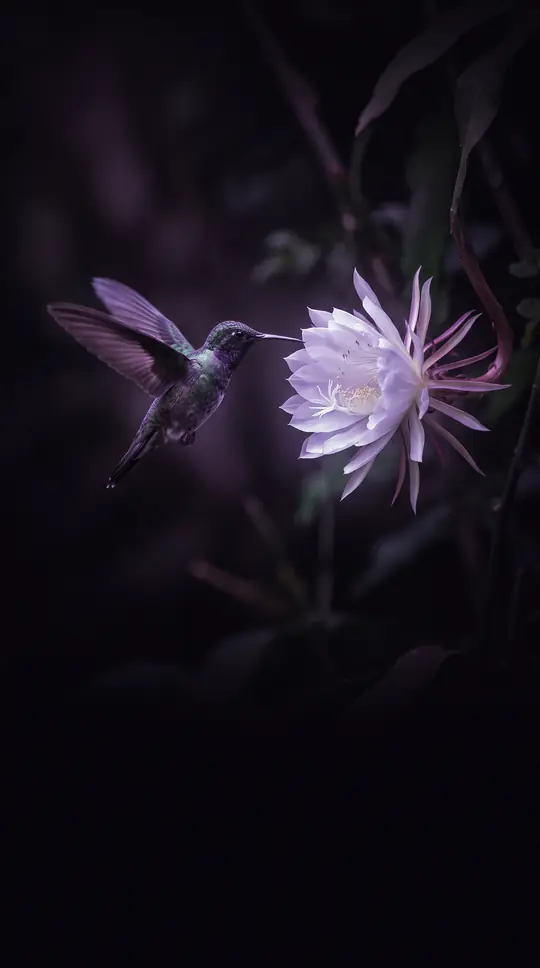 Why the largest animal on Earth is a vital gardener for the oceanBlue whales are not just massive marine mammals; they act as essential ecosystem engineers. This video explores how their waste products play a critical role in sustaining ocean l…
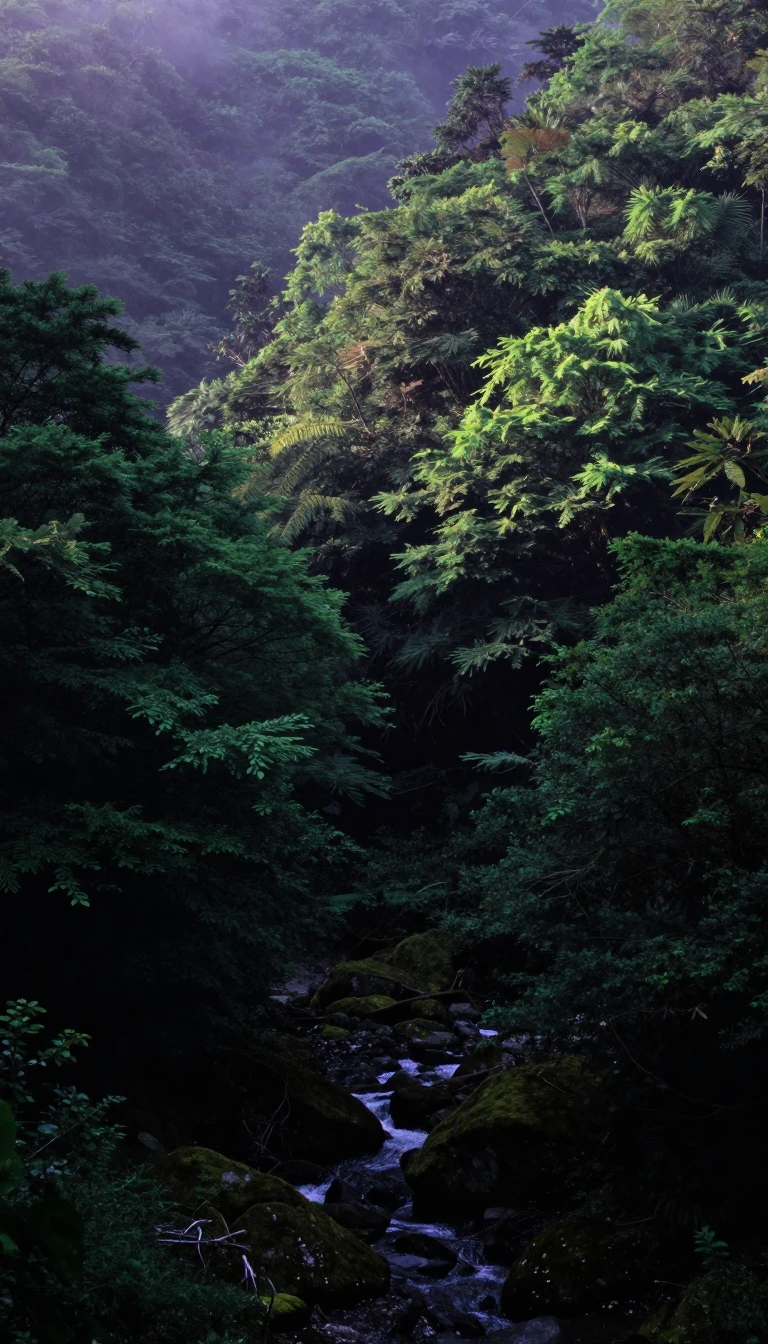 Why Japan's Shirakami-Sanchi is a living time capsule of the ancient worldSpanning the mountains of northern Honshu, Shirakami-Sanchi preserves the largest virgin beech forest in East Asia. Unlike forests globally that succumbed to glaciation, this rugg…
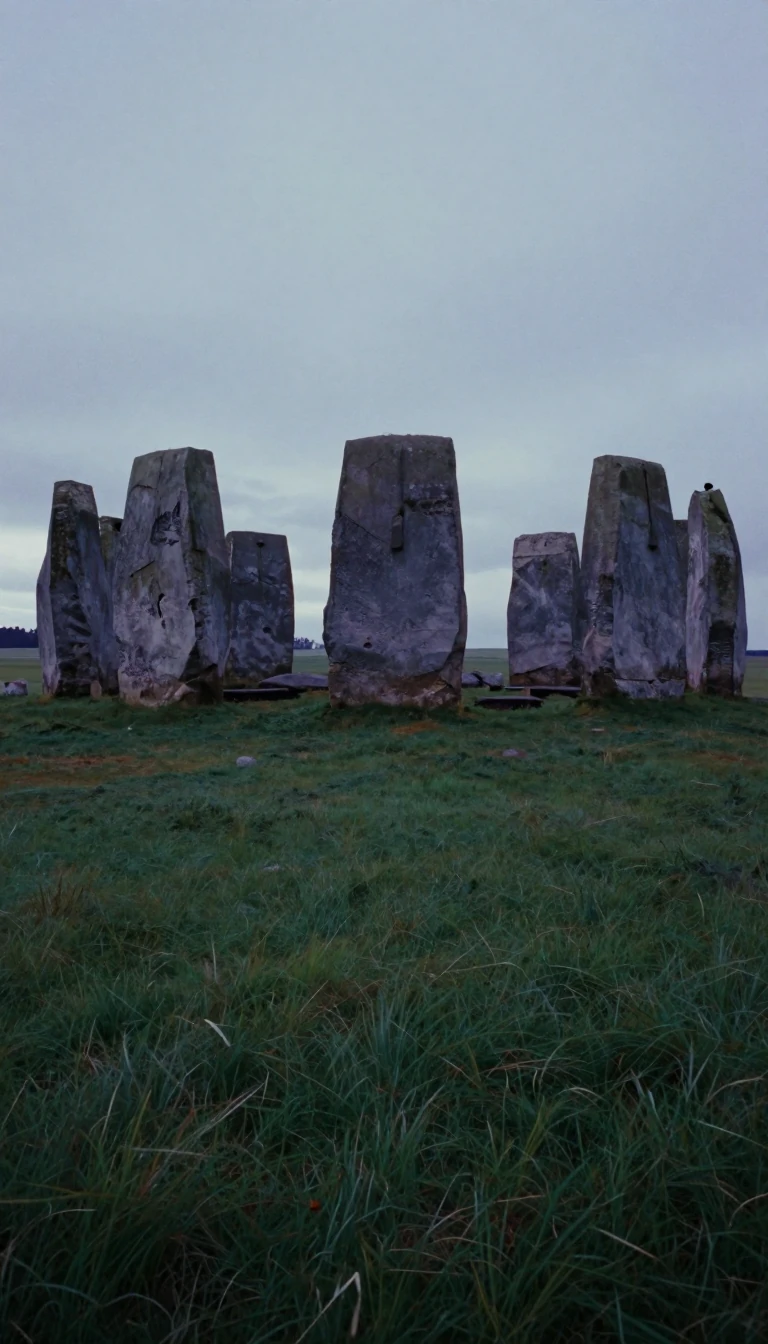 Europe's ancient beech woodlands are a living map of post-ice age forest recoverySpanning 18 nations, a massive network of protected European beech forests offers a rare, undisturbed look at how nature reclaimed the continent after the last ice age. These site…
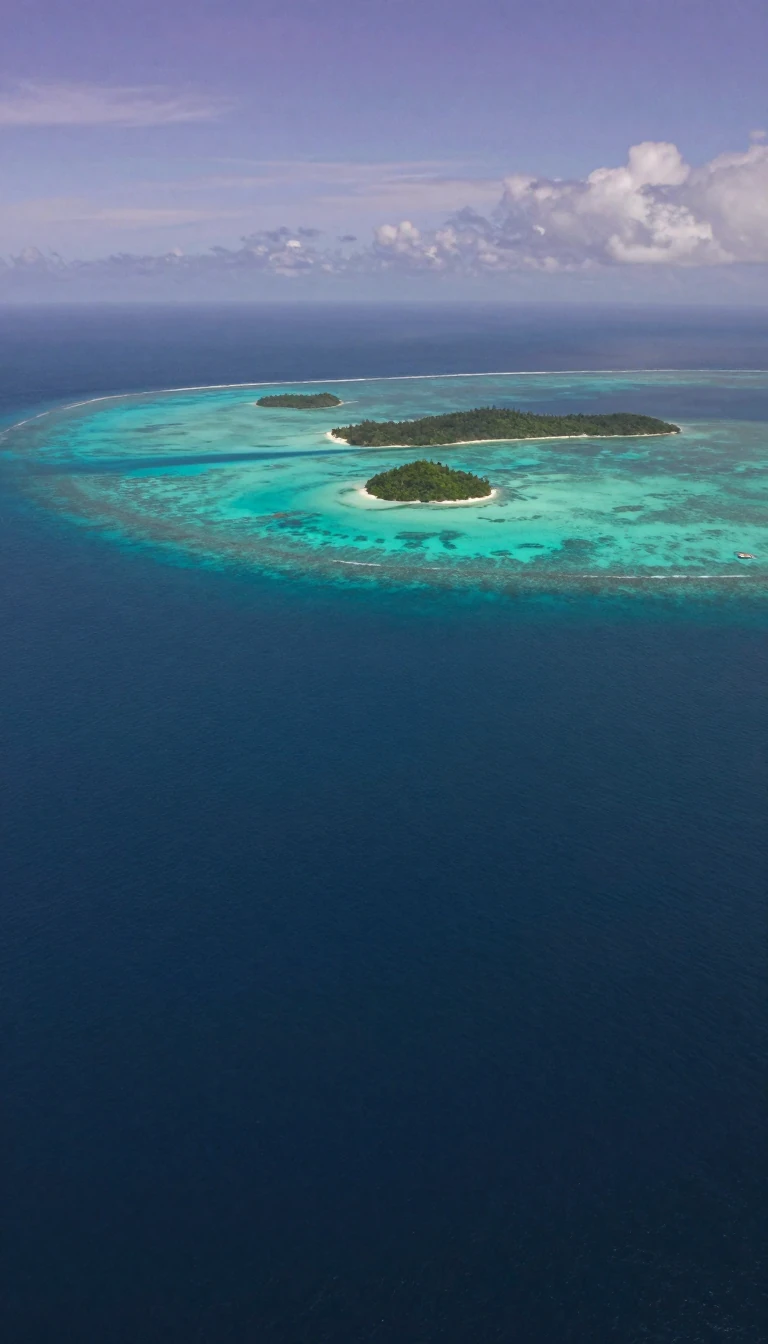 Why Japan’s Yambaru National Park is a global treasure of biodiversity and historyEstablished in 2016, Yambaru National Park protects the lush, northern forests of Okinawa Island. This unique ecosystem, home to rare species like the Yambaru long-armed scarab be…
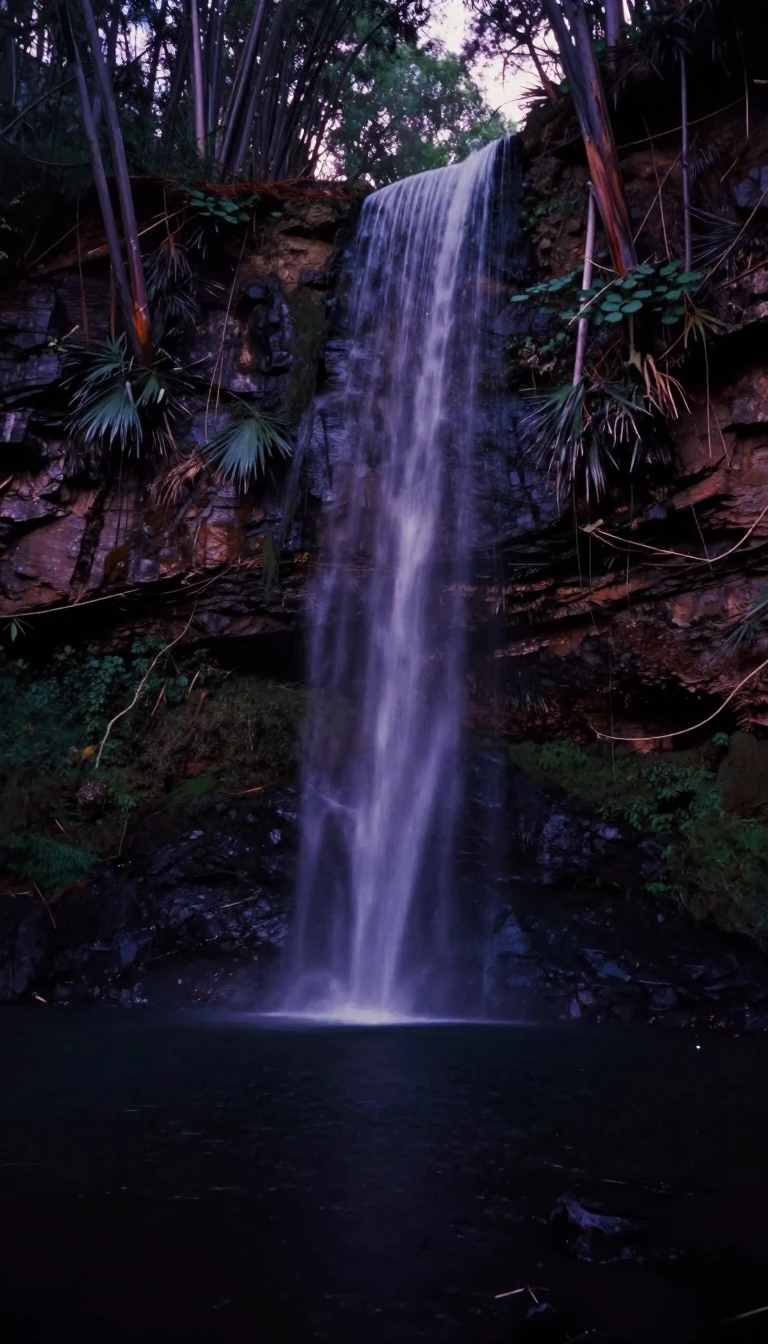 Australia's oldest rainforests hold half the nation's species in a tiny sliver of landSpanning less than one-tenth of a percent of Australia's landmass, the Wet Tropics of Queensland is a biological powerhouse. This World Heritage site hosts the world's oldest cont…
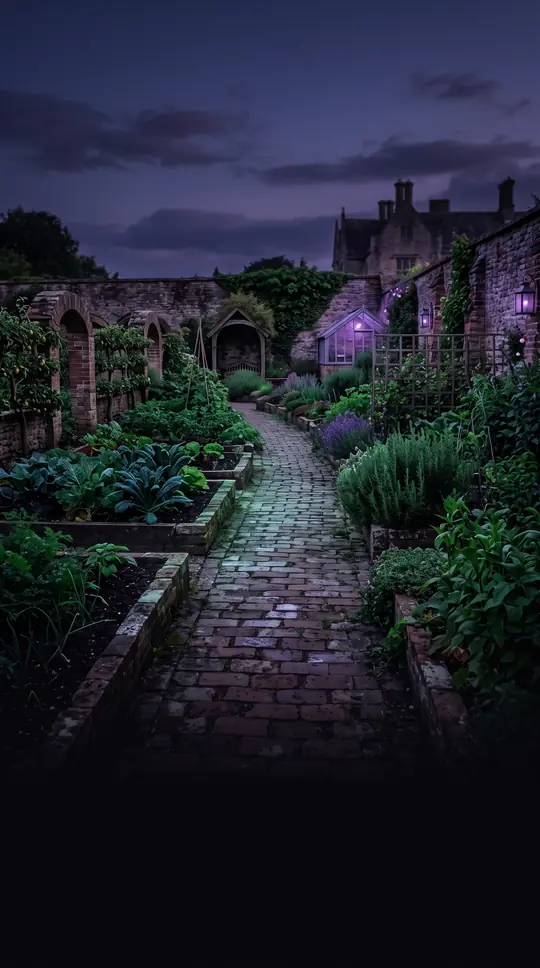 The WAP Complex: A Vital Transboundary Sanctuary for West African Wildlife ConservationSpanning the borders of Benin, Burkina Faso, and Niger, the W–Arly–Pendjari Complex represents a critical transboundary landscape for biodiversity. Often referred to as the WAP Co…
 A lost expedition stumbled upon a hidden Himalayan paradiseIn 1931, a group of British mountaineers lost their way in the high Himalayas. Instead of disaster, they found a breathtaking meadow of endemic alpine flowers, accidentally unveil…
 Europe's largest untouched wilderness is a vast, ancient expanse of boreal forest in Russia.Spanning over 3.28 million hectares in the Northern Ural Mountains, the Virgin Komi Forests represent the largest remaining virgin boreal ecosystem in Europe. This pristine landsc…
 Saudi Arabia’s First Natural World Heritage Site Is a Desert Oasis of Rare LifeSpanning over 12,000 square kilometers on the edge of the world's largest sandy desert, 'Uruq Bani Ma'arid is a vital sanctuary. This arid landscape, once home to extinct species,…
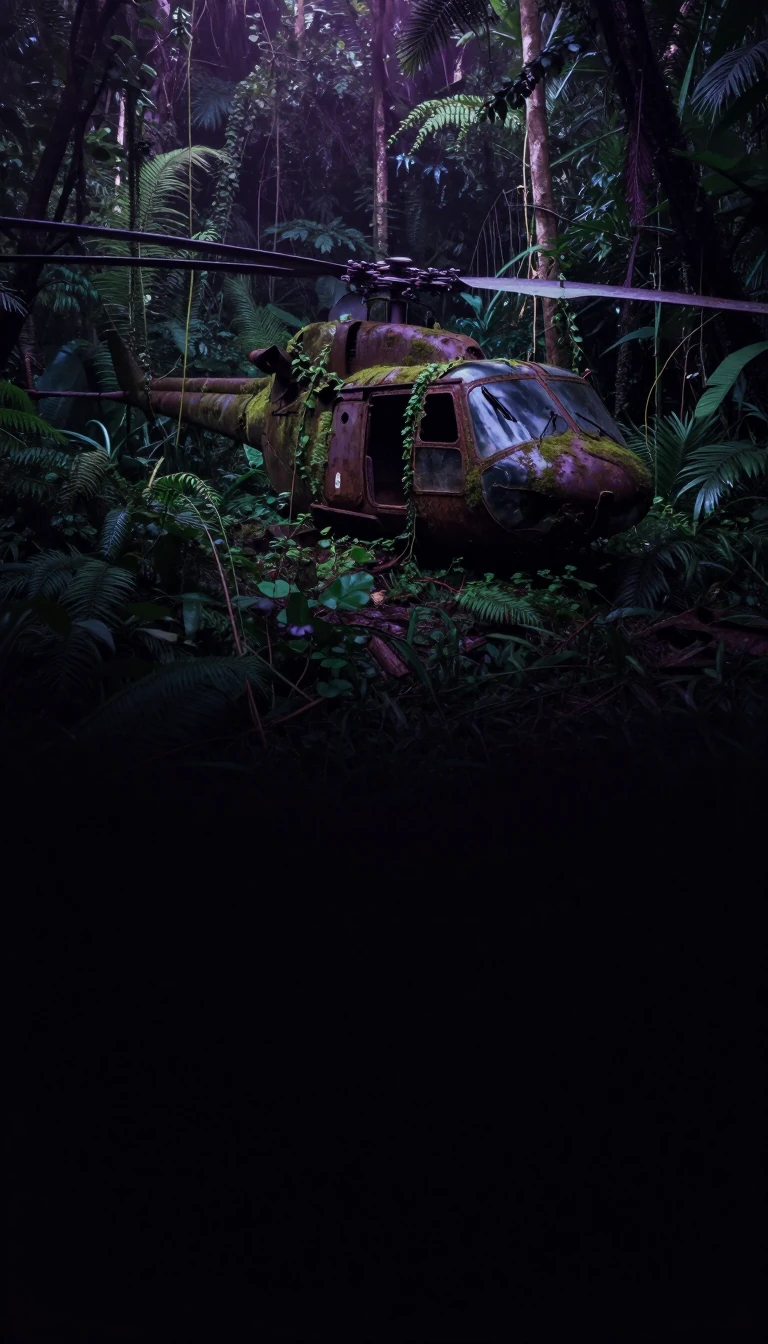 Sumatra's Rainforest Heritage: A Biodiversity Hotspot Under Constant Threat of DisappearingSpanning three national parks across the Bukit Barisan Mountains, the Tropical Rainforest Heritage of Sumatra is a vital sanctuary for rare species. Though inscribed as a UNESCO W…
 Why Madagascar's razor-sharp limestone forest is literally impossible to walk across barefootIn the Melaky region of Madagascar lies a landscape so hostile that its name warns visitors to keep their shoes on. The Tsingy de Bemaraha reserve is a labyrinth of needle-like li…
 Why Tajikistan's Tigrovaya Balka is Central Asia's most vital ecological sanctuarySpanning 460 square kilometers at the meeting point of the Vakhsh and Panj rivers, Tigrovaya Balka serves as a critical refuge for rare riparian ecosystems. Once a final sanctuary…
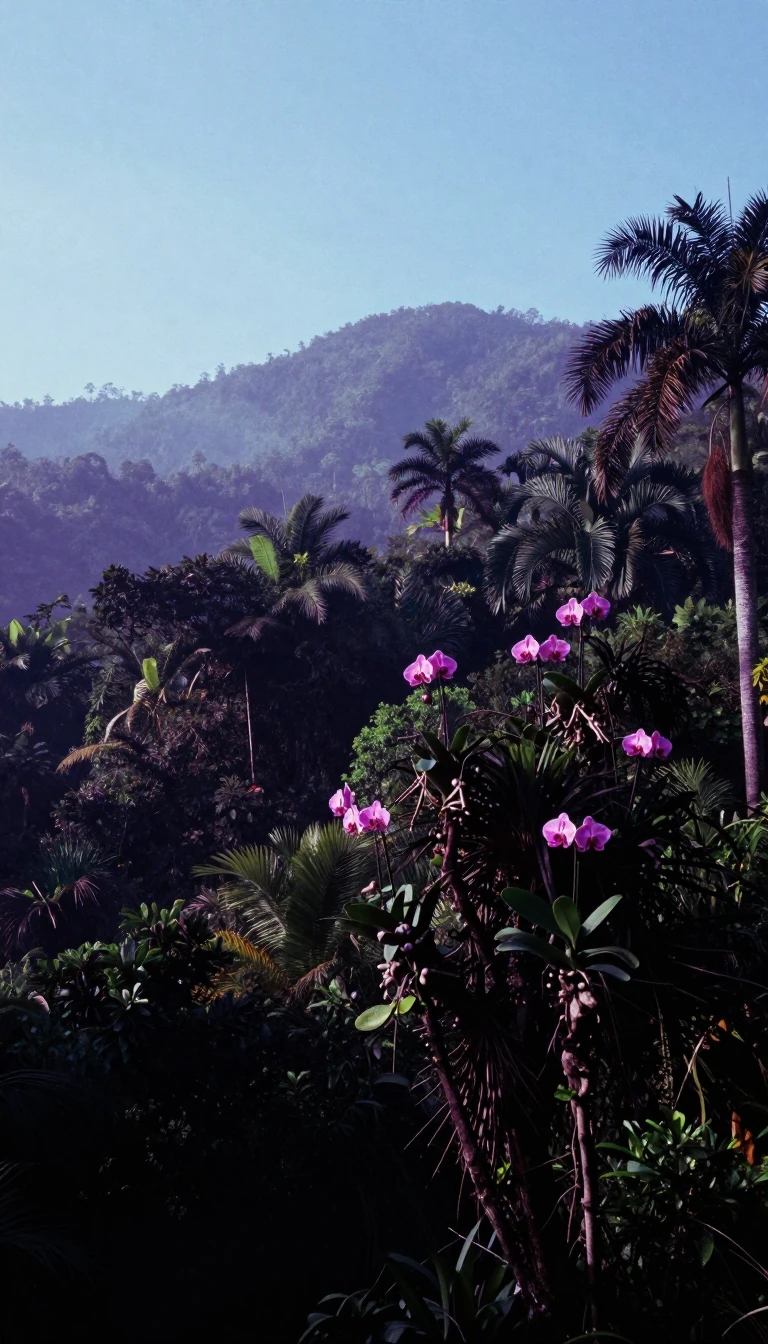 Why Mexico's arid Tehuacán-Cuicatlán valley is a global biodiversity powerhouseSpanning over 490,000 hectares, the Tehuacán-Cuicatlán Biosphere Reserve challenges the assumption that dry tropical regions lack biological richness. This UNESCO World Heritage s…
- The world's largest mangrove forest is a shifting, tiger-filled labyrinth of tidal channels.Straddling the border of India and Bangladesh, the Sundarbans is a dynamic, water-logged wilderness where the land itself is in constant flux. Home to the elusive Bengal tiger and…
 Why this Bulgarian lake is a critical sanctuary for Europe’s migratory bird populationsSrebarna Nature Reserve is a vital freshwater wetland in northeastern Bulgaria, serving as a crucial stopover on the Via Pontica migration route. This UNESCO World Heritage site h…
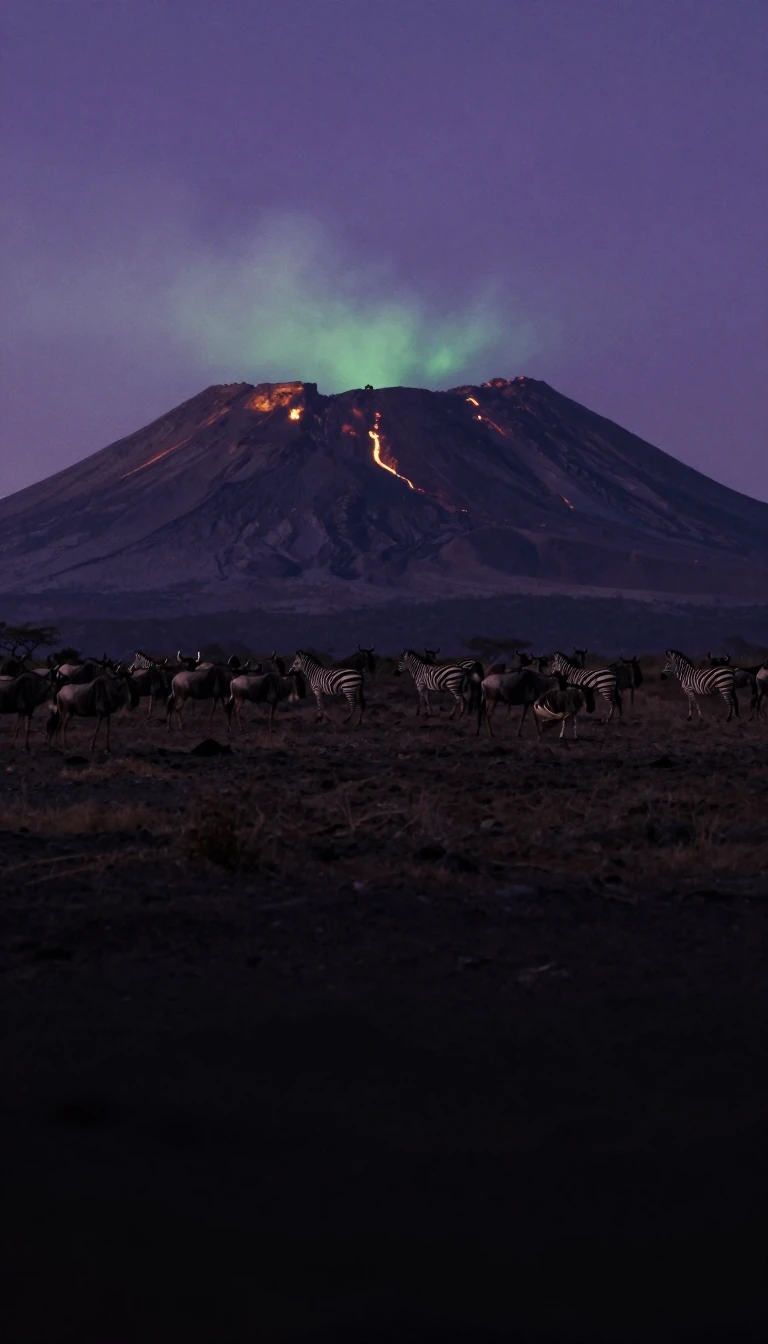 The Roof of Africa: How Volcanic Erosion Created a Sanctuary for Rare WildlifeRising from the Ethiopian highlands, the Simien Mountains are a jagged masterpiece of volcanic history. This UNESCO World Heritage site protects endemic species found nowhere else…
 Why this Chinese mountain range is the ultimate sanctuary for the giant pandaSpanning over 9,000 square kilometers, the Sichuan Giant Panda Sanctuaries serve as a vital stronghold for the world's most iconic bear. Beyond housing a significant portion of th…
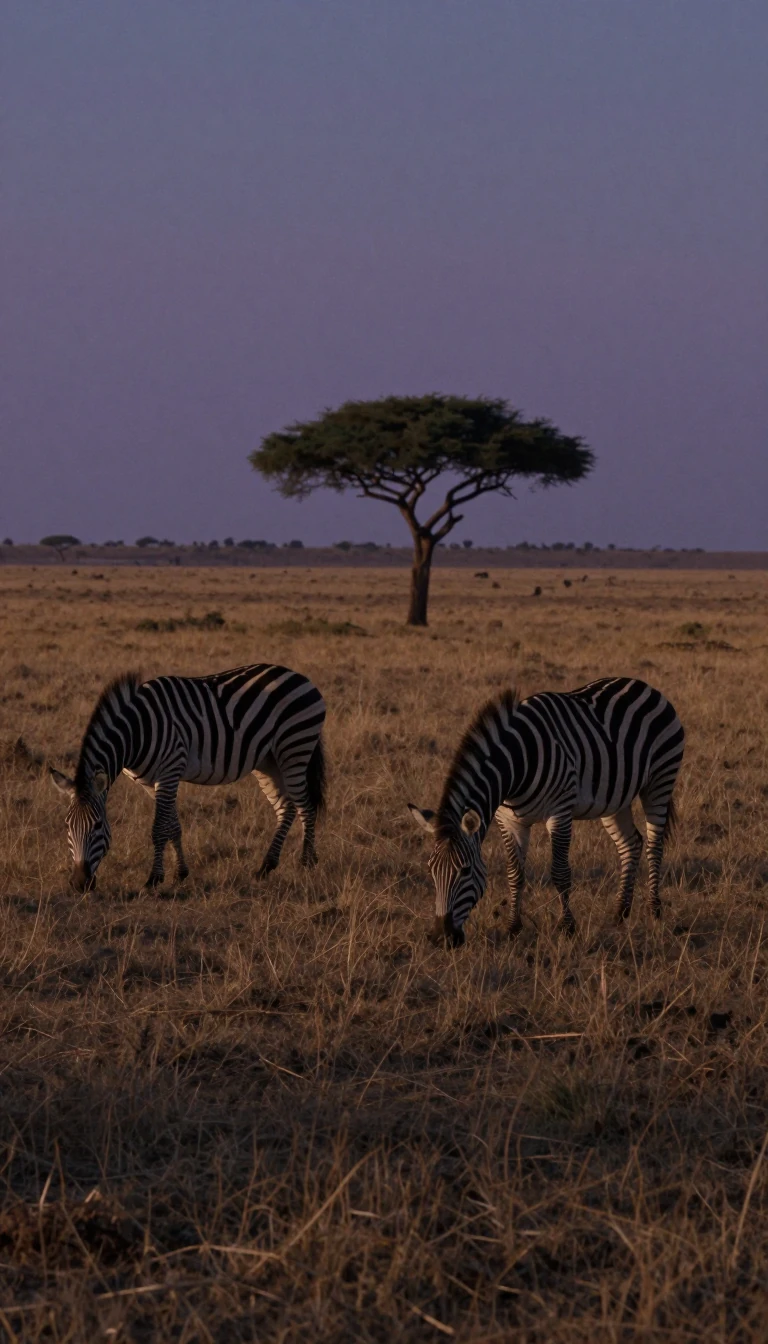 Can a vast African wilderness survive the push for industrial energy and uranium?Spanning 50,000 square kilometres, the Selous Game Reserve is a massive, protected Tanzanian wilderness. Once home to the world's largest elephant population, this UNESCO World He…
 Why millions of migratory birds flock to the yellow range of Northern KazakhstanSpanning the vast Kazakh Uplands, Saryarka is a vital sanctuary for millions of birds traveling between continents. This UNESCO World Heritage Site, inscribed in 2008, serves as a…
- Africa's largest rainforest reserve remains a mysterious, river-bound sanctuary for rare wildlifeDeep within the Congo River basin lies Salonga National Park, a sprawling 36,000-square-kilometer wilderness. Largely inaccessible by road, this massive rainforest reserve serves …
 Why the world's tallest trees are hiding in a seismically volatile coastal corridorRedwood National and State Parks protect nearly half of all remaining old-growth coast redwoods, including the tallest living tree on Earth. This humid, fog-drenched landscape is …
 Why Madagascar's isolated rainforests are a living laboratory for evolutionSeparated from all other land masses for over 60 million years, Madagascar developed a unique biological identity. The Rainforests of the Atsinanana, a World Heritage Site spannin…
- Why Australia's Bungle Bungle Range wears a coat of living, breathing stripesRising from the semi-arid savannah of Western Australia, the beehive-shaped sandstone towers of Purnululu National Park are a geological marvel. Their iconic orange and grey bands…
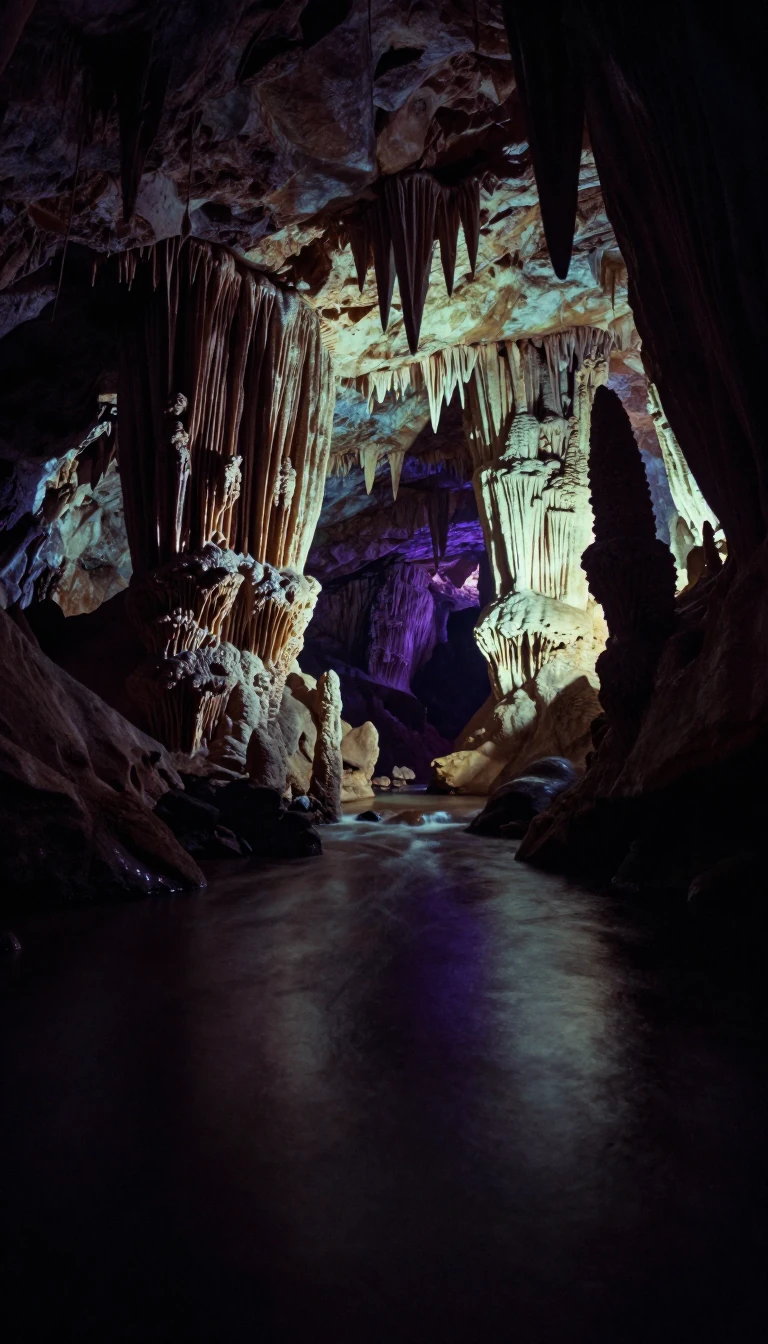 How living moss and ancient water create the shifting landscape of Plitvice LakesPlitvice Lakes National Park is a geological masterpiece where water literally builds its own path. Through a delicate process of mineral sedimentation, the park’s famous traverti…
 Can a 1,300-year-old tree survive the expansion of a modern ski resort?Pirin National Park is a rugged, high-altitude sanctuary in southwestern Bulgaria, home to glacial lakes and Europe's southernmost glaciers. Yet, this UNESCO World Heritage site f…
- Olympic National Park spans three distinct ecosystems, from temperate rainforests to rugged Pacific coastlines.Olympic National Park is a massive, diverse wilderness on Washington's Olympic Peninsula. It protects primeval forests, alpine meadows, and a wild coastline, serving as a vital re…
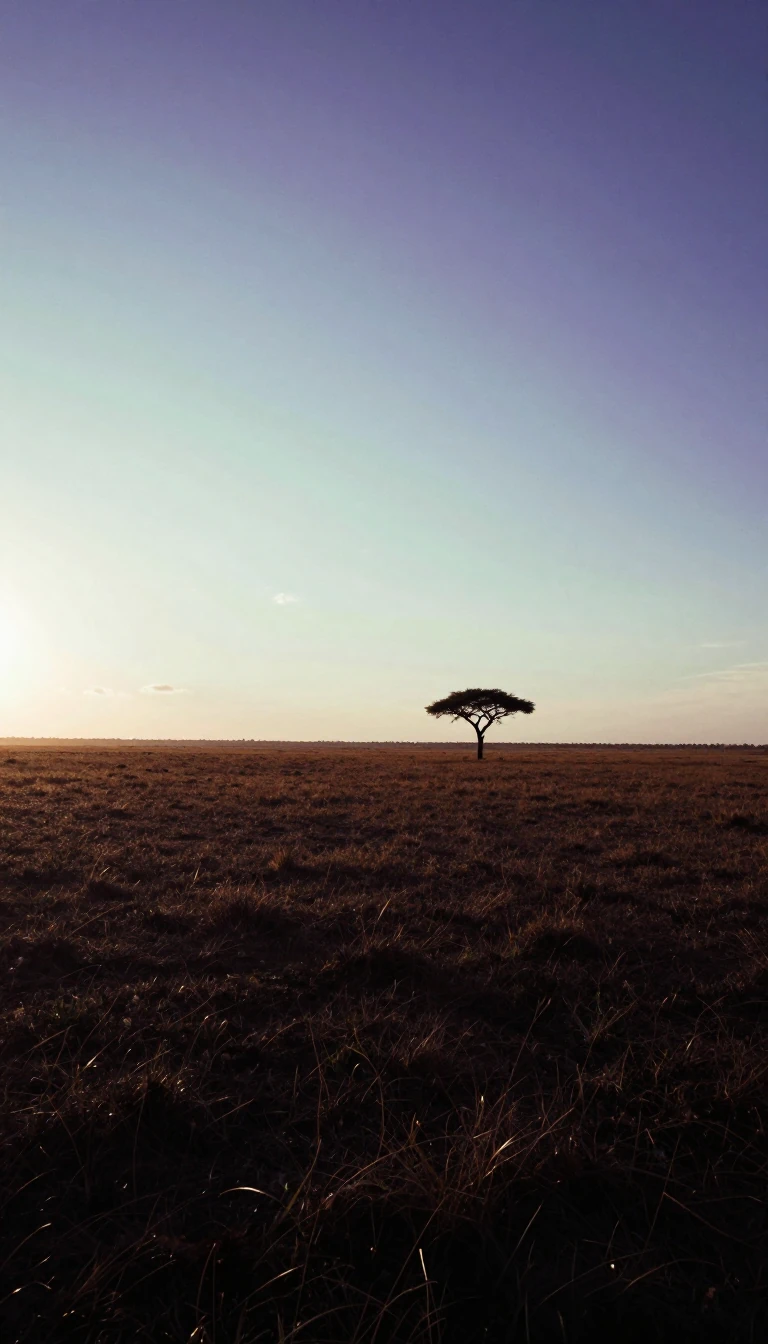 A Congolese sanctuary for the elusive okapi faces an existential threat from armed conflict.Spanning 14,000 square kilometers of the Ituri Forest, the Okapi Wildlife Reserve is a vital Pleistocene refugium. While it protects rare biodiversity, including the endangered ok…
 A remote mountain ridge in West Africa holds secrets of evolution and rare lifeStraddling the borders of Guinea and Côte d'Ivoire, the Mount Nimba Strict Nature Reserve is a biological treasure chest. This isolated sky island hosts species found nowhere else…
 Why this Taoist sanctuary is a living laboratory for ancient geological and biological historyRising from the Huaiyu Mountains, Mount Sanqing is more than a spiritual landmark. Named for the Taoist trinity, this granite massif serves as a critical refuge for rare species a…
- A Himalayan sanctuary once used for royal hunting now protects the world's rarest species.Nestled in the Himalayan foothills, Manas National Park is a biodiversity powerhouse. Once a private hunting ground for royalty, this UNESCO World Heritage Site now serves as a cr…
 How a war-torn Mozambican reserve transformed into a thriving wildlife sanctuaryOnce devastated by civil conflict, Maputo National Park has staged a remarkable ecological comeback. By merging land and sea reserves, this sanctuary now protects diverse ecosyste…
- Can a once-thriving African wildlife sanctuary recover from the brink of total collapse?Manovo-Gounda St. Floris National Park, a UNESCO World Heritage Site in the Central African Republic, was once a beacon of biodiversity. Today, it serves as a stark reminder of ho…
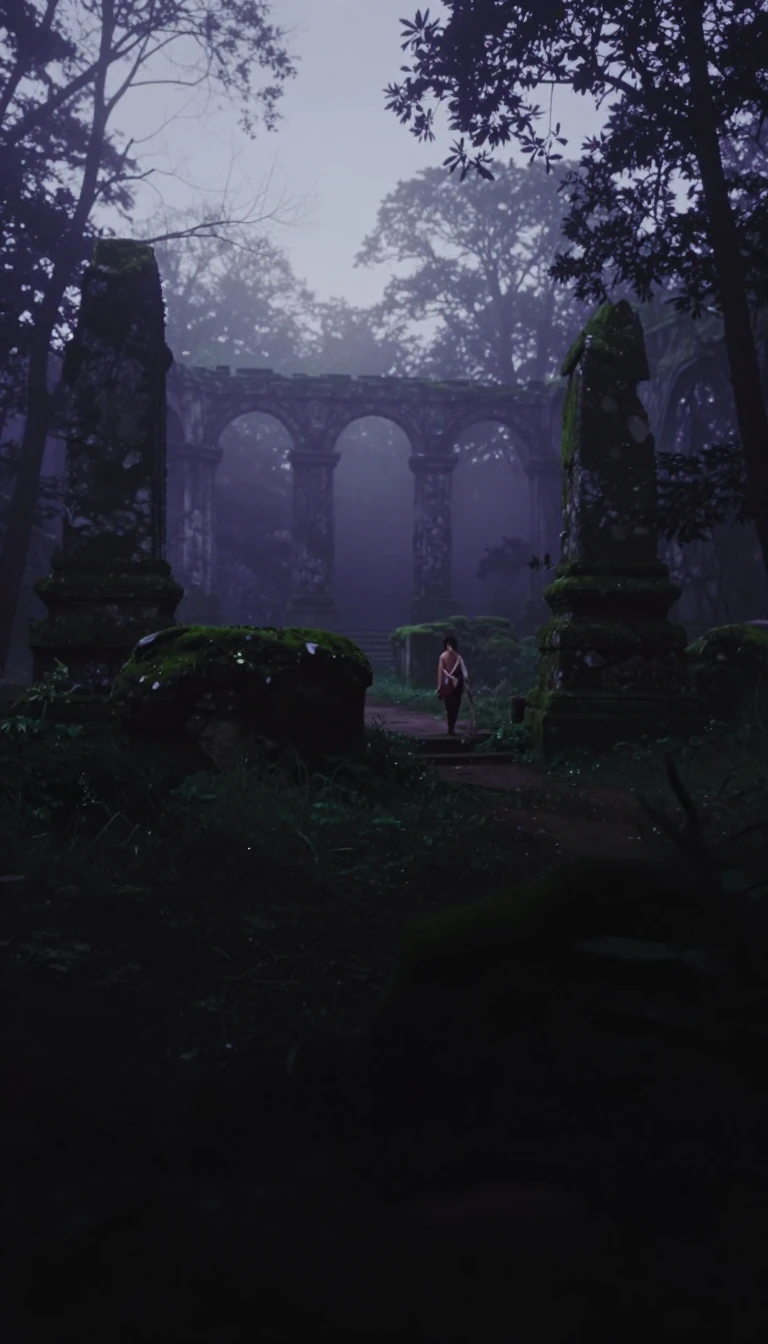 A prehistoric forest remnant survives on a volcanic island in the Atlantic OceanOnce widespread across Europe, the ancient laurissilva laurel forest was nearly lost to centuries of clearing and agriculture. Today, this rare ecosystem persists on Madeira, offe…
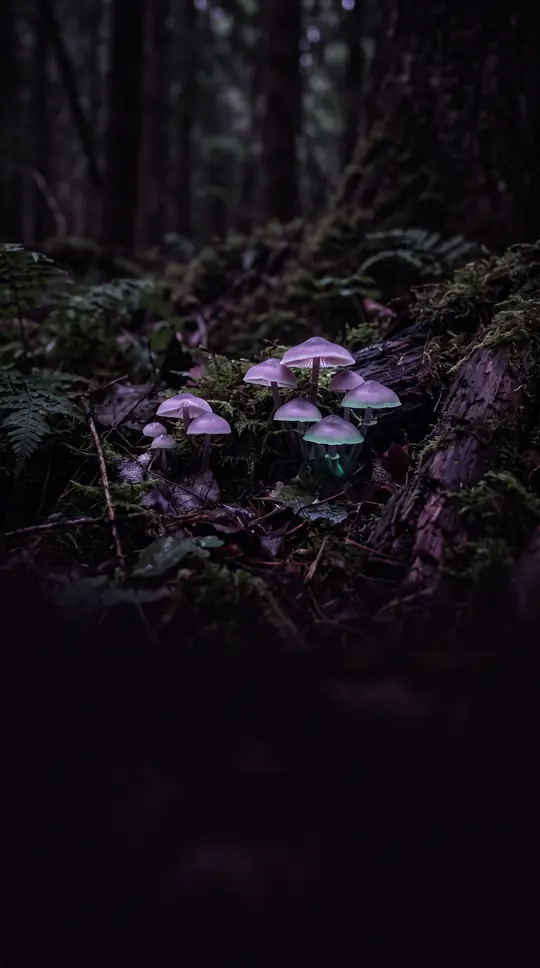 Why the Daurian Steppe is a critical sanctuary for migratory wildlife across two nationsSpanning the border between Russia and Mongolia, the Landscapes of Dauria represent a vast, interconnected ecosystem of forest steppe. This World Heritage Site serves as a vital r…
- Why this remote Kenyan lake is a vital sanctuary for ancient life and migrationDeep in the arid landscapes of Kenya lies Lake Turkana, a massive alkaline body of water straddling the border with Ethiopia. This UNESCO World Heritage site is far more than a sc…
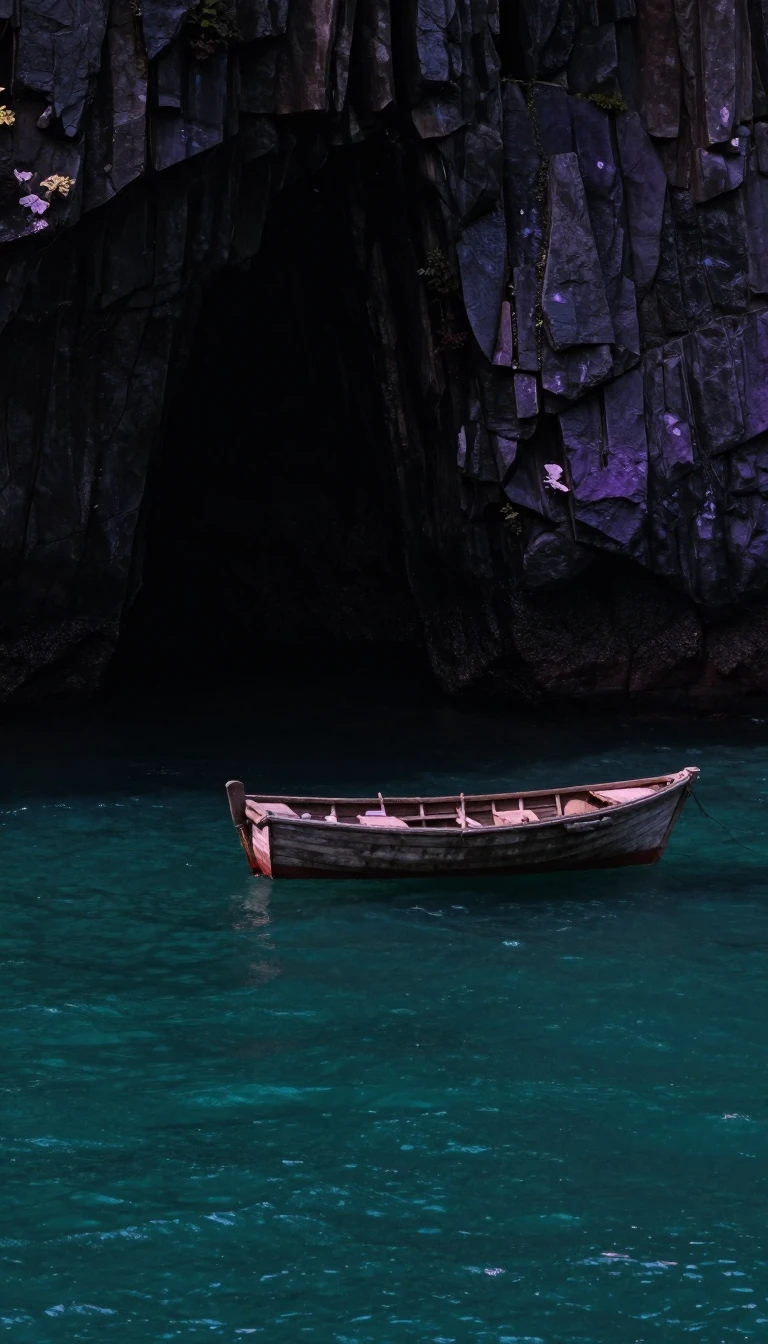 A 185-million-year library written in stone and boneSpanning 96 miles of the English Channel, this coastline acts as a geological archive. Through continuous erosion, the cliffs reveal a sequential history of Earth, transitioning f…
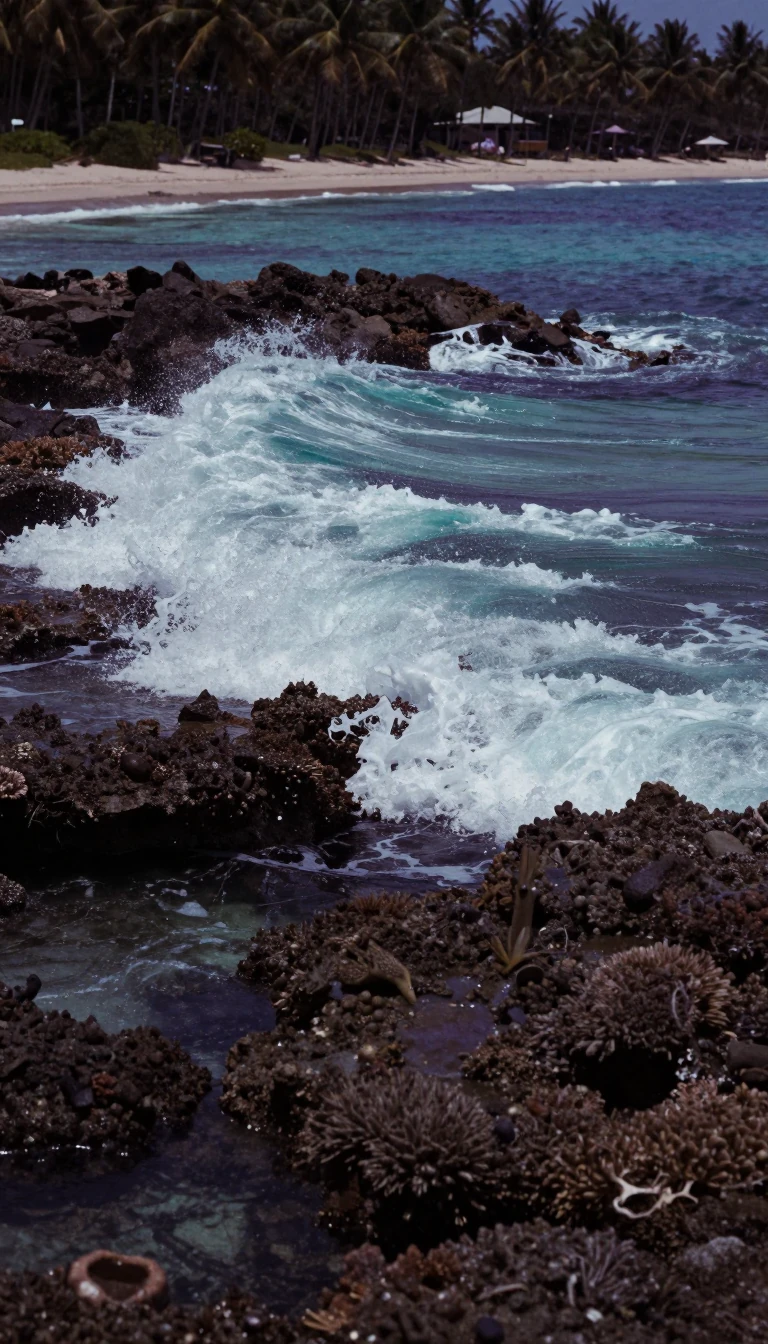 Is the world's largest lizard enough to save a fragile, contested marine paradise?Founded in 1980 to protect the Komodo dragon, this Indonesian park has evolved into a global biodiversity hotspot. Yet, beneath its status as a UNESCO World Heritage Site, the par…
- Why this young, non-volcanic mountain is a global biological treasure chestRising from the west coast of Borneo, Kinabalu Park is a biological powerhouse containing over 4,500 species of flora and fauna. Designated as Malaysia's first UNESCO World Herita…
- How a former royal duck hunting ground became a critical sanctuary for migratory birds.Keoladeo National Park in Rajasthan, India, is a man-made wetland that serves as a vital wintering ground for thousands of migratory birds. Once a private hunting reserve for the …
- How a thin layer of volcanic rock creates a world-class floral explosionPerched 1,200 metres high in India’s Western Ghats, the Kas Plateau transforms into a vibrant valley of flowers every monsoon. This UNESCO World Heritage site thrives on a precari…
 Why South Africa’s iSimangaliso Wetland Park is named after a miracleSpanning 280 kilometers of coastline, iSimangaliso Wetland Park is a biodiversity hotspot where coral reefs meet subtropical forests. Its Zulu name, meaning a miracle, reflects th…
- Why Gabon's Ivindo National Park is a global hotspot for rapid evolutionary speciationSpanning 300,000 hectares of pristine rainforest, Ivindo National Park is a biological treasure trove. Beyond its famous waterfalls, the park hosts unique, ancient forests and rar…
- Can a fragile Tunisian wetland survive the unintended consequences of human engineering projects?Lake Ichkeul in northern Tunisia serves as a vital sanctuary for hundreds of thousands of migrating birds, including flamingos and geese. However, the construction of dams on its …
- Why the rugged peaks of Machu Picchu act as a sanctuary for ancient lifeMachu Picchu is more than an iconic Inca citadel; it is a sprawling 35,000-hectare sanctuary of extreme biodiversity. By shielding rare species from harsh climatic shifts, these d…
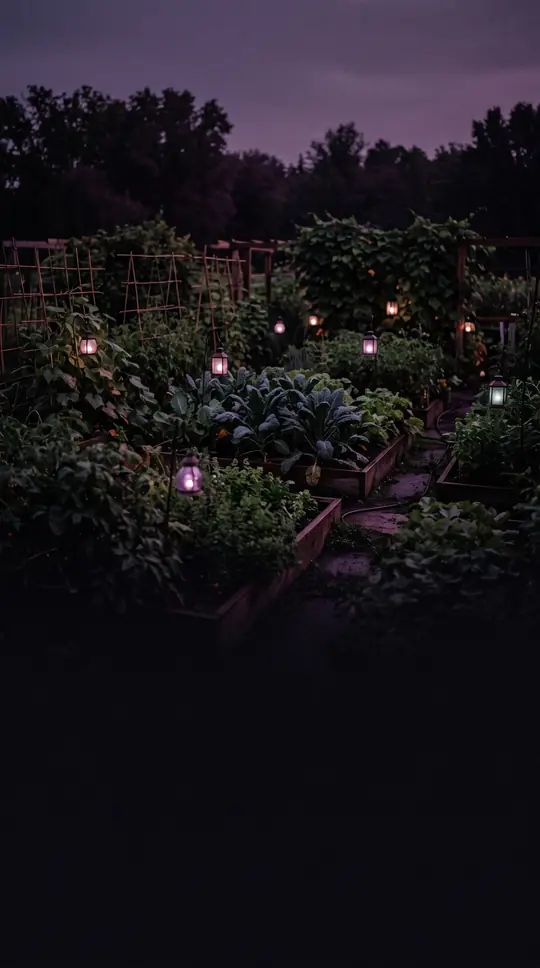 Why South Korea's vast mudflats are a global sanctuary for endangered migratory birdsGetbol are not just mud; they are complex coastal ecosystems that serve as vital stopovers for birds traveling the East Asian-Australasian Flyway. Recognized as a UNESCO World Her…
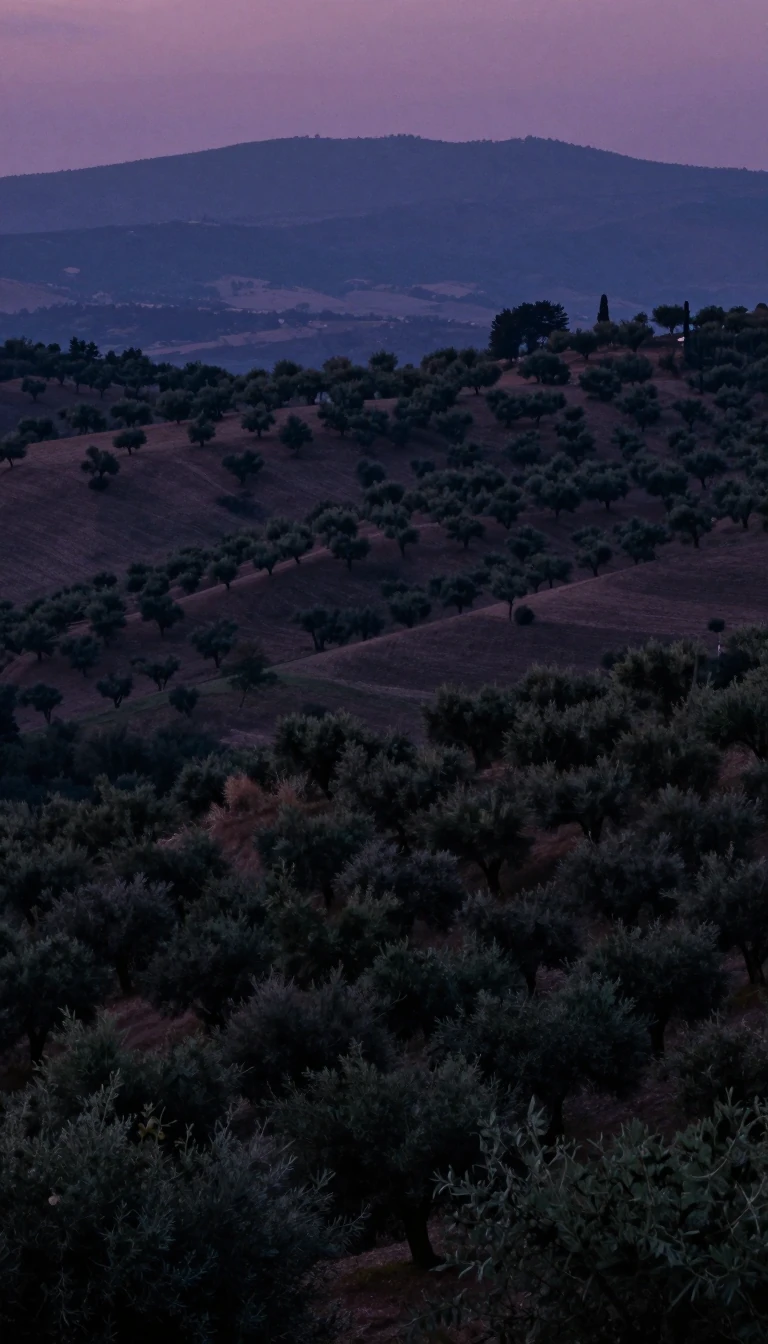 How a private hunting estate became Europe's largest nature reserveOnce a noble retreat for Spanish dukes and even King Philip IV, Doñana is now a vital ecological stronghold. This vast landscape of marshes and dunes serves as a critical bridge f…
 Why Scotland's vast, ancient peat bog is a global climate heroSpanning 4,000 square kilometers in northern Scotland, the Flow Country is Europe's largest blanket bog. This waterlogged landscape is more than a wild habitat; it is a massive ca…
- A vital Thai forest sanctuary faces a critical test of survival and conservationSpanning 230 kilometers, the Dong Phayayen–Khao Yai Forest Complex is a biodiversity powerhouse home to over 800 species. While it serves as a critical refuge for endangered wildl…
- Why this massive African rainforest remains one of the world's most pristine natural sanctuariesEncircled by the winding Dja River, this 5,260 square kilometer reserve in southeastern Cameroon serves as a vital stronghold for biodiversity. With 90 percent of its landscape un…
 Can a global tourism hotspot save one of the world's rarest primates from extinction?Cat Ba Island in Vietnam is a UNESCO Biosphere Reserve and a burgeoning adventure-tourism hub. Yet, beneath the limestone karsts and busy resort developments, a desperate conserva…
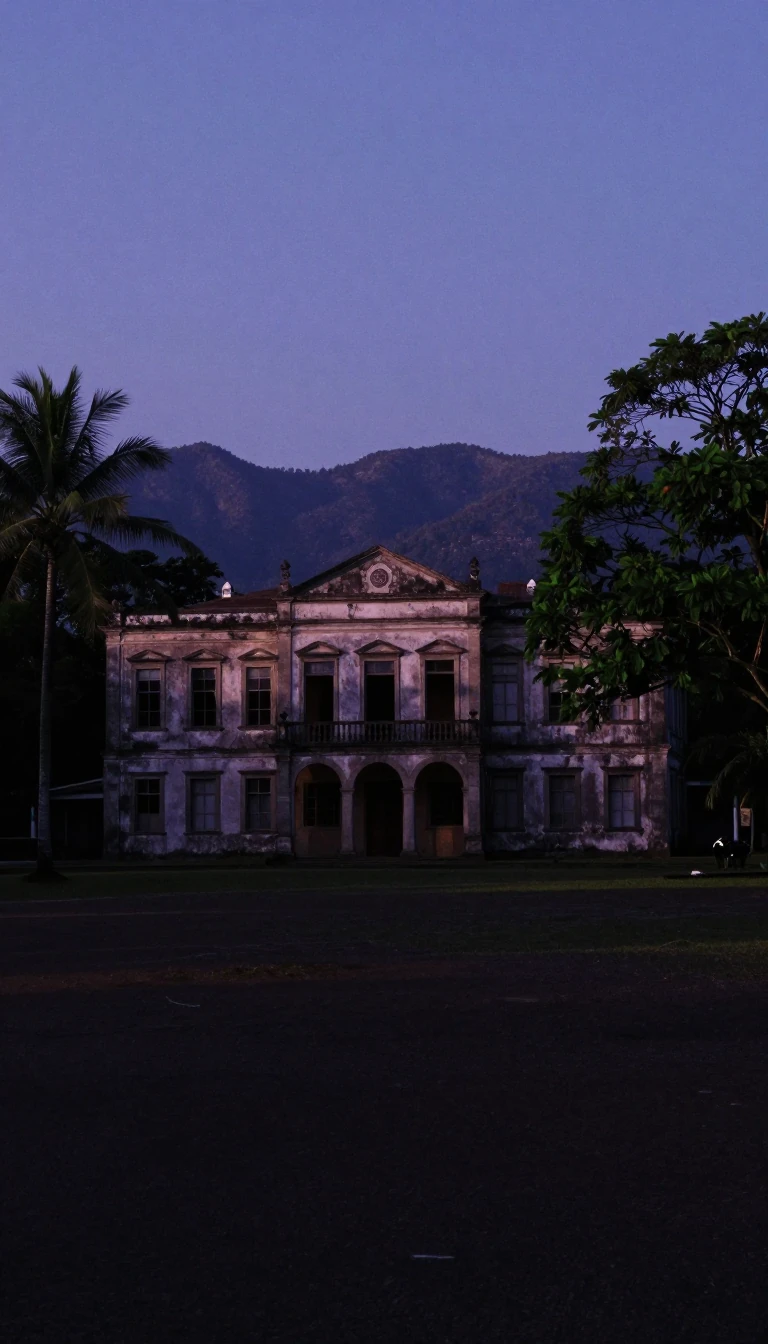 A former island prison is now a sanctuary for rare and ancient lifeFor decades, Coiba was a feared penal colony where political prisoners vanished into the shadows. Today, that dark history has ironically preserved one of Central America's most p…
- How a prehistoric climate refuge survived the ice ages to become a modern sanctuaryStretching across Georgia's Black Sea coast, the Colchic Rainforests and Wetlands are a rare biological time capsule. These ancient deciduous forests served as a critical refuge d…
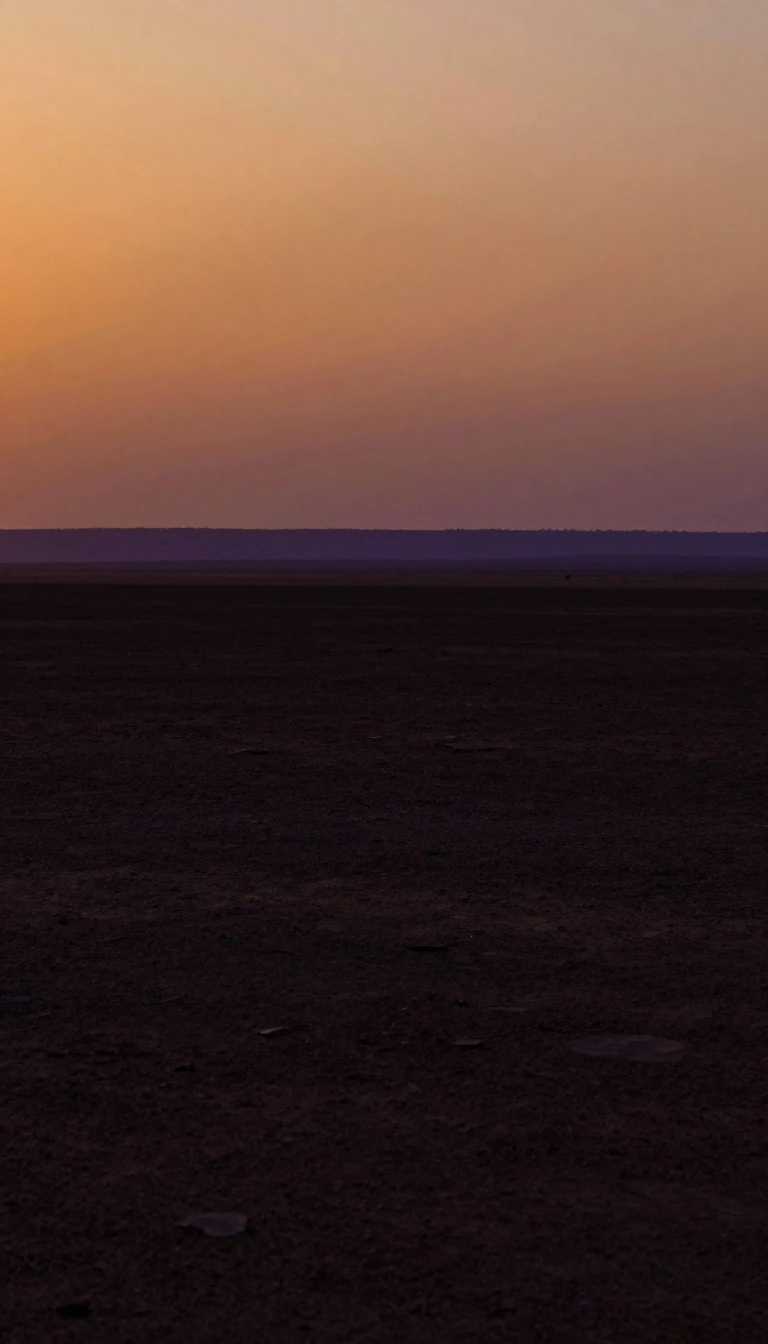 Why this tiny corner of South Africa holds an entire floral kingdomThe Cape Floristic Region is the smallest of Earth's six floral kingdoms, yet it packs a punch. Covering less than 0.5 percent of Africa, it sustains nearly 20 percent of the cont…
- Bwindi Impenetrable National Park: A High-Altitude Refuge for Half the World's Mountain GorillasTucked into the rugged Kigezi Highlands of southwestern Uganda, this ancient, biologically diverse forest serves as a critical sanctuary for endangered mountain gorillas. While th…
- Can a massive rainforest survive the clash between ancient ruins and modern human survival?Spanning over 7,000 square kilometers in Mexico, the Calakmul Biosphere Reserve is a biodiversity powerhouse home to nearly 70,000 species. Yet, this UNESCO-designated site faces …
- The second largest coral reef system on Earth is still mostly a mysterySpanning 300 kilometres, the Belize Barrier Reef is a biological treasure trove that remains largely unexplored. While it attracts thousands of visitors annually, scientists estim…
- Why Ethiopia's Bale Mountains are a global hotspot for rare and endemic wildlifeSpanning over 215,000 hectares, Bale Mountains National Park protects Africa's largest Afromontane habitat. This high-altitude sanctuary in the Ethiopian Highlands is a treasure t…
- How a Costa Rican conservation project restored an entire landscape of diverse tropical ecosystemsLocated in northwestern Costa Rica, the Area de Conservación Guanacaste is a sprawling network of protected lands that shelters two-thirds of the nation's endangered species. From…