 Intellect Plus
Nature
11,198 cards. Each one is a 40-second story with a five-minute read behind it. Page 162 of 187.
Subtopics: Ageing · Air · Animal behaviour · Animal breeds and hybrids · Animals · Arthropods · Atmosphere · Big cats · Bilateria, others · Birds · Botany · Cnidarians · Conservation · Coral reefs · Deep sea · Deserts · Dinosaurs · Earth science · Earth science and physical geography · Earth science basics · Earthquakes & tsunamis · Echinoderms · Ecology · Ecosystems · Endangered species · Extinct animals · Farming · Fish · Forests · Fungi · General classifications · Geology · Geomorphology · How Long Can It Live? · Ice · Individual animals · Insects · Lightning · Longevity · Mammals · Marsupials · Migration · Mollusks · Ocean · Organisms · Parasites · Physical geography · Plants · Porifera · Predators · Primates · Rainforest · Reptiles & amphibians · Researched · Sharks & rays · Spiders & arachnids · Symbiosis · Trees · UK & Ireland: nature · Vertebrates · Vision · Volcanoes · Water · Waves · Weather · Whales & dolphins · Zoology
 The Argentine tegu is a lizard that warms its own body when breedingReptiles are supposed to rely on the sun for warmth, but during the breeding season the Argentine black and white tegu generates some of its own heat. It is the only known reptile…
 Hera's many-eyed watchman ended up as the pattern on a peacock's tailArgus Panoptes, the all-seeing giant of Greek myth, never let every eye close at once, which made him the ideal guard for Io, a priestess Zeus had turned into a heifer. Hermes lul…
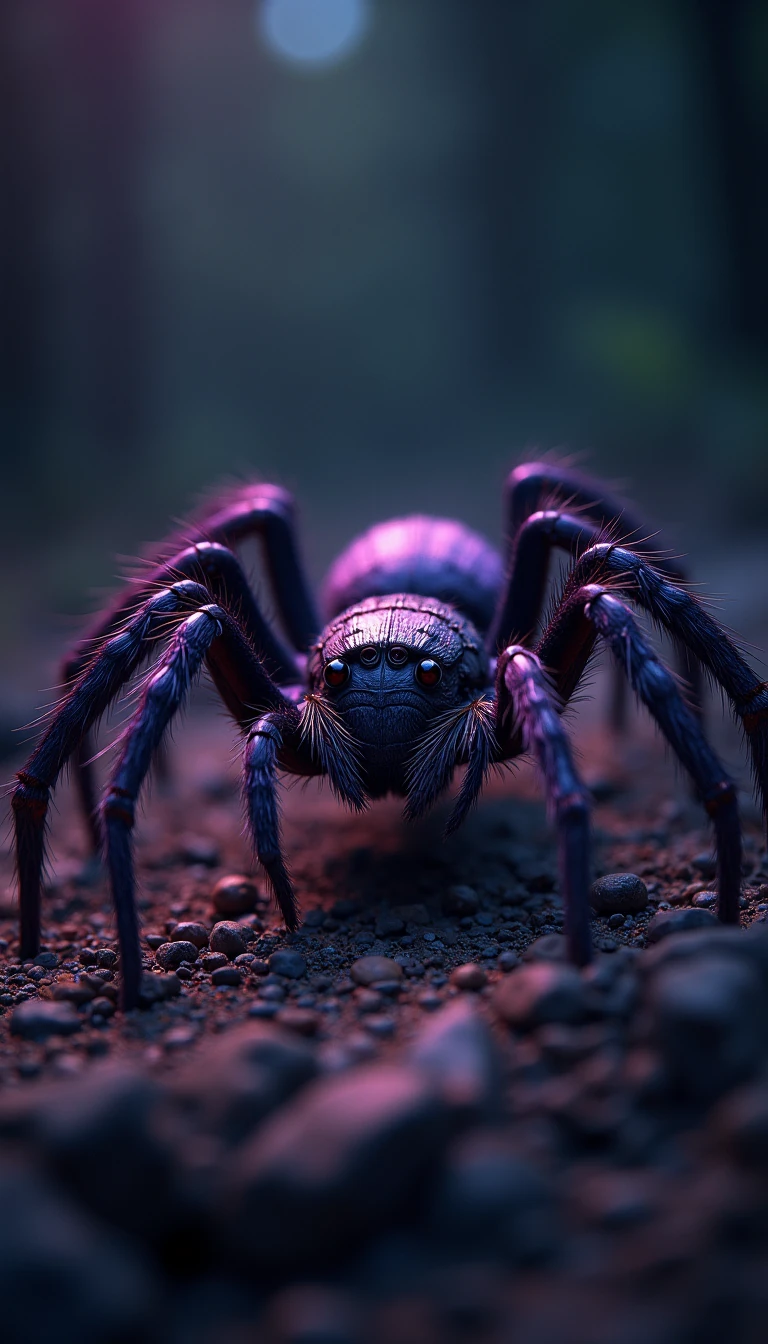 The largest land arthropod ever was a millipede longer than a personAround 300 million years ago, a millipede called Arthropleura crawled through open woodland in Europe and North America, reaching at least 2 metres long and leaving trackways half…
 Nine zoo animals in Arizona helped bring the Arabian oryx back from extinctionThe last wild Arabian oryx was reported in 1972, after decades of hunting from cars. A decade earlier, a captive herd had been started at the Phoenix Zoo with just nine animals. I…
 Shakespeare lifted his most dazzling Cleopatra lines from a translation of a translationShakespeare's Antony and Cleopatra, first staged around 1607, draws on Thomas North's 1579 English version of Plutarch, which itself came via a French translation. Some of the pla…
 Two ant movies in one autumn, and the feud that came with themIn 1998 two computer-animated films about a misfit worker ant winning a princess reached cinemas about a month apart. DreamWorks released Antz first; Pixar's A Bug's Life followed…
- Darwin asked why caterpillars are so gaudy, and Wallace answered the next dayIn February 1867 Charles Darwin was stumped: why are some caterpillars so beautifully coloured when they are too young to attract mates? Alfred Russel Wallace wrote back the next …
 Ducks and geese belong to one of the few bird lines that outlived the dinosaursWhen the asteroid ended the age of dinosaurs, it flattened forests and wiped out the tree-dwelling toothed birds that then ruled the skies. The ancestors of ducks, geese and swans…
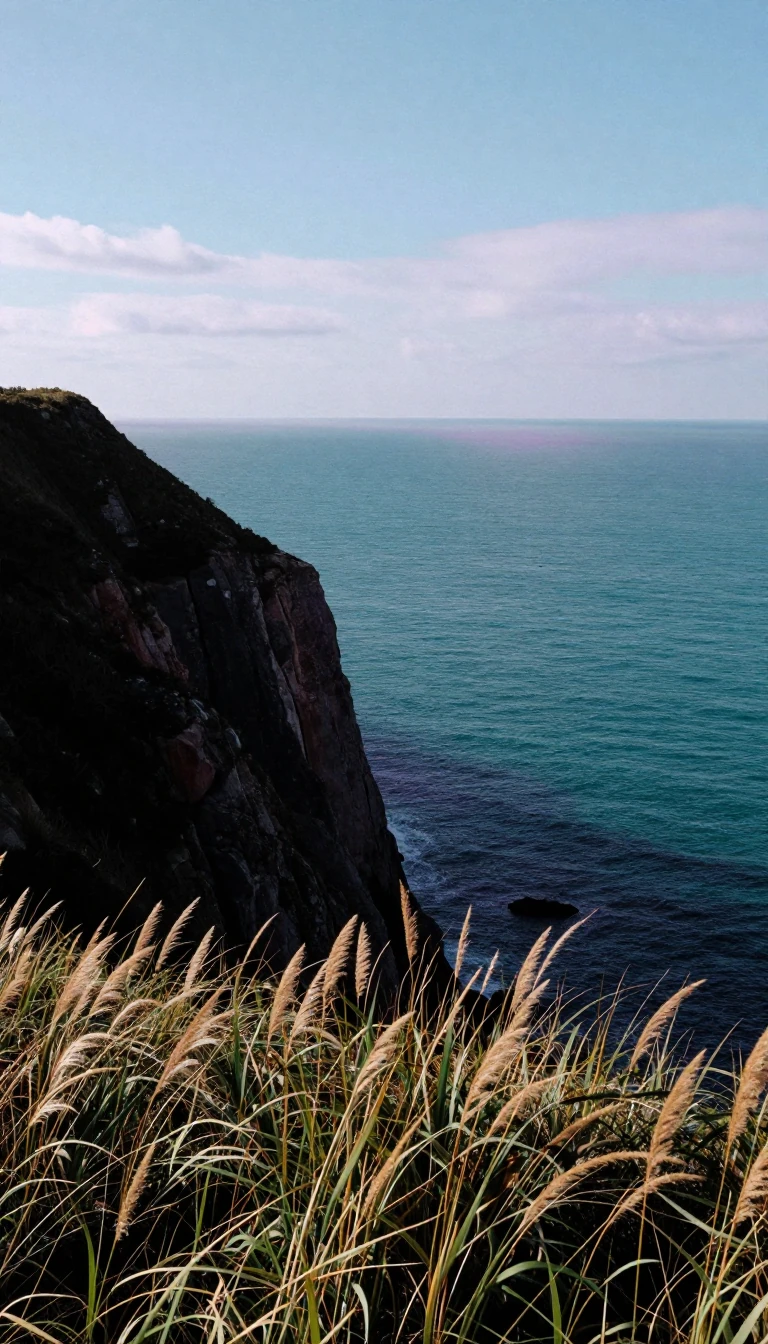 The Antarctic ends at a shifting line in the sea, not at the coastThe Antarctic is more than the frozen continent. Its natural border is the Antarctic Convergence, a band of ocean roughly 32 to 48 km wide where frigid southern water meets warmer…
 Why older allergy pills make you drowsy and newer ones mostly don'tHistamine, the chemical behind a runny nose and watery eyes, also helps keep the brain alert. Early antihistamines slipped easily into the brain, which is why some were even used …
 Anaphylaxis is the immune system's alarm going off everywhere at onceIts name combines Greek words for up and protection, yet anaphylaxis is defence gone badly wrong. Within minutes of meeting a trigger such as a peanut, a bee sting or penicillin, …
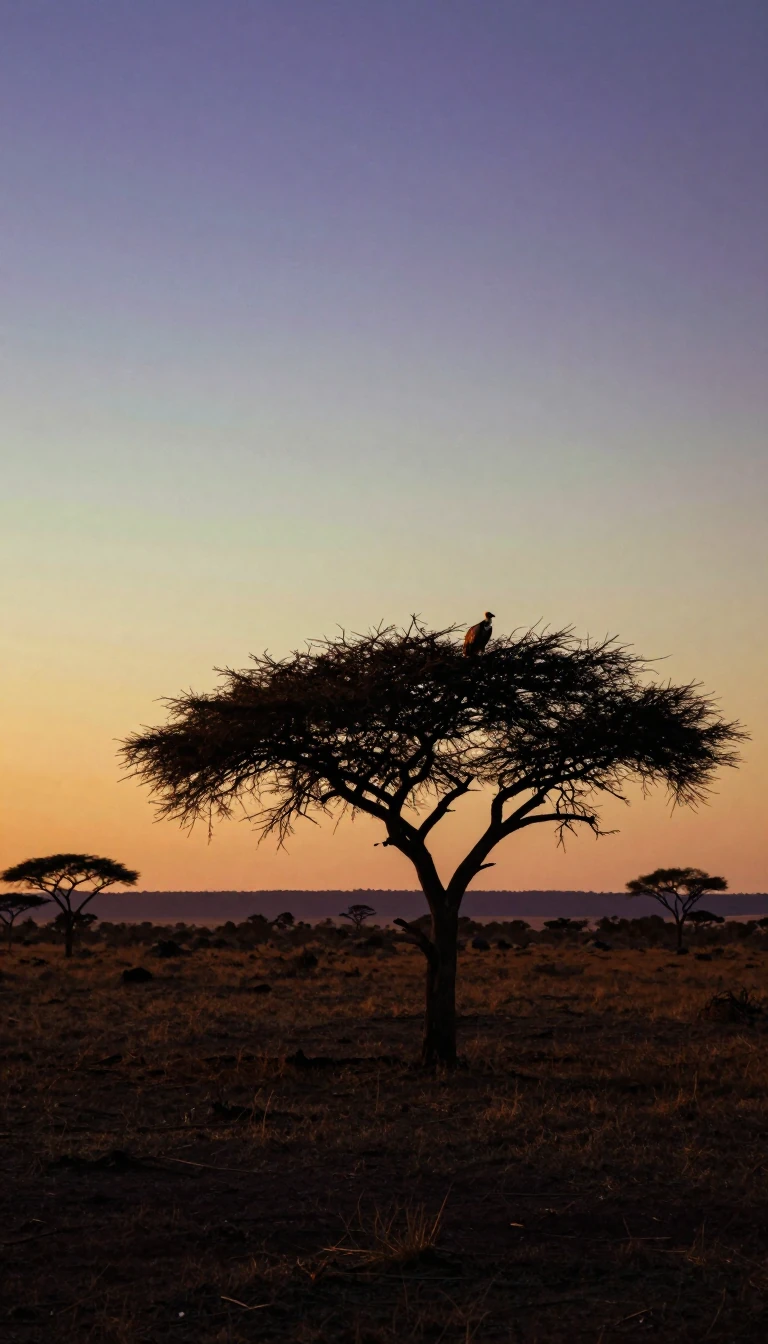 The Andean condor can soar for hours while barely flapping its giant wingsCharles Darwin watched Andean condors for half an hour without seeing one beat its wings. Modern flight recorders agree: these huge vultures flap only about 1 percent of the time …
 The anhinga swims like a snake and must hang its wings out to dryWhen an anhinga swims, only its slim neck shows above the surface, looking like a snake about to strike. The Tupi people of Brazil called it the devil bird or snake bird, and Engl…
 How bats and whales build pictures of the world out of echoesIn experiments by J. A. Simmons, bats relying on sweeping calls could tell apart two targets placed less than half a millimetre apart, using nothing but returning sound. Toothed w…
 The green anole is no chameleon, but its colour still tells a storyPeople across the American South call the green anole a chameleon, yet it is closer kin to iguanas. Its ancestors rafted from Cuba to the mainland millions of years ago, an unusua…
 The American woodcock sees all around itself and flies slower than any birdNicknamed the timberdoodle, the American woodcock is a sandpiper that ditched the beach for damp thickets. Its eyes sit so high on its head that it can probably see a full circle …
 The egg that let backboned animals leave the water for goodFrogs must return to ponds to breed, but lizards, birds and people never have to. The difference traces back to amniotes, a group whose embryos float inside a protective sac of fl…
 An alligator's bite is crushing, yet a strip of tape can hold its jaws shutAdult American alligators once held the record for the strongest bite ever measured in a laboratory, up to 13,172 newtons. The muscles that open their jaws, though, are so weak th…
 American badgers and coyotes sometimes hunt as a team, trapping squirrels between themA ground squirrel that spots a coyote dives into its burrow. One that sees a badger does the opposite, bolting out to outrun the slow digger. So when a badger and a coyote hunt to…
- Florida's other big reptile is a salt-loving crocodile, not an alligatorIn 1875 William Temple Hornaday went to Florida to collect alligator hides and chased a rumoured big old gator at the head of Biscayne Bay. When he found it, grey and whale-sized,…
 The American goldfinch waits until late July to nest, when thistle seed peaksMost North American birds are finished breeding by midsummer, but the American goldfinch barely starts before late July. Almost nothing else native to the continent nests so late.…
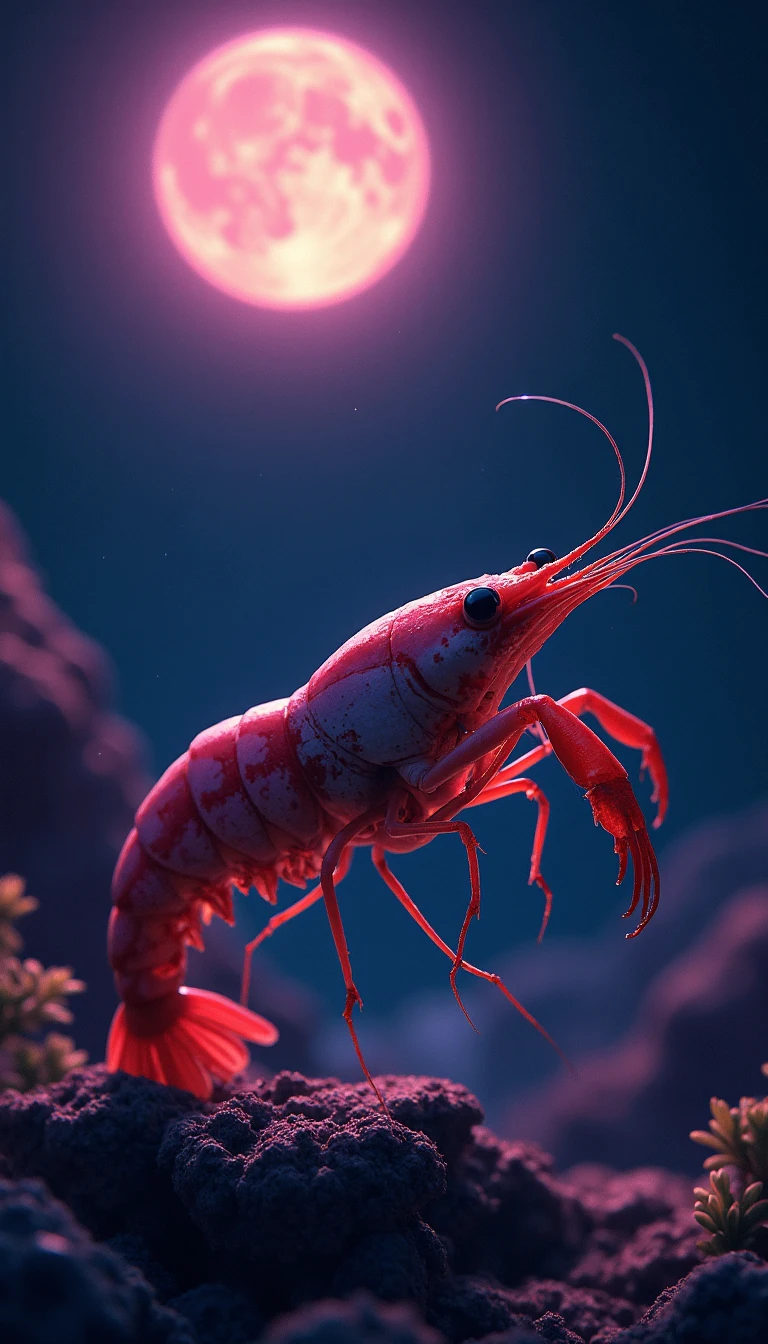 The pistol shrimp's claw snaps a bubble that flashes light and stuns fishA shrimp only 3 to 5 centimetres long rivals sperm whales and belugas for the title of loudest animal in the sea. Its oversized claw snaps shut so fast it blows a collapsing bubbl…
- The Amazon's pink dolphins get their colour from scrapes, not from their dietAmazon river dolphins are born dark grey and only turn pink as adults, as years of abrasion wear their skin. Males, which fight more, end up pinker and scarred. They can turn thei…
- Ambergris, prized by perfumers for centuries, starts life as sperm whale wasteFresh from a sperm whale's gut, ambergris is soft, pale and smells like faeces. After months or years drifting in sunlight and salt water it hardens into a dark, waxy lump with a …
 Spielberg named his production company after a $15,000 short about desert hitchhikersBefore Jaws, Steven Spielberg made Amblin', a short independent film about a man and a woman thumbing rides across the desert. It cost 15,000 dollars and won him directing work at…
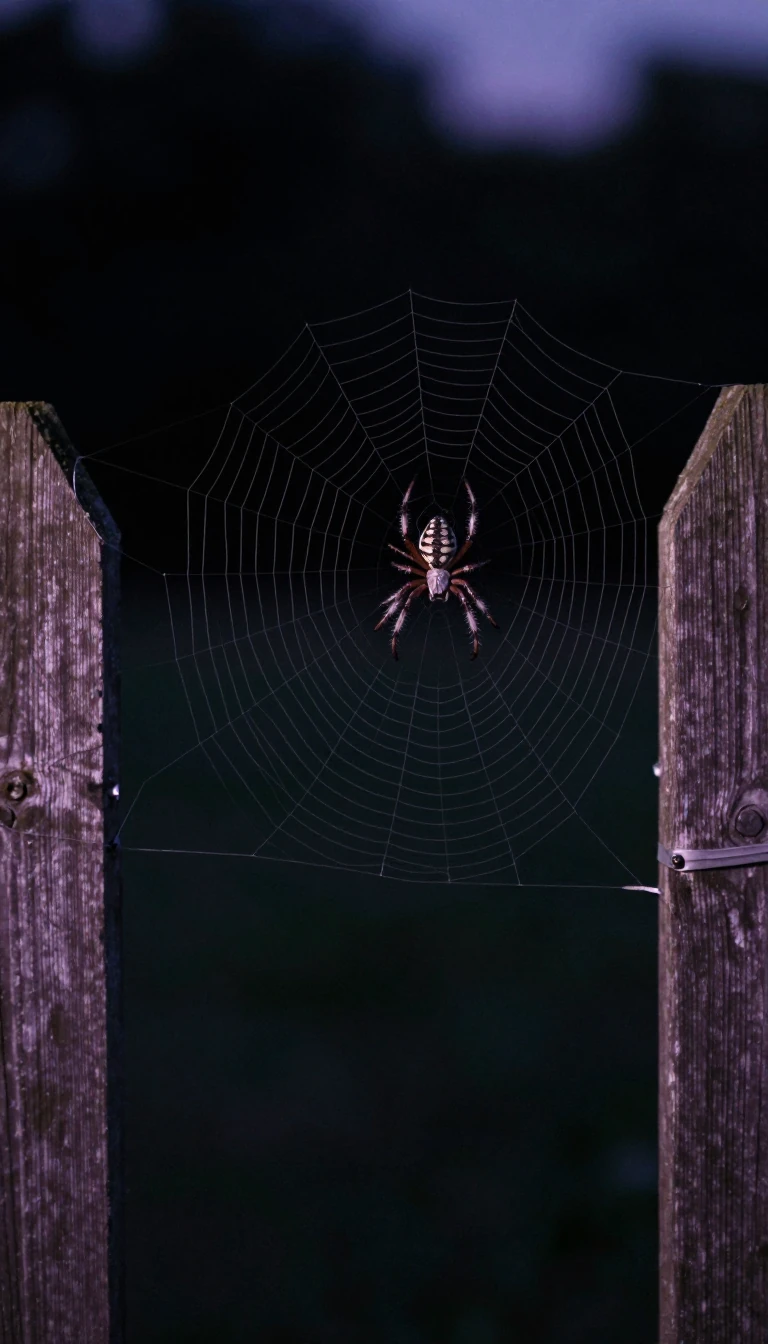 Whip spiders walk on six legs and feel their way with two absurdly long whipsAmblypygids look like nightmares, flat-bodied arachnids with spiny grabbing arms and front legs stretched into feelers up to 60 centimetres long. Yet they have no venom and no sil…
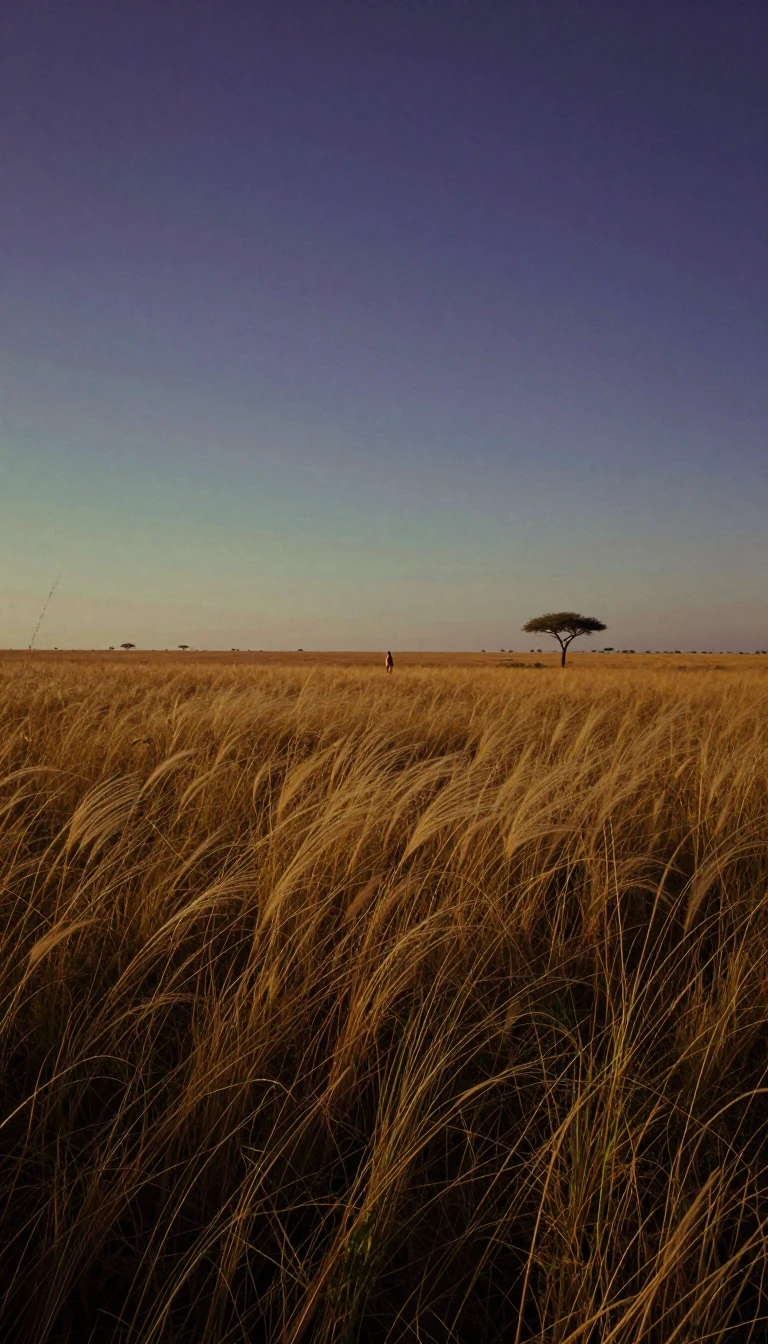 Lions once roamed from Arabia to central India; now wild ones survive only in GujaratUntil the 19th century, lions prowled from Saudi Arabia and eastern Turkey across Iran and Mesopotamia to central India. Today every wild Asiatic lion lives in and around Gujarat'…
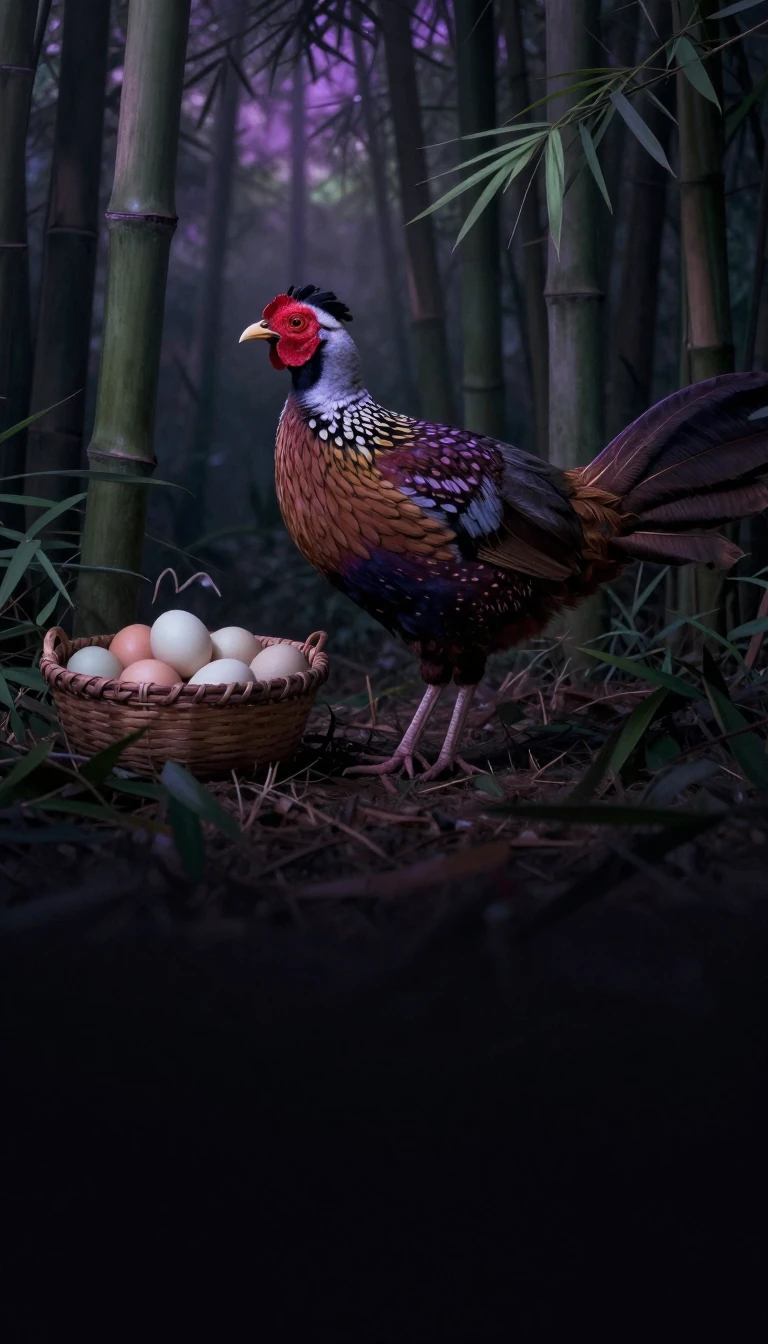 Blue-and-yellow macaws blush when they interact with peopleThe blue-and-yellow macaw can flush the bare white skin of its face and fluff its cheek feathers while dealing with humans, possibly a sign of its mood. It is the most commonly ke…
- Aldabra's giant tortoises graze so hard that the grass evolved to hideOn a remote Seychelles atoll, some 100,000 giant tortoises crop the vegetation so relentlessly that a distinct habitat called tortoise turf has formed. More than 20 grasses and he…
 Alfalfa roots can dig more than 15 metres down to find waterA knee-high forage plant hides an astonishing root system. Alfalfa taproots usually reach two or three metres, can grow about six feet in a single year in loose soil, and sometime…
 The British bird collector who helped found the Indian National CongressAllan Octavian Hume spent decades as a colonial official in India, amassed the largest collection of Indian bird skins anywhere, and then helped found the Indian National Congress…
- Three versions of one gene sort almost everyone into four blood typesYour blood type comes down to which versions of a single gene you inherited. Classical genetics recognises three, called IA, IB and i, which combine into six possible pairings and…
 Alabama does not mean Here We Rest, and its capital moved five timesA popular story says Alabama means Here We Rest, a translation first floated in an 1842 newspaper article. Specialists in Muskogean languages have found no support for it. The nam…
 Albacore, the tuna that eats squid and never stops swimmingMost tuna hunt fish, but albacore mainly eat squid and their relatives, including a tiny deep-water species from the Atlantic and Mediterranean. They cannot rest, since they need …
 A single quarry of 26 Albertosaurus hints that these tyrannosaurs lived in groupsIn 1910 Barnum Brown stumbled onto a quarry beside Alberta's Red Deer River crammed with the bones of one predator species. Later counts reached 26 Albertosaurus individuals at th…
 White peacocks are not albinos, and neither is the ash-grey albino gaurPlenty of pale animals get called albino without deserving it. White peacocks, swans and geese carry a gene for white feathers rather than lacking melanin, and the so-called albin…
 Every land plant descends from a cell that swallowed a cyanobacteriumGreen algae, red seaweeds, tiny grey algae and every tree and flower belong to one proposed lineage, the Archaeplastida, meaning ancient plastid. Its founding ancestor engulfed a …
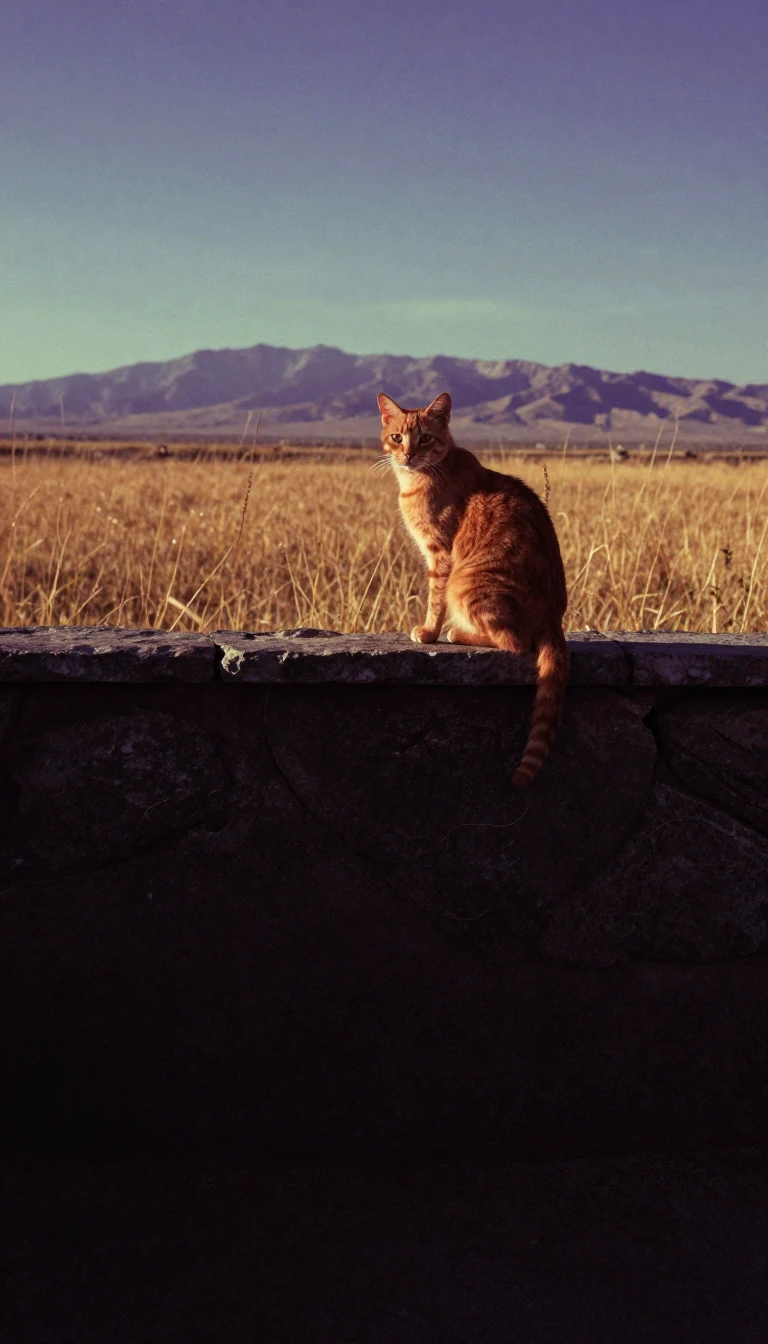 Every house cat descends from the African wildcat, first tamed around 10,000 years agoThe sandy, faintly striped African wildcat looks like a lean tabby, and that is no coincidence. Some of them were tamed in the Fertile Crescent about 10,000 years ago and became t…
 Funnel weavers catch prey on webs that are not sticky at allThat flat sheet of silk draped over a hedge, with a tunnel leading into shadow, belongs to a funnel weaver. The web has no glue. It works by tangling and by vibration, and its own…
 The Asian tiger mosquito bites by day and can breed in a bottle cap of waterMost mosquitoes are creatures of dusk and wetlands. The Asian tiger mosquito breaks both rules: it lives close to people, hunts in broad daylight, and its larvae can grow in under…
 Aestivation is summer's version of hibernation, and snails, frogs and even lemurs do itHibernation gets all the attention, but plenty of living things sleep through summer instead. When heat and drought set in, snails glue themselves shut, frogs wrap up in mucus coc…
 The African diaspora spans three slave trades, not one, plus modern migrationWhen people picture the African diaspora, they usually think of the Atlantic slave trade. But between 1500 and 1900, millions more Africans were forced north across the Sahara or …
- More African spurred tortoises now live as pets than in the wildThe sulcata tortoise hatches at about the weight of a small egg and can grow past 100 kilograms. It is the biggest tortoise on any mainland, digging burrows up to 15 metres deep t…
- The donkey's wild ancestor is down to about 570 animalsDonkeys number in the millions, but their wild ancestor is one of the rarest large mammals in Africa. Only about 570 African wild asses remain, scattered across the deserts of Eri…
 No two African wild dogs share a coat, and conservationists want to rename themEvery African wild dog wears a unique patchwork of black, brown, yellow and white, often different on each side of its body, and pack mates can pick each other out at up to 100 me…
 The giant Canada goose was thought extinct until a flock turned up in 1962Written off as extinct in the 1950s, the giant Canada goose reappeared as a small wintering flock in Rochester, Minnesota. Breeding programmes followed, and today the species is s…
 Beijing doubled its subway and pulled cars off roads for its 2008 OlympicsTo stage its first Olympic Games, Beijing added seven subway lines and 80 stations, opened a vast new airport terminal and ordered drivers off the road on alternate days by licenc…
 The aardwolf is a hyena that licks up termites instead of huntingIt looks like a small, skinny striped hyena and belongs to the same family, yet the aardwolf has no interest in killing anything bigger than a beetle. Each night it can lap up 250…
 Botanists fought for years over who gets to keep the name AcaciaThe word acacia first described an African tree growing in Roman Egypt. Today it belongs mostly to Australian wattles, after a bitter botanical dispute that ended in 2005 and was …
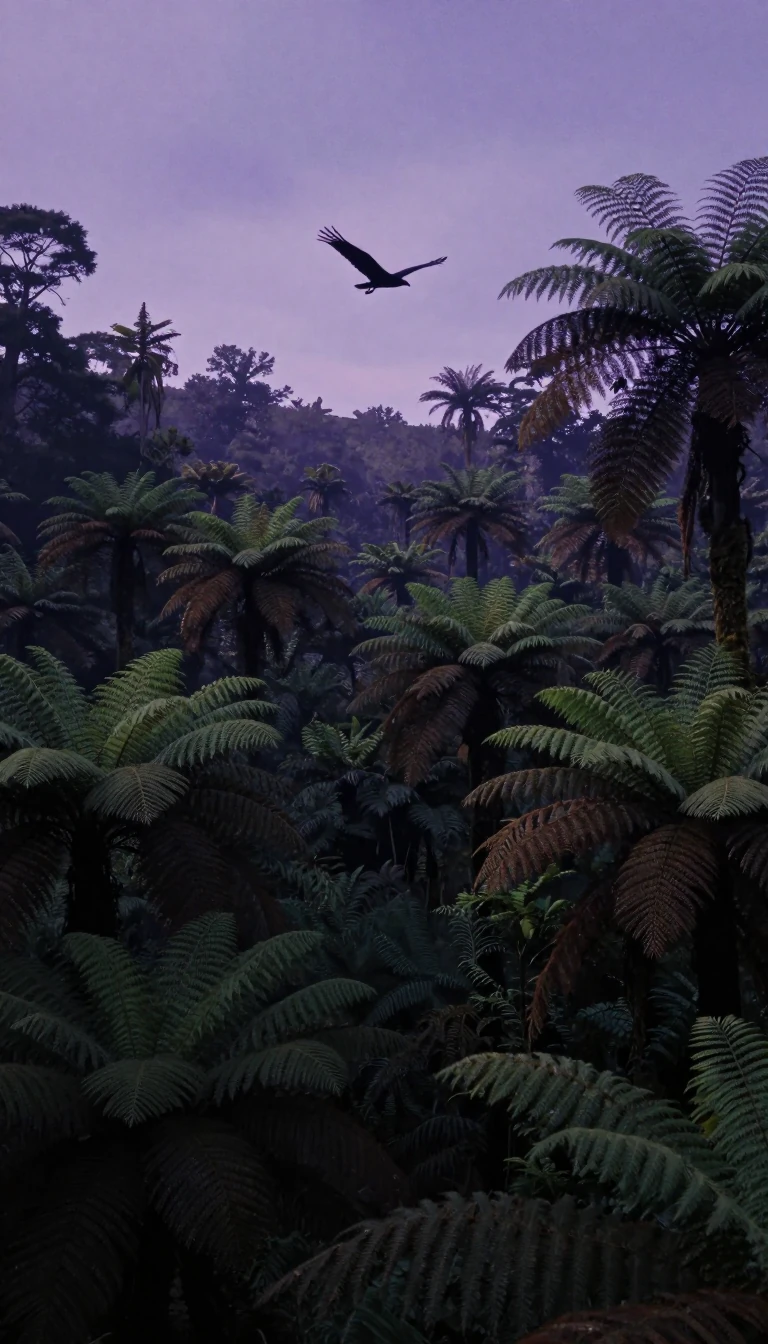 From an 85-gram kite to a 14-kilogram vulture, one family of raptorsThe tiny pearl kite weighs about 85 grams. The cinereous vulture can reach 14 kilograms, with wings spanning more than three metres. Both belong to the Accipitridae, a family of 2…
- Falcons look like hawks but are closer kin to parrotsFor generations, falcons and hawks were filed together as one order of daytime raptors. Then a 2008 DNA study showed falcons are more closely related to parrots and songbirds. The…
- Admiral began as an Arabic title, and it lost its tailWestern navies borrowed their top rank from Arabic. Admiral traces back to amir, a commander or prince, plus al, meaning the; the fuller phrase Amir al-Bahr means prince of the se…
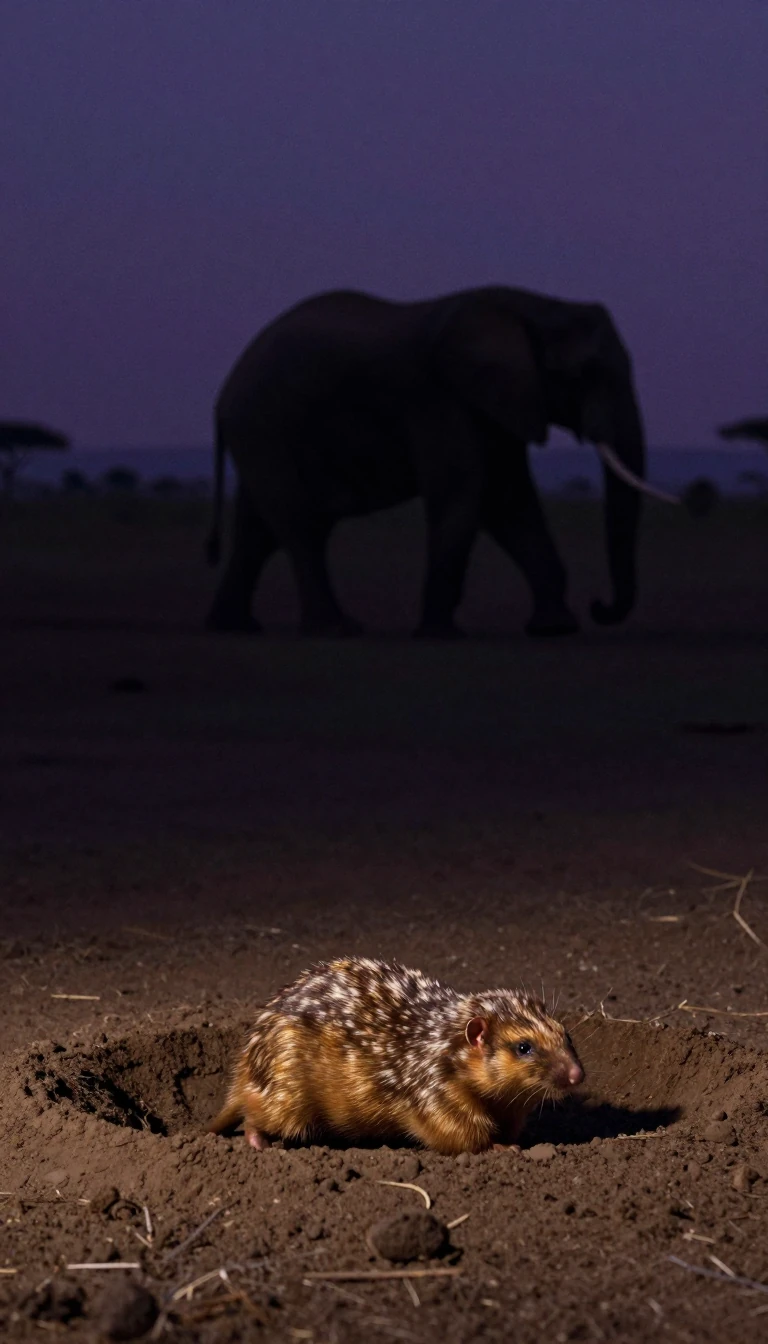 Elephants are closer kin to golden moles than to rhinos or hipposElephants, manatees, aardvarks, hyraxes and tiny golden moles look nothing alike, yet they share one family tree. Nobody recognised it until DNA studies in 1998. The group, Afroth…
 The sacred groves of Vrindavan are vanishing under the weight of urban sprawlOnce a lush forest of holy basil, the ancient city of Vrindavan is undergoing a profound transformation. As modern developers replace dense greenery with apartment blocks, the lan…
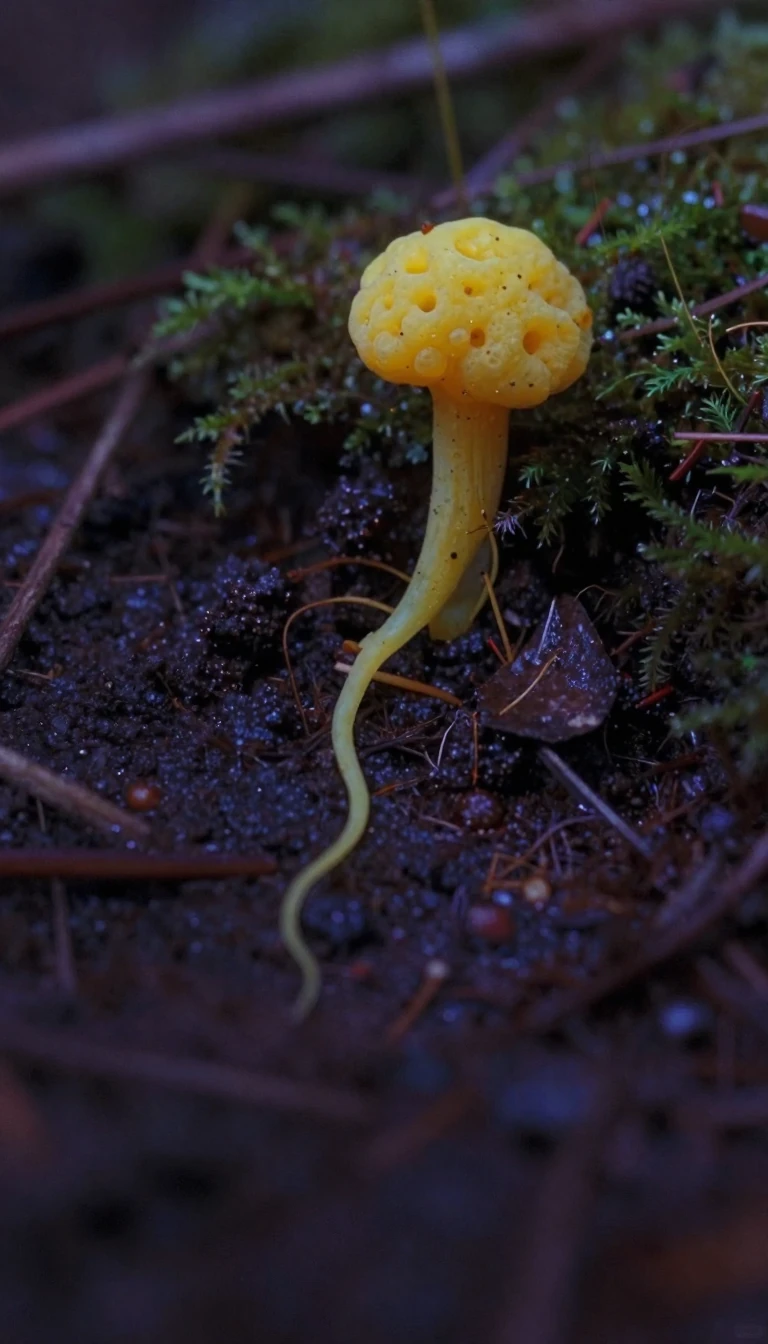 Bread moulds were the first fungi shown to use sex hormonesSome pin moulds cannot reproduce sexually alone. Two strains, labelled plus and minus, must find each other, and they do it by chemistry: each releases compounds the other finishe…
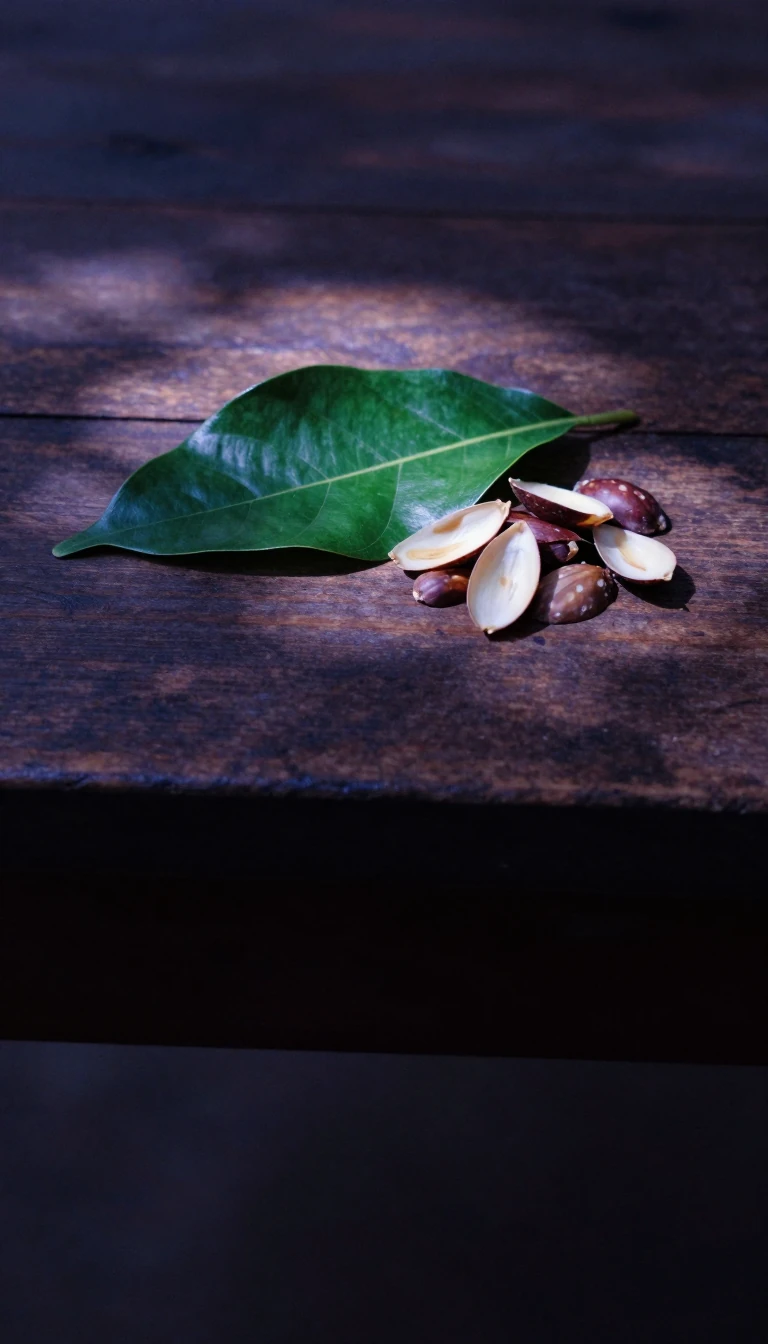 Walnut shells once cleaned Army aircraft parts, until one grounded a helicopterGround walnut shells made a cheap, gentle grit for blasting grime off United States Army aviation parts. Then investigators of a fatal Chinook crash in Mannheim on 11 September 19…
 Walruses use their tusks to haul out of the sea, not to digThe walrus's scientific name, Odobenus, joins Greek words for tooth and walk, because observers watched the animals heave themselves onto ice with their tusks. Those tusks, grown …
 Early watermelons were bitter, pale and grown mainly as portable waterThe first watermelons were not the sweet red slices of today. Their pale, bitter flesh was hard to open, and people valued them for storing water through the dry season. In the Ka…
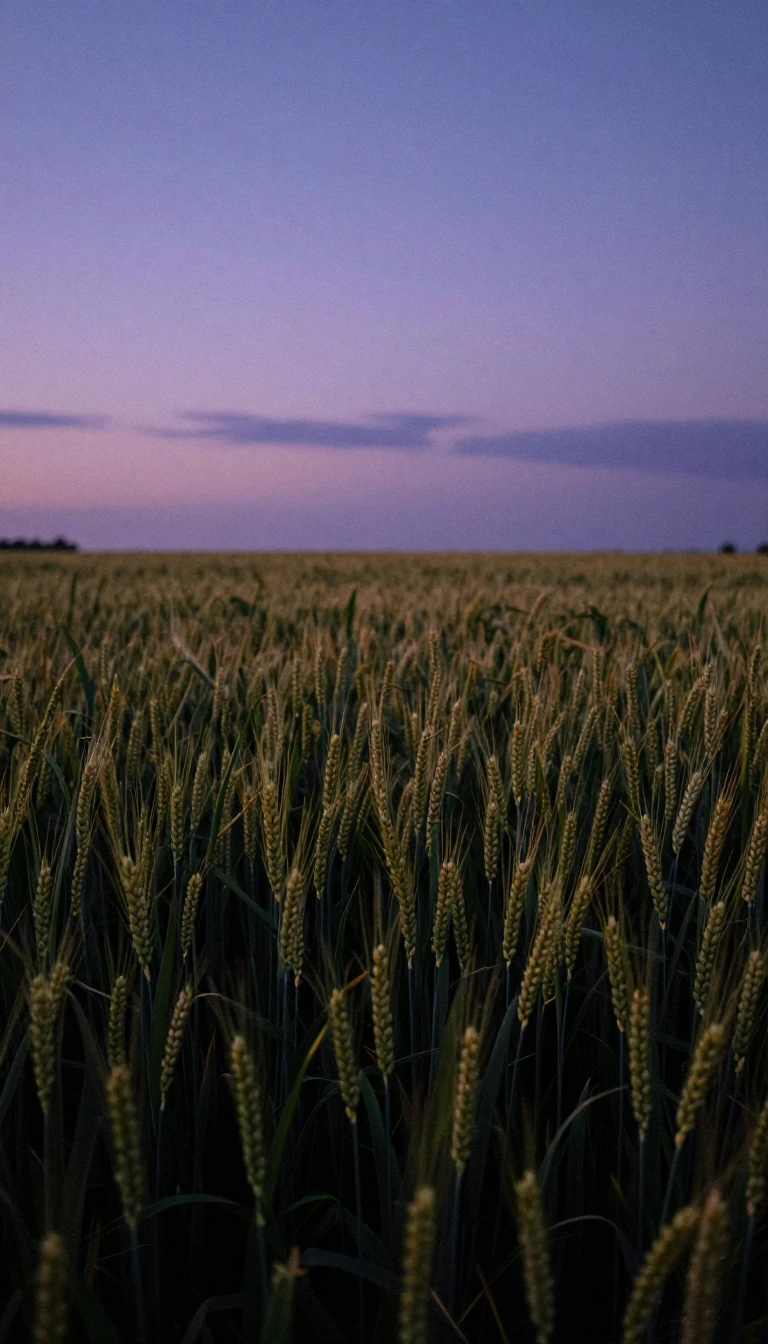 Farmers may have domesticated wheat without meaning toWild wheat ears shatter when ripe, scattering their grains. Stalks with tougher ears held on until harvest, so each season early farmers unknowingly resowed more of them. That acc…
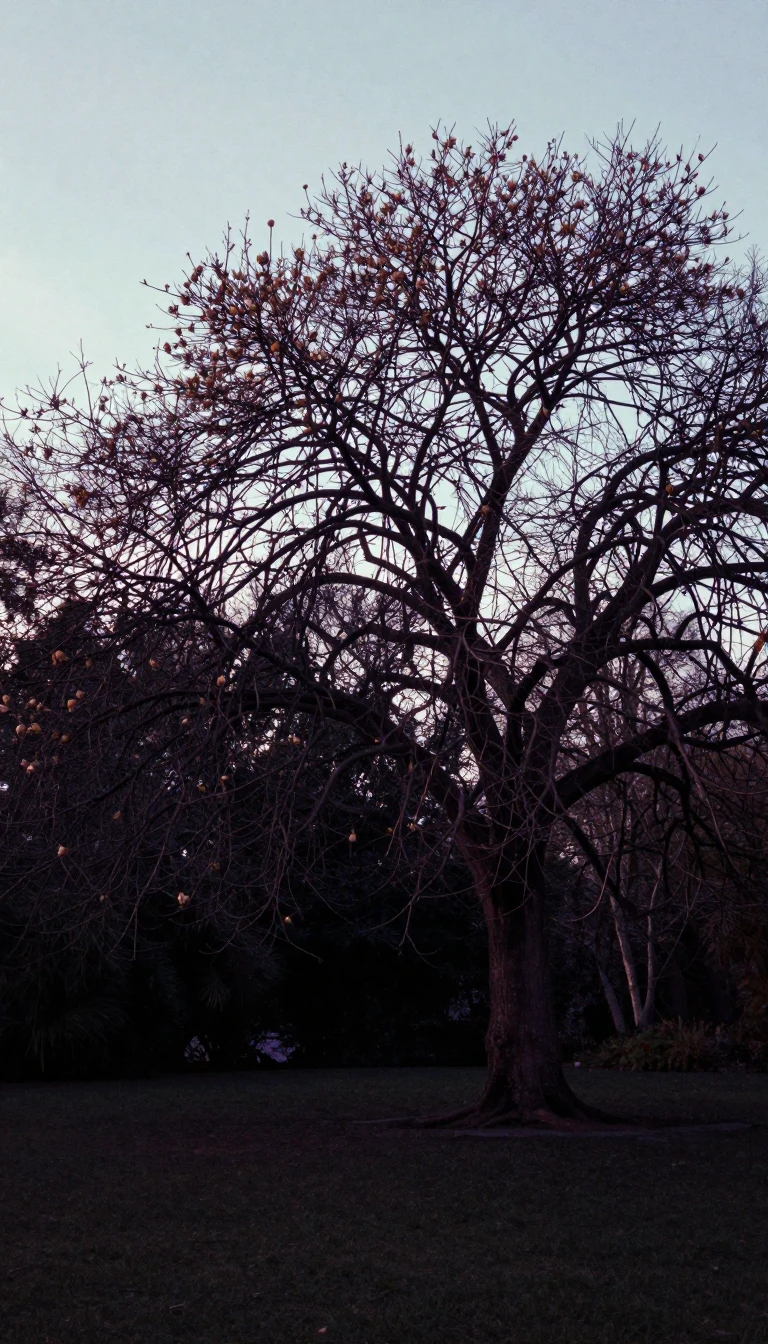 A single twig from a parcel may explain England's weeping willowsThe poet Alexander Pope, the story goes, begged a twig from the bundle binding a parcel sent from Spain to Lady Suffolk and planted it. It thrived, and legend says every weeping w…