 Intellect Plus
Nature
11,198 cards. Each one is a 40-second story with a five-minute read behind it. Page 163 of 187.
Subtopics: Ageing · Air · Animal behaviour · Animal breeds and hybrids · Animals · Arthropods · Atmosphere · Big cats · Bilateria, others · Birds · Botany · Cnidarians · Conservation · Coral reefs · Deep sea · Deserts · Dinosaurs · Earth science · Earth science and physical geography · Earth science basics · Earthquakes & tsunamis · Echinoderms · Ecology · Ecosystems · Endangered species · Extinct animals · Farming · Fish · Forests · Fungi · General classifications · Geology · Geomorphology · How Long Can It Live? · Ice · Individual animals · Insects · Lightning · Longevity · Mammals · Marsupials · Migration · Mollusks · Ocean · Organisms · Parasites · Physical geography · Plants · Porifera · Predators · Primates · Rainforest · Reptiles & amphibians · Researched · Sharks & rays · Spiders & arachnids · Symbiosis · Trees · UK & Ireland: nature · Vertebrates · Vision · Volcanoes · Water · Waves · Weather · Whales & dolphins · Zoology
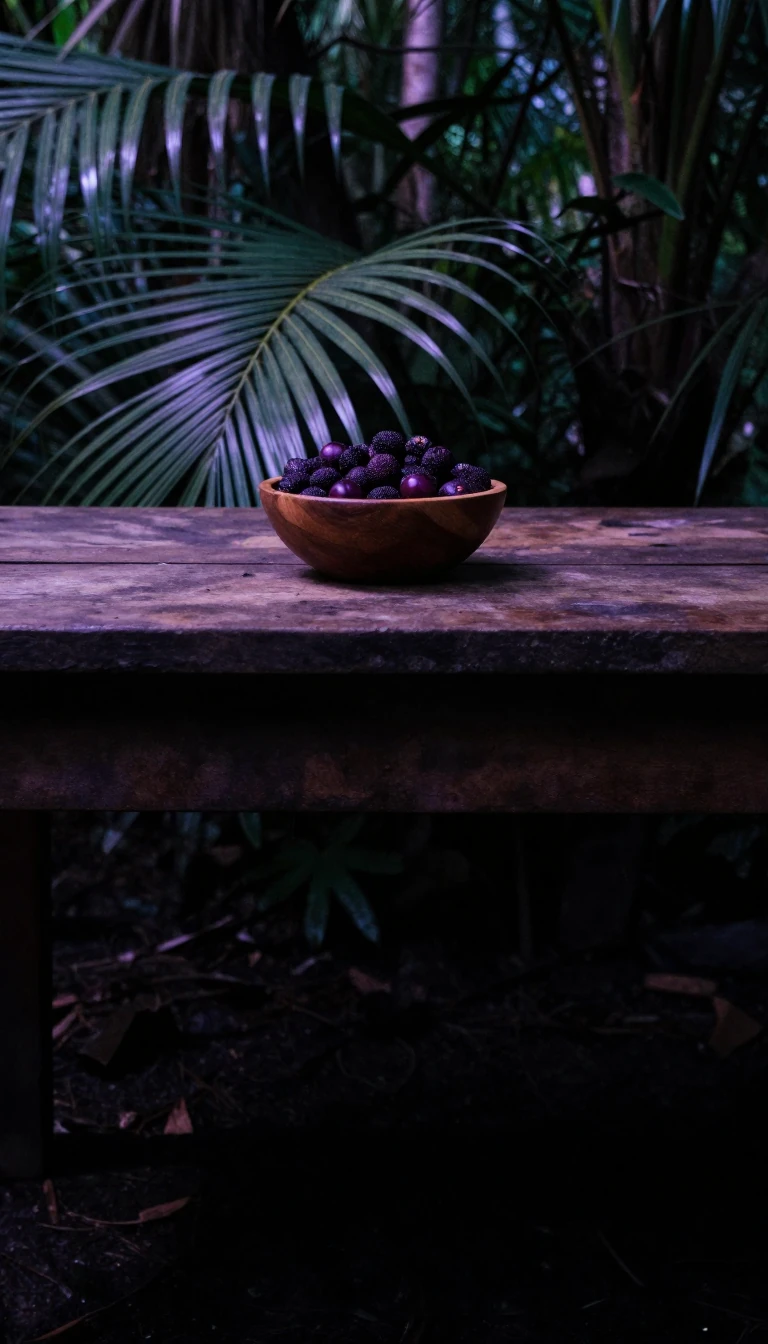 True yams were domesticated three separate times on three continentsPeople in Africa, Asia and South America each tamed their own yam, independently. Today about 95 percent of the world's crop grows in Africa, where tubers of up to 25 kilograms ar…
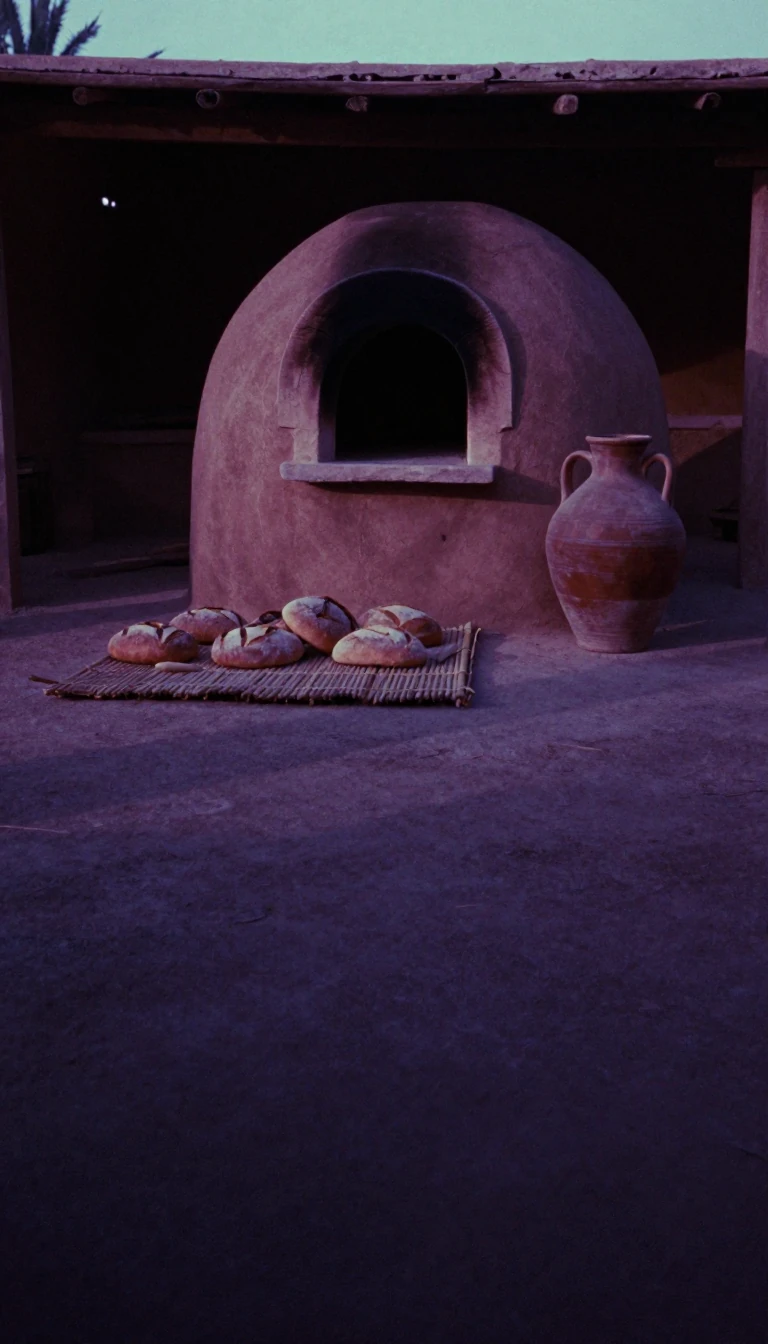 Yeast colonies survived for millennia inside ancient Israeli beer jarsResearchers examining drinking vessels from sites in Israel, some around 5,000 years old, found living yeast colonies still inside them. It was the first direct biological proof t…
 Darwin called the yucca and its moth the most wonderful pollination knownA female yucca moth does something few animals do: she pollinates on purpose. Using tentacle-like mouthparts, she gathers pollen, packs it onto a yucca flower's stigma and then la…
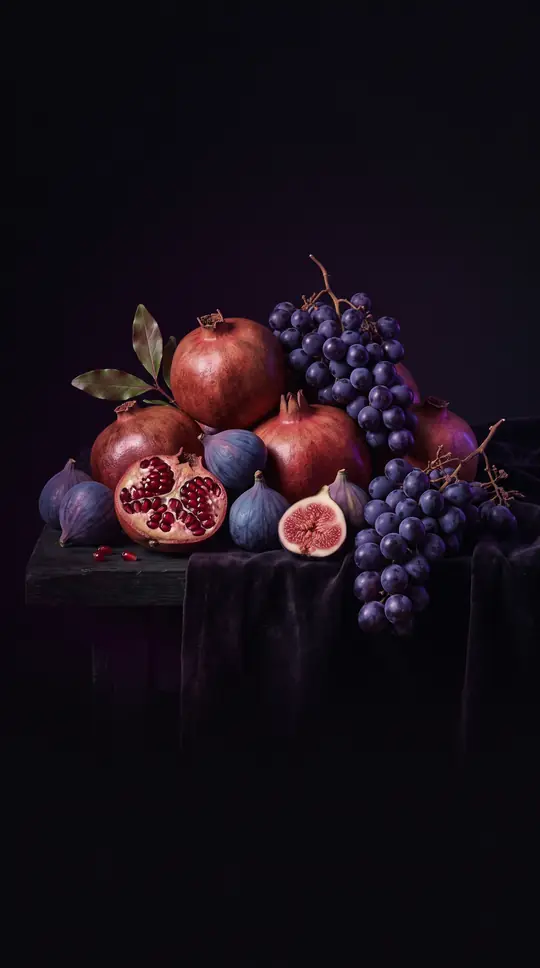 The zucchini is an American squash reinvented in nineteenth-century MilanSquashes were first domesticated in Mexico and Central America more than 7,000 years ago, yet the slim green zucchini is a surprisingly recent invention. Northern Italian growers …
 Medieval knights carried thyme for courage and sleepers hid it under pillowsEgyptians used thyme in embalming, Greeks burned it in temples believing it gave courage, and medieval women handed sprigs to knights for the same reason. Today its main oil, thym…
 Linnaeus saw Roman battle trophies in the humble garden nasturtiumWhen Carl Linnaeus named the nasturtium genus Tropaeolum, its round leaves reminded him of shields and its red flowers of helmets, like the trophy poles Romans hung with captured …
 Truffles hide underground and rely on hungry animals to spread their sporesA truffle cannot use wind or rain to scatter its spores, because it fruits below the soil. Instead, when ripe, it releases a smell that draws squirrels, voles, deer and people. It…
 A virus painted the streaked tulips that drove Dutch buyers wildThe feathered, flame-streaked tulips that fetched fortunes during the Dutch tulip mania of 1634 to 1637 owed their beauty to disease. An aphid-borne mosaic virus suppressed one pi…
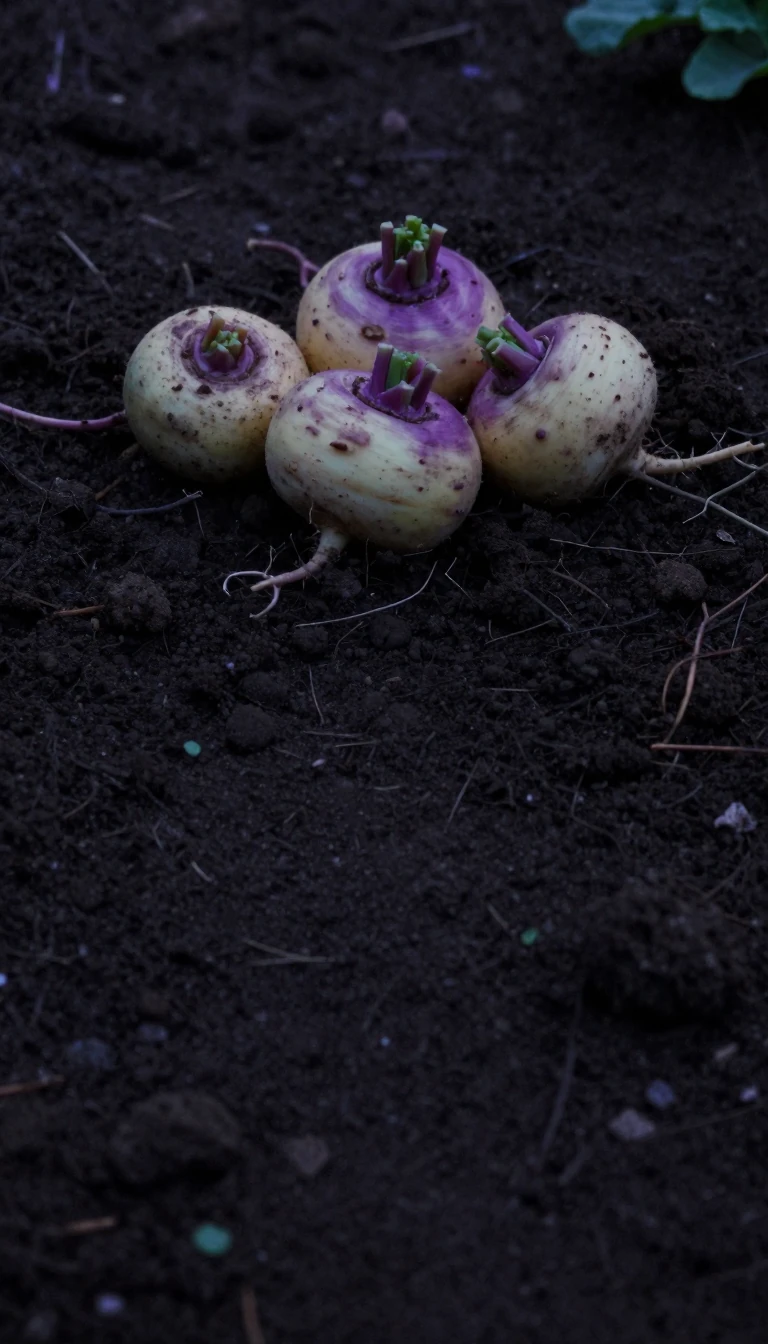
- The humble turnip began in Central Asia and ended up on coats of armsGenetic studies place the first edible turnips in Central Asia several thousand years ago, where varieties remain the most diverse. From there the root spread west and east, fed G…
 Cattails fed Ice Age Europeans and kept Second World War sailors afloatStarch grains left on grinding stones show Europeans eating cattail rhizomes 30,000 years ago. Much later the United States Navy stuffed life vests with cattail down in place of k…
 A twelve-year-old on Réunion cracked the secret that made vanilla globalVanilla vines taken from Mexico grew happily in European hothouses and French colonies but refused to bear pods. In 1841 Edmond Albius, a twelve-year-old enslaved boy on Réunion, …
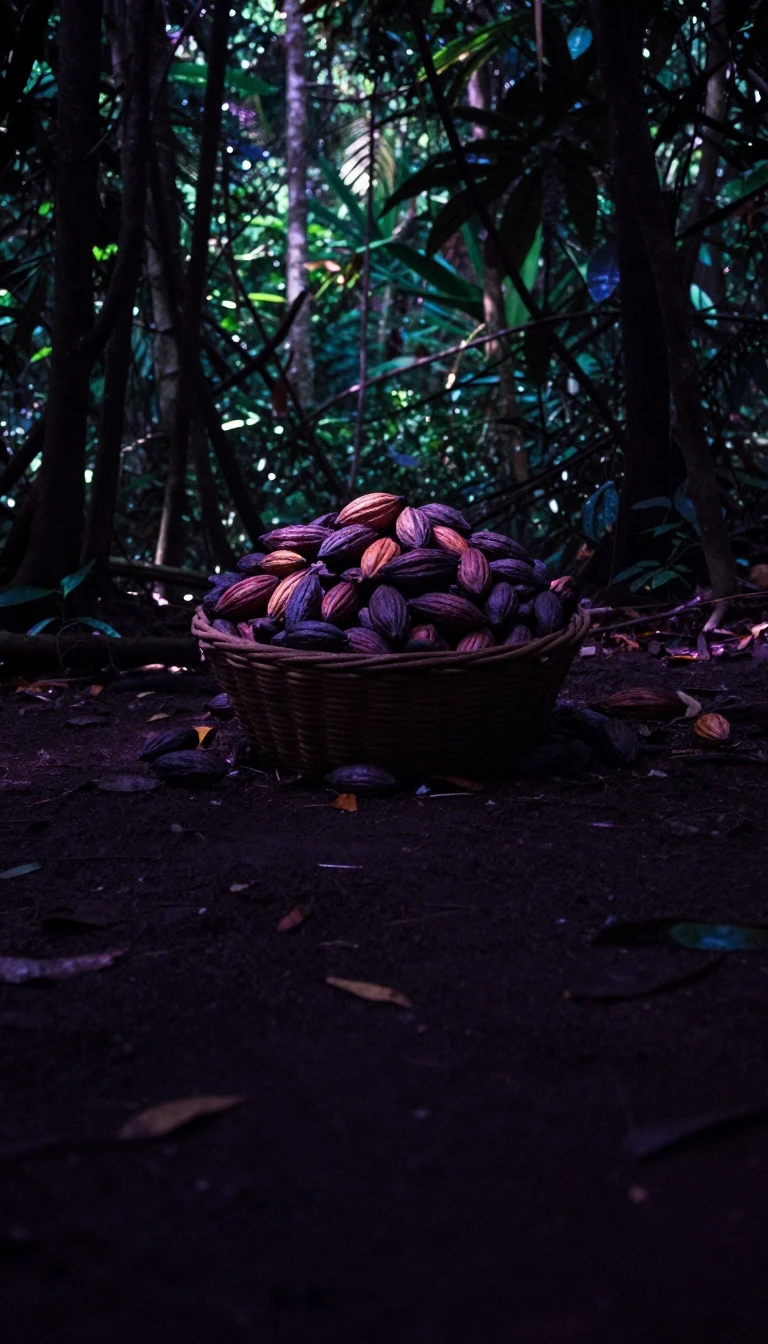 Broad beans have fed farmers for over ten thousand yearsCharred beans from three Neolithic villages in Lower Galilee, dated by radiocarbon, suggest farmers were growing broad beans as early as 8250 BCE. Nobody has found the plant's wil…
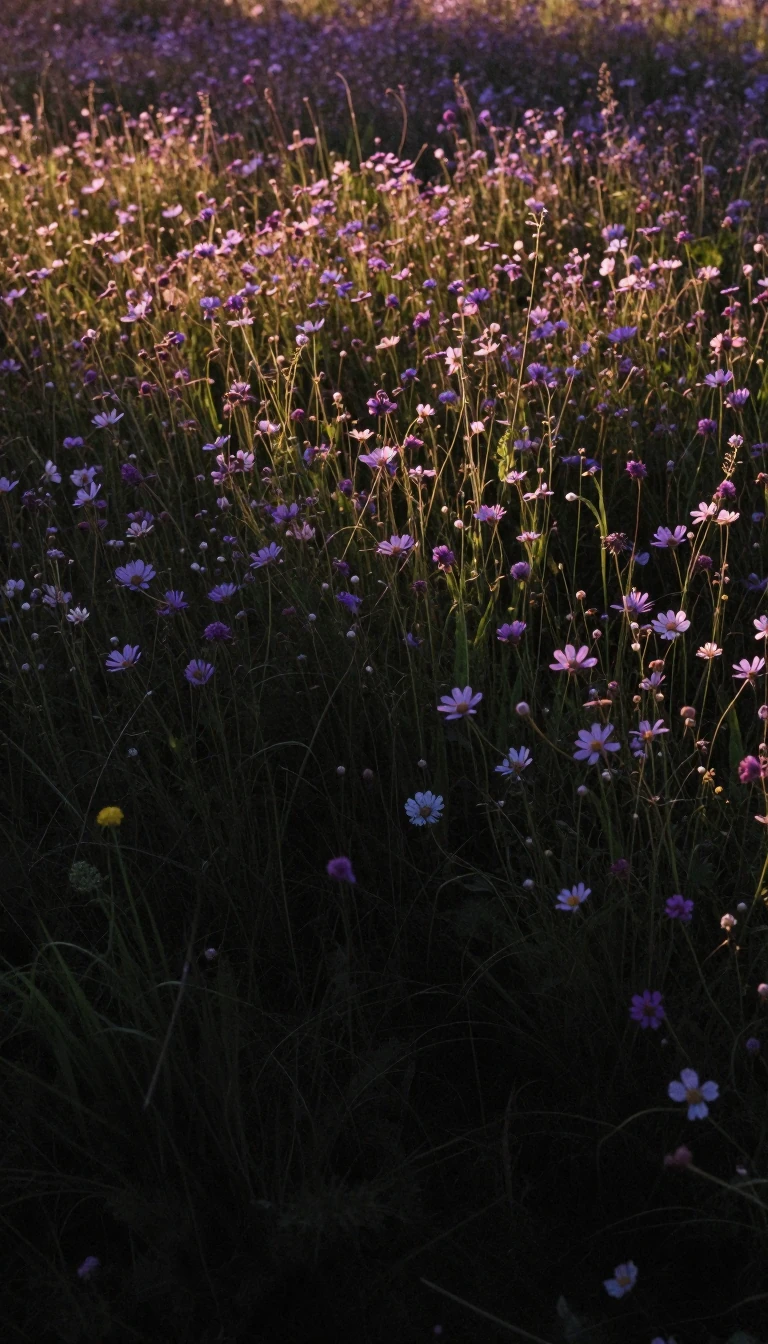 Violets hide a scent trick and a backup plan for making seedsSniff a sweet violet and the perfume seems to vanish almost at once. A scent compound called ionone briefly numbs the nose's receptors, so nothing more registers until they recove…
 Marigolds colour European pasta and mark Mexico's Day of the DeadThe flowers English speakers call marigolds, genus Tagetes, come from Mexico and Central America, where the Nahua knew them as cempōhualxōchitl. Today their petals supply a yellow…
 Tamarind, the 'Indian date', actually comes from the African savannaIts name comes from Arabic for Indian date, and it has grown in India so long that people assume it is native there. In fact the tamarind tree was domesticated in the dry savannas…
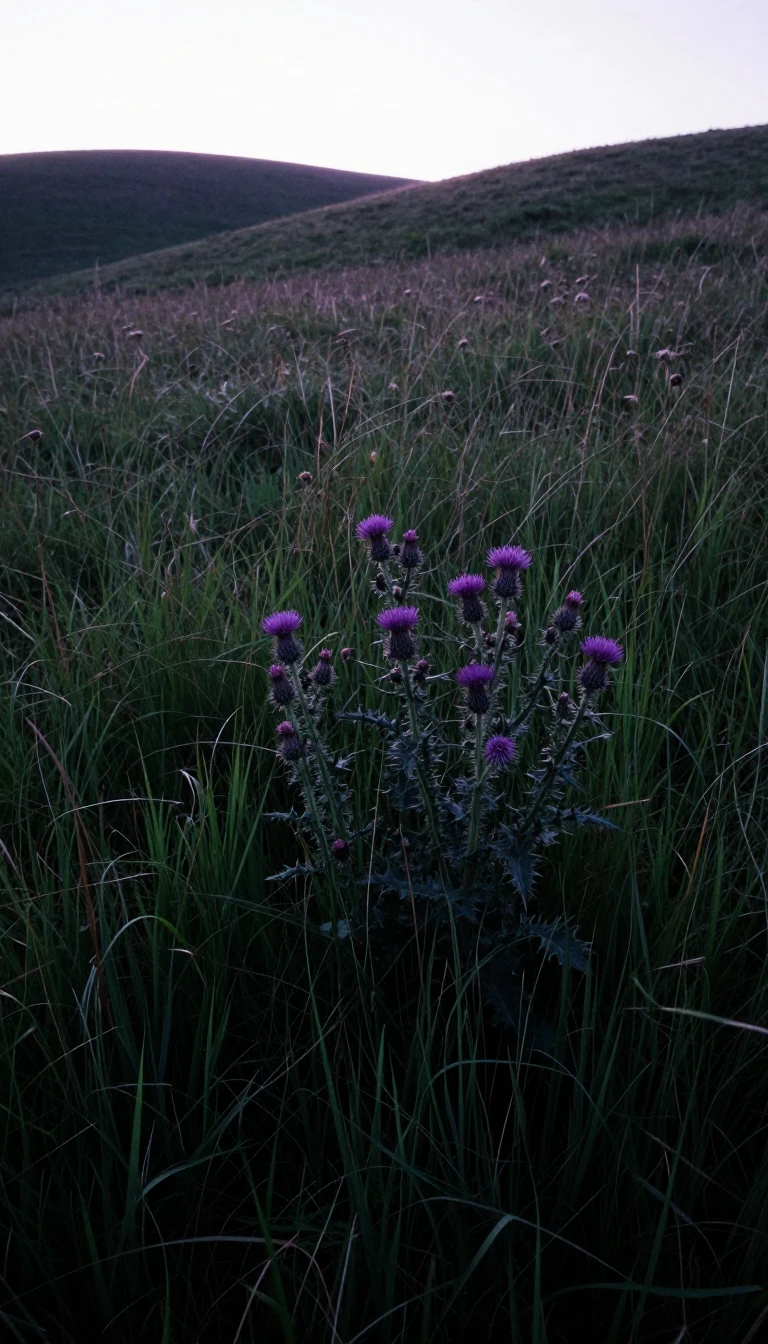 Most dandelions reproduce without sex, cloning themselves into thousands of microspeciesMany dandelions set seed with no pollination at all, producing offspring genetically identical to the parent. Every distinct clone can count as its own microspecies, which is why …
- Taro is one of the few crops that thrives standing in floodwaterAlong with rice and lotus, taro can grow in flooded fields, and paddy-grown plants yield roughly double the dry-land crop. Humans may have been exploiting this starchy corm for te…
- Each tarsier eyeball can be as big as its entire brainA tarsier's eyes are about 16 millimetres across, each as large as its brain or larger. Since the eyes cannot swivel, the tiny primate turns its head 180 degrees each way to see a…
 Terriers are literally earth dogs, bred to chase vermin undergroundThe word terrier comes through Old French from the Latin for earth, because these small, wiry, fearless dogs were bred to follow rats and foxes into burrows. Today most are family…
 Of all the tea family's plants, only a few actually contain caffeineThe tea family, Theaceae, includes showy camellias, American trees and the bush that gives us tea. Yet caffeine turns up only in one small section of Camellia, and the tea bush's …
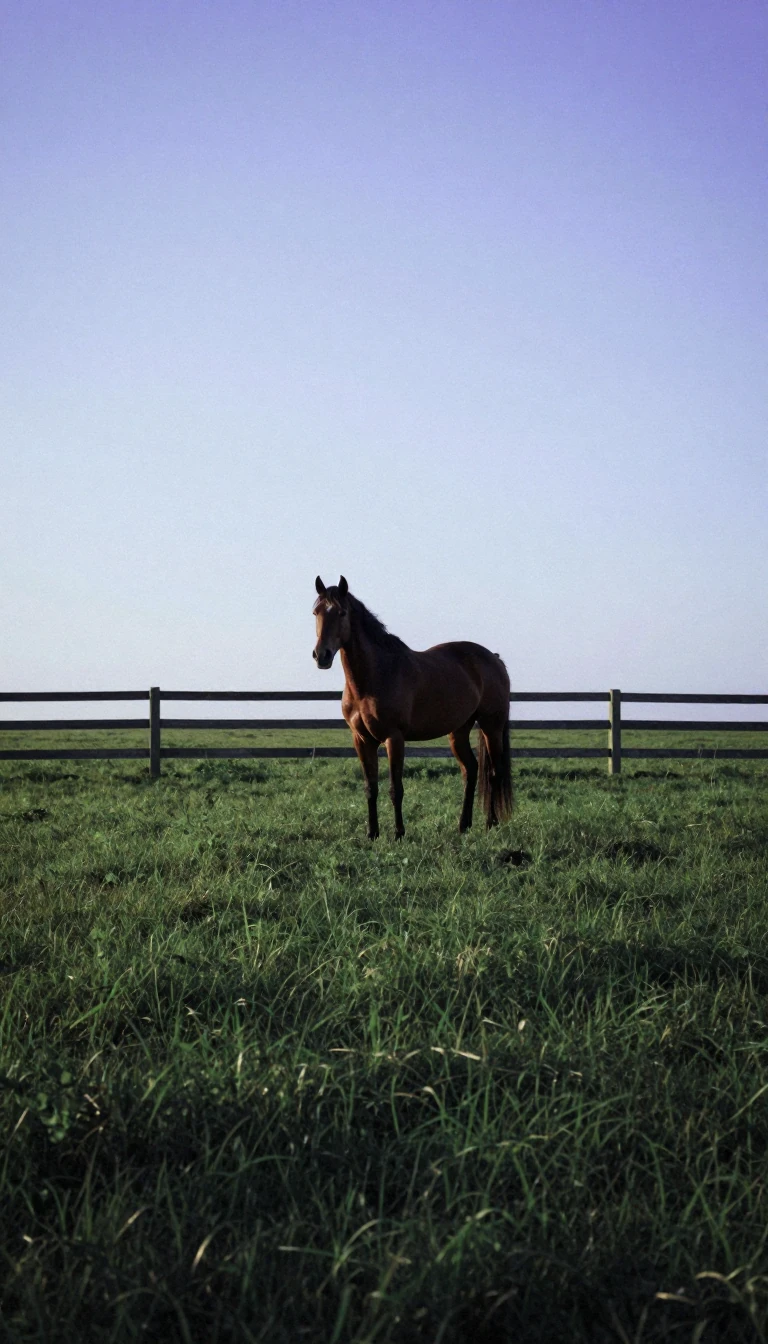 Nearly every male Thoroughbred descends from one Arabian stallion imported in 1704Every modern Thoroughbred traces back to three stallions shipped to England between the 1680s and 1729. One genetic study found that about 95 percent of male Thoroughbreds carry t…
- The sweet potato is a natural GMO that may have sailed with PolynesiansLong before any lab spliced genes, a soil bacterium slipped its DNA into the ancestors of the sweet potato, and those borrowed genes still work in cultivated plants. The crop also…
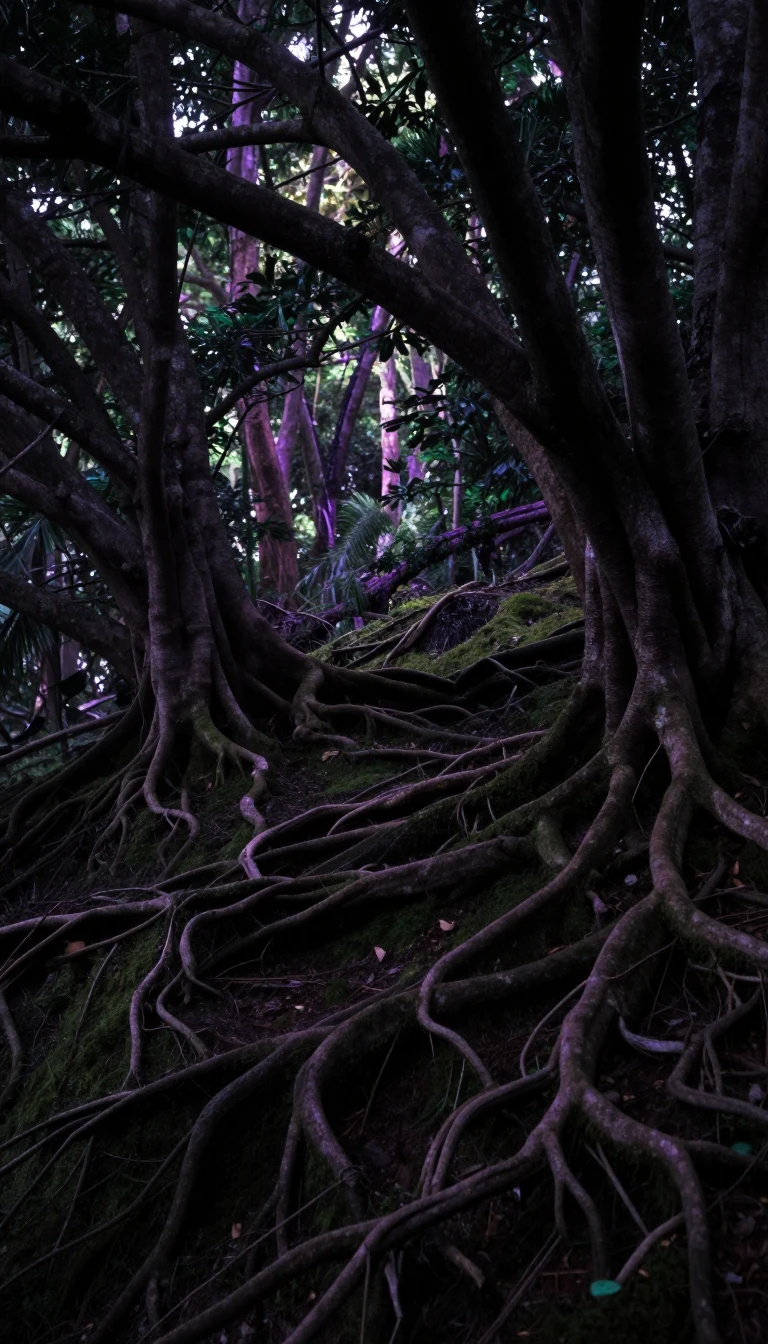 Peat moss builds its own bogs and fires spores at 36,000 gSphagnum does not just live in bogs; it makes them. By soaking up many times its weight in water and souring the ground around it, the moss creeps outward and turns land into peat…
 Spider monkeys have a tail with fingerprints and a brain built for fruit mapsA spider monkey's tail can reach 89 centimetres, and its bare tip carries skin ridges like fingerprints, letting it work as a fifth hand. Its brain, at 107 grams, is twice the siz…
 Popeye credited spinach with vitamin A, not the famous ironEveryone assumes Popeye's muscles came from iron in spinach. Yet in a 1932 strip the sailor himself says spinach is full of vitamin A, and spinach is no better an iron source than…
 The word spruce began as a label for goods shipped from PrussiaIn Middle English, spruce meant things imported from Prussia, wooden objects among them, and the name eventually settled on the tree. Spruces are now the tonewood for guitar sound…
 Squirrels climb down trees headfirst by turning their ankles backwardsWatch a tree squirrel race down a trunk face-first and you are seeing a rare trick among mammals. It rotates its ankles 180 degrees so the hind claws point backward and hook the b…
- Golden staph lives quietly in millions of noses until it finds an openingA large share of people carry Staphylococcus aureus in their nostrils or on their skin without ever noticing. The same golden-coloured bacterium is among the five most common caus…
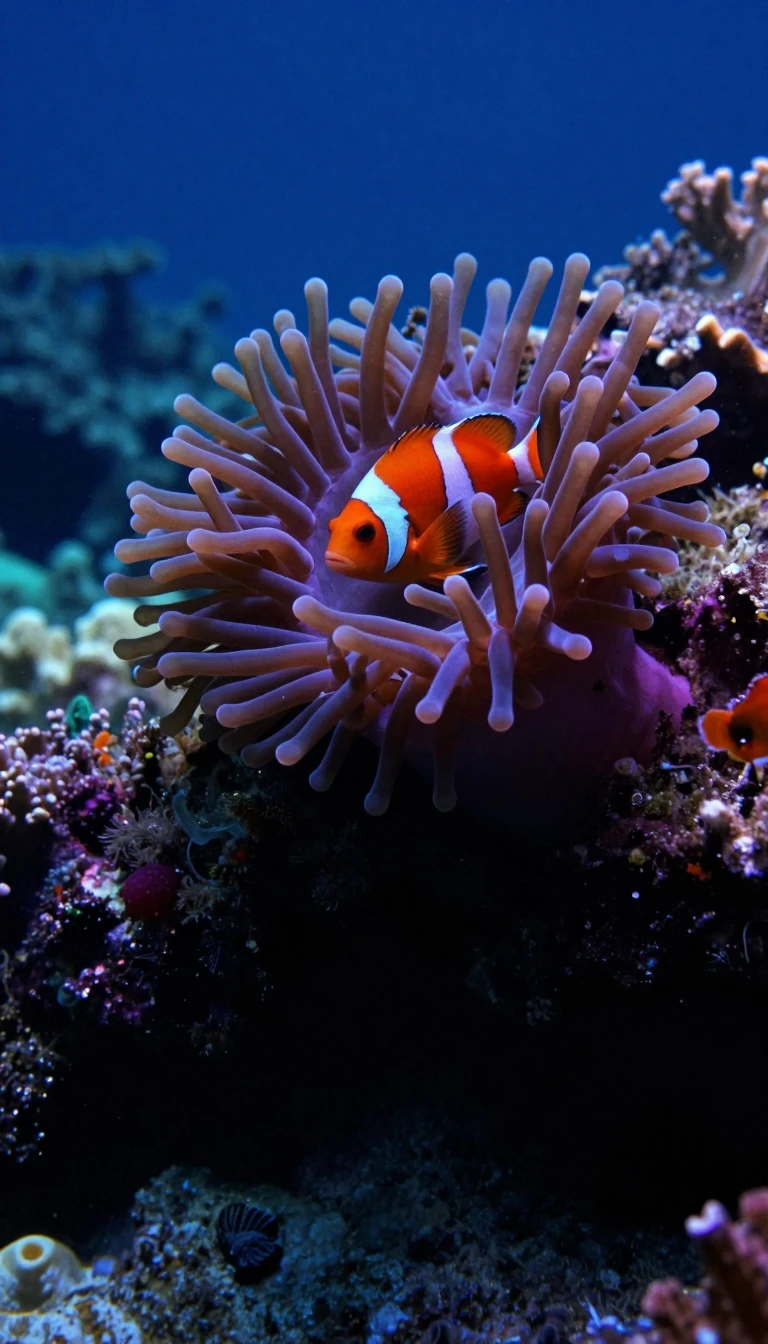 Kelp, diatoms and potato blight share one odd hairy family traitA giant kelp, a glassy diatom and the mould behind the potato blight look nothing alike, yet they belong to one lineage, the stramenopiles. What ties them together is a peculiar t…
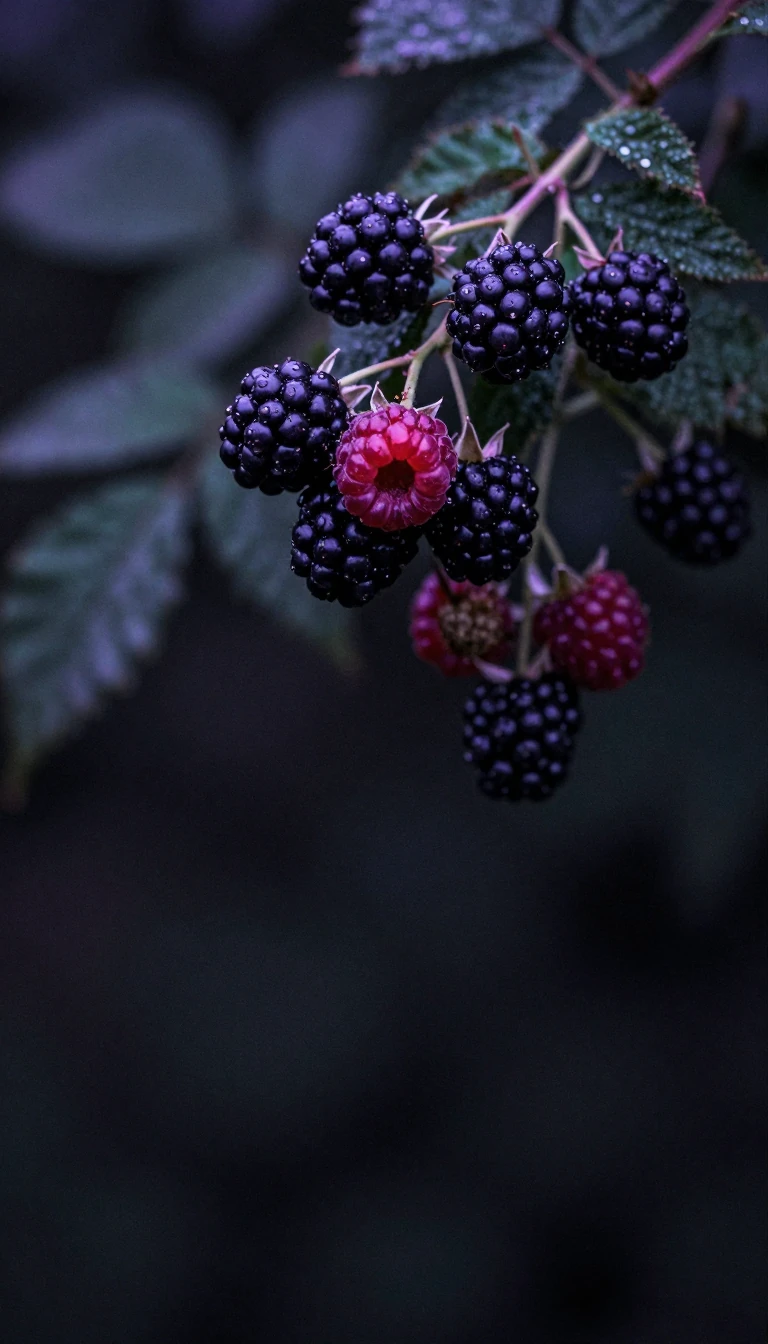 The garden strawberry was born by accident in an 18th-century Breton gardenWhen Amédée-François Frézier brought Chilean strawberry plants to France in 1714, they grew lush but gave no fruit. Gardeners in Brittany eventually noticed why: every plant was f…
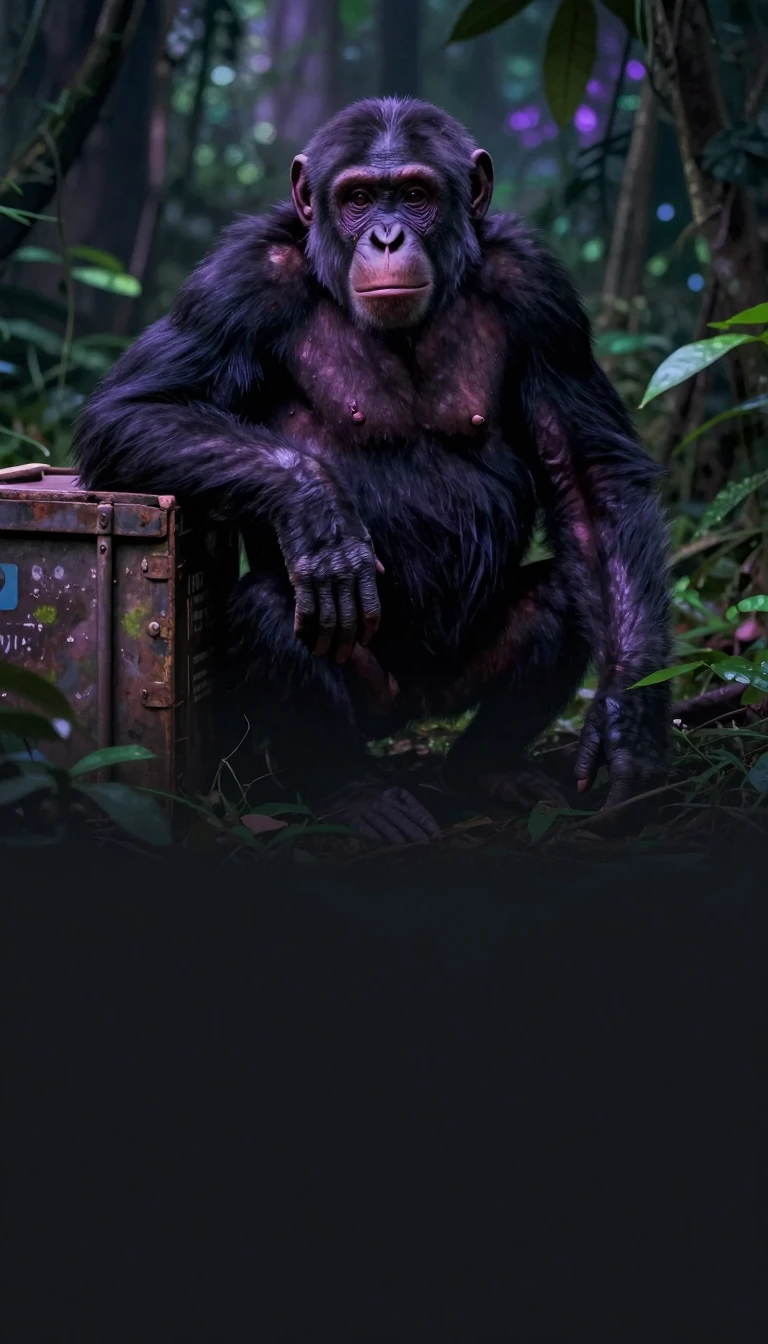 Wet-nosed primates make their own vitamin C, unlike monkeys and humansLemurs, lorises and bushbabies can manufacture vitamin C inside their bodies, a talent their monkey and ape cousins, humans included, lost long ago. These wet-nosed primates, the …
- A Napoleonic blockade turned a humble Prussian beet into a sugar giantIn 1747 a Berlin chemist showed that beets hold the same sugar as cane, just not much of it. Breeders pushed the content from about 5 percent to around 18 percent, and when Britai…
 Shrews shrink their own skulls to get through the winterRather than hibernate, many shrews cope with winter by getting smaller, losing 30 to 50 percent of their body weight as bones, skull and organs shrink. August Dehnel documented th…
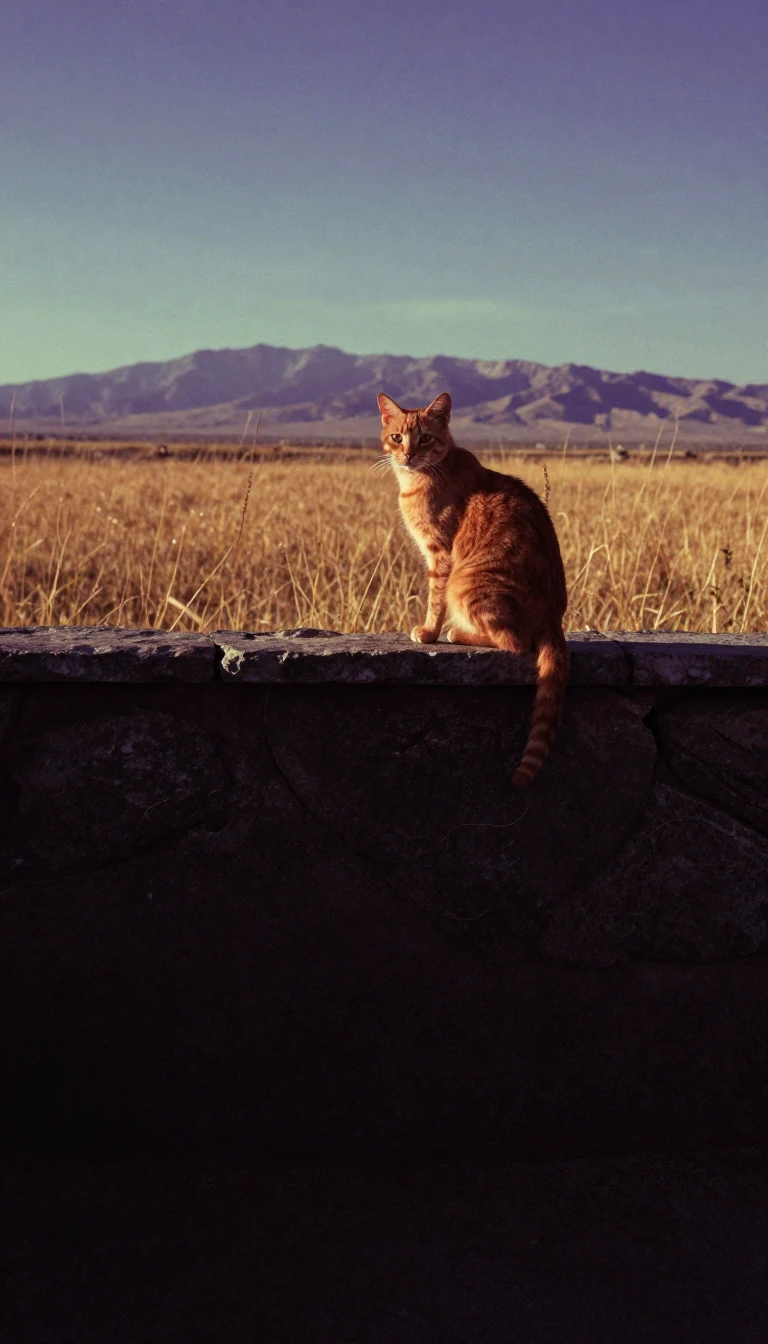 A heat-sensitive enzyme paints the dark points on Siamese catsSiamese kittens are born cream or white. Their dark ears, face, paws and tail appear over the first weeks because a mutated pigment enzyme only works where the skin is cooler than…
 Slime molds solve traffic problems without a brain and weigh up to 20 kilogramsA slime mold has no brain, yet species like Physarum polycephalum have been used to model traffic networks, and the group shows behaviours usually linked to animals that think. On…
- The only venomous primate brews its toxin by licking its own armSlow lorises make their venom in two steps. A gland on the arm secretes a fluid related to a cat allergen, and when the loris licks it, saliva activates it. The resulting bite was…
 Goldenrod takes the blame for hay fever that ragweed actually causesGoldenrod blooms bright yellow in late summer, right when noses start running, so it gets blamed. The real culprit is usually ragweed, flowering at the same time and scattering li…
- Sow thistles got their name from farmers feeding them to nursing pigsSnap a sow thistle stem and white latex oozes out. Farmers took that as a sign and fed the plants to sows with piglets, hoping to boost their milk, and the name stuck. The same ro…
 Sorghum, first tamed in Sudan, weeds its own fields with chemistrySorghum releases a compound called sorgoleone that holds back competing weeds, one reason smallholder farmers can grow it with no fertiliser or other inputs. Domesticated in easte…
- Spanish moss is neither Spanish nor a moss, but a rootless pineapple relativeThe grey beards draped over southern live oaks belong to the bromeliad family, the same group as the pineapple. Spanish moss has no roots, steals nothing from its tree, and is not…
- Rye sneaked into Europe as a weed hiding among the wheatRye probably did not travel west on purpose. It tagged along in wheat fields as a look-alike weed, and only later did farmers start growing it for itself. Today it survives snow t…
 Baker's yeast spends its winters inside wasps and its days in labsThe single-celled fungus that raises bread and ferments beer cannot fly. To get from one ripe grape to the next it hitches rides, and overwintering wasp queens carry it from autum…
 Every saffron crocus on Earth is a sterile clone that needs human handsThe saffron crocus cannot make seeds. It has three sets of chromosomes, no wild populations, and survives only because people dig up its bulbs, split them and replant them. A kilo…
- Salmonella carries the name of the boss, not the scientist who found itIn 1885 a research laboratory assistant named Theobald Smith isolated a bacterium he and his supervisor blamed for hog cholera. The supervisor was Daniel Elmer Salmon, and when a …
 Sage flowers use a hinged lever to slap pollen onto beesPush into a sage flower for nectar and a tiny lever swings down, dabbing pollen on your back. That trick defines Salvia, the biggest genus in the mint family, which now includes r…
 Seaweed is not one kind of living thing but several unrelated onesRed, brown and green seaweeds look like cousins, yet they share no common many-celled ancestor. What unites them is habitat: salt water, light and something to cling to. Humans fa…
 The coast redwood may be a hybrid of its two surviving cousinsOnly three redwood species survive, and one of them looks like the child of the other two. Genetic trees place the coast redwood beside the dawn redwood on one gene and beside the…
 Sesame pods burst open on their own, and farming still fights itRipe sesame capsules split and fling their seeds, and they do not all ripen at once. So farmers cut the plants by hand and stand them upright until every pod has popped. A non-sha…
- An 185-word Chinese text from 1209 taught the world to farm shiitakeThe oldest written guide to growing shiitake is a short passage in a Chinese county record compiled in 1209, under the Song dynasty. Copied and cited for centuries, it was adapted…
 Roses don't have thorns: those spikes are prickles, and one gene controls themThe sharp hooks on a rose stem are not true thorns, which grow from modified stems, but prickles sprouting from the skin of the plant. They help roses clamber over neighbours, and…
- Coffee, quinine and a red dye all come from one huge plant familyThe family that gives us coffee also gave the world quinine, the antimalarial drawn from Cinchona bark, and madder, whose roots dyed cloth red since ancient times. With about 14,2…
- Swede, neep, rutabaga or turnip: one vegetable born from a cabbage-turnip crossThe rutabaga is a hybrid of cabbage and turnip that doubled its chromosomes, and it answers to a dizzying list of names: swede in England, neep or tumshie in Scotland, rwden in pa…
- Florida's wild monkeys escaped from a riverboat tour in 1938A tour boat operator known as Colonel Tooey released rhesus macaques near Silver Springs, Florida, around 1938, planning to keep them on an island as a Jungle Cruise attraction. N…
 Rhizaria: a group recognised by genes, not by looksNo single visible feature ties the Rhizaria together. These mostly single-celled organisms were grouped largely on DNA evidence, and they range from soil amoebae to ocean drifters…
 Every azalea is a rhododendron, but botanists took a century to agreeLinnaeus kept azaleas in a genus of their own, telling them apart by counting stamens: five instead of ten. Other botanists grew doubtful, and in 1836 azaleas were folded into Rho…
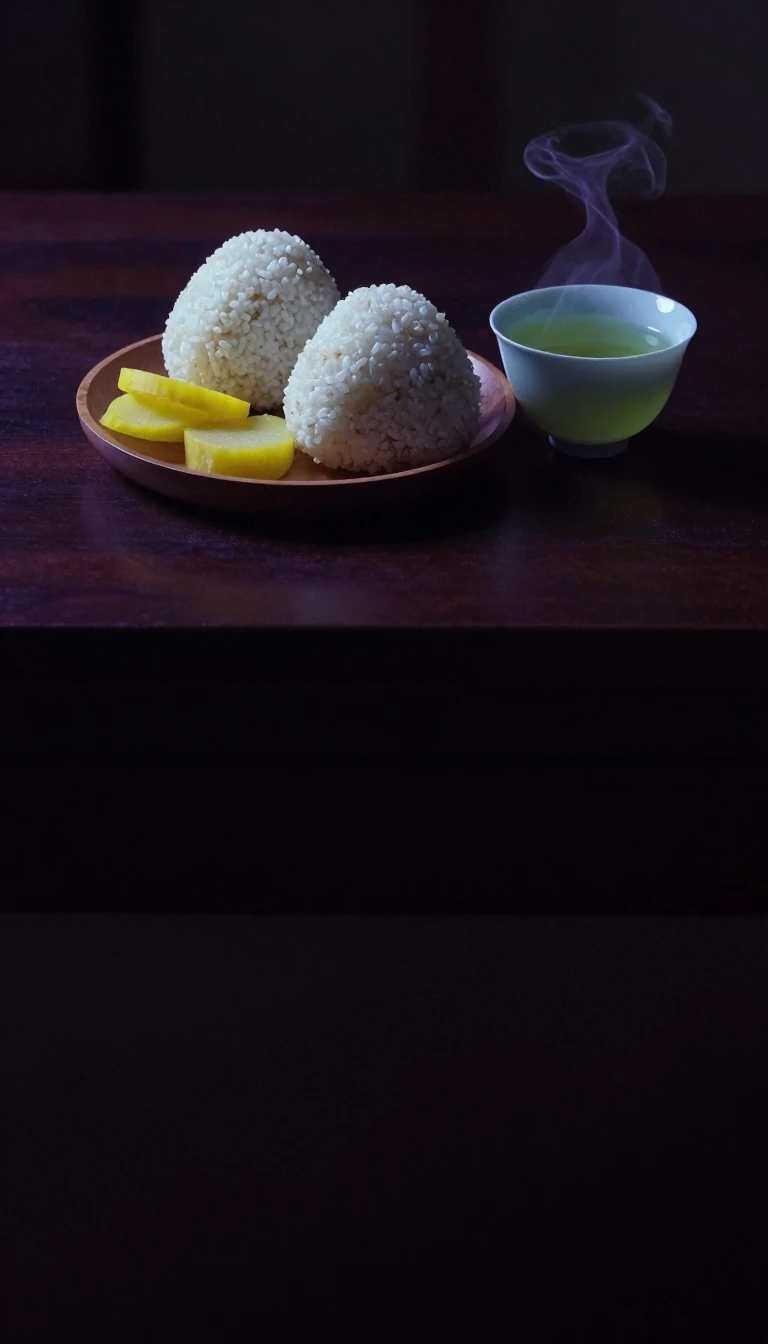 Half of humanity eats rice, yet little of it crosses bordersRice feeds more than half the people on Earth, and 800 million tons were grown in 2023. Yet only about 8 percent is sold between countries. Most is eaten close to where it is harv…
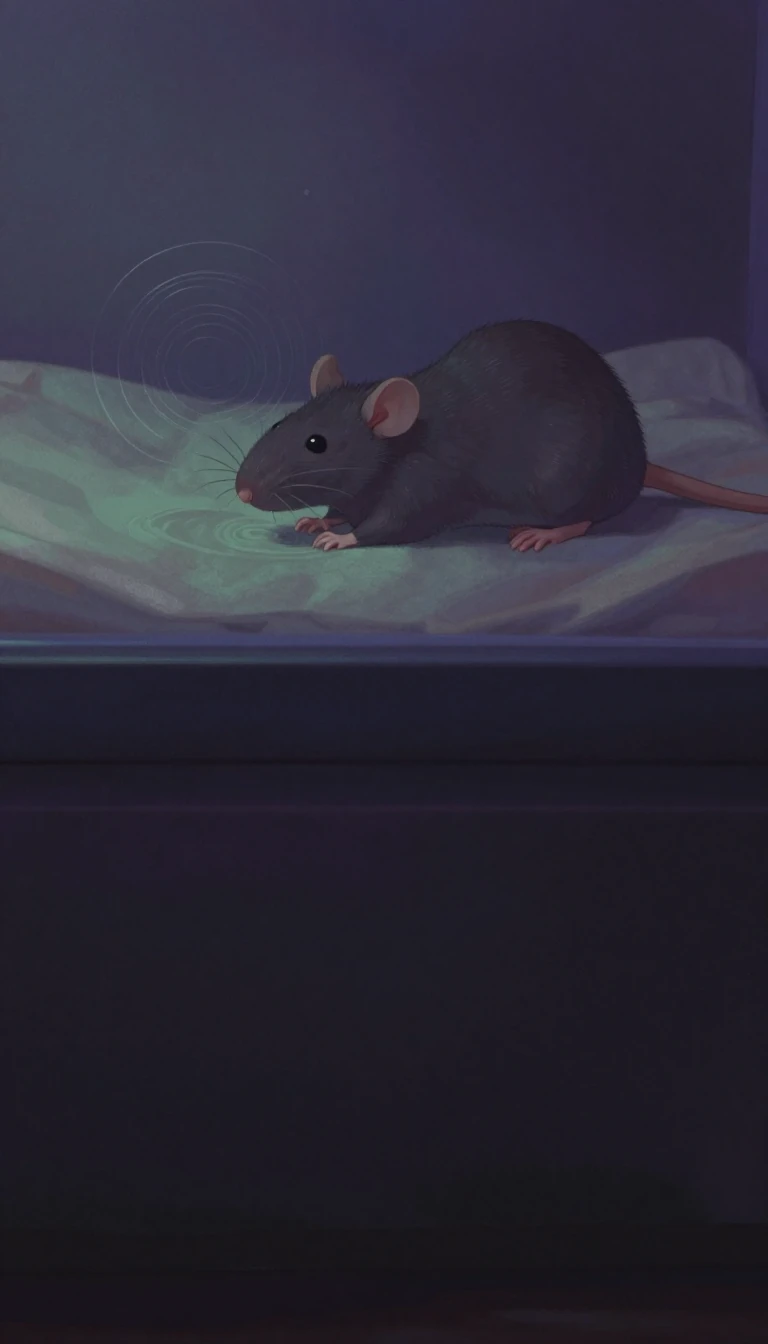 Rodents must gnaw constantly or their teeth keep growingAbout four in every ten mammal species are rodents, and all share one defining trait: a single pair of incisors top and bottom that never stops growing. Gnawing keeps them in chec…
- Apples, almonds and strawberries all belong to the rose familyA fruit bowl holding an apple, a peach, a cherry and a handful of raspberries is really a family reunion. All belong to the Rosaceae, along with almonds, pears, apricots and the r…
 Ferns are closer cousins of roses than of clubmossesFerns, horsetails and clubmosses were long lumped together as spore plants, or pteridophytes. Genetics broke the group apart: ferns and horsetails turn out to be more closely rela…
 The pumpkin has no scientific definition, only a very long historyBotanists cannot tell you exactly what a pumpkin is. The word covers round orange squashes from several different Cucurbita species, yet it has no formal meaning. What is certain …