 Intellect Plus
Nature
11,198 cards. Each one is a 40-second story with a five-minute read behind it. Page 164 of 187.
Subtopics: Ageing · Air · Animal behaviour · Animal breeds and hybrids · Animals · Arthropods · Atmosphere · Big cats · Bilateria, others · Birds · Botany · Cnidarians · Conservation · Coral reefs · Deep sea · Deserts · Dinosaurs · Earth science · Earth science and physical geography · Earth science basics · Earthquakes & tsunamis · Echinoderms · Ecology · Ecosystems · Endangered species · Extinct animals · Farming · Fish · Forests · Fungi · General classifications · Geology · Geomorphology · How Long Can It Live? · Ice · Individual animals · Insects · Lightning · Longevity · Mammals · Marsupials · Migration · Mollusks · Ocean · Organisms · Parasites · Physical geography · Plants · Porifera · Predators · Primates · Rainforest · Reptiles & amphibians · Researched · Sharks & rays · Spiders & arachnids · Symbiosis · Trees · UK & Ireland: nature · Vertebrates · Vision · Volcanoes · Water · Waves · Weather · Whales & dolphins · Zoology
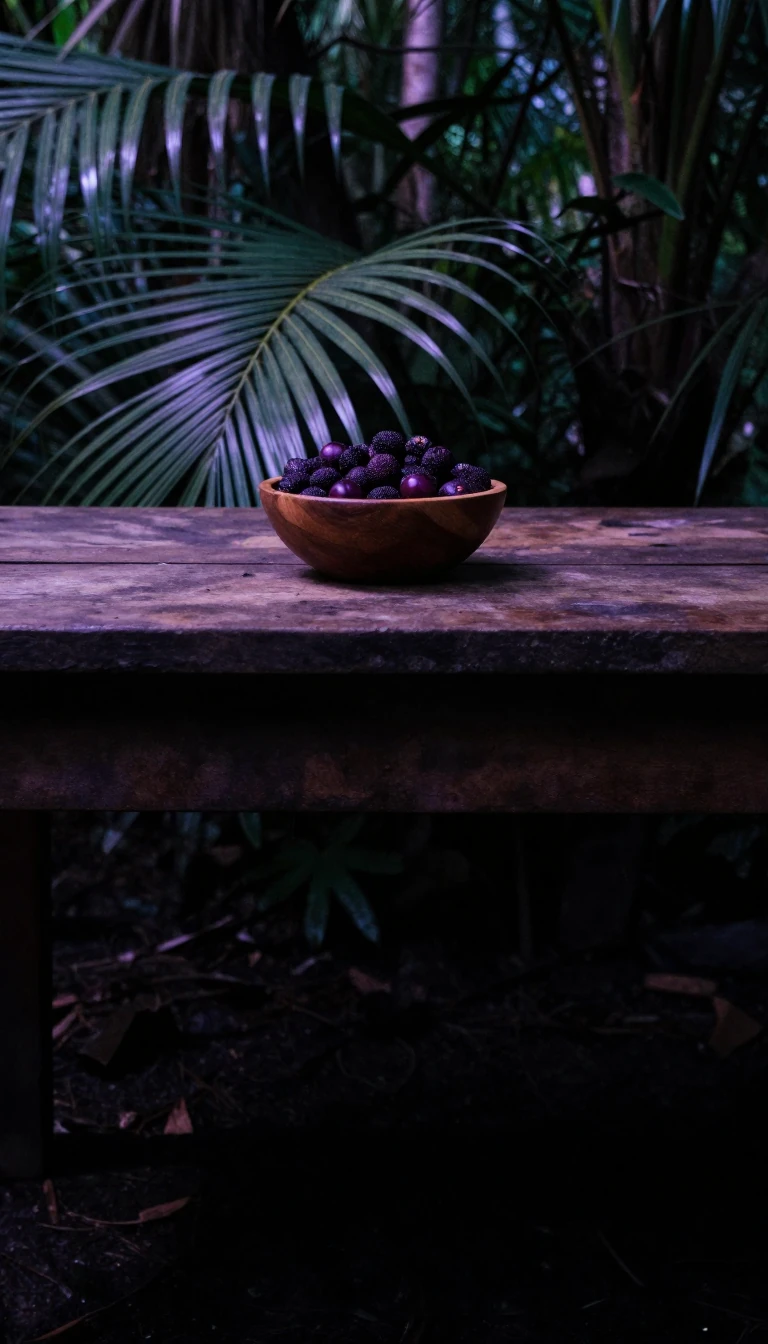 Quinoa fed Andean llamas long before it fed peopleQuinoa looks like a grain but is closer to spinach. Around Lake Titicaca it was first grown as animal fodder 5,200 to 7,000 years ago, and only later became human food. Its sudden…
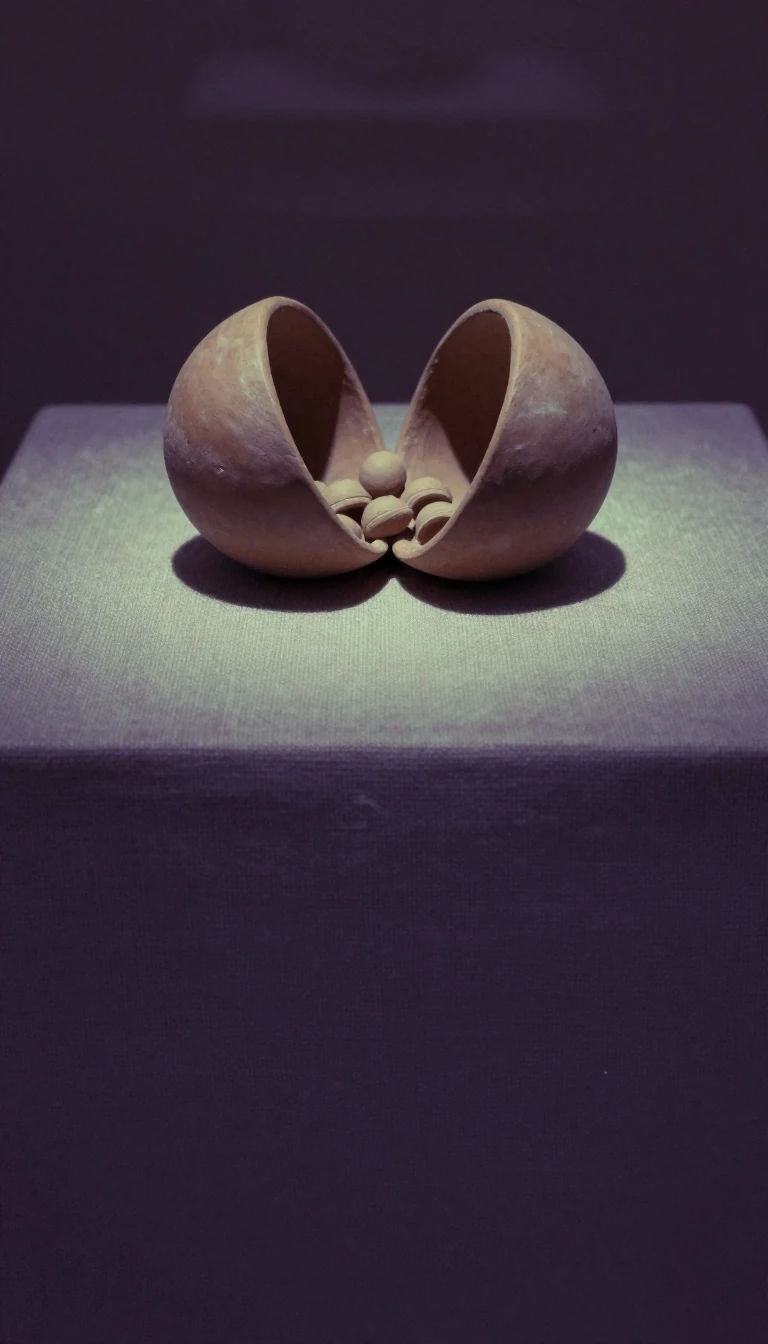 Single cells that build glass skeletons shaped like geometry lessonsA radiolarian is one cell, a fifth of a millimetre across at most, yet it builds an intricate mineral skeleton, often of silica, pierced with holes and bristling with spines. Some…
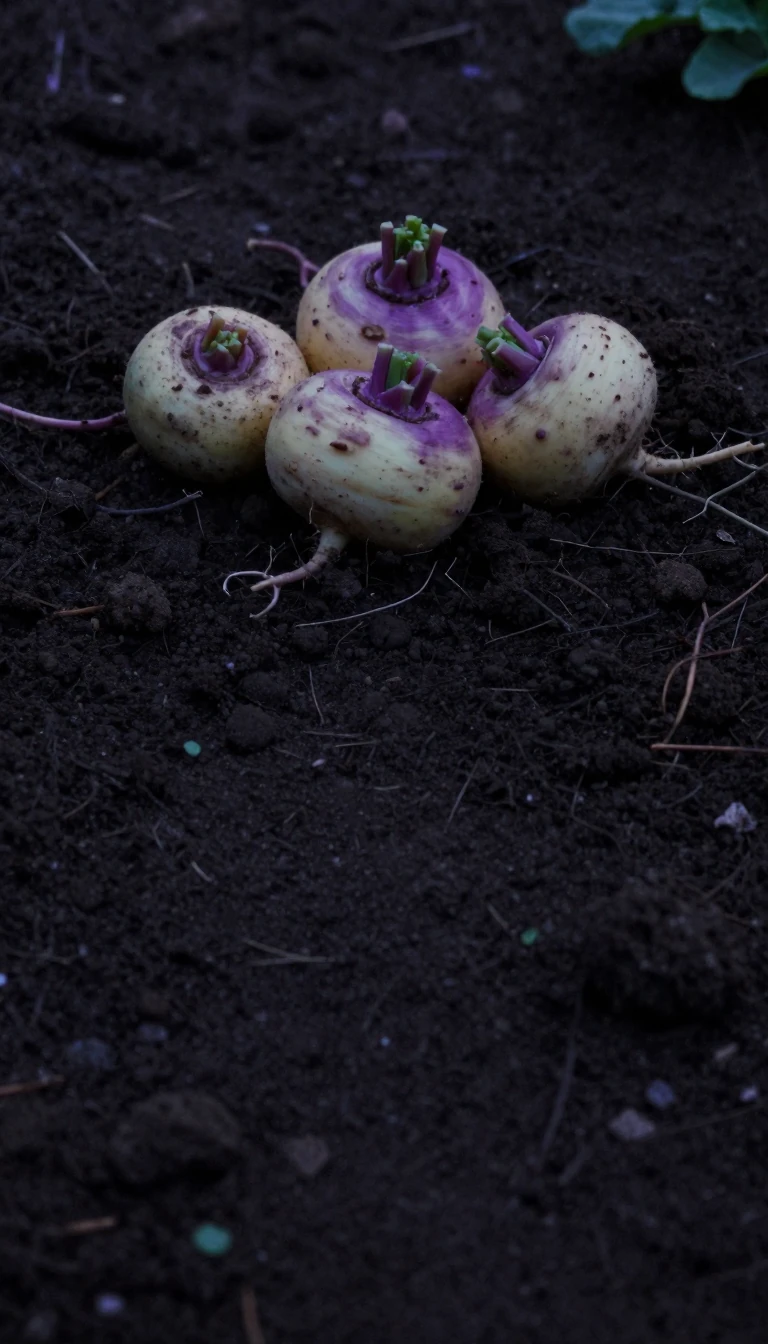 A German botanist once reported radishes weighing 45 kilogramsMost radishes are ready to pull within a month and fit in the palm of a hand. Yet in 1544 a German botanist described roots of 45 kilograms and nearly a metre long. Only one varie…
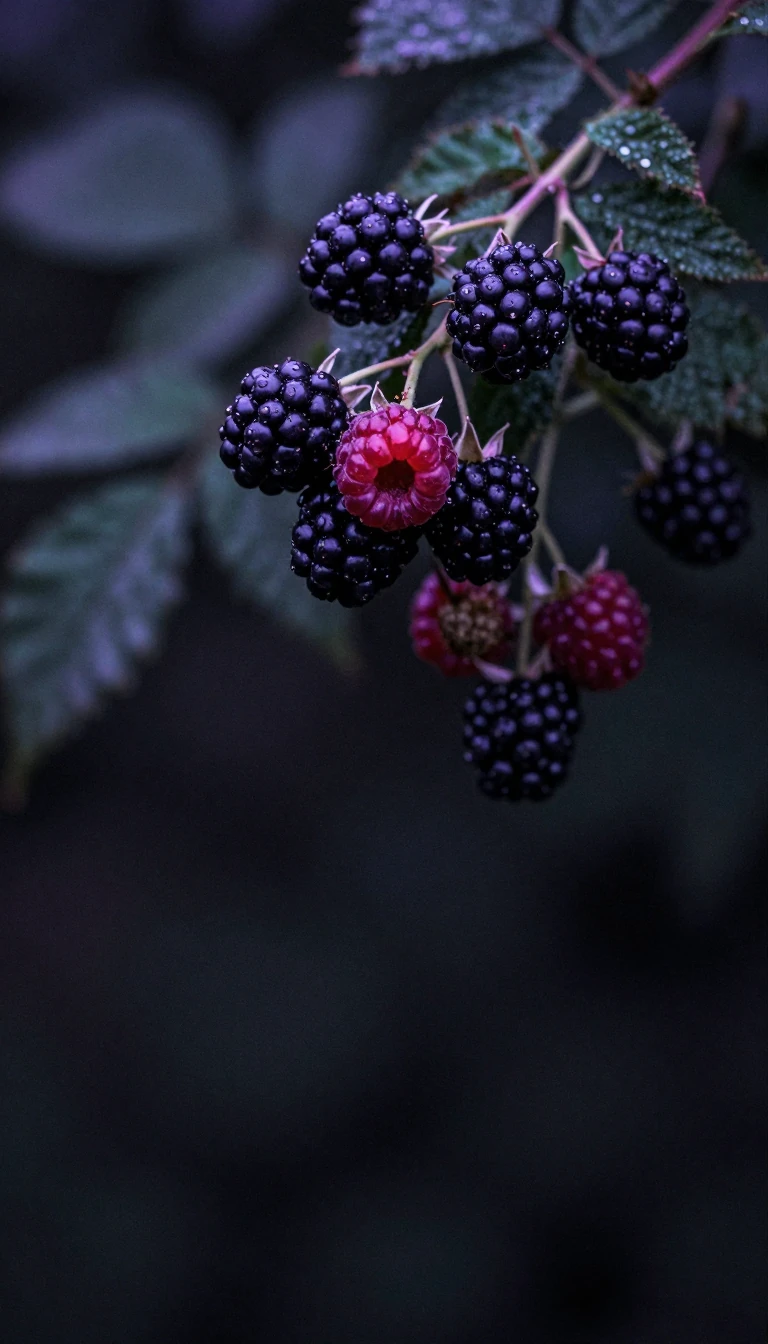 Why a raspberry is hollow and a blackberry is notPick a raspberry and the core stays behind on the plant, leaving a neat hollow. Pick a blackberry and its central stem comes away inside the fruit. That single difference is what …
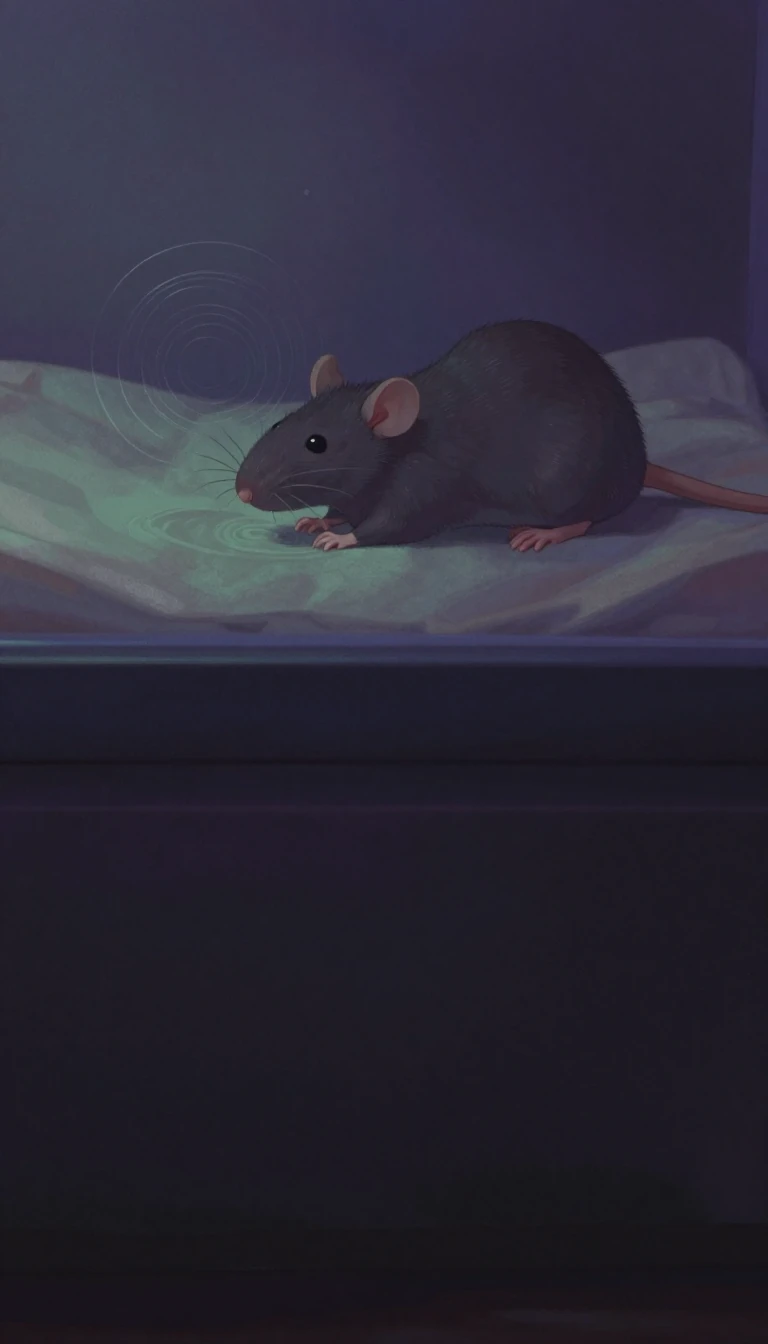 A rat's bare tail works as a radiator for shedding heatThat naked, scaly-looking tail puts many people off rats, but it is a precision tool. Thin skin laced with blood vessels lets it dump body heat far faster than the belly can, and …
 Red algae come in green, pink, purple and almost blackThe sushi wrapper nori, the jelly agar and the thickener carrageenan all come from red algae, one of the oldest and largest groups of seaweeds. Despite the name, many are not red …
 Water hyacinth mats can double in size within one to two weeksA pretty lavender-flowered pond plant from South America has earned the nickname terror of Bengal. Water hyacinth is among the fastest-growing plants known, cloning itself through…
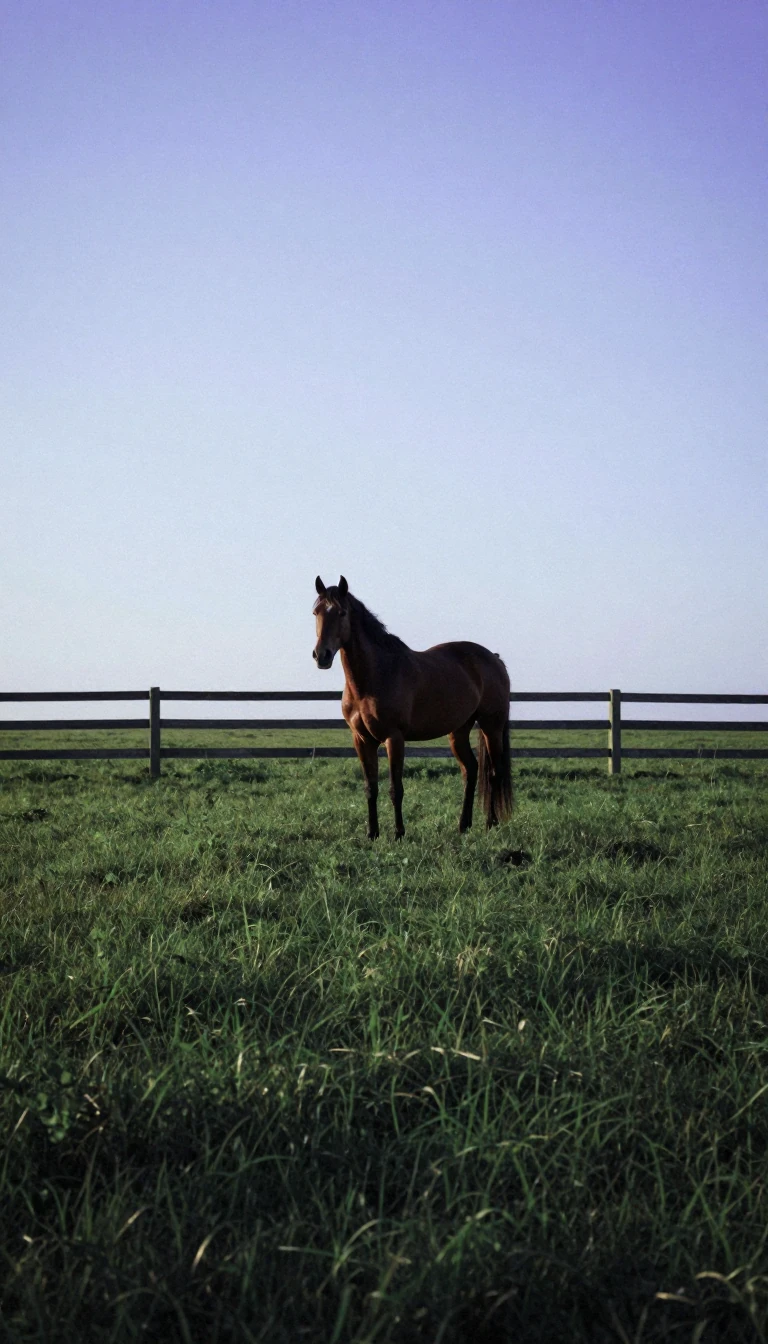 Pound for pound, a pony can pull and carry more than a horsePonies are small horses, but not weak ones. Bred in harsh, cold places where people needed sturdy workers, draft-type ponies can haul far more than their own weight, and even tiny…
 Old World and New World porcupines evolved their quills separatelyPorcupines on different continents look like close cousins, but they are not. The spiny rodents of Africa and Asia and the tree-climbing ones of the Americas grew their quills ind…
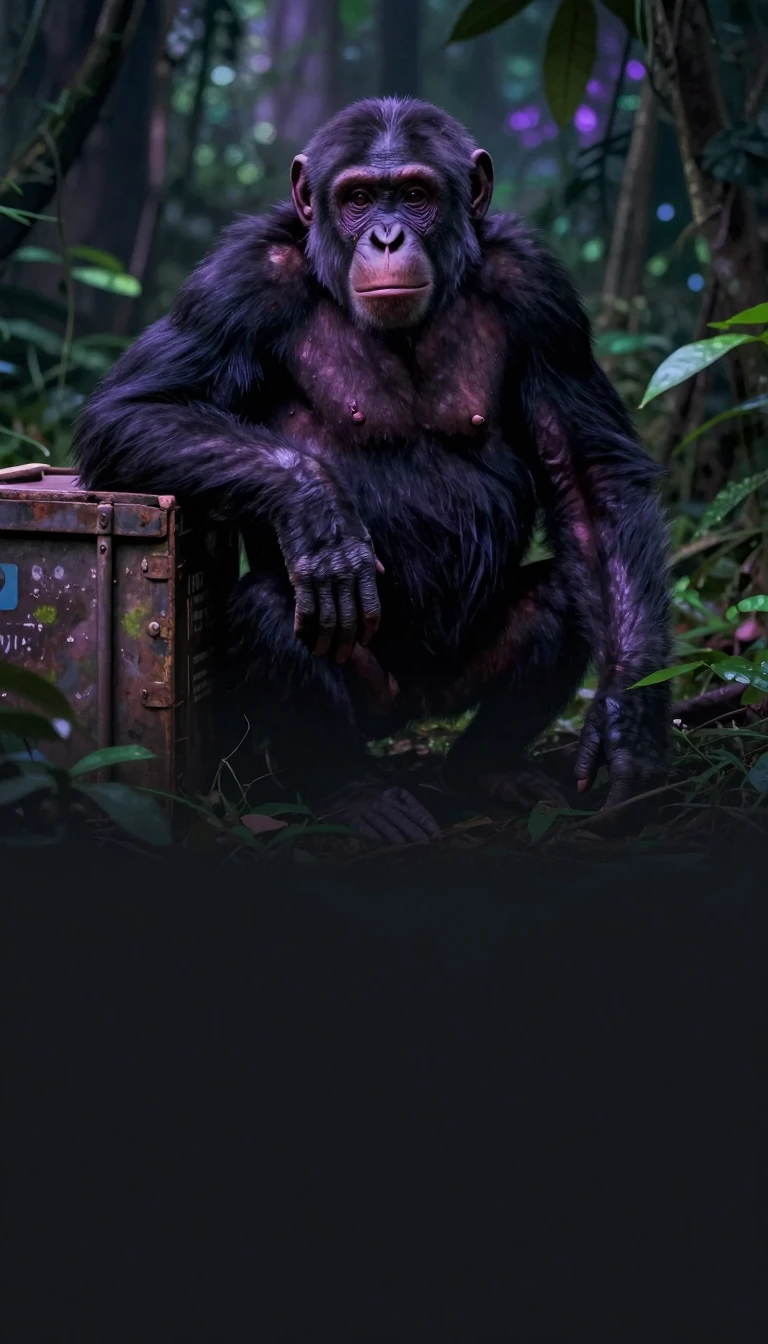 Primates range from a 30-gram mouse lemur to a 200-kilogram gorillaThe primate order spans Madame Berthe's mouse lemur, lighter than a letter, and the eastern gorilla, heavier than two grown men. Scientists count between 376 and 524 living specie…
 DNA studies swelled the primrose family to nearly 2,800 speciesThe primrose takes its name from Latin for little first of spring, one of the earliest blooms of the year. Its family, Primulaceae, once seemed tidy. Then molecular studies reshuf…
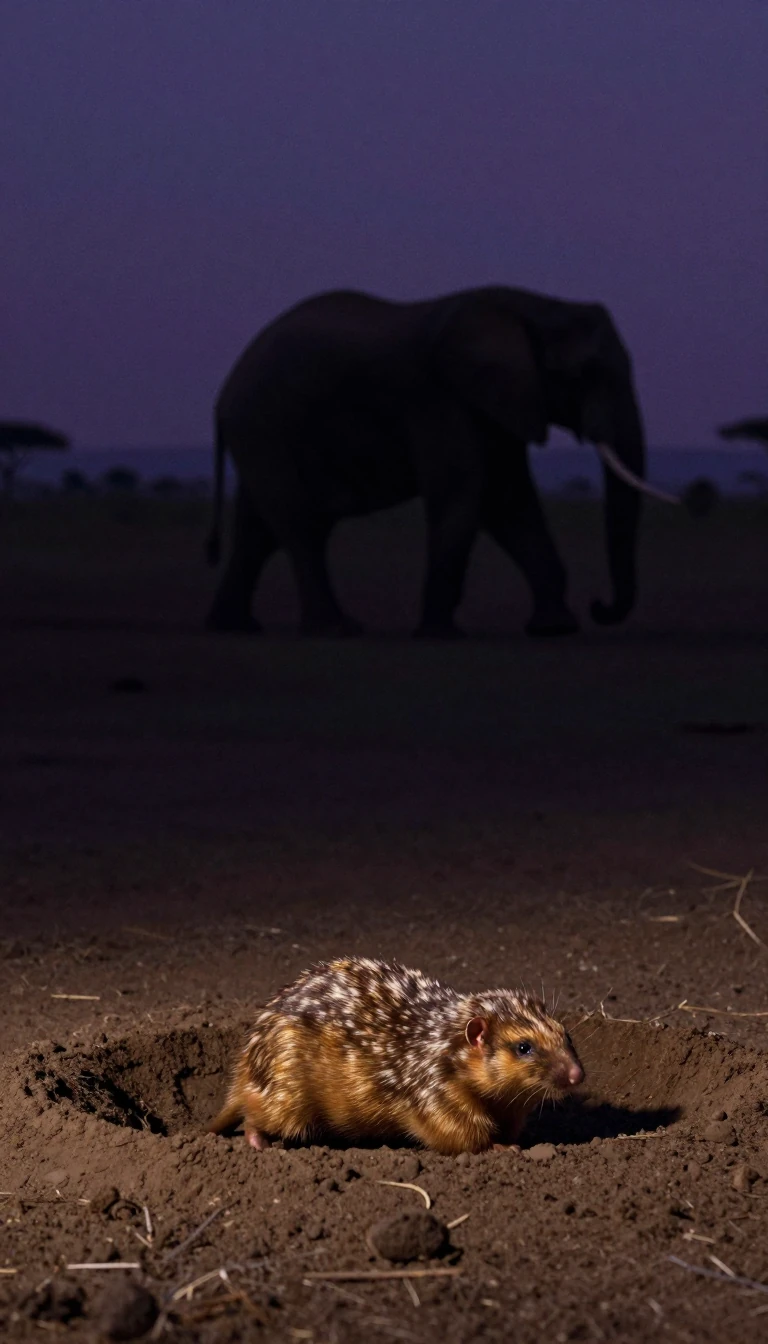 Elephants' earliest ancestors weighed about as much as a house catAround 60 million years ago in Africa, the first members of the elephant lineage, such as Eritherium, weighed just 3 to 8 kilograms. Their descendants grew into some of the larges…
 Protea flowers are named for a Greek god who kept changing shapeLinnaeus named Protea after Proteus, the sea god who could take many forms, and the family lives up to it. Proteaceae run from ground-hugging shrubs to 40-metre forest trees, with…
 Protists are defined by what they are not, and most remain unnamedBiologists define protists by exclusion: any organism with a nucleus that is not an animal, land plant or fungus. That leftover category turns out to hold most of the diversity of…
 Protozoa once included corals and jellyfish as the first animalsWhen the zoologist Georg Goldfuss coined the word protozoa in 1818, meaning first animals, he threw in not just microbes but sponges, corals, jellyfish and rotifers. Two centuries…
 The oyster mushroom on your plate hunts and digests tiny wormsOyster mushrooms look gentle, fanning out from dead logs in pale shelves. Underground, their threads trap and digest nematodes, microscopic roundworms, apparently to harvest nitro…
 Three of the most farmed plum species have never been found in the wildPlums may be among the very first fruits humans domesticated. Three of the most widely grown species exist only around human settlements, with no known wild populations, and plum …
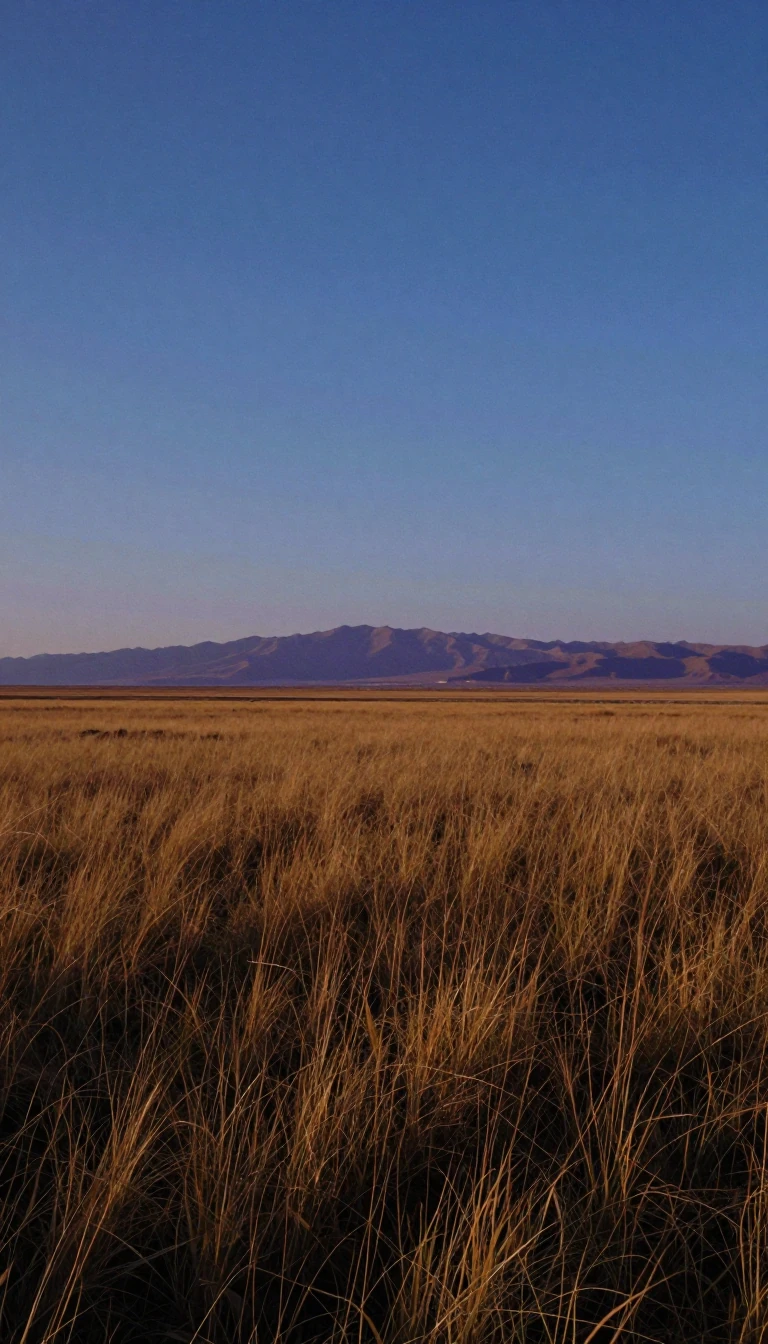 Grass survives mowing because it grows from the bottom, not the tipMost plants grow from their shoot tips, so cutting them off does real harm. True grasses put their growing point low, at the base of each leaf blade, an adaptation to grazing anim…
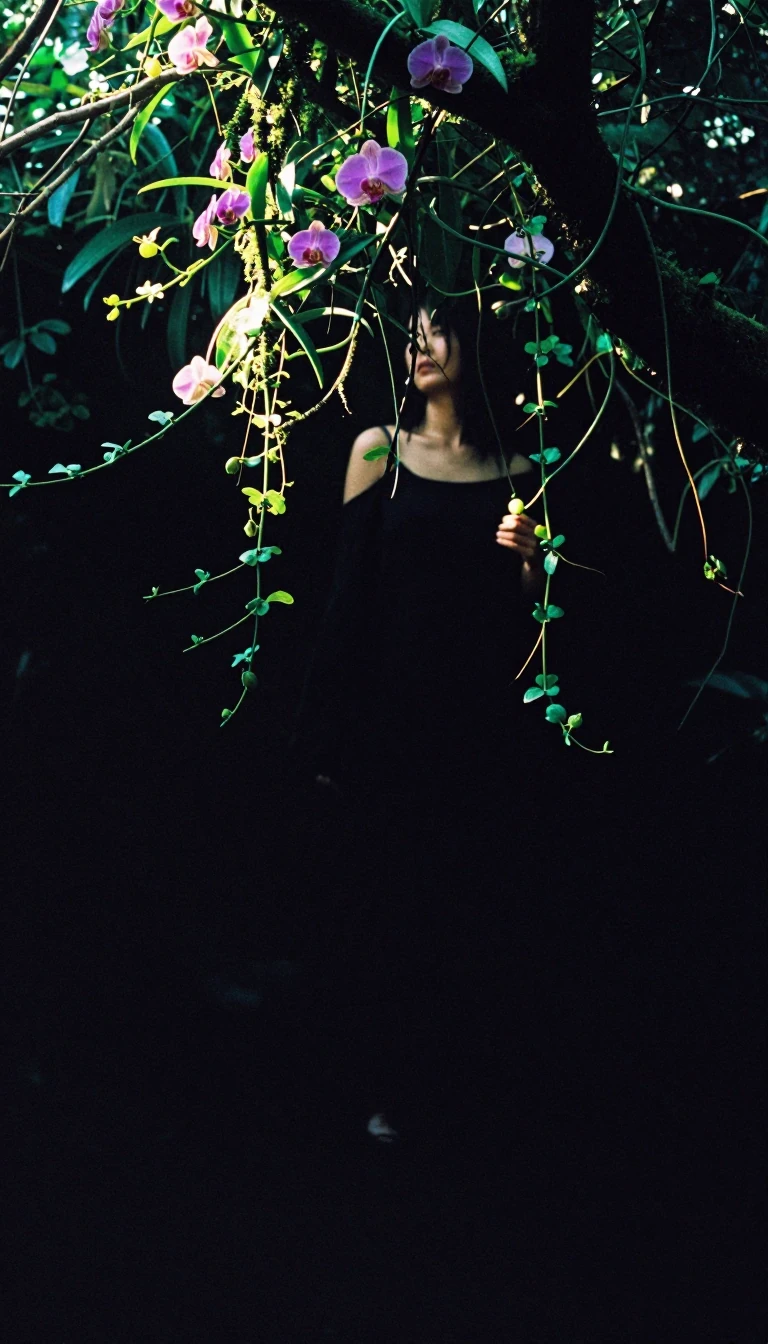 Podocarpus is a conifer whose cones pose as juicy berriesConifers usually mean woody pine cones, but Podocarpus plays a different game. Its few cone scales swell and fuse into a bright, fleshy, berry-like base that birds eat, spreading …
 The deadly poinsettia myth began with a 1919 rumourMany people believe a single poinsettia leaf can kill a child. It can't. The scare traces back to a 1919 urban legend, later repeated in a book and even an FDA newsletter. Researc…
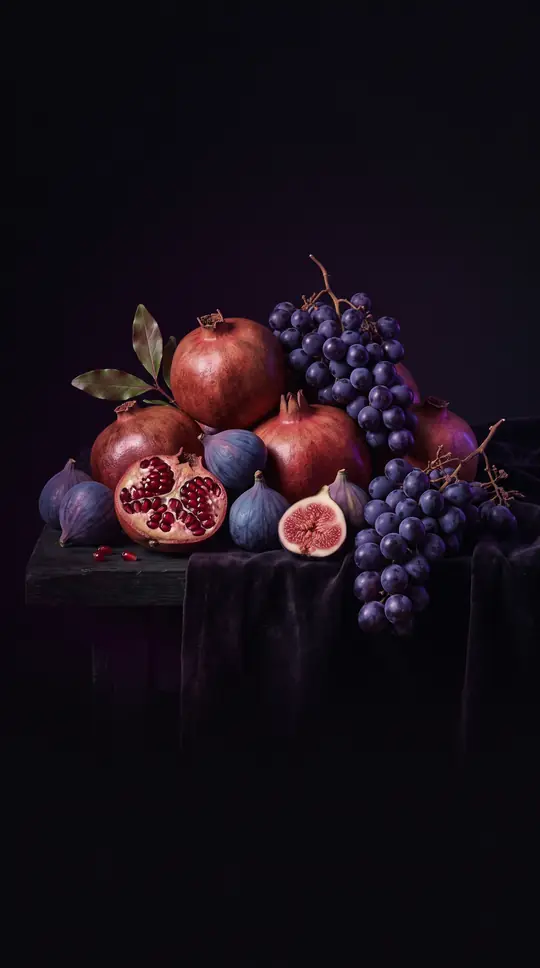 The hand grenade and the garnet both take their names from pomegranatesThe modern French word for pomegranate, grenade, gave its name to the military explosive, and the deep red garnet likely owes its name to the fruit's pulp too. The pomegranate its…
 Europe had beans long before the common bean arrived from the AmericasThe beans ancient Greeks and Romans ate were Asian species, unrelated to the common bean whose seeds and green pods fill markets today. When Phaseolus vulgaris crossed the Atlanti…
 Some philodendron flowers heat up, burning oxygen as fast as hummingbirds doDuring flowering, some philodendrons warm the central spike of their bloom in three separate peaks. The heat stirs up beetles sheltering inside, spreads scent into the air and may…
 Some pine cones stay sealed for years until a wildfire melts them openCertain pines, including Pinus radiata, lock their cones shut with resin and hold their seeds for years. Only the heat of a forest fire melts the seal. The seeds then drop onto fr…
 Hawaii barred imported hummingbirds to keep its pineapples free of seedsWild pineapples rely mostly on hummingbirds for pollination, but pollinated fruit develops seeds, and seeds spoil the eating quality. So in Hawaii, where pineapples were grown and…
 Seals are cousins of weasels, raccoons and red pandasSeals, sea lions and walruses look like a world apart from land carnivores, yet their nearest living relatives are the musteloids: weasels, raccoons, skunks and red pandas. The tw…
 For Aristotle, anything alive that was not an animal counted as a plantThe ancient Greek scheme was simple: living things with a sensitive soul were animals, and those with only a vegetative soul were plants. Under that view the plant kingdom swept i…
 The London plane thrives in cities, though its relatives prefer riverbanksMost plane trees grow wild along rivers and in wetlands, yet one hybrid, the London plane, has turned out to be remarkably tough in cities. It lines streets in London and across t…
 A single-celled paramecium backs up and tries again when it hits somethingBump a paramecium into an obstacle and the hairlike cilia covering it reverse their power stroke, sending it swimming backwards for a moment before it sets off again at a new angl…
- Paranthropus had a gorilla-style skull crest on a small, upright bodyThe robust australopithecines had huge jaws, broad grinding teeth and a bony ridge along the top of the skull that anchored powerful chewing muscles. Below the neck they were smal…
 Parsley's name means rock celery, and the root goes back to Linear BBehind the word parsley sits the Greek petroselinon, rock celery. The celery half, selinon, is ancient enough to appear in Mycenaean Greek as se-ri-no, written in the Linear B scr…
- Before cane sugar reached Europe, the humble parsnip served as a sweetenerParsnips taste sweeter than carrots, and they get sweeter still if left in the ground through winter frosts. That natural sugar made them useful in Europe as a sweetener before ca…
 The word pea exists because English speakers misread pease as pluralEnglish originally had the noun pease, as in pease pudding. Because it ended in an s sound, speakers assumed it must be plural and trimmed it to make a singular: pea. Linguists ca…
- The peach carries Persia in its name but was domesticated in ChinaIts scientific name, Prunus persica, points to Persia, and that is where Europeans first got the tree. But peaches were domesticated much further east, in Neolithic China. China s…
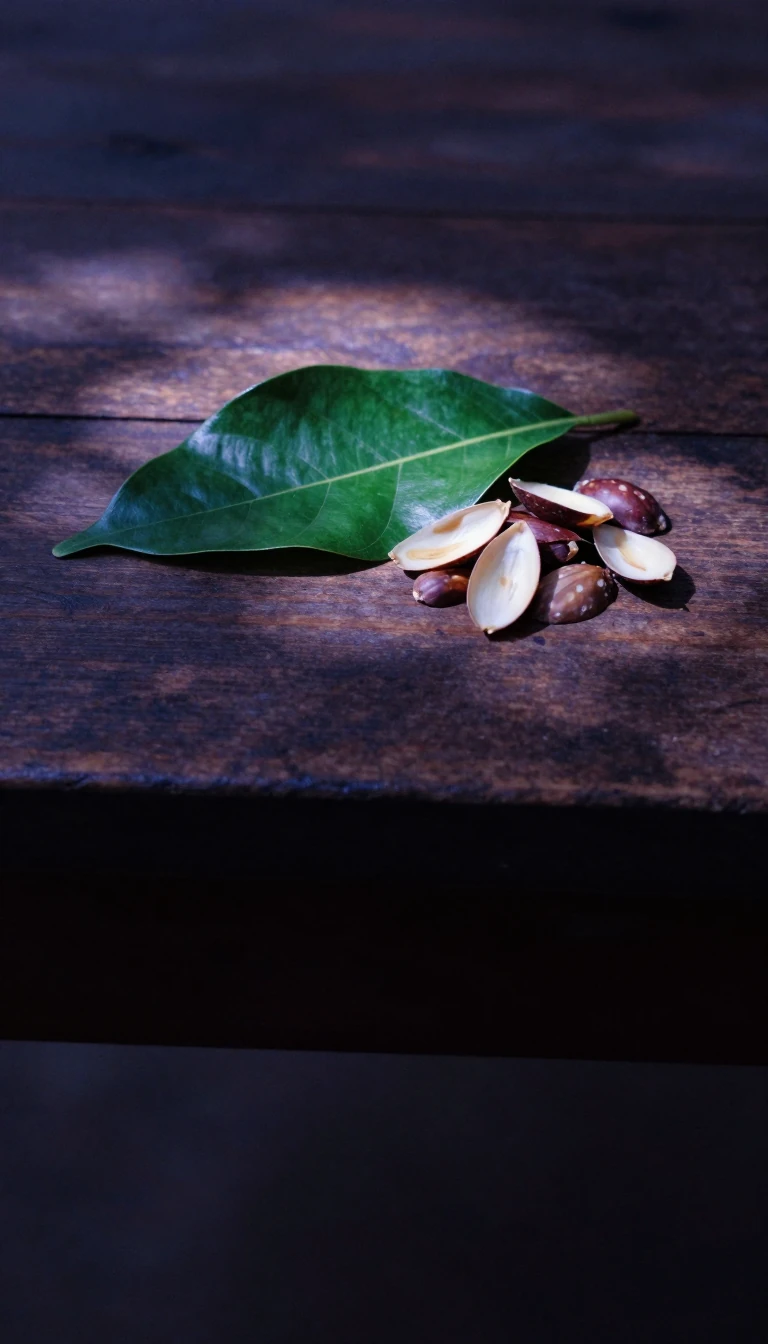 A peanut flower pushes its fertilised ovary into the soil to ripenAfter a peanut flower is fertilised, a stalk at the base of its ovary lengthens into a thin peg that grows down into the ground. The pod then develops underground, a habit called …
 The fleshy part of a pear is swollen stalk, not the true fruitBite into a pear and most of what you eat is the swollen tip of the flower stalk. The true fruit is the gritty core in the middle, two to five tough chambers holding the seeds. Bo…
 In 1927, pecan growers tried to settle the pronunciation argument by decreeAmericans have never agreed on how to say pecan, even within the same region. In 1927 the National Pecan Growers Association tried to end the debate, declaring the official pronun…
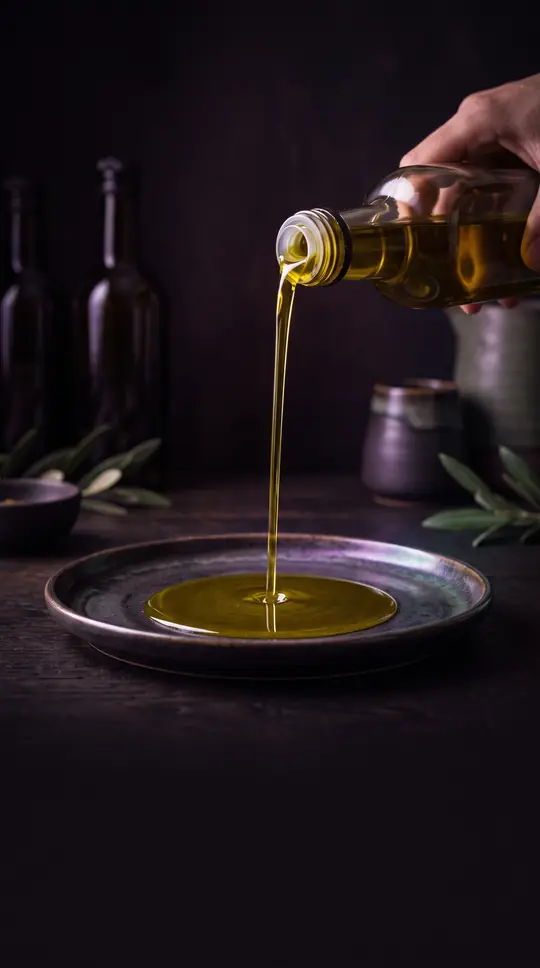 The English word oil once meant only one thing: olive oilOil comes from the Latin oleum, olive oil, and in many languages the word for oil traces back to this single tree. People on Morocco's Atlantic coast were using olives around 100,…
- Nobody has ever found the common onion growing truly wildThe common onion is the most widely grown member of its genus, yet it is known only from cultivation; its wild ancestor has never been identified. Its nearest living relatives gro…
- The organism behind potato blight looks like a fungus but is closer to seaweedLate blight of potato and sudden oak death are caused by oomycetes, microbes long filed with the fungi because they grow in the same threadlike way. Molecular studies moved them n…
- Every sweet orange descends from a single ancient cross of pomelo and mandarinThe sweet orange is not a wild fruit. It arose in domestication in East Asia from one cross between a pomelo hybrid and a mandarin, and every variety since, from navels to blood o…
- Most orchid flowers twist upside down as they open, and for good reasonAs a typical orchid bud develops, it rotates a full 180 degrees, a move called resupination. The result puts the showy lip petal beneath the flower's central column, where it can …
 Deepwater rice carries genes called SNORKEL that help it outgrow floodsWhen floodwater rises, some rice plants race it. In deepwater varieties, two genes named SNORKEL1 and SNORKEL2 trigger rapid stretching of the stem segments, keeping leaves above …
- The screw pine is neither a pine nor, despite appearances, a palmPandanus trees go by names like screw pine and pandanus palm, yet they are not closely related to either. They are monocots propped on thick stilt roots, crowned with strap-like l…
- Papaya looks like a tree but is really a giant herbA papaya plant can reach 10 metres, with a scarred trunk and a crown of huge lobed leaves, yet botanists class it as a large herbaceous plant rather than a tree. It usually grows …
 Okra's scientific name means edible father of muskCrush an okra seed and it gives off a sweet, musky scent, which is probably why its genus name, Abelmoschus, comes from Arabic for father of musk. The species name simply means ed…
- Baboons are closer kin to you than to South American monkeysOld World monkeys split from the ancestors of apes, including us, between 25 and 30 million years ago. Their shared lineage parted from New World monkeys far earlier, some 45 to 5…
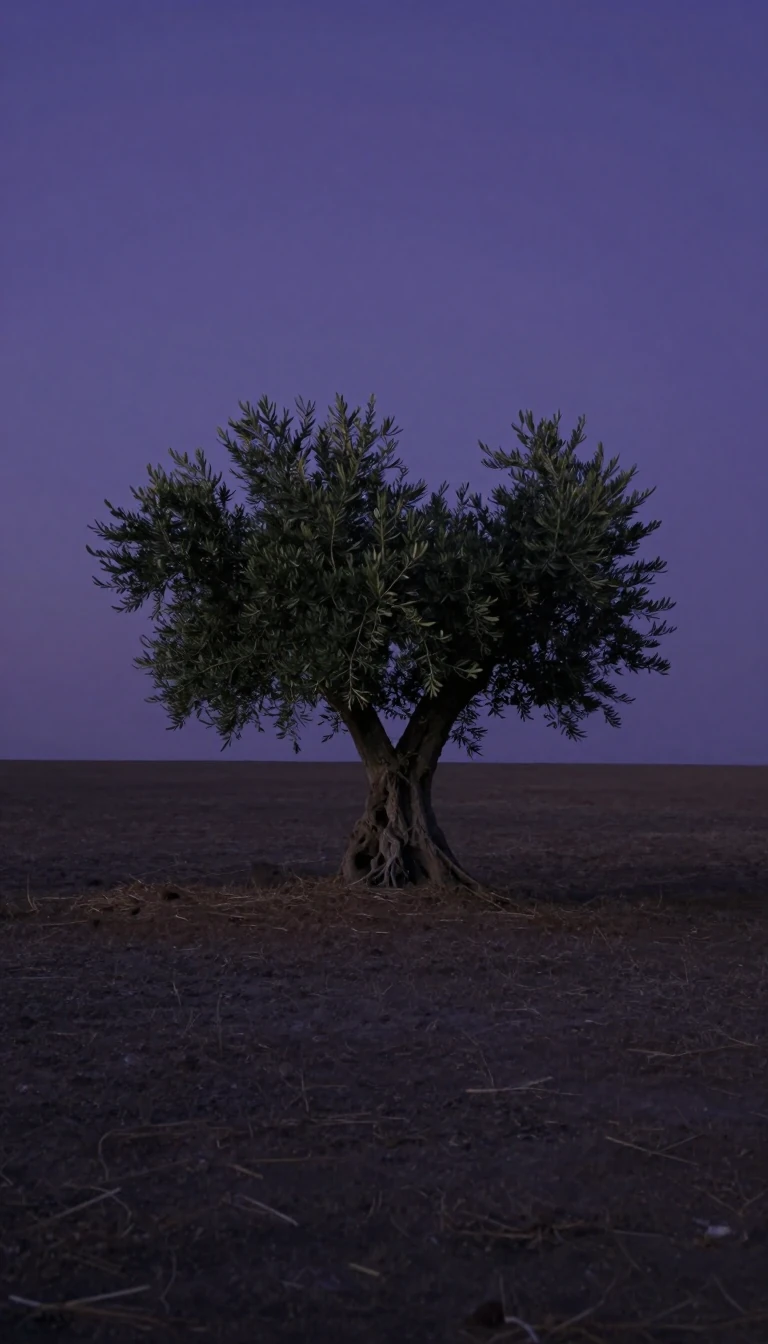 Olives, ash trees, lilac and jasmine all belong to one ancient familyThe tree that gives us olive oil, the ash prized for tough timber, and garden favourites such as lilac, forsythia and privet are all cousins. The olive family, Oleaceae, stretches…
 A muskrat can stay underwater for up to 17 minutesLike seals and whales, muskrats tolerate a buildup of carbon dioxide better than most mammals, letting them swim submerged for 12 to 17 minutes. They seal their ears against water…
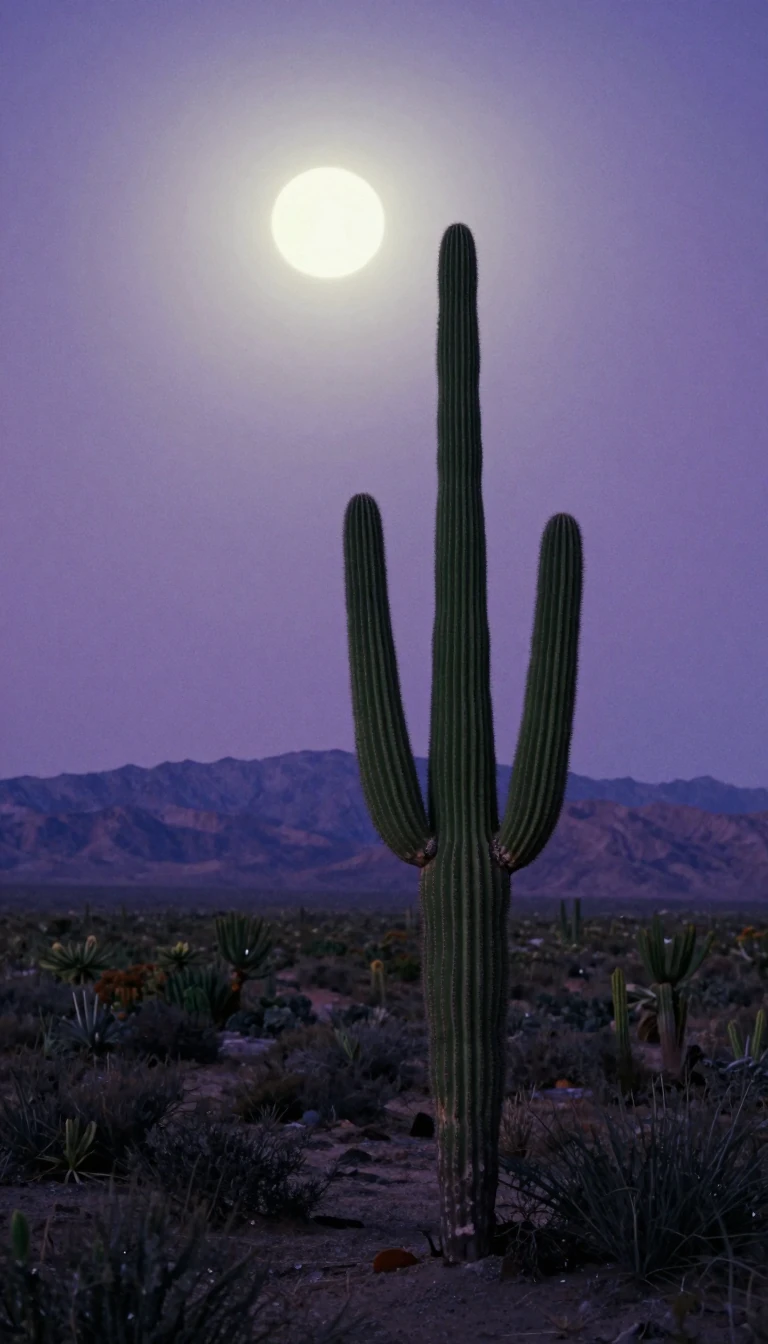 Cloves, guava, allspice and the world's tallest flowering plant are all myrtle relativesThe myrtle family ranges from spice-rack staples like clove and allspice to fruit such as guava and feijoa, and to Eucalyptus regnans, the tallest flowering plant on Earth. Every …
- Lotus flowers heat themselves, and their leaves shed water like glassLotus leaves are so water-repellent that droplets touch them at a single tiny point and roll away at the slightest tilt, a phenomenon now called the lotus effect. The flowers also…
- South America's monkeys probably arrived from Africa on floating rafts of vegetationAbout 40 million years ago the ancestors of marmosets, capuchins and howlers were in Africa. The leading theory holds that some drifted across a narrower Atlantic on mats of plant…
- One tree gives two spices: nutmeg from the seed and mace from its red wrapperCrack open the fruit of the true nutmeg tree and you find a seed wrapped in a crimson lace. Dry the seed for months and it becomes nutmeg; flatten and dry the lace for two weeks a…
 Nutria have bright orange teeth, stained by iron in their enamelThe nutria, or coypu, is a big South American water rodent with orange-yellow incisors coloured by iron, webbed hind feet and teats placed high on the female's sides so young can …
 Oak trees feed more than 950 kinds of caterpillarOaks are keystone trees, hosting over 950 caterpillar species, swarms of gall wasps and partnerships with fungi including truffles. One Bulgarian oak is estimated at 1,637 years o…
 Oats probably slipped into farming by looking like other cerealsEarly cultivators seem to have gathered oat seeds along with other cereals because they looked so alike, and the hitchhiker became a crop in its own right. Oats dislike harsh wint…
 By the logic of family trees, apes and humans are monkeys tooApes sit deep inside the monkey family tree: any ape is more closely related to baboons and macaques than South American monkeys are. So if a group should include all descendants …
 Rice, wheat, bananas, orchids and palm trees all share a one-leaf beginningMonocots sprout with a single embryonic leaf, and this one group of over 70,000 species supplies most of the plant mass farmers grow. Grasses alone cover more than 40 percent of E…
- The fig family spans a billionfold range, from forest-sized banyans to thumbnail succulentsOne Indian banyan can spread over two hectares. Its relative Dorstenia barnimiana is a stemless bulb a few centimetres wide carrying a single leaf. Both belong to the Moraceae, th…
- White, red and black mulberries are named for their buds, not their fruitThe three best-known mulberries take their colour names from dormant buds, so a white mulberry can bear dark fruit. Fruit colour and leaf shape are useless for telling species apa…