 Intellect Plus
Nature
11,198 cards. Each one is a 40-second story with a five-minute read behind it. Page 63 of 187.
Subtopics: Ageing · Air · Animal behaviour · Animal breeds and hybrids · Animals · Arthropods · Atmosphere · Big cats · Bilateria, others · Birds · Botany · Cnidarians · Conservation · Coral reefs · Deep sea · Deserts · Dinosaurs · Earth science · Earth science and physical geography · Earth science basics · Earthquakes & tsunamis · Echinoderms · Ecology · Ecosystems · Endangered species · Extinct animals · Farming · Fish · Forests · Fungi · General classifications · Geology · Geomorphology · How Long Can It Live? · Ice · Individual animals · Insects · Lightning · Longevity · Mammals · Marsupials · Migration · Mollusks · Ocean · Organisms · Parasites · Physical geography · Plants · Porifera · Predators · Primates · Rainforest · Reptiles & amphibians · Researched · Sharks & rays · Spiders & arachnids · Symbiosis · Trees · UK & Ireland: nature · Vertebrates · Vision · Volcanoes · Water · Waves · Weather · Whales & dolphins · Zoology
 Why fossil fuel profits are driving up your energy billsClimate change lawyer Tessa Khan explores the connection between record oil and gas profits and the rising costs of energy. This video examines why moving toward cleaner energy so…
 Why protecting the land is the key to protecting humanityAs climate change devastates our planet, Indigenous guardians are stepping up to lead the way. Discover how their vital work in monitoring and restoration offers a blueprint for o…
 Why the future of architecture lies in the traditions of the pastAs extreme weather becomes more frequent, modern architecture must adapt. This talk explores how traditional, endemic building designs offer time-tested solutions for a changing c…
 Can Indigenous wisdom solve the planetary crises caused by colonialism?Lawyer Jennifer "Jing" Corpuz explores how the values of the Kankanaey-Igorot people offer a blueprint for a more just and sustainable world through their historical harmony with …
 How the fossil fuel industry manufactures myths to delay climate actionLuisa Neubauer examines how the fossil fuel industry has spent fifty years spreading misinformation about climate science. This video explores how these falsehoods attempt to link…
 Could our buildings evolve from energy consumers into active power stations?Buildings are currently responsible for a third of global energy emissions. But a new generation of architecture is flipping the script, moving beyond mere efficiency to actually …
 When Arctic ice melts, apex predators find themselves in your backyardAs melting ice pushes polar bears onto land, humans and wildlife are facing increasingly frequent encounters. Biologist Alysa McCall explains how to navigate these dangerous inter…
 The English-only scientific literature is creating a global climate knowledge gapMost scientific research is published exclusively in English, leaving 75 percent of the world's population unable to access vital climate data. This linguistic barrier prevents bi…
 How can coastal communities survive the rising risks of climate change?With nearly 40 percent of the global population living near a coast, building resilience is a critical challenge. This video explores how a tailored mix of solutions—from restorin…
- Our separation from the natural world is a modern inventionFilmmaker Damon Gameau explores how humanity's perception of itself as superior to nature has fueled industrial progress while simultaneously pushing the planet toward an ecologic…
 Can your personal finances help solve the climate and housing crises?Financial institutions have pledged trillions toward economic transformation, yet capital is not moving fast enough. This video explores how we can redirect money to accelerate cl…
- Evolution is no longer a slow crawl; it is now sprinting.We often view evolution as a process spanning millions of years, but nature is currently accelerating to keep pace with human civilization. This video explores how species are rap…
 How Ukraine is using renewable energy to survive wartime power attacksIn the midst of ongoing Russian attacks, Ukraine is transforming its energy landscape. Discover how diversifying power structures is helping the nation maintain electricity and pu…
- Can brave leadership navigate the moral crisis of climate change?UK MP David Lammy and Tennessee's Justin J. Pearson examine how geopolitics, social fairness, and ecological emergencies overlap during this impactful dialogue.
 Can we build a sustainable future using only mud and waste?Architect Vinu Daniel demonstrates how discarded materials can be transformed into beautiful, resilient structures. This talk explores the potential of using local earth and commo…
- The global transition to green energy is reaching a tipping pointSimon Stiell, head of the UNFCCC, argues that we are witnessing an accelerating shift toward climate action. This video explores why current social and technological signals sugge…
 Why fossil fuel companies are retreating from their climate commitmentsNobel Laureate Al Gore examines the primary barriers to climate solutions and argues for a global overhaul of how polluting industries influence politics and finance to prevent en…
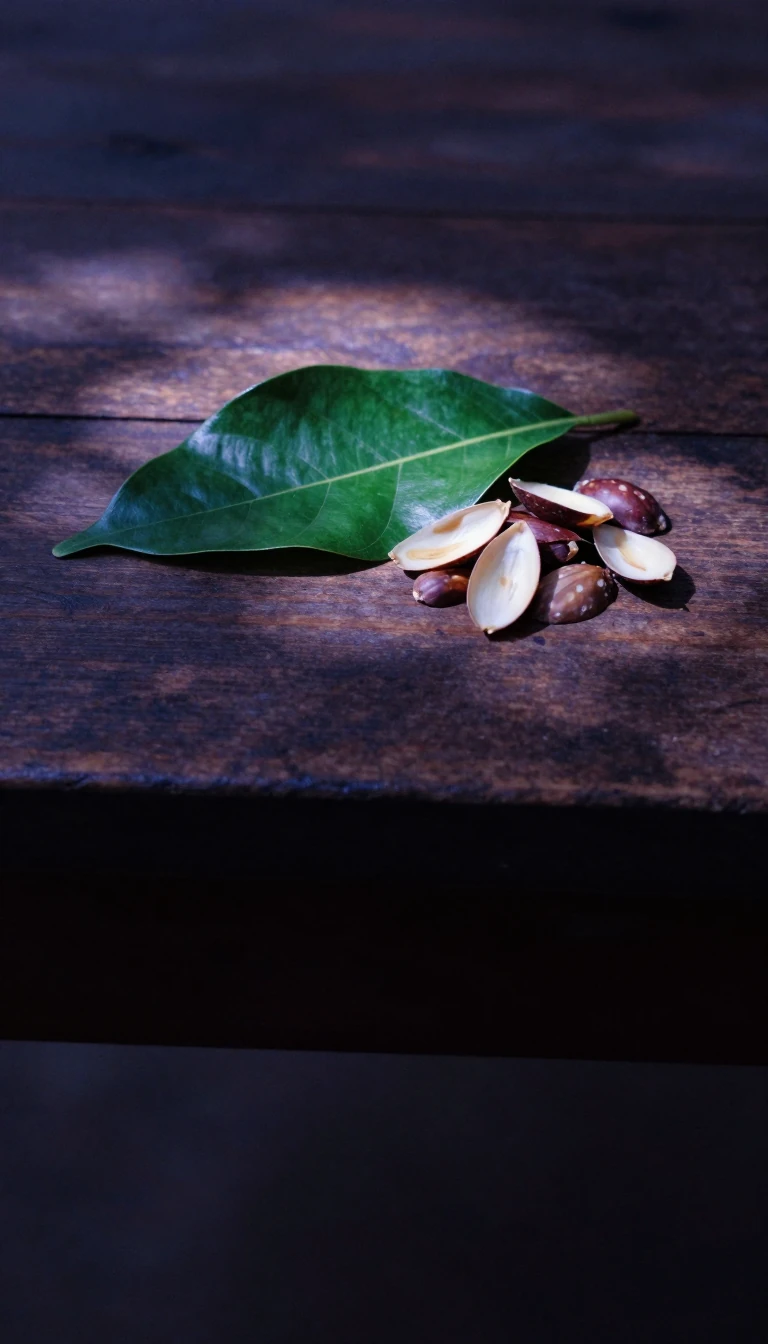 The resilient North American shrub with a beak and a 7,000-year historyMeet Corylus cornuta, the beaked hazelnut. Capable of surviving extreme -50 °C temperatures, this hardy shrub plays a vital role in North American ecosystems, serving as a critica…
 The high-stakes coordination of a Black Hawk team in the mesquite forestWatch how a Black Hawk team assists border agents in a high-stakes search operation. This footage provides a rare look at the specialized tactics used to navigate dense terrain an…
 The avian feat of surviving at the peak of the worldWhile humans require specialized gear and extreme physical endurance to reach the summit of Mount Everest, some birds find the environment far less hostile. This video explores ho…
 Decoding the patterns of woodpecker damage on your homeWoodpeckers don't just strike randomly. By understanding the specific shapes and clusters of holes they leave behind, you can determine whether they are seeking a mate or searchin…
 How a 3,000 square-mile sanctuary survived a century of conflictIn the heart of the Democratic Republic of the Congo, a massive landscape of volcanoes and lush forests is fighting a dual battle. It must protect rare wildlife from extinction wh…
 Martian mini-twisters: The atmospheric engines driving the Red Planet's weatherWatch a larger Martian dust devil consume a smaller one in a rare atmospheric interaction. These convective vortices are more than just visual spectacles; they are critical driver…
- The invisible reach of high-altitude nuclear explosionsThis video explores the devastating consequences of a high-altitude electromagnetic pulse (HEMP). It examines how a single nuclear detonation in the atmosphere can cripple modern …
 Why the climate movement needs the playbook of faith traditionsEnvironmental activist Gopal D. Patel explores how religion—one of humanity's oldest social initiatives—can provide a framework for modern climate action. Watch to discover how sp…
 How do brainless, single-limbed creatures produce millions of offspring every year?Clams appear to be biologically limited, possessing only a retractable foot and no brain. This video explores how these simple organisms manage to successfully reproduce on a mass…
- The subjective definition of what makes a plant a weedIs a plant a weed because of its biology, or simply because of its location? This video explores the shifting human perceptions that categorize certain vegetation as unwanted.
- Why your backyard might be a protected ecosystem you cannot touchPlanning a home renovation or new construction? You might be standing on a wetland. These saturated, low-oxygen environments are more than just muddy patches; they are complex eco…
 Why your backyard might need a home for batsBats are often misunderstood, but they provide significant ecological benefits. This guide explores how to support these nocturnal creatures by constructing a dedicated nesting si…
- How forest giants communicate through a hidden underground networkTrees are not solitary organisms; they are connected. This video explores how the oldest trees in a forest use root systems and fungi to interact with their neighbors.
- How a Single Queen Commands an Entire Ant CivilizationThe life cycle of a fire ant queen is a masterclass in biological warfare and resource management. From the initial nuptial flight to defending her burgeoning colony, her actions …
- The solitary survival of a wasp queen's new empireWatch how a single survivor navigates the high-stakes transition from hibernation to colony founder. This video explores the grueling year-long cycle of a wasp queen establishing …
 Why urban survival depends on the trees we often overlookAs the world shifts toward an urban future, we must reconsider our relationship with nature. This video explores why trees have been essential to successful cities since their inc…
- The bizarre, sausage-shaped wonders that keep our oceans healthyDespite their strange appearance, sea cucumbers perform essential work on the ocean floor. This video explores the life of these brainless creatures and the vital role they play i…
- Why your tidy garden might be a desert for local wildlifeEcological horticulturist Rebecca McMackin argues that the clean, manicured environments many gardeners strive for are actually the opposite of what nature needs to thrive.
- Can controlled fire be a tool for healing the land?While uncontrolled fires pose a constant threat to nature, fire management expert Oral McGuire explains how the right kind of fire can actually maintain ecological balance and pro…
 The hidden environmental cost of your favorite everyday snackA simple biscuit involves a complex journey from farm to plate. Aruna Rangachar Pohl explores how industrial farming models impact the planet and highlights how small-scale farmer…
- Beyond instinct: why certain animals engage in pure, unprompted playWe often associate play with mammals like kittens, but new observations suggest it extends much further. This video explores the surprising instances of playfulness in bumblebees …
- Why the hyena is the true matriarch of the African wildMove over lions; the hyena is the ultimate example of a female-led society. This video explores how hyena mothers serve as the primary leaders and protectors of their species.
 Why do penguins discard their first egg?It appears to be a massive waste of energy, but penguins consistently lay two eggs only to ignore or destroy the first one. This video explores the biological reasoning behind thi…
 From cloud forests to wastelands: the extreme habitats of frogsFrogs are masters of adaptation, thriving in environments that seem uninhabitable to most life. This video explores five unique and bizarre locations where these amphibians have c…
- The invasive vine that consumes landscapes and degrades air qualityIn the southeastern United States, the kudzu vine is famous for swallowing mountainsides and utility poles. However, this invasive species does more than just reshape the landscap…
- Why bears treat our trash cans like giant food puzzlesTo a bear, a standard trash can isn't just a container; it is a challenge to be solved. This video explores why these animals are so successful at raiding our waste and how we mig…
 Why nature's waste is sometimes a high-protein delicacyTo humans, feces are off-limits. But for many animals, eating poop is a sophisticated survival strategy. Rather than a lack of options, coprophagy often serves as a vital way to r…
 Why some animals evolved to live without a working stomachThe platypus, the seahorse, and the pufferfish share a bizarre biological trait: they have abandoned the stomach entirely. This isn't just a physical change; these species have ac…
- Why primates in strollers are not actually human babiesThey wear diapers, ride in strollers, and receive constant care, yet they aren't infants. This practice of raising primates as domestic pets raises a profound ethical question: is…
 Can removing oil from a barge protect the Azores' shores?This National Geographic film follows a team working to strip oil from a barge, raising critical questions about whether such efforts can truly safeguard the fragile coastline.
- A lethal clash between a fierce predator and a venomous hunterWatch as a powerful eagle faces off against one of the world's most venomous sea snakes. This confrontation explores the high-stakes survival tactics of two apex predators competi…
- The struggle to land a giant piraiba fishWitness the intense physical battle between angler Jakub and a massive piraiba. This National Geographic footage captures the moment a giant fish is finally hoisted into a boat af…
 The physics of collapse: why skyscrapers cannot survive aviation fuel infernosFor decades, the Twin Towers were symbols of permanence against hurricane-force winds and massive explosions. Yet, in a matter of seconds, they transitioned from solid edifices to…
- Is the star-nosed mole the world's strangest looking animal?Resembling a hybrid between an octopus and a rat, the star-nosed mole possesses a highly unusual appearance that challenges our definition of biological normalcy.
- The most effective way to avoid a lightning strike is to stay in bedNational Geographic scientists examine the dangerous mechanics of lightning to explain how to avoid these electrifying encounters. This video explores the essential rules for stay…
- Why the world's largest freshwater fish are vanishing from our riversThey are the aquatic equivalent of Bigfoot: massive, elusive, and increasingly rare. From 23-foot leviathans to half-ton stingrays, these megafishes represent a critical window in…
 How elite sniper teams resolve hostage crises with a single bulletThis National Geographic documentary examines the high-stakes precision required of SEAL sniper teams. Watch how these specialists are deployed during hostage crises to neutralize…
- Could a tiny town be the target of a biological attack?This National Geographic exploration investigates the terrifying possibility of a cult using salmonella poisoning to attack a small northwestern town, raising questions about the …
- The atmosphere of a city bracing for a second strikeThis footage captures the immediate, heavy tension in Washington D.C. following the attack on the Pentagon. It explores the psychological state of a city gripped by rumors and the…
- What it feels like to be pushed around by a brown bearExperience the raw power of one of nature's most formidable predators. This National Geographic film follows Brady as he gets close to a brown bear to demonstrate the sheer physic…
- Inside the high-stakes raid on a cartel stashhouseWitness the intense reality of law enforcement operations as police race to intercept illegal narcotics within a hidden cartel stronghold.
- A high-stakes encounter at the borderThis National Geographic feature captures a tense moment of discovery as two rookie agents confront two individuals attempting to cross the border.
 Why surging water use is causing sewers to flood streets with human wasteAs global populations double at high speed, rising water consumption is overwhelming infrastructure. This video examines the consequences of sewers flooding streets with raw sewag…