 Intellect Plus
Nature
11,198 cards. Each one is a 40-second story with a five-minute read behind it. Page 68 of 187.
Subtopics: Ageing · Air · Animal behaviour · Animal breeds and hybrids · Animals · Arthropods · Atmosphere · Big cats · Bilateria, others · Birds · Botany · Cnidarians · Conservation · Coral reefs · Deep sea · Deserts · Dinosaurs · Earth science · Earth science and physical geography · Earth science basics · Earthquakes & tsunamis · Echinoderms · Ecology · Ecosystems · Endangered species · Extinct animals · Farming · Fish · Forests · Fungi · General classifications · Geology · Geomorphology · How Long Can It Live? · Ice · Individual animals · Insects · Lightning · Longevity · Mammals · Marsupials · Migration · Mollusks · Ocean · Organisms · Parasites · Physical geography · Plants · Porifera · Predators · Primates · Rainforest · Reptiles & amphibians · Researched · Sharks & rays · Spiders & arachnids · Symbiosis · Trees · UK & Ireland: nature · Vertebrates · Vision · Volcanoes · Water · Waves · Weather · Whales & dolphins · Zoology
 Are your unconscious impulses actually the hidden masculine or feminine sides of your psyche?Carl Jung proposed that every human psyche contains an unconscious counterpart: the anima in men and the animus in women. These archetypes act as mediators between our conscious e…
 Antarctic krill are the Southern Ocean's engine, numbering 780 trillion individuals across the region.These shrimp-like crustaceans are far more than mere fish food. By grazing on phytoplankton and cycling essential elements, they dictate the health of global carbon cycles. Now, a…
 How a Roman Emperor's grief transformed a young man into an enduring, worshipped deity.When his beloved companion Antinous drowned in the Nile in 130 AD, Emperor Hadrian was devastated. He defied Roman tradition by declaring the youth a god, sparking a cult that spr…
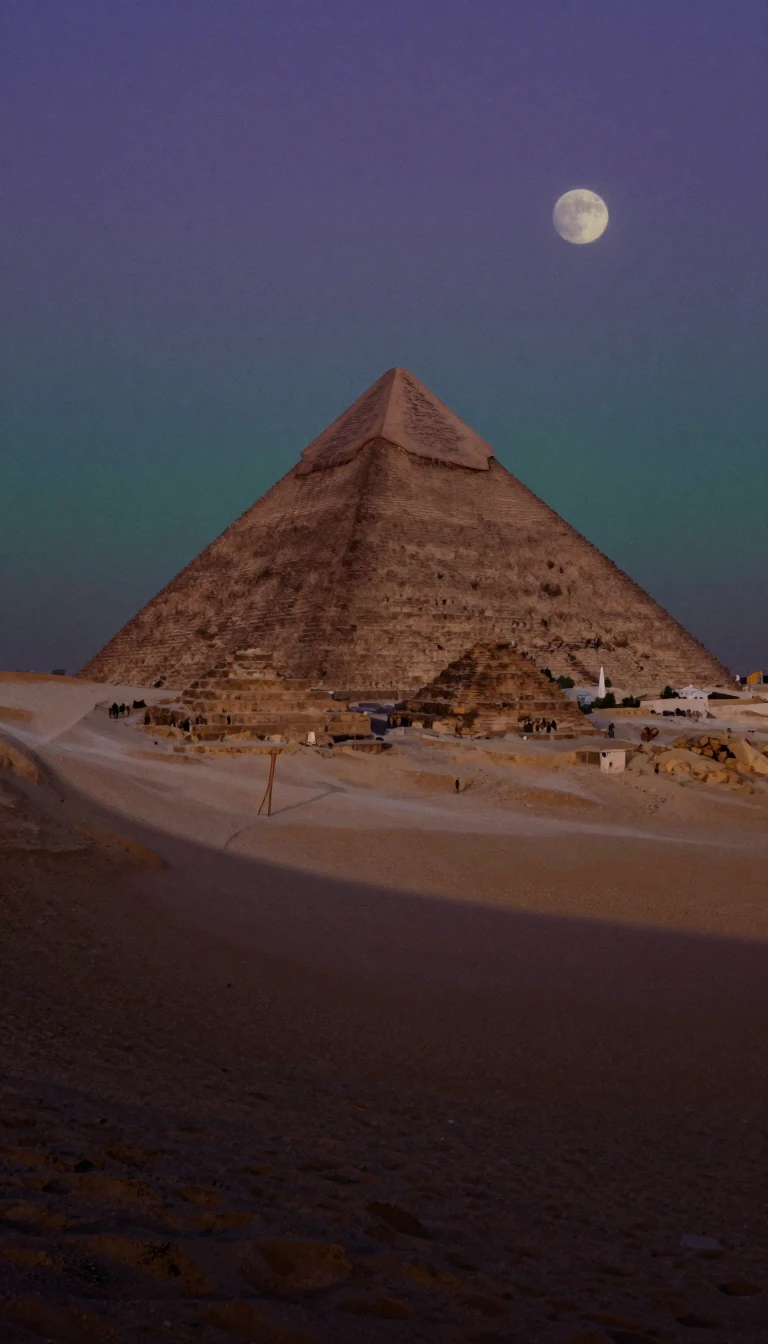 The sacred bull of Memphis was more than an animal; he was a god.In ancient Egypt, the Apis bull served as a living bridge between humanity and the divine. Recognized by specific markings, this sacred animal was believed to be conceived by a ce…
 Despite its name, apomorphine contains no morphine and does not bind to opioid receptors.Named for its origin as a morphine derivative, apomorphine is a potent dopamine agonist now primarily used to manage Parkinson's disease. Its medical history is a strange journey …
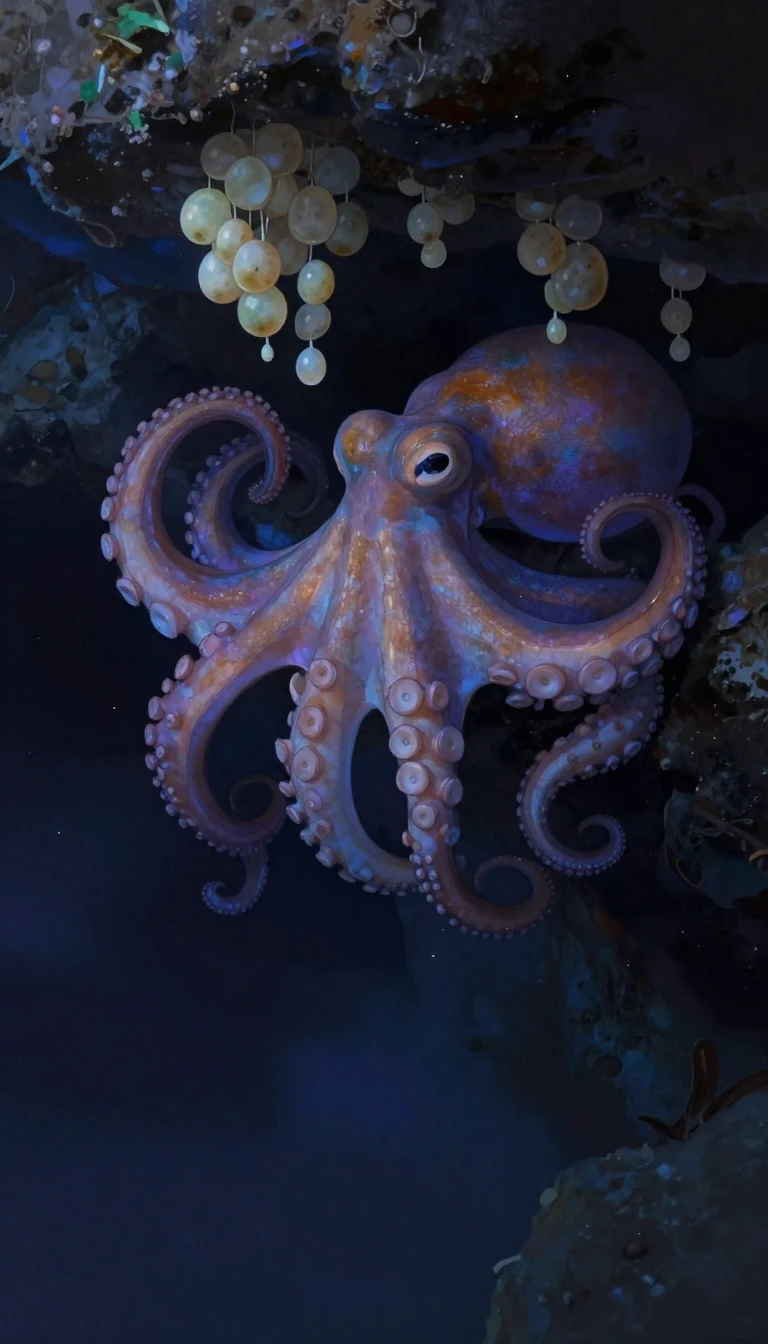 Why animals play dead: a sophisticated survival strategy far beyond simple fearTonic immobility, or thanatosis, is a complex state where animals appear paralyzed and unresponsive to threats. While often mistaken for freezing, this secondary defense mechanism…
 Arbor Day is a global movement to restore the planet through systematic tree plantingWhile many view Arbor Day as a simple school tradition, its roots lie in a 19th-century push to combat deforestation. From J. Sterling Morton’s American initiative to modern globa…
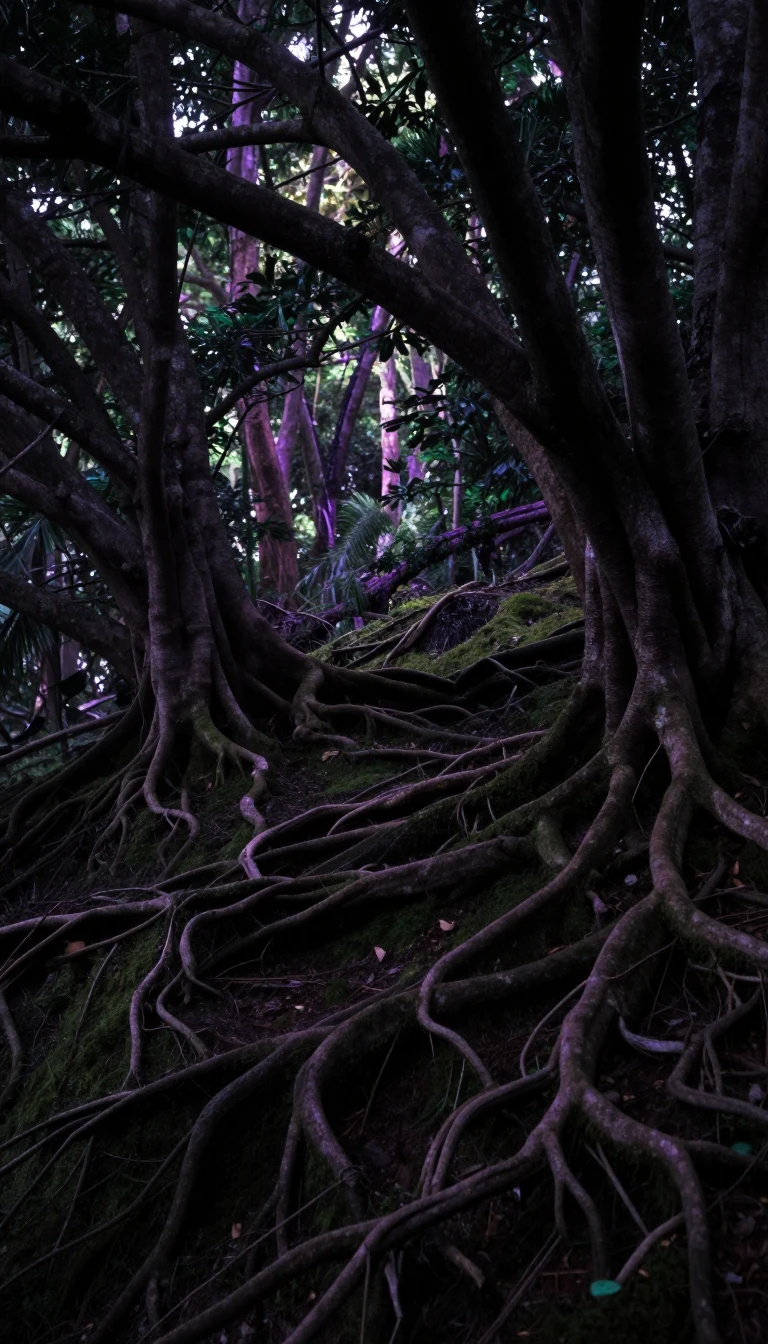 Why professional arborists are the surgeons of the natural world, not mere tree trimmers.Arboriculture is the specialized science of managing individual woody plants, distinct from forestry or logging. While foresters manage entire ecosystems for timber, arborists foc…
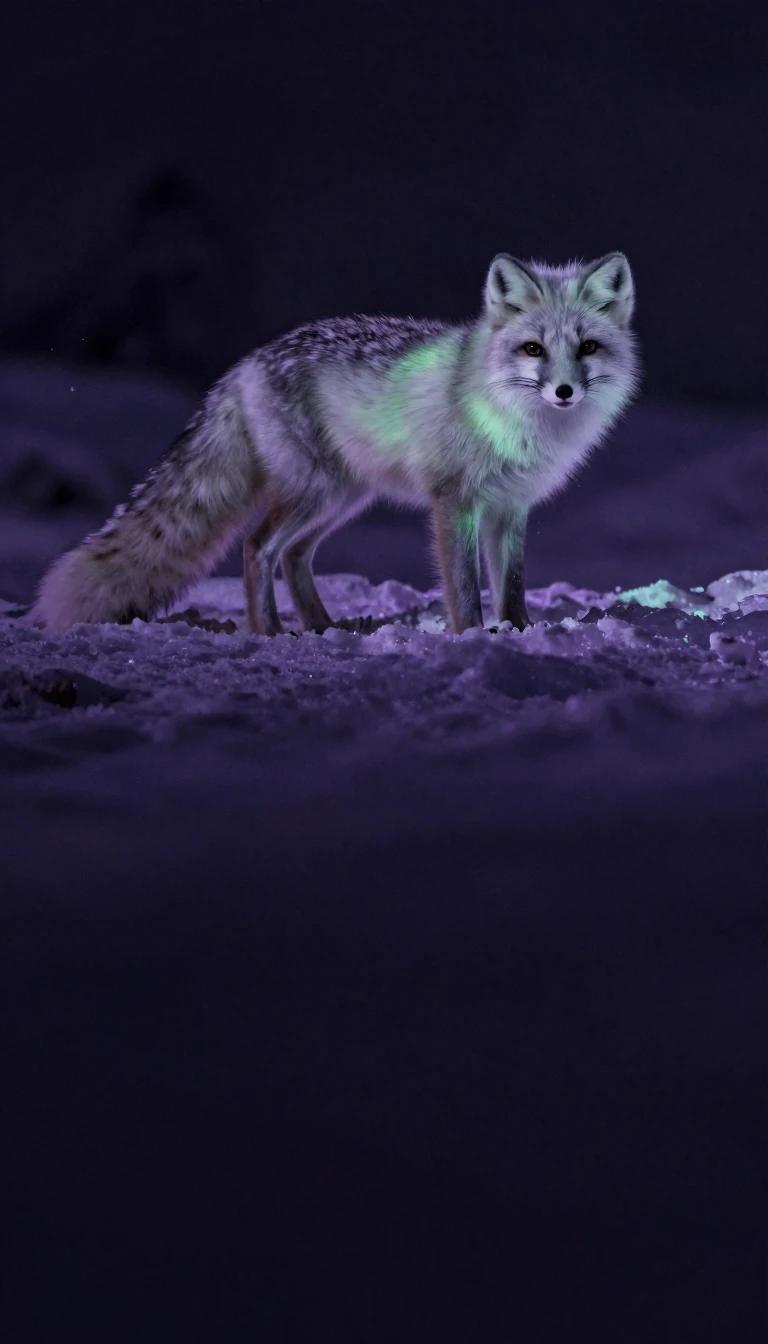 Are Arctic wolves truly a distinct subspecies or just clever, adaptable grey wolves?The Arctic wolf, a creature of the High Arctic tundra, is famously unafraid of humans. Yet, beneath their white coats and curious nature lies a scientific debate. Are they a uniqu…
 The liquid gold of Morocco is a labor-intensive marvel that fights desertification daily.Argan oil is more than a trendy cosmetic ingredient. Derived from the kernels of the indigenous Moroccan argan tree, this oil supports millions of livelihoods while acting as a cr…
- From revolutionary privateers to a modern fleet, the Argentine Navy has a complex history.Born from the 1810 May Revolution, the Argentine Navy evolved from a ragtag force of privateers into a major regional power. Yet, it has faced decades of chronic underfunding, pol…
 Arlington County: A Strategic Urban Hub Across the Potomac from the Nation's CapitalLying directly across the Potomac River from Washington, D.C., Arlington County serves as a vital component of the capital's metropolitan landscape. While often overshadowed by th…
 Why the genus Artemisia is a botanical puzzle that defies simple classificationWith nearly 500 species, the Artemisia genus—encompassing everything from culinary tarragon to rugged sagebrush—is notoriously difficult to categorize. While traditional methods r…
 Why did ancient cultures spend years intentionally reshaping the skulls of their infants?From the Neolithic Near East to the pre-colonial Philippines, humans have long practiced artificial cranial deformation. By applying pressure to an infant's pliable skull, parents…
 How a 1997 romantic comedy redefined the boundaries of the genre through character growthAs Good as It Gets remains a landmark in cinema for its unconventional portrayal of a misanthropic novelist with OCD. Beyond its box office success, the film explores the painful,…
 The world's smallest otter uses its hands like a human to hunt for foodWeighing a maximum of 3.5 kilograms, the Asian small-clawed otter is the smallest of its kind. Unlike other otters that rely on their mouths, these agile swimmers use their highly…
- How a Malian Colonel Seized Power Twice and Reshaped the Nation's FutureAssimi Goïta, a career military officer trained in international academies, transformed from a special forces commander into Mali's dominant political figure. Through two coups an…
 How a 1973 Wimbledon Boycott Transformed Men's Professional Tennis ForeverWhen Yugoslavia's top player was suspended, the newly formed Association of Tennis Professionals took a radical stand. By boycotting the 1973 Wimbledon Championships, they asserte…
 How a Mexican football club navigated a century of relocations, identity shifts, and rebirths.Founded in 1916 as Sinaloa, Atlante F.C. has spent over a century reinventing itself. From its origins as a working-class favorite in Mexico City to a brief, championship-winning …
 From Bush Tucker to Modern Australian: The Evolution of a Continent's Unique Culinary IdentityAustralia's food history spans 65,000 years, evolving from Indigenous hunter-gatherer traditions to a sophisticated, multicultural melting pot. While colonial British staples once…
 Despite their name, the Australian Shepherd was actually developed in 19th-century California.The Australian Shepherd is a misnamed American icon. While they carry the name of a continent they never originated from, these athletic herders were bred for the rugged demands o…
 Are birds just dinosaurs? The surprising history of the Avialae cladeThe line between dinosaur and bird is thinner than you think. Avialae, the group containing modern birds and their closest extinct relatives, reveals that flight was not a sudden …
 Beyond the Battlefield: How India Honors Both Soldiers and National IconsThe Indian Armed Forces maintain a sophisticated system of recognition that extends far beyond traditional combat medals. From the lotus-leaf emblem of a Mention in Dispatches to …
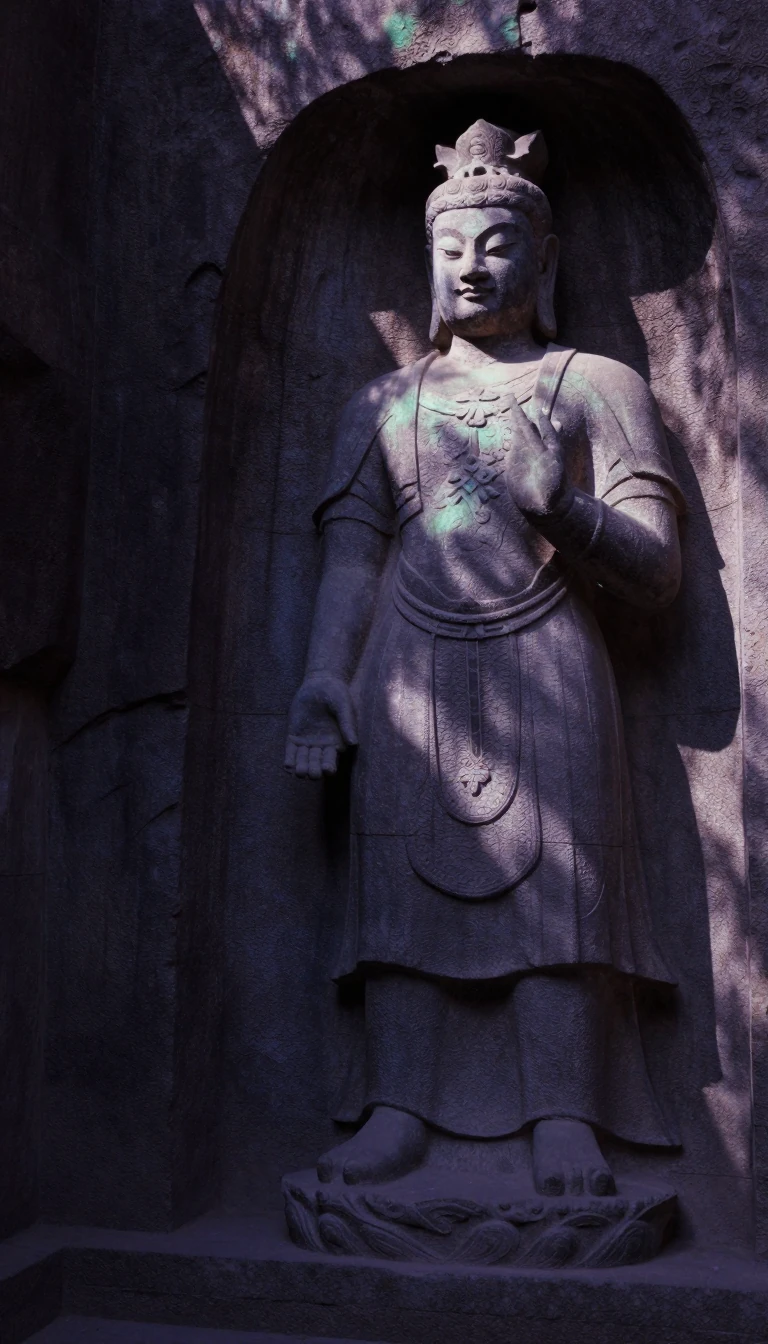 The warrior deity born of two gods who guards the forests of Southern IndiaAyyappan is a revered figure in Hinduism, known for his ascetic lifestyle and his role as a protector of righteousness. Often depicted as a celibate youth, his legend bridges anci…
 How a Brazilian airline built a massive network by targeting underserved regional marketsFounded by the visionary behind JetBlue, Azul Brazilian Airlines transformed South American aviation by connecting overlooked cities. From its modest beginnings with a handful of …
 Why the bacteria in your leftover rice is a master of survivalBacillus cereus is a resilient, soil-dwelling bacterium that thrives in environments where others perish. While often associated with food poisoning—specifically from improperly s…
- A soil bacterium is revolutionizing agriculture by turning crops into their own pest killers.Bacillus thuringiensis, a naturally occurring soil bacterium, produces proteins lethal to specific insect pests. By applying these as sprays or engineering them directly into crop…
 How a secret drill bit test in Texas launched a global energy giantIn 1908, Howard R. Hughes Sr. and Walter Benona Sharp conducted clandestine tests on a Texas rig, hiding their invention in a locked wooden box. Their dual cone rotary drill bit r…
 Was the biblical prophet Balaam a real historical figure or an ancient literary invention?For centuries, Balaam was known only through the Bible as a diviner hired to curse Israel. But in 1967, archaeologists unearthed a plastered wall in Jordan featuring his name. Thi…
 Is the fertilized duck egg a culinary treasure or a global ethical controversy?Balut, a fertilized duck egg incubated for weeks before being boiled, is a beloved Southeast Asian street food. While cherished for its rich, gamey flavor and cultural significanc…
 In 1955, twenty-nine nations gathered to reshape global power outside the Cold War binary.When leaders from across Asia and Africa met in Bandung, Indonesia, they represented over half the world's population. Their goal was to forge a path independent of Western and So…
- Barbara Bush was one of only two women to be both a presidential wife and mother.Beyond her role as the 41st first lady, Barbara Bush navigated a life defined by public service and personal tragedy. From her early days in an affluent New York suburb to her tim…
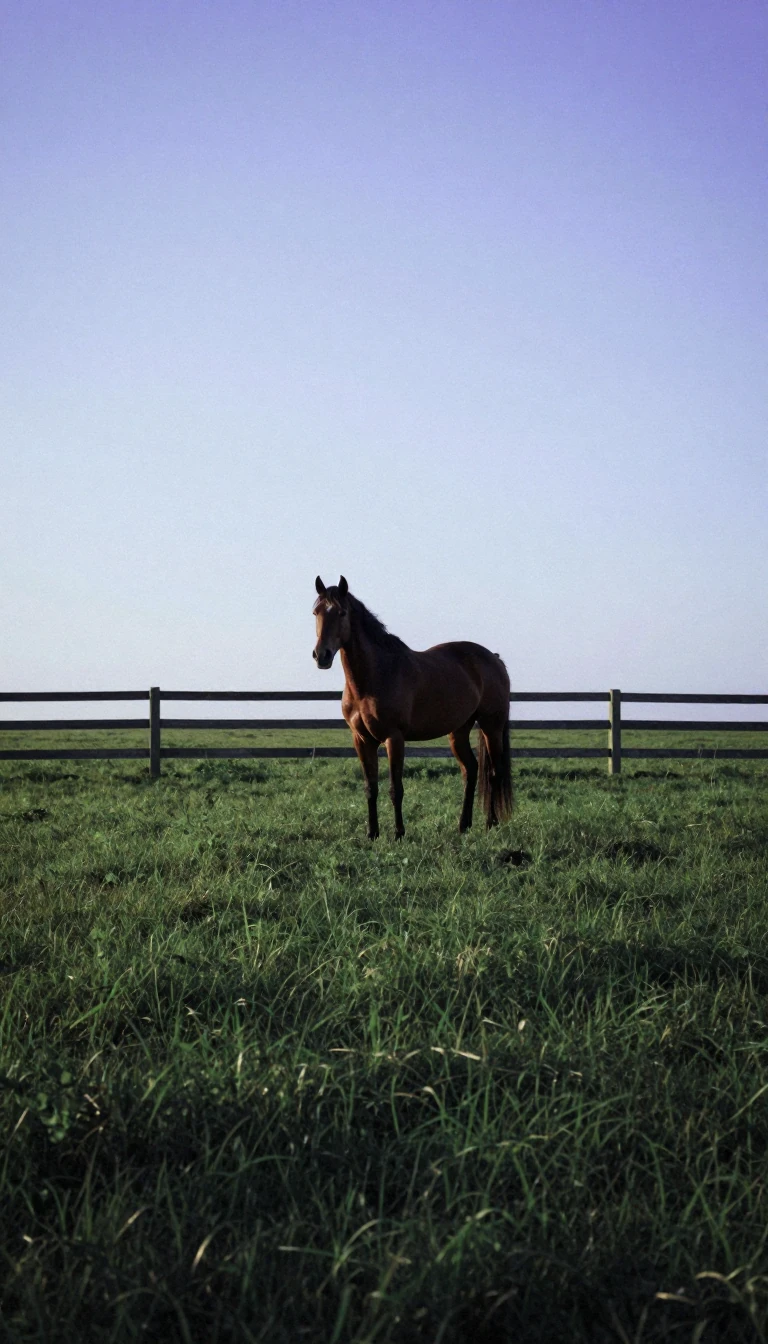 Why the most common horse coat color is a complex genetic puzzleBay horses are defined by reddish-brown bodies and black points on their manes, tails, and legs. While this pattern is widespread, the underlying genetics are surprisingly intrica…
 Beyond the swamp: how bayous shape the landscape and sustain complex ecosystemsA bayou is more than a stagnant marsh. These slow-moving, low-gradient waterways are vital arteries of the American South, formed by shifting river channels and sediment deposits.…
 A massive, growing sinkhole in Louisiana reveals the hidden dangers of salt miningIn 2012, a Louisiana community faced a surreal catastrophe: the ground began to shake and bubbles erupted from the water. A massive cavern had collapsed, creating a sinkhole that …
 BBC Four: A cultural curator navigating the shift from original programming to digital archiveLaunched in 2002 as a destination for high-quality arts, science, and international drama, BBC Four has evolved from a niche broadcaster into a complex digital-first service. Desp…
- How a failed 1946 fur trade experiment created a massive ecological disaster in PatagoniaIn 1946, Argentina introduced 20 Canadian beavers to Tierra del Fuego to spark a fur industry. The trade never materialized, but the beavers thrived in an environment devoid of na…
 Why the Berlin Wall was built to stop a massive economic brain drainBy 1961, East Germany was hemorrhaging its most skilled workers to the West. Facing a demographic collapse, the Soviet-backed government took the drastic step of sealing the borde…
 The massive concrete gravity dam that became a symbol of India's post-independence industrial ambition.Rising 226 meters above the Satluj River, the Bhakra Dam is a feat of engineering that transformed a narrow gorge into a vital resource. Once hailed as a new temple of modern Indi…
 How a global cryptocurrency giant navigated a decade of regulatory chaos and legal battlesFounded in 2017, Binance rapidly became the world's largest cryptocurrency exchange. Yet, its ascent has been marked by a relentless series of international investigations, massiv…
 Why your medicine might not be doing exactly what the label promisesBioavailability measures how much of a substance actually reaches your systemic circulation to do its work. While intravenous delivery guarantees 100% absorption, oral medications…
- Ancient Amazonian soil secrets are now a modern tool for carbon sequestrationBiochar is a carbon-rich residue created by heating organic matter in low-oxygen environments. Inspired by the fertile, man-made Terra Preta soils of the Amazon, this material is …
 Bituminous coal is the world's most abundant energy source, but it hides a dangerous secret.Often called black coal, this dense, friable material powers our steel mills and electrical grids. Yet, its formation process creates a volatile byproduct known as firedamp. This …
 Black lung disease is an irreversible occupational hazard caused by inhaling coal mine dustBlack lung disease, or coal workers' pneumoconiosis, is a serious condition caused by the long-term inhalation of coal dust. While it is not contagious or genetic, it triggers a c…
- Despite their name, jackrabbits are not rabbits at all but highly specialized desert hares.These iconic symbols of the American West are masters of evasion, using powerful hind legs to propel themselves over ten feet in a single bound. While often mistaken for rabbits, …
 Why this iconic reef predator is a homebody that rarely wanders far from homeThe blacktip reef shark is a staple of tropical tourism, easily recognized by its dark-tipped fins. Despite its reputation as a common reef dweller, this shark is surprisingly sed…
- Why this Indiana city had to pump its own leaking water back uphillBloomington, Indiana, sits on a geological puzzle of limestone ravines and caves that made securing a reliable water supply a century-long struggle. Because the porous ground swal…
 From whales to humans, most placental mammals share a single northern ancestral lineage.Boreoeutheria is a massive biological group encompassing nearly all familiar placental mammals, including primates, dogs, and whales. While these creatures seem vastly different, …
- Was the Boring Billion actually the most creative period in Earth's history?For a billion years, Earth was thought to be geologically and biologically stagnant. New research suggests this so-called stasis was actually a crucible of innovation. By forcing …
 Why a failed penal colony became the global shorthand for Australian exileBotany Bay was meant to be the site of Britain's first Australian penal colony in 1788. Governor Arthur Phillip quickly abandoned the area, citing poor soil and a lack of fresh wa…
 Why Brazil calls its vast maritime territory the Blue Amazon to secure national funding.The Brazilian Navy manages more than just warships; it acts as a maritime authority, coast guard, and scientific researcher. By rebranding its jurisdictional waters as the Blue Am…
 Deep beneath the ocean, hidden lakes of hypersaline brine host life without the sun.Brine pools are dense, underwater lakes trapped in seafloor depressions. With salinity up to eight times that of the surrounding ocean, these toxic, anoxic basins act as time caps…
- How a Central American colony built its identity on mahogany, riots, and colonial struggle.British Honduras, the last continental British colony in the Americas, was defined by a brutal forestry monopoly and a rigid caste system. From the 17th-century logwood smugglers …
 The rarest hyena on Earth is a misunderstood scavenger that can tree a leopardThe brown hyena, or strandwolf, is a master of the Southern African wilderness. Often wrongly persecuted by farmers who mistake its scavenging for predation, this elusive carnivor…
 How a stowaway snake turned Guam into a silent, birdless ecological graveyardAfter World War II, the brown tree snake hitched a ride to Guam, where it found an island paradise with no natural predators. The resulting population explosion decimated native b…
- Bubba Smith: From the Game of the Century to a Hollywood career and CTECharles Aaron Bubba Smith was a defensive titan who dominated college football before becoming a household name in the Police Academy film franchise. Yet, his life was defined by …
- The chimpanzee who became a global pop culture icon and a media lightning rodBubbles, a chimpanzee purchased by Michael Jackson in the 1980s, lived a life of surreal luxury, from sleeping in a crib to drinking tea with mayors. Yet, his fame fueled a media …
- The bullsnake is a master of mimicry, bluffing its way through the Great Plains.This nonvenomous constrictor is one of North America's largest snakes, yet it spends much of its life performing a convincing rattlesnake impression. By hissing, flattening its he…
 Was this Indian city the original inspiration for the Taj Mahal?Burhanpur, a historic trade hub on the Tapti River, served as a vital Mughal capital. Beyond its strategic military importance and textile wealth, the city holds a poignant secret…
 Why this slow-growing evergreen became the backbone of human measurement and artBefore the age of plastics, the dense, stable wood of the Buxus genus was indispensable to engineers, artists, and musicians. From intricate prayer beads to the precision rulers t…