 Intellect Plus
Nature
11,198 cards. Each one is a 40-second story with a five-minute read behind it. Page 67 of 187.
Subtopics: Ageing · Air · Animal behaviour · Animal breeds and hybrids · Animals · Arthropods · Atmosphere · Big cats · Bilateria, others · Birds · Botany · Cnidarians · Conservation · Coral reefs · Deep sea · Deserts · Dinosaurs · Earth science · Earth science and physical geography · Earth science basics · Earthquakes & tsunamis · Echinoderms · Ecology · Ecosystems · Endangered species · Extinct animals · Farming · Fish · Forests · Fungi · General classifications · Geology · Geomorphology · How Long Can It Live? · Ice · Individual animals · Insects · Lightning · Longevity · Mammals · Marsupials · Migration · Mollusks · Ocean · Organisms · Parasites · Physical geography · Plants · Porifera · Predators · Primates · Rainforest · Reptiles & amphibians · Researched · Sharks & rays · Spiders & arachnids · Symbiosis · Trees · UK & Ireland: nature · Vertebrates · Vision · Volcanoes · Water · Waves · Weather · Whales & dolphins · Zoology
 Can ancient farming traditions provide a modern solution to climate change?Louise Mabulo explores how ancestral agricultural practices, once dismissed as superstition, may actually hold scientific merit for helping farmers adapt to our changing climate.
 Is there a strategic roadmap to solving the climate crisis?While the climate crisis feels overwhelming, new perspectives suggest a reason for optimism. This discussion explores how strategic goal-setting tools can help us navigate the urg…
 The global diversity and disappearing habitats of the world's firefliesExplore the remarkable biodiversity of over 2,000 firefly species. This talk examines the biological mysteries of these beetles and the urgent conservation efforts needed to prote…
 Can we eat meat without the environmental and ethical cost?Cardiologist and entrepreneur Uma Valeti explores cultivated meat as a solution to the destructive nature of traditional livestock farming. Watch to see how growing meat directly …
 Two-thirds of today's continental land once belonged to a single southern landmassGondwana's name means 'forest of the Gonds'; its remnants make up about two-thirds of today's continental area, including South America, Africa, Antarctica, Australia, Zealandia, …
 The duck that traded open water for forest branchesMost waterfowl are defined by their relationship with the lake, but the wood duck evolved to master the trees. Equipped with unique claws and a boxy silhouette, this bird navigate…
 Why a friendly smile might be a dangerous provocation to a gorillaIn 2007, a famous gorilla named Bokito escaped his enclosure and attacked a visitor. While the event was violent, the cause may have been a profound misunderstanding of primate bo…
 The avian engineer with a built-in saw for cracking nutsWhile most birds rely on brute force to crack seeds, the common grackle possesses a specialized anatomical tool: a keel inside its bill. This unique adaptation allows it to score …
 The heavy-bodied king of North American pit vipersWhile often feared as aggressive predators, the Eastern diamondback rattlesnake is actually quite averse to human contact. Yet, this massive snake possesses a specialized biologic…
 The ancient wolf-dog hybrid that survives the Arctic winterIn Finland, only two dog breeds are legally permitted to be kennelled outdoors during the winter. One is the Finnish Lapphund, a hardy, medium-sized spitz with a genetic history t…
 How a naturalist's controversial views on pandas sparked a conservation debateChris Packham is a household name in British nature television, but his radical approach to conservation has often ignited fierce debate. From suggesting that giant pandas are too…
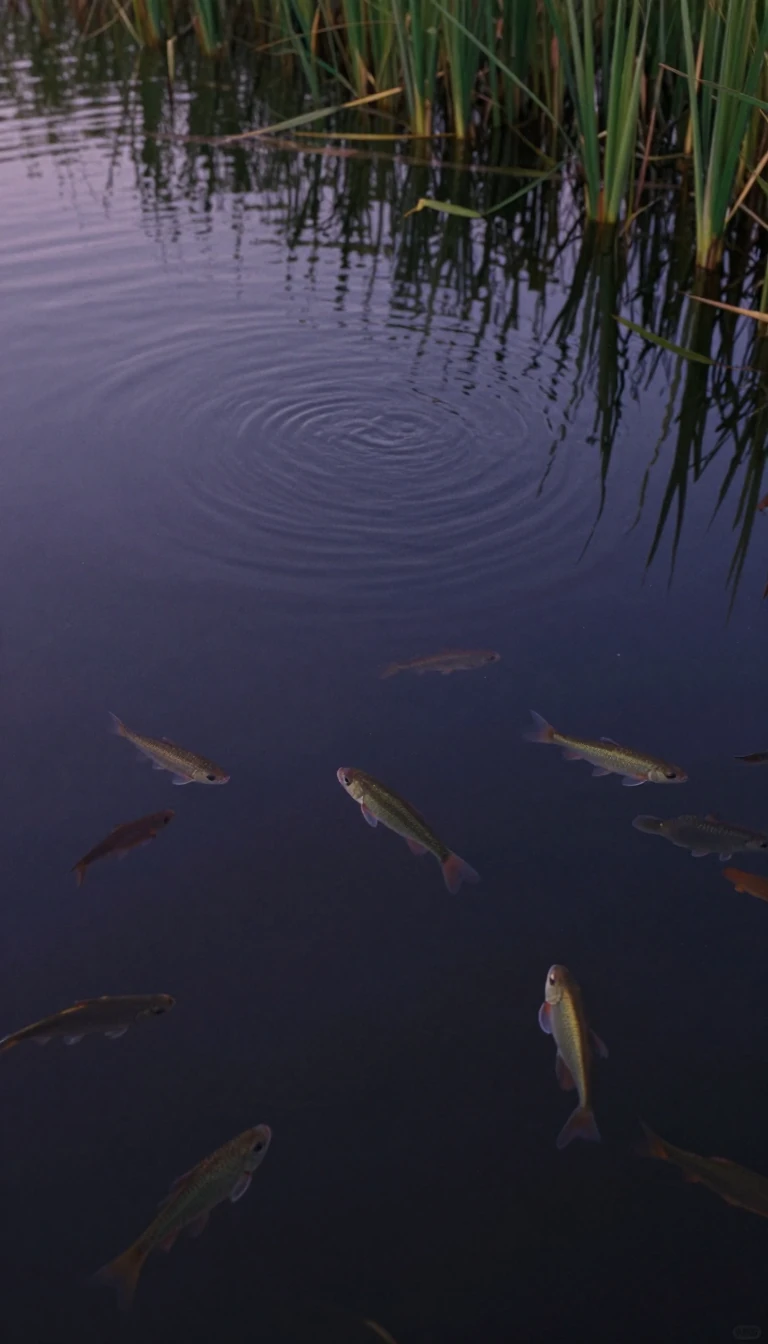 Why freshwater fish are among the most threatened vertebrates on the planet todayFreshwater fish make up over 41% of all known fish species, yet they face an existential crisis. From habitat fragmentation caused by dams to the silent spread of forever chemical…
 The Argali is the world's largest wild sheep, roaming the high Central Asian peaks.Known as the mountain sheep, the argali is a master of high-altitude survival. These massive animals navigate terrain up to 5,800 meters high, sporting corkscrew horns that can we…
 The sacred fig tree is a spiritual icon, an ancient survivor, and an invasive pest.Known as the bodhi tree, Ficus religiosa is revered across four major religions for its role in enlightenment and meditation. Yet, this same tree, capable of living over 3,000 yea…
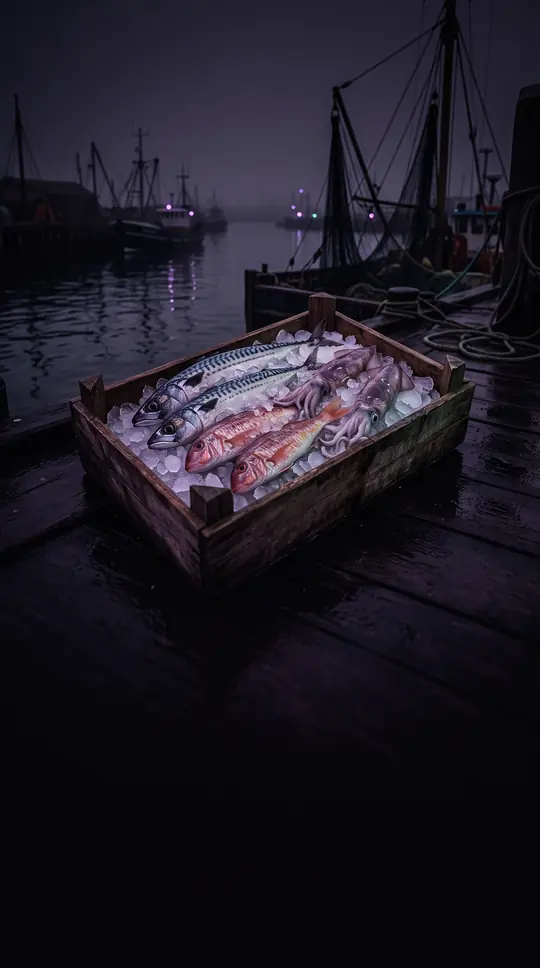 Once burned as fuel for steamboats, the lake sturgeon is now a conservation icon.The lake sturgeon, a prehistoric-looking giant of North American waters, was once so abundant it was treated as a nuisance and burned as cordwood. Today, this long-lived vertebrat…
 The 1950 UK election saw record turnout and the dawn of televised political coverage.In February 1950, Britain held its first general election after a full term of Labour rule. It was a watershed moment: voters turned out in record numbers, the BBC broadcast the r…
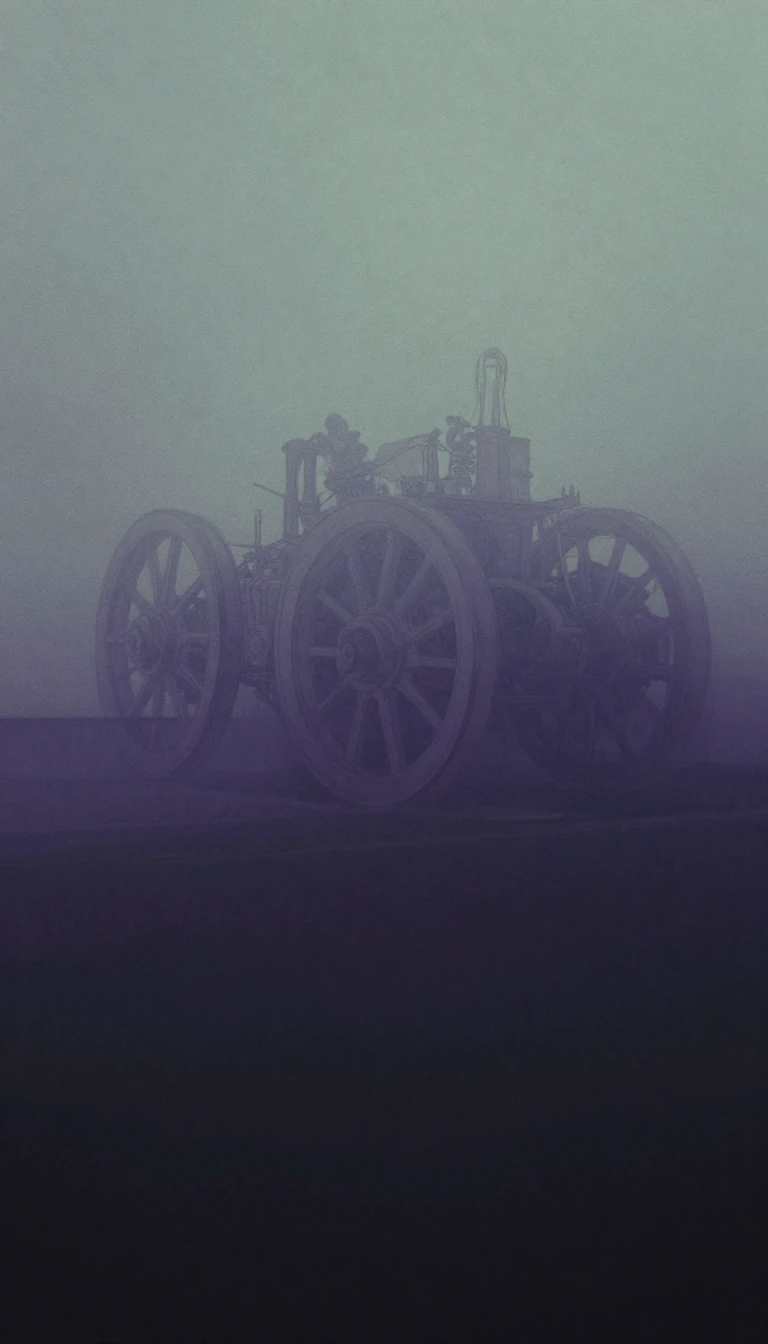 The tiny Austin 7 that transformed global motoring and birthed the modern car industryDesigned in a private billiard room, the Austin 7 was a radical departure from conservative British engineering. This miniature powerhouse wiped out the cyclecar industry, inspire…
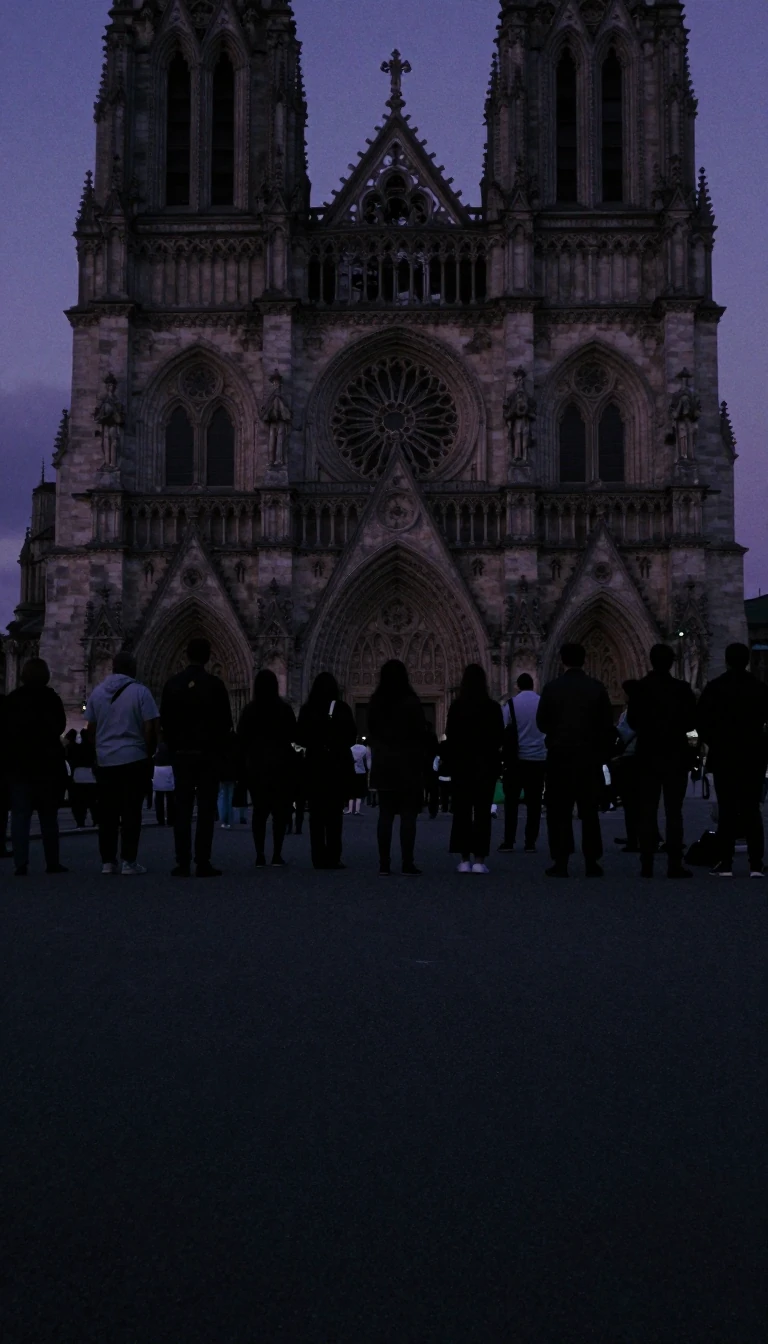 The Unknown Prime Minister: How a Canadian Iron Merchant Rose to Lead BritainAndrew Bonar Law remains a singular figure in British history. Born in a Canadian colony, he became a wealthy iron merchant before entering politics at forty-two. Despite never se…
- Bridgewater Associates operates from a secluded nature reserve, far from Wall Street's typical bustle.Founded in a Manhattan apartment, Bridgewater Associates eventually settled into a retreat-like campus surrounded by trees in Connecticut. This hedge fund giant, known for its sec…
 Why Buddy Hackett turned down the chance to become a legendary Three StoogeBuddy Hackett was a comedic force, but he famously rejected an offer to join the Three Stooges. He feared the physical toll of the slapstick, joking that he would miss out on too …
 From Disney wizard to director, the evolving career of actor David HenrieDavid Henrie rose to fame as Justin Russo on the Disney Channel, but his career spans far beyond the wizarding world. From early sitcom roles to directing his own films and hostin…
 How Downtown Los Angeles Transformed From a Dilapidated Hub Into a Modern Residential CoreOnce a collection of aging office buildings and rooming houses, Downtown Los Angeles has undergone a dramatic shift. Through strategic policy changes and the repurposing of histor…
 From delivery boy to architect of the Cold War: the rise of Ernest BevinErnest Bevin rose from a childhood of poverty and limited schooling to become one of Britain's most formidable statesmen. As a trade union titan and later foreign secretary, he re…
 Isle Royale's moose population likely arrived by human design, not by swimming across lakes.This remote Lake Superior island is famous for its predator-prey studies, yet its most iconic mammal may be an invasive species. While long-standing theories suggested moose swam …
- How a powerlifting politician became Hawaii's most controversial and short-lived incumbent governorNeil Abercrombie spent decades climbing the political ladder, from a taxi-driving outsider to the seventh governor of Hawaii. Yet, his tenure was marked by sharp polarization and …
 How a century of steam and steel forged America's busiest passenger rail arteryThe Northeast Corridor is not a single project, but a patchwork of 19th-century railroads stitched together by early 20th-century engineering. Today, it serves as the backbone of …
 Can a film dissolve the boundary between our waking lives and our wildest dreams?Satoshi Kon’s final masterpiece, Paprika, explores a near-future where a device called the DC Mini allows users to share their dreams. When the technology is weaponized, reality a…
- Why a cursed Italian fighter ace became an unlikely symbol of anti-fascist resistanceIn Hayao Miyazaki's 1992 masterpiece, a former World War I pilot transformed into an anthropomorphic pig patrols the Adriatic as a bounty hunter. While the film celebrates the rom…
 Riverside County is a massive, diverse landscape the size of the state of New Jersey.Spanning from the Los Angeles metropolitan area to the Arizona border, Riverside County is a sprawling region of 7,208 square miles. It is a land of sharp contrasts, shifting from…
 Ship breaking is a vital, dangerous industry that recycles the world's massive ocean vessels.Modern ships have a lifespan of about 25 to 30 years before they become uneconomical. When they reach the end of their journey, they are dismantled to recover valuable steel and p…
 How Rob Zombie evolved the horror genre into a violent, Southern-fried road movieReleased in 2005, The Devil's Rejects transformed the Firefly family from cartoonish villains into complex, grounded outcasts. By ditching supernatural tropes for a gritty, docume…
 When Britain turned off the lights: The 1974 Three-Day Week crisisIn 1974, the British government mandated a three-day work week to prevent a total national blackout. Driven by coal shortages and militant union strikes, the policy forced busines…
 Why animal societies are built on competition rather than simple cooperationWe often mistake social behavior for altruism, but nature is rarely so kind. Dominance hierarchies are not about group harmony; they are competitive systems designed to secure res…
 These woody shelf fungi are the unsung architects of our forest ecosystemsPolypores, or bracket fungi, are far more than mere tree parasites. These resilient organisms act as nature's primary recyclers, breaking down the toughest wood components to fuel…
 Can a human climb all fourteen of the world's highest peaks in seven months?Nirmal Purja set out to conquer every eight-thousander on Earth in under seven months, a feat that previously took years. His journey, documented in 14 Peaks: Nothing Is Impossibl…
 How Italy chose to end its monarchy in a historic 1946 national referendumAfter two decades of fascist rule and the devastation of World War II, Italy faced a pivotal choice: continue as a kingdom or transition to a republic. On June 2, 1946, millions o…
 How a downed spy plane shattered the hope for Cold War peace in 1960On May 1, 1960, a U-2 spy plane vanished over the Soviet Union, triggering a diplomatic crisis that derailed a major summit. Initially dismissed by the U.S. as a missing weather a…
 The 1964 Alaska earthquake was a turning point that reshaped our understanding of EarthOn March 27, 1964, a magnitude 9.2 earthquake struck south-central Alaska, lasting over four minutes. As the second-largest earthquake ever recorded, it did more than cause widesp…
 How a Catastrophic Volcanic Collapse Became a Laboratory for Life's Remarkable ResilienceWhen Mount St. Helens erupted in 1980, it triggered the largest landslide in recorded history, obliterating the landscape. Yet, this devastation provided scientists with an unprec…
- The 1995 Quebec Referendum: A Narrow Vote That Nearly Split a NationIn 1995, Quebec held a historic referendum on sovereignty that saw a record-breaking 93.52% voter turnout. The result was razor-thin, with the "No" side winning by only 54,288 vot…
- The 2005 Kashmir earthquake produced a rare surface rupture that defied Himalayan seismic history.On October 8, 2005, a magnitude 7.6 earthquake struck the Himalayan region, killing at least 79,000 people. While the collision of tectonic plates is common here, this specific ev…
 The 2012 Benghazi attack: A coordinated assault on American diplomatic and intelligence facilitiesOn September 11, 2012, militants targeted two U.S. government sites in Benghazi, Libya, killing four Americans, including Ambassador J. Christopher Stevens. While initial reports …
 The 2026–2027 El Niño is an unprecedented climate event of historic, record-breaking severityScientists are witnessing an El Niño event so intense it is being described as supersized. With sea surface temperatures in the tropical Pacific reaching record highs, this phenom…
- Why the Philippines is delaying its smallest elections until November 2028The Philippines is set to hold its massive barangay and youth council elections on November 13, 2028. Originally slated for 2025, the vote has been repeatedly pushed back by legis…
- The 401(k) was a tax-saving accident born from a loophole in the tax code.The 401(k) is a cornerstone of American retirement, yet it began as an obscure workaround for bank executives. Originally designed to help high earners defer taxes on bonuses, thi…
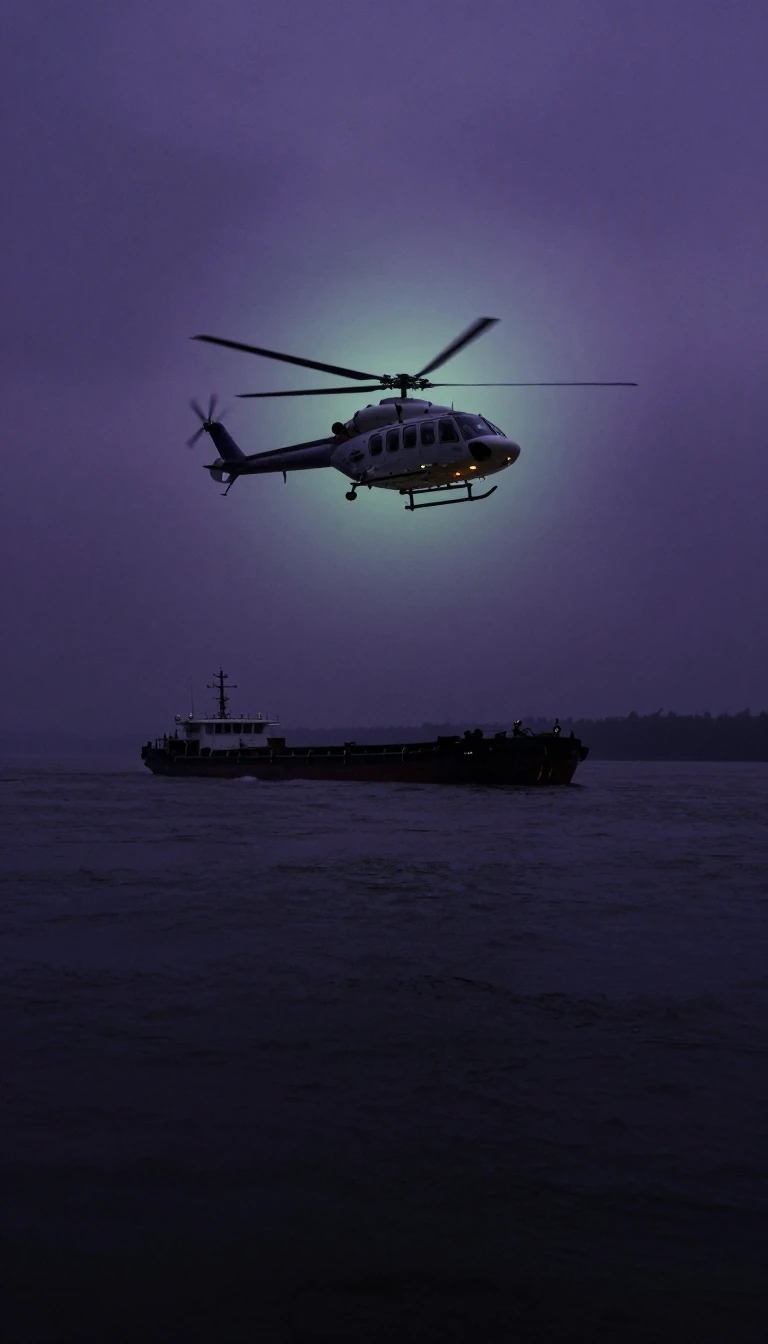 Why the 82nd Airborne Division was chosen to be America's first airborne unitIn 1942, the US Army needed an experimental airborne force. They bypassed traditional National Guard units, which faced political and financial resistance to such radical changes,…
- How a constitutional monarch navigated Malaysia's most volatile era of political instabilitySultan Abdullah of Pahang served as Malaysia's 16th king during a period of unprecedented turbulence. Between 2019 and 2024, he oversaw a hung parliament and multiple leadership t…
 Does your morning toast really cause cancer? The science of acrylamide explainedAcrylamide became a household concern in 2002 when researchers identified it in high-heat cooked foods. While classified as a probable carcinogen by major health agencies, current…
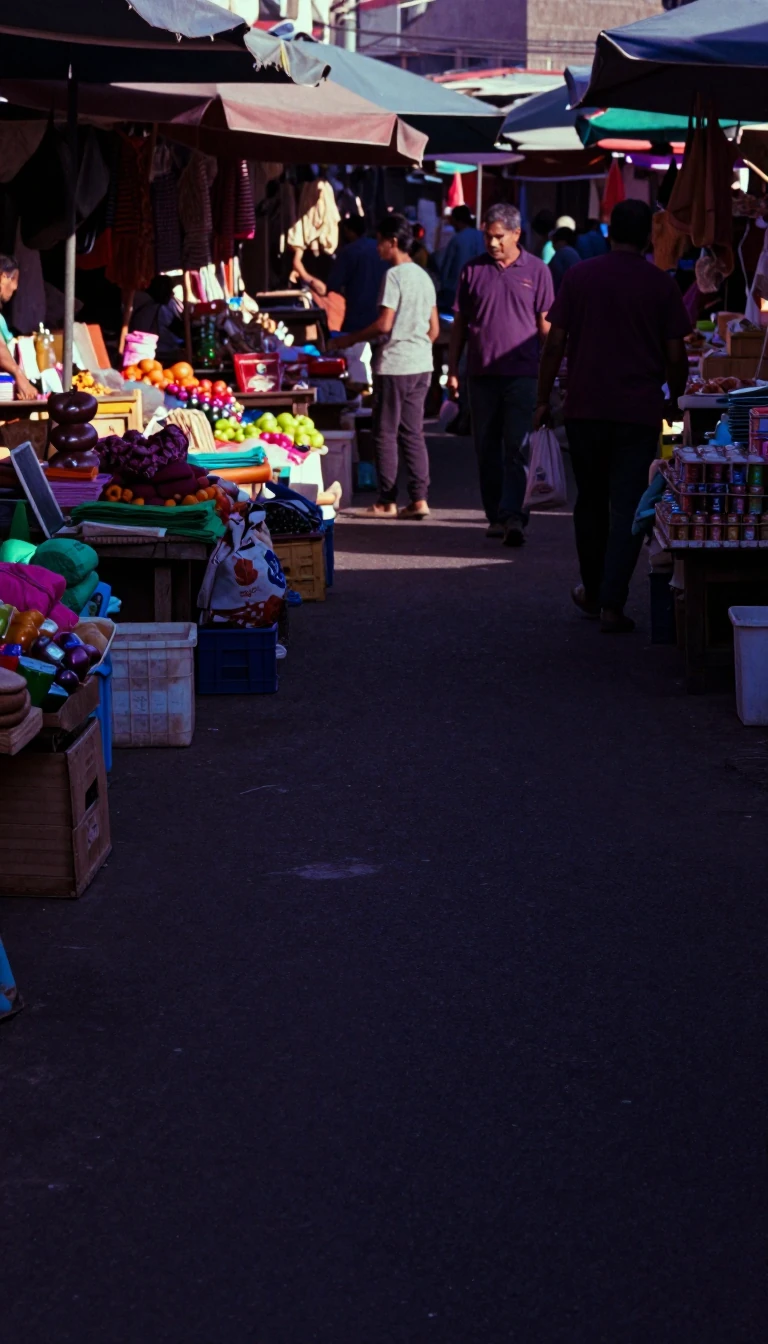 From oak-shaded farm to industrial powerhouse: the hidden evolution of Acton, LondonOnce a quiet village defined by its ancient oak trees, Acton transformed into a bustling hub of Victorian laundries and twentieth-century automotive manufacturing. Today, this Wes…
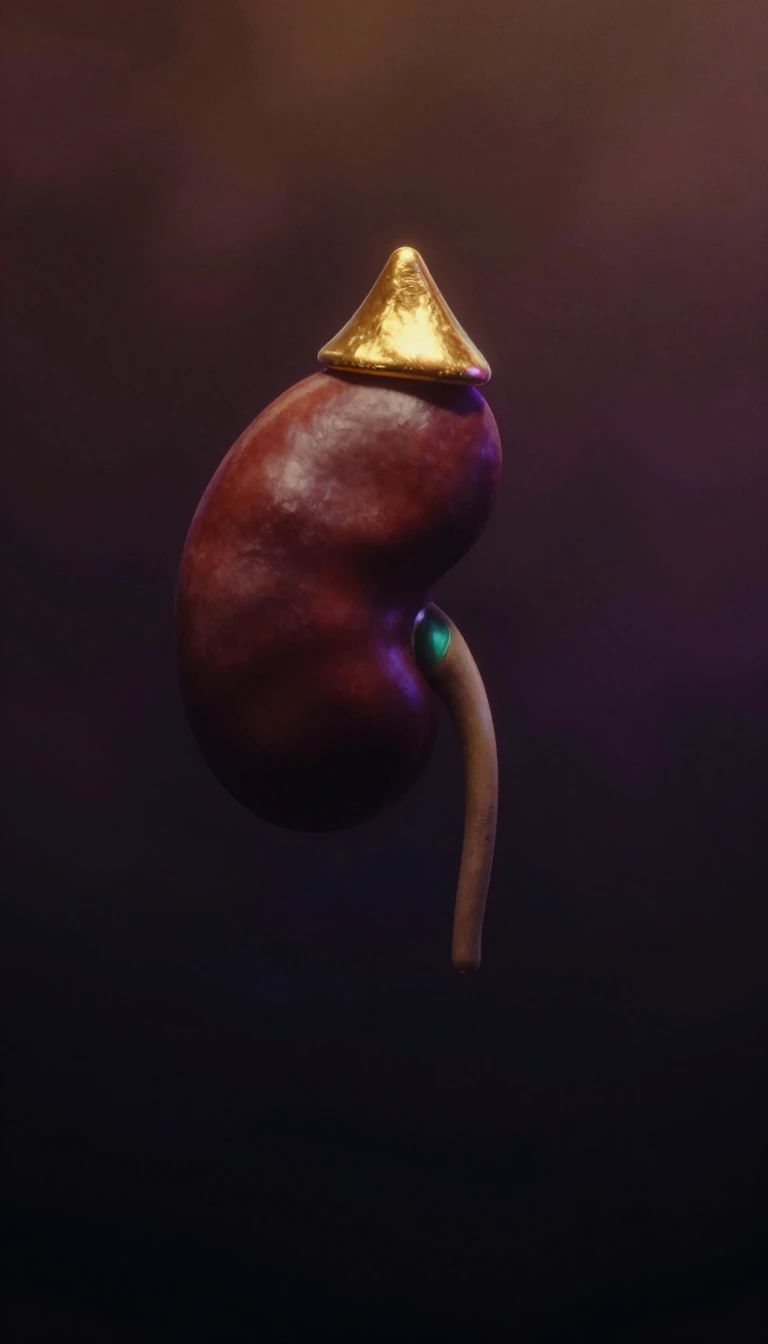 Adrenochrome: From a Failed Schizophrenia Theory to a Modern Dark ConspiracyAdrenochrome is a real chemical compound, but it is not a rare, human-derived elixir of youth. While it has been the subject of scientific speculation and fictional exaggeration, …
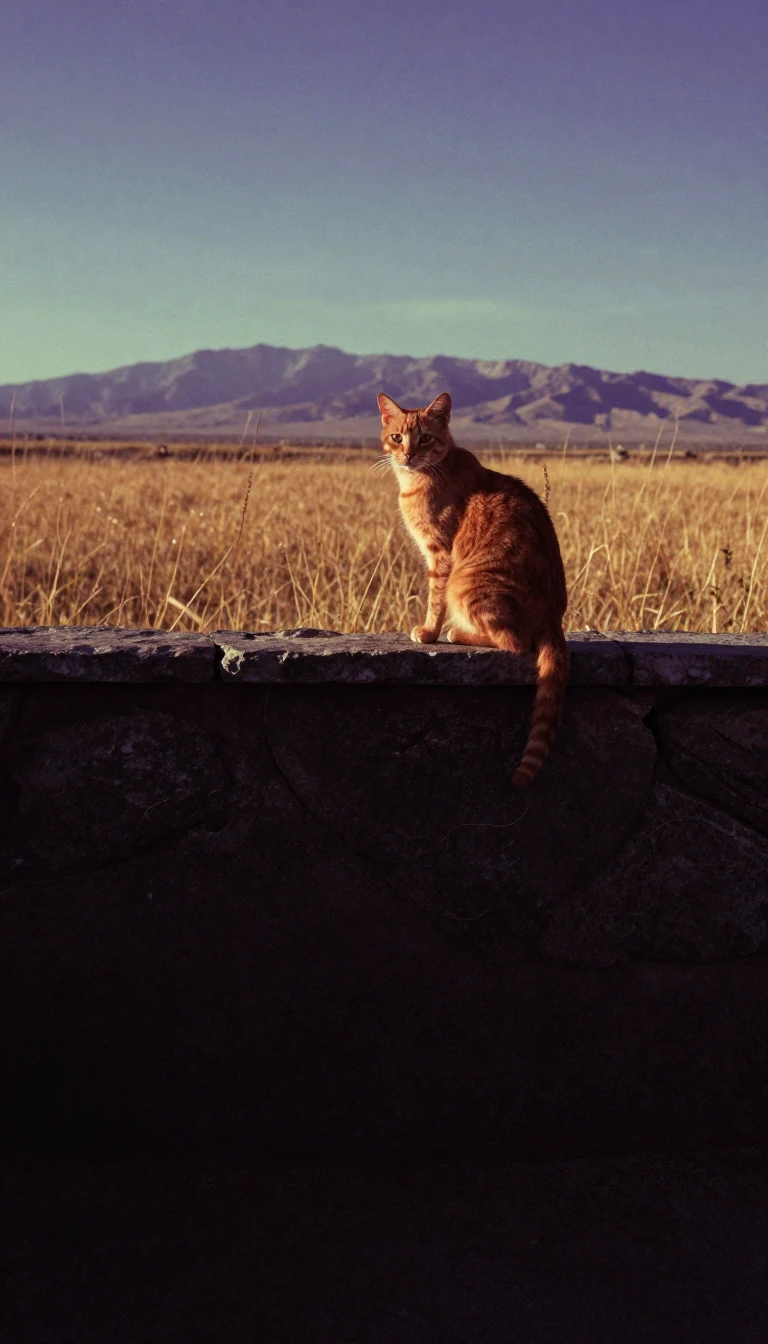 The elusive African golden cat is a master of camouflage in deep rainforestsTwice the size of a house cat, this secretive predator dwells within the dense, humid jungles of West and Central Africa. Despite its striking coat, which ranges from fiery red to…
- How global labor migration and historical exclusion created diverse Afro-Asian populations across the world.From the sugar plantations of the Caribbean to the mining camps of the Congo, Afro-Asian communities have emerged for centuries. Often driven by male-dominated labor migration and…
 Why do these ascetics embrace the macabre to find spiritual liberation?The Aghori are a unique Tantric order known for rituals that defy conventional Hindu purity. By dwelling in cremation grounds and engaging with human remains, they seek to transce…
 When an air bubble enters your bloodstream, it becomes a life-threatening medical emergencyAn air embolism occurs when gas enters a blood vessel, creating a blockage that disrupts circulation. While often associated with medical procedures, it can also strike deep-sea d…
 How a shortened, troubled airliner design became the backbone of Airbus's global success.Born from a need to bridge the gap between smaller regional jets and the massive A300, the Airbus A310 was a gamble that nearly failed. By shrinking the fuselage but keeping the w…
 This ancient Andean superfood was once banned by Spanish colonizers but is now returning.Known as kiwicha to the Incas, Amaranthus caudatus is a resilient, high-protein grain that thrives at extreme altitudes. Though suppressed for centuries after the Spanish conquest…
 The American Red Cross is not a government agency, yet it holds a congressional mandate.Founded by Clara Barton in 1881, the American Red Cross is a private nonprofit that operates under a unique federal charter. While many assume it functions as a government emergen…
 The sudden collapse of Amino, a once-thriving hub for niche digital communitiesAfter years of hosting millions of fan-driven communities, the social platform Amino abruptly vanished in late 2025. Once a mobile-native haven for fandoms to chat and create, the…
- Does the 2020 film Ammonite accurately portray the life of paleontologist Mary Anning?Francis Lee’s drama imagines a romantic connection between the famed fossil hunter and a geologist’s wife. While the film captures the isolation of 1840s Lyme Regis, its central r…
 Why medieval French still shapes the way we speak English todayAfter 1066, England became a trilingual society where Latin, Middle English, and a unique dialect of Old French coexisted. This Anglo-Norman language, once the tongue of kings and…