 Intellect Plus
Science
17,267 cards. Each one is a 40-second story with a five-minute read behind it. Page 207 of 288.
Subtopics: Acids and bases · Algebra · Alloys and ceramic compounds · Analysis · Applied mathematics · Atomic and molecular physics · Atoms · Basics · Biochemistry · Biochemistry and molecular biology · Biological processes and physiology · Biology · Biology and health sciences: General · Biology basics · Calculus and analysis · Cell biology · Cells · Chemical elements · Chemistry · Climate · Cold · Color · Computer scientists and programmers · Condensed matter physics · Discrete mathematics · Earth science · Electricity & magnetism · Electromagnetism · Elements · Entropy · Everyday Science Questions · Evolutionary biology · Famous equations · Famous experiments · Found by OrchestratorBot · Foundations · Functions · Future Frontier · Genetics and molecular biology · Geology · Geometry · Glass · Global Curiosity Questions · Heat · How Did the Dinosaurs Become Extinct? · How Things Work: Gas from Source to Supply · How Things Work: The Journey of Crude Oil · Human body & genes · Ice · Infinity · Inventors and engineers · Isotopes · Light · Magnetism · Materials · Mathematicians · Maths · Measurement · Mechanics · Microbiology · Minerals & crystals · Molecular compounds · Nature: How Long Can It Live? · Nuclear physics · Number theory · Optics & light · Organic compounds · Other · Particle physics · Physics · Physics basics · Pre-modern figures · Prime numbers & number theory · Probability · Proof · Pseudoscientists · Quantum · Quantum Biology · Reactions and synthesis · Relativity · Research methods · Researched · Salts and ions · Science basics · Scientific discoveries · Scientific instruments · Scientists, inventors and mathematicians · Separation processes · Social scientists · Stars · Statistics and probability · Theoretical computer science · Theory · Thermodynamics · Thermodynamics & heat · UK & Ireland: science · Units & measurement · Volcanoes · Water · Waves · Women in science
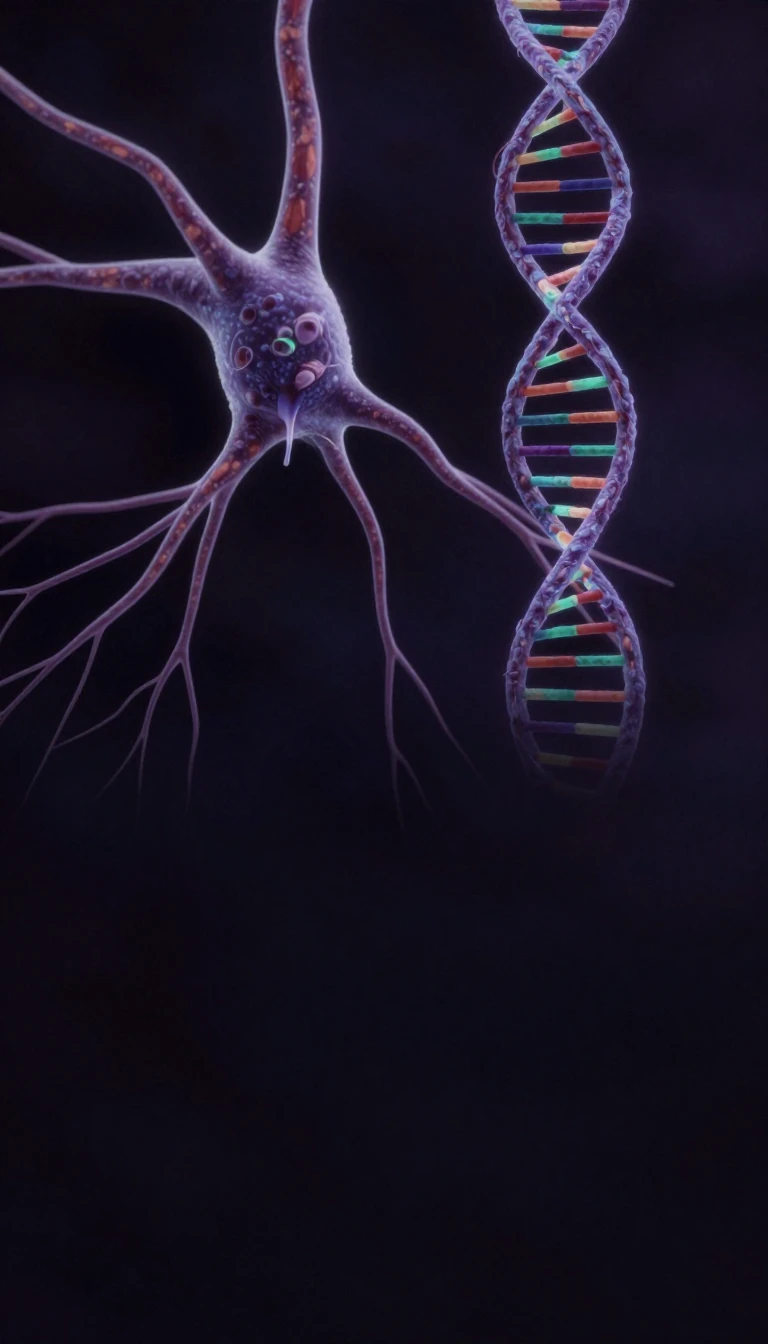 Actin is the master architect and motor behind every movement your cells makeActin is a protein that serves as the backbone of your cells. It exists in two forms, G-actin and F-actin, which constantly assemble and disassemble to build the cytoskeleton. Thi…
- The protein that powers your muscles also acts as a dynamic cellular architect.Actin is far more than a muscle component. This versatile protein polymerizes into polar filaments that constantly assemble and disassemble, driving everything from cellular movem…
 Adenine is the essential chemical anchor for life's genetic code and energy transferAdenine is a fundamental purine compound that acts as a vital building block for DNA and RNA. Beyond its role in heredity, this versatile molecule is the core component of ATP, th…
 Why this simple amino acid is the secret backbone of protein structureAlanine is more than just a building block for proteins. It is a metabolic shuttle that powers muscle contraction, a tool for mapping the 3D architecture of life, and a precise se…
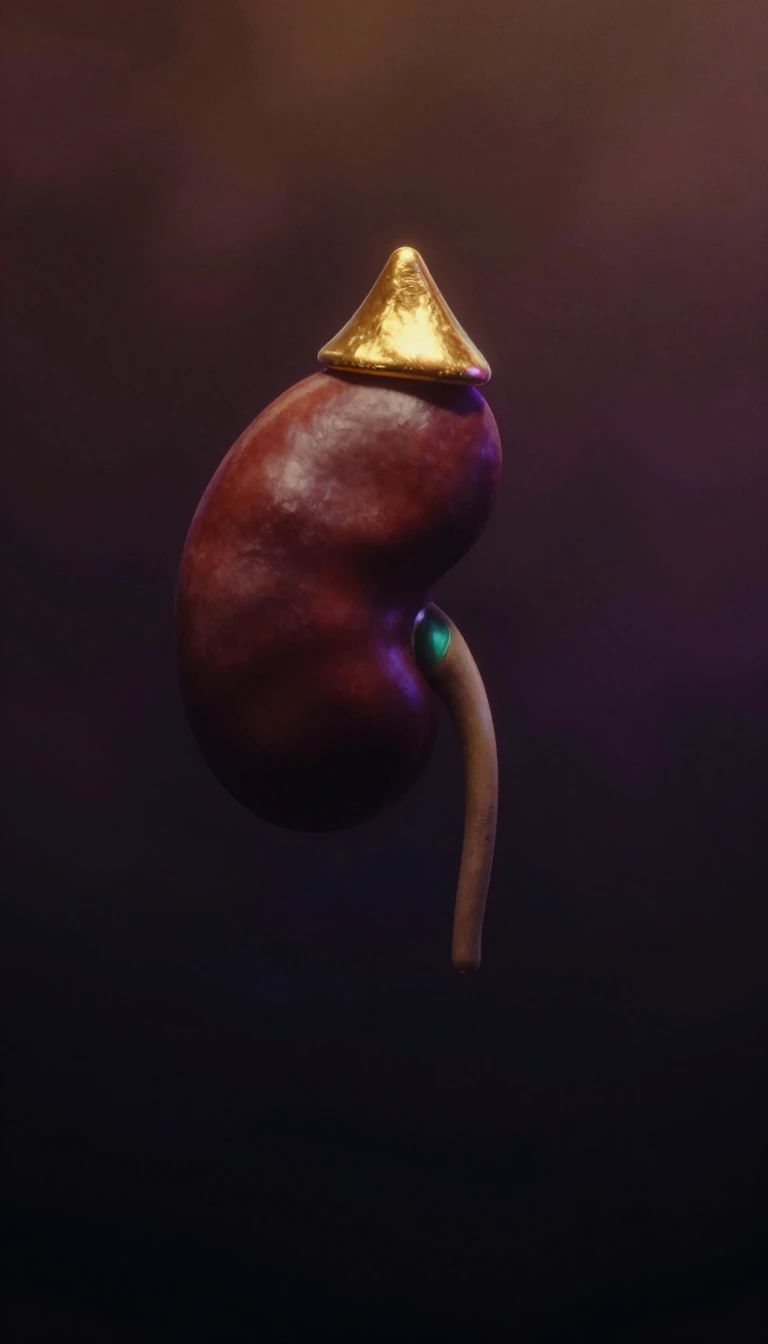 Your blood pressure is controlled by a steroid hormone secreted by your adrenal glands.Aldosterone is the body's master regulator of salt and water balance. By signaling your kidneys to retain sodium and excrete potassium, this steroid hormone maintains the fluid le…
 Life without oxygen: how microbes power the planet using alternative chemical energy sourcesWhile we rely on oxygen to breathe, many organisms thrive in its absence by using alternative electron acceptors. This process, known as anaerobic respiration, drives global nutri…
 Androgens are essential for everyone, not just for developing male physical characteristics.While often labeled as male sex hormones, androgens are vital for the health of all people. These hormones, including the primary driver testosterone, influence everything from re…
 The tiny, swimming sperm factories that power reproduction in ferns and mossesBefore plants evolved pollen to travel through the air, they relied on a sophisticated aquatic delivery system. The antheridium is a specialized male organ that acts as a secure, …
 How do we know which antibiotics will actually kill a specific bacterial infection?When a patient falls ill, doctors often start with empirical therapy, guessing which antibiotic might work. But to be certain, labs use minimum inhibitory concentration assays. Th…
 The ancient flask-shaped organ that paved the way for the evolution of seedsBefore seeds existed, plants relied on a specialized structure called the archegonium to house their eggs. This flask-shaped organ, found in ferns and mosses, reveals a surprising…
 Can we define life by simulating it rather than just observing it?Artificial life researchers treat biology as a process rather than a physical substance. By building digital environments where simple rules trigger complex, emergent behaviors, s…
 The tiny biological engines that power life by spinning at the molecular levelEvery living cell relies on a class of enzymes called ATPases to manage its energy currency. These remarkable proteins act as both chemical pumps and rotary motors, driving essent…
- Autophagy is your body's internal recycling system, but it is not a wellness cure.Autophagy is a vital biological process where cells break down and recycle damaged components to maintain balance. While often marketed as a trendy health hack for rejuvenation, t…
 Plants lack a nervous system, yet they navigate their environment with sophisticated chemical signals.Plants do not have brains, but they possess a complex internal communication network. Auxin, a vital phytohormone, acts as a mobile signal that coordinates growth, organ developme…
 Bacteria wear invisible shields of sugar and protein to survive and evade our immunityMany bacteria secrete a dense, tightly attached outer layer called a capsule. This protective shell acts as a biological suit of armor, helping pathogens resist immune attacks, pr…
- The rigid armor of bacteria is a unique polymer found nowhere else in nature.Bacteria survive extreme environments thanks to a specialized cell wall made of peptidoglycan. This structural mesh, absent in human cells, acts as both a protective shield and a …
 Why do we belch, and is it a sign of something more serious?Belching is a natural process that releases swallowed air from your stomach. While usually harmless, excessive burping can sometimes signal underlying digestive issues or behavior…
 How cells talk: the intricate biochemical cascades that keep your body aliveYour cells are not isolated units; they are part of a massive, silent conversation. Through biochemical cascades, cells detect external cues, amplify signals, and trigger precise …
 Life on Earth relies on seven distinct biological pathways to turn carbon into fuel.While photosynthesis is the most famous method for capturing carbon dioxide, it is only one of seven known biological pathways. From the depths of hydrothermal vents to the surfac…
- Biological membranes are not static walls but dynamic, fluid mosaics essential for lifeFar from being simple boundaries, cell membranes are sophisticated, self-assembling structures that act as the gatekeepers of life. They manage everything from energy production t…
 Living organisms build complex polymers that are now revolutionizing medicine and sustainable material science.Biopolymers are long, repeating chains synthesized by life itself. From the DNA in your cells to the proteins in your muscles, these molecules possess a structural precision that …
- Nature uses a clever carbon-editing trick to build complex chemical structuresBiosynthesis is the cellular engine that generates life's essential compounds through precise enzymatic sequences. While scientists have long understood the basics, recent discove…
 How a simple ball of cells transforms into the blueprint for a complex organismBlastulation is the pivotal moment when a cluster of identical cells organizes into a structured embryo. By forming a fluid-filled cavity called the blastocoel, the embryo establi…
- Why your eyes blink far more often than they need for simple lubricationYou blink about 17 times a minute, yet your eyes rarely need that much moisture. This rapid movement is not just a cleaning mechanism; it is a complex neurological event linked to…
- Some animals survive extreme conditions by essentially turning their metabolism off until conditions improve.Bradymetabolism describes creatures capable of shifting between high active states and near-death resting states. By dramatically slowing their internal processes in response to t…
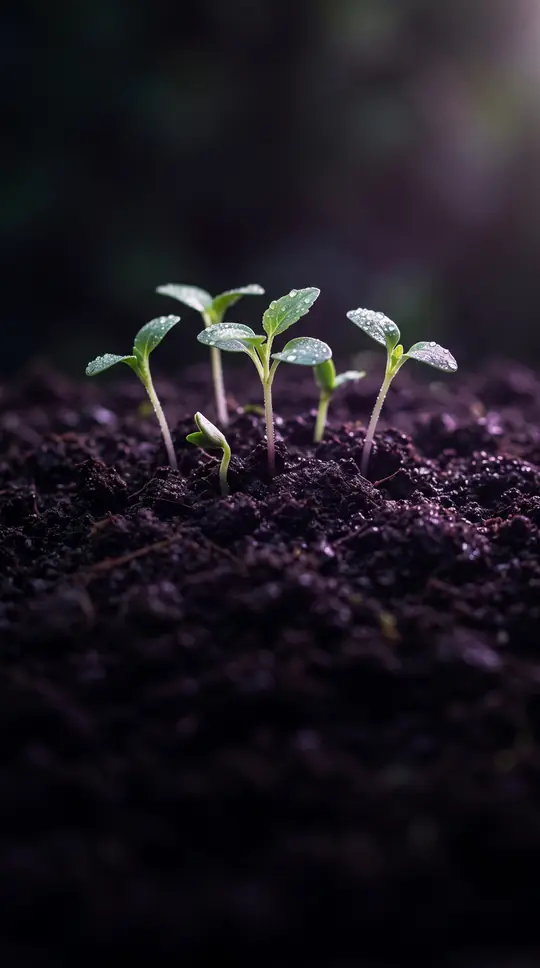 Plants use their own steroid hormones to master growth and survive environmental stressBrassinosteroids are plant-specific steroid hormones that act as master regulators of development. Unlike animal steroids, these molecules trigger a specialized receptor kinase pa…
 Why most babies turn head-first before birth and what happens when they do notMost fetuses naturally rotate into a head-down position by the final trimester, but about 3 to 4 percent remain in a breech position. When a baby is bottom or feet first at 36 wee…
 The ancient metabolic engine powering 95% of Earth's plant life is surprisingly inefficient.C3 carbon fixation is the primary way plants turn sunlight and air into energy. While it dominates the planet, it is plagued by a wasteful process called photorespiration. Scienti…
- C4 plants bypass a fundamental photosynthetic flaw to thrive in hot, dry climates.Plants typically lose energy through photorespiration, a wasteful process triggered by the enzyme Rubisco. C4 plants have evolved a clever biochemical workaround, spatially separa…
- Why the Calvin cycle is not a dark reaction despite its common nameThe Calvin cycle is a vital engine of life, yet its nickname is misleading. It does not run in the dark; it requires light-dependent energy to function. This complex biochemical p…
- Why is carbon the undisputed champion of life, and could anything else compete?Carbon is the skeleton of all known life, making up nearly half of our dry biomass. Its unique ability to form stable, complex chains allows for the intricate chemistry required f…
- Can eating too many carrots turn your skin orange, and is it actually dangerous?Beta-carotene is a vibrant pigment found in everything from carrots to algae. While it serves as a vital precursor to vitamin A, consuming it in excess can lead to a harmless, tem…
- Your body is a furnace, constantly breaking down its own structures to keep you alive.Catabolism is the destructive half of your metabolism, a relentless process of breaking down complex molecules into smaller units. It is not merely waste; it is the essential mech…
 Your body is a graveyard: why cells must die for you to liveCell death is often viewed as a morbid accident, but it is actually a vital, genetically programmed process. From sculpting your fingers in the womb to maintaining immune balance,…
- How your cells hold together and talk to each other across microscopic gapsYour body is not just a collection of cells, but a highly organized structure held together by complex protein machinery. From the rivets that anchor your skin to the channels tha…
 How cells navigate their environment to build, repair, and sometimes destroy our tissuesCell migration is the engine of life, driving everything from embryonic development and wound healing to immune responses. Yet, this same process can be hijacked by cancer cells t…
 Why your cells are not just blobs: the essential architecture of biological asymmetryCell polarity is the asymmetric organization of cellular components, a fundamental trait conserved from simple bacteria to complex humans. It dictates how cells divide, migrate, a…
- How your body builds specialized cells from a single, versatile genetic blueprintYour body is a masterpiece of biological engineering, constantly transforming generic stem cells into highly specific units like neurons or gut lining. This process, known as diff…
 The centrosome is the cell's master organizer, yet it is surprisingly optional for survival.Often called the cell's command center, the centrosome orchestrates microtubule assembly and guides cell division. While essential for high-fidelity replication in many species, i…
 Life in the dark: how some organisms thrive without a single ray of sunlightWhile most life on Earth relies on the sun, a hidden world of organisms thrives in total darkness. By oxidizing inorganic compounds like hydrogen sulfide, these creatures convert …
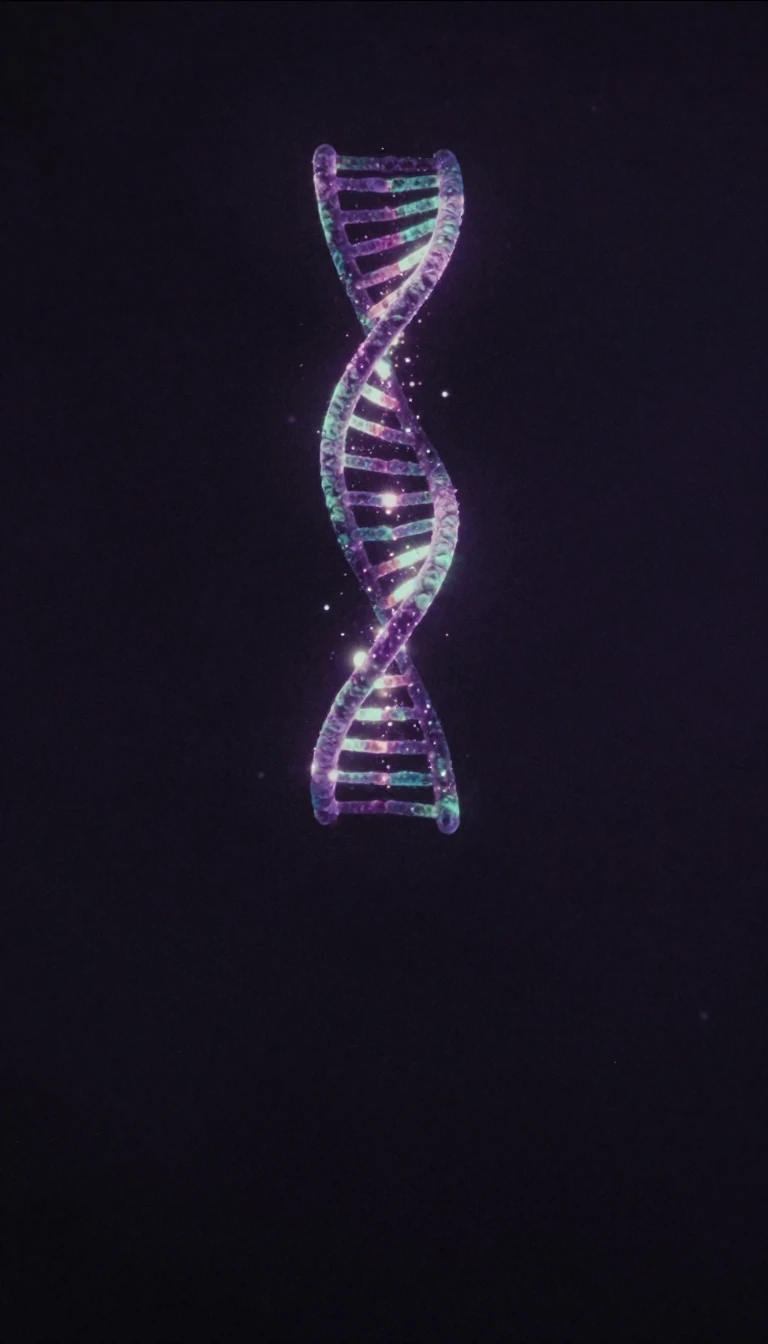 Chromatin is the dynamic gatekeeper that controls how your DNA is read and repaired.Far from being a static storage box for your genetic code, chromatin is a sophisticated, liquid-like machine. It constantly shifts its structure to pack meters of DNA into a micro…
 When chromosomes swap pieces, the results can be life-saving or life-threateningChromosomal translocation occurs when genetic material breaks away from its original home and attaches to a different chromosome. While these structural rearrangements are sometim…
- The citric acid cycle is the engine that powers your cells, not just a loop.Often called the Krebs cycle, this biochemical sequence is the central hub of cellular respiration. It consumes nutrients to generate the chemical energy required for life. While …
 Why your family tree might include fish, worms, and every other living thingCladistics is the dominant method for classifying life, but it forces a radical shift in perspective. By grouping organisms strictly by their shared ancestry, it reveals that trad…
 Why your earliest cells divide without growing, keeping you the size of an egg.After fertilization, a zygote undergoes rapid cellular divisions called cleavage. Remarkably, the embryo does not grow in size during this phase. Instead, it repeatedly subdivides…
 Cloning vectors are the microscopic delivery trucks that make modern genetic engineering possibleTo clone a gene, you need a vehicle to carry it into a host cell. These vehicles, known as cloning vectors, are specialized DNA molecules that act as molecular delivery trucks. Fr…
 Nature is not a collection of isolated species but a web of mutual influence.Evolution is often pictured as a solitary struggle for survival, but many species are locked in a dance of reciprocal change. From toxic snakes to specialized moths, organisms con…
 Why scientists rewrite the book of life using synthetic copy DNATo mass-produce proteins like insulin, researchers do not just copy genes; they rewrite them. By using an enzyme to turn messenger RNA back into synthetic DNA, they create a strea…
- Can computers truly understand life, or are they just building better maps of it?Computational biology applies computer science to model the complex processes of life. By framing biological mysteries as computational challenges, scientists move beyond simple d…
- How some plants survive extreme drought by breathing only under the cover of darknessIn arid landscapes where water is scarce, certain plants have evolved a clever metabolic workaround. By separating their carbon intake from their energy production, they avoid the…
 Why modern birds are just a small, living slice of a much larger treeIn biology, a crown group represents only the living members of a lineage and their most recent common ancestor. This definition leaves out iconic extinct relatives like Archaeopt…
 Cysteine is the versatile amino acid that holds your proteins together and fights toxinsBeyond building proteins, cysteine acts as a vital chemical multitasker. It forms the structural bridges that give hair and insulin their shape, serves as a precursor to essential…
 How plants manage their growth through a delicate chemical balancing actPlants do not grow like animals. Instead of a fixed lifespan, they remain perpetually embryonic, relying on a sophisticated hormonal system to dictate when to divide, differentiat…
 Cytosine is the fragile foundation of life that keeps changing its own identityAs one of the four essential building blocks of DNA and RNA, cytosine is vital for encoding life. Yet, this molecule is inherently unstable. It frequently undergoes spontaneous ch…
- The cytosol is not just a simple soup, but a highly organized cellular engine.Long dismissed as a mere liquid filler for cells, the cytosol is a sophisticated, crowded environment. It is a complex aqueous matrix where metabolism thrives, signaling pathways …
- Why the missing oxygen atom in deoxyribose makes life as we know it possibleDNA is the stable vault of genetic information, while RNA is a fleeting messenger. The secret to this difference lies in a single missing oxygen atom. By swapping a reactive hydro…
 Why closely related species drift apart: the mechanics of divergent evolutionDivergent evolution explains how a single ancestral population splits into distinct species. By separating into different environments or facing unique pressures, groups accumulat…
- DNA ligase is the essential molecular glue that keeps our genetic code from unraveling.Without DNA ligase, the blueprint of life would be a collection of broken fragments. This remarkable enzyme acts as a biological adhesive, sealing breaks in the double helix to en…
- Your cells perform thousands of emergency repairs every single day to save your genomeEvery day, your DNA faces a barrage of chemical accidents and radiation damage. Without constant, high-speed repair mechanisms, your genetic code would rapidly degrade, leading to…
 Why cold-blooded animals can survive where warm-blooded creatures would starve to deathEctotherms rely on external heat, like sunlight or warm rocks, to regulate their body temperature. Because they do not burn energy to stay warm, they require significantly less fo…