 Intellect Plus
Science
17,267 cards. Each one is a 40-second story with a five-minute read behind it. Page 209 of 288.
Subtopics: Acids and bases · Algebra · Alloys and ceramic compounds · Analysis · Applied mathematics · Atomic and molecular physics · Atoms · Basics · Biochemistry · Biochemistry and molecular biology · Biological processes and physiology · Biology · Biology and health sciences: General · Biology basics · Calculus and analysis · Cell biology · Cells · Chemical elements · Chemistry · Climate · Cold · Color · Computer scientists and programmers · Condensed matter physics · Discrete mathematics · Earth science · Electricity & magnetism · Electromagnetism · Elements · Entropy · Everyday Science Questions · Evolutionary biology · Famous equations · Famous experiments · Found by OrchestratorBot · Foundations · Functions · Future Frontier · Genetics and molecular biology · Geology · Geometry · Glass · Global Curiosity Questions · Heat · How Did the Dinosaurs Become Extinct? · How Things Work: Gas from Source to Supply · How Things Work: The Journey of Crude Oil · Human body & genes · Ice · Infinity · Inventors and engineers · Isotopes · Light · Magnetism · Materials · Mathematicians · Maths · Measurement · Mechanics · Microbiology · Minerals & crystals · Molecular compounds · Nature: How Long Can It Live? · Nuclear physics · Number theory · Optics & light · Organic compounds · Other · Particle physics · Physics · Physics basics · Pre-modern figures · Prime numbers & number theory · Probability · Proof · Pseudoscientists · Quantum · Quantum Biology · Reactions and synthesis · Relativity · Research methods · Researched · Salts and ions · Science basics · Scientific discoveries · Scientific instruments · Scientists, inventors and mathematicians · Separation processes · Social scientists · Stars · Statistics and probability · Theoretical computer science · Theory · Thermodynamics · Thermodynamics & heat · UK & Ireland: science · Units & measurement · Volcanoes · Water · Waves · Women in science
 Why your genetic code is filled with massive amounts of seemingly useless junk DNAFor decades, biologists believed genes were continuous blueprints for proteins. Then, in the 1970s, researchers discovered that our genetic code is actually interrupted by long, n…
 Isoleucine is an essential building block that your body cannot manufacture on its own.As one of the twenty standard amino acids, isoleucine is vital for protein synthesis and cellular function. Because humans lack the metabolic pathways to produce it, this branched…
 Jasmonate is the versatile plant hormone that manages both defense and vital growthLong known as a chemical shield against insects and fungi, jasmonate is actually a master regulator of plant life. It orchestrates everything from seed germination and root develo…
 Some animals survive by stealing body heat from their neighbors in a process called kleptothermy.Ectotherms like snakes and lizards cannot generate their own internal heat, so they often rely on the environment. But some have evolved a clever shortcut: they move into the nest…
 Leptin is the body's master metabolic thermostat, yet it is often misunderstood as just fat.Leptin is a hormone produced by your fat cells that acts as a long-term energy gauge for the brain. When levels are high, it signals satiety; when low, it triggers survival modes.…
 Ligands are the master keys of biology, controlling everything from enzymes to ion channels.In biochemistry, a ligand is any substance that binds to a biomolecule to trigger a biological effect. By docking onto receptors, these molecules force proteins to change their sh…
 How plants turn sunlight into chemical fuel using a solid-state quantum machinePlants do not just absorb light; they operate a sophisticated, solid-state electron transport chain that functions with near-perfect efficiency. By splitting water molecules into …
 Why your cells are wrapped in a double layer of fatCells are mostly water, yet they must keep their contents from washing away. The solution is a thin, flexible membrane made of lipids. By arranging themselves into a double-layere…
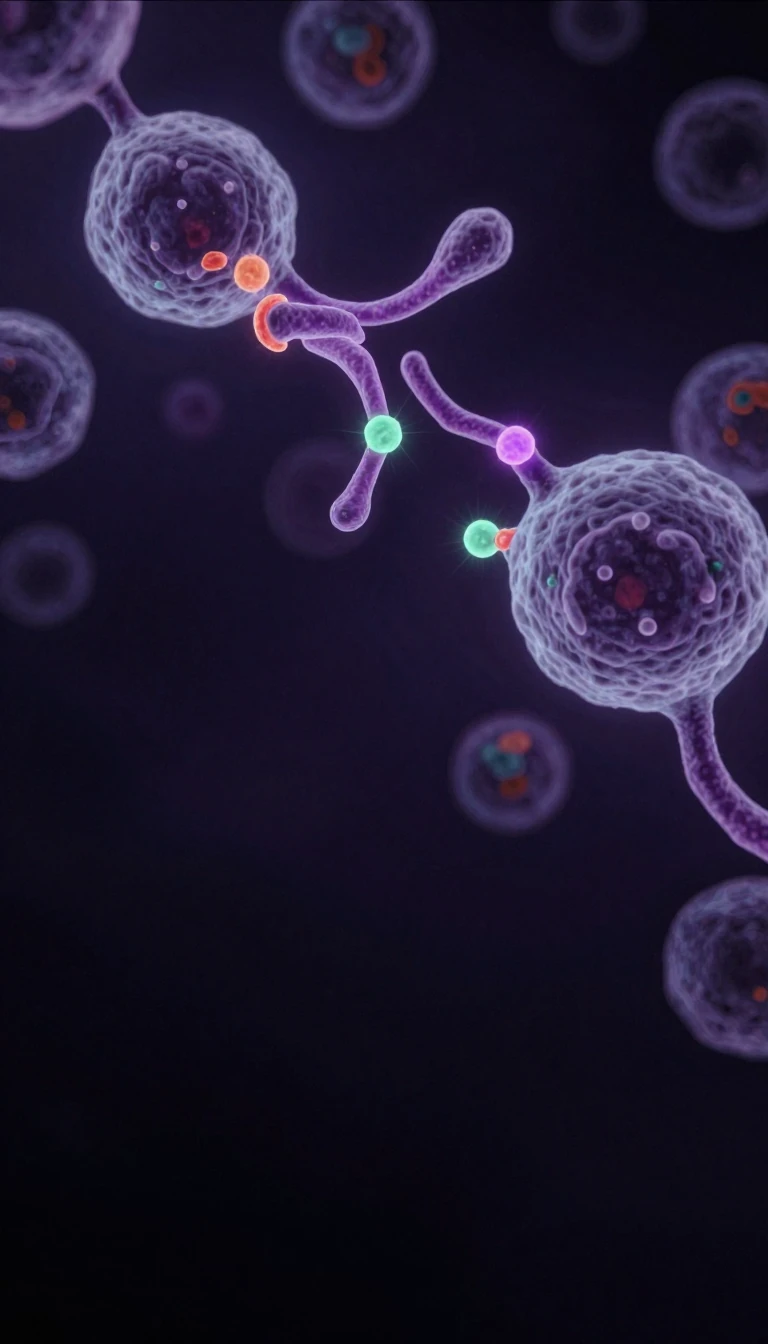 Lipopolysaccharide: The bacterial molecule that both sustains life and triggers lethal shockLipopolysaccharide, or endotoxin, is a massive molecule coating the outer membrane of Gram-negative bacteria. While it provides essential structural integrity for these microbes, …
 Can yellow pigments in your diet actually protect your aging eyes from vision loss?Lutein is a vibrant carotenoid found in leafy greens and egg yolks, often marketed as a miracle supplement for eye health. While it naturally accumulates in the human retina, the …
 Marine biology explores the complex life thriving within our vast, mysterious oceansMarine biology is the scientific study of life in the sea, encompassing everything from microscopic plankton to massive whales. Beyond cataloging species, it examines how organism…
 Your cells are tiny, high-voltage batteries powering the signals that make you think.Every animal cell maintains a precise electrical charge across its membrane, acting like a biological capacitor. This voltage, typically negative, is not just a static state but a…
 Membrane proteins are the gatekeepers of life, yet we barely understand their architecture.Roughly 30 percent of your genome encodes membrane proteins, which act as vital receptors, transporters, and enzymes. They are the targets for over half of all modern medicinal dr…
 Why are cells microscopic? The physical limits of diffusion dictate the size of life.Cells are not small by accident. The rate at which molecules diffuse through a cell is a fixed physical constant, creating a theoretical limit on how large a cell can grow. If a s…
 Why some animals defy the simple binary of cold-blooded versus warm-blooded creaturesBiology often forces animals into two camps: ectotherms that rely on the environment and endotherms that generate their own heat. Yet, mesotherms occupy a fascinating middle groun…
 Metagenomics lets us decode entire microbial communities without needing to grow them in labs.Traditional microbiology relies on culturing individual species, but most microbes refuse to grow in a lab. Metagenomics bypasses this by extracting DNA directly from environmenta…
 Is microevolution just a small-scale version of the grand evolutionary story?Microevolution describes the subtle shifts in gene frequencies within a population over time. While often contrasted with macroevolution, scientists increasingly view them as the …
 Tiny fossils are the most powerful tools for mapping Earth's deep historyMicropaleontology is the study of organisms so small they require a microscope to be seen. These microscopic remains, often less than one millimeter in size, are essential for dat…
- MicroRNAs are tiny genetic switches that control the activity of thousands of human genes.Long dismissed as mere biological noise, microRNAs are actually sophisticated regulators of gene expression. These small non-coding RNA molecules, typically 22 nucleotides long, a…
 Your DNA is a living archive, recording evolutionary history through its own changing structure.Molecular evolution tracks how DNA sequences change over time, turning the genome into a biological clock. By comparing genes across species, scientists can reconstruct the histor…
 How molecular genetics unlocked the secret of our cholesterol and the blueprint of lifeMolecular genetics bridges the gap between abstract inheritance and physical biology. By studying how DNA structures dictate life processes, researchers have moved from identifyin…
- Monosaccharides are the fundamental building blocks that construct the vast diversity of natural carbohydrates.These simple sugars, defined by their carbon count, serve as the essential foundation for everything from plant cell walls to human blood plasma. While often recognized for their …
 Are mutagens always dangerous, or can our cells handle low-level exposure?A mutagen is any physical or chemical agent that permanently alters DNA, pushing mutation rates above natural background levels. While often linked to cancer, the relationship is …
 Myosin is the molecular motor that powers everything from your heartbeat to cellular transport.Long thought to be exclusive to muscle fibers, myosin is actually a vast superfamily of proteins found in nearly all eukaryotic cells. These molecular motors convert chemical ener…
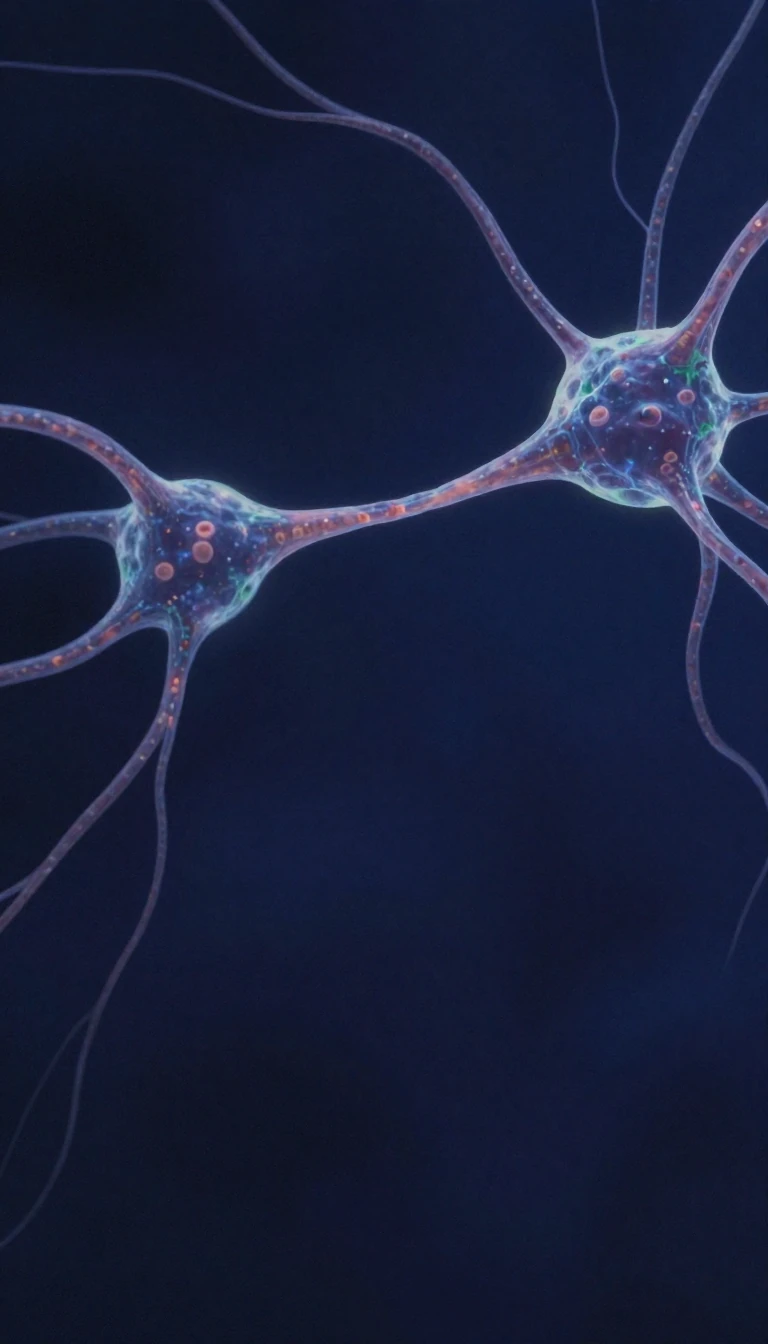 Your brain is a vast, interconnected web of billions of neurons and trillions of synapses.Biological neural networks form the foundation of human thought, memory, and survival. While artificial intelligence models are loosely inspired by these complex systems, the true…
 Why this tiny molecule is the secret to cellular energy and healthy agingNicotinamide adenine dinucleotide, or NAD+, is the silent engine of your biology. It acts as a vital coenzyme, driving the metabolic reactions that turn food into energy while ser…
 Are viruses and viroids alive, or are they just complex, self-replicating chemical machines?For centuries, biology defined life by the cell. Today, that boundary is dissolving. From viruses that blur the line between chemistry and biology to mysterious RNA-based obelisks…
- The vast majority of your DNA does not build proteins, but it is not junk.For decades, scientists dismissed the 98 percent of the human genome that does not code for proteins as junk DNA. Today, we know this vast expanse is far from useless. It acts as …
- Beyond the protein blueprint: the vast, mysterious world of non-coding RNAFor decades, biology focused on proteins as the primary workers of the cell. Yet, we now know that a massive portion of our genome produces RNA that never becomes protein. These n…
 Norepinephrine is the chemical architect of your body's emergency fight-or-flight responseYou know it as the chemical that surges when danger looms, but norepinephrine is also a constant, quiet presence in your brain. It is both a hormone and a neurotransmitter, acting…
- The nuclear envelope is more than a simple barrier; it is a dynamic gatekeeper.This double-layered membrane defines the nucleus, separating genetic material from the cytoplasm. Far from a static wall, it acts as a sophisticated filter, using complex protein …
- The double helix is not just a shape but a masterclass in molecular stability.DNA is far more than a static blueprint. Its iconic twisted ladder structure relies on precise chemical rules to store and replicate life's information. By understanding how these…
- Are clones truly identical, or does the environment shape them into something entirely new?Offspring are the biological legacy of their parents, created through sexual reproduction, artificial insemination, or cloning. While we often think of clones as exact replicas, t…
- Why your body cannot survive without these essential polyunsaturated fat moleculesOmega-3 fatty acids are vital building blocks for your cells, yet your body cannot produce them on its own. These essential nutrients are concentrated in your brain and eyes, supp…
- Are omega-6 fatty acids the secret to longevity or a hidden health risk?For decades, the health community has debated the role of omega-6 fatty acids in our diets. While some fear these common fats drive inflammation and disease, recent large-scale re…
 Your entire lifetime supply of eggs is created before you are even born.The biological clock starts ticking long before birth. By the time a female is born, her ovaries already contain the full inventory of egg cells she will ever possess. These prima…
- Why biological orders are more of an expert opinion than a fixed lawIn the hierarchy of life, the rank of order sits between class and family, intended to group organisms by shared ancestry. Yet, there is no universal rulebook for defining one. Ta…
 Why organic matter is the secret engine of healthy soil and plant growthOrganic matter is more than just garden waste; it is the essential carbon-based foundation of life. Whether derived from plants or animals, this material fuels microbial activity,…
- How every living thing manages the delicate balance of salt and water inside themLife depends on maintaining a precise internal environment. Whether you are a microscopic bacterium, a desert cactus, or a deep-sea shark, you must constantly fight to keep your b…
 Your cells run on a microscopic rotary motor powered by a proton current.Deep inside your mitochondria, a complex assembly of proteins acts as a biological power plant. By shuttling electrons through a series of specialized enzymes, your cells create a…
 How ancient plant fossils reveal the secret timeline of life colonizing our continents.Paleobotany reconstructs the history of life by studying everything from microscopic spores to towering fossilized trees. By analyzing these remnants, scientists trace the dramati…
- How do we reconstruct the lost ecosystems of Earth's deep, ancient past?Paleoecology bridges the gap between paleontology and ecology, using fossilized remains to recreate the environments of long-extinct organisms. By analyzing everything from teeth …
 Why do unrelated species across the globe often evolve into nearly identical forms?When separated by vast oceans, nature often repeats itself. From marsupials in Australia to placentals in North America, distinct lineages frequently develop the same specialized …
 Why parasites are the most successful and misunderstood organisms on our planetParasites live in or on other organisms, often thriving at their host's expense. While we associate them with disease, they are a diverse biological phenomenon found in almost eve…
 Why your cells don't need to spend energy to stay alivePassive transport is the biological equivalent of rolling a ball downhill. By harnessing the second law of thermodynamics, cells move substances across membranes without burning A…
 Why having a disease-causing gene variant does not guarantee you will get sickIn genetics, the presence of a specific mutation does not always dictate your health outcome. This concept, known as penetrance, measures the proportion of people with a particula…
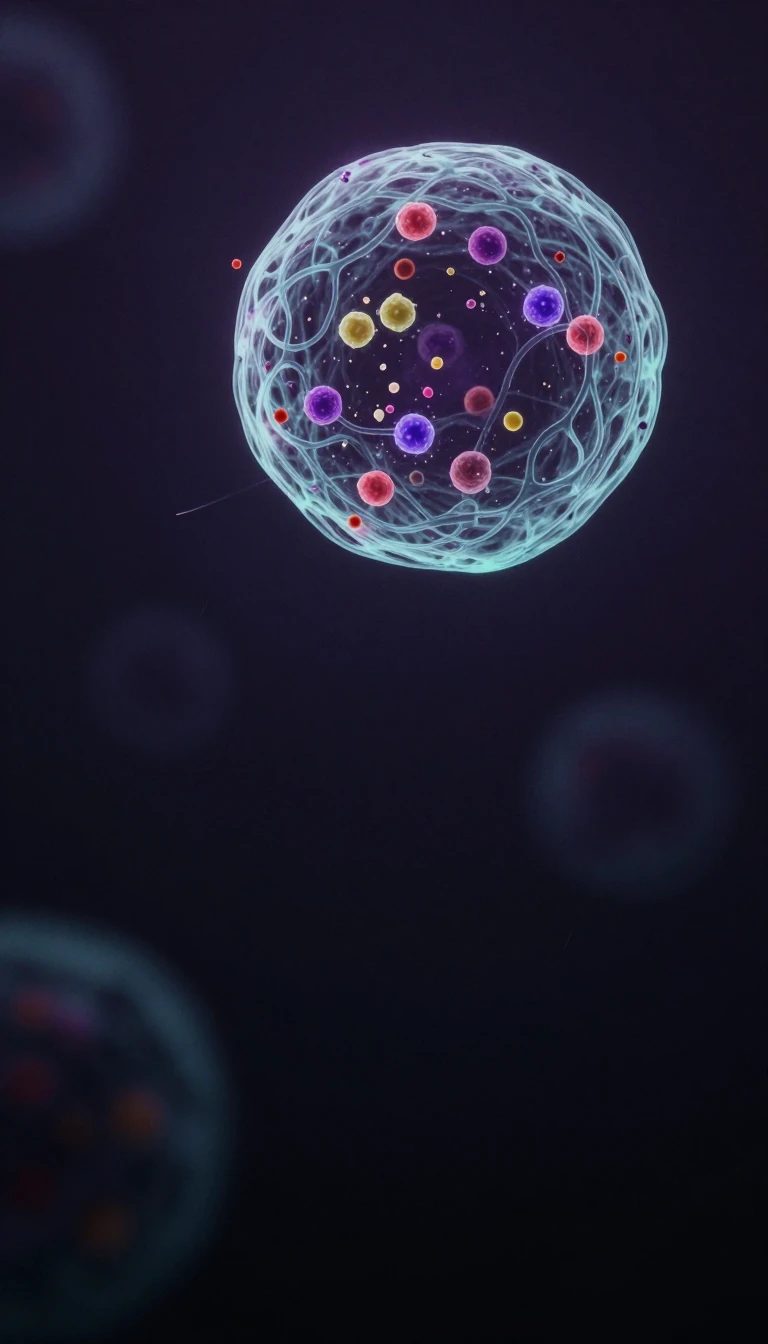 The invisible armor that allows bacteria to survive and conquer every corner of Earth.Peptidoglycan is a massive, mesh-like polymer forming a protective exoskeleton around almost all bacteria. This rigid sacculus shields cells from internal osmotic pressure, dictat…
 Petrified wood is not just a fossil; it is a three-dimensional stone replica.When trees are buried in volcanic ash or mineral-rich water, they undergo a remarkable transformation. Instead of rotting away, their organic tissues are replaced by stone, creati…
 Why does your diet soda carry a warning about a common amino acid?Phenylalanine is a fundamental building block of protein found in everyday foods like eggs and meat. While harmless for most, it poses a serious health risk for individuals with a…
 The hair-like appendages that allow bacteria to trade genes and colonize new environmentsBacteria are not just solitary survivors; they are master networkers. Using hair-like structures called pili, they can anchor themselves to surfaces, form complex biofilms, or eve…
 How a single fertilized egg transforms into the complex architecture of a plantPlant embryogenesis is a masterclass in biological precision. Within hours of fertilization, a zygote begins a series of programmed divisions that establish the primary body plan,…
 Plants are not just passive greenery; they are complex, chemically active, and highly responsive.Plants lack brains, nerves, and pain receptors, yet they are masters of environmental adaptation. They communicate via internal chemical signaling, manipulate light to fuel growth…
- Plants are not isolated cells; they are connected by a vast, microscopic highway system.Plant cells are not solitary units. They are linked by thousands of microscopic channels called plasmodesmata, which form a continuous network across cell walls. This symplastic h…
 Chloroplasts hold their own genetic blueprints, remnants of an ancient symbiotic partnershipDeep inside plant cells, chloroplasts function as semi-autonomous units with their own distinct DNA. While these organelles evolved from ancient cyanobacteria, they have shed most…
 Why some animals thrive on a fraction of the energy homeotherms requirePoikilotherms are animals whose internal temperatures fluctuate with their environment, a strategy that demands far less energy than the constant heat maintenance of homeotherms. …
- A single DNA base change can be silent or completely rewrite a protein's function.A point mutation is a subtle genetic error where one base pair in DNA is swapped, added, or deleted. While often caused by replication mistakes or radiation, these tiny shifts can…
 How the mathematics of chance and selection define the evolution of every living thing.Population genetics is the rigorous study of how genetic variation shifts within groups. By reconciling Mendelian inheritance with statistical models, this field explains how natu…
- Your proteins are not finished when they leave the ribosome; they are just beginning.After proteins are synthesized, they undergo post-translational modifications—covalent edits that diversify their function far beyond the genetic code. From adding lipids to attac…
 From a single cell to a beating heart: the hidden mechanics of mammalian gestationThe journey from fertilization to birth is a masterpiece of biological engineering. Within days, a microscopic cluster of cells orchestrates a complex invasion of the uterine lini…
 Why three out of four women experience premenstrual syndrome and how it worksPremenstrual syndrome affects up to 75 percent of menstruating women, manifesting in a vast array of physical and emotional symptoms. While the exact biological triggers remain el…