 Intellect Plus
Nature
11,198 cards. Each one is a 40-second story with a five-minute read behind it. Page 2 of 187.
Subtopics: Ageing · Air · Animal behaviour · Animal breeds and hybrids · Animals · Arthropods · Atmosphere · Big cats · Bilateria, others · Birds · Botany · Cnidarians · Conservation · Coral reefs · Deep sea · Deserts · Dinosaurs · Earth science · Earth science and physical geography · Earth science basics · Earthquakes & tsunamis · Echinoderms · Ecology · Ecosystems · Endangered species · Extinct animals · Farming · Fish · Forests · Fungi · General classifications · Geology · Geomorphology · How Long Can It Live? · Ice · Individual animals · Insects · Lightning · Longevity · Mammals · Marsupials · Migration · Mollusks · Ocean · Organisms · Parasites · Physical geography · Plants · Porifera · Predators · Primates · Rainforest · Reptiles & amphibians · Researched · Sharks & rays · Spiders & arachnids · Symbiosis · Trees · UK & Ireland: nature · Vertebrates · Vision · Volcanoes · Water · Waves · Weather · Whales & dolphins · Zoology
 Green lacewing larvae are so voracious that farmers buy them by the millionGreen lacewings are delicate insects, but their larvae are fierce predators. Known as aphid lions, they hunt soft-bodied pests, and in several countries millions are reared each y…
 A bird that almost never lands, and cannot perch even when it doesThe chimney swift spends nearly its whole life in the air, feeding, drinking and bathing mid-flight. When it does come to rest, it cannot perch like most birds. It clings to verti…
 The eastern brown snake is among the world's most venomous land snakesFew snakes on Earth carry more medical weight than the eastern brown snake. Found across eastern and central Australia, it is considered the second-most venomous land snake in the…
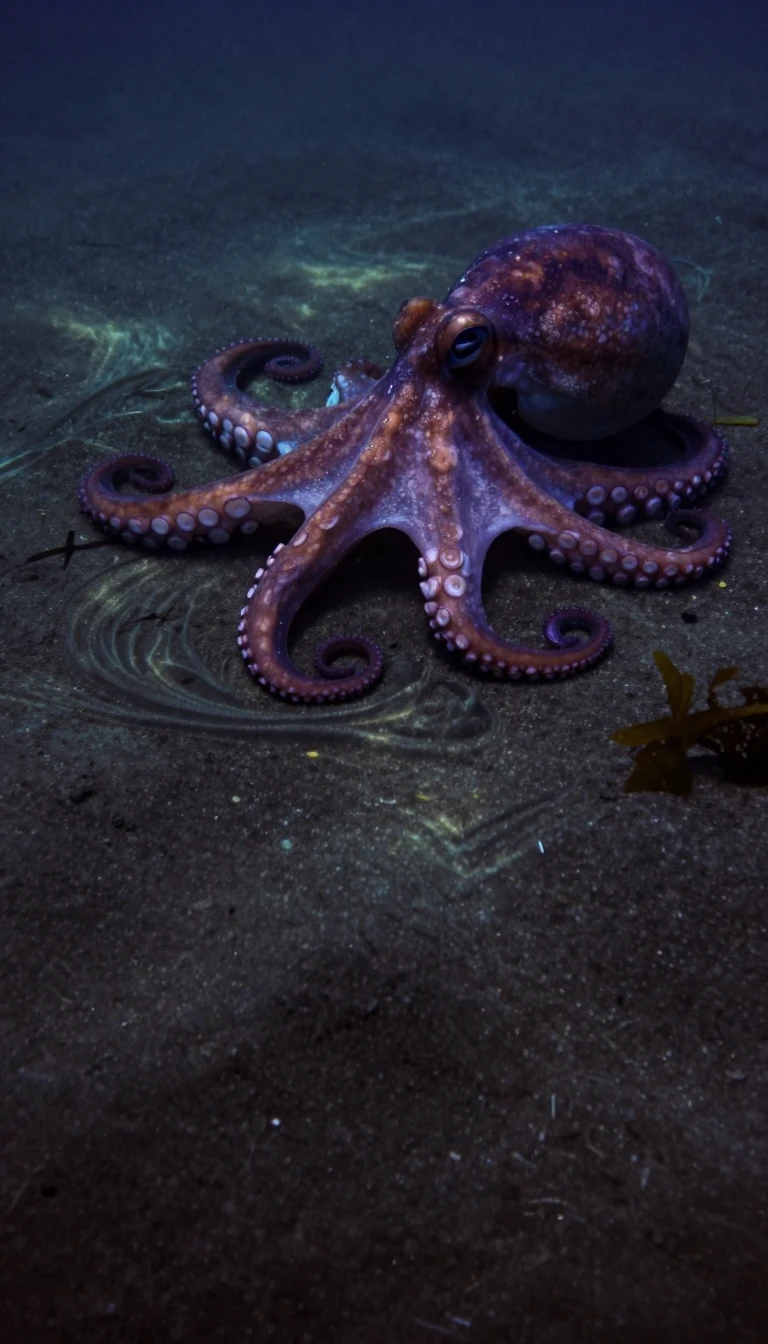 Sea turtles are slow to mature and few hatchlings survive to adulthoodA sea turtle hatchling faces brutal odds. Only about 1 in 1,000 to 10,000 hatchlings is expected to survive to reproduce. Threats begin before birth, when nest temperature decides…
 Marshes sit between land and sea, and they do far more than their flat look suggestsSalt marshes are tidal wetlands where dense, salt-tolerant plants trap and bind sediment. They feed coastal food webs, give young fish a safe nursery, and shelter birds. Their val…
 Some sharks must keep swimming, or they cannot breatheSome sharks, such as the great white, cannot pump water over their gills while resting. They rely on swimming forward to push oxygen-rich water into their mouths. Stop moving, and…
 Hurricanes are fed by warm ocean water and rising, spinning moist airHurricanes begin as clusters of thunderstorms over warm tropical ocean. Rising warm, moist air lowers the surface pressure, surrounding air rushes in and begins to spin, and the s…
 The ocean holds about 97% of Earth's water and supplies half its oxygenOceans cover roughly 70.8% of Earth's surface and contain about 97% of its water. They act as a huge heat reservoir for the climate, support most animal and protist life, and stil…
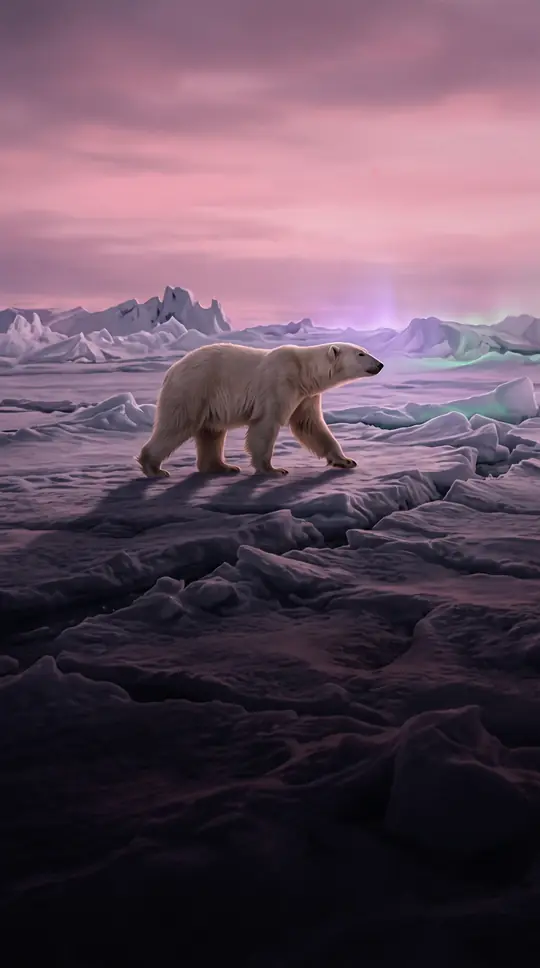
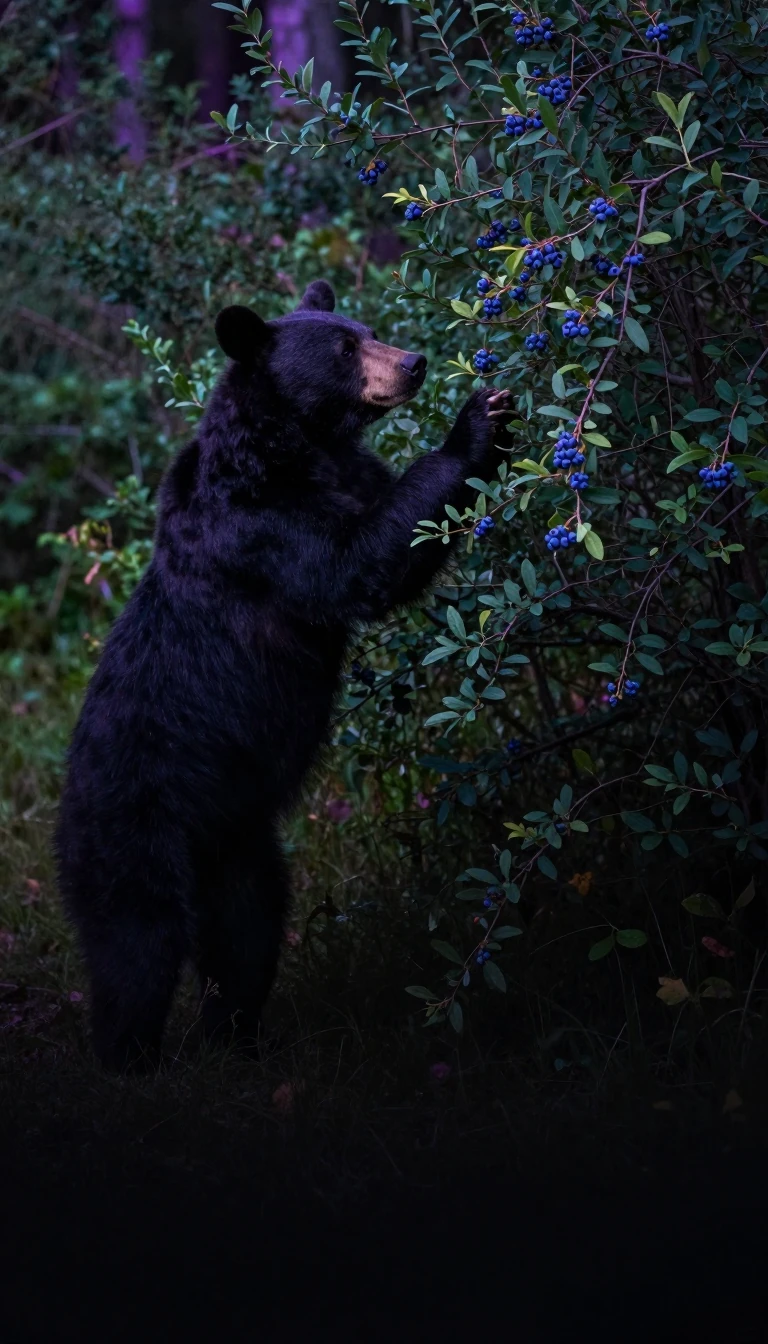 Bears can fast for months, and scientists still argue over what hibernation meansSome bears can go about seven and a half months without eating, drinking or passing waste. Researchers once doubted that bears hibernate at all, because body temperature alone did…
 Birds are living dinosaurs, descended from feathered theropods that survived extinctionBirds are not just pleasant to watch. They are the only living descendants of the dinosaurs, a lineage with more than 11,000 species. They also shape human life through food, feat…
 Rusty crayfish can take over waters by out-competing native species and wrecking plant coverA crayfish from North America has spread through lakes and streams far beyond its home range. Its impact depends on how abundant it becomes, and the damage it does can ripple thro…
 Venus flytraps are declining in the wild, mainly from habitat loss and poachingThe Venus flytrap is the most famous carnivorous plant, yet its wild population is falling fast. It grows in a tiny corner of the Carolinas, and draining, fire suppression, develo…
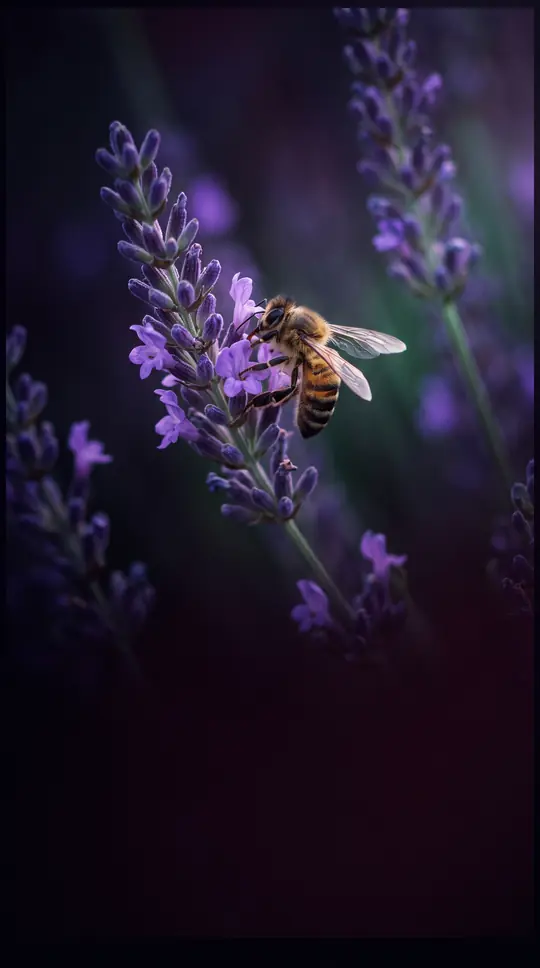
 Bees pollinate many crops and wildflowers, so their decline matters widelyOne estimate holds that about 60 crop species would struggle to set fruit without bees. Bees also support wildflowers and forest and tropical plants. Their numbers are falling, an…
 Birds migrate mainly because the days are shortening, not because food runs outHummingbirds set off south at the very time food is most plentiful. Their urge to leave is set off by shorter daylight in autumn, not by cold or hunger. Young birds with no memory…
 Elephants' big ears help them keep cool, not just hearAn elephant's ears are more than flaps. Large, thin ears give a body big surface area that helps shed heat. African elephants have larger ears than Asian elephants, and that diffe…
 Parrots can mimic human speech without understanding what they sayParrots can copy human words remarkably well, which is why we say someone 'parrots' a phrase when they repeat it without grasping it. A shipwrecked sailor in a famous 1719 novel h…
 Rainforests help regulate rainfall far beyond their own bordersRainforests do far more than shelter wildlife. They recycle moisture into the air, anchor soil against erosion and store carbon, and their influence on rainfall can reach farmers …
 Zebra stripes may help keep biting flies awayWhy do zebras have stripes? New research suggests the pattern helps them avoid biting flies and the serious diseases those insects can carry. Scientists treat this as a question t…
 Deserts are defined by lack of water, not by heat or sandMost people picture deserts as hot and sandy, but the real defining feature is a shortage of moisture. Deserts form where evaporation outpaces rainfall, which can happen in scorch…
 Sugar gliders steer by reshaping a membrane stretched between their limbsA sugar glider is a small Australian possum that can cover 50 metres or more in a single glide without flapping. It spreads a membrane between its limbs and adjusts that membrane,…
 Salmon journey home upstream, and warm water can stop the trip entirelySalmon hatch in freshwater, spend most of their adult lives feeding in the Pacific Ocean, then travel back to the streams of their birth. That homeward climb is remarkable, and it…
 Some rivers stop flowing every year, and many once-permanent rivers now do tooNot every river flows all year. Intermittent rivers stop flowing at least once a year, or at least twice in five years, and they drain roughly a third of Earth's land surface. Man…
 Geese in a V may be mastering wingtip air in ways scientists didn't expectBirds flying in a V save energy by riding the rising air left behind by the bird ahead. Newer research suggests the birds go further, timing their wingbeats to avoid the downwash …
 Two bandicoot species were hiding in museum drawers until a ten-year studyTwo bandicoot species had sat unnoticed in museum collections for generations. A ten-year study of old specimens recognised one living species and one that is likely extinct, and …
 Some migrating birds learn their route from older companions, not instinct aloneMany migrating birds are not simply following an inborn map. Research on reintroduced cranes shows that young birds adjust their timing better when they travel with older birds, a…
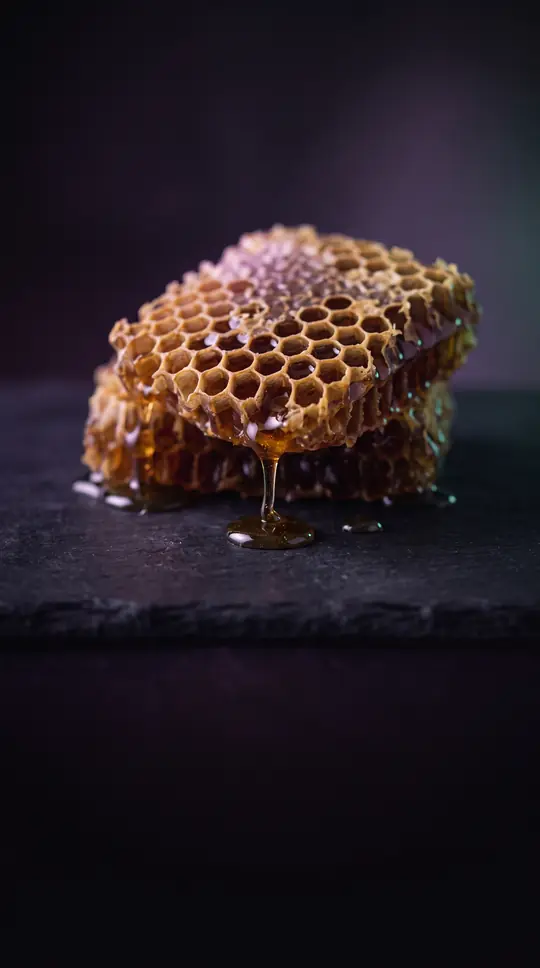 Honey is a bee's pantry, not a gift to humansHoneybees did not make honey for us. A colony stores it as concentrated energy, so it can keep flying, heating its nest and raising young when flowers are scarce. Bees turn watery…
- Giraffe necks may have evolved for both feeding and fightingGiraffes have only seven neck bones, the same number as humans, yet each one is greatly elongated. Scientists have argued for two centuries about why. Feeding on high leaves, male…
 Mosses cover an area about the size of China and quietly enrich soilMosses are easy to overlook, yet a recent global study found they cover roughly 9.4 million square kilometers, about the size of China. Under them, soil tends to hold more carbon,…
- Every river starts as a trickle of water finding its way downhillThe Amazon carries about one-fifth of Earth's freshwater discharge, yet every river, however vast, begins the same way: small flows of water from rain, snowmelt or springs slowly …
 Mushrooms grow from spores or mycelium, deriving all their energy from their growing mediumMushrooms are not plants and do not photosynthesise. They draw all their energy and building materials from the medium they grow in, and they reproduce through spores rather than …
 Desertification is rarely just a story of dry weather; people's land use often matters mostDesertification is the gradual turning of fertile land into arid desert. Its immediate cause is the loss of vegetation, which can come from drought, farming, overgrazing or cuttin…
 Forest elephants have lost most of their population in under three decadesForest elephants of Central Africa have declined so sharply that the IUCN now rates them Critically Endangered. Poaching for ivory is the main driver, and the reasons go beyond a …
 Some deserts form because mountains block the rain, not because of heatDeserts are not all hot sand. Some form because mountains wring the moisture out of passing air, leaving the land behind them dry. Others sit deep inside continents, where no mois…
- Wolves have never been filmed killing a beaver, yet researchers can still map how they huntDespite thousands of hours of wolf observation, no one has ever watched a wolf kill a beaver. Researchers instead read the physical evidence left at kill sites and how wolves move…
- Octopus blood is blue because it carries copper, not ironMost animals with red blood rely on iron, but many octopuses use copper instead. The result is a blue tint that the sources do not describe in detail, so this card cannot answer t…
 A low creeping shrub with berries that can last through winterThe crowberry is a low evergreen shrub that grows across much of the cold Northern Hemisphere. Its black berries can persist on the plant through the winter, a valuable food when …
 A monkey with a famous beard, named after a German emperorThe emperor tamarin, a small monkey from the Amazon, is named for its long white beard, which some say resembles that of Germany's Kaiser Wilhelm II. Males often do much of the in…
 A mountain mammal hunts by feeling vibrations, not by smellThe Pyrenean desman is a small semiaquatic mammal that hunts in fast mountain streams. Its trunk-like snout carries sensitive whiskers and touch receptors that let it feel prey in…
- A California desert park once held a tropical sea and giant mammothsAnza-Borrego Desert State Park looks like barren badlands today, but its eroded layers hold a far wetter past. Fossils record a shallow sea, river deltas, and savannah animals suc…
 Fieldfares are big thrushes that roam the UK in noisy winter flocksEach winter, flocks of fieldfares, large colourful thrushes about the size of a mistle thrush, roam the British countryside. Their loud chattering calls often announce them before…
 Some dinosaurs with huge claws were plant-eaters, not meat-eatersTherizinosaurids were theropods, the group that includes T. rex, yet most of their relatives ate plants. Their hand claws were so large that the longest, from Therizinosaurus, wou…
 One of the world's rarest mammals lives only on Vancouver IslandThe Vancouver Island marmot is found nowhere else on Earth. By 2006 only 32 adults remained in the wild, after an 80 to 90 percent population collapse. Conservation work has since…
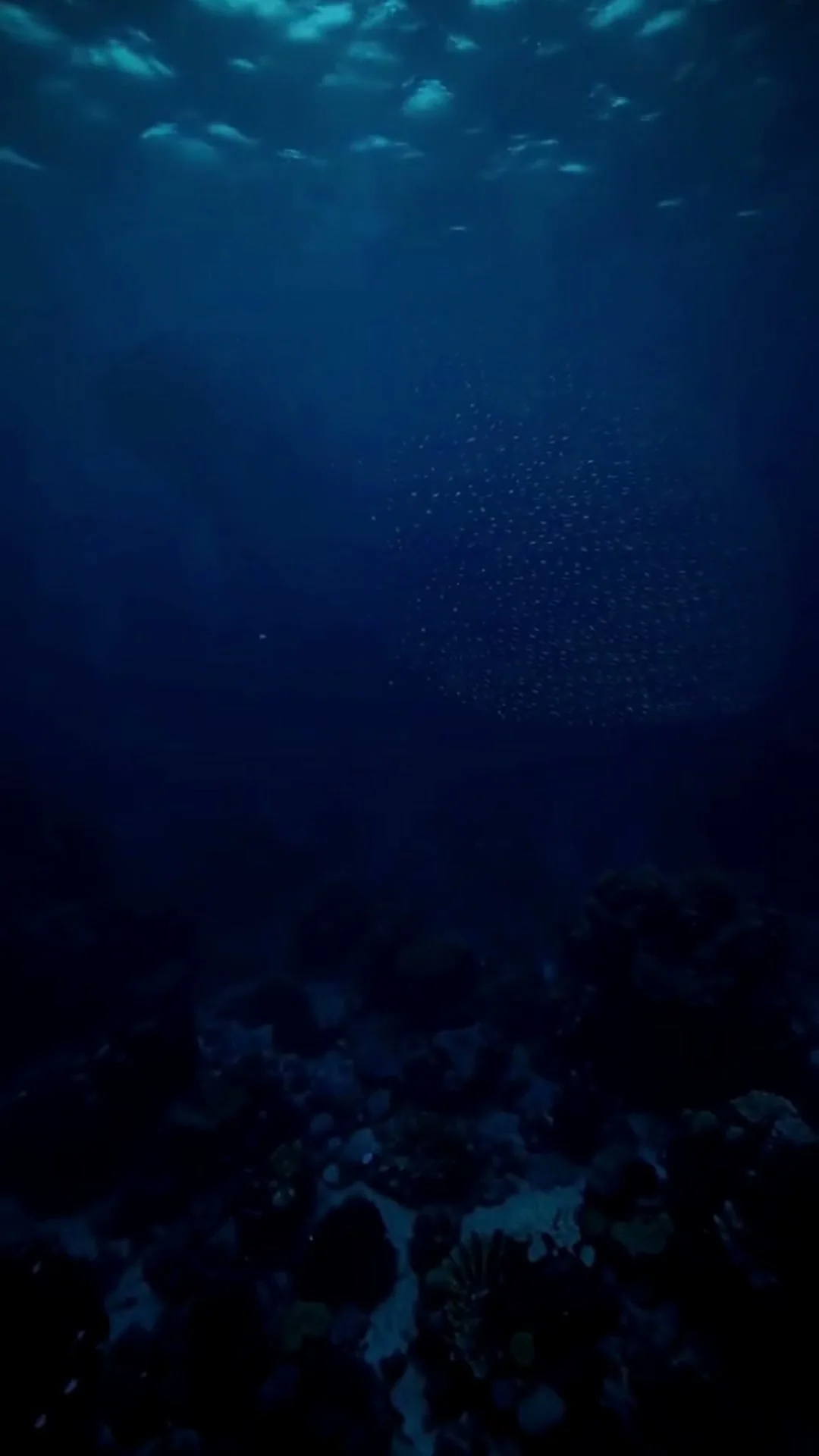 The Biology of Bioluminescence in Deep Sea FishThis film explores the chemical mechanisms and evolutionary strategies of bioluminescence in deep-sea fish, from bacterial symbiosis to specialized red-light detection.
- A chicken eggshell is about 95 to 97 percent calcium carbonateMost of an eggshell is the same mineral that makes up chalk and limestone. Yet it is held together by a protein framework that keeps it from shattering. Its tiny pores let the dev…
 Australia's most endangered marsupial was once presumed extinct for a centuryGilbert's potoroo, a small nocturnal marsupial from south-western Australia, was presumed extinct for about a century until it reappeared in 1994. Today it is the rarest marsupial…
 The first dinosaur skeleton ever mounted was a North American HadrosaurusIn 1868, a team assembled the first mounted dinosaur skeleton ever displayed, and it belonged to Hadrosaurus, a bulky plant-eater from New Jersey. Its discovery began in a marl pi…
 Snow buntings are among the few songbirds that winter far into the ArcticSnow buntings are small black-and-white songbirds that breed in the high Arctic and flock in great numbers across Canada and the United States in winter. Their white plumage camou…
 A small dinosaur's fossil shows it may have scavenged a giant flying reptileSaurornitholestes was a small, feathered-era hunter with a sickle-shaped claw on each foot. Scientists have found one of its teeth lodged in the wing bone of a much larger pterosa…
 The Alaskan husky is bred for performance, not appearanceUnlike most dog breeds, the Alaskan husky has no official breed standard and no kennel club recognition. It was shaped purely by what it can do: pulling, endurance, speed and tole…
 A sea crocodile from the Jurassic may have sucked its prey in like a whaleDakosaurus was a marine crocodile that swam Jurassic seas about 150 million years ago. Its jaws looked like a tyrannosaur's, and its teeth show wear that puzzles paleontologists. …
- North America's smallest dabbling duck is a surprisingly northern winter travelerThe green-winged teal is North America's smallest dabbling duck, yet it stays further north in winter than other teal. Its flocks twist through the air so quickly they can look li…
- A small fossil reptile may be the closest known relative of dinosaursAround 235 million years ago, a pigeon-sized, mostly meat-eating reptile ran on two legs in what is now Argentina. Its fossils have been named, renamed and debated for decades, an…
- A dinosaur nicknamed the chicken from hell lived in North AmericaAnzu wyliei was a feathered-looking giant that roamed what is now the American Great Plains about 67 million years ago. Its toothless beak, tall crest and bird-like skeleton earne…
 A small gull that spends its winters at sea and travels farther than any other gullThe Sabine's gull is a small Arctic bird with a striking triangular wing pattern. It nests on tundra, then spends most of its year over the open ocean, and its migration is the lo…
- Vancouver Island's coastal wolves spend much of their lives eating seafood and swimming between islandsOn the rugged Pacific coast of Canada and Alaska lives a wolf that hunts in the sea as readily as on land. Its diet is largely marine, it swims between islands, and its DNA sets i…
- A venomous mammal that survives only on one Caribbean islandThe Hispaniolan solenodon is a shrew-like mammal that delivers venom through grooves in its lower teeth. It lives only on Hispaniola, shared by Haiti and the Dominican Republic. S…
 A Andean deer found only in the mountains of Argentina and Chile is now critically rareThe south Andean deer, or huemul, lives on steep Andean slopes and cold valleys in Argentina and Chile. Its numbers have fallen so far that it is listed as endangered. Chile even …
- Eudromaeosaurs were hypercarnivores that used sickle claws to pin preyEudromaeosaurs were small to large feathered predators that flourished in the Cretaceous. Their second toe carried a sharp, sickle-shaped claw held off the ground, and their skull…
- Wolves have been hunted for thousands of years, long before farms existedHumans have been hunting wolves for roughly 8,000 to 10,000 years, ever since the animals began preying on livestock in early farming communities. Bounties, bounty hunters and who…
- A kiwi species was once thought gone from the mainland, then rediscovered in 2025The little spotted kiwi is the smallest of New Zealand's five kiwi species, weighing about as much as a bag of sugar. It was once common, then nearly vanished, and was rescued by …