 Intellect Plus
Space
9,120 cards. Each one is a 40-second story with a five-minute read behind it. Page 108 of 152.
Subtopics: Apollo · Asteroids · Astronauts · Astronomical objects · Astronomical technology · Astronomy · Astronomy and geodesy · Astronomy basics · Big bang · Black holes · Celestial mechanics · Celestial sphere · Comets · Constellations · Cosmology · Dark energy · Dark matter · Deep time · Exoplanets · Exploration · Future Frontier · Galactic and extragalactic astronomy · Galaxies · Gravity · Impacts · Interstellar · Jupiter · Light · Mars · Mars exploration · Meteorites & asteroids · Moon · Moon exploration · Moons · Navigation and timekeeping · Nebulae · Observational astronomy · Observatories · Physical cosmology · Physics · Planetary science · Planets · Quantum · Relativity · Rockets & launch vehicles · Satellites · Saturn · Seti · Space · Space agencies · Space probes · Space stations · Space telescopes · Spacecraft · Spaceflight · Stars · Stellar astronomy · Sun & solar physics · Supernovae · Telescopes · Volcanoes · Weather
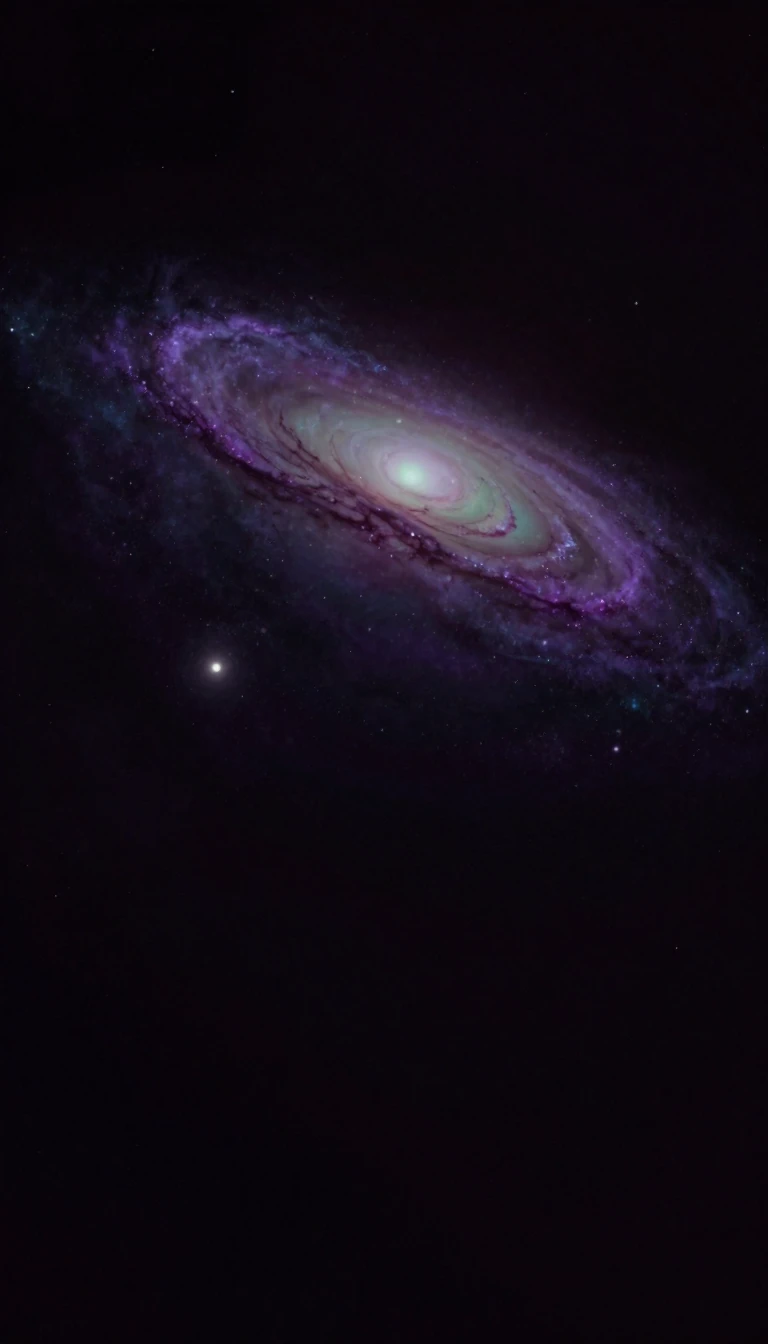 Why neutral hydrogen clouds are the secret map of our galaxy's hidden structureNeutral atomic hydrogen regions, or HI regions, are vast, invisible clouds permeating the interstellar medium. While they emit no visible light, they act as essential tracers for …
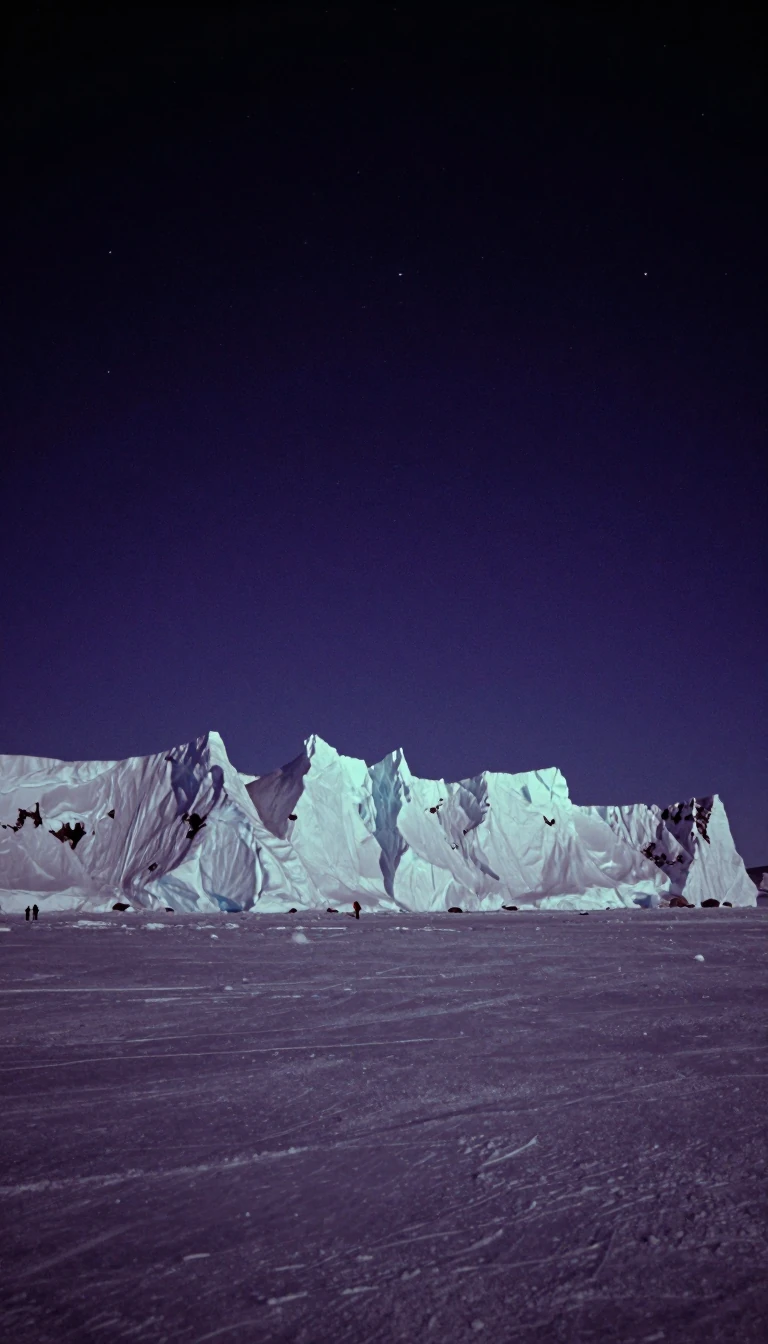 Why the search for alien life is focused on the Goldilocks zoneThe habitable zone is the orbital sweet spot around a star where conditions are just right for liquid water to exist on a planet's surface. While it is our best lead in the search…
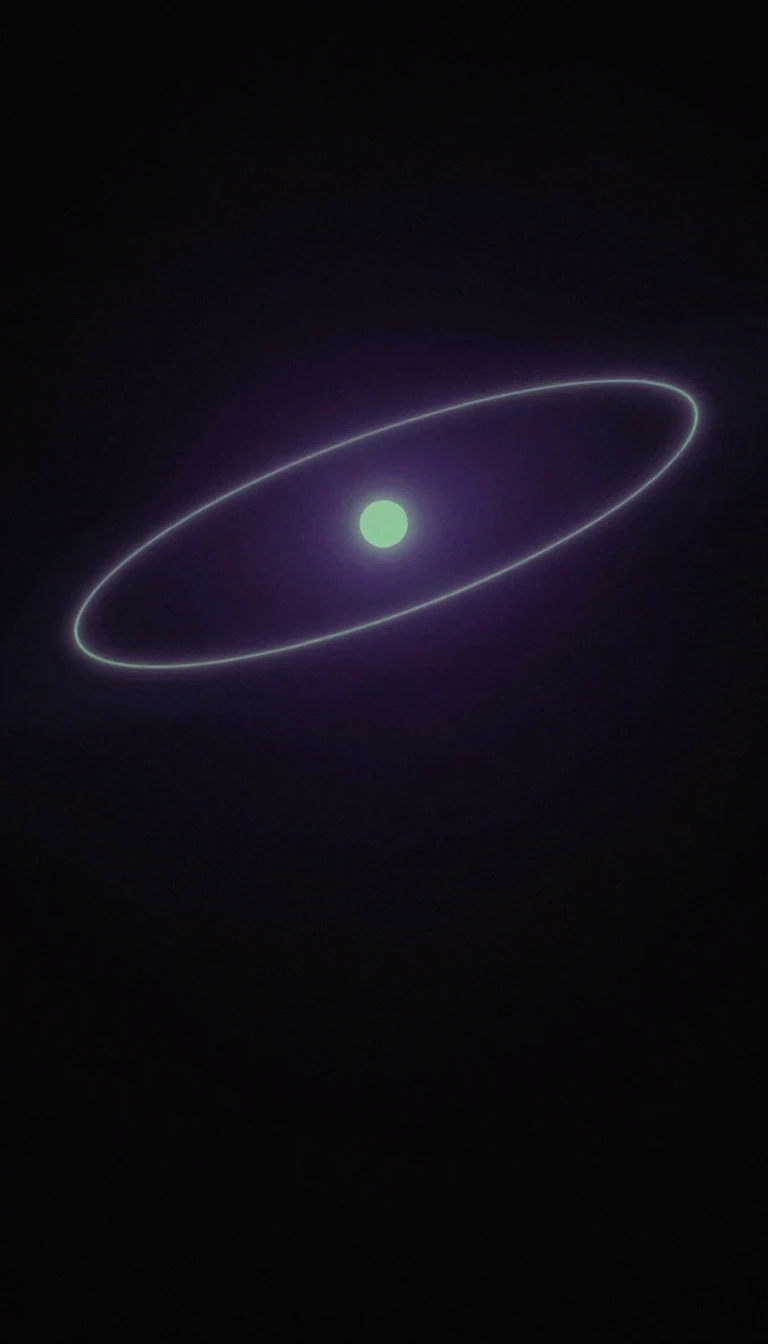 How spacecraft hover in empty space by dancing around invisible gravitational balance pointsA halo orbit is not a circle around a planet, but a complex loop around a Lagrange point—a spot where gravity from two bodies cancels out. These orbits allow satellites to maintai…
 Why this football-shaped dwarf planet spins faster than anything else its sizeHaumea is a bizarre, icy world in the Kuiper Belt that defies standard planetary expectations. It rotates on its axis every four hours, causing it to bulge into the shape of a def…
 Why infant stars are forbidden from existing in certain regions of spaceYoung stars are not just glowing balls of gas; they are governed by strict physical boundaries. When a protostar forms, it must navigate the Hayashi track, a nearly vertical path …
 HD 209458 b: The evaporating hot Jupiter that redefined our view of exoplanetsKnown informally as Osiris, this gas giant orbits its star in just 3.5 days. It was the first exoplanet ever observed transiting its host, the first to have its atmosphere measure…
- The Sun creates a massive, protective bubble that shields our solar system from deep space.The Sun is more than a light source; it is an engine that inflates a vast magnetic bubble called the heliosphere. This invisible shield permeates our solar system, acting as a bar…
 A star's hidden core explosion can briefly outshine an entire galaxy of starsDeep inside low-mass stars, a violent nuclear event occurs that is invisible from the outside. Known as a helium flash, this runaway fusion reaction releases energy at a rate comp…
 How a widow's funding and a team of women mapped the entire night skyBefore modern computing, astronomers faced the daunting task of classifying hundreds of thousands of stars by hand. The Henry Draper Catalogue, a monumental effort funded by Mary …
 These young, massive stars are still in the process of becoming main-sequence objects.Herbig Ae/Be stars are cosmic infants, less than 10 million years old, caught in the act of gravitational contraction. These intermediate-mass objects, ranging from two to eight t…
- Newborn stars announce their arrival by blasting supersonic jets into deep spaceWhen a star is born, it does not emerge quietly. As it feeds on surrounding gas, it ejects powerful, narrow jets of plasma that collide with interstellar dust at immense speeds. T…
 The constellation Hercules is a cosmic giant that holds the largest structure in existence.Spanning over 1,200 square degrees, Hercules is the fifth-largest constellation in the night sky. Beyond its mythological roots as the kneeling hero, it serves as a critical celes…
- How do we study the most violent and extreme phenomena in the universe?High-energy astrophysics investigates the universe at its most extreme, focusing on black holes, neutron stars, and supernovae. By measuring high-energy radiation like X-rays and …
 The Solar System may hide a massive, invisible reservoir of trillions of cometsAstronomers suspect a dense inner region, the Hills cloud, sits between the Kuiper belt and the outer Oort cloud. This theoretical disc could contain up to 200 trillion comets, ac…
 Why does the entire universe look exactly the same despite being impossibly far apart?The observable universe is remarkably uniform, yet vast regions of space are too distant to have ever exchanged information. According to the laws of physics, they should be wildl…
- Why stars of identical composition can look completely different in the night skyThe horizontal branch is a distinct stage of stellar life where stars fuse helium in their cores. While they share a common energy source, their appearance on a star chart varies …
 Horologium: The Southern Constellation That Immortalizes the Enlightenment's Obsession with Precision TimekeepingIn 1756, French astronomer Nicolas-Louis de Lacaille mapped the southern skies, populating them with symbols of scientific progress. Among his creations was Horologium, a faint co…
 Why some asteroids dance in a horseshoe pattern around the EarthImagine an asteroid sharing Earth's path around the Sun. Instead of colliding, it performs a celestial waltz, drifting forward and backward in a horseshoe-shaped loop relative to …
 How astronomers use the hour angle to track the movement of the heavensThe hour angle is a fundamental coordinate that measures how far an object has drifted from your local meridian. By tracking this angle, navigators and astronomers can pinpoint ex…
 Can a simple tuning fork diagram explain the complex evolution of the entire universe?In 1926, Edwin Hubble devised a classification scheme for galaxies that remains a cornerstone of astronomy. By organizing galaxies into a shape resembling a tuning fork, he catego…
- Is the Hubble volume the same as the observable universe? Actually, no.The Hubble volume is a specific spherical region where objects recede from us at speeds exceeding light. While often confused with the observable universe, it is a distinct, small…
 Is the largest structure in the universe actually just a cosmic mirage?The Huge Large Quasar Group, or Huge-LQG, was once hailed as the most massive structure in the observable universe. Spanning four billion light-years, it seemed to defy the fundam…
 Spanning over 100 degrees, Hydra is the largest and longest constellation in the sky.Stretching across the celestial equator, Hydra is a sprawling celestial serpent with a history that predates Greek mythology. While it covers 1303 square degrees, this massive con…
 Hydrus is a southern constellation that offers a glimpse into the Sun's distant future.Hidden in the deep southern sky, the constellation Hydrus is home to Beta Hydri, a subgiant star remarkably similar to our own. As one of the oldest stars in our solar neighborhoo…
- Hypergiants are the most extreme, unstable stars in the universe, living fast and dying young.Hypergiants are rare, massive stars that push the limits of physics. They exist near the Eddington limit, where radiation pressure nearly overcomes gravity, causing them to shed m…
 What happens when a star dies with enough force to birth a black hole?A hypernova is not just a bright explosion; it is a violent, high-energy event triggered by the core collapse of a massive star. These stellar cataclysms eject material at nearly …
 Saturn's two-faced moon Iapetus hides a massive mountain range around its equatorIapetus is a celestial yin and yang, featuring one hemisphere as dark as coal and another bright as ice. This distant moon, discovered in 1671, possesses a mysterious equatorial r…
- Is IC 1101 the largest galaxy in the universe, or just a cosmic illusion?Located 1.15 billion light-years away, IC 1101 is a supergiant galaxy at the heart of the Abell 2029 cluster. While often cited as the largest known galaxy, its true scale remains…
 Hidden behind our galaxy's dust, a massive cosmic mystery remains largely obscured from view.The IC 342/Maffei Group sits right next to our own cosmic neighborhood, yet it remains one of the most elusive structures in the sky. Obscured by the dense dust of the Milky Way, …
- Why infrared telescopes must be kept colder than the objects they observe in spaceInfrared astronomy reveals the hidden universe, from forming stars to distant, redshifted quasars. Because objects at room temperature emit thermal energy in infrared wavelengths,…
- Why do stars form in specific sizes, and does this distribution change across the universe?The initial mass function is the cosmic blueprint that dictates the distribution of stellar sizes at birth. By quantifying how many stars form at every mass, astronomers link the …
- Why do some stars rhythmically expand and contract like a beating heart?On the Hertzsprung-Russell diagram, a specific region known as the instability strip acts as a celestial engine. Within this band, stars do not shine with a steady light; instead,…
 Galactic collisions are not crashes but slow, gravitational dances that reshape the universeWhen galaxies collide, they rarely hit each other like billiard balls. Because galaxies are mostly empty space, these encounters are actually complex gravitational interactions. T…
- Is the vast void between galaxies actually filled with invisible cosmic dust?Space between galaxies is not as empty as it appears. Scientists have long suspected that cosmic dust drifts through the intergalactic void, potentially distorting our view of the…
- Billions of stars drift through the dark, empty void between galaxies in the Virgo cluster.For decades, astronomers assumed stars only existed within the safe confines of galaxies. That changed when the Hubble Space Telescope revealed a massive, hidden population of ste…
- Astronomers have found compelling evidence for a rare missing link in black hole evolutionIntermediate-mass black holes are the elusive middle children of the cosmos, sitting between lightweight stellar black holes and massive galactic giants. Scientists have long stru…
 The Moon is a differentiated world with a structure like a chocolate-dipped cherryFar from being a static rock, the Moon is a layered body with a complex interior. Like Earth, it features a crust, mantle, and core, but its composition and history remain a scien…
 Are interstellar clouds actually flat pancakes rather than the needle-like filaments we once imagined?Interstellar clouds are the nurseries of stars, yet their true shapes have long eluded us. While we once viewed these gas-and-dust structures as serpentine filaments, new 3D analy…
 Interstellar ice may be the secret delivery system for supernova material to EarthScientists have long puzzled over why inner planets like Earth contain different isotopic signatures than outer solar system bodies. New research suggests the answer lies in inter…
- The hottest, thinnest gas in the universe holds the secret to dark matterGalaxy clusters are not just collections of stars; they are filled with a superheated, invisible plasma called the intracluster medium. This medium accounts for most of the visibl…
 Could a planet made of iron be the ultimate cosmic cannonball?While Earth is a silicate world, the universe hides a rarer breed of planet: the iron-rich super-Mercury. These dense, metallic spheres lack the rocky mantles we take for granted,…
- Why do interstellar gas clouds collapse to form stars instead of drifting forever?In the vastness of space, gas clouds exist in a delicate tug-of-war between internal pressure and gravity. When a cloud becomes sufficiently massive or cold, gravity wins, trigger…
 Jupiter’s Trojan asteroids are ancient, stable remnants of our solar system’s earliest days.Trapped in gravitational balance 60 degrees ahead of and behind Jupiter, thousands of asteroids orbit the Sun in tandem with the gas giant. These primitive bodies, known as Trojan…
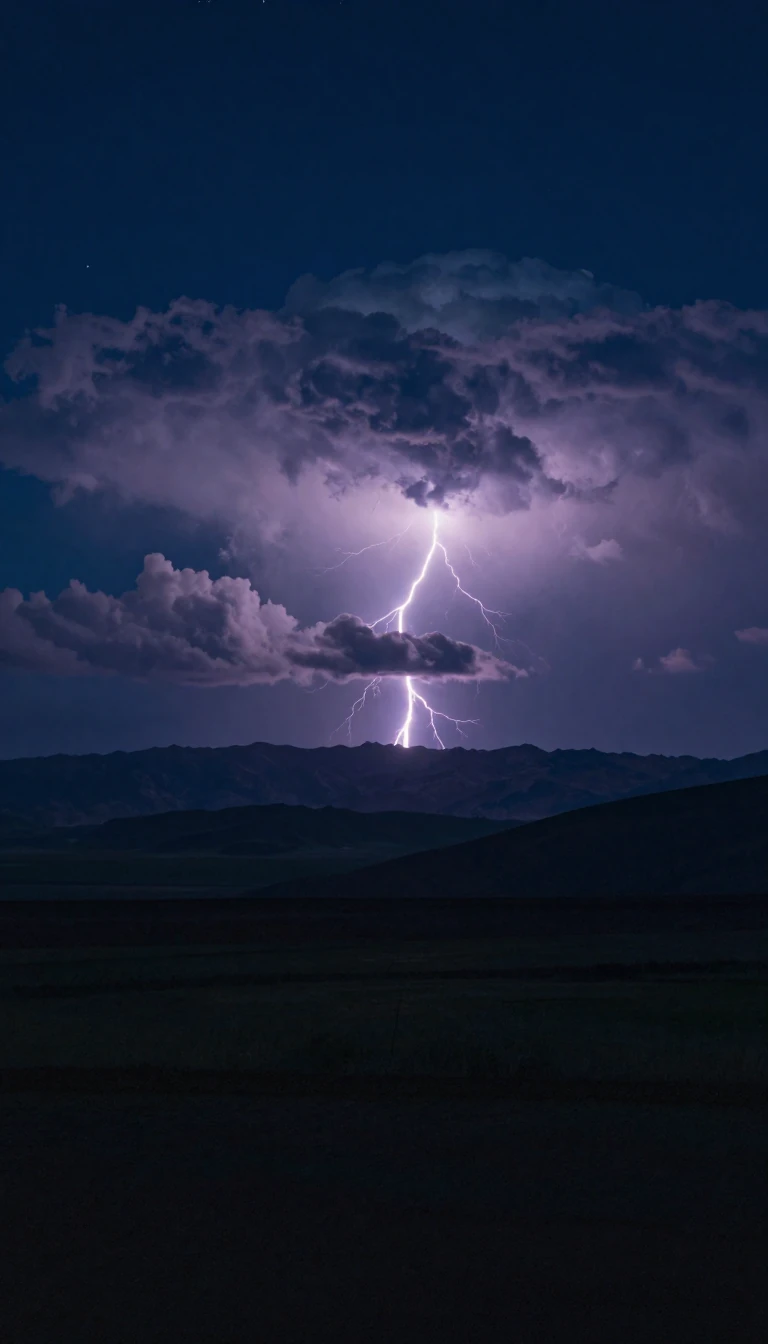 Lightning may crackle through the skies of the distant exoplanet K2-18bRecent simulations suggest that the atmosphere of K2-18b is surprisingly prone to lightning. By applying plasma physics to data from the James Webb Space Telescope, researchers fo…
- Kepler-186f is the first Earth-sized world discovered within its star's habitable zoneDiscovered in 2014, Kepler-186f orbits a red dwarf star about 500 light-years away. While its size is comparable to our home planet, its environment remains a mystery. It sits at …
- Is Kepler-22b a watery sanctuary or a gaseous, uninhabitable super-Earth?Discovered in 2011, Kepler-22b was the first transiting planet found within the habitable zone of a Sun-like star. Located 640 light-years away, this super-Earth remains an enigma…
- Could this distant super-Earth be more habitable than our own home planet?Located 1,196 light-years away, Kepler-442b is a rocky super-Earth orbiting within its star's habitable zone. With a mass 2.36 times that of Earth, it sits on the edge of being a …
- Is this distant super-Earth an older, larger version of our own home planet?NASA has identified Kepler-452b, a world orbiting a sun-like star that shares striking similarities with Earth. Located 1,400 light-years away, this super-Earth resides in its sta…
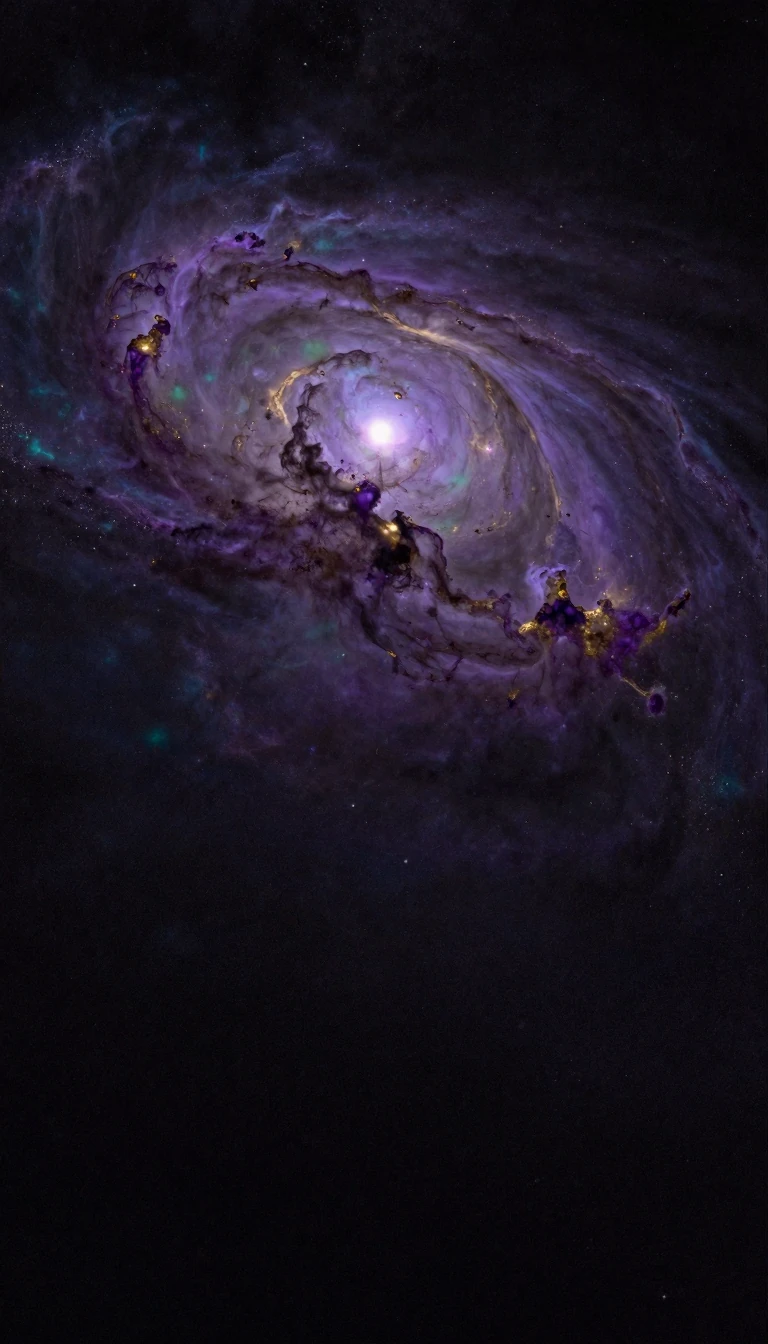 In 1604, a star exploded in our galaxy, forever changing how we view space.When a new star appeared in the constellation Ophiuchus in 1604, it outshone Jupiter and remained visible during the day for weeks. While contemporaries like Johannes Kepler thoug…
 When neutron stars collide, they forge the gold and platinum in our universe.A kilonova is a cataclysmic explosion triggered by the merger of two neutron stars, or a neutron star and a black hole. These rare events act as cosmic foundries, scattering heavy…
- The Kreutz sungrazers are a family of comets destined to perish near the Sun.These celestial wanderers originate from the distant Oort cloud, embarking on a journey that ends in a fiery, close-range encounter with our star. While most are small fragments t…
 Lacerta is a faint northern constellation that ancient astronomers completely overlooked for centuries.Tucked between Cygnus and Andromeda, Lacerta is a small, subtle collection of stars defined only in 1687. While it lacks the grandeur of brighter constellations, it hides a bizarr…
- Is the Lambda-CDM model the ultimate map of our expanding, mysterious universe?The Lambda-CDM model is the standard framework for understanding our universe, blending dark energy and cold dark matter to explain everything from galaxy distribution to the cosm…
- Are these massive quasar clusters the largest structures in the entire observable universe?Large quasar groups are collections of supermassive black hole nuclei that may represent the universe's most expansive structures. While they are theorized to be the precursors to…
- Why this massive star is invisible despite being two million times brighter than our SunLocated 28,000 light-years away, LBV 1806−20 is one of the most luminous stars in the Milky Way. Yet, it remains completely hidden from our view at visual wavelengths. A dense shr…
- Leo is one of the few constellations that actually resembles its namesake celestial lion.While most constellations require a vivid imagination to identify, Leo is famously recognizable. Its stars form a distinct sickle-shaped head and a triangular haunch, mirroring a …
- Leo Minor: The faint, overlooked constellation that holds a cosmic clock and a ghost quasarTucked between the Great Bear and the Lion, Leo Minor is a small, dim collection of stars that classical astronomers ignored. Yet, this modest patch of sky hides a pulsating white…
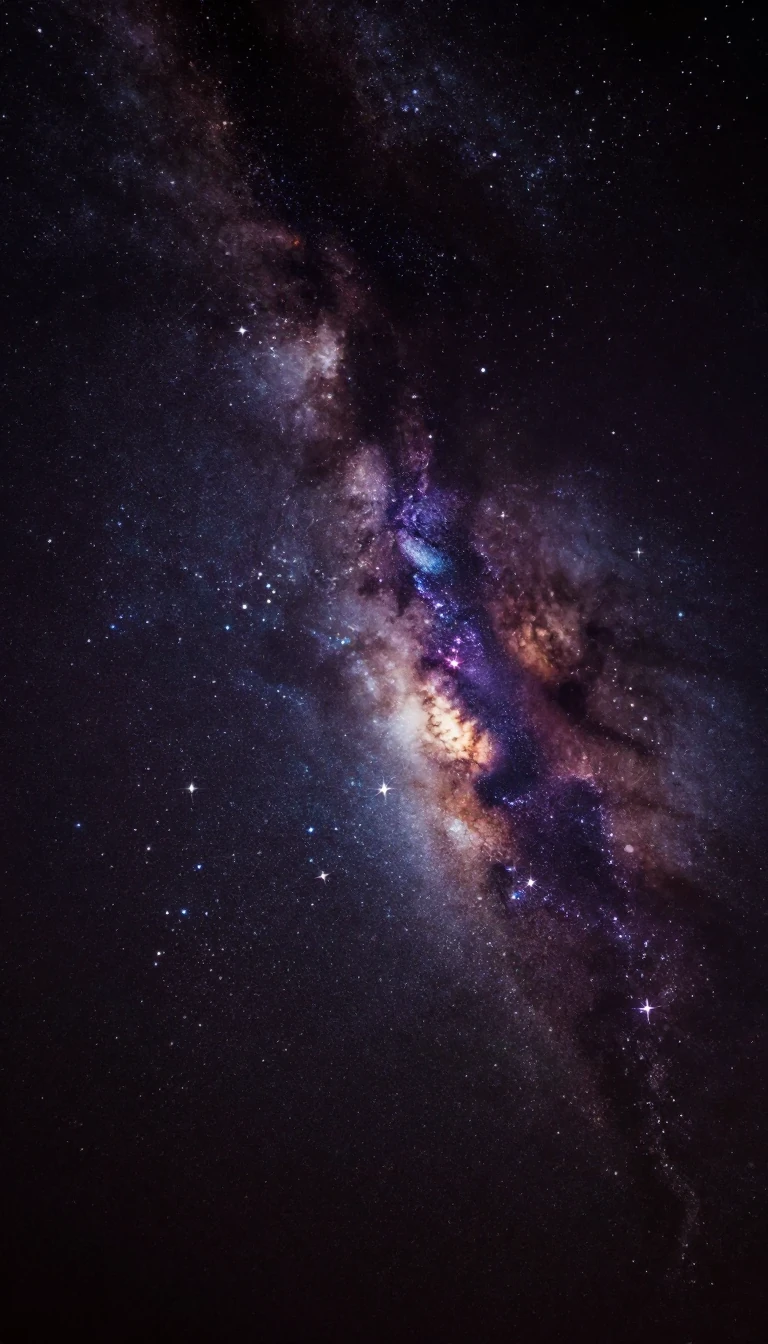 Why the hare constellation Lepus is forever fleeing the hunter OrionPositioned directly beneath the feet of Orion, the constellation Lepus is traditionally depicted as a hare in full flight. While it lacks a specific origin story in Greek mytholog…
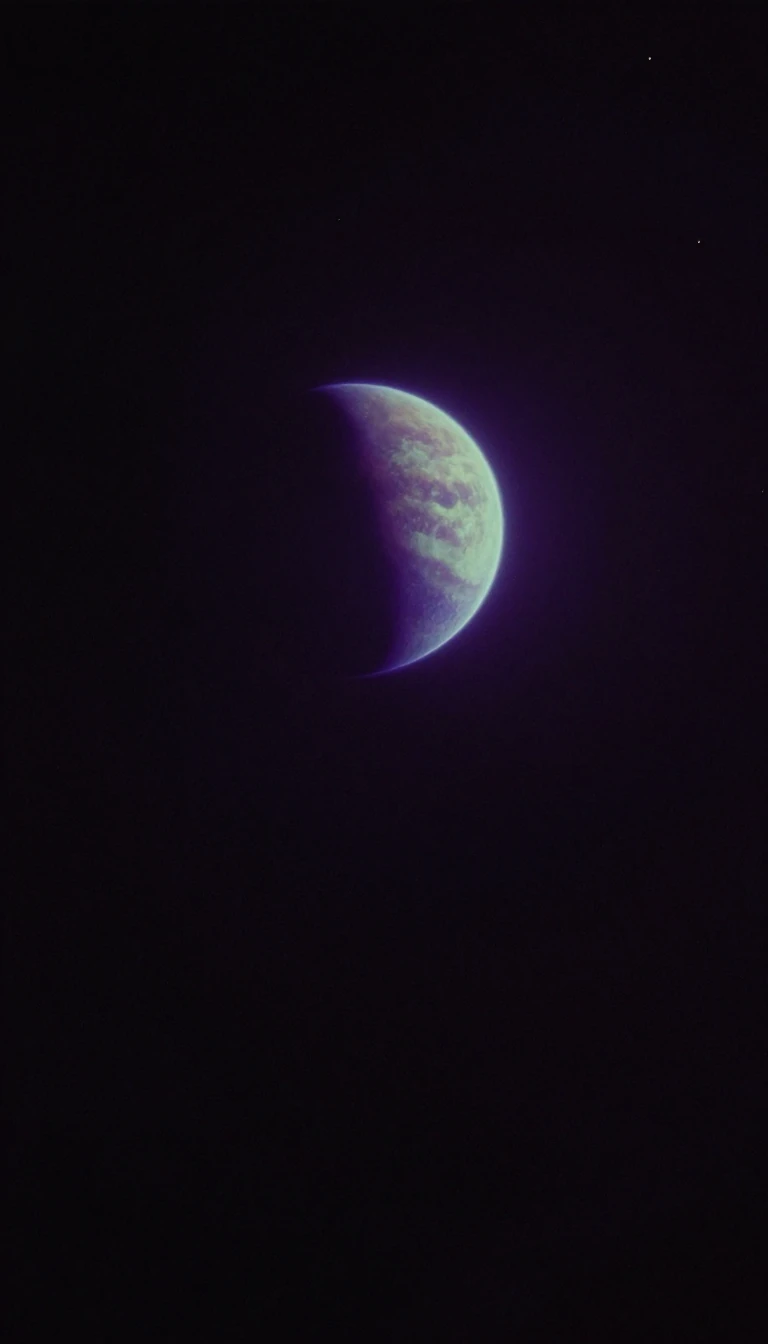 Libra is the only zodiac constellation named after an object rather than a creature.While most zodiac signs represent animals or mythological figures, Libra stands alone as the celestial scales. This faint constellation, tucked between Scorpius and Virgo, holds a…
 Has the Perseverance rover finally uncovered evidence of ancient microbial life on Mars?The Perseverance rover has discovered intriguing mineral structures within Jezero Crater that mirror by-products of microbial life on Earth. While these iron-rich nodules suggest …