 Intellect Plus
History
21,004 cards. Each one is a 40-second story with a five-minute read behind it. Page 266 of 351.
Subtopics: 19th century · 20th century · Africa · Age of Exploration · Ages & eras · Ancient · Ancient China · Ancient egypt · Ancient greece · Ancient rome · Ancient trade · Archaeological discoveries · Archaeology · Astronomy · Australia · Auxiliary historical sciences · Babylon · Basics · Born on this day · Bronze age · Buddhism · Case studies · Chefs, bartenders and winemakers · China · Cities · Climate · Columbus · Contemporary (1945-) · Cosmetics people · Crime · Criminals · Decipherment · Deep time · Disasters · Early modern · Education · Egypt · Empires · Empires & civilisations · Exploration · Explorers · Extinction · Fandom, conventions and festivals · History by continent and large region · History by continent and region · History by country · History by country, small region and city · History by ethnicity · History by subject matter · History by topic · Inca · India · Industrial Revolution · Japan · Kings & queens · London · Mass hysteria · Medicine · Medieval kingdoms · Medieval life · Mediterranean · Mercedes-Benz History · Mesopotamia · Middle ages · Military leaders and theorists · Military leaders, personnel, and theorists · Ming dynasty · Misconceptions · Modern · Modern (1800-1945) · Napoleon · Navigation · North africa · Other · Pacific · Pharaohs · Philippines · Pirates · Post-classical · Prehistory · Propaganda · Public health · Rebels, revolutionaries and activists · Renaissance · Researched · Second world war · Shipwrecks · Silk Road · South america · Tradespeople · UK & Ireland: history · United states · Vikings · Volcanoes · Women in history
 Why the Normandy coast was chosen for the largest seaborne invasion in historyThe D-Day landings were a masterclass in deception and logistical precision. While the Allies considered multiple sites for their 1944 invasion of France, Normandy offered a uniqu…
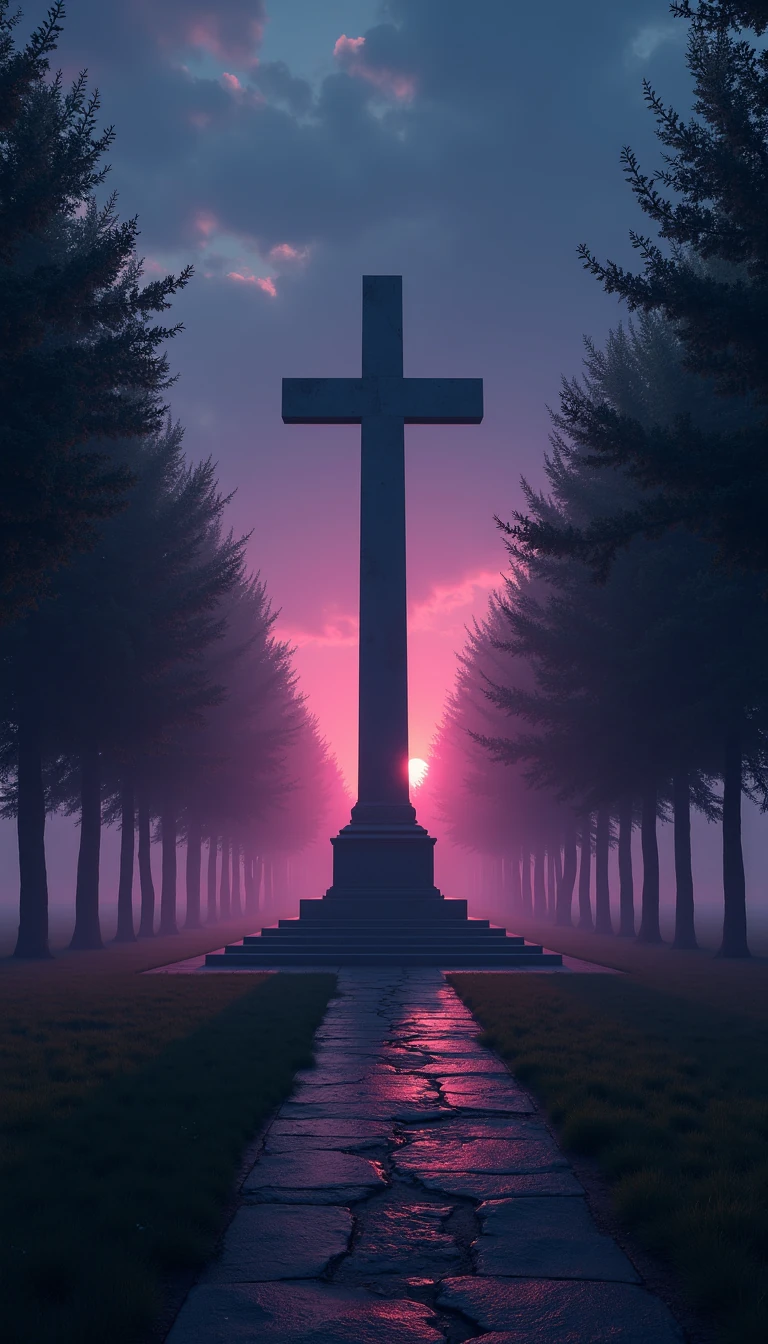 A French forest holds a stone monument to South Africa's World War I deadLocated in the Somme department of France, the Delville Wood South African National Memorial honors the 10,000 South African soldiers who perished during the First World War. This…
 Why Swedish farmers built massive, lavishly painted mansions in the 19th centuryIn the province of Hälsingland, Sweden, local farmers once expressed their status through architectural ambition. They constructed grand, multi-story wooden dwellings featuring el…
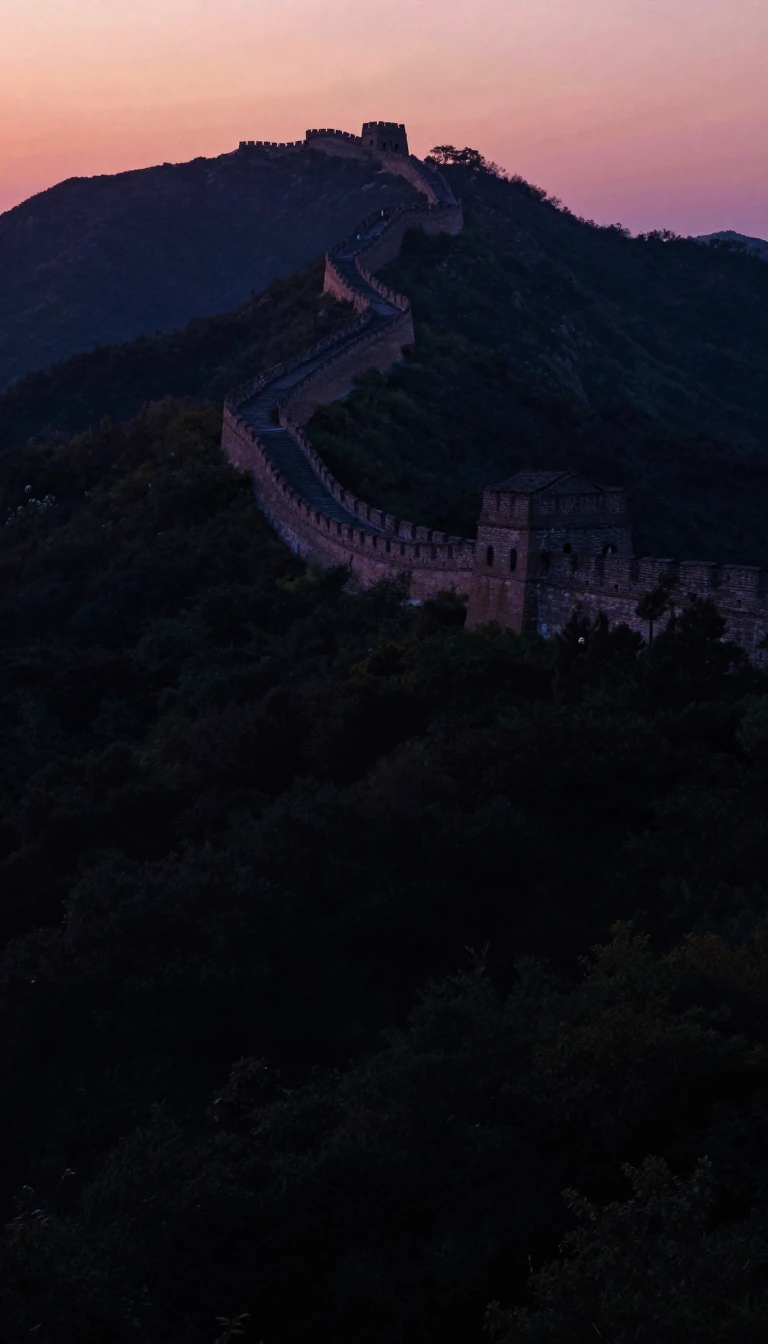 Why Rome built a thousand-kilometer frontier to guard a single province in the north.The Dacian Limes was not a wall meant to stop an invasion, but a sophisticated monitoring network. Stretching over 1,000 kilometers, this complex system of forts, watchtowers, and…
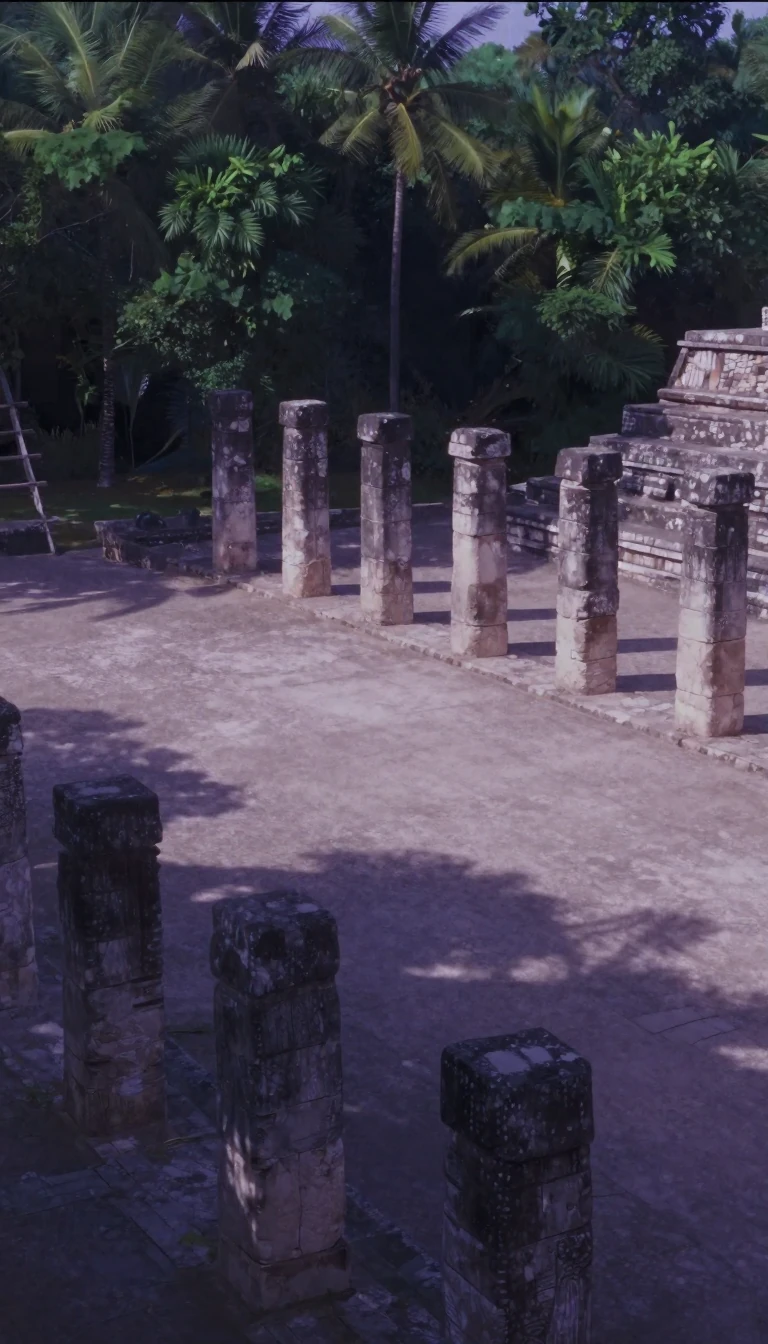 Built on Inca ruins, Cusco Cathedral is a masterpiece of colonial architectural fusionThe Cathedral of Cusco stands on the foundations of an ancient Inca palace, representing a complex collision of cultures. Completed in 1654, this UNESCO World Heritage site blends…
 How a remote corner of England once powered the global industrial revolutionIn the 1800s, the rugged landscapes of Cornwall and West Devon were the world's industrial engine room. By pioneering high-pressure steam technology, this region dominated global …
 Why did ancient hunter-gatherers spend thousands of years painting hands in a remote canyon?Deep in the Patagonian steppe, the Cueva de las Manos holds a haunting, millennia-long record of human presence. Over 2,000 handprints, mostly left-handed, adorn the rock walls al…
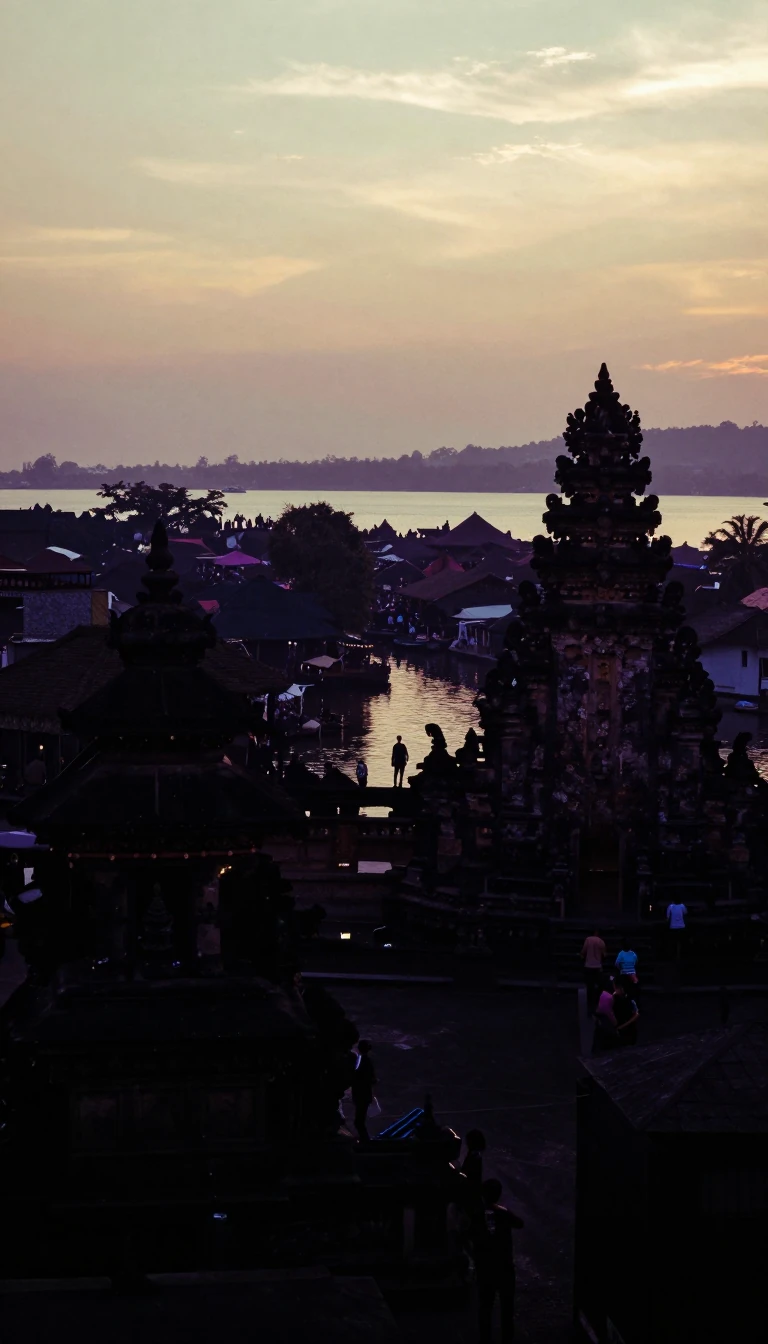 How a sudden political ambush triggered the slow, centuries-long collapse of a Maya superpower.Copán was a thriving Maya kingdom in western Honduras, controlling vital trade routes for jade and obsidian. Despite its architectural grandeur and population of over 20,000, the …
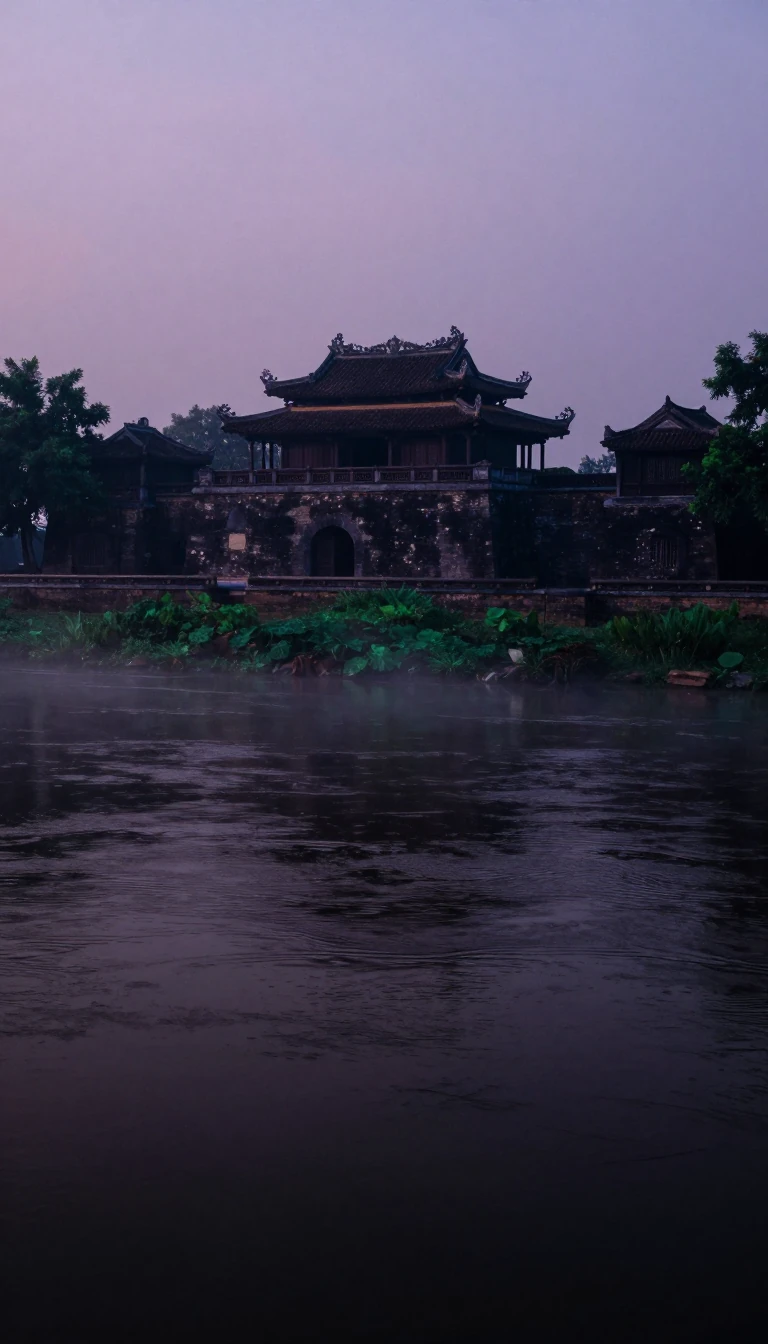 How Vietnam's imperial capital was designed to align with the cosmic orderThe Complex of Hue Monuments is more than a collection of palaces; it is a physical manifestation of ancient geomancy. Established in 1802, this UNESCO World Heritage Site integra…
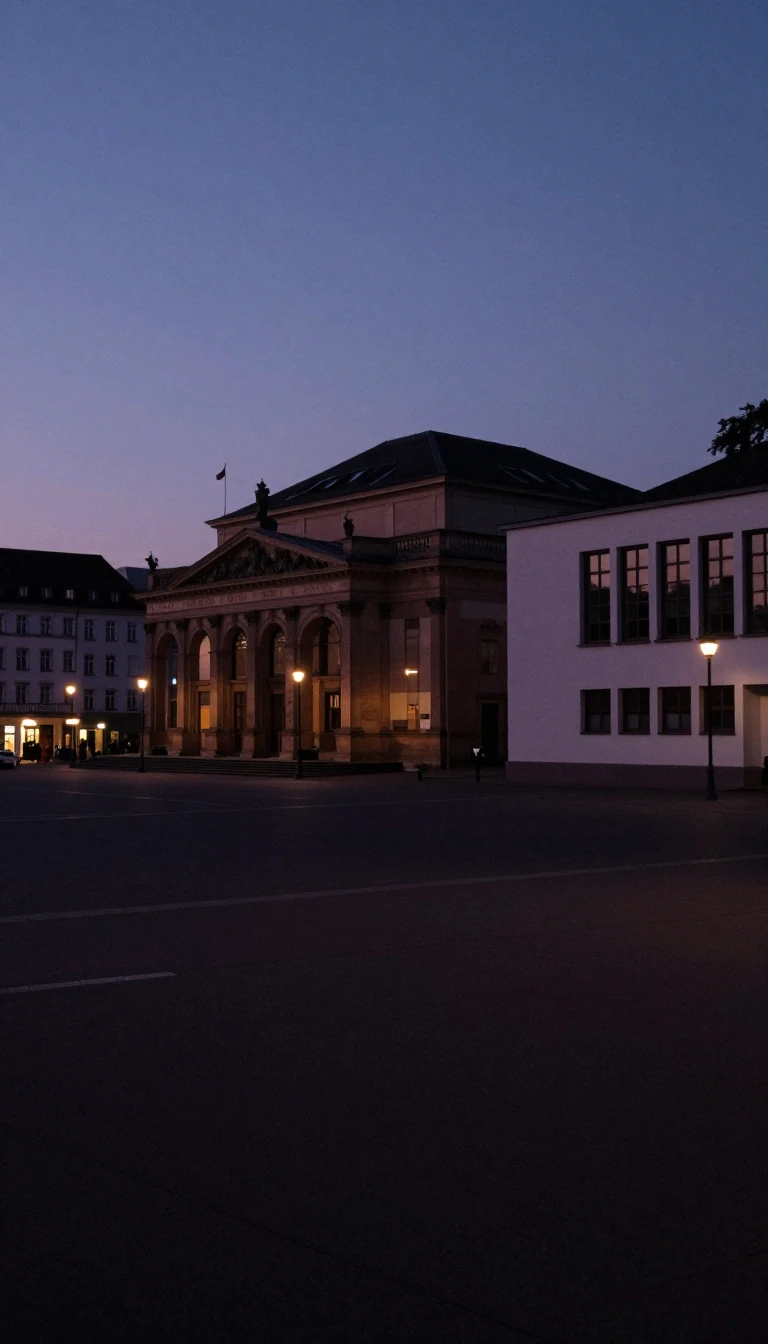 How a small German city became the intellectual heart of the European EnlightenmentWeimar was once the epicenter of a profound cultural shift, drawing the era's most brilliant minds to its streets. Between 1772 and 1805, this city transformed into a global hub f…
 A Prussian King’s ship-shaped church became a symbol of survival during the Cold War.Designed by King Frederick William IV to resemble a vessel anchored on the Havel, the Church of the Redeemer in Sacrow is an architectural marvel. Yet, its most profound history l…
 A mountain fortress built with blood and molasses to repel a phantom invasionPerched atop a 900-metre peak, the Citadelle Laferrière is a colossal monument to Haitian independence. Commissioned in 1805, this massive stone ship was designed to withstand a F…
 Why this 10th-century German church hides its own ancient murals from viewOn the island of Reichenau, the Church of Saint George houses the only complete set of pre-1000 AD wall paintings north of the Alps. These fragile masterpieces are so sensitive to…
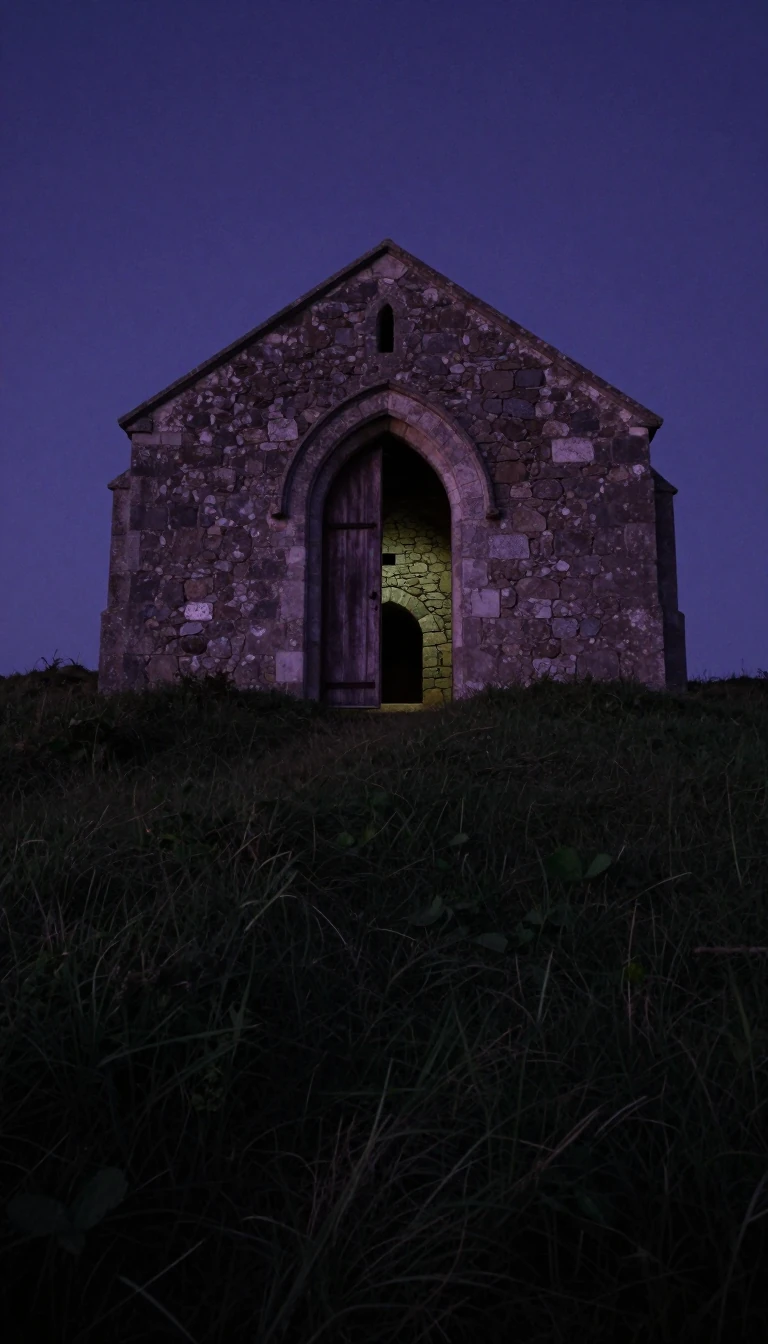 How 17th-century religious restrictions birthed Europe's largest timber-framed religious structuresFollowing the 1648 Peace of Westphalia, Silesian Lutherans faced severe constraints: they could only build three churches using wood, loam, and straw, situated outside city walls,…
- Why the Pskov School of Architecture remains a unique Russian cultural landmark todayDesignated a UNESCO World Heritage Site in 2019, the Pskov School of Architecture represents a distinct fusion of Byzantine, Novgorod, and local Russian traditions. Spanning from …
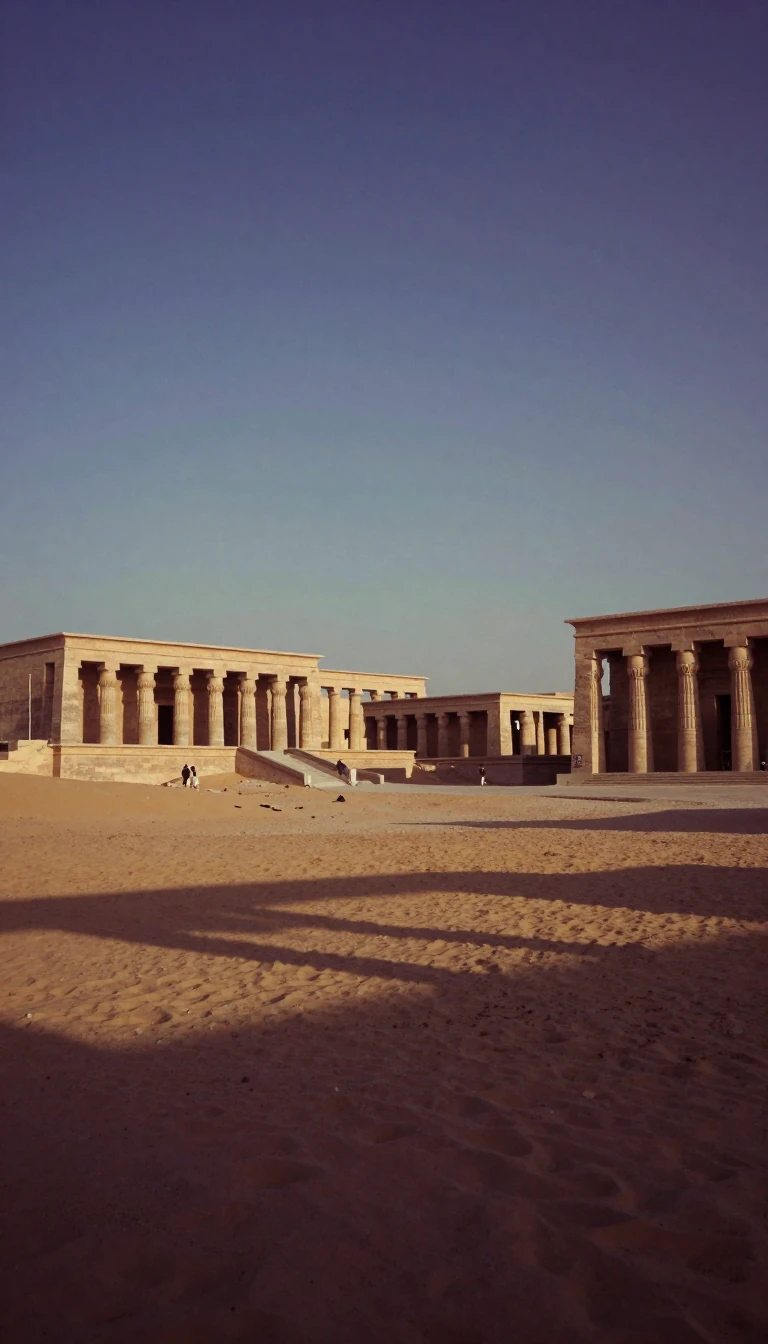 Why did an ancient king build a massive, isolated city in the desert?Chogha Zanbil, an ancient Elamite complex in Iran, remains one of the world's best-preserved stepped pyramids. Built around 1250 BC by King Untash-Napirisha, this sacred city was …
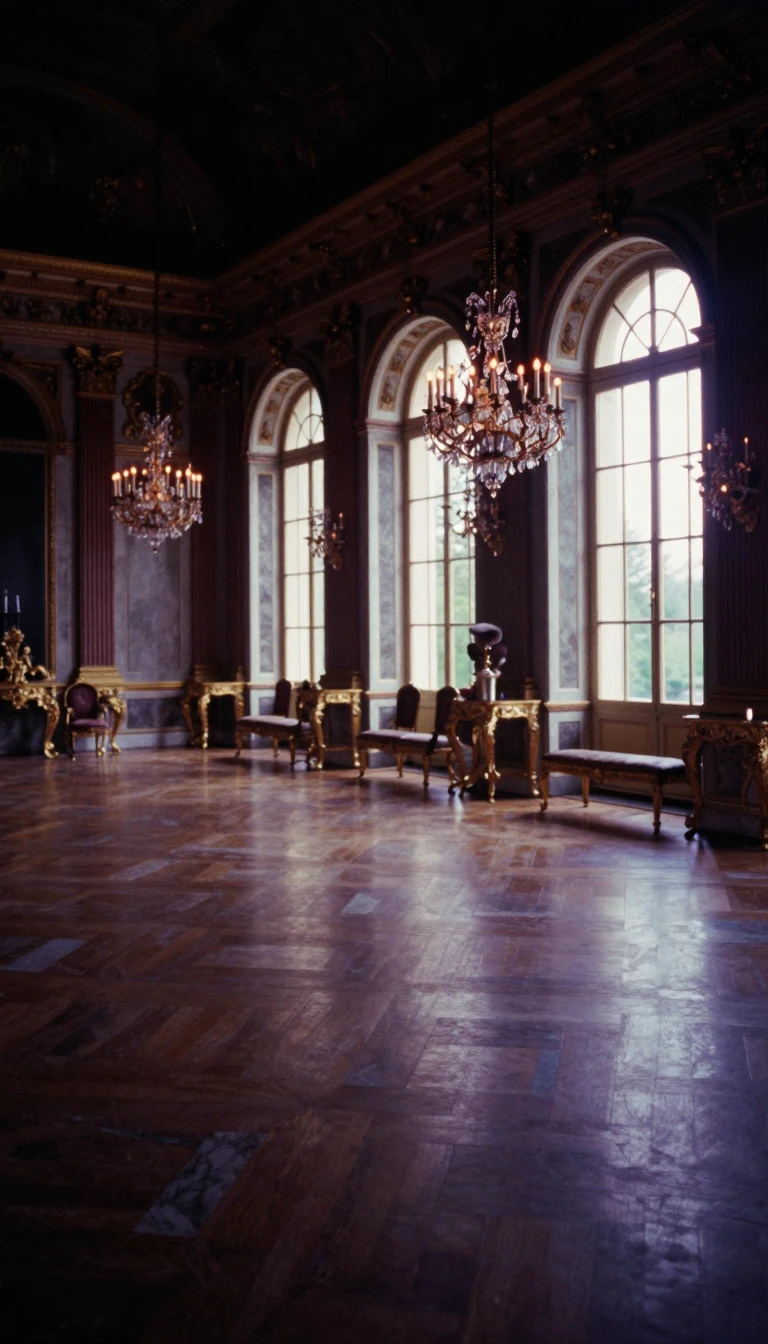 A Swedish King built a secret Chinese palace to surprise his Queen in 1753.Hidden within the grounds of Drottningholm Palace lies a royal retreat built in total secrecy. Conceived as a birthday gift for Queen Lovisa Ulrika, the original wooden structure …
 The world's oldest artificial mummies were created by fishermen in the Atacama DesertLong before the pharaohs of Egypt, the Chinchorro people of South America were preserving their dead with sophisticated techniques. These sedentary fishermen, who thrived in the a…
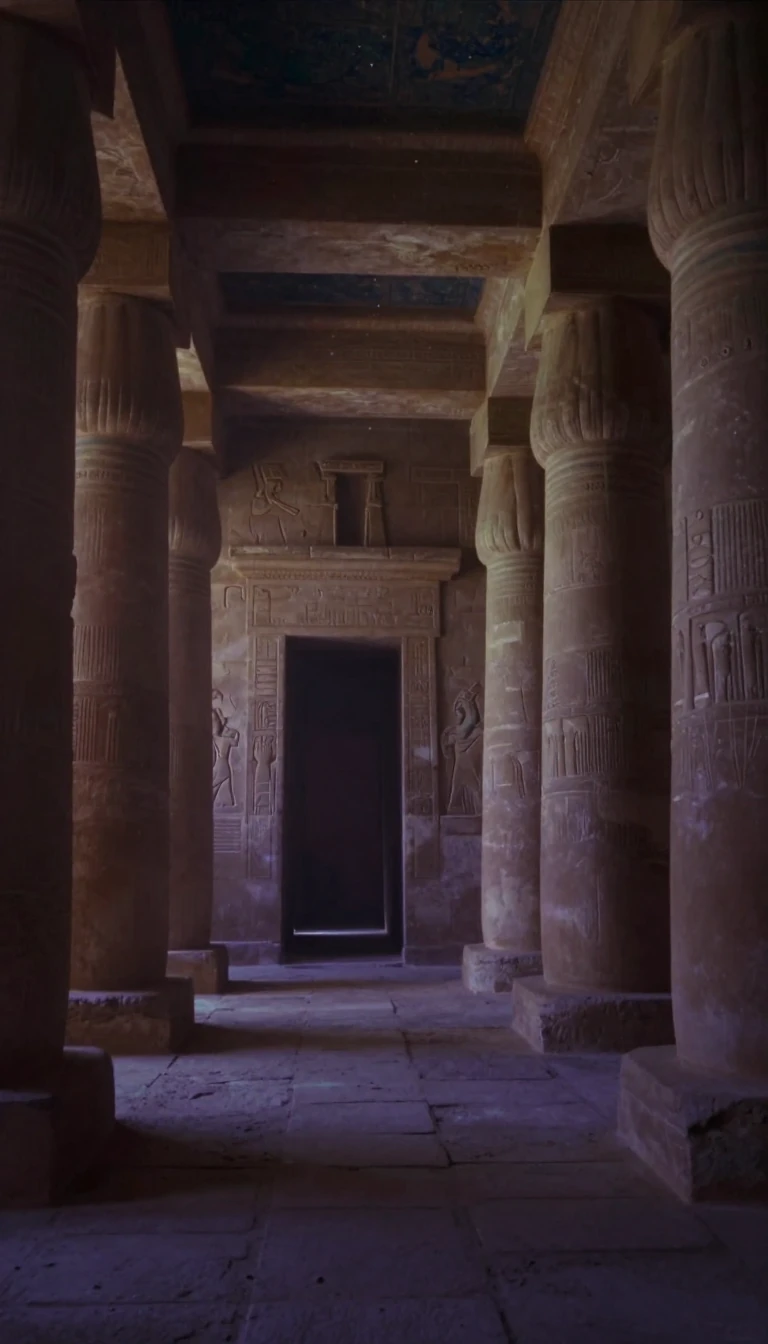 The world's oldest artificial mummies were created by a coastal society in the Atacama Desert.Long before the pharaohs of Egypt, the Chinchorro people of northern Chile were meticulously preserving their dead. Unlike other ancient cultures that reserved such rites for the …
- How a single American soldier saved a French architectural masterpiece from total destructionIn August 1944, Chartres Cathedral faced annihilation. American commanders ordered an artillery strike, fearing German troops were using the towers as a lookout. One colonel, Welb…
- Why Korea’s favorite royal palace was built to avoid a painful pastEstablished in 1405, Changdeokgung became the preferred residence for Joseon kings, often overshadowing the official main palace, Gyeongbokgung. While Gyeongbokgung held legal sup…
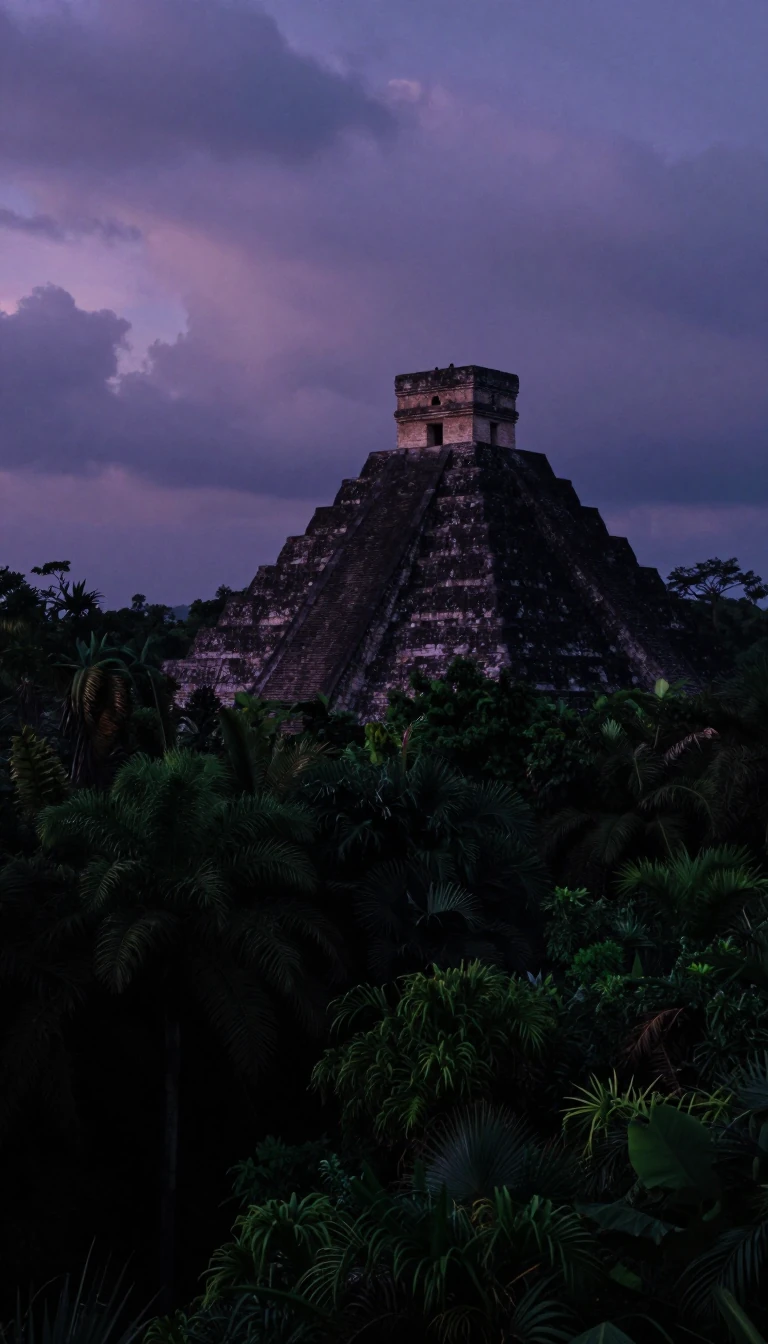 Was this ancient Peruvian temple the birthplace of a pan-regional religious cult?Perched 3,180 meters high in the Andes, Chavín de Huántar served as a massive ceremonial center for pre-Inca culture. Archaeologists believe its strategic location at a river conf…
 The mountain cities and painted tombs of a vanished kingdomBetween 37 BCE and 668 CE, the Koguryo Kingdom commanded vast territories across Manchuria and the Korean Peninsula. Today, its legacy survives in a series of sophisticated mounta…
 The Crusader Cathedral in Tyre served as a royal stage for coronations and burials.In the heart of Tyre, Lebanon, lie the remnants of a grand Crusader cathedral. Once a centerpiece of the Latin Kingdom of Jerusalem, this site hosted royal weddings, coronations f…
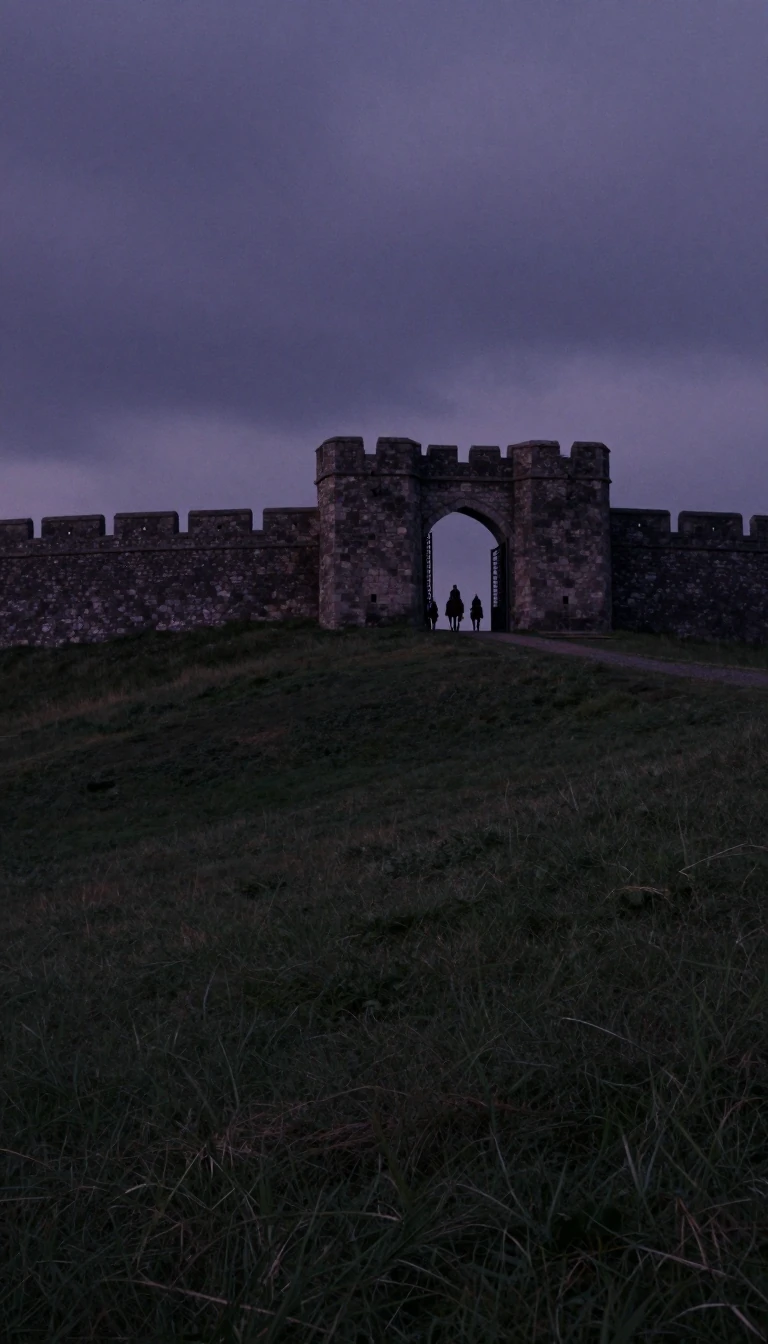 Edward I built a ring of iron to dominate North Wales through stone fortresses.After invading North Wales in 1282, King Edward I launched a massive, expensive project to secure his conquest. He constructed a series of sophisticated, fortified towns and castl…
 How a salt tax collector built one of the greatest engineering feats in historyIn the 17th century, France sought to bypass the Spanish-controlled Strait of Gibraltar by carving a 240-kilometer waterway through the south. Pierre-Paul Riquet, a tax official w…
- A Roman-inspired monument on French soil defines Canada’s national identity and wartime sacrifice.The Canadian National Vimy Memorial is more than a statue; it is a 100-hectare preserved battlefield in France. Built from ancient Croatian limestone, this site commemorates the F…
- The Snake Kingdom: How a Jungle Metropolis Challenged the Maya Superpower of TikalDeep in the Mexican jungle lies Calakmul, a massive ancient city that once commanded a vast empire. Known as the seat of the Snake Kingdom, this urban powerhouse engaged in a cent…
 How an ancient volcanic eruption sparked one of the world's oldest engineering featsIn southwestern Australia, a dormant volcano named Budj Bim reshaped the earth 37,000 years ago. This geological upheaval allowed the Gunditjmara people to master their environmen…
- Why a small Belgian lane became a permanent piece of the British EmpireNear Ypres, Belgium, lies a quiet burial ground known as Buffs Road Cemetery. Founded in 1917, this site holds more than just the remains of soldiers from the First World War. It …
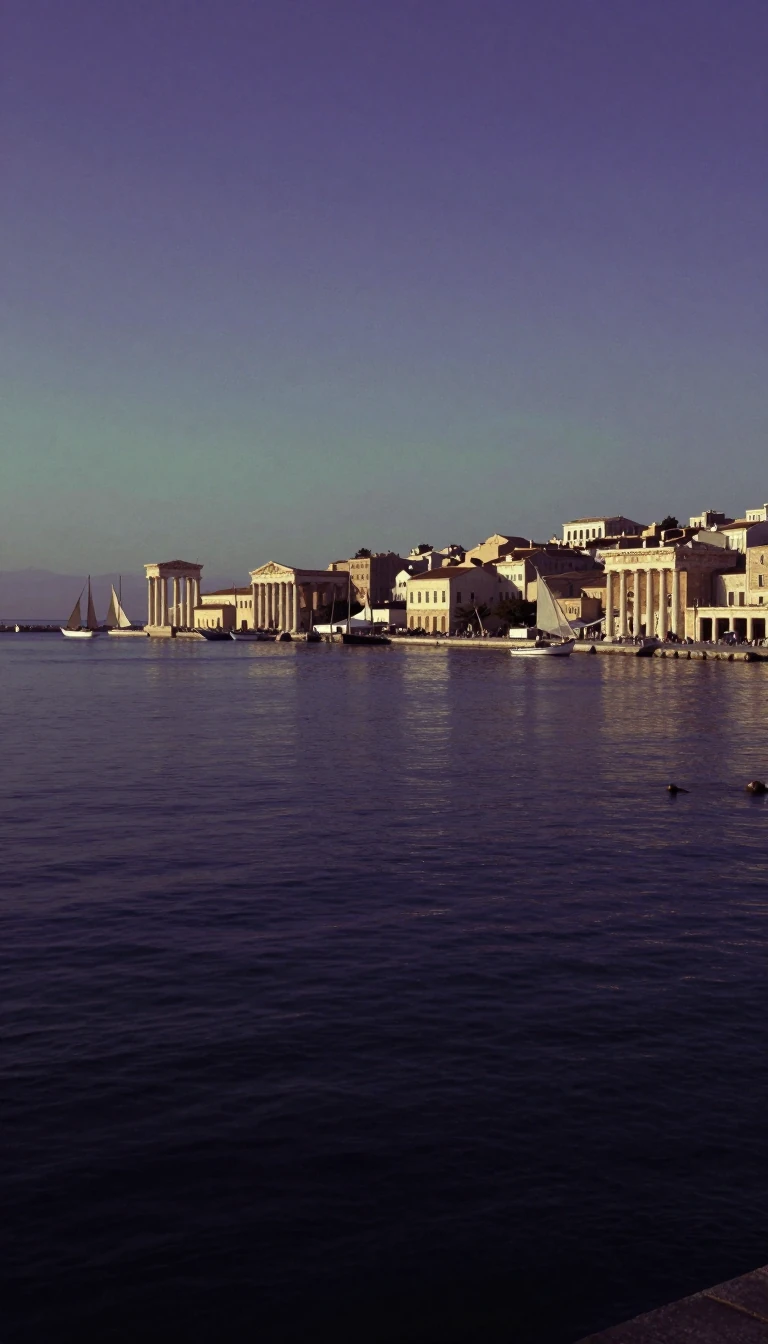 Are these three ancient Indonesian temples aligned by design or by mere coincidence?In the fertile Kedu Plain of Central Java, three Buddhist temples—Borobudur, Mendut, and Pawon—sit in a perfect straight line. Built during the 8th and 9th centuries, their archit…
 Why the Butter Tower of Bourges Cathedral was funded by eating dairy during LentBourges Cathedral is a masterpiece of High Gothic architecture, but its history is defined by structural instability and creative fundraising. When its north tower collapsed in 15…
- How a medieval Bulgarian church hides some of history's most lifelike human portraitsOn the outskirts of Sofia lies the Boyana Church, a UNESCO World Heritage site built in three distinct stages. While its architecture spans centuries, its fame rests on a breathta…
- How a 14th-century council building redefined the architecture of the Low CountriesConstructed between 1376 and 1421, the Bruges City Hall stands as a masterpiece of late-Gothic architecture. Its flamboyant design, characterized by a pioneering stone facade, ser…
- Ancient desert galleries reveal thousands of years of human life in Saudi ArabiaDeep in the Najran province, Bir Hima serves as a monumental archive of human history. Spanning from the Paleolithic era to the sixth century, this site features thousands of intr…
 Blenheim Palace: A Monumental War Trophy Built on Political Infighting and Peppercorn RentCommissioned as a reward for military triumph, Blenheim Palace is a Baroque masterpiece that nearly ruined its architect. It stands as a unique hybrid of family home, national mon…
 How a Welsh valley became the global engine room of the Industrial RevolutionIn the late 18th century, the Blaenavon landscape transformed into a powerhouse of iron and coal. Today, this UNESCO World Heritage site preserves the furnaces, mines, and workers…
 The industrial scale of the largest mass murder in a single locationAuschwitz was not merely a prison, but a vast, evolving complex of over 40 camps. From its origins as a Polish quarantine station to its role in the Final Solution, the site repre…
- Why these 56 stone towers represent the birth of modern civic independence in EuropeAcross Belgium and northern France, 56 historic towers stand as silent witnesses to a medieval power shift. Originally built to signal alarms or watch for fire, these belfries evo…
 Why did ancient Jews from Yemen to Turkey seek burial in a Galilean hillside?Beit She'arim, a sprawling rock-cut necropolis in the Lower Galilee, became a premier final resting place for the Jewish diaspora in late antiquity. Driven by the presence of the …
- How Weimar Berlin revolutionized urban living for the working class through radical architectural design.During the Weimar Republic, Berlin became a laboratory for social progress. Architects reimagined urban life by creating seven subsidized housing estates that prioritized light, a…
 Deep in the Indian wilderness, ancient caves hold the world's oldest known rock art.Hidden within the sandstone hills of Madhya Pradesh, the Bhimbetka rock shelters preserve a staggering timeline of human life. From Paleolithic hunter-gatherers to later historic …
- The invisible stone snake that once wound through the ancient Wiltshire landscapeLong ago, a massive, curving avenue of stones stretched across the English countryside, connecting prehistoric sites in a grand, mysterious design. Today, almost every trace of th…
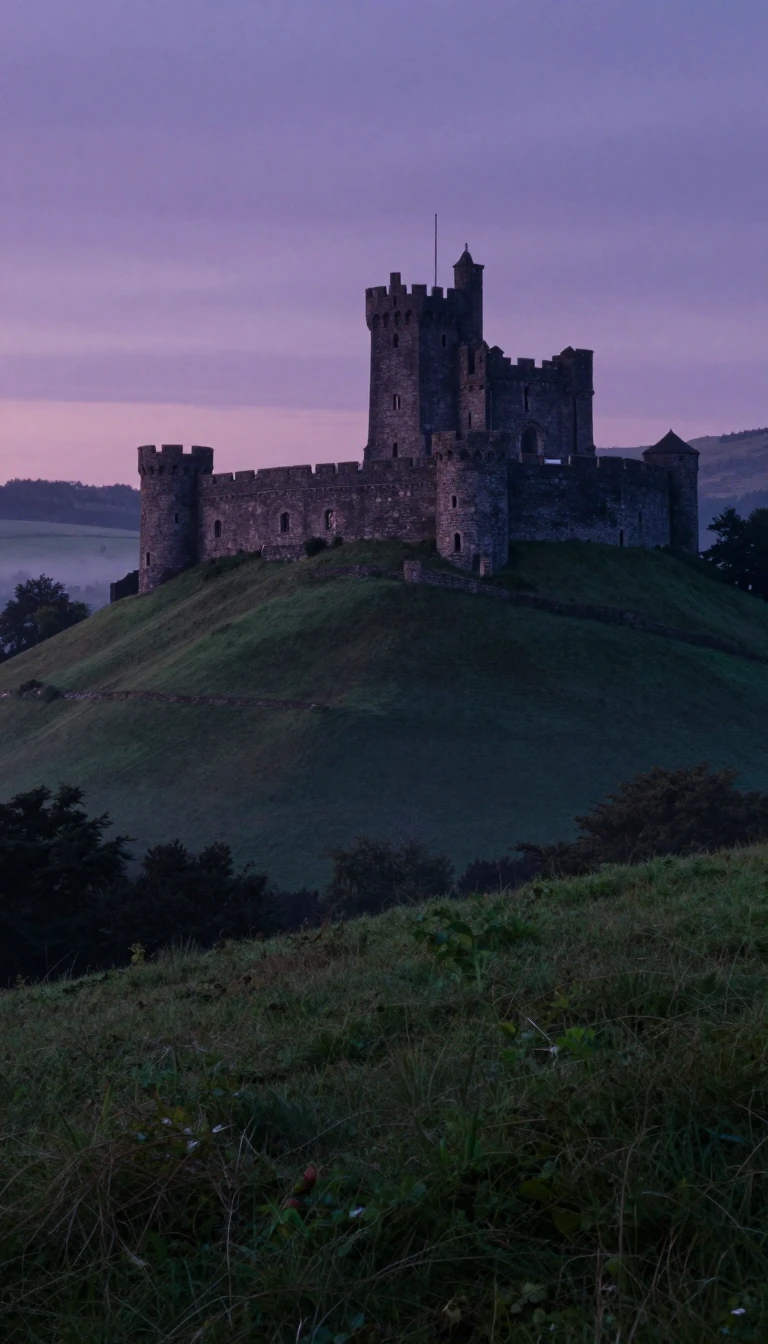 How a medieval fortress became a modern frontline in the mountains of LebanonPerched on a 300-metre cliff, Beaufort Castle has served as a strategic military stronghold for nearly a millennium. From Crusader knights and Mamluk sultans to 20th-century milit…
- A Belgian estate turned war cemetery holds the complex history of the Western FrontNear Ypres, Belgium, lies Bedford House Cemetery, a site born from the ruins of a grand château. Once a strategic hub for Allied forces, the grounds evolved into a final resting p…
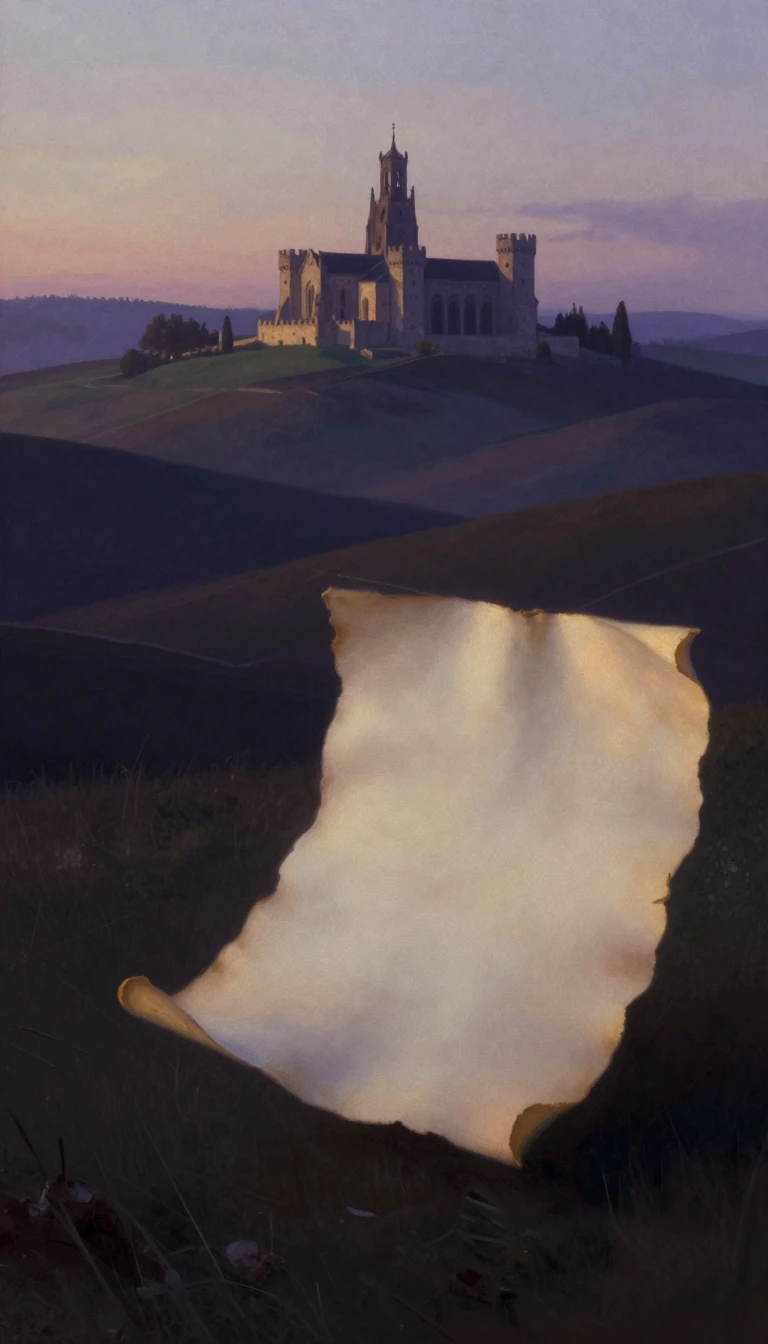 Why did Portuguese kings use condemned prisoners to build this architectural masterpiece?Batalha Monastery was built to fulfill a royal vow following a decisive 1385 battle. Its construction spanned over a century, involving fifteen architects and daring engineering f…
 How a medieval city of 10,000 temples became a masterclass in architectural innovationBetween the 11th and 13th centuries, the Bagan Empire transformed a dry plain into a dense, cosmopolitan religious hub. While its rulers built thousands of monuments, the city’s t…
 How an ancient Korean kingdom shaped East Asian culture through trade and religionThe Baekje Historic Areas reveal a sophisticated civilization that flourished for nearly 700 years. By mastering unique construction methods and fostering deep cultural exchanges …
 A stumble over a tree root revealed a lost Bronze Age civilization in Thailand.In 1966, a student tripped over a tree root in a Thai village, exposing ancient pottery that would rewrite history. Ban Chiang, a UNESCO World Heritage site, challenged long-held …
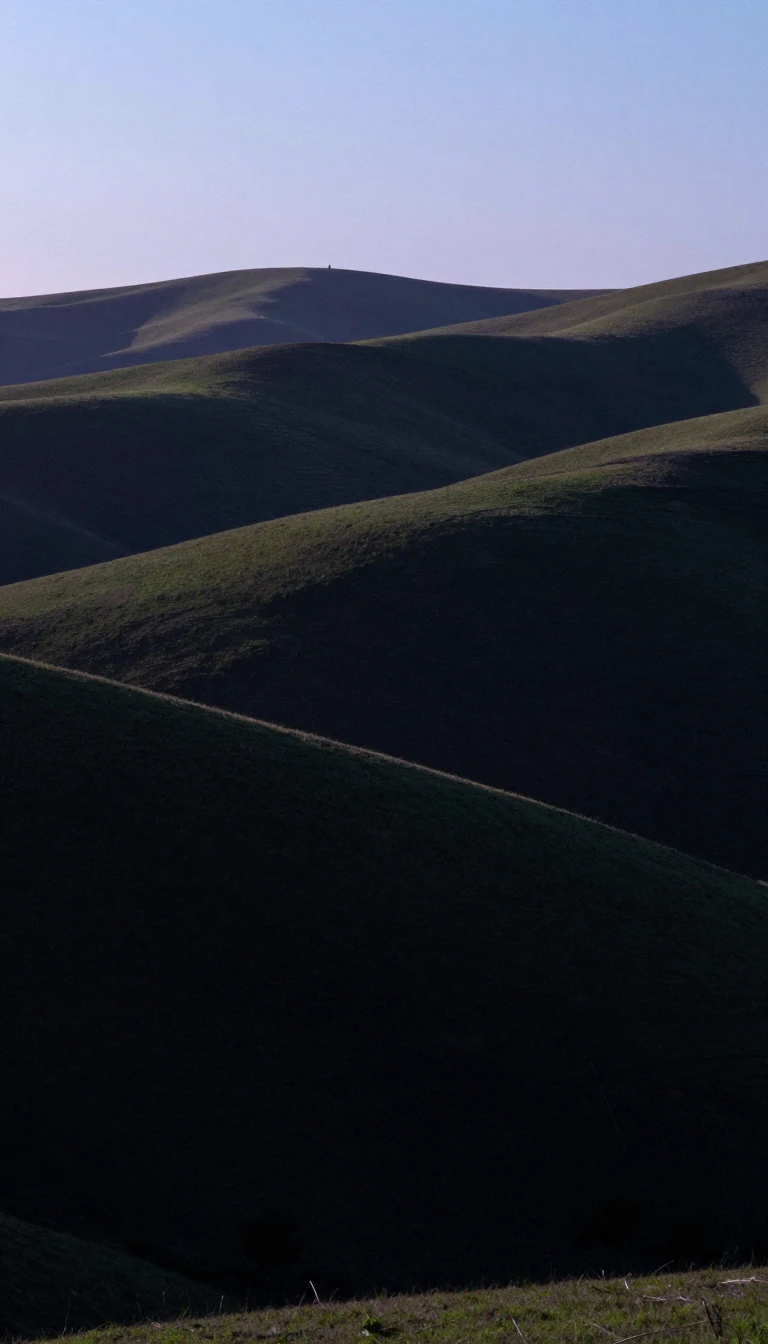 The English Gothic retreat that shaped the fate of the Prussian monarchyNestled in Potsdam, Babelsberg Palace served as the summer residence for German Emperor William I for over half a century. Beyond its architectural beauty, this site hosted the pi…
- How eleven penal outposts became the foundation of a modern colonial expansion projectBetween the eighteenth and nineteenth centuries, approximately 166,000 individuals were forcibly transported to Australia. Today, eleven specific locations serve as a World Herita…
- Was the ancient capital of Ayutthaya founded in 1351 or centuries earlier?While King Ramathibodi I is credited with founding the Thai capital of Ayutthaya in 1351, evidence suggests the site holds much deeper roots. From Khmer strongholds dating to 850 …
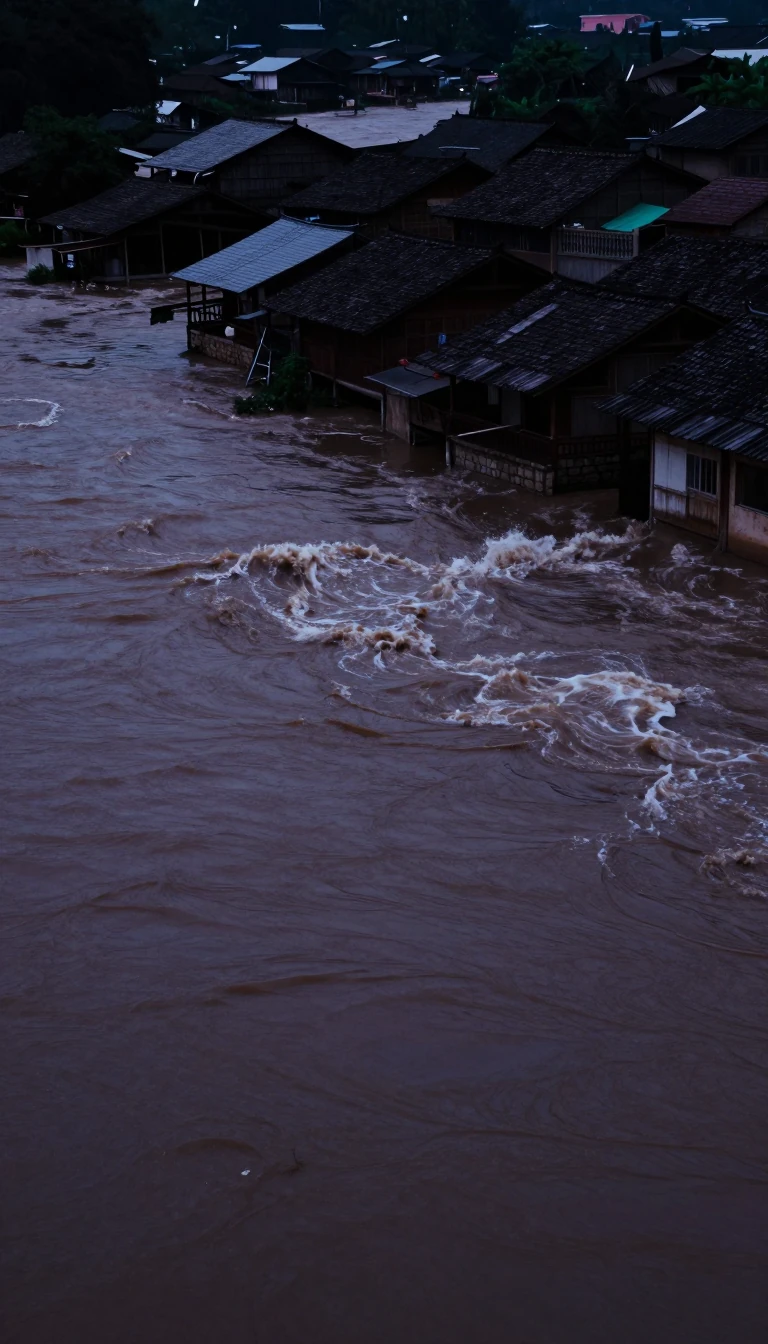 A lost Neolithic civilization built the world's earliest large-scale water management systemDeep in China's Yangtze River basin, the Liangzhu culture flourished 5,000 years ago. This sophisticated society constructed a massive walled city and an intricate network of dams…
- A 75,000-Year-Old Workshop and the Mystery of the Perak Man's Elaborate BurialTucked between Malaysia's Bintang and Titiwangsa mountain ranges, the Lenggong Valley serves as a rare time capsule of human history. From a massive prehistoric stone tool worksho…
 The French refugees who transformed the Cuban landscape into a coffee empireIn the foothills of the Sierra Maestra lie the remnants of 171 coffee plantations that once defined the Caribbean economy. Established by French settlers fleeing the Haitian Revol…
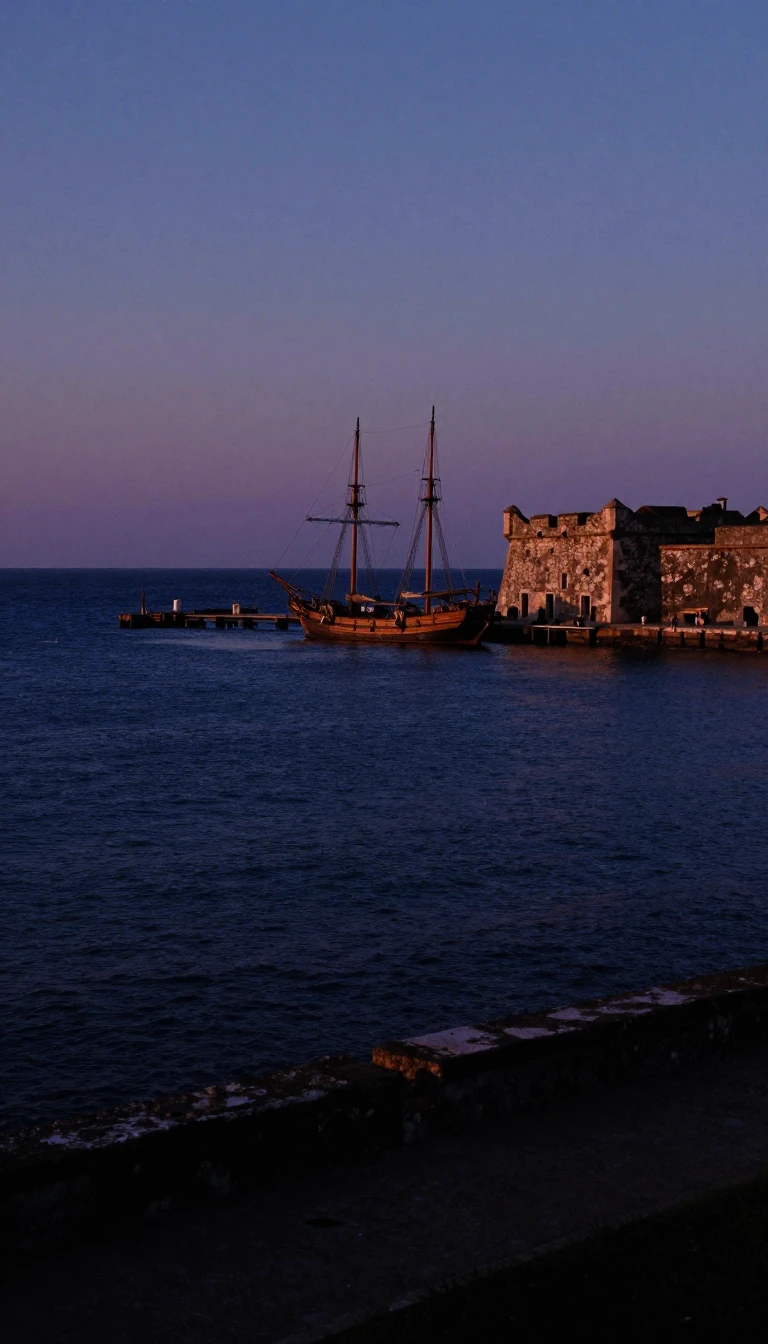 How a Caribbean hurricane shelter became the crown jewel of British naval powerTucked away in the hills of Antigua, a hidden harbor once served as the ultimate strategic asset for the British Navy. By mastering the local geography, the empire turned a natura…
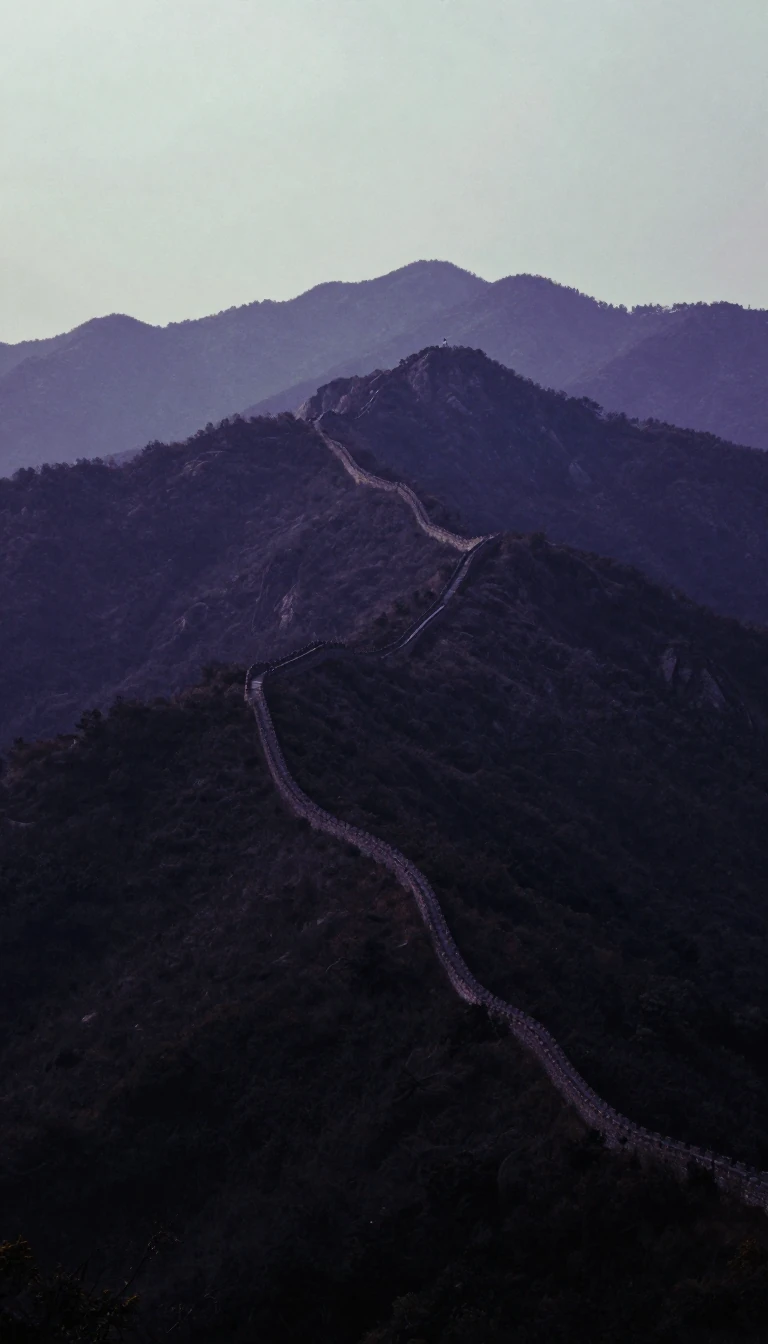 The Roman Empire's forgotten northern frontier was a turf wall, not stoneWhile Hadrian's Wall remains a famous stone monument, the Romans built a second, shorter barrier across Scotland using turf and wood. Abandoned just eight years after completion, …
 The Appian Way: How a Roman Censor Built the Queen of Long RoadsIn 312 BC, a blind Roman censor bypassed the Senate to build a military highway that transformed Rome into a formidable power. Known as the queen of roads, this engineering marvel…
- Ancient Burkina Faso furnaces reveal a sophisticated pre-industrial mastery of iron productionAcross Burkina Faso, ruins of ancient furnaces tell the story of a complex metallurgical society. Dating back to 800 BC, these sites demonstrate an advanced ability to mass-produc…
- Why these ancient Spanish stone monuments were built to face the mountains, not stars.Most ancient megaliths align with the sun or stars, but the Antequera Dolmens in Spain defy tradition. By anchoring their architecture to specific natural peaks rather than celest…