 Intellect Plus
Nature
11,198 cards. Each one is a 40-second story with a five-minute read behind it. Page 139 of 187.
Subtopics: Ageing · Air · Animal behaviour · Animal breeds and hybrids · Animals · Arthropods · Atmosphere · Big cats · Bilateria, others · Birds · Botany · Cnidarians · Conservation · Coral reefs · Deep sea · Deserts · Dinosaurs · Earth science · Earth science and physical geography · Earth science basics · Earthquakes & tsunamis · Echinoderms · Ecology · Ecosystems · Endangered species · Extinct animals · Farming · Fish · Forests · Fungi · General classifications · Geology · Geomorphology · How Long Can It Live? · Ice · Individual animals · Insects · Lightning · Longevity · Mammals · Marsupials · Migration · Mollusks · Ocean · Organisms · Parasites · Physical geography · Plants · Porifera · Predators · Primates · Rainforest · Reptiles & amphibians · Researched · Sharks & rays · Spiders & arachnids · Symbiosis · Trees · UK & Ireland: nature · Vertebrates · Vision · Volcanoes · Water · Waves · Weather · Whales & dolphins · Zoology
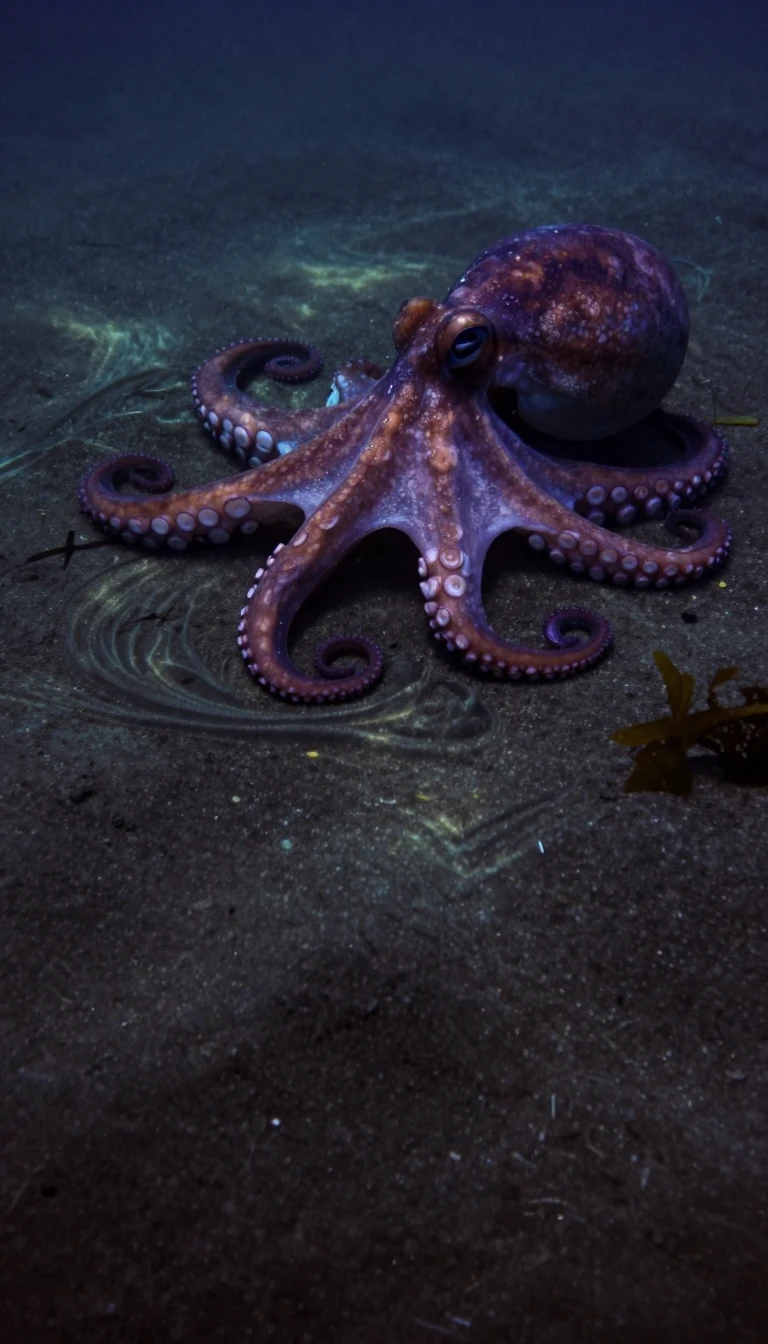 Was the legendary Megalodon a stocky tank or a sleek, elongated predator?The Megalodon, a giant prehistoric shark, remains an enigma defined by fragmentary remains. While once imagined as a bulky relative of the great white, recent research suggests it…
 The megamouth shark is a mysterious deep-sea giant discovered only in 1976.Rarely seen and poorly understood, the megamouth shark is a filter-feeding enigma. Measuring up to 5.5 meters, this deepwater creature was unknown to science until a chance encoun…
 Why nature sometimes paints its creatures in the deepest shades of blackMelanism is a congenital condition resulting in high levels of melanin, creating dark pigmentation across diverse species. While often confused with other pigment disorders, this …
 The mayfly lives for years underwater, but its final act lasts only a day.Most of a mayfly's life is spent as an aquatic nymph, hidden beneath the surface for up to two years. Once it finally takes flight, it undergoes a rare transformation, shedding it…
 How a poor, self-taught woman changed our understanding of prehistoric life foreverMary Anning was a pioneering fossil hunter in 19th-century England whose discoveries challenged contemporary views on extinction. Despite her lack of formal education and the scie…
 Marmosets are tiny, tree-gouging primates with a bizarre biological quirk involving shared blood.These small South American monkeys are masters of the forest canopy, known for their unique ability to chew through tree bark to harvest sap. Beyond their specialized diet and coo…
 The maned wolf is neither a wolf nor a fox, but a golden enigma.Standing tall on stilt-like legs, the maned wolf is South America's largest canine. Despite its name and fox-like appearance, it belongs to a unique genus all its own. This solita…
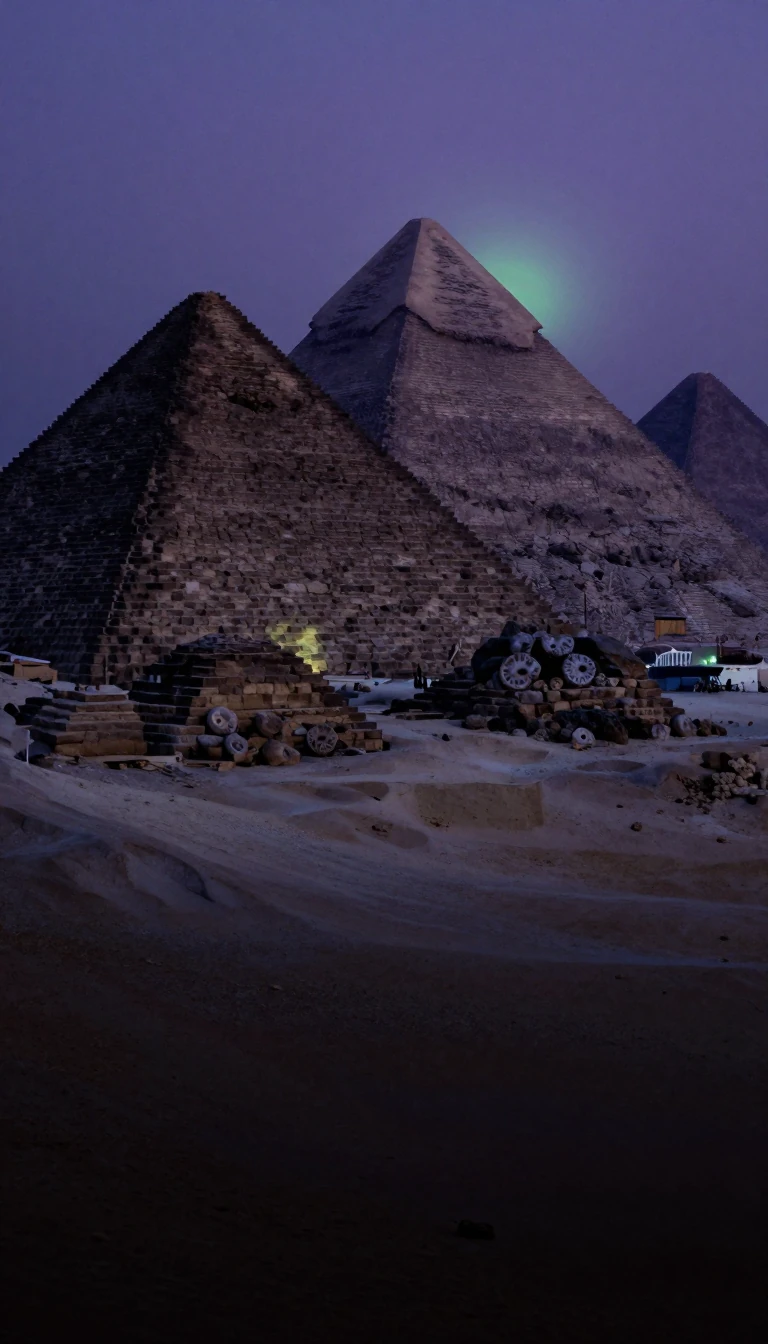 Maniraptora: The Dinosaur Clade That Never Truly Went ExtinctThe name Maniraptora means hand snatchers, but these dinosaurs were far more than just predators. While they are famous for their grasping claws and long arms, this diverse group …
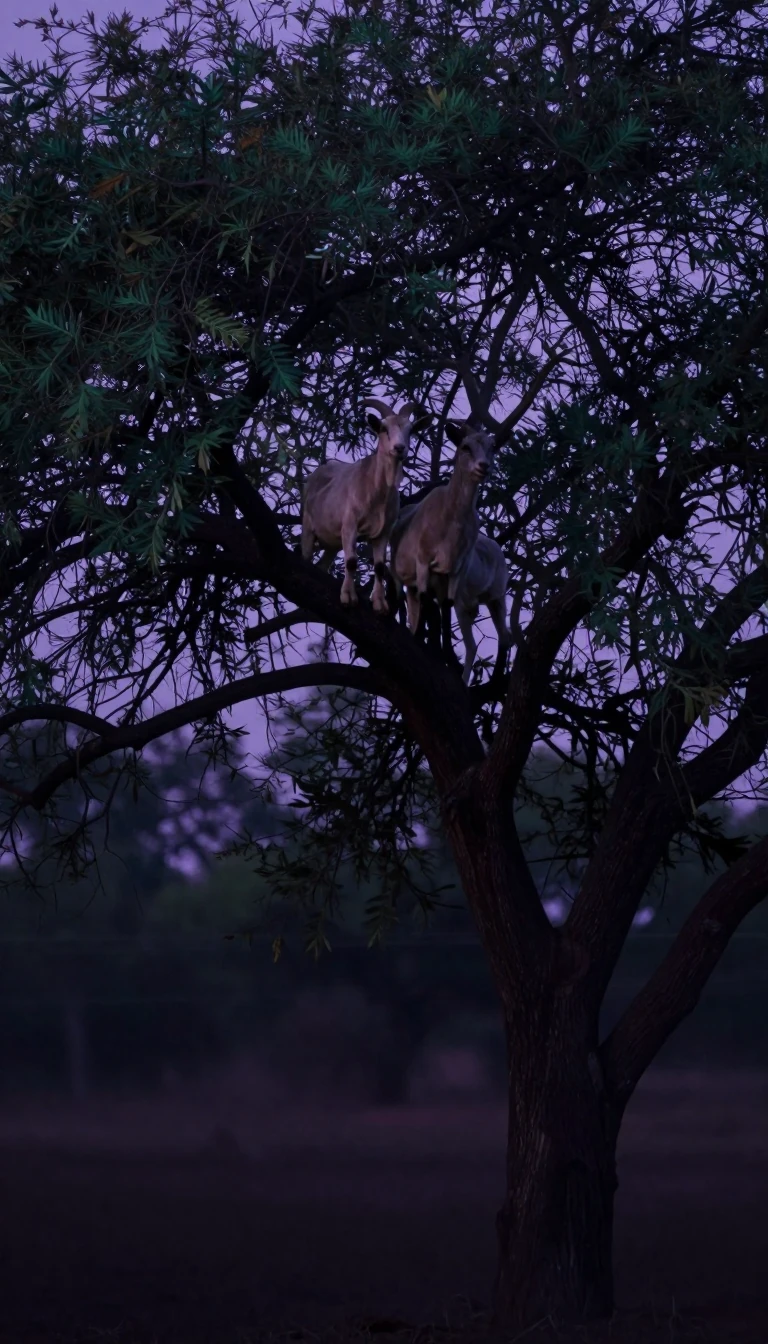 The markhor is a mountain-dwelling goat with a name that means snake-eater.Known as the screw-horned goat, this elusive species thrives in the rugged terrain of Central and South Asia. While folklore once claimed it hunted serpents, modern science reveal…
- The tree-dwelling margay is a master of mimicry and arboreal acrobaticsOften called the tree ocelot, the margay is a solitary, nocturnal cat native to the forests of the Americas. It possesses unique physical adaptations, including ankles that rotate…
 Is the Great Black One a terrifying destroyer or a bringer of wealth?Mahakala is a complex deity spanning Hinduism, Buddhism, and Sikhism. Often depicted as a wrathful, multi-armed guardian of the dharma, he is simultaneously venerated as a benevol…
 Why the kangaroo is an evolutionary master of energy efficiency in harsh landscapesThe kangaroo’s iconic hop is not just a mode of travel; it is a sophisticated biological mechanism for energy conservation. By storing elastic strain energy in their tendons and s…
- Why do macaws eat dirt? It is not to neutralize toxins as once thought.For years, scientists believed macaws visited river banks to eat clay to neutralize toxins from their diet. New research at the Tambopata Research Center in Peru reveals a differe…
 What defines a true man-eater, and which animals actually hunt humans for food?A man-eater is not just any animal that kills a human; it is a predator that incorporates human flesh into its regular diet. While popular culture fixates on sharks and wolves, th…
 The hidden anatomy that unites centipedes, millipedes, and every insect on EarthLook closely at a centipede or a beetle, and you will find a shared evolutionary blueprint. These creatures belong to Mandibulata, a massive arthropod group defined by specialized…
 Is this gelatinous Nordic delicacy a culinary masterpiece or a historical accident?Lutefisk, a traditional Nordic dish of lye-cured whitefish, is a polarizing staple of Christmas feasts. While some cherish its mild flavor and unique texture, others treat it as a…
 The bullet-shaped virus behind rabies is far more diverse than we once thoughtLyssavirus is a genus of RNA viruses known for causing rabies, but its true scope extends well beyond a single disease. With unique bullet-shaped structures and a complex evolutio…
 Why the term living fossil is a scientific misnomer that misleads the publicThe label living fossil suggests an organism has stopped evolving, remaining frozen in time for millions of years. In reality, this is a misunderstanding of evolutionary biology. …
 The loggerhead sea turtle is a globe-trotting marine reptile with a temperature-dependent sex life.These ancient mariners navigate thousands of miles across open oceans, yet their entire biological destiny is determined by the heat of the sand where they hatch. From their power…
 Lonesome George was the final Pinta Island tortoise, but was he truly the last?For decades, Lonesome George stood as the rarest creature on Earth, a solitary symbol of extinction in the Galápagos. Despite intense efforts to breed him, he died without offspri…
 The genus Leopardus: A complex evolutionary puzzle of small American catsLeopardus is a genus of small, spotted cats native to the Americas that stands apart from other felids by possessing 36 chromosomes instead of 38. While they share a common ancest…
 Lignin is the mysterious, rot-resistant polymer that allows trees to stand tall and strong.Beyond cellulose, lignin is the most abundant organic polymer on Earth. It acts as a structural glue, filling plant cell walls to provide rigidity and water-conducting efficiency.…
 Is the lion's mane jellyfish truly the longest animal on our planet?With tentacles stretching over 36 meters, the lion's mane jellyfish is a contender for the title of the world's longest animal. Yet, this giant of the cold, boreal seas remains a …
 The leopard cat was likely the first feline species domesticated by humans in ChinaWhile we often associate cat domestication with ancient Egypt, archaeological evidence suggests the leopard cat was kept by humans in Neolithic China 5,000 years ago. This small, …
- What defines an indie game when the lines between independent and corporate blur?Independent video games are defined by their freedom from major publisher oversight, yet the term remains notoriously slippery. From bedroom coders of the 1980s to modern multimed…
 Why the peacock's elaborate train remains one of nature's most debated evolutionary puzzlesFor over a century, scientists have argued over the function of the peacock's train. While Charles Darwin proposed sexual selection, others suggest it acts as a handicap signaling…
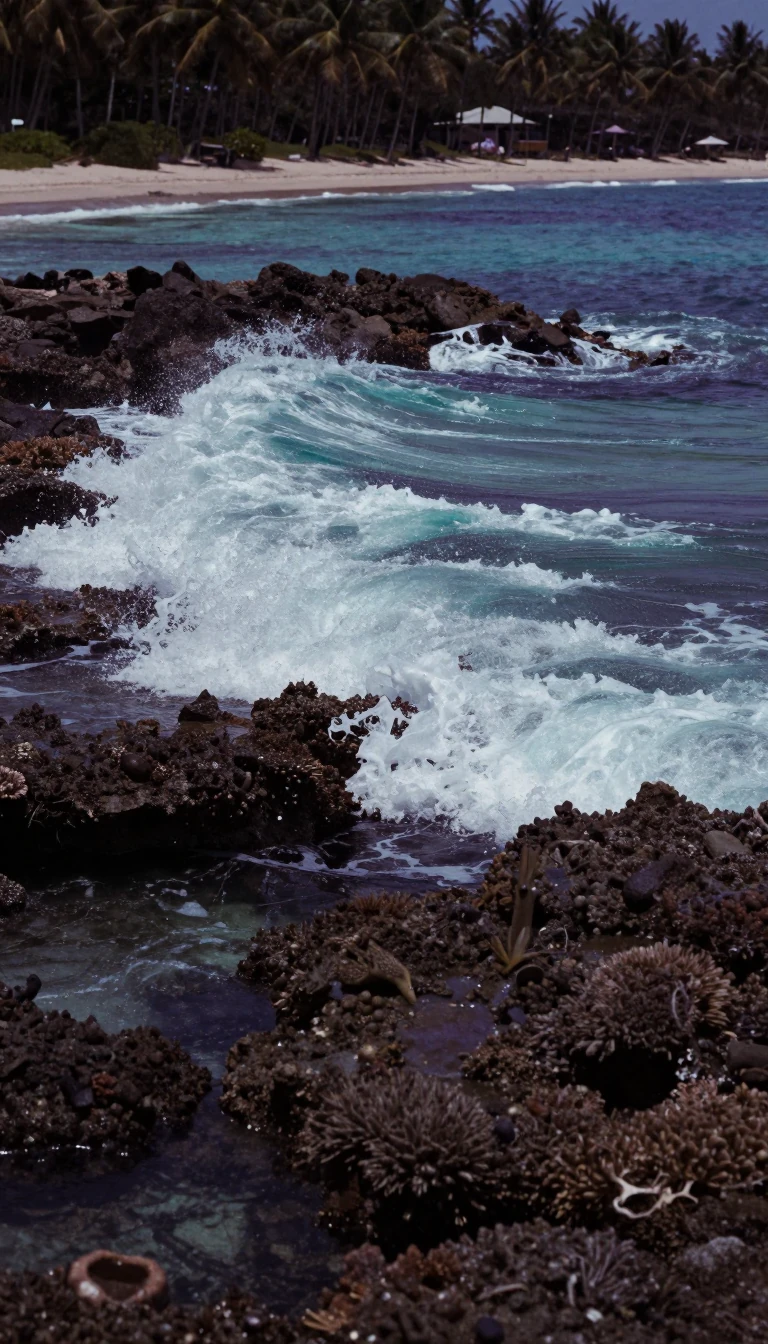 The Indo-Pacific is both a biological powerhouse and a contested geopolitical construct.Spanning from Madagascar to Japan, the Indo-Pacific is the world's most species-rich marine realm. Yet, this vast expanse is also a modern geopolitical battlefield, where global p…
 From ancient survival to modern science: the long, winding history of studying fishIchthyology is the branch of zoology dedicated to the study of fish, a field that evolved from the practical needs of prehistoric hunters to a rigorous scientific discipline. Toda…
 Why Barnegat Bay is the essential nursery for marine lifeJoin Kevin O'Connor on a boat tour of Barnegat Bay to explore the vital role of this estuary. Discover how this natural incubator supports local ecosystems and why responsible coa…
- Why building in harmony with nature is the key to barrier island resilienceRoger Cook visits Island Beach State Park in New Jersey to examine a barrier island in its natural, undeveloped state. The video highlights why future development must align with …
- How can coastal landscapes recover after being devastated by a massive superstorm?Landscape expert Roger Cook investigates the aftermath of superstorm Sandy on the Jersey Shore. By consulting with local environmental planning specialist Alex Burke, the team ide…
- Why play is a vital biological investment for young dolphinsWatch as a marine biologist uses an underwater scooter to interact with young spotted dolphins. This footage captures more than just fun; it reveals how play serves as a critical …
 Do social groups make predators smarter? Testing the intelligence of lions and hyenas.Kevin Richardson joins animal behavior experts to study the cognitive abilities of lions and spotted hyenas. By placing these apex predators in a unique field laboratory, research…
 Why a young peacock's confidence is no match for an experienced rival's dominanceA young peacock, emboldened by his developing plumage and female attention, challenges an older rival for mating rights. This encounter illustrates the harsh reality of avian comp…
 Why Ring-Tailed Lemurs Use Stink Flirting to Compete for Mating RightsIn the world of ring-tailed lemurs, scent is the primary language of attraction and conflict. This video explores the phenomenon of stink flirting, where males use specialized gla…
 Two rival lemur troops fight for survival in a shrinking Madagascar forestIn a small protected reserve in southern Madagascar, two distinct ring-tailed lemur troops compete for limited resources. This video examines the territorial conflict between the …
- Why cold-blooded predators are the most efficient hunters in the natural worldThis video examines the specialized evolutionary adaptations that allow cold-blooded creatures to dominate as hunters. From stealthy arachnids to prehistoric reptiles and deceptiv…
- Why a Texas law designed to prevent grid failure ultimately fell shortFollowing a 2011 Arctic weather event that crippled the Texas power grid, legislation was enacted to mandate winterization for power plants. This video examines why those regulati…
- Beyond the strike: the surprising maternal instincts of the world's deadliest vipersVipers are often viewed as cold-blooded killers, but this documentary reveals a hidden, softer side to their nature. By following three specific mothers across extreme environment…
- Beyond waste: the surprising and strategic ways animals use their urineUrinating is not just a biological necessity for animals. It serves as a complex tool for communication, mating, and even deception. This video explores the diverse and sometimes …
 How flowering plants may have set the world on fireBefore flowers could dominate our landscapes, they might have had to clear the path by burning down the existing wilderness.
- How ancient amniotes adapted to conquer the drying world of PangeaExplore the evolutionary transition from swamp-dwelling amphibians to the ancestors of modern mammals and reptiles. This video examines how life adapted to drier climates during t…
- Could the simple act of chewing have helped some species survive mass extinction?Following the asteroid impact 66 million years ago, the planet transformed into a desolate wasteland. While most dinosaurs perished, small mammals and specific lizard-like reptile…
 How humanity uncovered the truth about the asteroid that wiped out the dinosaurs.Sixty-six million years ago, a massive asteroid struck Earth, ending the age of the dinosaurs. This video tracks the rapid forty-year scientific journey from total ignorance of th…
- Greenland once hosted a mysterious ecosystem that defies any modern comparison.Scientists recently recovered DNA over 2 million years old from Greenland's frozen soil. This discovery reveals a lost ecosystem that existed when the island was green, offering p…
 How a narrow strip of land fundamentally altered the Earth's climate and oceansThe formation of the Isthmus of Panama did more than just connect two continents; it acted as a massive barrier in the ocean. This video explores how this geological event trigger…
 Did ancient weeds trick humans into domesticating them by mimicking our early crops?Some of our most familiar crops began as uninvited guests that successfully hid their true identity. This video explores how ancient weeds repeatedly mimicked early crops during t…
- Are physical strength and intelligence actually linked in our evolutionary history?We often assume that brains and brawn are opposing forces, but evolutionary history suggests they may be deeply connected. This video explores the surprising link between physical…
 Your teeth actually began as part of your ancestors' protective outer armor.Ever wonder why teeth are so sensitive? The answer lies in their evolutionary origins. Far from starting in the mouth, teeth first appeared as components of the armored skin cover…
- Is Tyrannosaurus rex actually misnamed, and what other titles could it have held?This video examines the history of the name Tyrannosaurus rex and questions whether it was the most appropriate choice among the various names assigned to the dinosaur over time.
 Did the reign of dinosaurs condemn mammals to a shorter lifespan?This video explores the theory that the dominance of dinosaurs during the Mesozoic era may have fundamentally shaped the aging process of modern mammals, causing us to age faster …
 Why the Solnhofen formation might be misleading our understanding of ancient lifeThe Solnhofen formation in Germany has yielded over 500 fossils across 15 different pterosaur species. This video explores a potential mystery hidden within this site, suggesting …
- Why did vertebrates colonize land and air before mastering the deep ocean?Vertebrates evolved in water, yet the fossil record indicates they successfully inhabited land and air long before venturing into the deep sea. This video explores the evolutionar…
 The Last Woolly Mammoths Lived on an Alaskan Island 5,700 Years AgoLong after their mainland counterparts vanished, a small population of woolly mammoths persisted on an isolated island off the Alaskan coast. This video explores the final days of…
 Earth has hosted massive supermountains only twice in its entire historySupermountains are geological giants that existed for a tiny portion of Earth's timeline. This video explores how these rare formations emerged and why their brief existence appea…
 PBS Eons expands its exploration of deep time with a new television series.After eight seasons of digital content, the team behind PBS Eons has produced a new television series titled Eons: Life and Death on Pangea. This project marks a significant expan…
- Did the rise of the Tibetan Plateau forge the world's most successful cat?The evolution of the saber-toothed cat Homotherium remains a puzzle. This video explores how a massive geological shift—the uplift of the Tibetan Plateau—may have driven the uniqu…
 Why did flightless dinosaurs evolve feathers? A robot-dino might hold the answer.Paleontologists have long debated the original purpose of feathers on non-flying dinosaurs. This video explores a unique experimental approach using a robotic model to test a new …
- Did the Great Dying trigger a global age of mutant plants?The Great Dying, a massive extinction event 252 million years ago, left behind evidence of strange plant mutations. This video investigates whether a collapse of the ozone layer w…
 Did tetrapods climb into the trees to escape predators or find new food?The transition of tetrapods into arboreal environments is often assumed to be about the trees themselves. However, recent evidence suggests that the motivation for this shift may …