 Intellect Plus
Nature
11,198 cards. Each one is a 40-second story with a five-minute read behind it. Page 136 of 187.
Subtopics: Ageing · Air · Animal behaviour · Animal breeds and hybrids · Animals · Arthropods · Atmosphere · Big cats · Bilateria, others · Birds · Botany · Cnidarians · Conservation · Coral reefs · Deep sea · Deserts · Dinosaurs · Earth science · Earth science and physical geography · Earth science basics · Earthquakes & tsunamis · Echinoderms · Ecology · Ecosystems · Endangered species · Extinct animals · Farming · Fish · Forests · Fungi · General classifications · Geology · Geomorphology · How Long Can It Live? · Ice · Individual animals · Insects · Lightning · Longevity · Mammals · Marsupials · Migration · Mollusks · Ocean · Organisms · Parasites · Physical geography · Plants · Porifera · Predators · Primates · Rainforest · Reptiles & amphibians · Researched · Sharks & rays · Spiders & arachnids · Symbiosis · Trees · UK & Ireland: nature · Vertebrates · Vision · Volcanoes · Water · Waves · Weather · Whales & dolphins · Zoology
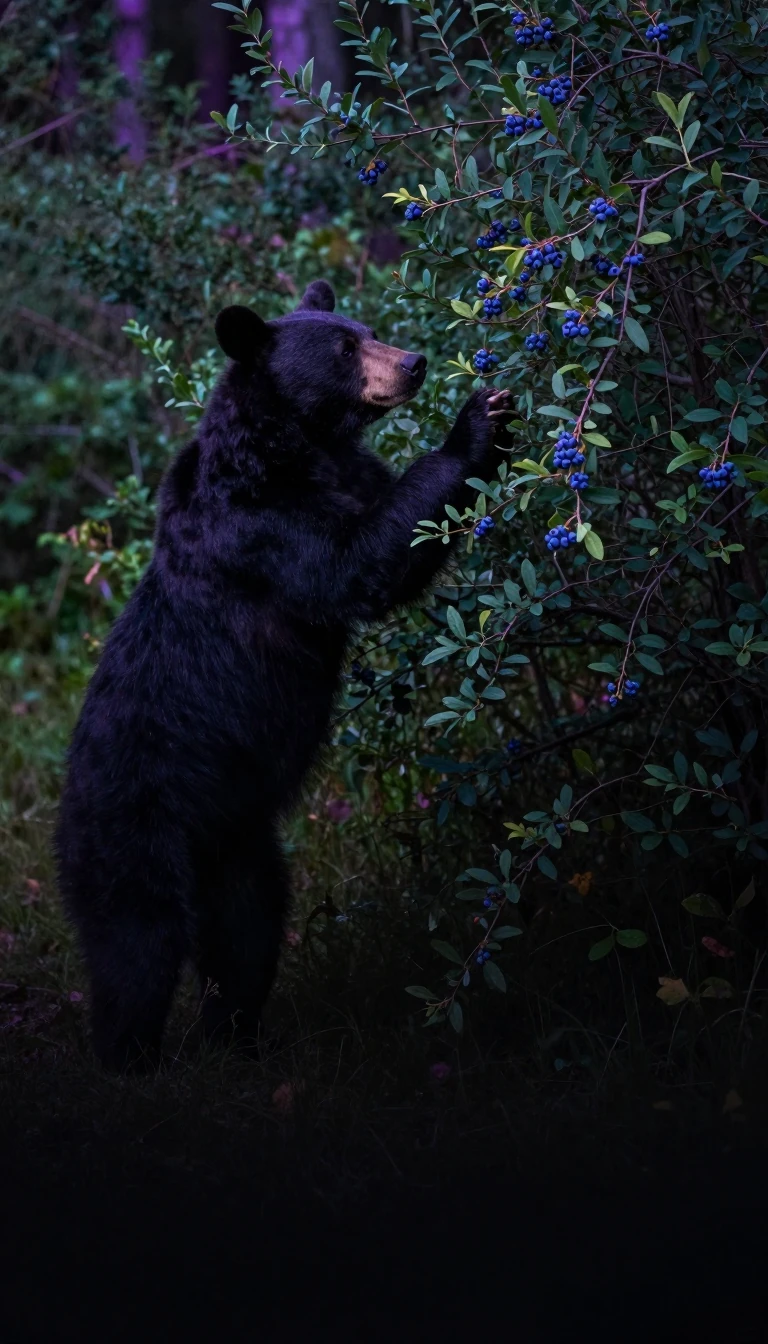 The short-faced bear that grew into a giant and then vanished from South AmericaArctotherium, the bear beast of the Americas, evolved into one of the largest terrestrial carnivores in history before shrinking and eventually disappearing. These short-faced bea…
 The last of the Asiatic cheetahs are fighting for survival in Iran's central plateauOnce roaming from the Arabian Peninsula to India, the Asiatic cheetah is now critically endangered and confined to Iran. With fewer than 50 individuals remaining in fragmented sub…
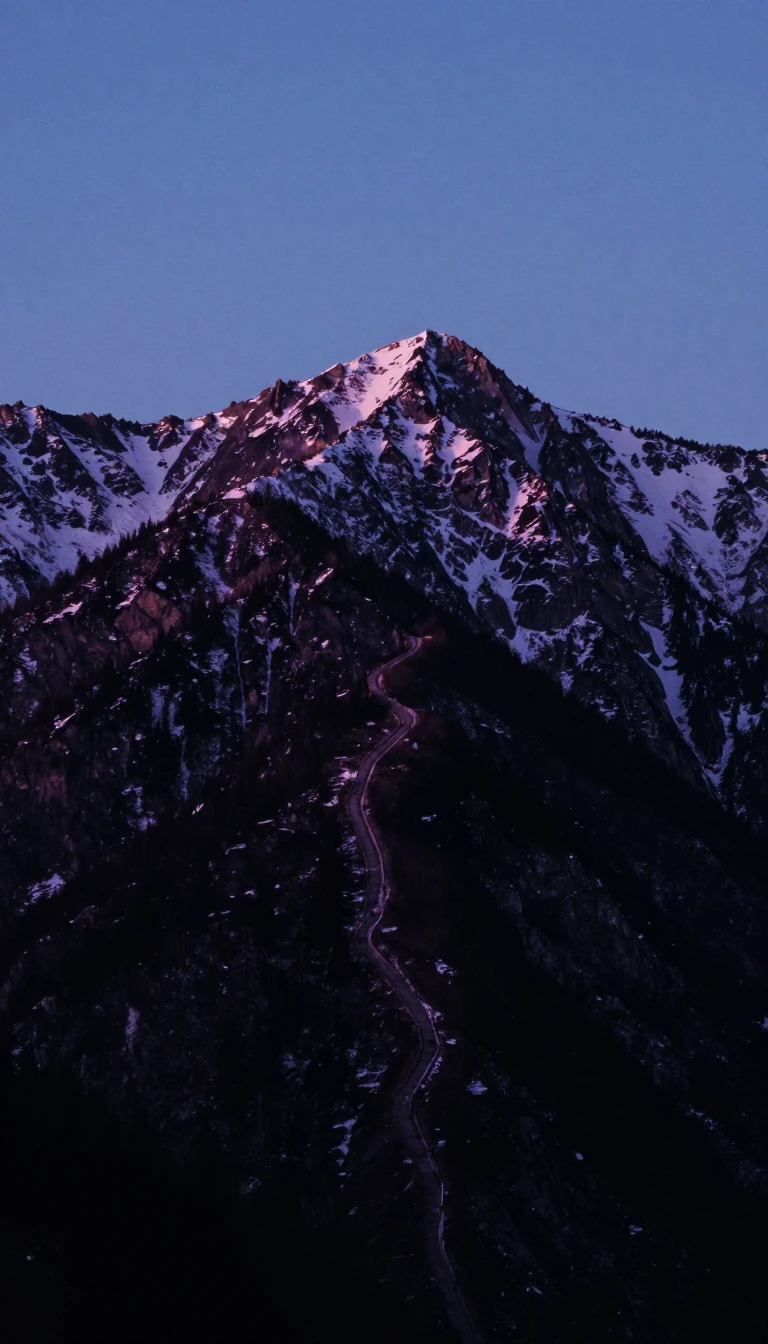 Why Italy's smallest, most mountainous region speaks French and eats Alpine mountain fareTucked away in the northwestern corner of Italy, the Aosta Valley is a land of extremes. It is the nation's least populated region, home to its highest peaks, and a place where It…
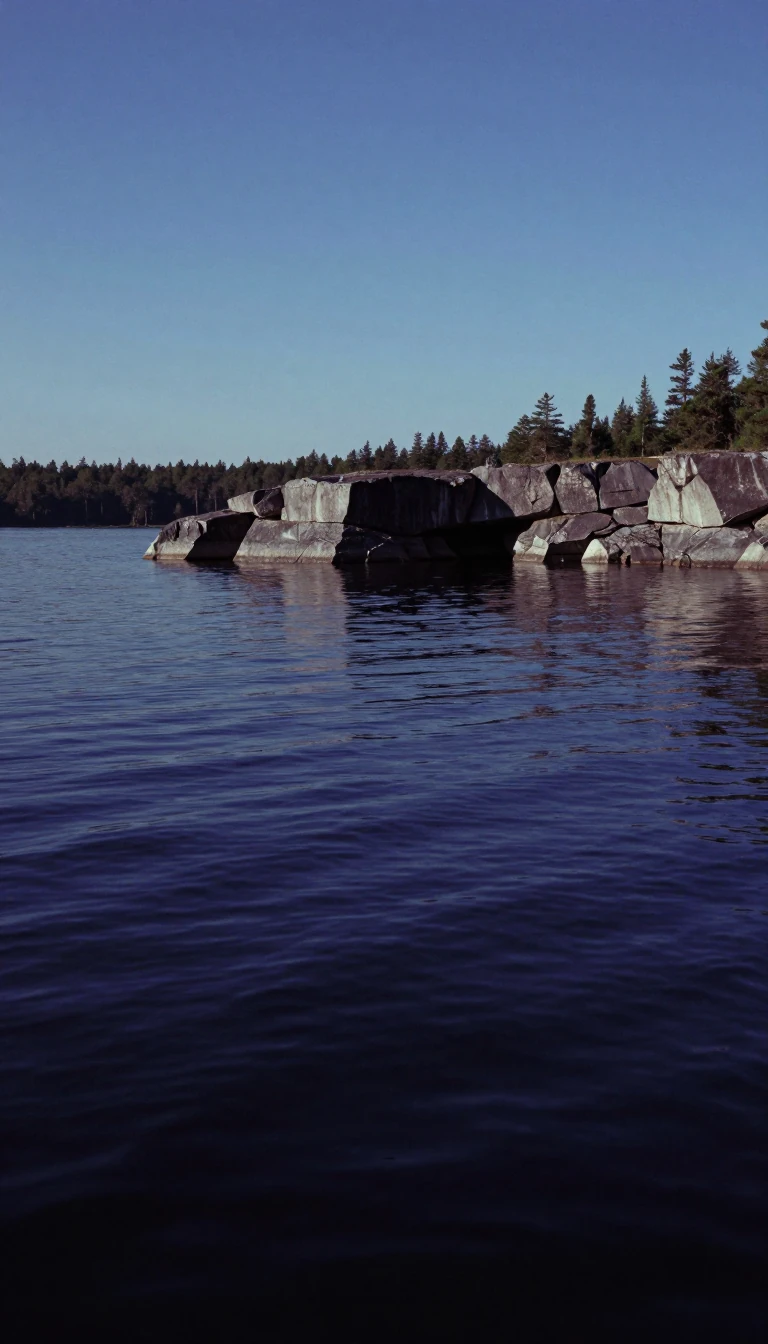 Why do some lakes survive for millions of years while others vanish in a blink?Most of the world's lakes are fleeting, disappearing within 18,000 years as sediment fills their basins. Yet, a rare group of ancient lakes has persisted for over a million years.…
 How a simple clerical error renamed a multi-million dollar helicopter fleetIn the high-stakes world of aerospace engineering, precision is everything. Yet, the heavy-lift AW101 began its life under a name born from a mere transcription error. Beyond the …
 The Amur leopard is a master of the cold, yet it hangs by a thread.Adapted to survive heavy snow and freezing temperatures, the Amur leopard is one of the world's rarest big cats. Once roaming across the Korean Peninsula and vast swathes of China…
 Annapurna: The Hindu Goddess of Nourishment That Claims the Lives of Elite ClimbersRising 8,091 metres in Nepal, Annapurna I is the tenth-highest mountain on Earth. While its name translates to everlasting food, the peak is notorious for its extreme danger. It w…
 Is Aotearoa the true name of New Zealand, or a poetic invention?Aotearoa is widely recognized as the Māori name for New Zealand, yet its origins remain shrouded in mystery. Originally referring only to the North Island, this evocative term has…
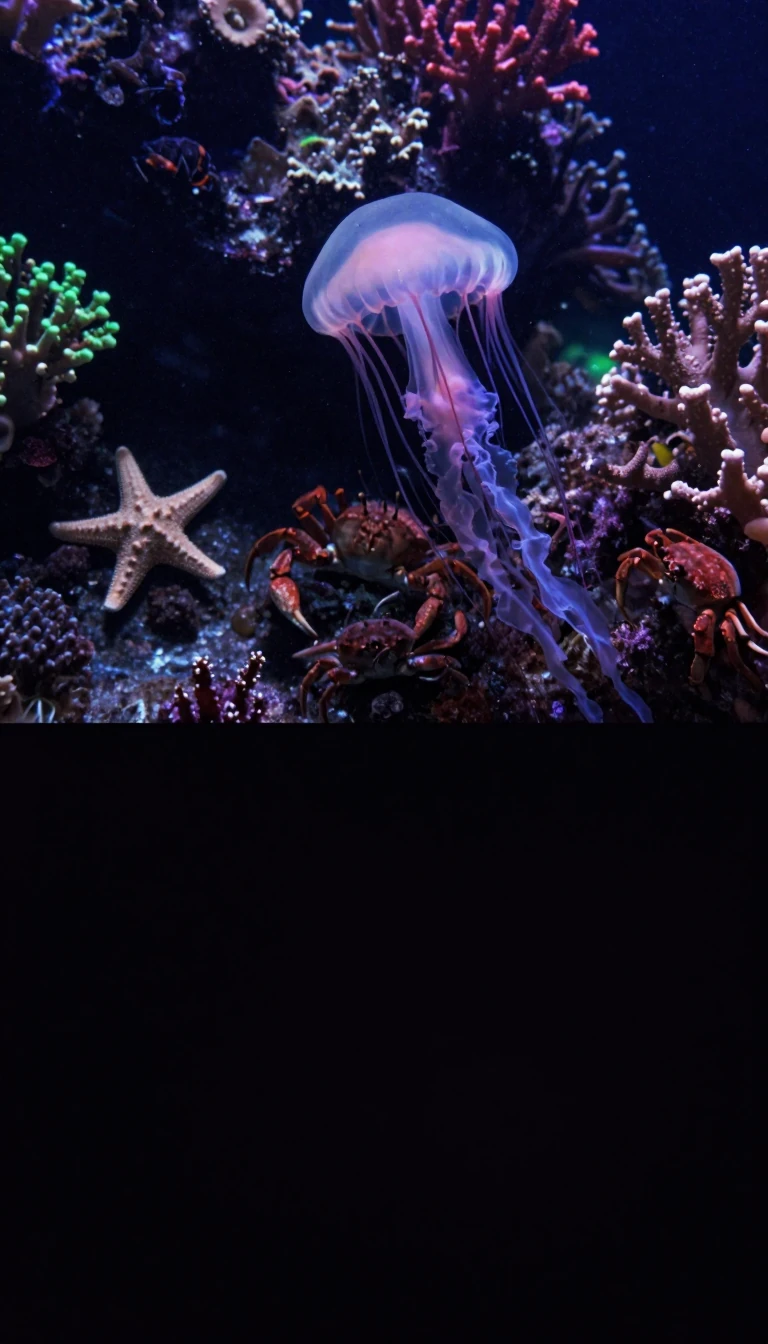 These tiny, diverse crustaceans thrive from the deepest ocean trenches to your backyard garden.Amphipods are master survivors found in nearly every aquatic and terrestrial environment on Earth. Ranging from microscopic scavengers to giants reaching 35 centimeters, these cru…
 How a Qatari news network became a global alternative to Western media giantsLaunched in 2006 with a billion-dollar investment, Al Jazeera English aimed to challenge the dominance of Western broadcasters. By prioritizing frontline reporting in conflict zon…
 Can three military-led nations forge a new sovereign state in the heart of Africa?Burkina Faso, Mali, and Niger have abandoned the regional bloc ECOWAS to form the Alliance of Sahel States. Driven by anti-colonial sentiment and military leadership, this confede…
- The American mink is a global traveler that reshaped ecosystems far from homeNative to North America, the American mink has become one of the world's most widespread invasive species. Introduced to Europe, Asia, and South America for the fur trade, these a…
 Albany sits atop the sandy remains of an ancient, vanished glacial lakeBeyond its political history, Albany is defined by a unique geological legacy. The city rests on arid, sandy soil left behind by a prehistoric lake. This landscape supports a rare…
 Aizawl: The high-altitude capital built on a field of cardamom and colonial historyPerched on ridges 1,132 metres above sea level, Aizawl is a city defined by its dramatic topography and rapid transformation. Once an abandoned village, it evolved into a strategi…
 Acapulco: From Hollywood Playground to a City Defined by Reeds and ResilienceOnce the glittering crown jewel of Mexican tourism, Acapulco has a history as deep as its bay. From its origins as an Aztec tributary and a vital colonial link to Asia, to its mid…
 India's administrative map is a complex, nested hierarchy of states, districts, and local unitsIndia manages its vast geography through a multi-tiered system that blends revenue collection with local governance. While the country is officially divided into 28 states and 8 u…
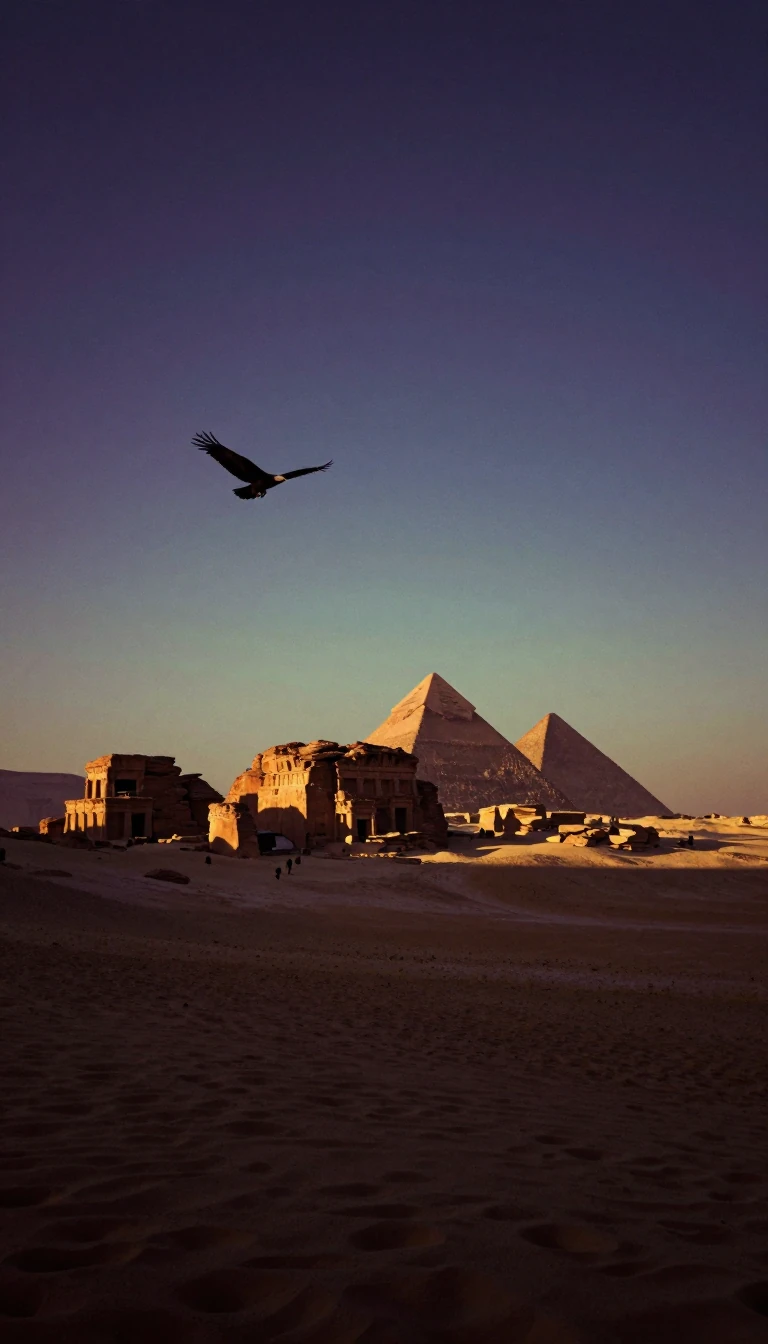 The African fish eagle is a master of the water, not just the skyKnown as the voice of Africa, this iconic raptor is not actually related to the North American bald eagle. Despite their similar white-headed appearance, these birds belong to an …
 The African elephant's brain structure is surprisingly similar to that of a humanAfrican elephants are not just massive herbivores; they are highly intelligent beings with brains that rival humans in complexity. Featuring a large, convoluted neocortex and a ne…
 The heavy-weight champion of North American flightWhile they may look clumsy, the wild turkey is one of the heaviest flying birds in the world. From their complex, color-changing heads to a unique evolutionary strategy of 'team-c…
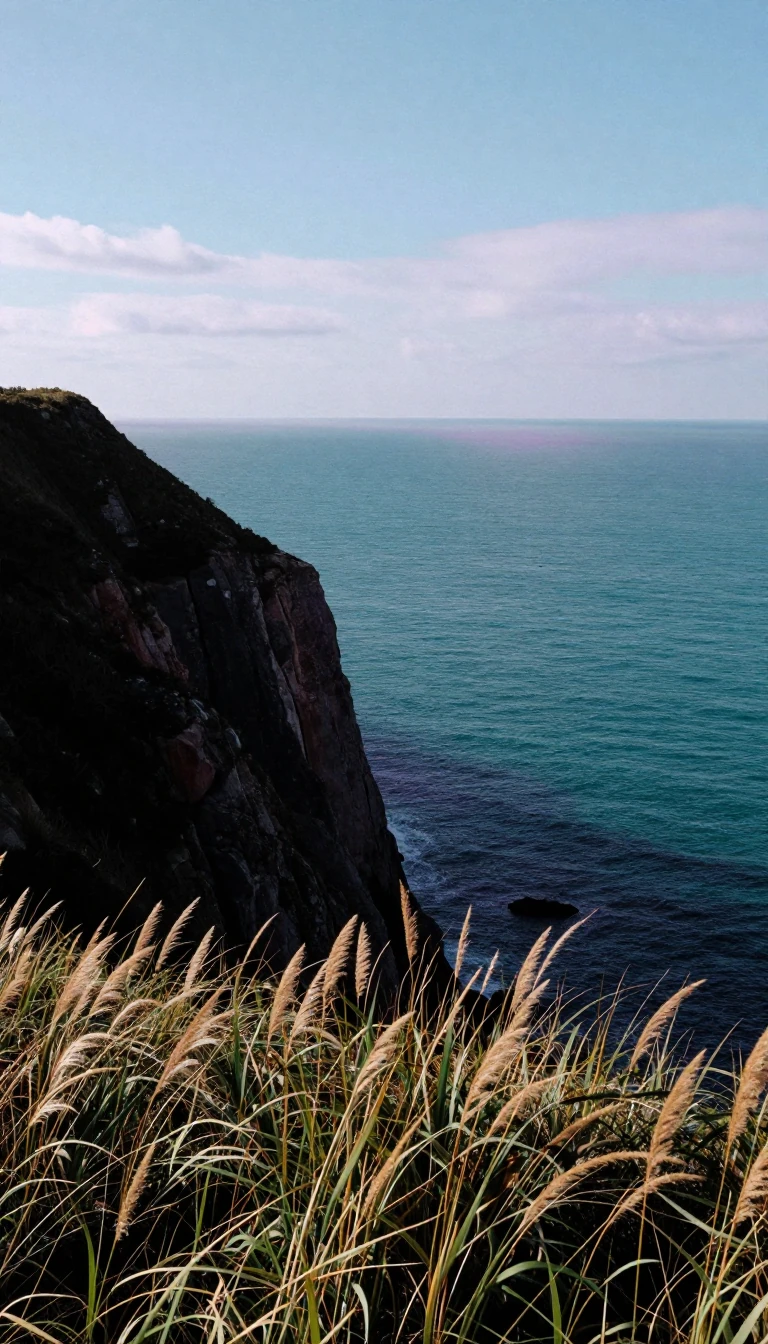 In 2013, Falkland Islanders voted nearly unanimously to remain a British Overseas Territory.Facing persistent sovereignty claims from Argentina, the Falkland Islands government held a referendum to clarify their political future. With a 92% turnout, the result was a land…
 In 2015, over 1.3 million people sought asylum in Europe, the highest since 1945.The 2015 European migrant crisis saw a massive influx of people fleeing war and persecution, primarily from Syria, Afghanistan, and Iraq. As borders tightened and political tensio…
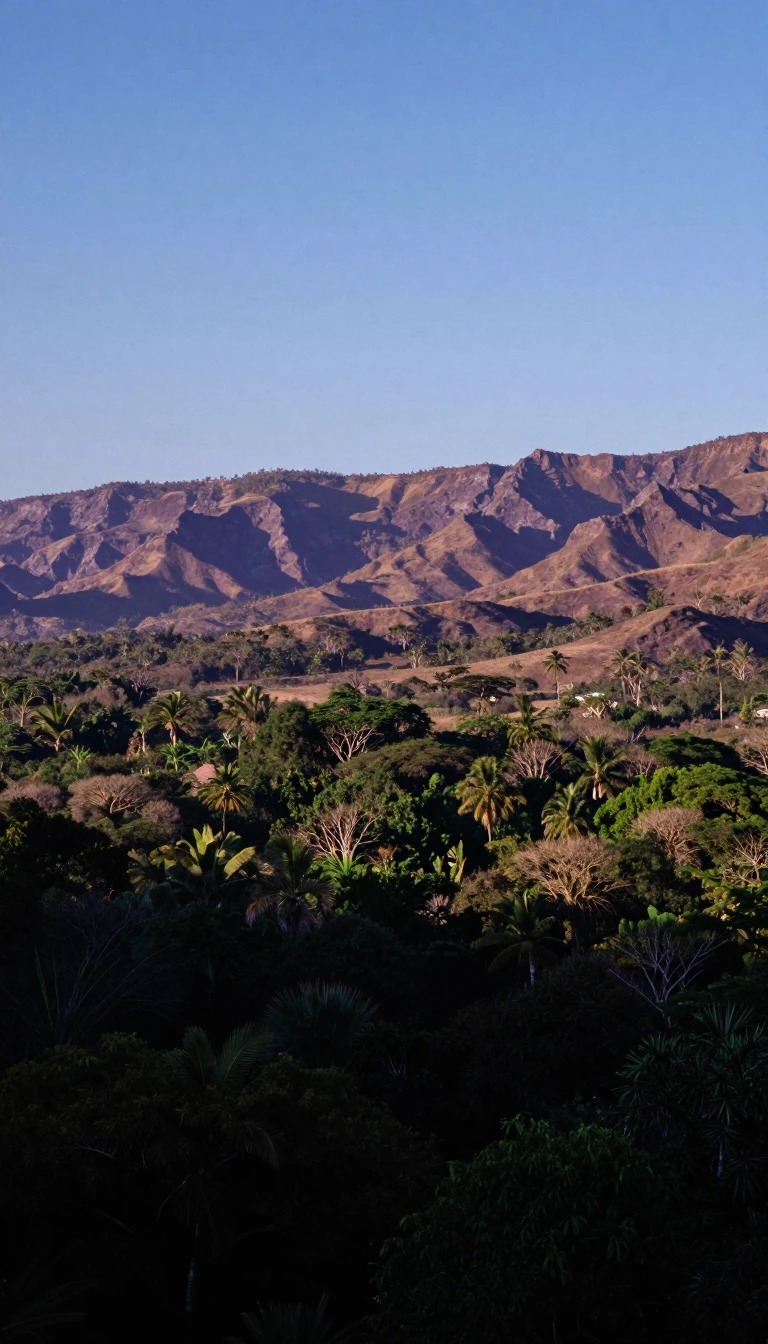 Zacatecas: A high-altitude Mexican state defined by silver, ancient history, and rugged terrain.Spanning over 75,000 square kilometers in north-central Mexico, Zacatecas is a land of extremes. From its arid, cactus-studded deserts to high-altitude forests, this state has sha…
 The resilient Zinnia: From Mexican scrubland to the International Space StationNamed for an 18th-century German scientist, the Zinnia is a sun-loving genus native to the Americas. These hardy annuals are prized for their vibrant, varied blooms and ability to…
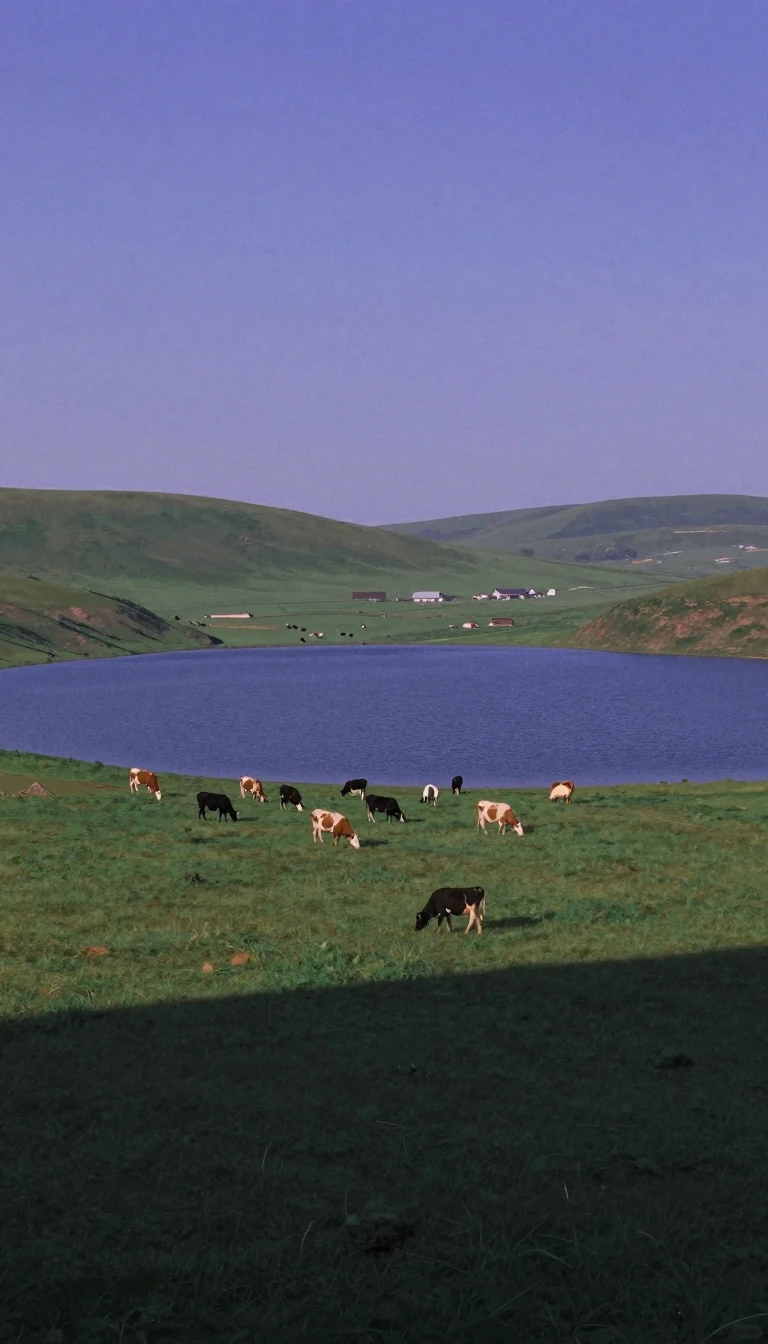 The wild water buffalo is the massive, endangered ancestor of our domestic herdsStanding up to 190 cm at the shoulder with horns spanning two meters, the wild water buffalo is a formidable bovine. Once widespread across Asia, this species is now critically th…
 The Wild Yak: A Himalayan Giant That Defies Domestic LifeThe wild yak is a massive, shaggy bovine that has roamed the high-altitude plateaus of the Himalayas for millennia. Despite their imposing size and strength, these creatures remai…
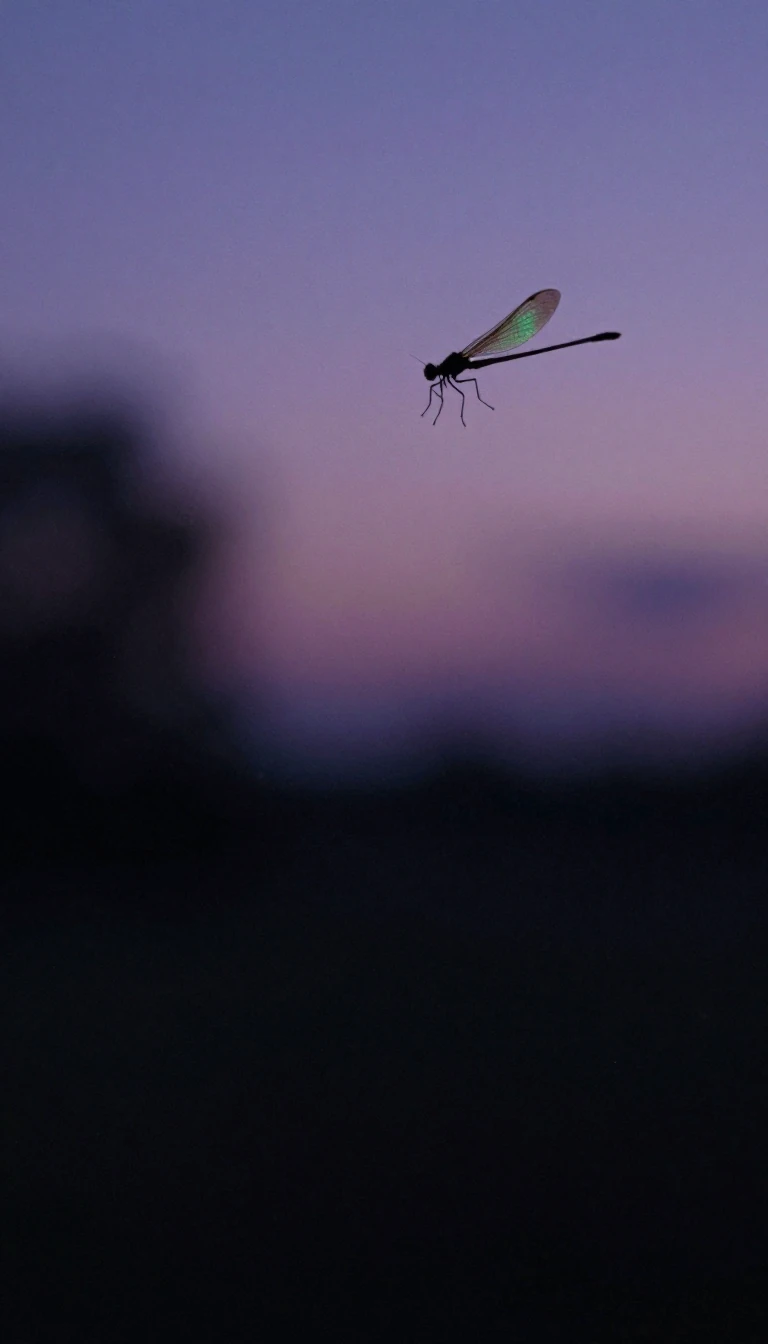 Why the wolf spider is the most devoted mother in the arachnid worldUnlike most spiders that abandon their eggs, the wolf spider carries her offspring everywhere. After they hatch, the spiderlings climb onto her back, where they remain for weeks. …
 These simple marine worms might be the most ancient branch of bilateral animal life.Xenacoelomorpha are small, flat, worm-like creatures that challenge our understanding of animal evolution. Once mistaken for common flatworms, these marine organisms possess a sur…
 Why South America's strangest mammals have joints unlike any other creature on EarthThe superorder Xenarthra, including sloths, anteaters, and armadillos, is defined by unique vertebral joints called xenarthry. These ancient mammals evolved in isolation for milli…
 The yellowfin tuna is a high-speed predator that can dive over a kilometer deep.Known for its bright yellow fins and sickle-like appendages, the yellowfin tuna is a master of the open ocean. Capable of swimming at speeds up to 47 mph, this species balances a …
 Whitebait is not a single species, but a culinary term for immature fish fry.Across the globe, whitebait refers to the tiny, tender fry of various fish species. While often treated as a delicacy, this collective label masks a complex ecological reality. Fr…
- The wild Bactrian camel is a distinct species that survived nuclear testing in China.Often mistaken for a feral descendant of domestic camels, the wild Bactrian camel is a unique species that diverged over 700,000 years ago. These resilient desert dwellers can dri…
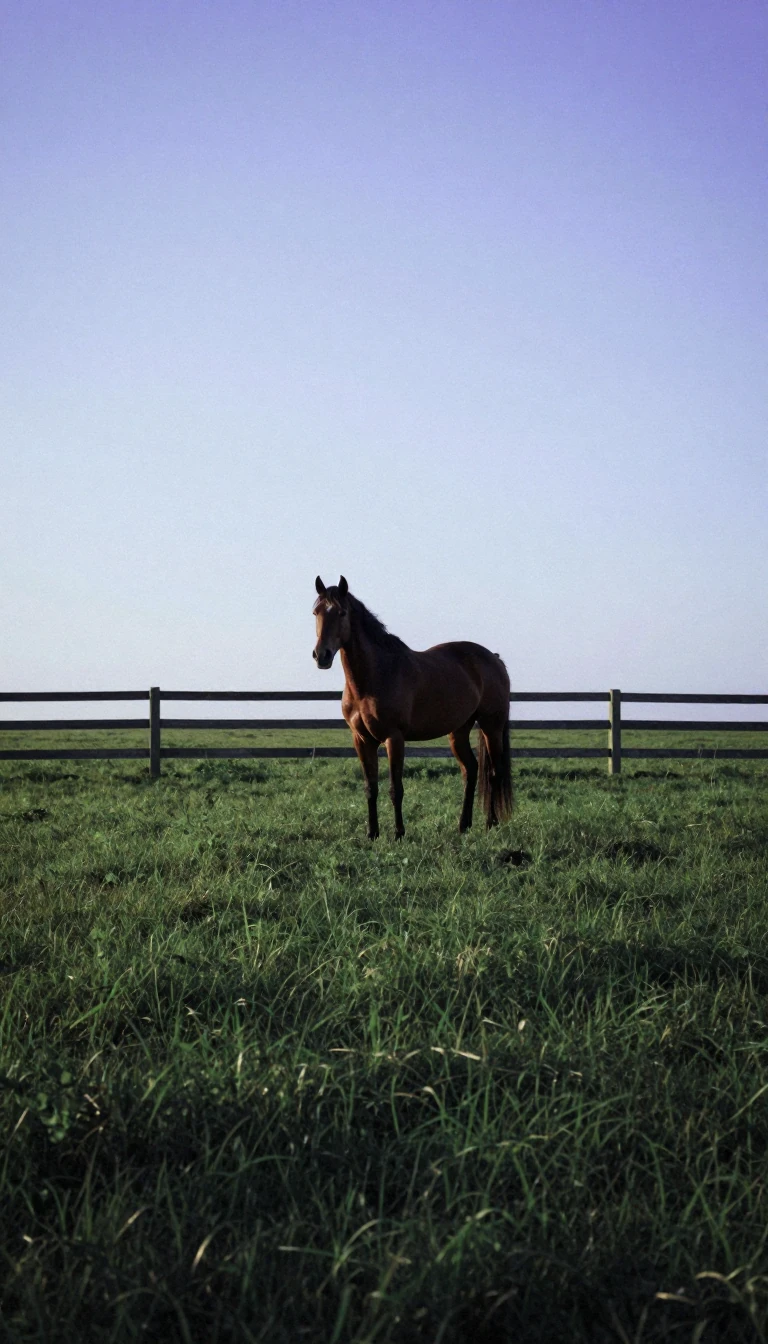 Are the horses roaming the American West actually wild, or just feral runaways?Most horses we call wild are actually feral, meaning they are descendants of domesticated animals that escaped. True wild horses, which never underwent domestication, are vanishin…
- The wildcat is not just a single animal but a complex evolutionary lineage.While we often think of cats as domestic companions, the wildcat is a diverse species complex split into European and African lineages. These solitary predators have roamed forest…
 A bedtime story for two young girls became a masterpiece of epic rabbit literature.Richard Adams improvised this tale during long car trips to entertain his daughters, Juliet and Rosamond. What began as an off-the-cuff narrative about a group of rabbits seeking …
 The vomeronasal organ is a hidden sensory system that detects pheromones and chemical signals.Beyond our standard sense of smell lies a specialized, tubular structure called the vomeronasal organ. Found in many tetrapods, this auxiliary system bypasses the main olfactory b…
- What exactly is a wallaby? The answer is more flexible than you might think.Wallaby is not a precise scientific classification but an informal label for macropods smaller than kangaroos or wallaroos. These marsupials have successfully colonized diverse en…
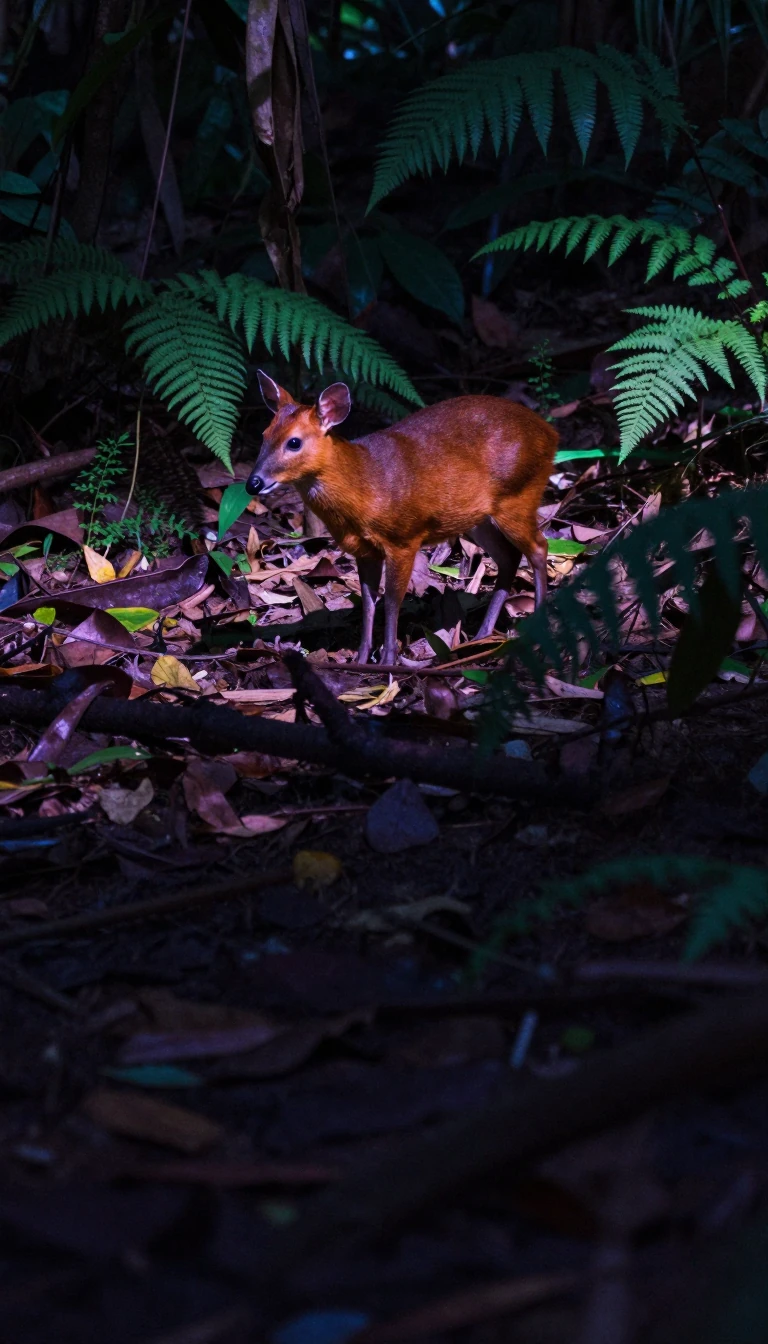 The vampire deer: a tusked, antlerless anomaly that defies traditional deer biologyThe water deer is a biological outlier, sporting long, downward-pointing tusks instead of antlers. Despite its superficial resemblance to musk deer, this solitary creature is a tr…
- Australia's largest bird of prey is a resilient generalist with a unique wedge-shaped tail.The wedge-tailed eagle is a master of the Australian skies, thriving in environments from arid deserts to dense tropical rainforests. Despite historical persecution, this powerful…
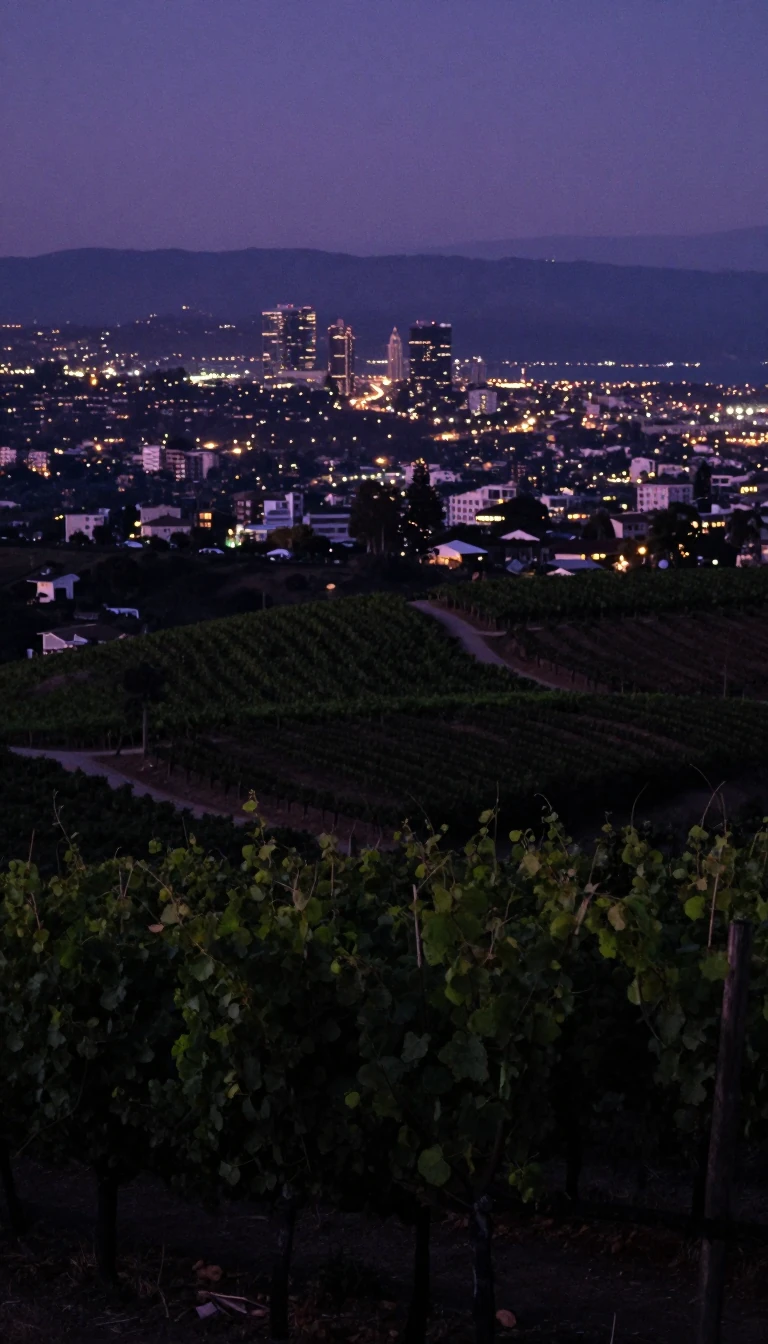 Is the West Coast defined by geography, politics, or the Pacific Ocean itself?The West Coast is more than a map line. While it always includes California, Oregon, and Washington, definitions shift from bureaucratic inclusion of Alaska and Hawaii to a politi…
 The wood grouse is a heavy, ground-dwelling giant of the ancient European forestsThe western capercaillie is the largest grouse on Earth, a bird so distinct that males weigh twice as much as females. Renowned for their thunderous take-offs and elaborate courts…
 The Virginia opossum is a resilient, ancient marsupial thriving in the modern American landscape.As the only marsupial native to North America, the Virginia opossum is a biological outlier. Often dismissed as a scavenger, this cat-sized creature is a master of survival, boast…
 In the psychological thriller Vivarium, a trapped couple is forced to raise a mysterious child.Directed by Lorcan Finnegan, the 2019 film Vivarium explores a nightmarish suburban trap. When Gemma and Tom visit a housing development called Yonder, they become inexplicably st…
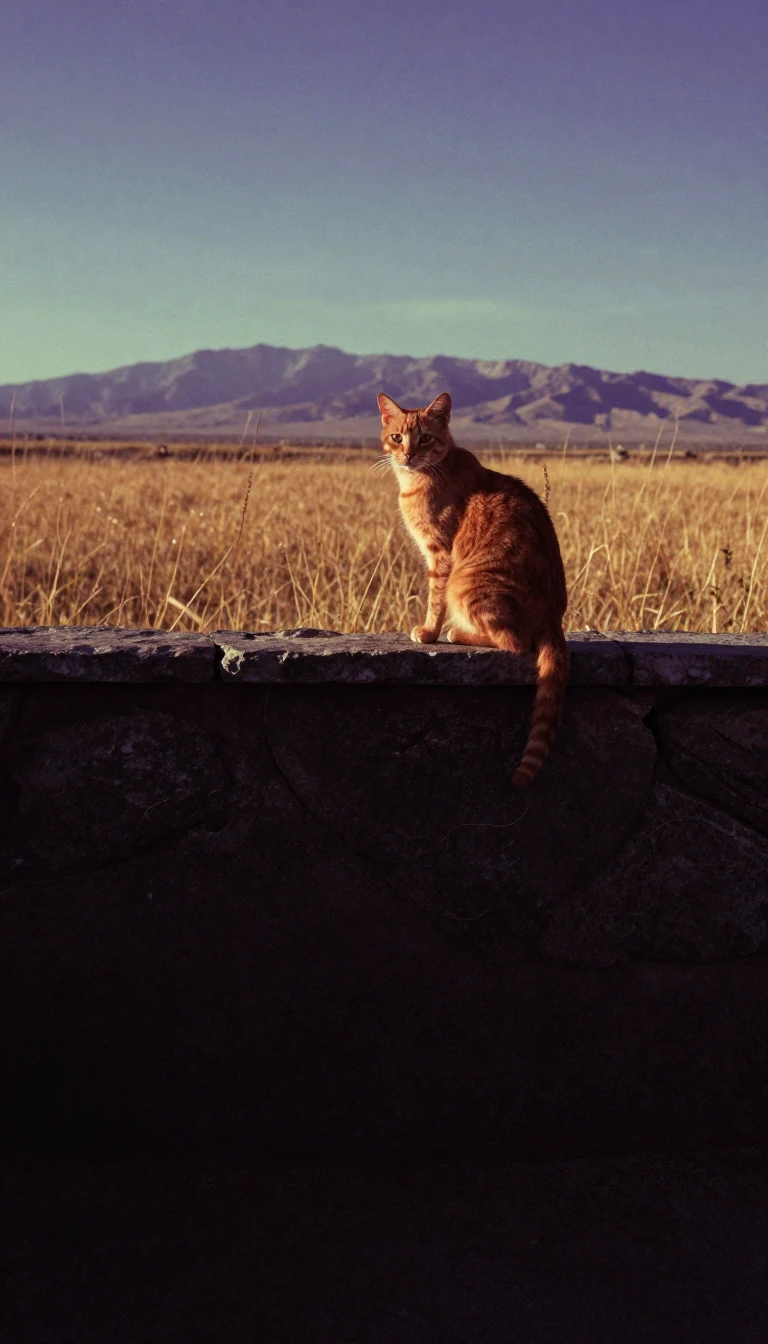 Why these primitive, cat-like mammals are the evolutionary ancestors of the modern feline familyViverrids are the most primitive members of the feliform carnivores, yet they remain widely misunderstood. Comprising 33 species across Africa, Europe, and Asia, these small to me…
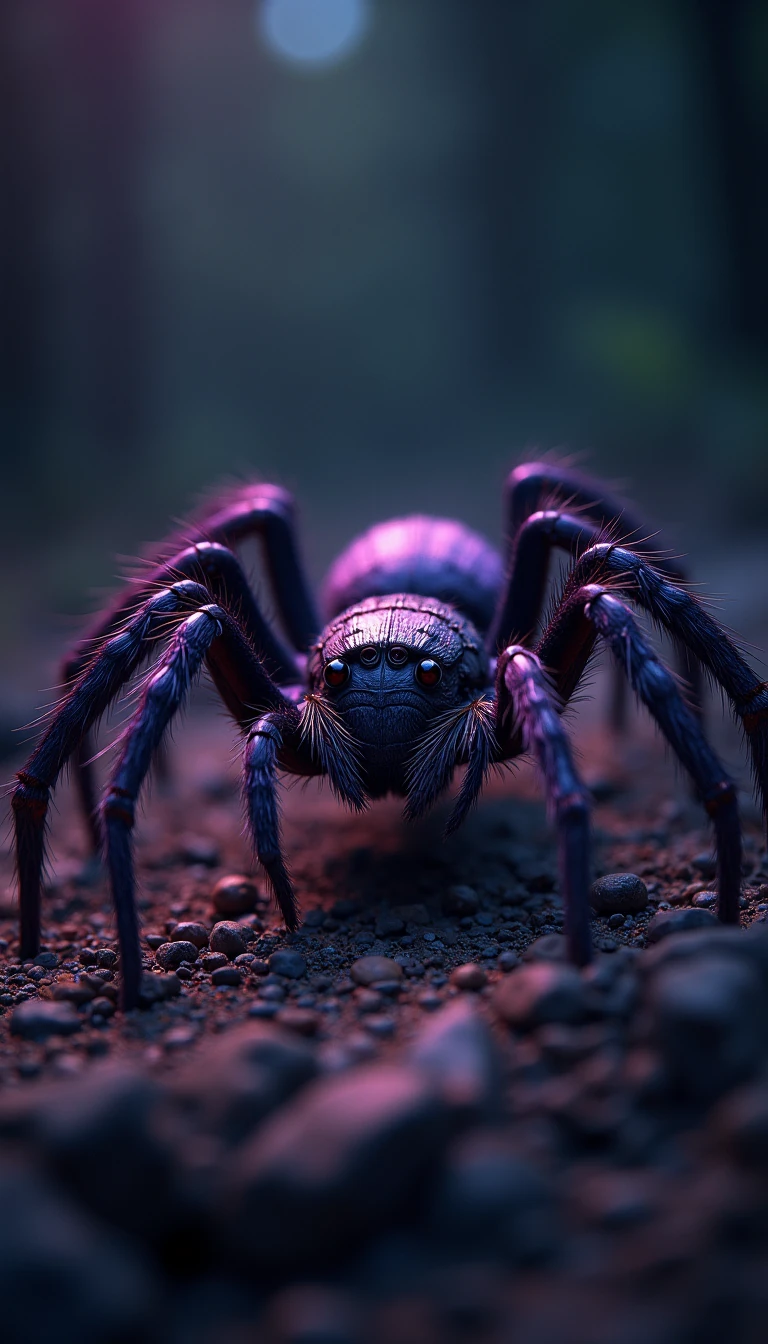 Why these arachnids spray vinegar and carry their young on their backsWhip scorpions, or vinegaroons, are formidable arachnids that defend themselves by spraying a pungent, vinegar-scented acid. Despite their intimidating appearance and scorpion-lik…
 The world's smallest porpoise is fighting extinction in a tiny corner of MexicoThe vaquita, a shy porpoise found only in the northern Gulf of California, is the most endangered marine mammal on Earth. With fewer than ten individuals estimated to remain in th…
 Why the production of veal has become one of the most controversial agricultural practices.Veal is the meat of young calves, often surplus males from the dairy industry. While prized in Mediterranean cuisine, the industry faces intense scrutiny over historical confineme…
 The parasitic mite that threatens honey bee colonies worldwide with rapid, lethal population growth.Varroa destructor is a tiny, button-shaped mite that feeds on the fat bodies of honey bees, weakening them and spreading debilitating viruses. Without active management, these par…
 Vipers use a sophisticated rotating mechanism to house long, lethal fangs in small mouths.Vipers are masters of precision, employing hinged fangs that fold away when not in use. These venomous snakes do not just bite; they calculate, often choosing to deliver dry strik…
- These marine invertebrates are our closest invertebrate relatives and build houses from cellulose.Tunicates are strange, sac-like marine animals that start life as tadpole-like larvae with notochords, linking them to vertebrates. While many spend their adult lives anchored to …
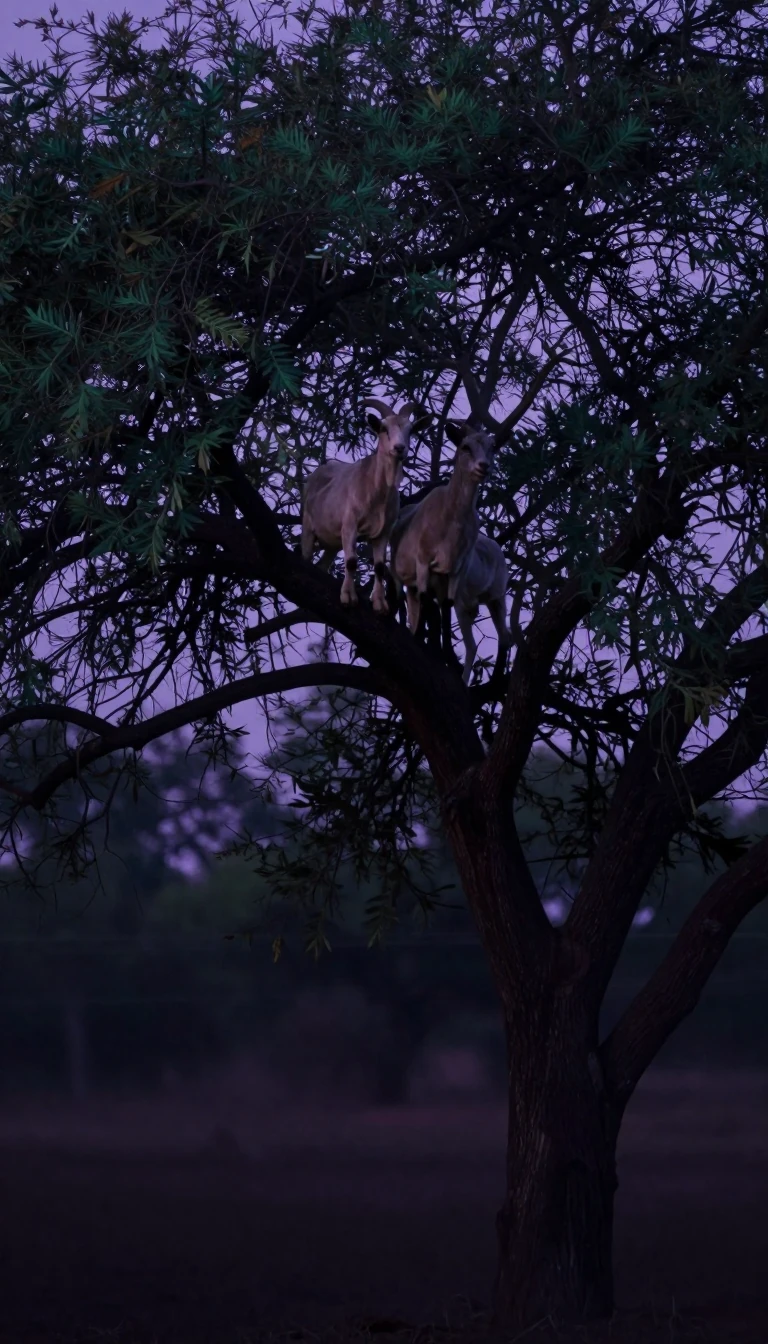 Are whales actually ungulates? The surprising truth about hooves and evolutionary history.Ungulates are defined as hoofed mammals, yet the group includes whales and dolphins, which lack hooves entirely. This paradox highlights the shift from traditional classification …
 Torpor is a sophisticated survival strategy, not just a way to sleep through winter.Far from a simple shutdown, torpor is a precision-controlled physiological state that allows animals to survive extreme food scarcity and harsh conditions. By lowering their metab…
- Why the difference between a toxin, a poison, and a venom mattersNature is a master of chemical warfare, but not all dangerous substances are the same. While we often use terms like poison and toxin interchangeably, biology draws sharp lines ba…
- Why these tiny, primate-like mammals are the ultimate evolutionary outliers of the forestDespite their name, treeshrews are not true shrews, and they are not all arboreal. These small, omnivorous mammals belong to their own unique order, Scandentia. They possess the h…
 Are humans really apex predators or just glorified anchovies in the food web?The trophic level system ranks organisms by their position in a food chain, from primary producers to apex predators. While we imagine ourselves at the top, scientific estimates p…
- Toothed whales are not just hunters; they are masters of sound and social complexity.Toothed whales, or odontocetes, are a diverse group of 73 species ranging from the tiny vaquita to the massive sperm whale. Beyond their predatory nature, these mammals possess so…
- The first new wild cat species identified in over a century lives in BoliviaFor decades, the tilcayo was a ghost in the mountains, known to locals but dismissed by science as just another tiger cat. A 2026 genomic study finally confirmed this elusive feli…
 The lizard-faced lineage that conquered the world for 180 million yearsFor most of the Mesozoic, one group of animals owned the planet. They dominated the skies, the oceans, and the land, outcompeting the ancestors of mammals in every niche. Today, t…
 Meet the fishapod: the 375-million-year-old creature that bridged the gap to landTiktaalik is a remarkable fossil that blurs the line between fish and four-legged animals. Discovered in Arctic Canada, this ancient predator possessed both gills and scales, yet …
 The tonne is more than a weight; it is a relic of medieval barrelsA tonne is exactly 1,000 kilograms, but its origins lie in the medieval tun—a large cask that stood about a metre high. While we now use it to measure everything from nuclear yiel…
 How Arthur Conan Doyle created the blueprint for the modern lost world adventureBefore Jurassic Park, there was Maple White Land. Sir Arthur Conan Doyle’s 1912 novel introduced the world to a hidden Amazonian plateau where prehistoric creatures survived into …