 Intellect Plus
Nature
11,198 cards. Each one is a 40-second story with a five-minute read behind it. Page 137 of 187.
Subtopics: Ageing · Air · Animal behaviour · Animal breeds and hybrids · Animals · Arthropods · Atmosphere · Big cats · Bilateria, others · Birds · Botany · Cnidarians · Conservation · Coral reefs · Deep sea · Deserts · Dinosaurs · Earth science · Earth science and physical geography · Earth science basics · Earthquakes & tsunamis · Echinoderms · Ecology · Ecosystems · Endangered species · Extinct animals · Farming · Fish · Forests · Fungi · General classifications · Geology · Geomorphology · How Long Can It Live? · Ice · Individual animals · Insects · Lightning · Longevity · Mammals · Marsupials · Migration · Mollusks · Ocean · Organisms · Parasites · Physical geography · Plants · Porifera · Predators · Primates · Rainforest · Reptiles & amphibians · Researched · Sharks & rays · Spiders & arachnids · Symbiosis · Trees · UK & Ireland: nature · Vertebrates · Vision · Volcanoes · Water · Waves · Weather · Whales & dolphins · Zoology
 The ocean's most skilled whip-wielder uses its own tail to stun its dinnerThresher sharks are masters of the open ocean, equipped with a scythe-like tail that can match their entire body length. This unique appendage is not just for show; it acts as a h…
 How a niche D.C. newspaper became a digital powerhouse of American political influenceFounded in 1994 to cover the halls of Congress, The Hill evolved from a local print publication into a massive digital media entity. By leveraging aggressive online expansion and …
 How a 1956 Merger Created Israel's Largest Hub for Research and Global InnovationBorn from the unification of three specialized institutes, Tel Aviv University has evolved into Israel's largest frontal learning institution. Beyond its expansive campus, the uni…
 These natural compounds are the secret architects of plant defense and global climate regulation.Terpenes are a massive family of over 30,000 hydrocarbons that plants use to communicate, defend against predators, and even seed clouds to cool the atmosphere. From the scent of …
 How Temple Grandin’s autistic visual thinking revolutionized the humane treatment of livestock worldwideTemple Grandin, an autistic academic and ethologist, transformed the livestock industry by applying her unique visual memory to animal behavior. By viewing the world as a mental s…
 Why the line between land and water animals is often a matter of judgmentTerrestrial animals are not a single, unified group, but a diverse collection of lineages that independently conquered land. From microscopic water bears to desert snails, these c…
 With over 26,000 species, teleosts represent 96% of all fish living today.From the tiny, six-millimeter anglerfish to the massive, two-ton ocean sunfish, teleosts have conquered almost every aquatic environment on Earth. Their secret weapon? A highly sp…
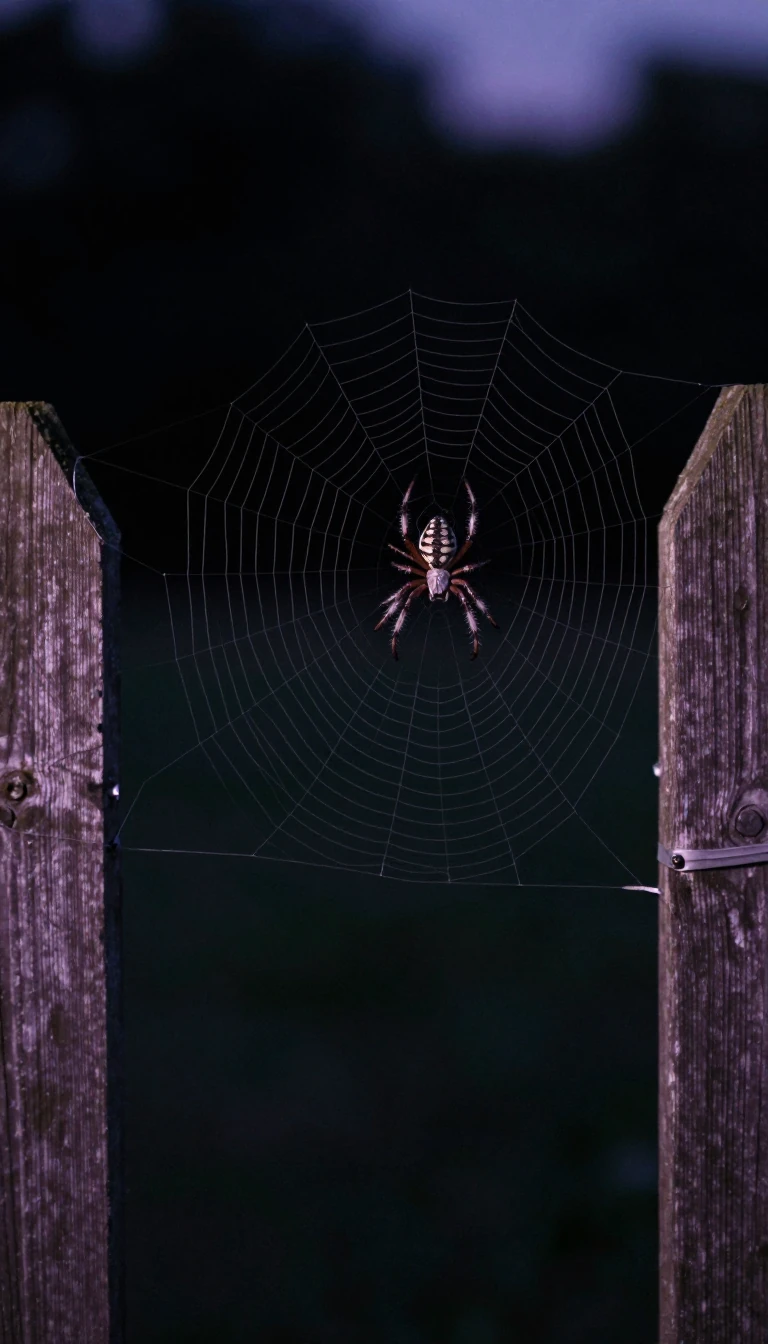 Why the male Sydney funnel-web spider is significantly more dangerous than the femaleThe Sydney funnel-web spider is a venomous native of eastern Australia, feared for its potent bite. While both sexes are glossy and dark, the male is smaller, longer-legged, and f…
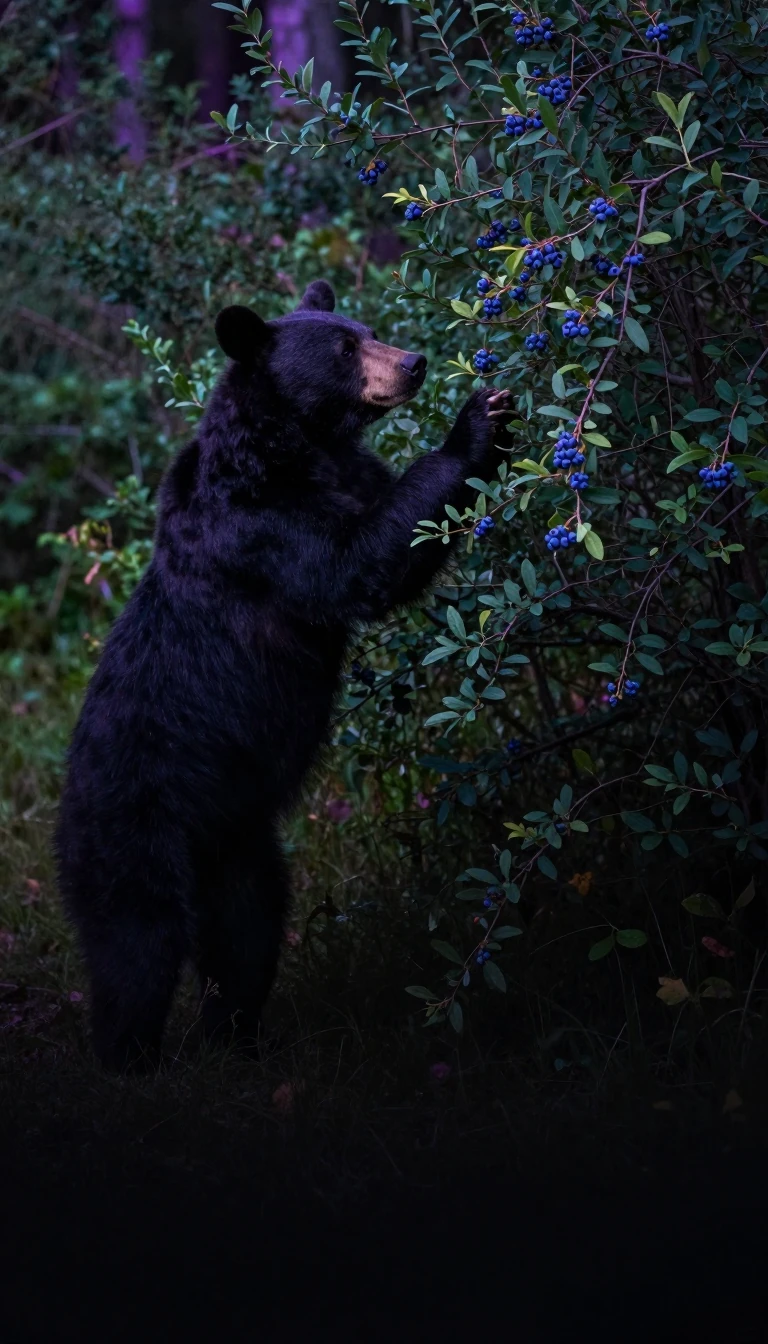 The sun bear is a master of the canopy and a surprisingly clever mimic.As the smallest and most arboreal of all bears, the sun bear thrives in Southeast Asian tropical forests. Beyond its iconic chest patch, this solitary creature displays remarkable…
 The striped bass is a master of migration, adaptation, and accidental landlocked survival.Anadromous by nature, the striped bass typically migrates between fresh and salt water to spawn. Yet, human engineering has inadvertently created landlocked populations, trapping …
 Why scientists struggle to define the exact boundaries of a subspeciesA subspecies is a local variant of a species, yet its classification is often a matter of expert opinion rather than rigid biological law. While these groups exhibit distinct phys…
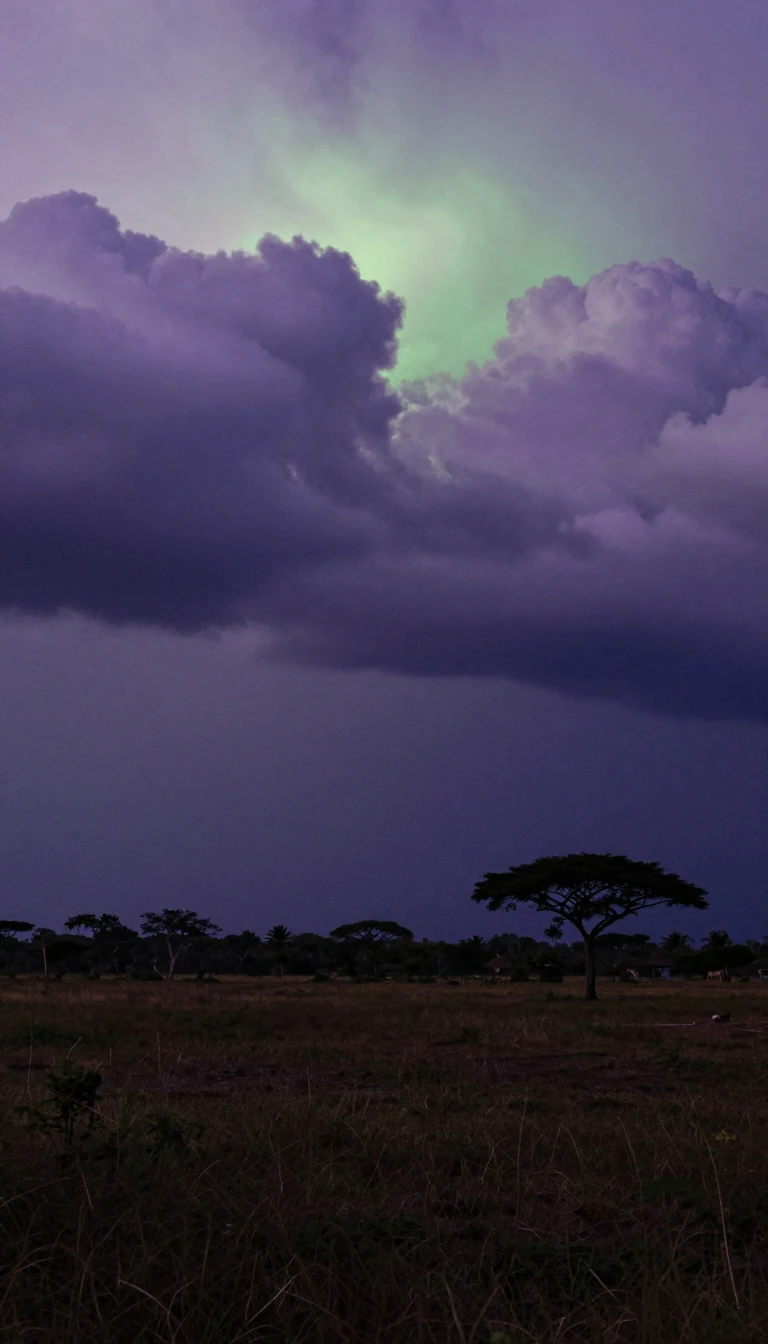 Why the world's most productive agricultural zones are defined by their lack of frostSpanning the latitudes between the tropics and temperate zones, the subtropics are a climate powerhouse. Defined by mild winters and hot summers, these regions support everything …
 The sugar glider is not the widespread Australian icon you likely think it is.For decades, the sugar glider was considered a single, common species spanning Australia and New Guinea. Recent genetic analysis has shattered this view, revealing that the true s…
 The Sumatran rhinoceros is a vocal, hairy, and critically endangered relic of the past.As the smallest and hairiest of the five living rhinoceros species, the Sumatran rhino is a biological outlier. Once roaming from India to China, this solitary creature is now cri…
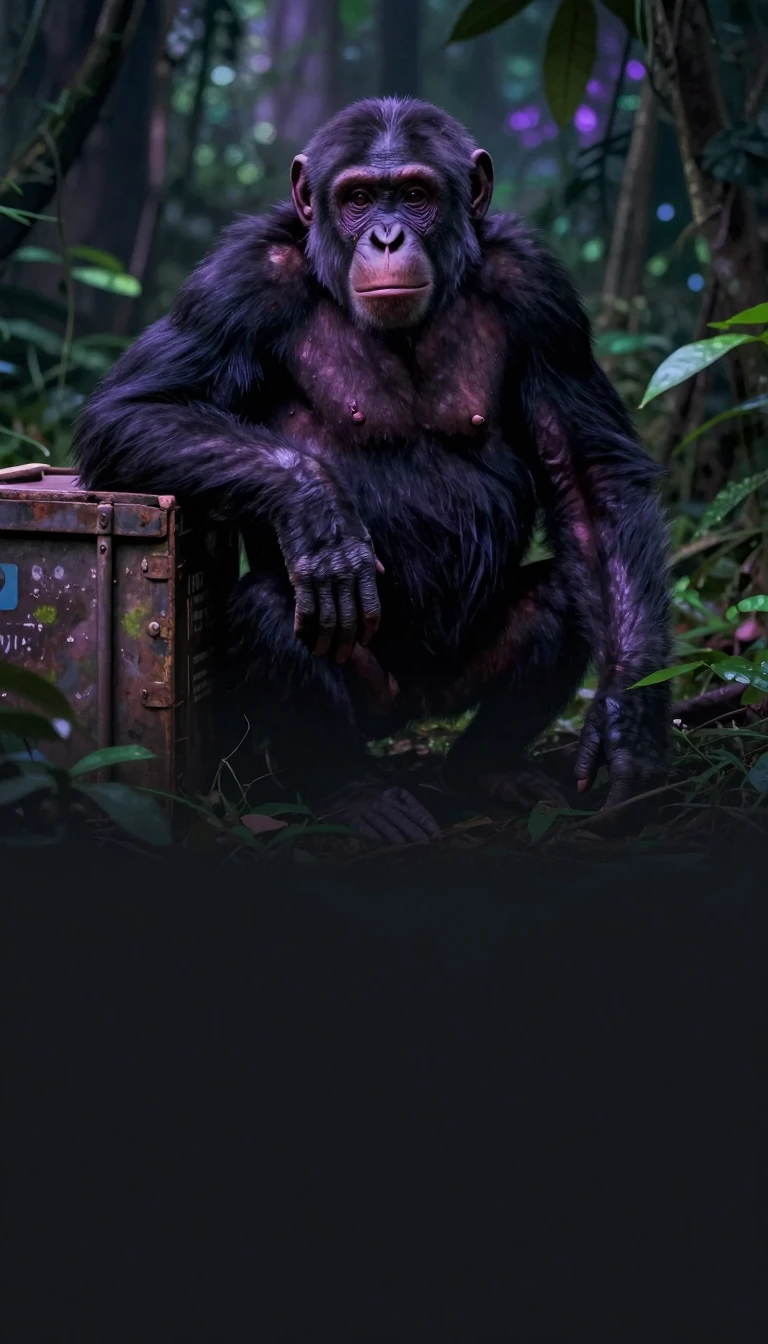 How scientists officially name the world's hidden inhabitantsOut of an estimated 8.7 million species on Earth, we have only formally described about 1.9 million. The process of naming a new organism is far more than just a creative exercise…
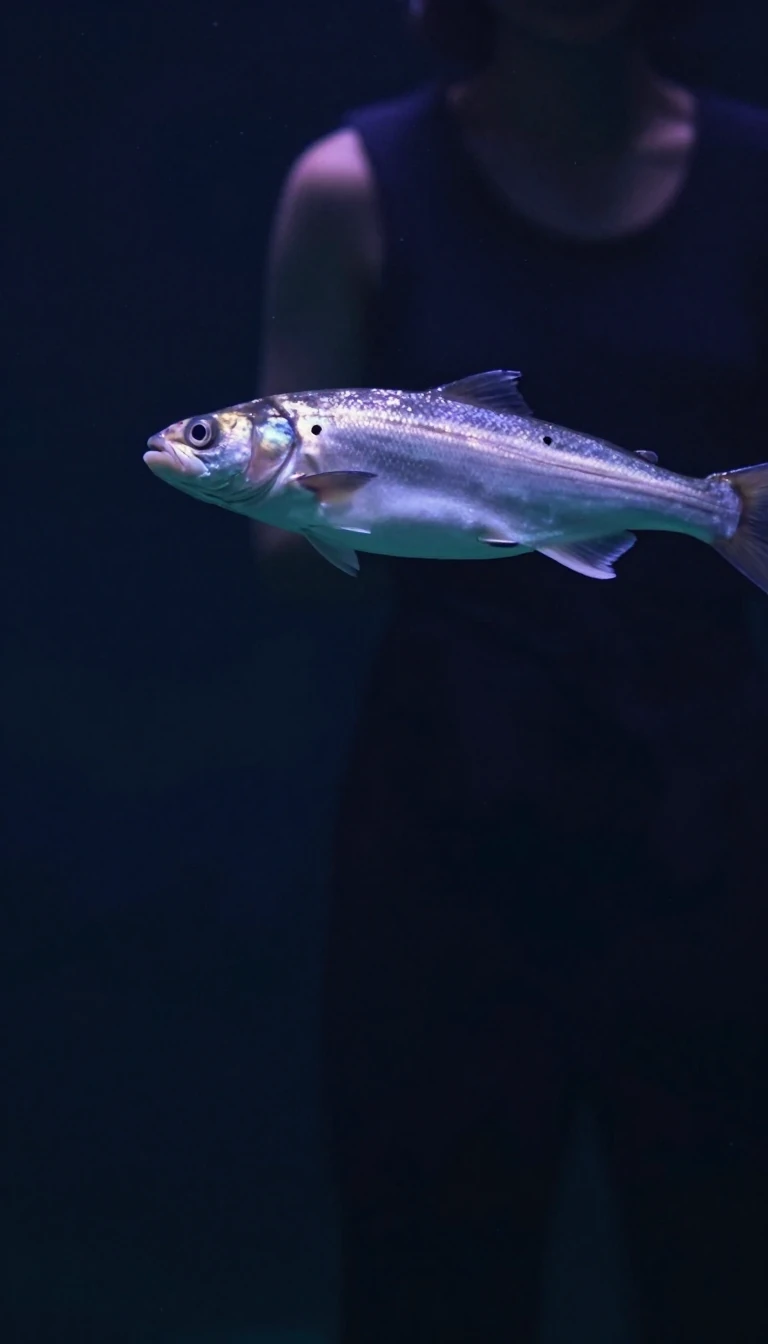 Are these ocean-going giants and their landlocked cousins actually the same fish?Steelhead and rainbow trout are genetically identical, yet they lead vastly different lives. While rainbow trout remain in freshwater, steelhead migrate to the ocean, growing larg…
 The springbok can survive its entire life without drinking a single drop of water.This slender African antelope is a master of arid survival, often meeting its hydration needs solely through succulent vegetation. Famous for a bizarre, stiff-legged leaping displ…
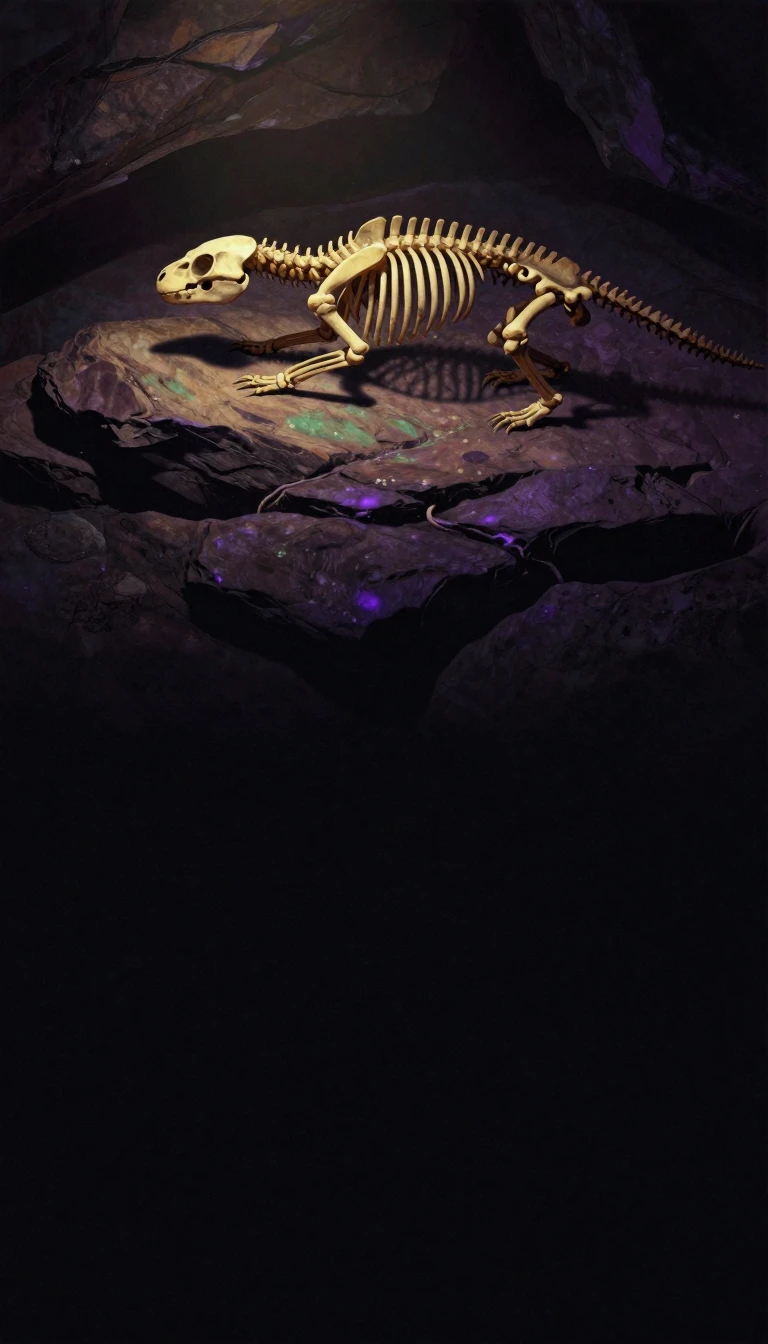 Squamata: The Diverse Reptilian Order That Includes Snakes, Lizards, and Ancient Evolutionary MysteriesWith over 11,991 species, Squamata is the second-largest order of living vertebrates. Defined by their scaly skin and unique movable jaw bones, these reptiles range from tiny geck…
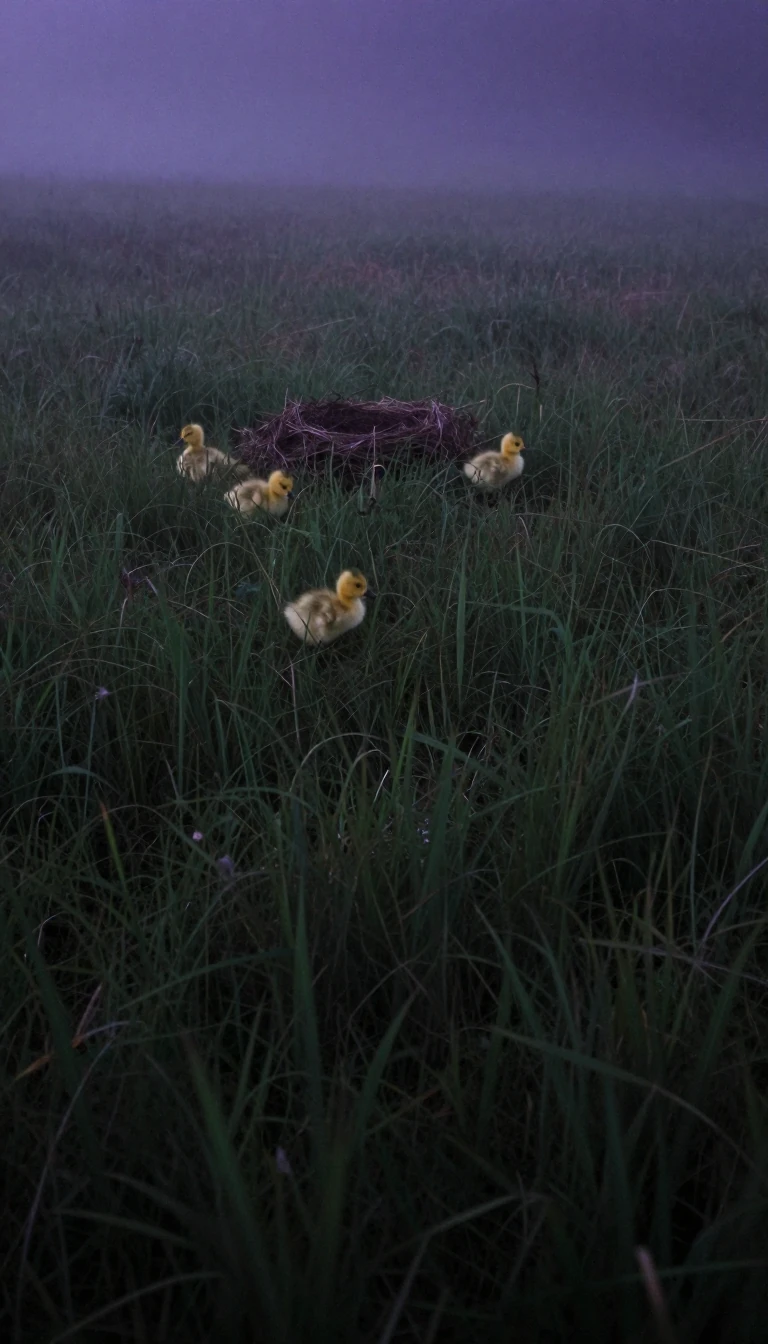 Was the giant Spinosaurus a terrifying land predator or a specialized aquatic swimmer?Spinosaurus remains one of the most enigmatic dinosaurs ever discovered. Once thought to be a massive terrestrial carnivore, recent evidence suggests a semiaquatic lifestyle. From…
- The spectacled bear is the last surviving member of a prehistoric short-faced lineage.As the only bear species native to South America, the spectacled bear is a living relic of the Tremarctinae subfamily. While its extinct cousins once roamed North America, this re…
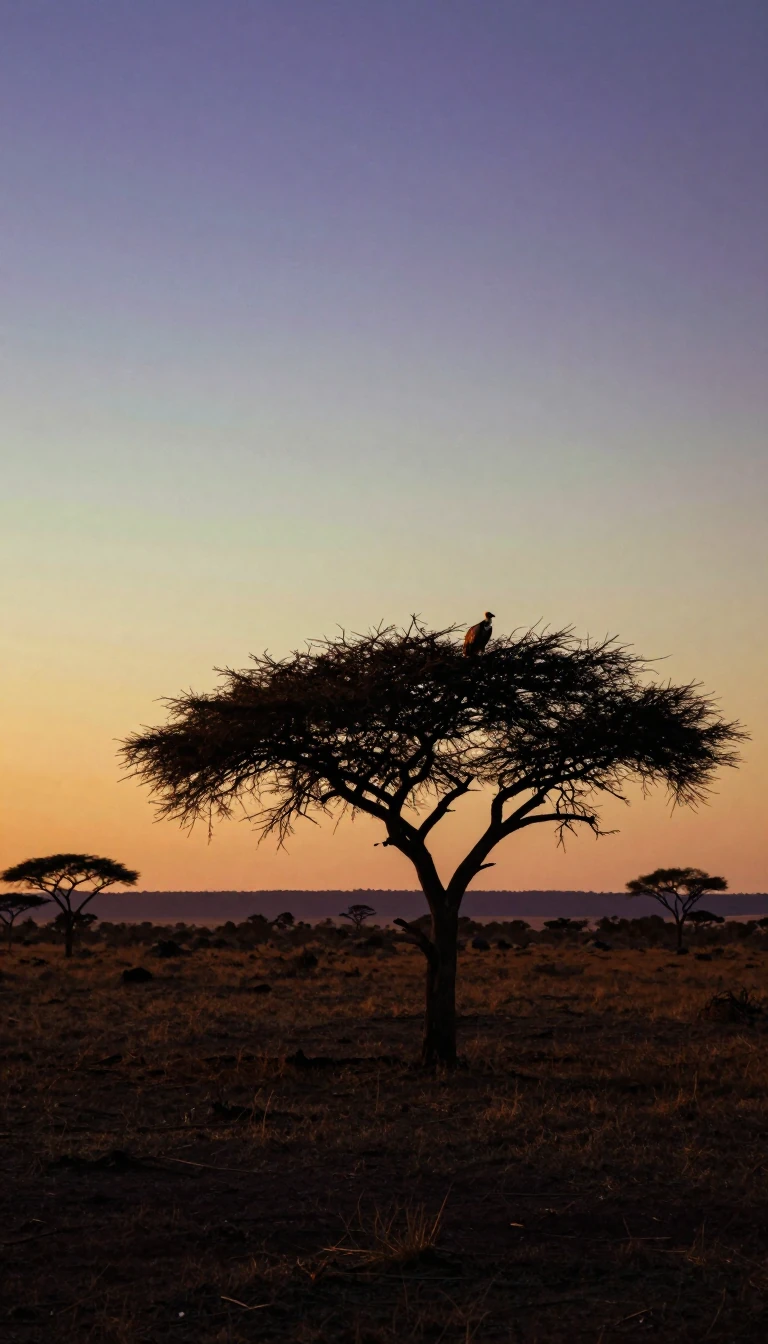 Spider wasps are solitary hunters that use complex neurotoxins to paralyze their prey.These wasps do not share nests; instead, they operate as solitary specialists, hunting specific spiders to nourish their larvae. From deceiving tarantulas into submission to deliv…
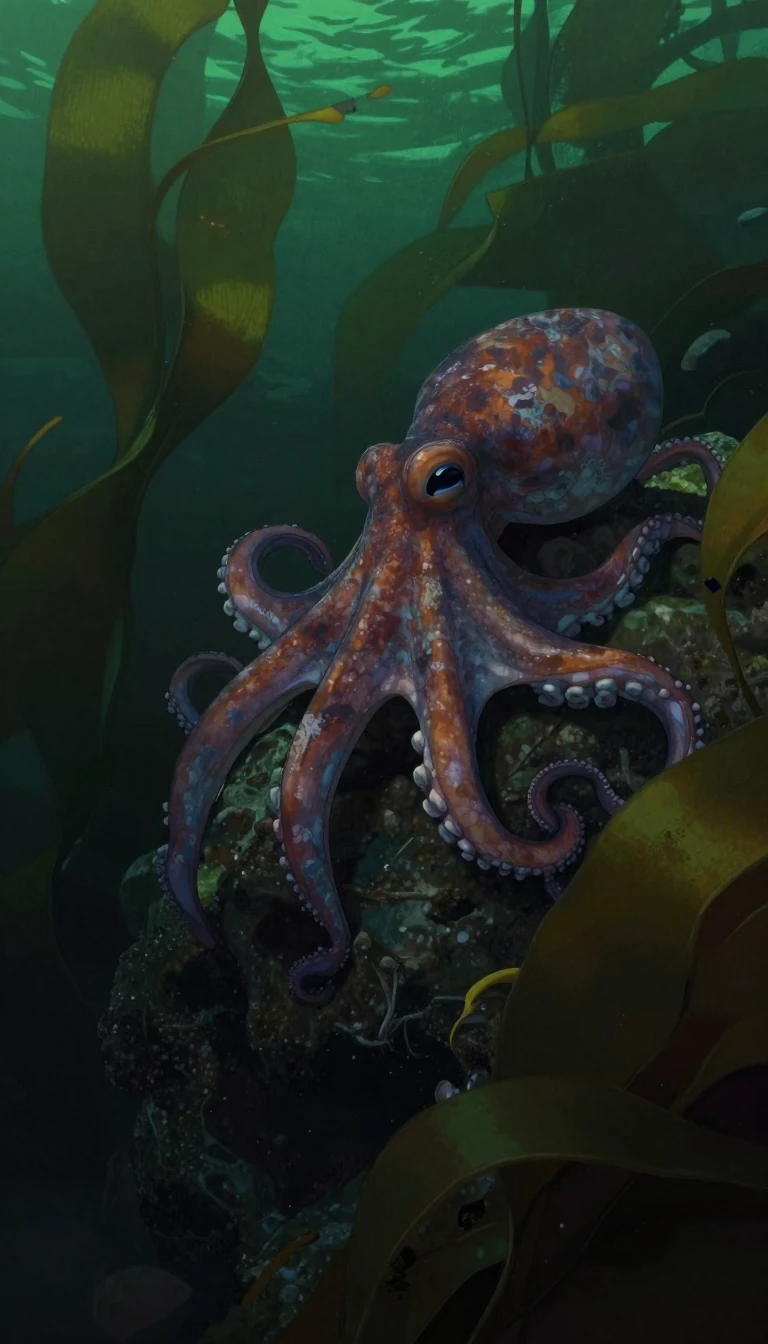 Why the spiny lobster is not a true lobster despite its name and appearanceSuperficially resembling true lobsters, spiny lobsters are actually distinct marine crustaceans. They lack the iconic heavy claws of their namesakes, instead sporting long, thick …
 The ancient developmental pattern that defines a vast and diverse group of animalsSpiralia are a morphologically diverse clade of protostome animals, united by a unique early developmental process known as spiral cleavage. While once thought to be a simple, exc…
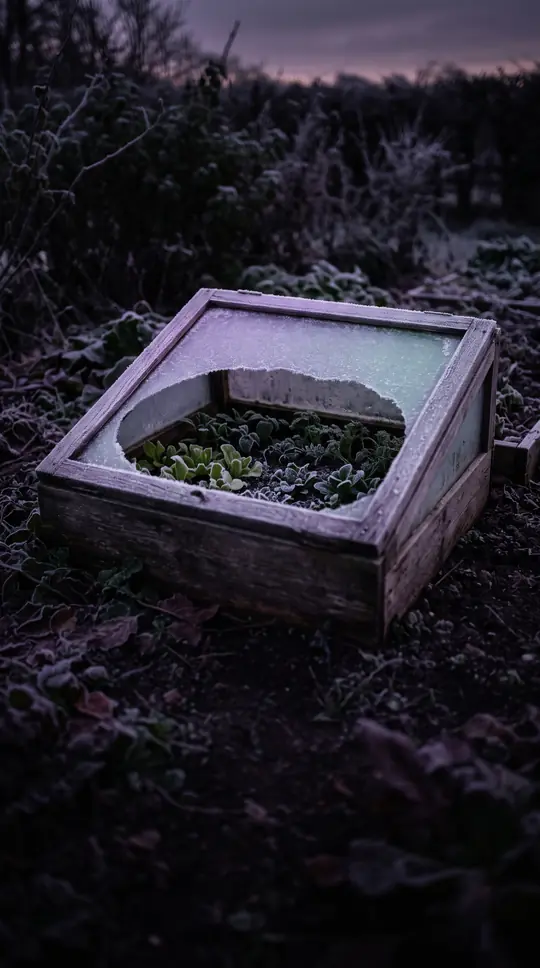 Beyond the shell: how snails master movement, survival, and even royal fashionSnails are far more than slow-moving garden pests. These complex gastropods utilize sophisticated mucus-based suction to traverse vertical surfaces, possess thousands of microscop…
 Why the Sonoran Desert is the world's most biologically diverse arid landscapeUnlike the cold, dry expanses typical of most deserts, the Sonoran Desert thrives on subtropical warmth and a unique bi-seasonal rainfall pattern. This climatic anomaly supports a…
 The southern cassowary is a prehistoric-looking giant with a hidden, glowing secret.Standing up to two meters tall, this flightless rainforest dweller is one of the world's largest birds. While famous for its powerful, clawed kicks and dangerous reputation, recen…
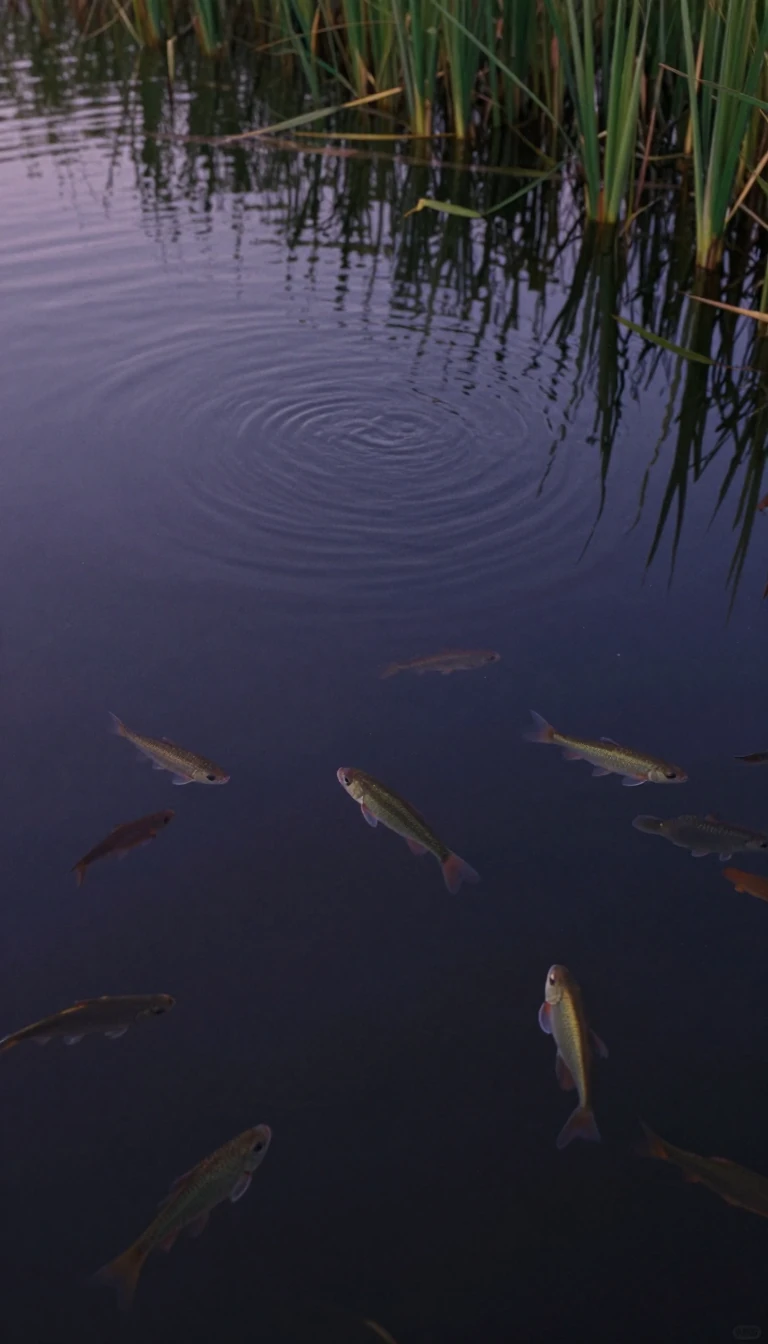 Why the smallmouth bass is considered the toughest fighting fish in North AmericaRenowned for its tenacity, the smallmouth bass is often called the gamest fish that swims. This muscular, ambush predator thrives in cool, clear waters and has been transported ac…
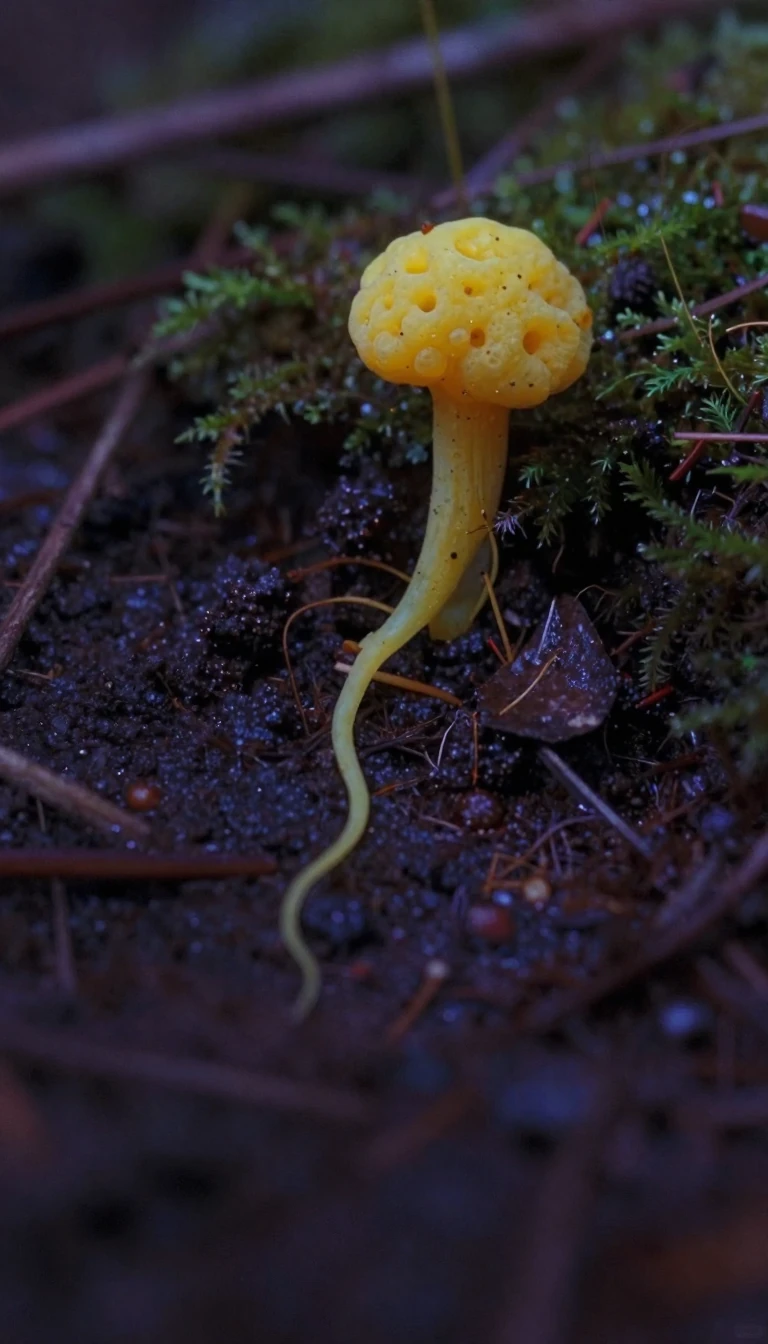 Why your favorite animal might actually be a group of hidden, distinct speciesNature is full of lookalikes that defy simple classification. A species complex occurs when closely related organisms appear identical but are genetically distinct. These groups o…
 Are the Sinhalese people truly lion-slayers, or is that just a founding myth?The Sinhalese people, Sri Lanka's largest ethnic group, trace their origins to a legendary prince and a lion-slaying ancestor. Beyond these ancient myths, modern genetics reveals …
 The Sika deer is a sacred messenger in Japan but a destructive pest elsewhere.Known as the plum blossom deer for its distinctive spots, the Sika deer has a complex global legacy. While revered as a divine messenger in Shinto tradition, its tendency to hybri…
 Why the silverfish is a primitive, paper-eating survivor that defies insect normsThe silverfish is a wingless, nocturnal insect that has thrived for millions of years by consuming everything from book bindings to dandruff. Despite their reputation as household…
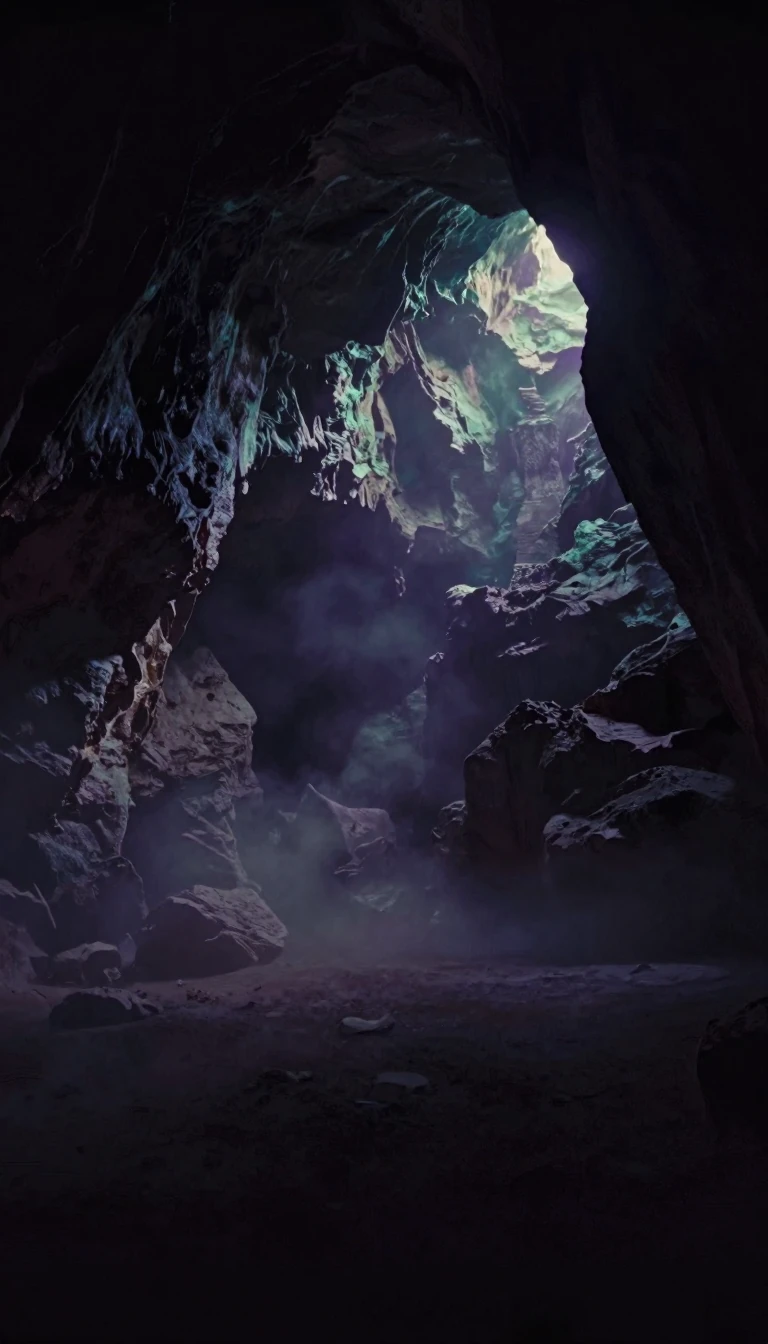 Sinkholes are not just terrestrial hazards; they are complex geological features found across the globe.While often viewed as sudden, destructive accidents, sinkholes are sophisticated geological phenomena. They form through the slow dissolution of rock or the collapse of undergroun…
- Why the sloth bear is arguably the most dangerous bear on the planetWith their shaggy manes and long, sickle-shaped claws, sloth bears look like clumsy, oversized sloths. Yet, they are among the most aggressive bears in existence. Unlike other spe…
 The skipjack tuna is a biological machine built for constant, high-speed ocean travel.With 68% of its body mass dedicated to locomotion, the skipjack tuna is the most muscular animal on Earth. This streamlined predator lacks a swim bladder, meaning it must swim con…
 The short-beaked echidna is an egg-laying mammal with a surprisingly advanced, human-like brainThis spiny, burrowing monotreme defies conventional mammalian biology. It lays eggs like a reptile, yet possesses a highly folded, complex brain and a prefrontal cortex that accou…
 Why do fish form massive, synchronized schools that move like a single mind?Fish aggregate for social reasons, but schooling is a specific, high-stakes performance. By synchronizing speed and direction, these fish gain hydrodynamic efficiency and confuse …
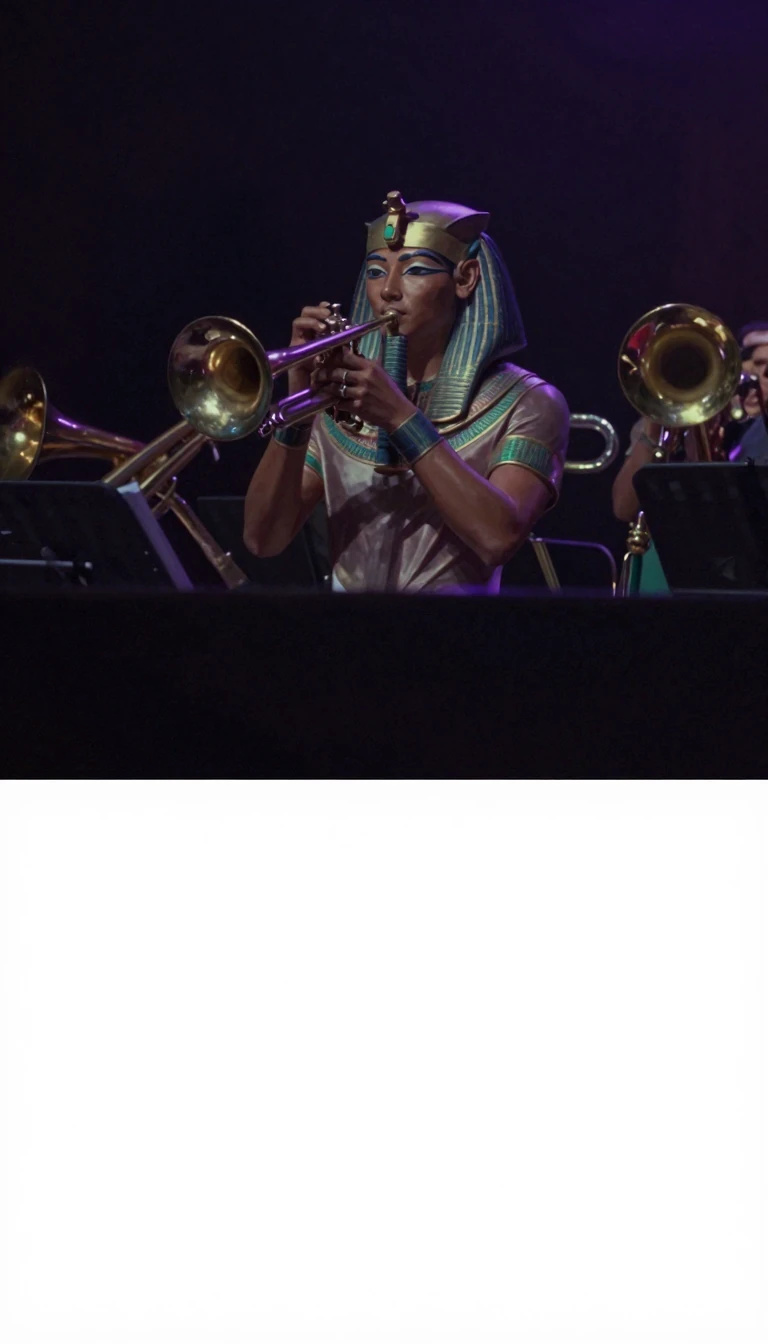 The ancient shofar is a natural, horn-based instrument that requires no pitch-altering mechanics.Crafted from the keratin-based horns of animals like rams or kudu, the shofar is an ancient ritual instrument that relies entirely on the player's embouchure. Far from a simple no…
 Are Siberian tigers actually the largest, or is that just a historical myth?Long considered the world's largest tiger, the Siberian tiger has seen its average weight drop significantly since the mid-20th century. While historical records once boasted mass…
 Shel Silverstein was a reluctant children's author who never planned to write for kids.Before becoming a literary icon for young readers, Shel Silverstein was a cartoonist for Playboy and a songwriter for country legends. He famously claimed he was dragged into chil…
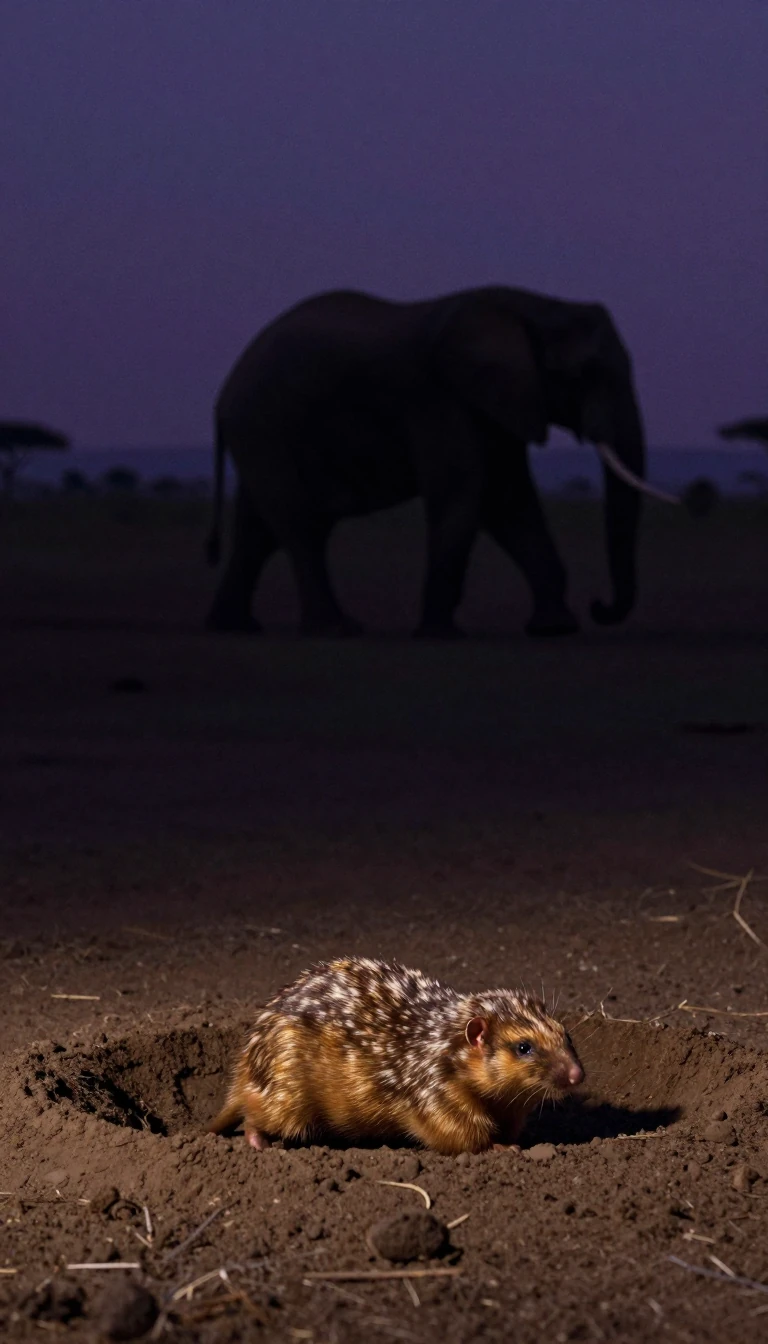 Despite their misleading name, these tiny African mammals are actually related to elephantsSengis, once misidentified as shrews due to their long, trunk-like noses, are actually members of the Afrotheria clade. These elusive, insectivorous creatures are among the fastes…
 Are shark attacks actually predatory, or are we just caught in a case of mistaken identity?Shark attacks are statistically rare, yet they loom large in our collective imagination. While films and media often portray sharks as man-eaters, scientific evidence suggests hum…
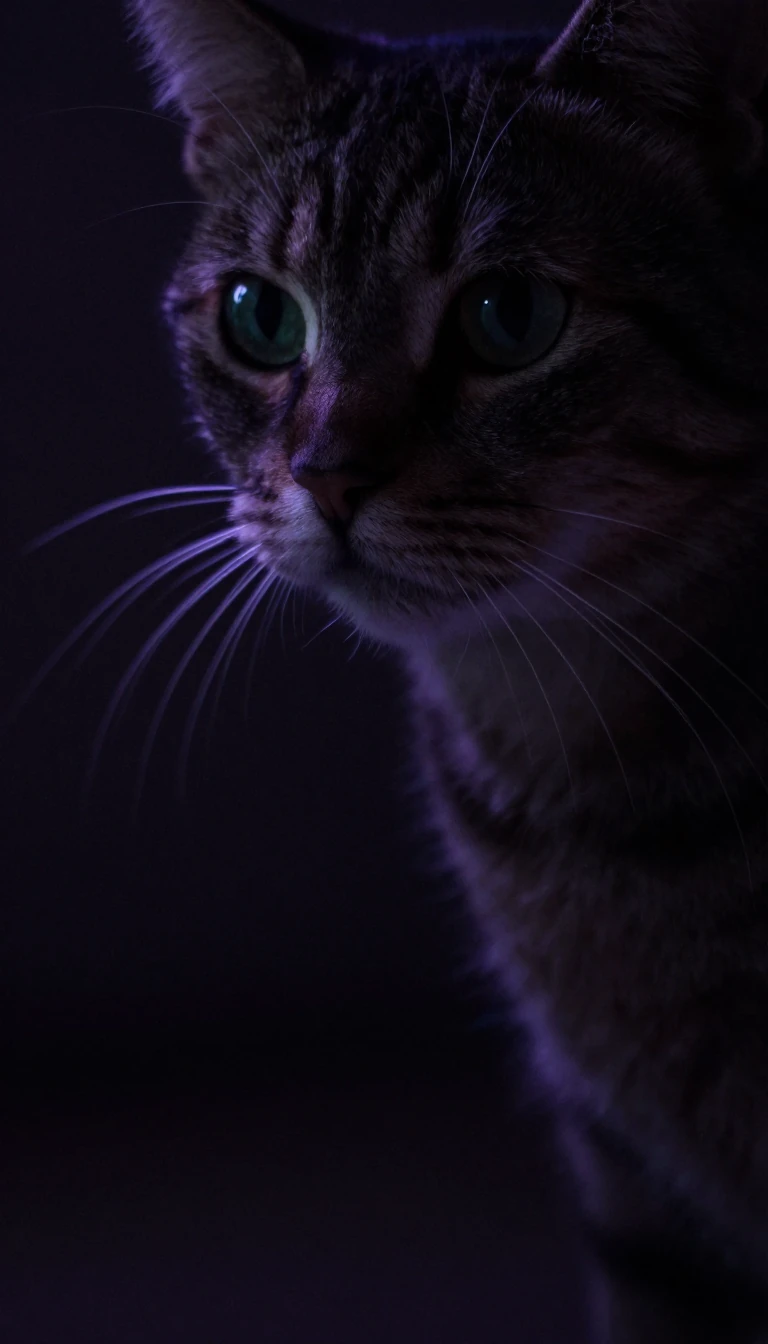 Why the serval is the most successful hunter in the wild cat kingdomWith ears like dinner plates and the longest legs of any cat relative to body size, the serval is a master of the African savanna. This slender predator rarely misses, catching it…
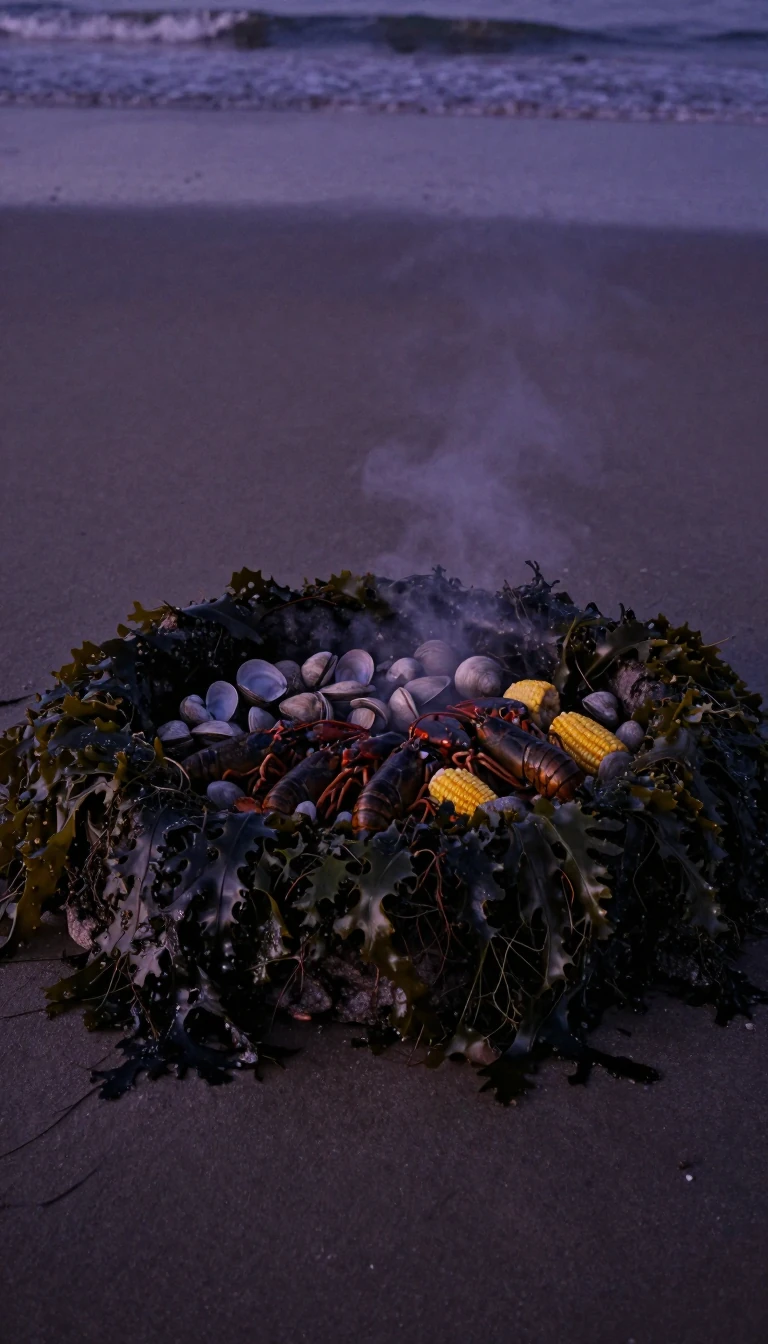 Why the term shellfish is a biological misnomer that hides a complex realityShellfish are not a single biological group, but a culinary umbrella covering diverse invertebrates from molluscs to crustaceans. While some are closely related to spiders and ins…
 From Monastic Aprons to Devotional Tokens: The Surprising Evolution of the ScapularOriginally a practical apron for medieval monks, the scapular transformed into a powerful symbol of spiritual commitment. Today, this garment exists in two distinct forms: the lon…
- Why an entomologist spent decades intentionally getting stung by hundreds of insectsJustin O. Schmidt created a formal pain index to test a bold evolutionary theory: that the development of toxic, painful stings was the secret ingredient allowing insects to evolv…
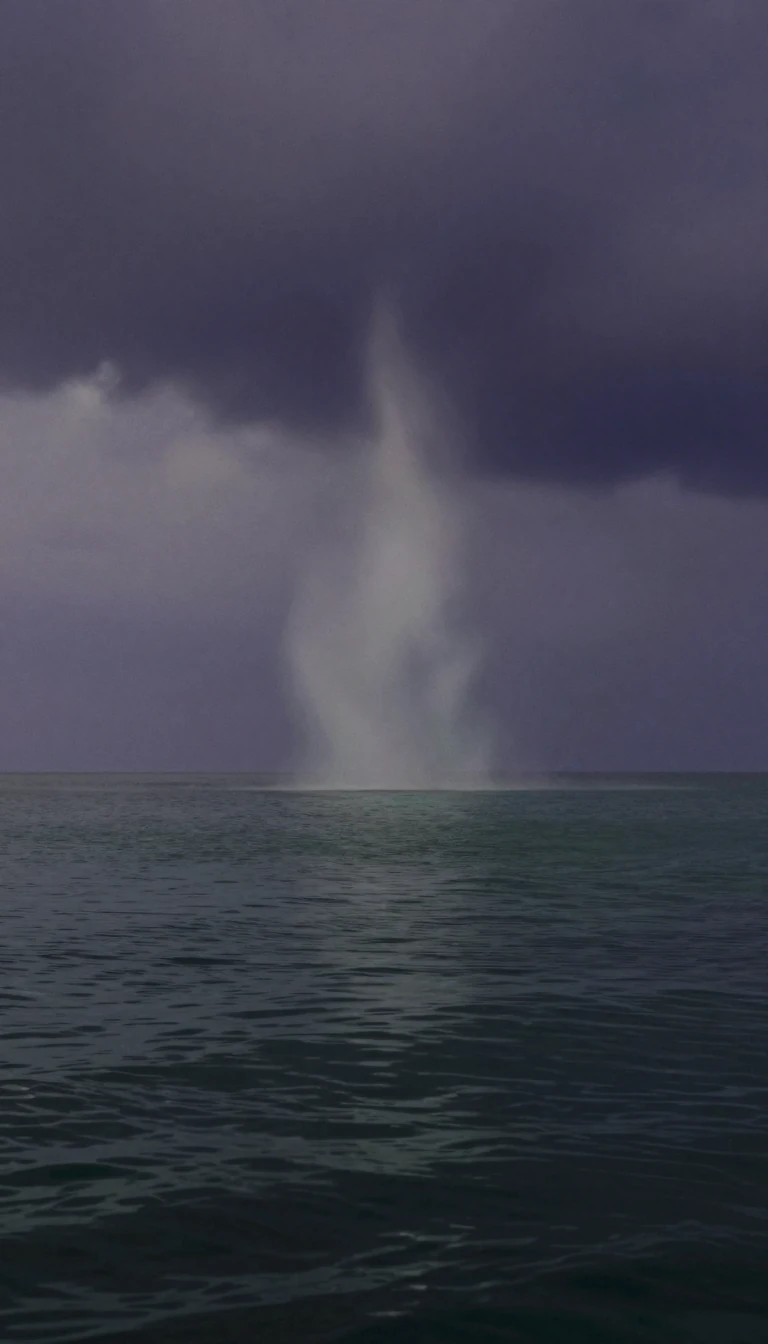 The Savannah cat is a high-stakes hybrid born from wild serval and domestic lineage.Developed in the late 20th century, the Savannah cat is a hybrid breed created by crossing a wild African serval with a domestic cat. These animals are prized for their exotic, sp…
 These predatory marine animals are named after flowers but hunt with harpoon-like venom cells.Sea anemones are not plants, but complex predatory invertebrates related to jellyfish and corals. They anchor themselves to the seabed or drift, using tentacles armed with stingin…
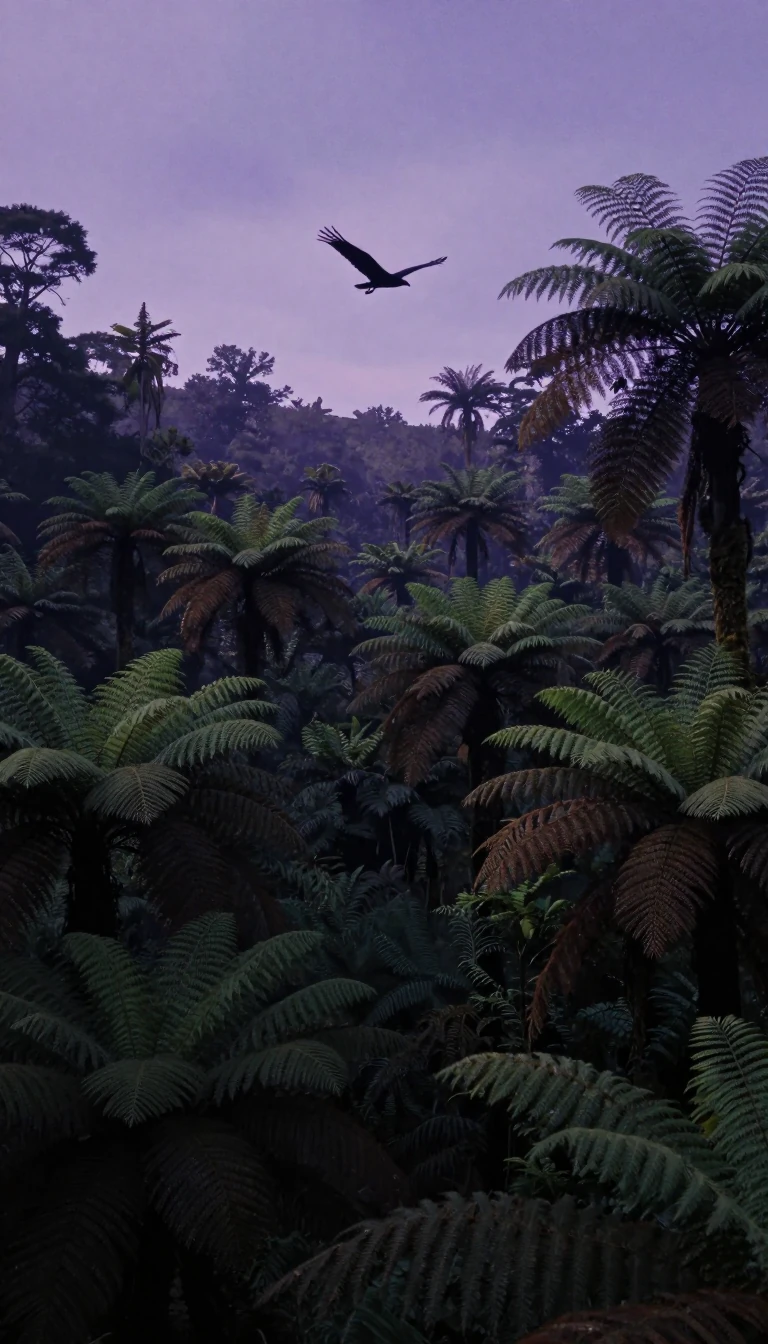 Why the lizard-hipped dinosaurs are actually the ancestors of modern birdsThe term Saurischia translates to lizard-hipped, yet this group includes the ancestors of every bird alive today. While historically defined by a specific pelvic structure, the cl…
 The sandhill crane is a prehistoric survivor with a surprisingly complex family treeWith fossil records stretching back 2.5 million years, the sandhill crane is one of the oldest living bird species. These resilient birds navigate vast migratory paths, engage in …
 The Asian unicorn is a ghost of the forest, hiding in plain sightKnown as the Asian unicorn, the saola is a critically endangered bovid discovered only in 1992. Native to the Annamite Range, this elusive creature has never been observed in the …
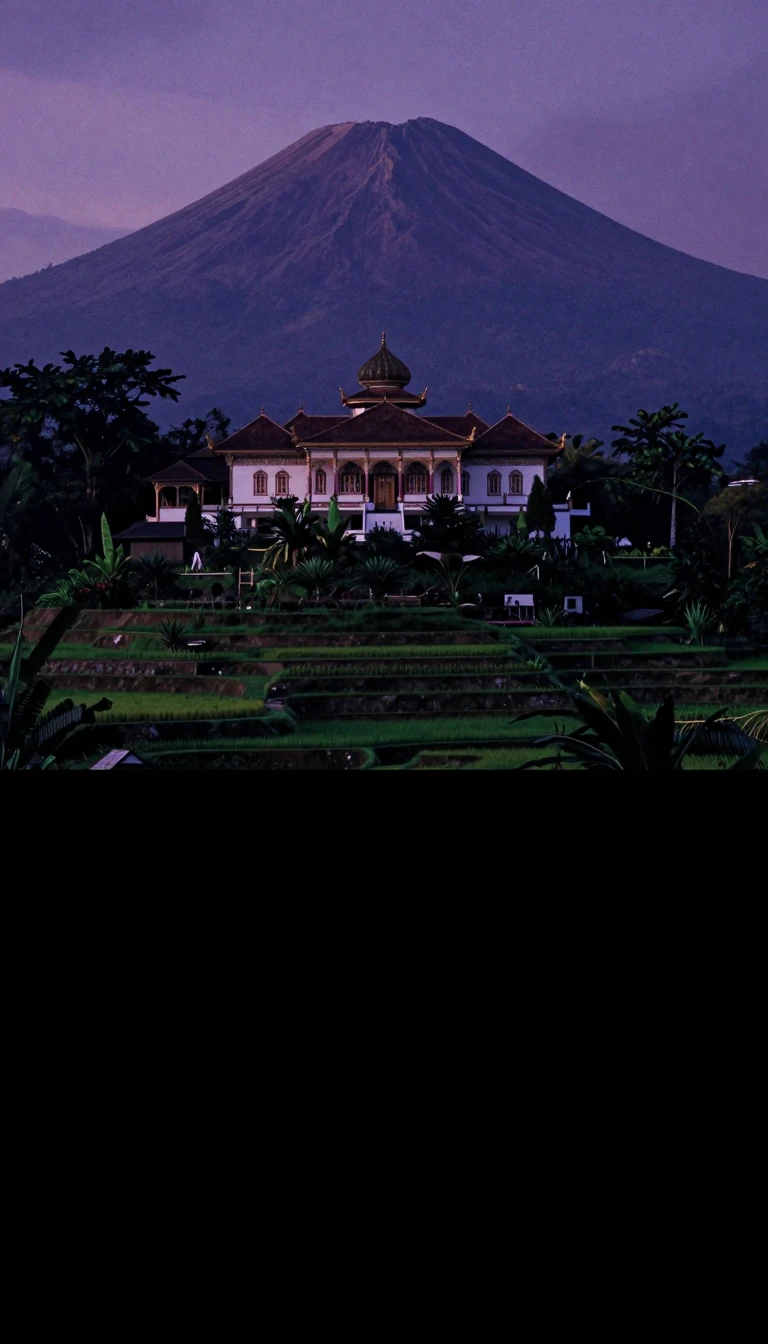 Sarawak: A massive, biodiverse Malaysian state with a complex history of White RajahsAs the largest state in Malaysia, Sarawak occupies northwest Borneo, boasting equatorial rainforests and a unique political autonomy. From its ancient Niah Caves to its era under …
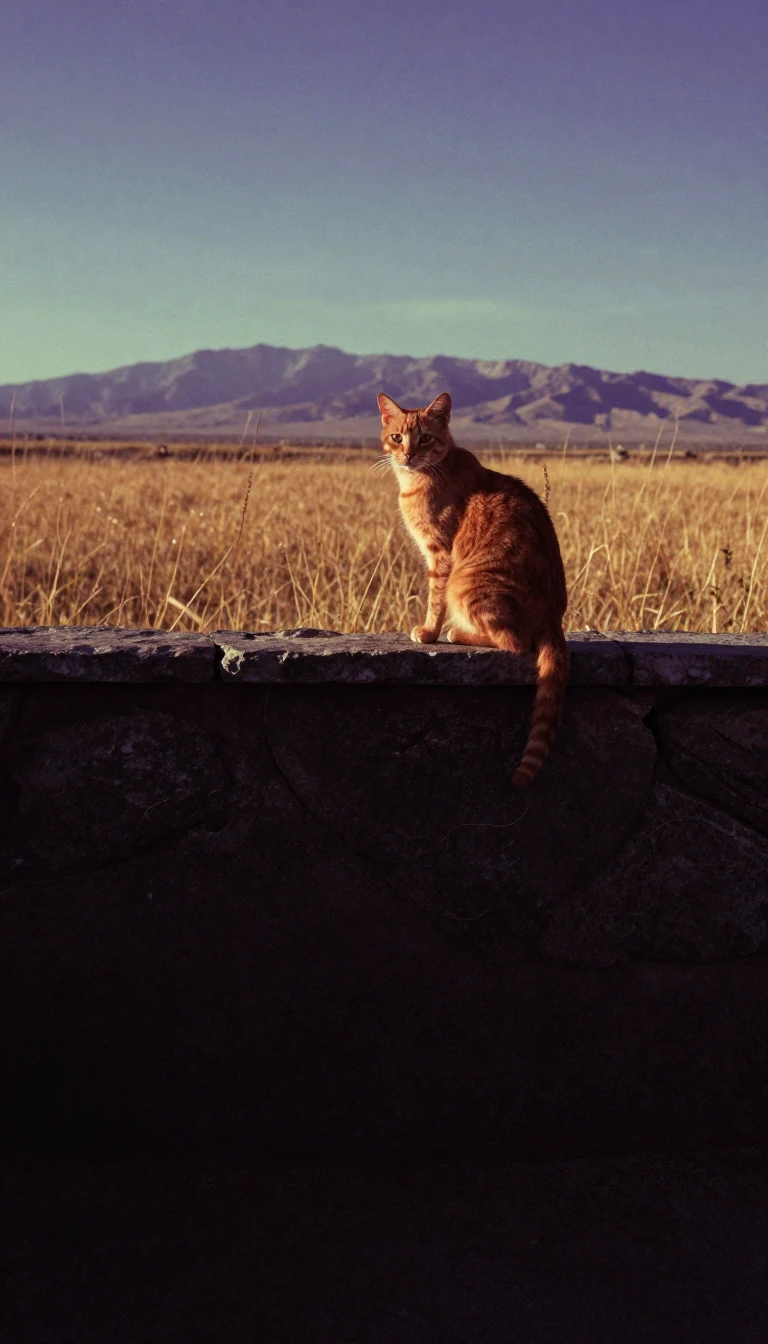 The world's smallest wild cat is a master of survival in the shadowsWeighing as little as a bag of sugar, the rusty-spotted cat is a fierce, pint-sized predator native to Asia. Despite its diminutive stature, this elusive feline has managed to car…
- The desert-dwelling sand cat possesses hearing abilities far superior to the domestic house catEquipped with specialized fur-covered paws that insulate against scorching sands, the sand cat is a master of arid environments. Its anatomy is uniquely tuned for survival, featur…
 How desert-dwelling sandgrouse carry water to their chicks across hundreds of milesIn the arid plains of Africa and Asia, sandgrouse survive by mastering the desert. These birds travel immense distances to reach reliable water holes, but their most remarkable fe…
 The prehistoric saiga antelope has survived ice ages, mass die-offs, and near-total extinction.With a distinct, trunk-like nose and a history stretching back to the Pleistocene, the saiga antelope is a resilient survivor of the Eurasian steppe. Despite facing catastrophic p…
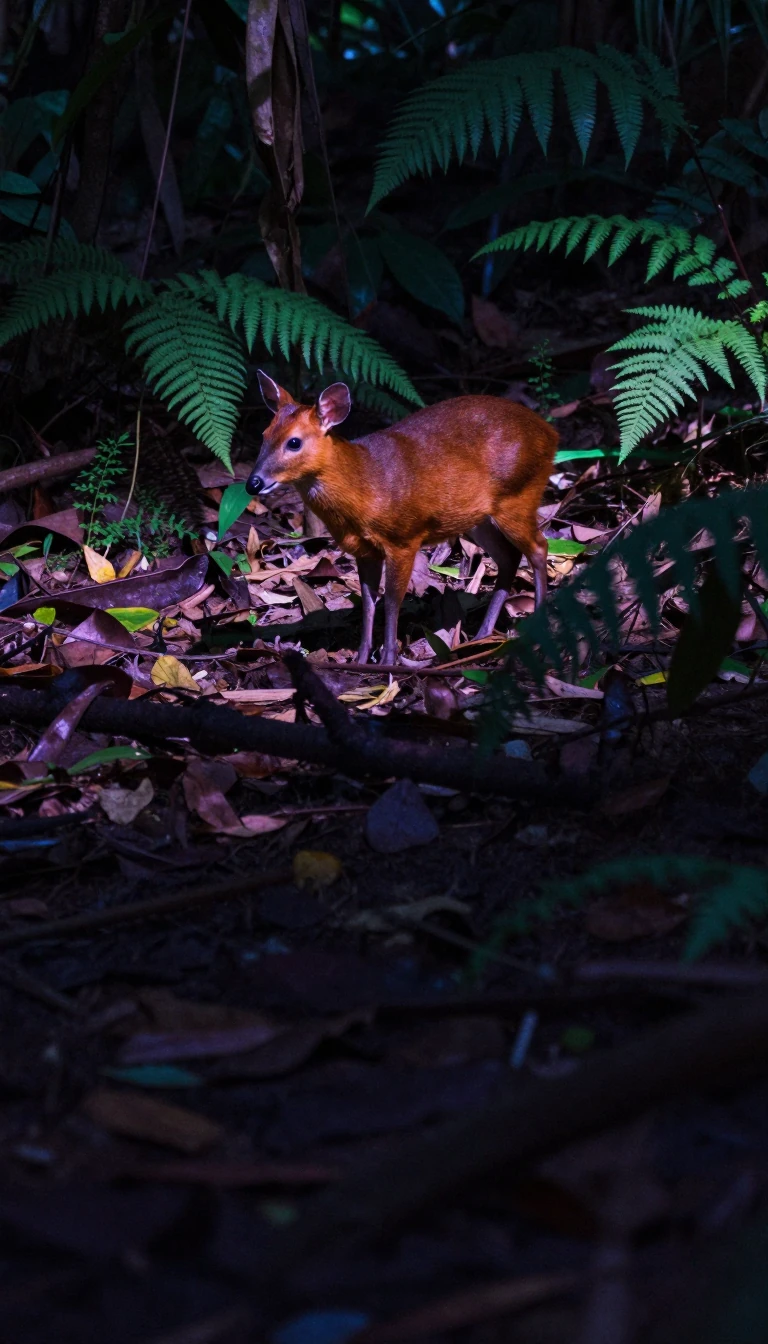 The Sambar deer is a master of survival, bipedalism, and unexpected urban comebacksNative to Asia, the sambar is a massive, secretive deer that defies typical cervid behavior. From spraying urine on its own face to standing on hind legs to mark trees, this vulne…
 The Rottweiler: From Roman Cattle Driver to Modern Guardian and Working DogTracing its lineage to Roman legions, the Rottweiler has evolved from a butcher's cart-puller into a versatile modern athlete. While often recognized for its imposing stature and …
- The Rüppell's vulture is the world's highest-flying bird, soaring at 37,000 feet.At altitudes where temperatures plummet to minus 56 degrees Celsius, the Rüppell's vulture thrives. This large scavenger possesses a unique hemoglobin variant that allows it to ex…
 These microscopic animals can survive being frozen for 24,000 years in Siberian permafrost.Rotifers are tiny, complex creatures that defy biological norms. Some species have thrived for millions of years without sexual reproduction, while others can be revived after mil…
- Roger Ebert transformed film criticism from academic gatekeeping into a deeply personal, populist conversation.Before he became a household name, Roger Ebert was a young journalist who turned movie reviewing into an accessible art form. By championing independent voices and embracing the i…