 Intellect Plus
Nature
11,198 cards. Each one is a 40-second story with a five-minute read behind it. Page 111 of 187.
Subtopics: Ageing · Air · Animal behaviour · Animal breeds and hybrids · Animals · Arthropods · Atmosphere · Big cats · Bilateria, others · Birds · Botany · Cnidarians · Conservation · Coral reefs · Deep sea · Deserts · Dinosaurs · Earth science · Earth science and physical geography · Earth science basics · Earthquakes & tsunamis · Echinoderms · Ecology · Ecosystems · Endangered species · Extinct animals · Farming · Fish · Forests · Fungi · General classifications · Geology · Geomorphology · How Long Can It Live? · Ice · Individual animals · Insects · Lightning · Longevity · Mammals · Marsupials · Migration · Mollusks · Ocean · Organisms · Parasites · Physical geography · Plants · Porifera · Predators · Primates · Rainforest · Reptiles & amphibians · Researched · Sharks & rays · Spiders & arachnids · Symbiosis · Trees · UK & Ireland: nature · Vertebrates · Vision · Volcanoes · Water · Waves · Weather · Whales & dolphins · Zoology
 What causes the monsoon of South AsiaThe monsoon of South Asia is a season of intensified precipitation influenced by unique geographical features and atmospheric factors.
 Consumer cameras can create accurate 3D maps of landscapes more efficientlyResearchers tested a method using freely available computer vision software to build 3D models from standard field photographs. They found that this technique, which combines stru…
 Mapping the genetic blueprint of the versatile bacterium Bacillus subtilisResearchers who sequenced the genome of the Gram-positive bacterium Bacillus subtilis revealed a complex genetic architecture of 4,214,810 base pairs. The study found that this or…
 The complex exchange of resources drives the evolution of lichen symbiosesResearchers reviewing the evolutionary biology of lichens found that these organisms thrive through a complex 'marketplace' of biological rewards and penalties. By examining the r…
 High-pressure yttrium hydride shows unexpected superconductivity at 224 KelvinResearchers who synthesized yttrium hexahydride under extreme pressure found it becomes superconducting at approximately 224 K. This material, studied at 166 GPa, exhibited a magn…
 Plant and animal networks organize around a central core of interactionsResearchers analyzing 52 mutualistic networks found that species interactions are not random. Instead, they discovered a highly nested structure where specialist species interact …
 Ocean acidification negatively impacts a wide range of marine lifeA comprehensive meta-analysis of 228 studies found that ocean acidification generally reduces survival, growth, and population abundance across diverse marine species. While many …
 Global forest die-offs show a distinct fingerprint of extreme heat and droughtResearchers who analyzed a global database of forest mortality events found a consistent climate signature linked to widespread tree death. By examining 154 peer-reviewed studies …
 Tracing the digital trail of an ATM thief and their ringleaderThis National Geographic footage follows agents as they track an ATM thief, hoping the pursuit will expose the mastermind behind a larger illegal operation.
 Human activity now accounts for half of all global nitrogen fixationA review of the global nitrogen cycle found that human activities are responsible for 210 Tg of the 413 Tg of reactive nitrogen entering ecosystems annually. This anthropogenic in…
 How the American Museum of Natural History prepares its nocturnal residentsStep inside the Extreme Mammals exhibit at the AMNH to see how living specimens are cared for. This video follows the daily preparations of a sugar glider colony.
 Managing fungicide resistance means balancing today's control with tomorrow's riskA review of strategies for managing fungicide resistance in crop pathogens found that protecting the long-term effectiveness of these products is a genuinely difficult balancing a…
 Global permafrost temperatures increased significantly between 2007 and 2016Researchers analyzing a global dataset of temperature time series found that permafrost is warming across the planet. By examining data from the Global Terrestrial Network for Per…
 Degrading alpine permafrost may release carbon by destabilizing soil microbial communitiesResearchers studying the Qinghai-Tibet Plateau found that as permafrost degrades due to warming, the diversity of microbial communities in the active layer changes. These shifts a…
 Polar and subpolar coastal waters drive most of the global ocean carbon sinkA new quantitative synthesis of the global coastal ocean carbon cycle found that these regions act as a significant sink for atmospheric CO2. The researchers estimated that the gl…
 Rising carbon dioxide levels are altering seawater chemistry and marine life growthA review of ocean chemistry found that rising atmospheric carbon dioxide, primarily from burning fossil fuels, is causing a significant drop in ocean pH. This process, known as oc…
 Climate change poses pervasive threats to insect survival and ecosystem healthResearchers have issued a warning regarding the profound impact of global warming on insects, which serve as essential components of many ecosystems. The study highlights how risi…
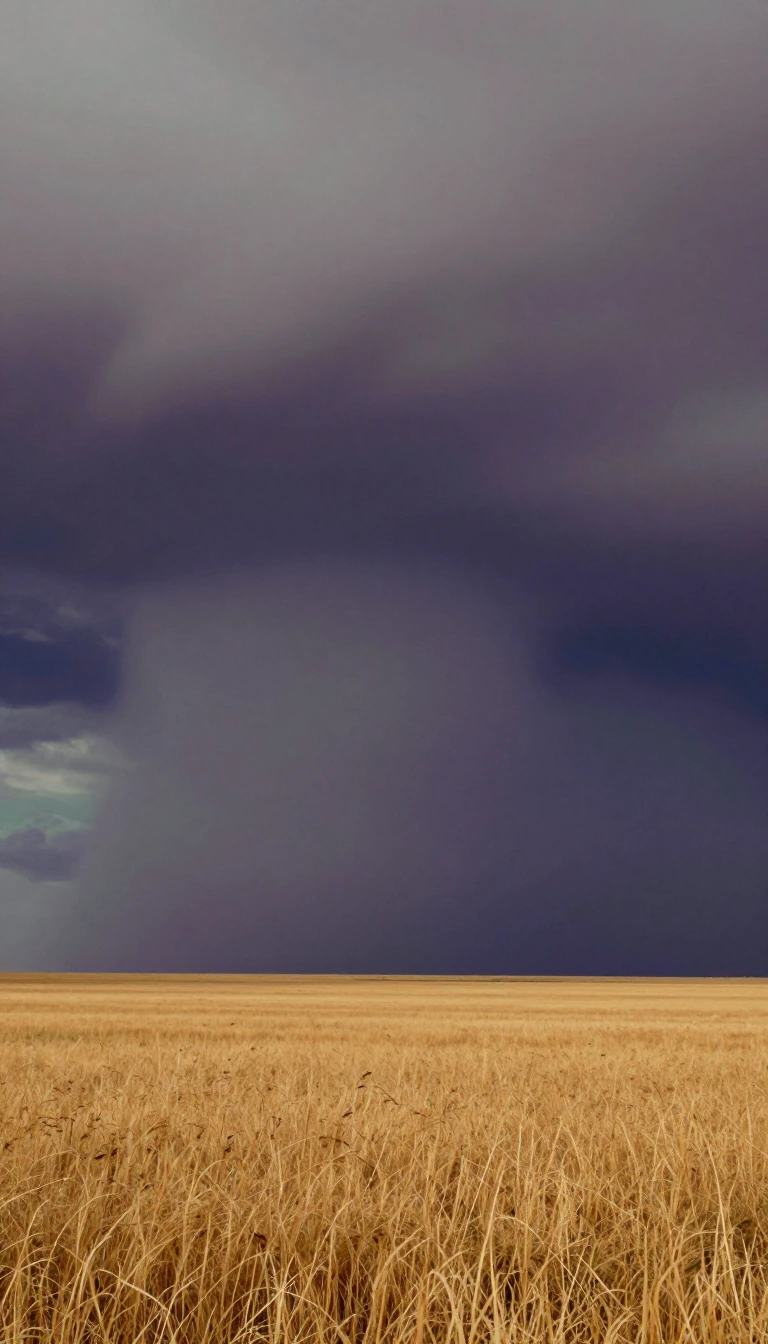 New radar technique improves rain measurement accuracy over short distancesResearchers studying storm events with X-band radar in the Netherlands found a way to more accurately estimate rainfall attenuation and raindrop size. By estimating backscatter di…
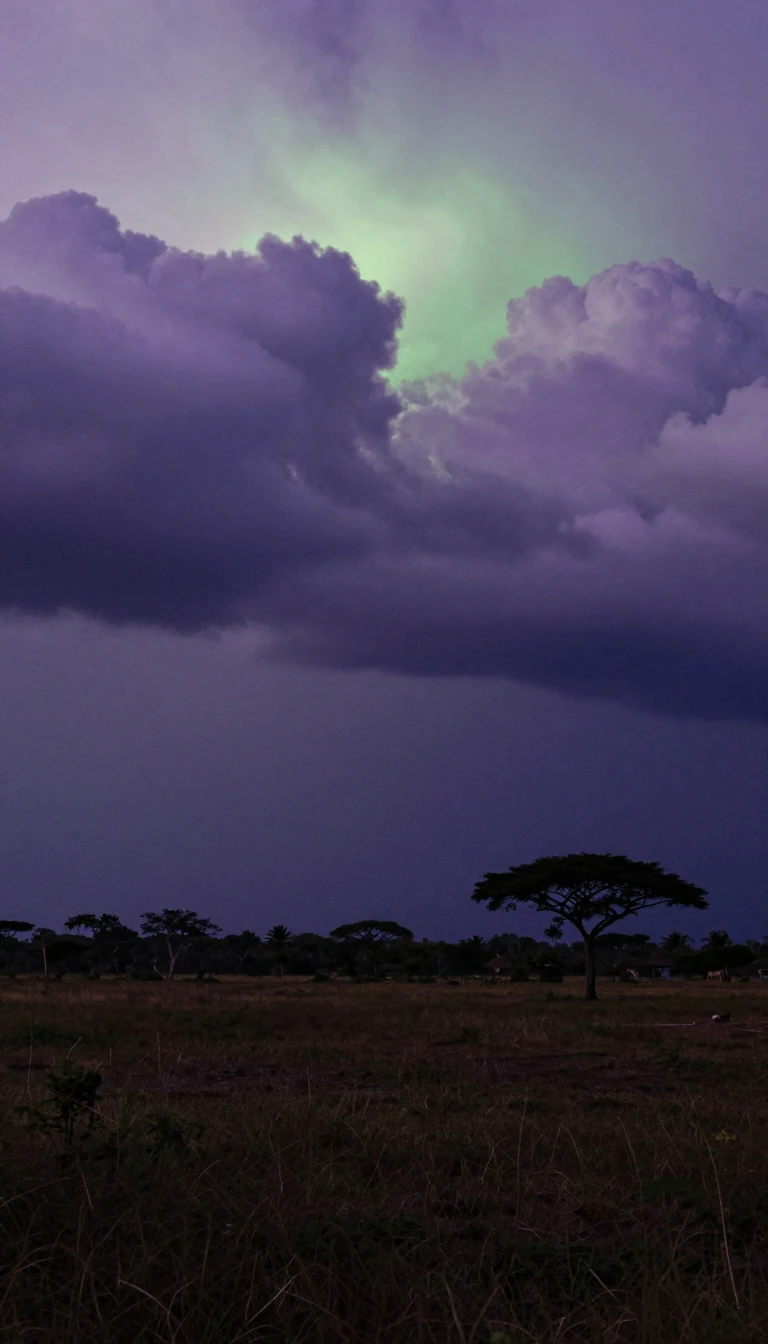 Andean uplift helped shape the immense biodiversity of the Amazonian rainforestResearchers reviewing geologic and phylogenetic evidence found that the rising Andes mountains fundamentally transformed the Amazonian landscape. This tectonic activity reconfigur…
 Decades of research reveal how fungi evolve to survive chemical treatmentsA review of fifty years of research shows how plant pathogens develop defenses against common fungicides. By examining various classes of chemicals used in agriculture, researcher…
 New modeling framework provides high-resolution global data for large river systemsResearchers have developed a new modeling framework that integrates global hydrographic baseline data with advanced routing tools. This approach creates a highly detailed 'hydro-s…
 Improved algorithms enhance sea surface temperature accuracy at high latitudesResearchers at NOAA developed an improved sea surface temperature analysis by refining satellite bias corrections and sea ice conversion algorithms. By integrating both in situ an…
- Targeted farming strategies could significantly reduce global nitrogen pollution and boost crop yieldsBy synthesizing 1,521 field observations from around the world, researchers found that implementing a specific set of 11 farming measures could reduce nitrogen runoff and emission…
- Melting of hydrated basalt may have driven early continental crust growthResearchers who performed partial melting experiments on four types of natural amphibolites found that dehydrated metabasalt can produce highly silicic liquids. These experiments …
- Micropollutants in freshwater systems present significant global environmental challengesResearchers reviewing water quality found that the widespread contamination of freshwater systems by thousands of industrial and natural chemical compounds represents a major envi…
 Complex soil food webs strengthen the link between biodiversity and ecosystem healthResearchers who studied 228 agricultural fields found that the complexity of soil food webs plays a vital role in how biodiversity supports ecosystem functions. Specifically, they…
- The massive economic value of nature lies largely in non-market public benefitsResearchers who screened over 320 publications covering 300 case study locations found that the economic value of ecosystem services is immense. By analyzing 665 specific value es…
- Global insect populations are declining across many different lineages and environmentsA review of global insect data found that populations are declining across flying, ground, and aquatic lineages. While much of the existing data comes from well-studied regions li…
- Wildfires emerge when ignition, fuel, and drought thresholds are crossedResearchers suggest that wildfires are not caused by a single factor but occur when specific thresholds for ignition, fuel availability, and drought are met. While climate change …
 Evolutionary history provides a framework for understanding how species coexist in natureResearchers who integrate evolutionary trees into ecology found that knowing the ancestral relationships between species helps explain how modern communities are organized. By loo…
 The extraordinary statistical anomaly of Kevin Love’s 53-game double-double streakIn the modern NBA, consistency is often measured in single digits. But in 2011, Kevin Love achieved something nearly unheard of: a 53-game stretch of recording double digits in bo…
 The woman who shaped psychoanalysis while being its first patientSabina Spielrein was a pioneer of the human mind, yet her most famous connection to history began in a psychiatric ward. As one of the first female psychoanalysts, she navigated a…
 The ancient spice blend that connects ancient Egypt to modern identityMore than just a savory seasoning, za'atar is a botanical thread weaving through millennia of history. From the tombs of Pharaohs to medieval medical texts, this aromatic blend of…
 The ghost of the forest: is the South China tiger truly extinct?No wild South China tiger has been documented since the late 1980s, leaving scientists to wonder if this unique predator has vanished forever. While some claim to have found evide…
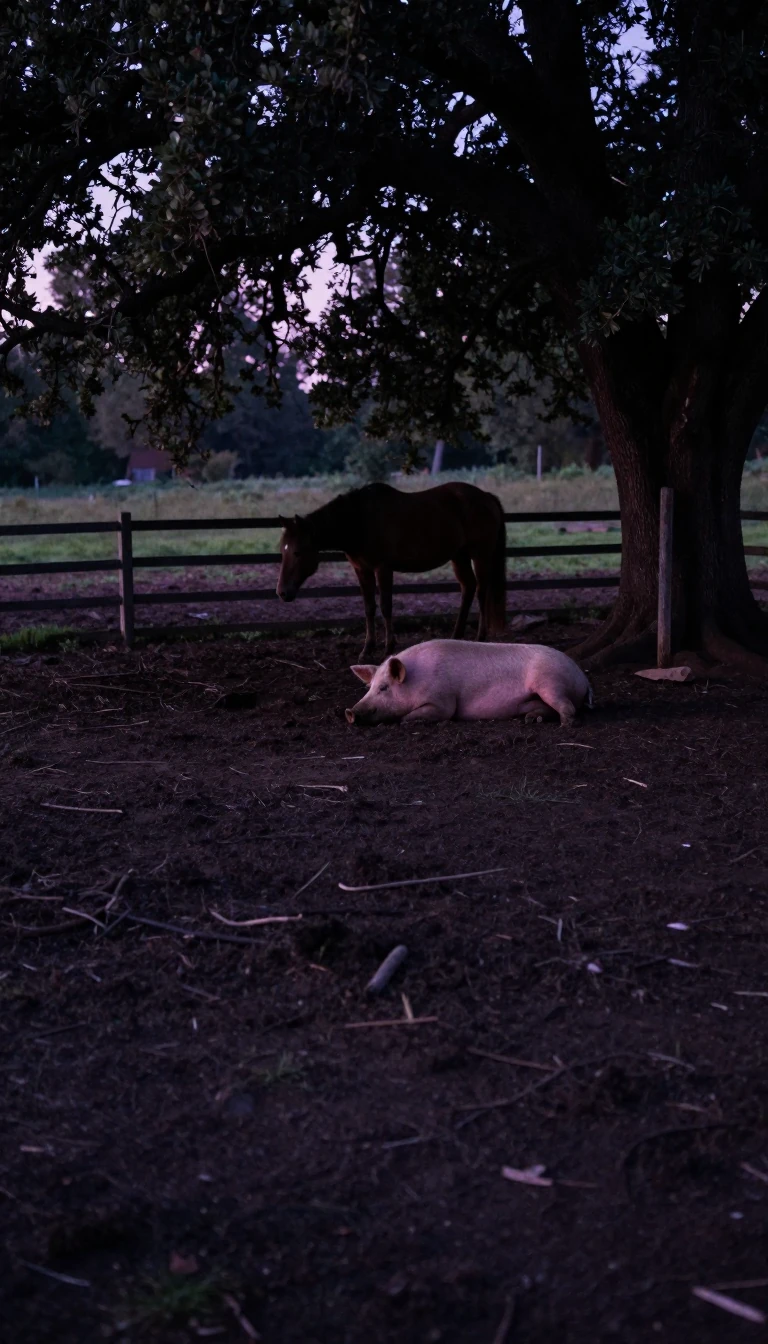 The tiny pig once thought extinct is making a surprising comebackOnce believed to be lost forever, the pygmy hog is a microscopic marvel of evolution. As the world's smallest pig, this Indian endemic has survived through rediscovery and intensi…
 A college campus that doubles as a restored prairie ecosystemCarleton College isn't just an academic hub; it is a massive laboratory for ecological restoration. Beyond its classrooms, the campus integrates 800 acres of diverse wilderness wh…
 The three thousand daughters who personify the world's springsIn Greek mythology, the Oceanids were far more than mere sea nymphs. As the innumerable daughters of Oceanus and Tethys, these deities spanned the globe, embodying everything from…
 The ancient port that once fueled Rome's appetite for pepperLong before modern shipping, the coast of Kannur was a vital node in global trade. From the ancient Roman Empire's massive spice expenditures to the rise of powerful local dynasti…
 The African giant that hunts more than just small preyIt is Africa's largest snake and one of the world's heaviest, capable of overpowering even crocodiles. While often feared as a man-eater, the Central African rock python is a comp…
 New estimator confirms subtle earthquake magnitude-ratio shifts despite data gapsA seismologist developed a new estimator called b-positive to measure the b-value, a number describing the ratio of large to small earthquakes. Unlike older methods, it relies onl…
 Did neurons evolve twice? The mystery of animal originsThe evolutionary tree of animals has a massive split at its base. Did complex features like nervous systems appear once in a common ancestor, or did they emerge independently in d…
 The shifting identity of a nation: how 'China' evolved from a dynasty to a stateFor centuries, 'China' wasn't a fixed country, but a rotating door of dynastic titles. From the 'Middle Kingdom' to the 'Great Qing,' the very definition of the nation has expande…
- The resilient legacy of a people born from exile and resistanceIn the late 18th century, British forces deported a group of people from Saint Vincent, inadvertently seeding a vibrant new culture across the Central American coast. This is the …
 Is a forest with 100 species actually more diverse than one with 10?Biodiversity isn't just a headcount. A site with many species might be less diverse than a smaller site if one species dominates the landscape. Scientists use diversity indices to…
- The endling: what do we call the very last of a species?When the final member of a species dies, a lineage vanishes forever. Scientists use a specific, poignant term to describe this solitary survivor: the endling. It is a word that ca…
 Was the iconic American flag design actually a family legend?We all know the story: Betsy Ross, with a quick snip of her scissors, perfected the stars on the first American flag. But beneath this cherished piece of American folklore lies a …
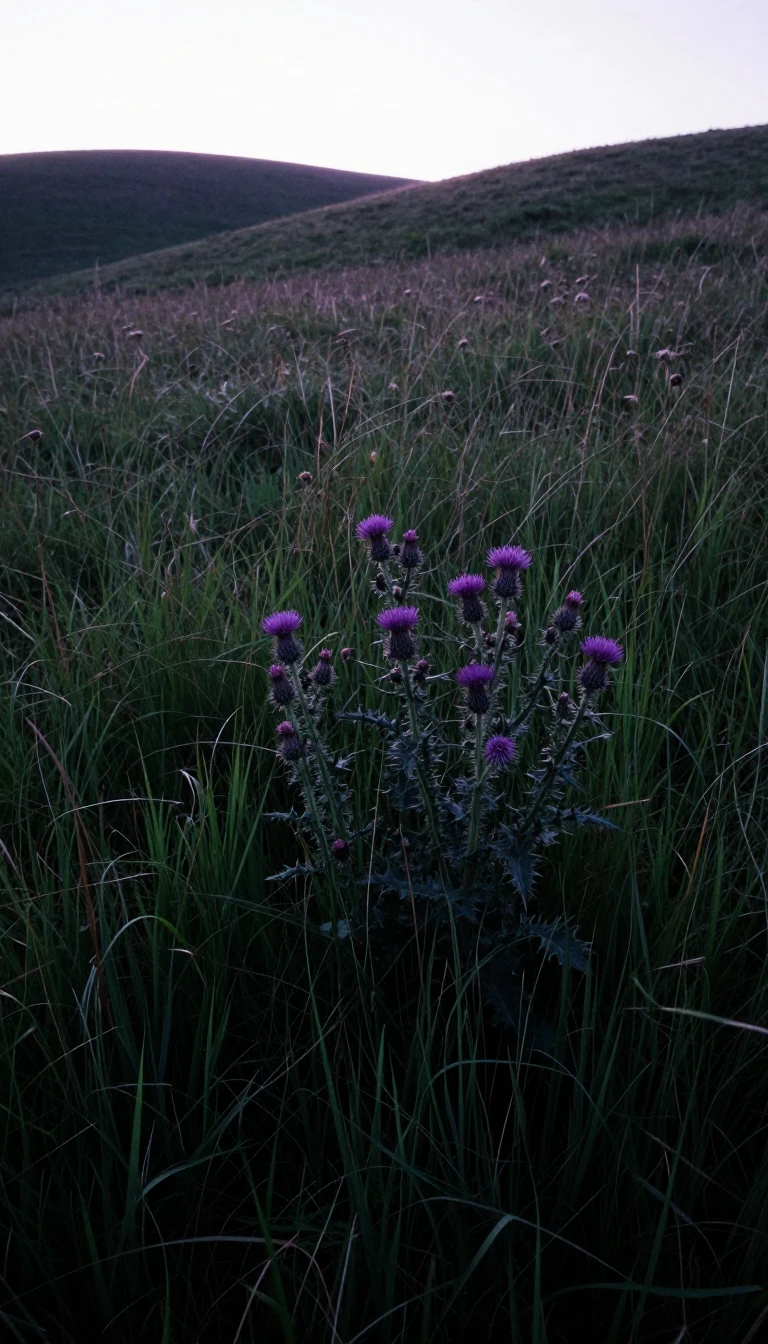 The resilient weed that blooms in the scars of warKnown as the corn poppy, Papaver rhoeas thrives in disturbed soil. This ability turned a common agricultural weed into a powerful symbol of remembrance after World War I, as red f…
 Marsupial brains evolved their own neuron patterns, not just ancestral onesResearchers who studied the brains of 10 marsupial species found that while basic scaling relationships are shared with eutherian (placental) mammals, Australasian marsupials have…
 Localized groundwater depletion threatens long-term irrigation across major American farming regionsResearchers analyzing water usage in the United States found that 60% of irrigation depends on groundwater, with two specific regions accounting for half of the nation's total aqu…
 Sorghum's genome map traces how grasses evolvedResearchers who sequenced the roughly 730-megabase genome of sorghum, an African grass grown for food, feed, fibre and fuel, mapped almost all of its genes onto their chromosomes.…
 Global biodiversity loss rates show no significant recent reductionResearchers who compiled 31 global indicators found that the rate of biodiversity loss is not slowing down. While some local successes were observed in areas like protected land c…
 The ocean regulates Earth's climate by absorbing significant amounts of anthropogenic carbonResearchers who reviewed the ocean carbon cycle found that the ocean plays a critical role in moderating climate change. By absorbing roughly 25% of human-caused CO2 emissions ove…
 Diverse strategies are needed to help agriculture adapt to climate changeA scoping review of sixty-five studies found that agricultural adaptation requires a wide range of interventions. Researchers identified strategies spanning from local crop manage…
- Climate shifts threaten food security for millions reliant on rain-fed farmingA review of Pakistan's agricultural landscape found that climate change is increasingly disrupting the production of staple crops like wheat, rice, and cotton. Because sixty perce…
 Plasticity can either shield or fuel evolution in new environmentsResearchers exploring evolutionary theory found that phenotypic plasticity—the ability of an organism to change its traits in response to the environment—plays a complex role in s…
 Global tree restoration could store massive amounts of carbon from the atmosphereResearchers mapping global canopy cover found that 4.4 billion hectares of tree cover could exist under our current climate. By adding 0.9 billion hectares of trees to areas that …
 Scientists work to mimic animal products using only plant-based ingredientsResearchers are investigating how to create a new generation of plant-based foods that replicate the experience of eating meat, fish, eggs, and milk. As consumer demand for ethica…
 How the ocean's biological pump moves carbon into the deep seaResearchers reviewing ocean processes found that the biological pump plays a vital role in the global carbon cycle. This process involves phytoplankton in sunlit surface waters pr…
- New Earth system model shows warming patterns consistent with global climate averagesResearchers who developed the CMCC-ESM2 Earth system model found that its climate projections align closely with existing global averages. By expanding how the model handles nitro…
- A statistical fix for comparing traits across the tree of lifeResearchers studying evolution often want to know whether two traits—say, body size and home range—evolve together. But closely related species share ancestry, which can make trai…