 Intellect Plus
Nature
11,198 cards. Each one is a 40-second story with a five-minute read behind it. Page 108 of 187.
Subtopics: Ageing · Air · Animal behaviour · Animal breeds and hybrids · Animals · Arthropods · Atmosphere · Big cats · Bilateria, others · Birds · Botany · Cnidarians · Conservation · Coral reefs · Deep sea · Deserts · Dinosaurs · Earth science · Earth science and physical geography · Earth science basics · Earthquakes & tsunamis · Echinoderms · Ecology · Ecosystems · Endangered species · Extinct animals · Farming · Fish · Forests · Fungi · General classifications · Geology · Geomorphology · How Long Can It Live? · Ice · Individual animals · Insects · Lightning · Longevity · Mammals · Marsupials · Migration · Mollusks · Ocean · Organisms · Parasites · Physical geography · Plants · Porifera · Predators · Primates · Rainforest · Reptiles & amphibians · Researched · Sharks & rays · Spiders & arachnids · Symbiosis · Trees · UK & Ireland: nature · Vertebrates · Vision · Volcanoes · Water · Waves · Weather · Whales & dolphins · Zoology
 These bizarre Cambrian swimmers are challenging our understanding of how chordates first evolvedVetulicolians were once dismissed as stem arthropods, but their strange, two-part bodies and gill-like openings suggest they belong to the chordate lineage. These ancient, swimmin…
 The viperfish is a deep-sea predator with teeth so long they could pierce its brain.Inhabiting the twilight zone, the viperfish is a master of survival in the deep ocean. With a specialized jaw, bioluminescent lures, and the ability to withstand extreme temperatu…
 Why these shy, green-feathered songbirds are actually the secret cousins of the crowVireos are unassuming, shy birds often overlooked in the forest canopy. While they appear as simple, green-plumaged songbirds, DNA evidence reveals a surprising evolutionary linea…
 The South American rodent that acts like a rabbit but builds like an engineerViscachas are South American rodents that defy simple categorization. While mountain species resemble long-eared rabbits darting across rocky cliffs, their plains-dwelling cousins…
 The lizard that survives by freezing solid and giving birth to live youngThe viviparous lizard, Zootoca vivipara, thrives in climates no other non-marine reptile can tolerate. By mastering the art of subarctic survival, this small creature can endure b…
 The horned crocodile of Madagascar was once the island's apex predatorBefore humans arrived in Madagascar, a unique crocodile species ruled the landscape. Known as Voay robustus, this reptile was defined by a pair of prominent horns on its skull. Th…
 The koala and the wombat are the last survivors of a lost marsupial empireWhile the koala and wombat seem like solitary oddities, they are actually the final remnants of Vombatiformes, a once-diverse suborder of marsupials. This lineage once included gi…
 True foxes are not just small dogs, but a distinct evolutionary lineage of hunters.Often mistaken for smaller versions of wolves or dogs, the genus Vulpes represents a unique clade of canids. From the scorching deserts to the frozen Arctic, these opportunistic s…
 These giant flightless crickets are among the heaviest insects on the entire planet.Endemic to New Zealand, wētā are a diverse group of over 100 species of flightless insects. Some grow so large they outweigh a sparrow, while others possess specialized defenses l…
 Why do wagtails constantly pump their tails? The answer remains a scientific mystery.Wagtails are slender, ground-feeding birds named for their signature tail-wagging behavior. While this movement is ubiquitous, its purpose is debated. Some suggest it flushes out …
 Waking from a coma is not like waking from sleep; it is a complex process.Emerging from a coma is rarely a sudden return to full awareness. Unlike the restorative transition of ordinary sleep, recovery from a coma is a gradual, often disorienting proces…
 Why the wallaroo is the perfect middle ground in the Australian bushCaught between the kangaroo and the wallaby, the wallaroo is a distinct macropod that defies simple classification. From the rugged black wallaroo of Arnhem Land to the gregarious…
- The wallcreeper is a master of vertical terrain, hiding crimson wings on mountain faces.This small, elusive bird is the only member of its entire family, Tichodromidae. Often called the butterfly of the bird world for its striking crimson wings, it spends its life sc…
 Why the warthog enters its burrow backward to survive the African savannaThe warthog is a master of survival in the arid African landscape. While its appearance is defined by distinct facial wattles and impressive tusks, its most clever adaptation is b…
 Water beetles are masters of aquatic survival, breathing through bubbles and physical gills.These diverse insects have conquered freshwater ecosystems by evolving ingenious ways to breathe underwater. Whether they carry a portable air supply beneath their wings or utiliz…
 The brilliant blue of a kingfisher is actually a clever optical illusionA kingfisher’s vibrant azure plumage contains no blue pigment at all. Instead, these birds rely on the structural arrangement of their feathers to scatter light, creating a dazzli…
 Why these nomadic birds sometimes descend on suburban streets in their thousandsThe waxwing is a master of the erratic migration. These starling-sized birds do not follow fixed paths, but instead roam in nomadic flocks searching for berries. When food supplie…
 Weaver ants use their own larvae as living shuttles to sew waterproof tree nests.These arboreal architects do not just build homes; they manufacture them using a sophisticated biological assembly line. By holding larvae like sewing needles, weaver ants extrude…
 Why the wedgefish is a master of disguise in the world of raysWedgefishes are not your typical rays. Belonging to the family Rhinidae, these unique creatures are often called giant guitarfishes or sharkfin guitarfishes. With eleven distinct …
 The hidden dragon beneath your feet: why the weever fish is a beach menace.Buried in the sand with only its eyes exposed, the weever fish is a master of ambush. While it is a prized ingredient in bouillabaisse, its venomous spines turn a casual beach str…
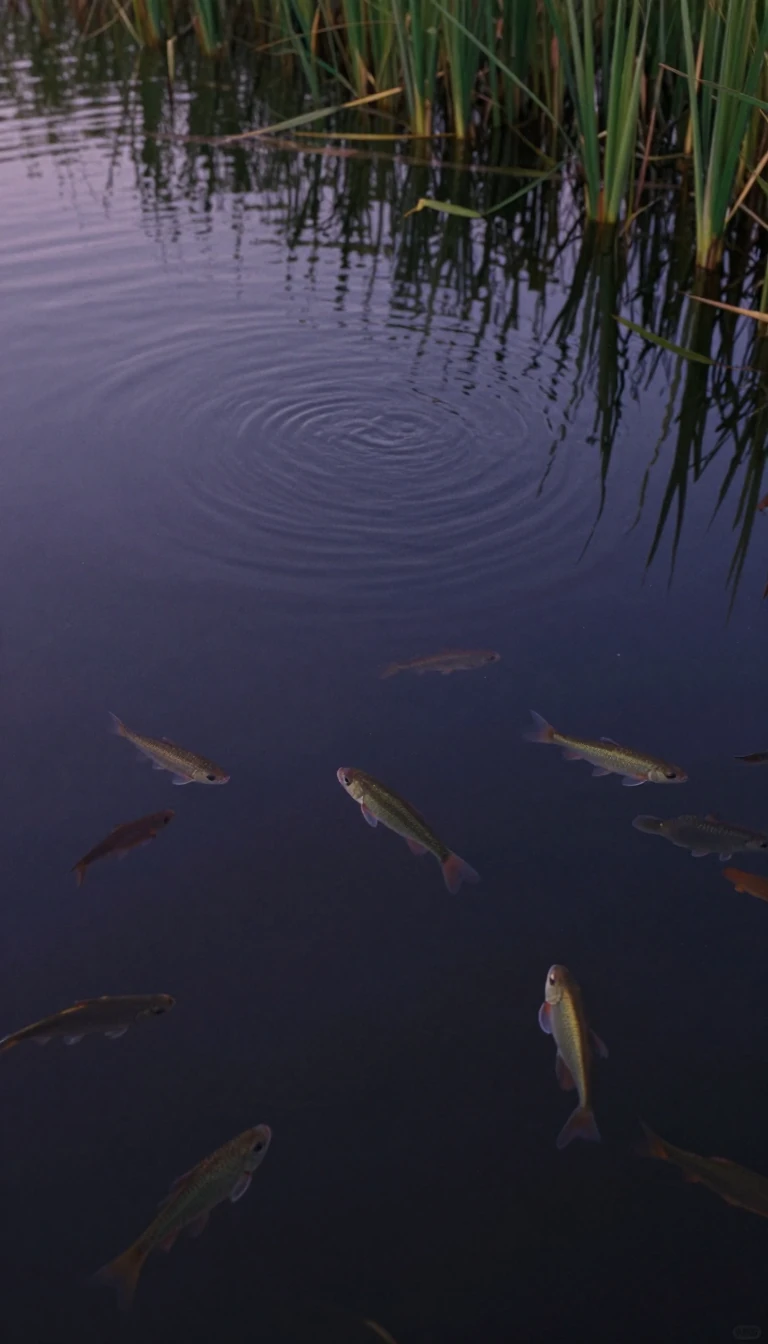 The Wels catfish is a prehistoric giant lurking in Europe's rivers and lakesAs one of the largest freshwater fish in Europe, the Wels catfish is a formidable predator. Capable of reaching massive proportions, this scaleless giant uses sensitive barbels to…
 The wentletrap is a marine snail named for its resemblance to a spiral staircase.Known as the wentletrap, these marine snails belong to the family Epitoniidae and are celebrated for their intricate, turreted shells. Often white with a porcelain-like finish, th…
 The prehistoric fish that shocked the world by refusing to stay extinctIn 1938, a trawler pulled a mysterious, steel-blue fish from South African waters. Thought to have vanished 70 million years ago, the coelacanth was a living fossil that captivate…
 Why Australia’s iconic western grey kangaroo spent two centuries in a taxonomic identity crisisFor nearly two hundred years, European scientists struggled to classify the western grey kangaroo. Misidentified as its eastern cousin, mislabeled as a Tasmanian native, and shuff…
 The jackdaw is a clever, chimney-nesting crow that can recognize individual human faces.Smaller than their cousins the rooks and crows, western jackdaws are social, intelligent birds known for their silvery-grey napes and pale eyes. They are surprisingly comfortable …
- The name whelk is a linguistic trap covering dozens of unrelated sea snail species.If you order a whelk in London, Tokyo, or Seoul, you are likely eating three entirely different animals. While true whelks belong to the Buccinidae family, the term is applied glo…
- How whiptail stingrays hunt in total darkness using invisible electric fieldsWhiptail stingrays are masters of the ocean floor, blending into sand to ambush prey. Beyond their famous whip-like tails and jagged stingers, these rays possess a sophisticated s…
 How whirligig beetles use divided eyes to master the boundary between air and waterWhirligig beetles are nature's surface-skimming acrobats, famous for their rapid, circular swimming patterns. Beyond their dizzying movements, these insects possess a remarkable b…
 Why these long-legged ducks are causing a stir in the world of bird taxonomyWhistling ducks are not your typical pond-dwellers. With their long necks, upright stance, and penchant for perching in trees, these gregarious birds defy standard waterfowl expec…
 The white-eye is a bird family so uniform that scientists often struggle to distinguish them.With nearly 100 species across the Old World, white-eyes are remarkably similar in appearance and behavior. Named for the distinct ring of tiny white feathers around their eyes, t…
 Why the white-eyelid mangabey is not as closely related to other mangabeys as believedFor years, scientists grouped all mangabeys together, assuming they shared a common lineage. Modern genetic understanding has shattered this classification, revealing that the whi…
 The white tiger is not a separate species but a rare genetic mutationWhite tigers are not albinos, nor are they a distinct subspecies. They are leucistic variants of Bengal or Siberian tigers, appearing in the wild only once in every 10,000 births.…
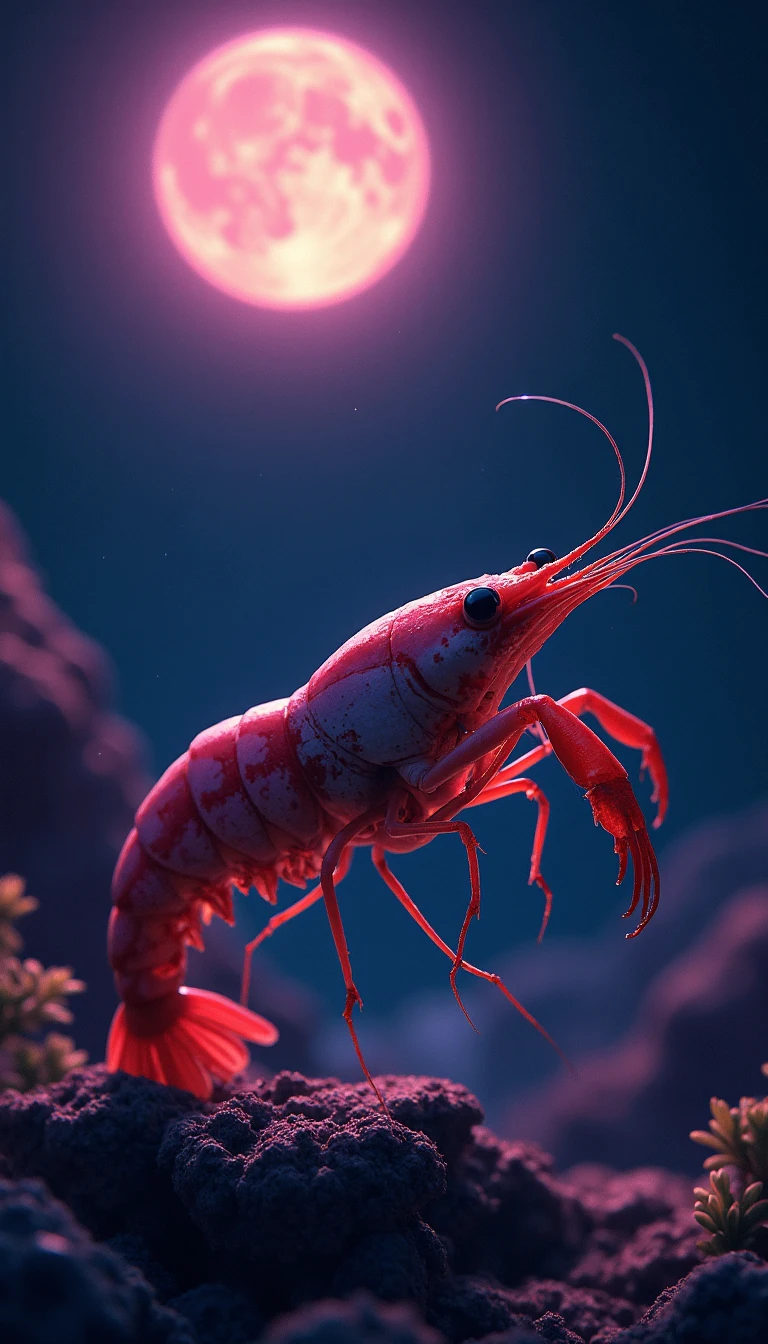 The Pacific white shrimp is a global aquaculture titan with a complex identity.Once a regional staple for Mexican fishermen, the whiteleg shrimp has become the world's most farmed crustacean. This euryhaline species thrives in diverse salinities, fueling a m…
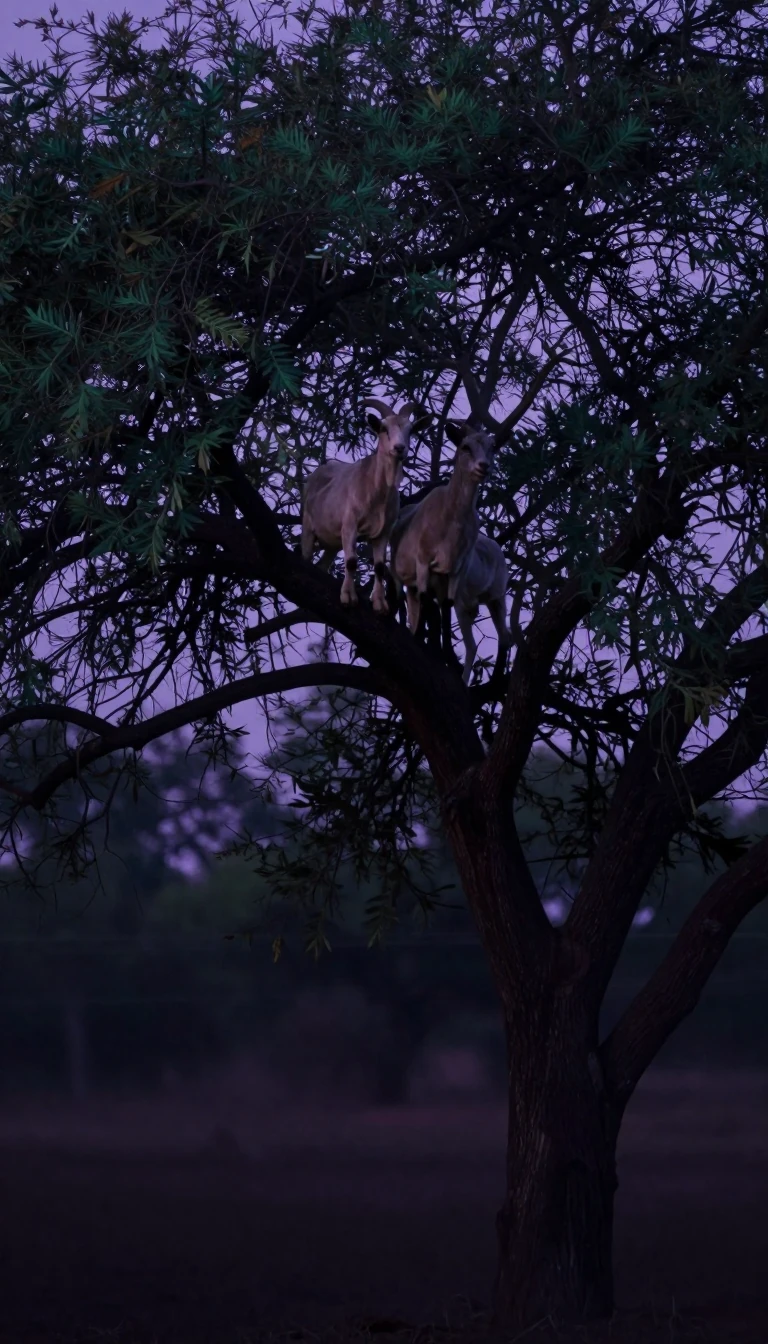 The wild goat is the rugged, high-altitude ancestor of every domestic goat today.From the craggy peaks of the Caucasus to the arid slopes of Pakistan, the wild goat (Capra aegagrus) thrives in extreme environments. While often overshadowed by its domesticated …
 Was this armored Cambrian slug an ancient ancestor of modern molluscs or annelid worms?Wiwaxia, a five-centimetre creature from the Cambrian period, has baffled paleontologists for over a century. Covered in carbonaceous scales and defensive spines, this slug-like a…
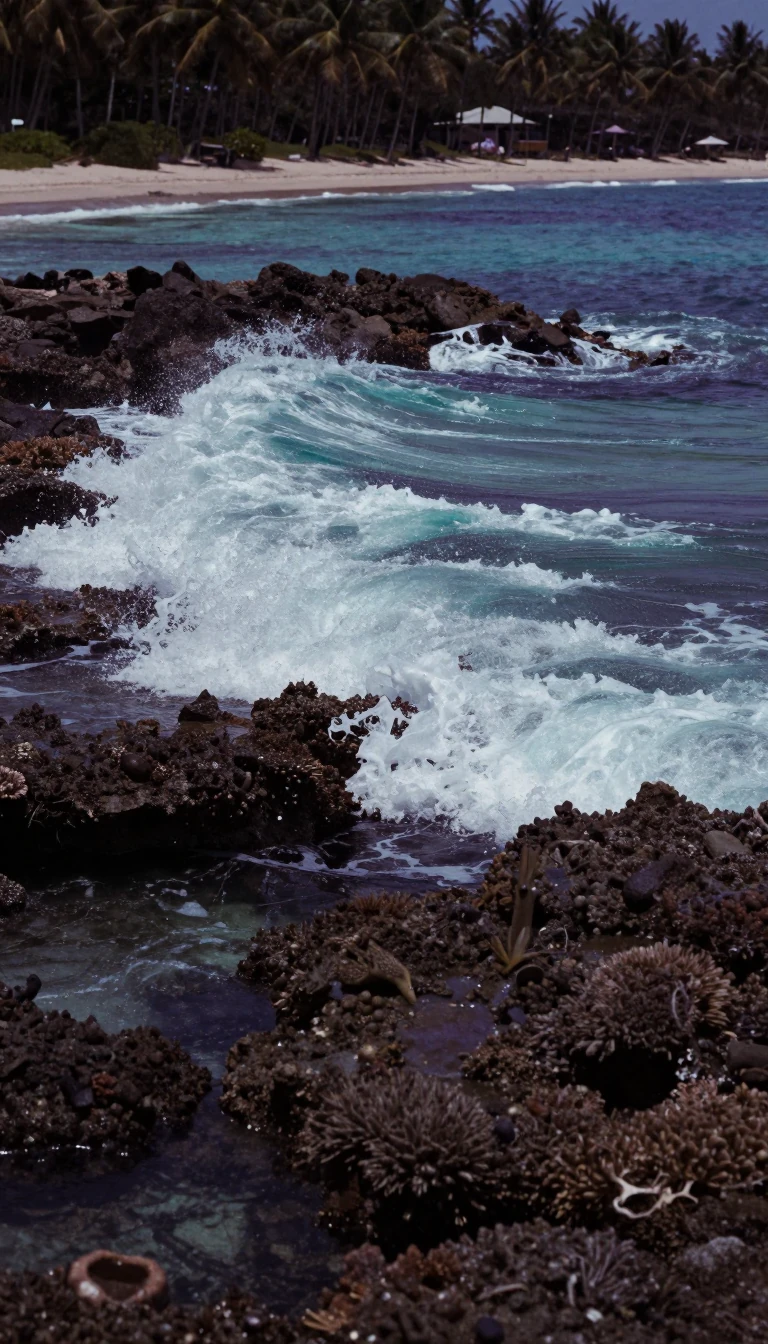 The wobbegong is a master of disguise that hides in plain sightKnown as carpet sharks for their intricate, symmetrical patterns, wobbegongs are ambush predators that blend seamlessly into the sea floor. These bottom-dwelling creatures use wee…
 Are wolfdogs a distinct breed or a biological mystery hiding in plain sight?Wolfdogs are hybrids of domestic dogs and wolves, occurring both in the wild and through intentional breeding. While they are often sought as exotic pets, their behavior remains n…
 The wood frog is the only North American amphibian living north of the Arctic Circle.This resilient creature survives the brutal northern winter by essentially turning into an ice cube. When temperatures drop, the wood frog freezes its own blood and tissues, halti…
 The wood turtle is a surprisingly intelligent navigator with a talent for worm charming.Beyond its rugged, pyramid-sculpted shell, the wood turtle is a cognitive standout among reptiles. It possesses remarkable homing abilities comparable to those of a rat and employ…
 The woolly rhinoceros was a massive, hairy beast that once roamed the ancient world.Long before modern rhinos, the woolly rhinoceros thrived in the harsh, frozen landscapes of the Pleistocene. Covered in thick fur and sporting two formidable horns, this creature …
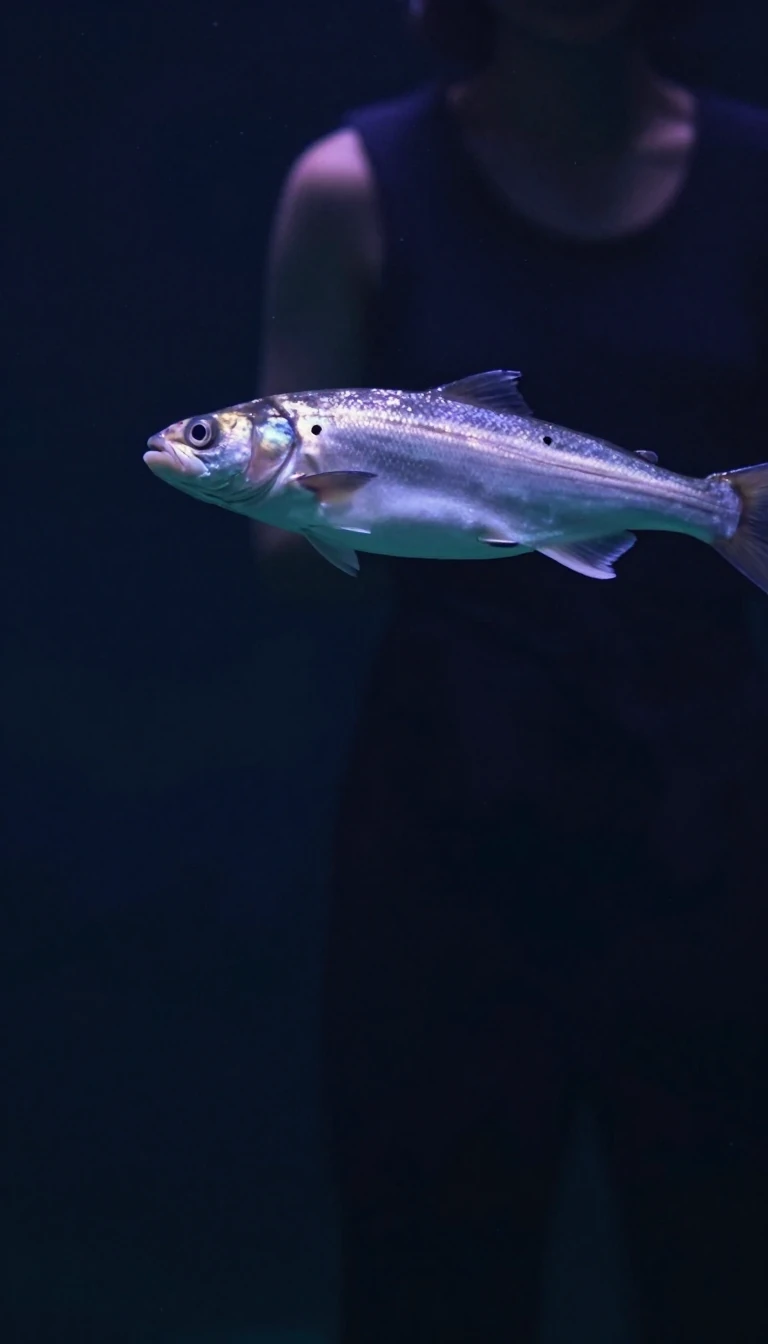 Why these tiny Southeast Asian fish lock jaws in thirty-minute wrestling matchesThe wrestling halfbeak is a slender, surface-dwelling fish known for its elongated lower jaw and a peculiar habit of combat. Males of the species engage in intense, jaw-locking du…
- Why the iridescent sunbeam snake is a nightmare for even expert reptile keepersThe sunbeam snake is famous for its dazzling, rainbow-like scales that shimmer in the light. Yet, despite their beauty, these primitive Southeast Asian snakes are notoriously diff…
 Why this strange-footed African frog became a cornerstone of modern medical researchThe African clawed frog, or Xenopus, is a laboratory powerhouse. Beyond its surprising genetic similarity to humans, this aquatic amphibian has enabled breakthroughs from early pr…
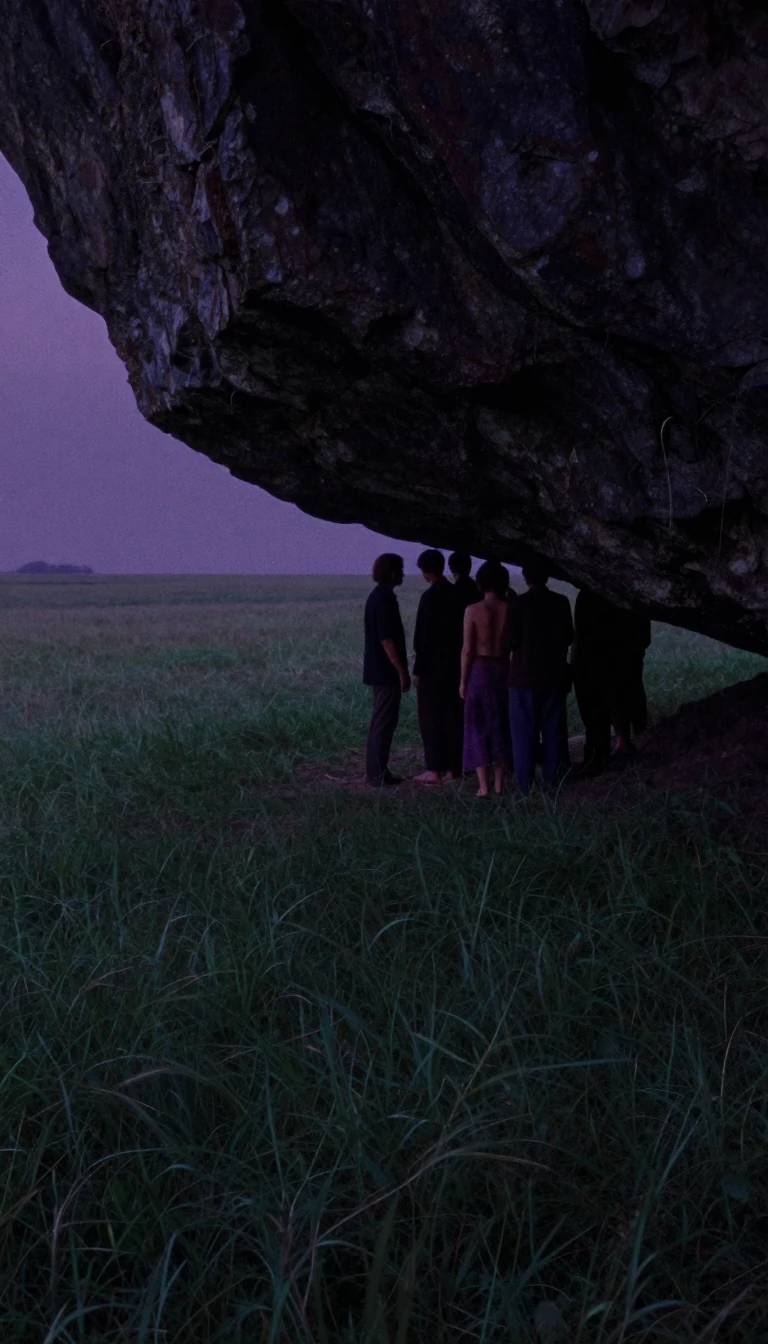 Why these African ground squirrels choose communal living over competitive mating ritualsThe Xerini tribe of ground squirrels defies typical mammalian behavior by sharing home ranges rather than fighting for territory. By prioritizing group safety over individual bree…
- The Cretaceous sea monster that met its end by swallowing a meal too largeImagine a predatory fish the size of a car, patrolling ancient oceans with a bulldog-like grin and razor-sharp fangs. Xiphactinus was a master of the deep, yet its voracious appet…
 Is the Y-chromosomal Adam a fixed point in our ancient human history?Contrary to his biblical namesake, the Y-chromosomal Adam is not a single, static individual. He is a shifting title for the most recent male ancestor from whom all living men des…
- Why do we yawn? It is a mysterious reflex that remains scientifically debated today.Yawning is a universal vertebrate behavior, yet its primary purpose remains elusive. While often linked to fatigue or boredom, this complex reflex involves intense muscle stretchi…
- The yellow-bellied sea snake is a master of the open ocean, not the coast.This highly venomous reptile spends its entire life at sea, from birth to hunting. It navigates the world's tropical waters by riding oceanic currents and drift lines. Despite its…
 The yellow crazy ant is a global invader that uses formic acid to blind crabs.Named for their erratic movements, yellow crazy ants are among the world's most destructive invasive species. By forming massive supercolonies, they have devastated ecosystems fro…
- This venomous sea snake spends half its life on land and hunts with fish.The yellow-lipped sea krait is a master of two worlds. While it possesses neurotoxic venom potent enough to kill, it is surprisingly docile. This semiaquatic predator navigates th…
- The yellow-throated marten is a formidable, wide-ranging predator that hunts in coordinated packs.This striking, golden-furred mustelid is the second-largest marten in the Old World. Far from a solitary forest dweller, it is a bold, diurnal hunter that patrols vast territories…
 The hidden dragon of the Jurassic that rewrote the history of horned dinosaursDiscovered near a famous film set in China, Yinlong is the oldest known ancestor of the ceratopsian family. This small, bipedal herbivore possessed a unique skeletal structure tha…
- This small Permian reptile holds the key to understanding the ancestry of modern lizardsYoungina, a lizard-like creature from the Late Permian, serves as a vital evolutionary bridge. By examining its well-preserved skulls, scientists have gained rare insights into th…
 Why the zebra dove is a prized competitor in Southeast Asian cooing contestsSmall, slender, and patterned with striking black-and-white bars, the zebra dove is far more than a garden bird. In parts of Southeast Asia, these doves are celebrated for their u…
 These tiny, striped invaders are reshaping entire ecosystems by filtering lakes until they are clear.Zebra mussels are small, freshwater bivalves that have colonized North American waters since the late 1980s. Armed with protein-based threads, they attach to almost any surface, c…
- The zebra shark undergoes a dramatic physical transformation as it matures from juvenile to adult.Born with striking vertical stripes, the zebra shark completely reinvents its appearance as it grows. By the time it reaches adulthood, those youthful bands vanish, replaced by a …
 Zoraptera are tiny, mysterious insects that switch between blind workers and winged explorers.Often called angel insects, these small, soft-bodied creatures live in secret colonies under rotting wood. They exhibit a strange polymorphism: most are blind and wingless, but wh…
 Why these ancient, wingless insects are now being studied for sustainable biofuel productionSilverfish are more than just bathroom pests. As one of the most primitive insect lineages, these wingless creatures possess specialized guts that act as natural bioreactors. Rese…
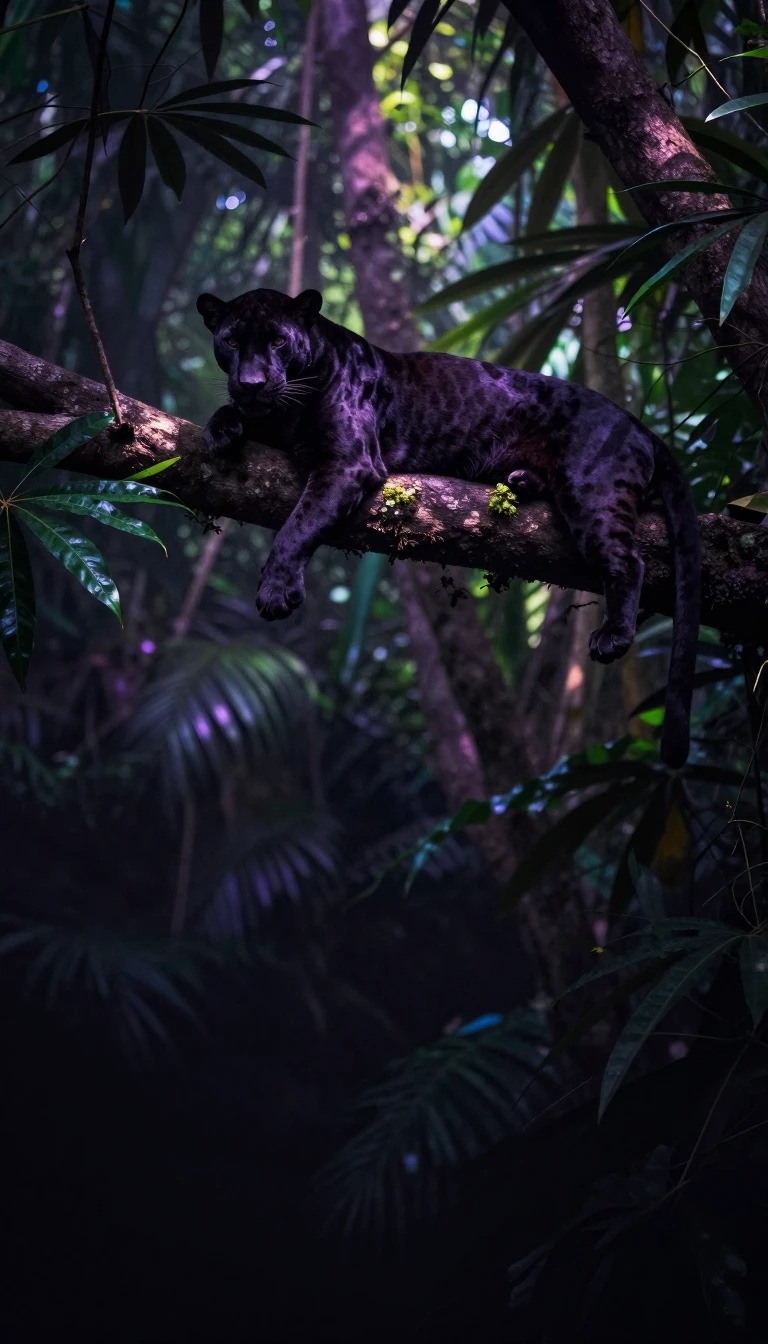 The Indian leopard is a master of adaptation, thriving across a vast, rugged landscape.While many big cat species face shrinking territories and declining numbers, the Indian leopard is a notable exception. This solitary, nocturnal predator has successfully adapted …
 Why Mexico's most famous volcano is known as the Smoking MountainStanding 5,393 meters tall, Popocatépetl is a legendary stratovolcano looming over central Mexico. Known affectionately as El Popo, its name translates from Nahuatl as Smoking Mou…