 Intellect Plus
Nature
11,198 cards. Each one is a 40-second story with a five-minute read behind it. Page 106 of 187.
Subtopics: Ageing · Air · Animal behaviour · Animal breeds and hybrids · Animals · Arthropods · Atmosphere · Big cats · Bilateria, others · Birds · Botany · Cnidarians · Conservation · Coral reefs · Deep sea · Deserts · Dinosaurs · Earth science · Earth science and physical geography · Earth science basics · Earthquakes & tsunamis · Echinoderms · Ecology · Ecosystems · Endangered species · Extinct animals · Farming · Fish · Forests · Fungi · General classifications · Geology · Geomorphology · How Long Can It Live? · Ice · Individual animals · Insects · Lightning · Longevity · Mammals · Marsupials · Migration · Mollusks · Ocean · Organisms · Parasites · Physical geography · Plants · Porifera · Predators · Primates · Rainforest · Reptiles & amphibians · Researched · Sharks & rays · Spiders & arachnids · Symbiosis · Trees · UK & Ireland: nature · Vertebrates · Vision · Volcanoes · Water · Waves · Weather · Whales & dolphins · Zoology
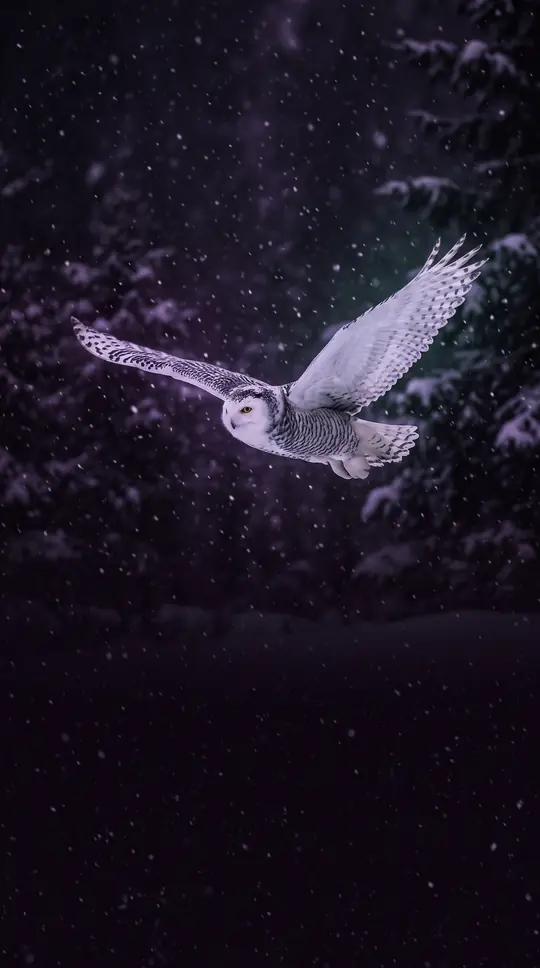 How owls achieve silent flight and rotate their heads without cutting off brain blood flowOwls are masters of stealth and flexibility, using specialized wing feathers to hunt in near-total silence. Beyond their quiet approach, they possess a unique neck anatomy that al…
- The Strix: Ancient Vampiric Myths Meet the Modern Woodland OwlThe genus Strix, established by Linnaeus in 1758, carries a name once feared as a blood-sucking monster of legend. Today, these robust, earless owls are recognized as powerful noc…
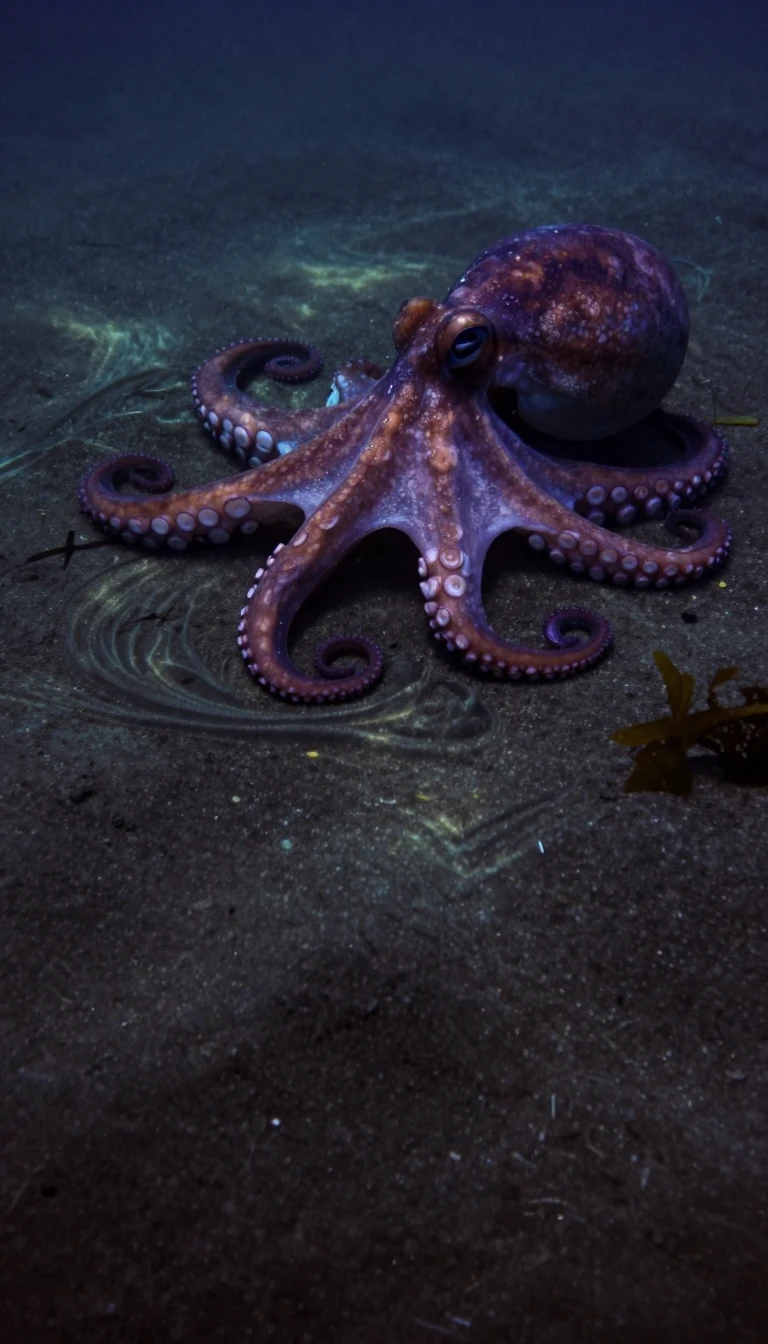 Why this deep-purple sea urchin is a secret mirror to human biologyThe purple sea urchin is more than a kelp-devouring resident of the Pacific coast. As a premier model organism, its genome reveals surprising evolutionary links to humans. From sh…
 Stupendemys: The colossal freshwater turtle that once dominated South America's ancient mega-wetlandsReaching lengths of nearly three meters, Stupendemys was the largest freshwater turtle to ever exist. These prehistoric giants roamed the vast Pebas Mega-Wetlands of South America…
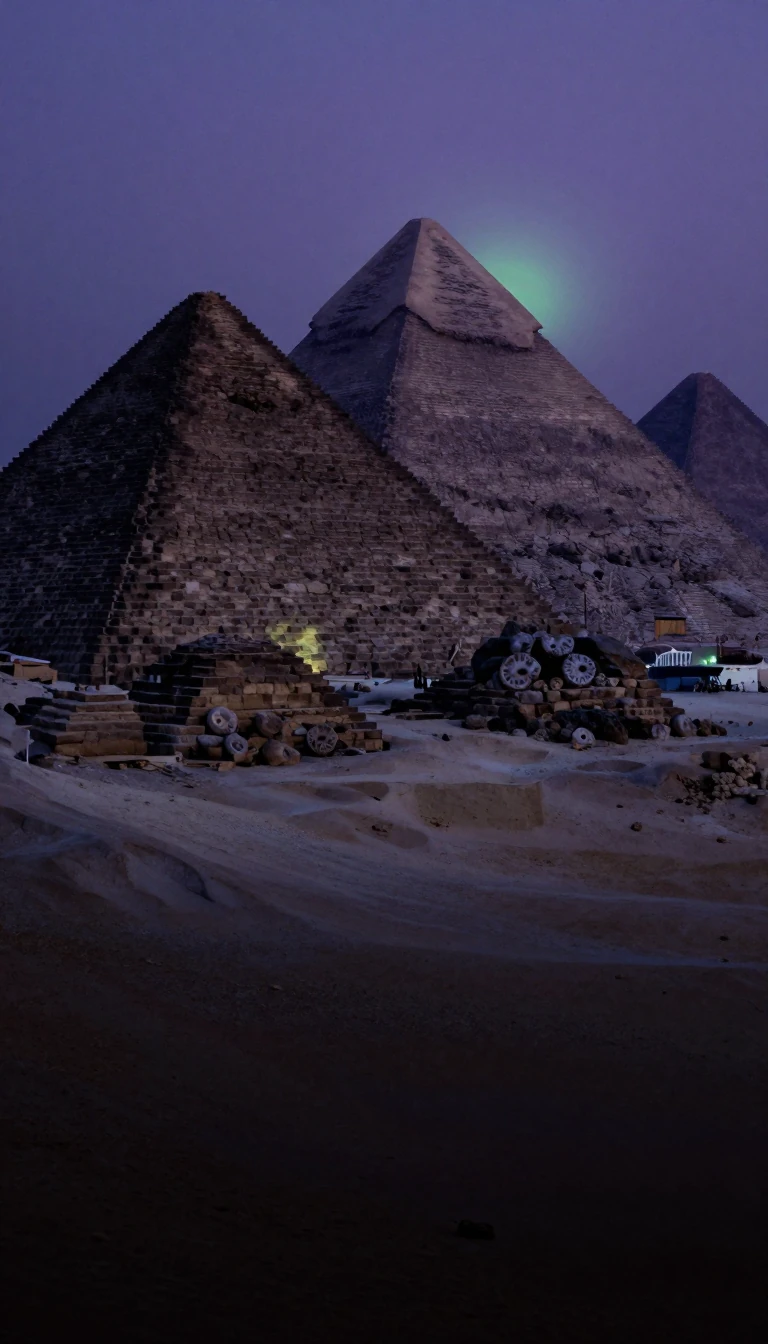 The spiked lizard of the Cretaceous: why Styracosaurus was built for defenseWith a massive nose horn and a neck frill adorned with long, variable spikes, Styracosaurus was a formidable herbivore. Living 76 to 75 million years ago, this hefty dinosaur like…
 Madagascar was once home to giant primates that filled ecological niches now left vacantUntil about 560 years ago, Madagascar hosted a diverse array of giant lemurs. Ranging from 10 kg to 160 kg, these extinct primates occupied roles as seed dispersers and folivores.…
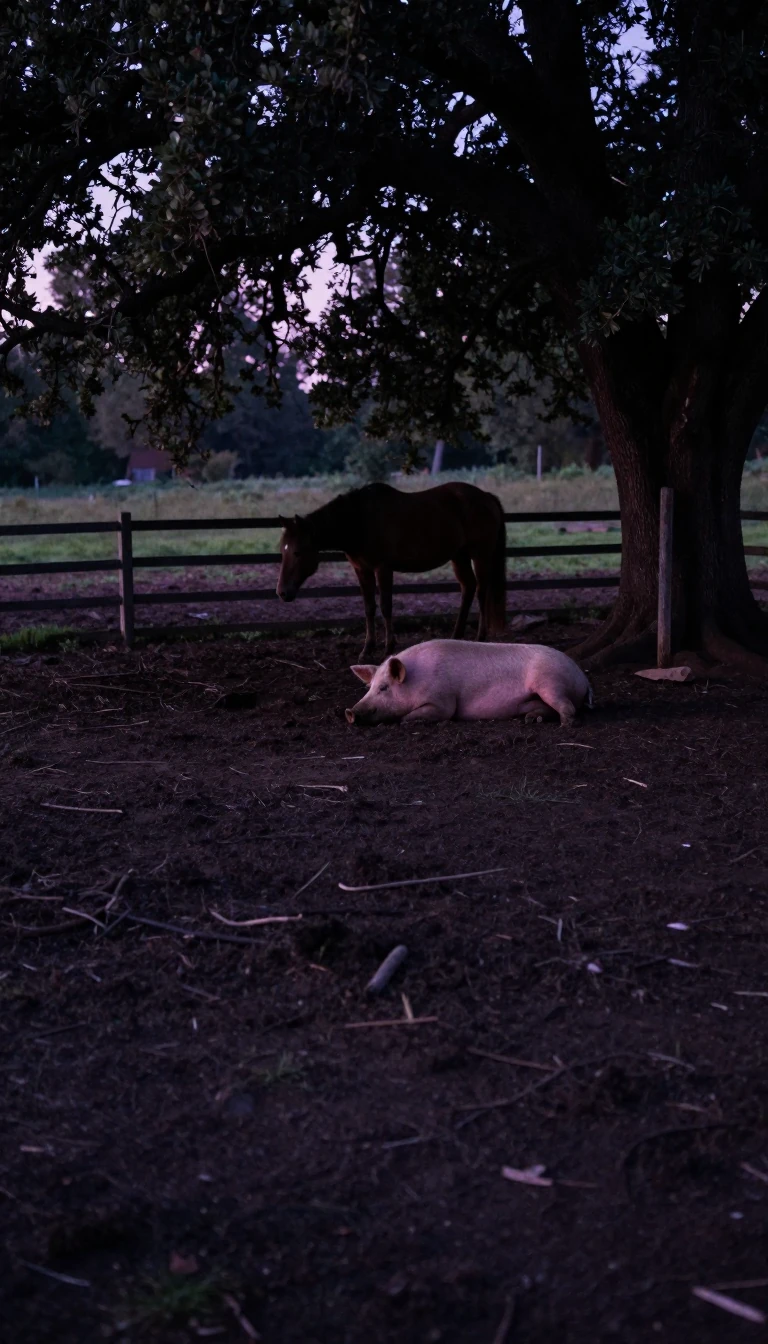 The Suidae family: Ancient artiodactyls with a unique snout and complex social livesCommonly known as pigs, hogs, or swine, the Suidae family represents a group of adaptable mammals native to the Old World. From the tiny pygmy hog to the massive giant forest hog,…
 The Sumatran tiger is a genetically distinct survivor of a lost island lineageIsolated from mainland relatives for thousands of years, the Sumatran tiger is the last of its kind in the Sunda Islands. While its unique DNA and physical traits mark it as a dis…
 The sunbittern hides a spectacular, eye-patterned secret within its otherwise subdued, cryptic plumage.At first glance, the sunbittern appears as a modest, heron-like bird of the Neotropical forests. Yet, when threatened, it transforms, spreading its wings to reveal vivid, eye-like…
- The Sunda clouded leopard is a distinct species with the longest teeth of any cat.Hidden in the dense forests of Borneo and Sumatra lives a secretive predator known as the tree tiger. Only recognized as a unique species in 2006, this elusive cat possesses canin…
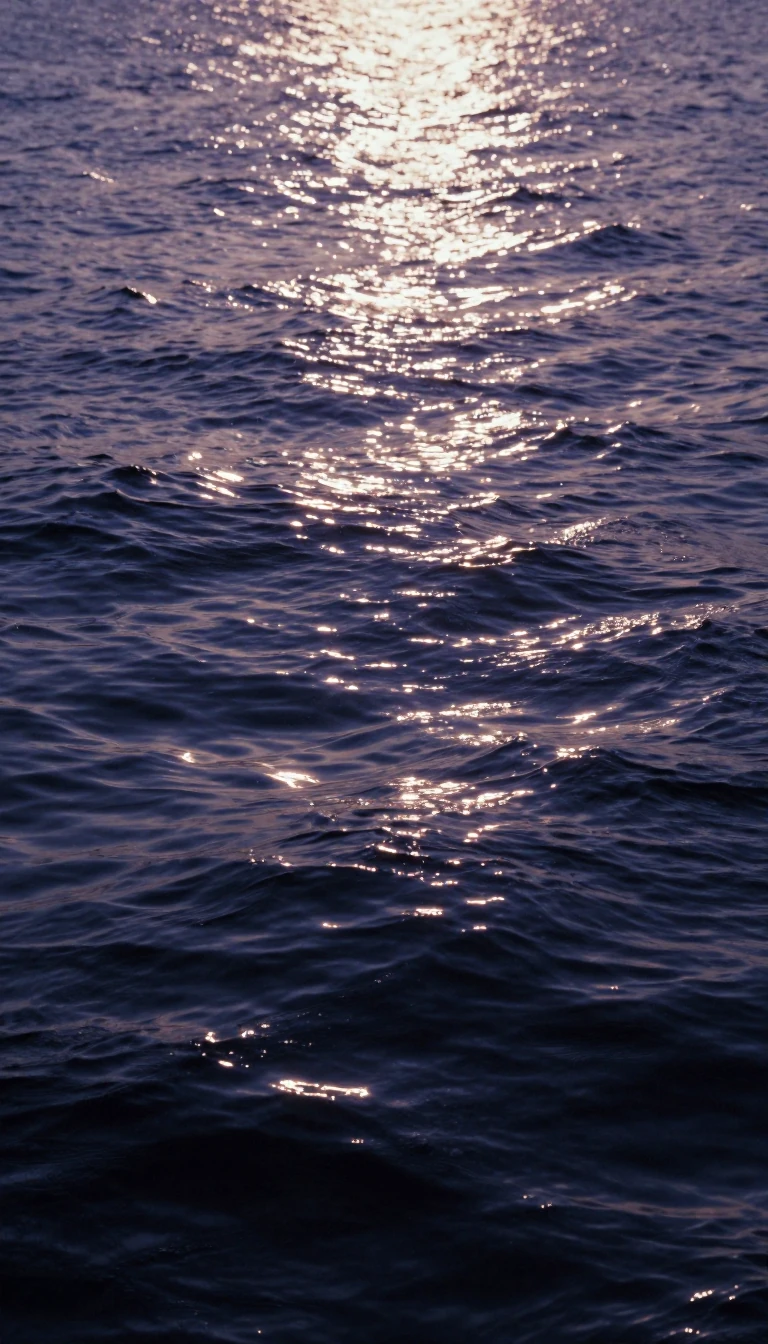 The 'seasquatch' has returned: A lost predator could save California's dying kelp forestsAfter vanishing from California waters a decade ago, the sunflower sea star—a voracious predator essential to kelp forest health—has been rediscovered. This elusive 'seasquatch' o…
 The Global Expansion of the Swamphen: A Journey from Africa to the WorldSwamphens are resilient, semi-aquatic birds that have conquered the warmer regions of the globe. From their likely origins in Africa during the Middle Miocene, these members of th…
- Why the swan goose is a masterclass in evolutionary confusion and domesticationThe swan goose is a long-necked enigma, standing as the largest of its genus yet remaining surprisingly elusive. While its wild population struggles against habitat loss and hunti…
 How simple local rules create the complex, coordinated movements of a massive swarmFrom the synchronized flight of bird flocks to the cooperative transport of robotic swarms, collective motion emerges without a central leader. By following basic rules like colli…
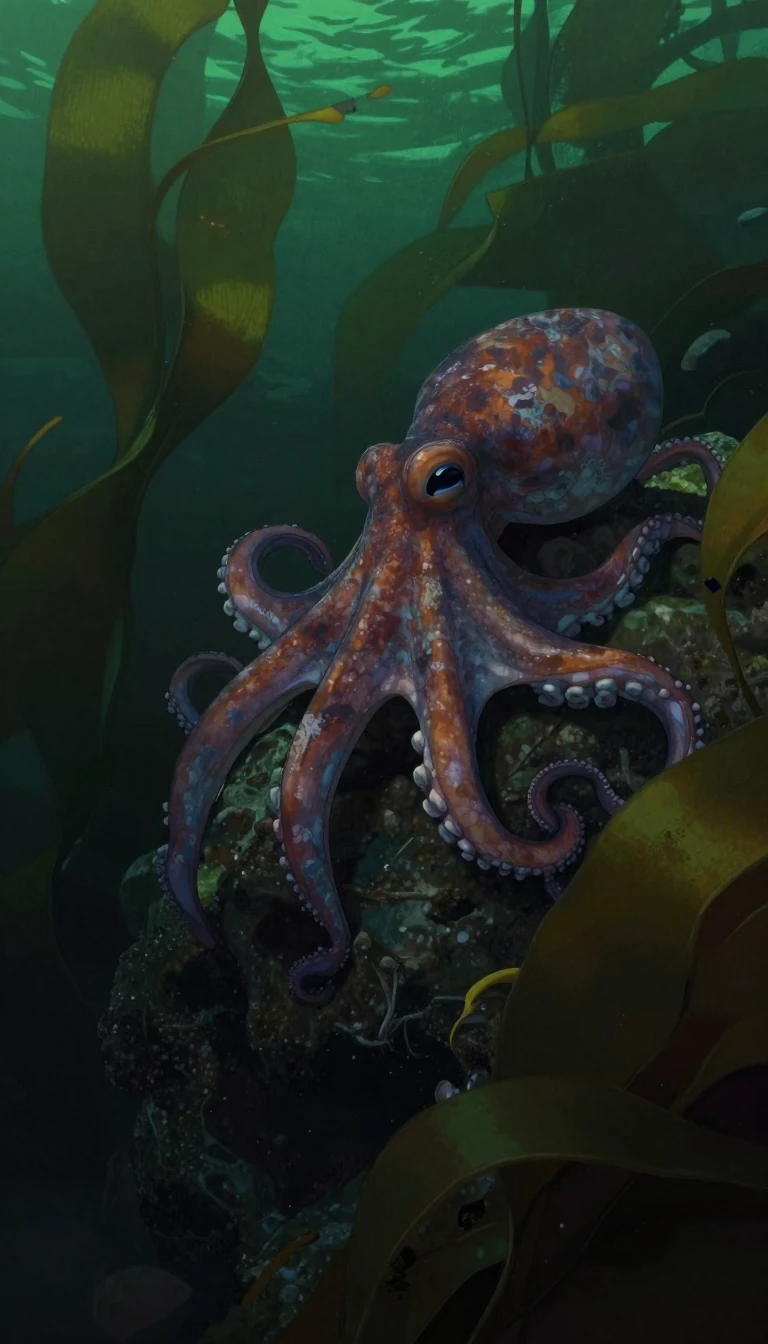 These microscopic animals were so bizarre they required their own phylum to be classified.Discovered in 1995 on the mouthparts of Norway lobsters, Symbion are tiny, sac-like creatures that defy easy categorization. With a complex life cycle involving three distinct for…
 These tiny soil-dwellers are the only arthropods that breathe through their headsKnown as garden centipedes, symphylans are elusive, eyeless creatures that thrive beneath your feet. While they resemble centipedes, these soft-bodied arthropods are biologically …
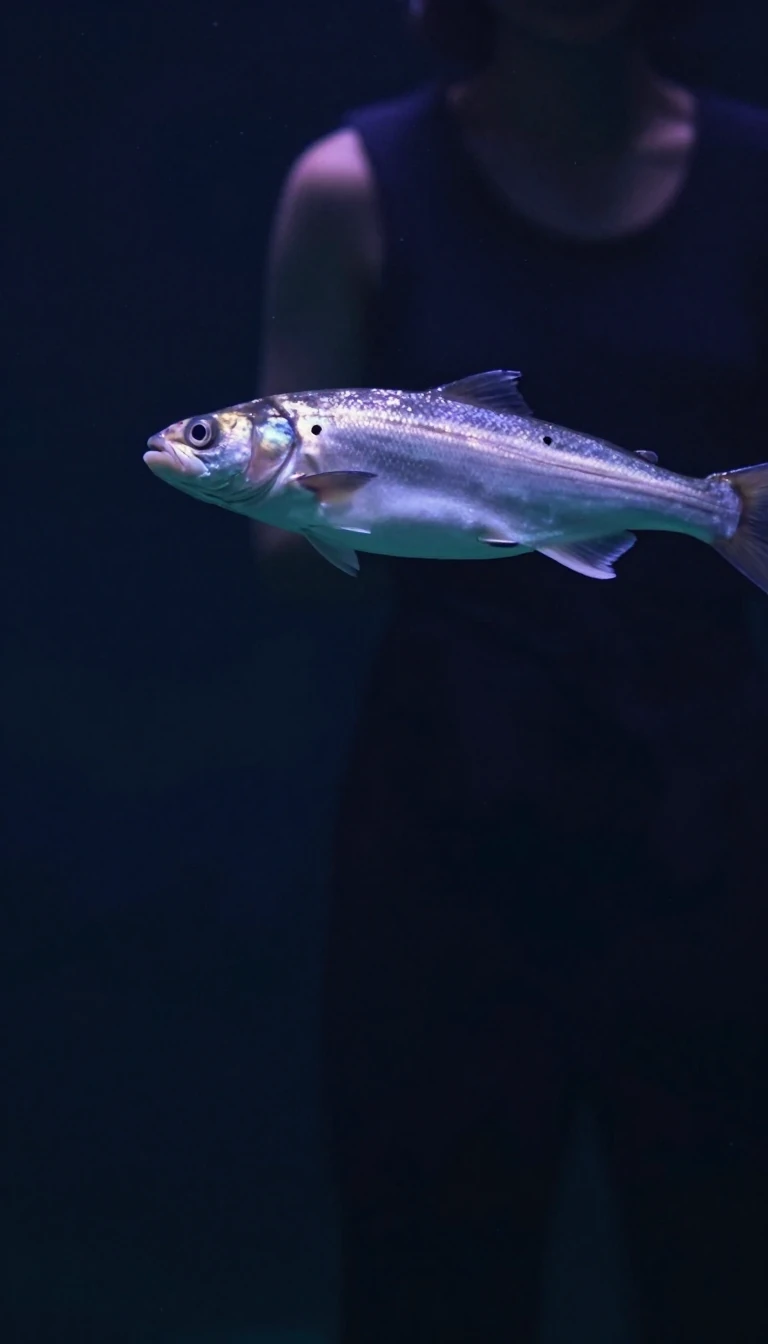 In the strange world of Syngnathiformes, the fathers carry the unborn youngThe order Syngnathiformes includes seahorses, pipefishes, and dragonets, all defined by elongated bodies and tubular mouths. Beyond their striking appearance, these fish possess a…
 Tachinid flies are nature's most versatile, and sometimes most dangerous, insect-hunting biological machines.With over 8,200 known species, tachinid flies are master parasitoids that target everything from caterpillars to centipedes. While some act as essential pollinators in high-altitu…
- Why the colorful shelduck was once known as the fox gooseThe shelduck is a large, semiterrestrial bird that defies simple classification. Once thought to be a bridge between ducks and geese, these birds are now known to be true ducks. T…
 The pork tapeworm is a global health threat that turns human brains into hosts.Taenia solium is more than a simple intestinal parasite. While eating undercooked pork causes mild taeniasis, ingesting the tapeworm's eggs directly can lead to cysticercosis. Whe…
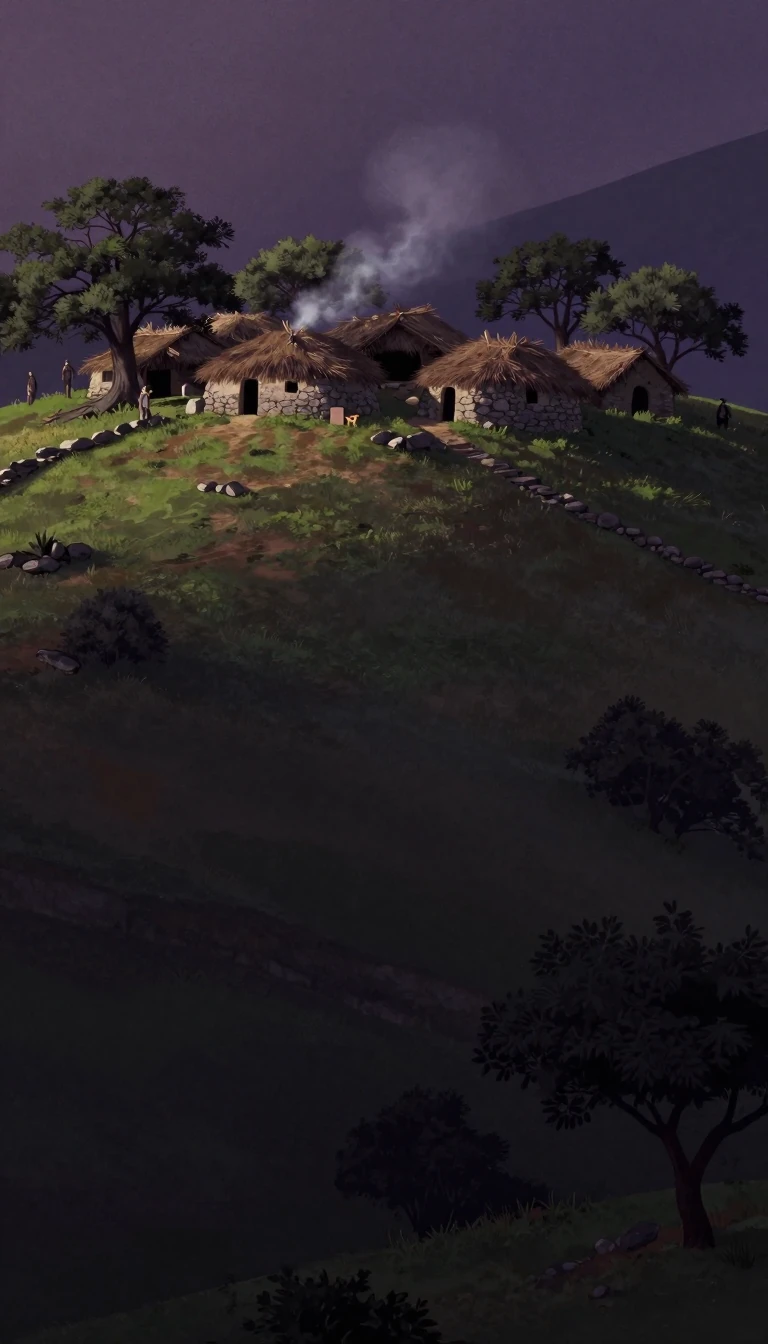 These ancient mammals evolved self-sharpening teeth long before modern rodents ever existedLong before rodents dominated the landscape, the taeniodonts were already experimenting with ever-growing, self-sharpening teeth. These extinct mammals, which grew to the size of …
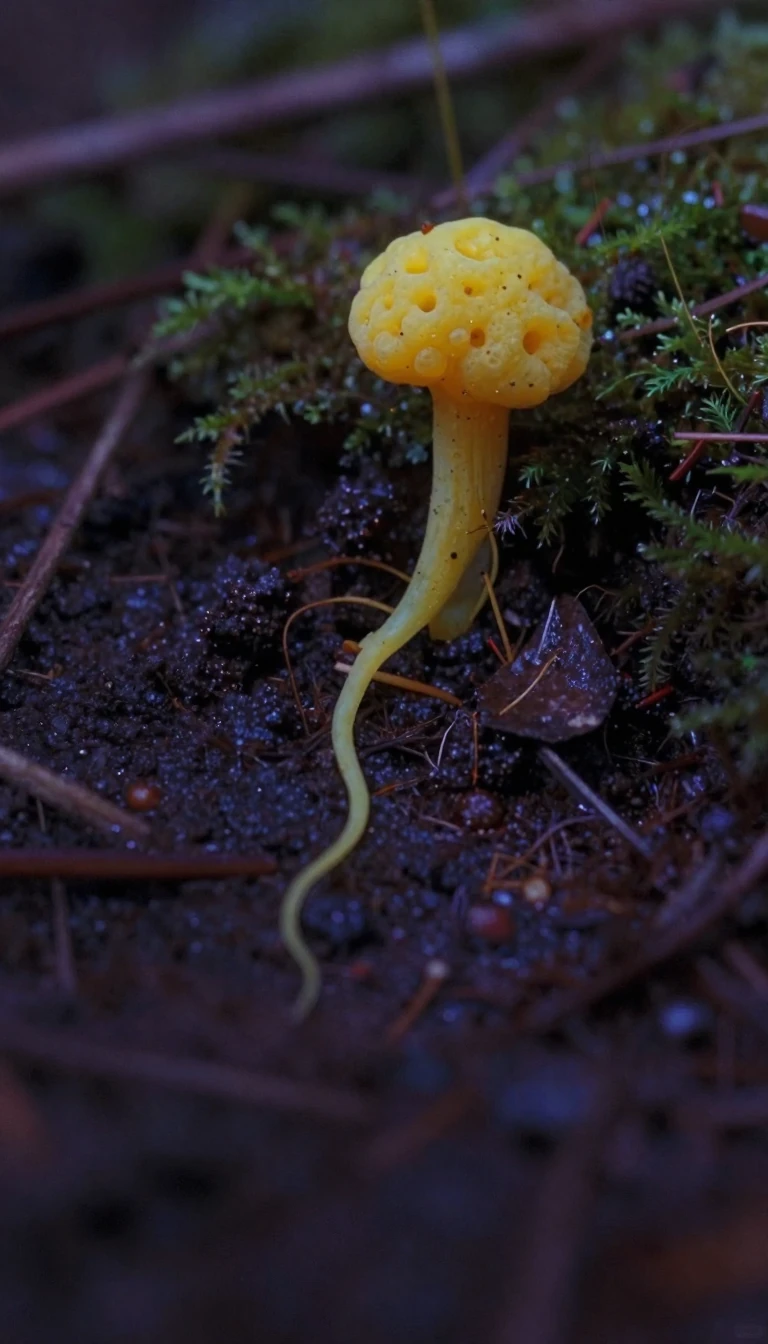 The tailed frog uses a unique anatomical extension to survive in turbulent mountain streams.Most frogs rely on external fertilization in still water, but the North American tailed frog has evolved a different strategy. Males possess a tail-like cloacal extension used for…
 The Taipan: Australia's deadliest snake is named after a mythical Rainbow SerpentTaipans are among the world's most venomous snakes, yet their name derives from an ancestral creator in Aboriginal Australian mythology. These fast-moving elapids, found in Austra…
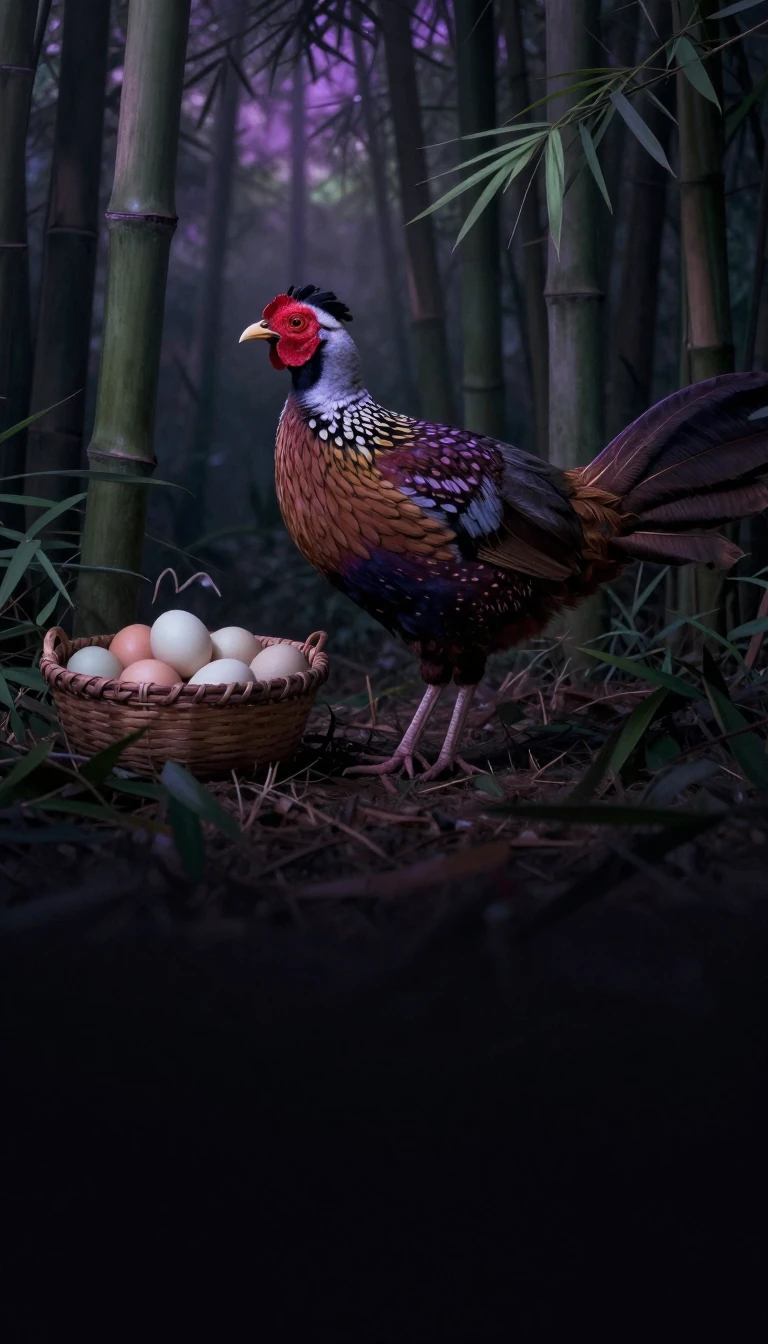 The giant flightless bird that returned from the dead after fifty years of silencePresumed extinct for half a century, the South Island takahē was dramatically rediscovered in a remote New Zealand valley in 1948. This massive, iridescent swamphen, once hunted t…
 The pufferfish that carries enough poison to kill thirty people in one meal.The Takifugu genus, or fugu, is a master of biological defense. These fish harbor tetrodotoxin, a neurotoxin 1,200 times more lethal than cyanide. While the toxin paralyzes victim…
 The takin is a mountain-dwelling bovid that looks like a mix of several animals.Often called a gnu goat or cattle chamois, the takin is a robust, hoofed mammal native to the mountains of Southeast Asia. Despite its physical resemblance to the muskox, this sto…
 The tamandua is a specialized insect-hunting machine with a surprisingly potent defense mechanismPart anteater, part acrobat, the tamandua is a master of the treetops. With a tongue reaching 40 centimeters and a scent gland that produces a powerful musk, this elusive creature…
 Are these squirrel-sized monkeys the most cooperative primates in the tropical rainforest canopy?Tamarins are small, energetic New World monkeys that thrive in groups of up to 40. Beyond their striking mustaches and varied coats, these primates exhibit complex social behavior…
 The Amazon's giant seed-dispersing fish can breathe air and survive in acidic waterThe tambaqui is a heavyweight of the Amazon, capable of reaching 44 kilograms and living for over 60 years. Beyond its impressive size, this freshwater giant acts as a vital fores…
 How a piece of speculative paleoart accidentally predicted a real prehistoric filter-feeding predatorBefore scientists confirmed their existence, a fictional creature in a paleoart book inspired a scientific family name. These ancient marine arthropods, the Tamisiocarididae, evol…
 Why the birds you call tanagers might not actually be tanagers at allThe tanager family is a masterclass in biological misidentification. While many birds carry the name, modern DNA analysis has revealed that dozens of species, including the famili…
 These Cretaceous pterosaurs evolved a unique bottom-decker wing design to navigate ancient forestsTapejarids were small to medium-sized pterosaurs defined by their parrot-like beaks and striking cranial crests. Unlike their relatives, these creatures possessed low-slung should…
 The ghost ant is a tiny, translucent invader that thrives in human-built structures.Measuring less than 1/16 of an inch, the ghost ant is nearly invisible to the naked eye. This tropical species has hitched a ride on human commerce to colonize the globe, forming …
 Why the odorous house ant smells like rotting coconut and thrives in your home.The odorous house ant is a master of domestic infiltration. Named for the pungent, cheese-like scent it releases when crushed, this resilient insect uses a strategy called dispers…
 The tarantula hawk wasp turns spiders into living, paralyzed nurseries for its offspringWith a sting ranked among the most painful in the world, the tarantula hawk is a formidable predator. These solitary wasps hunt spiders much larger than themselves, injecting a po…
- The silver king of the marsh survives by breathing air like a mammalTarpon are ancient, silver-scaled giants capable of thriving in oxygen-depleted waters that would kill most other fish. By using their specialized swim bladders as primitive lungs…
- Who were the Tautavel people, and why do they defy simple human classification?Inhabiting a limestone cave in southern France for 150,000 years, the Tautavel people left behind a complex puzzle. With robust skeletons and a mysterious tool kit, these archaic …
 Why the spider in your bathtub is actually a Mediterranean travelerThe common house spider is a master of adaptation, having hitched a ride on imported cargo from the Mediterranean to colonize homes across the globe. While they are often spotted …
 The Teiidae lizard family features everything from massive predators to all-female cloning colonies.Native to the Americas, the Teiidae family of lizards encompasses a surprising range of forms, from the large, predatory tegus to the agile, racerunner whiptails. Beyond their div…
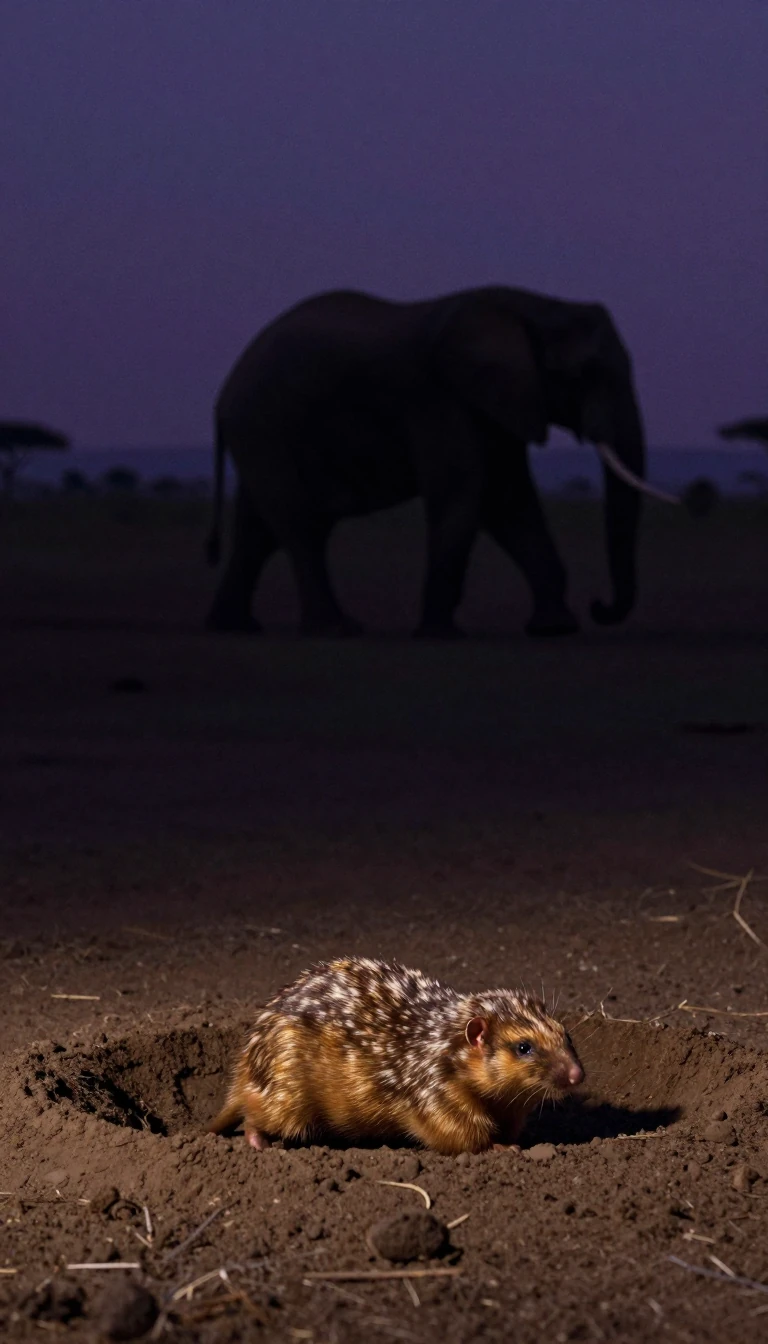 The Archer short-legged rhino was a terrestrial giant, not a swamp-dwelling hippo lookalike.With its barrel-shaped chest and stubby limbs, the extinct Teleoceras proterum looks like a prehistoric hippopotamus. Yet, despite this uncanny physical resemblance, scientific co…
 These Jurassic marine predators were far more diverse than their modern gharial lookalikesLong thought to be simple marine analogues to modern gharials, teleosaurids were actually a complex family of Jurassic crocodylomorphs. Recent research reveals a surprising range …
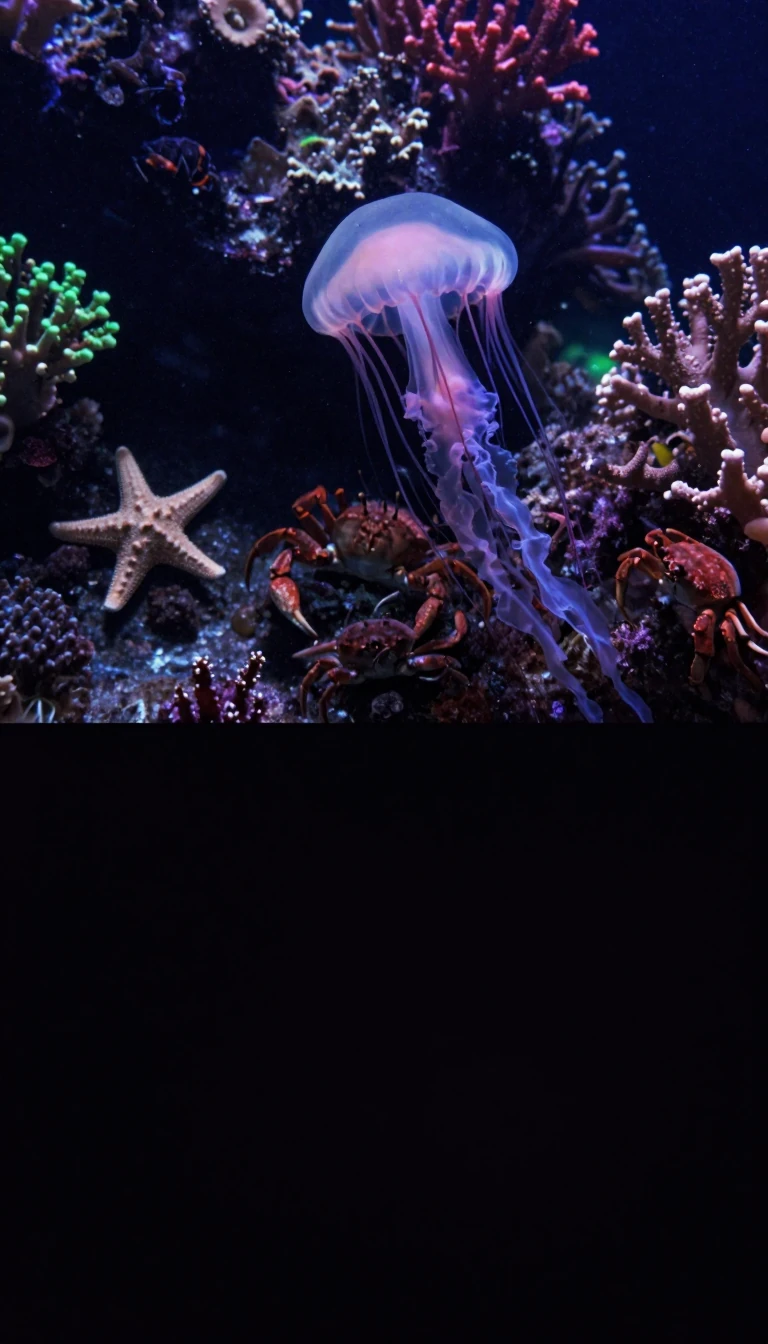 The Jurassic sea predator with eyes the size of a colossal squidTemnodontosaurus was a massive marine reptile that dominated Lower Jurassic oceans. Reaching lengths of nine meters or more, this ichthyosaur possessed some of the largest eyes ev…
- Were these giant, crocodile-like amphibians the true ancestors of every modern frog and salamander?For over 200 million years, temnospondyls dominated the Earth, evolving from small, salamander-like creatures into massive, armored predators. While they vanished by the Late Cret…
 Why the tench is known as the doctor fish of the freshwater worldThe tench is a resilient, olive-green fish that thrives in oxygen-depleted waters where even carp struggle to survive. Often called the doctor fish, it has long been surrounded by…
 Tenrecs are Madagascar's masters of disguise, but they are actually related to elephants.If you mistake a tenrec for a hedgehog, you are in good company. Despite their uncanny resemblance to shrews, moles, and hedgehogs, these creatures are part of the Afrotheria orde…
 Why these colorful peacock flies are the most notorious agricultural pests on EarthOften confused with common laboratory fruit flies, the Tephritidae family is a diverse group of nearly 5,000 species. While some are beautiful mimics that evade predators by masqu…
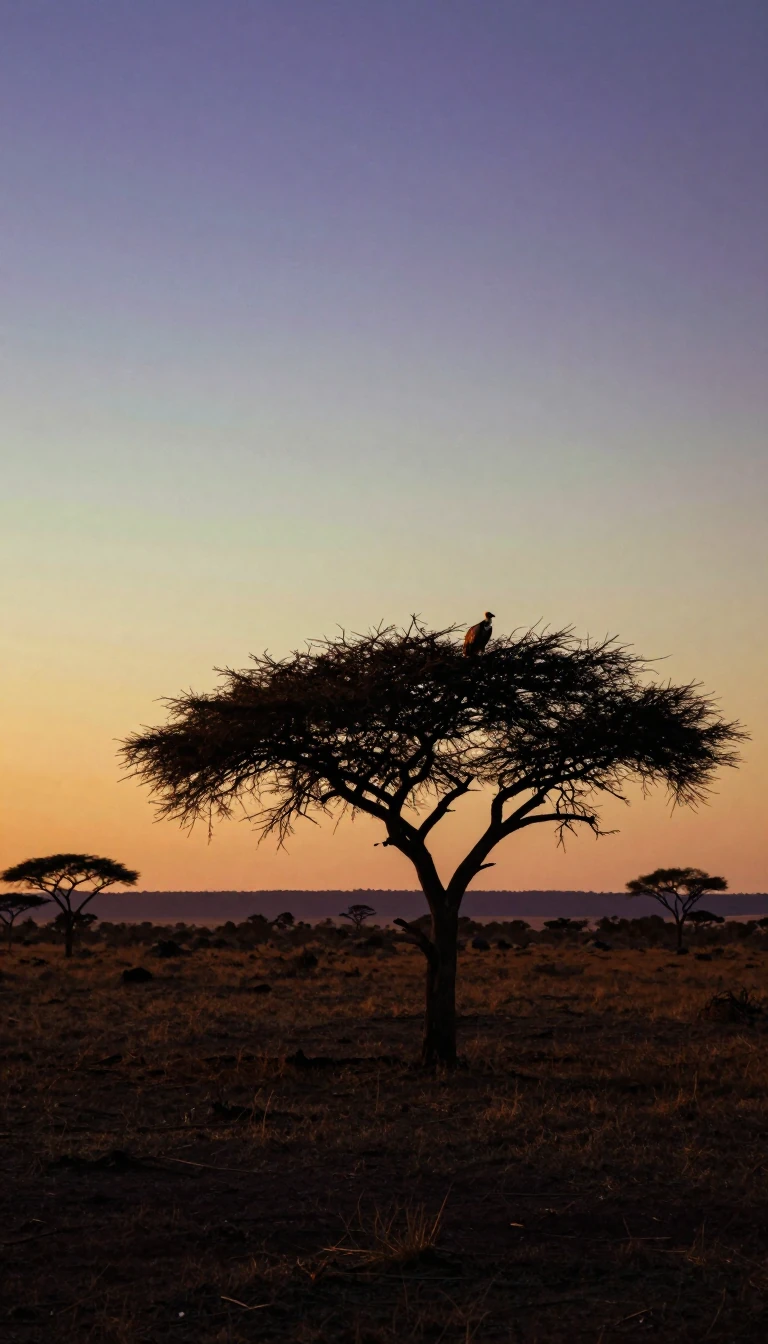 The massive teratorns were once thought to be scavengers, but they were likely active hunters.Teratorns were some of the largest flying birds to ever exist, with wingspans reaching up to eight metres. While long compared to modern vultures, their anatomy suggests they were…
- Why some crabs have abandoned the ocean to conquer the land for goodCrabs are not just creatures of the sea. Across multiple lineages, they have evolved to thrive on land, creating a fascinating spectrum of terrestriality. While many must still re…
 Why do animals move, and how do they overcome the constant pull of gravity?Movement is a fundamental biological necessity, yet the mechanics behind it vary wildly across environments. Whether crawling, walking, or jumping, every animal must solve the sam…
- Why the Mediterranean tortoise is a masterclass in evolutionary confusion and reproductive strategyThe Testudo genus of Mediterranean tortoises is a taxonomic nightmare. Scientists struggle to classify these small, resilient creatures because their DNA evolves unusually slowly,…
- Why the name 'tetra' is a misnomer for these popular freshwater aquarium fishThe term tetra is not a scientific classification but a linguistic relic. Derived from the Greek word for four, it refers to the four unpaired fins found on many of these small fr…
 Why these bizarre, slow-moving fish traded speed for a suit of armorTetraodontiformes are the oddballs of the ocean, abandoning the typical streamlined fish shape for globes, boxes, and squares. By sacrificing speed, these creatures evolved extrem…
 Why these tiny, ancient grasshoppers are masters of aquatic survival and clever disguisePygmy grasshoppers, or Tetrigidae, are ancient insects that defy typical grasshopper norms. Often smaller than 20 millimeters, these masters of camouflage possess an elongated pro…
 This massive Brazilian pterosaur sported a crest that defied conventional biological wisdomThalassodromeus, a giant pterosaur from the Early Cretaceous, possessed one of the largest cranial crests of any vertebrate. While its name implies a life spent skimming the waves…
 Why did these bizarre marine reptiles disappear while their competitors thrived for millions of years?Thalattosaurs were strange marine reptiles that roamed the Triassic seas for 40 million years. Despite their wide geographic range, they never achieved the open-ocean mastery of i…
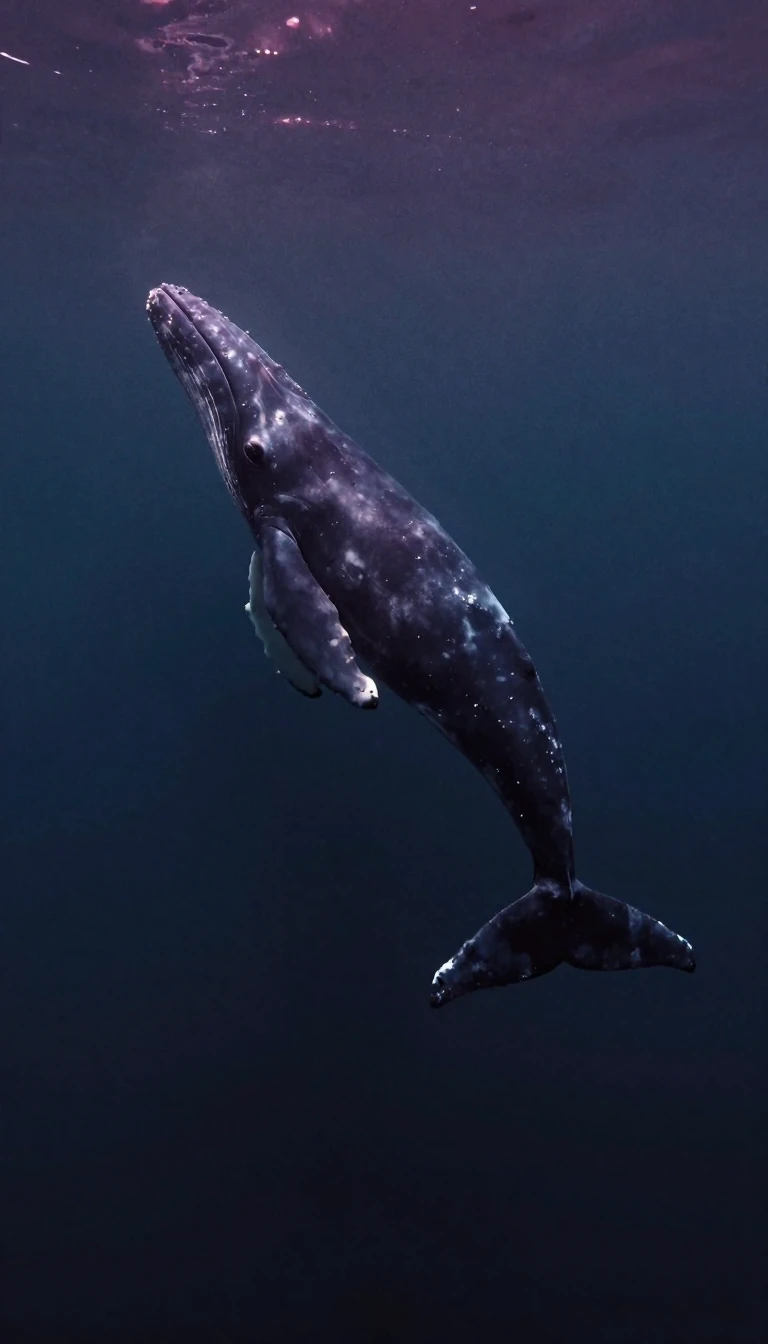 These ancient jawless fish possessed stomachs long before jaws ever evolved in vertebratesThelodonti were once thought to be flattened, armor-plated bottom dwellers. New fossil evidence reveals they were actually three-dimensional, shark-like swimmers with complex guts…
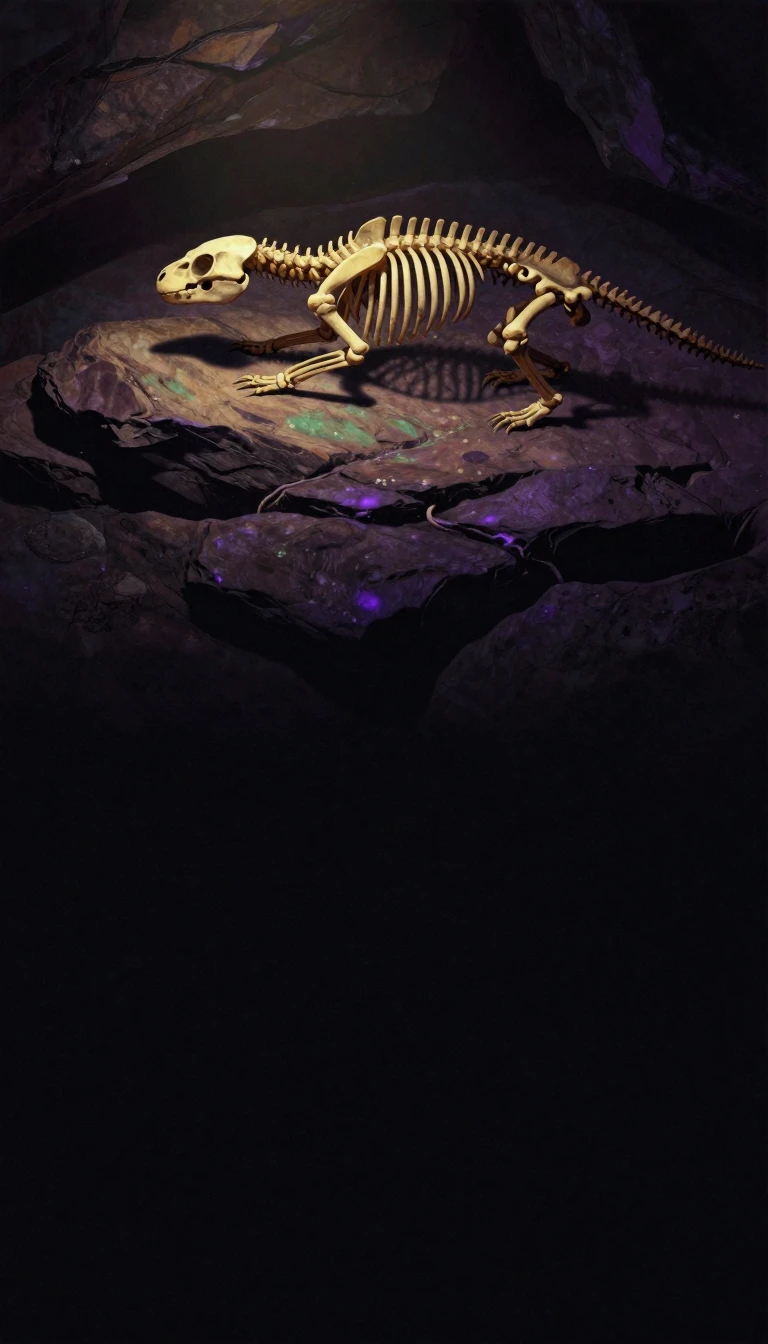 The ancestors of all mammals were once the dominant land animals on Earth.Long before dinosaurs ruled the planet, a group of synapsids called therapsids rose to prominence. These creatures bridged the gap between reptilian ancestors and modern mammals, …
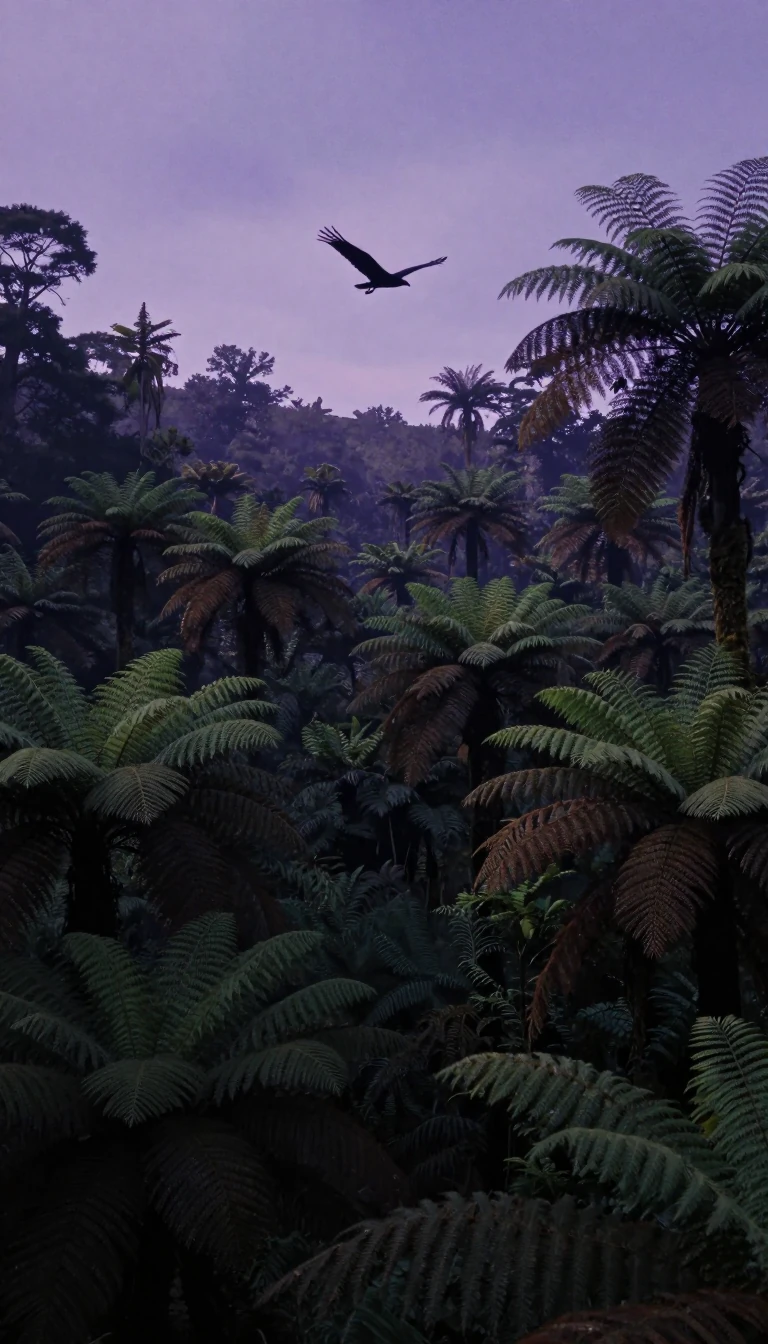 The scythe lizard: a giant theropod that traded meat for a plant-based dietTherizinosaurus possessed the longest hand claws of any land animal in history, reaching 50 centimetres. While its terrifying anatomy once led scientists to mistake it for a giant…
- Therocephalians were the ancient, beast-headed cousins that almost became our mammalian ancestors.Named for their massive skulls, therocephalians were once labeled mammal-like reptiles. These carnivores thrived across the supercontinent Pangaea, sharing a deep evolutionary lin…
- Did this overlooked dinosaur spend its final days digging underground to survive?Thescelosaurus neglectus, a late-surviving dinosaur from the Cretaceous, has long baffled paleontologists with its robust, enigmatic anatomy. New 3D digital reconstructions of its…