 Intellect Plus
Nature
11,198 cards. Each one is a 40-second story with a five-minute read behind it. Page 107 of 187.
Subtopics: Ageing · Air · Animal behaviour · Animal breeds and hybrids · Animals · Arthropods · Atmosphere · Big cats · Bilateria, others · Birds · Botany · Cnidarians · Conservation · Coral reefs · Deep sea · Deserts · Dinosaurs · Earth science · Earth science and physical geography · Earth science basics · Earthquakes & tsunamis · Echinoderms · Ecology · Ecosystems · Endangered species · Extinct animals · Farming · Fish · Forests · Fungi · General classifications · Geology · Geomorphology · How Long Can It Live? · Ice · Individual animals · Insects · Lightning · Longevity · Mammals · Marsupials · Migration · Mollusks · Ocean · Organisms · Parasites · Physical geography · Plants · Porifera · Predators · Primates · Rainforest · Reptiles & amphibians · Researched · Sharks & rays · Spiders & arachnids · Symbiosis · Trees · UK & Ireland: nature · Vertebrates · Vision · Volcanoes · Water · Waves · Weather · Whales & dolphins · Zoology
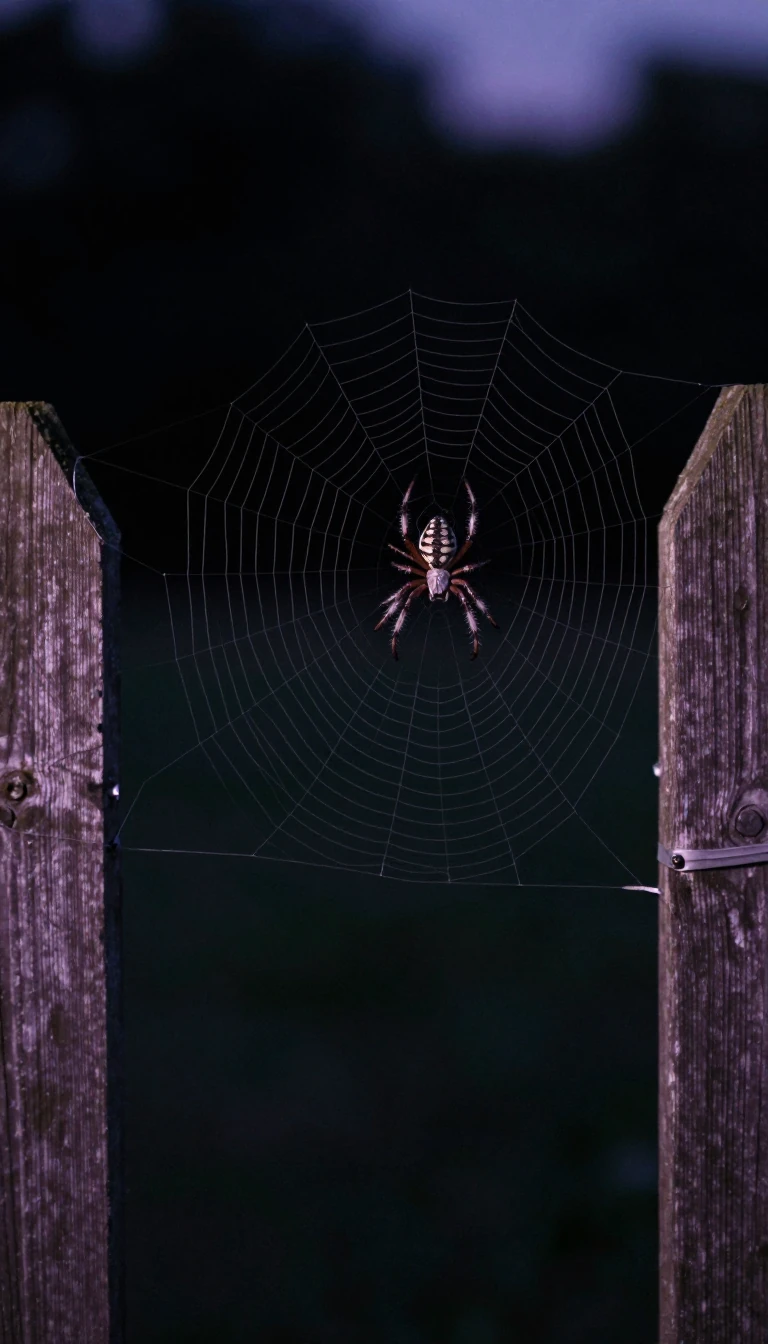 Why these spiders mimic flowers and scuttle like crustaceans to hunt their preyThe Thomisidae family, commonly known as crab spiders, are masters of ambush. Lacking webs, they rely on specialized anatomy and camouflage to snatch unsuspecting insects. From co…
 The Australian thorny devil drinks water through its skin using a complex capillary system.Despite its fearsome name and dragon-like appearance, the thorny devil is a placid desert dweller. Its most remarkable feature is not its spines, but its ability to harvest water …
 The three-spined stickleback is a tiny fish that reveals how evolution happens in real-time.This small, armor-plated fish has remained largely unchanged for over 10 million years, yet it possesses a remarkable ability to rapidly adapt to new environments. From building c…
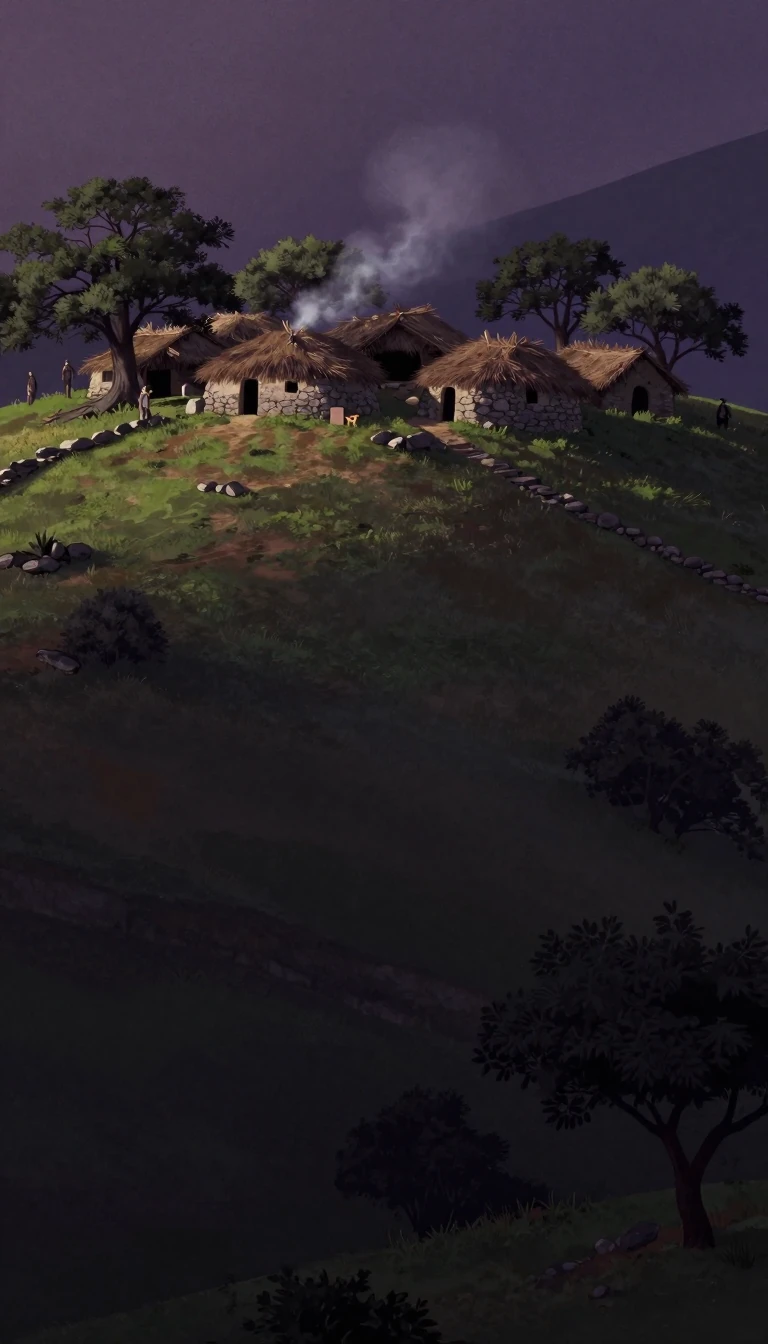 A 250-million-year-old fossil reveals an unlikely Triassic friendship in a burrowIn 1975, paleontologist James Kitching unearthed a fossilized pair of ancient creatures huddled together in a South African burrow. This Triassic-era discovery, featuring a small …
 Meet the Thylacocephala: The ancient, taco-shaped arthropod with eyes of a nightmareImagine a creature resembling an inverted taco, equipped with comically oversized claws and massive, binocular-like eyes. These were the Thylacocephala, bizarre arthropods that pr…
 Australia's legendary marsupial lion was a predator with a bizarre, herbivorous family treeThe Thylacoleo carnifex was a formidable apex predator, yet its closest living relatives are the gentle koala and the wombat. This marsupial lion possessed the most powerful bite …
 The saber-toothed predator that was not a cat, but a marsupial relativeThylacosmilus looked like a classic saber-toothed cat, but it was actually a sparassodont, a group closely related to marsupials. This South American predator evolved its iconic, …
 The armored dinosaurs known as Thyreophora were defined by their unique skin-embedded bone plates.Thyreophora, or shield-bearers, were a diverse group of ornithischian dinosaurs defined by their protective osteoderms. While famous for the iconic, plate-backed Stegosaurus and t…
 Tilefish are master architects that build massive rubble mounds to protect their underwater homes.These slender, bottom-dwelling fish are far more than simple marine life. From constructing elaborate, life-sustaining rubble mounds to rapidly shifting their skin color to evade …
 The ancient stick insects that have thrived without sex for one million yearsTimema are the most primitive stick insects on Earth, representing the earliest branch of their evolutionary tree. While most species reproduce sexually, some have abandoned males…
 The terror bird that crossed the continent millions of years before the land bridge.Titanis walleri was a five-foot-tall, flightless predator that once stalked North America. Long considered a South American exclusive, this terror bird defied expectations by appe…
 Fifty-eight million years ago, a forty-foot snake ruled the South American jungle.In the coal-rich depths of Colombia, paleontologists unearthed the remains of Titanoboa, a prehistoric serpent that reached lengths of over forty feet and weighed more than a ton.…
 How did the largest land animals in history support their massive, multi-tonne bodies?Titanosaurs were the last-surviving sauropods, reaching sizes that dwarf modern elephants. While popular imagination often fixates on predators like T. rex, these herbivorous gian…
 Toads are not just warty amphibians; they are complex, toxic, and surprisingly territorial creatures.Forget the myth that handling these squat, dry-skinned creatures gives you warts. True toads are fascinating, terrestrial survivors that use potent toxins to deter predators and n…
 Tiny Caribbean birds with a surprising evolutionary history and record-breaking parental dedicationTodies are small, colourful birds endemic to the Greater Antilles, often mistaken for kingfishers. Despite their diminutive size—weighing just 5 to 7 grams—these birds exhibit rem…
 The Tokay gecko is a territorial, vocal, and surprisingly strong master of vertical surfaces.Famous for a loud, namesake mating call, the Tokay gecko is one of the largest geckos on Earth. These nocturnal hunters use specialized filaments on their toes to grip surfaces wi…
 Why these tiny, unassuming moths are the world's most expensive agricultural headacheWith over 11,000 species, the Tortricidae family includes some of the most studied insects on Earth. While they often appear as small, mottled brown moths, their larvae are notori…
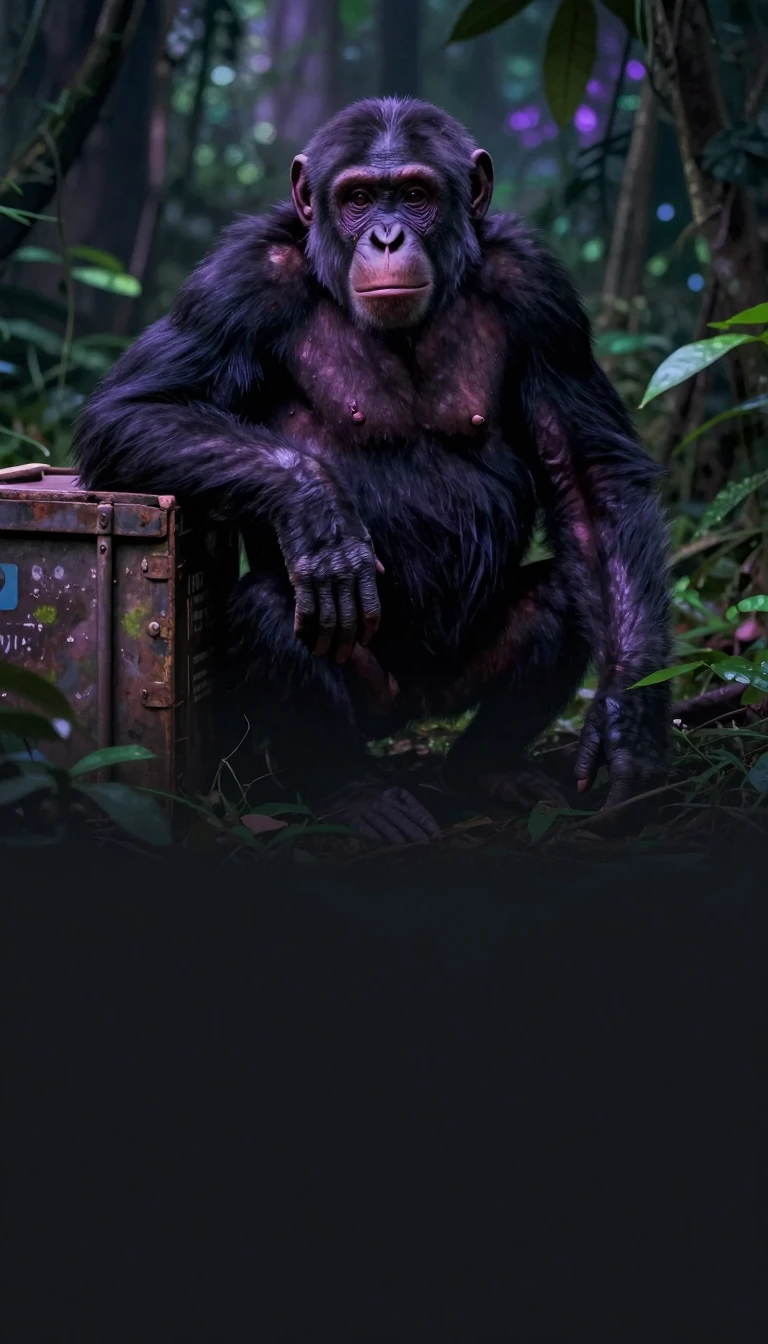 Why Charles Darwin called this South American giant the strangest animal ever discoveredWhen Charles Darwin purchased a fossilized skull for eighteen pence in 1834, he found a biological puzzle. The creature possessed the massive frame of a rhinoceros, the ever-growi…
 Why the horned pheasant is neither a true pheasant nor a horned beastThe tragopan is a bird of contradictions. Known colloquially as the horned pheasant, it is actually not a true pheasant at all. Its defining feature—a pair of fleshy, vibrant horn…
 The tiny coral crabs that live in a lifelong partnership with their hostsTrapeziidae, often called coral crabs, are a family of crustaceans defined by their intimate, lifelong symbiosis with cnidarians. Found throughout the Indo-Pacific, these crabs ar…
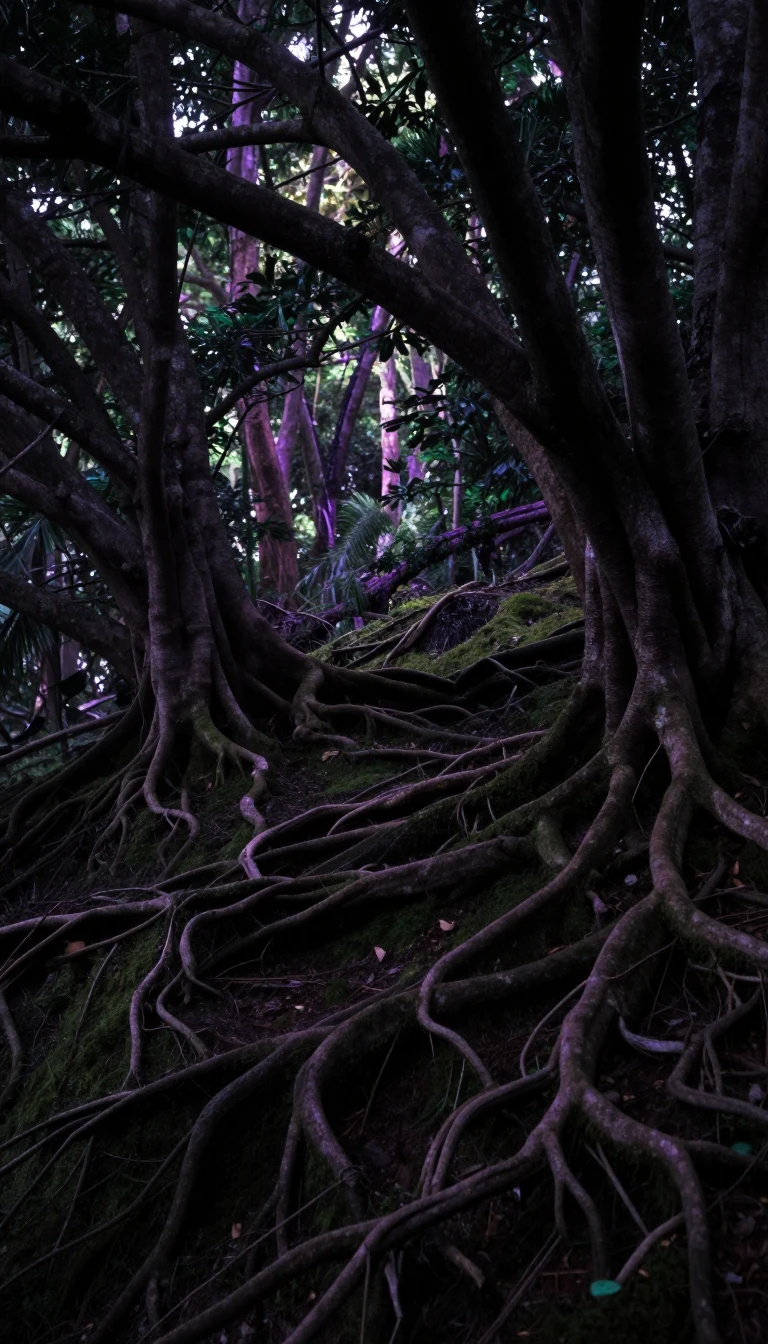 Why the red-eyed tree frog uses a startling flash of red to surviveTree frogs are masters of camouflage, blending seamlessly into leaves to avoid hungry predators. But when their green disguise fails, they deploy a high-stakes defensive strategy:…
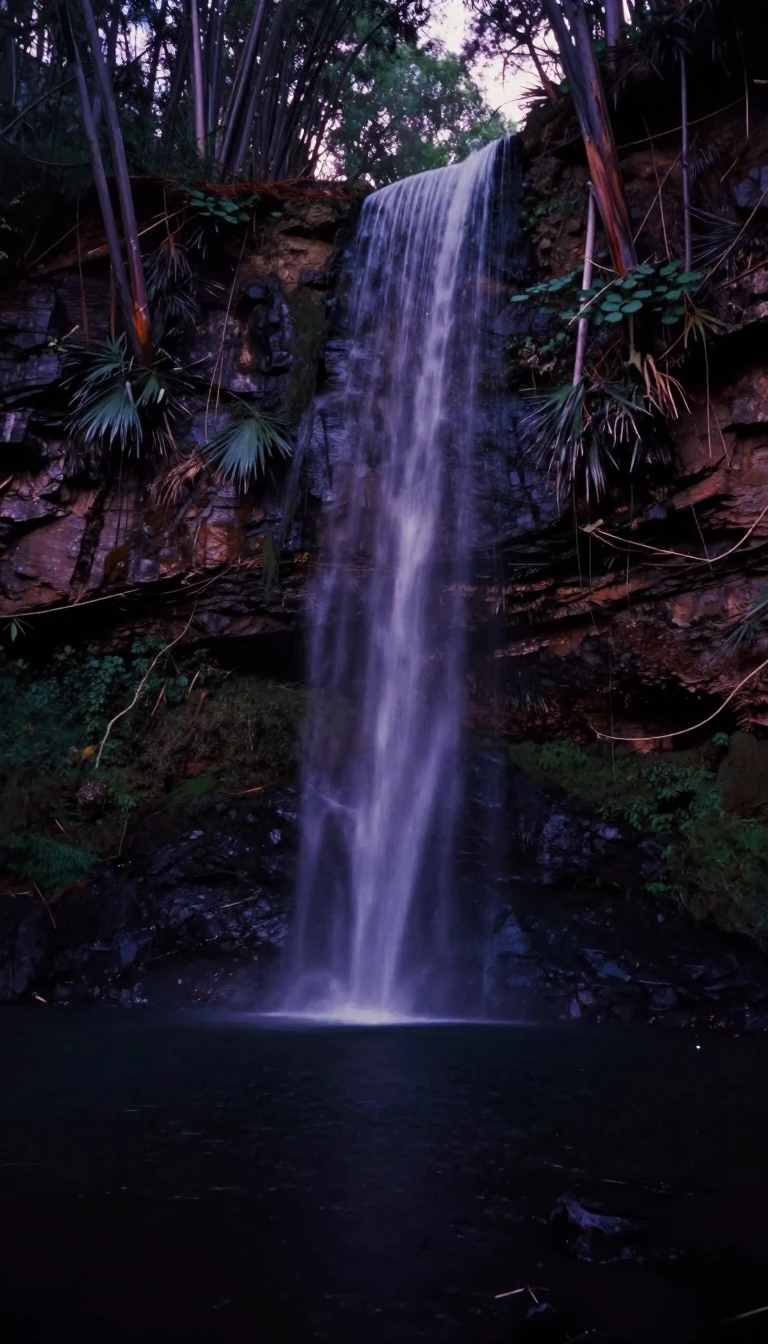 Tree-kangaroos are the only macropods that traded the Australian bush for the canopyWhile their terrestrial cousins hop across the Australian outback, tree-kangaroos have evolved into the only true arboreal macropods. These specialized marsupials navigate the rai…
 Why the most diverse kingfishers in the world rarely ever eat fishDespite their name, tree kingfishers are not specialized anglers. These compact, brightly colored birds prefer hunting invertebrates and small vertebrates from woodland perches. A…
 Why the humble tree squirrel is a master of deception and forest regenerationSquirrels are not just frantic garden visitors; they are sophisticated hoarders who use complex social tactics to protect their winter supplies. While they are often viewed as pes…
 The bizarre treehopper uses a grotesque, oversized helmet to vanish in plain sight.With roughly 3,200 known species, treehoppers are masters of deception. These insects possess an extraordinarily enlarged thorax that often mimics thorns, twigs, or even fungi. By…
- Why these aerial birds are the only swifts capable of perching on branchesWhile true swifts are famously bound to the sky, the treeswift family possesses a unique anatomical advantage. Equipped with a nonreversible hind toe, these birds can land and res…
- These parasitic flatworms have evolved to thrive inside the bodies of other living creatures.Trematoda, or flukes, are a class of parasitic flatworms that have mastered the art of living within hosts. Ranging from microscopic to several centimetres long, these organisms l…
- Meet the ancient, tail-wagging ancestor that paved the way for every modern frogBefore frogs mastered the art of the leap, they were ten-centimeter creatures with long tails and stiff spines. Triadobatrachus, discovered in Madagascar, serves as a vital bridge…
 The simplest animal on Earth might be a master of ancient, stable cloningTrichoplax is a tiny, disc-shaped creature with no organs, no symmetry, and no nervous system. While scientists once thought it was a simple larva, it is actually a complex adult.…
 Why this reef fish uses a biological crossbow to survive in the oceanTriggerfish are masters of defense, using a unique locking spine mechanism that functions like a crossbow trigger to anchor themselves inside rocky crevices. Beyond their mechanic…
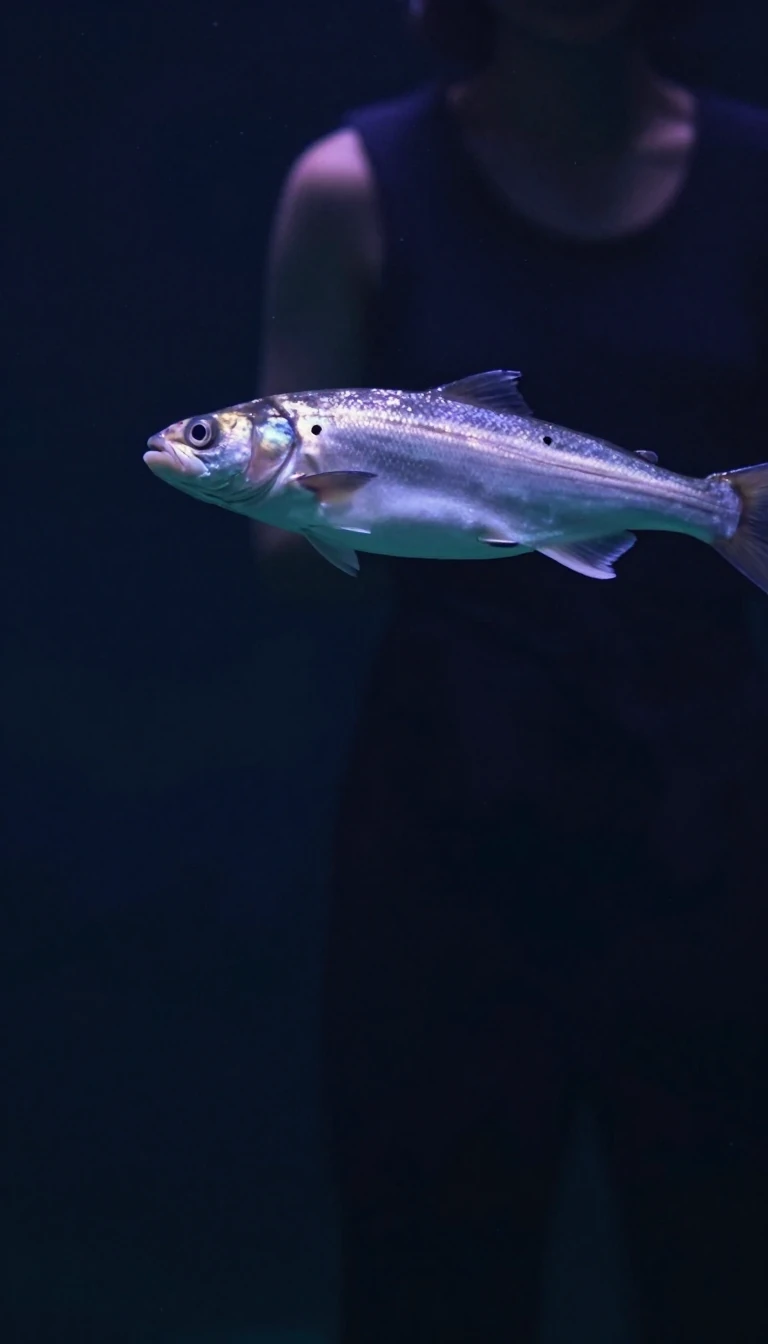 The sea robin is a bottom-dwelling fish that walks and tastes with its fins.Known as gurnards or sea robins, these bottom-feeding fish possess a unique anatomy that defies typical marine expectations. With bony, casque-like heads and pectoral fins that do…
 Why these bizarre, leathery turtles are masters of both land and underwater survivalSoftshell turtles are evolutionary outliers, trading the heavy, protective armor of typical turtles for a flexible, leathery carapace. This adaptation allows them to move with sur…
 Why nature almost never builds a three-legged animal for walkingWhile bipedal and quadrupedal movement dominate the animal kingdom, true tripedalism is an evolutionary rarity. Bilateral symmetry became a fundamental biological blueprint long b…
- Were these bird-like dinosaurs the clever, owl-eyed hunters of the Cretaceous period?Troodontids were small, bird-like theropods with unusually large brains and keen, asymmetrical ears. These gracile hunters likely used binocular vision and acute hearing to track …
- Why your home aquarium is a window into the world's most vibrant ecosystemsTropical fish are not a single biological group, but a diverse collection of species united by their warm-water origins and striking aesthetics. From the mass-produced freshwater …
 Tropicbirds are master aviators that cannot walk, yet they rule the open oceanThese elegant, white-plumaged seabirds are the only surviving members of their unique biological order. With legs positioned so far back on their bodies that walking is impossible…
- Beyond the mimicry, what defines the true parrot family in the wild?While many recognize parrots for their raucous calls and ability to mimic human speech, these birds are far more than clever talkers. Belonging to the Psittacidae family, true par…
 The sludge worm is a global survivor that thrives in the world's filthiest placesTubifex worms are resilient annelids that inhabit sediments in rivers, lakes, and even sewer lines. While often harvested as high-protein fish food, these hermaphroditic creatures…
 The name Turbellaria comes from the microscopic whirlpools created by their beating cilia.These flatworms, ranging from tiny specks to 600-millimeter giants, lack respiratory and circulatory systems, forcing them to rely on simple diffusion. While traditionally grouped…
 Why the turkey is named after a country that never grew itThe turkey is a North American native, yet its name links it to distant lands. From the guineafowl imported via Turkey to the French poule d'inde, the bird's global nomenclature r…
 The turnstone is a master of the shoreline, flipping obstacles to find hidden meals.These stocky, migratory waders are named for their unique foraging behavior. By using their powerful, slightly upturned bills, they systematically overturn stones and seaweed alon…
 The taxonomic nightmare of the sea snail family once thought to hold everythingFor decades, the family Turridae was a taxonomic catch-all for thousands of predatory sea snails. It was so vast and confusing that researchers once despaired of ever organizing i…
 Why these sea snails defy the typical gastropod diet by acting like bivalvesMost sea snails are active hunters or scavengers, but the Turritellidae family—known as tower snails—have taken a different path. These marine gastropods have evolved to become fi…
 Tusk shells are the ocean's hidden burrowers, living entirely buried beneath the seafloor sediment.These elusive molluscs, known as scaphopods, spend their lives tucked away in soft marine substrates. Unlike their more visible relatives, they lack gills and eyes, relying on a u…
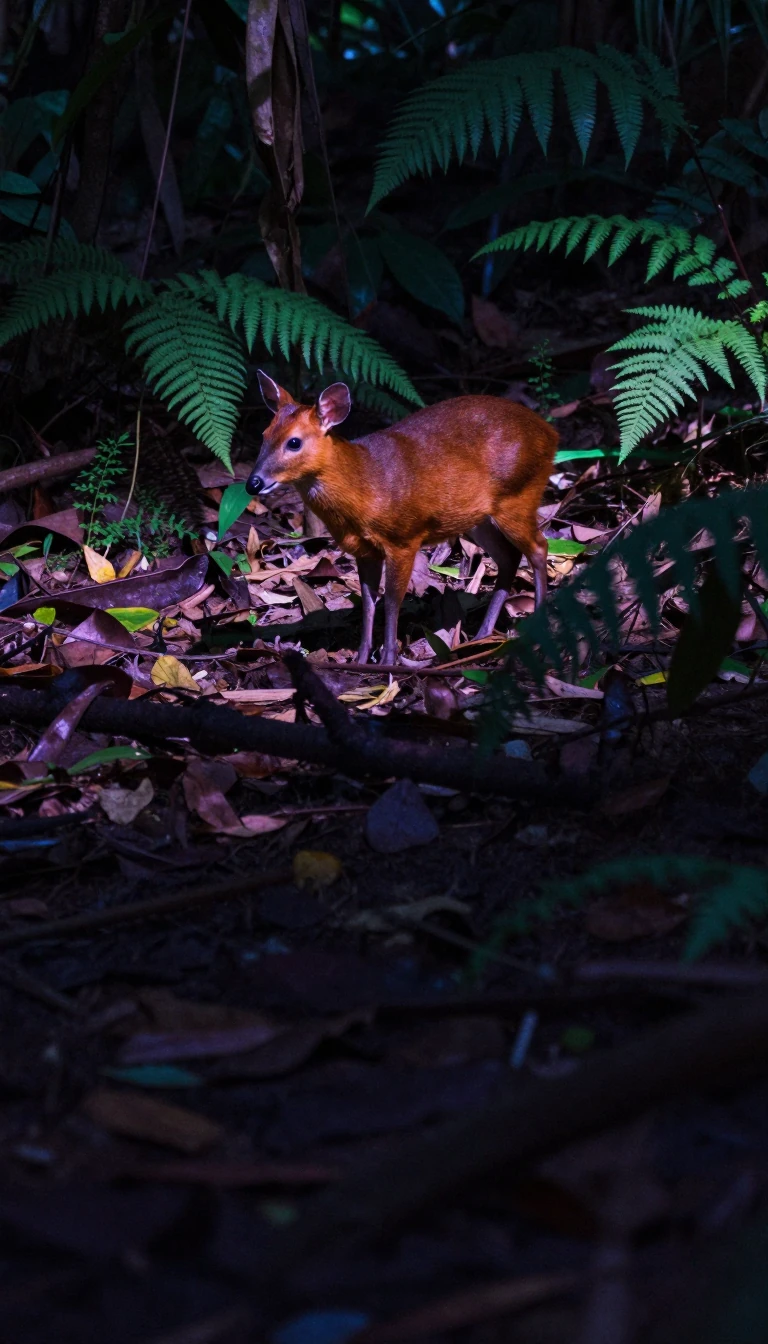 The two-toed sloth is a walking ecosystem that defies standard mammalian biologyWith fur that hosts entire colonies of moths and algae, the two-toed sloth is far more than a slow-moving mammal. These arboreal creatures operate on a metabolic rate less than ha…
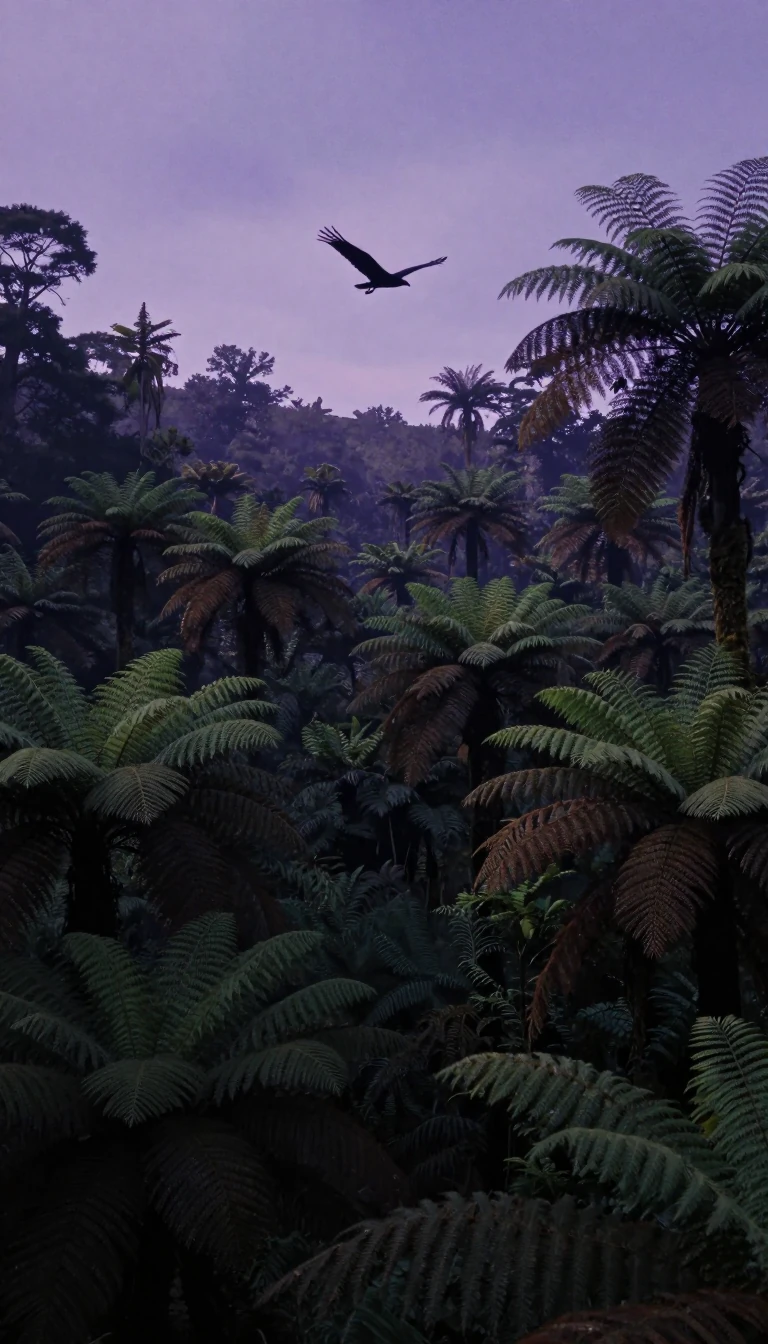 The Knob Lizard: How a Cretaceous Apex Predator Became a Subject of Scientific RivalryTylosaurus, a massive marine reptile that dominated Late Cretaceous oceans, was once the center of the infamous Bone Wars. Named for its unique, elongated snout, this apex predato…
 Why these birds are defined by the unique anatomy of their vocal organsThe Tyranni, or suboscines, are a massive group of over 1,000 passerine bird species. While they share a common ancestry, they are distinguished from their songbird cousins by the…
- Why the bald uakari wears its health on its bright red faceThe bald uakari is a striking South American primate with a signature crimson face and a nearly hairless head. Far from being a mere aesthetic quirk, this intense redness serves a…
- The bizarre, six-horned Uintatherium was once mistaken for a saber-toothed carnivore and an elephant.During the Eocene, a massive, barrel-chested mammal roamed North America and Asia, sporting three pairs of bony, skin-covered horns and oversized canine tusks. Though it looked li…
- Why this deep-sea octopus mimics an umbrella to survive in the dark abyssThe umbrella octopus, or Opisthoteuthidae, is a pelagic creature defined by a unique web of skin between its arms. When threatened, this deep-sea dweller performs a remarkable def…
- Why these long-snouted predators evolved to run faster than their northern cousinsThe Unenlagiinae were a unique group of theropods that thrived in the southern hemisphere. While their northern relatives evolved for raw gripping power to tackle large prey, thes…
 North America's freshwater mussels are vanishing, yet we lack basic tools to measure health.Unionida mussels are vital to freshwater ecosystems, but they face an existential crisis. With 10% of North American species lost in the last century and 65% more struggling in is…
- Why do myths across the globe feature creatures with only a single leg?From the storm deities of the Maya to the mischievous spirits of Brazil and Japan, the uniped—a creature possessing only one leg—is a recurring figure in human storytelling. Wheth…
 Cities are not just concrete jungles; they are complex, living ecological systems.Urban ecology examines how organisms thrive within human-dominated landscapes. From the cooling power of upwind forests to the unintended biological invasions triggered by develop…
- The spiny-tailed Uromastyx lizard uses its whip-like tail as a formidable defensive weaponNative to the rocky landscapes of Africa and the Middle East, the Uromastyx is a master of survival. These herbivorous lizards bask in the sun to regulate their body temperature, …
 Utahraptor was a massive, feathered ambush predator that dominated the Early Cretaceous landscapeForget the agile, pack-hunting raptors of cinema. Utahraptor was a heavily built, six-meter-long carnivore that likely hunted solo or in small groups. With a massive sickle-shaped…
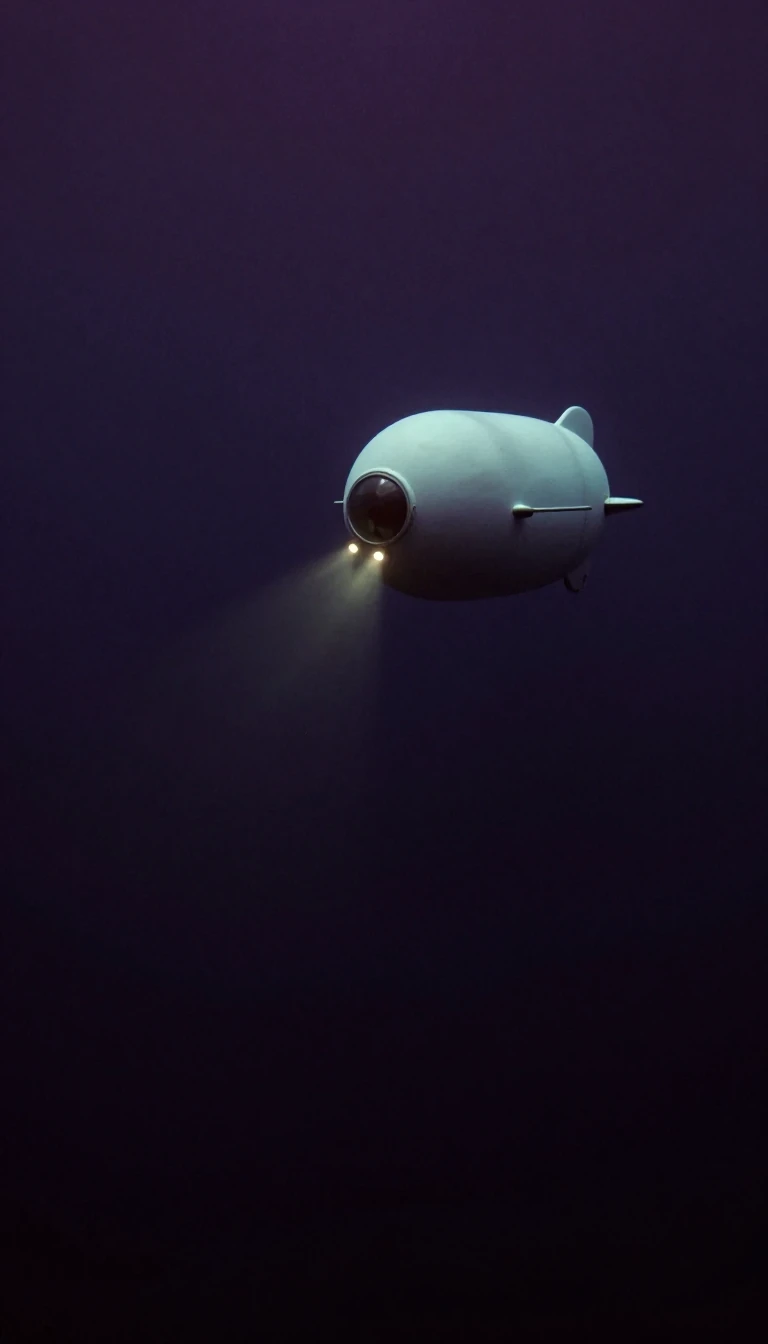 The vampire squid is not a bloodsucker, but a master of the deep-sea abyssDespite a name that sounds like a horror movie villain, the vampire squid is a gentle scavenger. Living in the oxygen-starved depths of the ocean, this unique cephalopod survives …
 The painted lady butterfly is the most widespread and adventurous traveler in the world.Found on every continent except Antarctica, the painted lady butterfly is a master of long-distance migration. These insects traverse thousands of kilometers, crossing oceans and …
 The devil crab: a misunderstood, velvety crustacean that transformed from pest to prized catch.Known for its aggressive nature and striking red eyes, the velvet crab was once dismissed as a nuisance by British fishermen. Today, it is a culinary delicacy and a vital commerci…
 Vesper bats are the world's most widespread and diverse family of flying mammalsWith over 400 species spanning every continent except Antarctica, the Vespertilionidae family has mastered life in environments from dense tropical forests to arid deserts. These …