 Intellect Plus
Nature
11,198 cards. Each one is a 40-second story with a five-minute read behind it. Page 43 of 187.
Subtopics: Ageing · Air · Animal behaviour · Animal breeds and hybrids · Animals · Arthropods · Atmosphere · Big cats · Bilateria, others · Birds · Botany · Cnidarians · Conservation · Coral reefs · Deep sea · Deserts · Dinosaurs · Earth science · Earth science and physical geography · Earth science basics · Earthquakes & tsunamis · Echinoderms · Ecology · Ecosystems · Endangered species · Extinct animals · Farming · Fish · Forests · Fungi · General classifications · Geology · Geomorphology · How Long Can It Live? · Ice · Individual animals · Insects · Lightning · Longevity · Mammals · Marsupials · Migration · Mollusks · Ocean · Organisms · Parasites · Physical geography · Plants · Porifera · Predators · Primates · Rainforest · Reptiles & amphibians · Researched · Sharks & rays · Spiders & arachnids · Symbiosis · Trees · UK & Ireland: nature · Vertebrates · Vision · Volcanoes · Water · Waves · Weather · Whales & dolphins · Zoology
 The Highland Tiger: A Genetic Ghost Fighting for a Physical HomeOnce common across Great Britain, the Scottish wildcat is now functionally extinct in the wild. Despite its iconic status as a Highland tiger, the species faces a dual crisis: the…
 The 'battering ram' of sports that built a media empireHow does a struggling satellite broadcaster become Europe's largest media company? It started with a desperate merger and a high-stakes gamble on live football. By using sport as …
 A comprehensive overview of the diverse world of stingless beesResearchers have compiled a comprehensive review of stingless bees, a diverse group of bees found across the tropics. The study identifies 605 living species distributed across 45…
 Boreal forest fires reached record-high carbon dioxide emissions in 2021Researchers using a satellite-based atmospheric inversion system found that boreal forest fires contributed a record-high 23% of global fire-related carbon dioxide emissions in 20…
 A new numerical model allows for high-resolution ocean circulation studies on parallel computersResearchers developed a new computational model to simulate ocean circulation across various scales, from small local movements to global patterns. By using an incompressible Navi…
- Wildlife are increasingly shifting their active hours to avoid human presenceA global meta-analysis of 76 studies involving 62 different species found that human activity significantly alters the daily schedules of wildlife. The researchers discovered that…
- Bee community composition in the northeastern US shifts as specific traits face declineResearchers analyzing over 140 years of museum records for 438 bee species in the northeastern United States found that while overall native species richness has only slightly dip…
 Arctic sea ice is thinning and retreating faster due to warming feedbacksA research synthesis of Arctic sea ice trends suggests that the region is accelerating toward a seasonally open ocean. Researchers found that the ice cover is becoming increasingl…
 European permanent grasslands lose diverse benefits as land use intensifiesA systematic review of research published since 1980 found that human activities are reducing the ability of European permanent grasslands to provide multiple ecosystem services. …
 Venice faces significant sea-level rise driven by both climate change and land sinkingA review of historical data and climate models found that Venice has experienced a steady relative sea-level rise of about 2.5 mm per year over the last 150 years. While global se…
 Human consumption and population growth have created a global environmental crisisResearchers have highlighted how the unprecedented rise in human population and consumption during the 20th century has triggered environmental crises unlike any seen in human his…
- Global forest loss from wildfires has shown a steady upward trend since 2001Researchers created the first high-resolution global map to track how much forest is lost to fire each year. By analyzing satellite data from 2001 to 2019, they found that forest …
- Biodiversity acts as a shield for kelp forests against environmental collapseA review of kelp forest ecosystems found that high biodiversity provides a critical buffer against deforestation. While overfishing of apex predators often triggers sea urchin pop…
 How environmental flexibility might drive the evolution of new biological traitsResearchers have explored how developmental plasticity—the ability of an organism to change its development based on the environment—might act as a catalyst for evolutionary innov…
 Ocean plastic particle density has been rapidly increasing since 2005Researchers analyzing data from 11,777 ocean stations found that the amount of small plastic particles floating in the ocean's surface layer has accelerated rapidly in recent year…
 Car tyres are a major hidden source of microplastics in our environmentA review of environmental data found that the wear and tear from car tyres is a primary contributor to global microplastic pollution. While other sources like airplane tyres or ar…
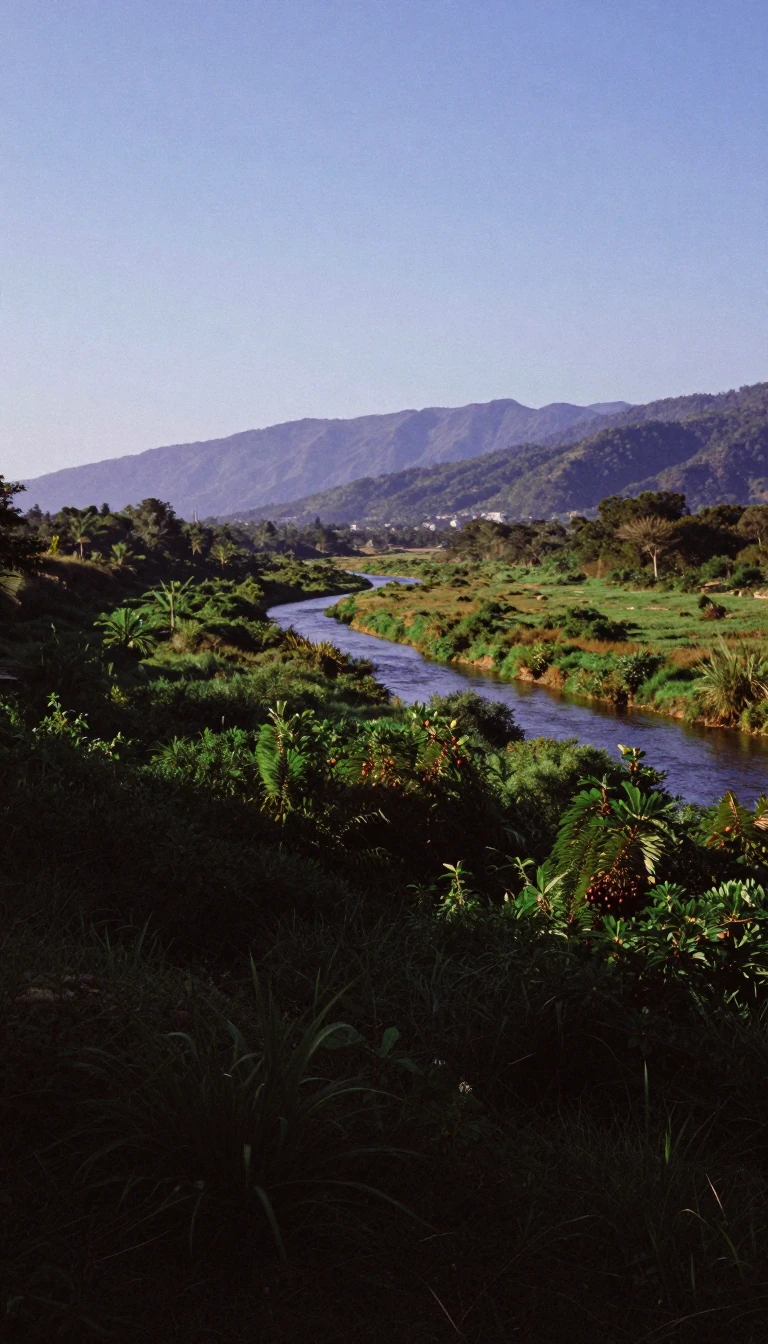 Human niche construction has fundamentally reshaped global biodiversity over millenniaResearchers who analyzed archaeological and paleoecological data found that human activities have dramatically altered the global biosphere. By the Late Pleistocene, humans began …
 Integrating diverse management strategies to protect biodiversity in a changing worldA review of area-based conservation highlights how protected areas can better safeguard nature despite increasing human pressure and climate change. The research identifies that w…
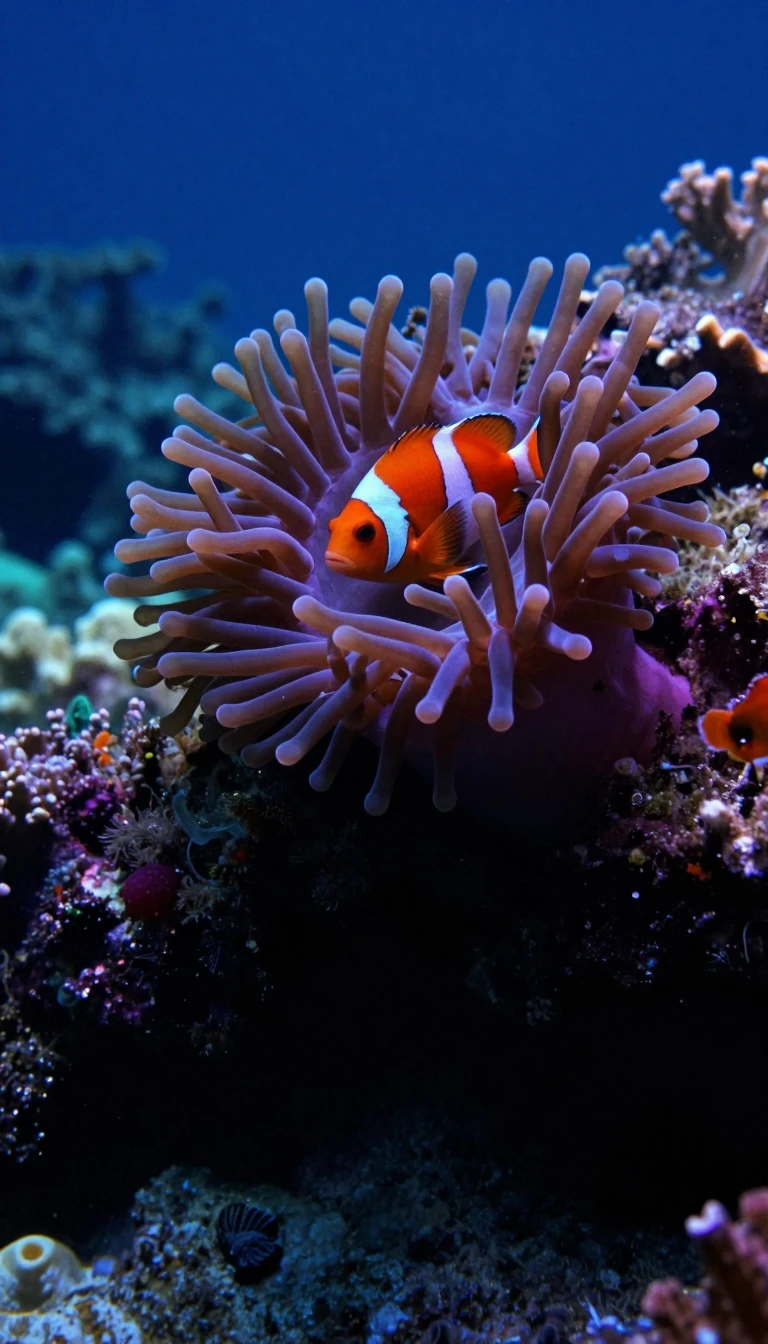 New genetic evidence reveals the ancient origins and vast diversity of coral symbiontsResearchers analyzing molecular, morphological, and ecological data have reorganized the classification of Symbiodiniaceae, the micro-algae that power coral reefs. The study found…
 Rising numbers of invasive species threaten global biodiversity and human livelihoodsResearchers reviewing the impact of biological invasions found that the number of invasive alien species is increasing due to a more connected world and growing human populations.…
 Stickleback fish show consistent genetic changes across independent freshwater environmentsResearchers who conducted a genome scan of threespine stickleback fish found that these animals undergo remarkably consistent genetic changes when moving from oceanic to freshwate…
 Microplastics in urban rivers create unique habitats for specific bacterial communitiesResearchers studying a highly urbanized river in Chicago found that microplastics serve as a distinct habitat for microbes. By analyzing the river's water, the team discovered tha…
- Genetic data suggests flowering plants originated much earlier than fossil records indicateResearchers analyzing DNA sequences from a wide range of flowering plants found that these species likely began diversifying much earlier than previously thought. By examining a t…
 Prey animals use chemical scents to assess and navigate predation risksResearchers who reviewed existing literature on animal behavior found that many species rely on chemosensory cues—such as smells—to detect predators. This information helps prey a…
 Climate change is expected to increase marine heat waves in the Baltic SeaResearchers using regional climate models projected that the Baltic Sea will experience higher water temperatures and a significant increase in the frequency and duration of marin…
- Orchids originated in ancient Laurasia before exploding in diversity in Central AmericaResearchers who mapped the evolutionary history of orchids discovered that these diverse flowers originated in the Late Cretaceous region of Laurasia. While their ancestors are an…
 The complex evolutionary drivers and biological mechanisms behind animal sociabilityResearchers reviewing animal behavior found that sociability is a core personality trait, with individuals showing consistent differences in their tendency to associate with other…
 Rising global population and pollution are intensifying the world's freshwater scarcityA review of global water resources found that the combination of a growing human population and increasing wealth is driving up freshwater demand. This trend is creating a signifi…
- Kelp forests respond to global change in diverse regional waysResearchers conducted a global analysis of kelp forest trends over the last 50 years to understand how these productive ecosystems are shifting. They found that kelp abundance doe…
 Natural climate variability complicates the detection of human-driven warming in the Baltic SeaA comprehensive review of climate research in the Baltic Sea region found that natural fluctuations can mask the signals of global warming. While many previous conclusions about t…
- New fossil dating method reveals much older origins for wasps and beesResearchers studying the early evolution of Hymenoptera, the group including wasps, bees, and ants, found that these insects likely diversified much earlier than previously believ…
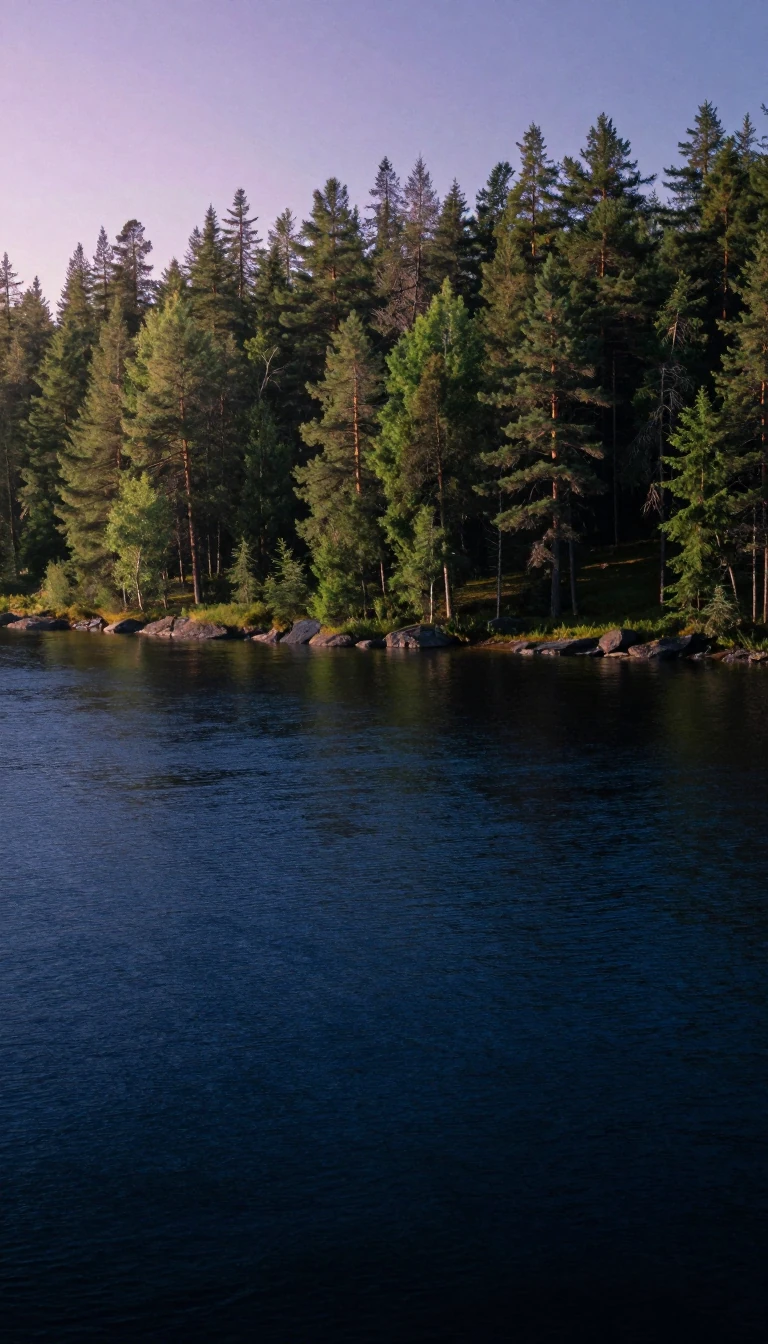 The 9,500-year-old tree that is actually a collection of clonesDeep in Sweden's Dalarna province stands Old Tjikko, a Norway spruce that predates recorded history. While often celebrated as the world's oldest tree, its true longevity lies hid…
 Plants use a chemical 'double agent' to balance growth and survivalStrigolactones are master regulators of plant life, but they play a dangerous game of chemical signaling. While they help plants find nutrients and manage their own architecture, …
 The rodent-like climber that paved the way for primatesFor decades, our understanding of the earliest primates was limited to a few teeth and jaw fragments. New research into the ankle bones of a mouse-sized creature called Purgatoriu…
- A 66-million-year-old 'turducken' reveals the secret to bird survivalFor decades, the origin of modern birds was a paleontological blank space. Then, a tiny fossil from the age of dinosaurs appeared, revealing a creature that looks like a mash-up o…
- The hidden danger of melting ice: 15 million people at riskAs glaciers retreat, they leave behind massive lakes held back by fragile dams of ice and debris. When these dams fail, they trigger glacial lake outburst floods (GLOFs)—catastrop…
 Fiber optic cables reveal hidden underground movements and small volcanic eventsResearchers who used fiber optic distributed acoustic sensing (DAS) demonstrated that these cables can identify volcanic events remotely and image hidden structural features near …
 The ancient lineage that survived the end-Triassic extinctionModern crocodiles are just the surviving remnants of a much more diverse group. Once home to massive predators and upright-walking ancestors, the Crocodylomorpha have navigated ra…
 The world's greatest maritime salvage operation began in a Scottish bayHidden beneath the waters of Scapa Flow lies one of history's most dramatic naval scenes. After the German High Seas Fleet was scuttled in 1919, a massive engineering feat followe…
 Why Florida's coast is the ultimate gateway to the starsThe geography of Cape Canaveral isn't just a convenient backyard for rockets; it is a strategic masterpiece of physics. By positioning launch sites near the equator and facing the…
 The plant sterol that helps nature survive hostile environmentsWhile animals rely on cholesterol, plants maintain a complex portfolio of over 200 different sterols. Among these, stigmasterol stands out as a versatile 'stress sterol.' It is no…
- What causes Hurricane LindaHurricane Linda formed from a tropical wave that moved off the coast of Africa before intensifying in the eastern Pacific.
- How a gravity wave worksGravity waves are waves in a fluid medium or at an interface where gravity acts as the restoring force.
 The aerial acrobat that hunts with a rotating tailWith a deeply forked tail and a flight so graceful it barely requires wingbeats, the Swallow-tailed Kite is a master of the sky. This raptor uses incredible aerial maneuvers—inclu…
 The brain's rhythmic pulse: why your neurons sync during movementWhen a rat runs, its brain enters a rhythmic state known as theta waves. This neural oscillation isn't just background noise; it is a fundamental driver of memory, navigation, and…
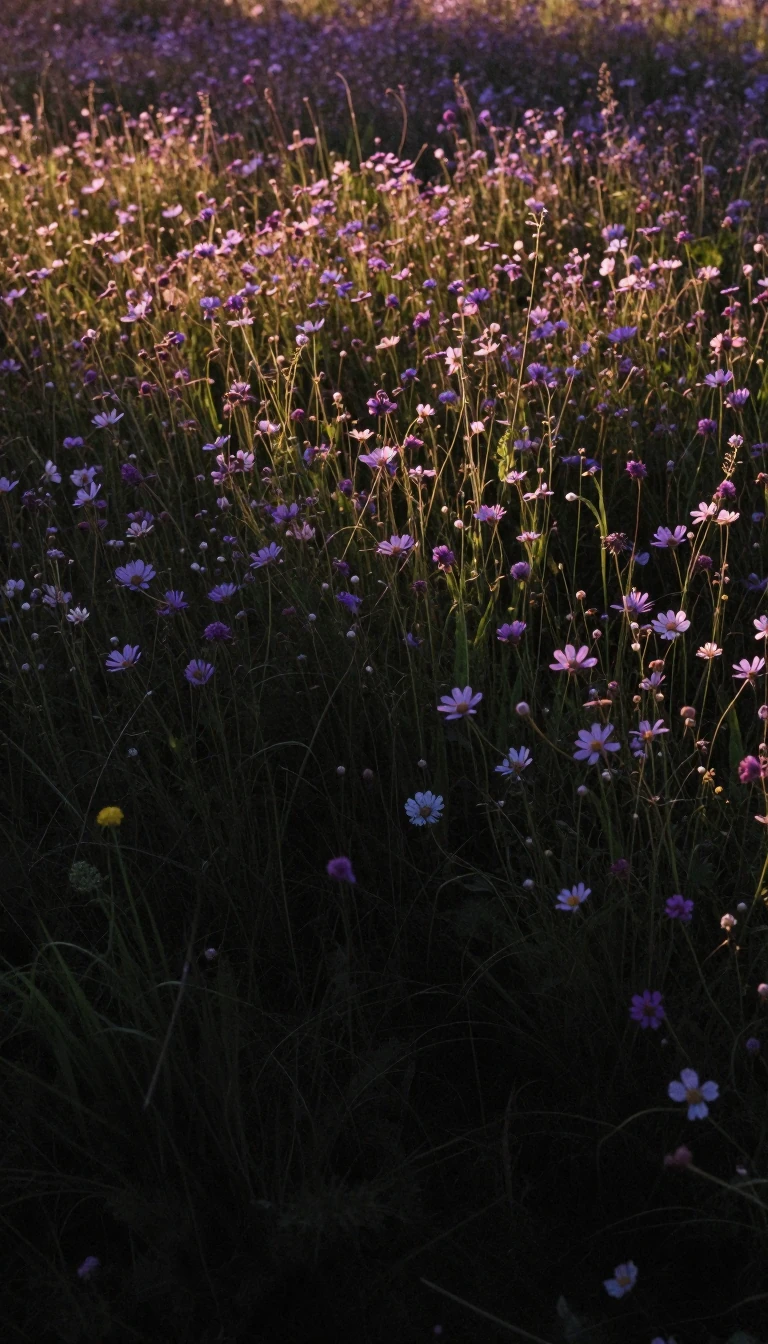 The genetic clock that allows cannabis to bloom on its ownMost cannabis plants wait for the sun to set before they begin to flower, but a specific lineage ignores the rhythm of day and night. By trading light-sensitivity for an internal …
- The vanishing herds of the Neotropical forestIn parts of Mesoamerica, the white-lipped peccary has vanished from 87% of its historical range. These highly social, piglike ungulates once moved in massive groups of up to 30 an…
- The social parasite that hijacks entire colonies to build empiresThe southern yellowjacket is a master of biological real estate. While most wasps build from scratch, this species often prefers a hostile takeover, invading the nests of other sp…
 The biological cost of bypassing the front doorFor some insects, mating isn't a cooperative exchange; it is an act of structural violence. Traumatic insemination involves males piercing a female's body wall to inject sperm dir…
 How coastal reefs balance life and algae in North CarolinaIn the intertidal zones of the North Carolina coast, oysters act as more than just shellfish; they are architects of the seafloor. By creating hard surfaces in soft sediment, they…
- The hidden ecological cost of an invasive fruit treeIn the forests of Mauritius, a single invasive species is quietly dismantling the island's natural regeneration system. While it may look like a lush woodland, the Strawberry Guav…
- How shared bird feeders might be fueling a lethal parasite spreadWhile supplementary feeding helps birds survive, it can also create a hotspot for disease. Research suggests that high-density feeding resources may act as transmission hubs for p…
- The taxonomic identity of the Pelecaniformes is currently in fluxFor decades, we defined these waterbirds by a single physical trait: webbing between all four toes. However, modern molecular studies have revealed that this shared feature is act…
 The northern cassowary's hidden glow and unique evolutionary pathBeyond its intimidating dagger-like claws and stocky frame lies a bird of complex evolutionary history. While it shares a lineage with the emu, the northern cassowary has develope…
- The bird whose name describes its erratic, flickering flightThe Northern lapwing is a master of aerial theater. Known for its distinctive 'peewit' call and dramatic tumbling displays, this bird carries a name rooted in its unique movement.…
 Some seeds only germinate after a trip through an animal's gutFor many plants, fruit is a bribe for transportation. By offering sugary pulp, they trick animals into carrying their offspring away from the parent tree. But for some species, th…
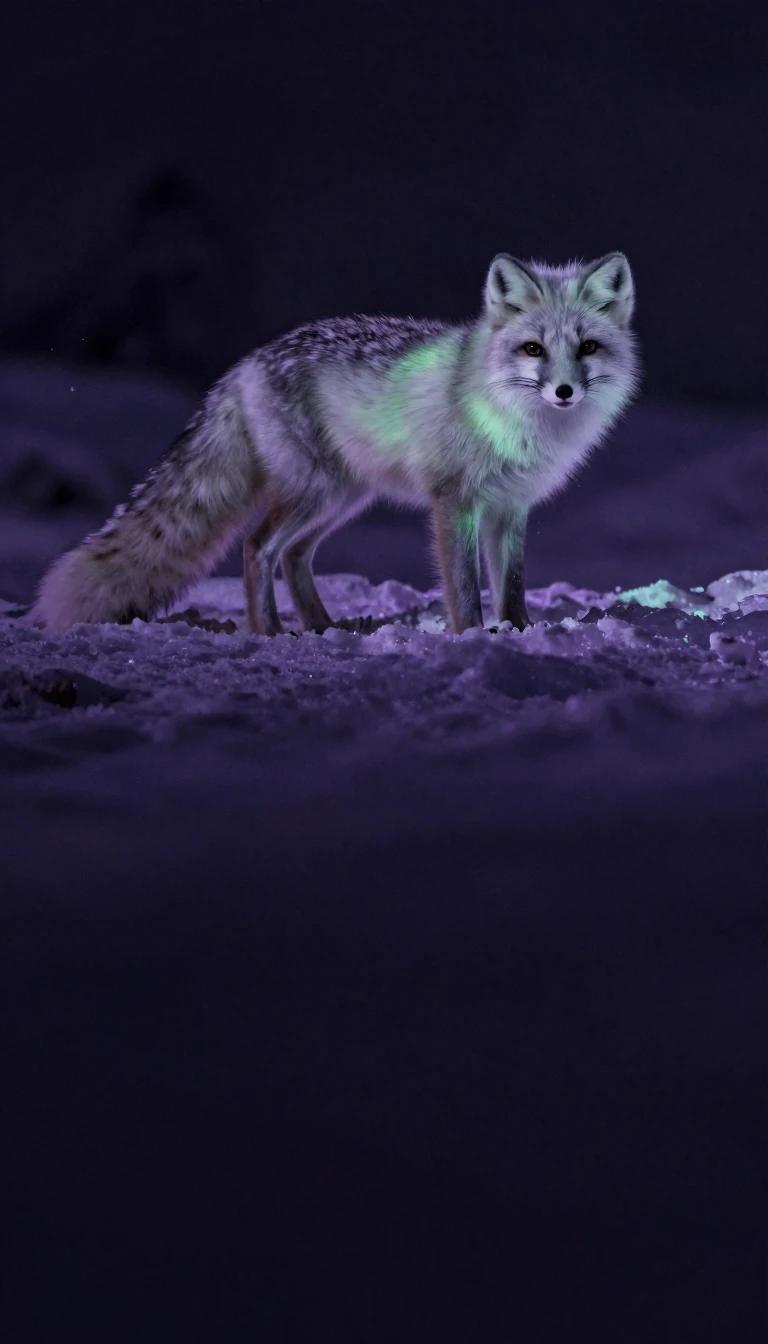 The hidden mineral reservoir of the Arctic calving groundsIn the nutrient-poor tundra of the Arctic National Wildlife Refuge, caribou have evolved a unique survival strategy. By consuming their own shed antlers, these animals unlock a vi…
 Hidden microbial networks may dictate the health of Virginia's tobacco fieldsIn the tobacco fields of Virginia, a silent war is being waged beneath the surface. While the pathogen causing black shank disease is well-known, researchers have discovered that …
 The hidden chemical signature of retreating Alaskan glaciersGlaciers do more than carve the landscape; they act as massive nutrient pumps for the ocean. However, as they retreat at accelerating speeds, the chemical makeup of the minerals t…
 The hidden mechanics of avian flight and survivalBirds are masterpieces of evolutionary engineering. From internal air sacs that act as bellows to specialized nerves that move their eyelids, every anatomical detail is a calculat…