 Intellect Plus
Nature
11,198 cards. Each one is a 40-second story with a five-minute read behind it. Page 44 of 187.
Subtopics: Ageing · Air · Animal behaviour · Animal breeds and hybrids · Animals · Arthropods · Atmosphere · Big cats · Bilateria, others · Birds · Botany · Cnidarians · Conservation · Coral reefs · Deep sea · Deserts · Dinosaurs · Earth science · Earth science and physical geography · Earth science basics · Earthquakes & tsunamis · Echinoderms · Ecology · Ecosystems · Endangered species · Extinct animals · Farming · Fish · Forests · Fungi · General classifications · Geology · Geomorphology · How Long Can It Live? · Ice · Individual animals · Insects · Lightning · Longevity · Mammals · Marsupials · Migration · Mollusks · Ocean · Organisms · Parasites · Physical geography · Plants · Porifera · Predators · Primates · Rainforest · Reptiles & amphibians · Researched · Sharks & rays · Spiders & arachnids · Symbiosis · Trees · UK & Ireland: nature · Vertebrates · Vision · Volcanoes · Water · Waves · Weather · Whales & dolphins · Zoology
 The spiral-horned antelopes of Africa may have originated in EuropeWhile these charismatic bovines are icons of the African savanna, their evolutionary roots point toward a different continent. Fossil evidence suggests that the ancestors of the k…
 The evolutionary puzzle of how snails and slugs choose to mateFor many gastropods, mating is a complex game of biological negotiation. Because many species are hermaphroditic—possessing both male and female organs—they face a unique evolutio…
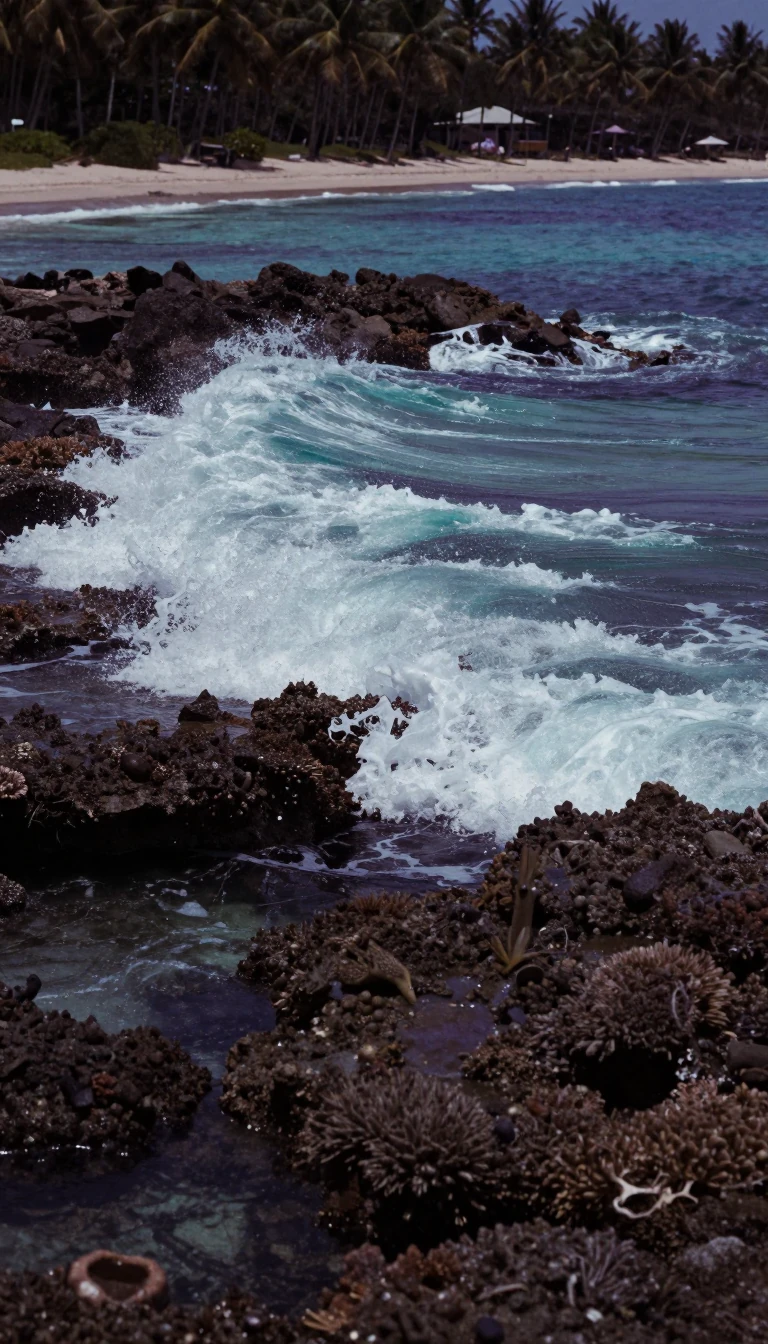 The 'Shark Lady' who proved predators were more than just monstersBefore the 1970s, sharks were dismissed as mindless, deadly gangsters of the deep. Eugenie Clark spent a lifetime dismantling this myth. From discovering 'sleeping' sharks to trai…
 The genetic secrets behind Australia's iconic pink cockatooBeyond its striking red, yellow, and white crest, the pink cockatoo hides a complex evolutionary story. Recent genetic assessments are finally revealing how this long-lived specie…
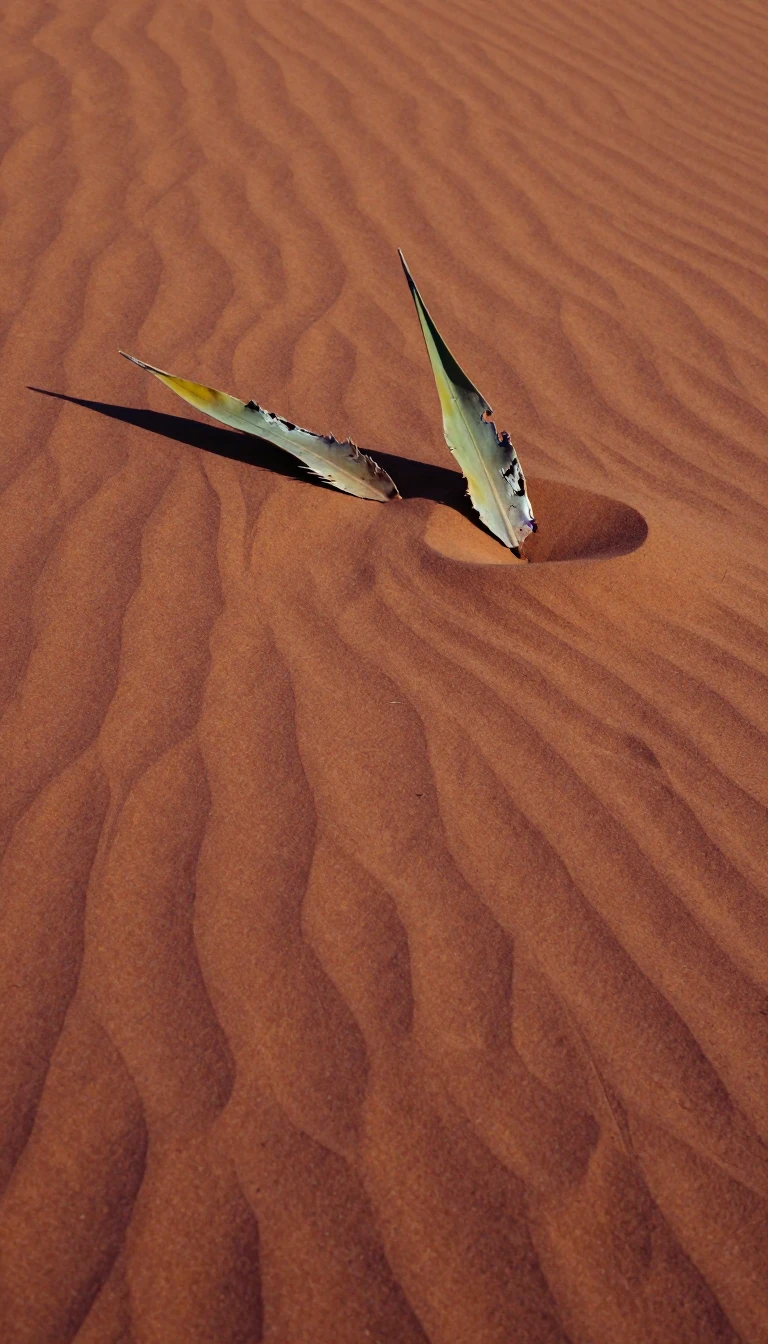 The world's tallest flowering plant faces a shrinking futureThe Australian mountain ash is a botanical titan, reaching heights that rival the world's largest redwoods. Yet, as global temperatures rise, these carbon-dense giants are struggl…
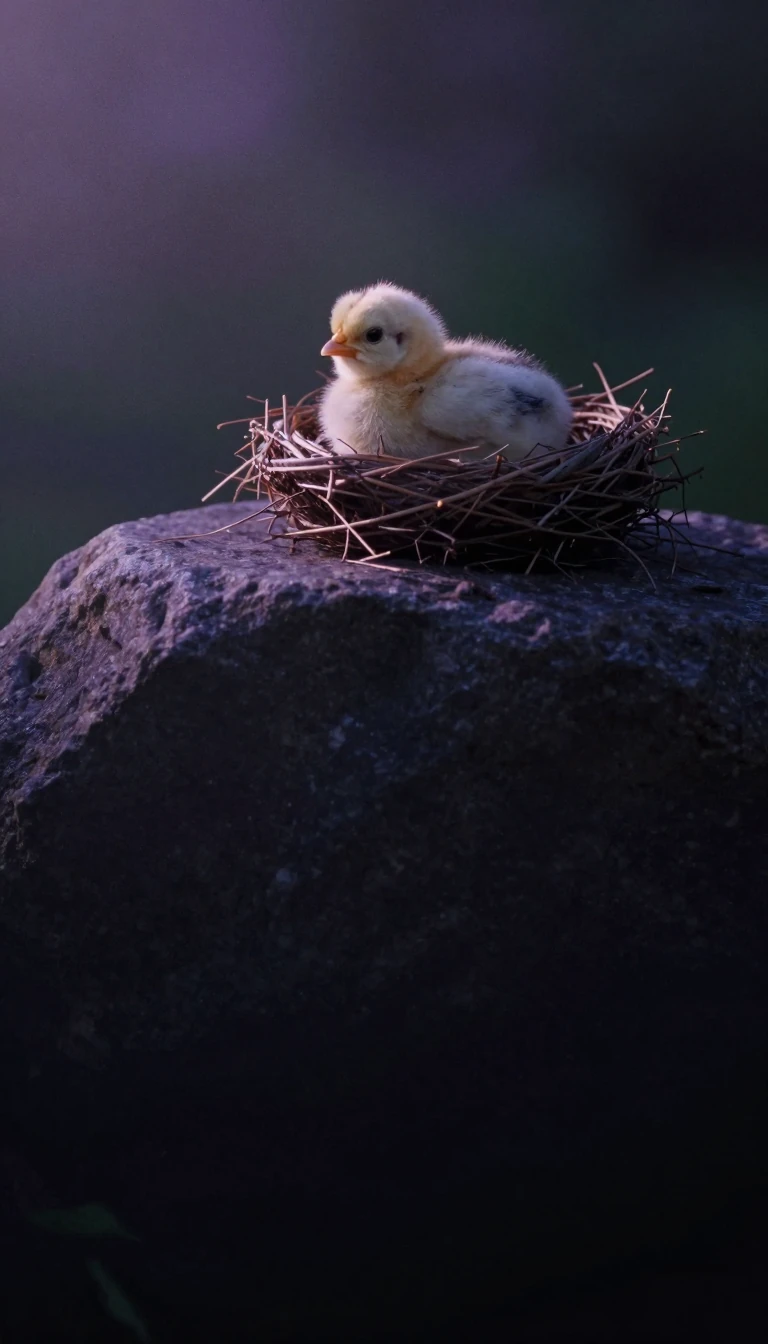 The hidden engineering of feathers: from dinosaur evolution to high-tech sortingDown feathers are more than just fluffy insulation; they are a sophisticated biological marvel. From their origins in non-avian dinosaurs to their role as chemical sensors and hig…
 From Spanish Lake to a 1,300-foot deep saltwater abyssA 10-foot deep freshwater lake was transformed into a massive saltwater basin in just a few years. This dramatic environmental shift in Louisiana's Acadiana region serves as a sta…
 How dietary fiber and enclosure timing protect poultry welfareBeyond their role as majestic displays of wealth, aviaries are critical tools for animal health. New research suggests that the simple timing of when an enclosure is opened, combi…
 The long game: why coral reefs are not yet lostDespite alarming rates of bleaching in the Pacific, coral reefs possess a remarkable capacity for resilience. Kristen Marhaver explores why targeted protection and stable temperat…
 Why animals fight for space even when food is plentifulWe often assume animals defend territories to secure food. However, recent research on the Grasshopper Sparrow suggests that even when prey abundance fluctuates, birds may still m…
 The rattlesnake's rattle is a warning system, not an age indicatorWhile the iconic rattle is a hallmark of the genus Crotalus, its length doesn't tell you how old a snake is. This complex biological structure grows with every molt, creating a un…
 The deadly illusion of the snake that mimics a viperWith a triangular head and robust body, the death adder looks like a viper. But this Australian predator is actually an elapid, using a deceptive tail to lure prey into a strike t…
 From an accidental runt to a Marvel Cinematic Universe starPeggy didn't start her career on a red carpet. She began as the runt of an accidental litter, gaining fame for her unique appearance before undergoing rigorous professional traini…
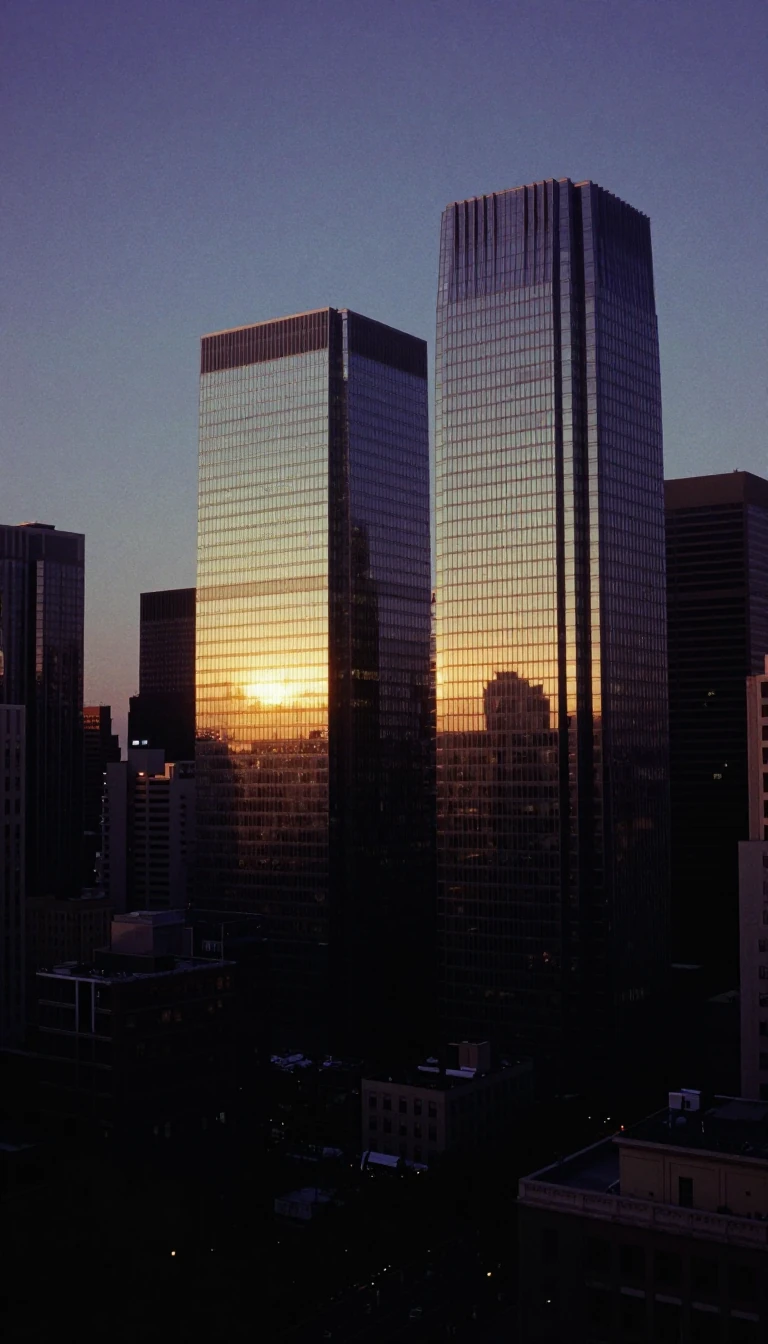 The flamboyant mayor who turned New York into a Jazz Age playgroundHe was a songwriter, a socialite, and a political powerhouse. Known as 'Beau James,' Jimmy Walker ruled New York City with wit and elegance, but his legendary lifestyle hid a web …
 The internet's most famous frown was actually a medical conditionGrumpy Cat became a global icon of cynicism, but her signature scowl wasn't an attitude—it was biology. Born with feline dwarfism and a unique facial structure, Tardar Sauce lived…
 Laughter is a 15-million-year-old fossil of our ancestors' voicesSpeech leaves no fossils, but laughter does. By studying the rhythmic patterns of great apes, researchers have uncovered a vocal blueprint that has remained virtually unchanged si…
 The first time a primate was seen to deliberately kill anotherIn 1974, a violent conflict erupted in Tanzania's Gombe Stream National Park. For the first time, researchers witnessed chimpanzees deliberately attempting to kill their own kind.…
 The evolutionary arms race of underwater electricityIn murky waters or pitch-black caves, vision is often useless. Some fish have solved this by evolving the ability to see with electricity. They can sense the tiny bioelectric fiel…
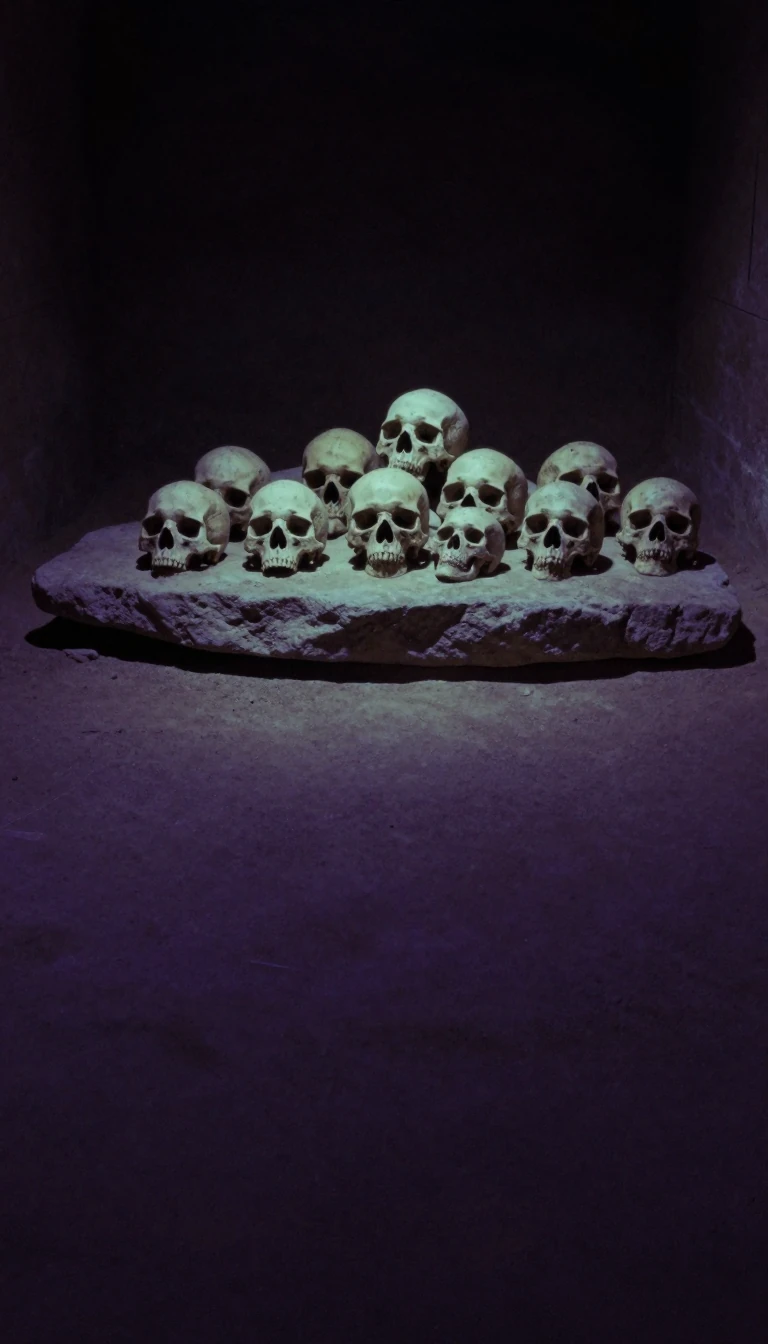 From dragon tongues to lunar debris: the many lives of shark teethLong before scientists identified them as biological remains, shark teeth were believed to be petrified dragon tongues or stones fallen from the sky. Today, these calcium phosphat…
 Nature's biological batteries may have inspired the invention of our ownThe electric eel doesn't just shock its prey; it serves as a living blueprint for human technology. By repurposing muscle tissue into specialized cells, these fish mastered a biol…
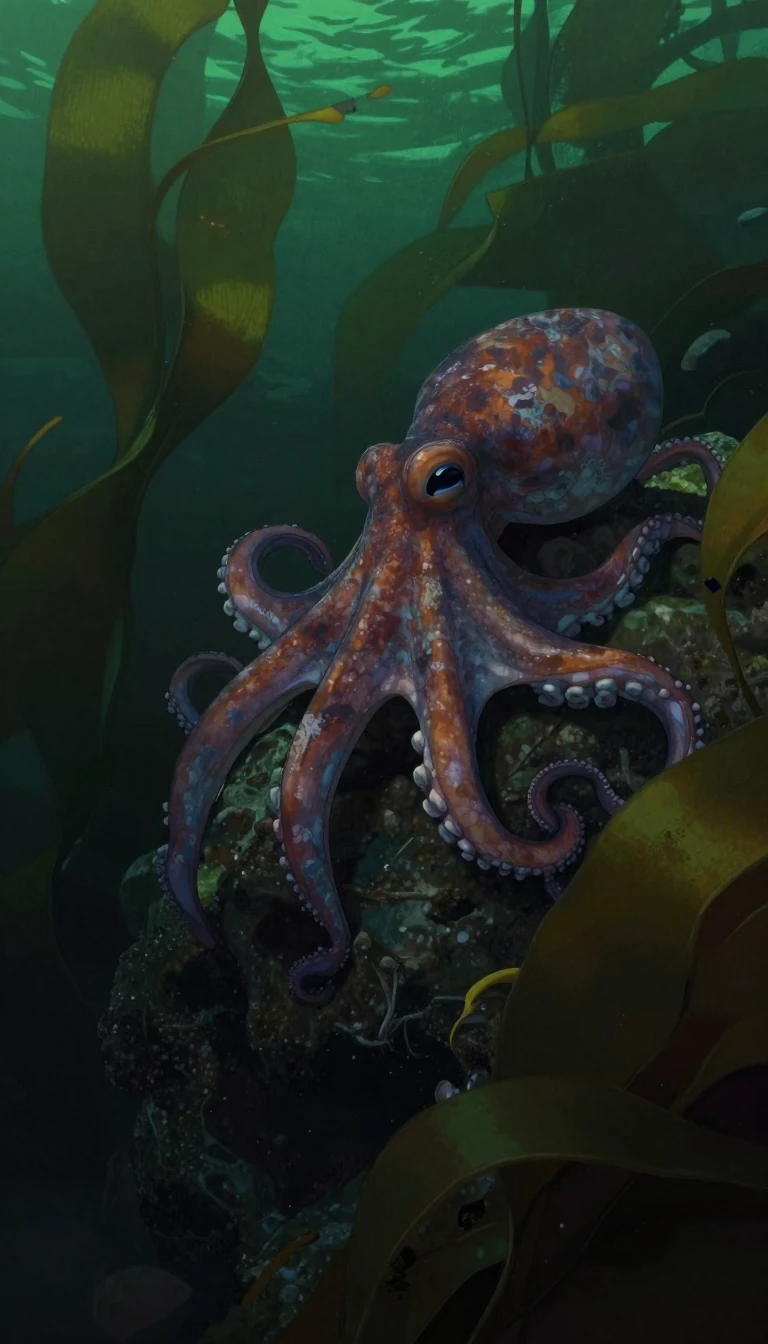 The eel's radical transformation from a leaf to a fishImagine a creature so different from its parents that scientists once mistook it for an entirely different species. Eels undergo a profound metamorphosis, shedding up to 90 percen…
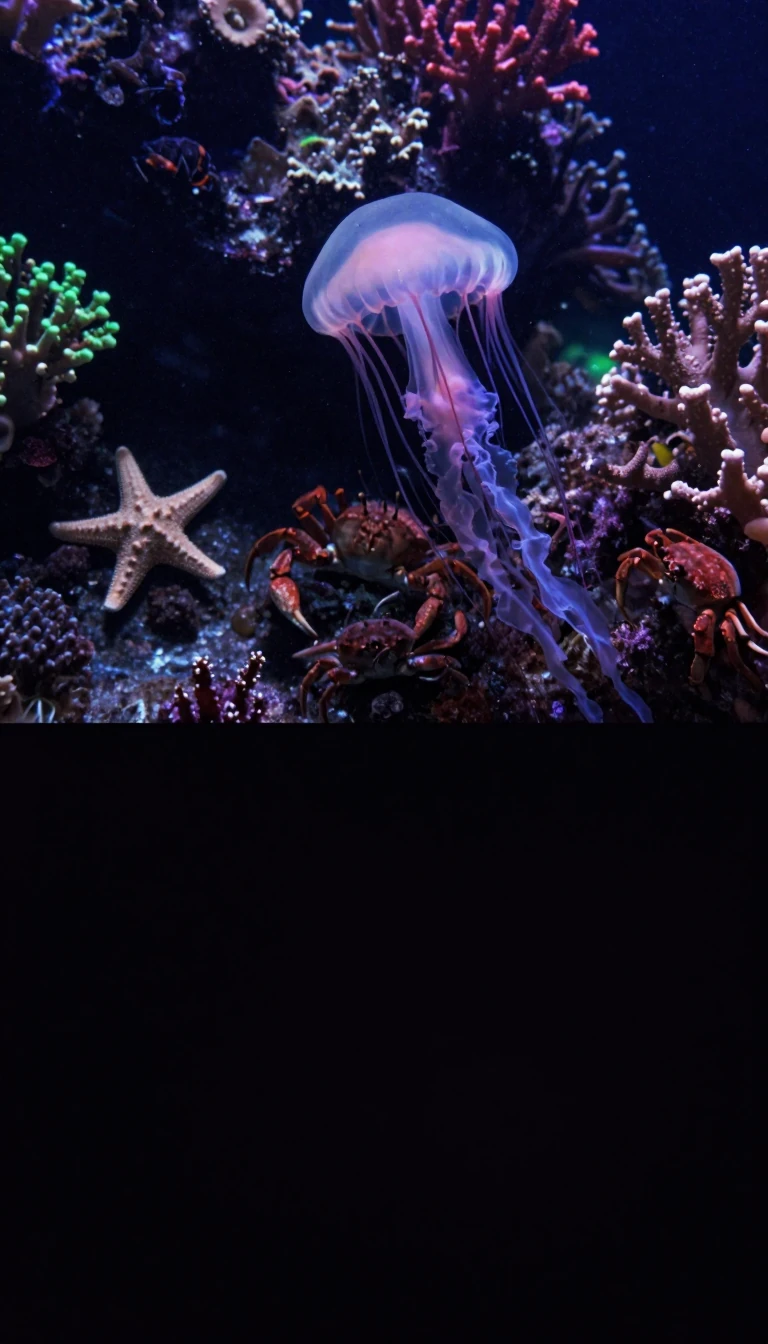 The Amazon of the Seas holds 76% of the world's coral speciesCovering just 1.6% of the planet's ocean, the Coral Triangle is a biological powerhouse. From the deep-sea volcanoes of Indonesia to the Philippine passages, this marine epicentre…
- A coral's white ghost is a warning of internal biological collapseWhen a coral reef turns white, it isn't dying instantly; it is starving. This ghostly appearance signals a breakdown of a vital symbiotic relationship where microscopic algae prov…
 Your eyes might be detecting the invisible geometry of lightMost humans cannot perceive the polarization of light. Yet, under specific conditions, your vision reveals a faint, yellowish-blue pattern known as Haidinger's brushes. This entop…
 Is the fear of heights a biological instinct or a learned behavior?Psychologists use a device called the visual cliff to test if infants are born with an innate sense of depth. While many species avoid the simulated drop instantly, the results fo…
 Can training your brain to recognize fake creatures mimic human face recognition?In 1996, researchers introduced Greebles: strange, artificial objects designed to mimic the structure of faces. By training people to become experts in these fictional creatures, …
 Why your eyes can be blinded without feeling any painGlare isn't just a nuisance; it is a complex visual phenomenon where light contrast overwhelms your ability to see. From the blinding reflection on a lake to the subtle discomfort…
 The hidden struggle of seeing the world in three dimensionsWe take depth perception for granted, yet for many, the world is a flat, confusing plane. Binocular vision is more than just two eyes working together; it is a complex neural feat…
 The 'Chance Tree' that hides a secret blue pigmentIn Japanese culture, it is known as the "smelly tree" for its distinct peanut butter scent. But beyond its fragrance lies a botanical oddity: berries that transform from white to …
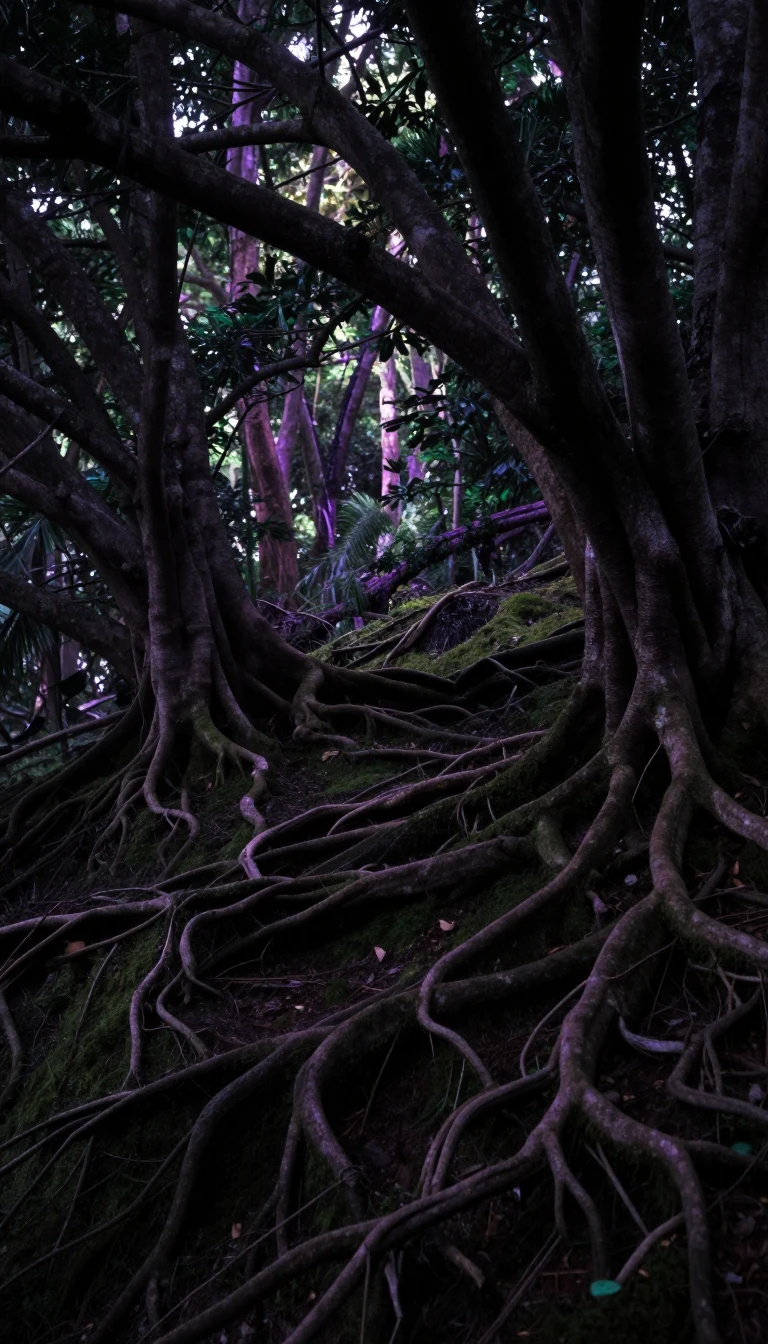 Were these North American hardwoods shaped by human hands or natural disaster?Across the American wilderness, certain trees exhibit striking horizontal bends. While some believe these are intentional markers left by Indigenous peoples to navigate ancient tr…
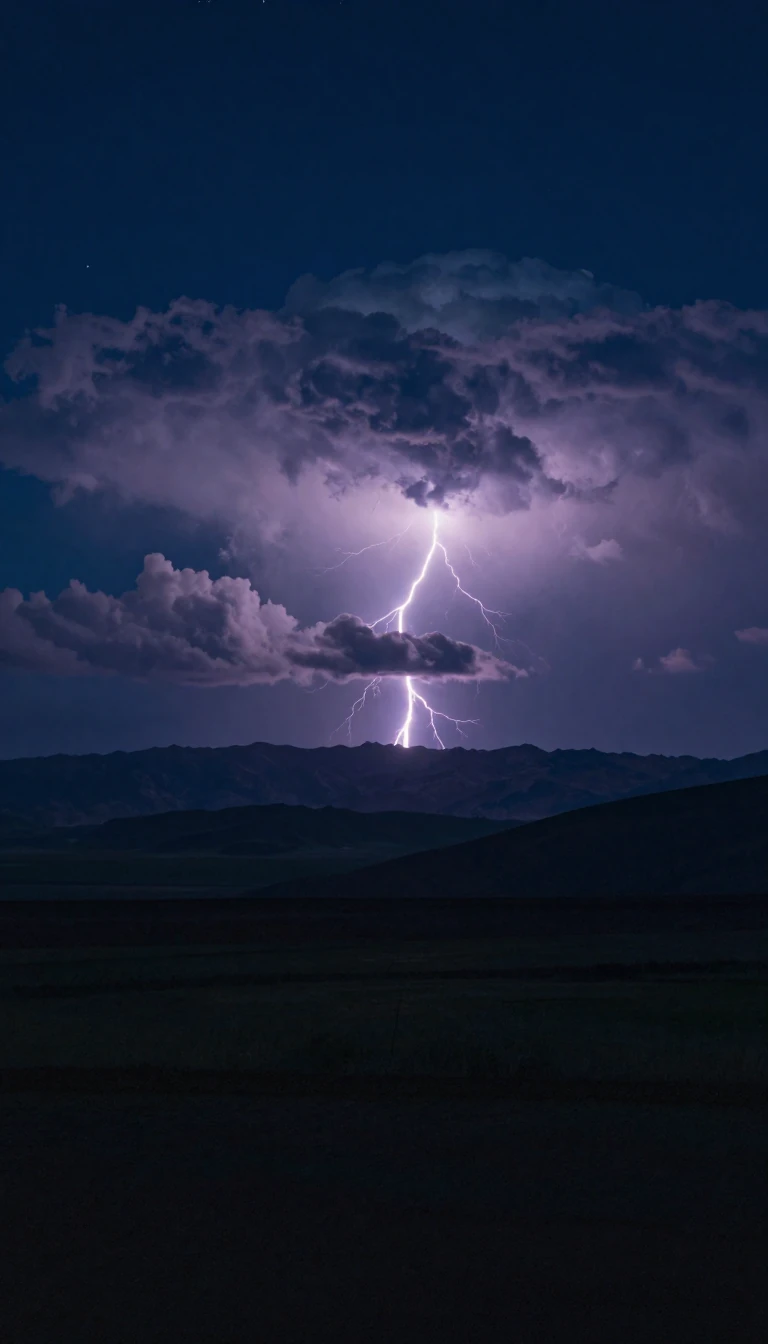 The Earth's electric pulse fluctuates with the seasonsAt any given moment, over 2,000 thunderstorms are active across the globe. But this atmospheric electricity isn't constant. Depending on the hemisphere and the season, the frequen…
 Nature has no fixed expiration date for lifeFrom mayflies that live for a single day to Greenland sharks reaching over 400 years, biology shows no universal law for when death must occur. This vast variability suggests that…
- The myth of a white-haired hero capturing lightning from the heavensBenjamin Franklin's famous kite experiment is one of science's most enduring images, but the iconic painting of it is more fiction than fact. It blends Neoclassical heroism with R…
 The brutal mechanics of insect warfare and the cost of victoryAnt colonies do not just fight for territory; they engage in organized, large-scale conflicts that can involve tens of thousands of individuals. From chemical propaganda to ritual…
- The tipping point where climate warming turns into species lossWe often talk about climate change as a shift in weather, but for many species, it is a hard boundary. New research quantifies the exact moment when environmental shifts become ir…
 Nature is currently paying for a biological debt it hasn't spent yetWhen we destroy a forest, species do not always vanish instantly. They often linger as living ghosts, surviving for years after their ability to reproduce has been severed. This c…
- Nature's bonsai: how extreme environments stunt trees into miniature forestsIn certain parts of the world, majestic trees are forced into a permanent state of miniaturization. These dwarf forests aren't just small; they are biological masterpieces shaped …
 Why a 25mm hole is a bird's best defense against predatorsFor a bird, a home is only as good as its front door. By choosing a specific entrance size, birds can effectively lock out larger competitors and predators. It is a precise archit…
 Is there a biological limit to how many friends you can have?You might feel overwhelmed by a crowded room, but this isn't just social anxiety. Anthropologist Robin Dunbar suggests our neocortex has a hard cognitive ceiling, limiting the num…
 Fish whiskers are high-tech sensory organs for navigating the darkIn murky waters or the pitch-black abyss, sight is often useless. Many fish species have evolved barbels—slender, whisker-like organs that act as sophisticated chemical and tactil…
 The hidden architects of the ocean floor and their role in climate regulationThey are often dismissed as mere scavengers, but the creatures living on the seabed perform a vital ecological service. From recycling organic matter to trapping greenhouse gases,…
 Your eyes move faster than your head to keep the world stillHave you ever wondered why your vision stays steady while you walk or turn your head? This rapid bodily response uses intricate neural pathways to rotate your gaze within millisec…
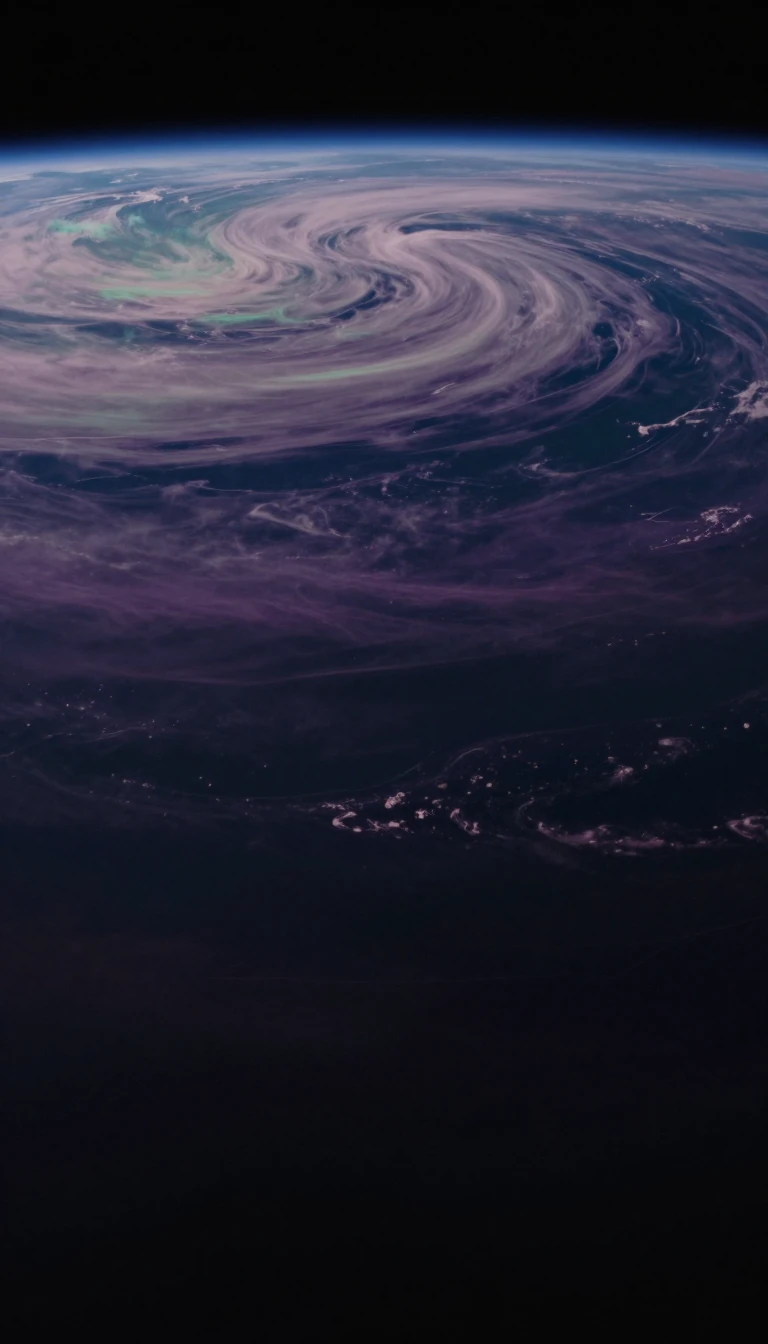 The planetary-scale waves that dictate our global weather and ocean currentsFrom the meanders of the jet stream to the deep ocean, Rossby waves act as Earth's great communicators. These massive undulations move heat and anomalies across entire basins, dri…
 Your brain doesn't see colors; it calculates the differences between themWhen you see a vibrant red, your visual system isn't just registering a single signal. It is performing a high-speed subtraction. By processing information through antagonistic ch…
- The ancient bird whose Sanskrit name reveals a secret life of deceptionFor over 4,000 years, humans have known the Asian koel as a master of biological fraud. Its very name in ancient texts describes its lifestyle: a bird raised by others. This brood…
 The geometric blueprints of the human mind's internal visionWhy do people under the influence of drugs, extreme stress, or migraines see the same specific shapes? From complex lattices to infinite spirals, these recurring patterns suggest …
- Why your brain paints ghosts of colors in your visionHave you ever stared at a bright light or a vivid shape, only to see its ghostly twin lingering in your vision? This isn't a glitch in your eyes; it is a sophisticated neural bala…
- The vanished predator that once hunted the Australian mainlandIt had a fox-like face, a massive 90-degree jaw gape, and dark stripes across its back. The thylacine was the largest carnivorous marsupial of recent times, yet it vanished from t…
 How we map the invisible: the math of moving air pollutionPredicting where a toxic cloud will travel is not mere guesswork but a complex mathematical simulation of fluid dynamics. By solving equations that govern atmospheric turbulence, …
 The surprising biological drive behind why butterflies congregate on mud and carrionIt is not just about thirst. For many insects, puddling is a high-stakes nutritional strategy. From drinking human sweat to extracting minerals from the tears of sleeping birds, t…
 Nature's crystalline cages could unlock a hydrogen-based economyClathrate hydrates are crystalline solids that look like ice but act as molecular traps. They form 3D networks of frozen water molecules that create tiny cages, holding gas molecu…
 The invisible altitude where your body's fluids begin to boilAt roughly 19,000 metres, the atmosphere becomes so thin that a terrifying physical transformation occurs. Beyond this threshold, known as the Armstrong limit, the lack of pressur…
 Your body may dismantle its own muscle if it thinks you don't need itMuscle atrophy isn't just about getting older. It is a biological response to a perceived lack of utility. When your muscles stop moving, your body stops investing energy in them …
 Is your 'mental age' a scientific fact or a historical relic?For decades, we used mental age to measure how 'mature' someone was compared to their birth date. But as psychology evolved from measuring skull sizes to complex cognitive deviati…
 How a single cosmic ray can trigger a cascade of billions of particlesWhen a high-energy cosmic ray strikes our atmosphere, it doesn't just stop. It initiates an extensive air shower: a massive, multi-generational cascade of subatomic particles that…
 Could medical progress eventually outrun the passage of time itself?Imagine a world where every year of scientific progress adds more than one year to your remaining life expectancy. This is the premise of longevity escape velocity, a theoretical …
 Why old books are more likely to outlive new onesFor humans, age is a countdown. For ideas, technologies, and books, age can be a shield. The Lindy effect suggests that for non-perishable things, the longer something has already…
 The Great European Greying: Why a shifting demographic pyramid threatens the continent's economic engineEurope is undergoing a profound structural transformation. As birth rates fall and life expectancy climbs, the continent's population pyramid is tilting. This shift promises a fut…
- Why birds hide their snacks in secret, strategic locationsFor many birds, survival depends on a sophisticated game of geographical chess. By hiding food in specific patterns, they balance the need for easy access with the constant threat…
- The microscopic engineering that allows birds to master the airBeyond the beauty of a bird's plumage lies a sophisticated mechanical marvel. Made of keratin, flight feathers use an intricate system of interlocking hooks and barbs to create a …