 Intellect Plus
Nature
11,198 cards. Each one is a 40-second story with a five-minute read behind it. Page 45 of 187.
Subtopics: Ageing · Air · Animal behaviour · Animal breeds and hybrids · Animals · Arthropods · Atmosphere · Big cats · Bilateria, others · Birds · Botany · Cnidarians · Conservation · Coral reefs · Deep sea · Deserts · Dinosaurs · Earth science · Earth science and physical geography · Earth science basics · Earthquakes & tsunamis · Echinoderms · Ecology · Ecosystems · Endangered species · Extinct animals · Farming · Fish · Forests · Fungi · General classifications · Geology · Geomorphology · How Long Can It Live? · Ice · Individual animals · Insects · Lightning · Longevity · Mammals · Marsupials · Migration · Mollusks · Ocean · Organisms · Parasites · Physical geography · Plants · Porifera · Predators · Primates · Rainforest · Reptiles & amphibians · Researched · Sharks & rays · Spiders & arachnids · Symbiosis · Trees · UK & Ireland: nature · Vertebrates · Vision · Volcanoes · Water · Waves · Weather · Whales & dolphins · Zoology
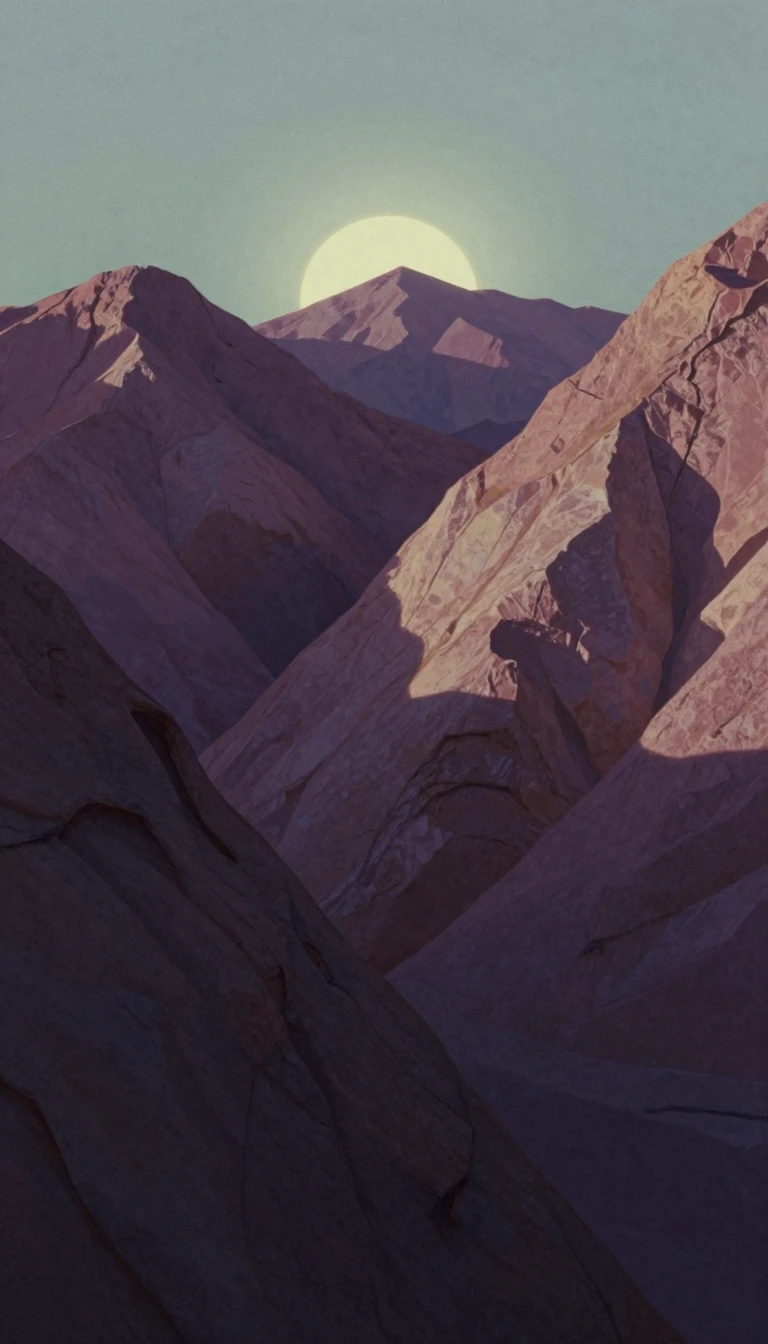 The Khamsīn: Egypt's annual surge of extreme heat and dustWhile Egypt is defined by its arid desert climate, it is subject to a specific seasonal phenomenon that pushes temperatures to dangerous extremes. Between March and June, a massiv…
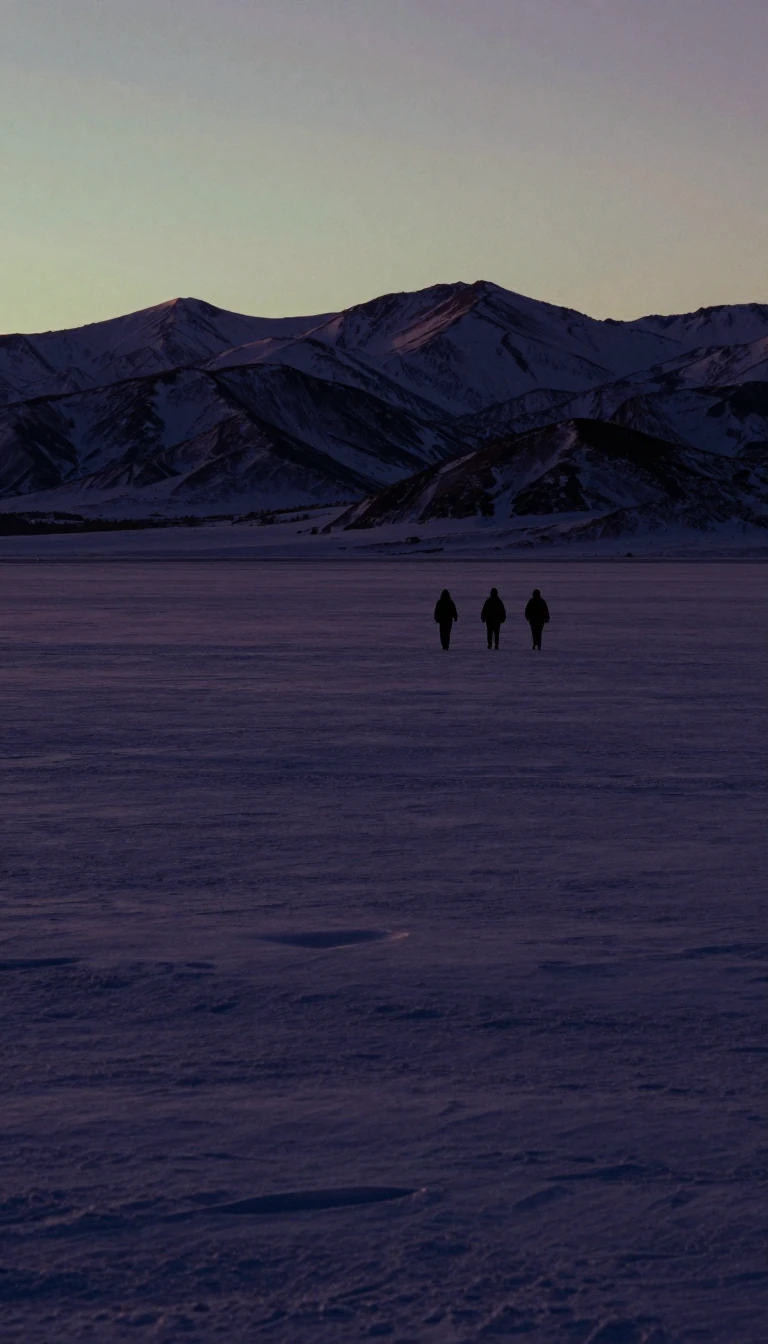 The global ice clock is ticking faster than ever beforeSince 1850, the world's glaciers have been in a steady, documented retreat. While deglaciation is a natural process at the end of ice ages, modern warming has accelerated the pace…
 Spiders and scorpions breathe through internal pages of biological booksImagine an organ that functions like a library of tissue. Book lungs are specialized respiratory structures in arachnids that maximize surface area for gas exchange by stacking th…
 Evolution has solved the 'ant problem' over 70 different timesAnts are so successful that they have become a blueprint for survival. From spiders and butterflies to snails and even flowers, countless species have evolved complex mimicry to h…
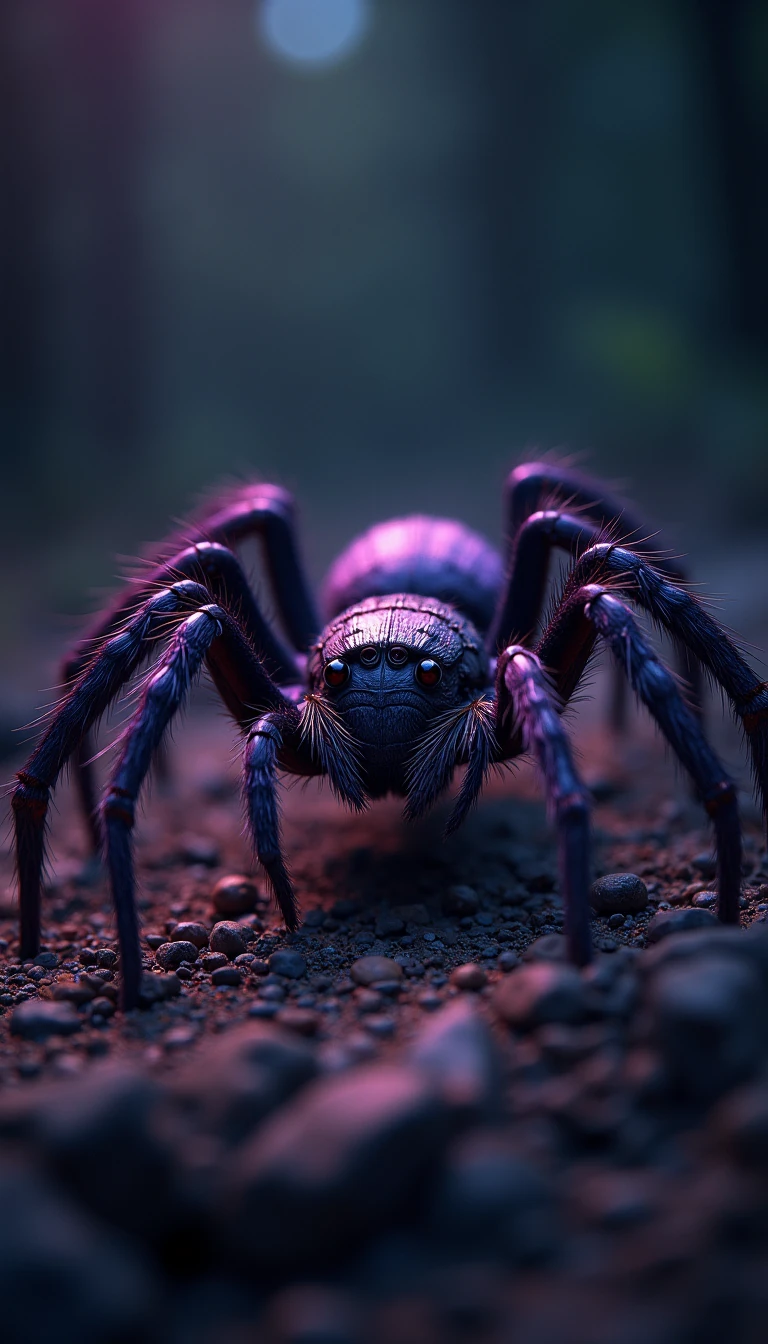 The spider superfamily that makes up a quarter of all known speciesWhile most people think of spiders as solitary hunters, the Araneoidea superfamily represents a massive, diverse lineage of araneomorphs. Despite their staggering numbers, the evo…
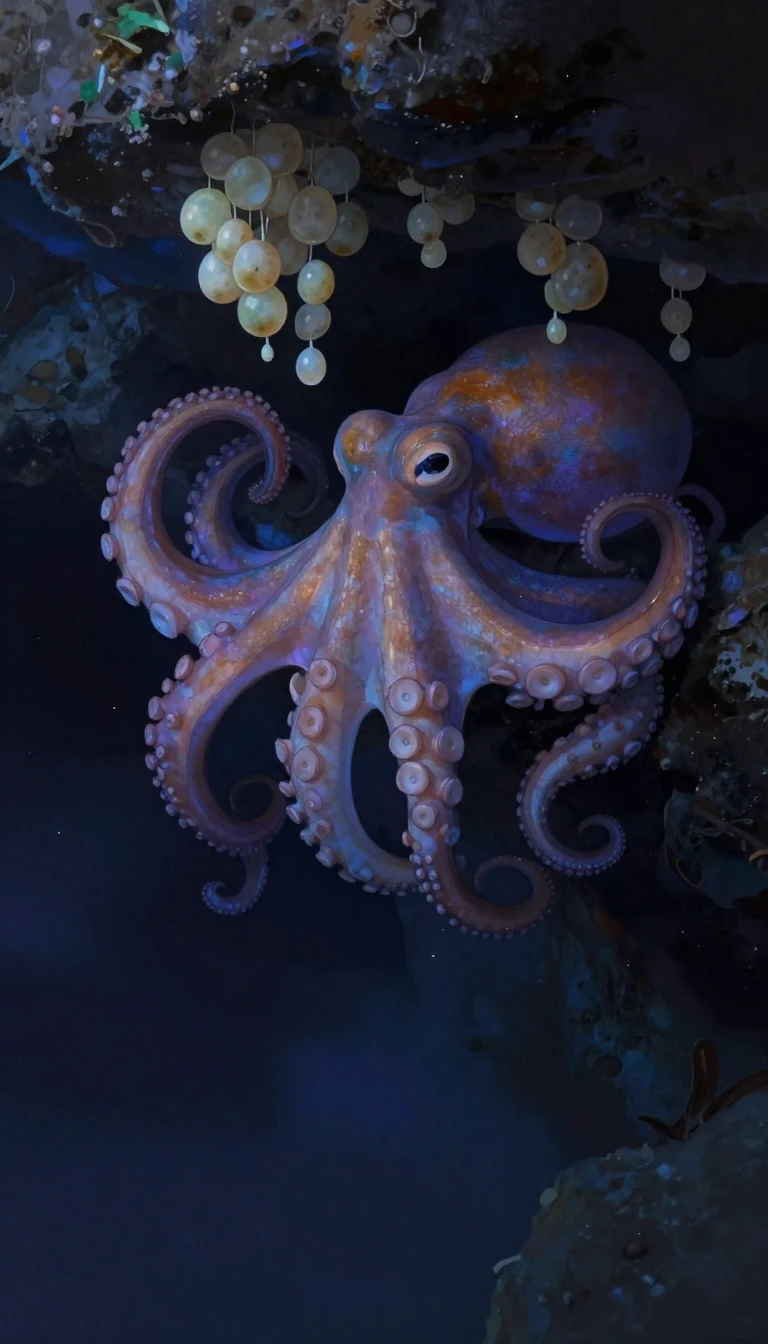 The biological paradox of growing inside a rigid suit of armorHow does an animal grow when its skeleton is a hard, non-living shell? Arthropods solve this through a high-stakes cycle of self-destruction and reconstruction. By periodically sh…
 The tragic paradox of a whale who lost his fearWhen an intensely social predator is separated from its pod, it seeks connection in the only way it knows how: with humans. Luna, a Southern Resident orca, became a global icon fo…
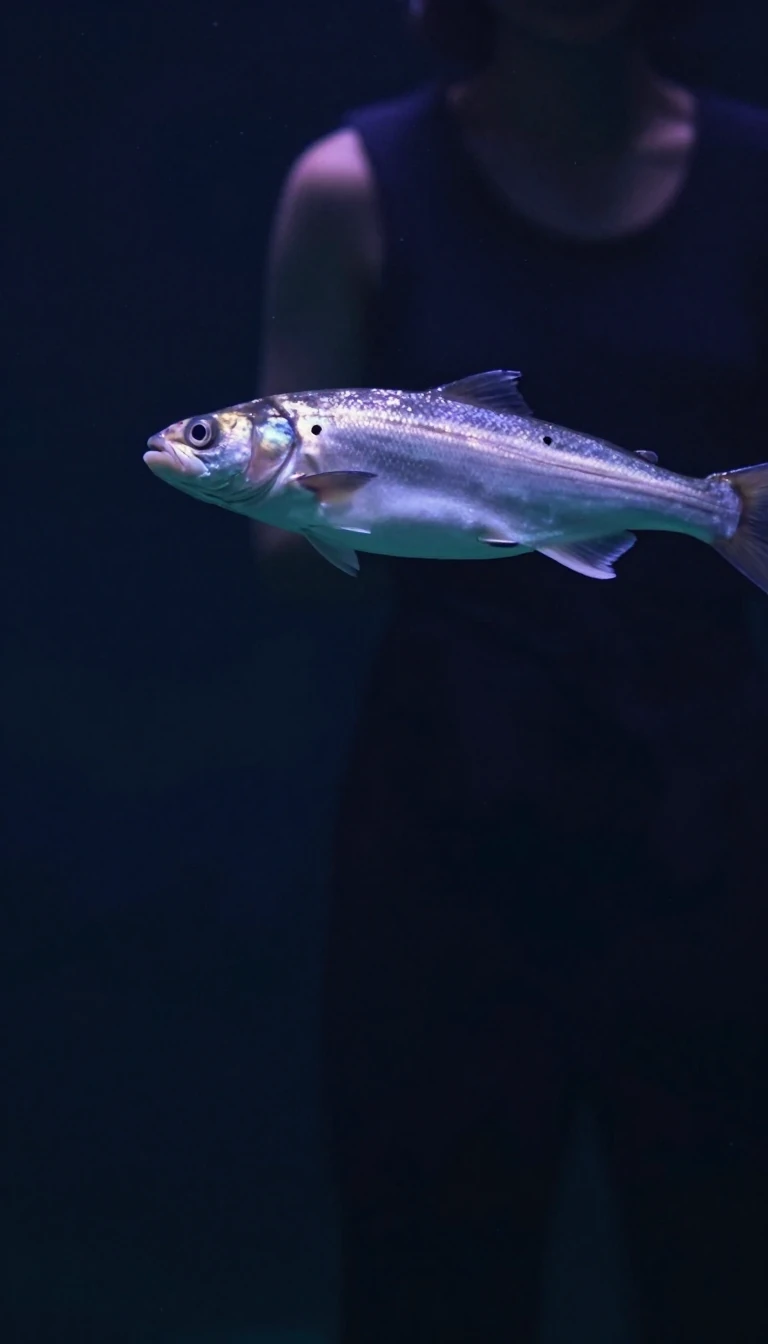 The river dolphins that traded sight for specialized soundLiving in murky, sediment-heavy waterways, South Asian river dolphins have evolved a radical biological compromise. They are nearly blind, possessing eyes with no lenses, yet they…
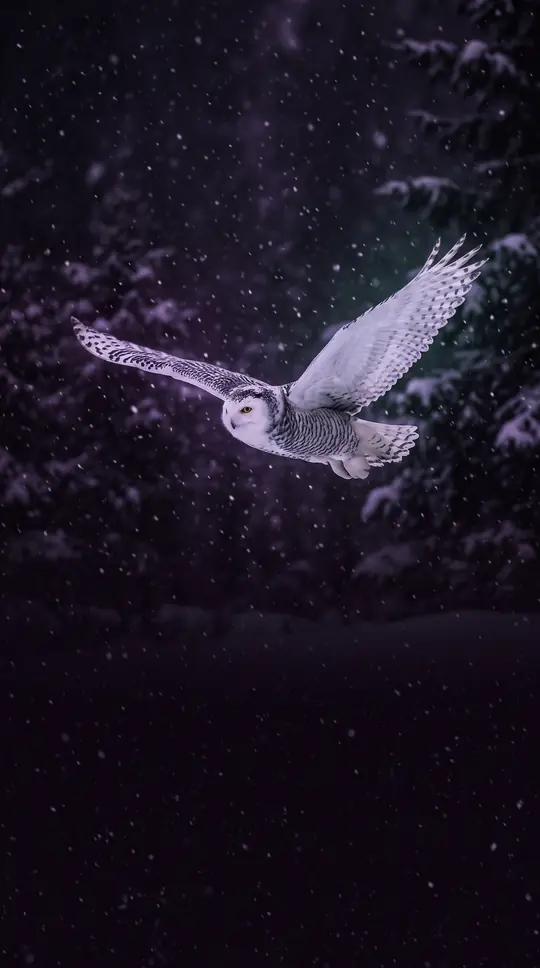 The river dolphin that chose the open oceanMost river dolphins are confined to freshwater systems, but the La Plata dolphin defies this rule. As the only member of its group to inhabit saltwater estuaries and coastal ocean…
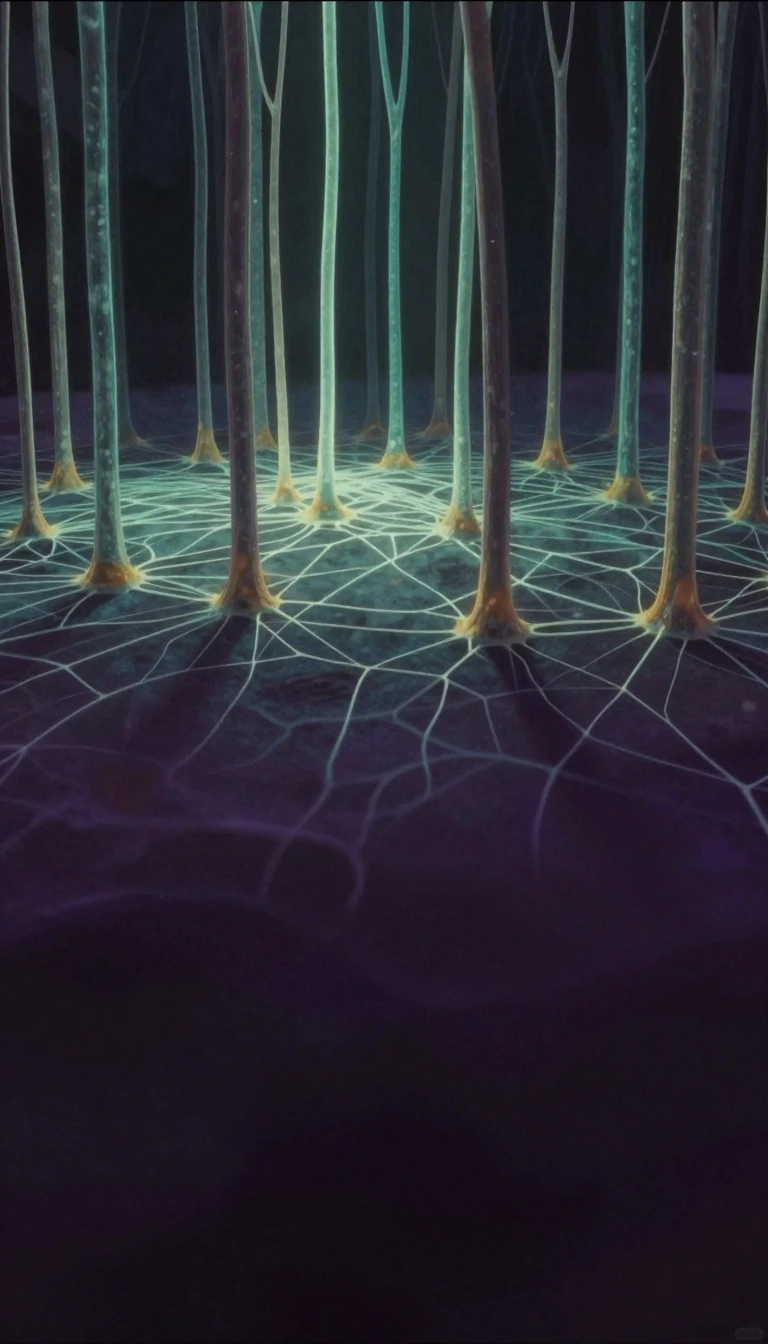 Why evolution might favor being blind in the deep darkIn the resource-scarce world of underground caves, having eyes could be a metabolic liability. For the Mexican blind cavefish, losing sight isn't just an accident of biology—it ma…
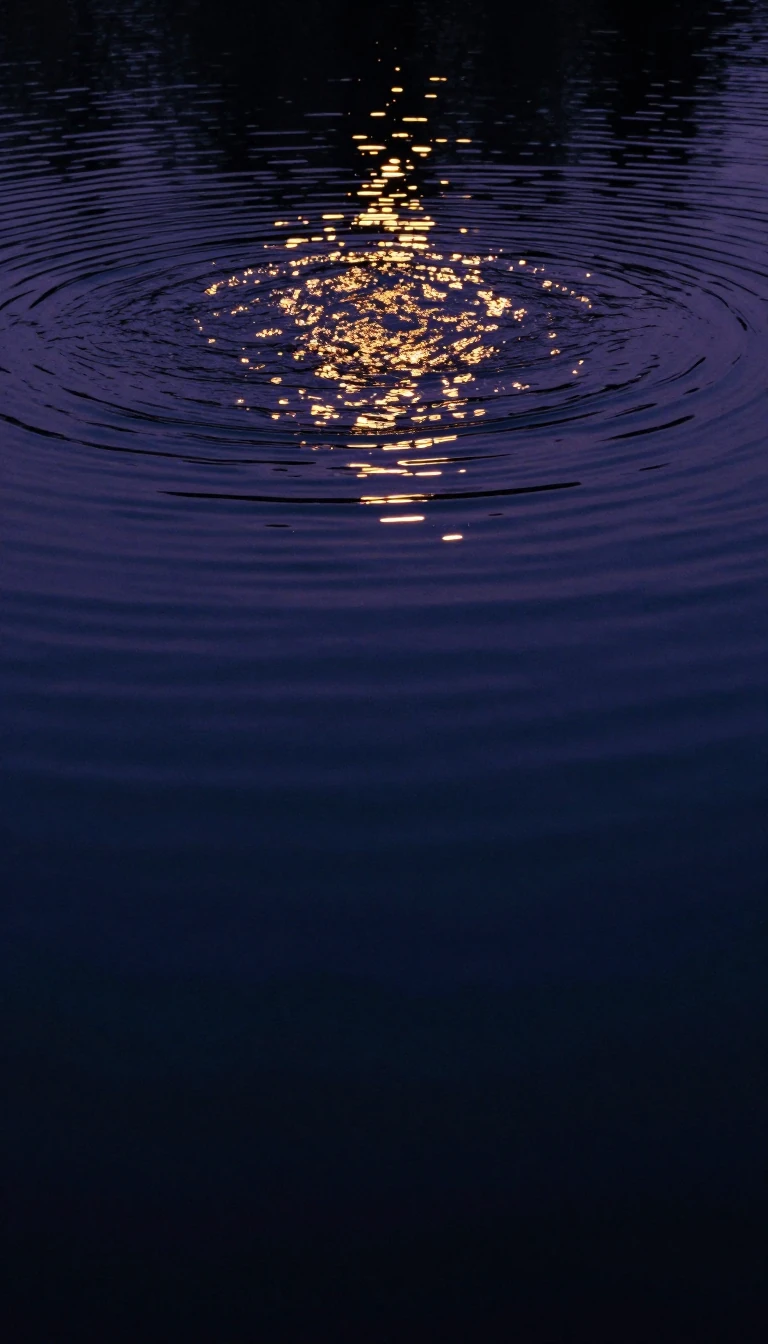 The geometry of survival: why fish form perfect spheres under pressureWhen small fish are overwhelmed by predators, they abandon coordinated schooling for a desperate, last-ditch maneuver. They collapse into a tight bait ball—a spherical formation t…
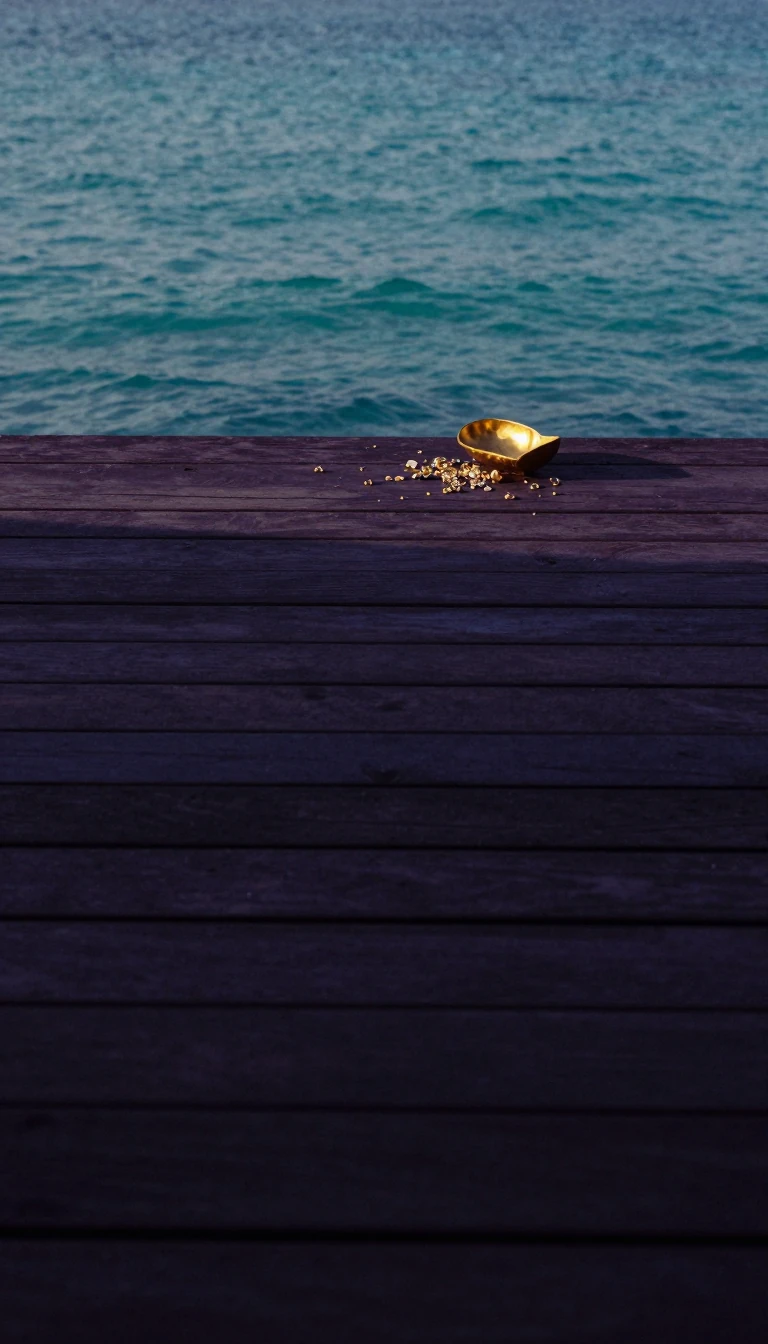 Beyond the Glass: The High-Stakes Science of Keeping Life UnderwaterAn aquarist is far more than a hobbyist with a goldfish bowl. It is a high-stakes balancing act of chemistry, biology, and engineering. Professionals must monitor intricate life-s…
 Sharks can 'see' your heartbeat through buried sandImagine hunting for prey that is completely hidden from sight, sound, and smell. For sharks and rays, this isn't a superpower—it is biology. Using specialized organs called ampull…
- The first North American bird to vanish after the Columbian ExchangeThe Labrador duck was a ghost of the North Atlantic before it even became a memory. Already rare before European arrival, this enigmatic sea duck vanished in the late 19th century…
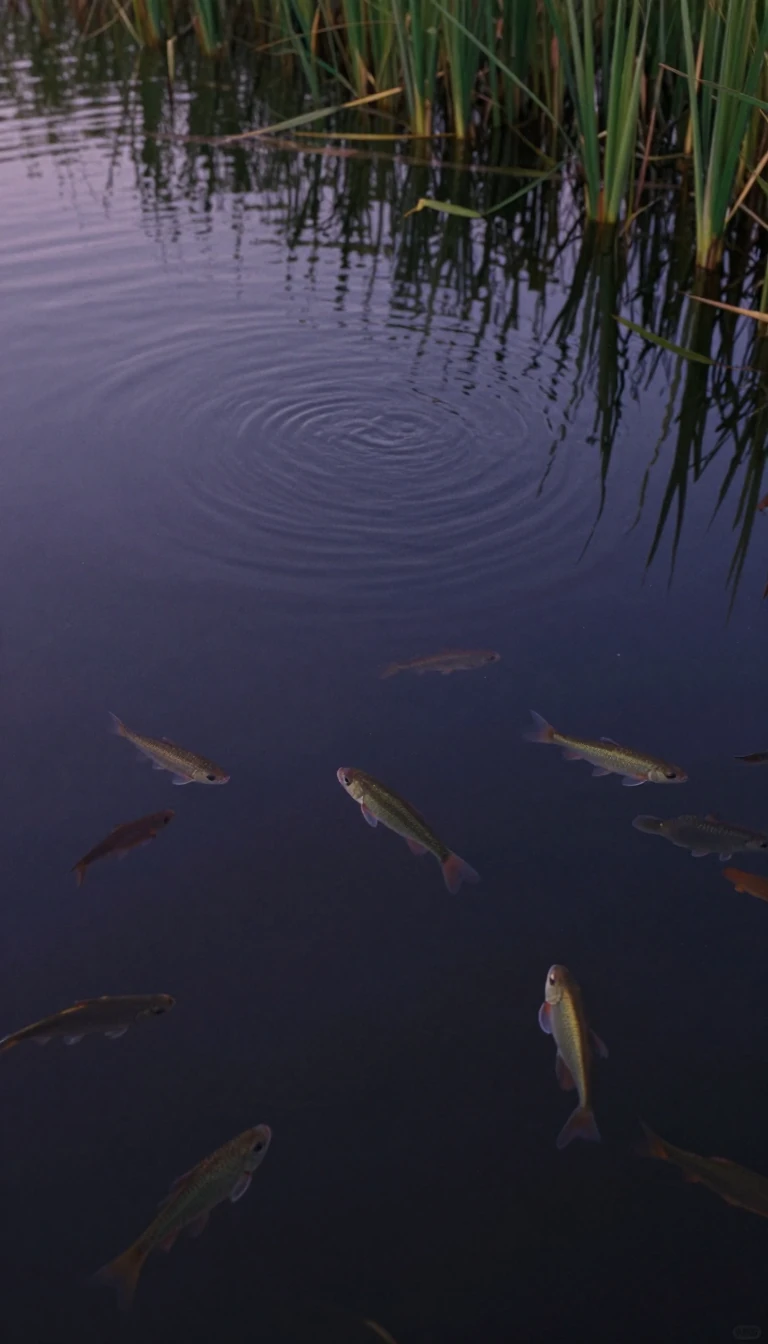 The evolution of fish that mastered the landWhile most fish are bound by the water's edge, some have broken free. From mudskippers that skip across swamps to lungfish that sleep in mud for years, these amphibious fish repre…
 The bird that shared a bone structure with the dodoDespite being an entirely different species, the bush moa was once linked to the dodo by its anatomy. This small, forest-dwelling bird of New Zealand provides a unique window into…
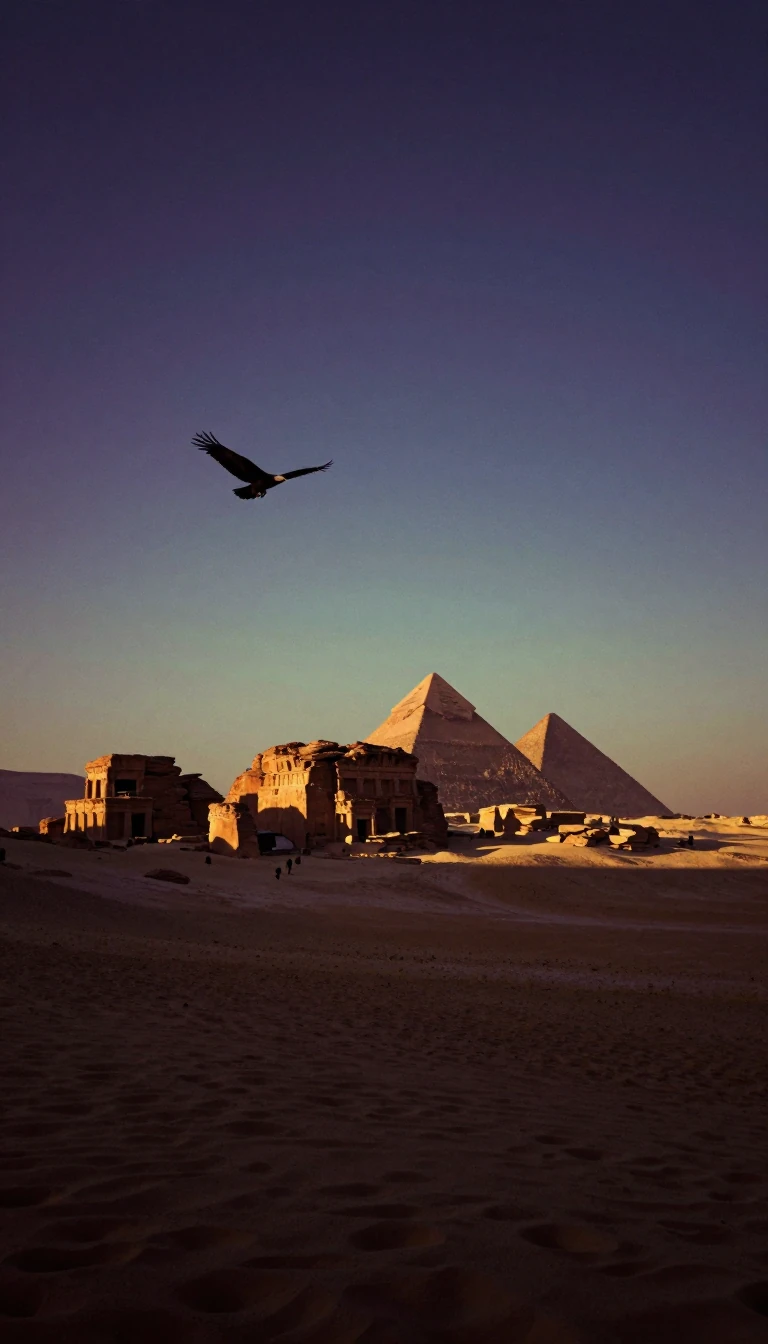 The Arabian ostrich: a symbol of wealth and a victim of speedFor millennia, the Arabian ostrich was a centerpiece of Mesopotamian art and a symbol of Islamic elegance. Yet, this majestic bird vanished in just a few decades. Its downfall was…
 The New Zealand bird with a beak like a woodworking toolImagine a flightless bird the size of a small moa, equipped with a massive downward-curving bill designed to crack through tough prey. This was the adzebill. For over a century, s…
 The architectural engineers of the ocean are facing a structural collapseAcropora corals do more than just exist; they build. As primary reef-builders, these colonies construct the massive calcium carbonate skeletons that support entire marine ecosyste…
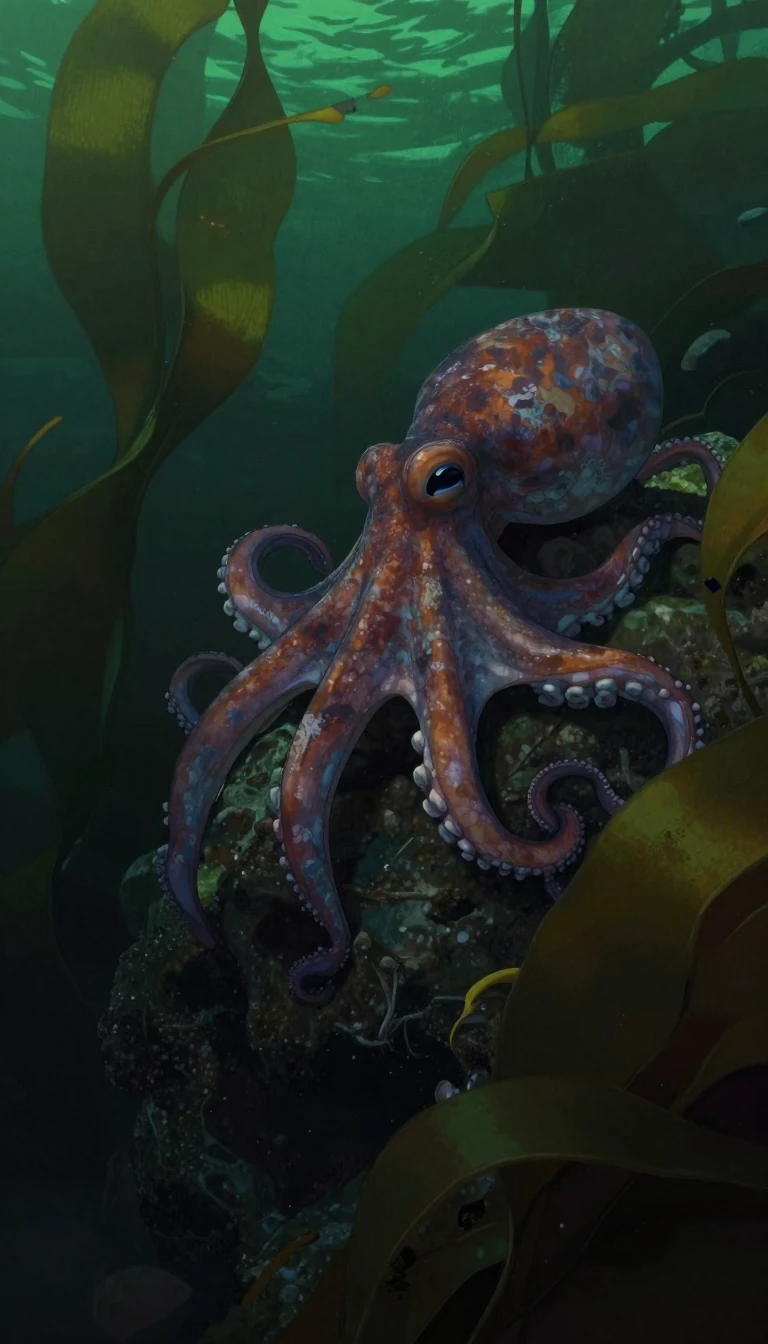 The tiny, armored architects of the ocean's hidden biodiversityThese tiny, stinging predators are master engineers of the seafloor. By constructing complex exoskeletons and forming symbiotic bonds, these organisms create foundational habitats…
- How to tell the story of a nation through one villageCan you understand the entire history of England by looking at a single village? Historian Michael Wood argues that by tracing the life of one small community, we can uncover the …
 The linguistic quirk that gave a loyal dog his nameHachikō is the global symbol of canine devotion, but his iconic name might actually be a byproduct of a local dialect. While many believe it refers to his birth order or physical …
 Reading an Animal's Age: Five Methods and Their LimitsHow scientists estimate the ages of named animals, from Greenland shark eye lenses to an albatross's leg band, and the stated limits of each method.
 Can a Whale Live for Centuries?A harpoon fragment from the late 1800s and a chemical clock in the eye lens suggest that some wild bowhead whales (Balaena mysticetus) live well beyond 100 years, with one individ…
 What Is the Longest-Living Animal?Three longevity records that cannot share one list: a clam from Icelandic waters aged at 507 years, Greenland sharks estimated by eye-lens radiocarbon with a wide margin, and a 4,…
 The Tortoise Time MachineHow long giant tortoises live, and why famous ages, from Jonathan to Lonesome George, are careful estimates rather than certainties.
 Can a Jellyfish Turn Back Its Clock?Turritopsis dohrnii can turn a starved, damaged or ageing medusa back into a polyp through transdifferentiation, but this life-cycle restart is no shield against predators, so ind…
 The geological isolation that shaped Ireland's unique wildlife historyIreland's biodiversity is a product of deep time and rising seas. Because the island was severed from the European mainland around 14,000 BC, it developed a distinct ecological pr…
 The peak that breathes fire and blocks the monsoonRising as the highest point in Hong Kong, Tai Mo Shan is a prehistoric volcanic relic. While its summit remains closed to the public, the mountain still breathes, venting warm air…
 The world's largest polluter is now its biggest clean energy producerChina’s rapid industrialization created an environmental catastrophe, but the nation is now pivoting toward a future defined by alternative energy. This video explores the tension…
- This common North American plant is both a lethal poison and a source of fiber.Known as Indian hemp or dogbane, Apocynum cannabinum is a versatile perennial that has served as a vital resource for Native American technology for generations. Yet, beneath its …
- The green tree python and emerald tree boa are separated by oceans yet identicalHalf a world apart, the green tree python of New Guinea and the emerald tree boa of South America evolved to look and act almost exactly the same. This striking case of convergent…
- The Dugite is a highly venomous snake that thrives in Perth's urban backyard environments.The Dugite is a slender, nervous snake that has adapted remarkably well to human expansion in Western Australia. Drawn to the house mouse, this reptile is now a common sight near …
 The sessile oak is a resilient giant that thrives in rocky, high-altitude European terrainKnown as the sessile oak, this deciduous tree is a cornerstone of European ecology and history. While it shares the landscape with its cousin, the pedunculate oak, it prefers high…
 The largemouth bass is a master of adaptation, but its success comes at a cost.As a highly tolerant apex predator, the largemouth bass has conquered waters far beyond its native North American range. Prized by anglers for its aggressive fight, this fish is a…
 The Green Heron is one of the few birds known to use tools for fishingThis small, secretive hunter does not just wait for its next meal. It actively manipulates its environment, occasionally dropping feathers or twigs onto the water's surface to lur…
 The Greater Adjutant: A Bone-Swallowing Scavenger Once Honored on Calcutta's Official Coat of ArmsKnown as the hargila, or bone-swallower, this massive stork was once a common sight in 19th-century Calcutta, where it was protected by law and featured on the city's crest. Today…
 The Empress Tree: A Rapidly Spreading Pioneer That Travels Across Continents in Packing CratesKnown for its violet-blue flowers and massive leaves, the Paulownia tomentosa is an exceptionally fast-growing tree that has successfully naturalized far beyond its original range…
 Bastrop County is a biological crossroads where rare toads and pine forests meetLocated in Central Texas, Bastrop County is defined by its unique Lost Pines Forest and a complex ecological landscape. While it is part of the Austin metropolitan area, the regio…
 The incense tree family has been moving across the globe for 65 million years.Known for their aromatic, flaking bark and non-allergenic resins, the Burseraceae family has traveled from North American origins to dominate tropical landscapes worldwide. From t…
 The New Guinea crocodile is actually two distinct species separated by a mountain range.Long considered a single species, the New Guinea crocodile is split by the island's central highlands. Northern populations are the true New Guinea crocodile, while southern group…
 A rugged Washington island preserves rare peregrine falcon nesting sites on its rocky cliffs.Lummi Island, located in the Puget Trough, is far more than a scenic getaway. Beyond its winding roads and artistic community, the island’s west side hosts a protected Natural Are…
 Why gender equity is a primary lever for climate actionClimate change solutions aren't just about technology; they are rooted in social justice. This talk explores how empowering women and girls serves as a critical, often overlooked …
- The world we avoided: What saving the ozone taught us about climateIn 1988, humanity faced a looming atmospheric catastrophe and responded with its most successful environmental treaty to date. By banning specific chemicals, we didn't just repair…
 The climate crisis has already been solved, but we haven't woken upGreta Thunberg shares the personal story behind her 2018 school strike and explains why the global response to warming is currently failing.
 The world's most diverse life is squeezed into just 2% of landConservationists face a daunting reality: they cannot save every species on Earth due to limited funding. To fight back, scientists use a 'silver bullet' strategy by identifying b…
 The ancient 'liquid amber' that survived the ice agesLiquidambar trees are botanical survivors, persisting from the Cretaceous period to the present day. Known for their fragrant resin and vibrant autumn foliage, these deciduous gia…
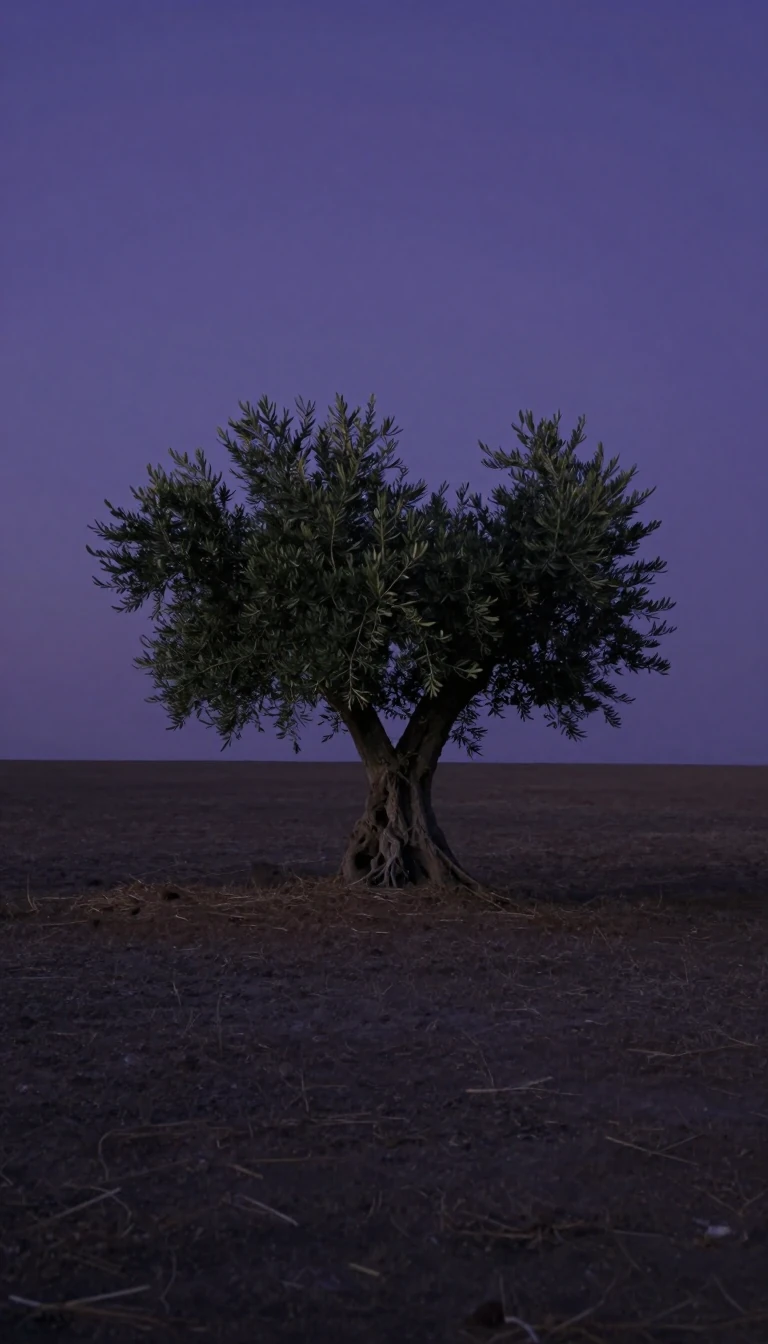 The silver-scaled tree that mimics olives and invades continentsIt looks like an olive, smells like a dream, and behaves like a conqueror. From the high altitudes of the Himalayas to the riparian zones of North America, the Russian olive has m…
 The scarlet ibis is a bird painted by its own dietWhile its brilliant plumage looks like a permanent coat of paint, the scarlet ibis actually earns its color through what it eats. This medium-sized wading bird undergoes a dramati…
 The silent threat to our woodlands: how mammals impact tree survivalBeyond the visible damage of bark stripping lies a deeper ecological risk. While deer browsing can slash timber values by up to 50%, the impact on biodiversity and new woodland es…
- Are you ignoring a charging rhino in your life?We often wait for an unavoidable catastrophe to strike, but the real danger lies in the predictable crises we choose to overlook. Michele Wucker explains why we fail to act on obv…
 The blue heart of our planet is facing a rapid declineFor over fifty years, oceanographer Sylvia Earle has explored the deep to uncover the mysteries of our seas. Her message is urgent: we are taking our oceans for granted. To save t…
 When early monsoon rains turn Himalayan peaks into flood zonesIn mid-June 2013, unusually intense rainfall struck the edge of the Himalayas, triggering a disaster of historic proportions. While the monsoon is a seasonal staple, the timing an…
 The ocean covers seventy per cent of our worldImagine flying across the Pacific Ocean for twelve hours and seeing nothing but a speck of land. This vast, mysterious expanse covers over seventy per cent of Earth. While most of…
 The Mayfly's Two ClocksThe giant burrowing mayfly, Hexagenia limbata, spends 4 months to 2 years as an aquatic nymph, while its mating adult stage lasts up to 2 days, so the short life in the order's na…
 The Shortest-Lived Mammals?Male antechinus and their once-breeding relatives die at about 11.5 months after a single mating period, while the common shrew's lifespan averages 13 months in the wild: two shor…
- The radical shift from fossil fuels to a circular plastic economyPlastic is an economic marvel but an environmental disaster. To fix it, we must move beyond incremental recycling and toward a system where every piece of plastic is derived from …
- Why a 30-foot wall is the least effective tool for border securityFor years, the physical barrier has been the primary symbol of border policy. However, experts and lawmakers argue that concrete and steel are failing to address the actual root c…
- Why the neighbors are the best guardians for endangered wildlifeThe tragic death of Cecil the lion in 2015 highlights a critical flaw in modern conservation. This video explores why shifting power to local communities is the most effective way…
- Why taking less from the ocean could be our best strategyMarine biologist Alasdair Harris argues that the solution to overfishing isn't just about protection, but a radical shift in how we interact with the sea. This talk explores how s…