 Intellect Plus
Science
17,267 cards. Each one is a 40-second story with a five-minute read behind it. Page 157 of 288.
Subtopics: Acids and bases · Algebra · Alloys and ceramic compounds · Analysis · Applied mathematics · Atomic and molecular physics · Atoms · Basics · Biochemistry · Biochemistry and molecular biology · Biological processes and physiology · Biology · Biology and health sciences: General · Biology basics · Calculus and analysis · Cell biology · Cells · Chemical elements · Chemistry · Climate · Cold · Color · Computer scientists and programmers · Condensed matter physics · Discrete mathematics · Earth science · Electricity & magnetism · Electromagnetism · Elements · Entropy · Everyday Science Questions · Evolutionary biology · Famous equations · Famous experiments · Found by OrchestratorBot · Foundations · Functions · Future Frontier · Genetics and molecular biology · Geology · Geometry · Glass · Global Curiosity Questions · Heat · How Did the Dinosaurs Become Extinct? · How Things Work: Gas from Source to Supply · How Things Work: The Journey of Crude Oil · Human body & genes · Ice · Infinity · Inventors and engineers · Isotopes · Light · Magnetism · Materials · Mathematicians · Maths · Measurement · Mechanics · Microbiology · Minerals & crystals · Molecular compounds · Nature: How Long Can It Live? · Nuclear physics · Number theory · Optics & light · Organic compounds · Other · Particle physics · Physics · Physics basics · Pre-modern figures · Prime numbers & number theory · Probability · Proof · Pseudoscientists · Quantum · Quantum Biology · Reactions and synthesis · Relativity · Research methods · Researched · Salts and ions · Science basics · Scientific discoveries · Scientific instruments · Scientists, inventors and mathematicians · Separation processes · Social scientists · Stars · Statistics and probability · Theoretical computer science · Theory · Thermodynamics · Thermodynamics & heat · UK & Ireland: science · Units & measurement · Volcanoes · Water · Waves · Women in science
 Weak hypercharge is the hidden bridge between electric charge and weak isospin forces.In the Standard Model, particles are defined by quantum numbers. Weak hypercharge is a fundamental property that links electric charge to weak isospin. Introduced by Sheldon Glash…
 How tiny variations in oxygen isotopes reveal the history of Earth's ancient climateDeep beneath the ocean surface, microscopic shells hold a chemical diary of our planet's past. By measuring the ratio of oxygen-18 to oxygen-16, scientists can reconstruct ancient…
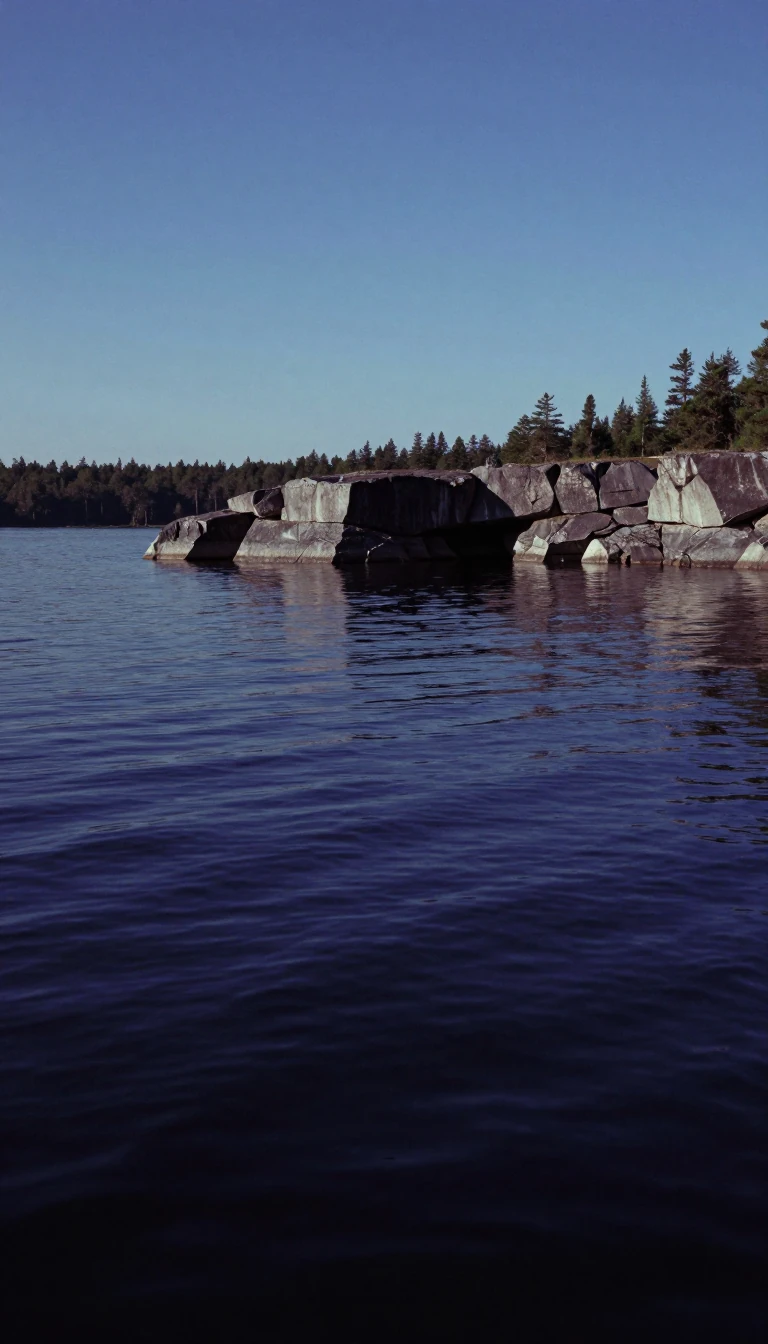 Deep in the Canadian wilderness lies rock that formed four billion years ago.The Acasta gneisses, found near Canada's Great Slave Lake, are among the oldest rocks on Earth. Radiometric dating places their formation between 4.0 and 3.9 billion years ago, of…
 How tectonic plates scrape off ocean floors to build entire mountain ranges and continents.When tectonic plates collide, they do not just slide past one another. Instead, they act like massive bulldozers, scraping marine sediments and oceanic crust off the seafloor. Thi…
 Why these inverted V-shaped rock folds are the world's most valuable geological structuresAnticlines are arch-like folds in Earth's crust that trap vast quantities of natural resources. By bending rock layers into specific shapes, these formations create the structural…
 Arsenate minerals are far more than just toxic rocks hidden in the earthWhile often associated with toxicity, arsenate minerals are a complex, diverse family of compounds. Classified alongside phosphates, these naturally occurring orthoarsenates exhib…
 How ripples and dunes reveal the hidden history of ancient river flowsBedforms are geological features formed where fluid meets a movable bed, like ripples on a river floor. By studying these structures, scientists can reconstruct ancient environmen…
 Biotite is the dark, layered mineral that makes up much of Earth's crust.Often called black mica, biotite is a common rock-forming mineral found in igneous and metamorphic environments. Its unique sheet-like structure allows it to be peeled into thin, …
 Boron is a rare, versatile element that can save lives and nourish the Earth.Comprising only 0.001 percent of the Earth's crust, boron is a quiet powerhouse. From essential plant nutrients that prevent crop rot to high-tech medical therapies that target br…
 Why do certain minerals appear together in rocks while others remain forever apart?The secret lies in the cooling of magma. As molten rock loses heat, minerals crystallize in a specific, predictable sequence known as Bowen's reaction series. This framework expla…
 How geologists use igneous rocks to build a precise timeline of Earth's historyChronostratigraphy is the scientific endeavor to organize the Earth's rock record into a coherent temporal sequence. By mapping the age of strata, researchers reconstruct the plan…
 How a simple corn field eruption created one of the world's most famous volcanoesCinder cones are the earth's most straightforward volcanoes, built from loose, gas-rich debris blasted into the air. These symmetrical, bowl-topped structures often appear suddenl…
 Why rocks split: Understanding the hidden planar architecture of the Earth's crustIn geology, cleavage is not just a single concept but a complex phenomenon describing how rocks deform under pressure. Whether it is the microscopic alignment of minerals or the l…
- When Earth's giant plates collide, they reshape our planet through a destructive dance.Convergent boundaries are the violent collision zones where Earth's lithospheric plates meet. Because our planet maintains a constant volume, the creation of new crust at ridges m…
 Cratons are the ancient, stable cores that hold our continents together for billions of years.Deep beneath the surface of our continents lie cratons, massive, stable slabs of rock that have survived eons of tectonic chaos. These ancient foundations possess deep, cold roots…
 Crocoite: The brilliant, toxic, and rare mineral that defined the element chromiumWith its striking hyacinth-red prisms and adamantine luster, crocoite is a visual marvel. Yet this mineral is more than a collector's prize; it is a chemical curiosity that led to…
 Diopside is a versatile mineral that acts as a thermometer for the Earth's mantleBeyond its role as a semi-precious gemstone, diopside is a critical geological tool. This monoclinic pyroxene mineral provides scientists with a window into the extreme temperatur…
 Why rocks flow like fluids deep beneath the Earth's surfaceDeep inside the crust, the rigid stone beneath our feet begins to behave like a flowing liquid. This transition from brittle fracturing to ductile deformation is governed by extre…
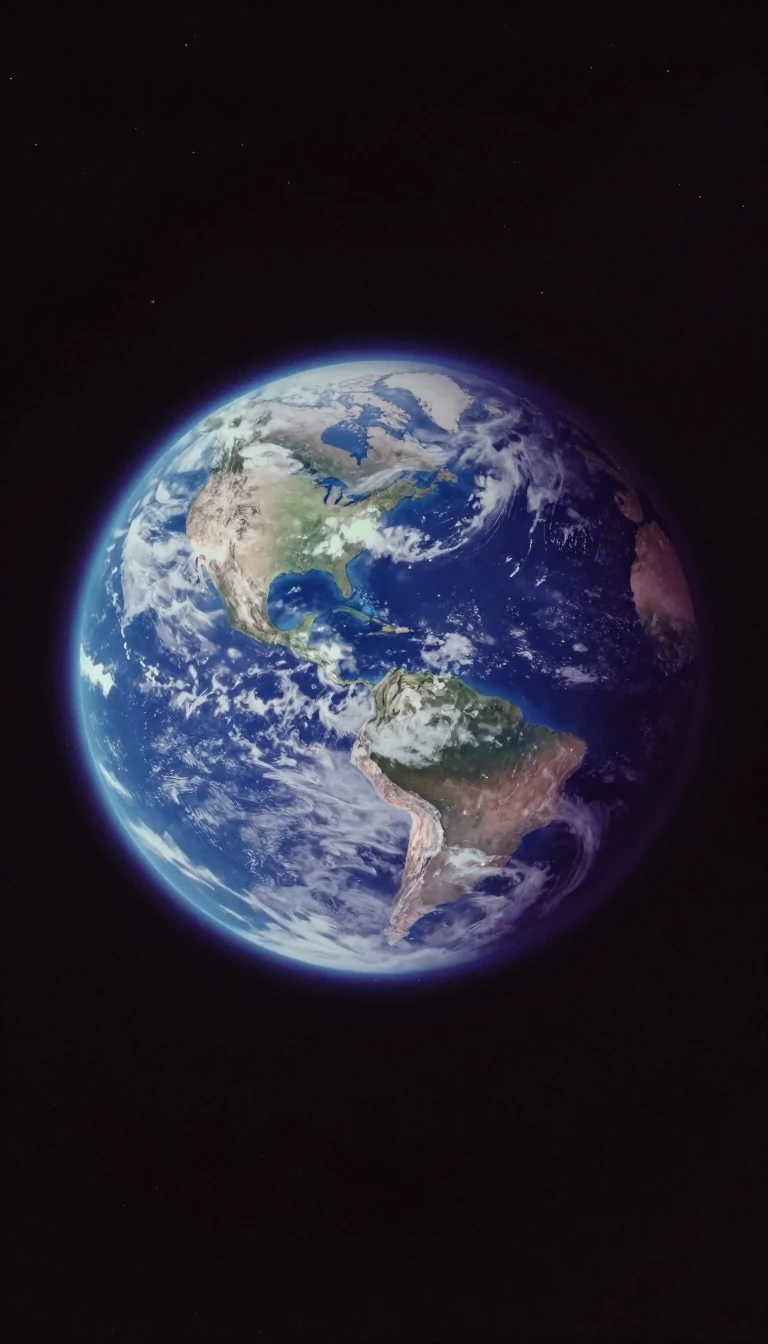 Why the Earth is not a sphere and how we measure its true shapeEarth is not a perfect sphere but an oblate spheroid, bulging at the equator due to its rotation. Geodesists use mathematical models called reference ellipsoids to map this shape.…
 How a simple swinging weight proved the Earth is spinning beneath our feetIn 1851, Léon Foucault invited scientists to witness the Earth turn. By suspending a heavy iron ball from a long wire, he created a pendulum that traced a shifting path, providing…
- Why rocks break: The hidden physics behind the planet's most common geological featuresFractures are more than just cracks in the Earth. They are complex, brittle deformations that dictate how water and hydrocarbons flow beneath our feet. From the hexagonal patterns…
- These volcanic vents are Earth's natural chimneys, sometimes signaling an eruption months in advance.Fumaroles are openings in the Earth's crust that exhale steam and volcanic gases without liquid or solid debris. While they often appear during the final stages of volcanic activi…
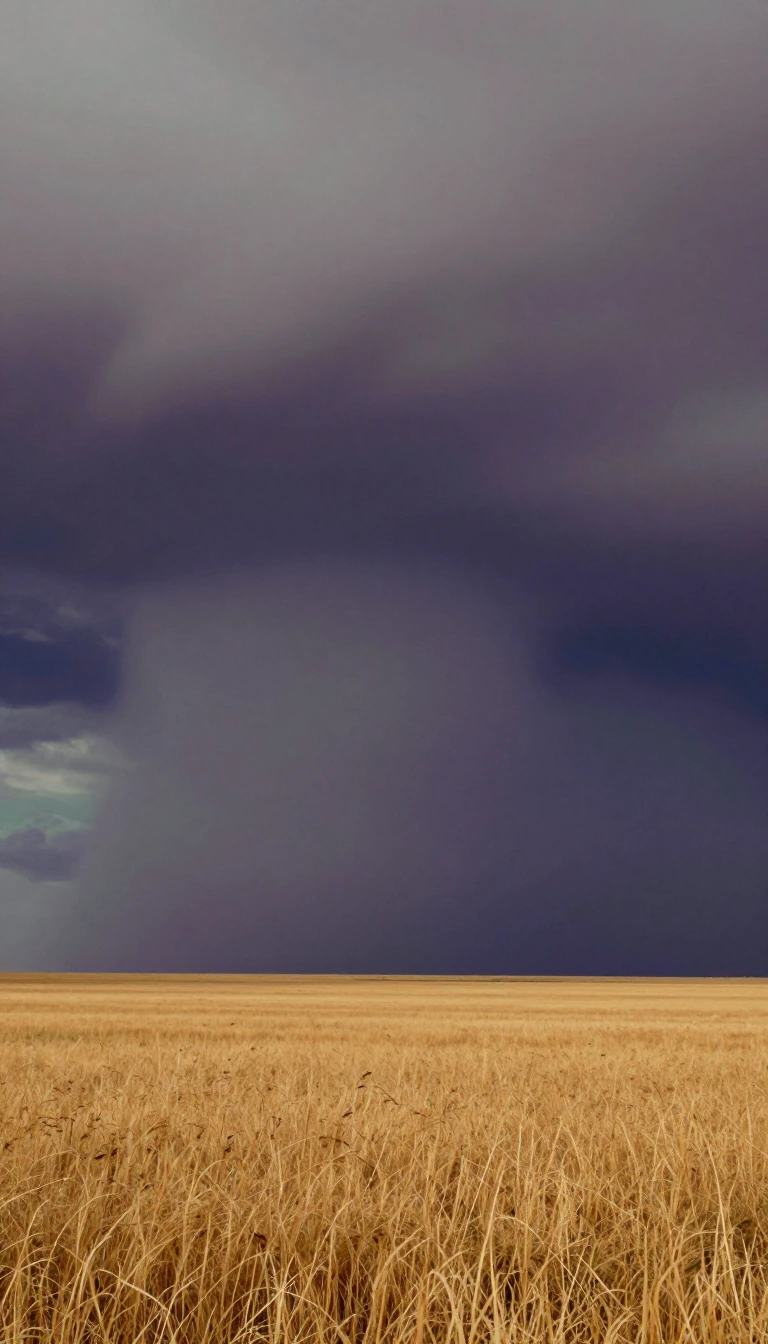 A funnel cloud is not a tornado, but it often signals one is coming.A funnel cloud is a tapered column of water droplets extending from a thundercloud base. While it outlines the core of a rotating vortex, it remains a visual phenomenon. If this c…
- How mantle convection shapes the Earth and other rocky planets across the solar systemGeodynamics explores the invisible forces driving our planet. By studying mantle convection, plate tectonics, and volcanic activity, scientists decode how the Earth reshapes itsel…
 Earth's atmosphere was once oxygen-free, and its rise remains a subject of intense debate.For billions of years, Earth was a planet without free oxygen. When it finally appeared, it triggered a global icehouse, fueled the rise of complex life, and sparked the first wil…
 Why the halo you see around your shadow is a private optical illusionIf you spot your shadow cast upon a cloud from an airplane or mountain, you might see a shimmering, multicolored halo encircling your head. This is a glory. Remarkably, if you are…
- The rock beneath our feet is the secret foundation of the continental crustGranodiorite is more than just a common building stone. It is the geological equivalent of the upper continental crust itself. Often mistaken for granite, this intrusive igneous r…
 Greenstone belts are the ancient, mineral-rich time capsules of Earth's earliest tectonic history.These geological formations, found on nearly every continent, act as windows into the Archean Eon. Named for the distinct green minerals created by intense heat and pressure, thes…
 Why this dark, gritty rock was once mistaken for ancient Egyptian basaltGreywacke is a mysterious, poorly sorted sandstone that defies standard geological rules by mixing mud, sand, and gravel in a single bed. Long a puzzle for scientists, this dark, …
 Why geologists group rock layers to map the history of the EarthIn the complex world of geology, a group is more than just a collection of rocks. It is a strategic classification of related formations that helps scientists organize vast landsc…
- Is that a tornado? Why a gustnado is actually a different beast entirelyA gustnado looks like a tornado, but it is a meteorological imposter. Born from the turbulent outflow of a thunderstorm rather than its updraft, these shallow vortices rarely conn…
 Hornfels: The tough, baked rock that rings like a bell when struckNamed for its resemblance to animal horns, hornfels is a dense, splintery rock forged by intense heat rather than pressure. These baked metamorphic stones are so durable and uniqu…
 Isotopes act as a planetary thermometer, revealing the secrets of Earth’s ancient history.By measuring tiny variations in atomic weight, geochemists turn rocks and fossils into precise time capsules. These isotopic signatures allow scientists to reconstruct ancient cli…
- This yellow mineral is a byproduct of zinc refining and a trap for Martian rovers.Jarosite is a brittle, yellow-brown sulfate mineral often overlooked by geologists due to its crumbly, earthy nature. While it forms naturally through the oxidation of iron sulfid…
 Why this ancient spotted stone is actually a record of Earth's oxygen historyJasper is more than a decorative gemstone polished for jewelry. This opaque, silica-rich rock preserves intricate patterns formed by volcanic ash and ancient sediments. More impor…
 Kimberlite is the violent, deep-earth elevator that brings diamonds to the surface.Diamonds are not born in kimberlite; they are merely accidental passengers. Formed deep within the Earth, these gems are carried upward by the most rapid and violent volcanic erup…
 This blue mineral acts as a geological compass for the Earth's deepest crustKyanite is more than just a striking blue crystal. Because it only forms under intense pressure, geologists use it as a high-stakes index mineral to map the history of metamorphic…
- Why these ground-up tornadoes often go undetected by even the most advanced weather radarUnlike classic supercell tornadoes that descend from rotating clouds, landspouts build from the ground up. These small, short-lived vortices form when surface winds collide and ar…
- Lava fields are not just barren rock but complex records of volcanic fluid dynamicsLava fields are vast, flat expanses of solidified basalt that stretch for hundreds of kilometers. Beyond their dark, imposing appearance, these landscapes act as geological archiv…
- Lava tubes are natural volcanic conduits that can stretch for dozens of kilometers underground.Beneath the surface of volcanic landscapes lie vast, hollow tunnels formed by rivers of molten rock. These geological structures, created when lava crusts over and drains away, ac…
 Limonite: The deceptive brown ore that shaped human history and modern batteriesOnce a humble pigment for Neolithic cave art, limonite is actually a complex mixture of iron minerals rather than a single species. This versatile material has served as a guide f…
 How geologists read the history of rock deformation through hidden linear patternsDeep within the Earth, rocks behave like molasses under pressure. By analyzing linear features known as lineations, geologists can reconstruct the violent forces that once stretch…
- Why the most destructive earthquake vibrations are named after a British mathematicianWhen an earthquake strikes, the shaking you feel most intensely is likely caused by Love waves. Named after A.E.H. Love, who mathematically predicted their existence in 1911, thes…
- Deep beneath the Earth, massive pools of molten rock wait for their moment to erupt.Magma chambers are hidden reservoirs of molten rock that fuel volcanic activity. By collecting magma rising from the mantle and crust, these chambers build internal pressure until…
 Why you cannot identify an earthquake's true scale until the shaking finally stopsWe often label earthquakes as they happen, but in seismology, the term mainshock is retrospective. You cannot definitively identify the largest event in a sequence until the entir…
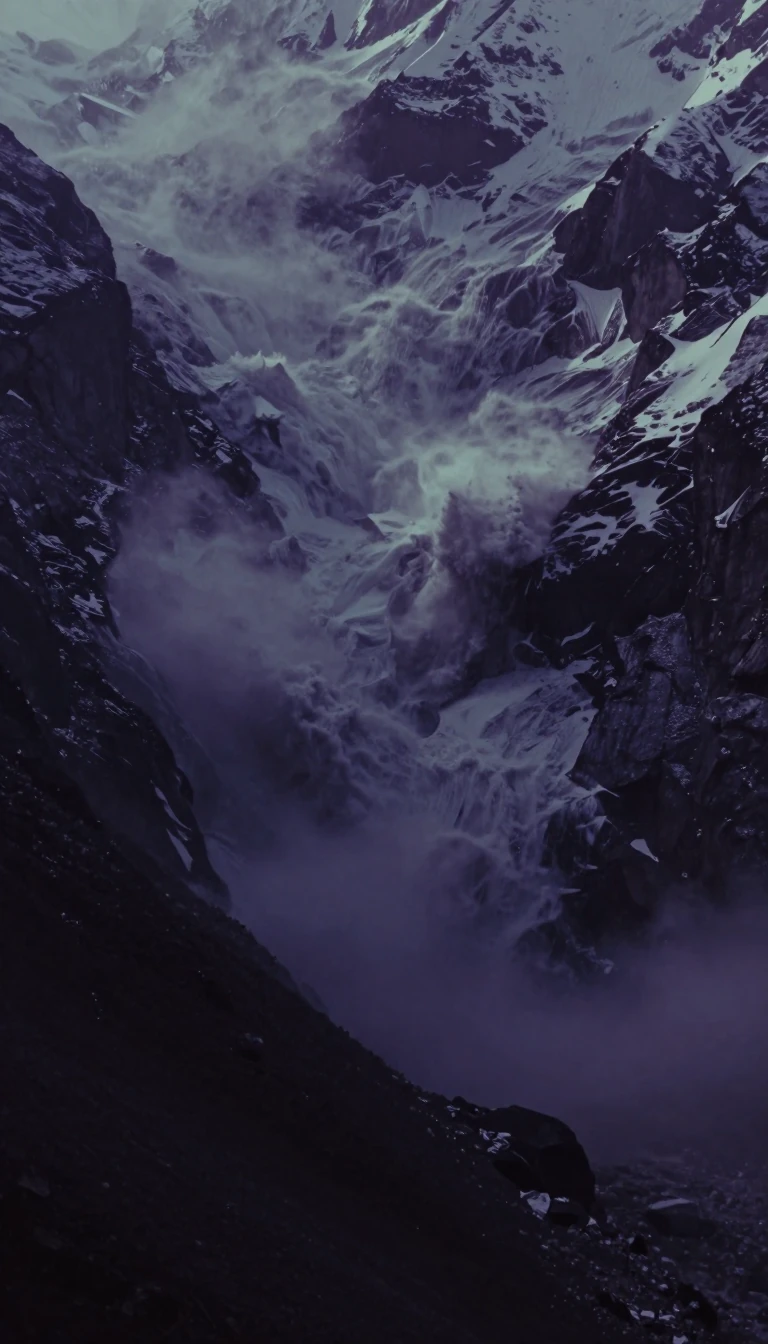 Megatsunamis are not just bigger tsunamis; they are a completely different physical phenomenon.While ordinary tsunamis are born from tectonic plates shifting on the ocean floor, megatsunamis are violent splashes caused by massive, sudden displacements of material. These eve…
- Migmatites are rocks caught in the act of transforming from solid to liquidDeep within the Earth's crust, extreme heat and pressure force rocks to partially melt. This creates migmatites, a strange hybrid of metamorphic and igneous material. These rocks …
 Why the Richter scale is a misleading relic for measuring the world's largest earthquakesWhile news reports frequently cite the Richter scale, it has been largely superseded by the moment magnitude scale. Developed in the 1970s, this modern method avoids the saturatio…
- Monazite crystals act as geological time capsules, preserving complex histories within their microscopic layers.Most minerals lose their internal clock when heated, erasing the record of past geological events. Monazite is different. Its exceptional thermal resistance and unique habit of gr…
 Mylonite: The deep-crustal rock forged by intense shearing, not mechanical millingContrary to its name, which implies a milling process, mylonite is not ground down by friction. Instead, these fine-grained rocks are the result of ductile deformation deep within…
- The Nazca plate is a geological powerhouse shaping the Andes and triggering massive quakesDeep beneath the Pacific Ocean, the Nazca plate races eastward at one of the fastest speeds of any tectonic plate. As it dives beneath South America, it fuels the rise of the Ande…
- The North American plate is not just a solid slab of moving rock.While we often imagine tectonic plates as monolithic rafts, the North American plate reveals a complex, shifting mosaic. From the gradual transition of its western boundary to mys…
- Why the deepest parts of our planet are actually its youngest geological featuresOcean basins span most of the Earth, yet they are transient landscapes constantly being recycled. While the planet is billions of years old, the seafloor is remarkably youthful. D…
- These tiny, egg-shaped stones are the secret building blocks of iconic architectureOolite, a rock formed from microscopic, spherical grains called ooids, is far more than a geological curiosity. These sugar-sized particles, born in turbulent, shallow waters, hav…
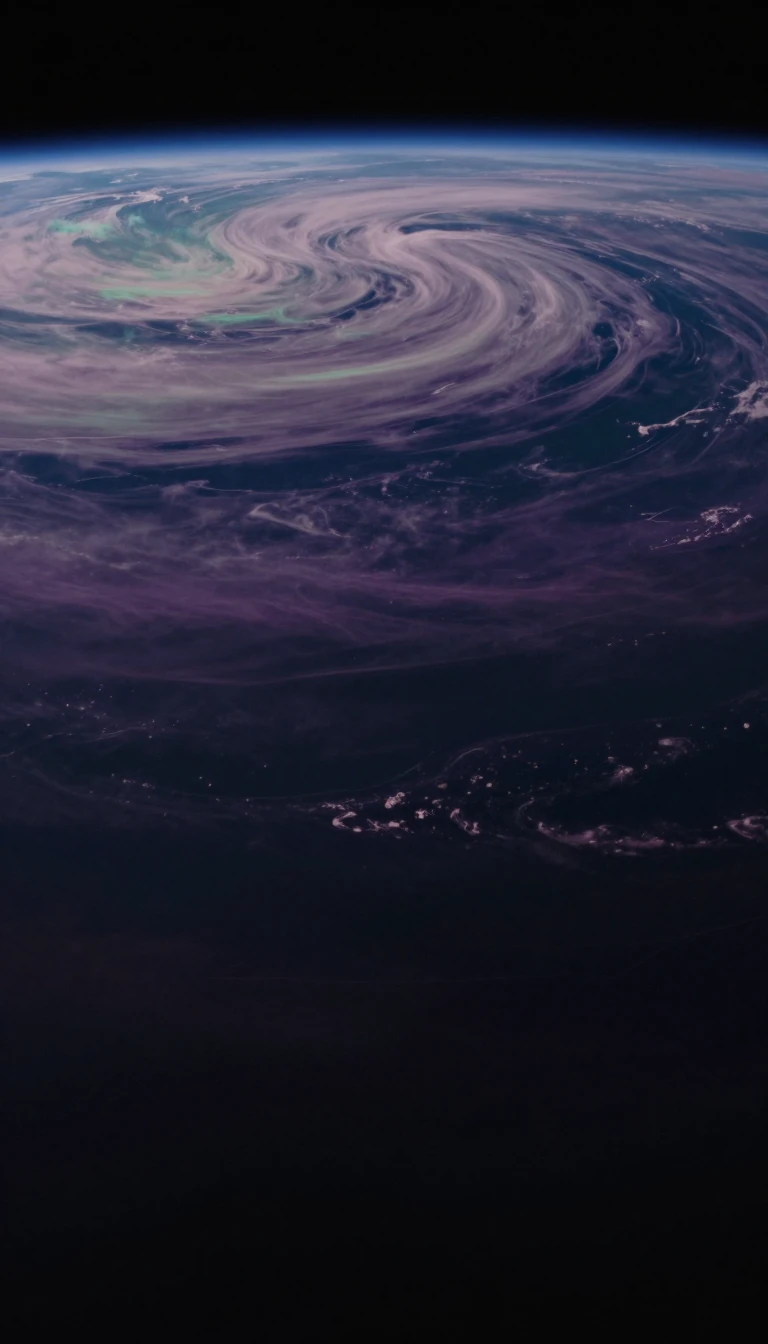 Earth stays cool by shedding invisible heat into the vastness of spaceEvery moment, our planet radiates invisible energy back into the cosmos. This process, known as outgoing longwave radiation, is the primary mechanism Earth uses to shed heat. By m…
 Oxide minerals are the earth's hidden building blocks, defined by their oxygen-packed structures.Beyond simple rust, oxide minerals form a vast, diverse class of inorganic compounds. They are defined by their unique structural reliance on close-packed oxygen atoms, housing me…
- Peridotite is the dense, green engine of the Earth’s mantle and a diamond host.Deep beneath our feet, peridotite dominates the upper mantle, acting as a primary source for the planet's most precious treasures. This coarse-grained, ultramafic rock is not just…
 Why this rare mineral is the primary source for the world's caesium supplyPollucite is a unique zeolite mineral that serves as the planet's most significant source of caesium. While often found in lithium-rich pegmatites, the vast majority of global res…
- Why the solid ground beneath your feet is actually mostly empty spaceWhat appears to be a solid rock is often a complex lattice of hidden voids. Porosity, the ratio of empty space to total volume, dictates everything from how oil migrates through t…
 Earth is home to 286 ancient nuclides that predate the formation of our planet.Primordial nuclides are the atomic survivors of the solar nebula. While most are stable, 35 are radioactive isotopes that have persisted for billions of years. These ancient remna…