 Intellect Plus
Nature
11,198 cards. Each one is a 40-second story with a five-minute read behind it. Page 104 of 187.
Subtopics: Ageing · Air · Animal behaviour · Animal breeds and hybrids · Animals · Arthropods · Atmosphere · Big cats · Bilateria, others · Birds · Botany · Cnidarians · Conservation · Coral reefs · Deep sea · Deserts · Dinosaurs · Earth science · Earth science and physical geography · Earth science basics · Earthquakes & tsunamis · Echinoderms · Ecology · Ecosystems · Endangered species · Extinct animals · Farming · Fish · Forests · Fungi · General classifications · Geology · Geomorphology · How Long Can It Live? · Ice · Individual animals · Insects · Lightning · Longevity · Mammals · Marsupials · Migration · Mollusks · Ocean · Organisms · Parasites · Physical geography · Plants · Porifera · Predators · Primates · Rainforest · Reptiles & amphibians · Researched · Sharks & rays · Spiders & arachnids · Symbiosis · Trees · UK & Ireland: nature · Vertebrates · Vision · Volcanoes · Water · Waves · Weather · Whales & dolphins · Zoology
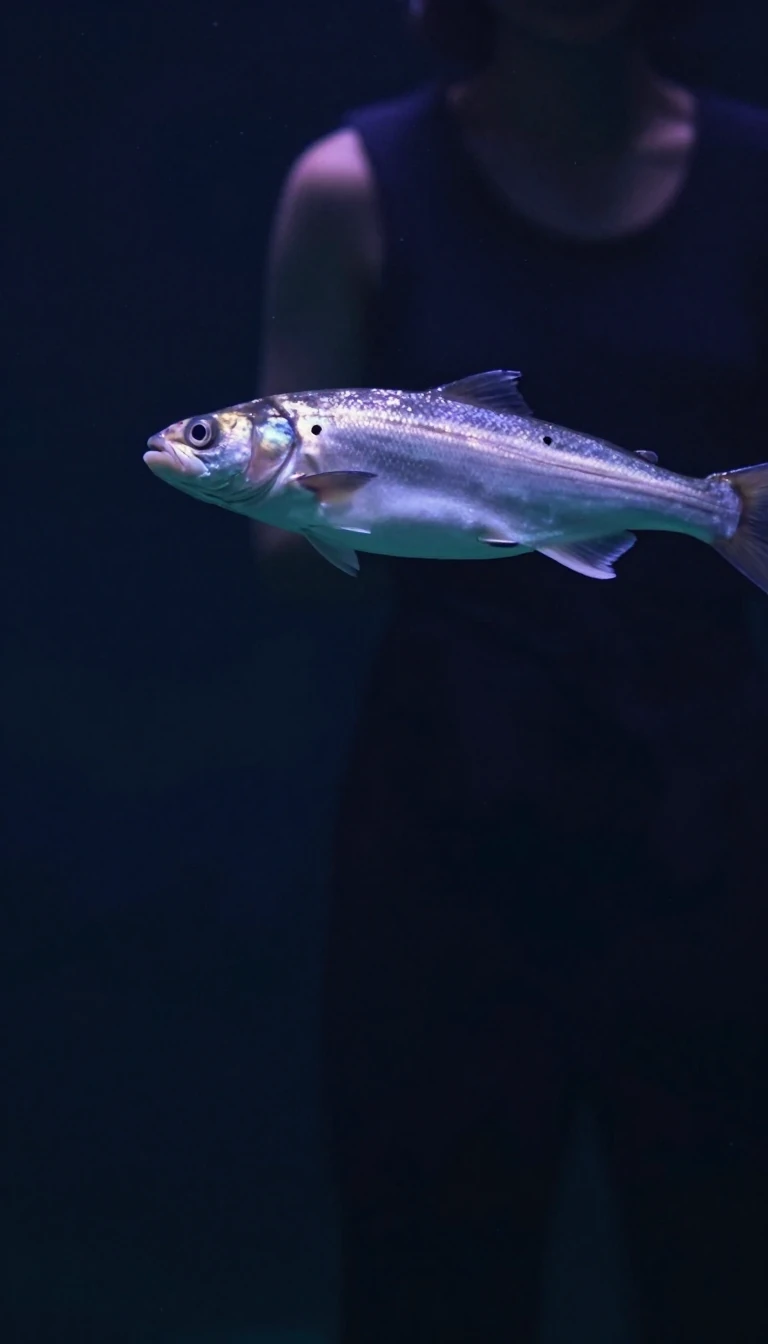 Why these mysterious gray dolphins are covered in a lifetime of white scarsRisso's dolphins are the ocean's most heavily scarred cetaceans. As they age, their dark skin fades to a ghostly white, etched with a permanent record of battles and encounters. T…
 River dolphins are not a single family but survivors of ancient marine invasions.River dolphins are not a uniform group of animals, but rather a collection of species that independently returned to freshwater environments millions of years ago. Though they sha…
 The kingfisher's brilliant blue feathers are actually a clever optical illusionThat flash of azure you see darting over a river is not pigment at all. Kingfisher feathers are structurally brown, but they scatter light to create their iconic blue appearance. …
 The elusive river shark: a predator that was once presumed extinctTrue river sharks of the genus Glyphis are among the most mysterious creatures in our waters. Often confused with the more common bull shark, these rare predators were thought to …
 The desert roadrunner is a master of survival, sacred symbolism, and high-speed hunting.Far from the cartoon caricature, the roadrunner is a formidable desert predator. These ground-dwelling cuckoos possess unique physiological adaptations for surviving extreme tempe…
 How these agile marsupials turned Australia's most rugged cliffs into a fortressRock-wallabies are masters of the vertical world, using specialized bodies to navigate treacherous boulder piles and steep gorges. While they appear to live in a serene, isolated …
 Why the rook is the most sociable and distinct member of the crow familyIdentifying all-black birds is notoriously difficult, but the rook hides a secret in plain sight. Unlike the solitary carrion crow, rooks are highly gregarious, living in complex,…
 How a colonial landmark in New South Wales gave these colourful parrots their nameThese vibrant Australian parrots are known as rosellas, but the moniker has nothing to do with roses. The name evolved from a geographic accident involving early settlers who spot…
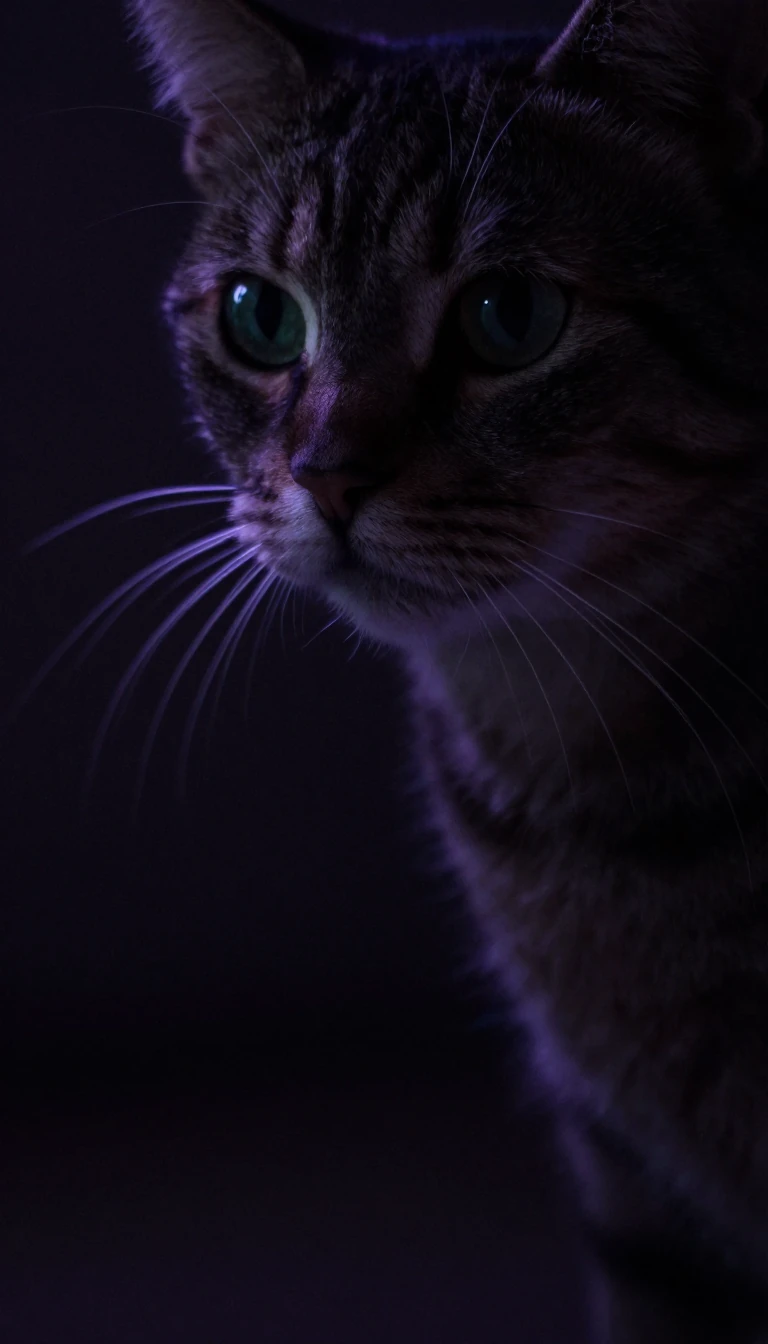 The rough-skinned newt is locked in a lethal evolutionary arms race with garter snakes.This unassuming Pacific Northwest amphibian packs enough neurotoxin to kill several adult humans. Yet, it faces a singular predator: the common garter snake. Through a process of …
 Why these tiny, wing-folding predators are the secret architects of your garden's healthRove beetles are among the most diverse and ancient insects on Earth, yet they often go unnoticed. With their distinctive short wing-cases and flexible, scorpion-like abdomens, th…
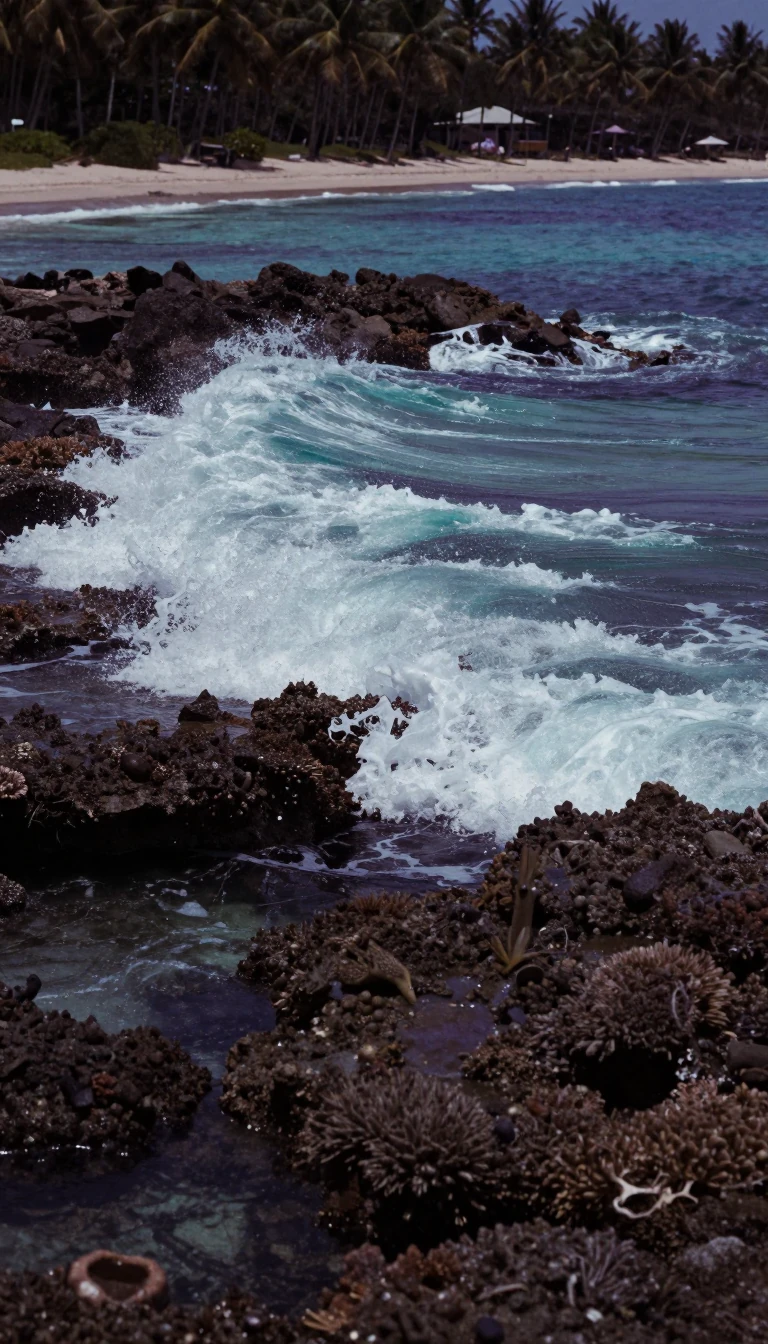 These bizarre, cone-shaped mollusks once dominated the world's ancient tropical reefsBefore corals reclaimed the seas, the Cretaceous oceans were ruled by rudists. These strange, tube-like bivalves built massive, sprawling reefs that stretched for hundreds of kilo…
 The Ruff bird displays an almost infinite variety of flamboyant, individual breeding plumage patterns.Male Ruffs are famous for their outlandish, shaggy neck ruffs and head tufts during breeding season. No two males look quite the same, with researchers documenting hundreds of dis…
 The world's largest pollinators are not bees or birds, but these fluffy, arboreal primates.Ruffed lemurs are an evolutionary enigma, blending the size of a large primate with reproductive traits typically found in small, nocturnal animals. Beyond their unique nesting ha…
 The tiny rufous hummingbird is North America's most aggressive and wide-ranging avian traveler.Weighing as little as two grams, the rufous hummingbird is a pugnacious powerhouse. It breeds further north than any other hummingbird species, stretching from California to Alask…
- The bird with a lopsided beak that hunts by slicing through the waterThe genus Rynchops, or skimmers, are the only birds on Earth with uneven bills. By flying low over water with their elongated lower mandibles slicing the surface, they catch fish …
 The saber-tooth design evolved seven separate times across 270 million years of historySaber-toothed predators are not a single family, but a recurring evolutionary solution to hunting. From Permian therapsids to the iconic Smilodon, diverse groups independently dev…
 Are sailfish truly the ocean's fastest sprinters, or is that a marine myth?Long celebrated as the fastest creatures in the sea, sailfish were once thought to hit speeds of 80 mph. Recent research suggests a more modest reality, revealing that these billf…
- Meet the shore bugs: tiny predators that thrive where the ocean meets the landSaldidae, commonly known as shore bugs, are resilient insects that dominate the margins of our waterways. Ranging from two to eight millimeters in length, these oval-shaped predat…
 Despite their jelly-like appearance, these creatures are actually closer to humans than jellyfish.Salps are often mistaken for jellyfish, but they are actually complex chordates with hearts, brains, and digestive tracts. As some of the fastest-growing multicellular animals on …
 These armored giants were the last of the great sauropods to roam the EarthSaltasauridae were a widespread family of Cretaceous herbivores, famous for their unique defensive armor and massive size. While most sauropods relied on sheer scale, these creatu…
 When danger strikes, these flat sea urchins clone themselves to survive the threatSand dollars are more than just bleached beach souvenirs. These burrowing echinoderms possess a remarkable survival mechanism: when larvae sense the mucus of a predatory fish, the…
 The sand tiger shark is the only shark that gulps air to float motionless.With a mouthful of jagged, protruding teeth, the sand tiger shark looks like a nightmare. Yet, this docile predator is famous for a strange, buoyant trick: it gulps air at the sur…
 Was the prehistoric giant Sarcosuchus actually a specialized hunter of massive dinosaurs?Sarcosuchus, a colossal crocodyliform from the Early Cretaceous, once prowled the wetlands of North Africa and Brazil. While often compared to the modern Nile crocodile, new biome…
 Are turtles actually reptiles? The shifting definition of the clade known as SauriaThe term Sauria has undergone a dramatic scientific transformation. Once a simple label for lizards, it now represents the crown group of all living reptiles, including birds and …
 The sawshark uses its serrated snout as both a sensory array and a weapon.Equipped with a long, tooth-edged rostrum and sensitive barbels, the sawshark is a master of the ocean floor. While often confused with sawfish, these sharks are distinct predator…
- Before birds ruled the skies, some dinosaurs experimented with bat-like membranous wings.While we often associate dinosaurs with feathers, a strange group called Scansoriopterygidae took a different path. These small, tree-dwelling theropods evolved unique membranous …
 The first complete dinosaur skeleton ever found remained a mystery for 160 yearsDiscovered in the 1850s, the armoured Scelidosaurus was the first complete dinosaur skeleton ever identified. Yet, for over a century, it lacked a proper scientific description. O…
 How a tiny insect architect can bring down a multi-million dollar jet engineMud daubers are solitary wasps known for their precise, mud-molded nests. While generally non-aggressive toward humans, their habit of building cylindrical homes in sheltered crev…
 Meet the spricket: a tiny, whip-tailed predator hiding in your garden soilSmaller than a fingernail, these arachnids are masters of the shadows. Known as schizomids, they navigate the dark using sensory legs instead of eyes. Despite their delicate, soft…
 Chicago’s famous rat hole was never a rat, but a squirrel in disguiseA viral sidewalk imprint in Chicago, long celebrated as a gritty symbol of the city’s rodent problem, has been debunked by science. Researchers using comparative anatomy and digit…
 A tiny Scottish fossil finally reveals the mysterious origins of the first flying reptilesFor over a century, the identity of Scleromochlus was a paleontological puzzle. Was it a dinosaur, a crocodile ancestor, or something else? New microcomputed tomographic scans of …
- Are blind snakes truly primitive, or did they evolve their subterranean lifestyle later?For decades, scientists assumed that the ancestors of all snakes were burrowers with poor vision. Recent genetic analysis of scolecophidians—the group known as blind snakes—challe…
 The Amazonian giant centipede is a predator capable of hunting bats and small miceGrowing over 30 centimetres long, the Scolopendra gigantea is the world's largest centipede. This formidable carnivore thrives in tropical forests, where it uses potent venom and …
 Why the world's most common owl genus spent a century in taxonomic confusionScops owls are masters of camouflage, but their evolutionary history has been anything but clear. For decades, scientists struggled to distinguish these Old World birds from their…
 The Scorpaenidae family hides a masterclass in evolutionary defense and invasive ecological dominance.Scorpionfish are far more than just bottom-dwelling rockfish. From the venomous, zebra-striped lionfish to the masters of camouflage, this diverse family of marine predators uses …
- The deep-sea pig that walks on tube feet across the ocean floorMeet the sea pig, a translucent, balloon-like creature that roams the abyssal plains. Unlike most sea cucumbers, this species uses specialized tube feet to walk across the seafloo…
 Why these bulky South American birds are the ultimate feathered security guardsScreamers are large, marsh-dwelling birds that look like unlikely cousins to ducks. While they lack the full webbing of their waterfowl relatives, they possess a unique defensive …
 The house centipede is a misunderstood predator that keeps your home pest-freeWith its 15 pairs of long legs and rapid, darting movements, the house centipede often triggers alarm. Yet, this Mediterranean native is a highly efficient hunter of household pes…
- This massive Permian reptile wore a suit of armor to survive its own ecosystemScutosaurus was a heavy, barrel-chested reptile that roamed the Permian landscape over 250 million years ago. Covered in bony plates and sporting a spiked skull, this creature fac…
- Catsharks are not cats, but these bottom-dwelling predators possess some truly bizarre survival strategies.Catsharks, or Scyliorhinidae, are a diverse family of ground sharks found in oceans worldwide. While they are generally harmless to humans, they employ fascinating tactics to surv…
 True jellyfish are ancient, cup-shaped predators that have thrived since the Cambrian period.Known as Scyphozoa, these marine animals are not fish but complex invertebrates. They lack skeletons, brains, and organs, yet they dominate the world's oceans. By utilizing a gela…
 The sea apple is a colorful, shape-shifting filter feeder that can weaponize its own body.Found in Indo-Pacific waters, the sea apple is a striking sea cucumber that survives by filtering plankton through feathery tentacles. When threatened, this creature can perform a…
 Why the mighty sea eagle is often nicknamed the flying barn doorThe white-tailed eagle is the UK’s largest bird of prey, boasting a massive wingspan and a distinctive, wedge-shaped tail. Known for their opportunistic hunting and scavenging, th…
- Why the sea krait is a master of both land and oceanOften mistaken for true sea snakes, sea kraits are a unique semi-aquatic group. While they possess paddle-like tails for efficient swimming, they have retained the broad belly sca…
 The ancient vampire fish that accidentally collapsed a massive North American fishing industryThe sea lamprey is a primitive, jawless predator that has haunted Atlantic waters for eons. While native to the ocean, its accidental introduction into the Great Lakes via human-m…
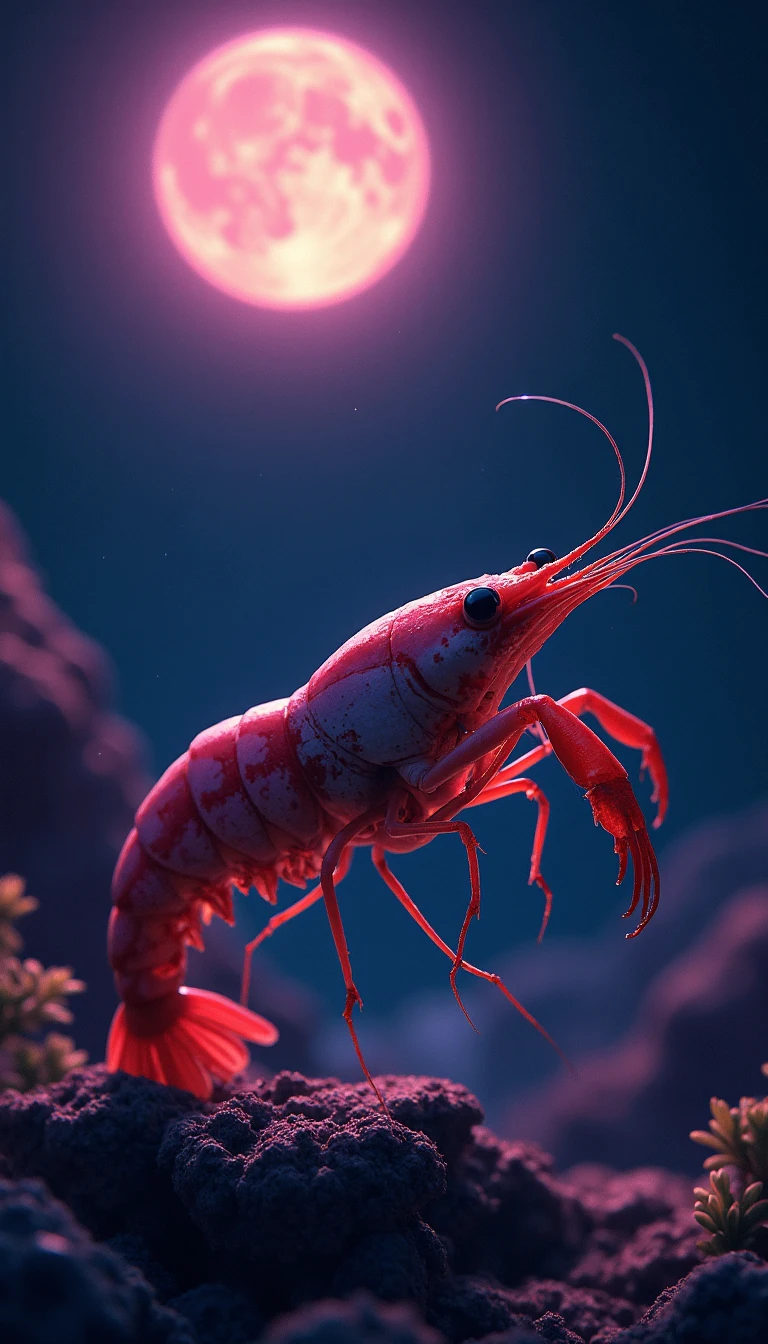 The comic book creatures that are actually resilient, space-faring, dormant-state crustaceansMarketed as humanoid pets in 1960s comic books, Sea-Monkeys are actually brine shrimp. While the illustrations promised cartoonish figures, the reality is a fascinating biological…
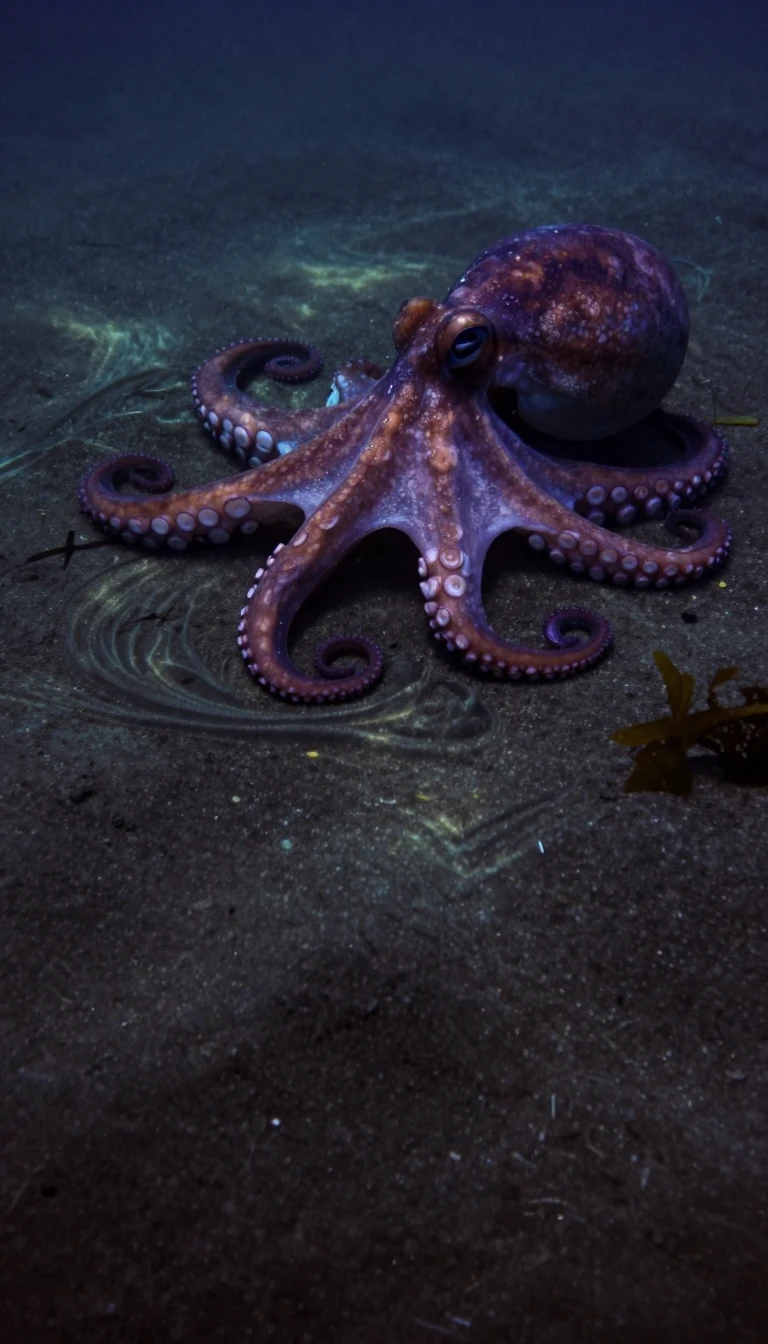 These glowing, quill-shaped colonies are actually sophisticated, multi-polyp organisms anchored in the deep sea.Named for their resemblance to antique writing instruments, sea pens are not single animals but complex colonies of specialized polyps. These cnidarians thrive in soft mud, using …
 Sea slugs are not a single species but a diverse collection of shell-less snailsOften mistaken for simple creatures, sea slugs are a fascinating, varied group of marine gastropods. From solar-powered slugs that photosynthesize to those that weaponize the stin…
 Sea snails are not a single species but a diverse group of marine mollusks.Sea snails are far more than just shells on a beach. These marine gastropods inhabit environments from shallow intertidal zones to the deepest ocean floors. While they share a com…
- This bizarre, crochet-like fish walks across the seafloor to save energy while hunting.Deep beneath the waves off the coast of Chile, researchers recently discovered a strange, bright red creature that resembles a piece of yarn-work. Known as a sea toad, this fish u…
 Why the name rockfish is a misnomer for this diverse group of marine predatorsRockfishes are not cod, despite their common moniker. These marine fish, belonging to the Scorpaenidae family, are defined by their spiny, compressed bodies and venomous fins. Fou…
- Why plants evolved to hitchhike, float, and bribe animals to move their offspringPlants are immobile, yet their survival depends on escaping the shadow of their parents. To avoid competition for sunlight and resources, they have engineered a sophisticated arra…
 Gray langurs are highly adaptable primates that thrive from Himalayan peaks to urban centers.These resilient Old World monkeys inhabit diverse environments, ranging from arid deserts to bustling Indian cities. While often recognized for their gray coats and black faces, t…
- The Seriema is the last living relative of the prehistoric terror birdsThese long-legged, ground-dwelling birds of South America are the closest modern kin to the extinct, massive predators known as terror birds. While they possess the ability to fly…
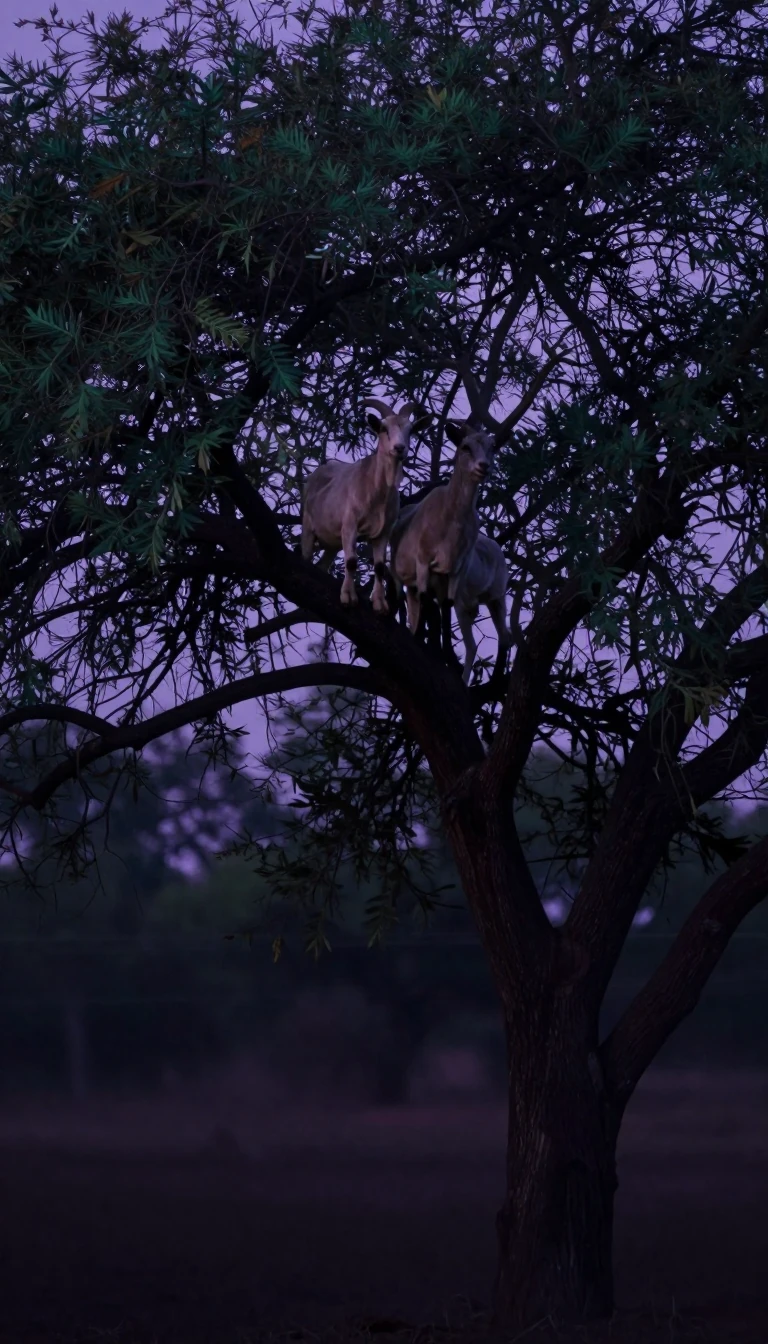 The elusive goat-antelopes that thrive from tropical forests to high Himalayan mountain peaksSerows are mysterious, goat-like mammals that navigate diverse Asian landscapes, from sea level to 4,000 meters. These solitary, territorial creatures are notoriously difficult to…
 Was this ancient creature a reptile or an amphibian? The answer is both.For decades, paleontologists hailed Seymouria as one of the world's earliest reptiles. Its robust limbs and lizard-like skeleton suggested a life spent entirely on land. Yet, the …
 This Triassic reptile was a delta-wing glider long before humans took to the skies.Sharovipteryx mirabilis, a small reptile from the Triassic period, defied evolutionary norms by evolving a wing membrane attached to its hind limbs rather than its front. This uni…
 The ancient sea pest that changed history finally reveals its secret digestion methodFor centuries, shipworms have dismantled wooden fleets and harbor structures, leaving scientists baffled by their ability to consume wood. While researchers long assumed their gut…
- Shonisaurus: The Triassic Giant That Redefined Our Understanding of Ancient Marine PredatorsShonisaurus was once imagined as a rotund, toothless wanderer of the Late Triassic seas. New research reveals a different reality: a sleek, macrophagous predator with a deep body …
 The elusive short-eared dog is a solitary, semi-aquatic enigma of the Amazon rainforestDeep in the Amazon basin lives the short-eared dog, a rare canid that defies typical pack behavior. With partly webbed paws and a mysterious, solitary lifestyle, this animal remai…