 Intellect Plus
Nature
11,198 cards. Each one is a 40-second story with a five-minute read behind it. Page 102 of 187.
Subtopics: Ageing · Air · Animal behaviour · Animal breeds and hybrids · Animals · Arthropods · Atmosphere · Big cats · Bilateria, others · Birds · Botany · Cnidarians · Conservation · Coral reefs · Deep sea · Deserts · Dinosaurs · Earth science · Earth science and physical geography · Earth science basics · Earthquakes & tsunamis · Echinoderms · Ecology · Ecosystems · Endangered species · Extinct animals · Farming · Fish · Forests · Fungi · General classifications · Geology · Geomorphology · How Long Can It Live? · Ice · Individual animals · Insects · Lightning · Longevity · Mammals · Marsupials · Migration · Mollusks · Ocean · Organisms · Parasites · Physical geography · Plants · Porifera · Predators · Primates · Rainforest · Reptiles & amphibians · Researched · Sharks & rays · Spiders & arachnids · Symbiosis · Trees · UK & Ireland: nature · Vertebrates · Vision · Volcanoes · Water · Waves · Weather · Whales & dolphins · Zoology
 Why animals and humans alike are obsessed with the ritual of personal groomingGrooming is far more than a simple hygiene routine. From birds waterproofing their feathers to flies following a strict, hard-coded sequence of cleaning, it is a fundamental biolo…
 Meet Peteinosaurus, the tiny, winged lizard that challenges our understanding of early flightLiving 218 to 215 million years ago, Peteinosaurus was among the earliest and smallest pterosaurs ever discovered. With a wingspan as small as 60 centimeters, this insect-eating c…
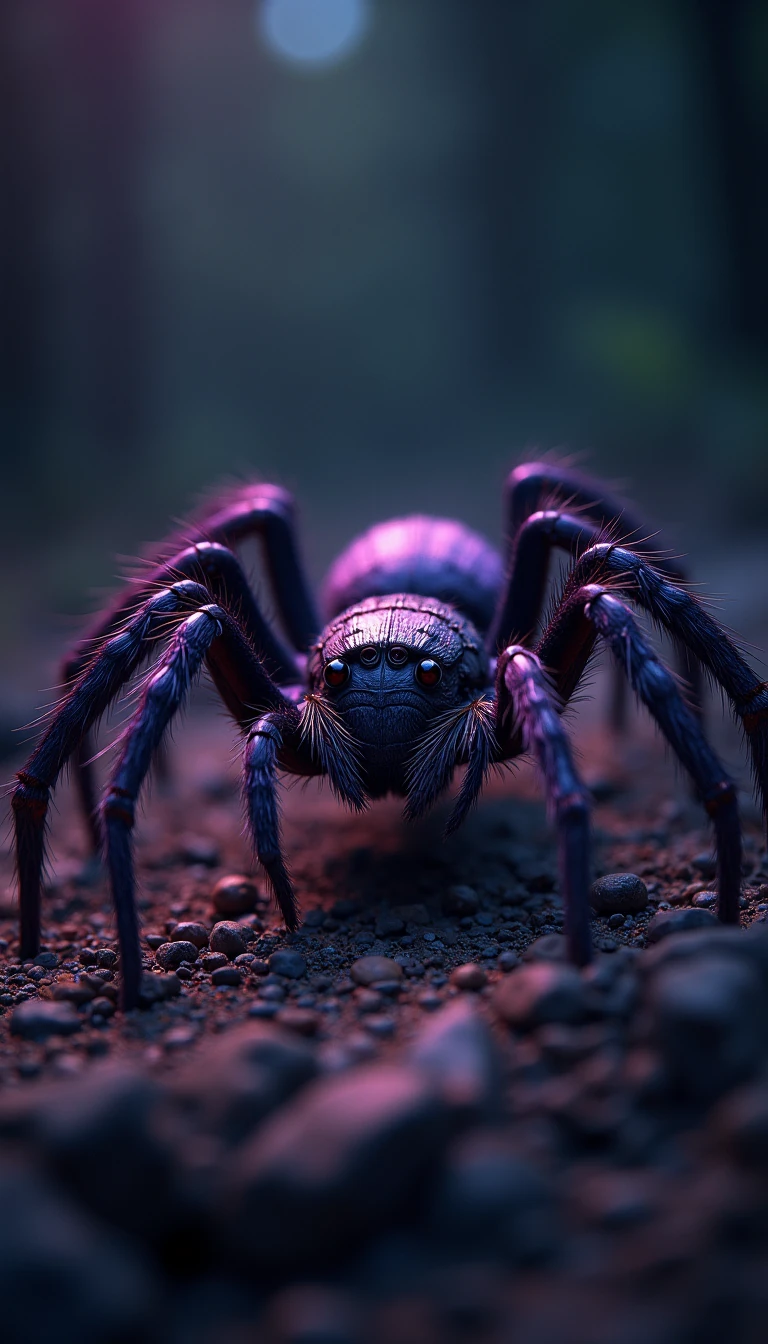 The mysterious extinct arachnids that once thrived in ancient coal-forming forestsPhalangiotarbida were a successful order of arachnids that vanished millions of years ago. Though they left behind a rich fossil record in coal measures across Europe and North Am…
 In the world of phalaropes, the females are the aggressors and the males are caregivers.These small, slender-necked shorebirds defy standard avian norms. While most birds follow traditional gender roles, phalaropes are defined by reversed sexual dimorphism and serial…
 Why the tiny, golden pharaoh ant is a master of global indoor dominationBarely two millimeters long, the pharaoh ant has conquered the world by turning buildings into fortresses. Unlike most insects, these ants thrive in central heating, form cooperat…
 The pheasant is a master of survival that has conquered the global landscapeBeyond their striking plumage, pheasants are resilient survivors that have adapted to environments far from their native Eurasia. These long-tailed game birds employ complex socia…
 The Philippine eagle is a legendary apex predator that once shaped the archipelago's creation.Known as the haribon or bird king, this critically endangered raptor is the world's longest eagle. Beyond its physical dominance, the species is deeply woven into Philippine folkl…
- The cellar spider is a master of defense, mimicry, and potential medical innovation.Commonly known as the daddy long-legs, Pholcus phalangioides is a misunderstood predator. While often dismissed as a mere house guest, this spider employs sophisticated vibration-…
 The Brazilian wandering spider is a master of camouflage, stealth, and lethal defensive displays.Known as the murderess of the jungle, the Phoneutria genus is famous for its wandering habits and potent venom. While often misidentified in banana shipments, these spiders are ge…
 The horseshoe worm is a biological enigma that has baffled scientists since 1846.These small, tube-dwelling marine invertebrates are rarely seen, yet they carpet shallow ocean floors in thousands. Despite their simple appearance, they possess a complex, U-shap…
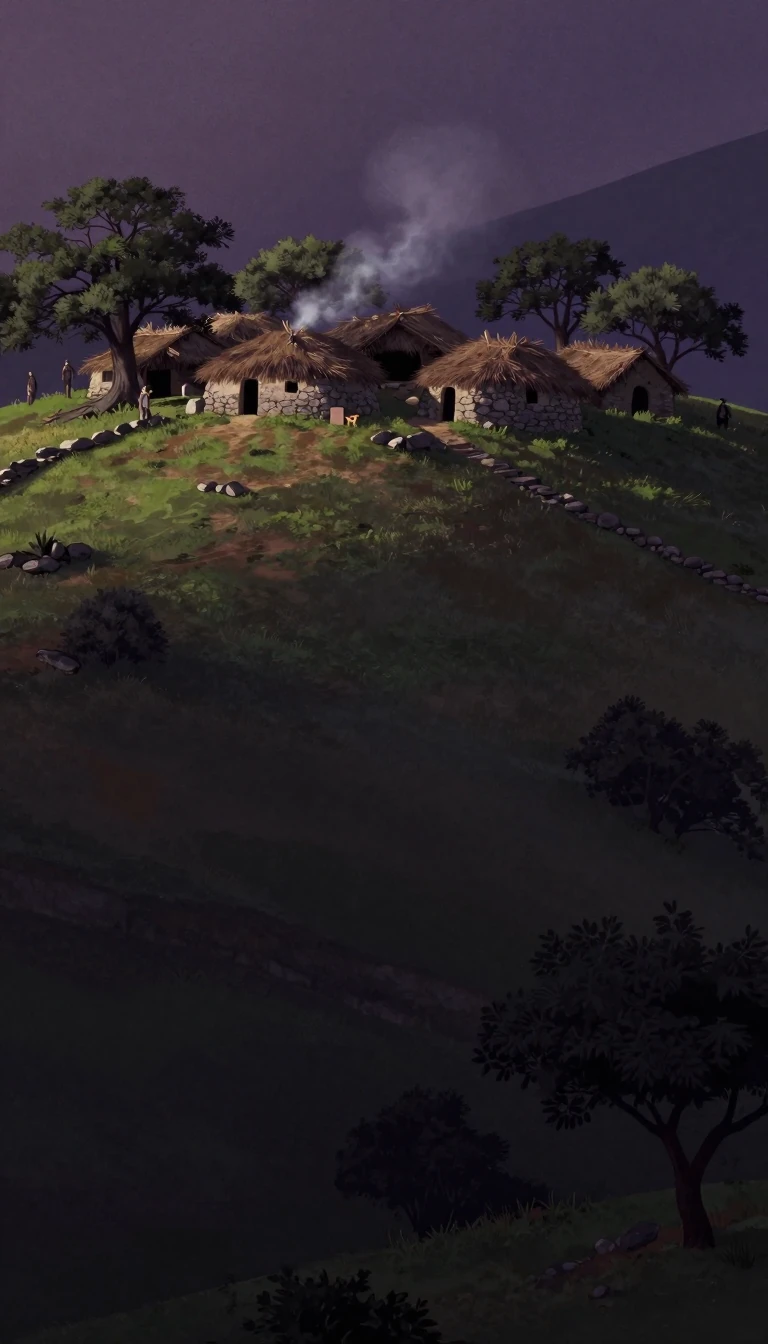 Terror birds were not just nightmares; they were the apex predators of the Cenozoic.Colloquially known as terror birds, the Phorusrhacidae were a family of flightless, carnivorous giants that dominated the Americas for millions of years. Far from simple scavenger…
 Terror birds were not just monsters; they were the apex predators of Miocene ArgentinaStanding nearly two meters tall with a lethal, hooked beak, Phorusrhacos dominated the grasslands of South America millions of years ago. Once mistaken for a giant, toothless slot…
 Leaf insects are not just masters of disguise; they are an evolutionary puzzle.Leaf insects, or Phylliidae, are the ultimate masters of camouflage, masquerading as foliage with such precision that predators often fail to detect them. While stick insects mimi…
- Why the woodpecker's architectural habits are essential for the survival of other forest birdsThe order Piciformes includes woodpeckers, toucans, and honey guides, comprising about 450 species worldwide. While these birds are known for their specialized beaks and insect-ea…
 Is this tiny, 505-million-year-old creature the ancestor of all humans?Deep in Canada’s Burgess Shale lies Pikaia gracilens, a small, eel-like animal that has sparked a century of scientific debate. Once dismissed as a simple worm, this fossil is now…
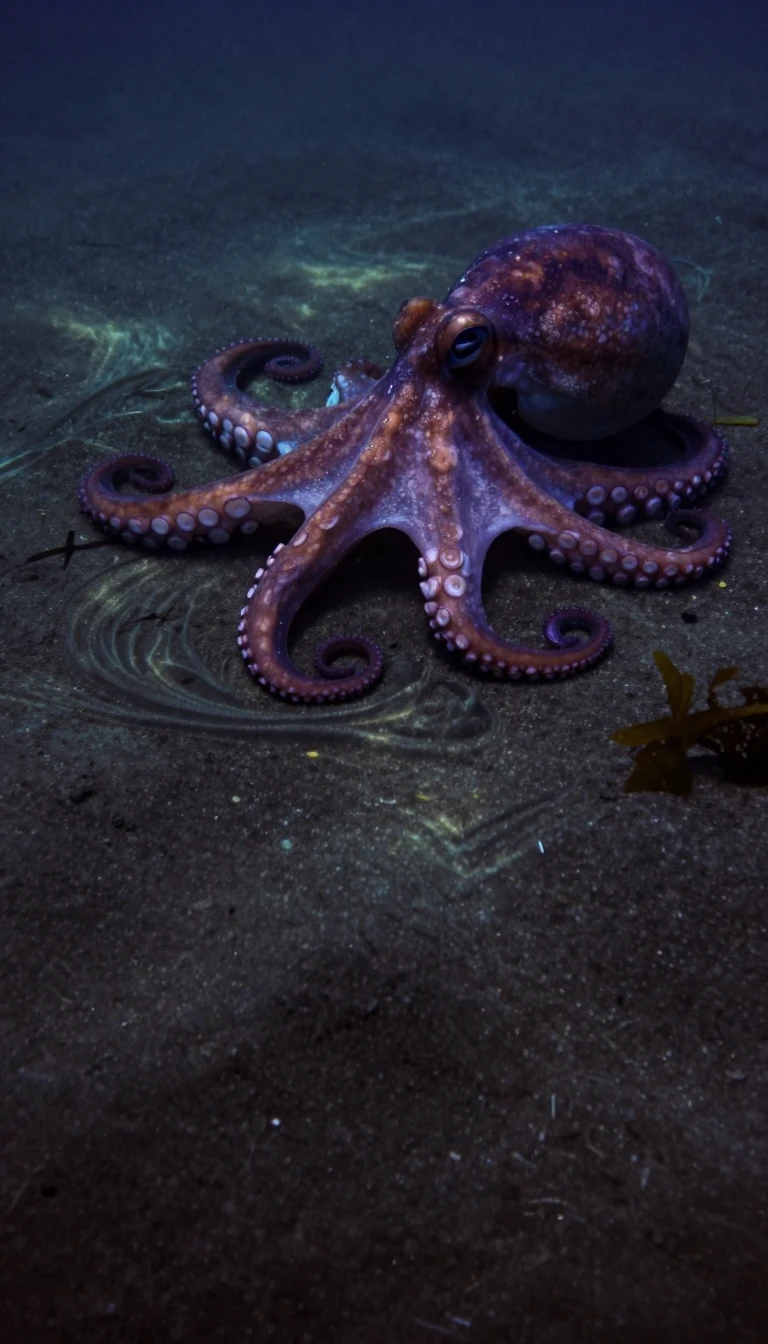 Why these tiny armored creatures are masters of evolutionary mimicryAt a glance, the pill millipede looks like a common roly-poly, but this resemblance is a masterclass in convergent evolution. Despite sharing a defensive strategy and a name, thes…
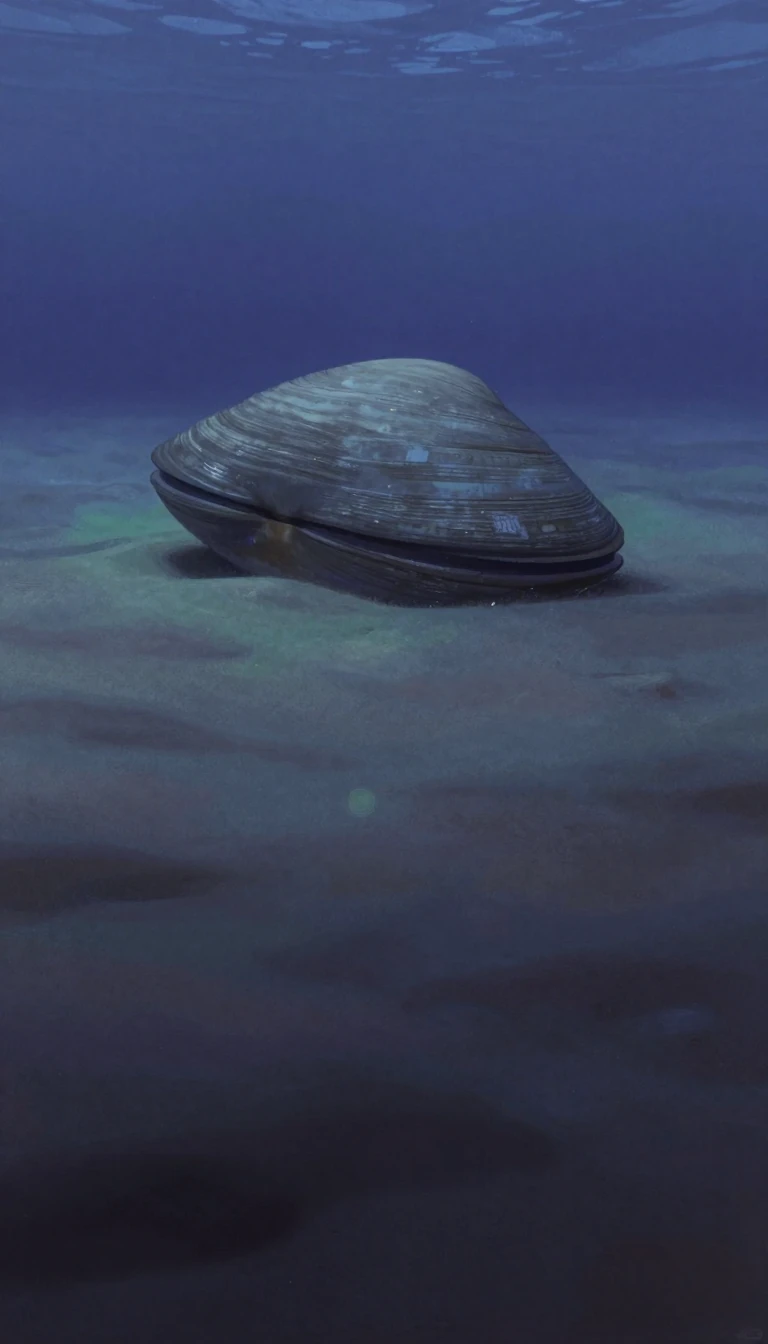 The fragile sea clam that once clothed the ancients in golden silkKnown as pen shells, the Pinnidae family of saltwater bivalves are far more than mere seafood. These triangular mollusks anchor themselves into the seafloor, producing a unique by…
- Why these drab, ground-dwelling birds are masters of global survivalPipits are the ultimate avian generalists, thriving on every continent except Antarctica. Though they appear as unremarkable, streaky brown birds, these insectivores have evolved …
 How pit vipers use a sixth sense to hunt in total darknessPit vipers possess a remarkable biological superpower: infrared-sensing pits located between their eyes and nostrils. This sixth sense allows these venomous snakes to detect the b…
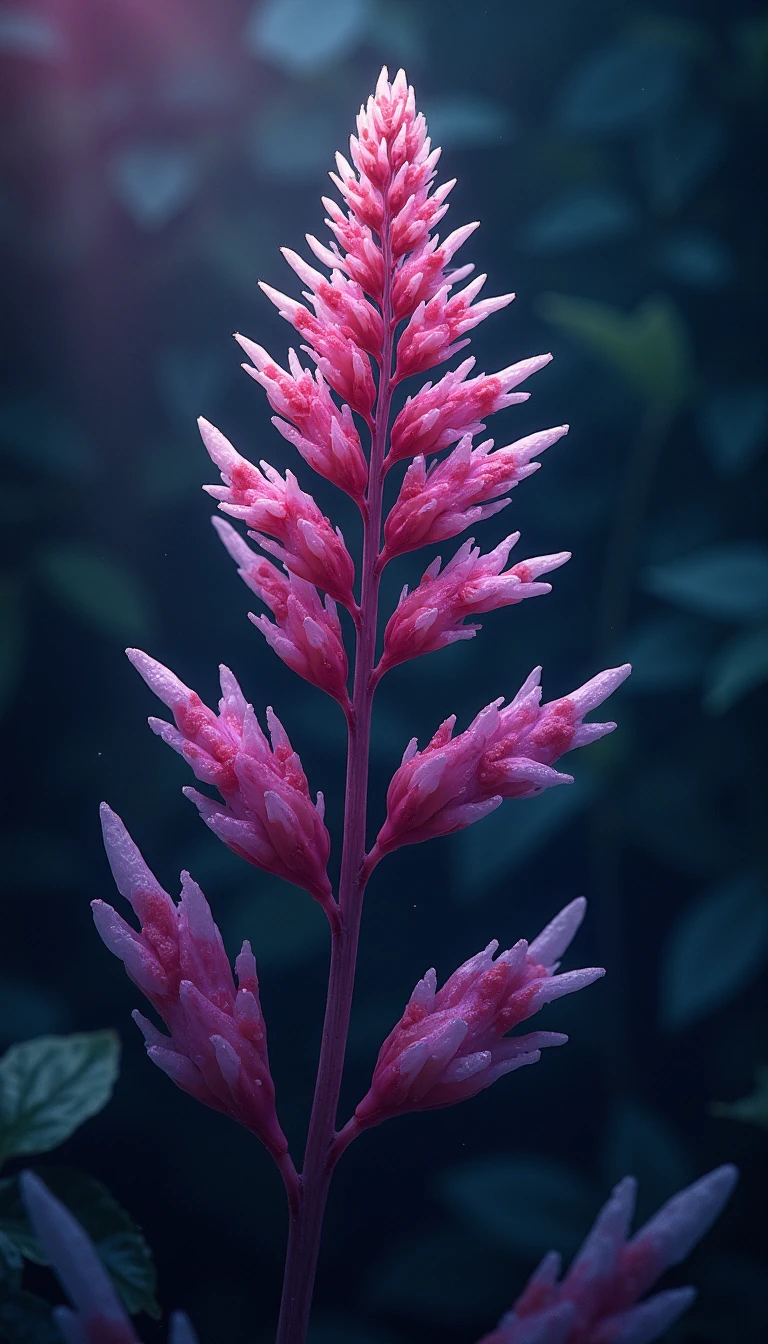 Pitcher plants are not just insect traps; some are sophisticated toilets for mountain mammals.Pitcher plants thrive in nutrient-poor soils by turning the tables on the food chain. While most use nectar to lure insects into a watery grave, some have evolved to trade digesti…
 The barrel-bodied giant that roamed the Triassic landscape like a prehistoric hippopotamusBefore the age of dinosaurs fully took hold, the dicynodont Placerias dominated the landscape. Weighing up to a ton, this herbivore navigated the Late Triassic with a barrel-shape…
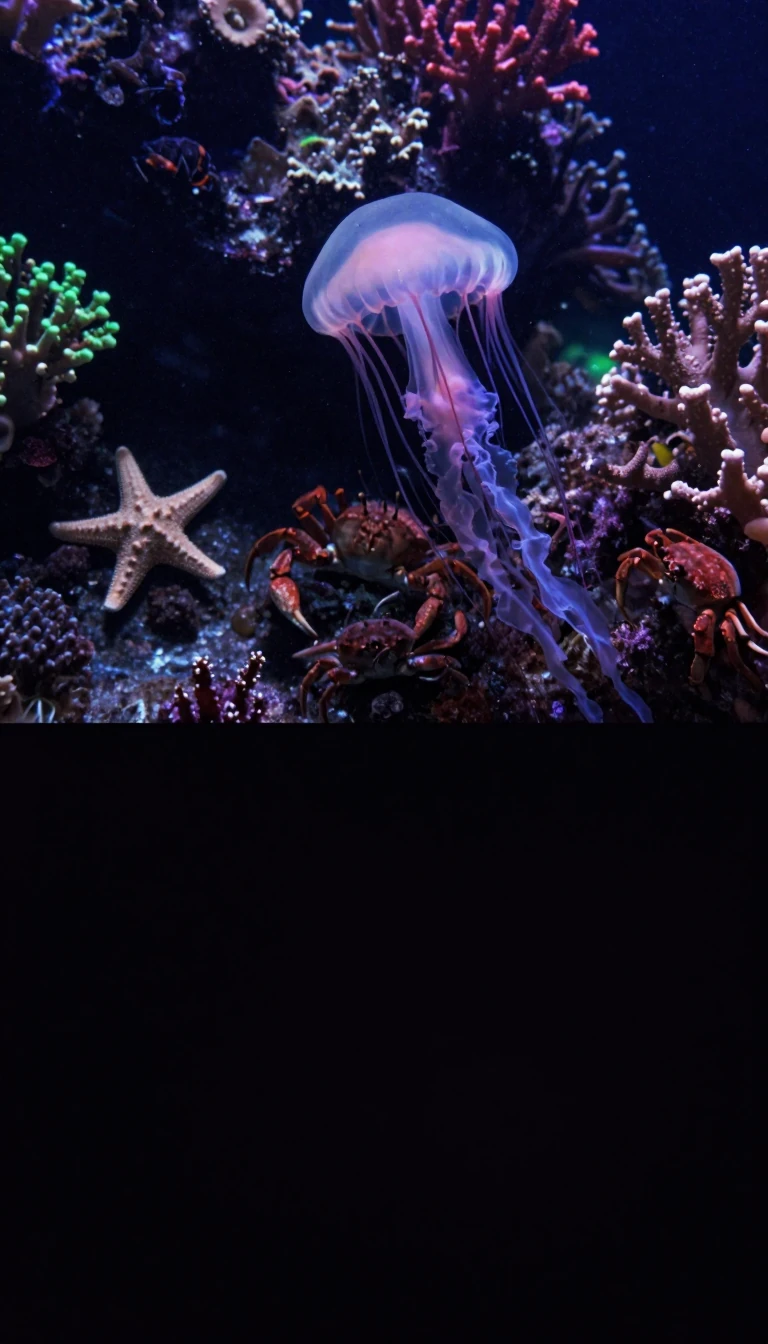 These Triassic marine reptiles evolved unique metabolic strategies to survive in shallow watersPlacodonts were specialized marine reptiles that dominated Triassic seas by crushing shells with massive, flat teeth. While their heavy armor and dense bones made them clumsy swim…
- Plants are engaged in a constant, invisible chemical war for their very survivalPlants are not passive victims; they are active combatants in a sophisticated biological arms race. Pathogens deploy enzymes, toxins, and hijacked hormones to breach cellular defe…
 The tiny insect that evolved a functioning mechanical gear to master the jumpPlanthoppers are masters of camouflage, often resembling leaves to hide in plain sight. But beneath their unassuming exterior lies a feat of biological engineering: juvenile plant…
 The Batfish: Why This Flat Reef Dweller Is Often Misidentified and MisnamedThe Platax genus, commonly known as batfish, features disc-shaped bodies that have confused taxonomists for centuries. From being mistaken for freshwater angelfish to sharing thei…
- The Swabian Lindwurm: How a Misunderstood Dinosaur Redefined Our View of Ancient LifeLong dismissed as a clumsy, lizard-like creature, Plateosaurus was actually a sophisticated, obligate biped. Once shrouded in taxonomic chaos and conflicting reconstructions, this…
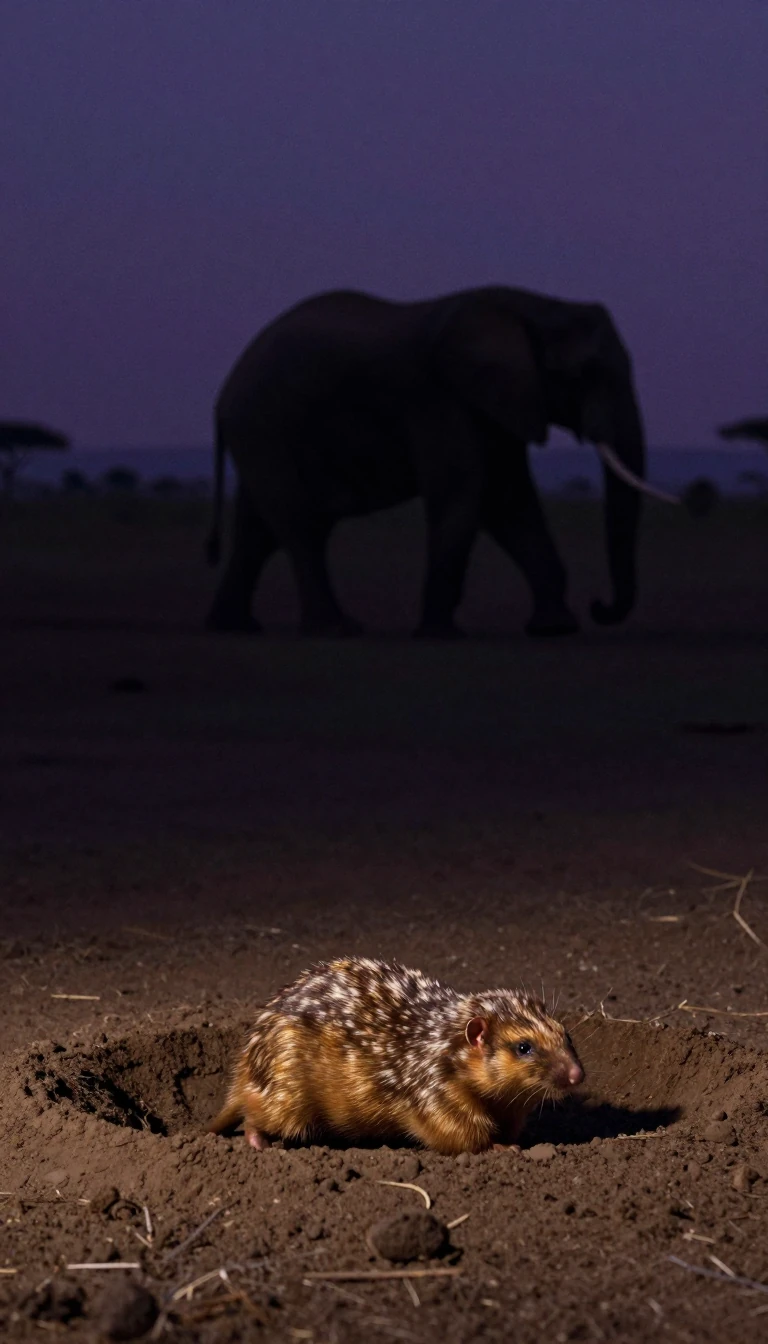 Did this prehistoric elephant relative really use its jaw as a giant shovel?Platybelodon, an extinct proboscidean, is famous for its bizarre, spoon-shaped lower jaw. While early researchers imagined it scooping up swamp plants, modern analysis reveals a m…
- Why the famous Cretaceous ichthyosaur Platypterygius is actually a scientific wastebasketFor decades, paleontologists dumped diverse Cretaceous ichthyosaur fossils into the genus Platypterygius, creating a false illusion of a single, global species. Modern analysis re…
 Stoneflies are ancient, delicate insects that serve as nature's own water quality sensors.Stoneflies, known scientifically as Plecoptera, are among the most primitive winged insects on Earth. These fascinating creatures spend most of their lives underwater as nymphs, a…
 The prehistoric marine reptile that was never a swan-necked surface swimmerPlesiosaurs are often depicted as graceful, swan-like creatures arching their long necks above the waves. Science suggests this is impossible. These ancient marine predators were …
- Plesiosaurs were not dinosaurs, but they ruled the oceans for 140 million years.Often mistaken for dinosaurs, these marine reptiles were actually distant cousins that thrived in the open ocean. While land-dwelling dinosaurs faced extinction, plesiosaurs survi…
- The world's most successful salamanders breathe entirely through their own moist skinLungless salamanders, or Plethodontidae, are a biological paradox. Despite lacking lungs, they are the largest and most diverse family of salamanders on Earth. By mastering cutane…
- Meet the ancient, snake-like marine reptiles that thrived in the Jurassic seas of EuropeLong before modern snakes evolved, a unique family of sphenodontian reptiles took to the water. Known as Pleurosauridae, these creatures traded their limbs for elongated, serpenti…
- How did the sea murderers evolve their massive, bone-crushing skulls and apex-predator bodies?For 80 million years, pliosaurids dominated Mesozoic oceans as apex predators. Known as sea murderers, these reptiles evolved massive skulls and robust teeth to hunt. While their …
 The Northern Pacific once hosted flightless seabirds that looked and acted exactly like penguins.Known as Plotopteridae, these extinct birds dominated the Northern Hemisphere from the Eocene to the Miocene. While they shared a striking, penguin-like appearance and underwater …
 The Ringed Plover is a master of beachside romance and high-stakes theatrical deception.To win a mate, the male Ringed Plover performs elaborate dances and builds intricate nest scrapes. Once eggs are laid, these birds become brilliant actors, feigning broken wings t…
- The Gooty sapphire tarantula is a rare, blue-haired wonder from the forests of India.Deep in the deciduous forests of Andhra Pradesh, a striking, cobalt-colored spider hides in tree hollows. Known as the Gooty sapphire tarantula, this critically endangered arachni…
- Bearded dragons can perceive illusions and even experience temperature-dependent sex reversal in the egg.These Australian reptiles are far more complex than their spiny, docile reputation suggests. Beyond their iconic throat-inflating displays, bearded dragons possess a unique resist…
 Why the fish on your plate might be hiding under a different namePollock is a versatile whitefish that has quietly become a staple in kitchens worldwide. Often marketed as a sustainable alternative to cod or haddock, this marine fish hides behi…
- Did these ancient marine reptiles evolve short necks twice to conquer the prehistoric seas?Polycotylids were once thought to be close relatives of pliosaurs due to their short necks and elongated skulls. However, modern research suggests they are actually derived plesio…
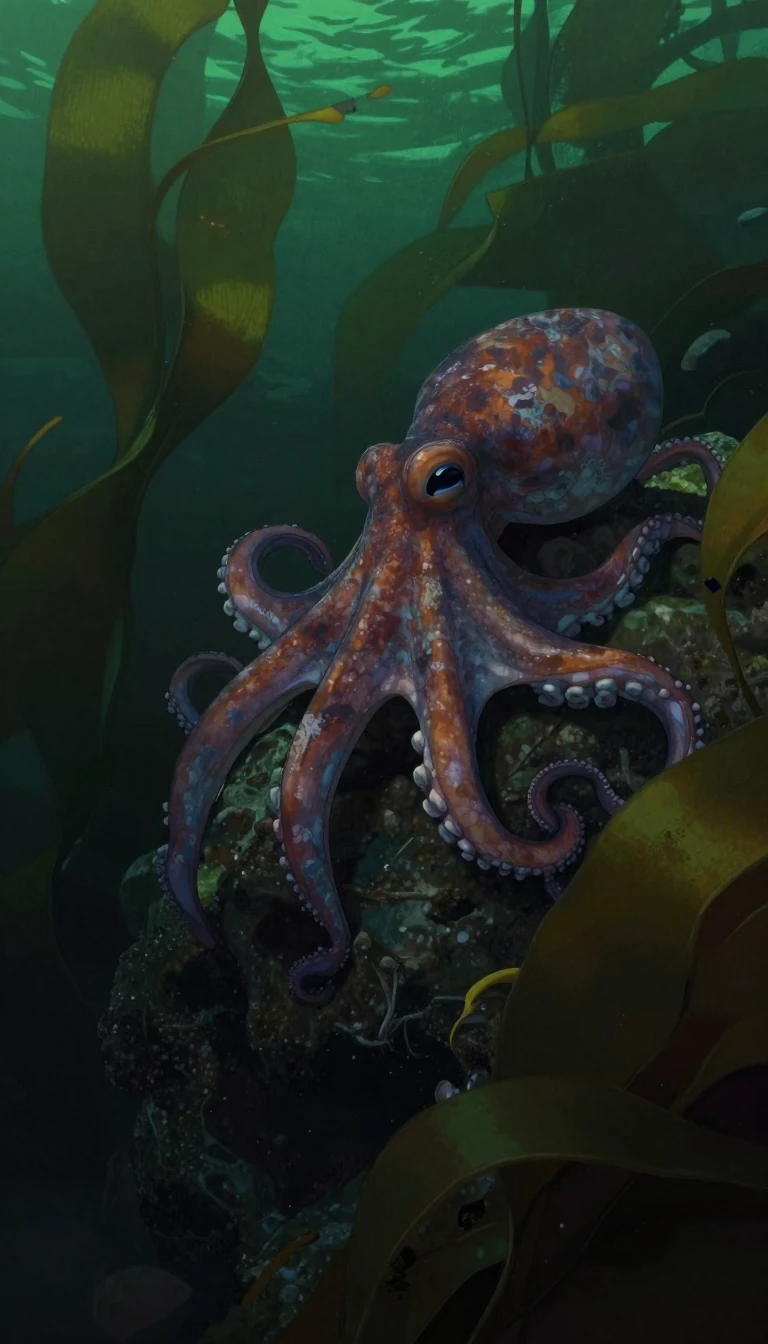 The polyp is a master of survival, anchoring life across half a billion years.As one of two primary body forms in the phylum Cnidaria, the polyp is a sessile, cylindrical architect of the ocean floor. While often overshadowed by the free-swimming medusa, th…
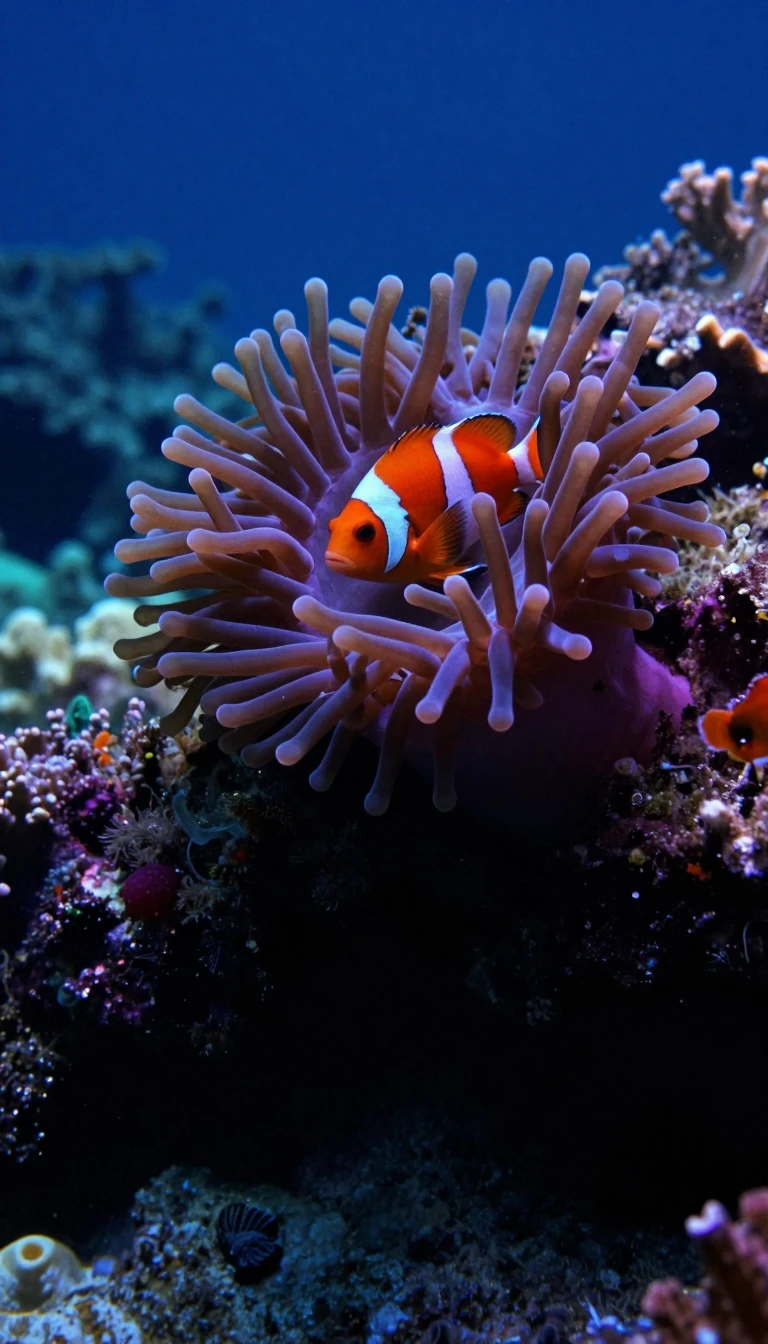 The elusive pomfret is a global wanderer hiding in plain sight on your platePomfrets are a diverse group of scombriform fish found across the world's major oceans. While they are prized as a culinary delicacy with distinct white meat, the name itself is a…
 The Triassic reptiles that were mistaken for dinosaurs for nearly a centuryPoposauroidea was a diverse group of pseudosuchians that evolved striking similarities to dinosaurs, including bipedal movement and open hip sockets. Because of these convergent t…
 The porcelain crab is not a true crab, despite its convincing disguiseIf you lift a rock on a shoreline and see a crab scurrying away, you might be fooled. Porcelain crabs are masters of convergent evolution, having evolved to mimic the shape of tru…
 Why this shy, spiky fish is the ocean's most formidable inflatable predatorThe porcupinefish is a master of transformation. By swallowing water, this solitary nocturnal hunter expands its body and erects sharp, modified scales to deter predators. While i…
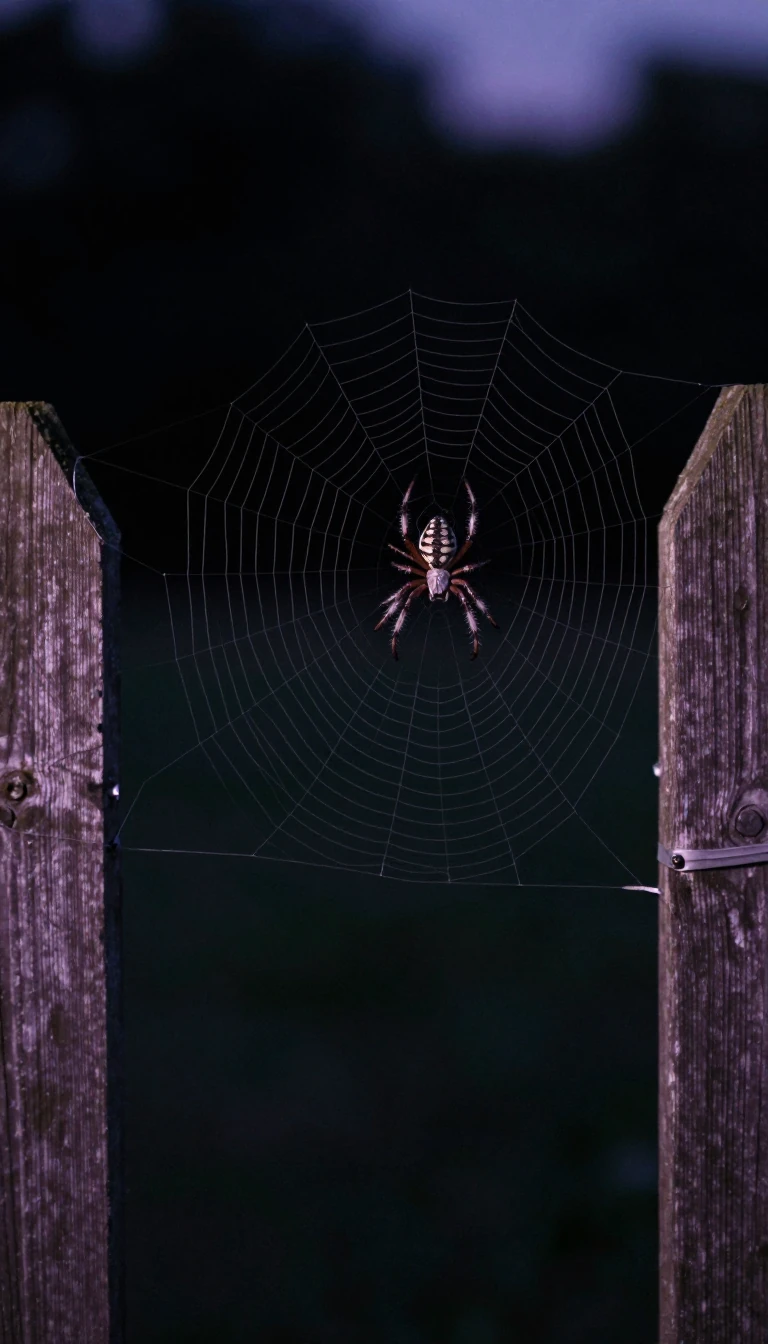 The eight-legged cat that hunts with the tactical genius of a lionPortia labiata is a medium-sized jumping spider that defies typical arachnid behavior. Rather than relying on simple instinct, these spiders use trial and error to solve complex p…
- This tiny spider solves complex tactical puzzles with a brain smaller than a pinhead.The Portia spider is an arachnophagic genius, capable of learning, planning, and problem-solving. Despite possessing fewer than 100,000 neurons, it executes elaborate hunting stra…
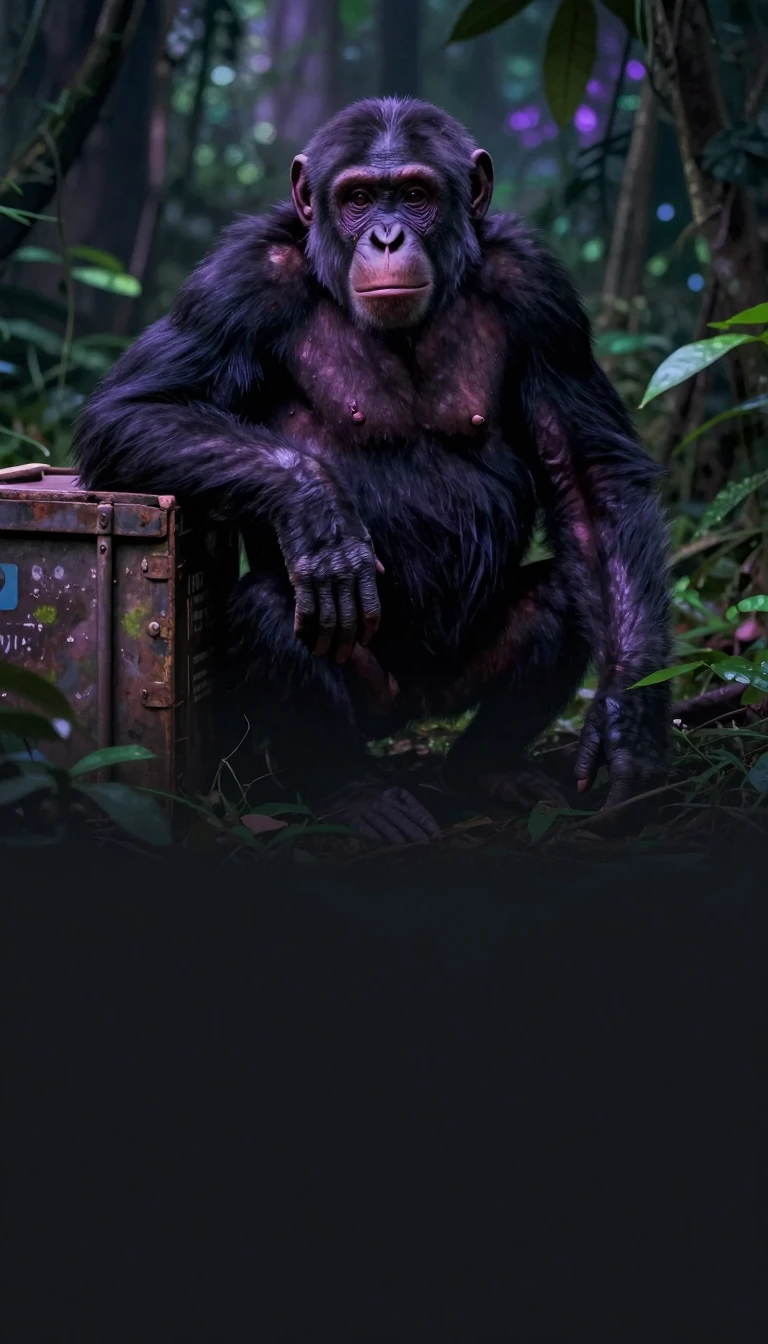 Before dinosaurs dominated, this crocodile relative ruled North America as a terrifying apex predator.Postosuchus, a massive reptile from the Late Triassic, was not a dinosaur but a distant cousin of modern crocodiles. Growing up to six meters long, this apex predator stalked the …
- The only family of rays that has conquered the rivers of South AmericaWhile most stingrays roam the oceans, the Potamotrygonidae family has made a permanent home in the freshwater rivers of South America. These cartilaginous predators range from sma…
 The nocturnal potoo is essentially a pair of enormous eyes and a gaping mouthBy day, the potoo is a master of disguise, perching vertically to mimic a dead tree branch. By night, it transforms into a specialized insect hunter, using its massive eyes and wi…
- The potoroo is a tiny, truffle-hunting marsupial surviving against the odds in AustraliaOften mistaken for a rat-kangaroo, the potoroo is a solitary, ground-dwelling marsupial that plays a vital role in forest ecosystems. While once widespread, these small creatures …
 The bizarre life of the pouched lamprey, a jawless parasite with a mysterious pouchThe pouched lamprey is a jawless, eel-like creature that spends its youth in freshwater before migrating to the sea to live as a parasite. Upon returning to spawn, males develop a…
- These burrowing rodents built a massive underground city the size of a small country.Forget the name; prairie dogs are not canines, but highly social squirrels. These master engineers construct elaborate subterranean towns featuring nurseries, sleeping quarters, a…
 Why these shorebirds hunt insects on the wing like swallows instead of wadingPratincoles defy the typical shorebird archetype. While they are classified as waders, these birds hunt insects mid-air with the agility of a swallow. Their short bills are specia…
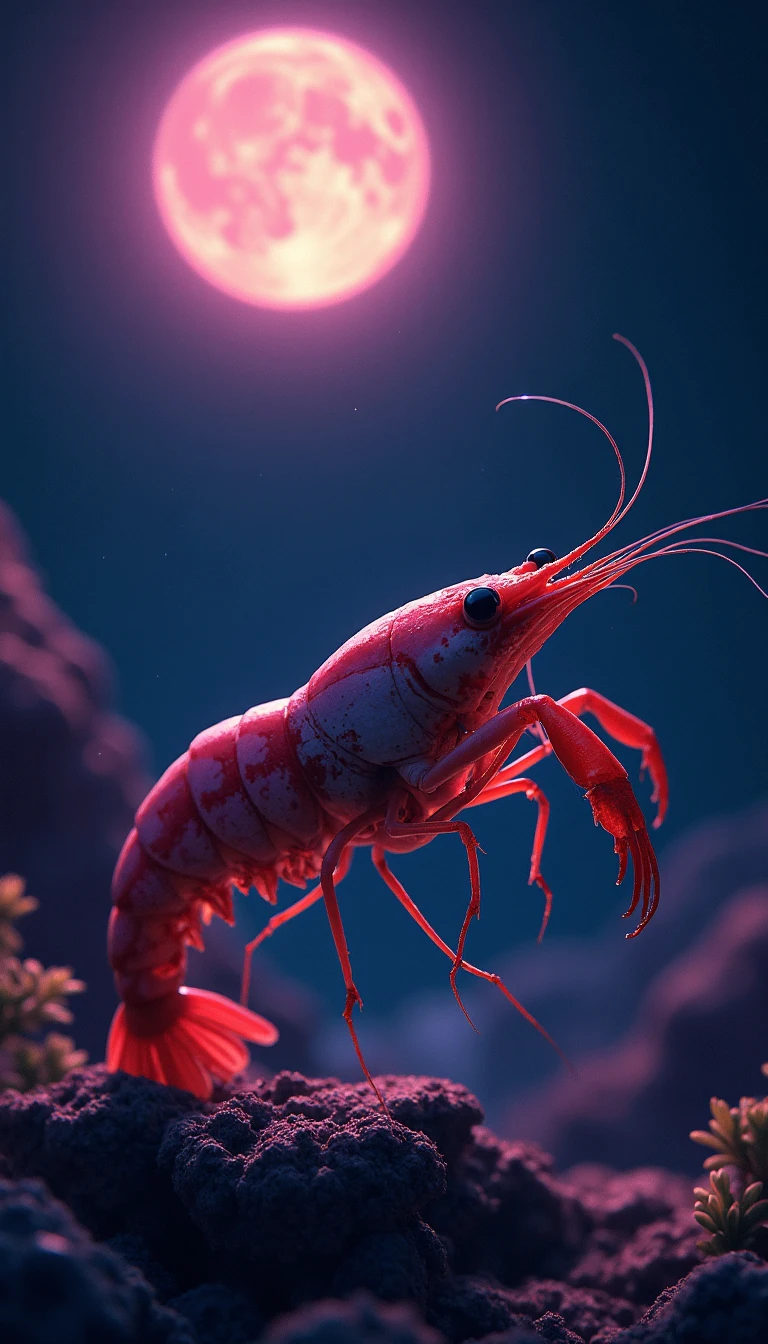 Why the difference between a shrimp and a prawn is mostly in your headIf you think prawns are just big shrimp, you are technically right—but only by convention. These terms lack any formal scientific definition, serving as colloquial labels that shi…
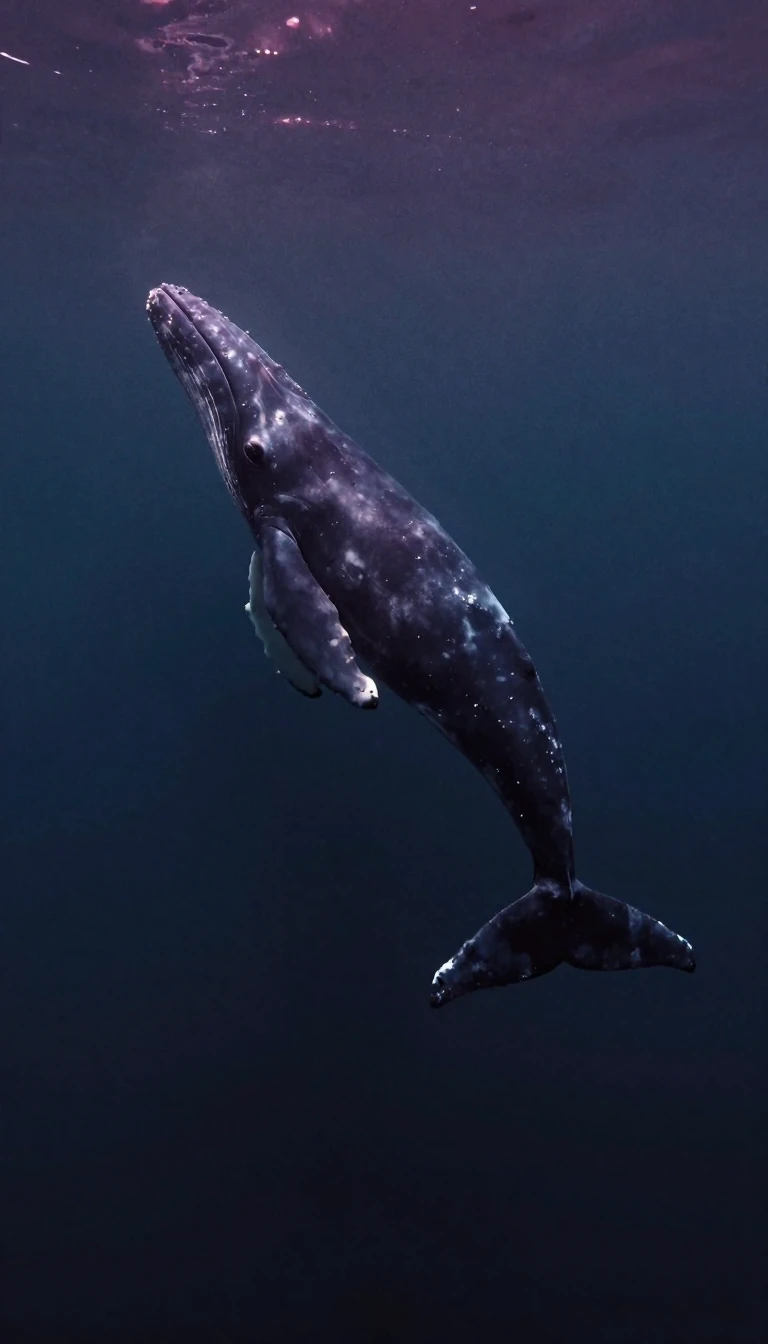 This fifty-meter long predator is actually a colony of thousands of specialized individualsPraya dubia is a deep-sea giant that rivals the blue whale in length, yet it is not a single animal. Instead, this fragile, broomstick-thin creature is a complex, cooperative colo…
 Why ancient civilizations believed this deep-sea creature was a powerful, protective talismanPrecious coral is more than just a vibrant jewelry material. For millennia, cultures from Rome to India have prized its deep red skeleton, attributing to it mystical, medicinal, a…
 The arboreal porcupine that uses its tail like a fifth limb to navigate treesHigh in the South American canopy, the prehensile-tailed porcupine spends its life as a master climber. Far from the ground-dwelling stereotype, this nocturnal herbivore uses a sp…
 This ancient bird looked like a flamingo but acted like a modern duckStanding one meter tall with long, spindly legs and a graceful neck, Presbyornis was long mistaken for a prehistoric flamingo. Yet, beneath its elegant exterior lay the anatomy of…
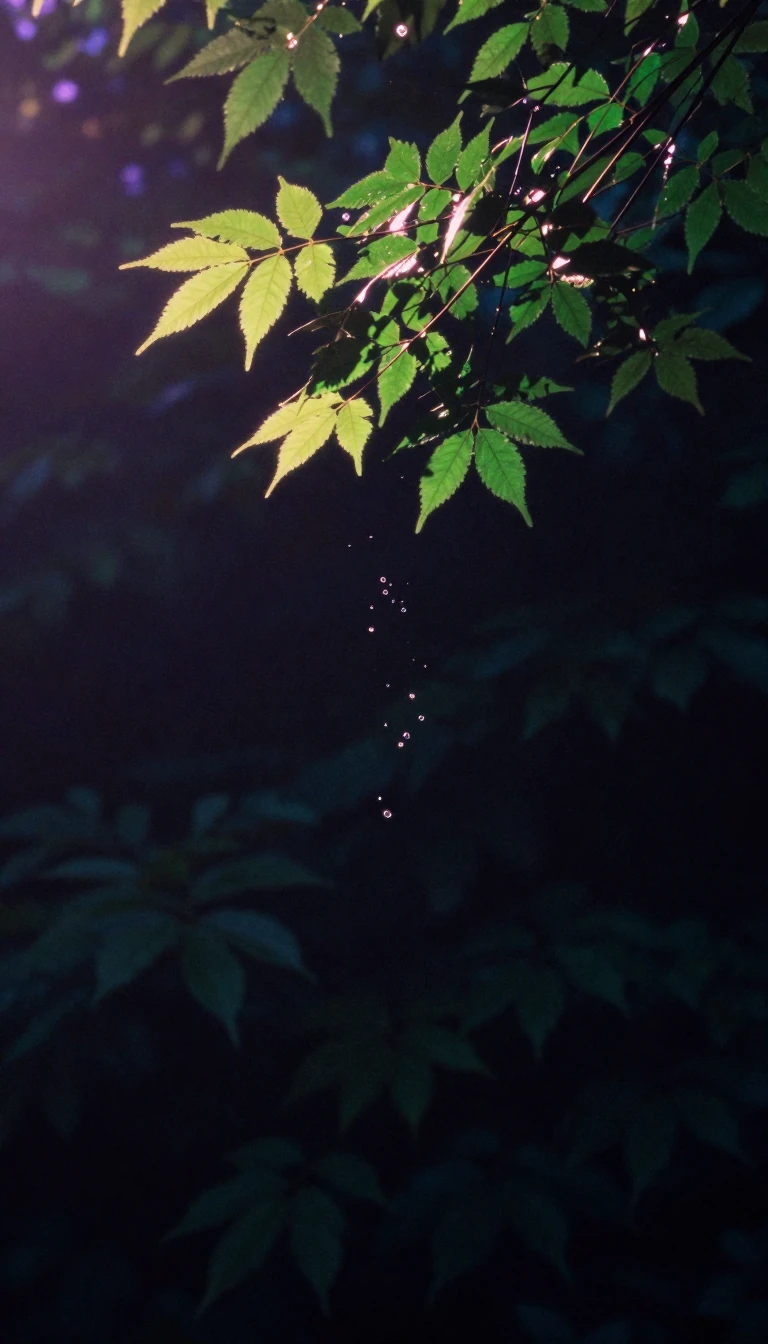 Plants are the world's primary biomass factories, converting sunlight into the fuel for life.Every living thing on Earth relies on a hidden, sun-powered engine. Primary producers, mostly land plants and marine phytoplankton, transform inorganic molecules into the organic …