 Intellect Plus
Nature
11,198 cards. Each one is a 40-second story with a five-minute read behind it. Page 103 of 187.
Subtopics: Ageing · Air · Animal behaviour · Animal breeds and hybrids · Animals · Arthropods · Atmosphere · Big cats · Bilateria, others · Birds · Botany · Cnidarians · Conservation · Coral reefs · Deep sea · Deserts · Dinosaurs · Earth science · Earth science and physical geography · Earth science basics · Earthquakes & tsunamis · Echinoderms · Ecology · Ecosystems · Endangered species · Extinct animals · Farming · Fish · Forests · Fungi · General classifications · Geology · Geomorphology · How Long Can It Live? · Ice · Individual animals · Insects · Lightning · Longevity · Mammals · Marsupials · Migration · Mollusks · Ocean · Organisms · Parasites · Physical geography · Plants · Porifera · Predators · Primates · Rainforest · Reptiles & amphibians · Researched · Sharks & rays · Spiders & arachnids · Symbiosis · Trees · UK & Ireland: nature · Vertebrates · Vision · Volcanoes · Water · Waves · Weather · Whales & dolphins · Zoology
 Why the male proboscis monkey evolved a fleshy, pendulous nose that hangs below its mouth.The proboscis monkey is a master of the Borneo wetlands, but its most striking feature is the male's oversized nose. Far from a mere curiosity, this fleshy appendage acts as a bio…
 The electric blue crayfish is a Florida native with a surprising color secretKnown as the Everglades crayfish, Procambarus alleni is a freshwater crustacean endemic to Florida. While often recognized for its brilliant cobalt blue appearance in home aquariu…
 The Procellariidae family: masters of the open ocean and long-distance navigationProcellariidae are a diverse family of seabirds, ranging from giant petrels to tiny diving species. These accomplished long-distance foragers rely on specialized flight techniques…
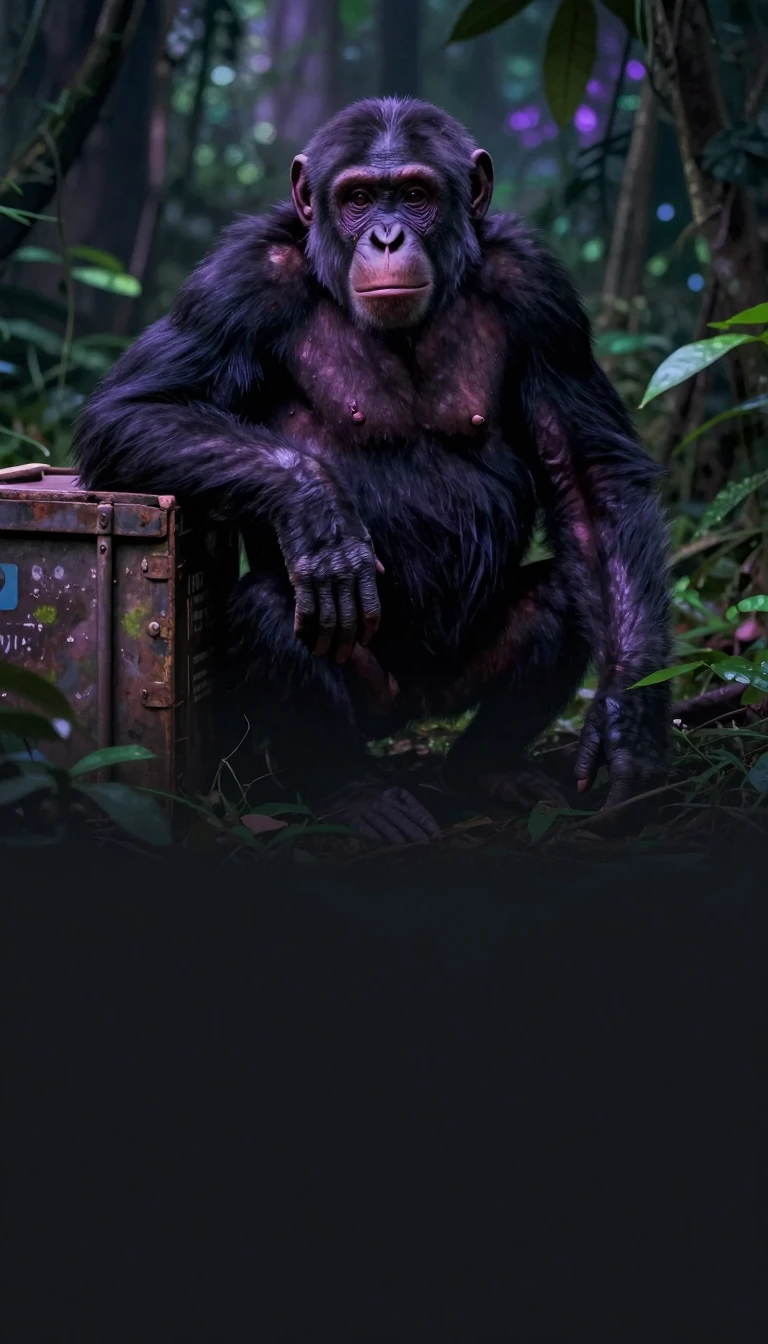 Was this ancient primate the missing link between humans and the great apes?Proconsul, a primate that roamed Eastern Africa millions of years ago, remains a central puzzle in evolutionary biology. With a unique blend of monkey-like posture and ape-like an…
 This Triassic turtle was a heavily armored tank with a spiked, clubbed tailLong before modern turtles evolved, Proganochelys roamed the Late Triassic. Unlike its descendants, this stem-turtle could not retract its head into its shell. Instead, it relied …
 This ancient mammal wore massive, leaf-shaped headgear that defies modern biological classification.Roaming North Africa and Pakistan millions of years ago, Prolibytherium was a deer-like creature with a bizarre secret. While it superficially resembled an okapi, the males sporte…
- Was this Triassic predator a land-dweller or a swamp-lurking ambush hunter?Proterosuchus was a mid-sized, four-legged reptile that emerged immediately after the greatest mass extinction in Earth's history. With a distinctively hooked snout and a sprawlin…
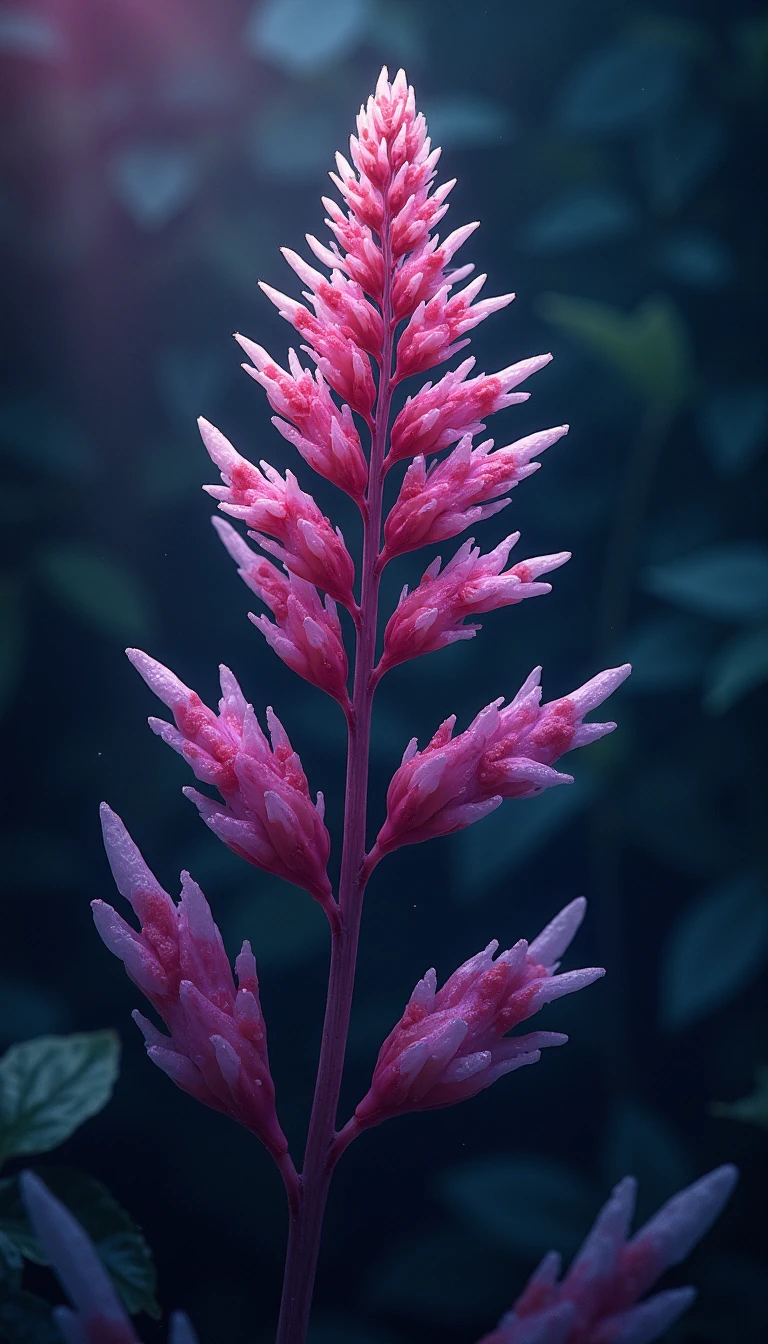 Is the common weed Shepherd’s purse actually a secret, opportunistic meat-eater?Botanists have long debated what defines a carnivorous plant, but the common weed Capsella bursa-pastoris suggests the line is blurrier than we thought. Recent experiments show th…
 Why these ancient deer-like creatures grew bizarre horns on their nosesProtoceratids were North American herbivores that roamed from the Eocene to the Pliocene. While they resembled modern deer, they were not closely related. Their most striking feat…
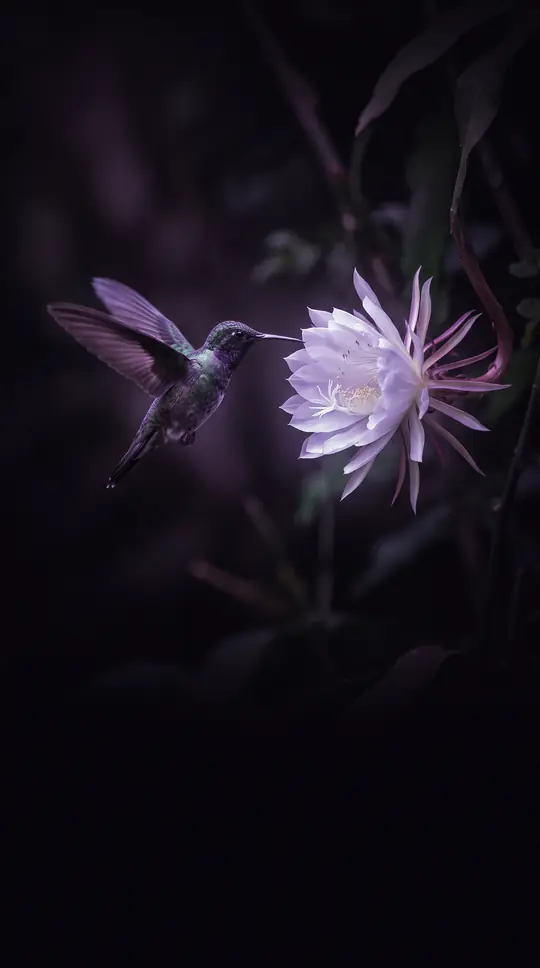 How a misidentified nest of eggs turned a dinosaur into a legendary egg-thief.Protoceratops was once the poster child for dinosaur parenting, thanks to a cluster of eggs found in the Gobi Desert. Scientists initially assumed the eggs belonged to the nearby …
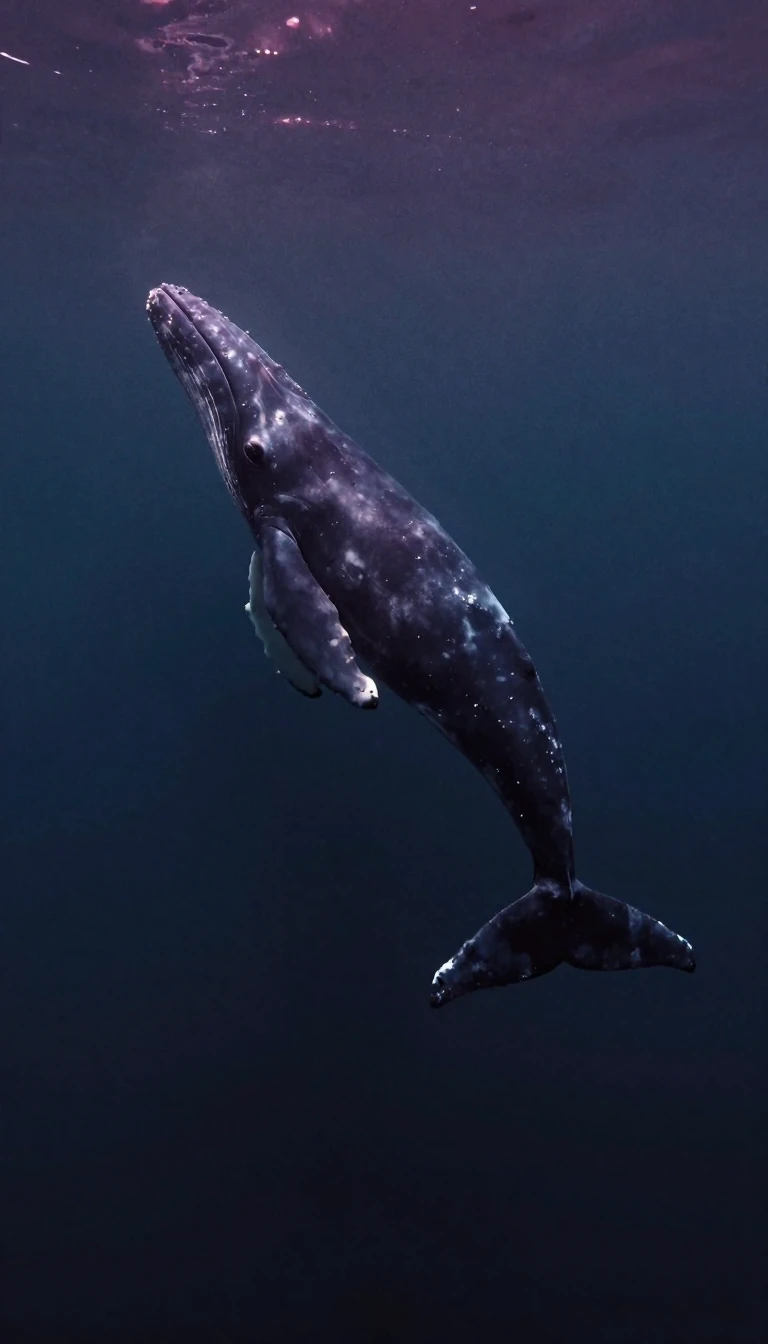 Why the name protostome is a biological misnomer for most of the animal kingdomProtostomes represent roughly 95% of all living animal species, yet their defining namesake—the mouth forming from the first embryonic opening—is surprisingly inconsistent. While …
 Meet the coneheads: the tiny, sightless soil-dwellers you have never noticed beforeHidden beneath your feet in moist forest soil, thousands of microscopic, legless-looking creatures called proturans are hard at work. These ancient, sightless hexapods lack antenn…
 The prowfish is a solitary ocean dweller that hides inside the bells of jellyfishIn the cold depths of the northern Pacific, the prowfish leads a life defined by its unique anatomy and strange habits. Lacking a swim bladder, this benthic predator spends its da…
 The parrot lizard offers the most complete look at dinosaur skin ever discoveredWhile most dinosaurs are known from bones, the Psittacosaurus specimen SMF R 4970 provides a rare, detailed view of soft tissue. From its unique V-shaped cloaca to an umbilical sc…
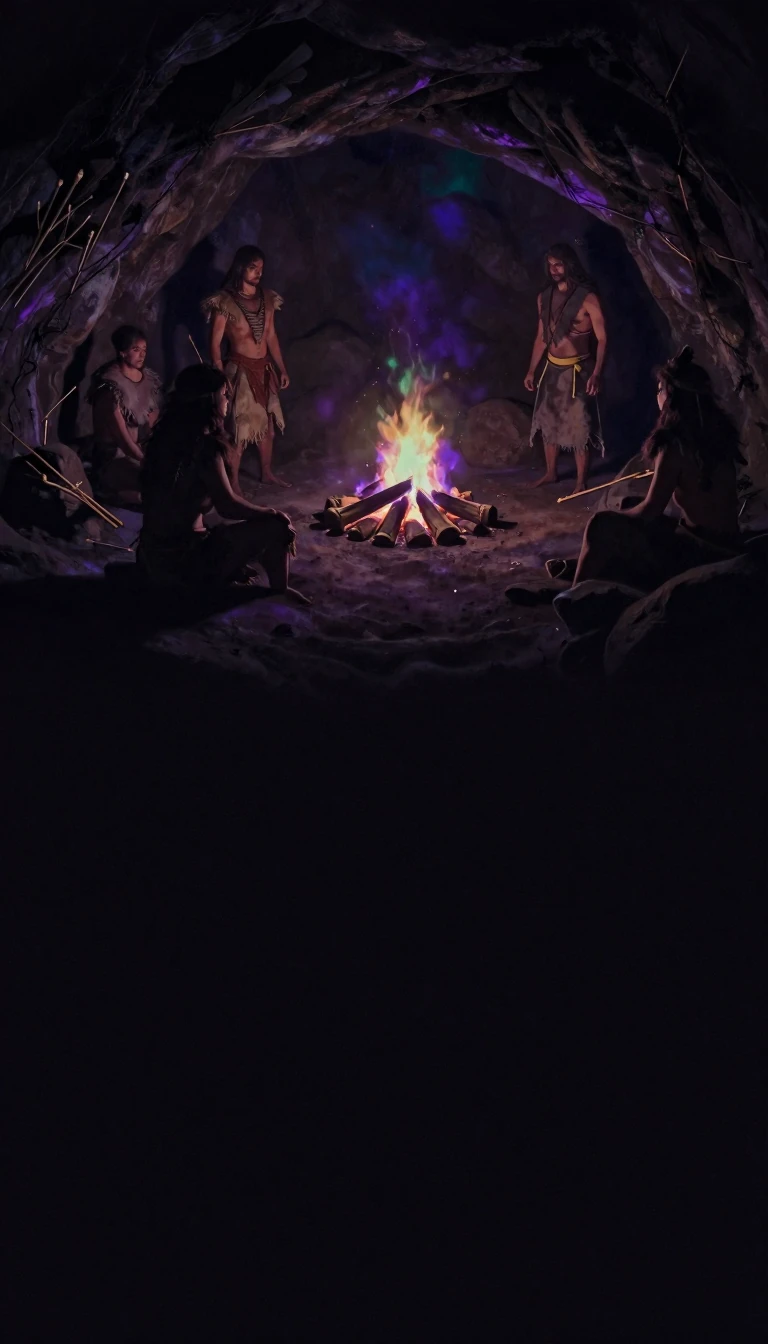 The tiny insects in your old books are actually the ancestors of parasitic lice.Psocodea is a diverse group of 11,000 insect species, ranging from harmless bark lice to the book lice found in your library. While they seem distinct, modern science reveals that…
 The tiny insects hiding in your library are actually ancient, silk-spinning scavengersCommonly known as booklice, these small insects are often misunderstood pests. While they do feed on the starch in old book bindings, most species live harmlessly in forests. They…
 Pteranodon was a toothless giant that dominated the skies of the Late Cretaceous period.With a wingspan reaching seven metres, Pteranodon was a master of the air. Though often confused with dinosaurs, these flying reptiles were actually archosaurs. They were the firs…
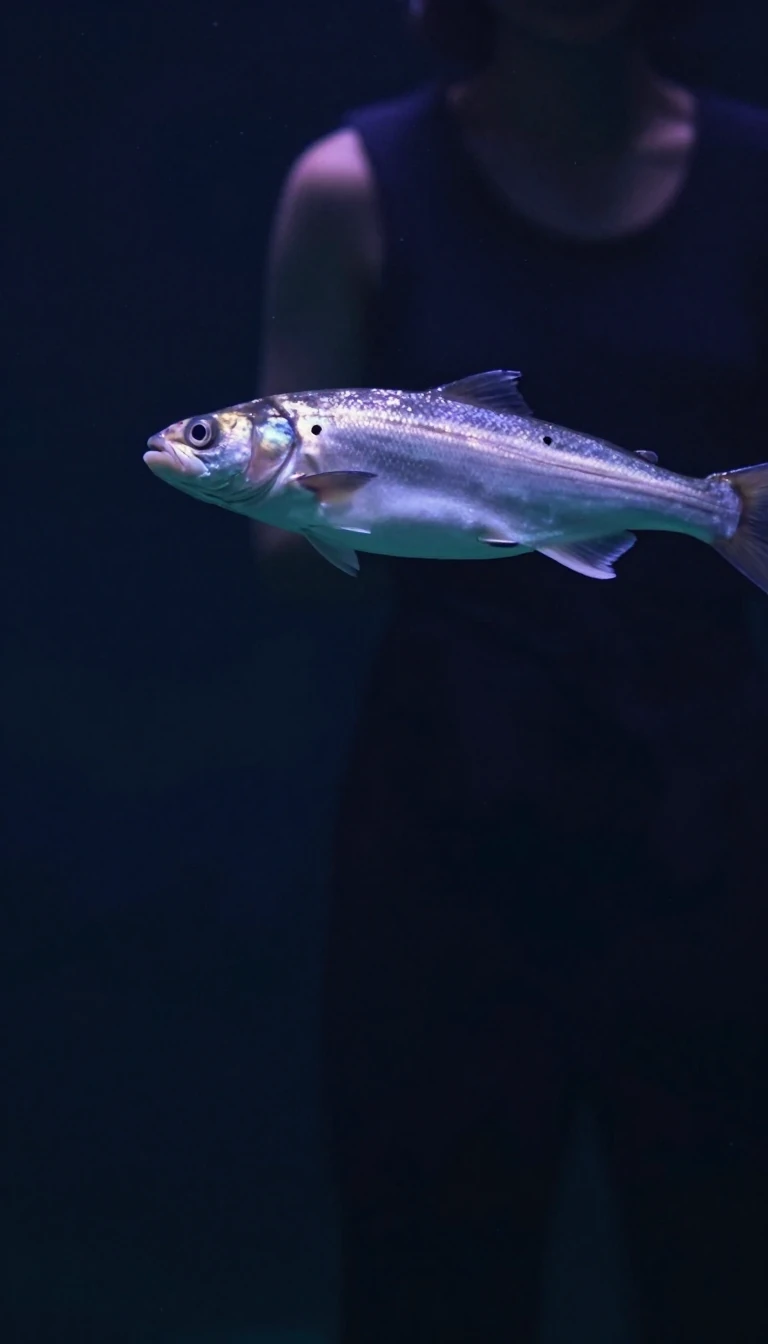 Before jaws dominated the oceans, this armored fish ruled the Early Devonian seas.Pteraspis was a jawless vertebrate that thrived millions of years ago, protected by a distinctive bony shell. Measuring only a few inches, this ancient creature navigated prehisto…
- Pterodactyls were not dinosaurs, but they were the first vertebrates to master flightLong before birds took to the skies, pterosaurs dominated the Mesozoic era. These archosaurs were not dinosaurs, but rather a distinct group of flying reptiles. With wings formed …
 This ancient flying reptile likely filter-fed like a flamingo, perhaps even turning pink.Pterodaustro was a Cretaceous pterosaur with a specialized, upward-curving snout packed with a thousand bristle-like teeth. By straining aquatic crustaceans from the water, this u…
 Why the iconic freshwater angelfish in your tank is likely a genetic mysteryThe elegant angelfish swimming in your aquarium is rarely the wild creature found in the Amazon. Most domestic strains are complex hybrids, the result of decades of selective bree…
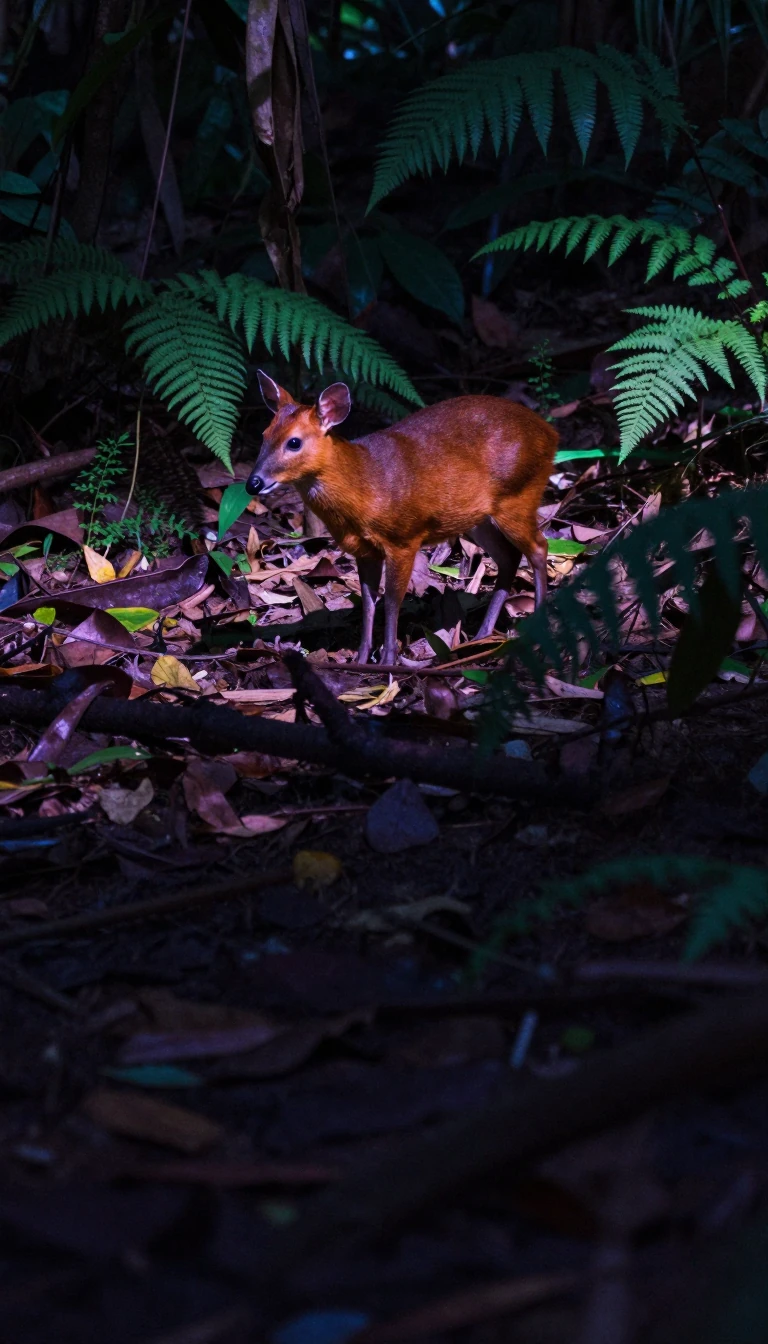 Meet the Pudu, the world's smallest deer that thrives in the Andean rainforests.Standing no taller than a medium-sized dog, the pudu is a master of the dense South American underbrush. These secretive, solitary creatures navigate the Andes with surprising agi…
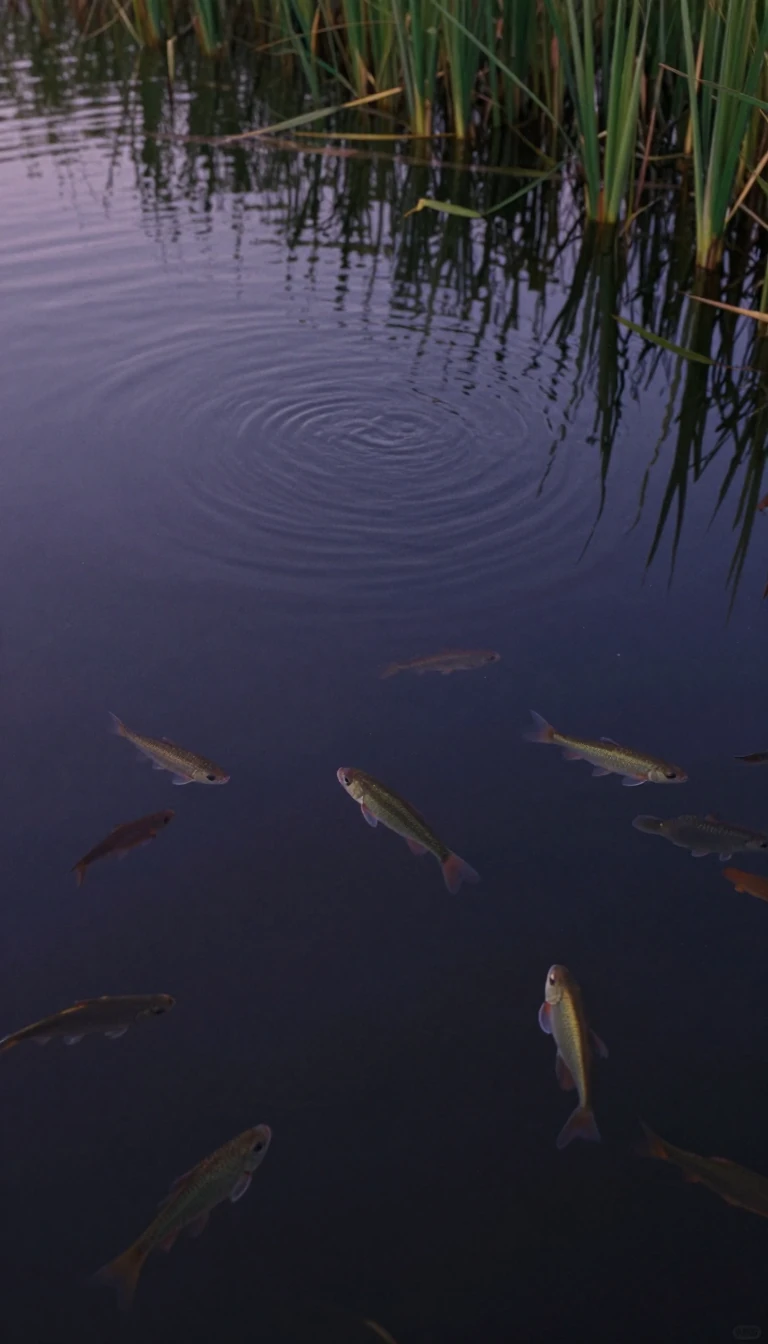 The pumpkinseed sunfish uses a clever optical illusion to appear four times its size.Named for its seed-like shape, the pumpkinseed is a vibrant freshwater fish native to North America. Beyond its striking colors, this sunfish employs a sophisticated defensive str…
- Why these tiny desert fish are the fastest evolving vertebrates on the planetPupfish are masters of extreme survival, thriving in isolated, harsh environments from boiling desert pools to salty lakes. Their name suggests playful puppies, but their behavior…
 From zygote to social companion: the rapid, high-stakes development of a puppyA puppy is more than just a juvenile dog. From the moment of conception, these animals undergo a lightning-fast transformation, moving from a microscopic zygote to a social, senso…
- The Pygmy Sperm Whale Is a Deep-Diving Master of Underwater Smoke ScreensThis elusive creature is one of the ocean's most mysterious inhabitants. Beyond its shark-like appearance and deep-sea hunting habits, the pygmy sperm whale possesses a unique def…
- The common firebug that was accidentally defeated by a simple American paper towelThe firebug is a striking red and black insect found across the Palaearctic. While it is known for its social aggregations and long mating sessions, it became the center of a biza…
 How do these massive constrictors see in the dark without using their eyes?Pythons are not just masters of constriction; they are equipped with specialized heat-sensing pits that allow them to perceive the thermal shadows of prey in total darkness. These…
- How pythons use infrared vision and shivering to dominate the tropical nightPythons are not just massive constrictors; they are sophisticated thermal hunters. By using specialized pits to detect infrared radiation, they can strike in total darkness. Even …
- Why the four-legged stance remains the fundamental blueprint for most terrestrial vertebratesQuadrupedalism is more than just walking on all fours. It is the ancestral design for most land-dwelling vertebrates, yet nature has constantly tinkered with this plan. From the k…
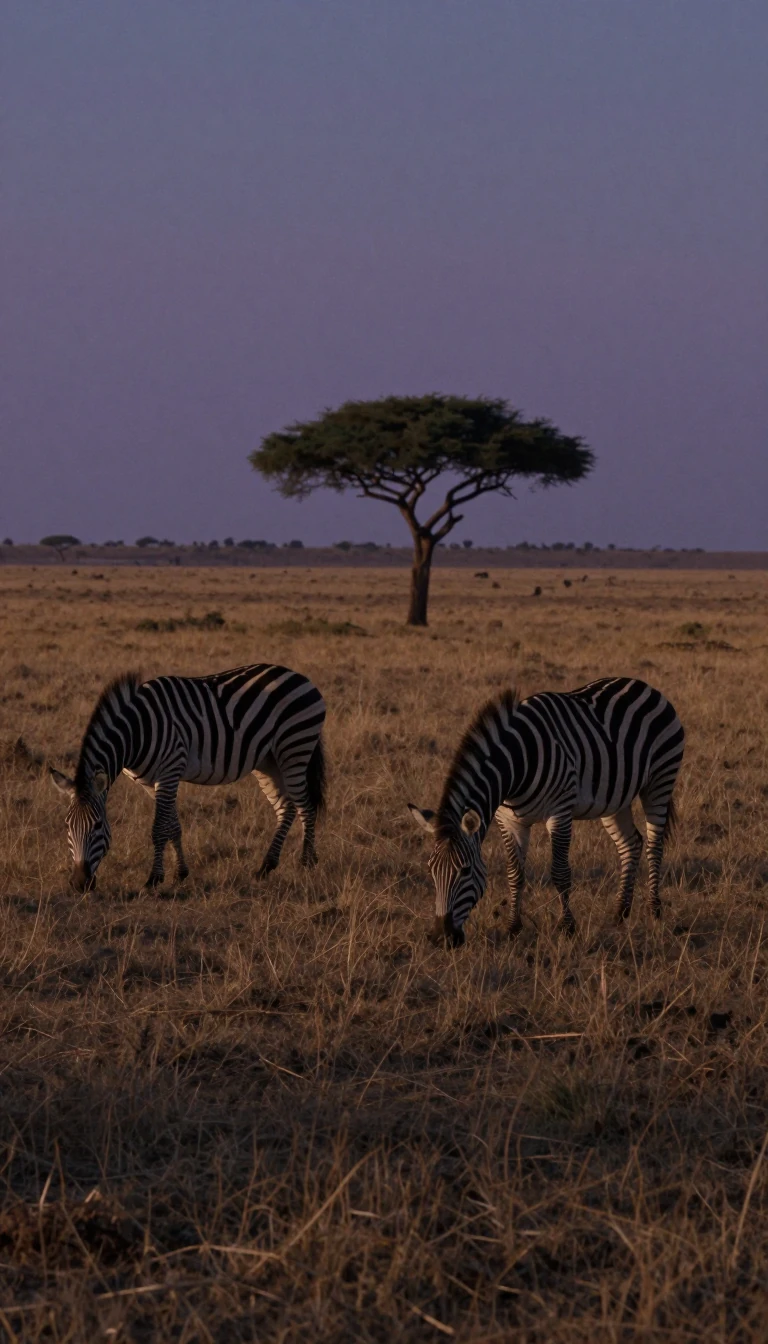 The quagga was a zebra that lost its stripes, then vanished from the earth.Once roaming the vast South African plains in massive herds, the quagga was a unique subspecies of the plains zebra. Distinguished by a reddish-brown coat and stripes that faded b…
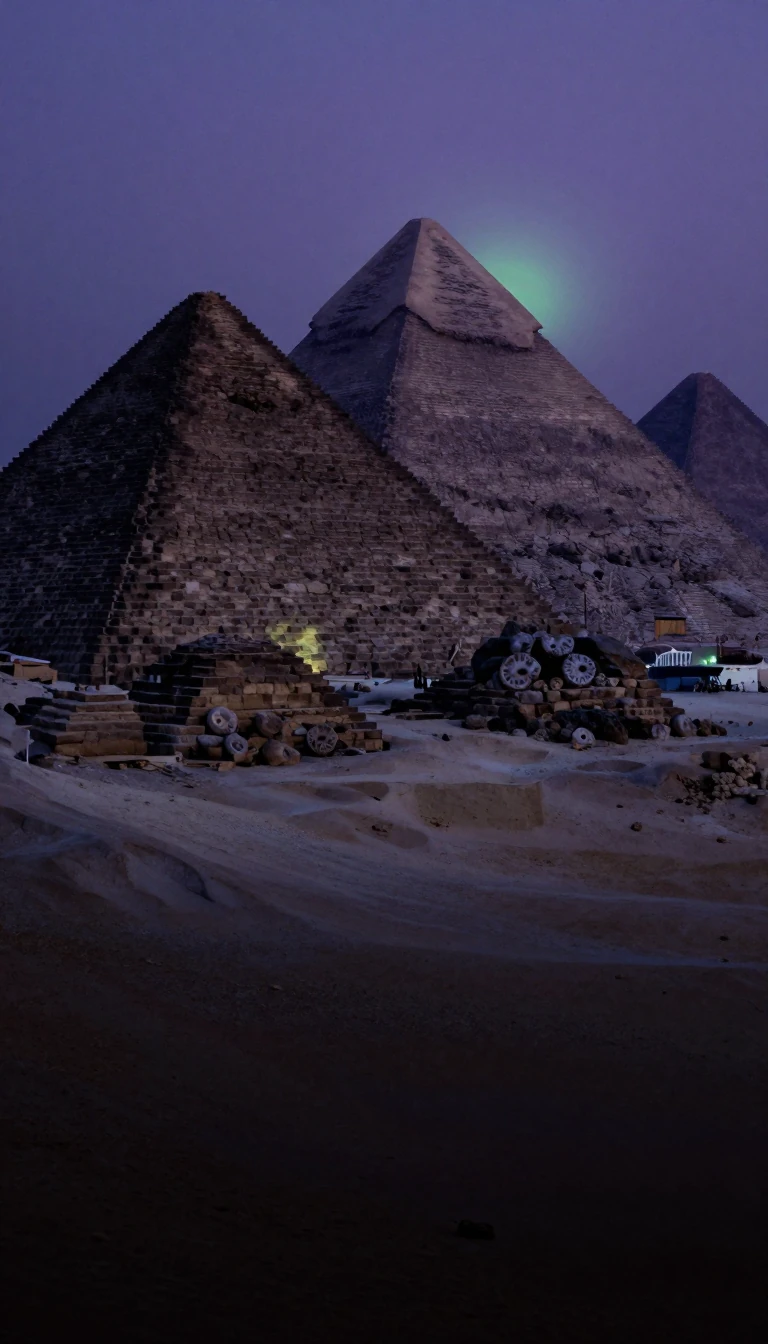 The giant pterosaur that defied the limits of flight and scientific naming conventionsQuetzalcoatlus northropi was a colossal, long-necked reptile that soared over Late Cretaceous North America. Once thought impossible to keep airborne, this azhdarchid pterosaur ch…
 The rabbit fish is a deep-sea dweller with a poisonous, whip-like dorsal spineDespite its adorable name, the Chimaera monstrosa is a mysterious cartilaginous fish haunting the dark continental slopes of the Atlantic and Mediterranean. With a rabbit-like hea…
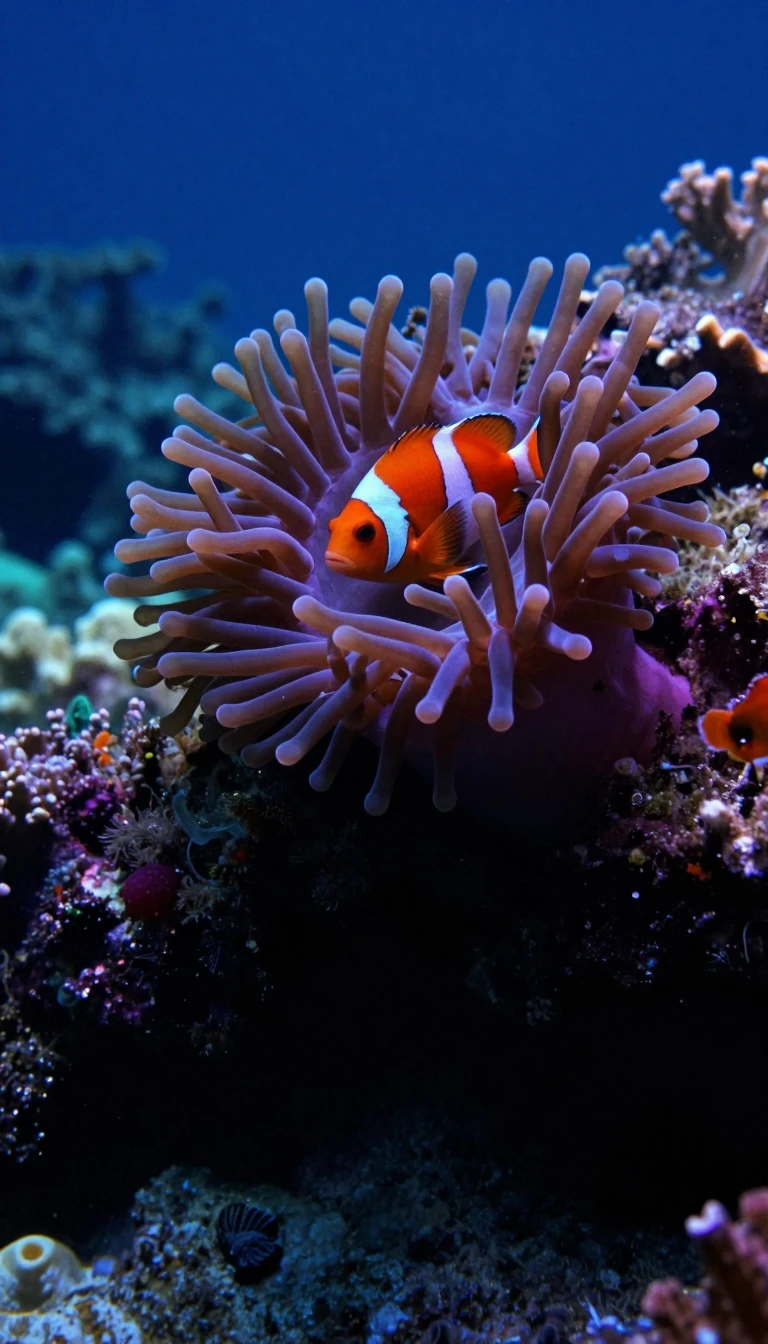 Why the rabbitfish is a master of evolutionary blurring and Mediterranean invasionKnown for their venomous spines and unique pelvic anatomy, rabbitfish are more than just reef dwellers. These Indo-Pacific natives are currently rewriting marine biology through c…
 These ancient predators were so bizarre that scientists once mistook them for five different phyla.Before they were recognized as a single, successful order of stem-arthropods, radiodonts baffled paleontologists. Isolated fossils of their heads, mouths, and claws were misidenti…
 Why the definition of a true frog is constantly shifting under our feetThe genus Rana, once a catch-all for frogs across the globe, is a taxonomic battlefield. While these slim-waisted, long-legged jumpers seem familiar, researchers are constantly re…
 The water stick insect is a master of aquatic ambush and chemical warfareResembling a twig, the Ranatra genus hides in plain sight among pond weeds. These predatory true bugs wait patiently for unsuspecting prey, using powerful front legs to snatch vic…
 The red frog crab is a master of ambush in tropical sandy seafloorsKnown as the spanner crab or the emperor crab, this nocturnal crustacean hides beneath the sand to ambush bottom-dwelling fish. Despite its status as a prized culinary delicacy ac…
- Australia's most common snake is venomous, yet remarkably, it has never caused a human death.The red-bellied black snake is a fixture of the Australian landscape, found from urban backyards to remote riverbanks. While it possesses a cocktail of potent toxins, it is famous…
- The red-billed quelea is the most numerous undomesticated bird on the entire planetOften called Africa's feathered locust, the red-billed quelea exists in staggering numbers, with populations peaking at an estimated 1.5 billion individuals. These small, nomadic …
- Why ancient Romans kept red mullet as pampered, bell-trained pets in private pondsThe red mullet is a culinary legend, but in ancient Rome, it was more than a meal. These fish were kept as status symbols in private ponds, trained to respond to bells, and occasi…
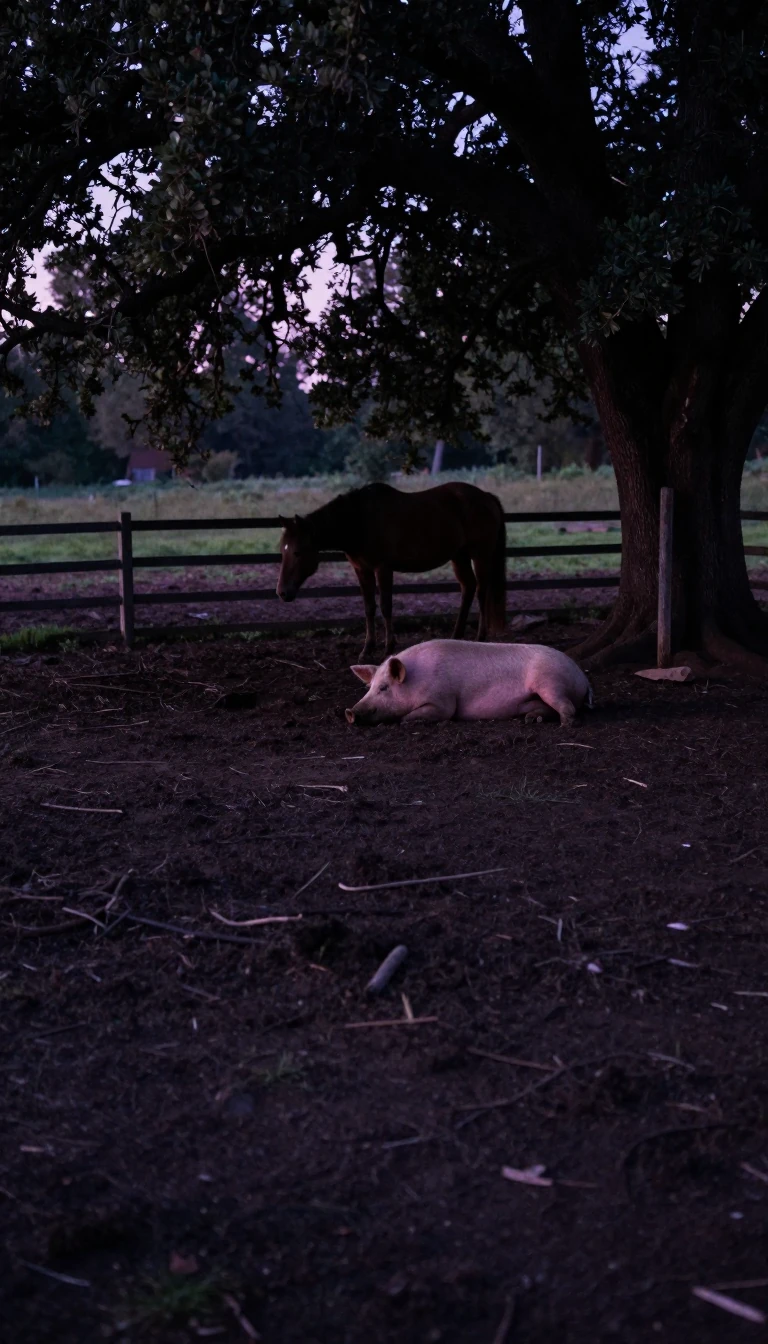 The red river hog is the most colorful and adaptable pig in AfricaAs the smallest of Africa's wild pigs, the red river hog thrives in rainforests and savannas by being remarkably unfussy about its diet. These social animals navigate human encroa…
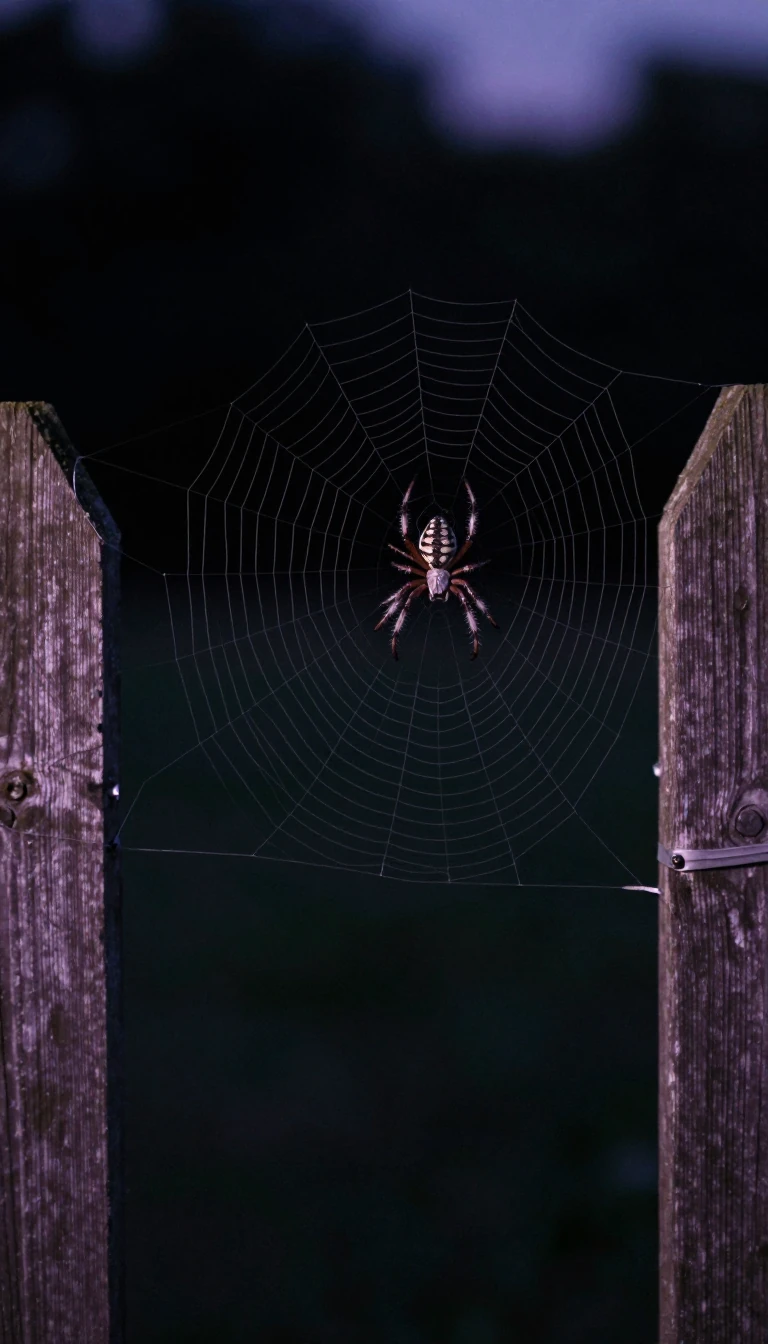 The Australian redback spider performs a fatal somersault to ensure successful matingThe male redback spider is a master of high-stakes courtship. To capture the female's attention and avoid being eaten, he performs a unique somersault, offering his abdomen to her…
 The reedfish is a master of two worlds, breathing air and slithering on land.This eel-like African fish, also known as the ropefish, defies typical aquatic limitations. Equipped with both gills and lungs, it thrives in oxygen-poor waters and even ventures …
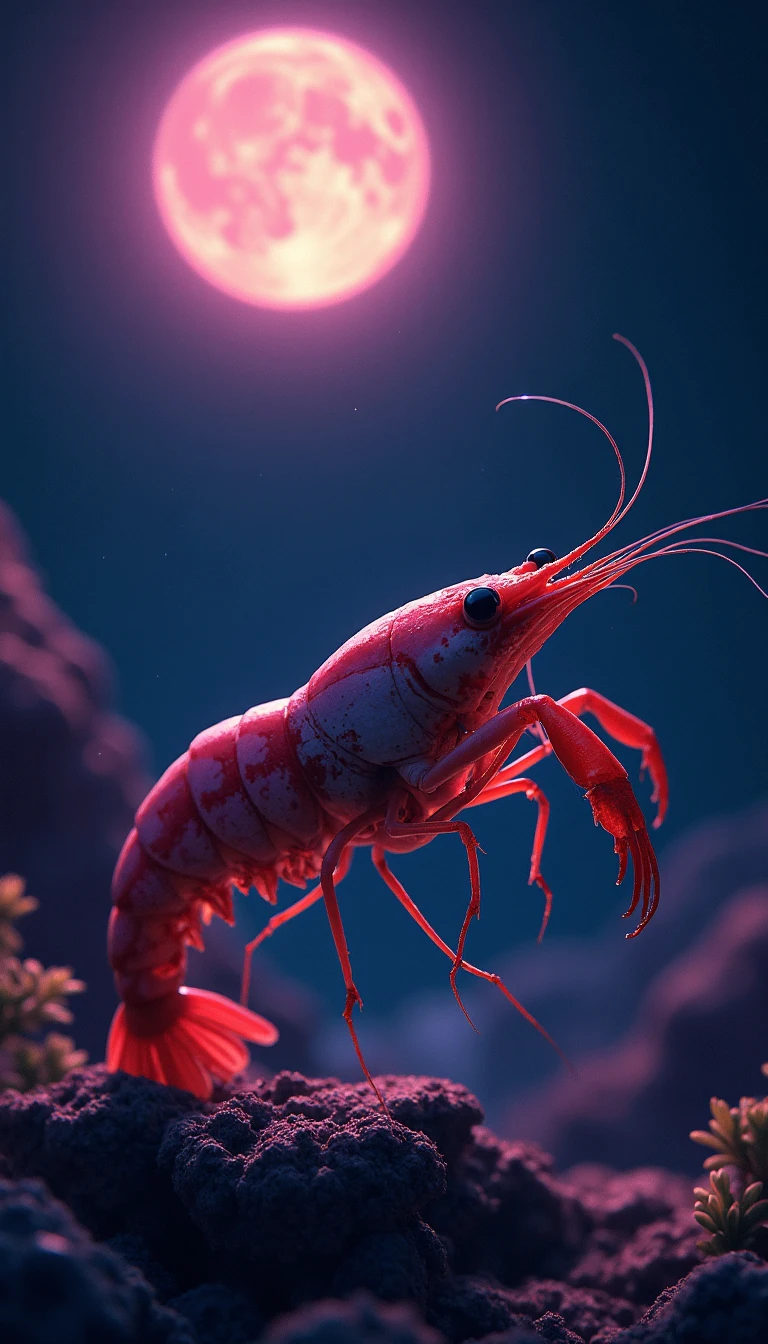 These vibrant, shy crustaceans are the hidden jewels of the world's coral reefsReef lobsters are small, nocturnal creatures known for their striking patterns of red, orange, and purple. While they are highly sought after by aquarium enthusiasts for their bea…
 Meet the prehistoric aquatic mammals that looked and swam like mammalian crocodilesLong before whales dominated the oceans, the Remingtonocetidae family thrived as semi-aquatic predators. With elongated snouts, shark-like teeth, and muscular tails, these creatur…
- A Cretaceous mammal was caught in the act of hunting a much larger dinosaur.For decades, we assumed Mesozoic mammals lived as timid scavengers in the shadow of giants. A remarkable new fossil from China shatters this narrative, capturing a badger-sized pr…
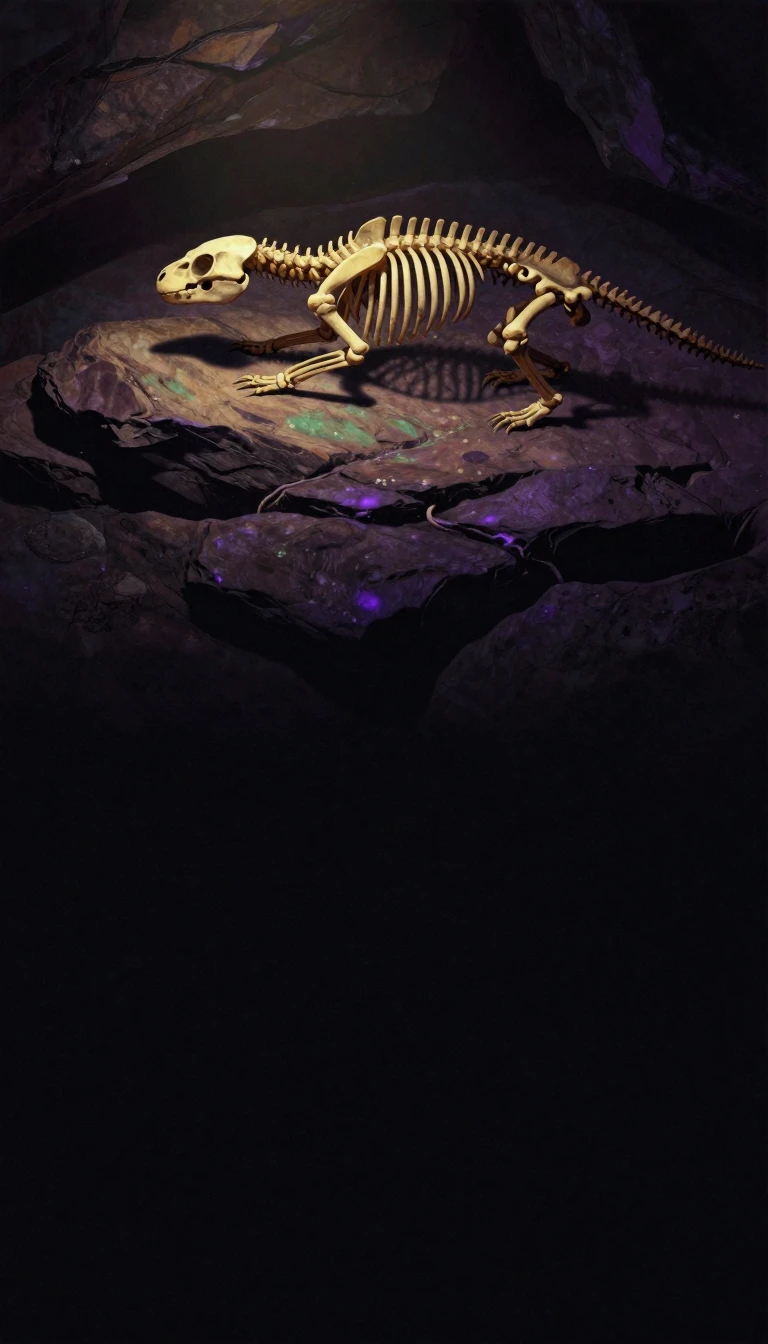 Reptiliomorpha: The ancient bridge between water-bound amphibians and the masters of dry land.Long before the first true reptiles roamed, a group of tetrapods began a slow, heavy-set evolution toward terrestrial life. These reptiliomorphs were not quite amphibians and not …
 Why are these migratory, torpedo-shaped predators known as the garbage cans of the sea?Requiem sharks are a diverse family of migratory, live-bearing predators found in warm seas worldwide. From the tiny Australian sharpnose to the massive oceanic whitetip, these ag…
 The reticulated giraffe is the tallest land animal, but its social life is surprisingly complex.Standing up to six meters tall, the reticulated giraffe is a giant of the African savanna. Beyond its iconic polygonal coat, this species navigates a world of crepuscular activity…
 The reticulated python is the longest snake on Earth, but it is not the heaviest.Reaching lengths of up to 10 meters, the reticulated python dominates the record books for sheer reach. Yet, despite its massive size and reputation as a lethal constrictor, this …
- The Jurassic pterosaur that grew up in distinct stages, changing its shape as it agedFor decades, scientists misidentified different age groups of the same pterosaur as separate species. Rhamphorhynchus, a long-tailed predator from the Jurassic period, underwent d…
 The ancient origins of rhinos reveal a surprisingly diverse and humid evolutionary historyModern rhinos are just the final, fading remnants of a vast, complex lineage. New fossil discoveries in Inner Mongolia suggest these creatures emerged much earlier than previously…
- Why do these reclusive red-and-white shrimp carry a foldable, movable beak?The hinge-beak shrimp, or Rhynchocinetidae, possesses a unique, upward-hinged rostrum that functions like a movable beak. While their exact biological purpose remains a mystery, t…
 These Triassic reptiles dominated the planet with a unique, self-sharpening scissors-like bite mechanism.Before dinosaurs took over, rhynchosaurs were the ultimate plant-crushing machines. These stocky, archosauromorph reptiles thrived across Pangea, utilizing a specialized jaw struc…
 The ribbon eel changes its color and sex as it matures in the wild.This striking creature undergoes a dramatic transformation throughout its life, shifting from jet black as a juvenile to vibrant blue or yellow as an adult. Beyond its shifting ap…
 The elusive ribbonfish: deep-sea phantom or a harbinger of seismic disaster?Ribbonfish are rarely seen alive, dwelling in the ocean's depths with a fragile, tape-like anatomy. While they are often dismissed as mere biological curiosities, some cultures be…
- The tiny ricefish is a space-faring pioneer that redefined vertebrate reproduction in orbit.Named for their habit of inhabiting rice paddies, these small ray-finned fish are far more than simple aquarium inhabitants. From their unique skeletal structures to their status …
- The North Pacific dolphin that looks like a seal and lacks a dorsal finIn the deep, cold waters of the North Pacific, a sleek, finless creature often mistaken for a sea lion glides through the waves. These acrobatic dolphins can reach speeds of 22 mi…
 In the world of ring-tailed lemurs, females hold all the power and resources.Ring-tailed lemurs are famous for their iconic striped tails, but their social structure is even more striking. In these troops, females dominate every aspect of life, from feedin…