 Intellect Plus
Nature
11,198 cards. Each one is a 40-second story with a five-minute read behind it. Page 105 of 187.
Subtopics: Ageing · Air · Animal behaviour · Animal breeds and hybrids · Animals · Arthropods · Atmosphere · Big cats · Bilateria, others · Birds · Botany · Cnidarians · Conservation · Coral reefs · Deep sea · Deserts · Dinosaurs · Earth science · Earth science and physical geography · Earth science basics · Earthquakes & tsunamis · Echinoderms · Ecology · Ecosystems · Endangered species · Extinct animals · Farming · Fish · Forests · Fungi · General classifications · Geology · Geomorphology · How Long Can It Live? · Ice · Individual animals · Insects · Lightning · Longevity · Mammals · Marsupials · Migration · Mollusks · Ocean · Organisms · Parasites · Physical geography · Plants · Porifera · Predators · Primates · Rainforest · Reptiles & amphibians · Researched · Sharks & rays · Spiders & arachnids · Symbiosis · Trees · UK & Ireland: nature · Vertebrates · Vision · Volcanoes · Water · Waves · Weather · Whales & dolphins · Zoology
 Why these transparent, razor-thin fish spend their entire lives swimming upside downShrimpfish are masters of verticality, navigating tropical reefs with their heads pointed toward the seafloor. This unusual posture is not just a quirk of anatomy; it is a sophist…
 This Triassic reptile grew horns millions of years before the famous horned dinosaurs evolved.Long before ceratopsid dinosaurs roamed the earth, a large, herbivorous reptile named Shringasaurus was already sporting impressive brow horns. Discovered in India, this creature …
 Sidneyia: The Cambrian predator that crushed its prey with specialized leg basesDiscovered on the very first day of a famous fossil hunt, Sidneyia was a formidable seafloor predator. This ancient arthropod used spine-covered leg bases to shred hard-shelled pr…
 The Sifaka: Madagascar’s acrobatic lemur that dances across the forest floorNamed for their distinctive shif-auk alarm call, sifakas are unique primates that navigate the trees with vertical leaps and traverse the ground using a graceful, bipedal sideways…
 Are these Triassic reptiles the missing ancestors of the iconic ornithischian dinosaurs?Silesaurids were once considered the sister group to all dinosaurs, but new research suggests they might actually be the long-sought Triassic ancestors of ornithischians. This shi…
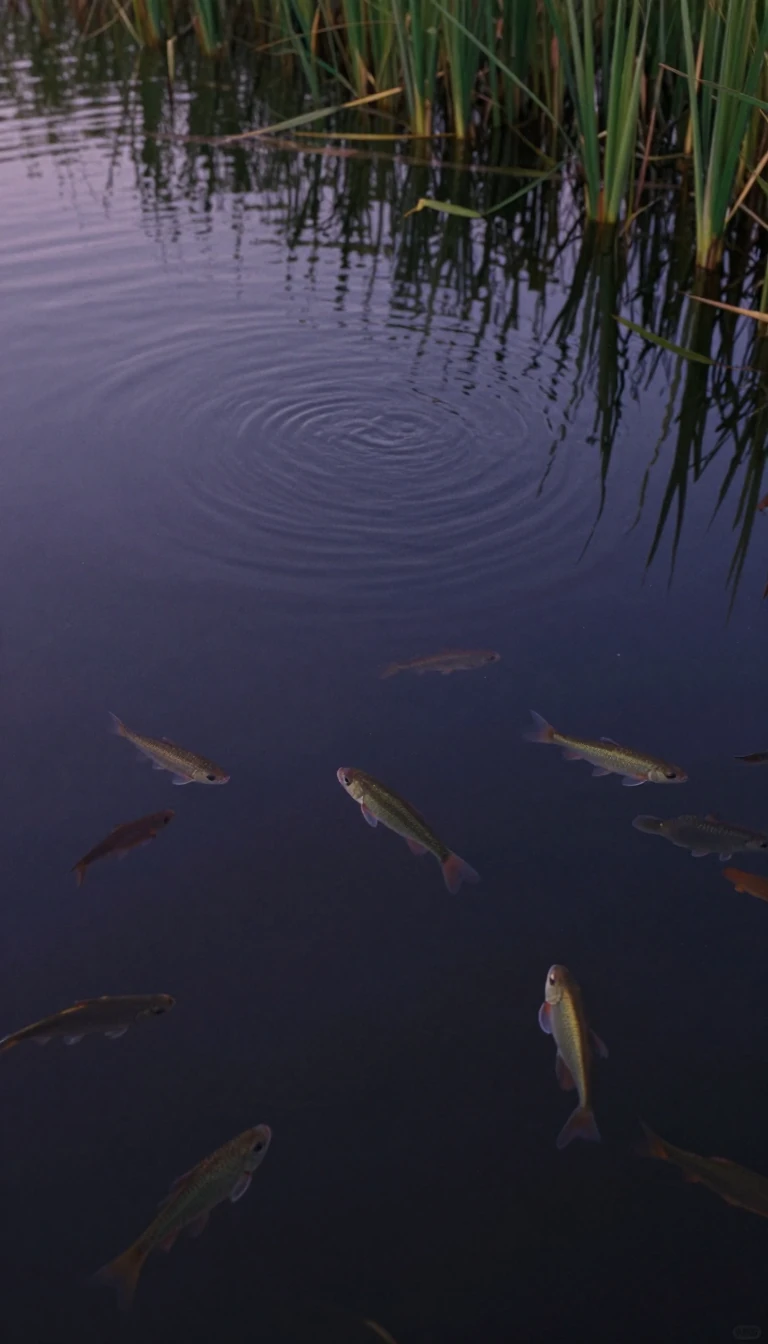 Why these invasive fish are famous for leaping into the path of speeding boatsSilver carp are notorious for their acrobatic, startling leaps when disturbed by boat motors, turning recreational waterways into hazardous zones. Originally imported to the Unite…
 Meet the pug-nosed crocodile: a tiny, herbivorous reptile from the Late CretaceousImagine a crocodile that ditched the river for the forest floor. Simosuchus, a pug-nosed creature from Madagascar, traded sharp, conical teeth for maple-leaf-shaped grinders. At j…
 Are these deep-sea predators a single animal or a complex, living colony?Siphonophores blur the line between individual and colony. These gelatinous predators are actually aggregates of specialized, genetically identical units called zooids. Each zooid…
- Was this ancient ape the ancestor of humans or the modern orangutan?For decades, fossil hunters believed the genus Sivapithecus held the key to human origins. Once misidentified as a direct human ancestor under the name Ramapithecus, this Miocene …
 Sivatherium: The Massive Ancient Giraffid That Once Roamed Across Africa and EurasiaImagine a creature with the build of a heavy bovine but the lineage of a giraffe. Sivatherium, an extinct giant, once dominated landscapes from Africa to India. Though early resea…
 The skua is a master pirate of the skies that steals meals from others.Known as jaegers, meaning hunters, these aggressive seabirds are notorious for kleptoparasitism. They chase down gulls and terns to snatch their catches, sometimes attacking birds…
 Sleep is a universal biological necessity, even for creatures without a brain.While we often view sleep as a luxury or a simple rest period, it is a fundamental, ancient biological requirement. From jellyfish and simple polyps to complex mammals, almost eve…
 The deep-sea slimehead can live for over a century, but its future is uncertain.Named for the mucus-filled canals riddling their heads, slimeheads are long-lived, deep-sea survivors. While some species reach ages of nearly 150 years, their slow reproduction r…
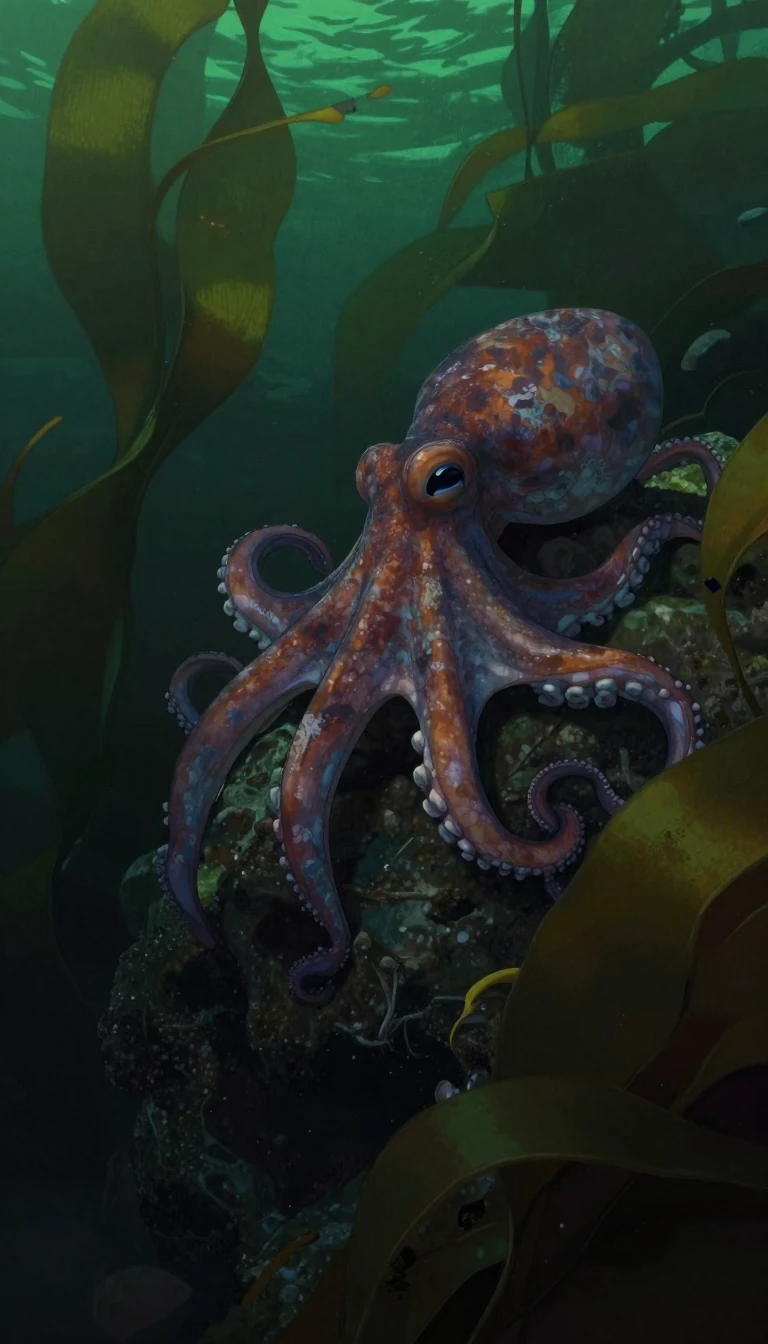 These flattened crustaceans are not true lobsters, but they are masters of disguise.Slipper lobsters are easily identified by their wide, plate-like antennae, but they lack the giant neurons required for a quick escape. Instead of darting away, these bottom-dwell…
 How the smooth-coated otter mastered urban living and even learned to hybridizeThe smooth-coated otter is a master of adaptation, thriving from the marshes of Iraq to the concrete canals of Singapore. While globally vulnerable due to habitat loss and poachin…
 The snakefly is a living fossil with a neck that mimics a serpentNamed for their elongated prothorax, snakeflies are ancient predators that have survived since the Jurassic period. While they resemble delicate lacewings, these insects are disti…
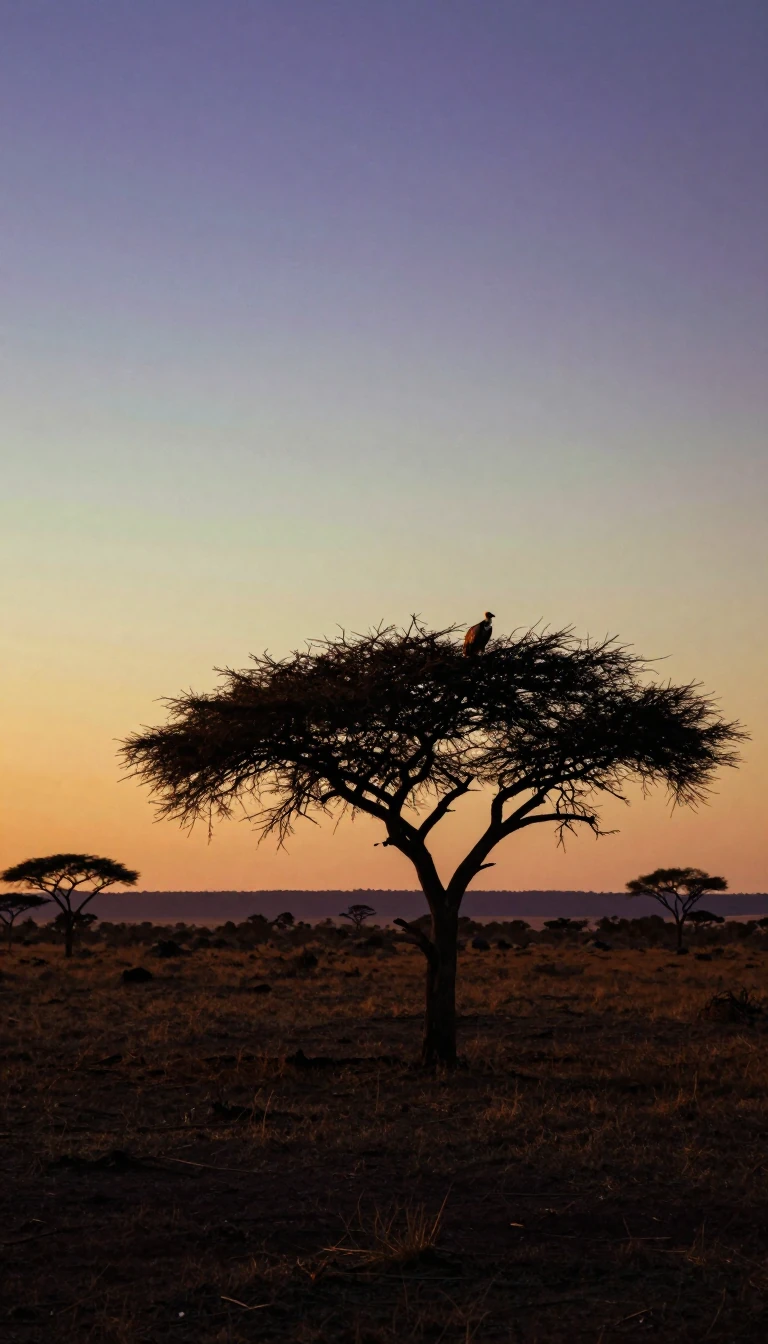 The elusive bird that gave the world the term for a deadly marksmanThe snipe is a master of camouflage and erratic flight, making it notoriously difficult to hunt. This challenge birthed the term sniper, originally describing a marksman skilled e…
- The snipe eel is a deep-sea minimalist with an anus located on its throatLiving in the twilight zone requires extreme efficiency. The slender snipe eel has evolved to strip away unnecessary body parts, resulting in a creature with 750 vertebrae, jaws t…
 Why these noisy, white-and-black geese are turning agricultural fields into their own snow globesSnow geese are among the most abundant waterfowl in North America, often gathering in massive flocks that blanket the landscape. While they are famous for their snowy white plumag…
 How the snowshoe hare survives by changing its coat with the seasonsThe snowshoe hare is a master of seasonal camouflage, trading a brown summer coat for a stark white winter disguise. Named for its oversized, fur-covered feet that act like natura…
 Why the humble sole fish is named after both footwear and anatomyThe sole is a flatfish with a dual identity. Its name reflects a linguistic split: in Romance languages, it is named for its resemblance to a sandal, while in many others, it is d…
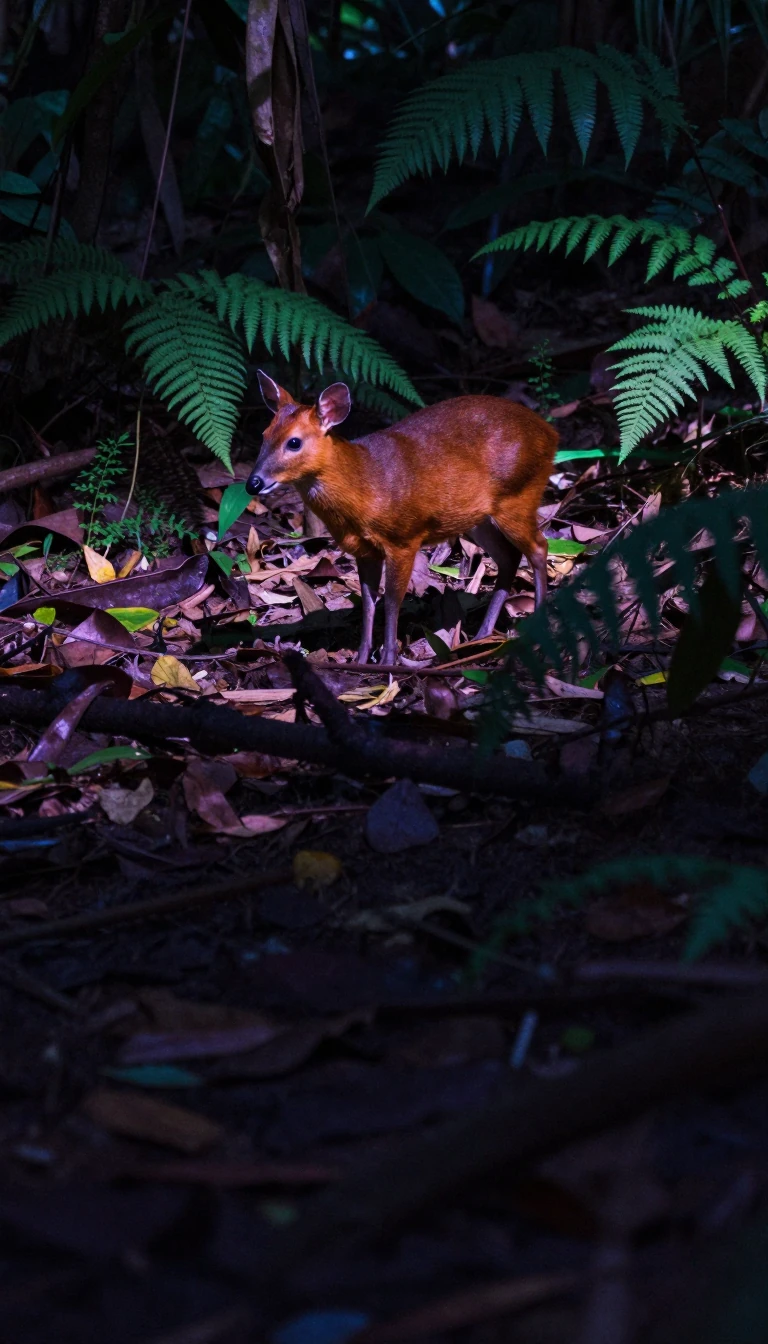 The venomous, goat-scented mammal that has survived for over 70 million yearsFound only on Cuba and Hispaniola, the solenodon is a rare, shrewlike mammal with a toxic bite. Despite its ancient lineage, this nocturnal creature remains a mystery, possessing …
 Solo Man: The Last Known Population of Homo erectus in Human HistoryFor decades, scientists debated whether Solo Man was a direct ancestor of modern humans or a relic of a vanished lineage. Recent dating of the Ngandong site in Java suggests these…
 Are southern giraffes a single species or part of a larger, complex family tree?Long considered a single species, the southern giraffe is now increasingly recognized as a distinct entity within a reorganized genus. These iconic, long-necked mammals roam the s…
 The Southern Hawker is a harmless, inquisitive giant patrolling your local garden pondWith a wingspan reaching 110 millimetres, the Southern Hawker is an imposing presence in European skies. Despite their predatory reputation and territorial mid-air brawls, these d…
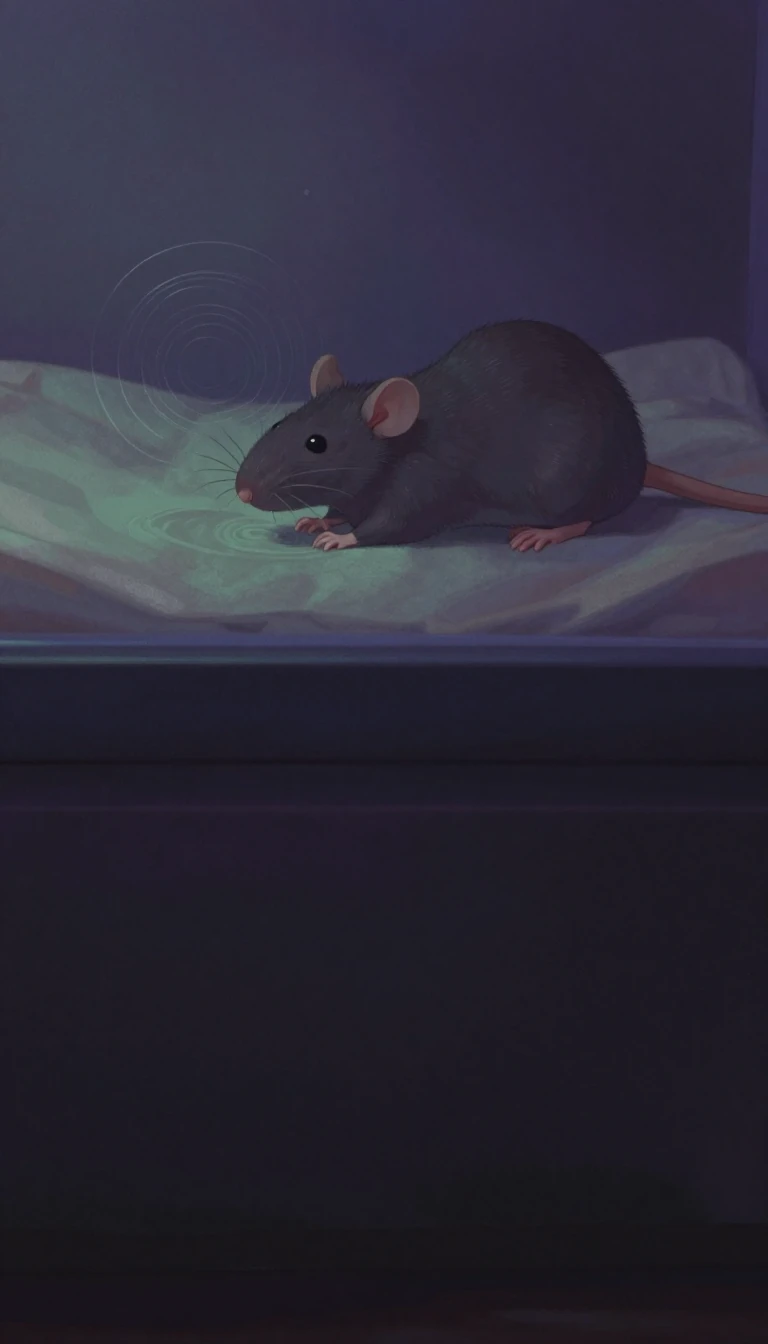 The blind mole-rat is a subterranean rodent with a surprising resistance to cancerDeep beneath the soil of Eastern Europe and Asia lives the Spalax, a genus of completely blind rodents. While their subterranean lifestyle is fascinating, researchers have discove…
- Why this vibrant sea slug is named after a dramatic Spanish flamenco performerThe Spanish dancer is a massive, colorful nudibranch that spends its days hiding in reef crevices. When threatened, it unfurls its mantle and performs a rhythmic, undulating swim …
 How the fast-moving Spanish mackerel became a model for sustainable American commercial fishingOnce an unregulated target for heavy commercial and recreational pressure, the Spanish mackerel is now a success story in marine management. With populations thriving above target…
 South America's ancient apex predators were not defeated by placental rivals as once thought.For millions of years, the Sparassodonta ruled South America as the continent's dominant mammalian carnivores. Long dismissed as victims of competition with immigrant placental pr…
 The seabream family is a masterclass in evolutionary adaptation and complex sexual biologySpanning over 150 species, the Sparidae family of ray-finned fishes thrives in waters from temperate to tropical zones. These demersal predators are defined by their compressed bo…
 The Eurasian ground squirrel that spends nearly nine months of the year asleepKnown as sousliks or spermophiles, these resilient rodents are masters of the Eurasian steppe. While they are social creatures that rely on high-pitched alarm calls to evade preda…
 Why these agile insects are often mistaken for hummingbirds in the gardenSphingidae, or hawkmoths, are masters of aerial precision. With streamlined bodies and rapid wing beats, they hover mid-air to sip nectar, a feat of convergent evolution shared by…
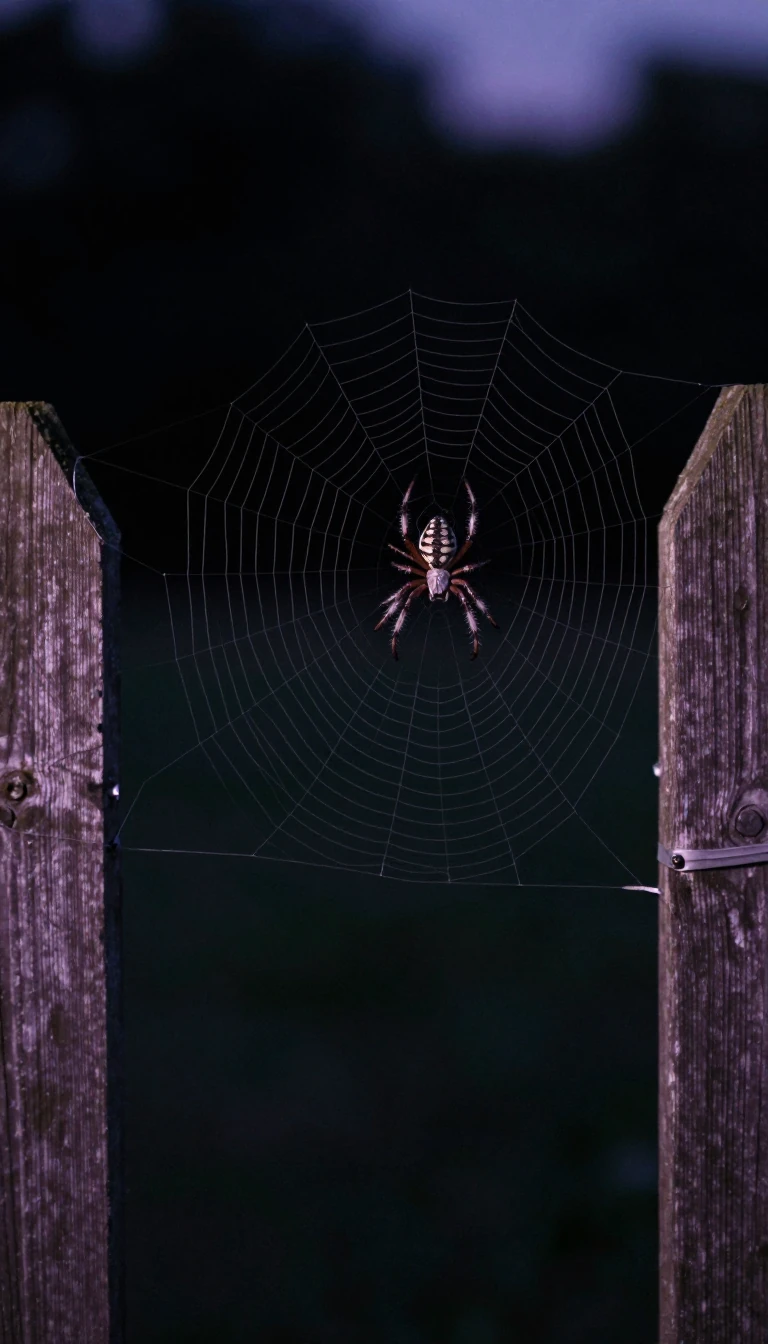
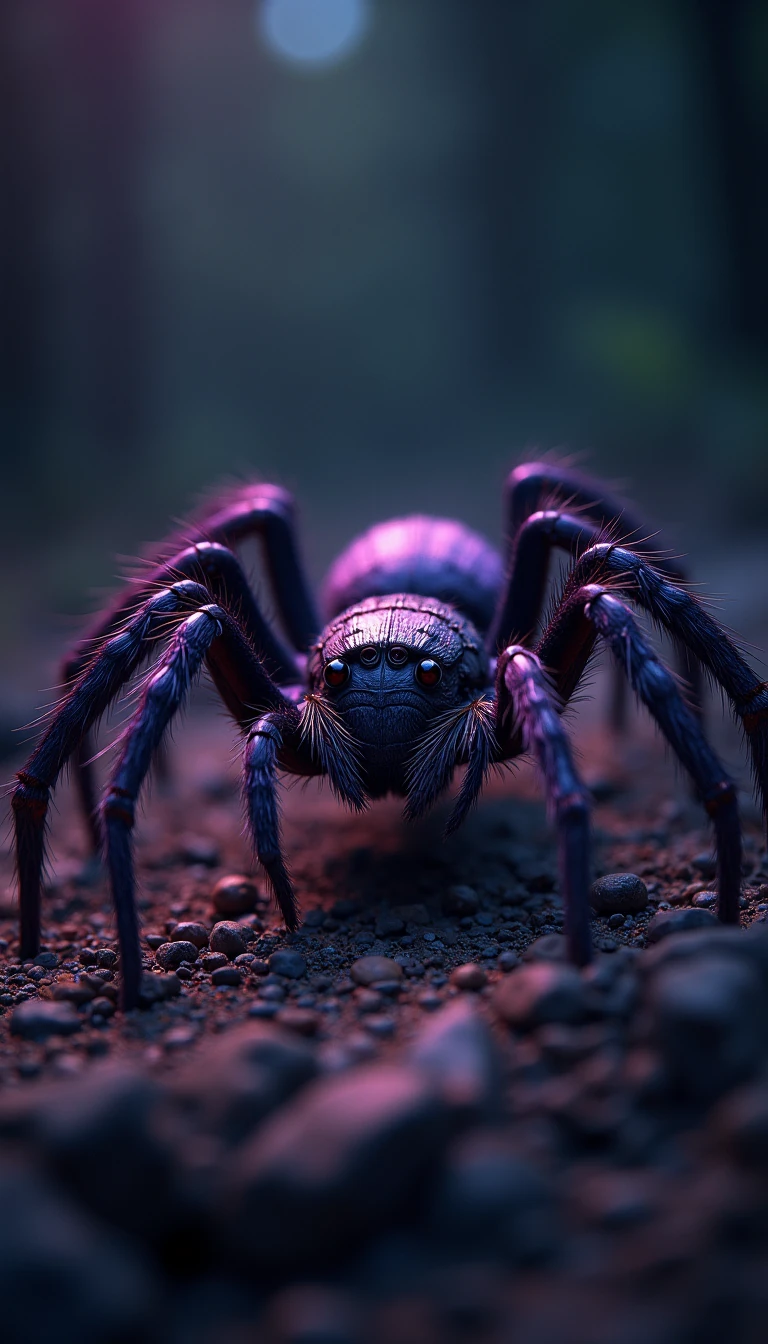 Spider webs are sophisticated engineering marvels that spiders recycle to save precious protein energy.A spider web is far more than a simple trap. These structures, built from proteinaceous silk, are feats of natural engineering that spiders often consume daily to recover resource…
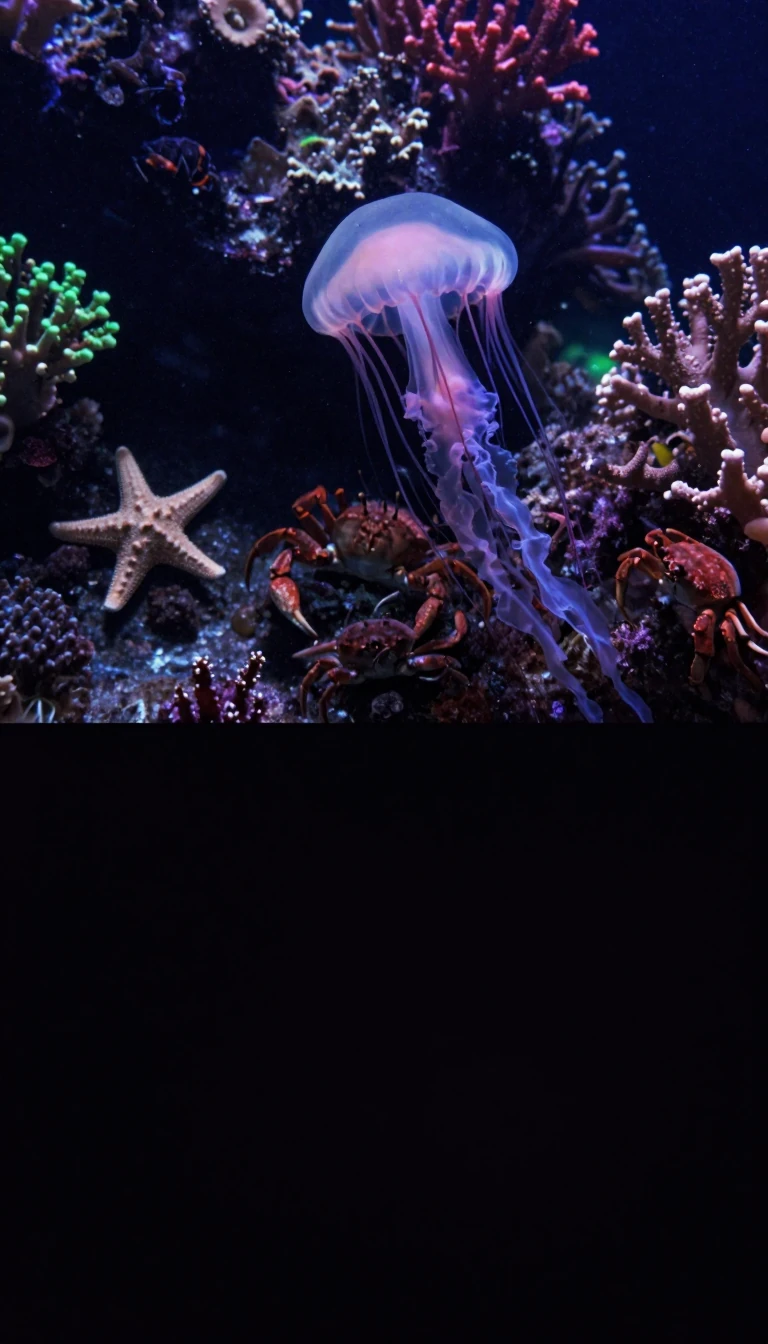 Spinosaurids were massive, sail-backed predators that evolved to hunt like modern crocodilians.Spinosaurids were not typical theropods. With long, narrow skulls, conical teeth, and retracted nostrils, these dinosaurs abandoned the land to dominate aquatic environments. From…
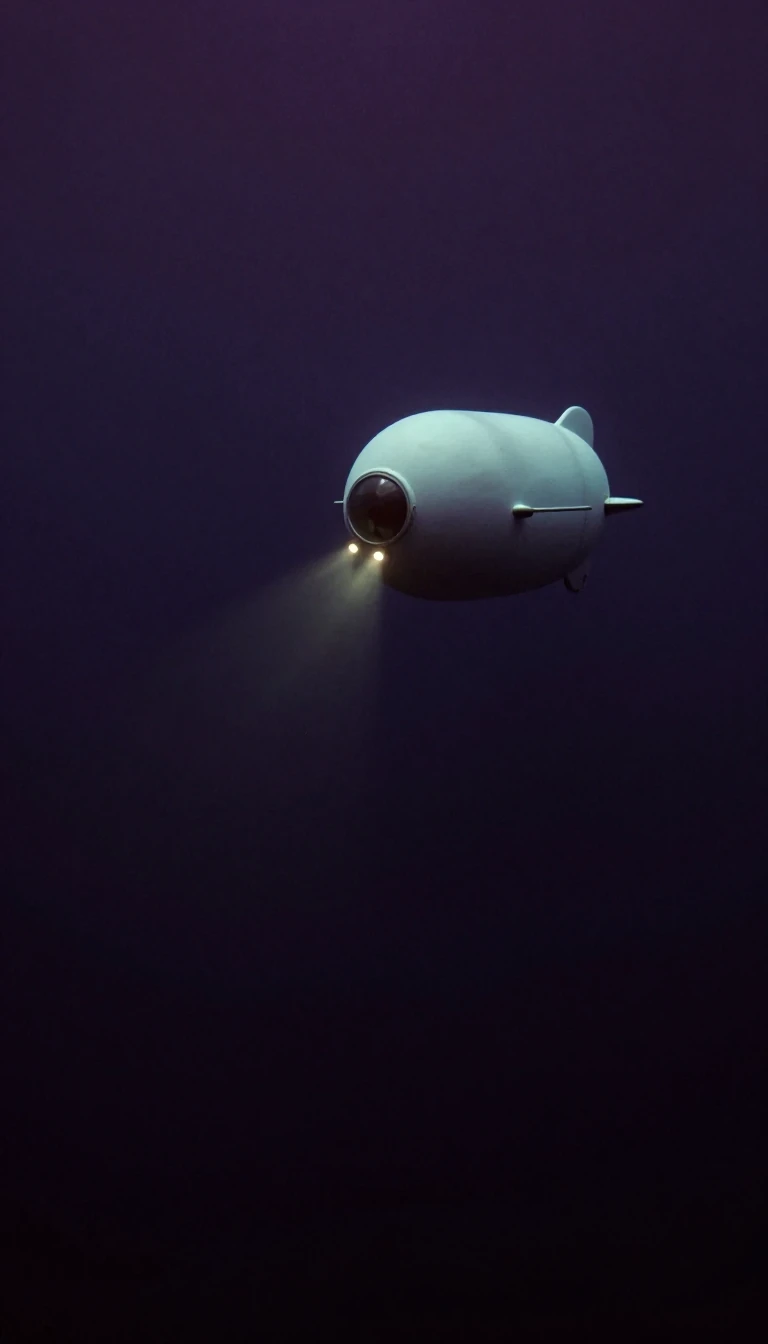 The mysterious ram's horn squid is a deep-sea ghost with a glowing secretYou have likely held its shell on a beach, but you have almost certainly never seen the animal itself. Spirula spirula is a rare, deep-water cephalopod that spends its days in the…
 The ancient bath sponge is a master of survival and a modern environmental heroKnown as the classic bath sponge, Spongia officinalis has been harvested for millennia, from Roman helmets to surgical supplies. Today, this resilient creature is being rediscover…
 How the spoonbill uses its unique, flat bill to hunt in murky waterThe spoonbill is a master of tactile hunting. While many birds rely on sight, this long-legged wader sweeps its specialized, spatulate bill through shallow water, snapping it shut…
 The spotted dove is a global traveler that thrives in our urban landscapesNative to the Indian subcontinent and East Asia, the spotted dove has successfully colonized cities from Hawaii to Australia. Recognizable by its distinctive black-and-white neck …
 The spotted ratfish is a deep-sea survivor with a venomous spine and rabbit-like face.Separated from sharks nearly 400 million years ago, the spotted ratfish is a strange, iridescent dweller of the Pacific depths. With emerald eyes, a duckbill snout, and a venomous…
 Seven species of spotted skunk exist, and they all perform handstands before spraying.Spotted skunks are tiny acrobats that weigh under two pounds. Before releasing their potent scent, they plant their front paws, hoist their hind legs, and splay their tails like f…
 Squat lobsters are not true lobsters, but they are masters of the deep seaDespite their name, squat lobsters are more closely related to hermit crabs than their namesake. These flattened, long-tailed crustaceans thrive from shallow caves to deep-sea hyd…
- Why these small tropical monkeys use urine to survive the sweltering jungle heatSquirrel monkeys are masters of survival in the humid canopy, but they face a physiological challenge: they can only sweat through their palms and soles. To avoid overheating, the…
- The star-nosed mole uses a 22-tentacled face to see the world through touch.Imagine a creature with a nose that functions like a high-speed hand. The star-nosed mole, a semiaquatic mammal, uses 22 hairless, super-sensitive rays to navigate dark, waterlogg…
- The mysterious dome-headed dinosaur that once confused scientists for a unicornStegoceras, a small bipedal dinosaur from the Late Cretaceous, was initially misidentified as a unicorn-like creature. Its signature thick, domed skull has sparked decades of deba…
 The prehistoric giants that mastered island life before vanishing alongside early humansStegodon were massive, elephant-like creatures that once roamed across Africa and Asia. While mainland species grew to enormous sizes, those that reached remote islands underwent …
- The iconic spiked tail of the Stegosaurus was once dismissed as a mere joke.The thagomizer, that fearsome array of tail spikes, owes its name to a comic strip. Beyond the humor, these armored dinosaurs remain a scientific puzzle. From their mysterious ori…
- The gentle giant of the Bering Sea vanished less than thirty years after discoveryWhen naturalist Georg Wilhelm Steller first encountered the Steller's sea cow in 1741, he found a massive, social creature that had no fear of humans. Within three decades, this g…
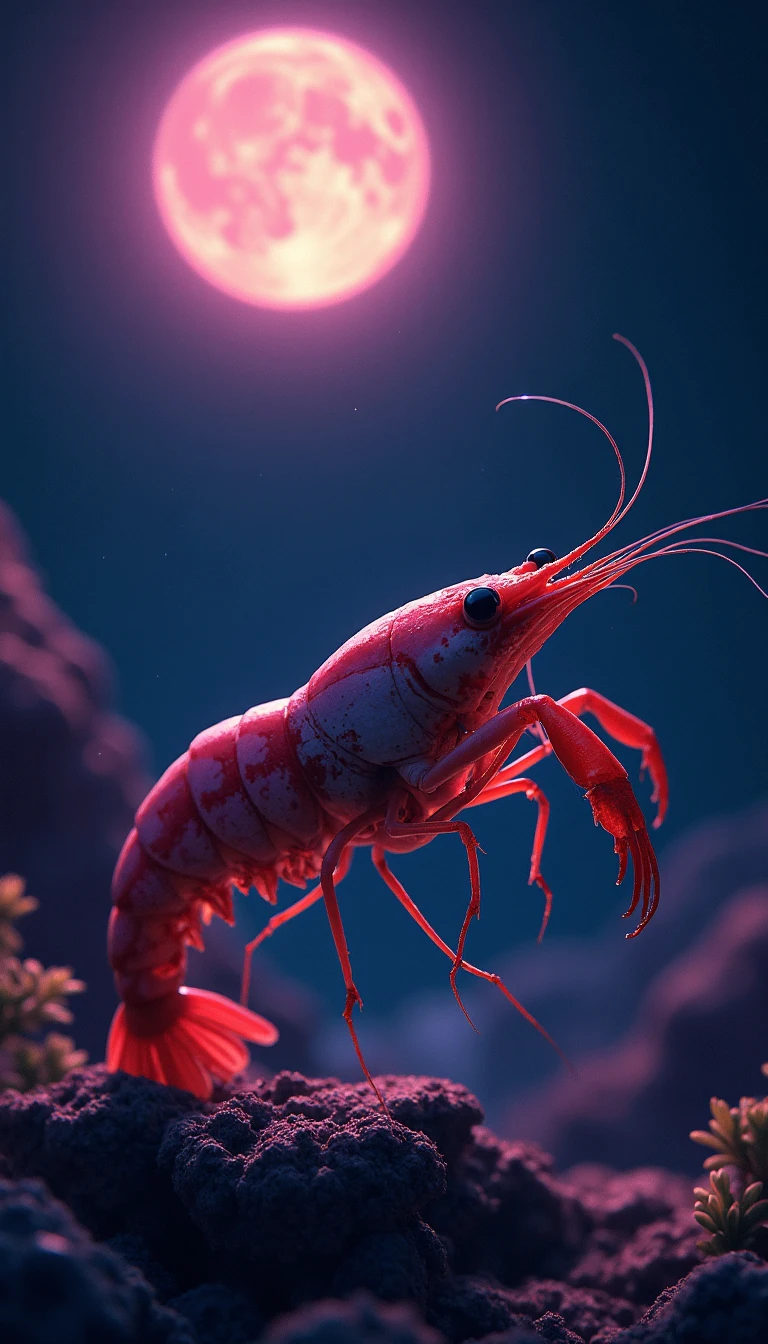 Why the boxer shrimp is not actually a shrimp in the traditional senseOften mistaken for common prawns or shrimp, the boxer shrimp belongs to a distinct group known as Stenopodidea. While they share the order Decapoda with their lookalikes, these cr…
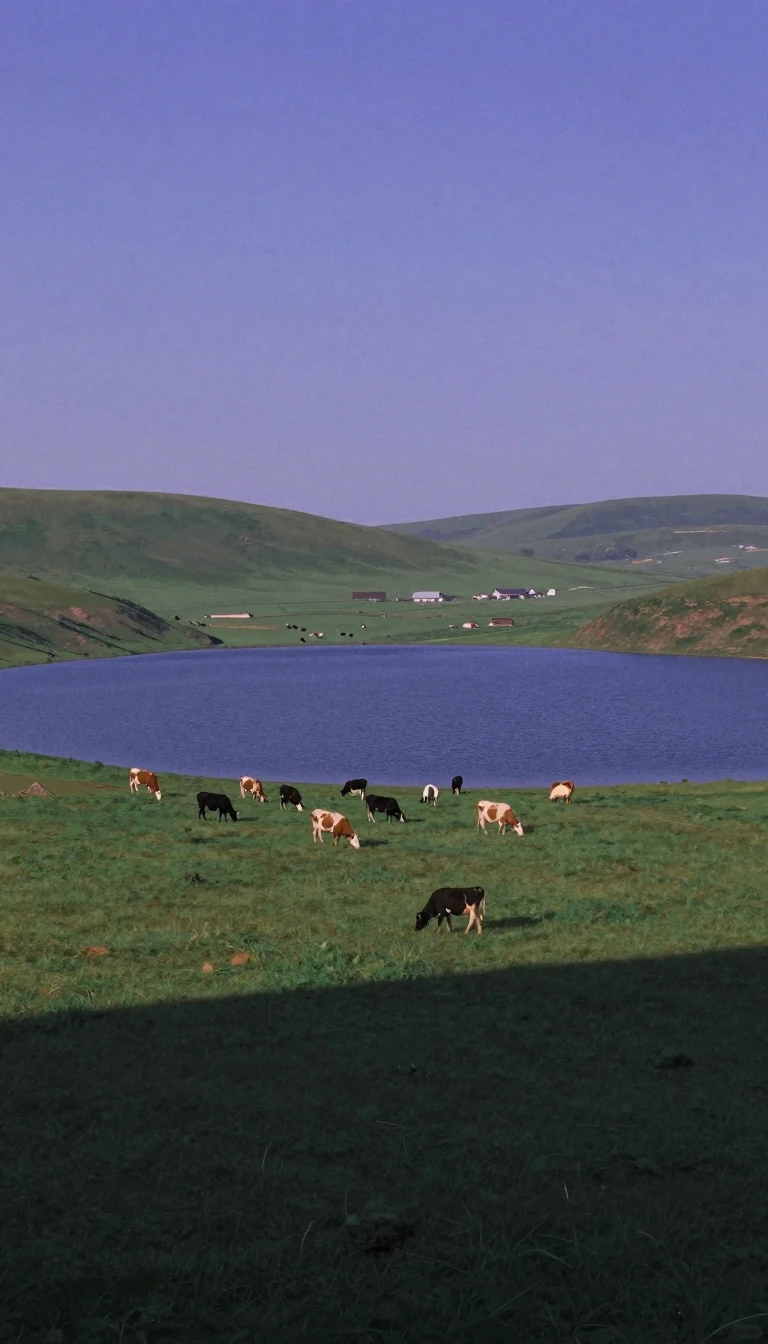 The steppe bison was a massive, wide-ranging herbivore that once dominated the mammoth steppe.Before modern bison roamed the plains, the steppe bison thrived across a vast biome stretching from Spain to Canada. Reaching over 1,000 kilograms, these formidable creatures were…
 The Steppe Eagle is a master of two lives, but its future is fading.With a wingspan of 2.6 metres, this raptor dominates the Eurasian grasslands in summer before embarking on a 10,000km journey to African savannahs or urban landfills. Once the pla…
 Before crocodiles ruled the waters, these giant amphibians dominated the world's ecosystems.Stereospondyli were a diverse group of extinct amphibians that thrived across all seven continents during the Mesozoic. Often filling niches now occupied by crocodilians, these cr…
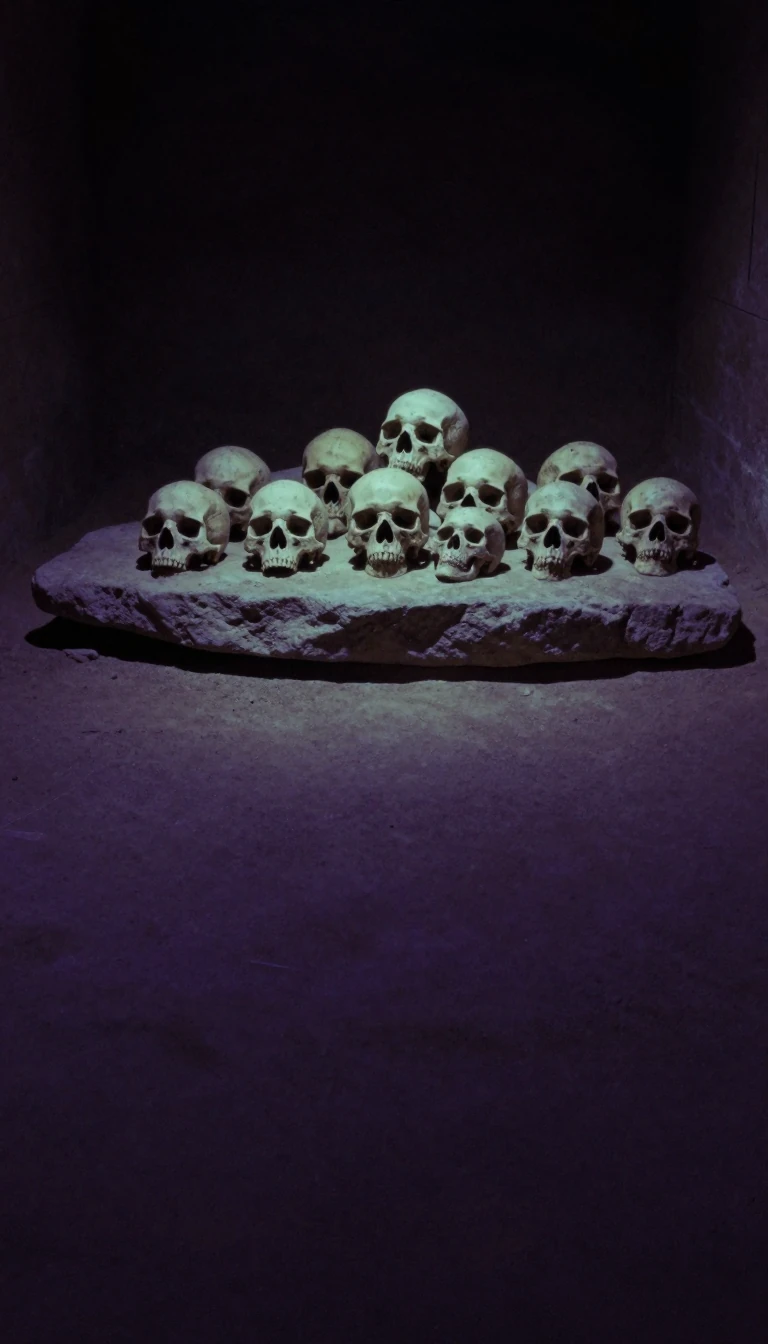 The bizarre anvil-backed shark that might actually be a cousin to the chimaeraStethacanthus was a prehistoric fish defined by a strange, anvil-shaped dorsal crest covered in spikes. While it looked like a shark, its unique anatomy—including mysterious fin w…
- The giant, bipedal kangaroos that walked like humans instead of hopping across AustraliaSthenurus, a genus of extinct kangaroos, were massive creatures reaching 240 kilograms. Unlike their modern, hopping relatives, these giants possessed a robust, monodactyl skeleta…
 Why the stick mantis is a master of disguise, not a stick insectThe stick mantis is a marvel of evolutionary mimicry, perfectly adapted to resemble the twigs and branches of its environment. While their appearance suggests a close relationship…
 Why these birds earned the name strap-leg in the ancient worldStilts are masters of the wetlands, easily identified by their exceptionally long, slender legs and thin bills. Belonging to the Recurvirostridae family, these birds thrive in war…
 Stingless bees are tropical powerhouses that produce medicinal honey and boost crop yieldsWhile they lack a functional stinger, stingless bees are far from defenseless. These social insects protect their hives with painful bites and chemical secretions. Beyond their re…
- Meet the duck-faced predators that roamed the Cretaceous deserts of North AfricaDuring the Late Cretaceous, a bizarre family of crocodylomorphs known as Stomatosuchidae prowled Egypt, Morocco, and Niger. These ancient reptiles possessed uniquely flattened, du…
 The deep-sea dragonfish uses invisible teeth to hunt in the pitch-black oceanStomiiformes are a diverse order of deep-sea fish, ranging from tiny bristlemouths to formidable dragonfishes. Many species possess nightmarish features, including bioluminescent …
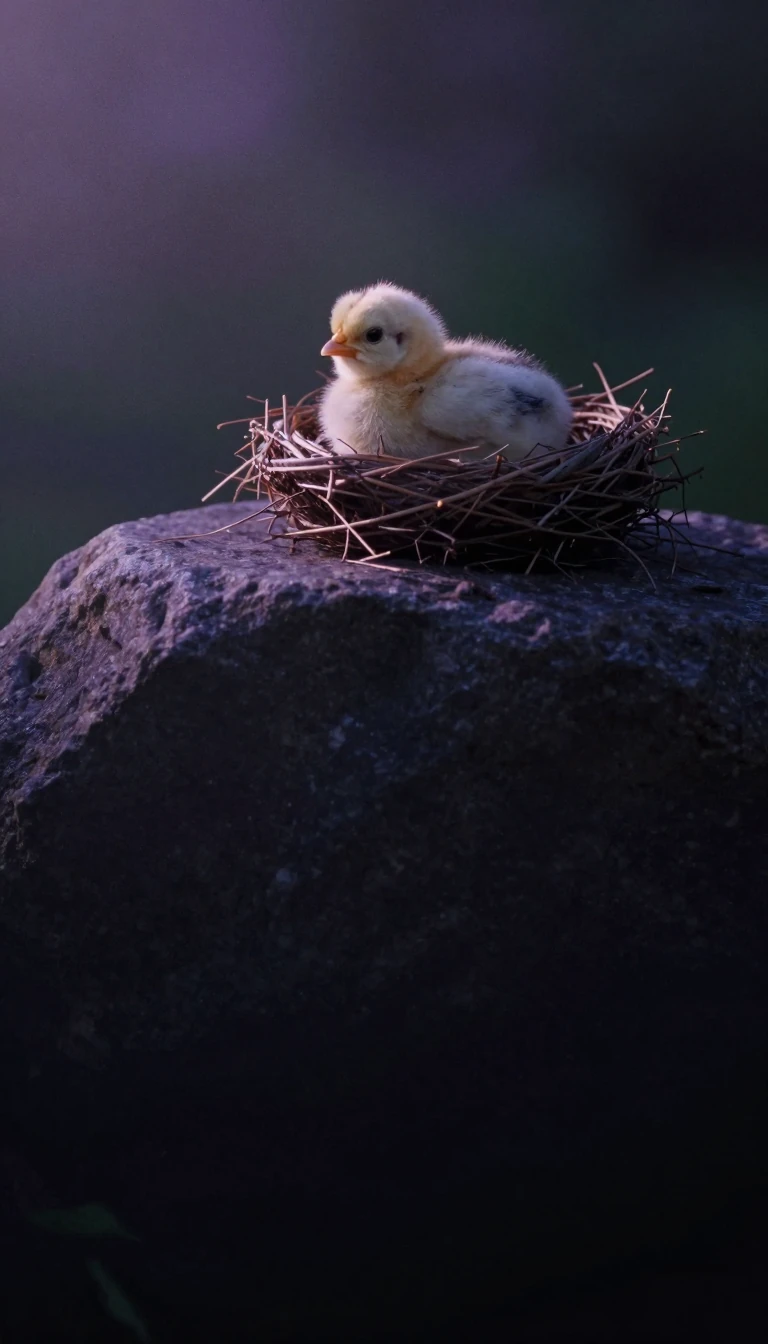 The stone-curlew is neither a stone nor a curlew, but a nocturnal enigma.With reptilian yellow eyes and a name that confuses anatomy, the stone-curlew is a master of misdirection. Despite its misleading moniker, this bird is not related to true curlews…
- The twisted-wing insects that hijack their hosts from the inside outStrepsiptera are mysterious, endoparasitic insects that spend almost their entire lives hidden within the bodies of other creatures. With eyes that mimic ancient trilobites and a …