 Intellect Plus
Nature
11,198 cards. Each one is a 40-second story with a five-minute read behind it. Page 99 of 187.
Subtopics: Ageing · Air · Animal behaviour · Animal breeds and hybrids · Animals · Arthropods · Atmosphere · Big cats · Bilateria, others · Birds · Botany · Cnidarians · Conservation · Coral reefs · Deep sea · Deserts · Dinosaurs · Earth science · Earth science and physical geography · Earth science basics · Earthquakes & tsunamis · Echinoderms · Ecology · Ecosystems · Endangered species · Extinct animals · Farming · Fish · Forests · Fungi · General classifications · Geology · Geomorphology · How Long Can It Live? · Ice · Individual animals · Insects · Lightning · Longevity · Mammals · Marsupials · Migration · Mollusks · Ocean · Organisms · Parasites · Physical geography · Plants · Porifera · Predators · Primates · Rainforest · Reptiles & amphibians · Researched · Sharks & rays · Spiders & arachnids · Symbiosis · Trees · UK & Ireland: nature · Vertebrates · Vision · Volcanoes · Water · Waves · Weather · Whales & dolphins · Zoology
 A bulldozer accident in 2008 revealed a 55,000-year-old link to our human ancestors.When construction work accidentally cracked open a cave roof in Western Galilee, it uncovered Manot 1. This fossilized skullcap, dating back roughly 54,700 years, provides a criti…
 Why Madagascar's tiny poison frogs look exactly like their distant South American cousinsMadagascar's Mantella frogs are a masterclass in convergent evolution. Despite being separated by oceans and distinct lineages, these small, toxic amphibians evolved the same bril…
 Meet the gladiators: ancient, wingless insects hidden in plain sight until 2001.Discovered only in 2001, the Mantophasmatidae family—often called gladiators—are wingless, carnivorous insects that look like a hybrid of mantises and phasmids. Though they were o…
 The Patagonian mara is a rodent that defies every expectation of its kindResembling a long-legged rabbit or a miniature ungulate, the mara is a rodent that challenges conventional biology. These social creatures mate for life, utilize a communal crèche…
 The bony headgear of Marginocephalia served far more than just a defensive purposeMarginocephalia, a group of dinosaurs defined by their distinctive skull shelves, includes both the thick-skulled pachycephalosaurs and the horned ceratopsians. While their elabor…
 Saltwater fish are under siege from both the dinner plate and the aquarium tradeMarine fish inhabit every corner of the ocean, from sunlit surfaces to the crushing dark of the deep sea. Yet, these diverse populations face mounting pressure from industrial ove…
 The deep-sea hatchetfish uses light to vanish in plain sight from hungry predators.These small, silver-scaled creatures of the deep ocean possess a remarkable survival strategy. By using bioluminescent organs to match the intensity of light filtering down from t…
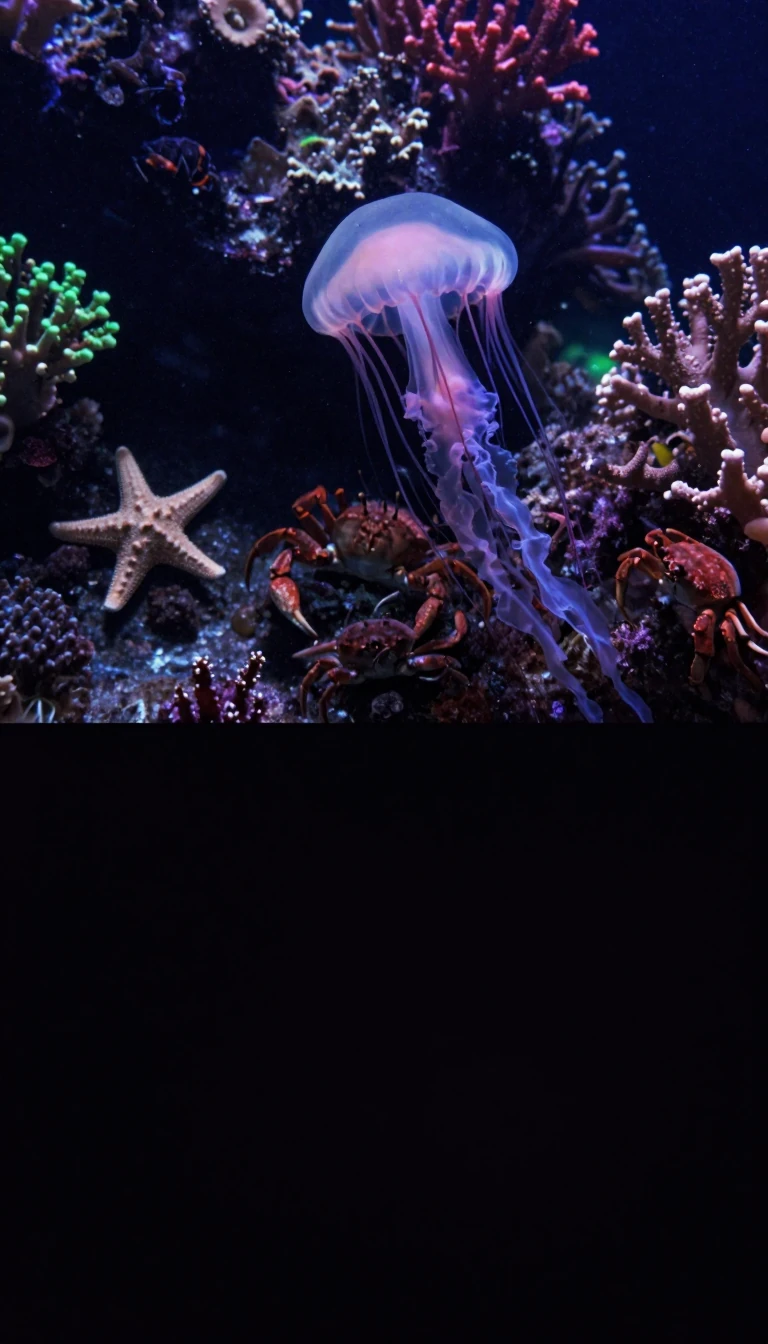 The only lizard on Earth that hunts for food beneath the ocean wavesCharles Darwin famously called them hideous and clumsy, yet these Galápagos reptiles possess a remarkable evolutionary secret. They are the world's only modern lizards that forage…
 The Masai giraffe is the tallest land animal, but its status is shiftingStanding up to 5.8 meters tall, the Masai giraffe is the largest of its kind. Once considered a mere subspecies, this East African giant is now recognized as a distinct species. Y…
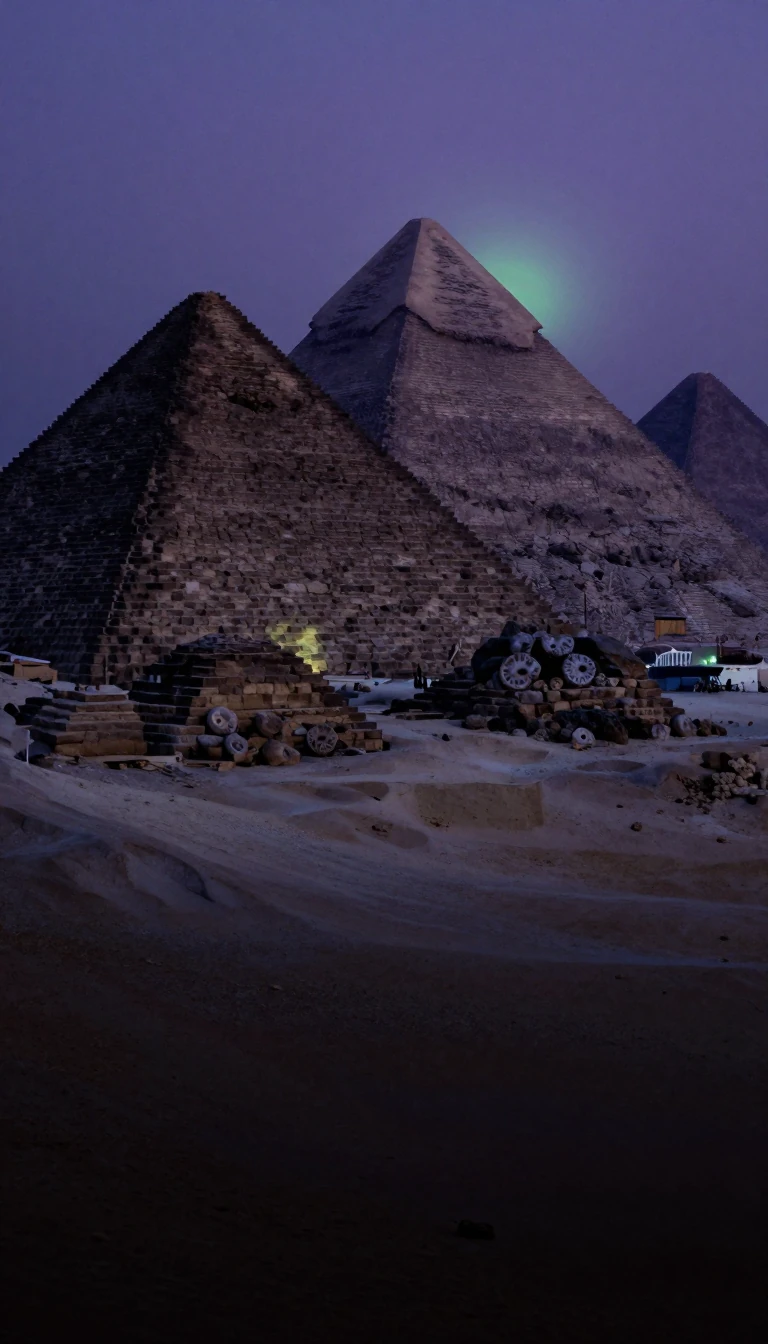 This bizarre dinosaur from Madagascar evolved forward-pointing teeth to snatch up small preyMasiakasaurus knopfleri was a small, bipedal predator with a dental secret. Unlike its peers, its front teeth projected horizontally, creating a specialized tool for grasping rath…
 How the American Mastodon Became a Symbol of National Pride and Scientific DiscoveryLong before they were icons of natural history, mastodons were political tools. In the 18th century, American fossils were used to counter European theories of biological inferior…
 The hidden architecture of survival: how animals build their secret maternity densA maternity den is far more than a simple hole in the ground. It is a specialized sanctuary where mothers retreat to give birth and shield their vulnerable young from the elements…
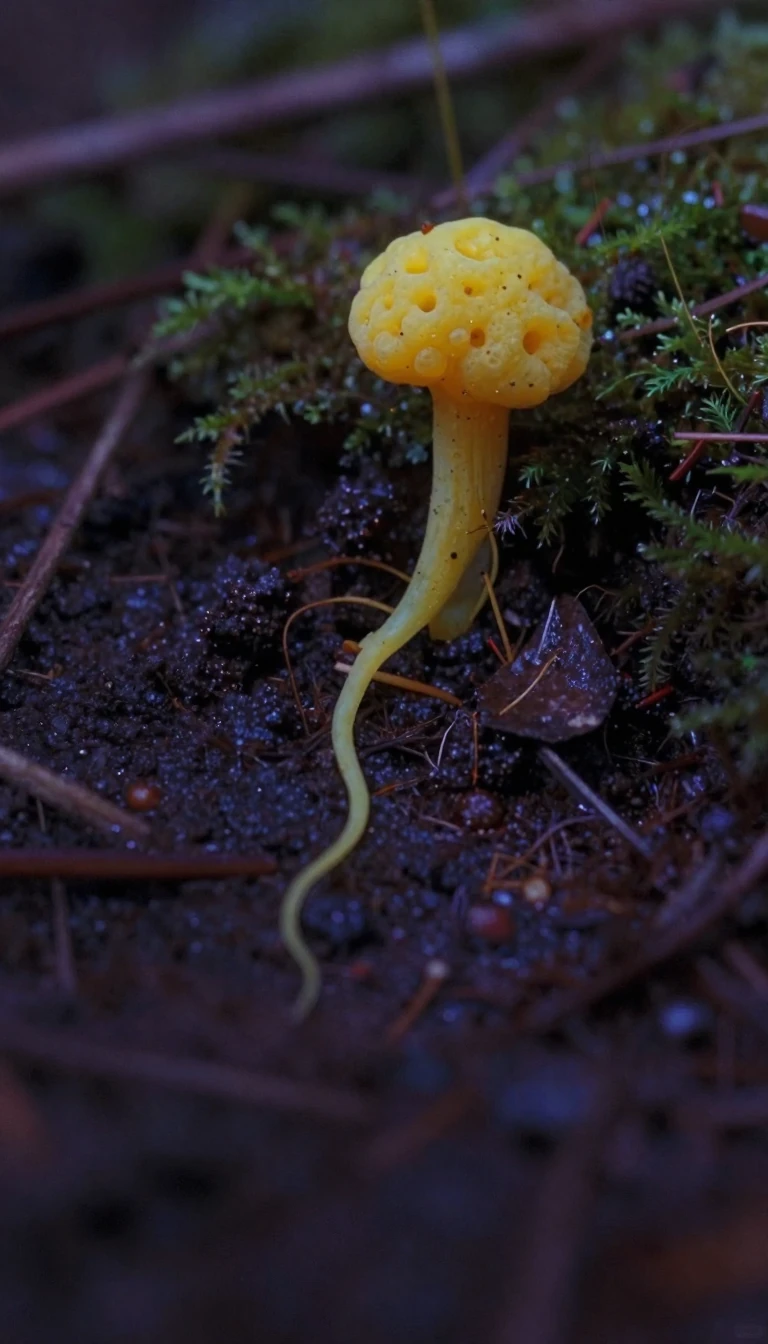 Beyond the basics: how life across the planet masters the art of reproductionMating is far more than a simple pairing of opposites. From the complex chemical signaling of insects to the stress-induced sexual shifts in fungi and protists, life employs a sta…
 Was this prehistoric giant the largest coelacanth to ever swim in ancient waters?Mawsonia was a massive prehistoric fish that thrived in freshwater and brackish habitats across three continents. While some estimates suggest it reached lengths of over five mete…
 The moon lizard is a global traveler hiding in your home's unseen cracksThe Mediterranean house gecko is one of the world's most successful invasive reptiles. Often called the moon lizard for its nocturnal habits, this small, translucent creature has …
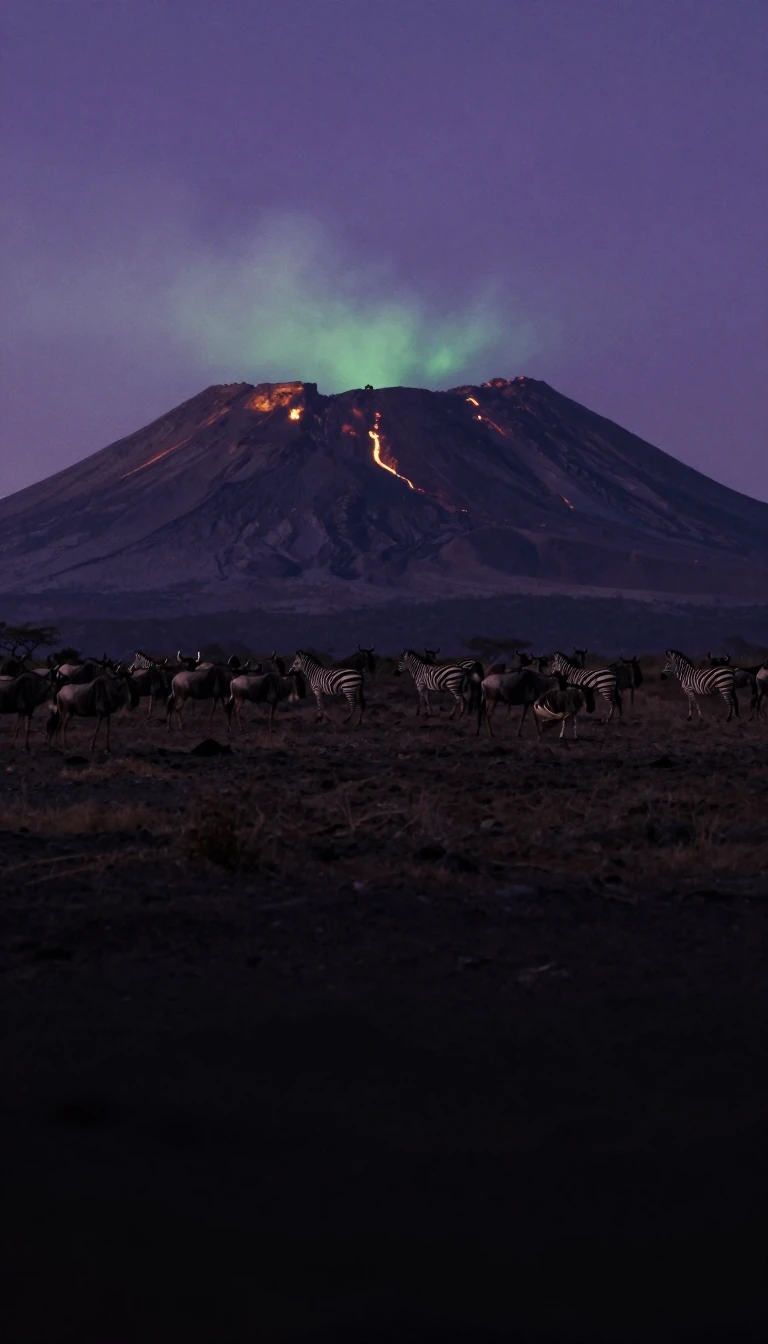 The Thunder Beasts of the Eocene were North America's most iconic prehistoric giantsMegacerops, the classic brontothere, once roamed North American woodlands as a massive, horn-bearing herbivore. Though historically confused by a century of over-naming, these Eoc…
 Why the Asian barbets are undergoing a major taxonomic identity crisis right nowThe Asian barbets, known as Megalaimidae, are a family of birds found across the Indomalayan realm. While once grouped with other barbets, modern research has redefined their clas…
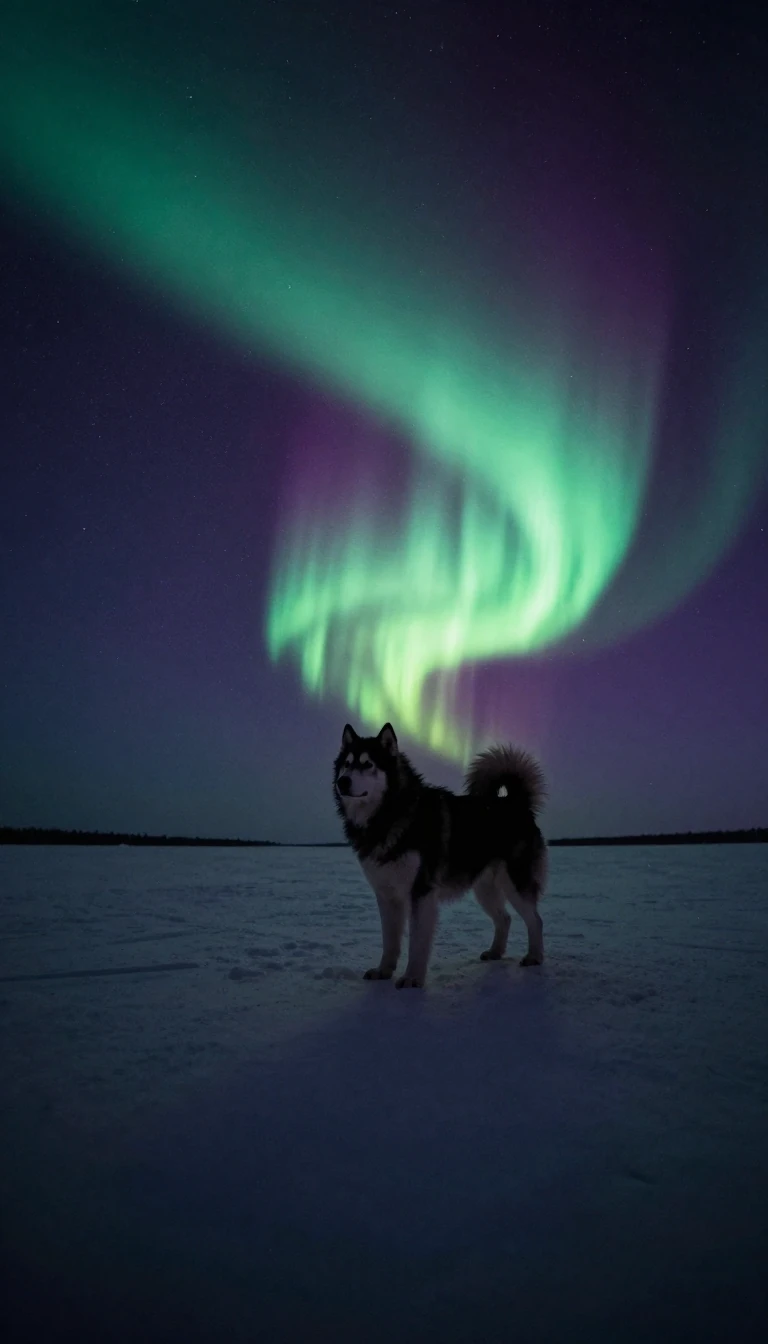 Meet the jaguar-sized ferret that once dominated the prehistoric North American landscapeImagine a creature with the body of a ferret but the sheer scale of a jaguar. Megalictis, an extinct giant mustelid, roamed North America millions of years ago. With a bone-crushi…
- Thomas Jefferson discovered a giant ground sloth and mistakenly thought it was a lion.In 1796, Thomas Jefferson received mysterious fossilized claws from a West Virginia cave. He named the creature Megalonyx, or great-claw, and initially believed it was a massive, …
 Why the world's largest aquatic insect spends years underwater before its fleeting adult lifeMegaloptera, an order containing alderflies and dobsonflies, are masters of the long game. While their aquatic larvae spend up to five years developing in freshwater, the adults o…
 Was the giant prehistoric insect Meganeura actually a victim of its own massive size?With a wingspan reaching up to 75 centimetres, Meganeura is the iconic giant of the Carboniferous skies. Yet, these ancient predators were likely clumsy fliers compared to modern …
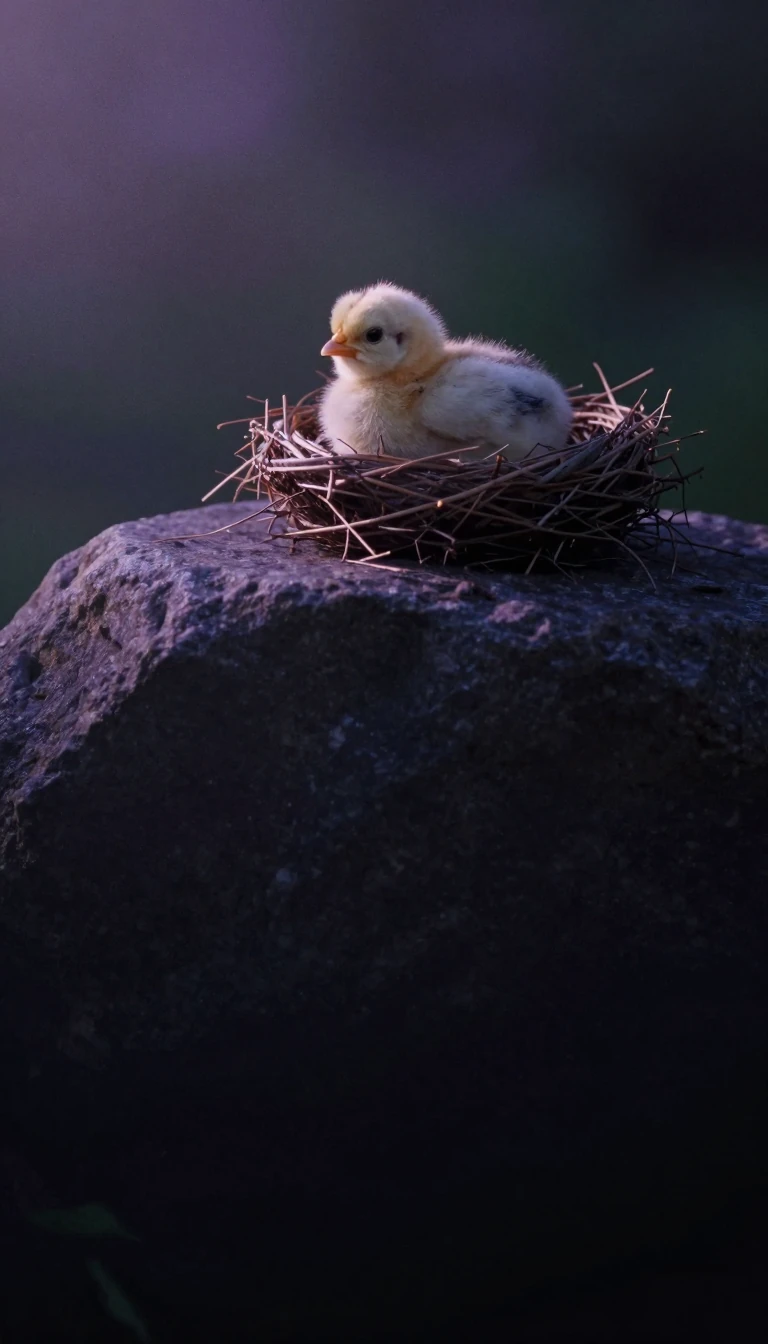 Why these birds abandon their eggs to be raised by volcanoes and compostMegapodes are the only birds that reject traditional brooding. Instead of using body heat, they bury their eggs in massive mounds of decaying vegetation, volcanic soil, or sun-war…
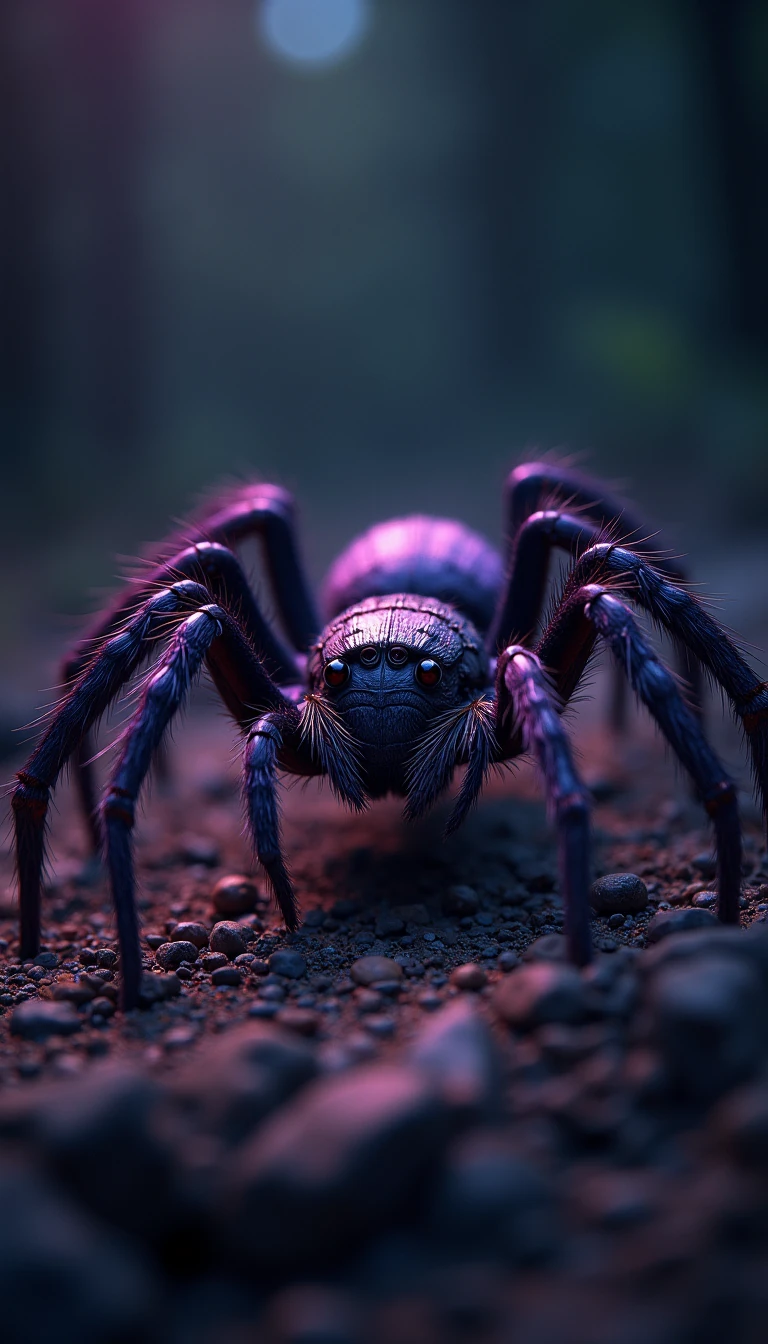 The terrifying giant spider that never existed: meet the sea scorpion of Argentina.In 1980, paleontologists announced the discovery of the largest spider to ever live, Megarachne. It became a global sensation, appearing in museum exhibits and documentaries. Deca…
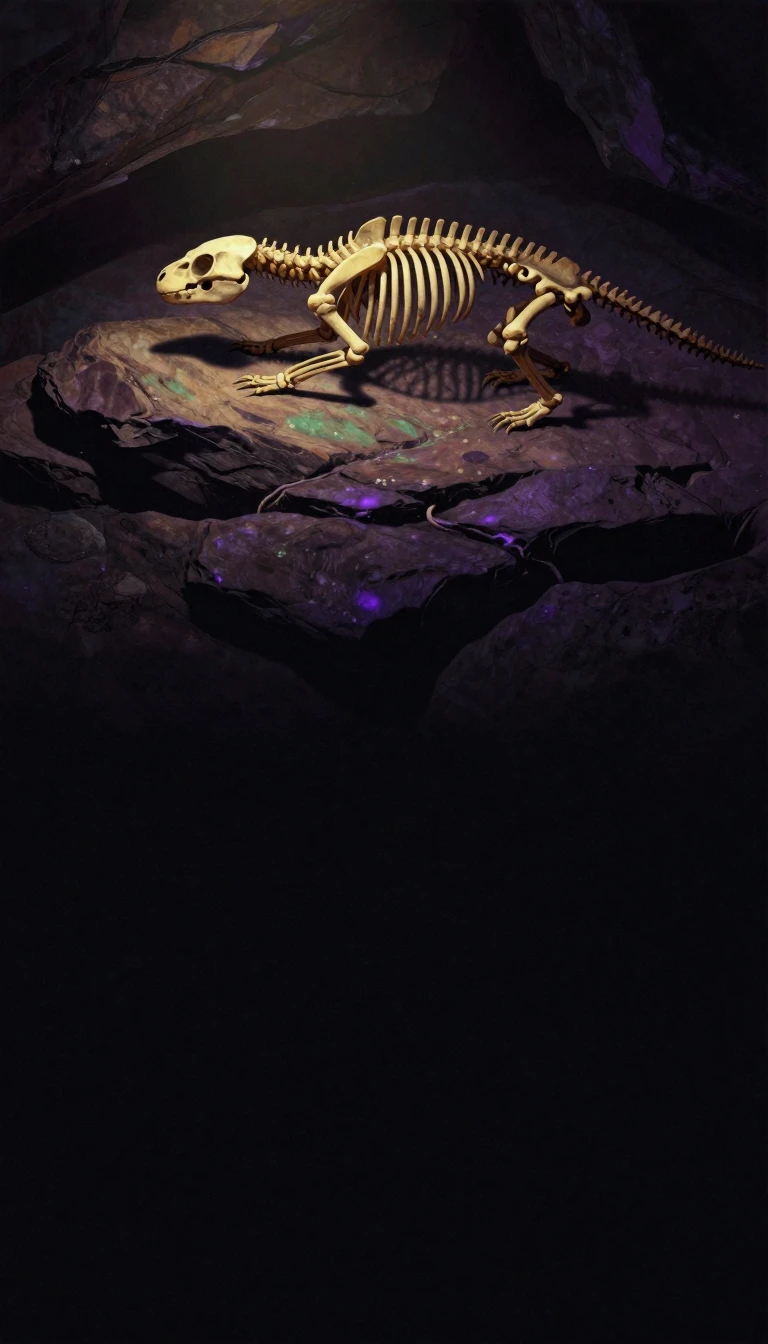 Meet the shrew-like ancestor that bridged the gap between reptiles and modern mammalsRoughly 200 million years ago, a tiny creature named Megazostrodon emerged, sporting a brain larger than its cynodont predecessors. This nocturnal insectivore evolved critical mam…
 The horned, club-tailed turtle that once roamed the islands of the South PacificMeiolania was a bizarre, heavily armored turtle featuring massive cow-like horns and a spiked, club-tipped tail. Once mistaken for a giant lizard, this terrestrial giant lived acr…
 Small, terrestrial, and extinct: the mysterious crocodilians that once roamed Pacific islands.For millions of years, a genus of small, land-dwelling crocodiles thrived across Australia and the Pacific. Known as Mekosuchus, these creatures featured blunt snouts and speciali…
- The most important fish in the sea is too oily to eatAtlantic menhaden are rarely served on dinner plates, yet they support the largest commercial fishery by volume on the U.S. Atlantic coast. These silvery, filter-feeding fish act …
 Why skunks and stink badgers are not the weasels you once thoughtFor years, biologists grouped skunks with weasels, but modern genetics has rewritten their family tree. These creatures, now classified as the family Mephitidae, share a closer ev…
 Why these specialized fish-eating ducks are known as the sawbills of the waterMergansers are unique diving ducks equipped with serrated bills designed to grip slippery prey. While most ducks favor mollusks, these birds are specialized hunters. Their name, m…
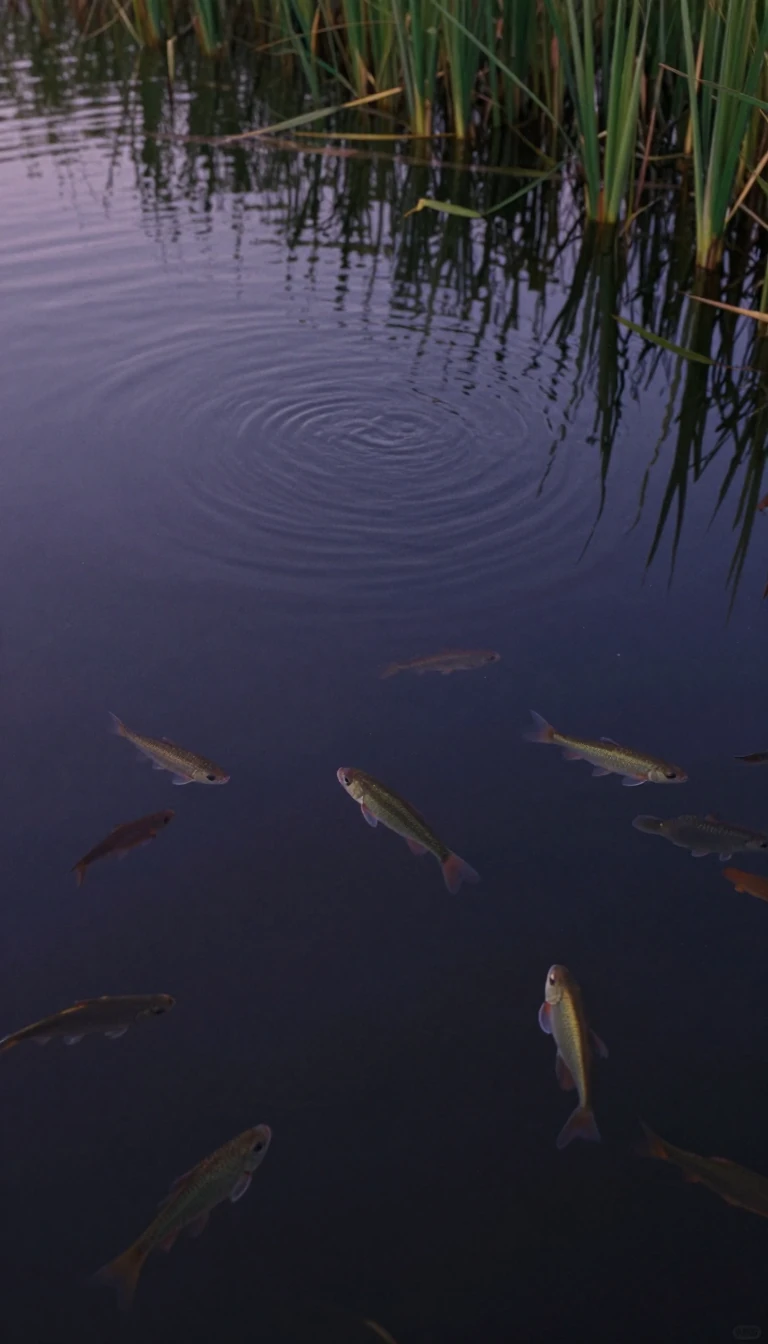 The humble whiting: from a pauper's meal to a French culinary iconOnce dismissed as cheap food for the poor or pets, the whiting has a surprisingly rich history. From its unique anatomy and distinctive black pectoral markings to its role in Fren…
 Oreodonts: The mysterious, cud-chewing 'ruminating hogs' that once dominated the American landscapeKnown as ruminating hogs, these prehistoric mammals were once among the most abundant herbivores in North America. Despite their pig-like appearance, they were likely related to c…
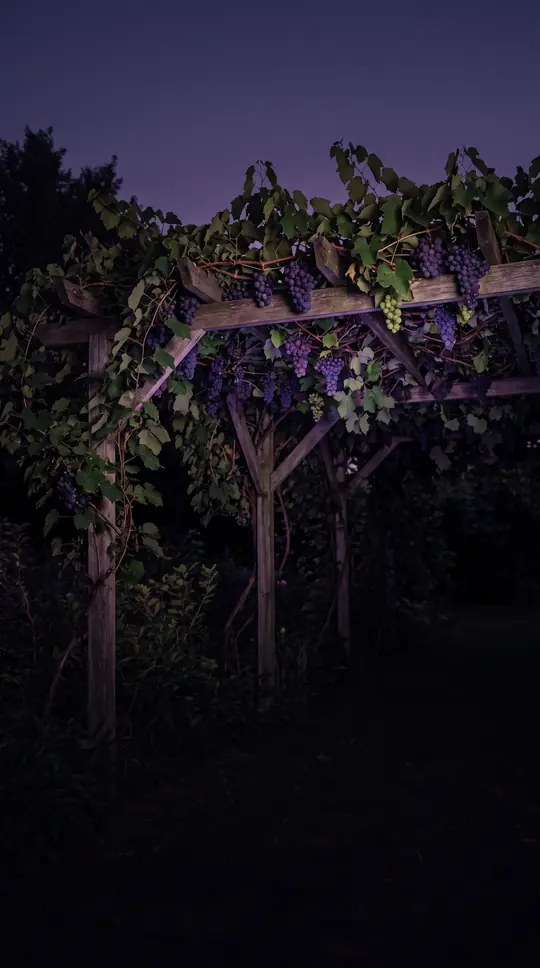 The mysterious mesite is a ground-dwelling bird found only on the island of Madagascar.These small, brownish birds are an evolutionary enigma. While they belong to the order Gruiformes, they possess unique traits that set them apart from all other members of their g…
 Mesocarnivores are the essential, flexible middle-managers of the natural world's complex food webs.Defined by a diet of 30 to 70 percent meat, mesocarnivores occupy a critical niche between apex predators and herbivores. From the adaptable coyote to the specialized river otter,…
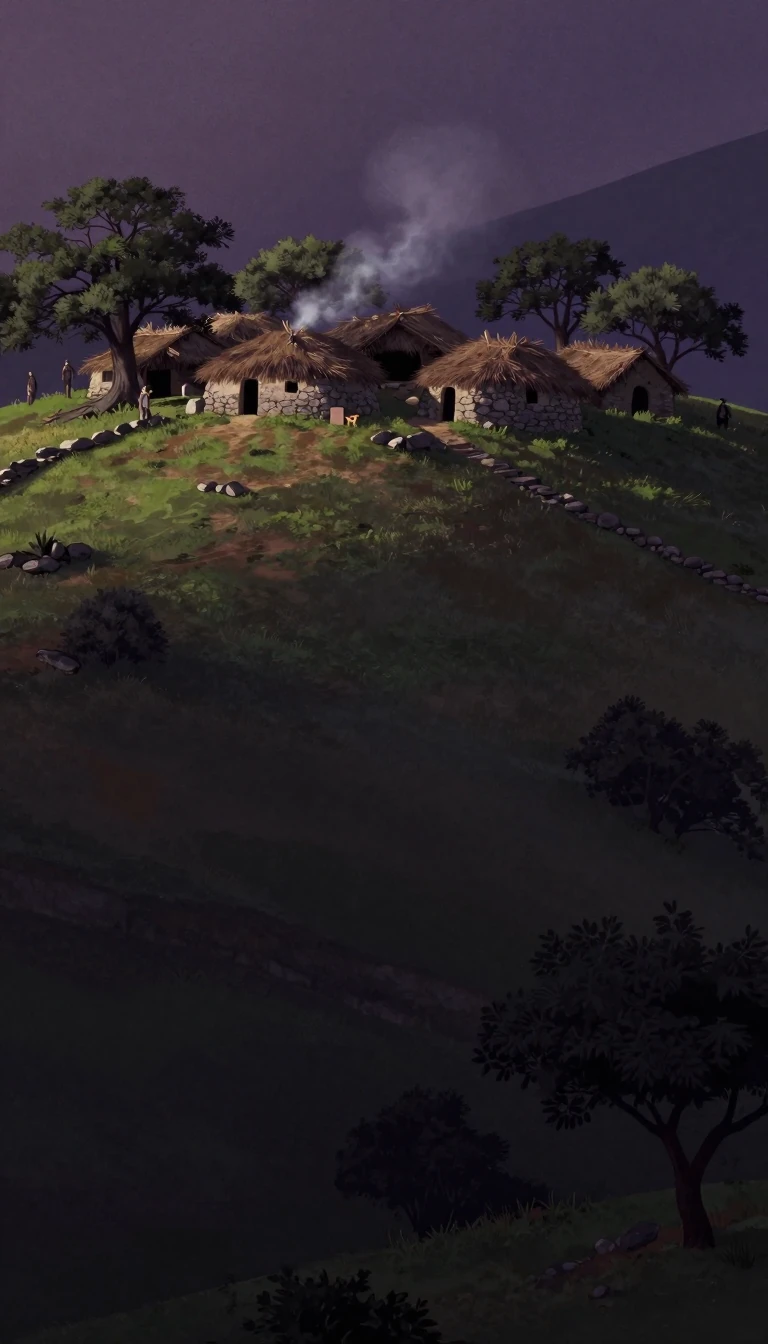 Mesonychians were hoofed, wolf-like predators that once dominated ancient ecosystems before vanishing entirely.These extinct mammals, once mistaken for whale ancestors, were neither true carnivores nor ungulates. With stiff, hoofed paws and wolf-like skulls, they occupied a unique evolutio…
- The mysterious 'wolves on hooves' that once roamed the ancient worldMesonychids were a strange group of omnivorous-carnivorous mammals that thrived from the Early Paleocene to the Late Eocene. Often called wolves on hooves, these creatures combine…
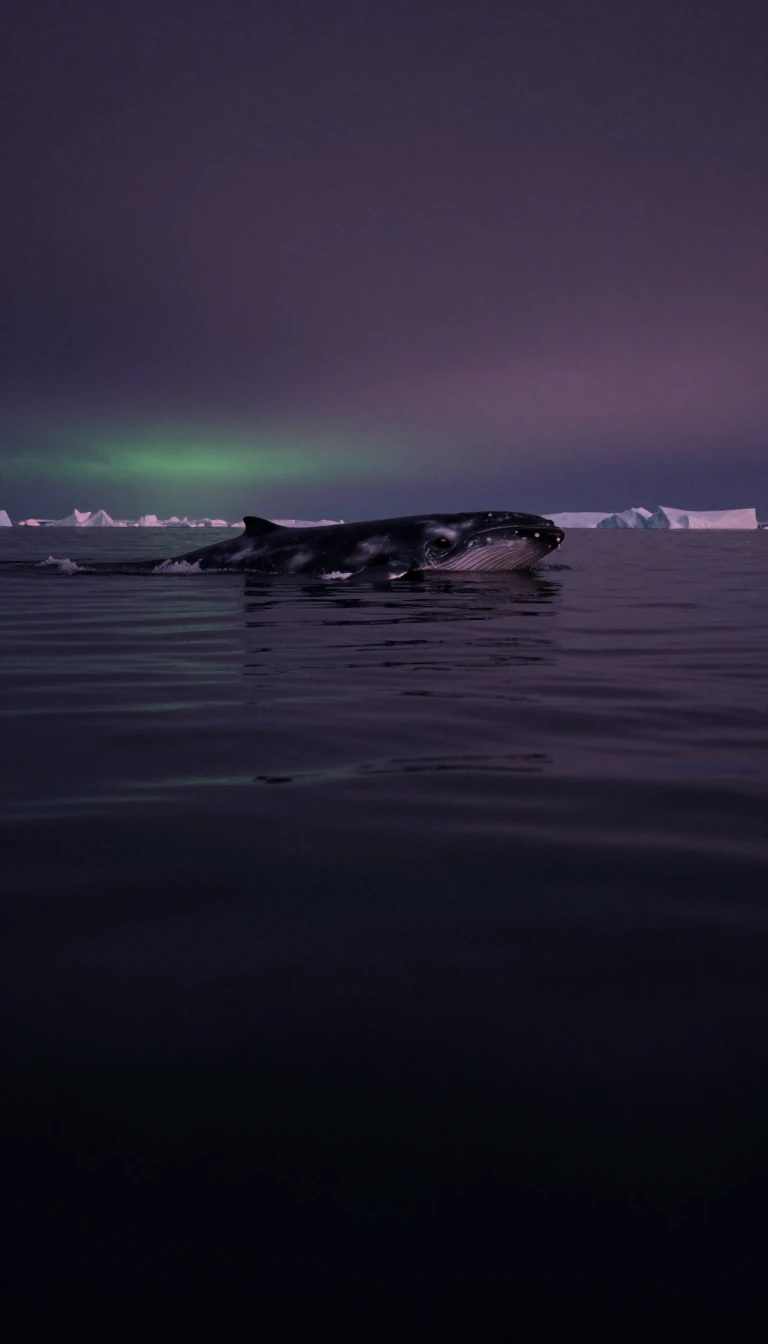 The elusive Mesoplodon whales are the least understood large mammals on our planet today.With species still being discovered in the 21st century, the Mesoplodon genus remains a mystery. These deep-diving toothed whales are rarely seen alive, and for some species, scie…
- This ancient aquatic reptile was once used as a humble household pot lid.Mesosaurus, a reptile that lived 275 million years ago, is a cornerstone of evolutionary biology. Beyond its role in proving continental drift, this creature has a bizarre history…
- Why these ancient spiders carry their spinnerets in the middle of their bodiesSegmented spiders are living fossils that diverged from all other spider lineages 300 million years ago. Unlike their modern relatives, they possess a primitive, plate-covered abd…
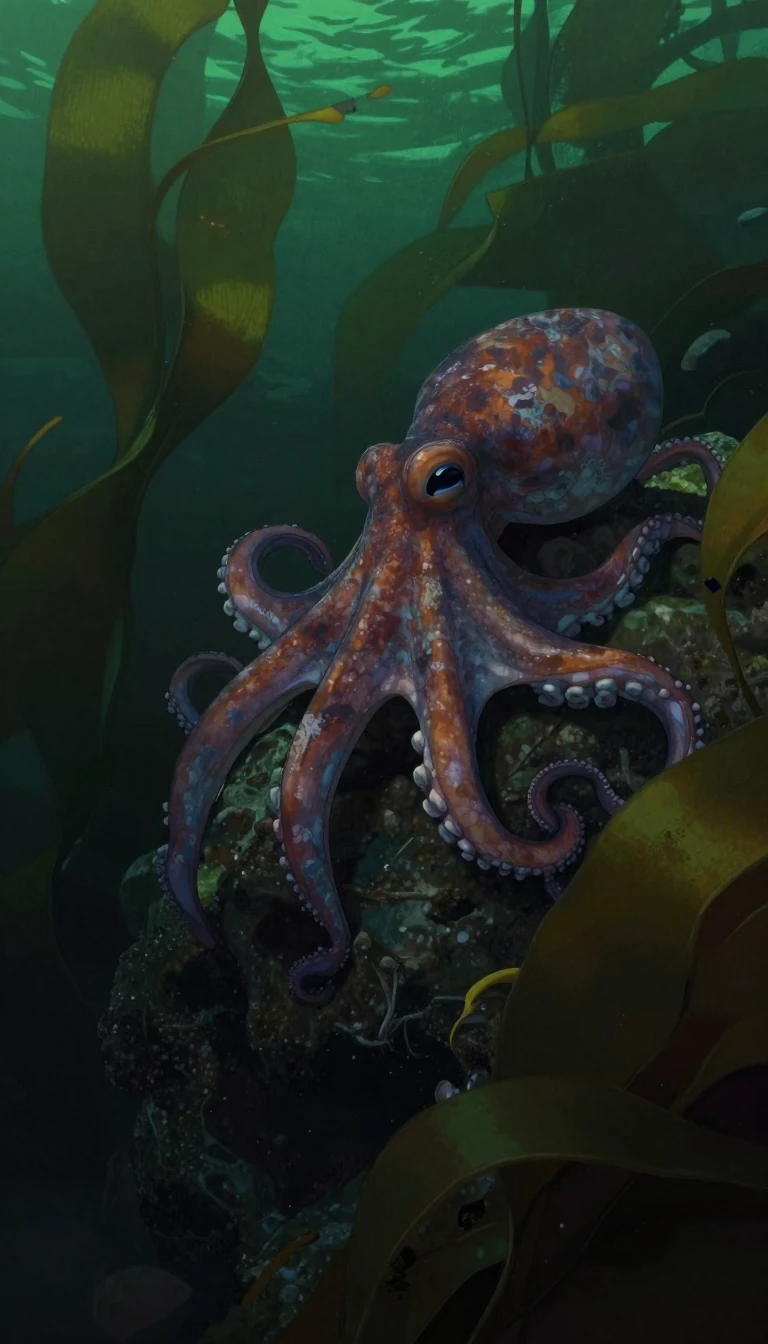 The New Zealand scampi is a primitive survivor of the deep ocean floorOften marketed as scampi or lobsterette, this slim, pink crustacean is a significant fishery species found only around the coast of New Zealand. Despite its commercial importance …
 The ancient crocodile that traded its armor for a life in the open oceanMetriorhynchids were the only archosaurs to fully abandon land for the sea. By evolving hydrofoil-like limbs and shark-like tails, these prehistoric predators became masters of th…
- Microbial communities are not just passive observers but active architects of global ecosystem stabilityMicrobes do not merely exist in their environments; they actively engineer them through complex, often predatory, interactions. From nanotubes that extract nutrients to pheromones…
 Your body is a bustling city of trillions, and you are the mayor.Inside you lives a vast, hidden society of trillions of microorganisms. This microbiome acts like a vital supporting organ, influencing everything from your immune system to your …
- This ancient caterpillar-like worm wore a suit of armor made of net-like plates.Long before modern animals dominated the seafloor, a strange creature called Microdictyon roamed the Cambrian oceans. This lobopodian worm featured ten pairs of tube-like legs and…
 The four-winged dinosaur that challenges our understanding of how flight first evolvedMicroraptor was a small, feathered dinosaur from the early Cretaceous that sported flight surfaces on all four limbs. While it was once dismissed as a simple glider, new research …
- The mysterious microsaurs were never actually reptiles, despite their name meaning small reptile.Microsaurs were a diverse group of Paleozoic tetrapods that thrived across North America and Europe. Though once classified as reptiles due to their appearance, they are now under…
 Why these tiny insects are the most sensitive environmental monitors in our waterMidges are far more than a summer nuisance. These ancient flies act as vital ecological barometers, with their presence or absence revealing the health of our waterways. While onl…
- The term minnow is a catch-all label for a vast, diverse group of fish.While often dismissed as mere bait, minnows are a complex biological category. From the resilient bluntnose of North American streams to bioluminescent species in the deep ocean, …
 The weatherfish is a living barometer that breathes through its own digestive tractKnown as the European weatherfish, this slender loach is far more than a bottom-dwelling scavenger. It possesses the uncanny ability to sense shifts in barometric pressure, reacti…
- Why the search for a single missing link in human evolution is scientifically misguidedThe popular quest for a missing link between apes and humans relies on a flawed metaphor. Evolution is not a linear ladder or a chain, but a sprawling, tangled tree. Scientists no…
 Mitochondrial Eve was not the first woman, but the most recent common maternal ancestor.The term Mitochondrial Eve is one of science's most misunderstood labels. It does not refer to the first female of a species, nor the only woman alive in her time. Instead, she is…
 Before humans arrived, giant flightless ducks ruled the Hawaiian islands as primary herbivoresThe moa-nalo were not geese, but massive, flightless ducks that evolved to fill the ecological niche typically occupied by mammals. Wiped out shortly after human settlement, these…
 Meet the Eocene beast that looked like a manatee but was actually an elephant.Long before the majestic trunked giants of today, the Moeritherium roamed the swamps of ancient Egypt. This small, long-bodied mammal lacked a trunk and likely spent its days wadi…
 Why some North American salamanders steal genetic material to reproduceMole salamanders are a diverse group of North American amphibians, but some populations have evolved a bizarre reproductive strategy called kleptogenesis. Instead of relying on st…
 The moonrat is not a rodent, but a primitive, ammonia-scented tropical hedgehog relative.Despite its misleading name, the moonrat is no rat. This Southeast Asian mammal belongs to the family Erinaceidae, making it a close relative of the hedgehog. Lacking spines, it s…
 Why these dumpy water birds are masters of evolving into flightless island dwellersMoorhens are compact, red-beaked rails that seem built for the water, yet they are surprisingly prone to losing the power of flight. While common moorhens can migrate thousands of…
 The fearsome mosasaur was not a dinosaur, but a giant, specialized marine lizard.Dominating the oceans during the Cretaceous period, mosasaurs were apex predators often mistaken for dinosaurs. These marine squamates, related to modern snakes and monitor lizard…
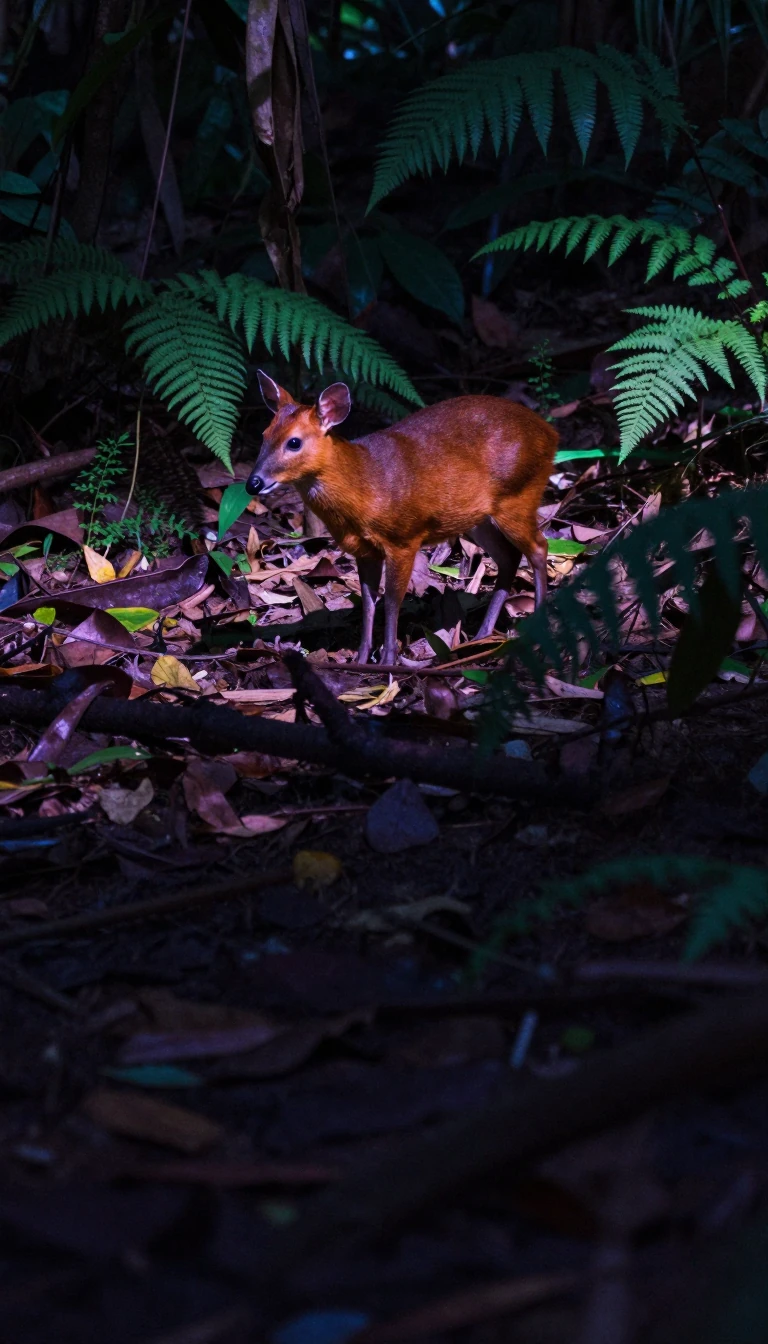 Why the musk deer is not actually a deer in the traditional senseMusk deer are small, shy creatures that defy standard deer classification. Lacking antlers, they sport saber-like tusks and possess a unique musk-producing organ. While they were …
- Did this massive Permian herbivore use its thick skull to settle ancient social disputes?Moschops was a heavily built herbivore that roamed South Africa 264 million years ago. With a massive, thickened skull and powerful neck muscles, this creature likely engaged in i…
 The Motacillidae family: slender ground birds that bridge the gap between larks and wagtails.Small, slender, and often found on the ground, the Motacillidae family includes pipits, wagtails, and longclaws. While pipits are frequently mistaken for larks due to their appear…
 Why this tropical bird wags its tail to tell predators it is watching themThe motmot is a forest-dwelling bird famous for its distinctive, racket-shaped tail. Beyond its appearance, the bird uses a unique wagging display to signal to predators that it i…