 Intellect Plus
Nature
11,198 cards. Each one is a 40-second story with a five-minute read behind it. Page 98 of 187.
Subtopics: Ageing · Air · Animal behaviour · Animal breeds and hybrids · Animals · Arthropods · Atmosphere · Big cats · Bilateria, others · Birds · Botany · Cnidarians · Conservation · Coral reefs · Deep sea · Deserts · Dinosaurs · Earth science · Earth science and physical geography · Earth science basics · Earthquakes & tsunamis · Echinoderms · Ecology · Ecosystems · Endangered species · Extinct animals · Farming · Fish · Forests · Fungi · General classifications · Geology · Geomorphology · How Long Can It Live? · Ice · Individual animals · Insects · Lightning · Longevity · Mammals · Marsupials · Migration · Mollusks · Ocean · Organisms · Parasites · Physical geography · Plants · Porifera · Predators · Primates · Rainforest · Reptiles & amphibians · Researched · Sharks & rays · Spiders & arachnids · Symbiosis · Trees · UK & Ireland: nature · Vertebrates · Vision · Volcanoes · Water · Waves · Weather · Whales & dolphins · Zoology
 Why the laughing dove is the most musical bird in the pigeon familyUnlike the standard cooing of its relatives, the laughing dove produces a unique, effervescent chuckling call. This slim, long-tailed bird, common across Africa and parts of Asia,…
 Leaf beetles are a massive, metallic, and surprisingly diverse family of plant-eating insects.With over 37,000 known species, leaf beetles are among the most common insects on Earth. These herbivores range from tiny, one-millimeter specks to robust, eighteen-millimeter gia…
 The leafy seadragon is a master of disguise that cannot actually use its leaves.With long, leaf-like protrusions covering its body, the leafy seadragon looks exactly like drifting seaweed. Yet, these appendages are purely for camouflage, not movement. This el…
 Meet the Cambrian arthropod with whip-like appendages and a mysterious, multi-eyed gazeLeanchoilia was a marine arthropod that thrived during the Cambrian period, leaving fossils in Canada and China. Measuring only five centimetres long, this creature featured disti…
 The largest fish to ever swim the seas was likely smaller than we thought.For decades, scientists believed the prehistoric Leedsichthys reached lengths of 90 feet, rivaling the blue whale. New analysis of fossilized remains suggests a more modest realit…
 Why the garden visitor you mistake for a snake is actually a lizardIf you spot a slithering reptile in a British garden, it is likely a slow worm. Despite their serpentine appearance and name, these creatures are legless lizards. They possess uni…
 The strange creature once believed to spontaneously transform into a migrating gooseIn medieval England, observers were baffled by the barnacle goose, a bird whose breeding grounds remained hidden. Because gooseneck barnacles often washed ashore attached to rotti…
 Were these ancient, diverse tetrapods the true ancestors of modern amphibians and reptiles?Lepospondyls were a collection of small, Paleozoic creatures that thrived in Europe and North America. Ranging from snake-like to lizard-like forms, their evolutionary identity re…
 Why these tiny marine crustaceans are considered the most primitive of their kindLeptostraca are ancient, small marine crustaceans found in oceans globally. Often overlooked, these filter-feeders are the only living order within the subclass Phyllocarida. They…
 Why this rare bird performs acrobatic leaps to attract a mate in the monsoonThe lesser florican is a master of the monsoon, known for the dramatic, leaping courtship displays of its males. Once widespread across the Indian Subcontinent, this small bustard…
 Why these common dragonflies are named after a carpenter’s leveling toolThe Libellulidae family represents the largest group of dragonflies on Earth, with over 1,000 distinct species. Known as skimmers, darters, and perchers, these insects are found n…
 Are these rock-dwelling creatures actually land-lubbers or masters of the deep sea?Known as rock lice or sea slaters, the genus Ligia occupies a strange evolutionary middle ground. While they cling to tidal cliffs, they possess gills and can breathe underwater. …
- This microscopic creature hides a jaw apparatus more complex than its larger relativesLimnognathia maerski is a tiny freshwater animal, measuring roughly one-tenth of a millimeter. Despite its size, it possesses an intricate jaw system that functions with remarkabl…
 The strongest biological material on Earth is found in the teeth of a limpet.Limpets are not just simple snails clinging to rocks; they possess teeth made of a goethite-reinforced chitin matrix that outperforms spider silk in tensile strength. This remarka…
 The Limpkin is a specialized wetland bird with a bill evolved for snail huntingNamed for its peculiar, hobbling gait, the Limpkin is a gangly, brown-and-white bird that haunts freshwater wetlands. It is a master of a single, highly specific task: extracting …
 The blue sea star that can grow a new body from a single armThe Linckia laevigata, or blue star, is a striking inhabitant of tropical Indo-Pacific reefs. Beyond its vibrant color, this sea star possesses remarkable regenerative powers, cap…
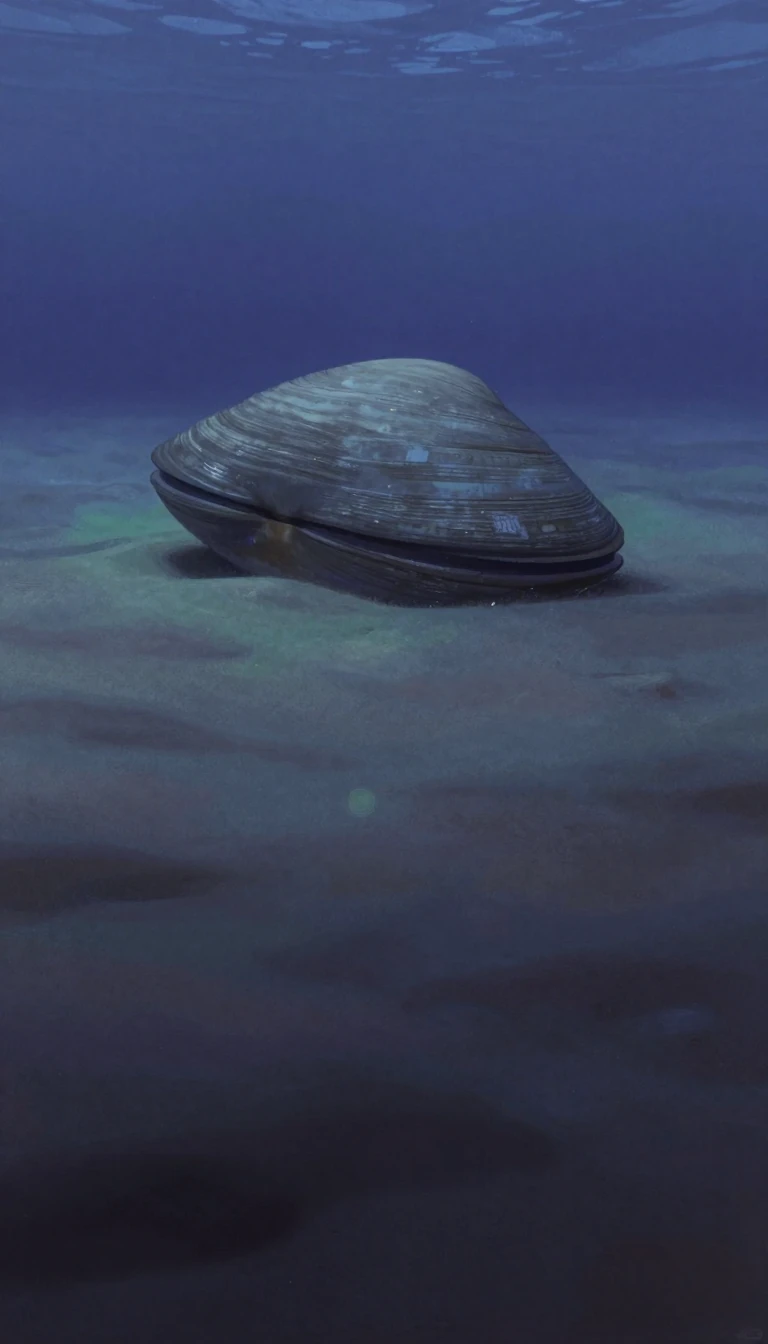 These ancient tongue-shaped creatures have survived unchanged for over 500 million yearsThe Lingulata are among the most enduring animals on Earth, appearing in the fossil record during the Cambrian period. Remarkably, these brachiopods have maintained their distinct…
- Why these tiny spiders are the masters of aerial travel and extreme survivalLinyphiidae, or money spiders, are the second-largest spider family on Earth. Despite their diminutive size, they are global travelers, utilizing a technique called ballooning to …
 Why these tiny Brazilian monkeys wear the manes of Africa's great catsNamed for the striking rings of hair that frame their faces, lion tamarins are small, arboreal primates native to Brazil. Despite their regal appearance and feline namesake, these…
- The aquarium favorite that became a top predator in Atlantic reef ecosystemsOnce a prized ornamental fish in home tanks, the lionfish has transformed into a formidable invasive force across U.S. and Caribbean waters. With no natural predators to keep them…
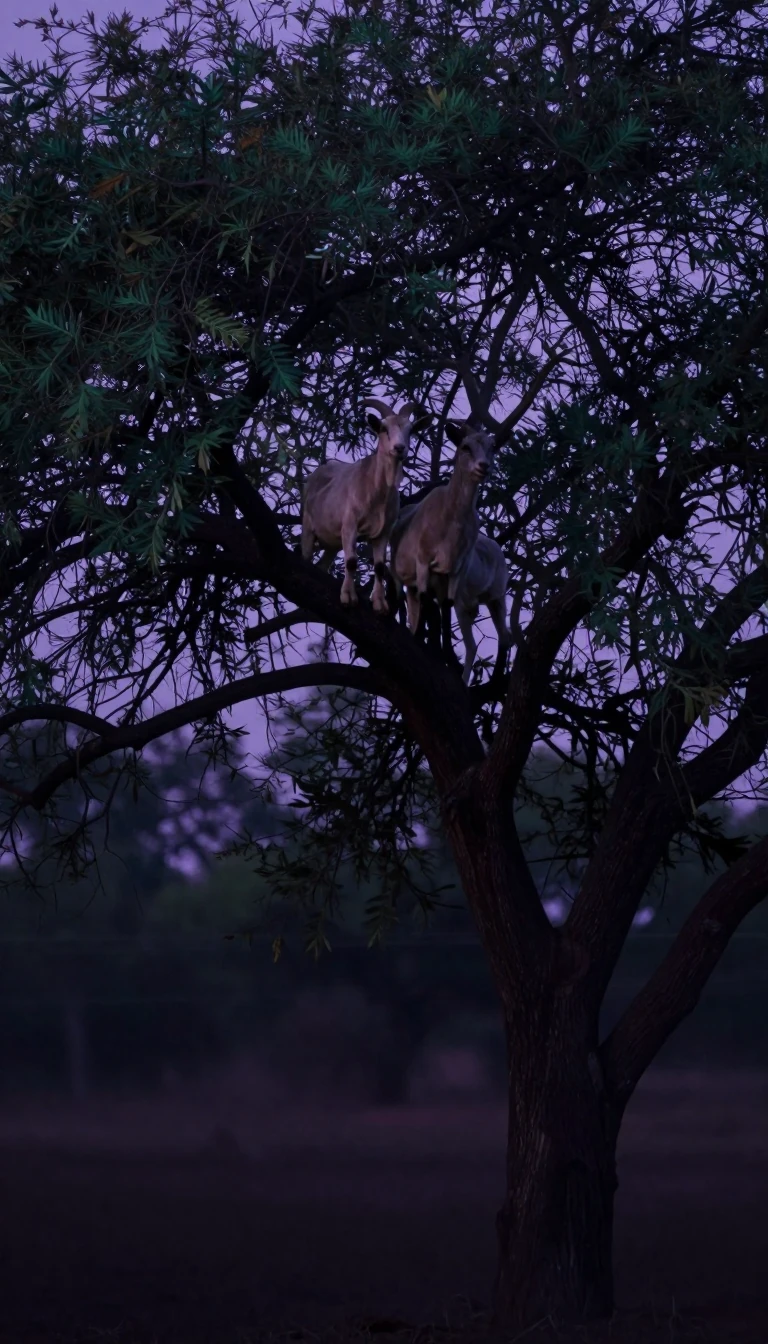 The extinct South American mammals that evolved to look exactly like horses and camelsFor millions of years, South America was an evolutionary laboratory. Among its most successful residents were the Litopterna, a group of hoofed mammals that independently mirrored…
 Once hunted to near extinction for hat fashion, the little egret is now thriving.The little egret was once a common sight in Britain, but centuries of over-hunting and climate shifts nearly wiped it out. Today, this resilient heron has staged a remarkable come…
 Why the little owl became the ancient symbol of wisdom and human knowledgeSmall, stern, and surprisingly bold, the little owl has been a human companion for millennia. From serving as the sacred emblem of Athena to being traded as a hunting tool in Ital…
 The world's smallest penguin is actually two distinct species hiding in plain sight.Standing just over a foot tall, the little penguin is a master of the shoreline. While long considered a single species, recent genetic research reveals a split between New Zealan…
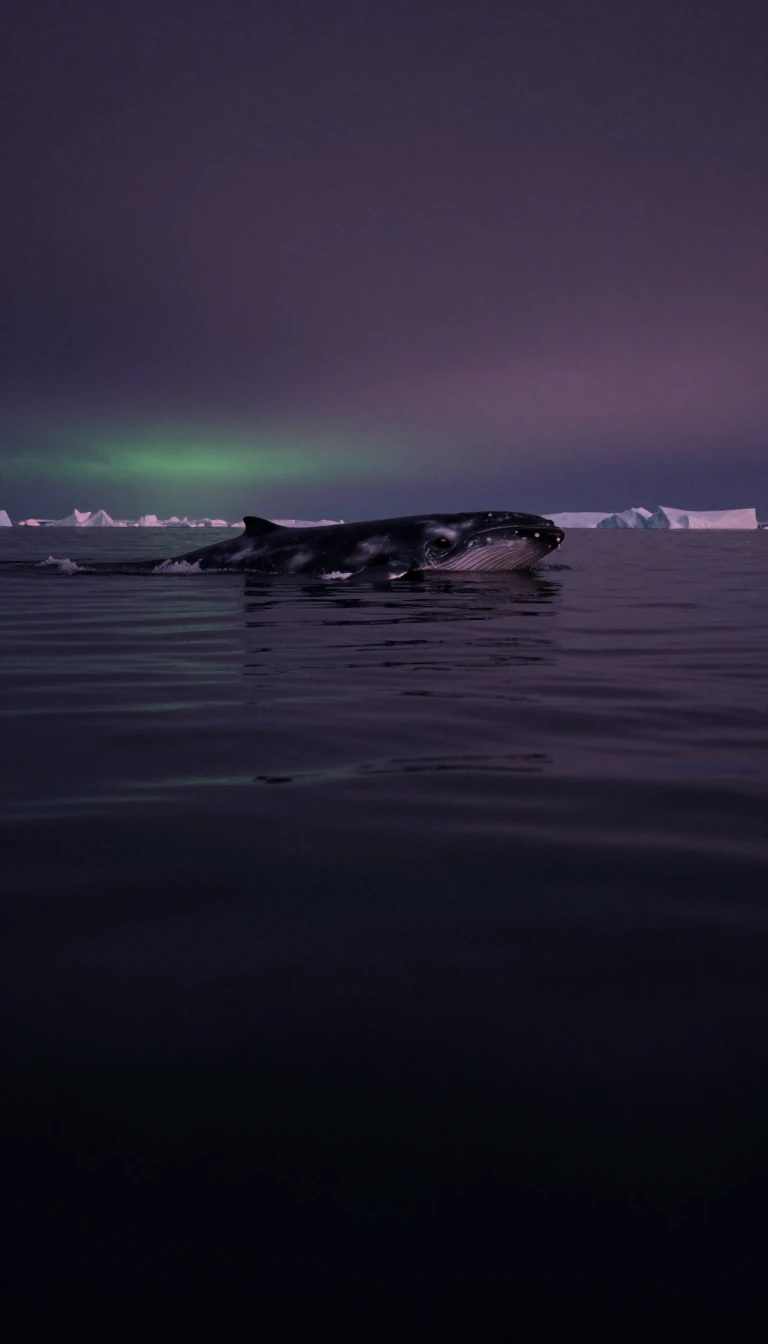 Livyatan: The Ancient Sperm Whale That Hunted Other Whales With Massive TeethTwelve million years ago, the oceans were ruled by a predator far more formidable than today's suction-feeding sperm whales. Livyatan melvillei, a giant sperm whale with teeth up …
 Loaches are remarkably diverse freshwater fish that thrive from mountain streams to dark caves.These bottom-dwelling creatures belong to a vast group of over 1,200 species. While often kept in home aquariums, they possess hidden evolutionary traits, including specialized sp…
- Ancient worm-like creatures reveal the hidden origins of the complex arthropod headLong considered simple, soft-bodied relics of the Cambrian, lobopodians are now being re-examined to understand how the diverse heads of modern spiders, insects, and crustaceans e…
 Why these drab songbirds are evolving toward a life on the groundThe Locustellidae family of songbirds, once hidden within a taxonomic wastebin, are masters of the scrubland. Known for their insect-like songs and drab plumage, these birds are s…
 Why this tiny, aggressive predator is essentially a bolt of brown lightning in the wild.The long-tailed weasel is a master of the hunt, possessing a slender, elongated body perfectly adapted for navigating underground tunnels. These solitary carnivores are relentless…
 The elusive longfin mako shark is a deep-sea predator hiding in plain sightOften overshadowed by its faster, more famous cousin, the longfin mako shark is a mysterious inhabitant of the open ocean. With broad pectoral fins and a preference for deep, temp…
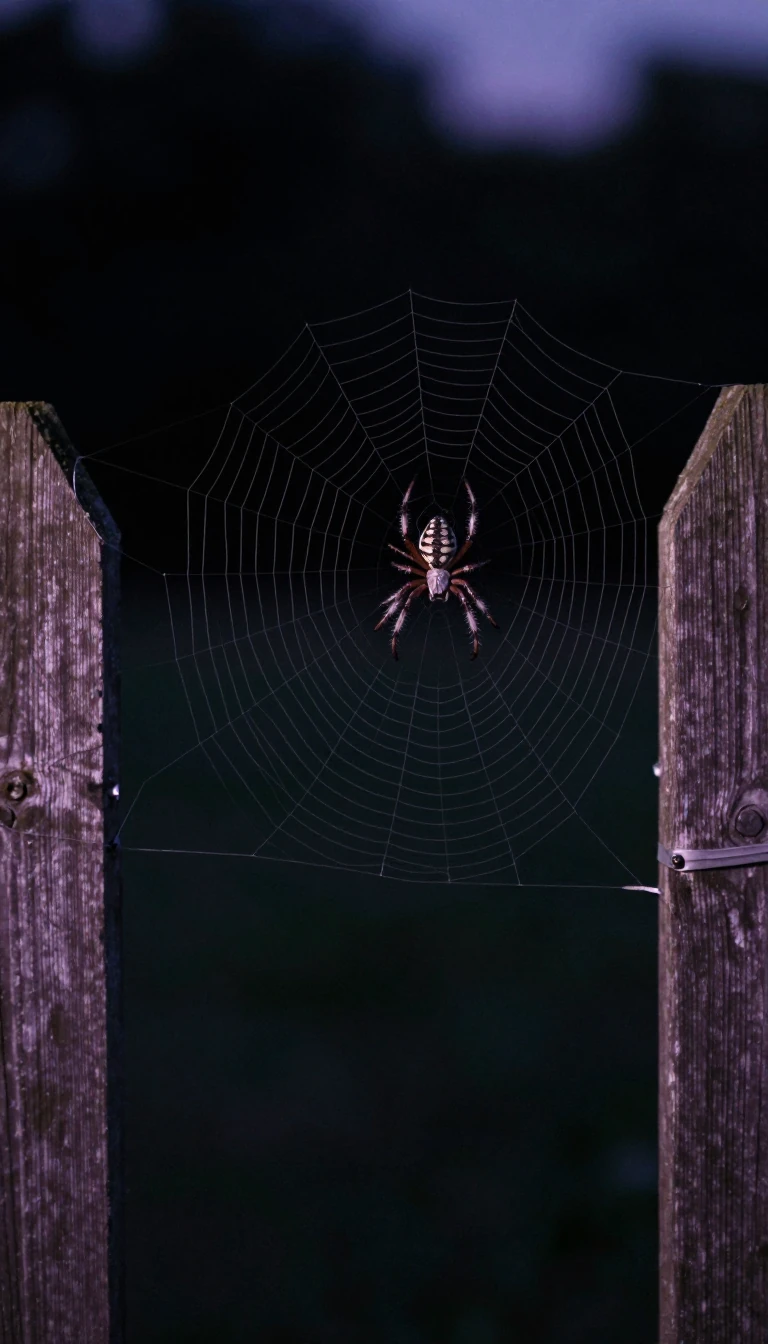 Why these beetles evolved to have antennae longer than their own bodiesLong-horned beetles, a family of roughly 36,000 species, are defined by their namesake appendages. While these antennae often double or triple the insect's total length, they serv…
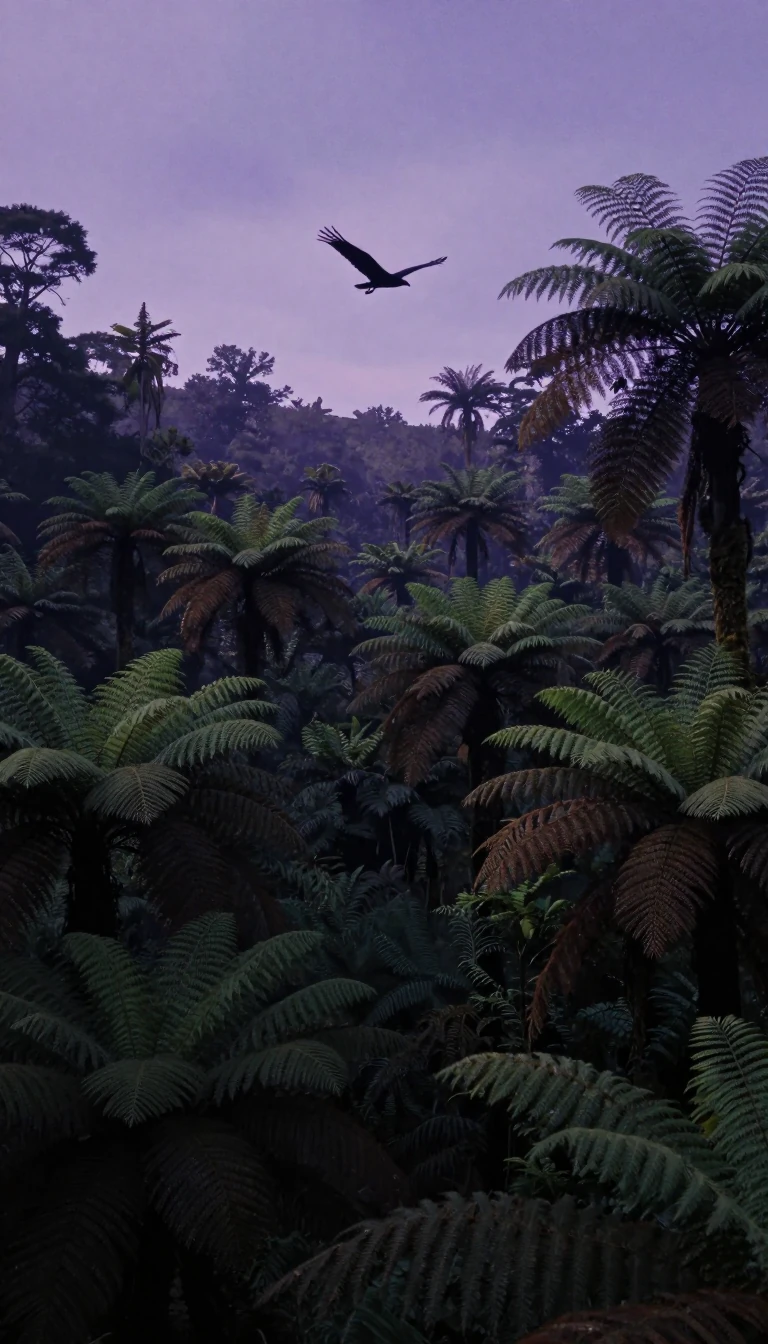 A tiny Triassic reptile with mysterious back plumes sparked a fierce debate on bird origins.Longisquama, a small reptile from Kyrgyzstan, features bizarre, hockey-stick-shaped structures along its spine. For years, these appendages fueled a controversial theory that bird…
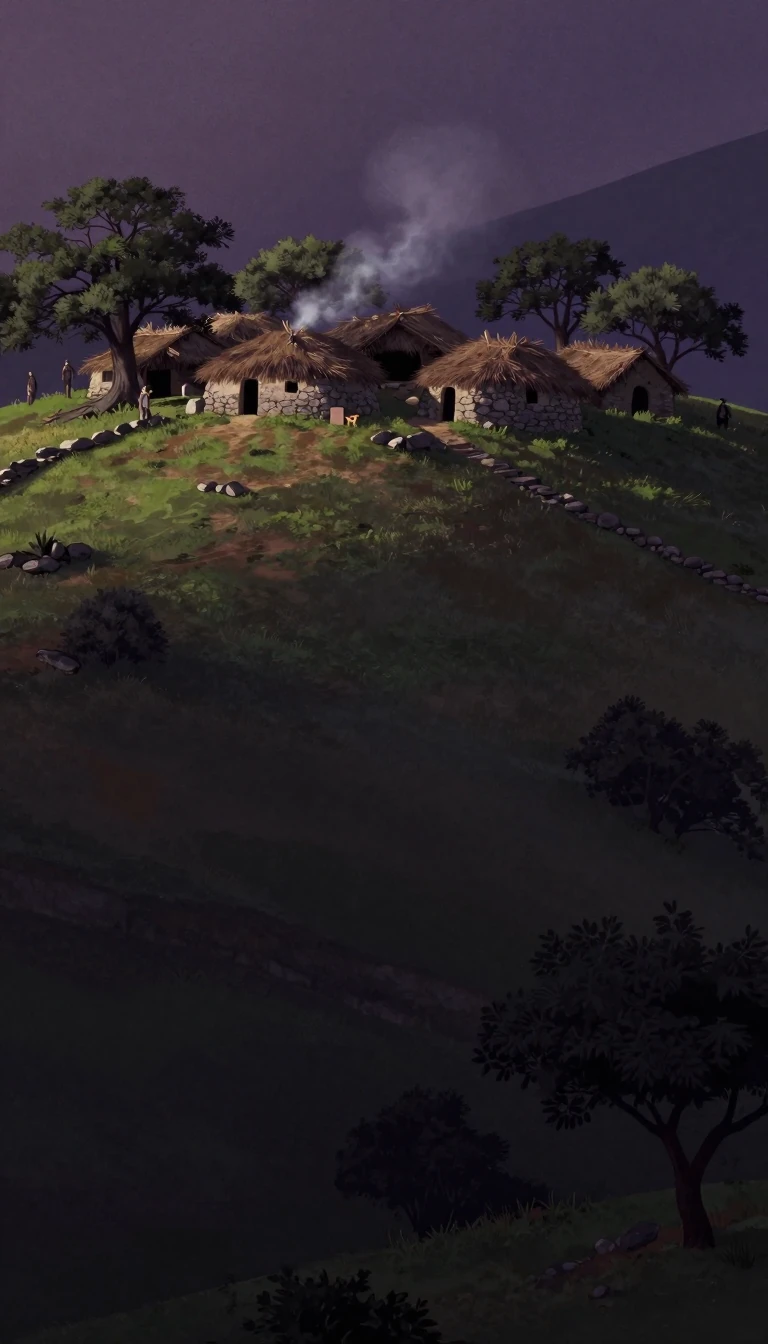 The Eocene giant that scientists spent two centuries misidentifying as a tapirLophiodon was once the largest animal in the forests of Eocene Europe, yet its identity remained a puzzle for generations. Initially mistaken for a tapir by Georges Cuvier in 1804…
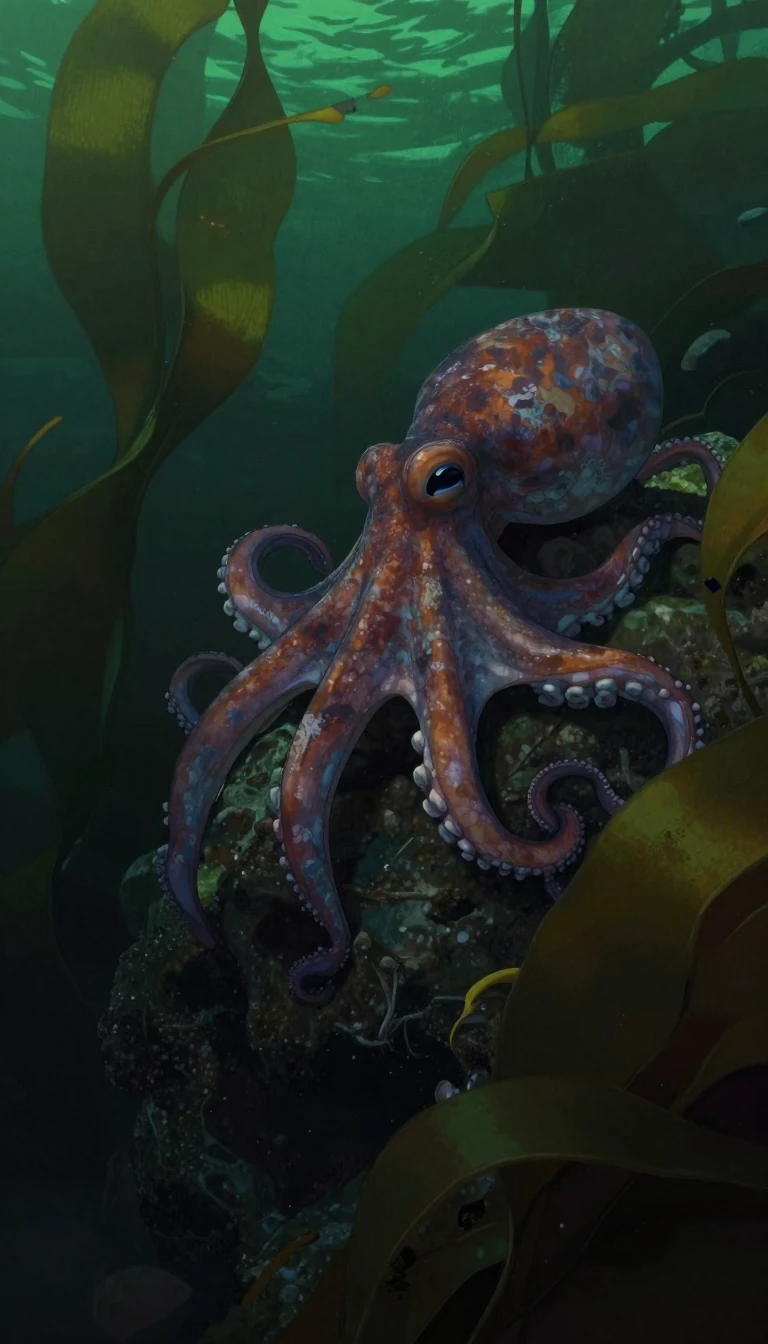 The Lophotrochozoa clade reveals how diverse life forms share a hidden evolutionary lineageWhat connects a humble mollusc to a complex bryozoan? The answer lies in the Lophotrochozoa, a massive group of animals defined not by their adult appearance, but by molecular evi…
 These microscopic animals live their entire lives in a world without any oxygenLoricifera are tiny, armored creatures that remained hidden from science until 1983 because they cling tightly to marine gravel. While most animals require oxygen to survive, some…
 The specialized brush-tipped tongues of lories and lorikeets unlock thousands of floral food sources.Lories and lorikeets are vibrant parrots defined by their unique anatomy. Equipped with brush-tipped tongues covered in fine papillae, these birds efficiently harvest nectar and p…
- The Luna moth lives for only one week and never eats a single meal.This North American giant silk moth is a master of survival despite having no mouth or digestive system. After spending weeks as a hungry caterpillar, the adult emerges with one g…
 The Snapper Family Is Far More Diverse and Ancient Than Your Dinner Plate SuggestsLutjanidae, commonly known as snappers and fusiliers, comprise about 113 species of percomorph fish. While often prized as food, these active carnivores inhabit diverse environmen…
- The African barbet is a plump, bristled bird that acts as a forest gardener.Across sub-Saharan Africa, 44 species of Lybiidae birds play a vital role in tropical ecosystems. These solitary, large-headed birds are essential seed dispersers, consuming a vas…
 Why the seed bug family is far smaller than it used to beKnown as seed bugs, the Lygaeidae family is a diverse group of true bugs found globally. While once considered a massive taxonomic umbrella, modern classification has stripped awa…
- Why the world’s most destructive moth was recently renamed to the spongy mothLymantria dispar is a global ecological menace, defoliating millions of hectares of forest. Once known as the gypsy moth, the species underwent a formal name change in 2022. This …
- The dog-sized, tusked survivor that outlasted the greatest mass extinction in Earth's historyWhen 95 percent of all species vanished 252 million years ago, one humble, pig-like creature thrived. Lystrosaurus, a splay-legged burrower, dominated the early Triassic landscape…
- The world's most traded primate is a master of survival and human adaptationThe crab-eating macaque, or Macaca fascicularis, is a highly adaptive primate that thrives near human settlements across Southeast Asia. Despite being the most popular species for…
 Why the iconic saber-toothed cat was never actually a tiger at allSaber-toothed cats are often imagined as ancient, striped tigers, but this is a biological misconception. These formidable predators belonged to the subfamily Machairodontinae, a …
 The long-necked Macrauchenia was a mysterious South American giant that baffled Charles Darwin.Discovered by Charles Darwin in 1834, this camel-like creature was a true evolutionary outlier. With a retracted nasal opening atop its skull and three-toed feet, Macrauchenia bel…
- The giant freshwater prawn uses a complex social hierarchy to dictate its own growthThe giant freshwater prawn, or Macrobrachium rosenbergii, is a biological marvel that transitions through distinct male morphotypes based on social dominance. From small, transluc…
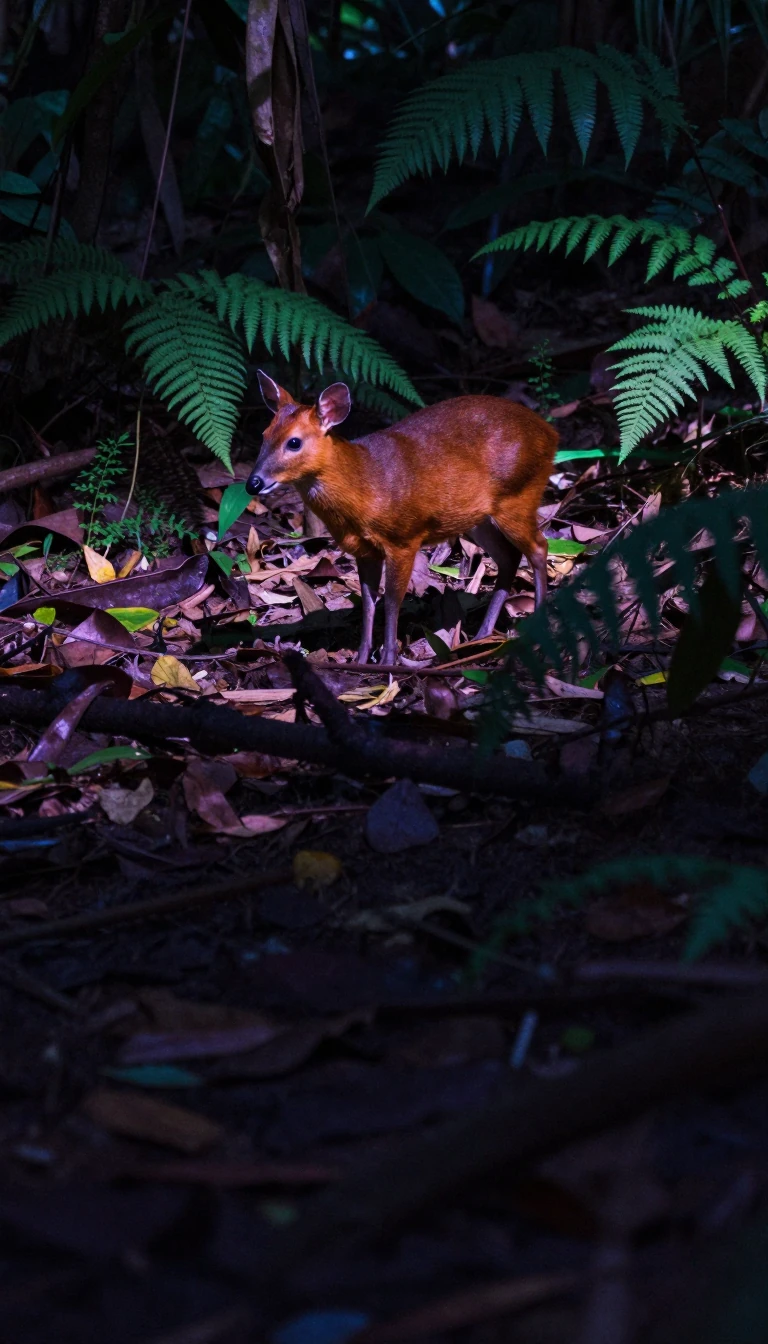 Beyond the Kangaroo: Meet the Diverse and Ancient World of the MacropodiformesWhen you think of Australia's iconic marsupials, you likely picture the bounding kangaroo. Yet, the suborder Macropodiformes encompasses a far wider array of creatures, from the t…
 The combative termite queen that builds complex cities to survive the African heatMacrotermes bellicosus is a master of architectural adaptation. These termites construct vastly different mound structures depending on their environment, using saliva-moistened c…
- Why the desert-dwelling bilby is Australia's answer to the Easter rabbitThe bilby is a unique marsupial that thrives in arid Australian landscapes without ever needing to drink water. With its oversized ears and backwards-facing pouch, this nocturnal …
 A colossal ancient snake from India reveals how giant reptiles once conquered the globeThe discovery of Vasuki indicus, a massive snake from India’s Eocene period, suggests these giants were not just local curiosities. By tracking their evolutionary links to North A…
- The magpie goose is a living fossil that defies standard waterfowl classification rulesAs the sole survivor of its evolutionary family, the magpie goose is a biological outlier. While it shares the bill structure of ducks and geese, it diverged long before them. Thi…
 The European spider crab undergoes a dramatic transformation from microscopic larva to seafloor giant.The spiny spider crab, Maja squinado, begins life as a tiny, planktonic creature weighing just 0.12 milligrams. Over years of molting and migration, it evolves into a formidable i…
- Why the Majoidea superfamily includes the world's largest and most peculiar crab speciesThe Majoidea superfamily, encompassing both spider and decorator crabs, represents a diverse group of crustaceans found across global oceans. From the massive Japanese spider crab…
 Malacology: The ancient, soft-bodied science of the world's second-largest animal phylumDerived from the Greek word for soft, malacology is the specialized study of mollusks. From garden snails to deep-sea cephalopods, this field encompasses everything from shell col…
- The long-necked giants of Asia were not confined to China as once believedMamenchisauridae, a group of long-necked sauropod dinosaurs, were long thought to be exclusive to East Asia. Recent discoveries in Thailand and Tanzania are rewriting this narrati…
- What defines a mammal beyond fur and milk? A look at the hidden anatomy.Mammals are more than just furry, milk-producing creatures. Beneath the surface, they possess a unique biological architecture, including a specialized jaw hinge and a distinct he…
 The mastodon was a massive browser that roamed North America for millions of years.Long before modern elephants dominated the landscape, the Mammutidae family thrived across Africa, Eurasia, and North America. Known for their distinct nipple-shaped teeth and rob…
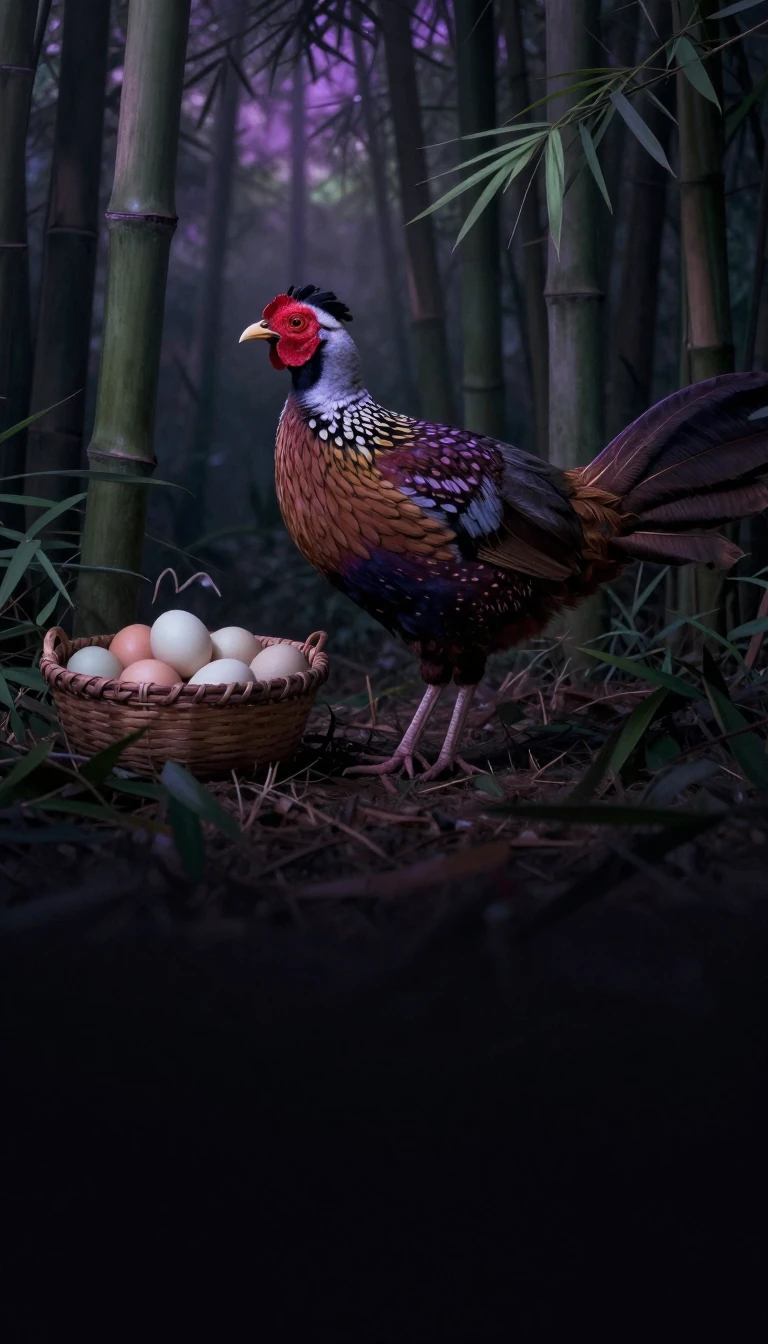 Why these tiny tropical birds evolved into the world's most acrobatic forest dancersManakins are small, stubby birds of the American tropics, but their courtship rituals are anything but modest. Males gather in elaborate leks to perform high-speed, acrobatic disp…
- The mandrill is the largest monkey on Earth, and arguably the most colorful mammal.With vibrant blue and violet cheeks, a scarlet nose, and crimson hindquarters, the male mandrill is a visual spectacle. Beyond its striking appearance, this stout-bodied primate h…
- Mangrove crabs are the master engineers keeping tropical coastlines alive and nutrient-richThese small crustaceans do more than scuttle across mudflats; they act as vital ecosystem engineers. By shredding leaf litter and constructing complex, deep burrows, mangrove crab…