 Intellect Plus
Nature
11,198 cards. Each one is a 40-second story with a five-minute read behind it. Page 96 of 187.
Subtopics: Ageing · Air · Animal behaviour · Animal breeds and hybrids · Animals · Arthropods · Atmosphere · Big cats · Bilateria, others · Birds · Botany · Cnidarians · Conservation · Coral reefs · Deep sea · Deserts · Dinosaurs · Earth science · Earth science and physical geography · Earth science basics · Earthquakes & tsunamis · Echinoderms · Ecology · Ecosystems · Endangered species · Extinct animals · Farming · Fish · Forests · Fungi · General classifications · Geology · Geomorphology · How Long Can It Live? · Ice · Individual animals · Insects · Lightning · Longevity · Mammals · Marsupials · Migration · Mollusks · Ocean · Organisms · Parasites · Physical geography · Plants · Porifera · Predators · Primates · Rainforest · Reptiles & amphibians · Researched · Sharks & rays · Spiders & arachnids · Symbiosis · Trees · UK & Ireland: nature · Vertebrates · Vision · Volcanoes · Water · Waves · Weather · Whales & dolphins · Zoology
 The ancient origins of the guan reveal a complex history of South American evolution.Guans are the largest group within the Cracidae bird family, primarily inhabiting northern South America and southern Central America. While they appear as a cohesive group, their…
 Why the pear-shaped egg of the guillemot is a masterpiece of cliffside survivalGuillemots nest on precarious cliff edges without building a single nest. Their eggs are uniquely pear-shaped, a design long thought to prevent them from rolling off into the sea.…
 The guitarfish is an evolutionary bridge between the shark and the common ray.With a shark-like tail and a flattened, triangular head, the guitarfish defies simple classification. These bottom-dwelling creatures inhabit shallow coastal waters worldwide, bur…
 The Knifefish navigates the dark using a self-generated electric field for constant sensing.Gymnotiformes are freshwater fish that master the murky depths of Central and South America. By rippling an elongated anal fin, they move with precision in any direction while emi…
 Why the world is losing its wild spaces at an alarming, unsustainable rateHabitat destruction is the primary threat to 85 percent of endangered species. From the clearing of tropical rainforests to the draining of vital wetlands, human expansion for agr…
 Why the space between habitat patches matters more than the patches themselvesWhen ecosystems are sliced into isolated islands, we often focus on the size of the remaining land. However, modern research reveals that the quality of the surrounding environmen…
- A tiny Cambrian fish with four eyes may have triggered the vertebrate revolutionHaikouichthys ercaicunensis, a primitive fish from the Lower Cambrian, challenges our understanding of early vertebrate evolution. While it shares basic features with modern lampr…
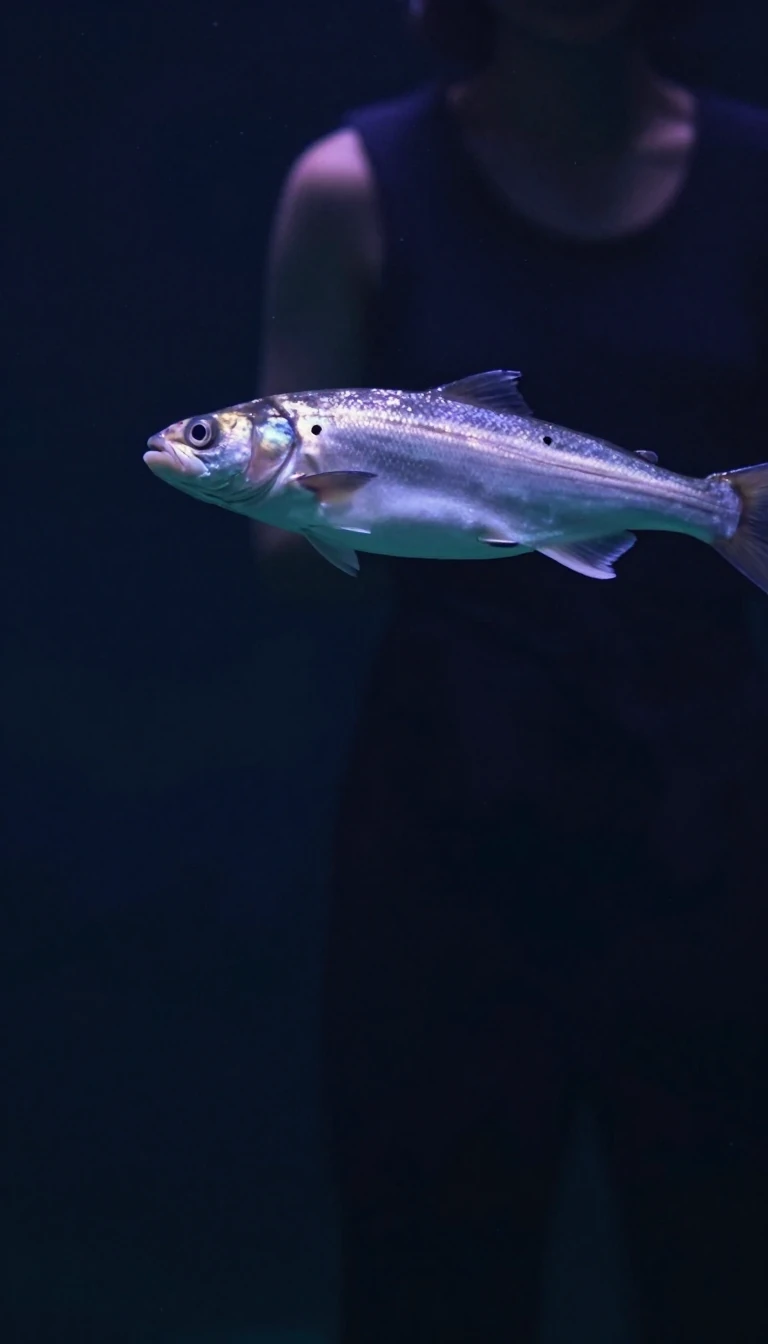 Hake are deep-sea predators that perform a daily vertical migration across the ocean depths.These medium-to-large fish spend their days in the dark, deep waters of the Atlantic and Pacific, only to ascend toward the surface under the cover of night. While they are a stap…
 Are these ancient armored creatures the missing link between mollusks and other animals?Halkieriids were strange, armored organisms from the Cambrian period, covered in mysterious mineralized plates called sclerites. Paleontologists have spent decades debating their …
 The only insects to conquer the open ocean live entirely on the surfaceWhile insects dominate the land, only one genus has successfully colonized the high seas. Halobates, or sea skaters, spend their entire lives on the ocean surface, navigating wave…
 Was this bizarre Mongolian dinosaur a swimmer, or just a misunderstood land-dweller?Halszkaraptor escuilliei, a small dinosaur from Mongolia, was initially hailed as the first known semiaquatic, fish-eating non-avian dinosaur. Its strange, duck-like anatomy spark…
 The Hamadryas baboon lives in a strictly controlled, multi-level society unlike any other primate.Unlike most baboons that roam in large, cohesive troops, the Hamadryas baboon operates through a rigid, patriarchal hierarchy. Males command small harems of females, using aggress…
 The Hamerkop: An African Waterbird That Builds Massive, Fortress-Like NestsThe hamerkop is a medium-sized bird with a unique, hammer-shaped head profile. Beyond its appearance, it is famous for constructing enormous, domed nests that are strong enough to…
 Meet the Australian anglerfish that prefers walking on the sea floor to swimmingHandfish are bizarre, ray-finned creatures that use modified pectoral fins to stroll across the ocean floor. While they belong to the anglerfish order, they do not use their dorsa…
 The shy harbour porpoise is a master of the coast, yet rarely seen by humans.Harbour porpoises are elusive, small cetaceans that prefer shallow coastal waters, bays, and estuaries. Unlike their more outgoing dolphin cousins, these shy animals avoid boats a…
 Why this small, colorful sea duck thrives in the world's most violent watersNamed after the theatrical Harlequin, this duck is a master of the extreme. While most waterfowl prefer calm ponds, these birds thrive in crashing whitewater and rocky, windswept …
 The harpy eagle is the world's most powerful raptor, ruling the tropical forest canopy.Named after the mythical Greek wind spirits, the harpy eagle is an apex predator of the Americas. With talons the size of grizzly bear claws and the strength to crush bone, this e…
 Harvester ants are desert engineers that turn dry landscapes into thriving agricultural hubsThese industrious insects do more than just collect seeds; they act as vital ecosystem architects. By aerating soil, redistributing nutrients, and managing complex foraging feedba…
 This giant pterosaur ruled an island of dwarfs as a terrifying apex predator.Hatzegopteryx was a massive flying reptile that dominated the prehistoric Hațeg Island. Unlike its slender-beaked relatives, this creature possessed a robust, heavily muscled neck…
 How a single ancestor sparked a spectacular burst of evolution in the PacificMore than 60 species of Hawaiian honeycreepers evolved from one ancestral bird, creating a masterclass in adaptive radiation. Today, only 17 species remain, and researchers are us…
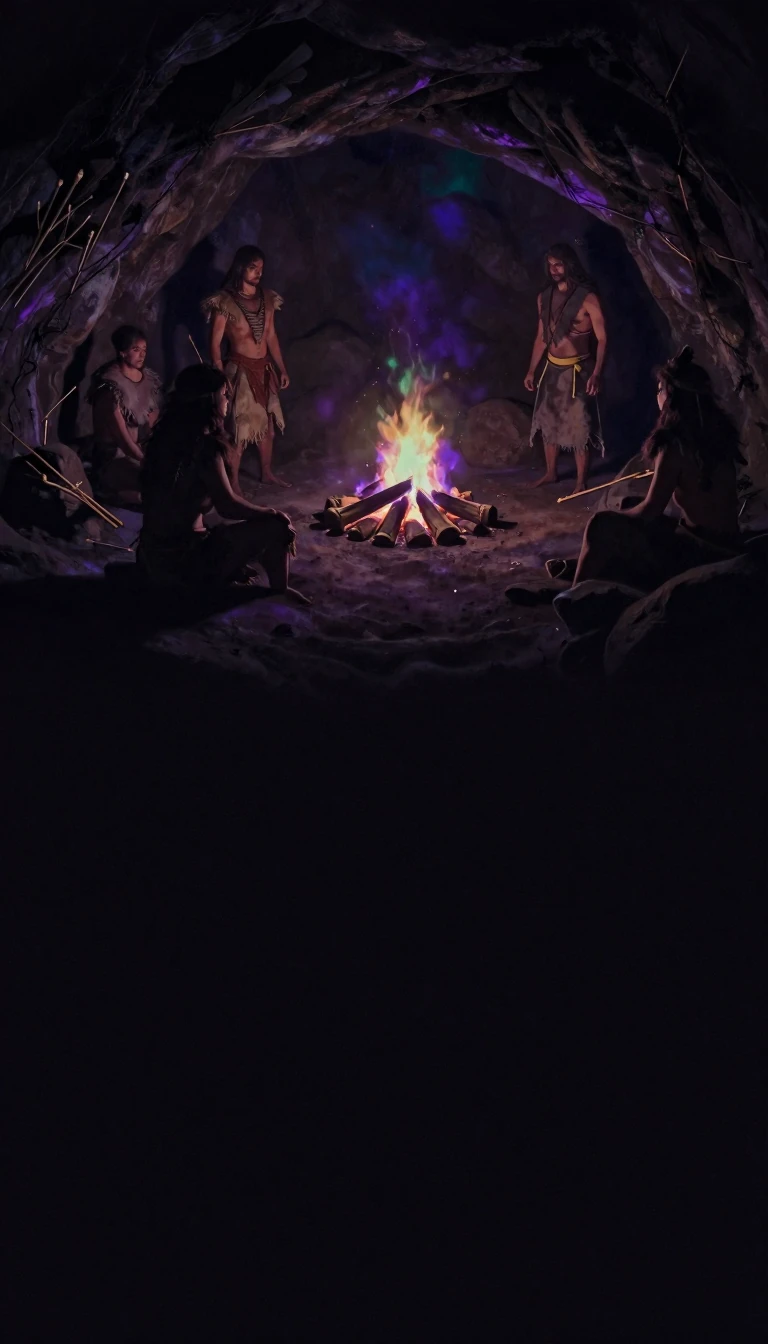 Head lice are not a sign of poor hygiene, but a global human realityThese tiny, blood-feeding insects have evolved alongside humans for millennia, yet they remain widely misunderstood. Contrary to popular belief, they do not spread disease, nor do…
 New Zealand's tiny, rounded-fin dolphins are among the most vulnerable cetaceans on Earth.Hector's dolphins are remarkably small, stocky creatures found exclusively in New Zealand's coastal waters. Despite their playful behaviors like spyhopping and lobtailing, these d…
 Why these air-breathing land snails are the most famous mollusks in the worldKnown as typical snails, the Helicidae family dominates European landscapes and culinary traditions. These air-breathing gastropods are far more than just garden pests or escargot…
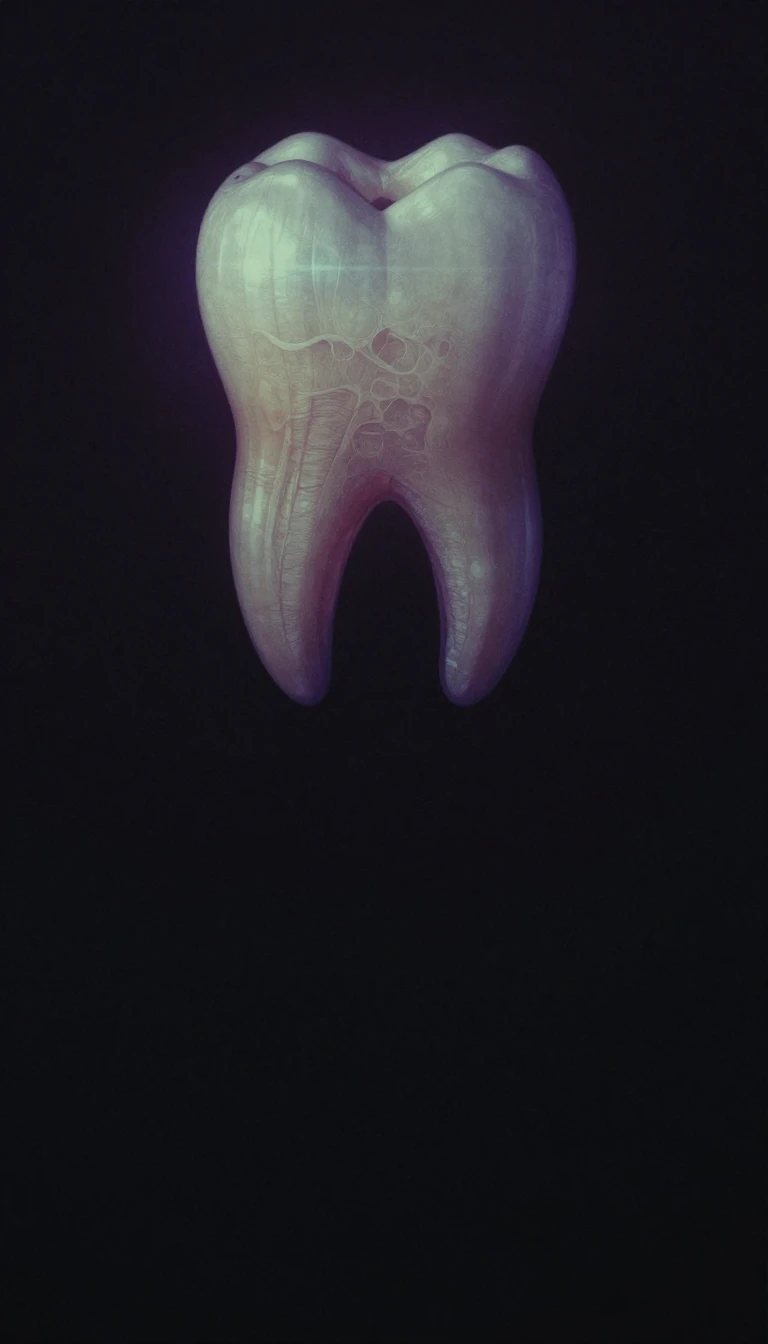 The prehistoric shark with a buzzsaw jaw that baffled scientists for over a centuryFor decades, paleontologists were stumped by the bizarre, spiral-shaped tooth whorls of the extinct Helicoprion. Was this circular saw mounted on the shark's nose, its dorsal fin,…
 The Roman snail is a culinary icon that refuses to be farmed commerciallyKnown as the escargot of French cuisine, the Roman snail has been a prized delicacy since the time of Ancient Rome. Despite its popularity, this large land mollusk remains notorio…
 Acorn worms are the unlikely missing link between humans and starfishHemichordates, or acorn worms, are marine invertebrates that hold the key to understanding our own evolutionary origins. By sharing a common ancestor with both echinoderms and cho…
 The Hercules beetle is a master of biological engineering and extreme physical transformation.As the world's longest beetle, the Hercules beetle is a marvel of nature, boasting horns that can dwarf its own body. Beyond their impressive size, these insects possess unique, c…
 Why scientists study cold-blooded creatures to unlock secrets about our own medical healthHerpetology is the scientific study of reptiles and amphibians, a field that spans from tracking environmental shifts to developing life-saving medicines. While often associated w…
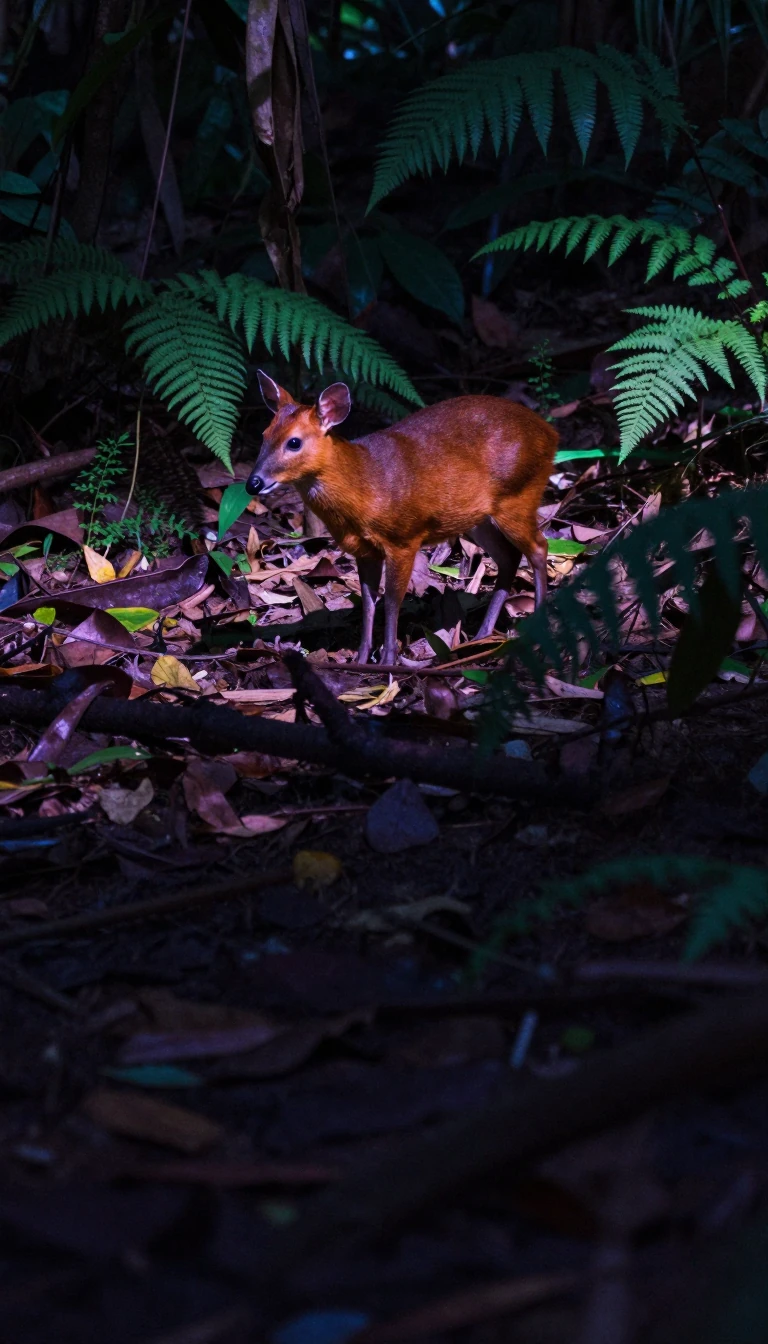 Was this six-meter predator the first true dinosaur to roam the ancient Earth?Discovered by an Andean goatherd in 1959, Herrerasaurus is a key to understanding the dawn of the dinosaur age. This Late Triassic carnivore, found in Argentina, has sparked decad…
 Are these 160,000-year-old Ethiopian fossils the ancestors of all modern humans?Discovered in 1997, the Herto Man remains provided a crucial link in the human evolutionary record. These fossils, dating back 154,000 to 160,000 years, sparked a fierce scientifi…
- This prehistoric bird swam with powerful legs and hunted with a mouth full of teeth.During the Late Cretaceous, Hesperornis dominated shallow seas as a flightless, foot-propelled diver. Measuring up to two meters, this bird possessed vestigial wings and a special…
 Why these tiny eels look like a swaying garden on the ocean floorGarden eels are not plants, but their behavior creates an uncanny illusion. These small, ray-finned fish spend their lives anchored in sandy burrows, extending only their heads in…
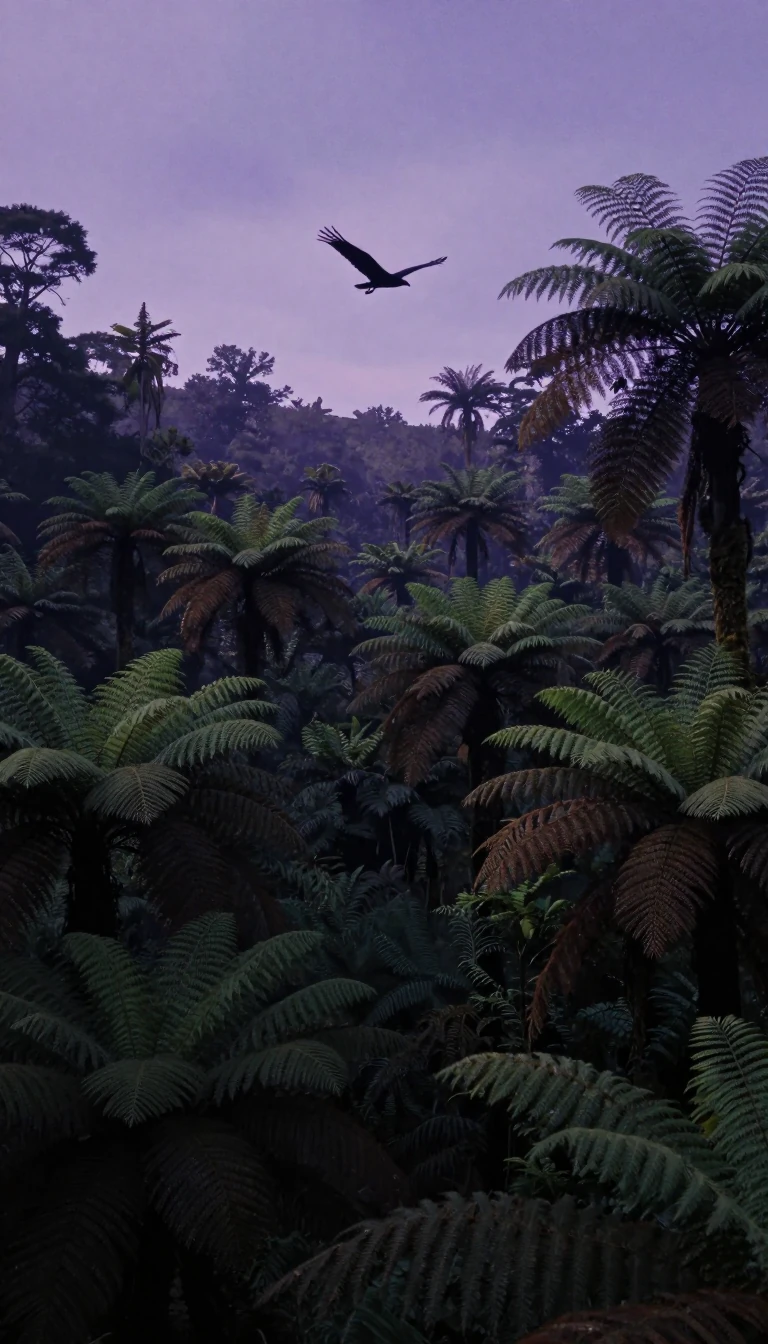 These fox-sized dinosaurs evolved a unique jaw mechanism to grind tough prehistoric plantsHeterodontosauridae were small, agile ornithischians that roamed the earth from the Early Jurassic to the Early Cretaceous. Famous for their distinct, tusk-like teeth and speciali…
- Why this small Jurassic dinosaur possessed a set of teeth unlike any other reptileNamed for its unusual dentition, Heterodontosaurus tucki defied the reptilian norm by sporting three distinct types of teeth. While most dinosaurs relied on a single tooth shape, …
- The true bugs are a massive, diverse group defined by an X-shaped wing designWith over 40,000 species, the suborder Heteroptera includes everything from ocean-dwelling water striders to garden-variety stinkbugs. These insects are distinguished by unique su…
 The Malayan jungle nymph is a heavy, thorny insect with a surprising defense mechanism.The Heteropteryx dilatata, or jungle nymph, is one of the heaviest insects on Earth. Native to the Malay Archipelago, these nocturnal giants are famous for their size and spiny ar…
 The Himalayan monal is a high-altitude bird that thrives by digging through deep snow.Living at elevations up to 4,500 meters, the Himalayan monal is a master of the alpine environment. This striking bird, known for its metallic plumage and ability to forage in fro…
 Before the modern horse, the three-toed Hipparion roamed the ancient Eurasian savannahs.Imagine a horse, but smaller and equipped with three toes on every limb. For millions of years, the Hipparion thrived across Eurasia, grazing on grasslands before environmental sh…
- Why these strange, clawless crustaceans are the masters of the world's sandy beachesKnown as mole crabs or sand crabs, the superfamily Hippoidea has evolved a unique lifestyle. Unlike their decapod relatives, these creatures cannot walk. Instead, they have master…
 Why the European lobster turns bright red only after it hits the potThe European lobster is naturally blue, but its iconic red hue is a culinary transformation. This crustacean hides its true color behind a protein complex that breaks down under h…
- Is Homo gautengensis a genuine human ancestor or just a collection of misidentified fossils?In 2010, anthropologist Darren Curnoe proposed a new species, Homo gautengensis, after re-examining South African fossils. By identifying unique molar shapes, he argued these spec…
 A small-brained human relative lived alongside our ancestors until just 236,000 years ago.Discovered in 2013, Homo naledi shattered the idea that human evolution was a linear march toward larger brains. This enigmatic species possessed a primitive, ape-like anatomy yet…
 Was the Broken Hill skull the key to understanding our complex human ancestry?The discovery of a hominin skull in a Zambian lead mine in 1921 sparked a century of debate. Once classified as a distinct species, this fossil now sits at the center of a complex…
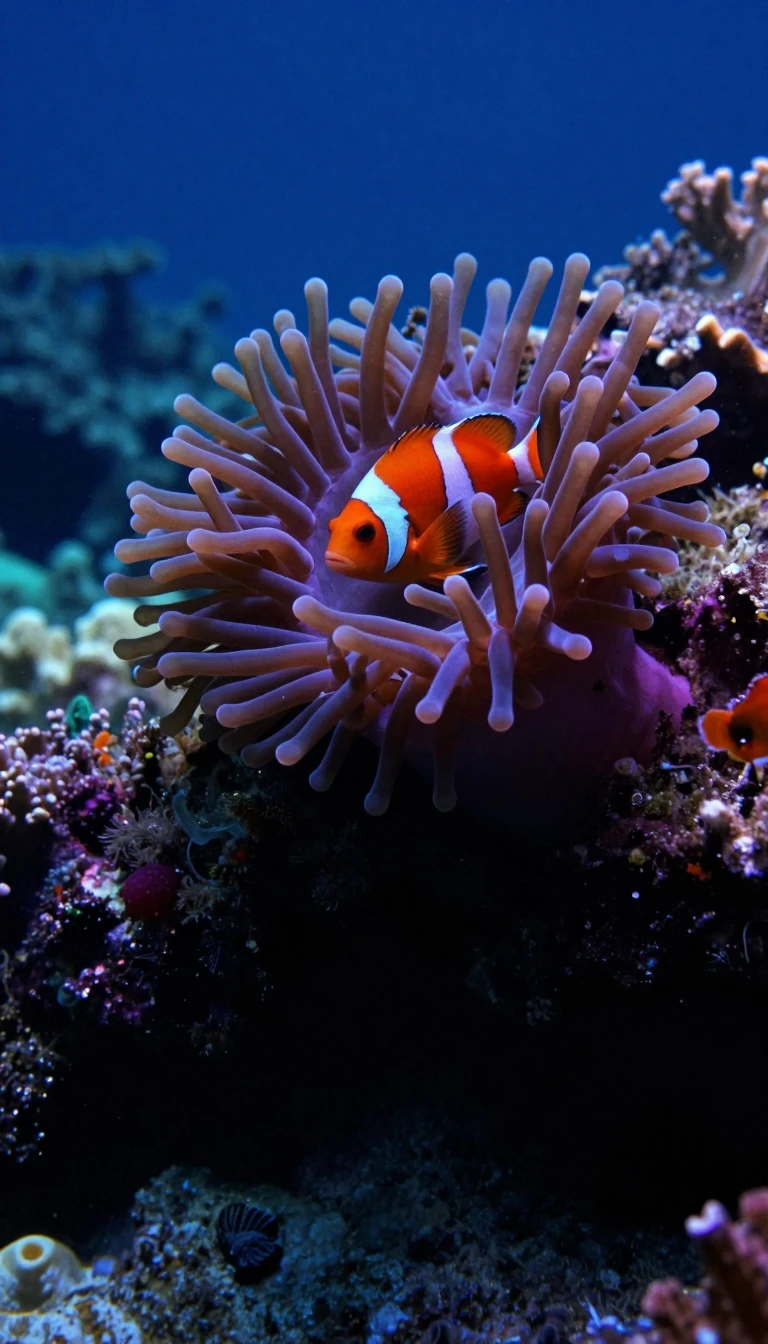 Are these simple marine sponges actually our closest evolutionary cousins in the animal kingdom?Homosclerophorida are small, unassuming sponges that thrive in the dark, hidden corners of our oceans. Yet, these creatures have sparked intense scientific debate about the very o…
- This tiny white bat builds its own home and holds a secret for human vision.The Honduran white bat is a rare, fluffy mammal that crafts tents from leaves to hide from predators. Beyond its striking white fur and yellow features, this specialist frugivore …
- The honey possum is the only mammal that survives entirely on nectar and pollen.This tiny Australian marsupial, weighing less than a mouse, possesses the longest sperm in the mammal world. It is a specialized pollinator that has evolved alongside its favorite…
- Is the hooded crow a distinct species or just a grey-clad carrion crow?The hooded crow is a master of identity crises. Once considered a separate species, then reclassified as a subspecies of the carrion crow, its status remains a subject of intense …
- A host is not just a victim; it is a complex biological partner.In biology, a host is any larger organism providing shelter or nourishment to a smaller guest. While we often associate this with parasitic harm, the relationship can be mutualist…
- The loudest land animal on Earth uses a bizarre evolutionary trade-off to surviveHowler monkeys are famous for their deafening roars, which can carry through dense rainforests. But these vocal displays are not just for show. They reveal a fascinating biologica…
 The insect that survives a brutal mating ritual by sacrificing its own wingsIn the world of the hump-winged grig, romance is a literal bloodbath. To secure a mate, the male must endure a process where the female consumes his hind wings and drinks his hemo…
- The giant humphead wrasse is a reef-dwelling hermaphrodite that can change its own sex.Known as the king of the coral reefs, this massive, long-lived fish can grow to six feet and weigh hundreds of pounds. Beyond its size, it possesses a remarkable biological trick:…
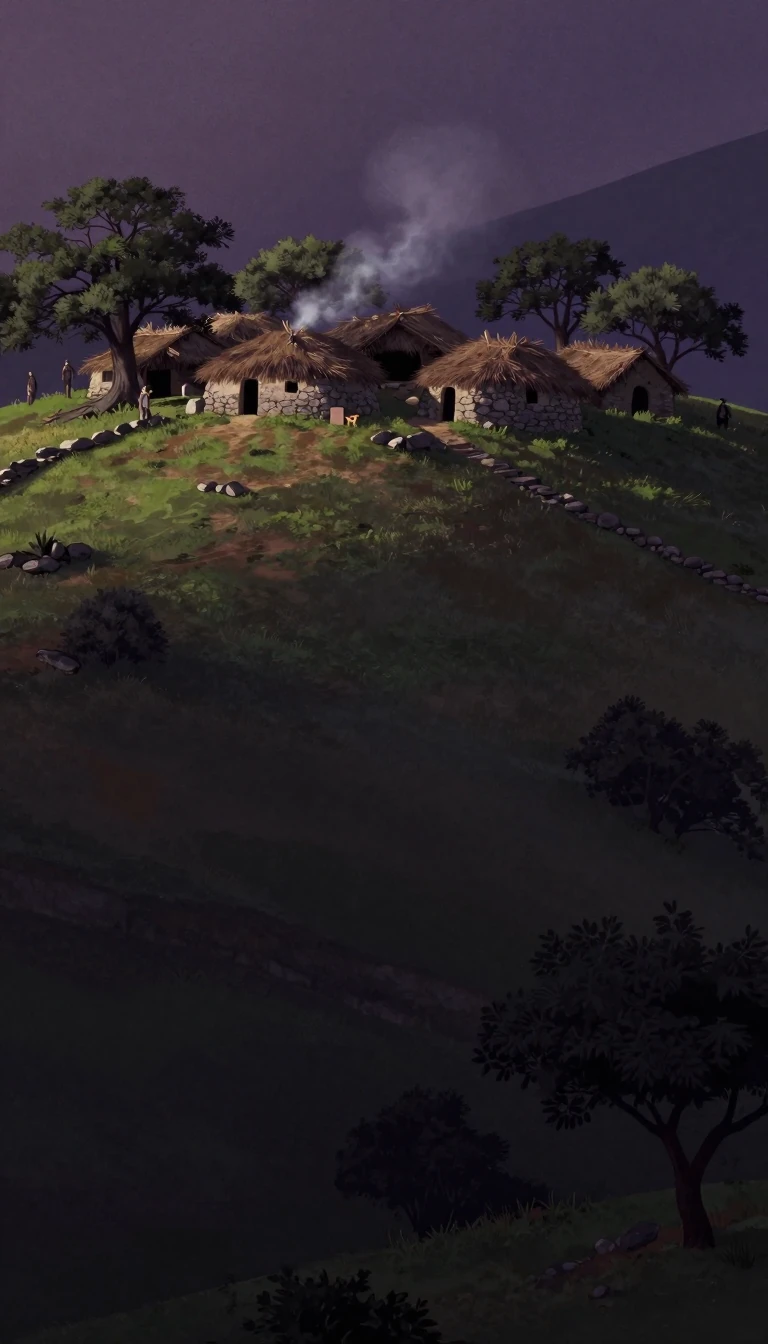 Hyaenodon was a formidable apex predator that dominated landscapes for over 26 million years.Long before modern carnivores took over, Hyaenodon reigned as a diverse genus of placental mammals. Ranging from tiny, two-kilogram hunters to lion-sized giants, these cursorial p…
- Before lions and wolves, these bizarre predators ruled the world for millions of years.Hyaenodonts were once the dominant mammalian carnivores across Africa, Eurasia, and North America. With up to three pairs of shearing teeth and a long, slow adolescence, these pre…
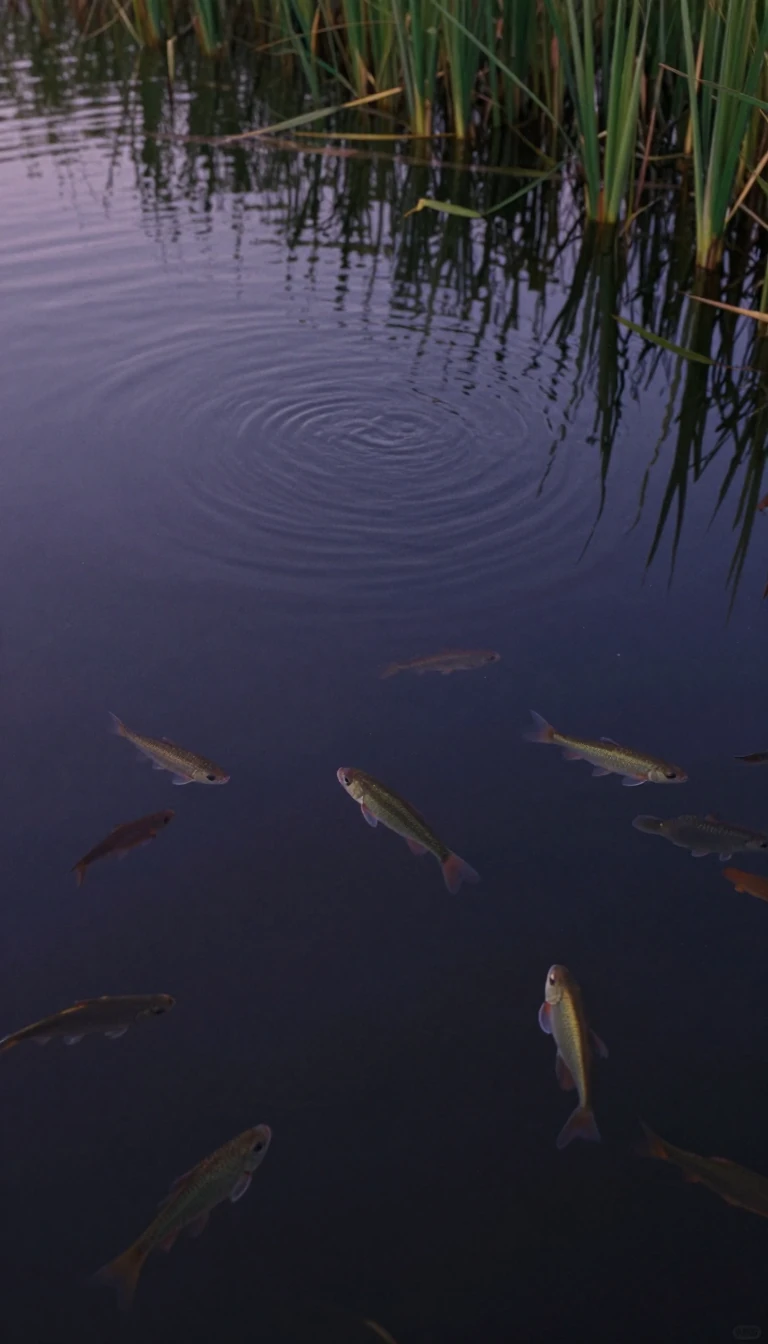 Before modern sharks ruled the oceans, hump-backed predators dominated the ancient seas.Long before modern sharks claimed the open ocean, the Hybodontiformes thrived as a diverse group of cartilaginous fish. Ranging from tiny swimmers to three-meter predators, these …
- The sailfin dragon is a master of running across water like a lizardKnown for the distinct sail-like structure on their tails, sailfin dragons are semiaquatic lizards native to Indonesia and the Philippines. These remarkable creatures possess the …
- Hydrozoa are tiny, predatory architects that build complex, interconnected living colonies in the sea.Most people mistake these invertebrate cnidarians for simple plants or seaweed. In reality, hydrozoans are sophisticated predators that function as a single, integrated organism. …
 This massive prehistoric predator ruled the murky freshwater rivers of the Devonian period.Before land animals fully dominated, a giant lobe-finned fish named Hyneria patrolled the ancient waterways of Pennsylvania. Reaching lengths of up to three meters, this formidabl…
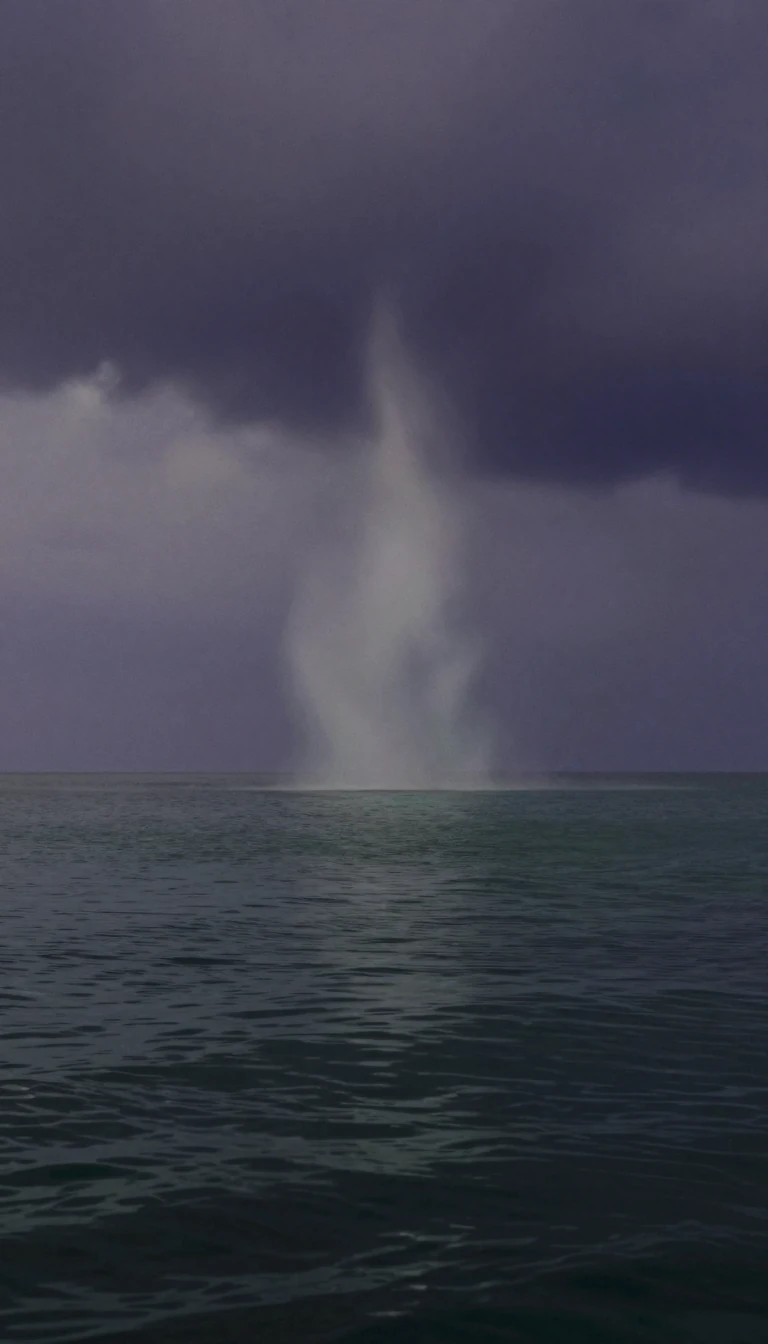 Why your house cat is biologically wired to be a strict meat-eating machineA hypercarnivore is defined by a diet consisting of over 70 percent meat, but the classification goes deeper than just what is on the menu. From the domestic cat to the polar bear…
- Why some predators evolved to trade their sharp teeth for a plant-based dietWhile we often define carnivorans by their predatory nature, many have evolved to survive on a diet where meat accounts for less than 30% of their intake. This survival strategy, …
- Why this small dinosaur was named after a lizard it never actually resembledHypsilophodon was a nimble, bipedal herbivore that roamed prehistoric England. Despite its name, which translates to high-crested tooth, the creature lacked crested teeth entirely…