 Intellect Plus
Nature
11,198 cards. Each one is a 40-second story with a five-minute read behind it. Page 97 of 187.
Subtopics: Ageing · Air · Animal behaviour · Animal breeds and hybrids · Animals · Arthropods · Atmosphere · Big cats · Bilateria, others · Birds · Botany · Cnidarians · Conservation · Coral reefs · Deep sea · Deserts · Dinosaurs · Earth science · Earth science and physical geography · Earth science basics · Earthquakes & tsunamis · Echinoderms · Ecology · Ecosystems · Endangered species · Extinct animals · Farming · Fish · Forests · Fungi · General classifications · Geology · Geomorphology · How Long Can It Live? · Ice · Individual animals · Insects · Lightning · Longevity · Mammals · Marsupials · Migration · Mollusks · Ocean · Organisms · Parasites · Physical geography · Plants · Porifera · Predators · Primates · Rainforest · Reptiles & amphibians · Researched · Sharks & rays · Spiders & arachnids · Symbiosis · Trees · UK & Ireland: nature · Vertebrates · Vision · Volcanoes · Water · Waves · Weather · Whales & dolphins · Zoology
 These ancient marine reptiles were not dinosaurs, but they ruled the prehistoric oceans.Long before dolphins evolved, ichthyosaurs dominated the seas with a fish-like body plan that remains a masterclass in convergent evolution. Though they were once mistaken for eve…
 Did this ancient creature crawl on land like a seal or swim like a fish?Ichthyostega, a Late Devonian inhabitant of Greenland, was once thought to be a simple salamander-like ancestor of land vertebrates. Modern analysis reveals a far stranger anatomy…
 Meet the Ictonychinae: The Mustelid Subfamily That Sprays Like a SkunkWhile often confused with their cousins, the Ictonychinae subfamily stands apart through a distinct evolutionary trait. Found across Africa, the Neotropics, and Eurasia, these mam…
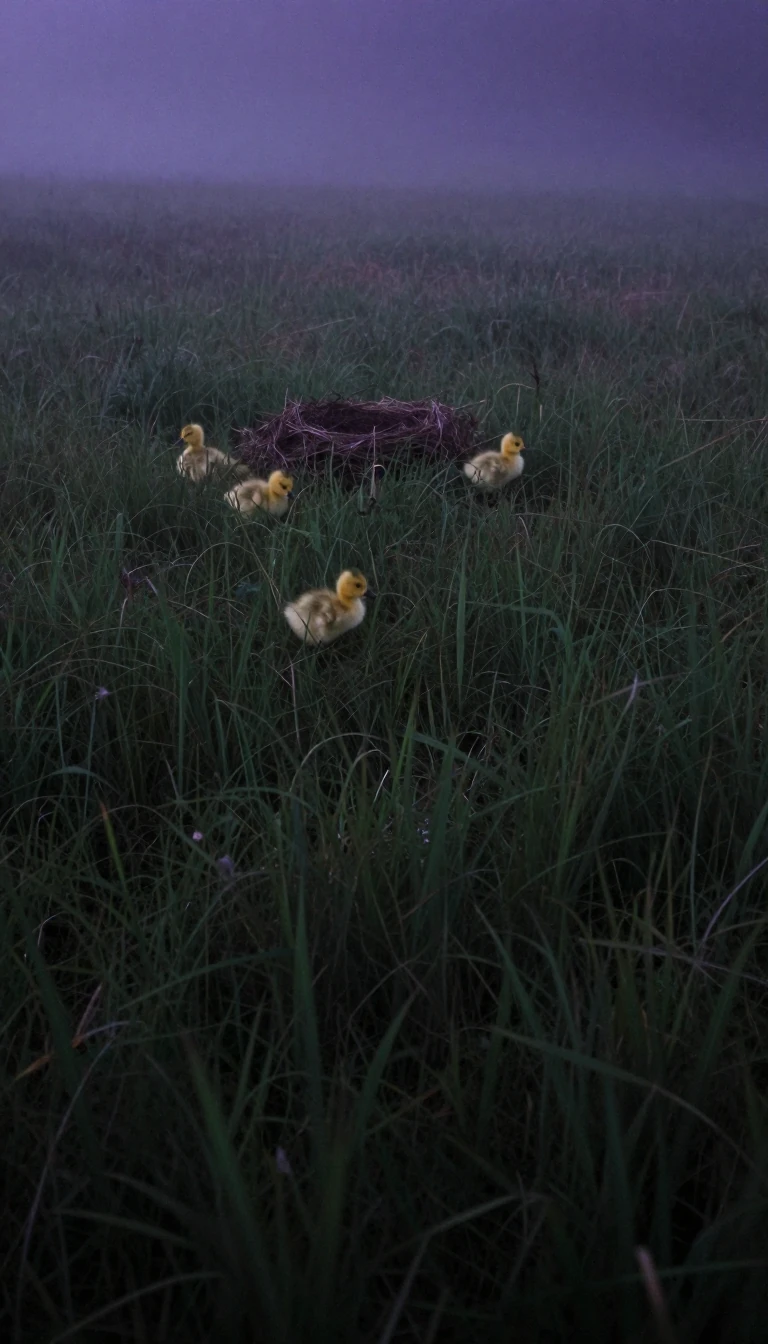 Why newly hatched birds might mistake a wading boot for their own motherImprinting is a rapid, critical form of learning where young animals fixate on the first object they encounter. By mimicking a mother duck, Konrad Lorenz proved that goslings and …
 This rodent-toothed dinosaur challenges everything we thought we knew about early bird-like feathersIncisivosaurus was a small, herbivorous theropod from the early Cretaceous period, named for its bizarre, rodent-like front teeth. Beyond its strange bite, this dinosaur sits at t…
 The Indian flying fox is a massive, fruit-loving bat with a complex social life.Weighing up to 1.6 kilograms with a wingspan reaching nearly five feet, the Indian flying fox is among the world's largest bats. While often dismissed as agricultural vermin, thes…
 The Indian prawn is a global seafood staple with a complex, high-tech production cycle.From traditional paddy fields to intensive, high-density hatcheries, the Indian prawn is a major commercial species. While it thrives in the Indo-West Pacific, its farming require…
 Divers have captured the first in situ images of a rare Indonesian coelacanthLong considered an elusive deep-sea phantom, the Sulawesi coelacanth has finally been documented in its natural habitat by human divers. Using technical diving gear, researchers o…
 The indri is the largest living lemur, yet it possesses only a stubby tail.Found in the forests of Madagascar, the indri stands out among primates for its lack of a long, bushy tail. As the largest of all living lemurs, this vocal, tree-dwelling creature…
- The giant fossil penguin that was grey and red, not black and whiteThirty-six million years ago, a five-foot-tall penguin named Inkayacu swam in the ancient seas of Peru. While its skeleton resembled modern penguins, its plumage tells a different…
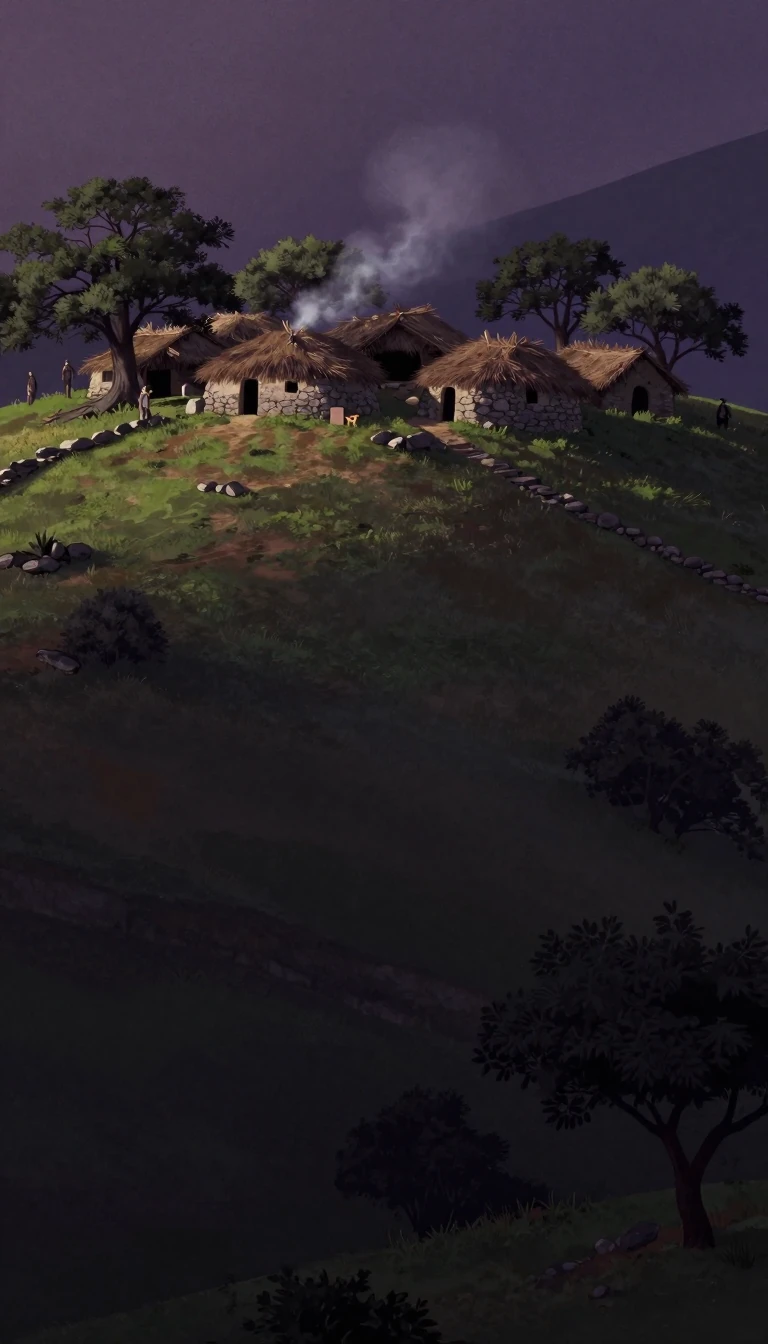 Inostrancevia was the apex predator of the Permian, wielding fifteen-centimeter serrated saber teeth.Before dinosaurs dominated, the Permian period was ruled by Inostrancevia, a massive, robustly built gorgonopsian. This stem mammal reached lengths of over three meters, using its…
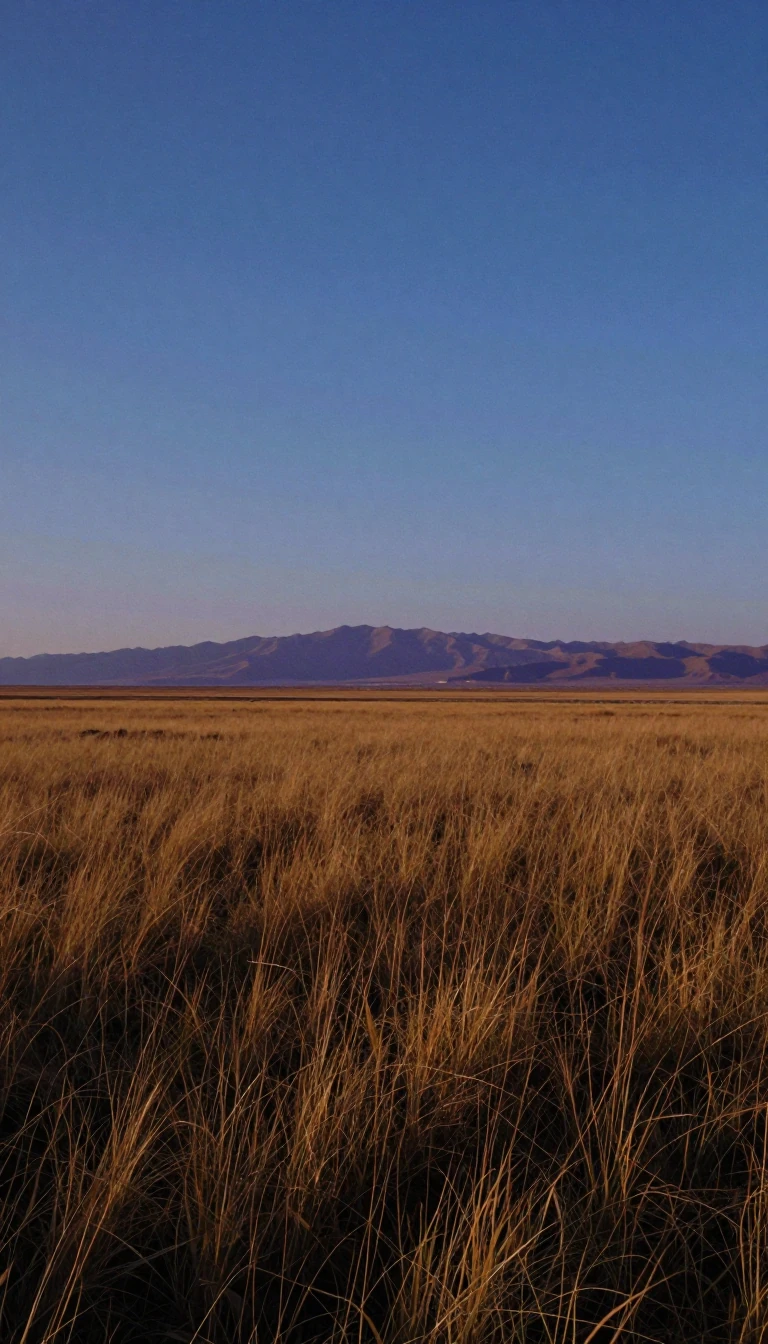 Why isolated habitats like mountain peaks and city parks follow the same ecological rulesThe theory of island biogeography suggests that whether you are looking at a remote oceanic island or a fragmented forest, the number of species living there is a predictable bala…
 Why these ancient, equal-footed crustaceans are the masters of almost every environmentFrom the deepest oceanic trenches to your own backyard, isopods are everywhere. With over 10,000 species, these crustaceans have conquered land, sea, and freshwater. Their name, m…
- Why these iridescent tropical birds hunt like aerial acrobats in the forest canopyJacamars are elegant, glossy birds of the Neotropics that defy typical insectivore anatomy. While most aerial hunters possess short, wide bills, these birds wield long, thin instr…
 Why these tropical birds walk on water and let fathers raise the chicksKnown as lily trotters or Jesus birds, jacanas possess an extraordinary anatomical adaptation: elongated toes and claws that distribute their weight across floating aquatic vegeta…
 The three-horned lizard that conquered Hawaii by looking like a miniature dinosaurNative to the high-altitude forests of East Africa, Jackson's chameleon is famous for the three distinct horns sported by males. Though they resemble a prehistoric Triceratops, th…
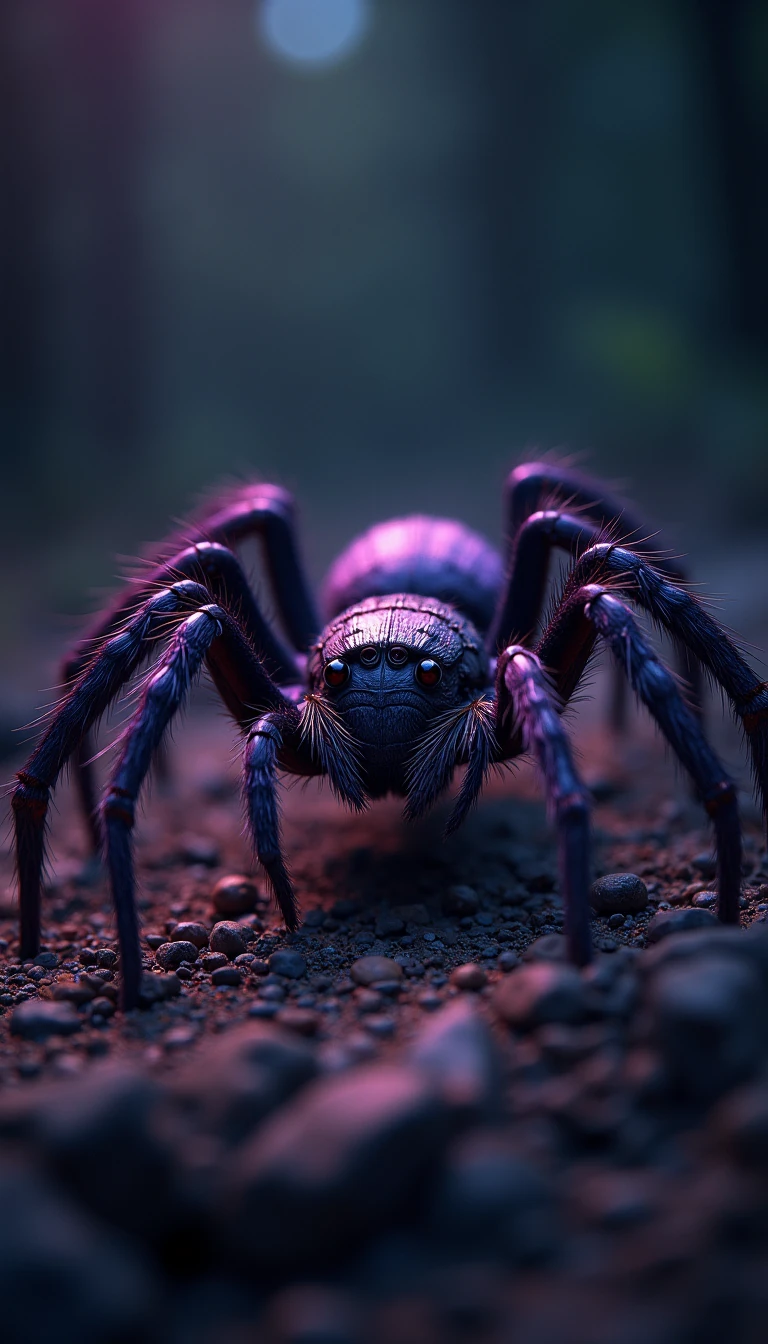 The largest arthropod in Earth's history was a terrifying, two-metre-long aquatic predator.Long before humans walked the earth, Jaekelopterus rhenaniae dominated ancient waters. This massive eurypterid, often called a sea scorpion, reached lengths of up to 2.5 metres. W…
 Jameson's mamba is a master of the canopy, but its venom demands extreme caution.This slender, arboreal snake of sub-Saharan Africa is a highly agile hunter that prefers to avoid human contact. Despite its timid nature, its potent neurotoxic venom can cause pa…
 The Japanese giant salamander is a long-lived, nocturnal predator that breathes through its skin.Hidden in the cold, fast-flowing mountain streams of Japan, this massive amphibian can reach five feet in length and live for nearly 80 years. Despite its size, it relies on a uni…
 The Japanese rhinoceros beetle uses a pitchfork-shaped horn to fight for territory and mates.Known as kabutomushi in Japan, this beetle is a marvel of sexual selection. Males wield prominent cephalic horns to flip rivals, while smaller males adopt sneaky tactics to bypass…
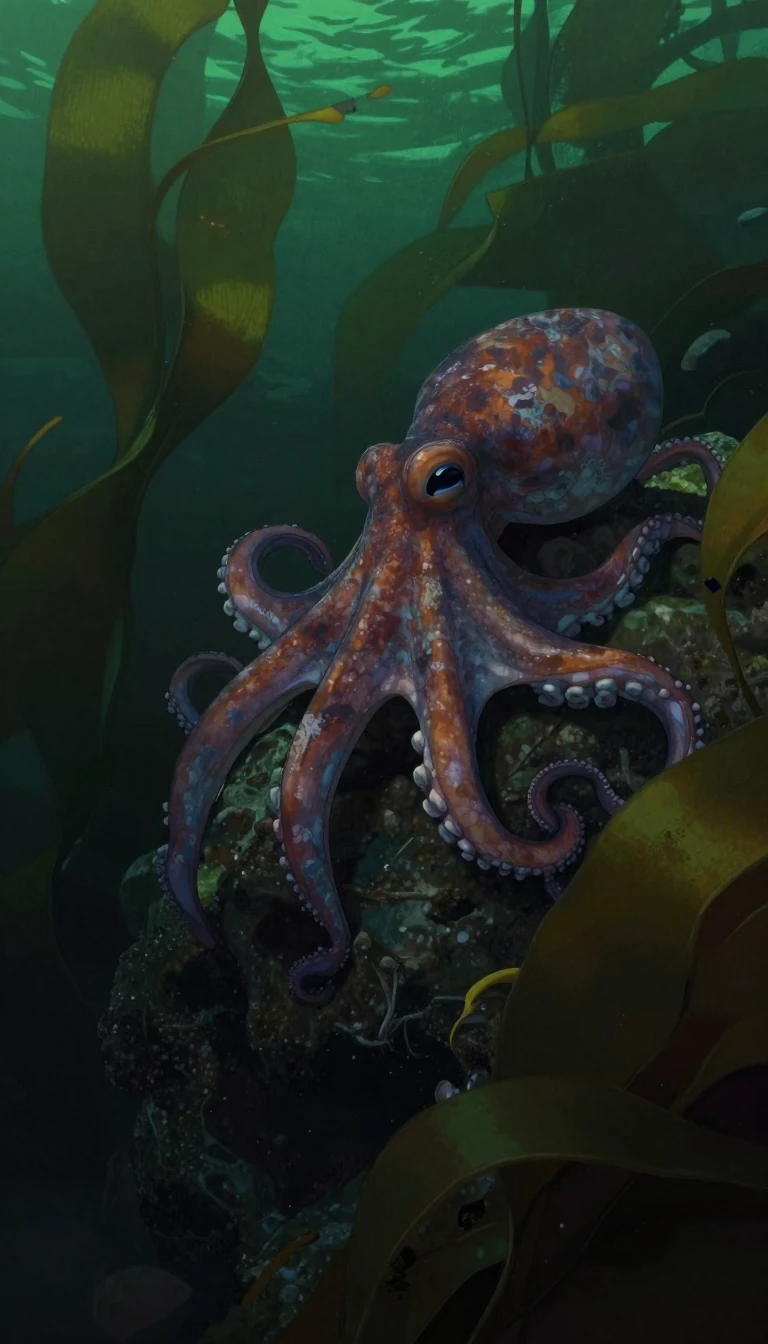 The Japanese spider crab is the largest arthropod on Earth with a massive reach.With a leg span stretching nearly four meters, the Japanese spider crab is a true giant of the ocean floor. Despite its intimidating, spiky appearance and powerful claws, this dee…
 The Java sparrow is a global paradox: a beloved pet and a threatened species.Once a notorious pest in Asian rice paddies, the Java sparrow has become a prized cage bird with a complex social life. While it thrives in introduced populations across the globe…
 The noisy, colorful jay is not actually a single species, but a linguistic label.Jays are a diverse, paraphyletic group of birds within the crow family. While they share traits like bright plumage and raspy calls, they are not a unified taxonomic entity. From …
 How the desert-dwelling jerboa masters the art of the three-metre leapThese mouselike rodents are master escape artists, using specialized anatomy to launch themselves three metres in a single bound. With long tails for balance and fused leg bones f…
 The John Dory is a master of disguise with a legendary, misplaced identityThis thin, olive-yellow fish is a poor swimmer that relies on binocular vision and a deceptive flank spot to ambush prey. Despite its culinary reputation, the fish you buy labeled…
- The cylindrical millipedes of the order Julida are masters of temperate forest floorsSpanning from North America to the mountains of Asia, the order Julida comprises roughly 750 species of millipedes. These small, cylindrical creatures possess unique anatomical fe…
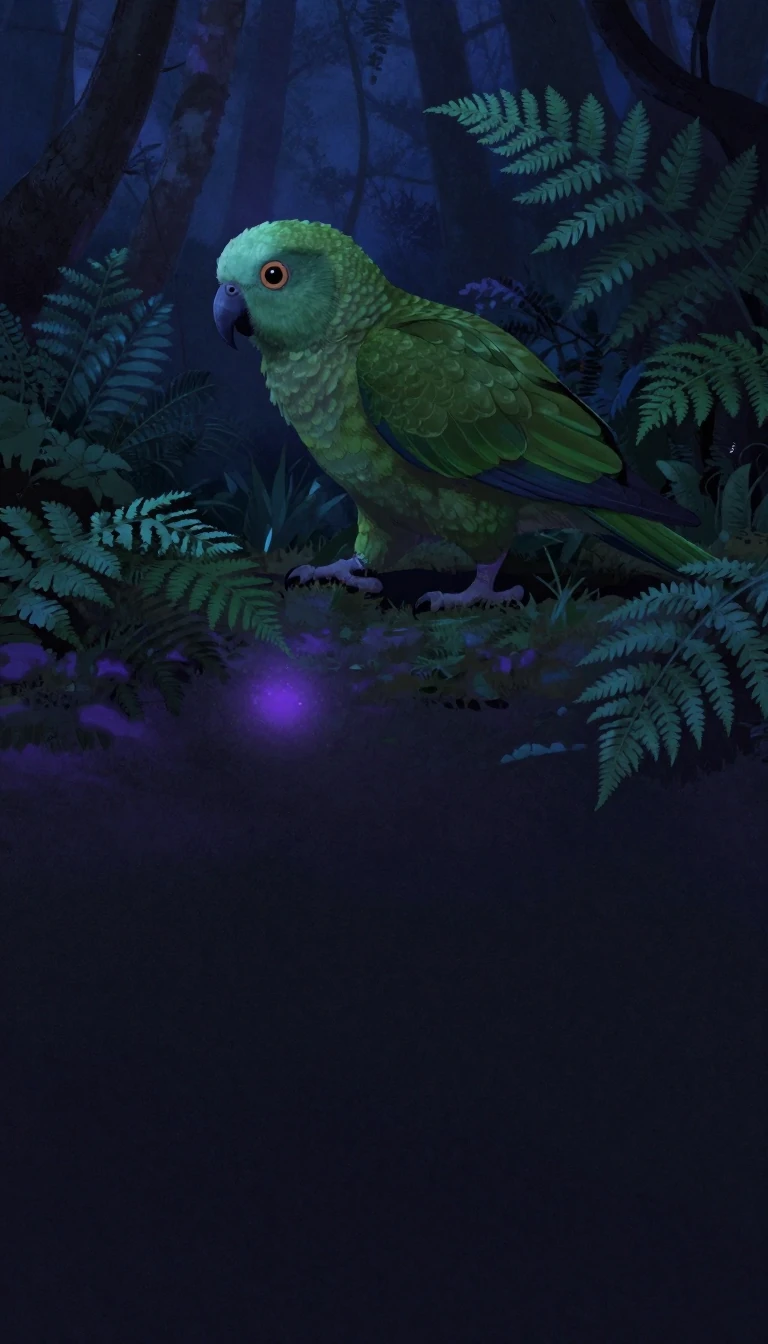 The Kagu is a flightless, ghost-like bird that sings duets in New Caledonia's forests.Endemic to the mountains of New Caledonia, the kagu is a mysterious, nearly flightless bird with unique nasal corns and bright red legs. Once considered a ghost of the forest by l…
 The BoarCroc: A Cretaceous predator with tusks, horns, and a mysterious lifestyleKnown as the BoarCroc, Kaprosuchus was a bizarre crocodyliform from the Upper Cretaceous of Niger. With oversized, tusk-like teeth and prominent horns on its skull, this creature …
 Could this three-meter-tall prehistoric bird outrun a human across the Patagonian plains?Kelenken guillermoi was a flightless terror bird that dominated South America fifteen million years ago. Standing three meters tall and weighing over one hundred kilograms, this a…
 The Tanzanian dinosaur with a tail that could swing at 50 kilometers per hourKentrosaurus was a Late Jurassic stegosaurid from Tanzania, famous for its formidable tail spikes. Unlike its North American cousin Stegosaurus, this herbivore possessed a unique,…
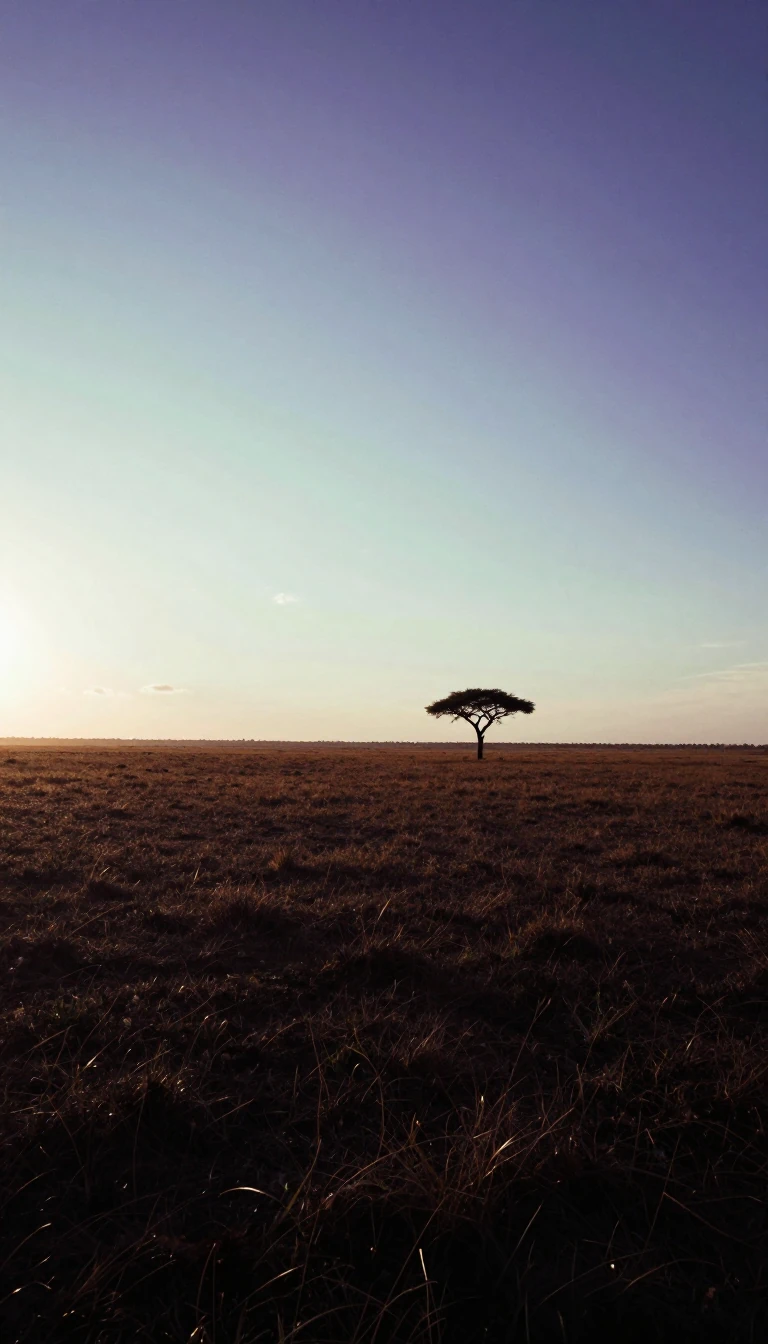 Is the flat-faced man from Kenya a true ancestor or a distorted fossil?Discovered near Lake Turkana, Kenyanthropus platyops challenged the idea that Australopithecus afarensis was our only ancestor during the Middle Pliocene. Yet, this mysterious hom…
- The tiny fish that evolved to survive toxic industrial waste in just sixty yearsKillifish are masters of extreme survival. While most fish perish in polluted waters, some killifish populations have evolved resistance to industrial chemicals at levels 8,000 ti…
- The Kimura spider is a living relic of a primitive arachnid lineageFound primarily in Japan, the Kimura spider is a member of the ancient sub-order Mesothelae. Named after Arika Kimura, who first collected the species in 1920, this burrowing spid…
 The king cobra is not a true cobra, but it is a master architect.Despite its fearsome reputation, the king cobra is a cautious creature that prefers to avoid humans. It is the only snake species known to construct dedicated nests for its eggs, …
 The king quail is the smallest galliform bird on the entire planetStanding just 12 to 15 centimeters tall, the king quail is a tiny, ground-dwelling powerhouse. While often confused with buttonquails, this diminutive bird belongs to the pheasant…
 These tiny birds must eat constantly or they will perish within an hourKinglets are among the smallest songbirds on Earth, but their rapid metabolism demands relentless foraging. If these birds are prevented from feeding, they can lose over thirty pe…
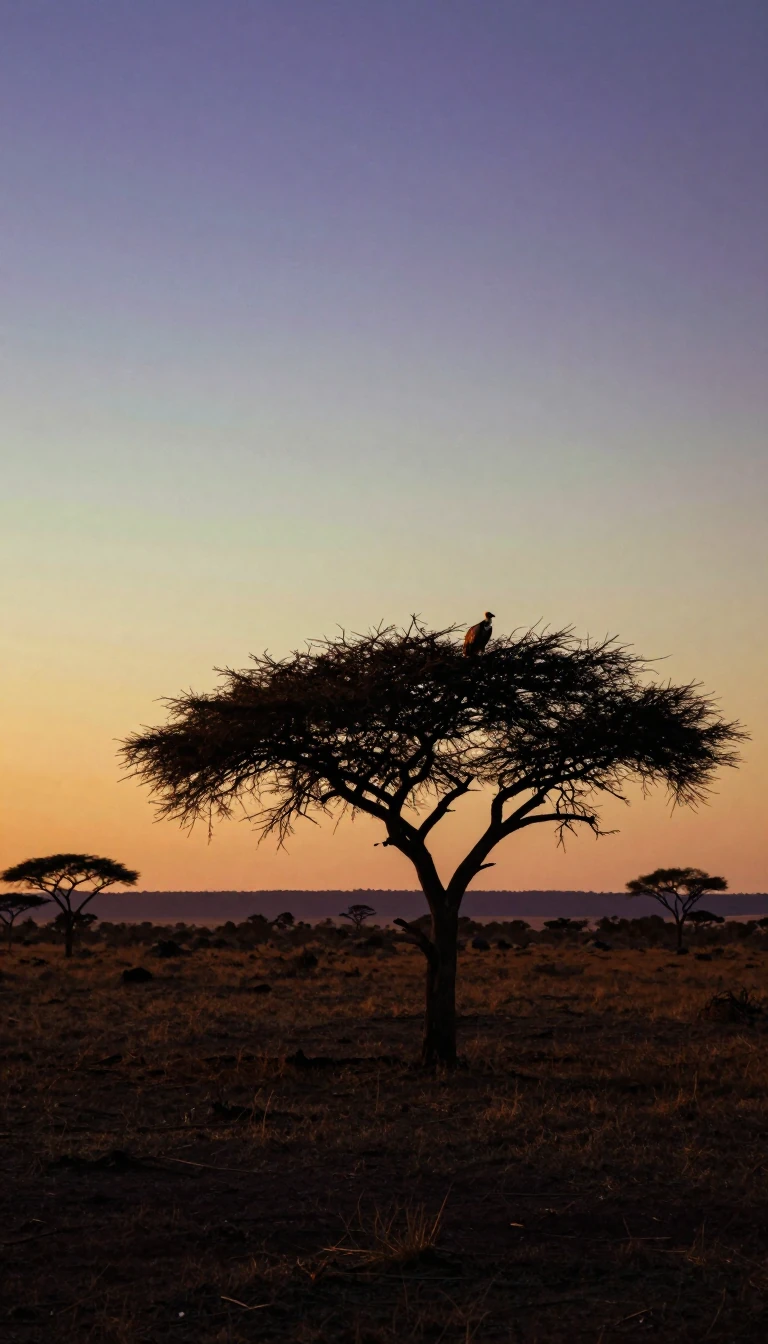 Why the kingsnake is the undisputed heavyweight champion of the constrictor worldKingsnakes are nonvenomous predators that have earned their royal title by hunting other snakes, including lethal rattlesnakes. Beyond their immunity to certain venoms, these rept…
- Meet the mud dragon, a microscopic powerhouse thriving in the ocean floor's hidden depths.Known as mud dragons, Kinorhyncha are tiny, segmented marine invertebrates that navigate the seafloor by retracting and thrusting their spiny heads. Though they measure only a mil…
 A kitten is a biological marvel designed for rapid growth and predatory skill development.Born blind and entirely dependent, kittens undergo a high-speed transformation into agile predators. Within months, they master complex social cues, hunting techniques, and metabo…
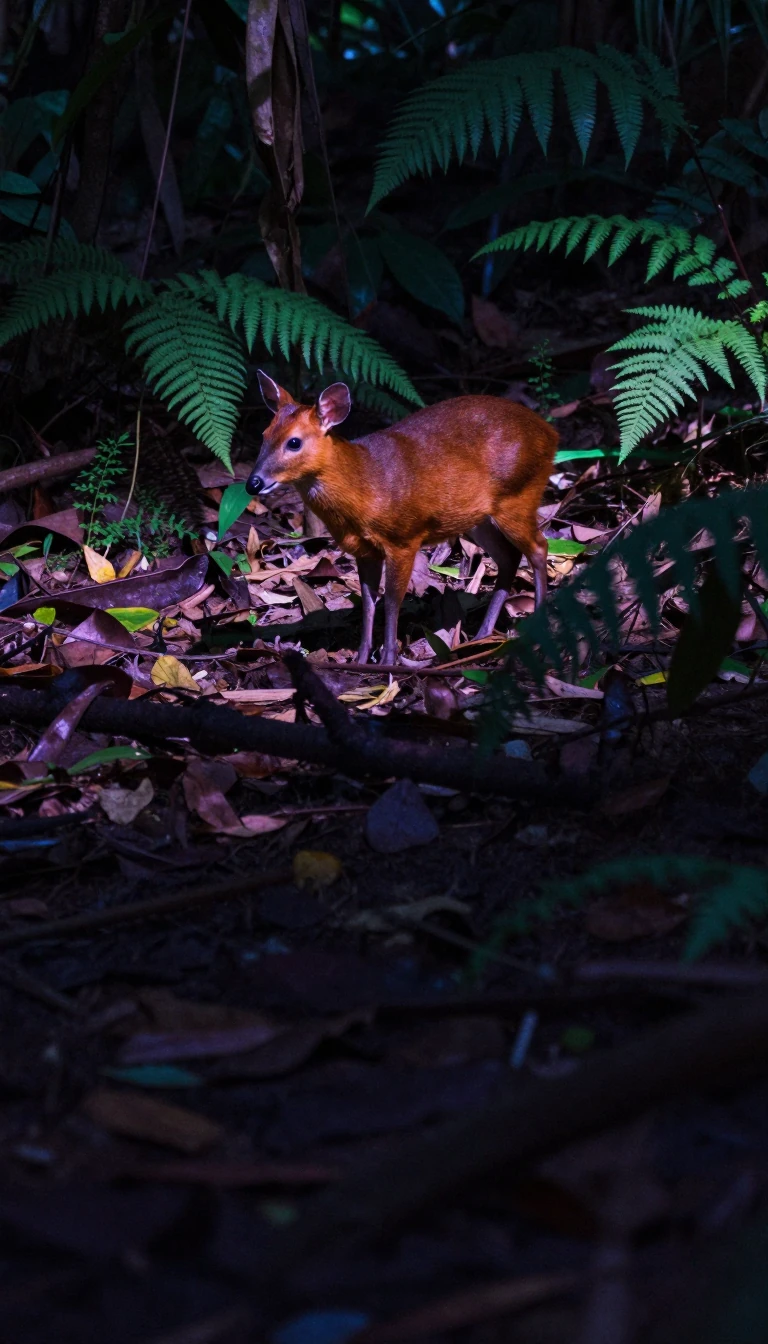 Is this tiny, pig-nosed creature the smallest mammal on the entire planet?Weighing only two grams, Kitti's hog-nosed bat is a contender for the title of world's smallest mammal. Often called the bumblebee bat, this elusive creature lives in limestone ca…
 The Yeti Crab: A Deep-Sea Crustacean That Farms Its Own DinnerDiscovered in 2005 near hydrothermal vents, the yeti crab is a blind, hairy-limbed marvel of the South Pacific. It does not just scavenge; it actively cultivates bacteria on its o…
 The koel uses a clever raven disguise to trick birds into raising its youngThe koel is a master of deception. By mimicking the appearance of a raven, the male koel draws the ire of host birds, distracting them with a mobbing response. This chaos creates …
 The iconic laughing call of the kookaburra is actually a territorial warning systemThe kookaburra’s famous cackle is not an expression of joy, but a strategic alarm meant to deter rivals from encroaching on its domain. Despite being the largest member of the kin…
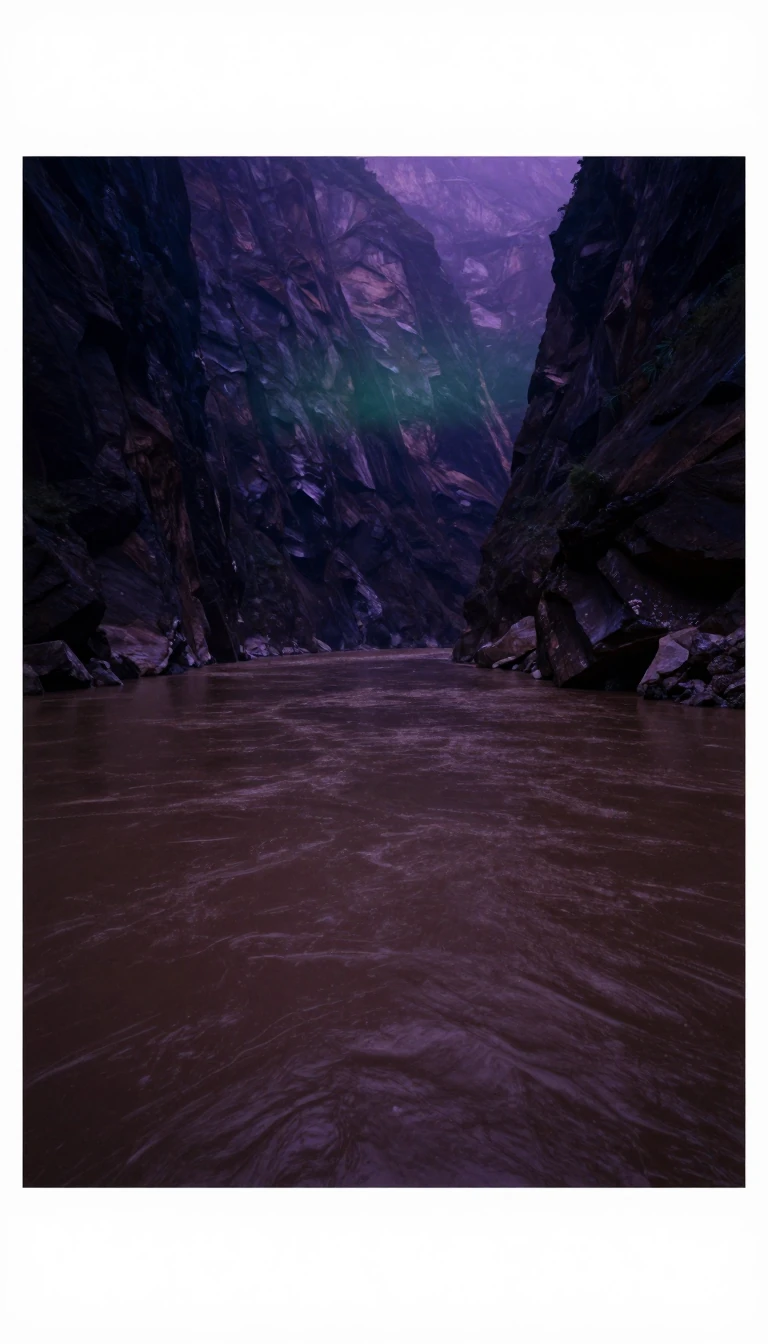 The Last Giant Amphibian That Survived in the Frozen Early Cretaceous SouthLong after its relatives vanished, Koolasuchus persisted in the cool, rift-valley streams of southern Australia. This massive, crocodile-like predator thrived in a region too frig…
- The ancient marine predator named after a Titan who devoured his own childrenKronosaurus was a massive, short-necked pliosaur that dominated the Early Cretaceous seas. Named for the Greek Titan Kronos, this apex predator grew up to 11 meters long and posse…
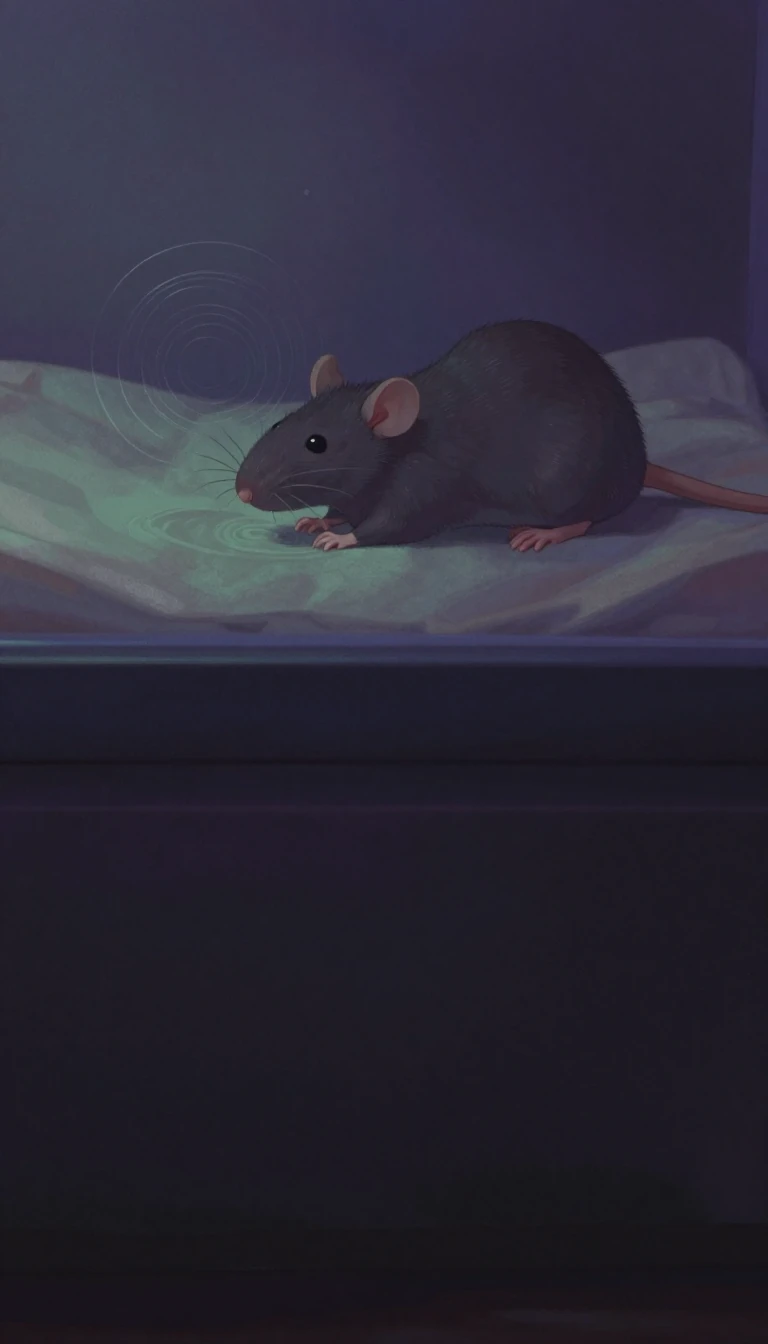 Why the humble lab mouse is the most important mammal in modern scienceAs our closest non-primate relatives, mice are the backbone of biomedical discovery. From mapping the human genome to testing life-saving treatments, these small rodents provide a…
- The laboratory rat is the first animal domesticated specifically for the purpose of science.Long before they were tools for modern medicine, rats were bred for blood sport in 18th-century pits. Today, these rodents are precision-engineered biological models. From their r…
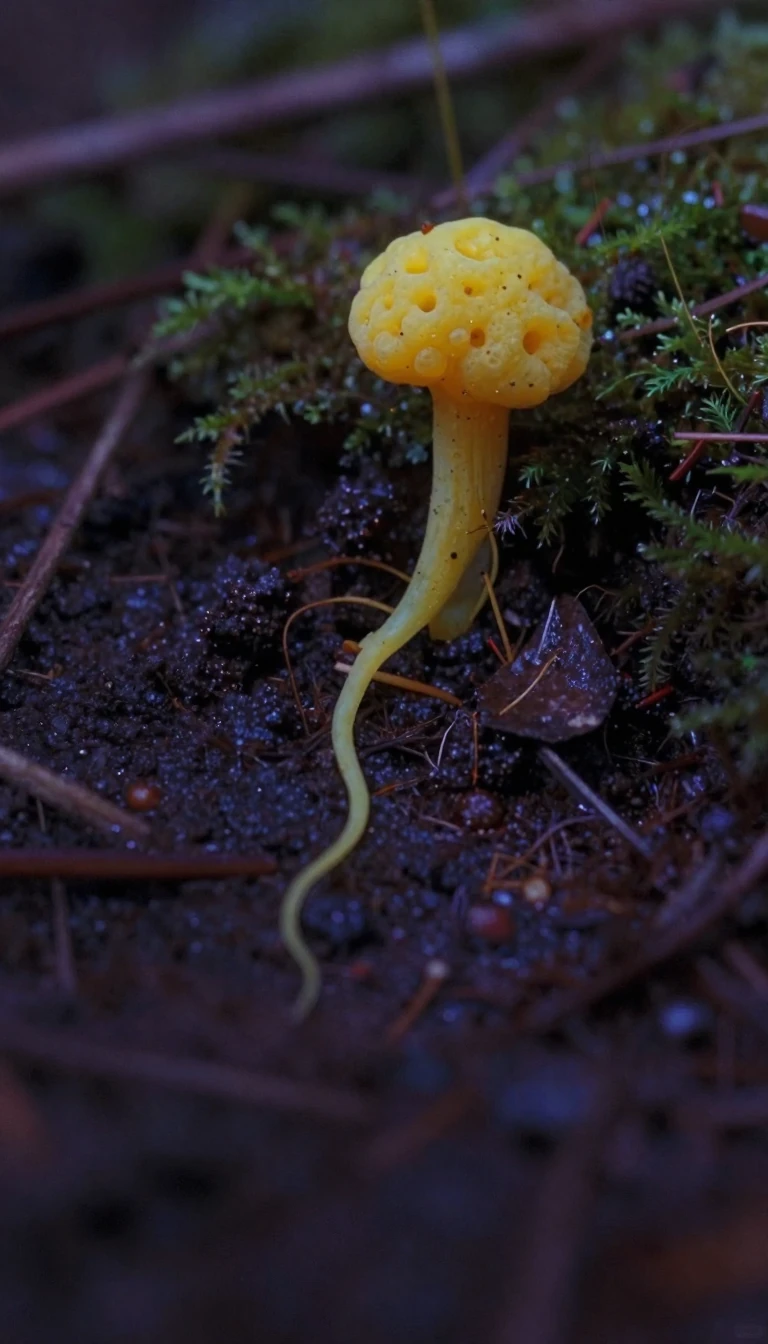 The shrinking genus: how modern science redefined the classic Lacerta lizard familyFor centuries, the name Lacerta served as a broad umbrella for diverse lizard species. However, a major taxonomic revision in 2007 dismantled this grouping, splitting it into nine…
- The diverse family of wall lizards dominates the reptile landscape across Afro-Eurasia today.With approximately 360 species spanning 39 genera, the Lacertidae family represents the most dominant group of reptiles in Europe. While these small to medium-sized lizards share …
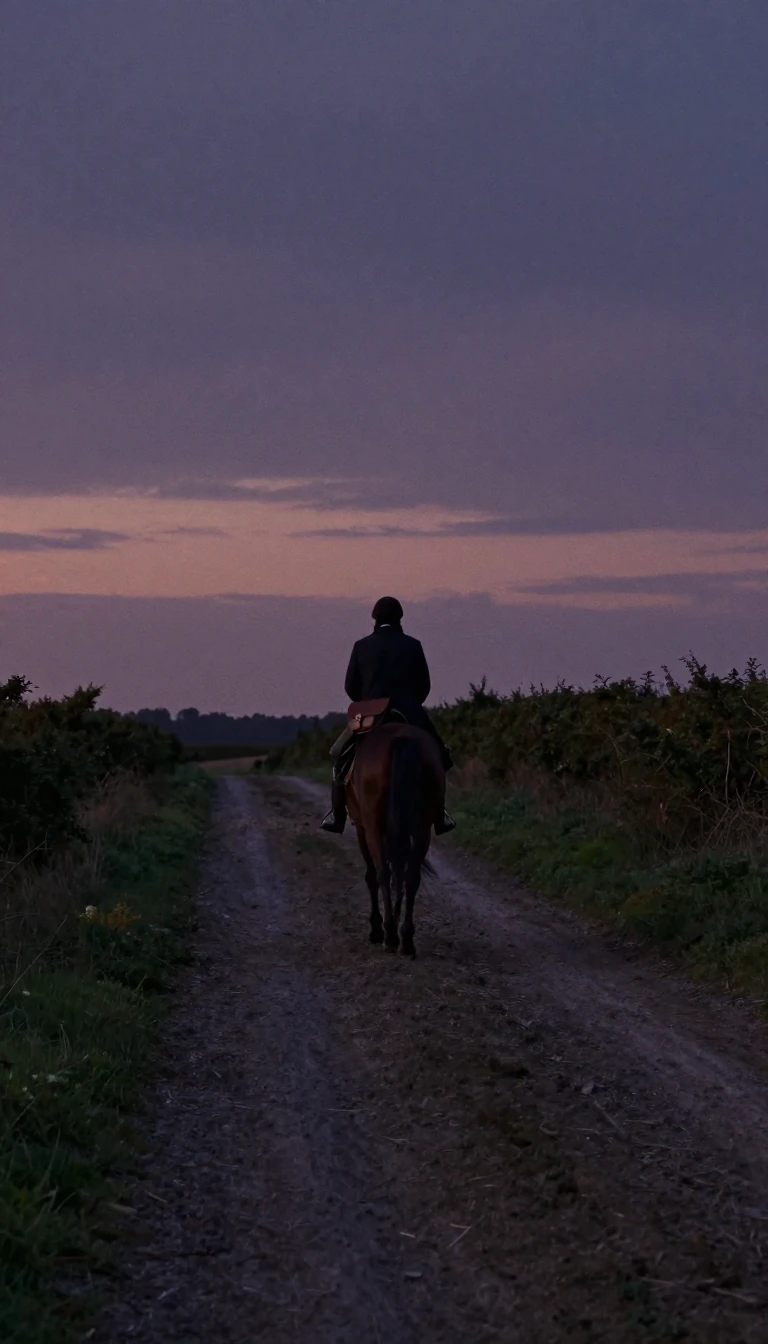 The exotic pheasant that once roamed England's woods is now a ghost of historyLady Amherst's pheasant, a bird of striking plumage and golden crests, was introduced to England as an ornamental curiosity in the 19th century. Though these birds once thrived in…
 Are these small Triassic reptiles the missing link to the ancestors of pterosaurs?Lagerpetids were once considered the earliest dinosaurs, but recent fossil discoveries have completely rewritten their family tree. These lightly-built, Triassic-era creatures are…
- The hatchet-headed dinosaur whose identity was hidden in plain sight for decadesLambeosaurus was a massive, semi-quadrupedal herbivore defined by a hollow, hatchet-shaped crest. For years, palaeontologists struggled to classify it, often misidentifying its ju…
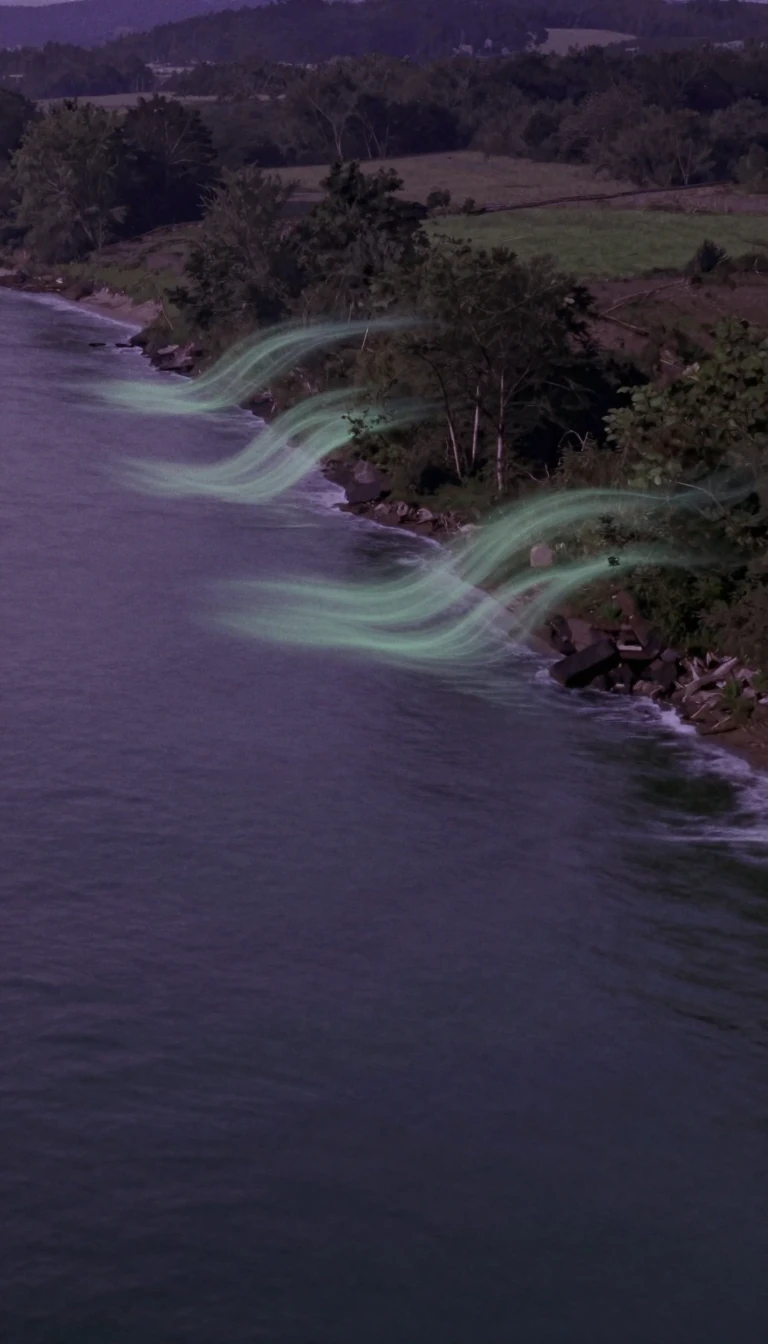 Why the way we use land is the missing link in climate scienceLand change science treats the Earth as a single, coupled human-environment system. By mapping how urbanization and deforestation interact with global climate shifts, this interdi…
- Beyond the slow crawl: the complex, shell-bound lives of terrestrial gastropodsLand snails are not merely slow-moving garden visitors. These diverse mollusks have evolved at least ten independent times to conquer terrestrial life, developing specialized lung…
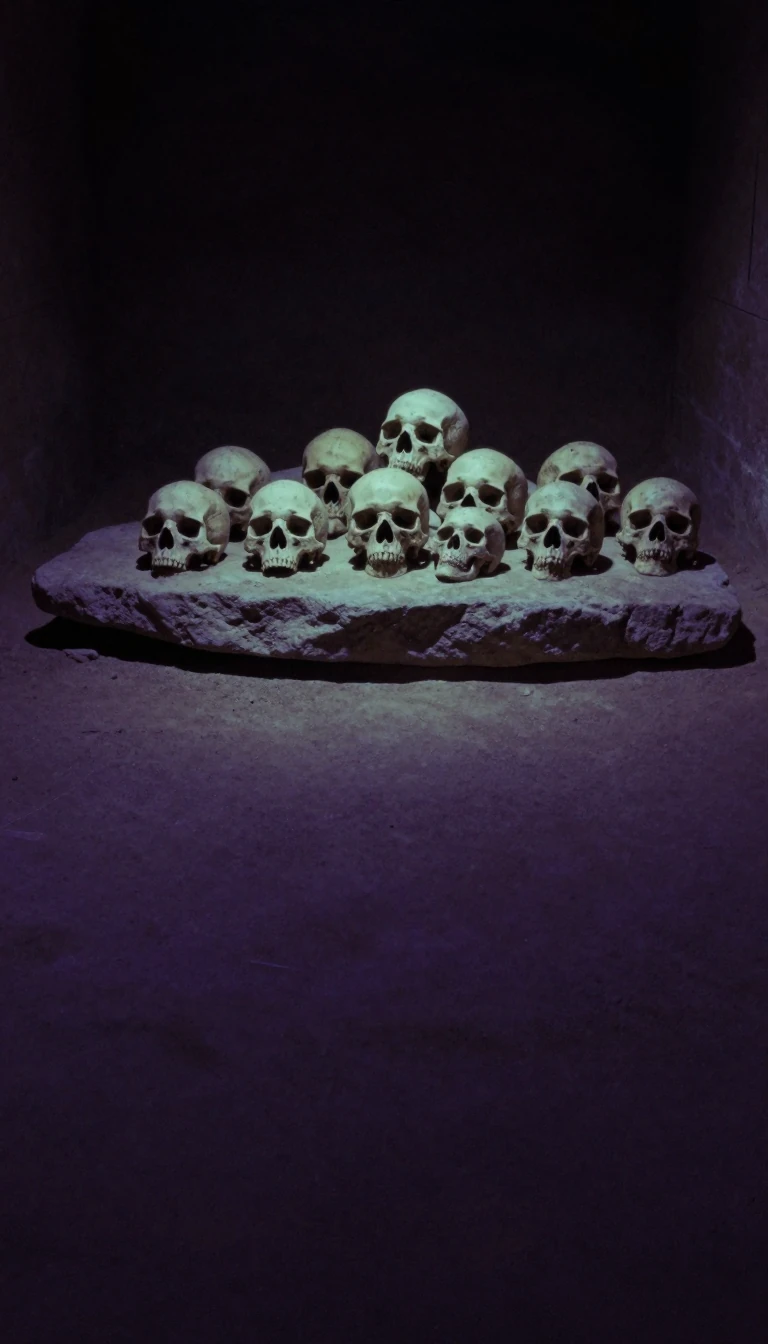 Lantian Man: The Ancient Human Ancestor Who Challenged Our Understanding of Early MigrationDiscovered in the 1960s on China's Loess Plateau, Lantian Man represents a critical piece of the human evolutionary puzzle. Once thought to be a simple regional variant, these fos…
 Why the lapwing’s erratic, zigzagging flight earned it a name for waveringKnown as the peewit for its distinct call, the lapwing is a master of aerial acrobatics. Its name describes its signature zigzagging flight, a display that becomes particularly dr…
- The white-handed gibbon is a master of the trees with a surprising social life.Lar gibbons are iconic Southeast Asian primates known for their white hands and feet, and their remarkable ability to swing through forest canopies. While once thought to be stric…
 Are gulls the ultimate urban survivors, or just misunderstood masters of the coastal ecosystem?Gulls are far more than mere beach scavengers. These adaptable birds have mastered everything from cracking mollusk shells mid-air to hunting rabbits. Once nearly wiped out by the…
 Why the classic ring species example of the Larus gull is likely a mythThe Larus genus of gulls, once thought to be a simple, circumpolar ring species, is far more complex than textbooks suggest. While these birds are iconic, their taxonomy is a movi…
 Why these hairy, tent-building moths are named after woolly caterpillars and egg-shaped cocoons.Lasiocampidae moths, known as eggars or lappet moths, are a diverse family of over 2,000 species. From their unique snout-like mouthparts to the silk nests of tent caterpillars, t…