 Intellect Plus
Nature
11,198 cards. Each one is a 40-second story with a five-minute read behind it. Page 92 of 187.
Subtopics: Ageing · Air · Animal behaviour · Animal breeds and hybrids · Animals · Arthropods · Atmosphere · Big cats · Bilateria, others · Birds · Botany · Cnidarians · Conservation · Coral reefs · Deep sea · Deserts · Dinosaurs · Earth science · Earth science and physical geography · Earth science basics · Earthquakes & tsunamis · Echinoderms · Ecology · Ecosystems · Endangered species · Extinct animals · Farming · Fish · Forests · Fungi · General classifications · Geology · Geomorphology · How Long Can It Live? · Ice · Individual animals · Insects · Lightning · Longevity · Mammals · Marsupials · Migration · Mollusks · Ocean · Organisms · Parasites · Physical geography · Plants · Porifera · Predators · Primates · Rainforest · Reptiles & amphibians · Researched · Sharks & rays · Spiders & arachnids · Symbiosis · Trees · UK & Ireland: nature · Vertebrates · Vision · Volcanoes · Water · Waves · Weather · Whales & dolphins · Zoology
 The Jurassic marine reptile named for its hidden bones and delicate feeding styleCryptoclidus was a medium-sized plesiosaur from the Middle Jurassic that roamed the ancient seas of England, France, and beyond. Far from a fearsome predator, this creature posses…
 Meet the blind, twenty-one-legged centipedes thriving in the shadows of the forest floorCryptopidae are a distinct family of scolopendromorph centipedes defined by their lack of sight and a consistent physical structure. While often grouped with other centipede famil…
 Cuckoo bees are nature's master thieves, stealing nests and resources to raise their young.Named for the bird that lays eggs in others' nests, cuckoo bees are solitary insects that practice brood parasitism. They do not build their own homes or collect pollen. Instead, …
 The cuckoo-roller is a solitary evolutionary line that defies its misleading common name.Despite its name, the cuckoo-roller is neither a cuckoo nor a roller. This medium-large bird, found in Madagascar and the Comoros, occupies its own unique biological order, Leptos…
 The pillow-shaped sea star that defies the classic five-pointed star silhouetteMost sea stars evoke images of slender, radiating arms, but the genus Culcita takes a different approach. These plump, pentagonal creatures look more like discarded cushions than …
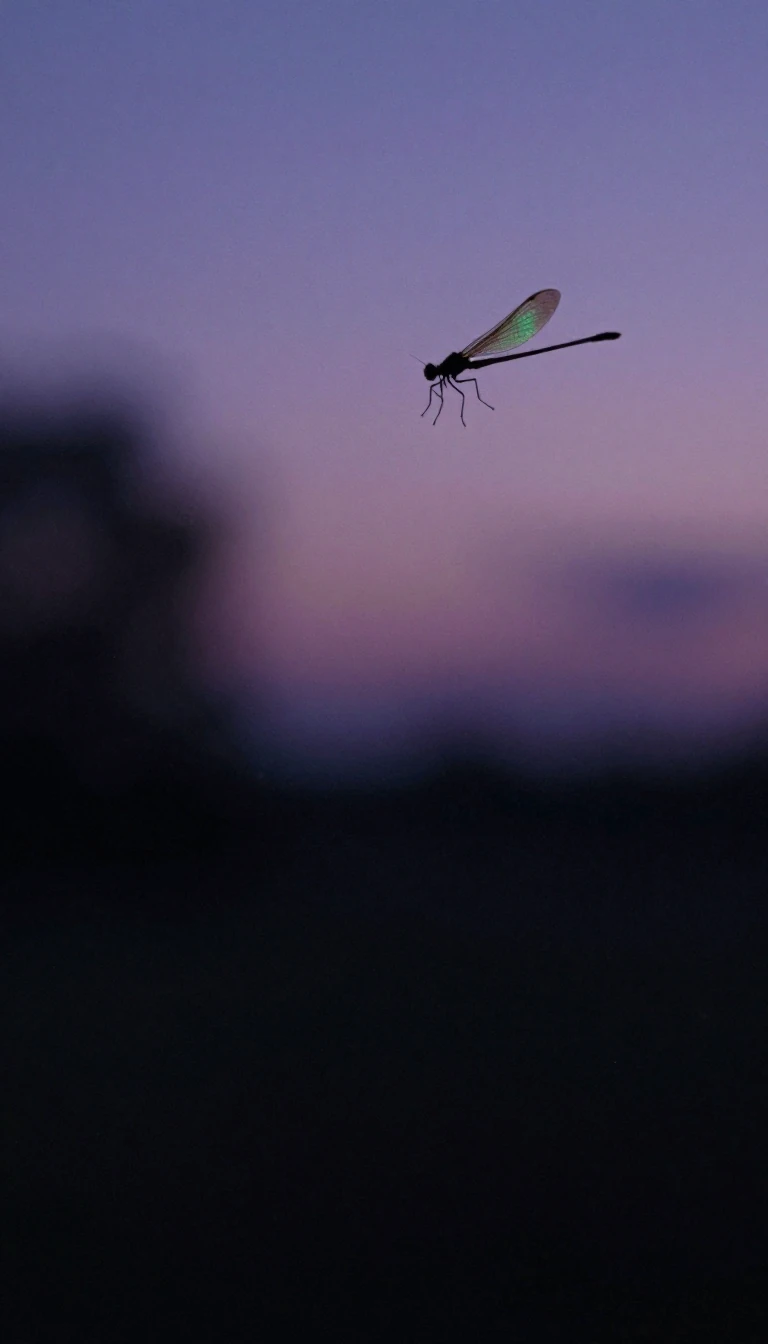 The Culex mosquito is a global powerhouse of disease transmission and biological adaptationWith roughly 770 species found on every continent except Antarctica, the Culex genus is the world's most widespread mosquito. These insects are more than just biting nuisances; th…
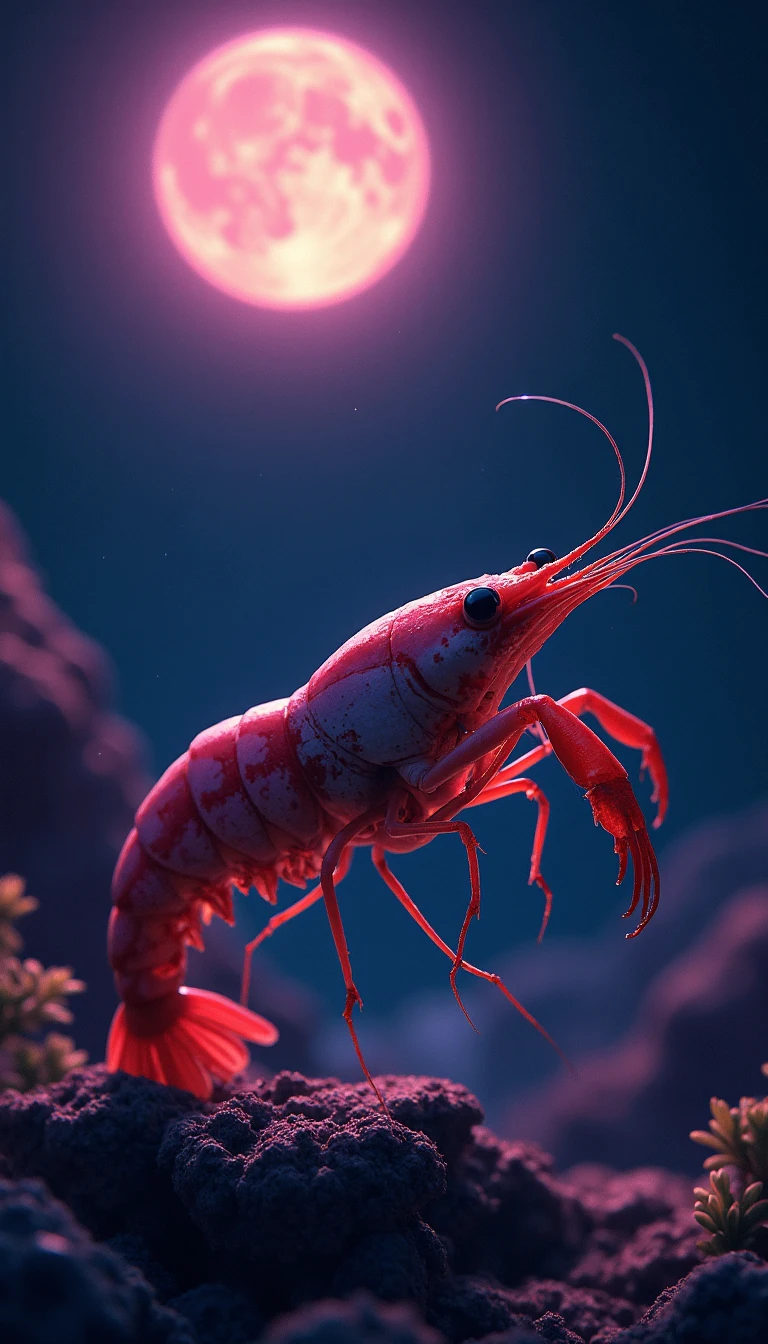 Why these tiny comma-shaped crustaceans are the ocean's most overlooked success storyKnown as hooded or comma shrimp, cumaceans are small, sediment-dwelling crustaceans found on every continent. Despite their modest size, they play a vital role in marine food chai…
 The Curassow is a giant of the cracid family with a mysterious evolutionary past.As the largest members of the cracid family, curassows are striking tropical birds known for their glossy black plumage and peculiar bill ornaments. While they dominate the South …
 With 77,000 species, the Curculionidae family is the largest animal group on Earth.Commonly known as snout beetles or true weevils, these insects are defined by their distinctive, often elongated, rostrums. While they are notorious garden pests, their evolutiona…
 Despite their serpentine appearance, cusk-eels are not true eels at all.With bodies that mimic the slithering form of an eel, these marine fish are actually distant relatives of tuna and seahorses. Thriving from shallow coastal waters to the crushing …
 The smallest crocodilian in the Americas is a heavily armored, sun-basking, nocturnal survivor.Cuvier’s dwarf caiman is the most diminutive member of the alligator family, yet it thrives across the vast Amazon and Orinoco river basins. Despite its small size, this resilient…
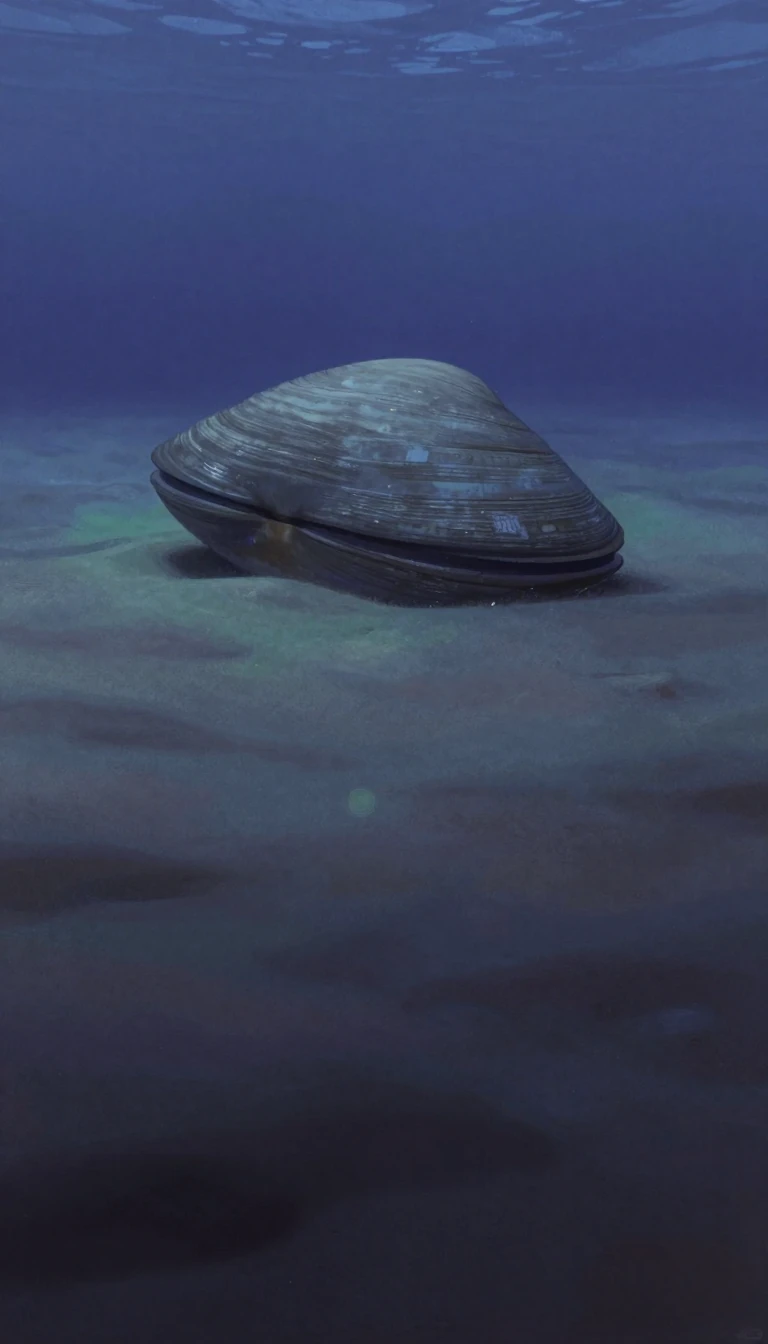 Are lampreys and hagfish the missing link to our own evolutionary history?Cyclostomi, a group of jawless vertebrates, challenges our understanding of evolution. While anatomy once suggested lampreys were closer to jawed fish, modern molecular data links…
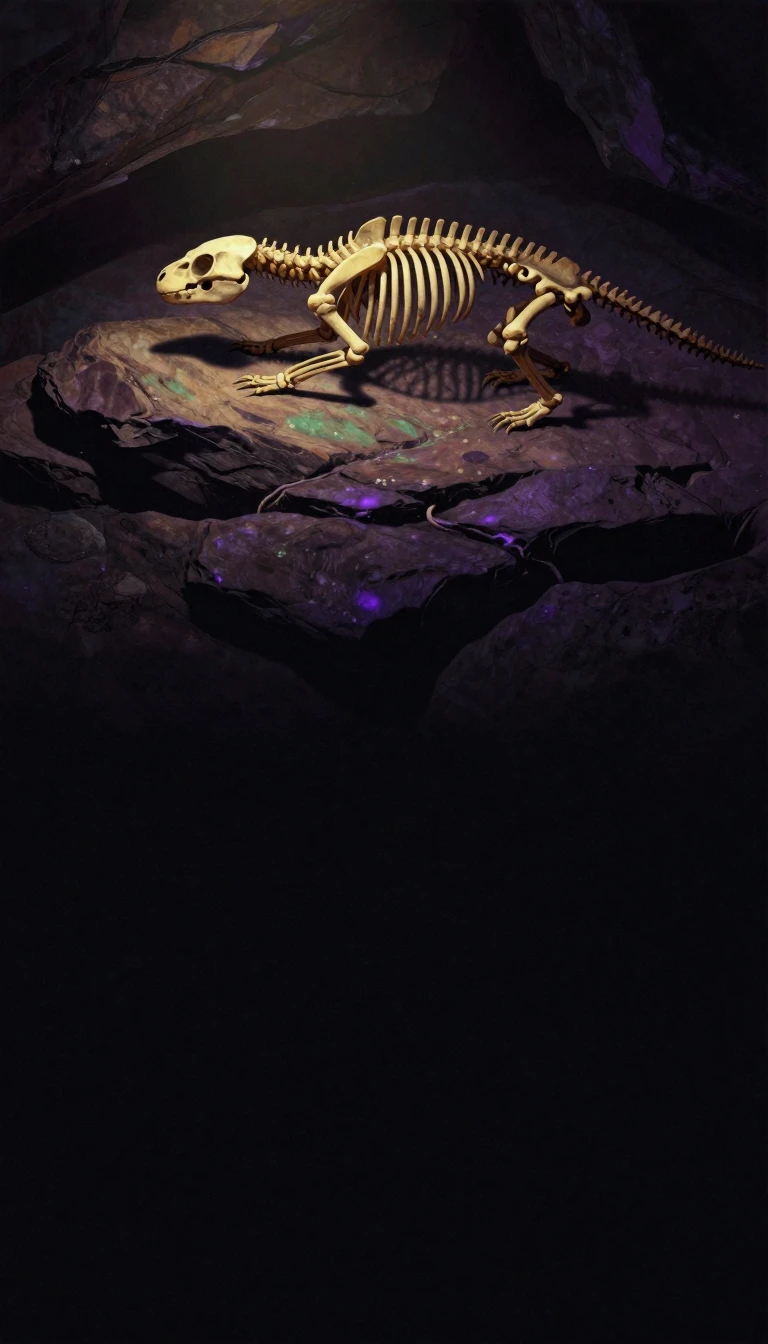 Cynodonts were the ancient bridge between cold-blooded reptiles and modern mammalsLong before mammals dominated the earth, a group of mammal-like reptiles called cynodonts pioneered the traits that define us today. From the secondary palate that allowed them to…
 The world's largest fish family has no teeth, no stomach, and a secret earCyprinidae is the most diverse family of vertebrates on Earth, encompassing everything from tiny glassfishes to massive carp. Despite their immense variety, these freshwater fish …
 Daeodon was a massive, bone-crushing omnivore that roamed North American grasslands millions of years ago.Known as the largest entelodont to ever exist, this formidable creature weighed at least 750 kilograms. With a skull nearly a meter long and a body built for running, it occupied …
 The fastest of all small whales, this North Pacific speedster loves to bowride ships.Often mistaken for baby killer whales, Dall's porpoises are actually the swiftest small cetaceans in the ocean. These robust, black-and-white mammals are famous for their energeti…
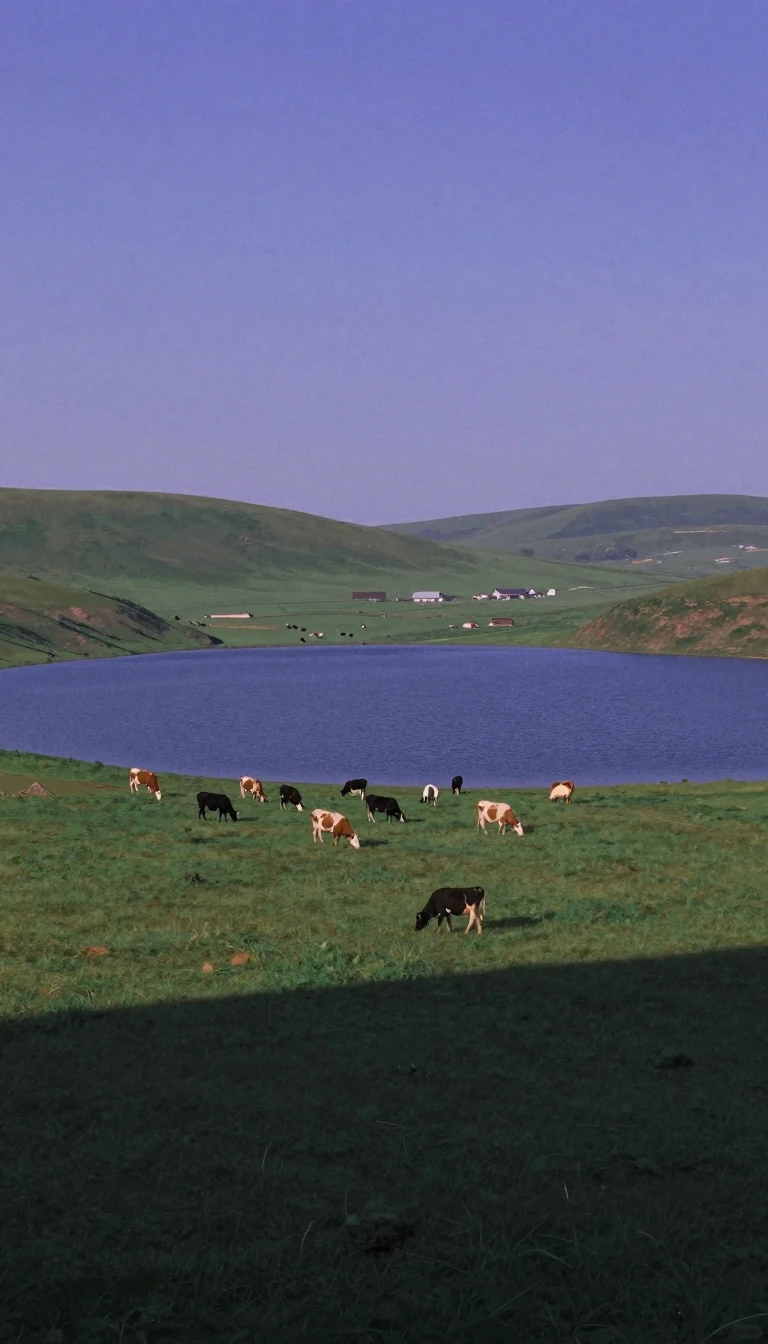 Dall sheep are not just white mountain dwellers, they are masters of alpine survival.Dall sheep, or thinhorn sheep, thrive in the rugged, subarctic mountains of North America. While often recognized by their iconic white coats, these animals are defined by complex…
 A small Texas lizard reveals how prehistoric giants conquered the world's ancient oceansDiscovered by an amateur fossil hunter at a construction site, Dallasaurus turneri is a missing link in evolutionary history. This three-foot lizard lived 92 million years ago, po…
 Some damselfish are surprisingly sophisticated farmers that keep tiny shrimp as their personal petsDamselfish are far more than just colorful reef inhabitants. These small, territorial fish exhibit complex social structures, perform intricate courtship rituals, and even engage …
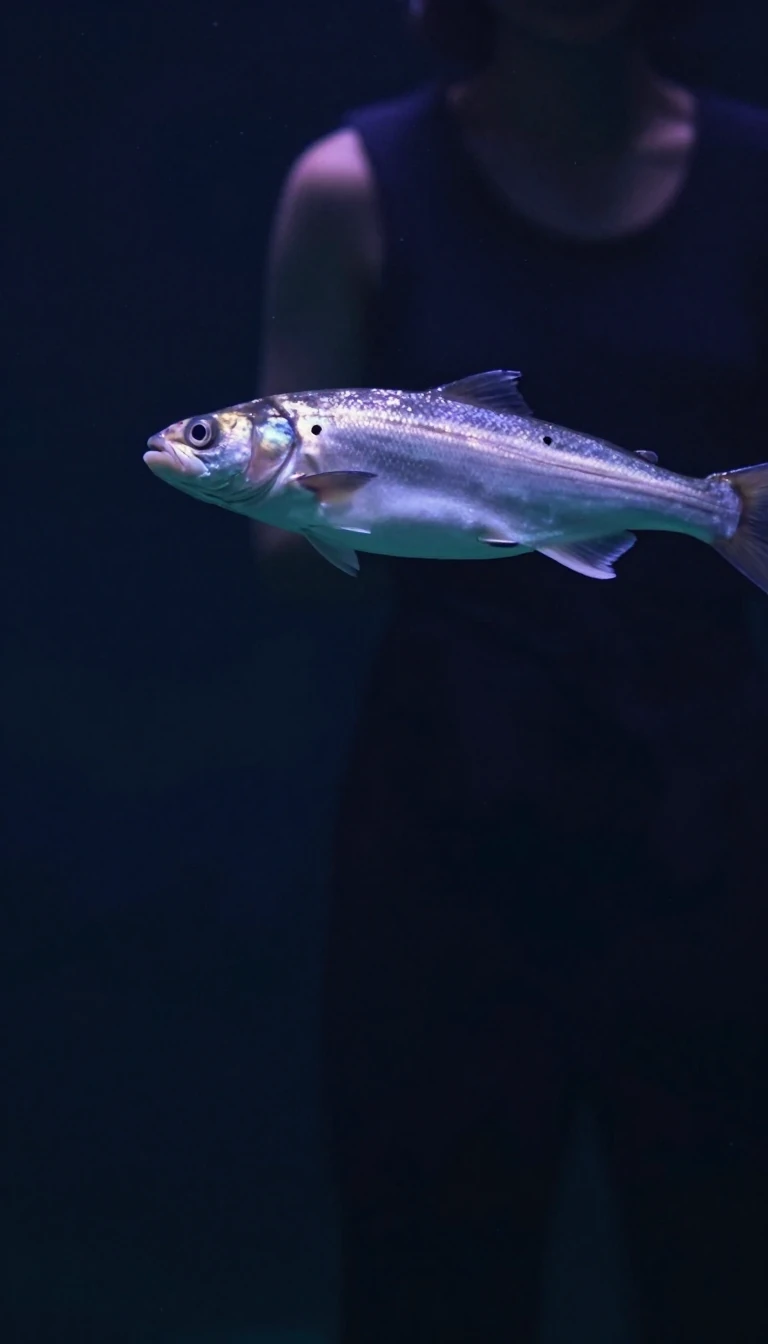 Why the humble zebrafish is a secret powerhouse of modern evolutionary scienceDanionins, a group of small freshwater fish, are far more than aquarium staples. By revealing the molecular basis of phenotypic divergence, these tiny vertebrates have become esse…
- Why these insects evolved to look exactly like decaying, brown forest debrisThe dead leaf mantis is not a single species, but a masterclass in evolutionary mimicry shared by several distinct groups. By perfectly imitating the texture and color of withered…
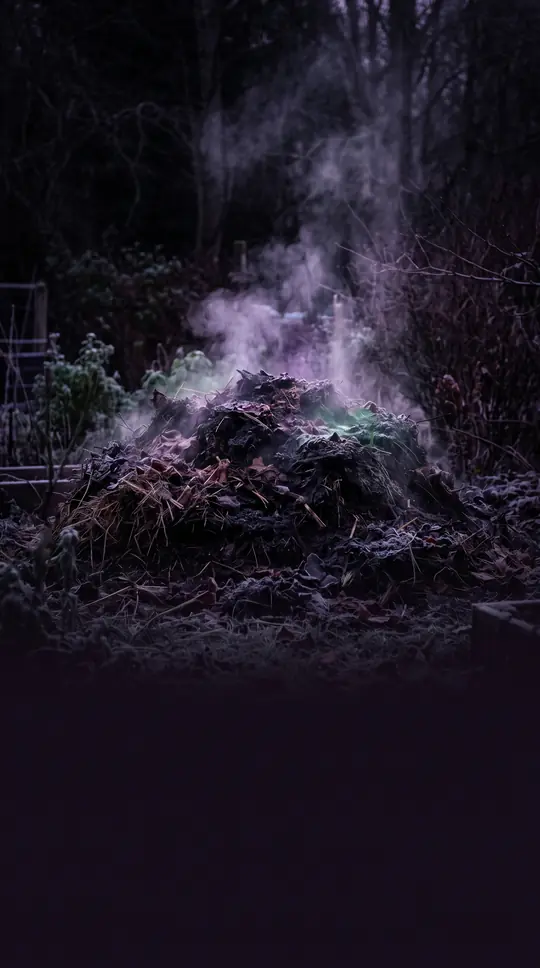 Decomposers are not just external digesters; they are the essential architects of soil fertilityWe often mistake decomposition for external digestion, picturing fungi dissolving matter from the outside in. Yet, the term describes an ecosystem role, not a specific biological …
 The Horrible Hand: How a Bizarre Dinosaur Remained a Mystery for Fifty YearsFor decades, Deinocheirus was known only by a pair of massive, clawed arms discovered in Mongolia. This enigmatic creature defied classification, leading scientists to wonder what…
 The terrible crocodile that ruled the waterways of the Late Cretaceous periodLong before modern apex predators dominated, Deinosuchus reigned as a massive, alligator-like giant. Stretching up to ten meters, this formidable creature hunted dinosaurs along t…
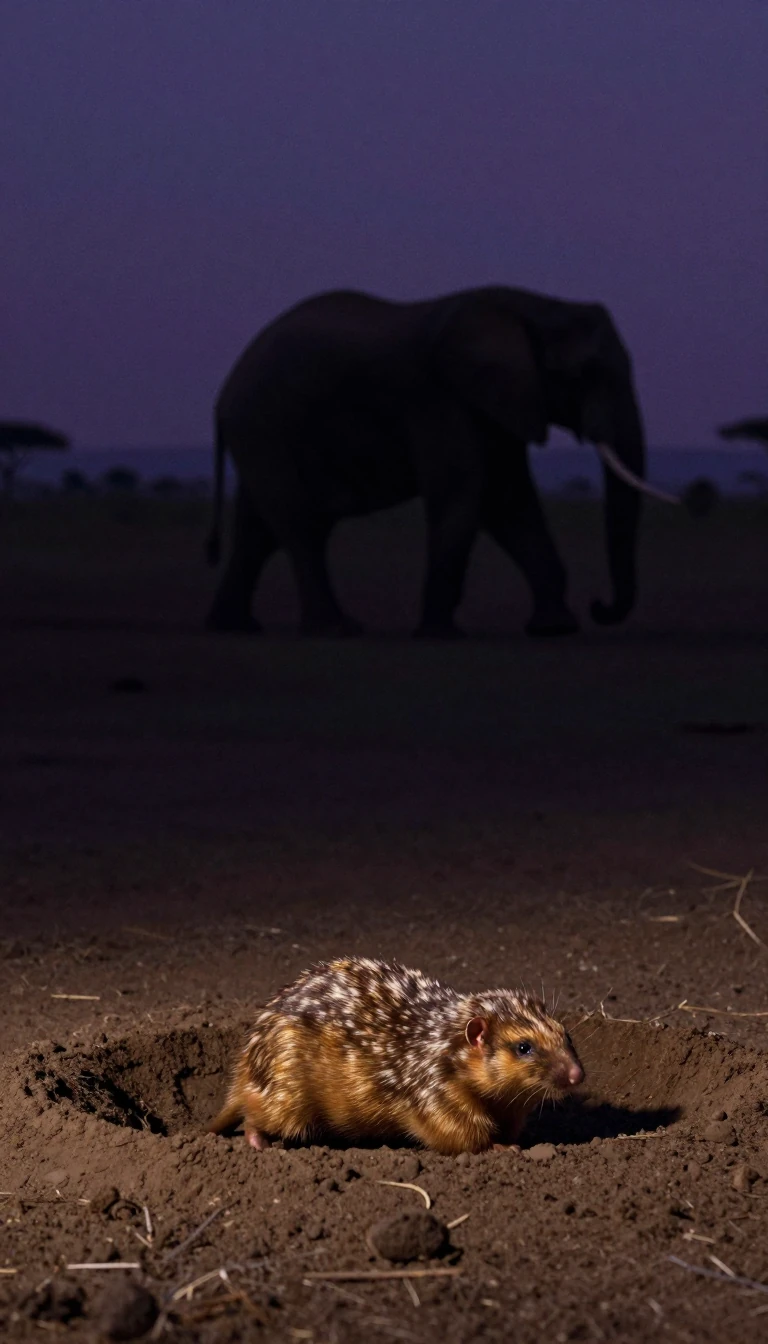 The terrible beast with downward tusks that once roamed the ancient worldDeinotheres were among the largest land mammals to ever walk the Earth, yet they remain overshadowed by their elephant cousins. Defined by a bizarre, downward-curving pair of tusk…
- The prehistoric giant with backward-curving tusks that once roamed across three continentsDeinotherium was a massive, elephant-like creature that dominated landscapes from Africa to Eurasia for millions of years. Unlike modern elephants, this beast sported downward-cur…
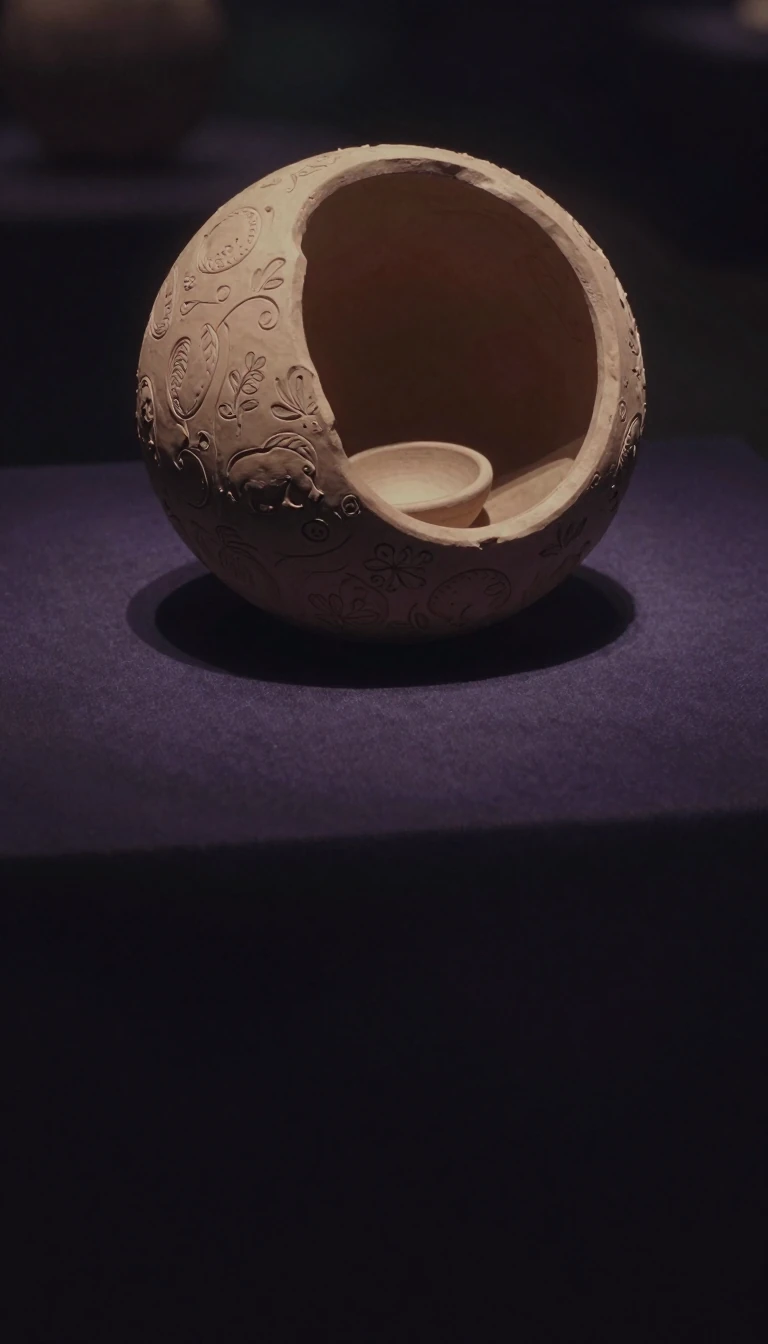 Why house martins build closed mud nests to secure their family lifeHouse martins are master architects of the avian world, constructing intricate, closed mud nests on cliffs and buildings. This specialized design is more than just shelter; it is …
 Why the smallest crane in the world inspired the first human-composed verseThe demoiselle crane is a bird of extremes: it is the smallest of all crane species, yet it undertakes some of the most arduous migrations on Earth. Beyond its physical grace, thi…
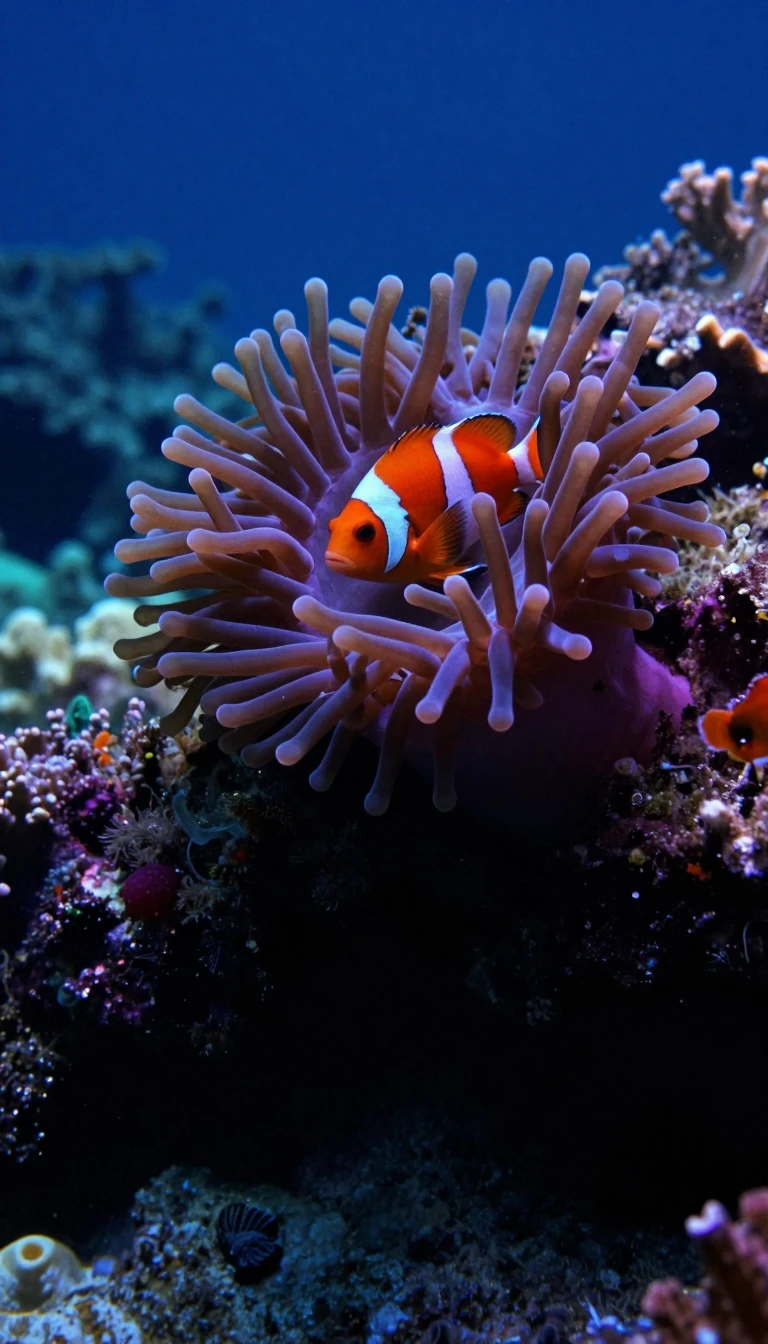 Demosponges are ancient, resilient architects that hold the secrets of Earth's climate history.Comprising over 90% of all sponge species, demosponges are more than just bathroom accessories. These resilient organisms have survived since the Precambrian, evolving unique chem…
- Desmostylians were bizarre, tusked aquatic mammals that defy simple classification in the animal kingdom.Imagine a creature with the body of a hippo, the teeth of a pipe organ, and a lifestyle that remains a mystery. Desmostylians were the only known extinct order of marine mammals, …
- Without these unsung recyclers, the planet would be buried in layers of dead wood.Detritivores are the earth's primary cleanup crew, transforming decaying matter into life-sustaining nutrients. While we often confuse them with decomposers like bacteria and fung…
 Diapause is not just a pause; it is a biological mechanism to stop ageing.We are taught that life is a one-way street from birth to death. Yet, many organisms possess a hidden biological switch called diapause. This state does more than just halt develo…
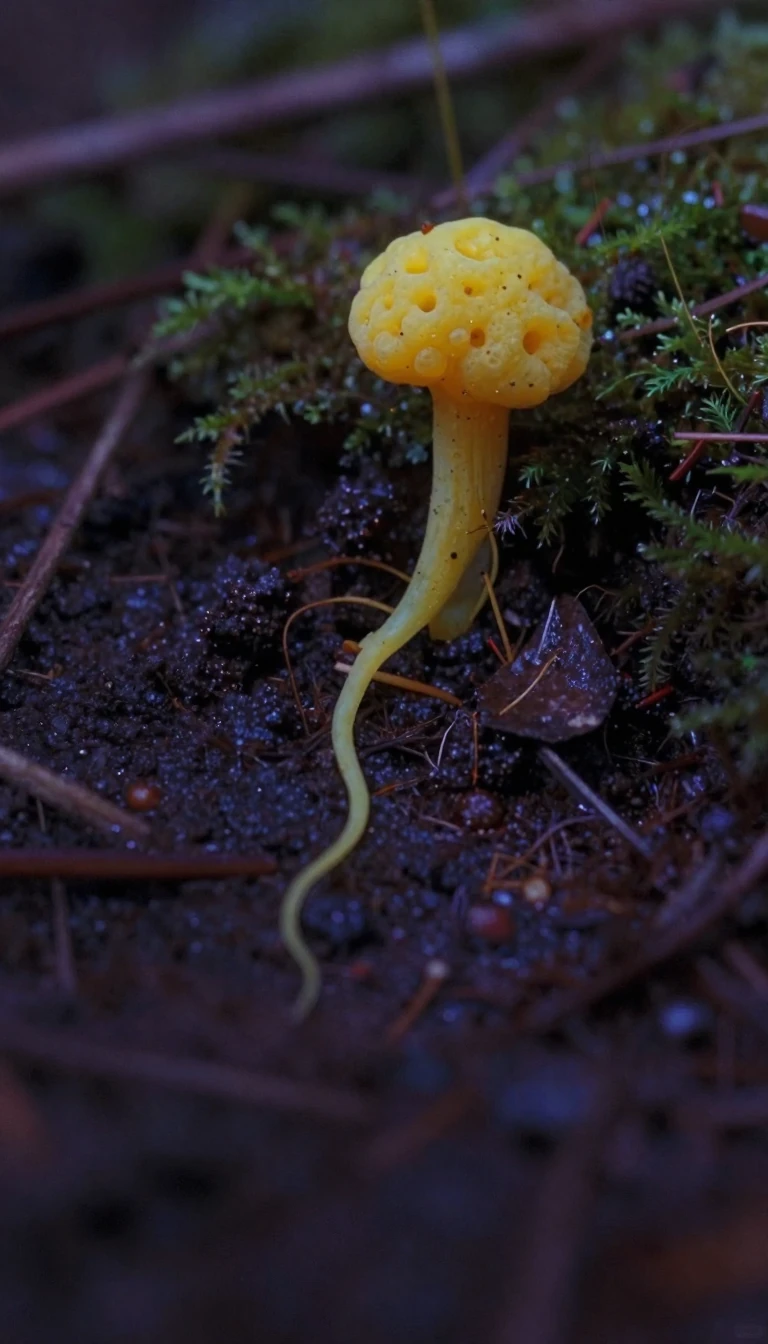 The mysterious blind lizards that defy classification and live hidden beneath our feetKnown as blind lizards, the family Dibamidae consists of small, snakelike reptiles that spend their lives underground. With two distinct genera found in distant parts of the world…
 For 70 years, scientists have been looking at this ancient fossil the wrong wayDickinsonia, a mysterious, quilted organism from over 550 million years ago, has long baffled researchers. Once mistaken for a jellyfish or fungus, this Ediacaran creature is now …
 These tiny parasites live in cephalopod kidneys and have no nervous system at all.Dicyemida are microscopic parasites that inhabit the renal appendages of squid, octopus, and cuttlefish. Lacking respiratory, circulatory, excretory, and nervous systems, these or…
- How a tusked, beak-faced reptile became the ultimate survivor of Earth's greatest extinctionBefore mammals dominated the planet, the Dicynodontia thrived as the most successful herbivorous therapsids. These mammal-like reptiles, defined by their signature horny beaks and…
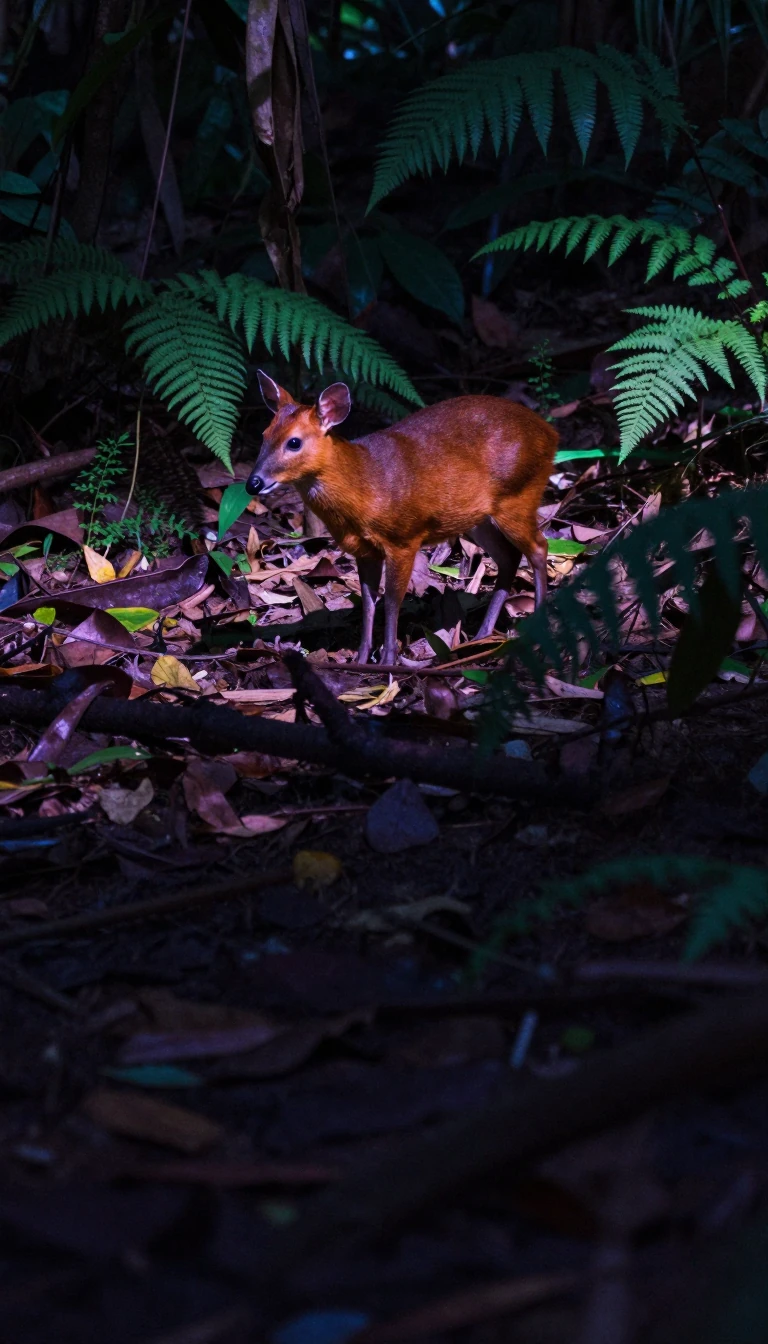 Didelphodon was the Late Cretaceous predator that crushed bones with its massive teethLong before marsupials dominated the Australian outback, their ancestors were North American heavyweights. Didelphodon vorax, the largest Mesozoic therian mammal, used specialized…
 These tiny antelopes survive the African heat by turning their noses into cooling systems.Standing barely taller than a house cat, the dik-dik is a master of desert survival. These dwarf antelopes thrive in waterless bush country by utilizing a specialized, blood-coole…
 Was the early pterosaur Dimorphodon a master of the skies or a clumsy ground-dweller?Long depicted as a graceful soarer, the Jurassic Dimorphodon was likely a poor flyer that preferred short, frantic bursts of movement. Despite its reptilian heritage, this creatur…
- The Terrible Crabs of the Cambrian: Meet the Ocean's First Apex PredatorsBefore modern arthropods dominated, the Dinocaridida ruled the seas. These bizarre, soft-bodied creatures, whose name translates to terrible crabs, featured specialized frontal ap…
- Before the dinosaurs, these massive, thick-skulled creatures dominated the Permian landscape for millions of years.Long before the age of dinosaurs, the Dinocephalia clade thrived as the planet’s premier megaherbivores and apex predators. Flourishing during the Middle Permian, these synapsids …
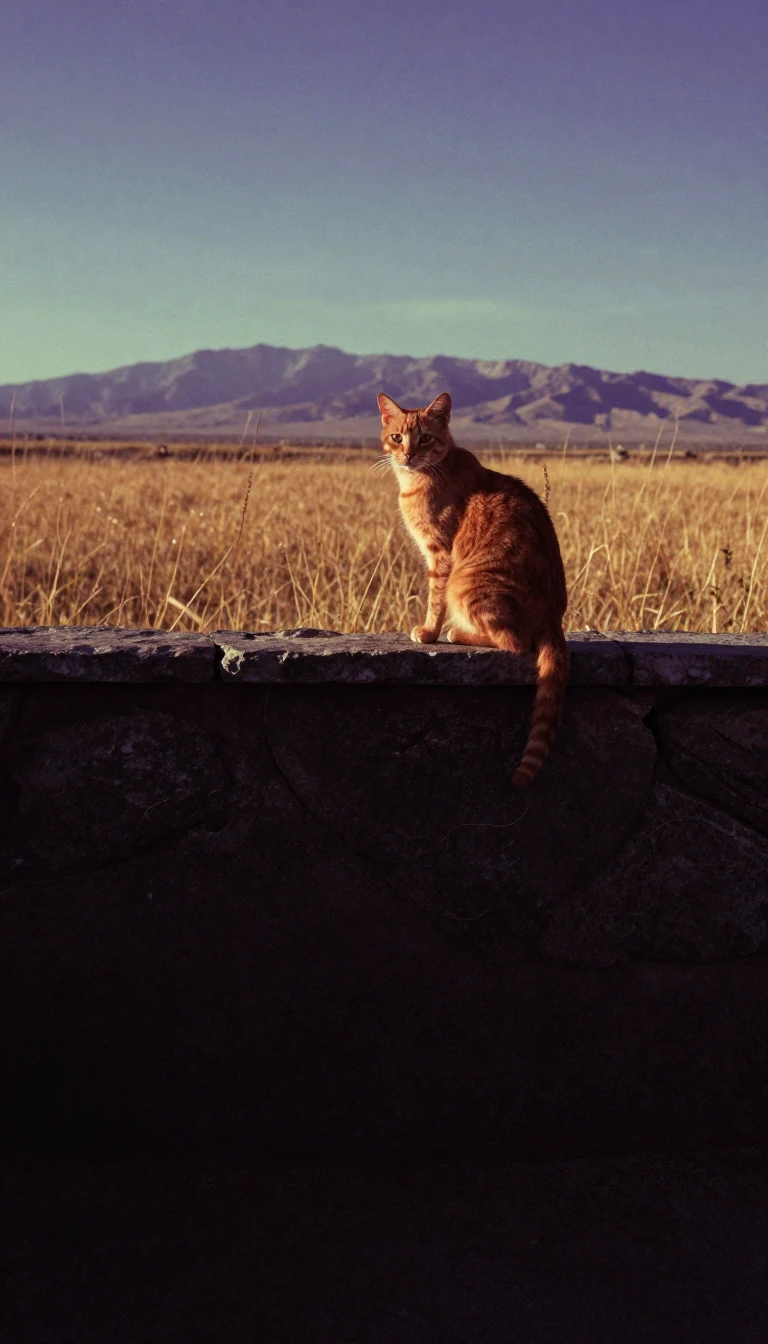 The 'terrible' cat that stalked early hominids across ancient landscapesDinofelis was a widespread genus of machairodontine, or saber-toothed cat, that roamed across Europe, Asia, Africa, and North America for millions of years. While often associated…
 Why did this ancient amphibian evolve a bizarre, boomerang-shaped head?Diplocaulus, a stocky amphibian from the late Paleozoic, is famous for its distinct, wide, horn-like skull protrusions. While early theories suggested these horns were for protect…
- Meet the blind, subterranean hexapods that have thrived for millions of years undergroundHidden beneath your feet in moist soil and leaf litter live the diplurans. These tiny, eyeless creatures are not insects, though they share a six-legged body plan. With their myst…
- The aquatic songbird that walks underwater to hunt for its next mealDippers are the only songbirds capable of diving and swimming, yet they lack webbed feet. Instead, these stout birds use their wings like flippers to navigate fast-flowing streams…
 The massive Diprotodon was Australia's largest marsupial, a gentle giant of the Pleistocene era.Imagine a wombat the size of a rhinoceros. Diprotodon optatum, the largest marsupial to ever roam the earth, dominated the Australian landscape for thousands of years alongside ea…
 The dire wolf was never a wolf, but a distant, isolated American cousinDespite their fame as fictional pets, dire wolves were not close relatives of modern gray wolves. Genetic analysis reveals they were an evolutionarily distinct group that diverged…
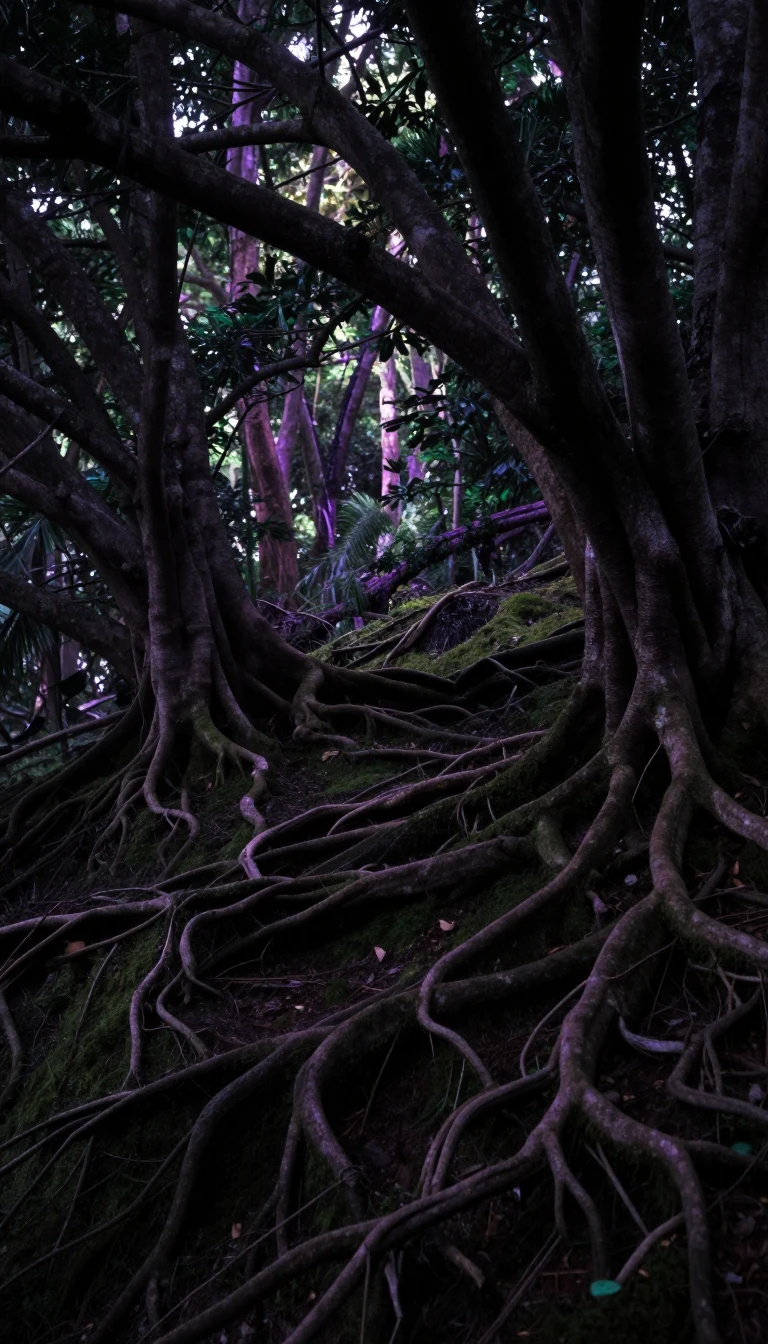 Why nature needs disaster: how fire, storms, and death reset the ecological clockAn ecological disturbance is any force—biological or not—that kills organisms and reshapes their environment. While often viewed as destructive, these events are fundamental to li…
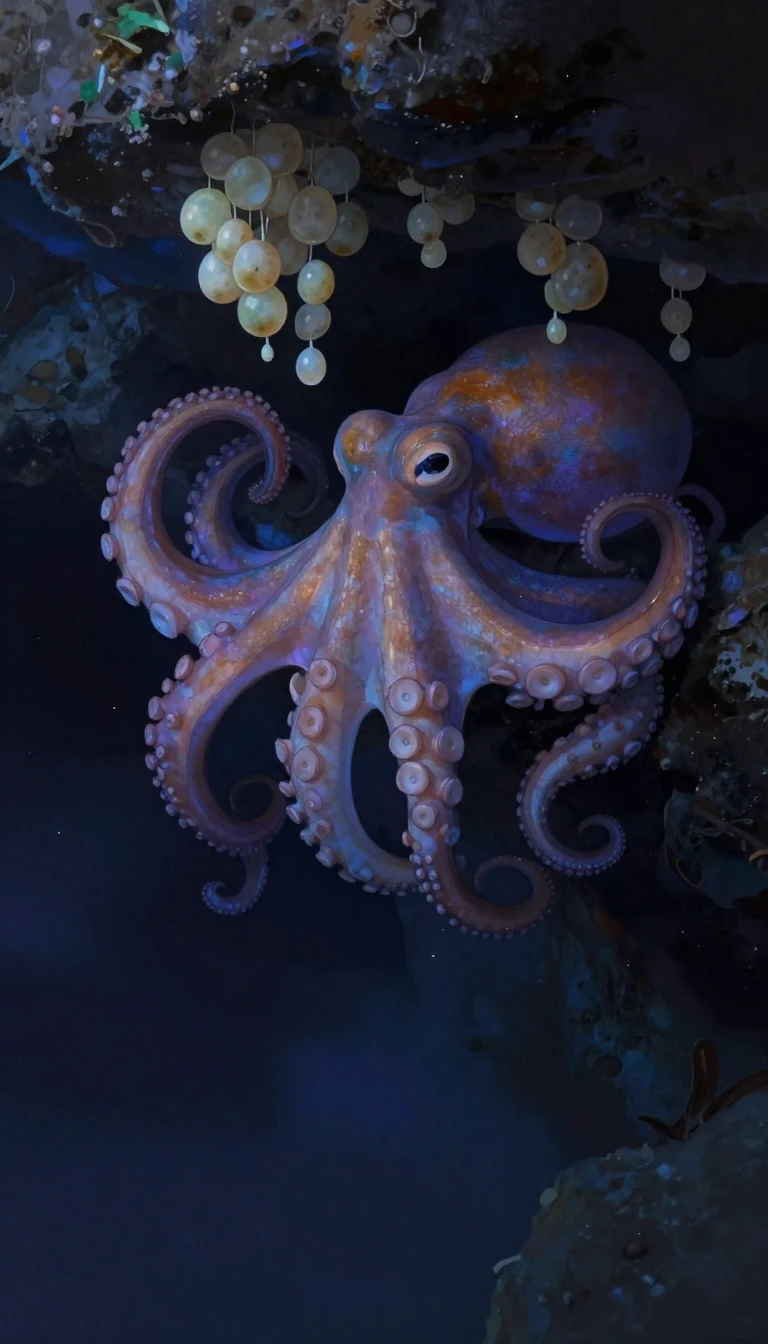 The diving bell spider builds its own underwater gill to breathe without surfacingMost spiders avoid water, but Argyroneta aquatica has mastered it. By spinning a silk dome and filling it with air bubbles trapped in its body hairs, this spider creates a permane…
- Why diving ducks are not as closely related to dabbling ducks as they lookDiving ducks and dabbling ducks share a similar appearance, but this is a classic case of convergent evolution. Despite their outward resemblance, molecular data reveals they are …
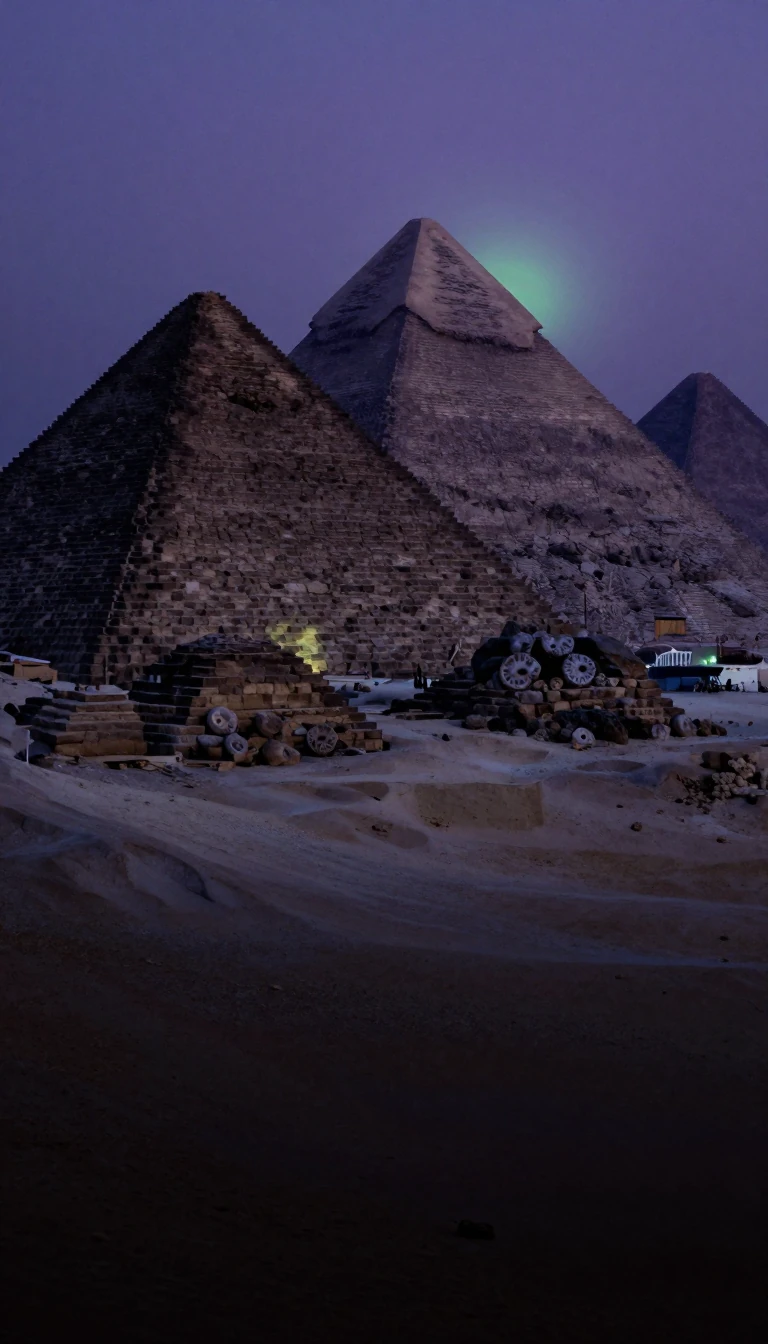 Are the Dmanisi fossils evidence of one species or a crowded ancient neighborhood?In a small Georgian site, five skulls dating back 1.8 million years have ignited a fierce debate. Some researchers argue these fossils represent a single, highly variable species …
- Why the dog flea is losing its title as the world's top canine parasiteThough named for our canine companions, the dog flea is increasingly being outcompeted by its close relative, the cat flea. While the dog flea remains common in the developing wor…
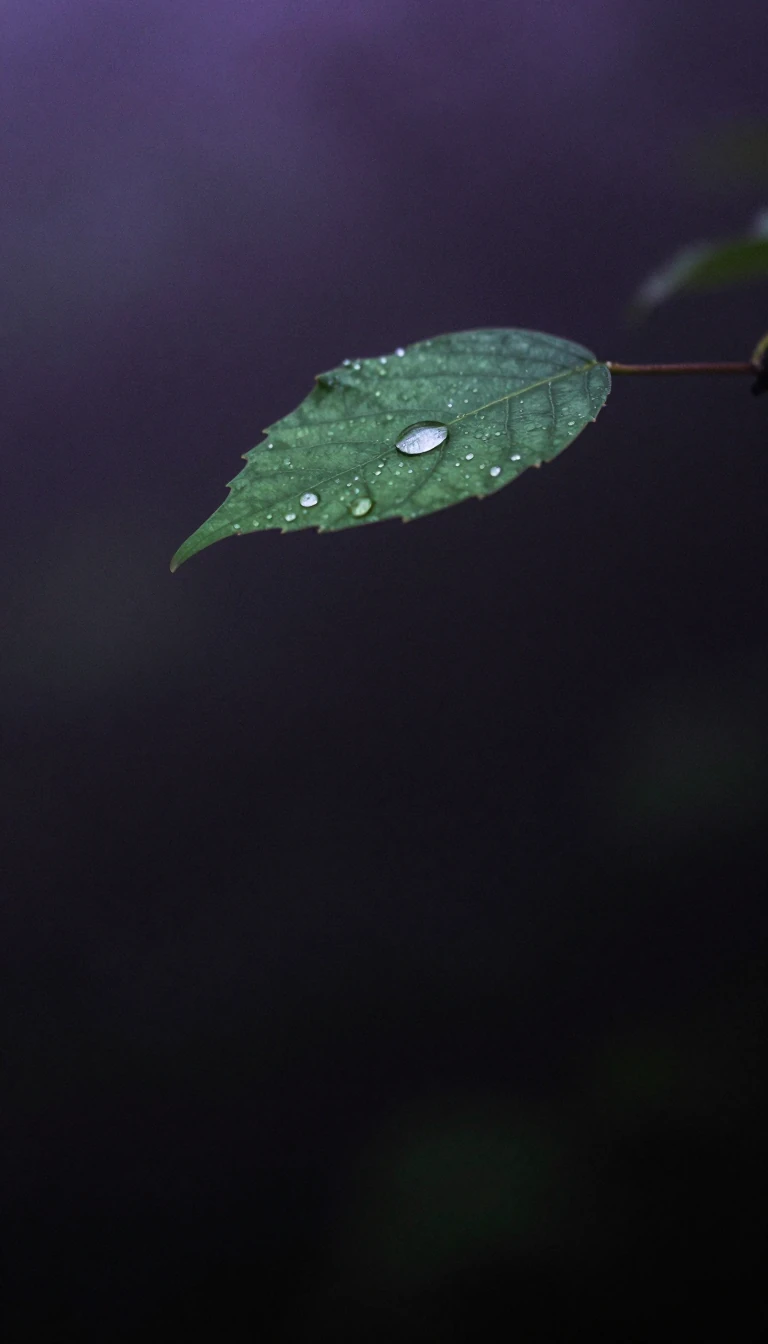 These spiders hunt by walking on water, using surface tension like a living web.Fishing spiders of the genus Dolomedes do not build webs to catch their prey. Instead, they use the surface of ponds and streams as a sensory net. By detecting vibrations through …
- The domestic canary is the only pet bird selectively bred for its vocal performance.For over 500 years, humans have shaped the domestic canary, transforming a wild finch into a diverse array of singers and colorful companions. Beyond their aesthetic appeal, these…
- From ancient guardians to modern icons, the domestic goose has shaped human history.Domestic geese are not just farmyard staples; they are products of thousands of years of selective breeding. Derived from wild greylag and swan geese, these birds have been engine…
 Why the Roman Senate once regulated the trade of prickly hedgehog skinsLong before they became modern apartment pets, hedgehogs were utilitarian tools for ancient civilizations. From cleaning shawls to training livestock, these creatures have served …
- Thousands of years of selective breeding have transformed the humble quail into a diverse species.Quails are more than just small fowl; they are the result of millennia of human intervention. From the common Coturnix to the vibrant Button quail, these birds have been shaped fo…
- The ancient deer-like creatures that thrived across three continents during the Miocene epochDorcatherium was a genus of tragulid ruminants that roamed Europe, East Africa, and the Siwaliks millions of years ago. By analyzing dental enamel and microscopic wear patterns, r…
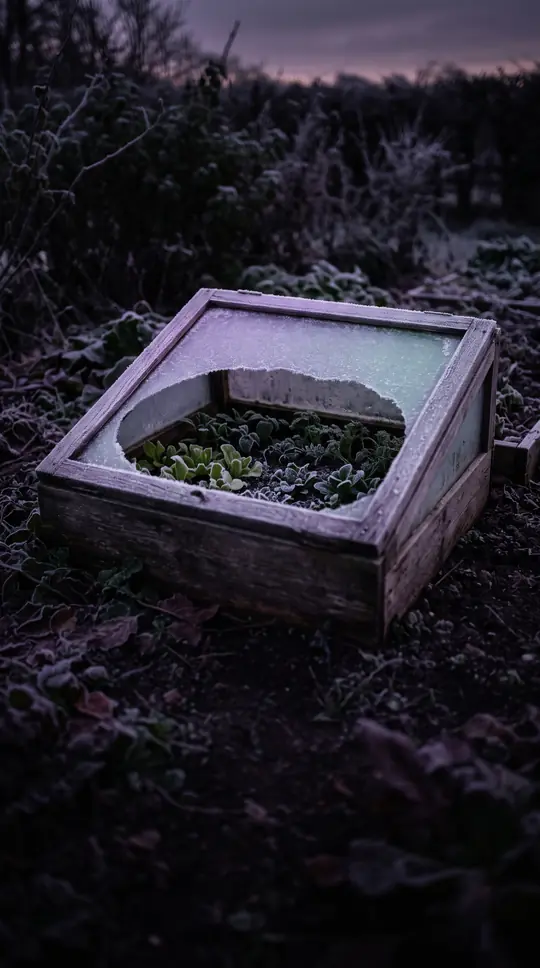 Dormancy is nature's way of pausing life to survive when the environment turns hostile.When food vanishes or temperatures plummet, many organisms do not simply die. Instead, they enter dormancy—a profound state of metabolic suppression. Whether through hibernation, …
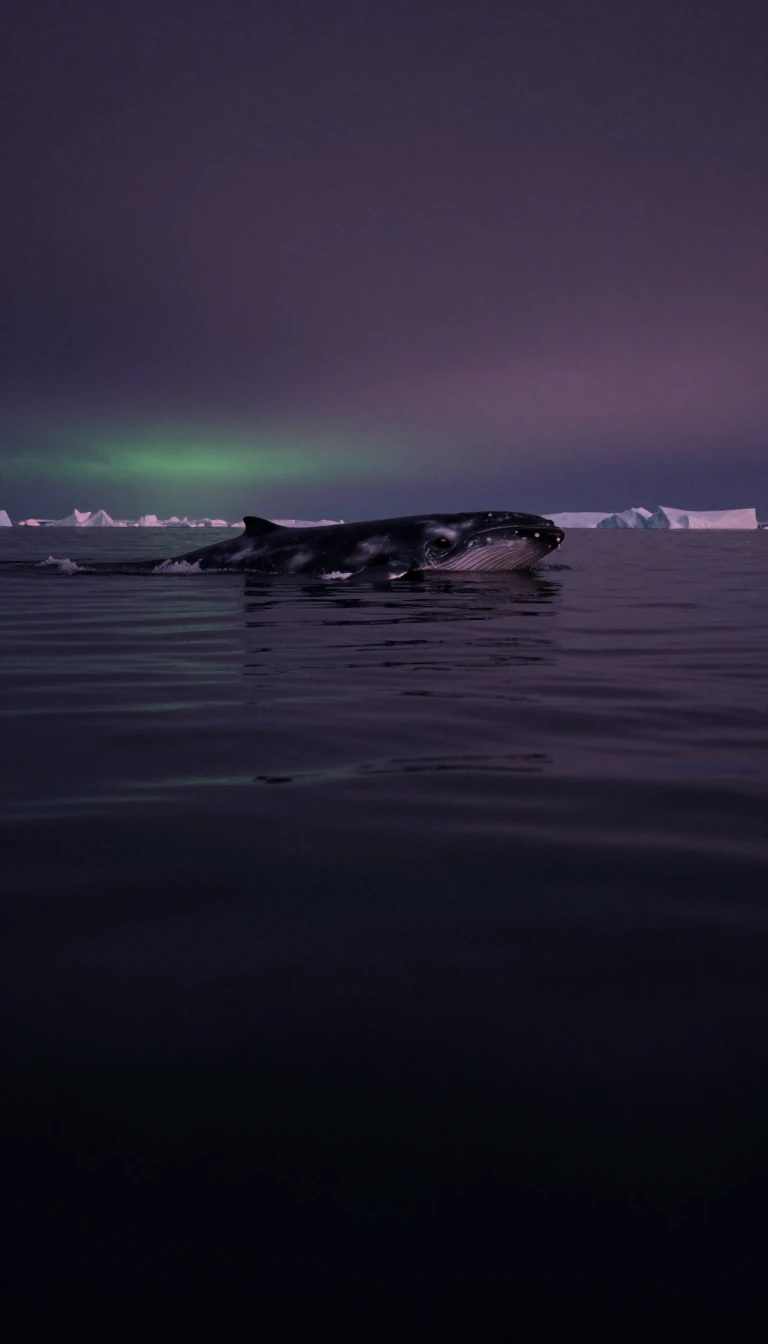 How ancient whales transitioned from walking on land to ruling the open oceanFifty million years ago, whale ancestors were goat-sized land dwellers. Within a remarkably fast ten-million-year evolutionary sprint, these creatures transformed into fully aquat…