 Intellect Plus
Nature
11,198 cards. Each one is a 40-second story with a five-minute read behind it. Page 93 of 187.
Subtopics: Ageing · Air · Animal behaviour · Animal breeds and hybrids · Animals · Arthropods · Atmosphere · Big cats · Bilateria, others · Birds · Botany · Cnidarians · Conservation · Coral reefs · Deep sea · Deserts · Dinosaurs · Earth science · Earth science and physical geography · Earth science basics · Earthquakes & tsunamis · Echinoderms · Ecology · Ecosystems · Endangered species · Extinct animals · Farming · Fish · Forests · Fungi · General classifications · Geology · Geomorphology · How Long Can It Live? · Ice · Individual animals · Insects · Lightning · Longevity · Mammals · Marsupials · Migration · Mollusks · Ocean · Organisms · Parasites · Physical geography · Plants · Porifera · Predators · Primates · Rainforest · Reptiles & amphibians · Researched · Sharks & rays · Spiders & arachnids · Symbiosis · Trees · UK & Ireland: nature · Vertebrates · Vision · Volcanoes · Water · Waves · Weather · Whales & dolphins · Zoology
 The sewing machine of the tundra: why dowitchers probe mud with rhythmic precisionDowitchers are medium-sized shorebirds known for their unique, rapid-fire feeding style. By plunging their long bills into mud with a motion resembling a sewing machine needle, th…
 The flying dragon of Southeast Asia is a master of the arboreal glideIn the dense jungles of Southeast Asia, the Draco lizard has evolved a remarkable way to bypass the forest floor. By extending elongated ribs to unfurl skin membranes, these tiny …
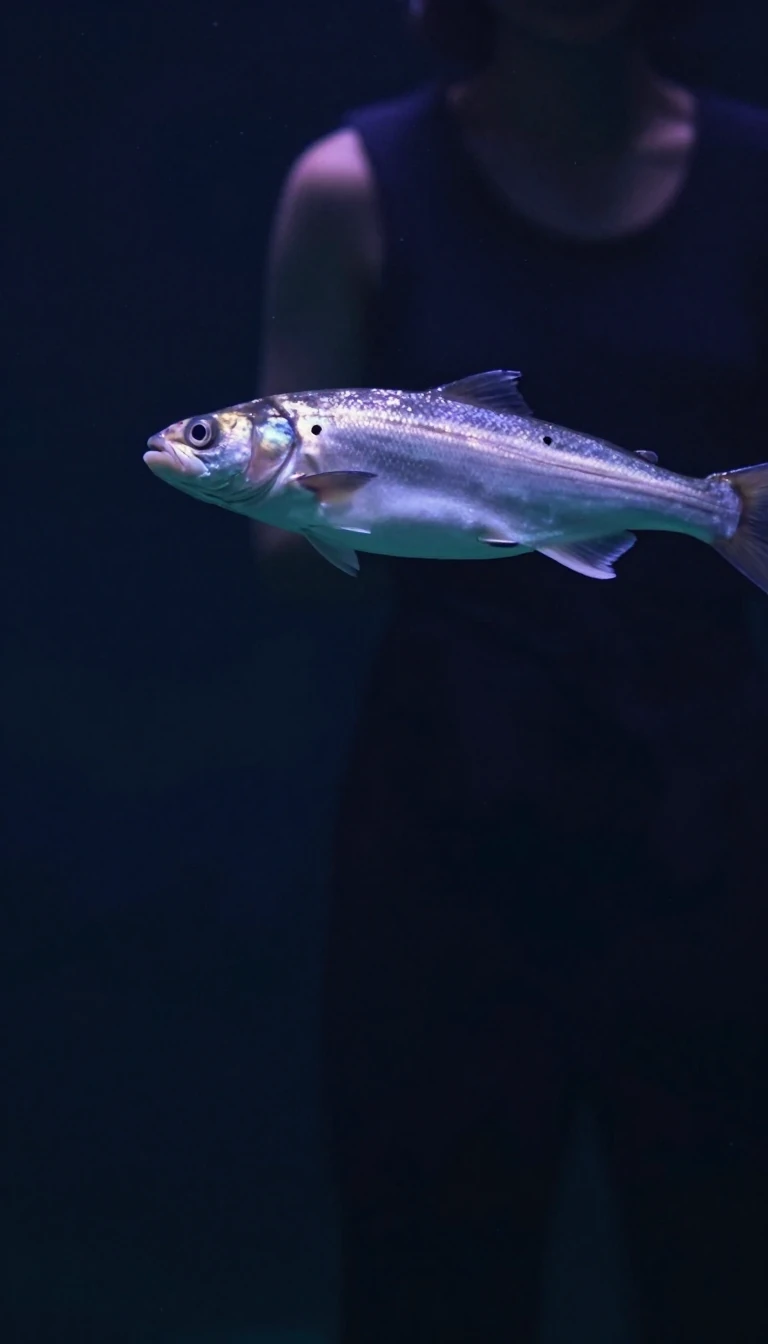 Why these tiny, colorful marine fish are locked in a high-stakes evolutionary arms race.Dragonets are small, vibrant fish that spend their lives on the ocean floor, but their mating rituals are surprisingly intense. Driven by fierce competition and complex sexual dim…
 These bizarre Triassic reptiles had bird-like beaks, chameleon limbs, and mysterious, shifting evolutionary histories.Drepanosauromorpha were strange, tree-dwelling reptiles that thrived 230 to 210 million years ago. With barrel-shaped bodies, prehensile tails, and specialized grasping hands, the…
 The lethal mechanics of the dromaeosaur: nature's most agile and specialized predatory dinosaurKnown popularly as raptors, dromaeosaurids were agile, bipedal carnivores that dominated the Cretaceous period. These predators utilized a unique, specialized killing claw on thei…
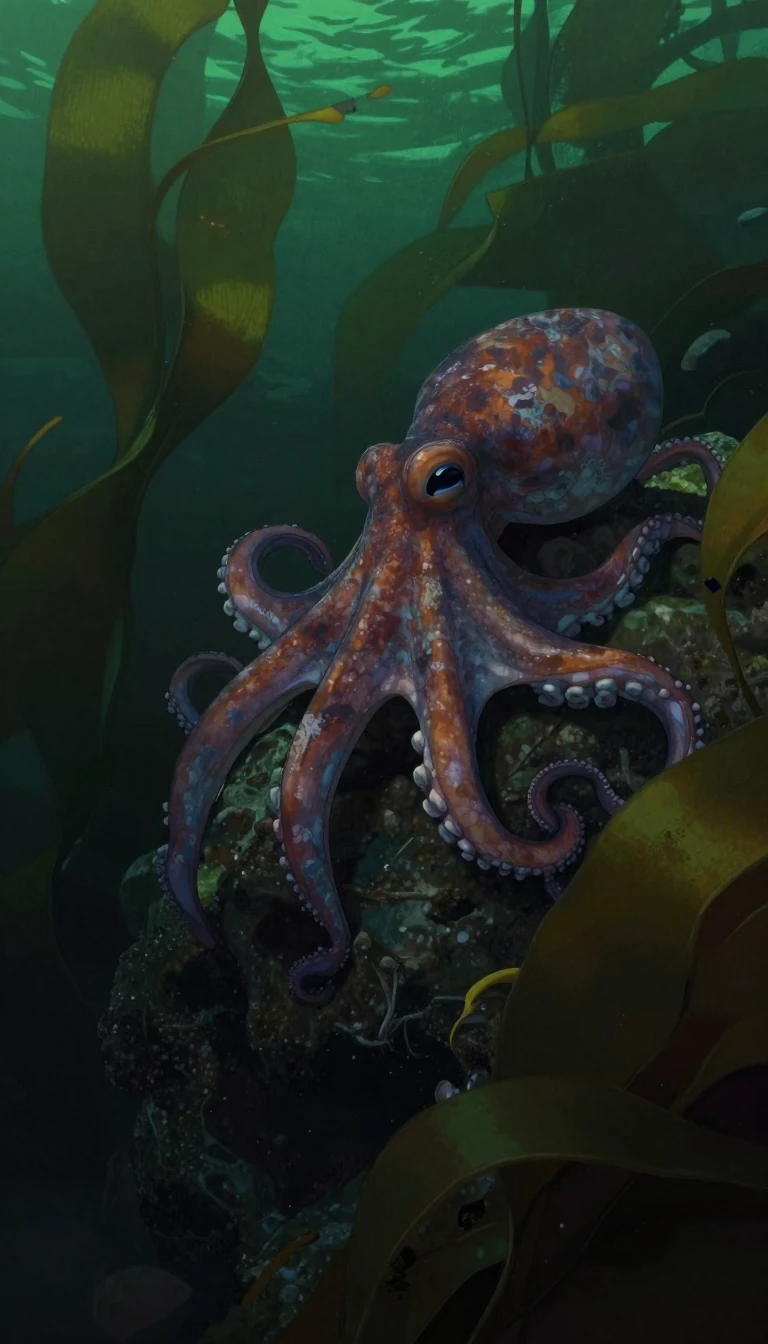 These crabs carry their own living homes by sculpting sponges to fit their bodies.Known as sponge crabs, the Dromiidae family possesses a remarkable architectural talent. Rather than hiding in static crevices, these crustaceans actively harvest living sponges, …
 The Demon Duck of Doom: Australia's massive, flightless, and mysterious prehistoric birdDromornis planei was a formidable, flightless giant that roamed ancient Australia. Once mistaken for a relative of emus, this massive bird is now linked to the lineage of ducks an…
 The drongo is a master of deception that steals food using fake alarm calls.These small, aggressive birds are not just skilled hunters; they are sophisticated con artists. By mimicking the alarm calls of other species, drongos trick animals into abandonin…
 Did Europe once host a thriving population of sugar-loving, forest-dwelling great apes?Long before humans dominated the continent, Europe was home to Dryopithecus, a genus of great apes that thrived in warm, paratropical forests. These creatures navigated a world of…
 The Cretaceous pterosaur that traded soaring skies for a life of crushing shellfishDsungaripterus was not your typical pterosaur. While its peers took to the skies, this robust creature spent its time in the inland environments of the Junggar Basin. With special…
 The African duiker is a master of the dive, vanishing into thickets instantly.Named for the Afrikaans word for diving, these elusive forest antelopes are built for sudden, headlong escapes into dense vegetation. While most antelopes are built for speed in o…
 Was this legendary armored predator actually a smaller, faster hunter than we once imagined?Dunkleosteus, the massive, plate-skinned fish of the Late Devonian, has long been depicted as a slow-moving, suction-feeding giant. Recent anatomical re-evaluations suggest this a…
 The dunnart is a tiny Australian marsupial with a surprisingly record-breaking genetic secret.Often mistaken for a common mouse, the dunnart is actually a specialized insectivorous marsupial native to Australia and New Guinea. While these small creatures appear unassuming,…
 The Asian common toad is a global traveler with a deadly, toxic secretThe Asian common toad is a master of human-dominated landscapes, thriving from urban street lamps to agricultural fields. While it is a common sight across South and Southeast Asi…
- The world's smallest crocodile thrives in caves and hunts bats in the darkAfrican dwarf crocodiles are not your typical apex predators. These timid, five-foot-long reptiles prefer scurrying after crabs and frogs to stalking large prey. In Gabon, some ha…
 The smallest elephant in history lived like a giant, not a miniaturePalaeoloxodon falconeri was a tiny elephant, standing just one metre tall—the size of a newborn African elephant. While scientists once assumed this dwarf species had a short, rap…
 The Dytiscus beetle is a formidable aquatic predator that breathes through a hidden air supply.Known as the little diver, the Dytiscus is a robust predator found across the Northern Hemisphere. These beetles have evolved specialized mechanisms for life in ponds, including m…
 Why these ocean giants leap meters above the surface of the open seaEagle rays are masters of the open ocean, distinguished by their rhomboidal bodies and impressive wingspans reaching seven meters. Unlike their bottom-dwelling relatives, these ca…
 Why millions of eared doves in Argentina are thriving despite massive hunting pressureThe eared dove is a resilient South American bird that has adapted to human expansion with startling success. While hunting on a massive scale recalls the tragic fate of the extin…
- The largest primate on Earth is fighting a losing battle against human conflict.The eastern lowland gorilla, or Grauer's gorilla, is the largest living primate, yet its survival is threatened by civil war and illegal resource extraction in the Democratic Repu…
 The eastern mole is a master of the underground, living almost entirely hidden away.With broad, spade-shaped paws and fur-covered eyes, the eastern mole is perfectly engineered for a life beneath the surface. This solitary creature navigates moist, sandy soils ac…
- Why resilience is more than just bouncing back to how things used to beEcological resilience is often misunderstood as simple stability. In truth, it is a complex, multi-level process that allows life to resist or recover from shocks. By integrating …
 Can we truly reverse environmental collapse, or are we just building novel ecosystems?Ecological restoration aims to repair damaged landscapes, but it is far more than just planting trees. It is a complex, iterative process of balancing biodiversity, climate goals,…
 When ecosystems pass their tipping point, they rarely return to their former stateEcosystem collapse is not just the death of individual species; it is a fundamental transformation of an environment's identity. Once an ecological system crosses a critical thres…
 Why nature is more than just scenery: the hidden value of ecosystem servicesNature does not just exist; it works. From pollinating our crops to buffering us against floods, ecosystems provide essential outputs that sustain human welfare. Because these ser…
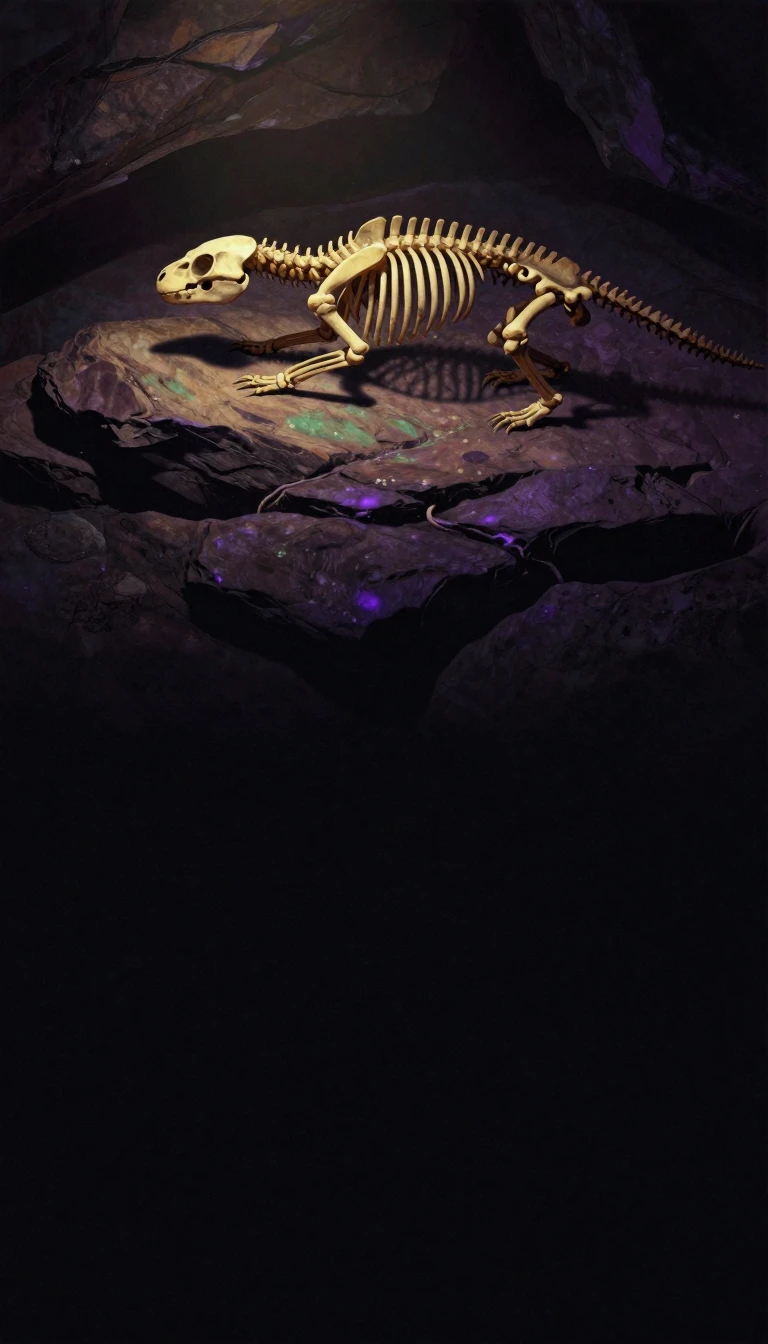 The pavement lizard with a sail: why this ancient herbivore was truly uniqueLong before dinosaurs, a strange, sail-backed creature roamed the Earth. Known as the pavement lizard, this early relative of mammals possessed a specialized dental battery for gr…
- The Egyptian mongoose is a master of survival, from African savannas to European forests.This adaptable predator is famous for its resistance to venomous snake bites and its clever method of cracking eggs against rocks. While native to Africa and the Middle East, its …
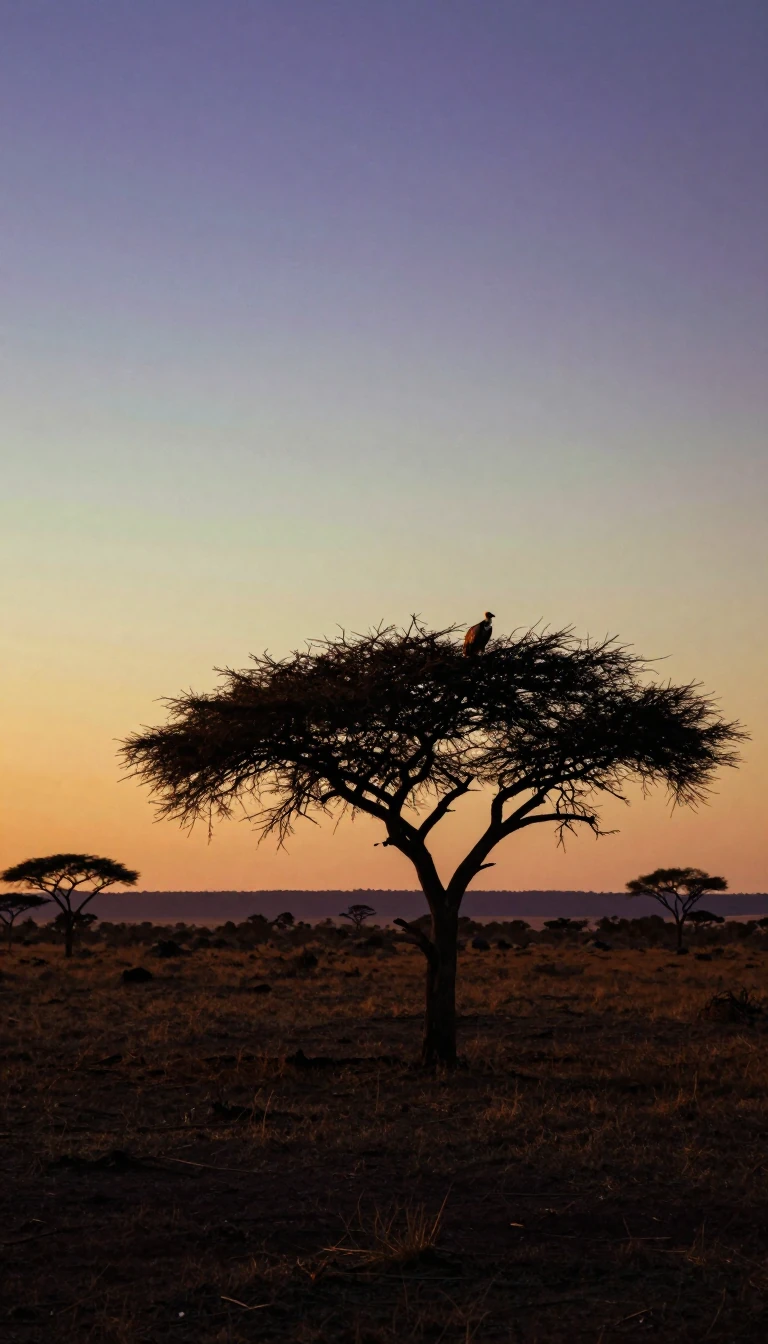 The Egyptian vulture is a rare bird that uses tools and eats feces.Known as the pharaoh's chicken, this small scavenger is one of the few birds to use tools, tossing pebbles to crack open eggs. It is also the only Old World vulture that regularly…
 Why these tiny fish treat their predators like VIP clients at the spaElacatinus gobies are small, torpedo-shaped fish that operate cleaning stations on coral reefs. While most animals flee from predators, these gobies proactively service them, ofte…
- The Elanine Kites: Are These Elegant Raptors Actually Owls in Disguise?Elanine kites are small, agile raptors known for their pointed wings and distinct bony eye shelves. While they share the skies with other birds of prey, genetic research and surpr…
 The prehistoric marine reptile that paleontologists once reconstructed with its head on its tail.When Elasmosaurus was first described in 1868, the scientist Edward Drinker Cope famously placed its skull at the end of its tail. This blunder, fueled by a fierce rivalry with Ot…
- The colossal history of the elephant family, from ancient giants to modern survivorsThe Elephantidae family includes more than just the elephants we recognize today. From the massive, extinct mammoths to the mysterious Palaeoloxodon, these proboscideans have evol…
 Why the stout Corn Bunting is known as the fat bird of the barleyThe Corn Bunting is a nondescript, stout bird that has lived alongside humans for millennia. Once common, this farmland dweller has faced a dramatic population collapse in the UK.…
- These insects spin silk from their legs to build protective, maze-like tunnel galleries.Webspinners are small, gregarious insects that produce silk from glands located in their front legs. They use this silk to construct elaborate, protective galleries on bark, rocks…
 Why does the emperor angelfish look like two entirely different species during its life?The emperor angelfish undergoes a startling transformation as it matures. Juveniles display a dark blue body with intricate, concentric white and pale blue rings. Adults, however,…
- The emperor dragonfly is a territorial giant currently conquering the cooling northern latitudesAs one of the largest dragonflies in Europe, the emperor dragonfly is a master of the skies. With a wingspan exceeding 100 millimetres and a reputation for aggressive hunting, thi…
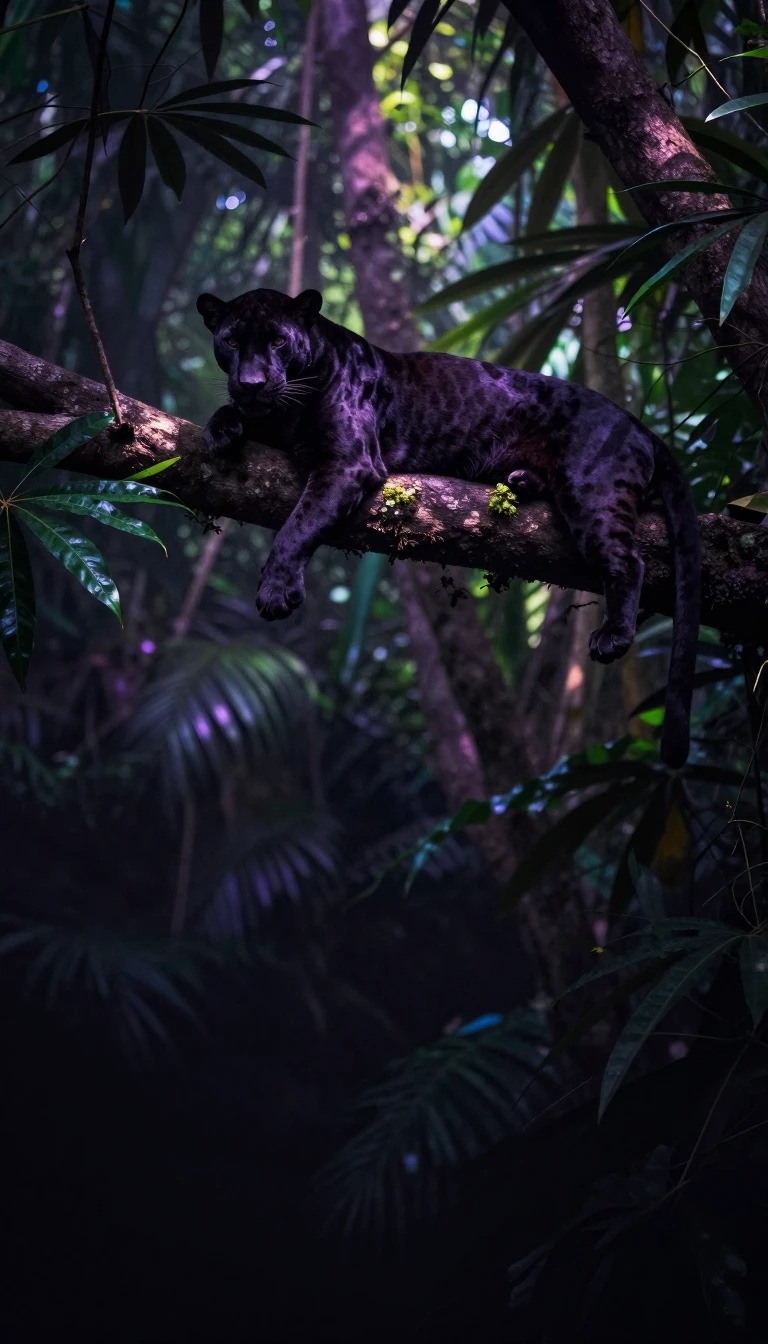 Why this giant, glowing African arachnid is actually a gentle giant of the rainforestThe emperor scorpion is among the world's most massive arachnids, yet it is surprisingly docile. Despite its intimidating appearance and ability to fluoresce under ultraviolet lig…
 The bizarre, ancient mantises that have captivated humans for tens of thousands of yearsEmpusidae are a family of plant-mimicking mantises known for their striking, elongated appearance and specialized defensive behaviors. These ambush predators, found across Africa,…
 Why energy flows more efficiently through aquatic ecosystems than through terrestrial onesEnergy moves through ecosystems in a one-way path, losing heat at every step. While the fundamental rules of thermodynamics apply everywhere, the efficiency of this transfer diffe…
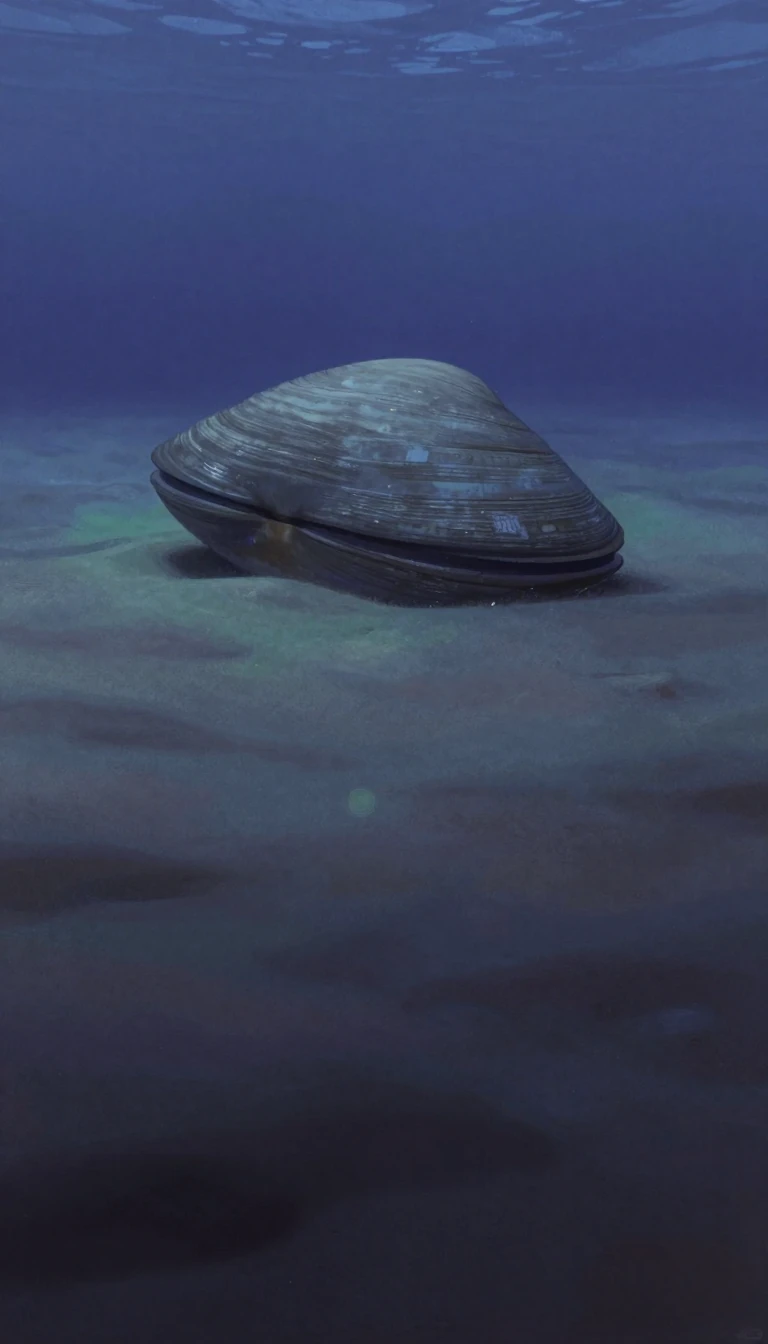 Why the razor clam is the most elusive escape artist on the beachKnown as spoots in Scotland for the water they spray while burrowing, Ensis clams are masters of rapid escape. These fragile, razor-shaped mollusks hide deep within clean, sandy b…
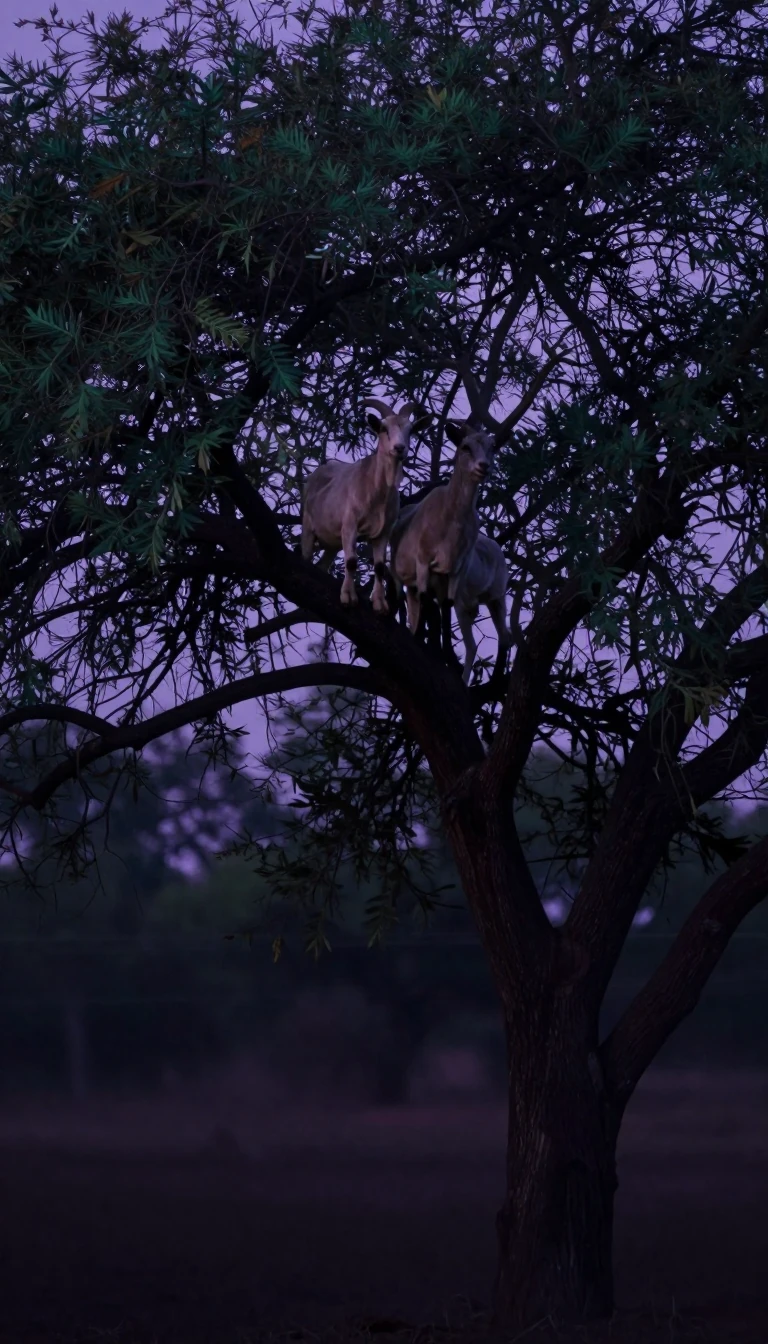 Were these massive, tusked prehistoric beasts actually the ancestors of modern pigs?Entelodonts were once dismissed as primitive, pig-like monsters roaming the Northern Hemisphere. While their terrifying skulls and massive frames suggest a carnivorous nightmare, …
- The dawn horse was once mistaken for a monkey by top Victorian scientistsBefore it was recognized as the earliest ancestor of the modern horse, the dog-sized eohippus was famously misidentified as a primate. This small, forest-dwelling browser of the E…
 A 125-million-year-old fossil from China challenges our understanding of early mammal evolutionDiscovered in the Yixian Formation, Eomaia scansoria was once hailed as the earliest known ancestor of placental mammals. While its remarkably preserved skeleton offers a rare gli…
 Was the dawn plunderer a fearsome predator or a humble plant-eater?Discovered in Argentina's Valley of the Moon, Eoraptor is one of the earliest dinosaurs ever found. This small, swift biped lived 231 million years ago, but its true identity rema…
- From blood-sucking vampires to giants, the Erebidae family defies every moth stereotype.The Erebidae family is one of the largest and most diverse groups of moths on Earth. Spanning every continent except Antarctica, these insects range from tiny six-millimeter speck…
- Beyond the Spines: Meet the Gymnures, the Hedgehog's Secretive and Ancient CousinsWhile hedgehogs are famous for their protective quills, their family tree includes a lesser-known group: the gymnures. These small, shrew-like mammals of Southeast Asia lack spine…
 The world's rarest canid is a specialized rodent hunter living on Africa's highest peaks.The Ethiopian wolf is an evolutionary relic, genetically closer to gray wolves and coyotes than to other African canids. Restricted to isolated Afroalpine grasslands, this endange…
- Why these ground-dwelling geckos are the odd ones out in the lizard worldMost geckos are famous for their gravity-defying ability to scale smooth glass walls, but the genus Eublepharis is different. These sturdy, nocturnal lizards lack the specialized …
- True tapeworms are masters of survival, living without mouths or digestive tracts for decades.Known as Eucestoda, these parasites inhabit the intestines of vertebrates worldwide. Lacking a digestive system, they absorb nutrients directly through their skin. These creatures…
- New Jurassic fossils reveal that the roots of modern mammals run deeper than expectedThree newly discovered species of Jurassic euharamiyidans from China are rewriting the timeline of mammalian evolution. By cementing their connection to multituberculates, these f…
- Was this heavily armored dinosaur actually a collection of different species?Euoplocephalus was once considered the most common ankylosaurid in North America, with fossils spanning ten million years. Recent research has dismantled this view, revealing that…
 Was this small Triassic reptile the secret bipedal ancestor of all dinosaurs?Euparkeria, a small carnivorous reptile from South Africa, has long captivated paleontologists. With its slender limbs and unique anatomy, researchers once suspected it was a facu…
 How a Single Rafting Ancestor Conquered Madagascar to Create a Unique Carnivore FamilyThe ten species of Malagasy carnivorans, or Eupleridae, are a biological puzzle. Once thought to be separate groups of mongooses and civets, modern genetics reveals they are a sin…
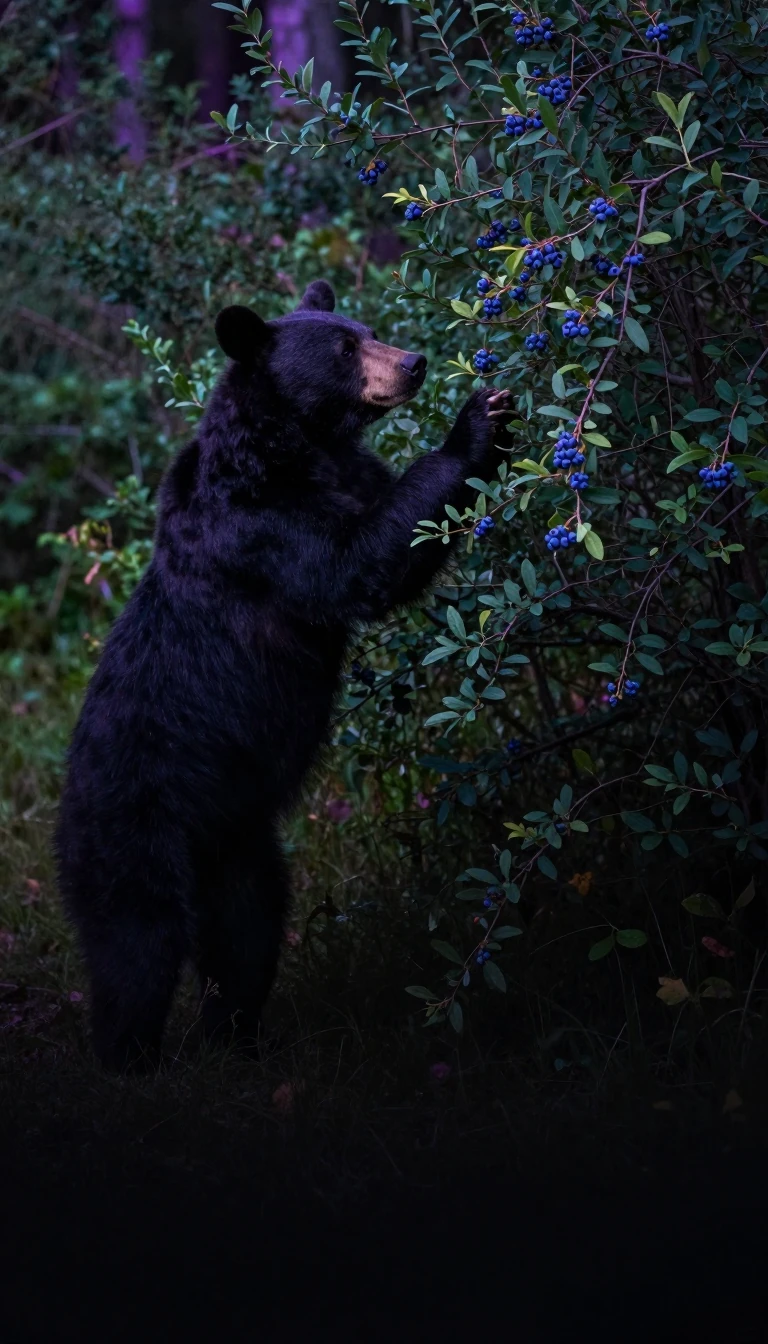 The Eurasian brown bear has evolved from a fierce carnivore into a dietary opportunist.Once a dominant predator in ancient arenas and vast wildernesses, the Eurasian brown bear has undergone a dramatic transformation. As its natural habitat shrank over centuries, th…
- The Eurasian Collared-Dove is a master of rapid, global colonization across human landscapes.With its signature black neck-collar and rhythmic three-parted coo, this bird has transformed from an Asian native into a ubiquitous urban dweller. Since escaping captivity in the…
- The Eurasian tree sparrow is a global traveler that thrives in surprising, isolated pockets.Smaller than its boisterous house sparrow cousin, the Eurasian tree sparrow is a shy, chestnut-capped bird that prefers rural landscapes over urban centers. While its population h…
 How a giant dinosaur lineage shrank to the size of a modern cowSauropods were the largest terrestrial animals to ever walk the Earth, yet Europasaurus was a striking exception. Discovered in a German quarry, this dinosaur reached only 6.2 met…
 The European conger is the world's heaviest eel, reaching weights of up to 160 kilograms.Hidden in rocky crevices across the Atlantic and Mediterranean, the European conger is a nocturnal predator of surprising scale. While most eels are slender, this massive species …
 The European dark bee is a polarizing icon of native purity and modern controversyThe European dark bee, Apis mellifera mellifera, is a subspecies steeped in myth and intense conservation efforts. Often championed as a native treasure, it faces scrutiny for its…
 The mysterious life cycle of the European eel remains a puzzle for modern scienceFor centuries, the European eel's origins were a complete mystery. Despite being a staple of global sushi markets, mating in the wild has never been observed. Today, this critical…