 Intellect Plus
Nature
11,198 cards. Each one is a 40-second story with a five-minute read behind it. Page 94 of 187.
Subtopics: Ageing · Air · Animal behaviour · Animal breeds and hybrids · Animals · Arthropods · Atmosphere · Big cats · Bilateria, others · Birds · Botany · Cnidarians · Conservation · Coral reefs · Deep sea · Deserts · Dinosaurs · Earth science · Earth science and physical geography · Earth science basics · Earthquakes & tsunamis · Echinoderms · Ecology · Ecosystems · Endangered species · Extinct animals · Farming · Fish · Forests · Fungi · General classifications · Geology · Geomorphology · How Long Can It Live? · Ice · Individual animals · Insects · Lightning · Longevity · Mammals · Marsupials · Migration · Mollusks · Ocean · Organisms · Parasites · Physical geography · Plants · Porifera · Predators · Primates · Rainforest · Reptiles & amphibians · Researched · Sharks & rays · Spiders & arachnids · Symbiosis · Trees · UK & Ireland: nature · Vertebrates · Vision · Volcanoes · Water · Waves · Weather · Whales & dolphins · Zoology
 The European honey buzzard is a master of disguise and a wasp-nest specialistDespite its name, this bird does not eat honey. Instead, it is a specialized predator of wasp and hornet larvae, equipped with unique physical defenses against stings. Its surviva…
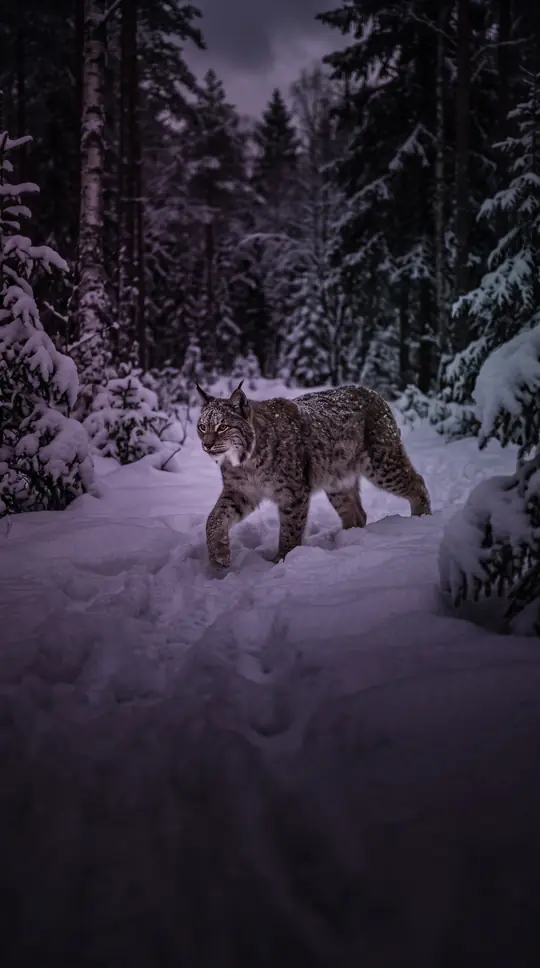 The European mink is vanishing, and its American cousin is not the only culprit.Once widespread across Europe, the European mink is now critically endangered. While the introduced American mink is a major threat, the species' decline is a complex puzzle invol…
 The European shag is a deep-diving specialist with a taste for the sea floor.Often confused with the great cormorant, the European shag is a distinct, smaller seabird that hunts in the benthic zone. These birds are master divers, capable of plunging up to …
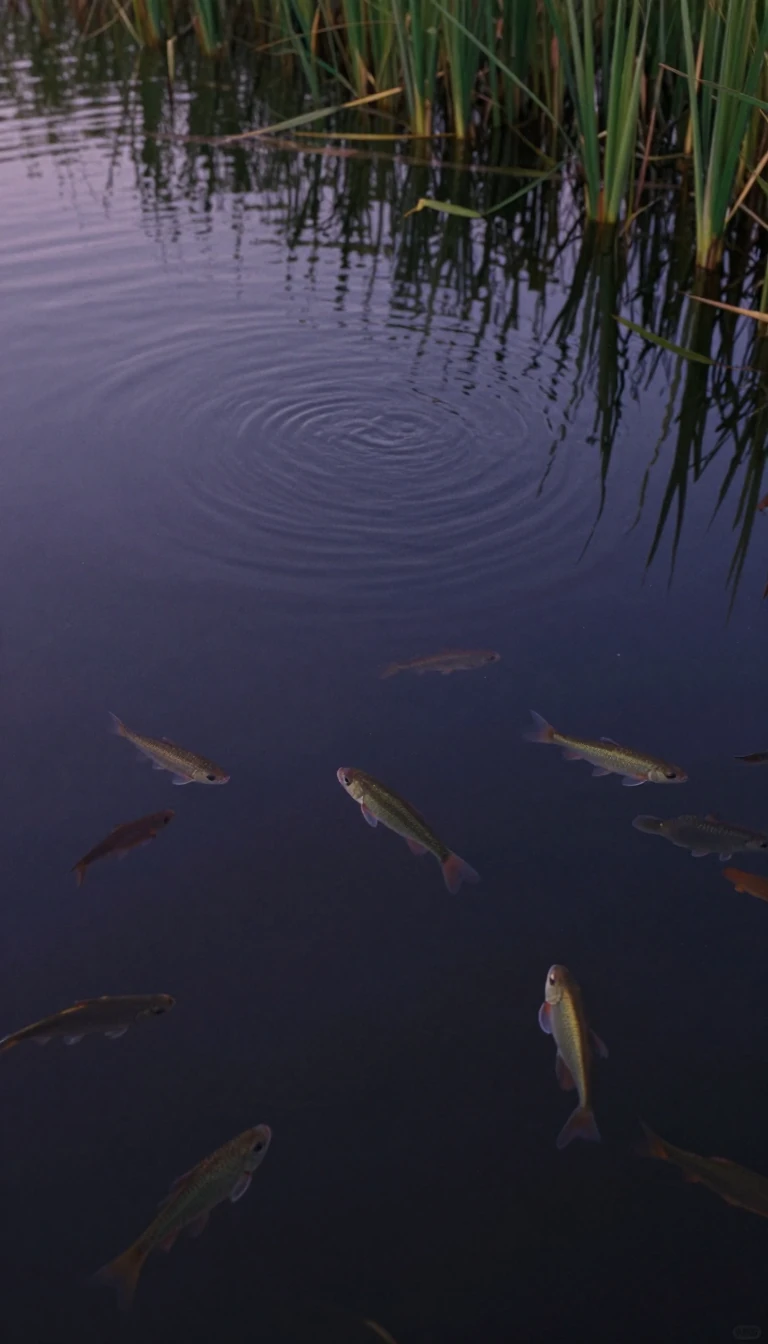 Was this ancient fish really a heroic pioneer crawling onto land to save us?For decades, Eusthenopteron was depicted as a brave fish dragging itself across drying mudflats to escape extinction. This image of a heroic evolutionary underdog helped explain o…
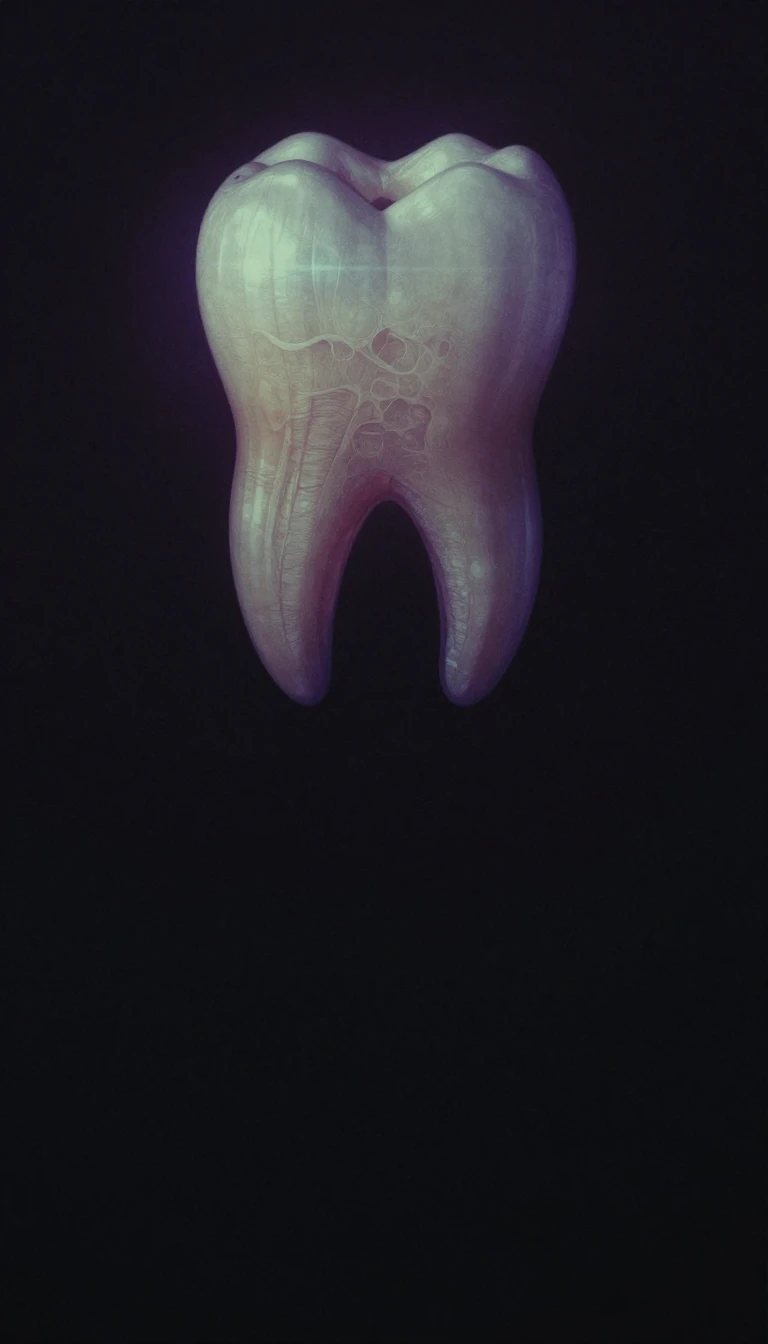 This ancient mammal challenges what we thought we knew about how teeth growMost modern mammals replace their teeth only once, a trait called diphyodonty. However, a newly discovered fossil from China reveals that some early mammals, known as eutriconodon…
 Modern birds are not just related to dinosaurs; they are living, breathing dinosaurs themselves.Forget the image of slow, scaly lizards. Science now confirms that birds are direct descendants of theropod dinosaurs. From the mighty Tyrannosaurus rex to the common pigeon, the …
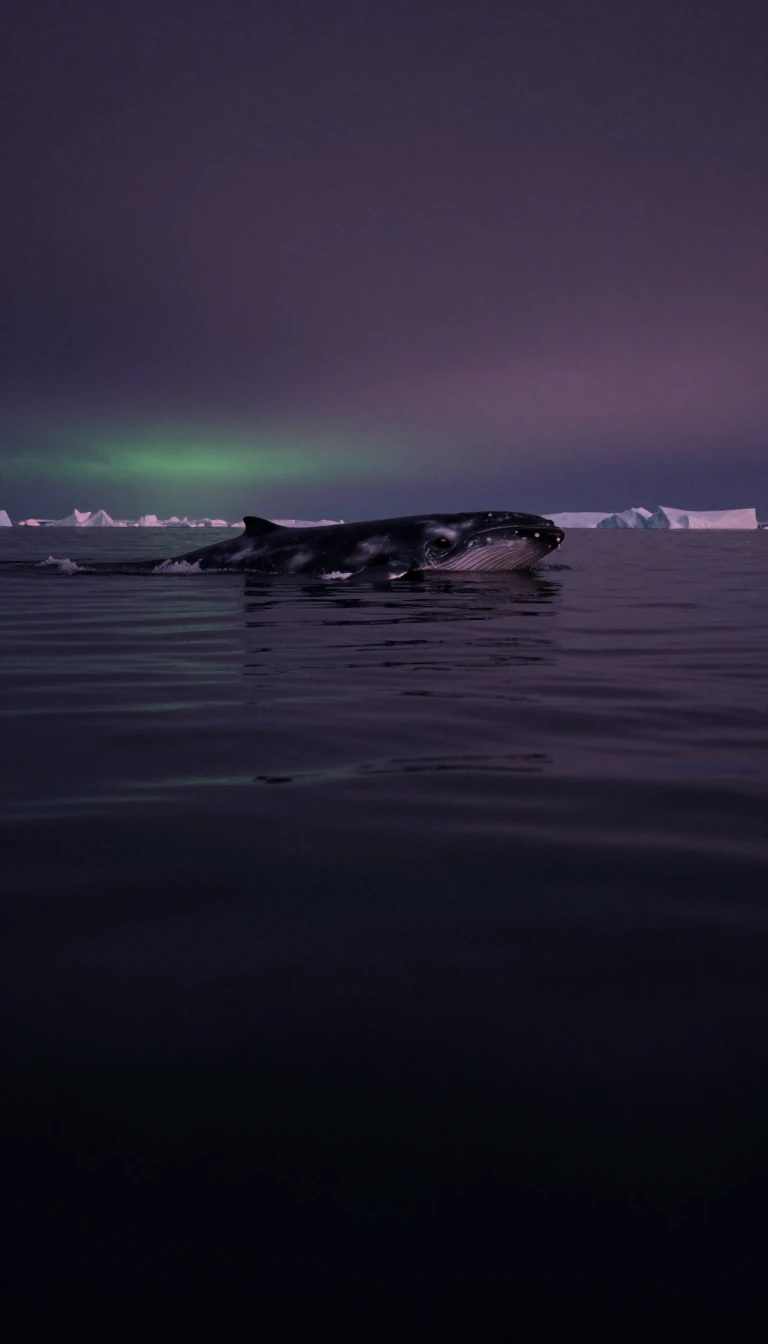 Whales are not fish, but land-dwelling mammals that returned to the seaWhales, dolphins, and porpoises are descendants of terrestrial mammals that transitioned to the ocean during the Eocene. While once thought to be related to extinct wolf-like carn…
 The earliest vertebrates were jawless, armored filter-feeders that thrived in ancient, mysterious waters.Long before modern fish dominated the oceans, the first vertebrates emerged as small, jawless creatures protected by heavy dermal armor. These early pioneers, known as agnathans, …
 How did insects conquer the skies millions of years before birds or bats?Insects were the first animals to master flight, yet their early evolution remains a mystery hidden in the fossil record. While we know they radiated into diverse forms during the…
 The ancient origins of molluscs remain one of biology's most contentious evolutionary puzzlesMolluscs are among the most diverse animals on Earth, yet their family tree is a battleground of competing theories. From the Cambrian explosion to modern molecular analysis, scie…
 Reptile evolution was not a series of sudden jumps, but a slow, steady climb.For 75 years, scientists believed reptile evolution occurred in rapid, dramatic bursts triggered by environmental shifts. A massive new study of 1,000 fossils reveals the truth is…
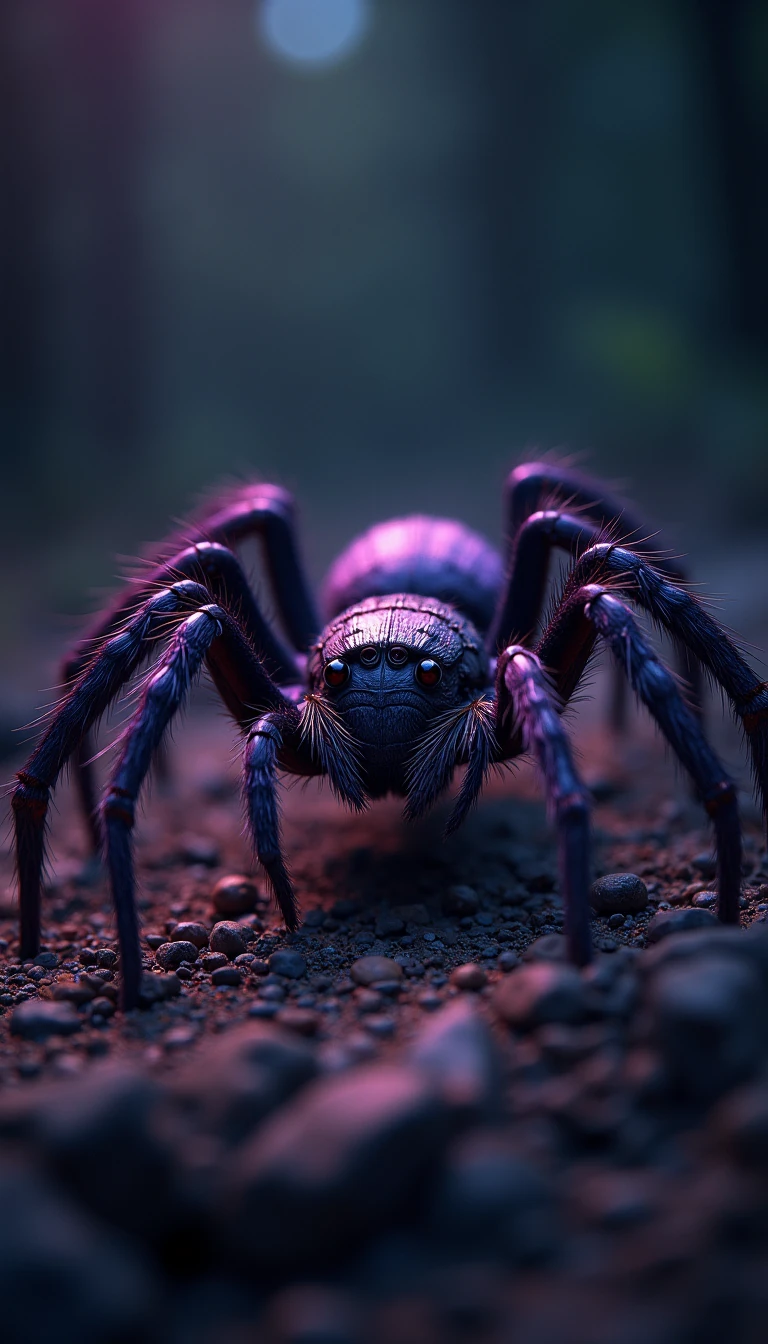 Spiders have been perfecting the art of the web for over 130 million yearsSpiders are ancient masters of survival, with a lineage stretching back 380 million years. While they share the world with 45,000 known species today, their evolutionary journey i…
- New fossil evidence suggests tetrapods walked on land millions of years earlier than believedFor decades, scientists believed the first land-dwelling amniotes emerged in the mid-Carboniferous. However, new trackway discoveries in Australia reveal clawed footprints from th…
 Why humans are built for walking while other primates only occasionally stand tallHumans are obligate bipeds, meaning walking on two legs is our primary mode of movement. Other primates, however, are facultative bipeds, using two legs only in specific circumsta…
 Did Indigenous seafarers bring the mysterious Falkland Islands wolf to their remote home?When Charles Darwin visited the Falklands in 1833, he found a unique, fox-like creature roaming the shores. Long thought to have arrived by rafting on ice, new archaeological evid…
 This ravenous caterpillar is a global agricultural menace and a secret medical hero.The fall armyworm is a destructive moth larva that can devastate entire fields overnight. While it causes billions in crop losses across the globe, its unique cellular structure h…
 Why the false gharial is a master of disguise in Southeast Asian waterwaysOften mistaken for its cousin the true gharial, the false gharial is a formidable, long-snouted predator lurking in the swamps of Southeast Asia. Despite its slender appearance, t…
- The deep-sea fanfin anglerfish uses independent, glowing filaments to hunt in total darknessLiving 2,600 feet below the North Atlantic, the fanfin sea devil is a master of the abyss. Unlike other fish, its bioluminescent fin-rays move independently, each controlled by it…
 Why the Androctonus scorpion earned a name that translates to man killerThe fattail scorpion is among the most dangerous arachnids on Earth. Named for its distinctly thick metasoma, this nocturnal predator hides in desert crevices to survive. Its veno…
 Dinosaurs were not just scaly monsters; many were covered in complex, insulating feathersFor decades, we imagined dinosaurs as giant, cold-blooded lizards. But the discovery of feathered fossils in China and the re-examination of Archaeopteryx have rewritten history. …
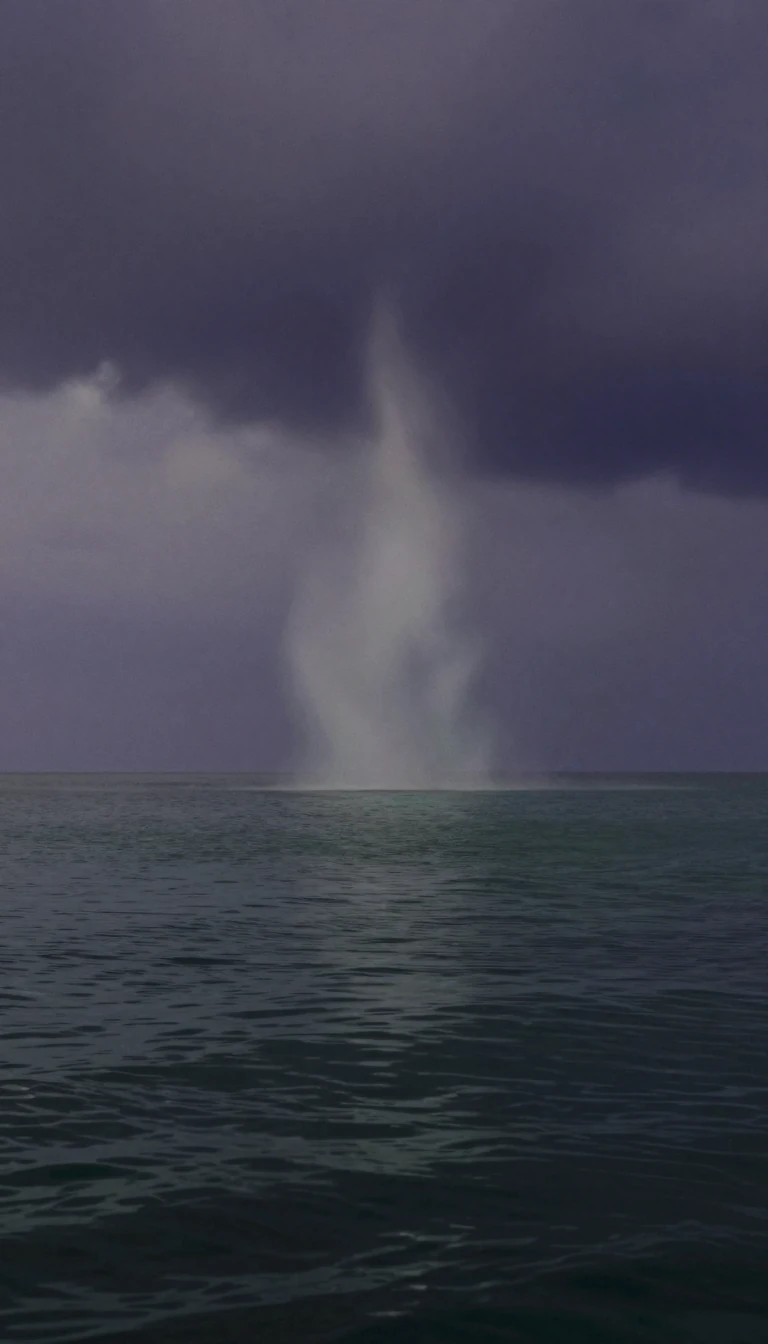 Are feral cats misunderstood survivors or the world's most dangerous invasive predators?With an estimated 480 million feral cats roaming the globe, these animals occupy a controversial space between apex predator and unwanted guest. While some view them as community …
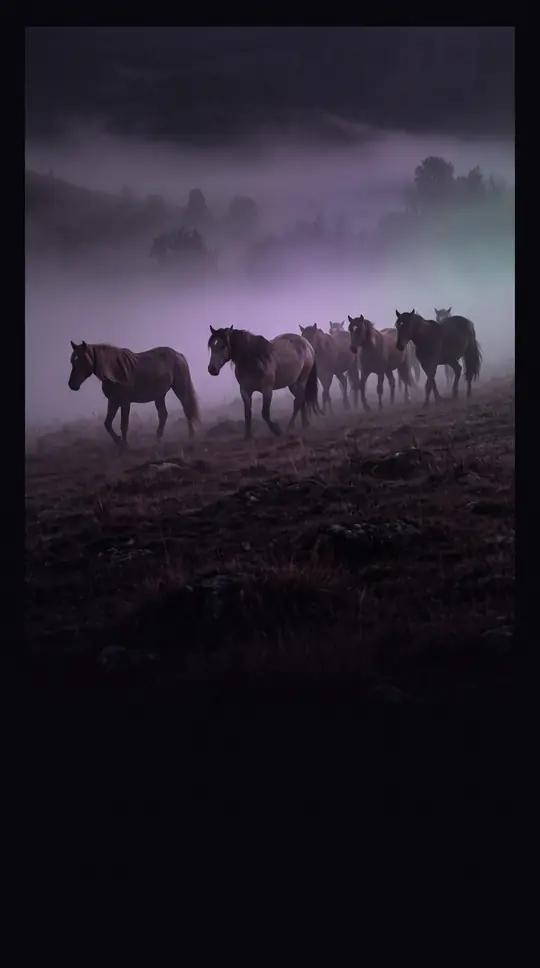 Are the wild horses roaming the American West actually wild at all?While we often call them wild, the horses galloping across the American West are technically feral. They are descendants of domesticated animals that escaped or were released by h…
 The city pigeon is not a wild bird but a runaway domestic success story.Feral pigeons are descendants of rock doves once kept for food and communication. While their wild ancestors are now restricted to remote Scottish and Irish coasts, these urban su…
- The ferret-badger is a biological puzzle that bridges the gap between two distinct families.Part weasel, part badger, the ferret-badger is a unique mammal that defies simple classification. Named for its hybrid appearance, this elusive creature has long fascinated natura…
 Meet the Australian guitarfish that wears a translucent snout and a unique nasal curtain.Fiddler rays, or banjo rays, are gentle, bottom-dwelling creatures found along the Australian coast. These cartilaginous fish are easily identified by their rounded pectoral discs…
- The secret life of the fig wasp: a tiny architect of tropical forest survivalEvery fig you eat is the result of a desperate, one-way journey. A female fig wasp enters a hidden flower, loses her wings, and dies inside to ensure the fruit ripens. This obliga…
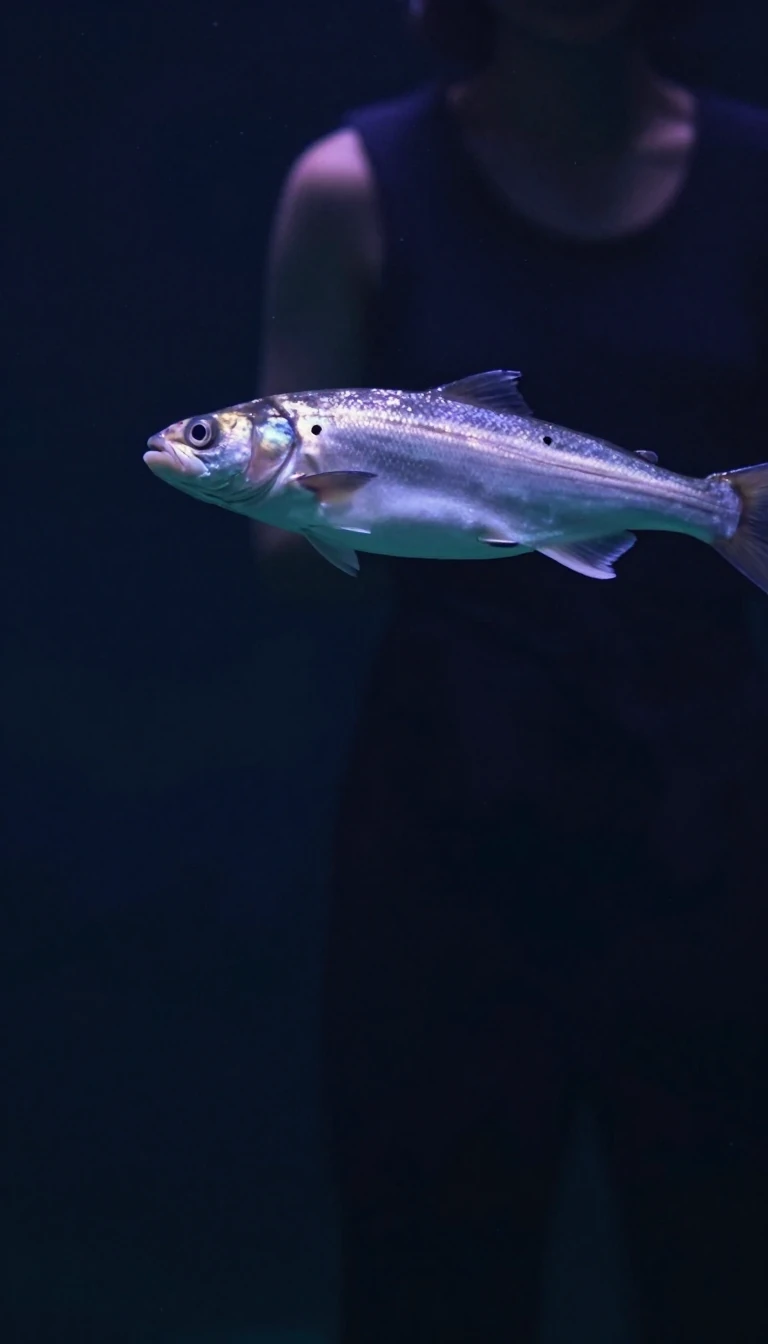 Why these masters of disguise use a retractable spine to survive in the reefFilefish are masters of deception, using rapid color shifts and a locking dorsal spine to evade predators. These sluggish swimmers rely on cryptic patterns and a unique pelvic dew…
 Why the finless porpoise is the most primitive member of its entire familyThe finless porpoise is a biological outlier, lacking the dorsal fin that defines its relatives. Found in the Indian and Pacific oceans and the Yangtze River, these small, slow-mo…
 Why this small toad performs a dramatic back-arching display when facing a predatorWhen threatened, the fire-bellied toad performs the unkenreflex, a striking defensive maneuver where it arches its back to expose a vivid, warning-colored belly. This display sign…
- Why the firebrat thrives in the scorching heat of your home's furnace pipesWhile most household pests seek out damp, cool corners, the firebrat is a heat-loving specialist. Thriving in temperatures that would deter other insects, these wingless, greyish …
 Why do fish cross oceans and rivers in such precise, predictable patterns?Fish migrations are not random wanderings but highly structured journeys driven by the need to feed and reproduce. From salmon returning to their exact birth streams to tuna cross…
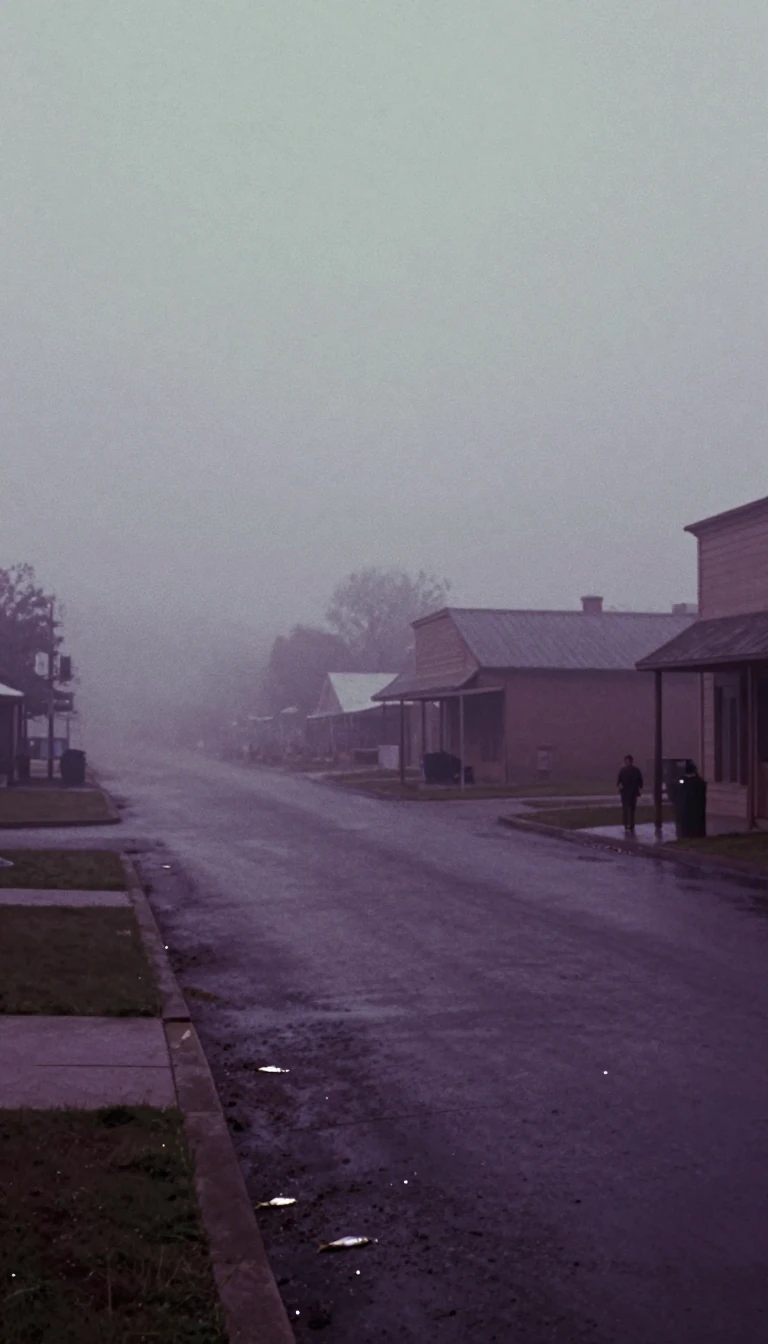 The flathead grey mullet is a global traveler with a redundant scientific name.Found in coastal waters from the Atlantic to the Pacific, the flathead grey mullet is a master of adaptation. Known by many names, this fish thrives in fresh, brackish, and marine…
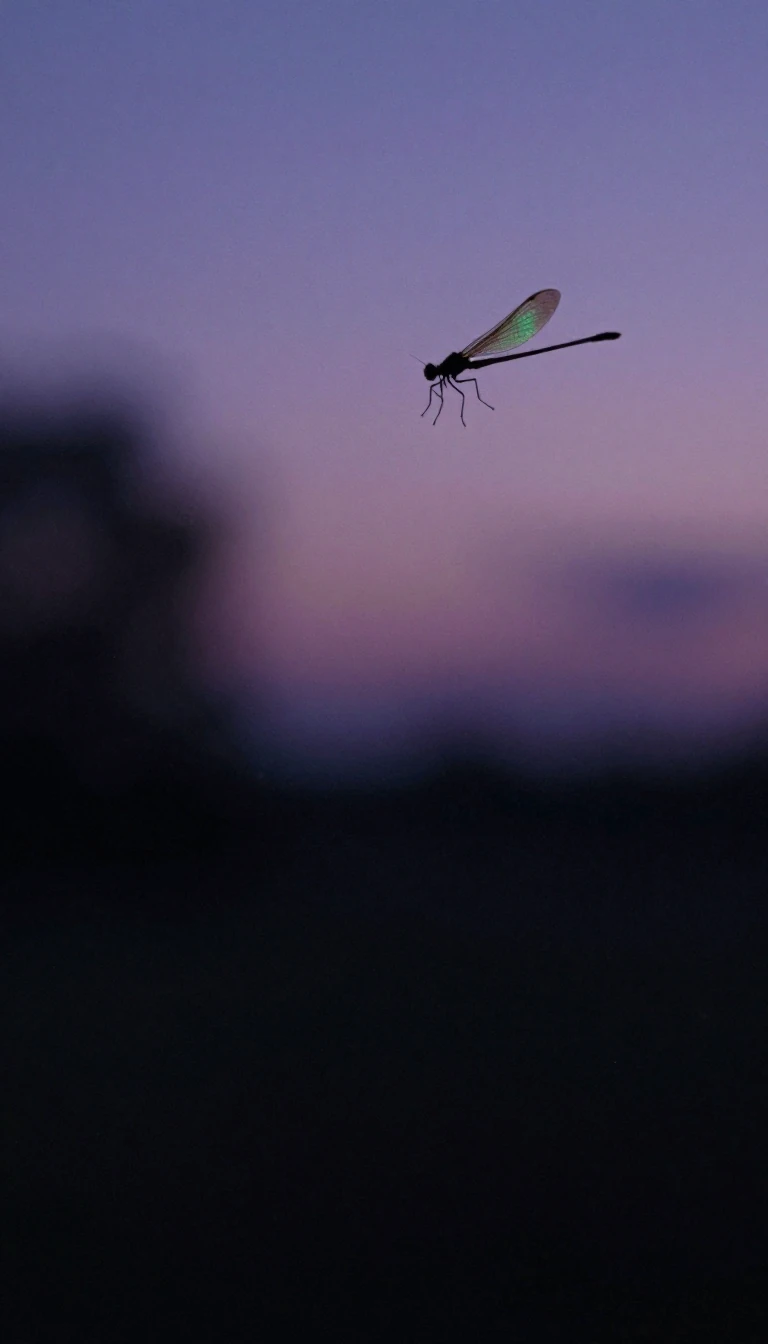 Why birds flock: a complex balance of protection, foraging, and social hierarchyFlocking is more than just birds flying together. It is a sophisticated survival strategy that balances the benefits of group protection and shared foraging against the costs of a…
 The bizarre transformation of the flounder: a journey from symmetry to lopsided survivalBorn with eyes on either side of their heads, flounder undergo a radical metamorphosis as they mature. One eye migrates across the skull until both rest on the same side, allowing…
 The microscopic pest that ruins your pantry and defines the flavor of fine cheeseThe flour mite, Acarus siro, is a tiny, pale creature that thrives in stored grains and animal feed. While often viewed as a destructive pest that spoils food with a sickly sweet …
 The orchid mantis is a master of deception, luring prey with light and chemistry.Flower mantises use aggressive mimicry to survive, blending into their surroundings to hunt while avoiding predators. These insects go beyond simple visual camouflage, employing s…
- Why nature evolved the art of flight and gliding through independent pathwaysTrue flight and gliding are distinct evolutionary strategies for mastering the air. While powered flight requires massive physiological investment, gliding offers a clever, low-en…
- Why nature is not a simple chain but a complex, interconnected web of lifeA food chain is a linear path, but nature is a tangled web. Most organisms eat multiple species, and many shift their diets throughout their lives. This complexity means energy do…
 Why the deep-sea footballfish is a master of extreme sexual dimorphismIn the dark, sparse depths of the world's oceans, the footballfish thrives through a bizarre strategy. While females grow to impressive sizes and hunt with bioluminescent lures, m…
 The red wood ant uses a sophisticated chemical pharmacy to keep its colony alive.Formica rufa, the red wood ant, does not just build mounds; it engineers a fortress. By mixing coniferous tree resin with its own formic acid, these ants create a potent antimicro…
- Why these aggressive termites are known as the super-termite of the southern United StatesFormosan subterranean termites are not just pests; they are structural threats capable of forming colonies with millions of members. Known for their aggressive defense and massive…
- These tropical river fish see above and below the water simultaneously with two eyes.Despite their name, four-eyed fish only possess two eyes. These organs are uniquely split by a horizontal band of tissue, allowing the fish to scan the air for insects while simul…
- This ancient surface-gliding fish has remained unchanged for over 50 million yearsThe freshwater butterflyfish is a living fossil, the sole survivor of a diverse family that once thrived in Cretaceous seas. Despite its small size and delicate appearance, this s…
- Why freshwater crabs are evolutionary homebodies facing a global extinction crisisUnlike their ocean-dwelling cousins that release thousands of drifting larvae, freshwater crabs are devoted parents. They produce a small number of large eggs that hatch as fully …
 The world's longest-living invertebrate hides in plain sight within cold, clean mountain streams.The freshwater pearl mussel is a biological marvel capable of surviving for over two centuries. These elusive mollusks thrive in pristine, fast-flowing rivers, relying on a comple…
- The frilled shark: a prehistoric predator with a three-year pregnancy and 300 teethOften called a living fossil, the frilled shark is a mysterious deep-sea dweller that has survived since the Cretaceous period. With an eel-like body and 300 needle-like teeth, th…
- The frogfish is a master of disguise that hunts with a lightning-fast strike.These small, stocky masters of aggressive mimicry use a modified dorsal spine as a fishing rod to lure prey. When a meal wanders within range, the frogfish executes a strike so ra…
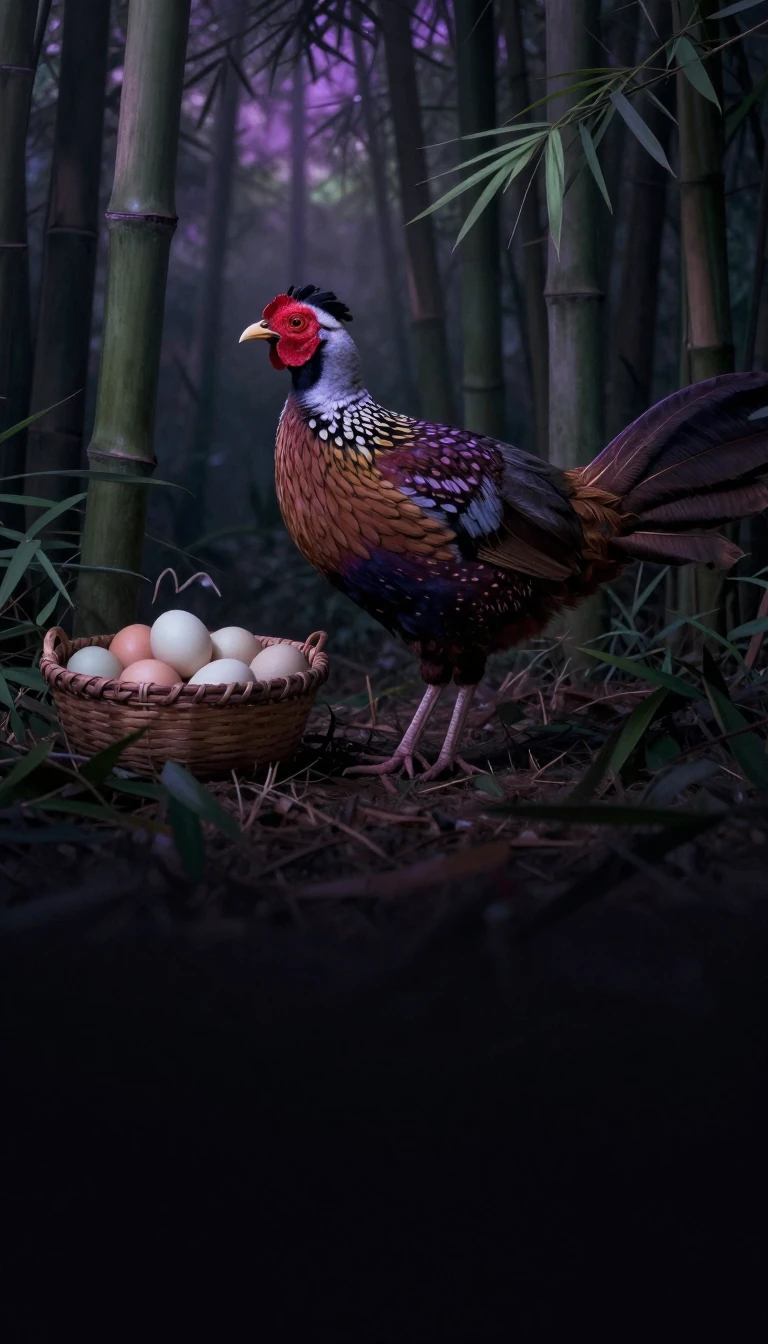 Why the internet has crowned the frogmouth as the world's most aesthetic birdWith their massive, frog-like gapes and cryptic plumage, frogmouths are masters of nocturnal camouflage. While they resemble owls, these birds are actually distant relatives of hu…
- Why these vibrant forest birds are rewriting the rules of avian classificationFruit doves are a diverse genus of nearly 50 species found across Southeast Asia and Oceania. While their brilliant plumage and frugivorous diets are well-known, recent molecular …
- The lanternfly's glowing reputation is a centuries-old myth started by a mistakeLanternflies are famous for their brilliant colors and bizarre, snout-like head structures. Yet, despite their name and a long-standing scientific legend, these insects do not act…
- Why these marine mammals were hunted to the brink for their luxurious double coatsFur seals are not true seals, but members of the eared seal family. Named for the dense underfur that once made them a prime target for commercial hunters, these animals possess u…
 Why these fuzzy crustaceans are actually imposters within the spiny lobster family treeFurry lobsters, also known as coral lobsters, are small, hair-covered crustaceans that once held their own distinct family status. While their unique appearance suggests a separat…
- From deep-sea giants to the humble dinner plate, meet the versatile Gadiformes order.The Gadiformes order includes some of the world's most commercially significant fish, from the iconic Atlantic cod to the haddock. While these ray-finned creatures primarily domin…
- Ancient jawless fish reveal the hidden origins of our paired limbsFor decades, scientists believed galeaspids were finless bottom-dwellers. However, the discovery of the extinct vertebrate Tujiaaspis vividus has rewritten this history. These jaw…
 Gall wasps turn oak trees into architects of their own protective, custom-built nurseries.These tiny insects do not just feed on plants; they hijack a tree's growth processes to build complex, species-specific homes. By secreting precise chemicals, gall wasp larvae for…
- The striking bleeding-heart doves of the Philippines hide a complex evolutionary historyKnown for a vivid red breast patch that mimics a dagger wound, the Gallicolumba genus of ground-dwelling doves is a fascinating study in avian evolution. While they appear to be s…
- The gang-gang cockatoo: A grey parrot with a fiery crest and a creaky callFound in the cool, wet forests of south-eastern Australia, the gang-gang cockatoo is a unique parrot known for its distinctive, gate-like call. While males sport a brilliant red h…
- These prehistoric survivors have been breathing air for over 150 million yearsGars are living fossils, ancient fish that have barely changed since the Jurassic period. While most fish rely entirely on gills, these predators gulp air to survive in oxygen-poo…
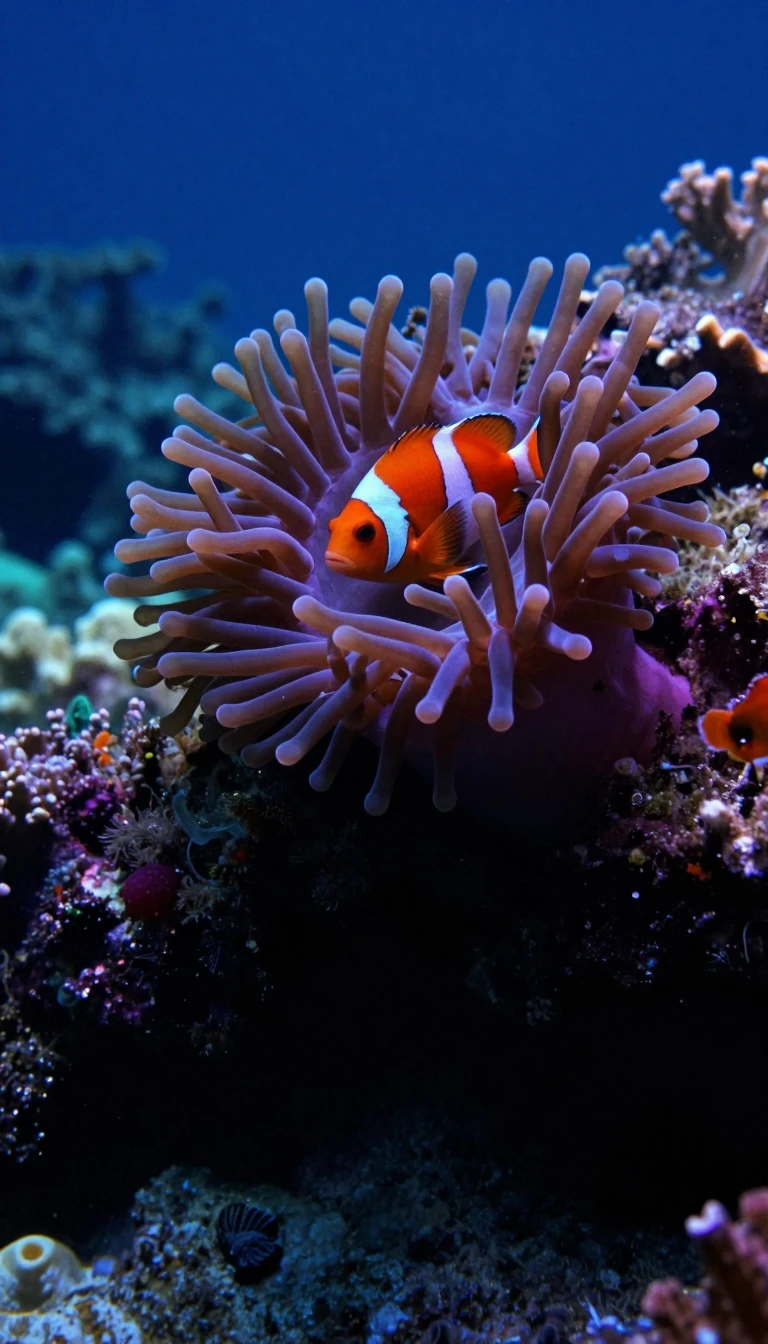 The tiny, armored fish that build nests with their own biological glueGasterosteoidei are a group of small, northern-hemisphere fish known for their distinctive skeletal armor and unique reproductive habits. While they are often associated with stic…
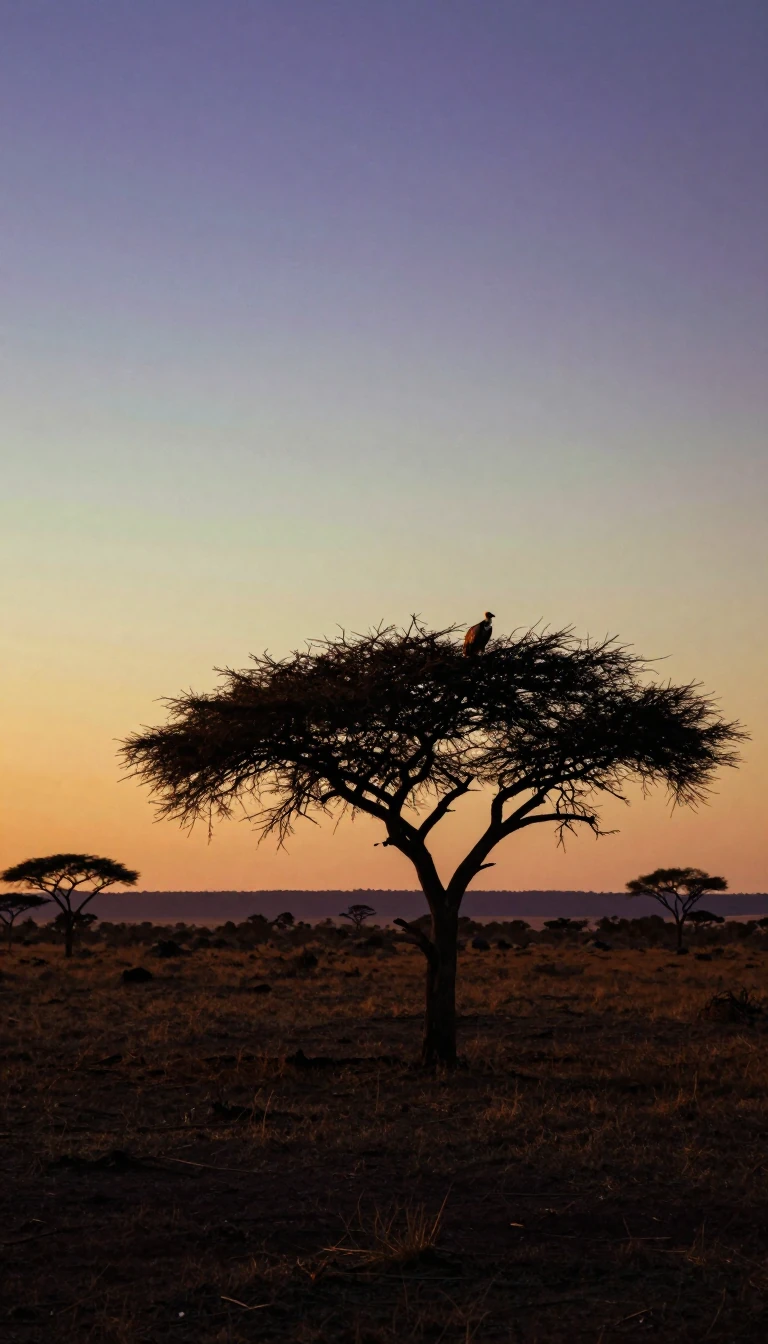 Was the giant, terrifying Gastornis actually a gentle giant of the prehistoric forest?For decades, the massive Gastornis was depicted as a fearsome predator, a flightless terror stalking early mammals with a bone-crushing beak. Yet, modern evidence suggests this to…