 Intellect Plus
Space
9,120 cards. Each one is a 40-second story with a five-minute read behind it. Page 53 of 152.
Subtopics: Apollo · Asteroids · Astronauts · Astronomical objects · Astronomical technology · Astronomy · Astronomy and geodesy · Astronomy basics · Big bang · Black holes · Celestial mechanics · Celestial sphere · Comets · Constellations · Cosmology · Dark energy · Dark matter · Deep time · Exoplanets · Exploration · Future Frontier · Galactic and extragalactic astronomy · Galaxies · Gravity · Impacts · Interstellar · Jupiter · Light · Mars · Mars exploration · Meteorites & asteroids · Moon · Moon exploration · Moons · Navigation and timekeeping · Nebulae · Observational astronomy · Observatories · Physical cosmology · Physics · Planetary science · Planets · Quantum · Relativity · Rockets & launch vehicles · Satellites · Saturn · Seti · Space · Space agencies · Space probes · Space stations · Space telescopes · Spacecraft · Spaceflight · Stars · Stellar astronomy · Sun & solar physics · Supernovae · Telescopes · Volcanoes · Weather
 Overcoming a heart murmur to reach the final shuttle flightRex Walheim shares his journey to becoming a shuttle veteran, revealing how he navigated a physical hurdle to reach the final mission of the Space Shuttle program.
 The high-stakes logistics of life aboard the International Space StationWatch the final moments before launch and the immediate aftermath of the June 7, 2011, Soyuz mission. This footage captures the transition from Earth to orbit for the flight engin…
 The first spacecraft to orbit and land on a cometFor years, comets were distant mysteries. The Rosetta mission changed that, executing a decade-long journey to perform the first-ever soft landing on a comet's surface. It wasn't …
 The grainy photos that killed centuries of Martian mythologyBefore 1965, humanity imagined Mars as a world of potential civilizations or lush landscapes. Then came Mariner 4. Its first close-up images didn't just show a planet; they destro…
 The 14-year mission that survived its eight-month deadlineWhen NASA launched Pioneer Venus 1 in 1978, the mission was only expected to last eight months. Instead, the spacecraft spent over a decade orbiting the Venusian clouds, revealing…
- The plucky spacecraft that hacked its way to the sunIn 1973, NASA launched a 1,045-pound probe with a mission that should have been impossible. Faced with mechanical failures and a strict budget, the spacecraft pioneered gravity as…
 The massive supercomputers predicting the atmosphere's next 16 daysWeather forecasting is a battle of brute-force mathematics. The Global Forecast System (GFS) uses a global computer model to simulate the atmosphere, running four times a day to p…
 The day it rained mystery meat: Kentucky's 1876 atmospheric anomalyOn a spring morning in 1876, residents of Bath County, Kentucky, looked up to see chunks of red meat falling from the sky. It wasn't a hallucination or a local prank; it was a doc…
 The cosmic neighbors that are neither moons nor wandering starsImagine an asteroid that follows a planet like a shadow but never actually orbits it. These objects, known as quasi-satellites, share the same orbital period as their planetary ho…
 The rare moment humanity knew its portrait was being taken from SaturnOn July 19, 2013, NASA's Cassini spacecraft slipped into Saturn's shadow to capture a breathtaking view. Unlike previous distant photography, humanity had foreknowledge of this ev…
 From solid ground to bottomless clouds: the evolution of Jupiter in fictionFor centuries, writers imagined Jupiter as a solid world where humans could walk. As our scientific understanding shifted from solid landmasses to a gas giant, science fiction had…
- Spacecraft are gaining unexpected speed during planetary flybysWhen spacecraft swing past planets like Earth, they often gain more kinetic energy than our best physics models predict. This mysterious nudge, first noticed during the 1990 Galil…
 The common myth that astronauts float because they have escaped Earth's gravityWhen you see astronauts drifting in the International Space Station, it looks like gravity has vanished. In reality, gravity at that altitude is only about 12% weaker than on the …
 Galaxies that exist in the vast emptiness of cosmic voidsMost galaxies huddle together in dense sheets and filaments, but some live in near-total isolation. These void galaxies are unique laboratories for understanding galactic evolutio…
 The mathematical recipe that tells the universe how to curveHow do we translate the abstract geometry of space into the physical laws of gravity? The answer lies in a mathematical principle called the stationary action. By defining a speci…
 The distant galaxy that might have revealed the universe's first starsAt a redshift of 6.6, Cosmos Redshift 7 allows us to peer back to just 800 million years after the Big Bang. While it was once thought to hold the secrets of the universe's very f…
 Jupiter acts as a cosmic broom, sweeping the asteroid belt cleanWhy are there specific empty zones in our solar system's asteroid belt? These celestial voids, known as Kirkwood gaps, reveal how Jupiter’s gravity systematically dismantles the o…
- The subjective science of what makes a comet 'great'Not every comet that lights up the night sky earns the title of 'great.' While astronomers track orbits with precision, the distinction of a great comet is actually a societal lab…
 Was the Celtic god Belenus a healer, a solar deity, or a hallucinogen?Ancient inscriptions across Europe reveal a god of immense power, but his true identity remains a scholarly mystery. Was he a bringer of light, a master of medicinal springs, or a…
 The violent death of a star disguised as its birthIn 1604, astronomers watched a new star ignite in the heavens. They believed they were witnessing a stellar birth, but they were actually watching a catastrophic end. This celesti…
 The mathematical pattern that predicted planets before we could see themIn 1766, an astronomer noticed a strange numerical rhythm in our solar system: each planet seemed to sit roughly twice as far from the Sun as its neighbor. This empirical rule all…
 SpaceX is building a space-based delivery service for high-value goodsSpaceX recently debuted Starfall, a secretive new return capsule designed to turn orbit into a manufacturing hub. Unlike the Dragon capsule, which ferries people, Starfall is buil…
- The orbital tow truck: how space tugs are revolutionizing celestial logisticsMoving cargo in space is notoriously difficult because of the energy required to change orbits. Space tugs solve this by acting as orbital ferries, docking with satellites to refu…
 The universe is full of worlds that don't fit our mapsWe often define planets by where they sit in a solar system, but the universe works differently. From rogue wanderers ejected into the void to shrunken stars turned into heavy sph…
 To reach deep space, we must learn to live off the landSending everything humans need from Earth to the Moon is becoming prohibitively expensive. To make lunar exploration sustainable, agencies are shifting focus toward In-Situ Resour…
- The Moon's gravity is far from uniform or simpleWhile we often think of lunar gravity as a constant 1/6th of Earth's, the reality is much more complex. Hidden geological features and internal stresses create significant anomali…
- The Moon's destruction would trigger chaotic climate swings and ocean upheavalDestroying our lunar neighbor isn't just a cinematic trope; it is a physics problem of staggering proportions. From the energy required to shatter its core to the resulting atmosp…
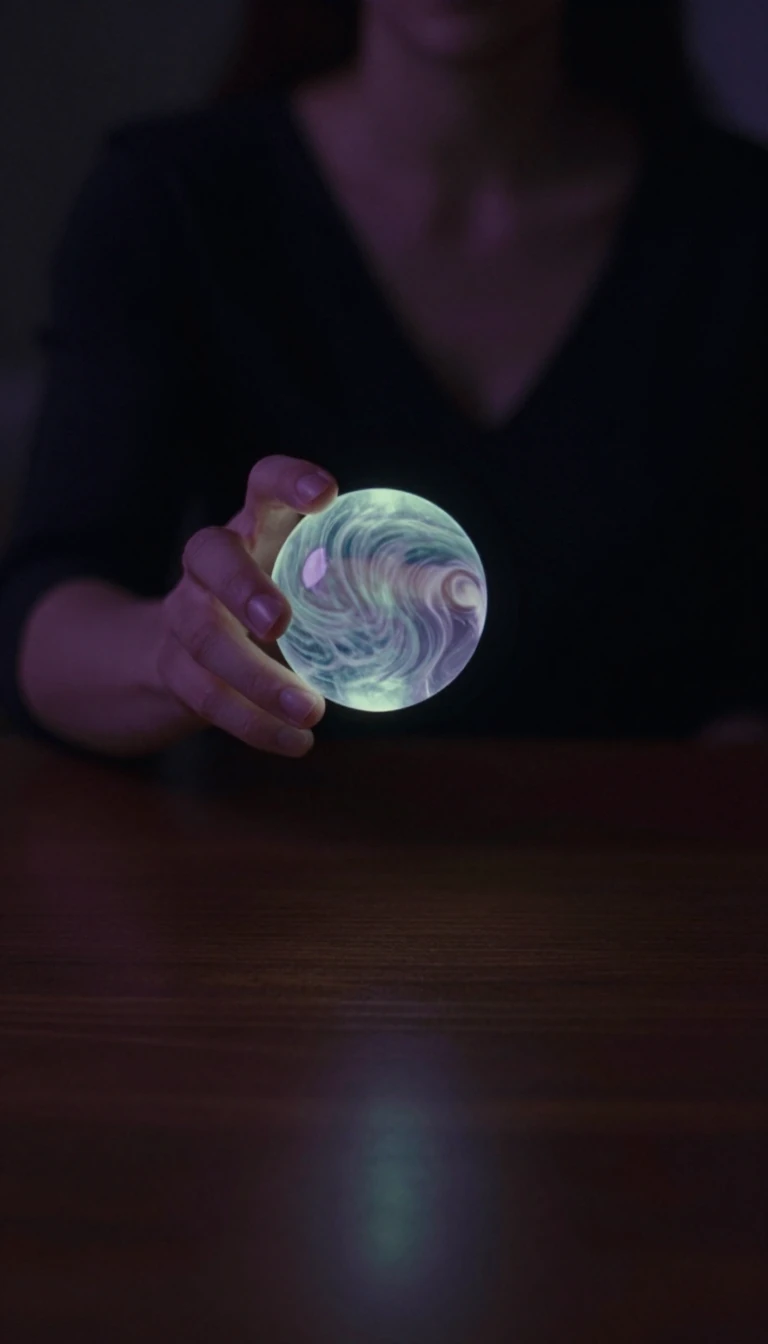 Light can twist into a corkscrew shape, carrying hidden momentumWhile most people recognize that light possesses spin, it also carries orbital angular momentum. This property allows specific beams to spiral through space with twisted phasefron…
- From a 2000 computer game to a global underwater spy agencyLong before it became a global animated hit, Fishtronaut began as a simple computer game. Today, it serves as a sophisticated educational tool, teaching young children about envir…
- The strategic logic behind Europe's unified astronaut corpsWhy did Europe decide to merge its independent space programs into a single team? It wasn't just about logistics; it was a calculated move to maximize expertise, increase mission …
 The British 'Biggles in Space' and the birth of high-fidelity sci-fiBefore the 1960s space probes revealed the solar system's true, desolate nature, Dan Dare offered a vision of vibrant alien life. This wasn't just a comic; it was a meticulously e…
 The Soviet hero who died to save an American iconBefore he became a villain, the first Crimson Dynamo was a brilliant scientist whose loyalty shifted from ideology to humanity. His story isn't just about powered armor; it is a t…
 The Soviet space dog who became a cosmic telepathBorn from a tribute to Laika, the first animal to orbit Earth, Cosmo the Spacedog transitioned from a 1960s Soviet experiment into a powerhouse of Marvel Comics. After being lost …
- The only way to see water in the Milky Way's cloudsEarth's atmosphere acts as a shield, blocking the very signals needed to map our galaxy's chemistry. To study the birth of stars and planets, NASA had to send a specialized telesc…
- How NASA used a recycled Voyager part to map a hidden worldBefore 1990, the surface of Venus was a total mystery, hidden behind permanent, thick clouds. To pierce this veil, NASA launched the Magellan spacecraft, a mission built largely f…
- NASA intentionally crashed a rocket into the Moon to find waterTo solve the mystery of lunar water, scientists did not just observe from a distance; they smashed. By repurposing a spent rocket stage as a massive kinetic projectile, NASA creat…
 The first spacecraft to land on an asteroid and take off againIn 2005, Japan's Hayabusa achieved a feat of celestial engineering that remains a benchmark for deep-space exploration. It didn't just visit a distant rock; it touched down, colle…
- From 'Star of Ninib' to an atmospheric plunge: mapping our solar system's ringed giantFor centuries, Saturn was a celestial mystery—a "triple planet" or a wandering star. It took humanity nearly 300 years to move from blurry telescope sketches to high-resolution or…
- Saturn's massive northern storm is 500 times larger than its southern rivalsA colossal atmospheric disturbance is churning through Saturn's northern hemisphere. This massive storm is the most intense ever recorded by NASA's spacecraft. It covers an area 5…
 How astronomers name the endless parade of new celestial discoveriesWhen a new asteroid is spotted, it doesn't immediately get a name. Instead, it receives a precise, coded provisional designation. This standardized system tracks exactly when and …
 Why our solar system's moons are named after lovers and literary spritesThe names of our celestial neighbors are rarely random. From Shakespearean fairies to Greek sea deities, the naming of moons follows strict, often poetic rules. But these conventi…
- Moons might be more habitable than planets in our galaxyNatural satellites outnumber planets by a massive margin, making them prime real estate for extraterrestrial life. While they face unique hurdles like atmospheric erosion and tida…
- The celestial scavengers captured by the giant planetsThey do not follow the orderly paths of regular moons. Instead, these irregular satellites drift in eccentric, tilted, and retrograde orbits. Far from being permanent residents, t…
- Lunar craters create fluffy regions that stay freezing during the nightWhy do certain lunar craters stay freezing long after the sun goes down? It is not just a shadow but a structural anomaly. These regions, known as cold spots, reveal how hypervelo…
- How the Navy used the Moon as a giant radio mirrorBefore the era of satellites, the Moon served a vital strategic purpose. By bouncing microwave signals off its lunar surface, the U.S. Navy established a secure, global communicat…
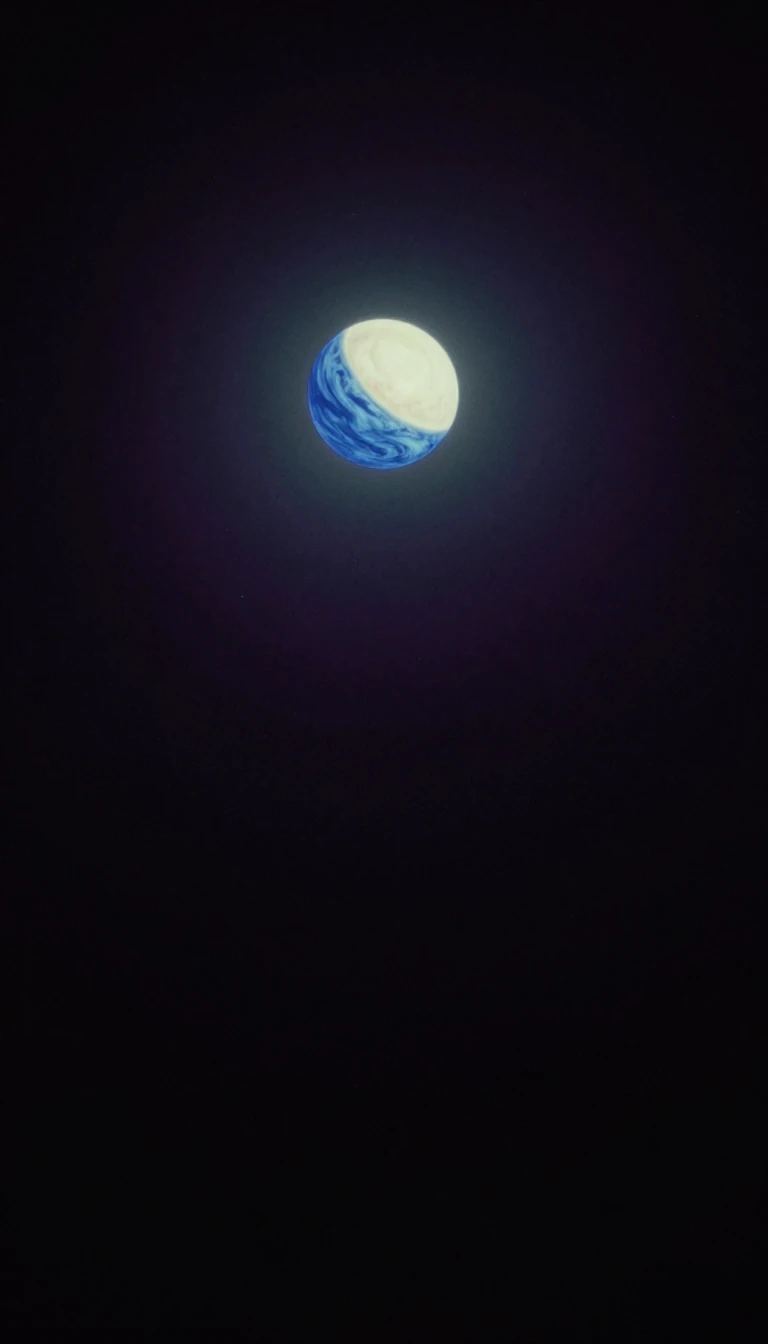 Why a planet twice as massive isn't always twice as heavyGravity follows an inverse square law, meaning distance matters just as much as mass. If you double a planet's size, its surface gravity doesn't simply double; it depends entirely…
- The Moon once possessed a thick atmosphere capable of driving windstormsWhile the Moon today is a dry desert of near-vacuum, recent research suggests a much more dynamic past. Billions of years ago, a significant atmosphere likely existed, potentially…
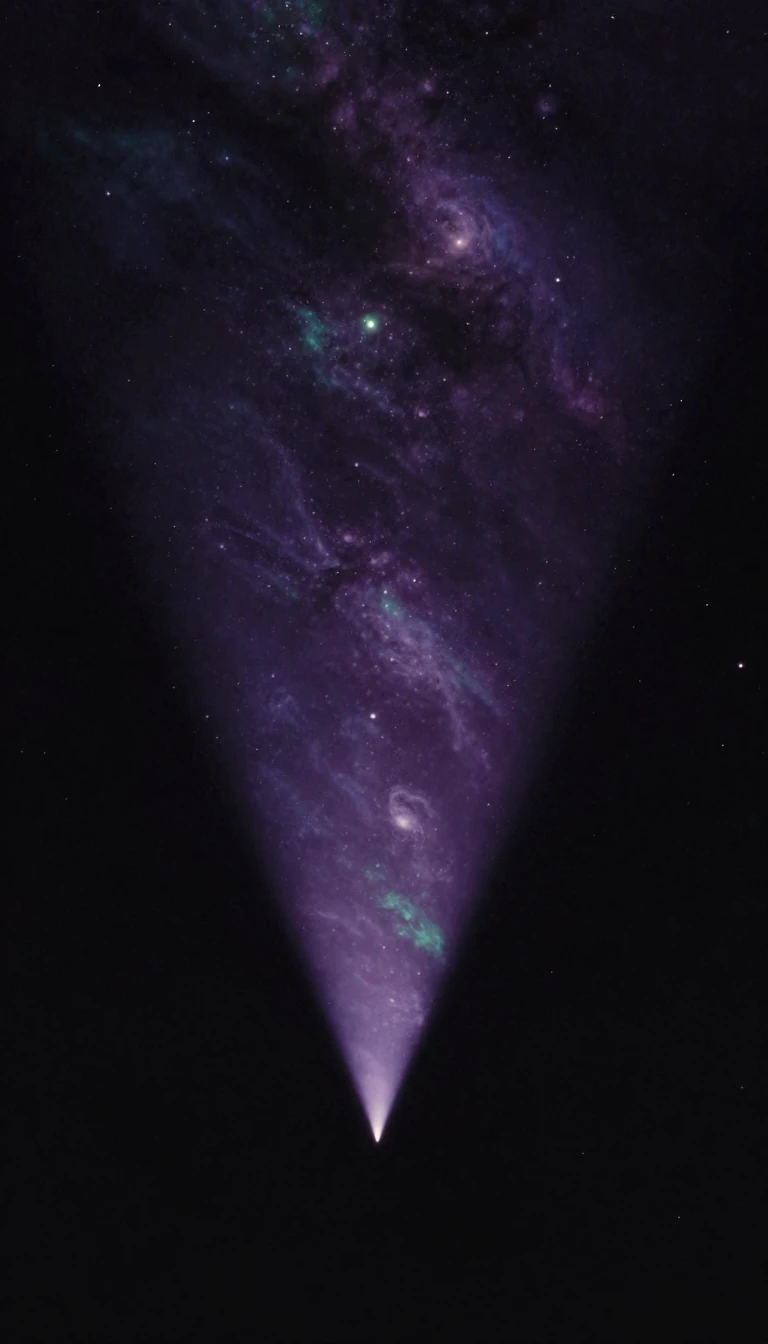 The boundaries of reality are defined by the speed of light.In our universe, causality is not merely a rule but a geometric constraint. Because nothing travels faster than light, every event is trapped within a specific boundary. This stru…
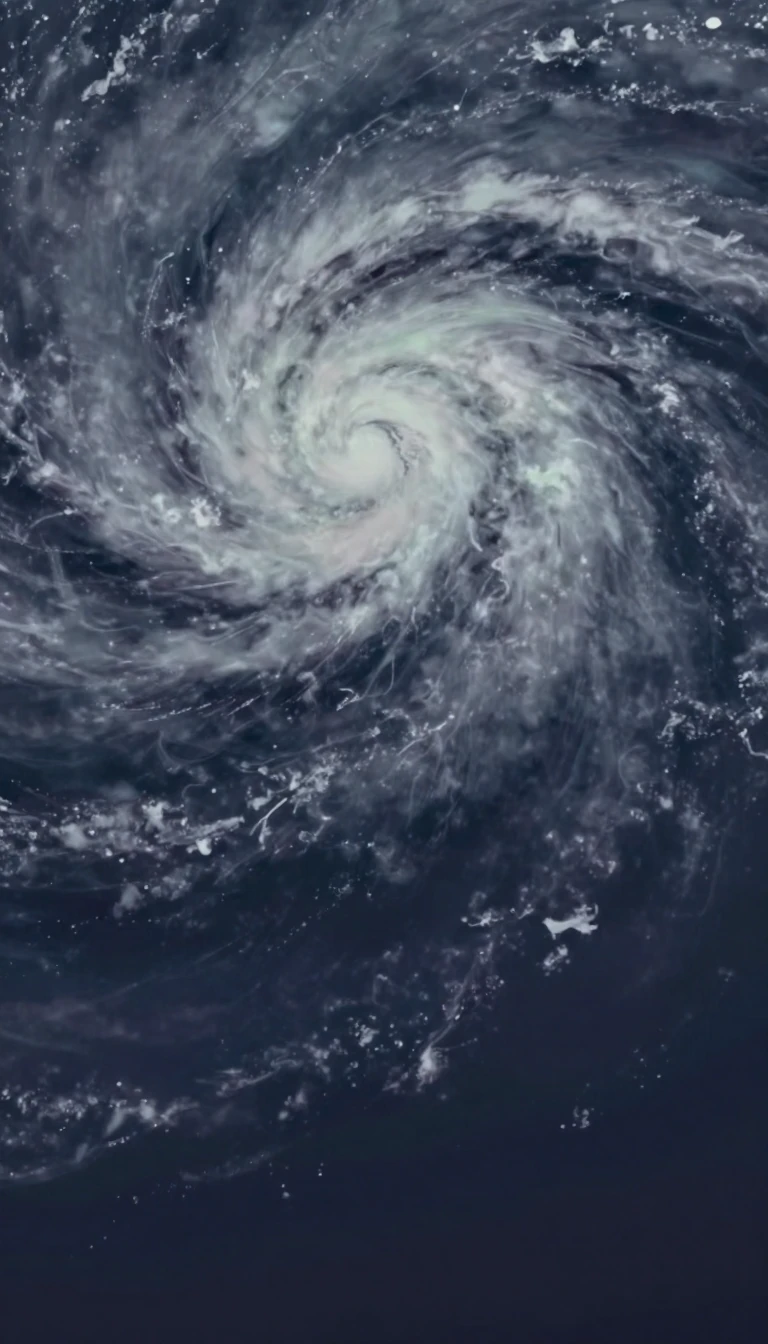 European windstorms are the world's second-largest source of natural catastrophe insurance lossWhile hurricanes often dominate the headlines, the powerful extratropical cyclones sweeping across Europe carry a staggering economic weight. These storms are so destructive that …
- Every journey through the Earth could take exactly forty-two minutesImagine a straight tunnel through the planet where gravity provides all the propulsion. From Houston to Dallas or even Houston to Paris, the travel time remains constant. This the…
 Why the sky doesn't actually signal the ground's next moveFrom ancient Greek caves to modern cloud formations, humans have long sought signs in the atmosphere to predict seismic shifts. While the idea of earthquake weather is a persisten…
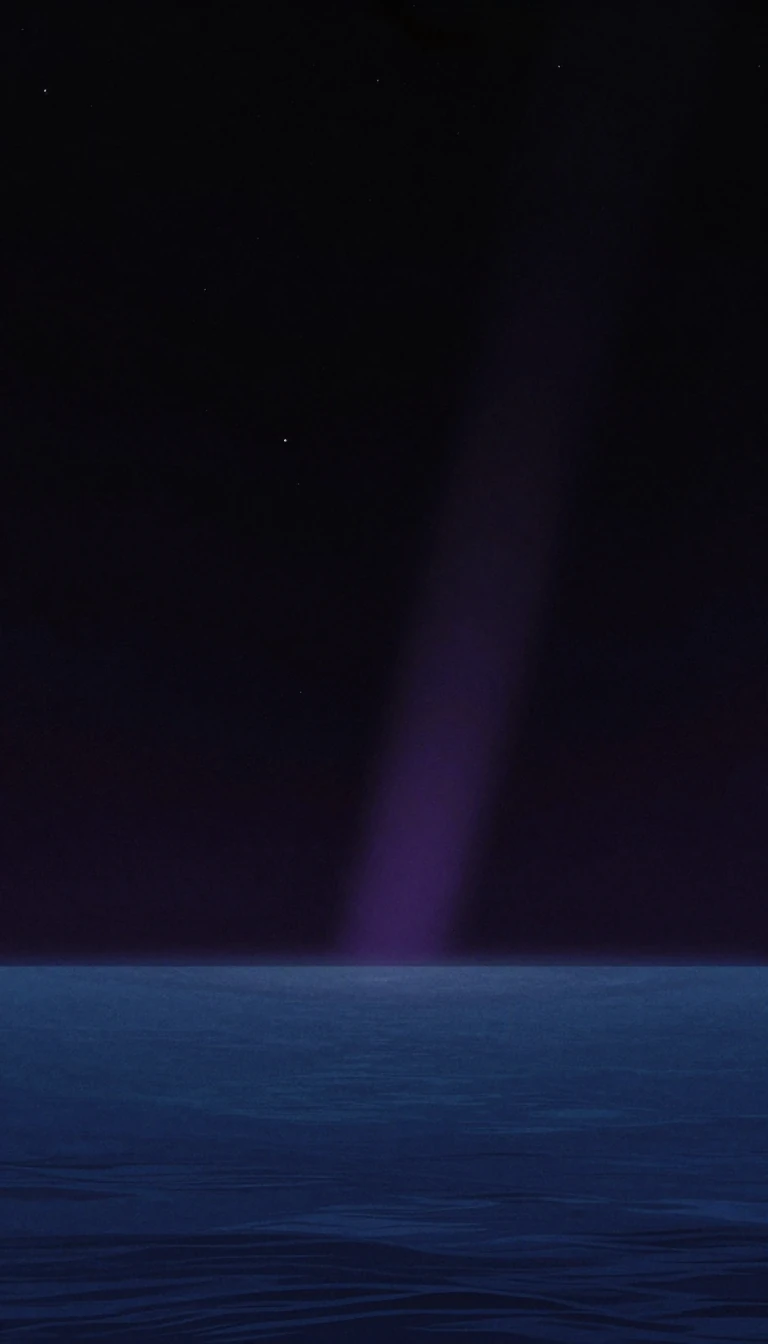 Is dark energy constant? New data suggests it might be changing.For decades, physicists treated dark energy as a steady, unchanging force pushing the universe apart. But recent data from the Dark Energy Spectroscopic Instrument (DESI) has thro…
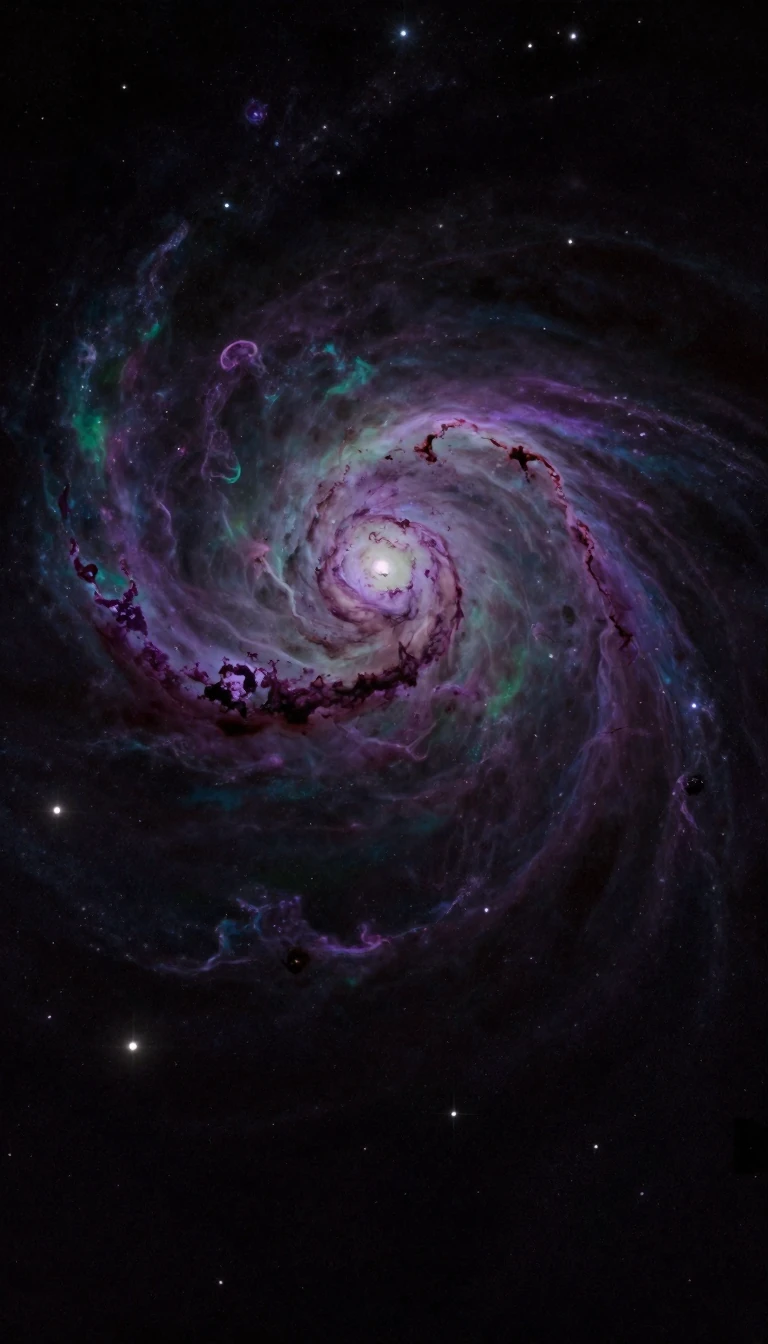 Mapping the invisible: how one telescope is charting the dark universeMost of our universe is invisible. To understand the mysterious forces of dark energy and dark matter, the Euclid mission is performing a massive, six-year survey, measuring the s…
- Could a single asteroid impact trigger a storm the size of North America?Imagine a hurricane with winds of 600 miles per hour, capable of punching holes through the stratosphere. While today's most intense cyclones are powerful, the hypothetical hyperc…
- Why some massive peaks aren't actually volcanoesNot every towering mountain is a volcano. While Aconcagua dominates the South American skyline, it fails the test of being an eruptive volcanic center. To join the elite Volcanic …
 The mysterious North Atlantic cold blob might be a warning signWhile global sea temperatures have risen by about 1.8 degrees Fahrenheit since 1900, a specific patch of the Atlantic south of Greenland and Iceland is doing the opposite. This ch…
- The celestial racetrack: Why Jupiter and Saturn's meeting is so rareEvery 20 years, the solar system's two giants perform a cosmic overtake. While they appear to merge in our night sky, they remain hundreds of millions of miles apart. This 'Great …
- Jupiter is the solar system's ultimate blueprint for originsBy studying the King of Planets, scientists aren't just looking at a gas giant; they are looking back in time. Jupiter’s chaotic history may hold the secrets to how our entire sol…
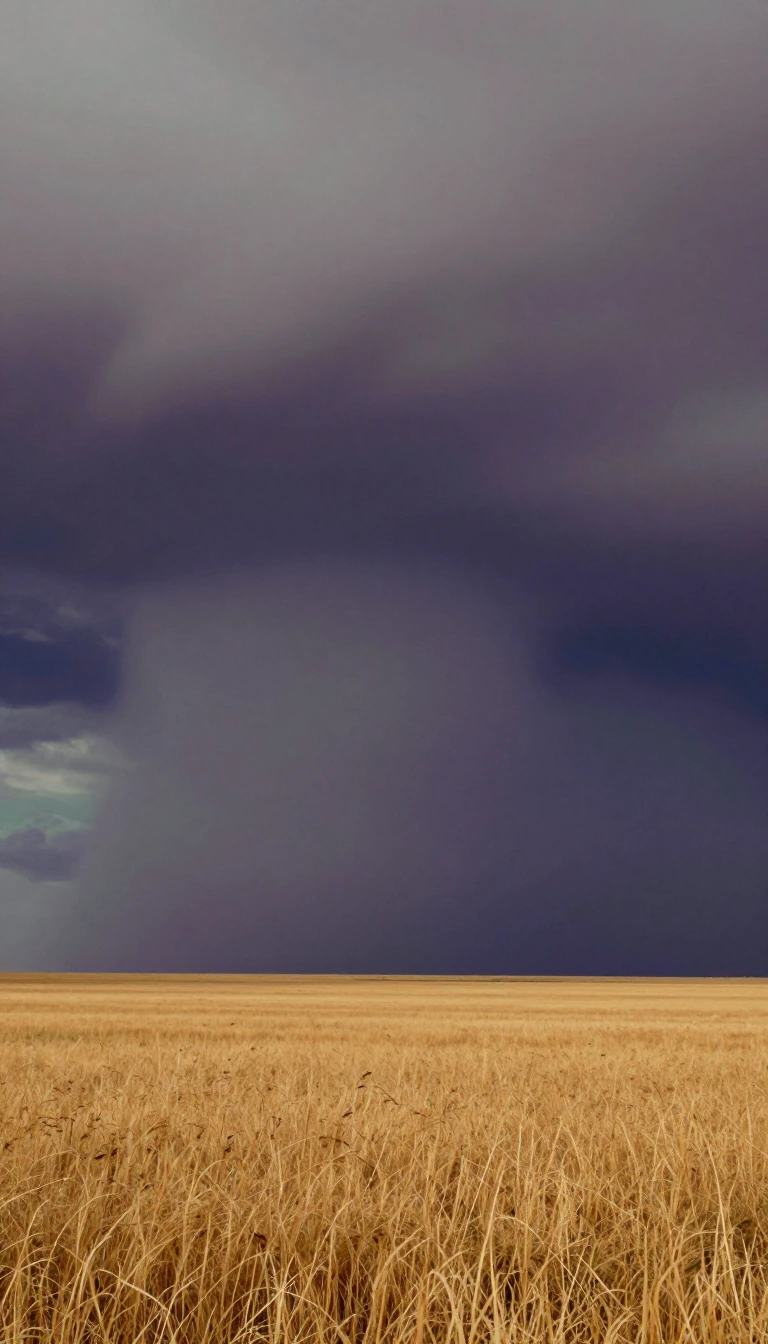 The archer's bow that can devastate entire citiesIt looks like a curved weapon on radar, but this atmospheric phenomenon is a powerhouse of destruction. Known as a bow echo, these organized thunderstorm systems generate intense …
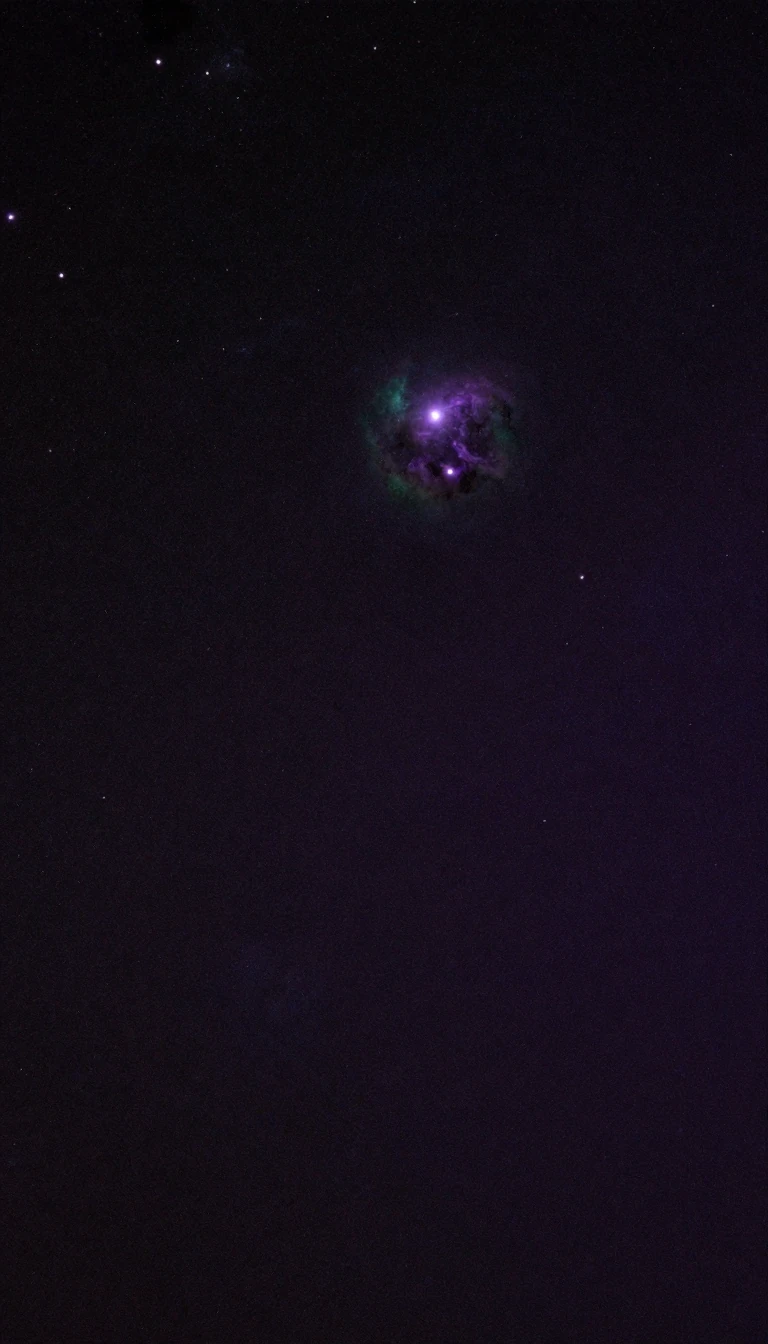 The massive, coal-black behemoth lurking in our solar systemAstronomers have identified a comet nucleus so large it dwarfs the state of Rhode Island. Traveling at 22,000 miles per hour, this icy giant is much larger and heavier than typica…