 Intellect Plus
Nature
11,198 cards. Each one is a 40-second story with a five-minute read behind it. Page 127 of 187.
Subtopics: Ageing · Air · Animal behaviour · Animal breeds and hybrids · Animals · Arthropods · Atmosphere · Big cats · Bilateria, others · Birds · Botany · Cnidarians · Conservation · Coral reefs · Deep sea · Deserts · Dinosaurs · Earth science · Earth science and physical geography · Earth science basics · Earthquakes & tsunamis · Echinoderms · Ecology · Ecosystems · Endangered species · Extinct animals · Farming · Fish · Forests · Fungi · General classifications · Geology · Geomorphology · How Long Can It Live? · Ice · Individual animals · Insects · Lightning · Longevity · Mammals · Marsupials · Migration · Mollusks · Ocean · Organisms · Parasites · Physical geography · Plants · Porifera · Predators · Primates · Rainforest · Reptiles & amphibians · Researched · Sharks & rays · Spiders & arachnids · Symbiosis · Trees · UK & Ireland: nature · Vertebrates · Vision · Volcanoes · Water · Waves · Weather · Whales & dolphins · Zoology
 How the Philippines became a unique religious mosaic in the heart of East AsiaWhile Catholicism dominates the Philippine landscape, the nation is a complex tapestry of faith. From indigenous Anitism and Sunni Islam to a vibrant array of locally initiated ch…
 The Ross Ice Shelf is a massive, floating brake system for Antarctic glaciers.Roughly the size of France, the Ross Ice Shelf is a colossal, shifting plate of ice that acts as a stabilizer for the West Antarctic Ice Sheet. While early explorers viewed this m…
 The massive ice sheet that carved North America's landscape and dictated global climate patternsFor millions of years, a colossal ice sheet dominated North America, sculpting the Great Lakes and reshaping the continent's entire surface. Its immense weight and eventual meltin…
 Is Kalamazoo a real place, or just a punchline for exotic travel?The name Kalamazoo sounds so whimsical that the city has become a cultural shorthand for the middle of nowhere. Yet, this Michigan hub is a genuine center of industry and innovati…
 The ruffed grouse creates a thunderous sound by beating its wings against thin airThis elusive forest bird is famous for a unique courtship ritual that sounds like a distant engine starting. Instead of using its voice, the male grouse creates a low-frequency, r…
 The Philippine tarsier is a tiny, nocturnal primate with eyes larger than its brain.With eyes that cannot move in their sockets, this fist-sized primate relies on a rotating head to scan the forest. It is a master of the leap, using elongated ankle bones to launc…
 From tea house sideline to global staple, the story of the humble shumai dumpling.Originally a modest snack sold as a side to tea, shumai has evolved into a diverse global phenomenon. From the mutton-filled flower shapes of Inner Mongolia to the tomato-sauce-dr…
 Is the black walnut tree a toxic neighbor or just a misunderstood pioneer?The eastern black walnut is a botanical powerhouse, prized for its deep-brown timber and distinctively flavored nuts. Yet, it carries a reputation for chemical warfare against nea…
 The popular houseplant known as a money tree is likely a case of mistaken identity.The braided money tree sitting in your living room is probably not the tropical wetland species you think it is. While marketed as Pachira aquatica, most commercial specimens are …
 The fancy mouse is a centuries-old tradition of selective breeding for exhibition and companionship.Beyond the common house mouse, the fancy mouse represents a specialized lineage curated for specific colors, coat textures, and temperaments. These pocket-sized pets are the resul…
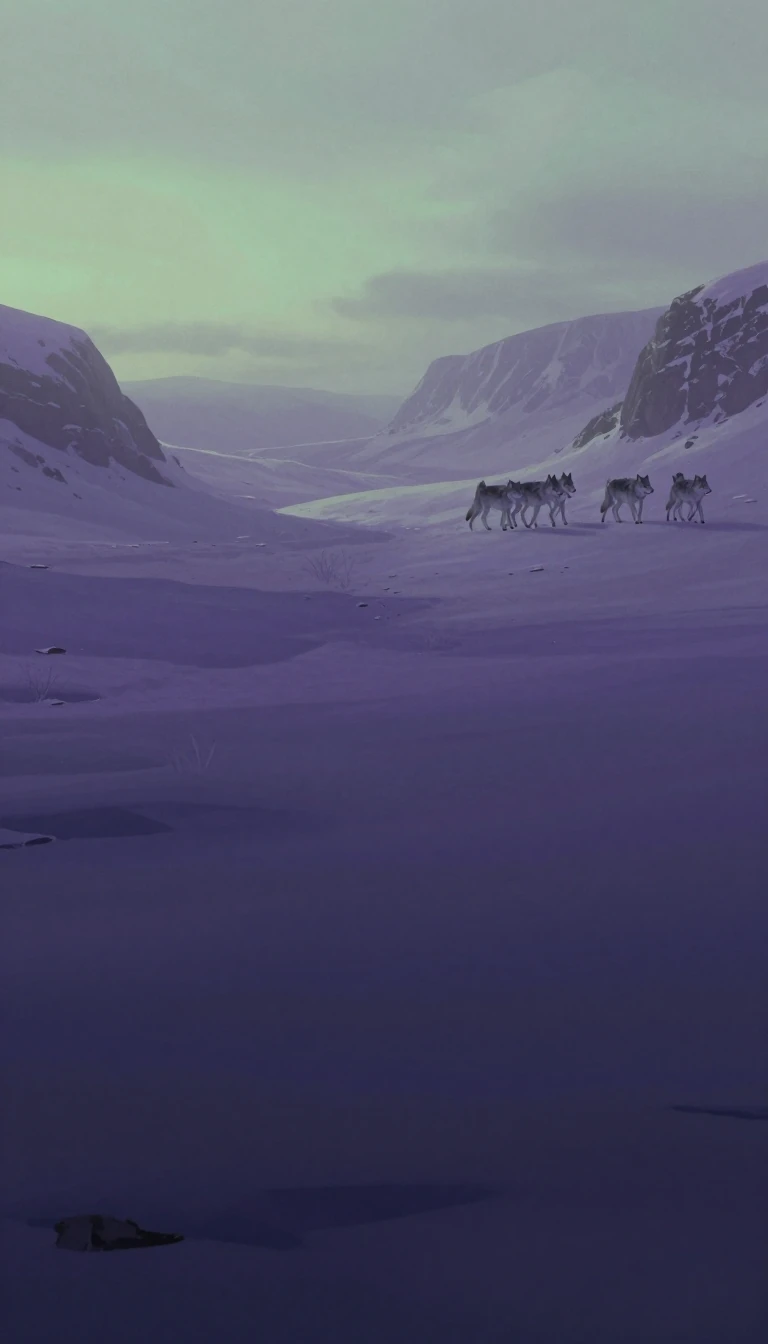 The mysterious Fuegian dog was likely a tamed wild fox, not a true dog.For centuries, the indigenous peoples of Patagonia lived alongside a peculiar canine that defied easy classification. Neither fully wild nor entirely domestic, these animals serve…
 The golden snub-nosed monkey thrives in freezing mountain forests where other primates cannot survive.Endemic to high-altitude Chinese forests, these primates endure colder temperatures than any other non-human primate. They survive on a seasonal diet dominated by lichens and navi…
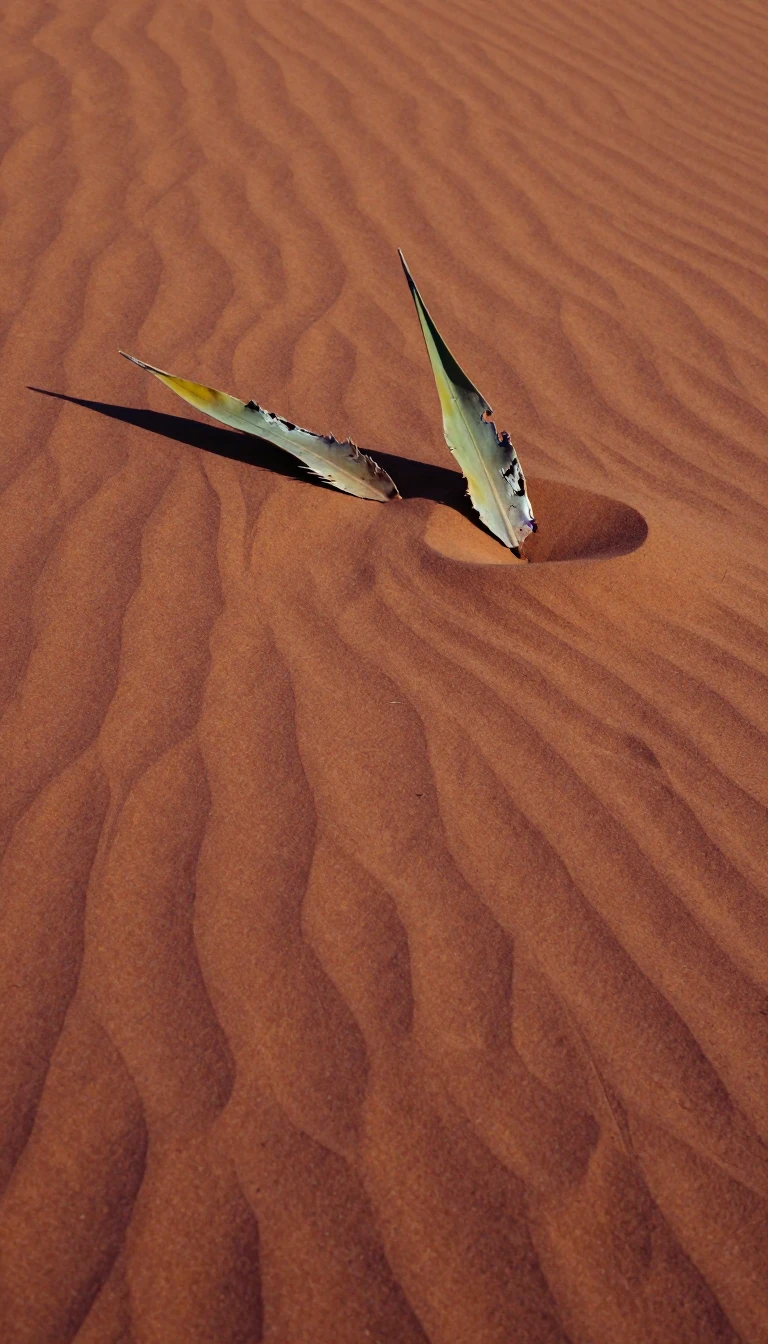 Why some plants refuse to shed their leaves even in the harshest wintersEvergreens do not simply hold onto their leaves; they employ a sophisticated survival strategy. By retaining foliage year-round, these plants adapt to nutrient-poor soils and extr…
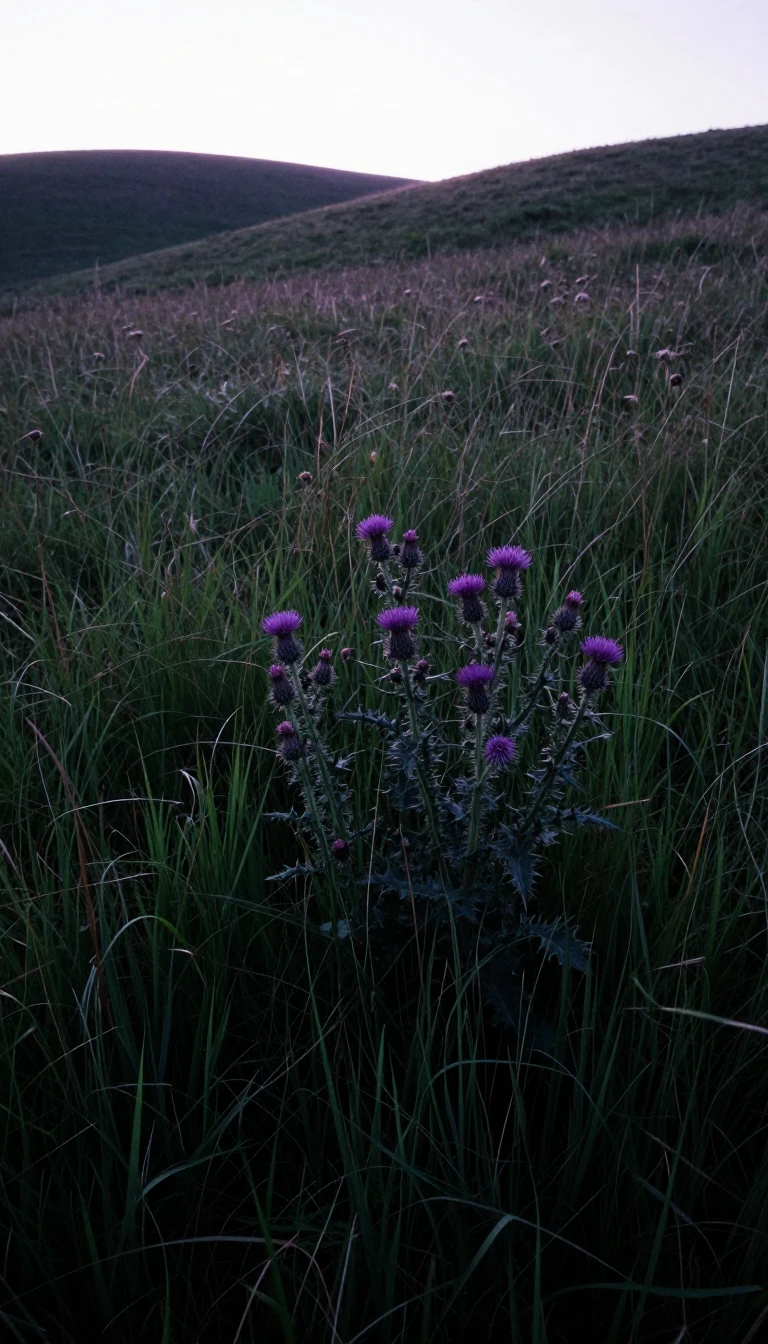 Why the humble hazel tree was once considered the Swiss Army knife of natureFrom ancient Celtic myths of wisdom-granting salmon to the modern naming of ballistic missiles, the hazel genus has left an indelible mark on human culture. Beyond its legendary s…
 What defines a true horn, and why do we confuse them with antlers?True horns are permanent, keratin-covered bone structures found primarily in ruminants like cattle and goats. Unlike antlers, which are shed annually and consist of dead bone, hor…
 The bar-tailed godwit completes the longest non-stop migration of any animal on Earth.Covering over 13,000 kilometers in a single flight, the bar-tailed godwit pushes biological limits. To fuel these epic journeys between the Arctic and the Southern Hemisphere, the…
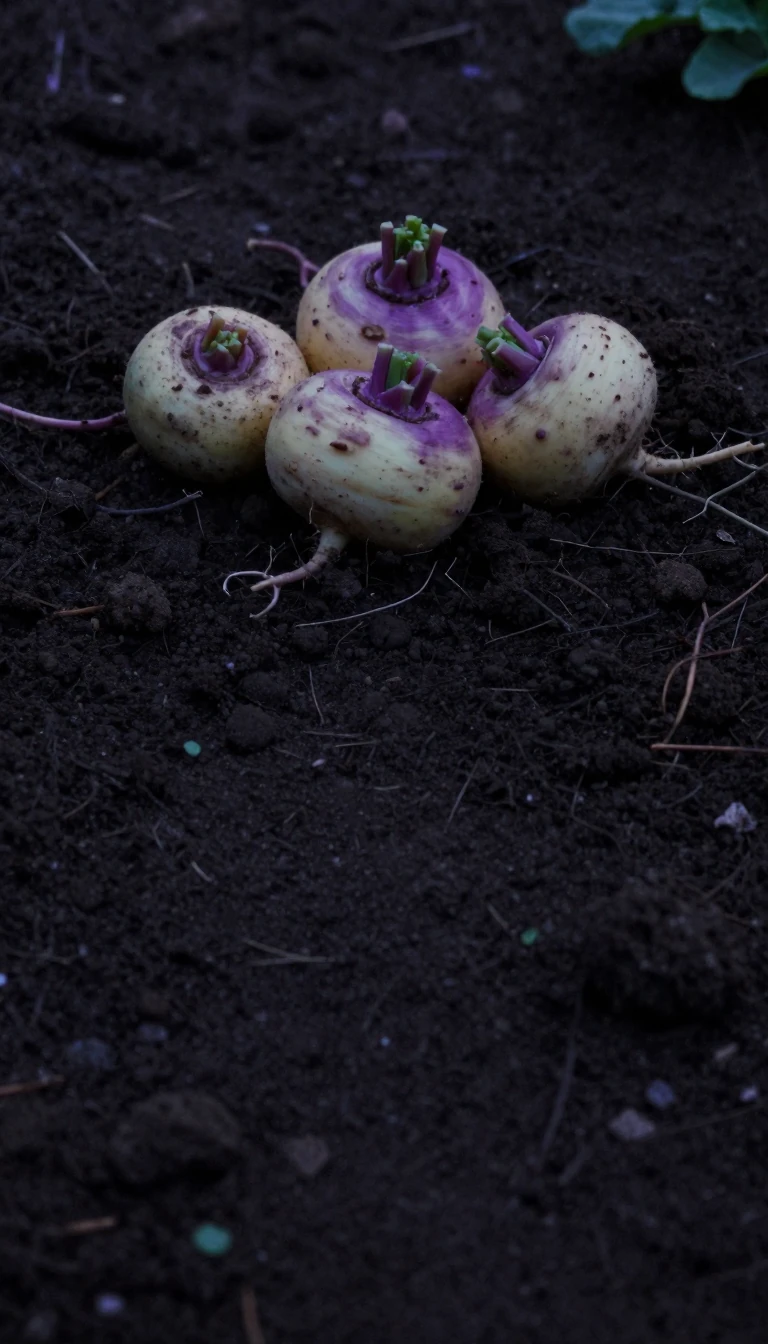 Why your favorite vegetables are all the same plant in different disguisesFrom the crunch of kale to the florets of broccoli, many common vegetables are actually the same species: Brassica oleracea. Through centuries of artificial selection, humans have…
- From turnip to canola, one humble plant species has conquered the global dinner table.Brassica rapa is a botanical chameleon. Depending on how humans have steered its evolution over thousands of years, this single species manifests as a crunchy root vegetable, a le…
 The complex social survival strategies of the chacma baboon in southern AfricaThe chacma baboon is one of the world's largest monkeys, thriving across diverse African landscapes from deserts to alpine slopes. Beyond their formidable size and sharp canines, …
 Chives are the only member of the onion family native to both hemispheres.While you likely know them as a mild garnish for potatoes or omelettes, chives are a botanical anomaly. As the only Allium species native to both the Old and New Worlds, this resi…
- Why this fragrant grass is named after a boat and a beardThe genus Cymbopogon, commonly known as lemongrass, derives its name from the Greek words for boat and beard. This botanical quirk describes the plant's unique anatomy, where hair…
 The Japanese maple is a masterclass in genetic diversity and centuries of human selection.Known for its delicate, hand-shaped leaves and vibrant seasonal shifts, the Japanese maple is far more than a garden ornament. This woody species, native to East Asia, has been sh…
 How a tiny family living in the walls became a global cinematic phenomenonStudio Ghibli's 2010 film Arrietty reimagines Mary Norton's classic novel about miniature people who survive by borrowing human trinkets. Beyond its charming premise, the film ser…
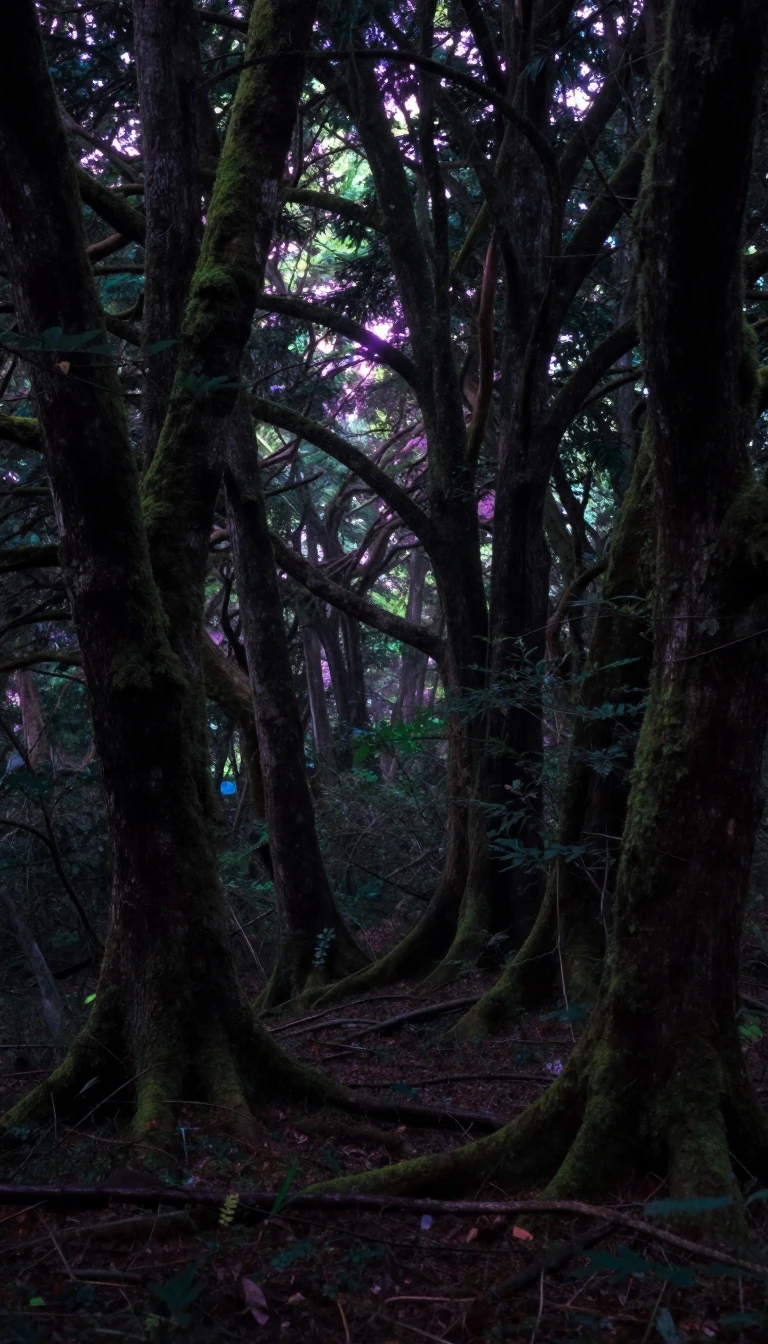 Why old-growth forests are more than just a collection of very ancient treesOld-growth forests are complex, self-sustaining ecosystems defined by structural diversity rather than just age. These landscapes, characterized by multilayered canopies, decaying…
 Plywood is an engineered marvel that turns simple wood into high-strength, stable structural panels.By stacking thin wood veneers with alternating grain directions, engineers create a composite material that resists splitting, warping, and shrinking. This cross-graining techniqu…
 How ancient astronomers used a simple geometric trick to map the entire celestial sphere.The stereographic projection transforms a sphere into a flat plane, a feat that has powered everything from ancient star charts to modern complex analysis. While it cannot preserv…
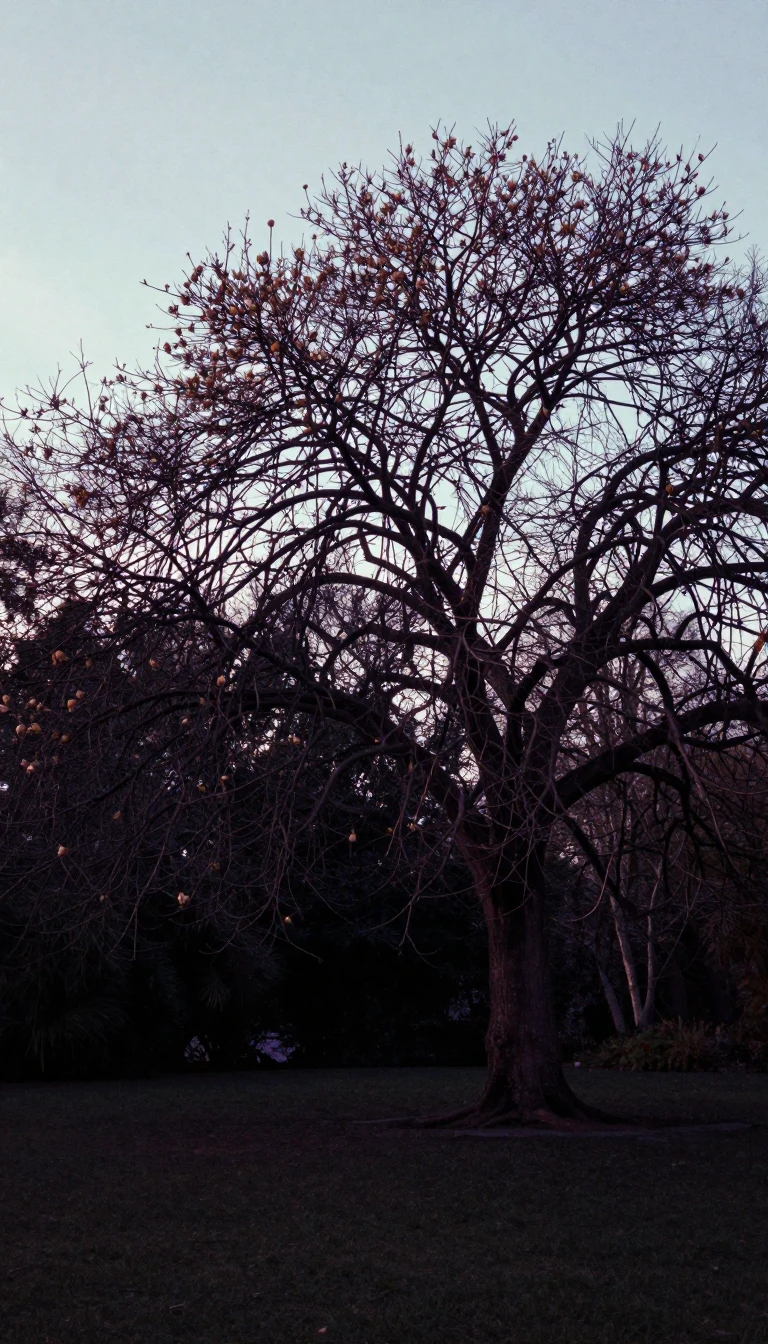 The red maple is North America's most abundant native tree, but it is toxic.Acer rubrum is a botanical chameleon, thriving from swampy depressions to dry ridges across the continent. While celebrated for its brilliant autumn foliage and rapid growth, this…
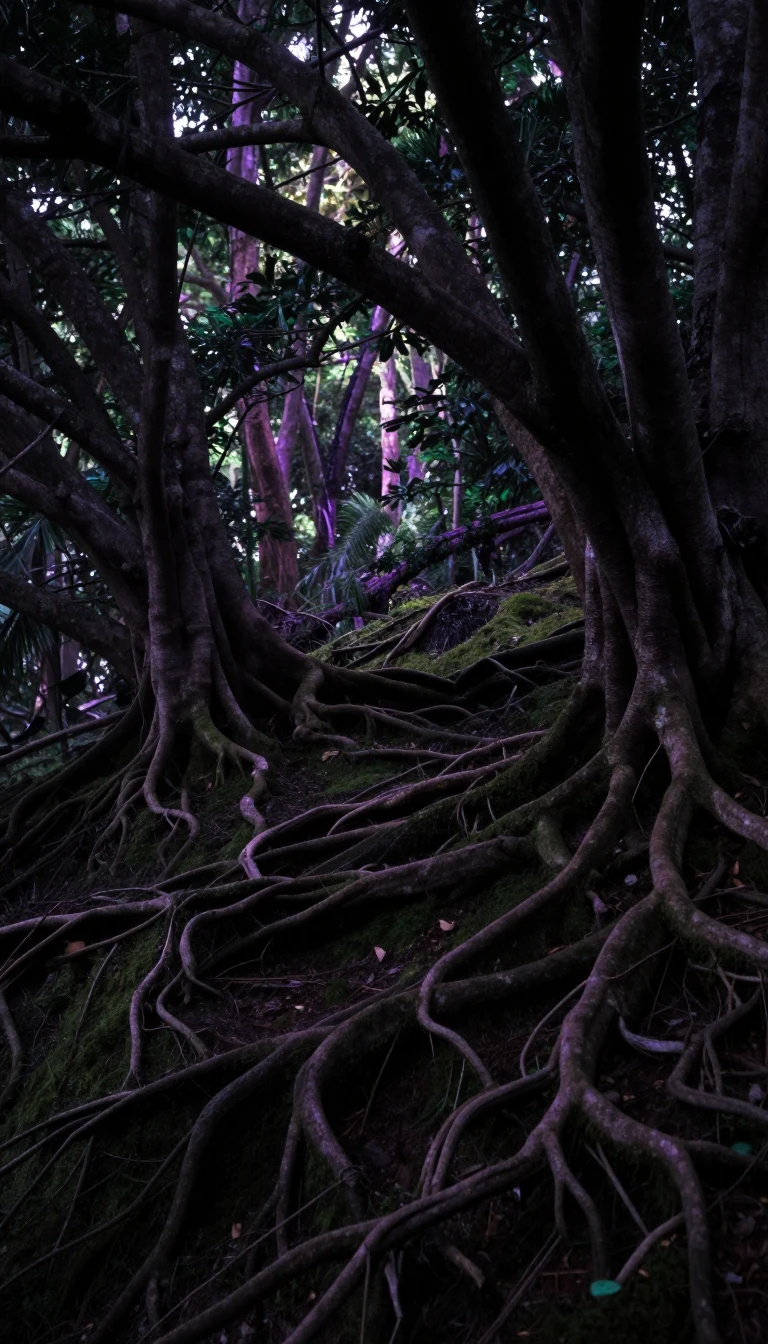 The sugar maple is a forest giant that requires freezing temperatures to surviveBeyond its iconic autumn colors and role as the primary source of maple syrup, the sugar maple is a biological marvel. It engages in hydraulic lift to nourish surrounding plants a…
 How 2015 Indonesian forest fires choked Southeast Asia for monthsIn 2015, a massive air pollution crisis blanketed Southeast Asia, caused by slash-and-burn farming on Indonesian peatlands. Exacerbated by El Niño, the haze triggered states of em…
 Barstow is a desert crossroads where ancient trade routes meet modern space explorationDeep in California's Mojave Desert, Barstow serves as a vital transit hub. From prehistoric indigenous trade paths to the historic Old Spanish Trail and today's major interstate h…
 Pacific temperate rainforests are the last global stronghold where ancient conifers still dominate landscapesWhile tropical rainforests capture the spotlight, the temperate rainforests of North America hold a secret. They are the only place on Earth where conifers still reign supreme, ju…
 Borneo's lowland rainforests host more plant species than the entire continent of Africa.Spanning over 400,000 square kilometers, the lowland rainforests of Borneo represent the world's most diverse botanical hub. From the massive, white-trunked Koompassia excelsa to …
 The boreal forest is a vast, unbroken green belt stretching across northern North America.Spanning from the Aleutian Islands to Newfoundland, the boreal forest is a dense, coniferous domain. While often viewed as a static landscape, this massive ecosystem is a dynamic,…
 The 'ch' sound is a complex mechanical feat of tongue, teeth, and airflowYou use it every time you say chip, but the voiceless postalveolar affricate is more than just a letter. It is a precise physical maneuver requiring a total stop of breath followe…
 Why the familiar sh-sound in ship is a linguistic marvel of tongue and airThe sound you make when asking for silence is more than a simple noise. Known to linguists as the voiceless postalveolar fricative, this sibilant requires precise tongue placement…
 Is Konkani a distinct language or a dialect of Marathi? The history is complex.Spoken along India's western coast, Konkani is an Indo-Aryan language with a deep, fragmented history. Often overshadowed by Marathi, it is a linguistic fusion shaped by centuries…
 The Saint Thomas Christians: An Ancient Indian Community With Roots in Syriac TraditionTracing their origins to the 1st-century mission of Thomas the Apostle, the Saint Thomas Christians of Kerala have navigated centuries of colonial pressure, liturgical shifts, and…
- Kanyakumari: The Southern Tip Where Three Oceans Meet and Ancient Legends ConvergeKnown as the Land's End, Kanyakumari marks the southernmost point of mainland India. This coastal town is a convergence of geography and mythology, where the Laccadive Sea meets t…
 The guttural R: how a single sound reshaped the phonetics of Western EuropeThe voiced uvular fricative, represented by the symbol ʁ, is a complex consonantal sound produced by vibrating the vocal cords while constricting airflow at the uvula. Often group…
- The hidden sound in your Tuesday: why we struggle to define the alveolo-palatal fricativeYou might think you know how you say Tuesday, but your tongue is performing a complex, high-frequency maneuver. The voiceless alveolo-palatal fricative, represented by the symbol …
 Is the capacity to suffer the only metric that truly defines animal cruelty?For centuries, humans viewed animals as mere machines or property. Today, science and philosophy challenge this, revealing that animals possess consciousness and complex emotional…
 Why the 'Big Five' were originally hunted and how they define African conservation todayThe term Big Five was not coined by wildlife enthusiasts, but by colonial-era hunters. It refers to the five most difficult African animals to hunt on foot. Today, these charismat…
- Bounty hunters operate in a legal gray zone that dates back to the Middle Ages.Bounty hunters, or fugitive recovery agents, are private contractors hired by bail bondsmen to capture defendants who skip court. Unlike police, they lack state immunity, meaning …
- How Tamil Nadu transformed from an agricultural heartland into India's premier industrial powerhouseTamil Nadu holds the second-largest economy in India, driven by a sophisticated mix of manufacturing, technology, and renewable energy. From being the Detroit of Asia to a global …
- How a Russian-ruled Grand Duchy became a pioneer of European democracyBetween 1809 and 1917, Finland existed as an autonomous Grand Duchy within the Russian Empire. Despite being ruled by a Tsar, the territory maintained its own laws, currency, and …
 Is your social behavior a conscious choice or a reflex triggered by your environment?Social behavior is not a single, fixed trait but a dynamic interplay between your internal temperament and the immediate situation. Whether you are acting with deliberate intent o…
 Jules Verne's survival epic was a literary puzzle of missing secrets and conflicting timelines.Serialized in 1874, The Mysterious Island follows five Civil War escapees who transform a volcanic rock into a technological marvel. Yet, the novel is riddled with chronological e…
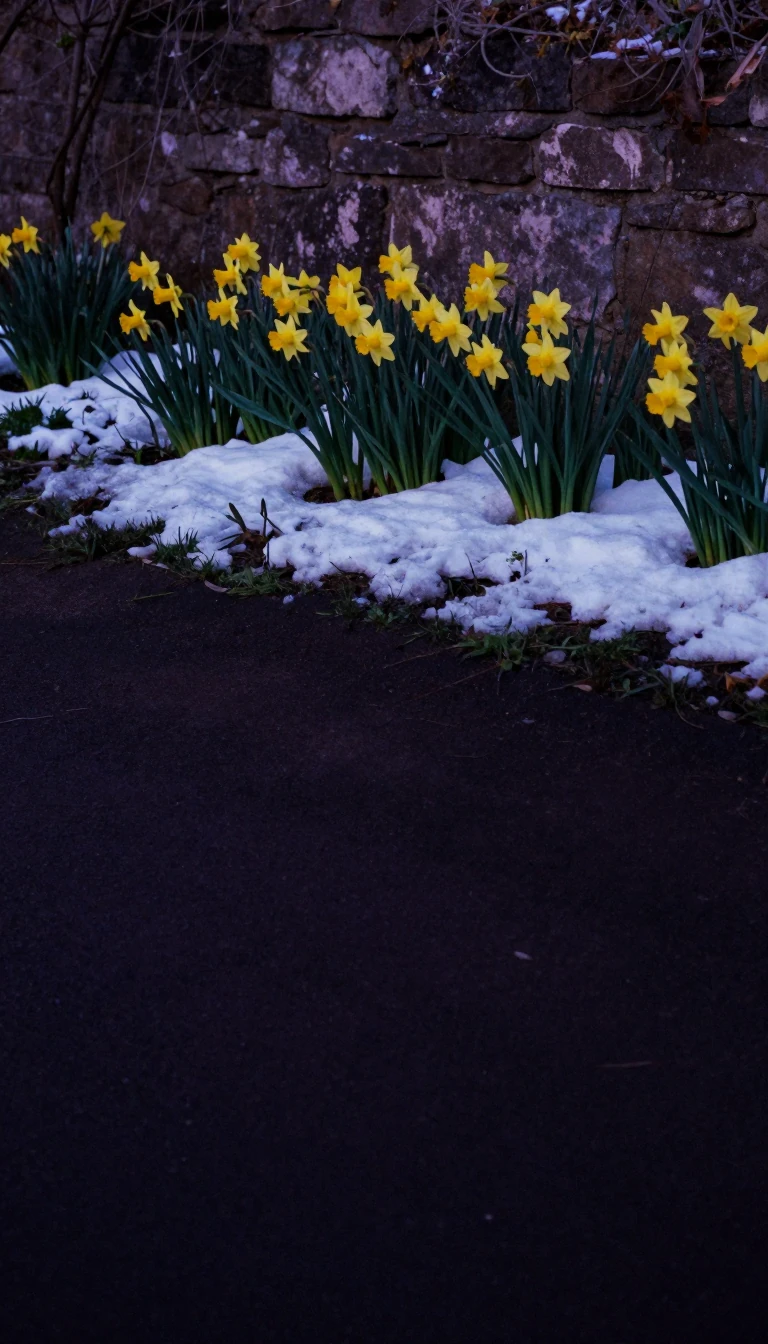 The hardy lingonberry is a boreal survivor that thrives in the world's coldest climatesKnown by many names, including cowberry and partridgeberry, this resilient evergreen shrub dominates the Arctic tundra and boreal forests. While it survives temperatures as low as…
 The world's most popular banana is facing a silent, unstoppable fungal extinction event.The Cavendish banana, a staple of global diets, is under siege by a lethal fungus called Tropical Race 4. Because modern bananas are clones, they lack the genetic diversity to fig…
- The vital green ribbons protecting our rivers are more than just pretty scenery.Riparian zones are the critical interfaces between land and water. These natural biofilters stabilize soil, regulate stream temperatures, and provide essential wildlife corridors.…
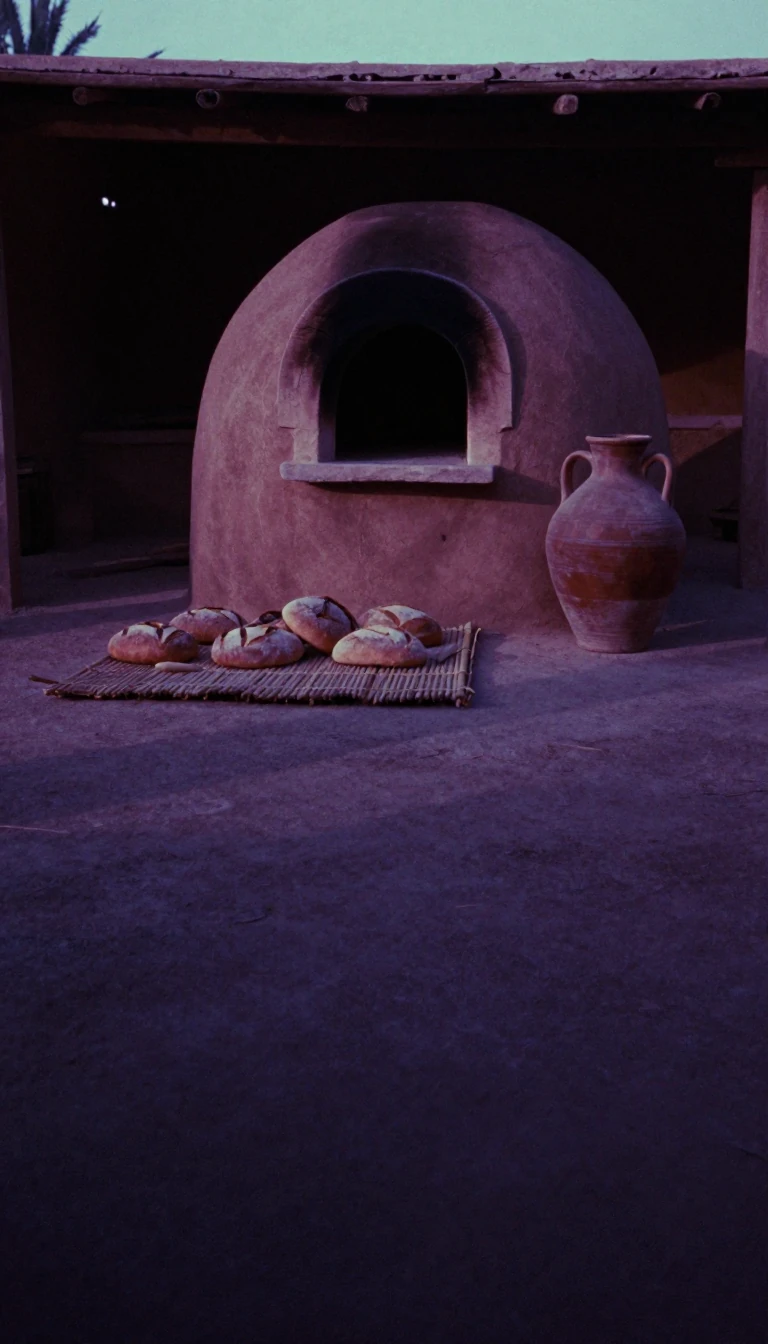 From ancient Sanskrit roots to modern street food, the global evolution of roti.Roti is far more than a simple flatbread. Originating from the Sanskrit word for bread, this unleavened staple has traveled from the Indian subcontinent to become a global phenome…
 The banana you eat is a sterile clone, a complex hybrid of ancient wild species.Modern bananas are not simple fruits but sterile, seedless hybrids. Because they cannot reproduce sexually, every banana you eat is a clone. Their classification is a botanical pu…
 The harpoon is a prehistoric weapon that evolved from simple spears to space-age anchors.For 90,000 years, humans have used harpoons to secure elusive prey. From the bone-tipped spears of the Katanda region to the explosive, cannon-fired projectiles that revolutionize…
- The ancient, slimy, and controversial green leaf that once sparked a royal banMulukhiyah, a dish made from jute leaves, is a staple across the Middle East and Africa. Known for its distinctively mucilaginous, or slimy, texture, it has been a culinary obsess…
 How the Haida Nation reclaimed their ancestral territory after centuries of colonial pressureThe Haida people have navigated centuries of existential threats, from devastating smallpox epidemics to the forced suppression of their language and the potlatch ceremony. Today,…
 Marburg virus: A lethal hemorrhagic pathogen with a complex, century-long evolutionary historyDiscovered in 1967 after laboratory outbreaks in Germany and Yugoslavia, the Marburg virus remains one of the world's most dangerous pathogens. Despite its classification as a hig…
 France balances a sophisticated social market with persistent fiscal challenges and state-led industrial strategy.France operates a complex, highly developed economy where the state remains a central player. While it ranks among the world's most innovative nations and leads in sectors like ae…
 Is Australia's legendary economic resilience finally meeting its match in the modern era?Australia famously avoided a technical recession for nearly three decades, earning a reputation for unmatched stability. Yet, recent years have introduced a complex mix of stagnan…
 How North Korea’s centrally planned economy balances state control with hidden market forcesNorth Korea maintains a rigid, state-run economy rooted in the ideology of Juche, yet it has long grappled with the rise of informal markets. From the collapse of the Soviet Union…
 Is this syrup-soaked semolina cake named for a kiss or a tiger?Basbousa, the beloved semolina dessert found across the Middle East and Balkans, carries a history as layered as its ingredients. Whether you call it revani, nammoura, or harisa, …