 Intellect Plus
Nature
11,198 cards. Each one is a 40-second story with a five-minute read behind it. Page 131 of 187.
Subtopics: Ageing · Air · Animal behaviour · Animal breeds and hybrids · Animals · Arthropods · Atmosphere · Big cats · Bilateria, others · Birds · Botany · Cnidarians · Conservation · Coral reefs · Deep sea · Deserts · Dinosaurs · Earth science · Earth science and physical geography · Earth science basics · Earthquakes & tsunamis · Echinoderms · Ecology · Ecosystems · Endangered species · Extinct animals · Farming · Fish · Forests · Fungi · General classifications · Geology · Geomorphology · How Long Can It Live? · Ice · Individual animals · Insects · Lightning · Longevity · Mammals · Marsupials · Migration · Mollusks · Ocean · Organisms · Parasites · Physical geography · Plants · Porifera · Predators · Primates · Rainforest · Reptiles & amphibians · Researched · Sharks & rays · Spiders & arachnids · Symbiosis · Trees · UK & Ireland: nature · Vertebrates · Vision · Volcanoes · Water · Waves · Weather · Whales & dolphins · Zoology
 How the global economy relies on massive, specialized vessels to transport liquid energyOil tankers are the silent workhorses of the global economy, moving billions of metric tons of petroleum annually. From early experiments with leaky wooden barrels to today's ultr…
 Why Indonesia is abandoning its sinking capital to build a city in the jungleJakarta is drowning, sinking up to 15 centimeters annually as its 30 million residents struggle with pollution and floods. In response, Indonesia is carving a new capital, Nusanta…
 Why do some nations have dozens of official languages while others have none at all?An official language is more than a linguistic label; it is a government tool for administration, education, and legal authority. While some countries like Bolivia recognize 37 la…
 Nunavik is a vast, frozen territory in northern Quebec with a unique genetic history.Covering over 440,000 square kilometres, Nunavik is the ancestral homeland of the Inuit of Quebec. This subarctic region, defined by its tundra and extreme climate, is home to a p…
 Why the North Atlantic right whale was once considered the perfect target for whalersThese massive marine mammals earned their name because they were the right whales to hunt. Their high blubber content ensured they floated after death, making them easy to recover…
 The story of Noah's Ark predates the Bible by over a thousand years.Long before the Genesis account, ancient Mesopotamian cultures told of a global flood and a hero who built a massive vessel to survive it. While modern searches for the physical A…
 How the Democratic Republic of Vietnam managed its internal geography through autonomous regionsFollowing the 1954 partition of Vietnam, the northern government adopted a centralized, Soviet-style administrative structure. To maintain control over diverse tribal minorities, …
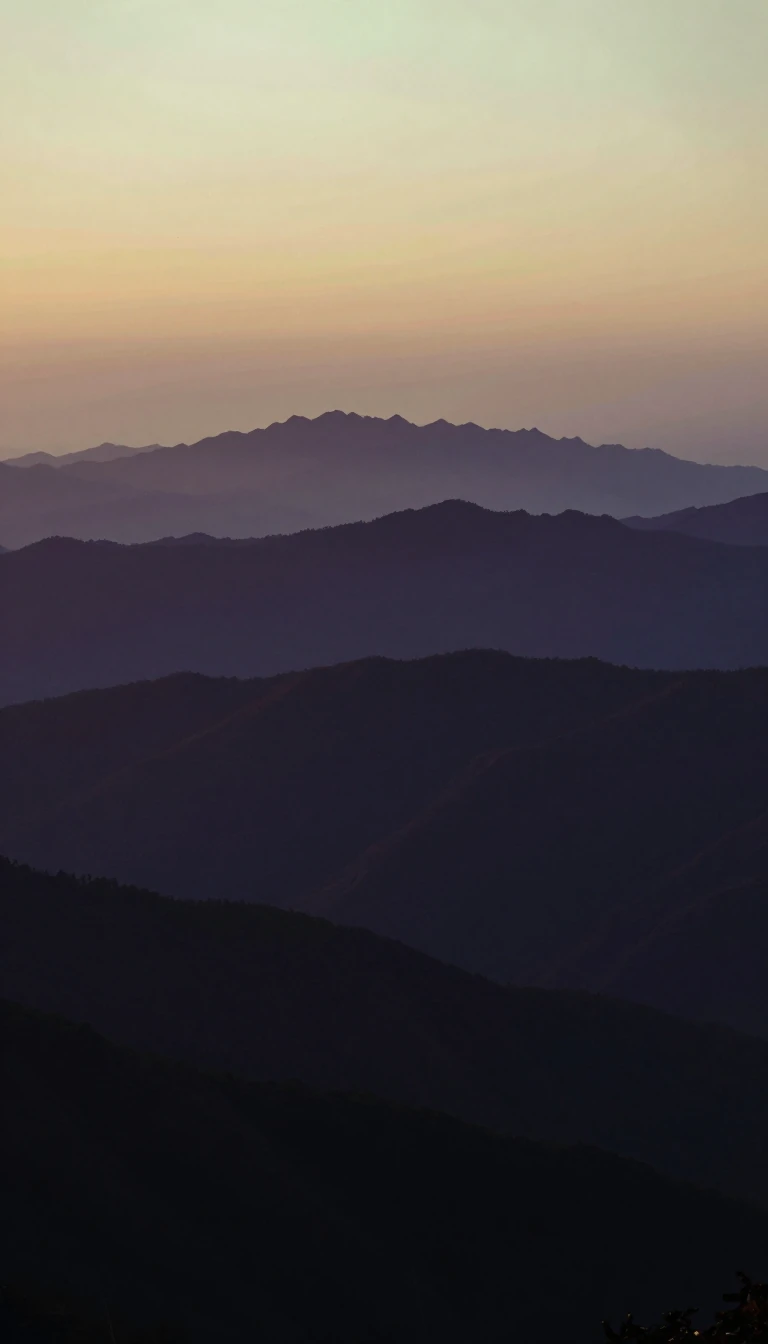 The Caucasus Mountains act as a massive climatic wall between Europe and AsiaRising between the Black and Caspian Seas, the Caucasus range is more than a geographic border. This formidable barrier dictates the weather for entire regions, trapping subtropic…
 A tiny, 17-kilometer border between Russia and North Korea holds a massive geopolitical history.Russia and North Korea share one of the world's shortest international borders, defined by the Tumen River. While seemingly minor, this 17-kilometer terrestrial boundary is the re…
 The Netherlands Antilles was a Caribbean country that existed for over half a century.Spanning two distinct island groups hundreds of miles apart, the Netherlands Antilles functioned as a single autonomous nation within the Dutch Kingdom from 1954 until its dissolu…
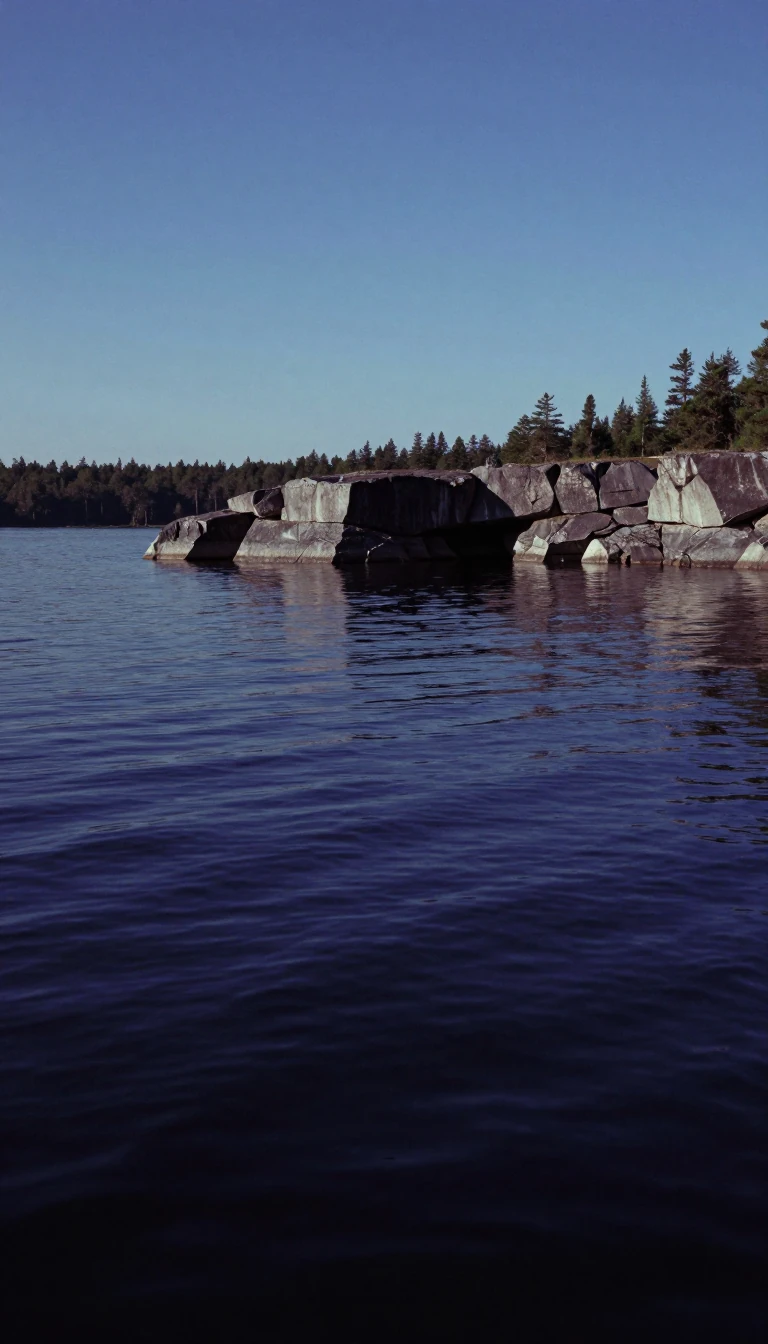 The Niagara Escarpment is not a fault line, but a masterpiece of differential erosion.While famous for the thundering cataract at Niagara Falls, this massive geological ridge stretches over 1,000 kilometers across North America. It is not a tectonic fault, but a re…
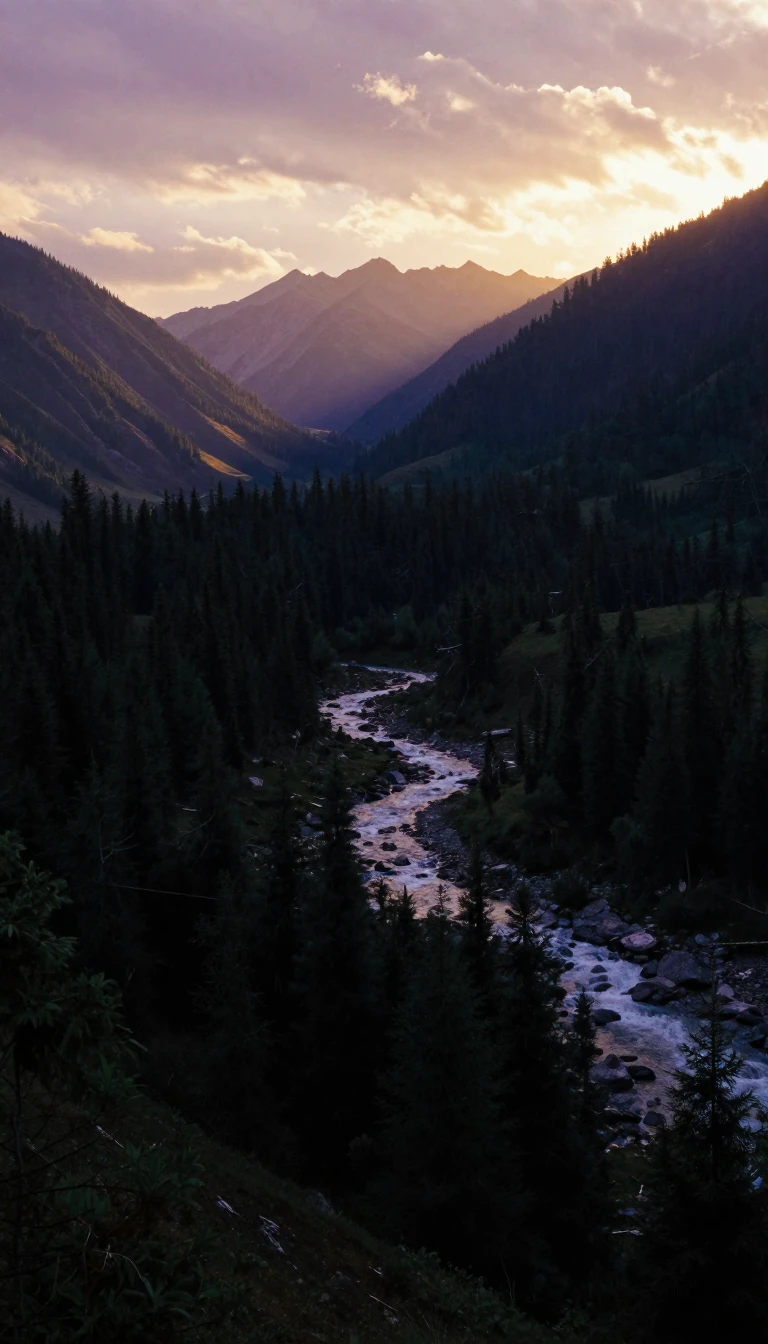 The Niagara River is a 12,000-year-old drainage system powering North American industry todayFlowing north between Lake Erie and Lake Ontario, the Niagara River is more than a scenic wonder. This 35-mile waterway serves as a vital international border, a historic path to …
 Was the Great Flood a global event or a localized divine intervention?In Islamic tradition, Noah—or Nuh—is a foundational prophet and the first messenger sent by God to warn humanity against idolatry. While his 950-year mission and the construction …
 Why the famous Centre of New Zealand monument is not actually the centre at allPerched on Botanical Hill, the Centre of New Zealand walk is a popular destination for visitors. Yet, despite its name, the monument does not mark the country's geographic midpoin…
 How ancient Hawaiian society engineered a self-sustaining paradise across volcanic islandsNative Hawaiians developed a sophisticated, highly stratified society that thrived in isolation for centuries. By mastering the ahupuaa—a land division system stretching from moun…
 How a complex, unwritten language became the most effective secret code in historyThe Navajo language is a tonal, Athabaskan tongue that baffled enemy cryptographers during World War II. By leveraging its intricate grammar and limited exposure to outsiders, Nav…
 Naxos is the most fertile and self-sufficient island in the entire Cyclades groupRising from the Aegean, Naxos is a geological anomaly that defies the arid reputation of its neighbors. Thanks to Mount Zeus, which traps clouds to generate vital rainfall, this i…
 The Negev is not a true desert, but a landscape shaped by ancient waterOften dismissed as a barren wasteland, the Negev is a complex, triangular region that defies simple categorization. While its name implies dryness, it is a semiarid expanse where …
 The secret agency that spent decades watching the world from the shadows of spaceFor thirty years, the National Reconnaissance Office did not officially exist. Born from the Cold War, this agency designs, launches, and operates the United States' most sensitiv…
 The ancient, burning mystery of the world's high-altitude moorsOften romanticized as desolate, rugged landscapes, moorlands are far more than just empty hills. From the peat-rich moors of Britain to the tropical páramos of Colombia, these aci…
 A singular vocal cord and a pair of glasses defined a global music iconNana Mouskouri conquered international charts by singing in over a dozen languages, yet her path to stardom was anything but conventional. From being barred from her conservatory …
 The Narmada River is a sacred, rift-valley waterway that powers modern India.Flowing westward through central India, the Narmada River is both a spiritual lifeline and a massive industrial engine. While Hindus revere it as a divine creation of Shiva, the r…
 How the National Geospatial-Intelligence Agency maps the world to secure national interestsThe National Geospatial-Intelligence Agency is a combat support agency that transforms raw imagery and geographic data into actionable intelligence. From tracking climate change t…
 How a chaotic collection of federal lands became the world's first national park systemBefore 1916, America's national parks were managed by disparate authorities, including the U.S. Army, and plagued by resource exploitation. A campaign led by a wealthy businessman…
 Mount Paektu is a volcanic giant that serves as a vital ecological sanctuaryStraddling the border between North Korea and China, Mount Paektu is more than a majestic stratovolcano. It is a high-altitude laboratory of biodiversity, a source of major rivers…
 How a subarctic port became the world's largest city above the Arctic CircleMurmansk exists because of a desperate wartime need for an ice-free harbor. Located 125 miles north of the Arctic Circle, this Russian city thrives on the edge of the Barents Sea.…
 Mount Ruapehu is the North Island's highest peak and a volatile volcanic giant.Rising from the Taupo Plateau, Mount Ruapehu stands as New Zealand's largest active volcano. While it draws skiers to its slopes, its history is marked by powerful eruptions and d…
- Why the Queen of the Hills faces a looming water crisis by 2052Mussoorie, the renowned Himalayan hill station, is grappling with a precarious future. While its colonial history and scenic vistas draw millions of visitors, the town now faces a…
 The littoral zone is the world's most productive, yet most threatened, biological frontier.Spanning the interface between land and water, the littoral zone is a powerhouse of biodiversity. While it covers only a fraction of Earth's lake areas, it supports the vast major…
 Why isolated Mongolian languages are linguistic time capsules from the age of conquestWhile modern Mongolian dominates the steppe, a collection of outlying languages preserves archaic features lost centuries ago. From the mountains of Afghanistan to the borders of …
 How a decades-long insurgency in the Philippines moved from battlefield to political substateThe Moro Islamic Liberation Front spent decades fighting for independence in the southern Philippines. After years of violent conflict and failed peace deals, the group shifted it…
 Mount Ararat: A Volcanic Massif Steeped in Ancient Legend and Shifting BordersRising above the plains where Turkey, Iran, and Armenia meet, Mount Ararat is more than just Turkey's highest peak. This massive volcanic complex, long associated with the resting…
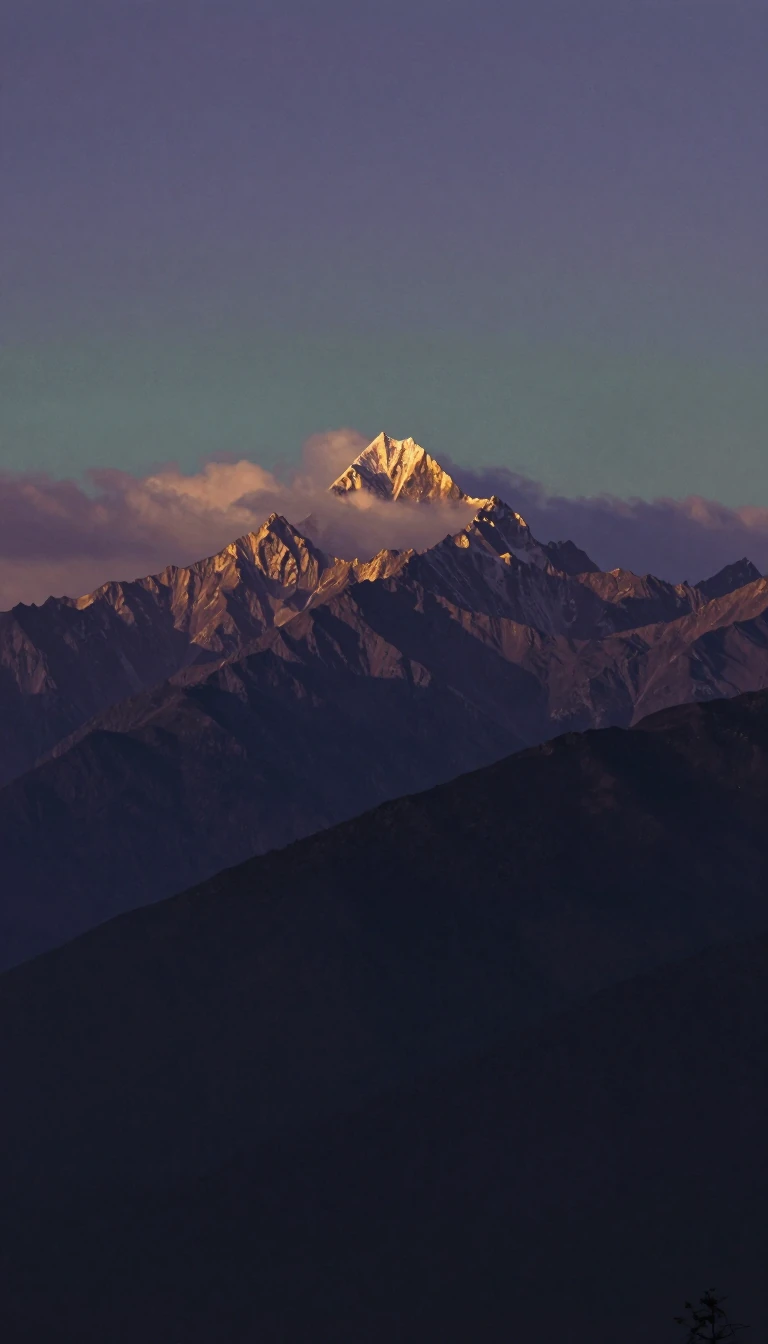 Mount Hood’s height was once so miscalculated it was thought to be North America’s tallest.Mount Hood is a towering stratovolcano in Oregon, but its true stature has been a moving target. Early explorers and surveyors wildly overestimated its elevation, with some 19th-c…
- The Line of Control: A de facto border born from war and persistent tensionSpanning hundreds of miles through rugged mountain terrain, the Line of Control separates Indian- and Pakistani-administered Kashmir. Though not a legally recognized international…
- Why the definition of a sea is more about tradition than strict geographyWhat makes a sea a sea? While we often think of them as clearly defined bodies of water, the term is surprisingly inconsistent. From land-locked lakes to vast ocean regions, the n…
 Why the leopard seal is the most formidable hunter of the Antarctic iceNamed for its spotted coat, the leopard seal is far more than a feline lookalike. It is the only seal species that regularly hunts warm-blooded prey, including other seals and pen…
 The leatherback sea turtle is a prehistoric giant that thrives in the open ocean.As the largest turtle on Earth, the leatherback is a biological outlier. Unlike its hard-shelled relatives, it sports a flexible, leathery carapace and has roamed the seas since t…
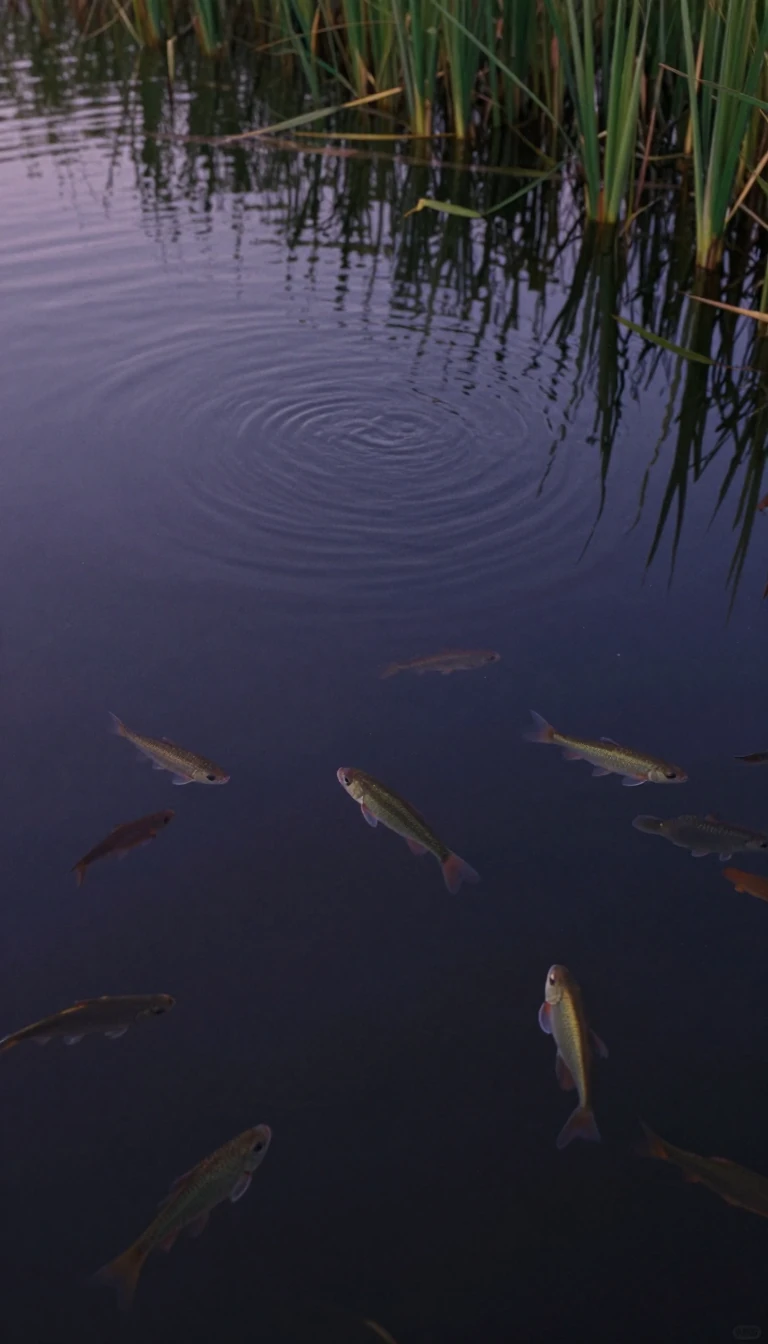 The lake trout is a voracious char that thrives in deep, cold northern waters.Known by names ranging from mackinaw to touladi, the lake trout is a large, predatory fish native to North America. These cold-water dwellers are not true trout but members of the…
 Is a landscape a physical place, a painting, or a template for ecological life?We often think of landscapes as mere scenery, but the term carries deep, competing meanings. It can describe a pristine wilderness, a city's unique character, or a scientific fram…
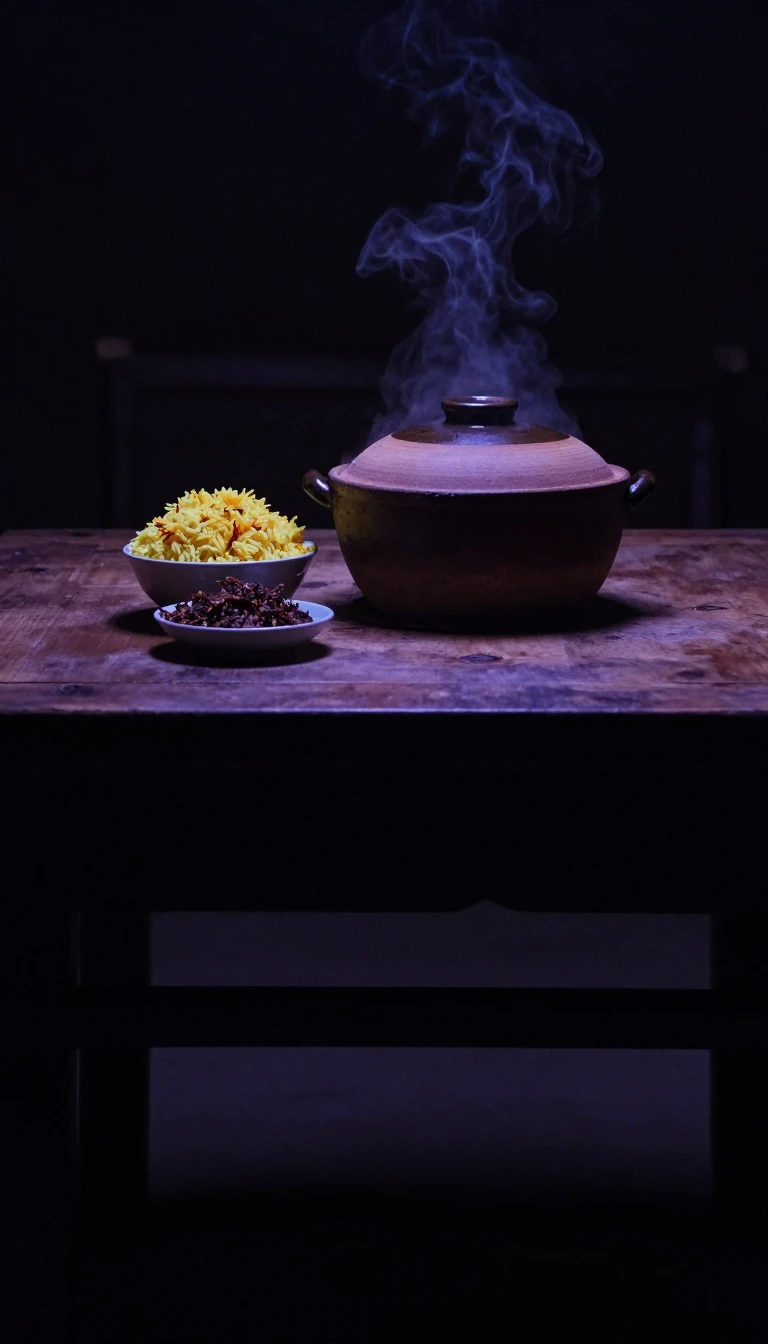 Latvian is a living linguistic fossil that has survived centuries of foreign pressure.As an Indo-European language, Latvian preserves ancient structural features while evolving through constant contact with neighbors. From its first printed appearance in 1544 to mo…
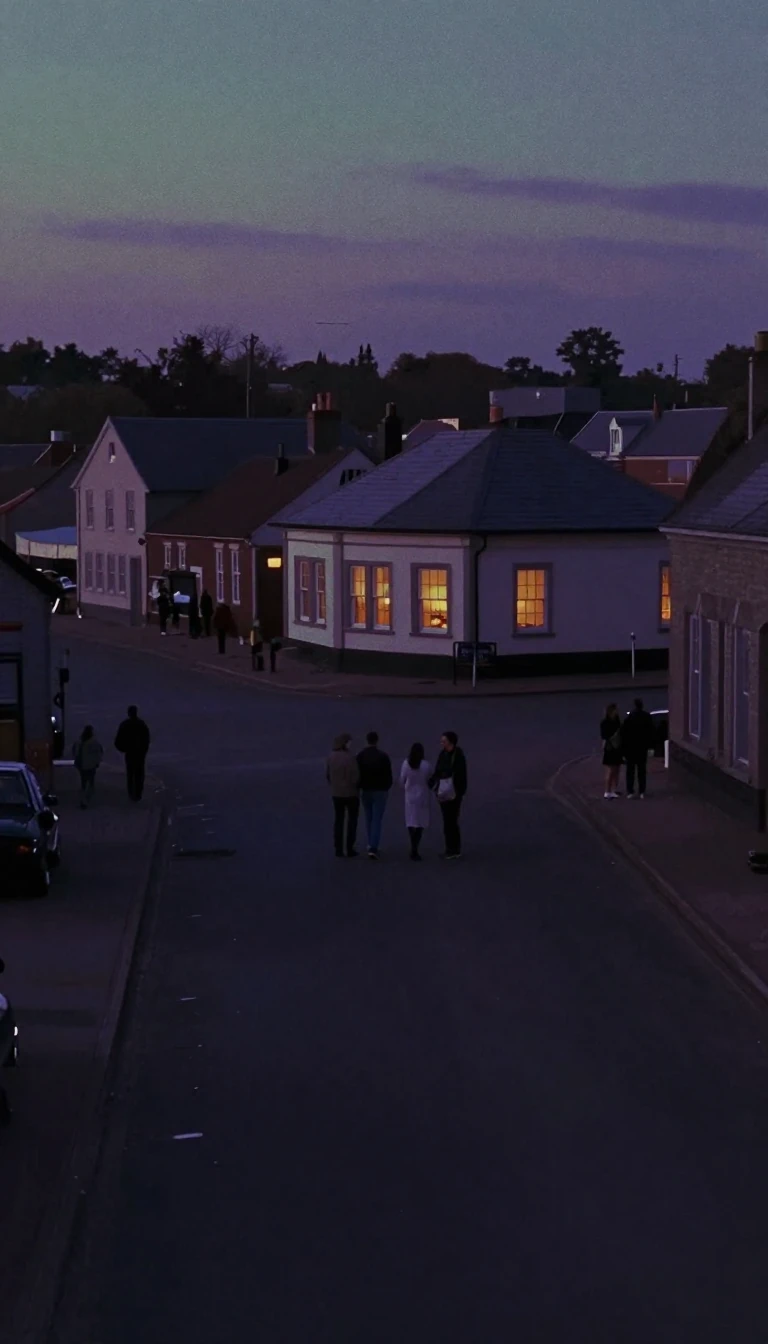 How a desert railroad stop transformed into a hub for aerospace and solar innovationNestled in the Mojave Desert, Lancaster evolved from a modest 19th-century Scottish settlement into a modern industrial powerhouse. Once defined by cattle ranching and gold mining…
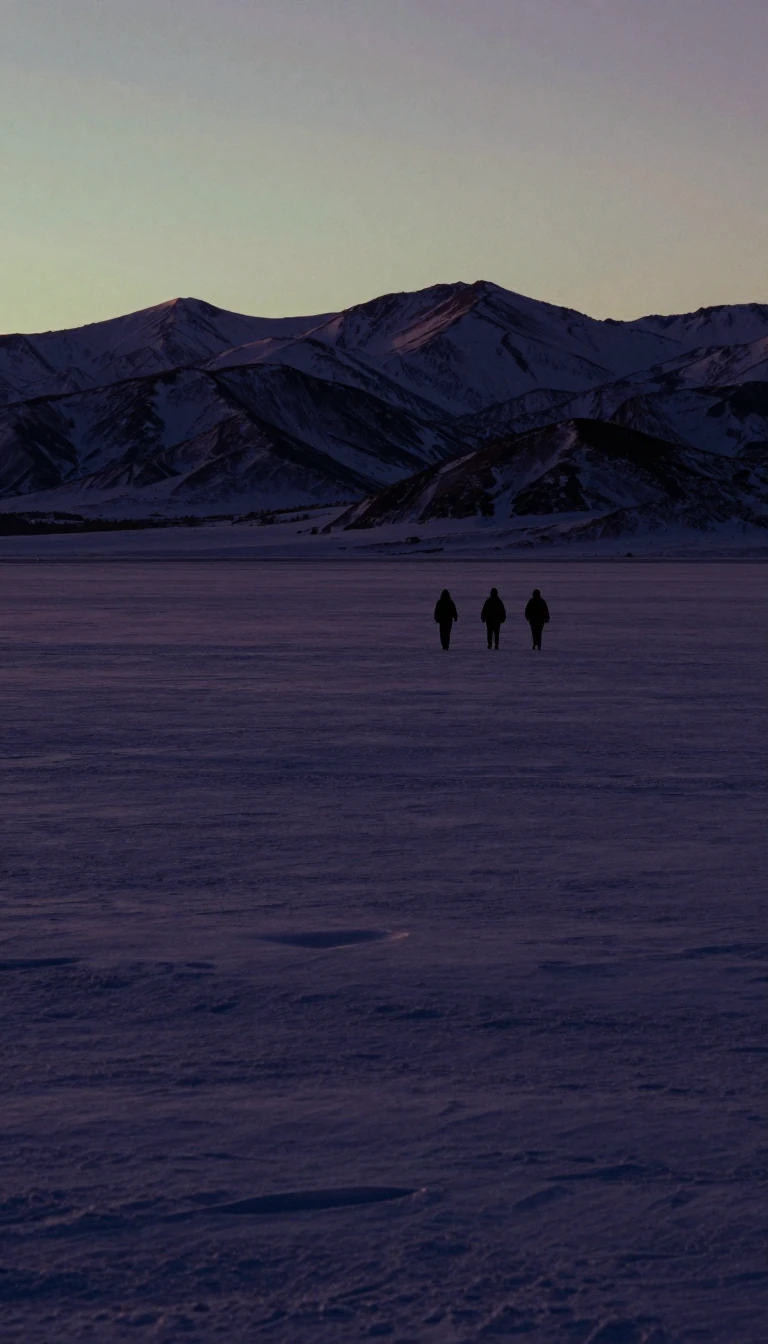 The Last Glacial Maximum: When Earth’s Ice Sheets Transformed the Global LandscapeBetween 26,000 and 20,000 years ago, Earth entered its coldest recent period. Massive ice sheets locked away vast amounts of water, causing sea levels to plummet by 125 meters. Th…
 How long does water actually stay in a lake before flowing out again?Lake retention time measures the average duration water spends within a basin, calculated by dividing total volume by flow rates. While this simple metric helps predict downstream…
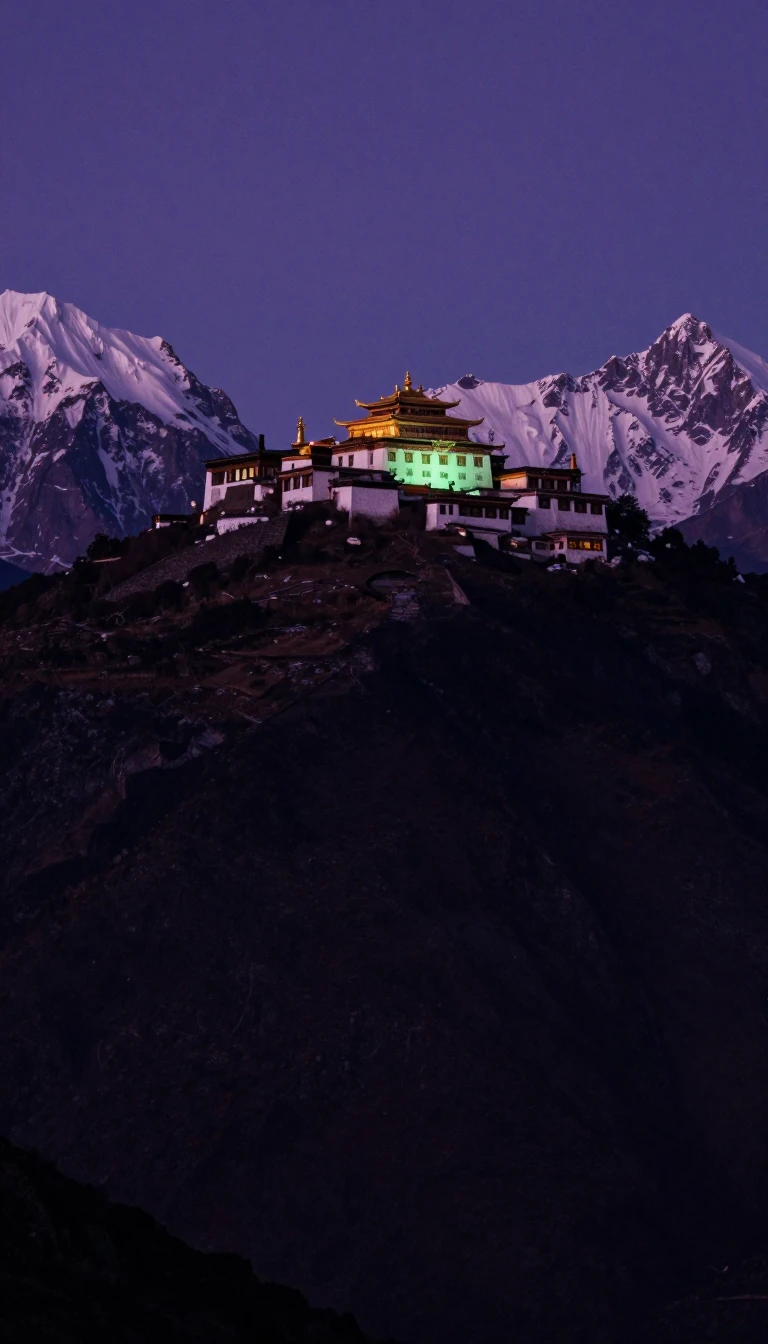 At 4,600 meters, this sacred Tibetan lake is a nexus of four major religions.Lake Manasarovar sits at the roof of the world, a high-altitude freshwater basin near Mount Kailash. Revered by Hindus, Buddhists, Jains, and Bon practitioners, it is a site of pr…
- Can a presidential executive order unilaterally rename a major international geographical landmark?In August 2026, a U.S. executive order mandated that Lake Ontario be officially renamed Lake America. The move, rooted in an ongoing trade dispute, triggered a firestorm of resist…
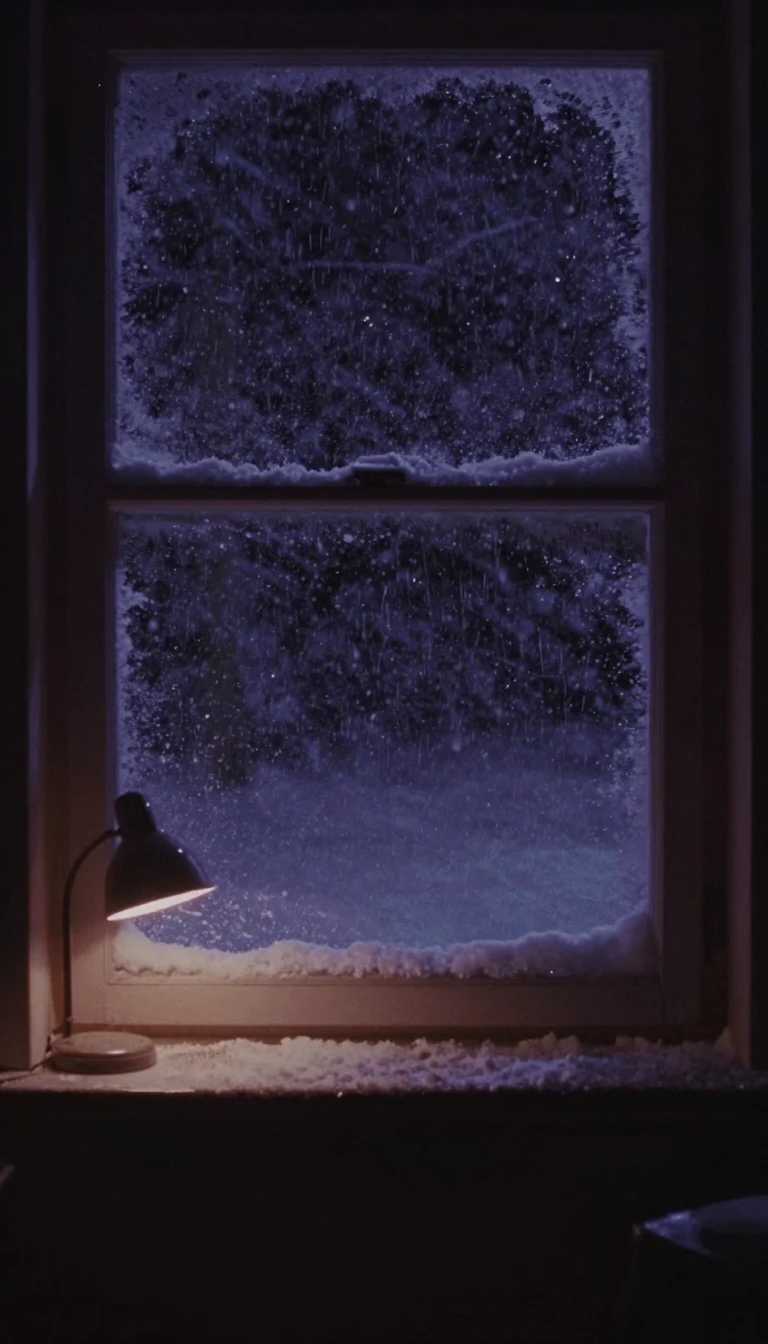 Why warmer Great Lakes are creating more intense, localized winter snowstormsLake-effect snow acts like a giant atmospheric sponge, soaking up moisture from warm water and wringing it out as intense, narrow bands of precipitation. While climate change is s…
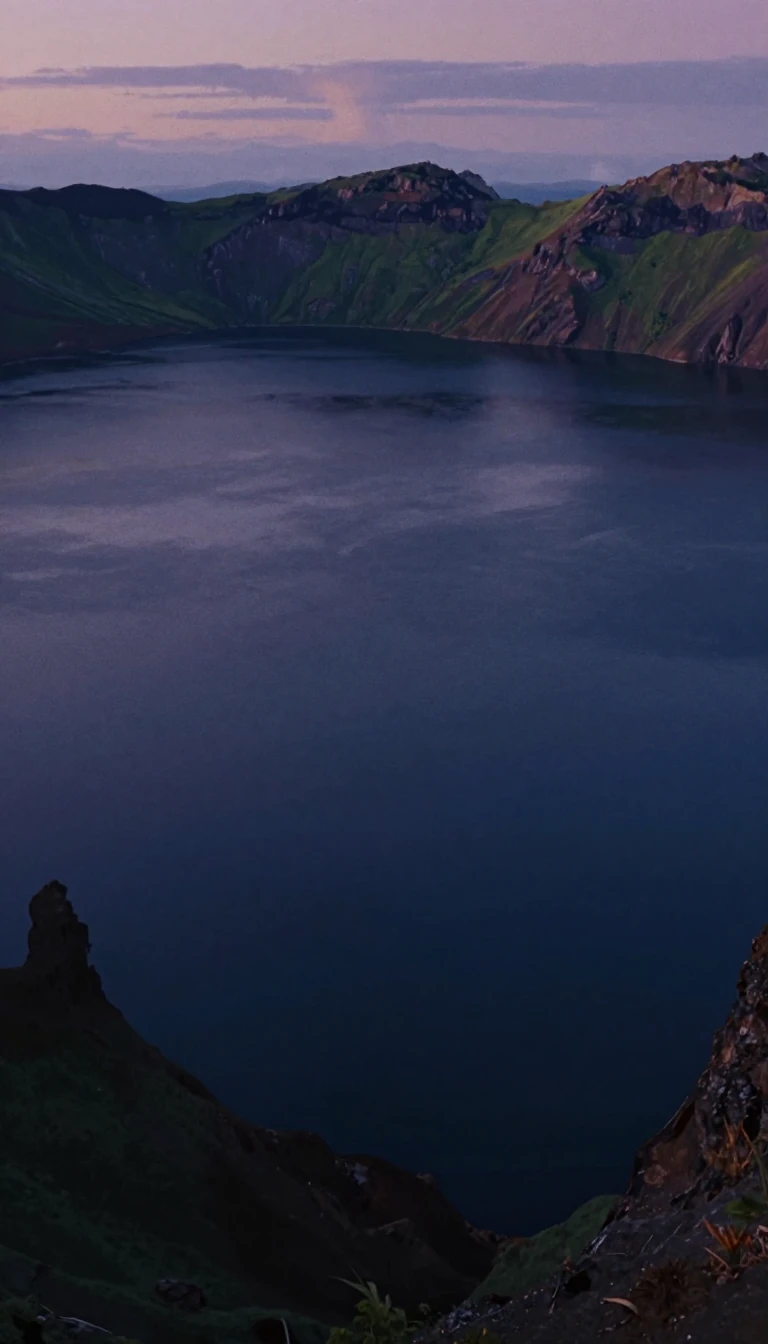 Could a massive, gas-trapped lake in central Africa trigger a catastrophic natural disaster?Lake Kivu sits atop a volatile reservoir of methane and carbon dioxide. While engineers are currently extracting this gas to generate electricity for Rwanda, the process is contro…
 Why Canada's first capital city is known as the Limestone CityKingston, Ontario, holds a storied past as a strategic military hub and the nation's inaugural capital. Its iconic nickname stems from a 1840 disaster that forced a radical shift …
 Kiritimati is the world's largest coral atoll, a remote Pacific outpost of strange history.Spanning 150 square miles, Kiritimati is a massive coral formation in the central Pacific. Once a site for Cold War nuclear testing, this remote island now serves as a wildlife sa…
 Why did a civilian airliner drift hundreds of miles into restricted Soviet airspace?On September 1, 1983, Korean Air Lines Flight 007 strayed over 200 miles off course, entering Soviet airspace. Soviet fighter jets intercepted the Boeing 747 and shot it down, kil…
- The Kyoto Protocol: A First Global Step Toward Stabilizing Our Changing ClimateAdopted in 1997, the Kyoto Protocol was the first major international treaty to mandate greenhouse gas emission reductions. By acknowledging that developed nations bear historical…
 Kingsley Coman: The Serial Winner Who Conquered Europe Before His Thirtieth BirthdayKingsley Coman spent over a decade winning league titles every single season as a professional. From Paris to Turin and Munich, the French winger became a tactical weapon known fo…
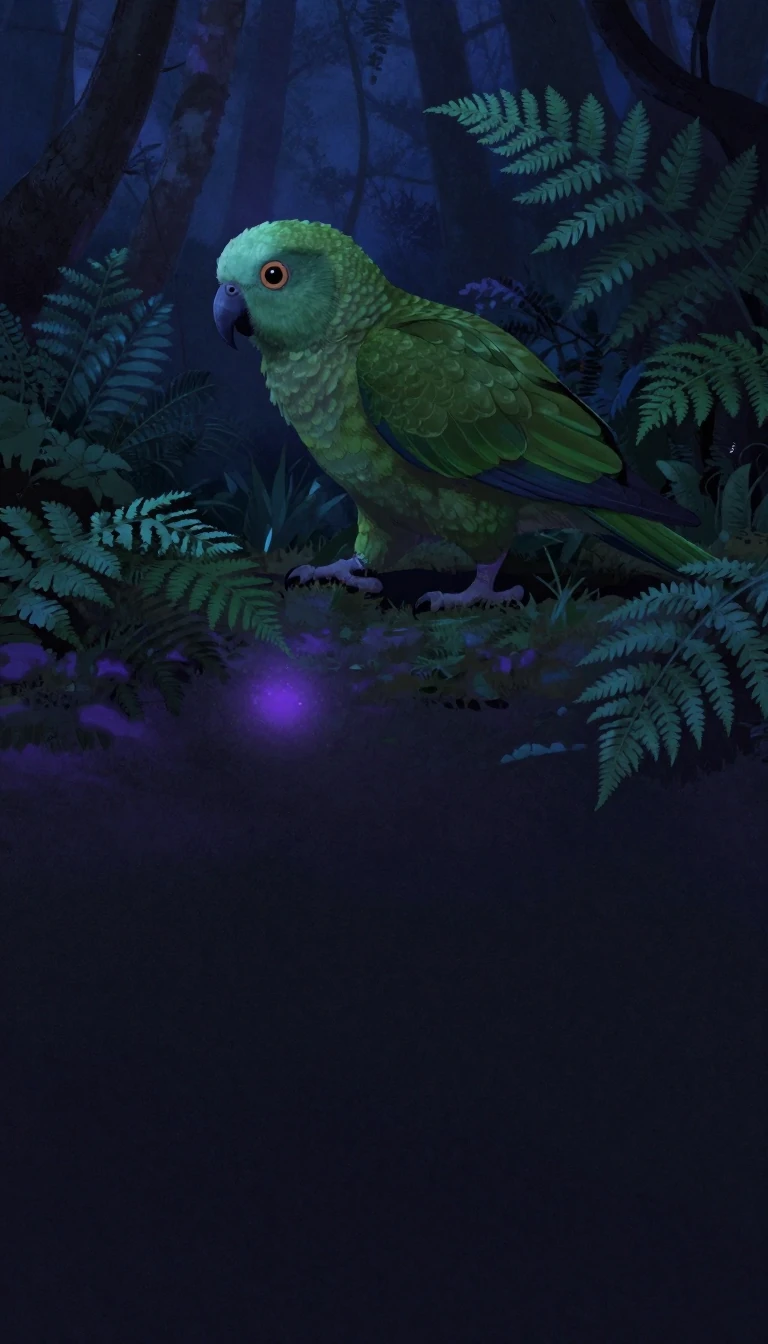 The kea is a mountain-dwelling parrot known for its intelligence, curiosity, and destructive habits.New Zealand's alpine kea are not your average parrots. These olive-green birds are famous for solving complex puzzles, using tools, and dismantling cars. While their cognitive abi…
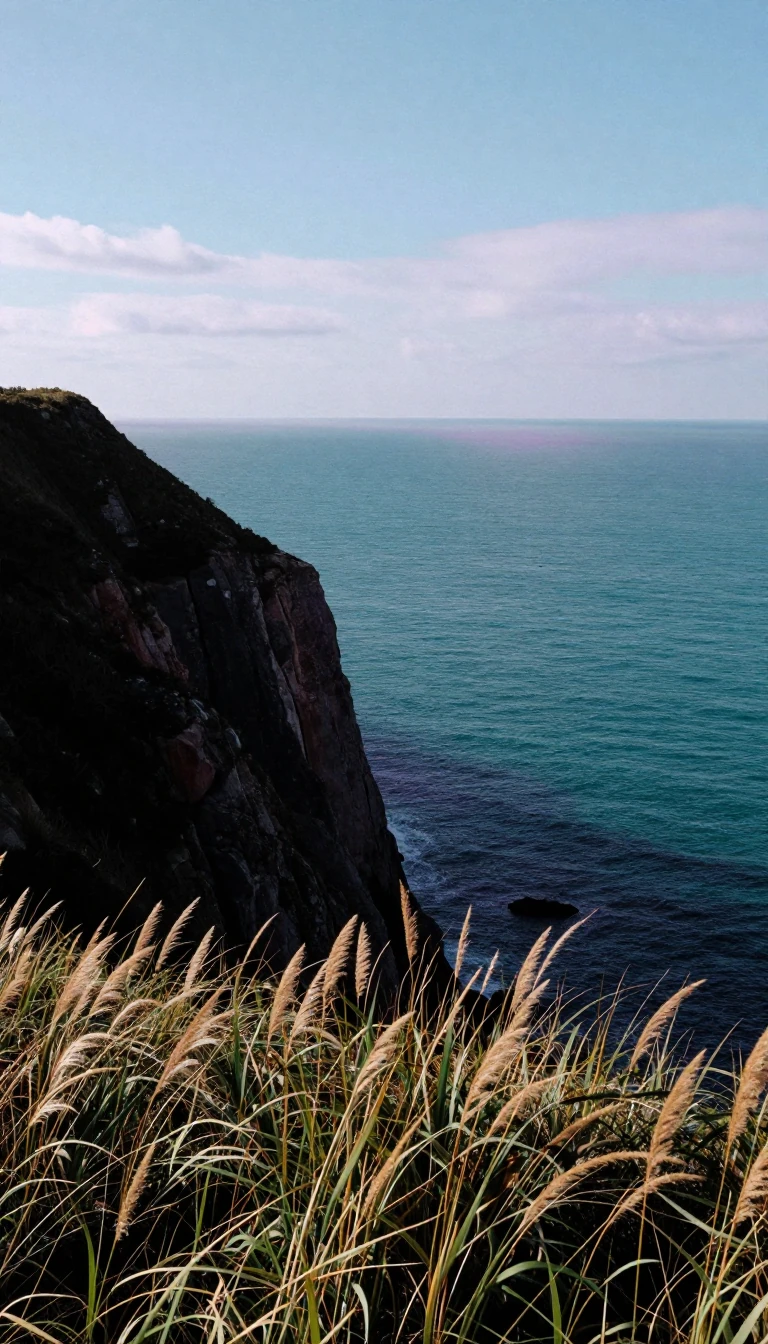 The Desolation Islands: A remote French archipelago hiding a massive underwater secretDeep in the southern Indian Ocean lies a cluster of islands so isolated and harsh they earned the name Desolation Islands. While they serve as a vital laboratory for scientists st…
- Why the highest peak in Europe sits at the heart of a Russian republicKabardino-Balkaria is a rugged republic in southwestern Russia, defined by the towering Greater Caucasus range. Home to Mount Elbrus, the highest point on the continent, this regi…
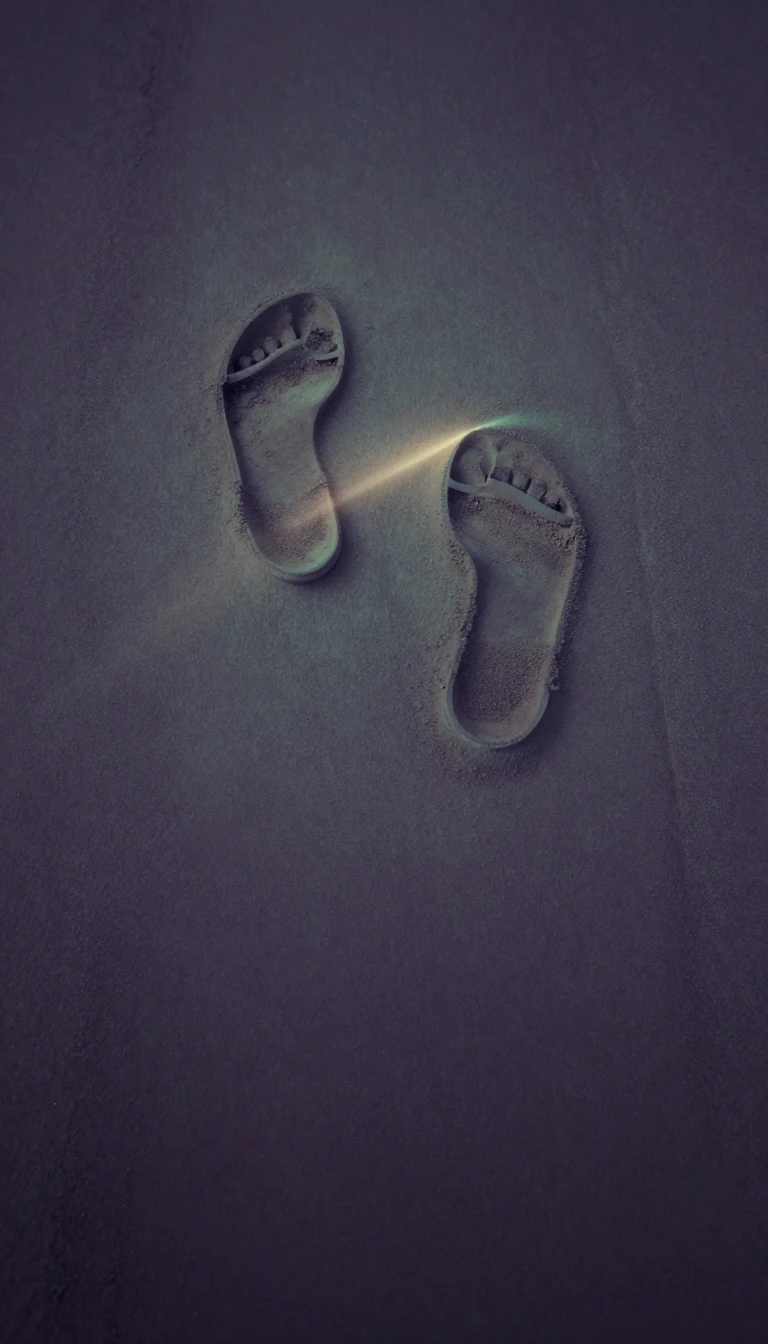 Can one man walk an unbroken path around the entire world on foot?Karl Bushby has spent nearly three decades attempting the Goliath Expedition, a 36,000-mile journey from Chile to his home in England. Navigating frozen straits, geopolitical mine…
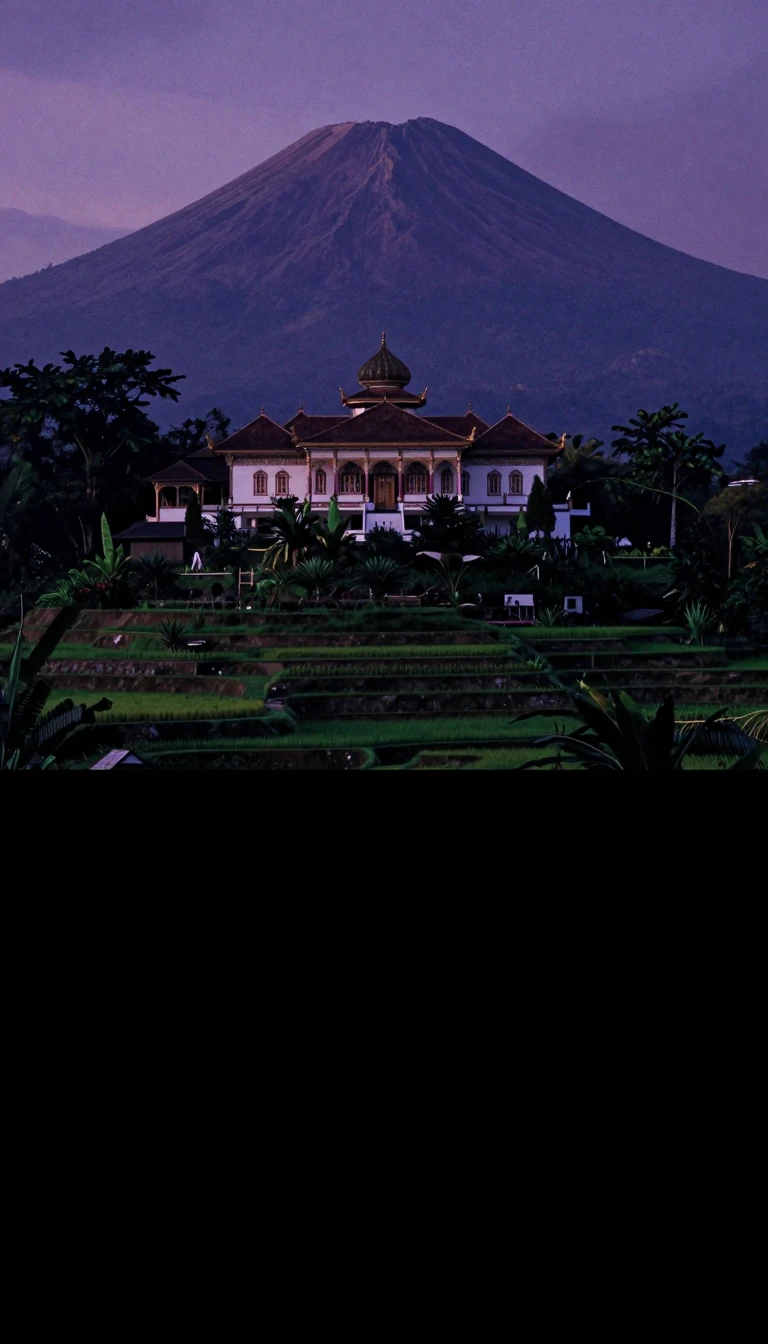 Why the world's third-largest island is known by two different namesBorneo is a massive, equatorial landmass shared by three nations, yet Indonesians refer to the entire island as Kalimantan. Derived from Sanskrit, the name implies a burning, hot …
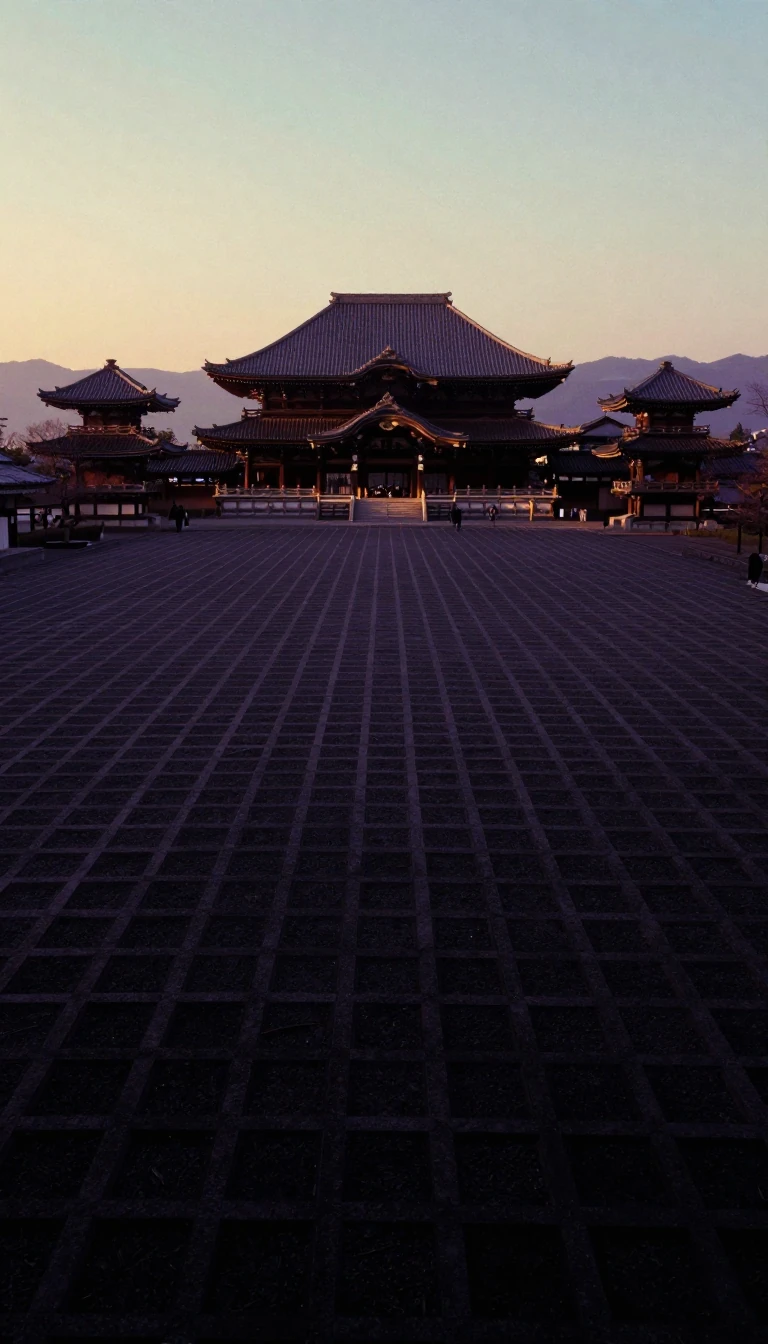 Kansai is the historical heart of Japan, a region defined by culture, not borders.Often overshadowed by Tokyo, the Kansai region is Japan's true cultural cradle. Home to ancient capitals, the birthplace of traditional arts, and a distinct merchant spirit, this …
 Karine Jean-Pierre made history as the first Black, gay, immigrant White House press secretary.Karine Jean-Pierre served as White House press secretary from 2022 to 2025, navigating a tenure defined by both historic representation and intense media scrutiny. Her journey fro…
- How one man transformed a hated oil dynasty into a global philanthropic powerhouseJohn D. Rockefeller, Jr. inherited a fortune and a public reputation for ruthlessness. By shifting his focus from industrial empire to systematic charity, he redefined his family …