 Intellect Plus
Nature
11,198 cards. Each one is a 40-second story with a five-minute read behind it. Page 129 of 187.
Subtopics: Ageing · Air · Animal behaviour · Animal breeds and hybrids · Animals · Arthropods · Atmosphere · Big cats · Bilateria, others · Birds · Botany · Cnidarians · Conservation · Coral reefs · Deep sea · Deserts · Dinosaurs · Earth science · Earth science and physical geography · Earth science basics · Earthquakes & tsunamis · Echinoderms · Ecology · Ecosystems · Endangered species · Extinct animals · Farming · Fish · Forests · Fungi · General classifications · Geology · Geomorphology · How Long Can It Live? · Ice · Individual animals · Insects · Lightning · Longevity · Mammals · Marsupials · Migration · Mollusks · Ocean · Organisms · Parasites · Physical geography · Plants · Porifera · Predators · Primates · Rainforest · Reptiles & amphibians · Researched · Sharks & rays · Spiders & arachnids · Symbiosis · Trees · UK & Ireland: nature · Vertebrates · Vision · Volcanoes · Water · Waves · Weather · Whales & dolphins · Zoology
 Shishapangma: The 8,000-metre peak named for a tragic mountain feastStanding at 8,027 metres, Shishapangma is the world's lowest eight-thousander, yet it holds a unique place in Himalayan lore. While geologists translate its name as a crest above …
 The Proterozoic Eon transformed Earth from a barren, oxygen-starved rock into a living planet.Spanning nearly two billion years, the Proterozoic Eon was Earth's longest chapter. It witnessed the rise of atmospheric oxygen, the birth of complex eukaryotic life, and the form…
 Why this 2000 survival thriller remains a polarizing peak in mountain cinema historyReleased in 2000, Vertical Limit follows a high-stakes rescue mission on K2, the world's second-highest mountain. While the film grossed over $215 million worldwide, it remains a …
 Why some of the world's most extreme lakes are disappearing at alarming ratesSalt lakes are landlocked basins where evaporation outpaces inflow, creating hypersaline environments that host specialized life. From pink-hued waters to lithium-rich beds, these…
 Saskatchewan is Canada's only province without a natural border, forming a near-perfect quadrilateral.While most provinces follow rivers or mountain ranges, Saskatchewan’s boundaries are defined by lines of latitude and longitude. This unique geometry creates a vast, landlocked te…
 Is the Spanish omelette better with or without onions? The debate is fierce.Spanish cuisine is a mosaic of regional identities, shaped by millennia of conquest and trade. From the Mediterranean triad of wheat, grapes, and olives to the transformative impa…
- Nu metal fused hip-hop and heavy metal to define the sound of a generationEmerging from the alternative metal scene of the 1990s, nu metal traded traditional guitar solos for syncopated, down-tuned riffs and rhythmic, rap-influenced vocals. It became a …
 Why the Pacific Time Zone is no longer a simple clock offsetThe Pacific Time Zone is shifting from a uniform clock to a patchwork of regional policies. While once defined by a standard eight-hour offset from Coordinated Universal Time, rec…
 The North American beaver is an ecosystem engineer that reshapes entire landscapes for survival.As the largest rodent in North America, the beaver is far more than a simple wood-cutter. These amphibious architects use specialized physical adaptations to build complex dams an…
 Magadan: A subarctic port town built on the foundations of a brutal gulag systemFounded in 1929, this Russian port on the Sea of Okhotsk served as the administrative heart of the Dalstroy forced-labor camps. Today, it remains a remote gateway to the Kolyma re…
 The giant marine lizard that forced science to accept the reality of extinctionWhen a massive skull was unearthed in an 18th-century Dutch quarry, experts were baffled. Was it a whale or a crocodile? It took the genius of Georges Cuvier to realize it was a c…
 How the Soviet Union briefly embraced capitalism to save its collapsing economyBy 1921, the Soviet Union was on the brink of total collapse. To maintain power, Vladimir Lenin executed a surprising tactical retreat: he reintroduced private enterprise, money, …
 How Google turned 20-percent time into a global digital museum for everyoneBorn from a side project, Google Arts & Culture uses gigapixel technology to bring the world's most exclusive galleries to your screen. By digitizing masterpieces and mapping muse…
 Henry Hudson vanished in 1611, but his legacy carved the map of North America.After failing to find a Northwest Passage, Henry Hudson was cast adrift in a small boat by his mutinous crew in the icy waters of James Bay. While his ultimate fate remains a myst…
 How a desert khanate turned the lower Amu Darya into a thriving trade hubFor four centuries, the Khanate of Khiva balanced nomadic tradition with sedentary agriculture in the harsh plains of Central Asia. By mastering irrigation and controlling vital c…
 The Inland Empire: A sprawling logistics giant born from citrus and suburban dreamsOnce a thriving agricultural hub known for its citrus groves, the Inland Empire has transformed into a massive, decentralized suburban landscape. Today, it serves as a critical lo…
 Why does a Russian region still bear the name of a city that vanished?Leningrad Oblast surrounds Saint Petersburg, yet it retains the name of the Soviet-era city that was renamed back in 1991. This administrative anomaly is just one layer of a terri…
 How a crumbling empire tried to modernize while losing its grip on the mapThe dissolution of the Ottoman Empire was a chaotic collapse driven by military failure, economic dependency, and rising nationalism. Between 1908 and 1922, the state attempted to…
 Why this Patagonian peak is known as the smoking mountain to indigenous localsRising from the Southern Patagonian Ice Field, Mount Fitz Roy is a jagged icon of the border between Argentina and Chile. While Western explorers named it after a British captain,…
 Why the Eurasian otter is the most successful hunter in the world's waterwaysThe Eurasian otter is a master of adaptation, thriving from the coasts of Europe to the high-altitude rivers of Nepal. Despite facing near-extinction in the 20th century, this res…
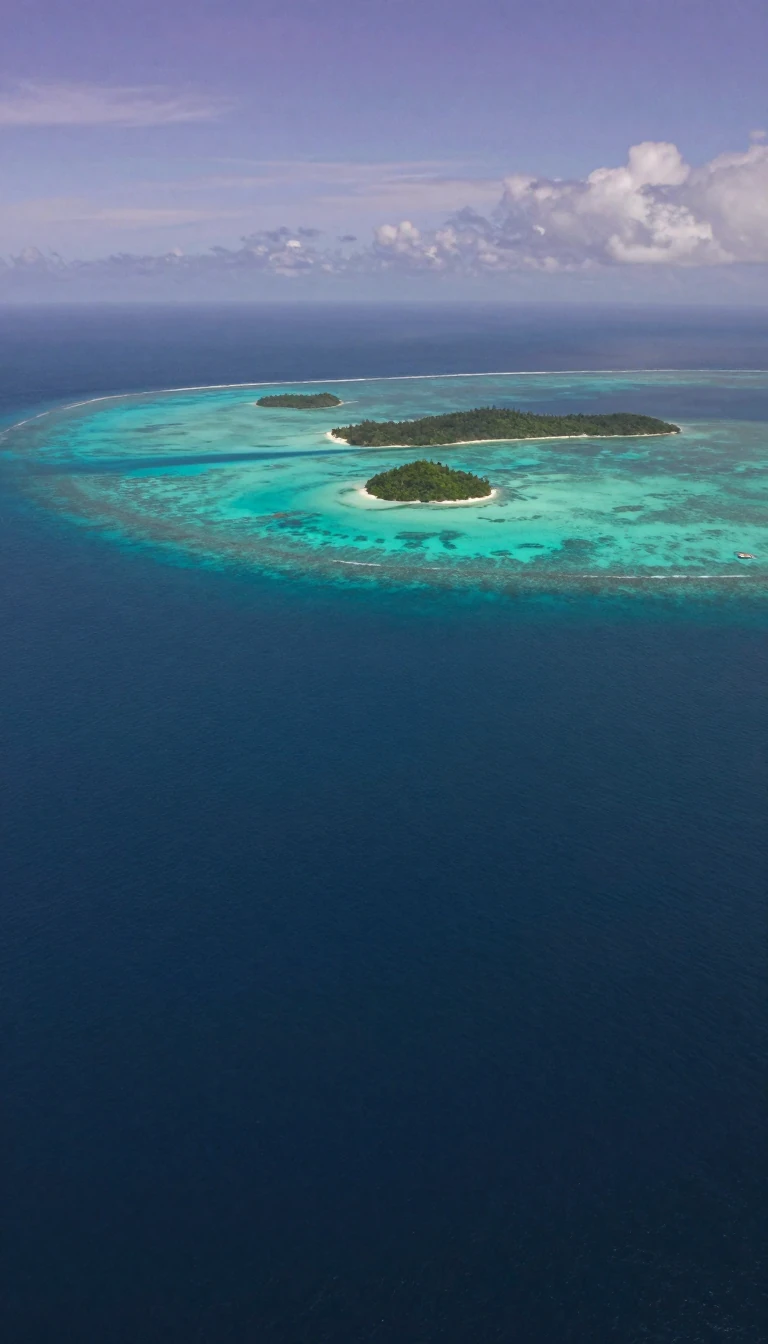 Japan’s most active volcano is a former island now fused to the mainlandSakurajima is a relentless stratovolcano that transformed from an isolated island into a peninsula during a massive 1914 eruption. Today, it looms just kilometers from the city of…
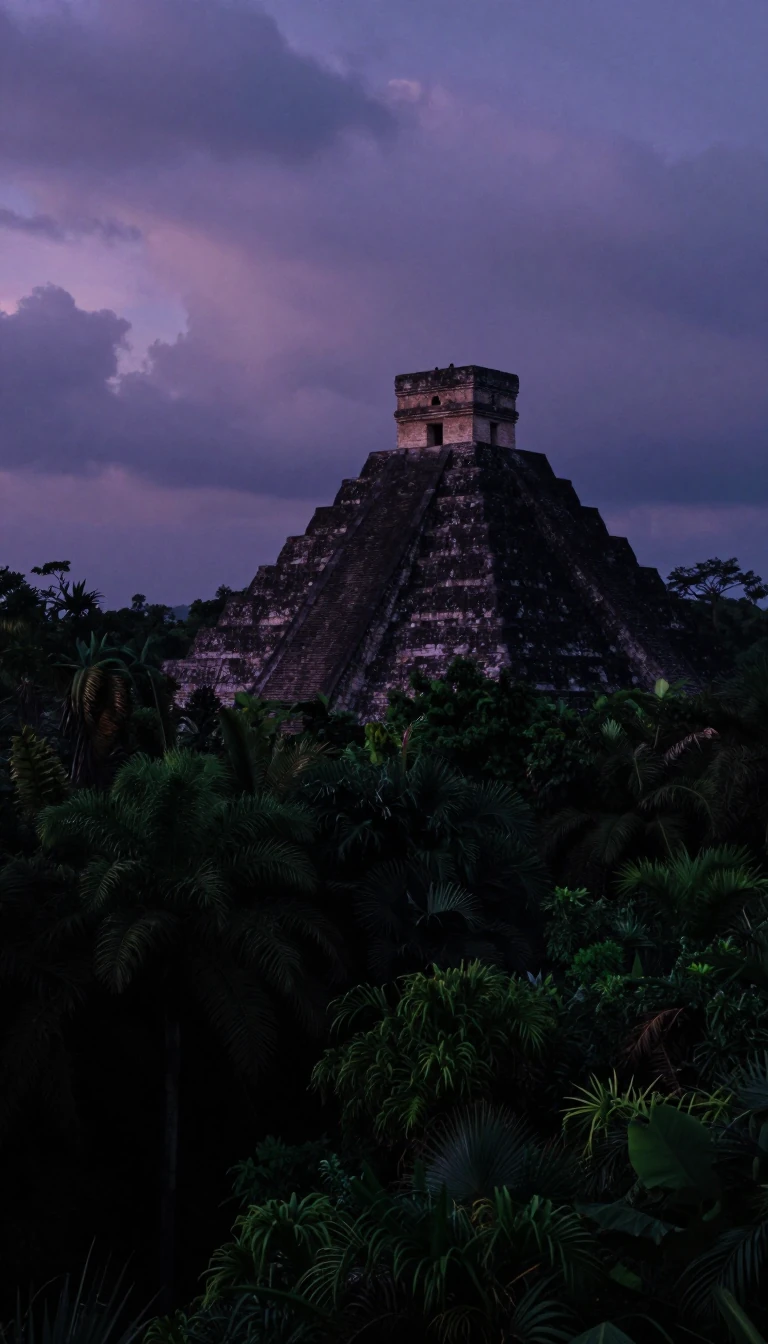 A dormant giant in Guatemala awoke in 1902, permanently altering its own landscape.After centuries of silence, Santa María erupted in a catastrophic 1902 event that carved a massive crater into its flank. This explosion, one of the largest of the 20th century, b…
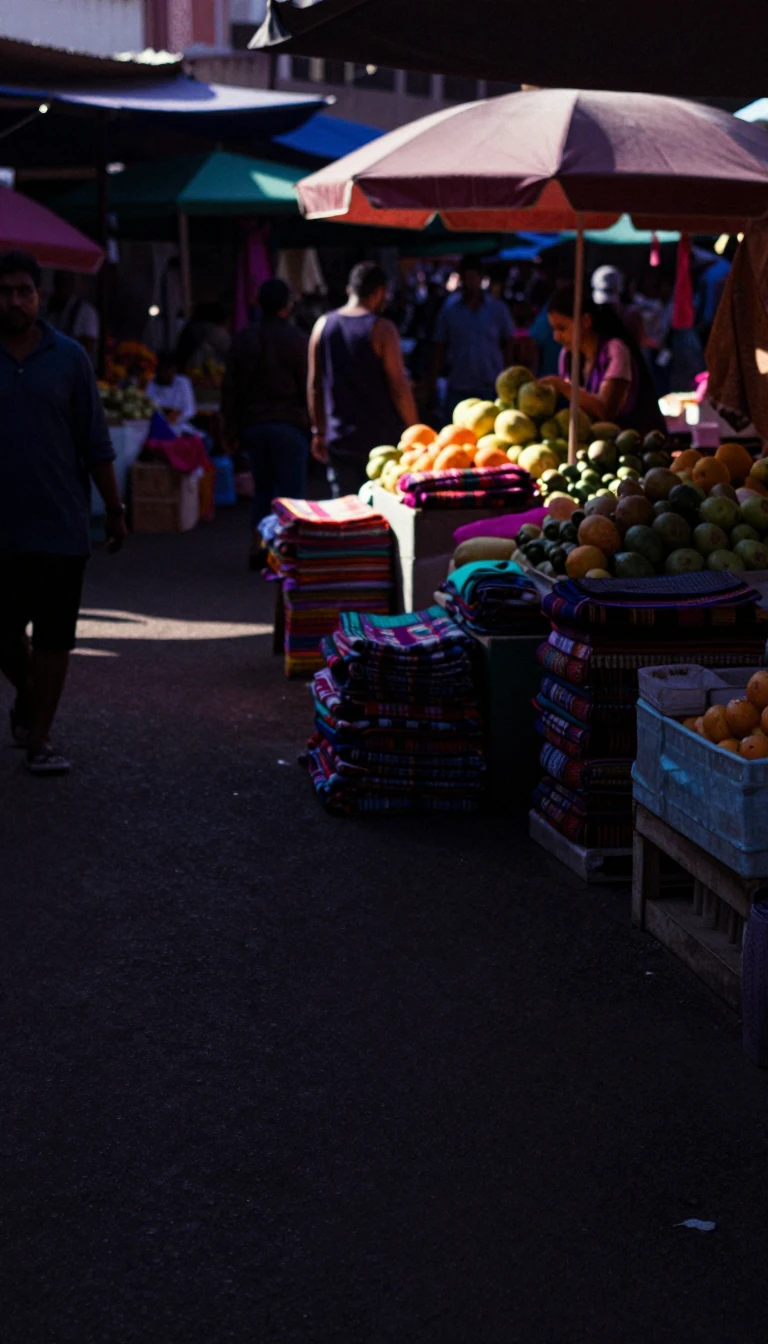 Why skin tone remains a powerful, hidden architect of global social inequalityColorism, or discrimination based on skin tone, functions as a pervasive social hierarchy that transcends borders. From the legacy of colonial caste systems to modern labor market…
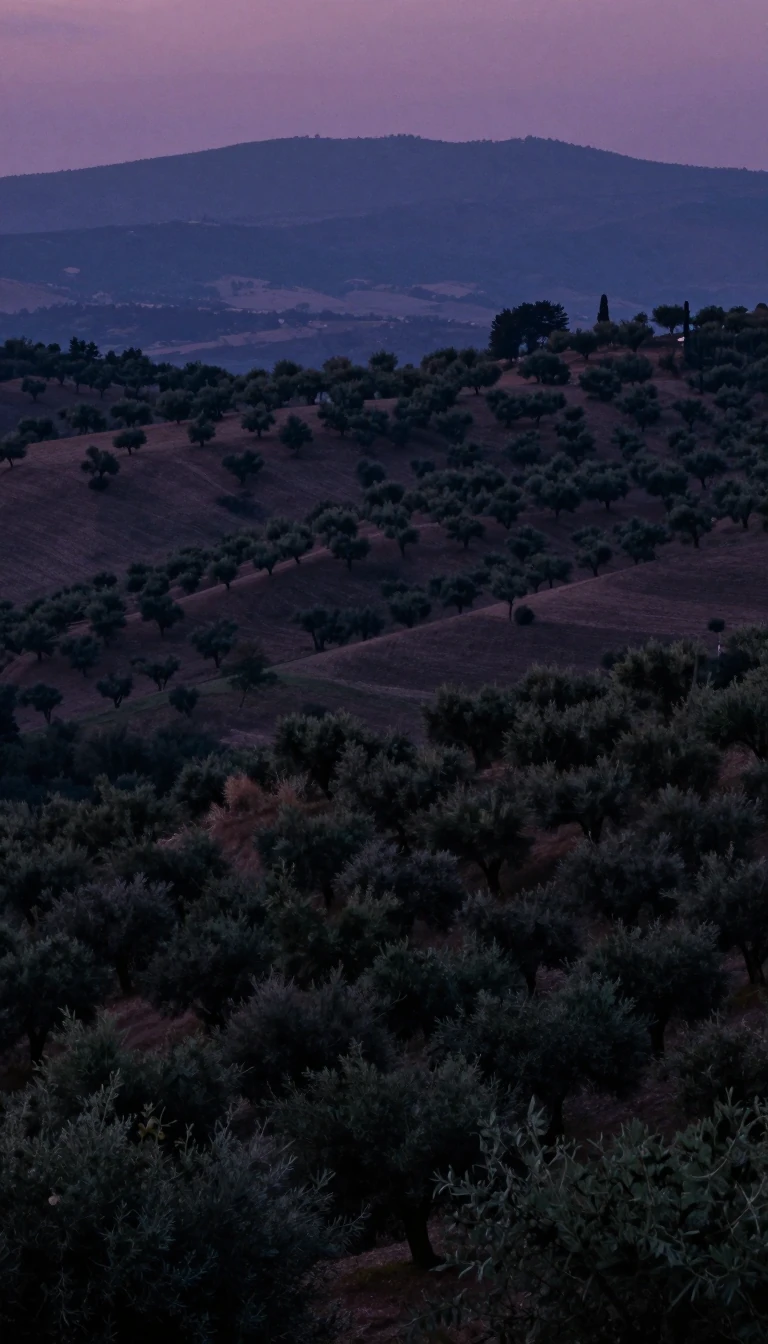 Beyond the urban sprawl, the Community of Madrid hides a surprisingly wild, diverse landscape.While the metropolitan area of Madrid houses nearly seven million people, the surrounding region remains a biological refuge. From mountain peaks exceeding 2,000 meters to the Tag…
 Cilicia: The ancient Mediterranean crossroads defined by its rugged mountains and fertile alluvial plainsCilicia is a region of southern Anatolia that has served as a vital bridge between the Levant, Mesopotamia, and the Anatolian Highlands since the Neolithic Period. Split between t…
 Is Danish identity defined by bloodlines or a shared cultural commitment to the nation?Danish national identity is famously inclusive, prioritizing language and emotional connection over biological heritage. This cultural definition of ethnicity has shaped the natio…
 How Spain transformed from a nation of mass emigration to a global migration hubFor centuries, Spain was defined by outbound migration, with millions fleeing economic stagnation or political upheaval. Yet, in just thirty years, the country has undergone a rad…
 Why the world's highest mountain is not actually Mount EverestWhile Everest claims the title for height above sea level, it is not the point on Earth furthest from the planet's center. That distinction belongs to Chimborazo, an Ecuadorian st…
 The muddy dragon of the Yangtze is one of the world's rarest reptiles.Once widespread across China, the Chinese alligator has been pushed to the brink of extinction by habitat loss and human conflict. Today, this critically endangered crocodilian su…
 The Arctic char is the world's most northerly freshwater fish, surviving in extreme conditions.Found in the highest latitudes of the Northern Hemisphere, the Arctic char is a master of adaptation. This cold-water fish thrives in environments where no other freshwater specie…
- The Goddess of the Yangtze: Why the Baiji Dolphin is Likely Lost ForeverOnce revered by local fishermen as a protective deity, the baiji dolphin of China has not been definitively sighted in over two decades. Following rapid industrialization of the Y…
- Once mistaken for a giant reptile, this prehistoric whale was actually a top predator.Basilosaurus, meaning king lizard, was the first prehistoric whale ever described by science. Though its name suggests a reptile, this massive Eocene creature was a fully aquatic …
- Why the twelfth highest mountain on Earth is named for its massive summitRising 8,051 metres in the Karakoram range, Broad Peak earns its name from a summit stretching over 1.5 kilometres in length. While it stands just eight kilometres from the legend…
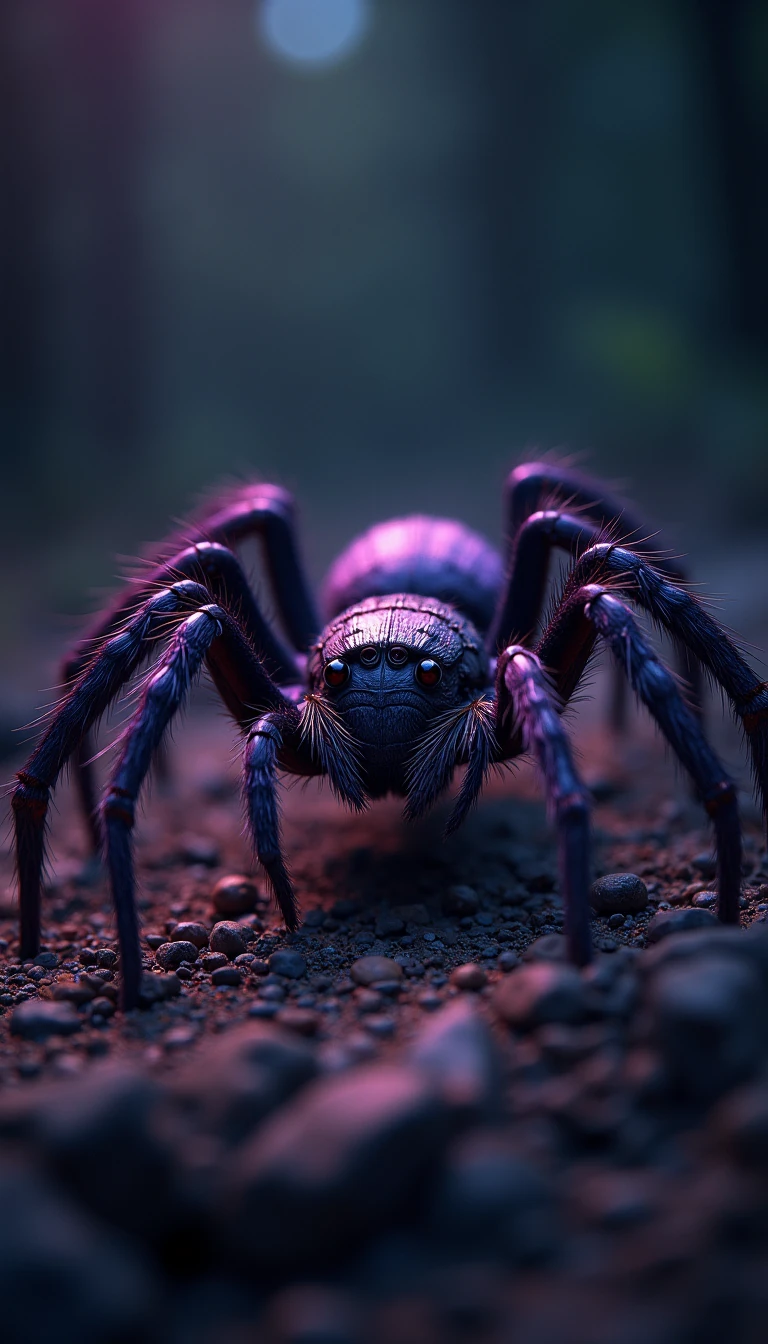 Sea spiders are not spiders, but bizarre marine arthropods with organs inside their legs.With bodies so small they cannot house their own digestive and reproductive systems, sea spiders have evolved to store these organs within their long, stilt-like legs. Despite the…
 Area 51: The Secret Nevada Base That Shaped Modern Aerial Combat TacticsHidden in the Nevada desert, Area 51 is more than a UFO legend. Since 1955, this highly classified facility has served as the crucible for America's most sensitive aviation projec…
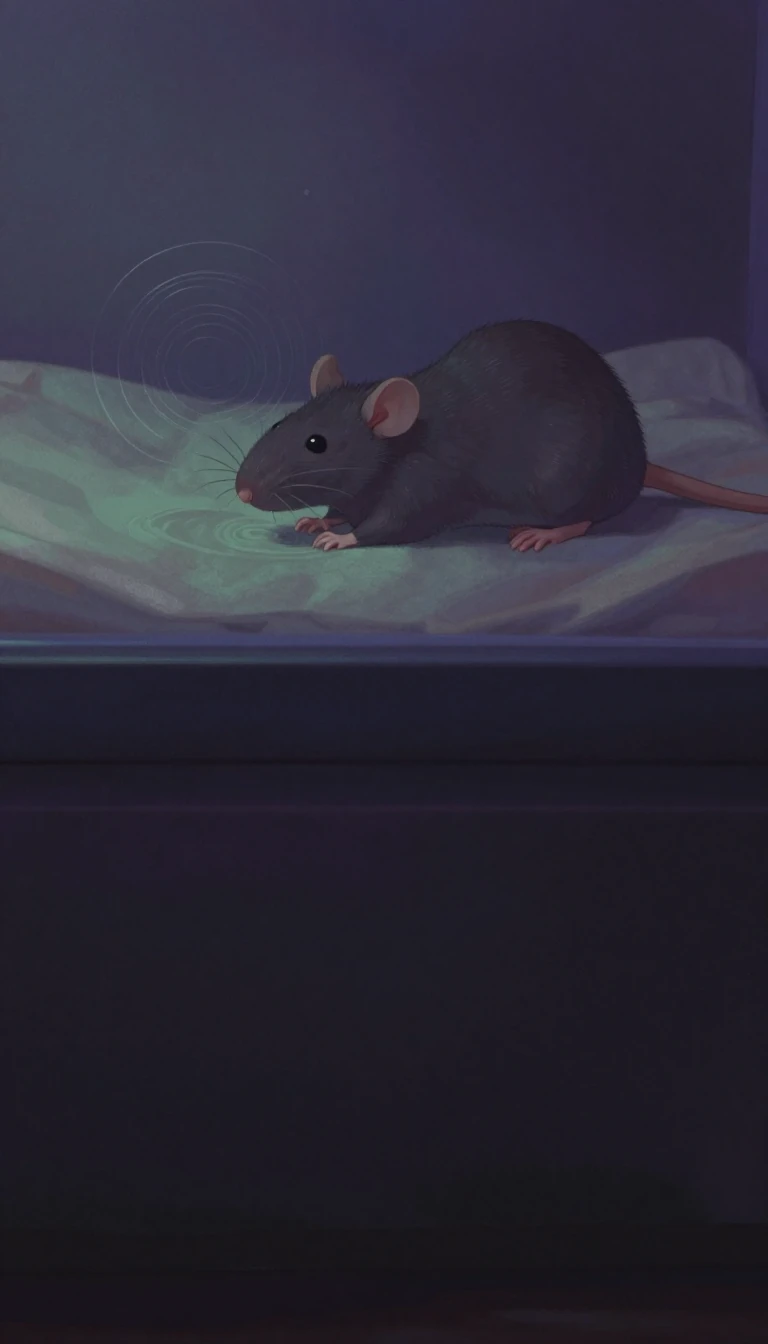 Voles are small rodents that can display surprisingly complex social and empathetic behaviorsOften mistaken for mice or moles, voles are prolific rodents with a secret life. Beyond their rapid reproduction and destructive burrowing, some species exhibit monogamous pair-bo…
 The ancient insect that looks like a wasp but lacks a waistSawflies are primitive, wasp-like insects that have thrived for 250 million years. Unlike their more famous cousins—the ants, bees, and wasps—sawflies lack the signature narrow wa…
 Two remote volcanic islands in the Indian Ocean host a fragile, struggling subantarctic ecosystem.The Prince Edward Islands are a pair of uninhabited, wind-battered volcanic outposts administered by South Africa. Once a hub for sealers and whalers, these islands now serve as a…
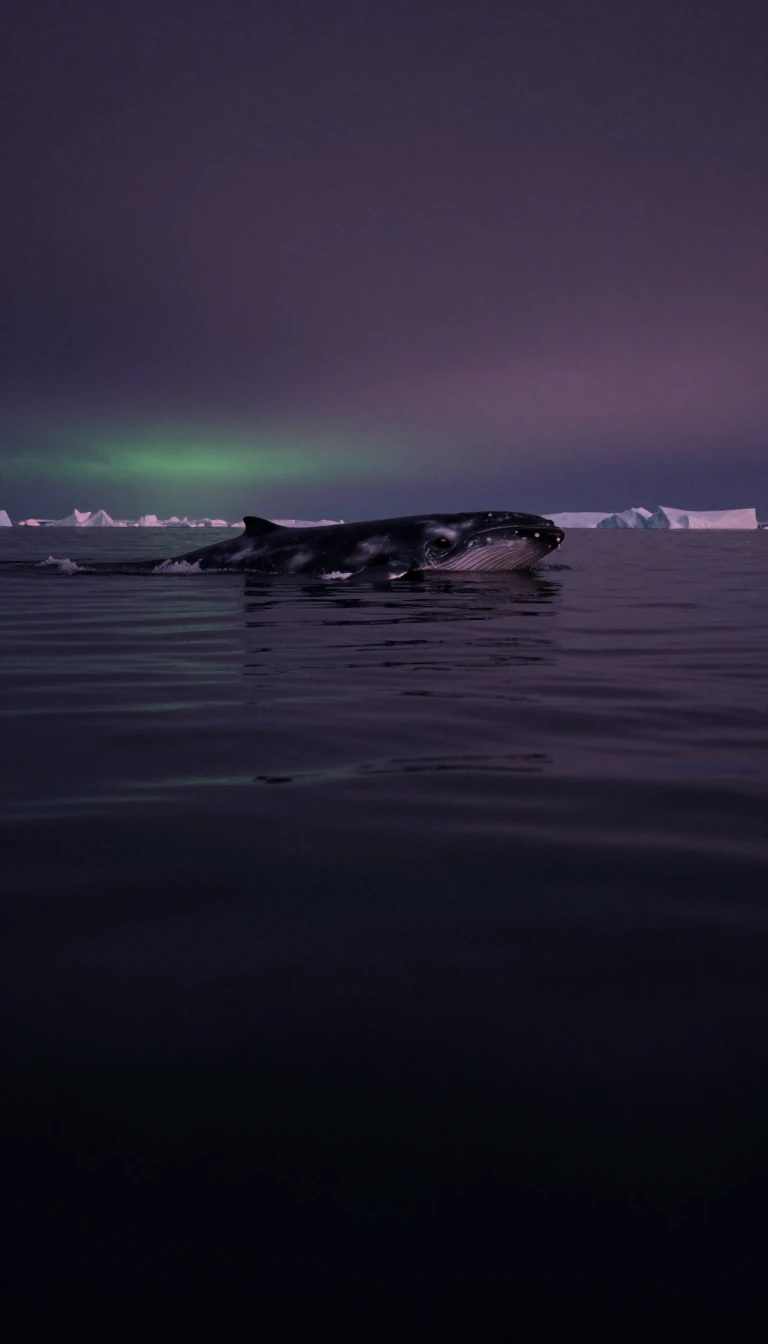 Why the right whale earned its name by being the perfect target for whalersRight whales were once the preferred target for whalers because they were docile, stayed near the coast, and possessed high blubber content that kept them afloat after death. Toda…
 Saaremaa: The Estonian Island Where Ancient Meteorites and Rare Flora CollideRising from the Baltic Sea, Saaremaa is a landscape shaped by both celestial impacts and unique biological evolution. Home to the rare Saaremaa yellow rattle and a rich tapestry o…
 Why Charles Darwin found the existence of parasitoid wasps deeply unsettling to his faithParasitoid wasps are nature's most efficient biological engineers, manipulating host immune systems and behavior to ensure their offspring survive. Yet, their brutal life cycle—of…
 How a land-grant university in Fargo maintains its vast, sprawling research landscapeNorth Dakota State University is more than a collection of classrooms. It is a massive research engine that manages over 18,000 acres of agricultural land across the state. From h…
- Why this small, fast whale was once ignored by the world's whaling fleetsThe minke whale is the second smallest baleen whale, a trait that initially saved it from the industrial-scale hunting that decimated its larger relatives. Today, these elusive, h…
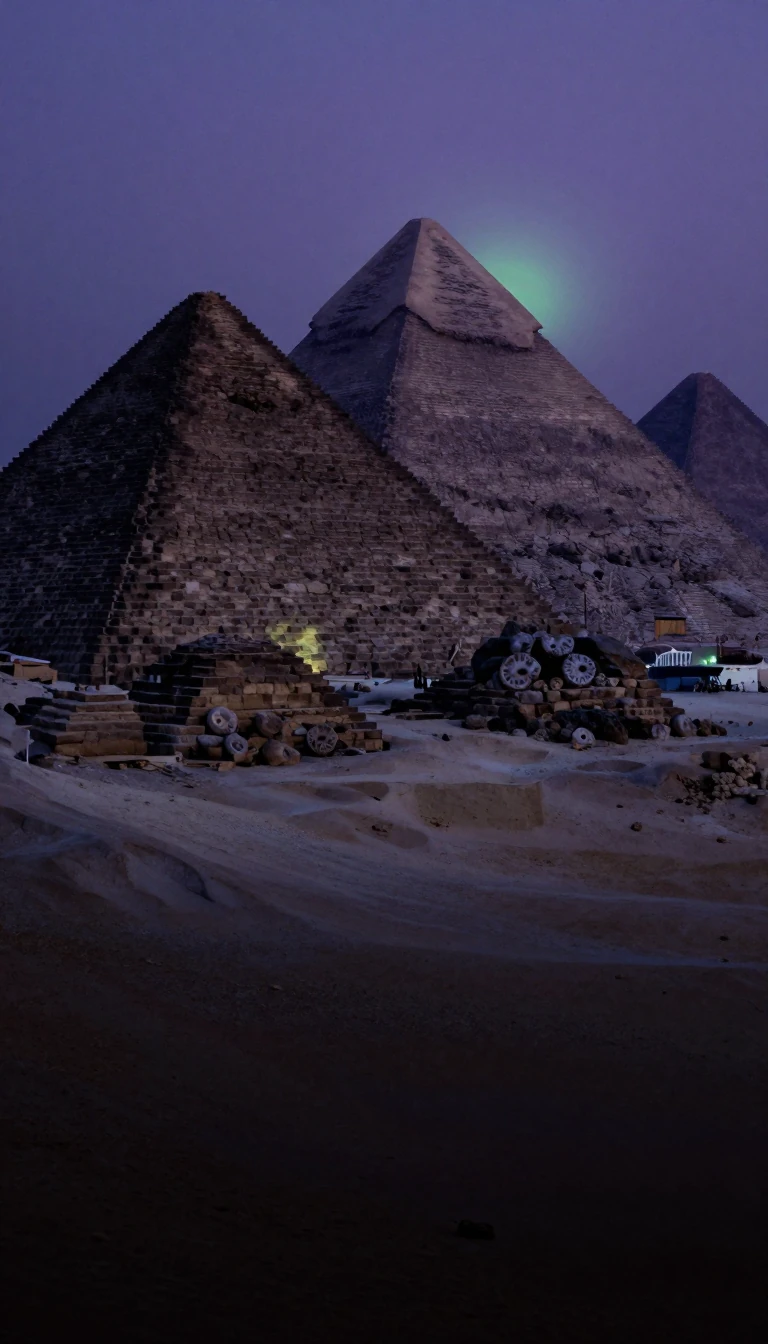 The elephant-sized Megatherium was a giant ground sloth that once roamed South America.Long before modern sloths hung from trees, the Megatherium walked the earth as a massive, four-tonne beast. This extinct genus, first identified by Georges Cuvier in 1796, could s…
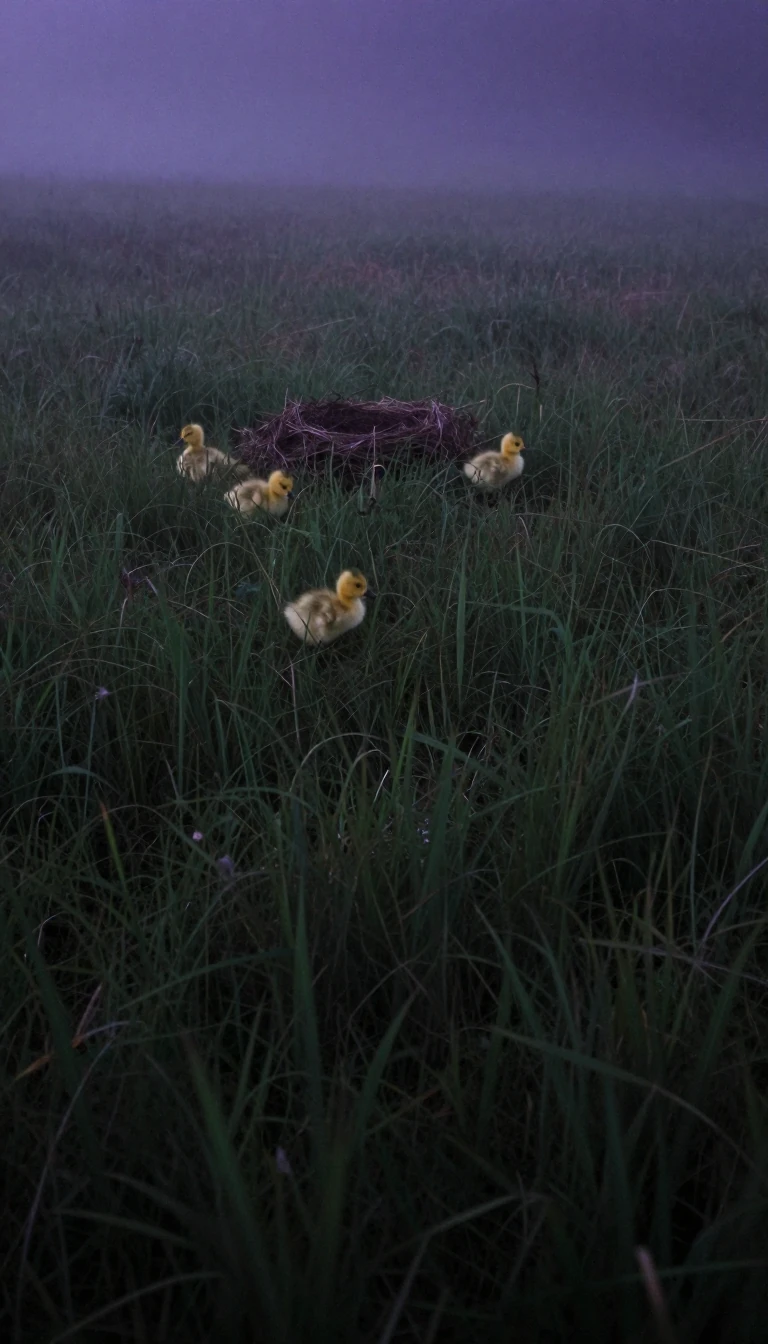 Neognathae: The Infraclass of Birds That Includes Nearly Every Living Species You KnowFrom the tiny hummingbird to the massive ostrich, birds dominate our skies. Yet, the vast majority belong to a single group: the Neognathae. Comprising nearly 10,000 species, thes…
 That mysterious jelly on your lawn might be a resilient, nitrogen-fixing space traveler.Often mistaken for fallen stars or witch's butter, Nostoc is a genus of hardy cyanobacteria that swells into gelatinous masses after rain. Beyond its strange appearance, this orga…
 A species can vanish from your backyard while thriving on the other side of Earth.Local extinction is the disappearance of a population from a specific region, even as the species persists elsewhere. It is a critical ecological signal, often driven by habitat l…
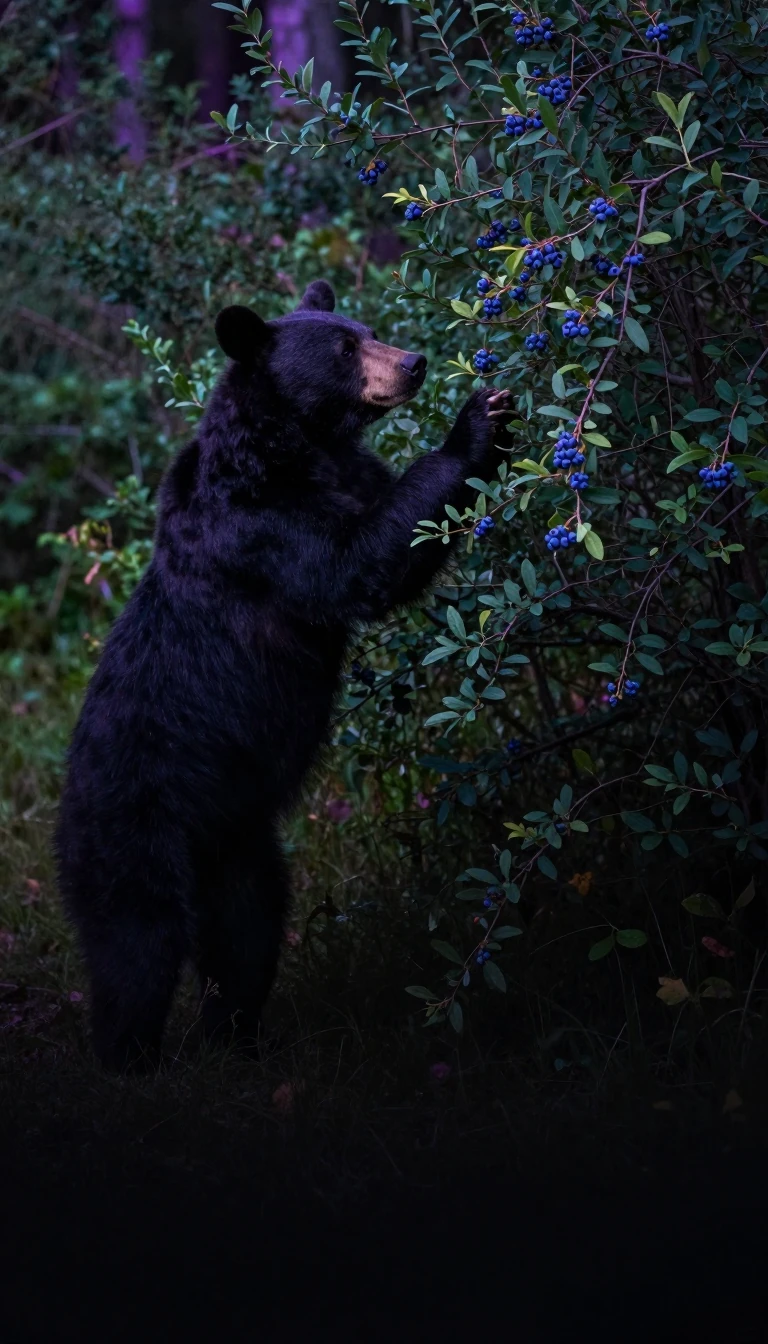 The Kodiak bear is a giant of the north, isolated for over 10,000 years.Inhabiting the islands of the Kodiak Archipelago, these massive brown bears are among the largest terrestrial carnivores on Earth. While they share a lineage with mainland grizzli…
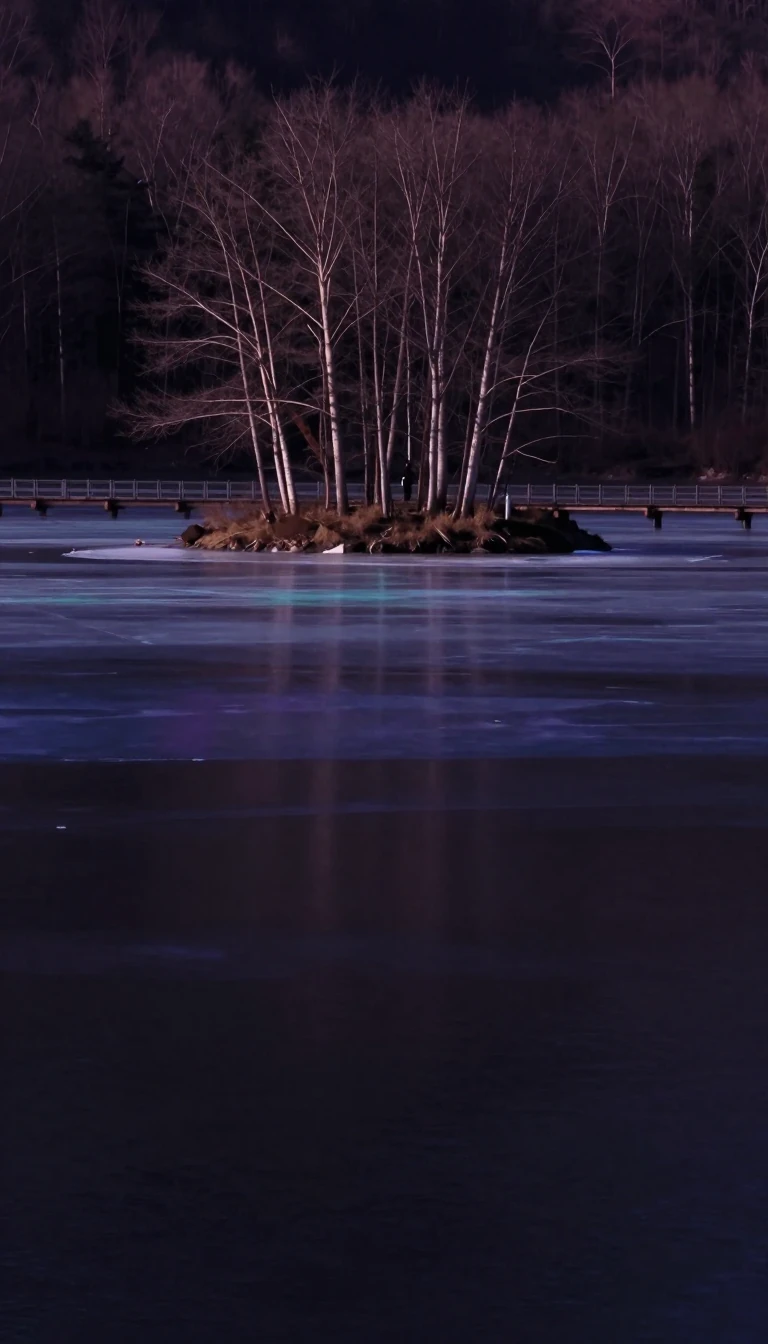 The Irish elk was neither Irish nor an elk, but a giant deer.This massive creature, which once roamed from Ireland to Siberia, is often misunderstood. Despite its name, it is not closely related to the modern elk. Instead, it was a master o…
- Why the Goldilocks principle is more than just a fairy tale about porridgeThe story of an intruder in a bear family home has evolved from a cautionary tale about bad manners into a universal scientific shorthand. By exploring the dialectical three, this…
 Hydrocortisone is a versatile hormone medication that balances inflammation, immunity, and even emotional resilience.As the pharmaceutical version of the body's natural cortisol, hydrocortisone is a cornerstone of modern medicine. Beyond treating common skin rashes and joint inflammation, this c…
- Meet the fairyfly, a microscopic wasp that swims through water and hunts insect eggs.Fairyflies are among the smallest insects on Earth, often measuring less than a millimeter. Despite their delicate, feathery wings and brief lifespans, these tiny parasitoids are …
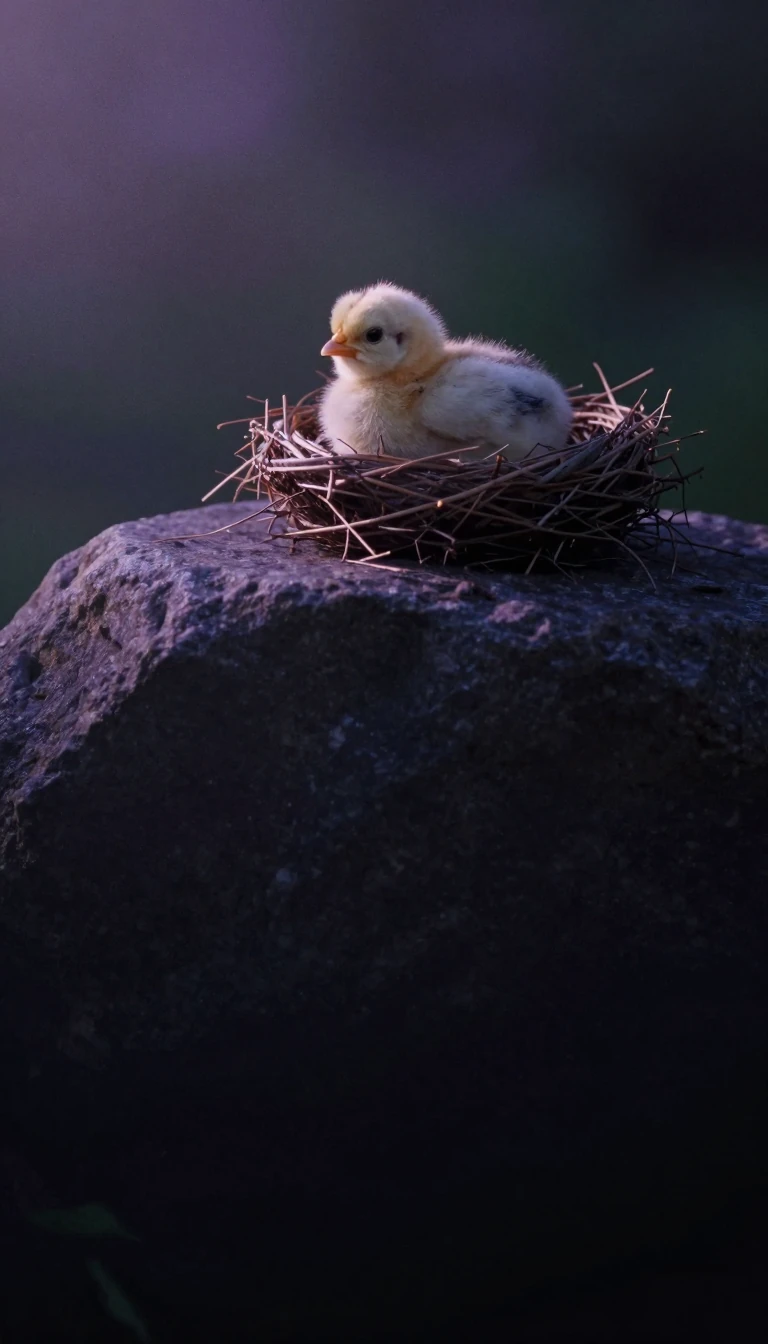 The Enantiornithes were the most successful birds of the Mesozoic, yet they vanished entirely.Known as opposite birds, the Enantiornithes dominated the skies during the Cretaceous period. While they looked remarkably like modern birds, their shoulder anatomy was reversed, …
 The blind, echolocating river dolphin that India recognizes as a nonhuman personIn the murky, sediment-heavy waters of South Asia, the Ganges river dolphin navigates by sound alone. This stocky, nearly blind creature is so culturally significant that India ha…
 Are these tiny freshwater creatures the key to unlocking biological immortality?Named after the mythical beast that grew two heads for every one severed, the Hydra genus is a marvel of biology. These simple, tubular animals appear to defy aging entirely, rege…
 Why do some surfaces change color when you move your head?Iridescence is not a pigment, but a trick of light. By manipulating waves through microstructures or thin films, nature creates shifting hues that dance as your viewing angle chan…
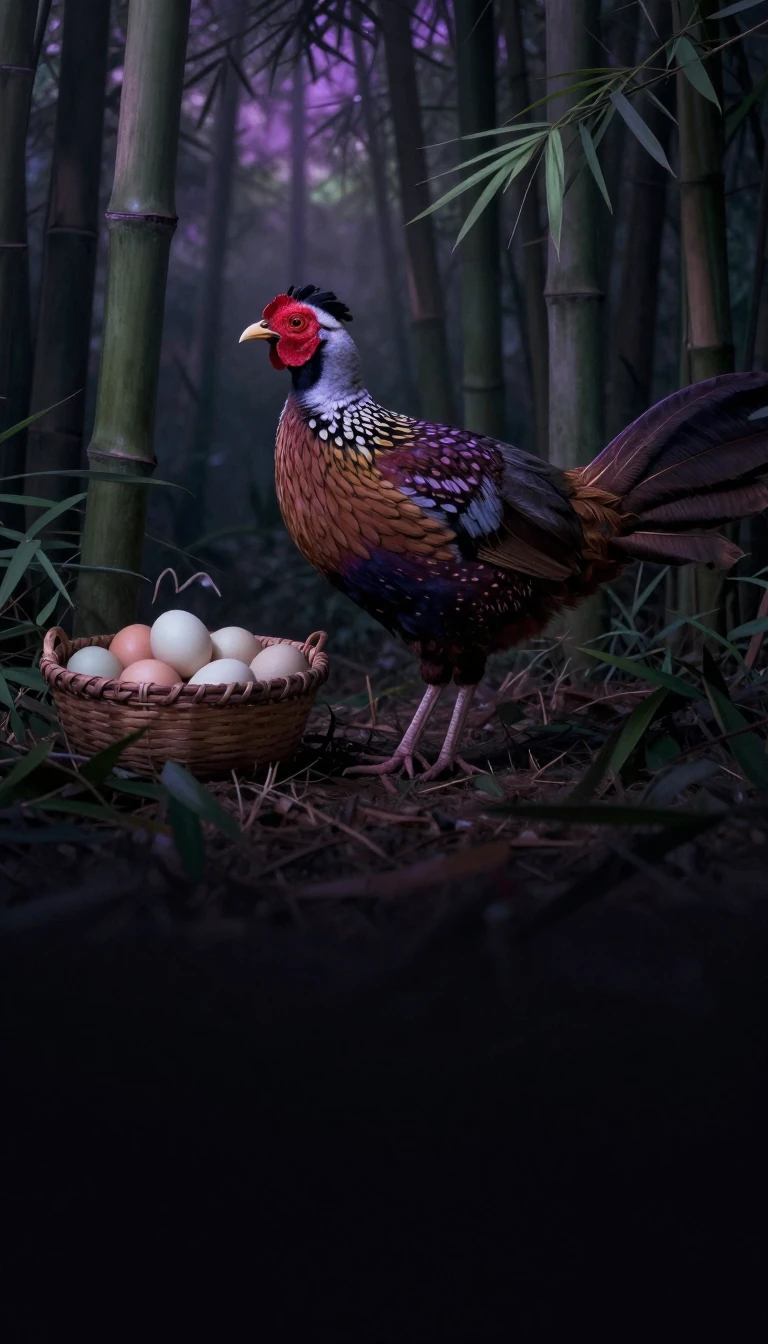 Darwin's famous finches were not even recognized as a distinct group by Darwin himself.When Charles Darwin visited the Galapagos, he largely ignored these birds, mistaking them for common blackbirds or grosbeaks. It was only after an expert ornithologist analyzed th…
 Is the Book of Ruth a historical record or a political parable about inclusion?The Book of Ruth tells the story of a Moabite woman who becomes the great-grandmother of King David. While traditionally viewed as a historical narrative, scholars debate whether …
 Brucellosis: The ancient, persistent zoonotic disease hiding in your glass of raw milkKnown historically as Malta fever, brucellosis is a stubborn bacterial infection that jumps from animals to humans. While often linked to unpasteurized dairy, it also poses a sign…
 The elusive bush dog is a pack-hunting canine that once seemed entirely extinct.First identified from fossils in 1839, the bush dog was long thought to be a ghost of the past. This rare, semi-aquatic South American predator lives in tight-knit family packs, u…