 Intellect Plus
Nature
11,198 cards. Each one is a 40-second story with a five-minute read behind it. Page 128 of 187.
Subtopics: Ageing · Air · Animal behaviour · Animal breeds and hybrids · Animals · Arthropods · Atmosphere · Big cats · Bilateria, others · Birds · Botany · Cnidarians · Conservation · Coral reefs · Deep sea · Deserts · Dinosaurs · Earth science · Earth science and physical geography · Earth science basics · Earthquakes & tsunamis · Echinoderms · Ecology · Ecosystems · Endangered species · Extinct animals · Farming · Fish · Forests · Fungi · General classifications · Geology · Geomorphology · How Long Can It Live? · Ice · Individual animals · Insects · Lightning · Longevity · Mammals · Marsupials · Migration · Mollusks · Ocean · Organisms · Parasites · Physical geography · Plants · Porifera · Predators · Primates · Rainforest · Reptiles & amphibians · Researched · Sharks & rays · Spiders & arachnids · Symbiosis · Trees · UK & Ireland: nature · Vertebrates · Vision · Volcanoes · Water · Waves · Weather · Whales & dolphins · Zoology
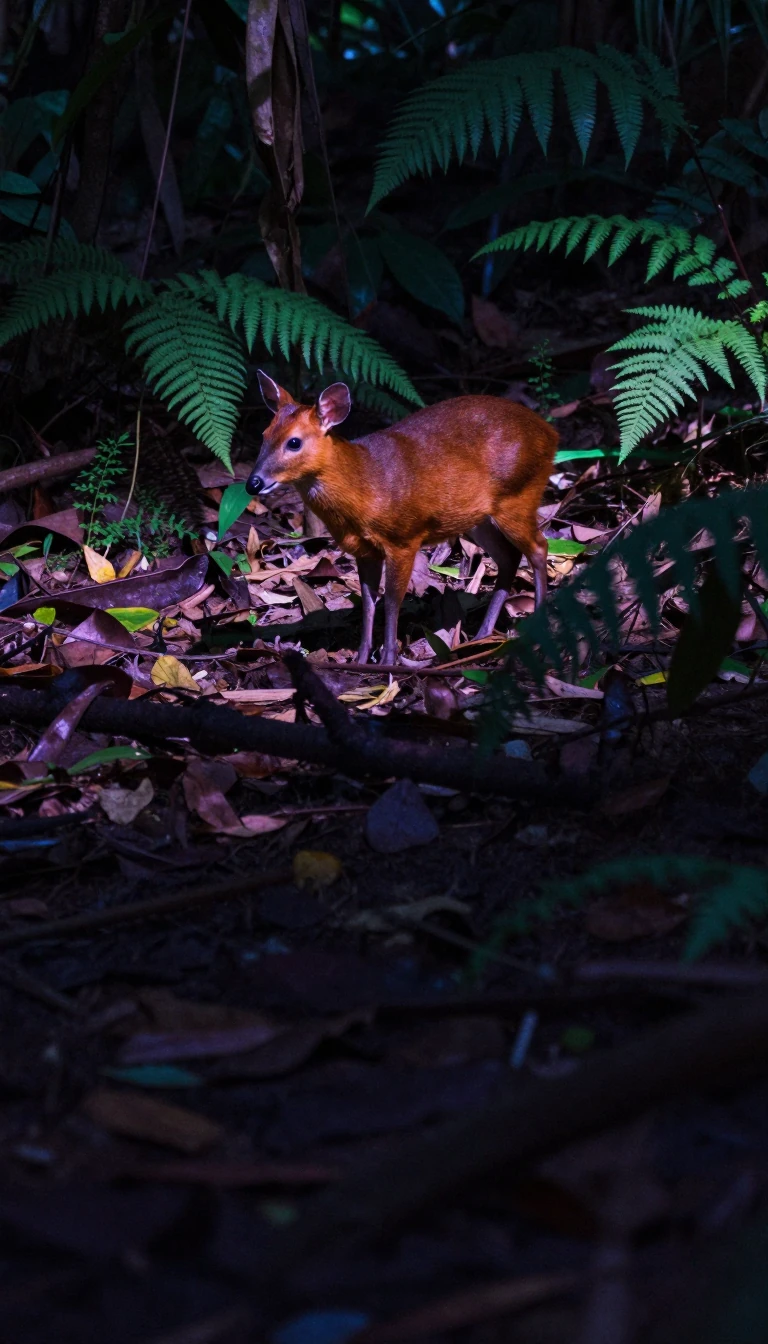 Why the twelve-horned swamp deer is a masterclass in wildlife recoveryKnown as the barasingha, this unique deer species is named for its distinctive antlers, which carry more than three tines. Once pushed to the brink of extinction by habitat loss a…
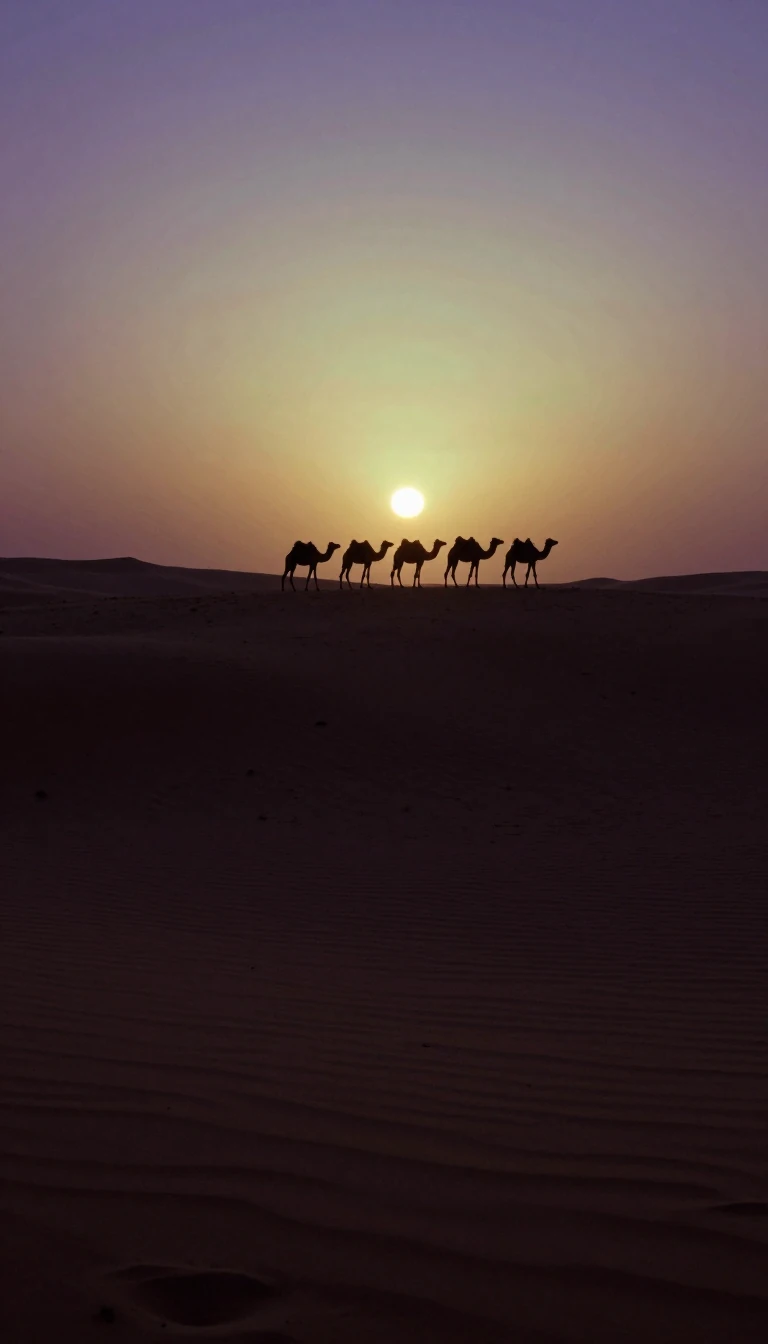 The resilient aoudad is a desert master that thrives where others simply cannot surviveNative to the rugged, arid mountains of North Africa, the Barbary sheep—or aoudad—is a master of survival. These agile creatures can extract all necessary water from their diet, a…
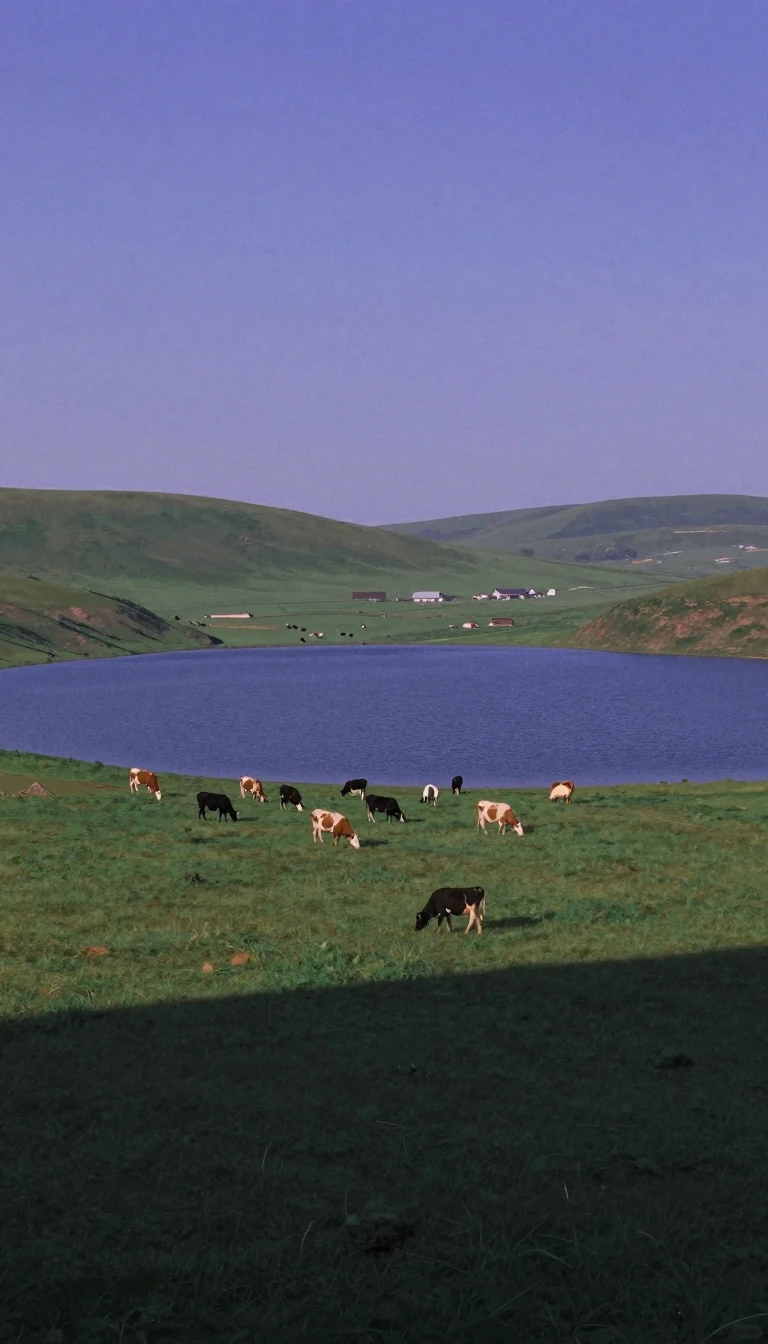 Why the world's largest cattle are not always what they seem to beFrom the antelope-like saola to the massive gaur, the tribe Bovini represents the largest members of the family Bovidae. While humans have successfully domesticated five of these …
 The giant beaver was a bear-sized rodent that never built a single dam.Castoroides, the Pleistocene giant beaver, reached lengths of over two meters and weighed up to 125 kilograms. Despite their name, these massive creatures were not close relatives…
 A banana duct-taped to a wall sold for millions, but is it art?Maurizio Cattelan’s Comedian is a fresh banana affixed to a wall with duct tape. It has sparked intense global debate, high-stakes auctions, and multiple public acts of consumptio…
 This resilient soil bacterium is a master of survival, industry, and space travel.Bacillus subtilis is a microscopic powerhouse found everywhere from subway tracks to the human gut. Beyond its role as a common soil dweller, this rod-shaped organism serves as a …
 Why nations rich in natural resources often struggle to achieve lasting economic prosperityThe resource curse suggests that countries blessed with abundant natural wealth often suffer from slower economic growth, increased corruption, and higher rates of conflict. While…
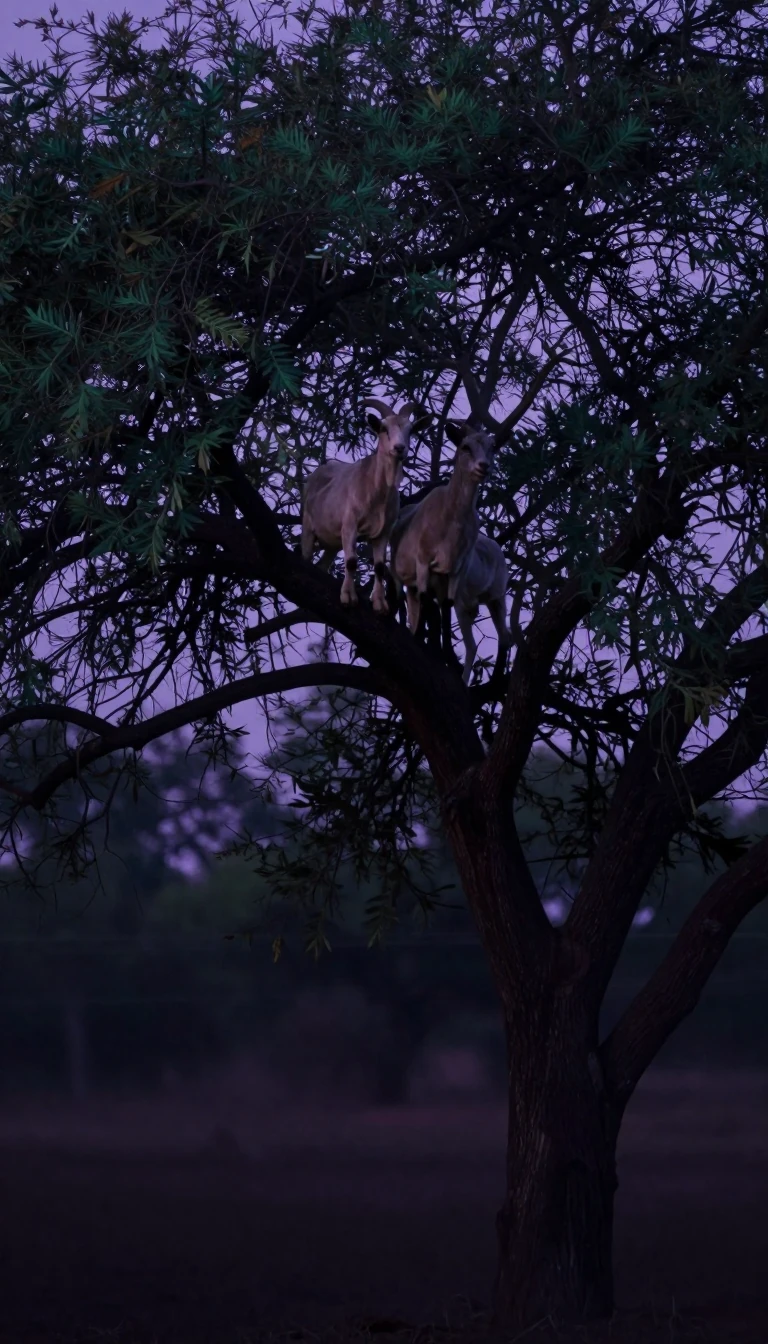 How a tiny population of mountain goats survived near-total extinction in the AlpsOnce hunted to the brink of disappearance, the Alpine ibex is a master of vertical survival. These resilient goats scale near-vertical dams and thrive in extreme alpine terrain. T…
 How 230 million years of geological upheaval carved Utah’s most dramatic canyon landscapeZion National Park is a masterclass in erosion, where rivers have sliced through layers of sedimentary rock to reveal a vibrant, towering canyon. From its origins as an ancient se…
 The Paleoproterozoic era transformed Earth from a toxic, anaerobic world into a modern planet.Spanning from 2.5 to 1.6 billion years ago, the Paleoproterozoic was Earth's longest geological era. It witnessed the first stabilization of continents, the rise of oxygen-produci…
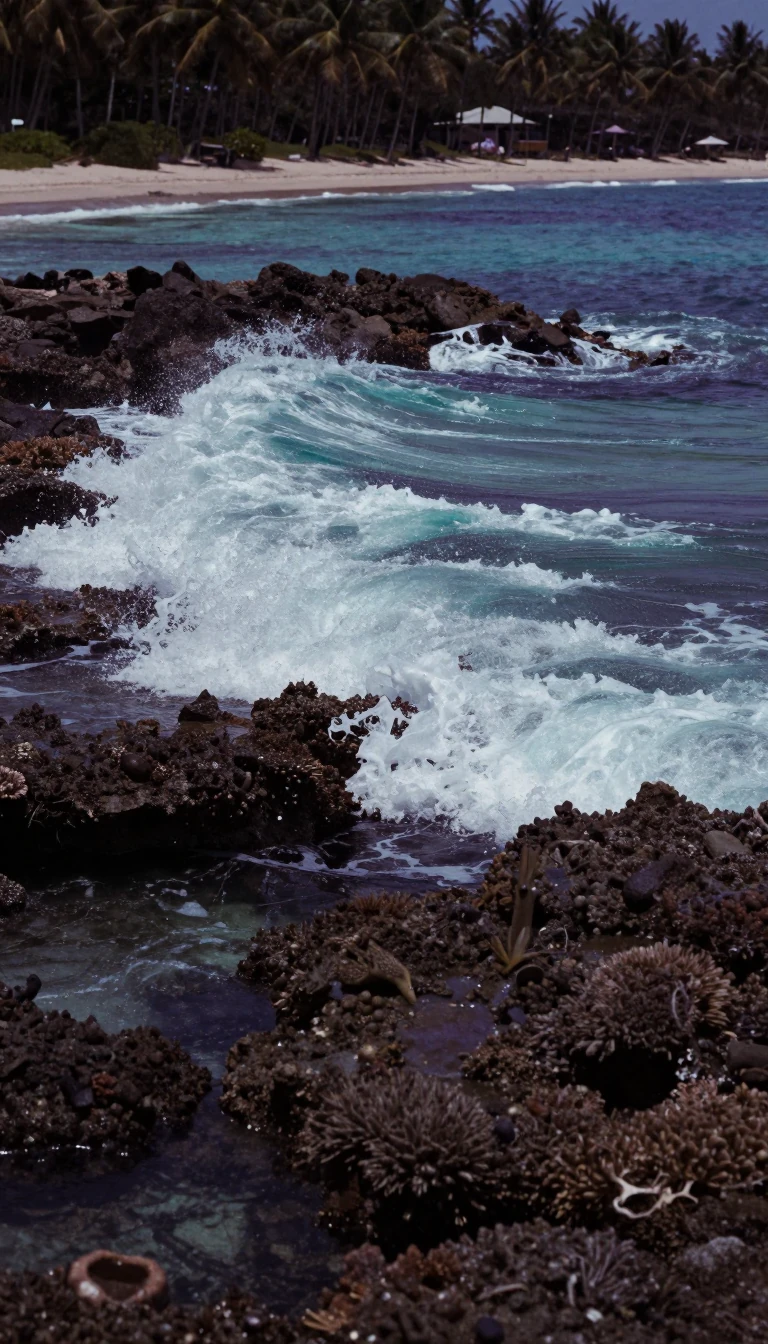 Mangrove forests are the world's most productive coastal engineers, building land from the sea.These salt-tolerant forests thrive in the harsh intertidal zone, where they act as natural barriers against storm surges and tsunamis. By slowing tidal waters with their stilt-lik…
 Is the New World Order a secret global plot or a misunderstood political term?The New World Order is a term that has shifted from describing post-war global cooperation to fueling apocalyptic fears of a shadow government. While politicians use it to discuss…
 Why do we find comfort in stories about the end of the world?Apocalyptic fiction is not just about destruction; it is a mirror for our deepest cultural anxieties. From ancient myths of divine floods to modern tales of alien invasion, these …
 Deep in the West Siberian Plain lies a vast, strictly protected wilderness of swamp.Established in 1982, the Yugansky Nature Reserve spans over 648,000 hectares of remote taiga. This strict ecological zone, or zapovednik, is largely off-limits to the public, pres…
 Deep in the Siberian taiga lies a massive, strictly protected wilderness sanctuarySpanning the upper reaches of the Taz River, this vast Russian reserve serves as a critical refuge for boreal wildlife. As a strict nature reserve, it remains largely off-limits t…
 Why Russia’s remote Arctic tundra is a vital sanctuary for global bird migrationsLocated on the Barents Sea coast, the Nenets Nature Reserve protects a vast, flat expanse of wetlands and tundra. Established in 1997, this strict reserve serves as a critical sto…
 Asia's first national park was created to protect forests from human encroachment and poaching.Established in 1936, Jim Corbett National Park in India serves as a vital sanctuary for tigers, elephants, and hundreds of bird species. While it pioneered conservation efforts li…
 The English seaside town where the Earth’s history is written in stoneIn the Dorset town of Lyme Regis, the cliffs are constantly shifting. This geological instability, while a threat to the coast, serves a vital purpose: it exposes a continuous 185…
 Beyond Gold and Red: The Hidden Logic of Heraldic TincturesHeraldry is not just a collection of random colors. It is a precise, centuries-old system of metals, colors, and furs that evolved from the twelfth century. While modern eyes see …
 Is Ulster Scots a distinct language or merely a dialect of English or Scots?Ulster Scots, also known as Ullans, sits at the center of a fierce debate over linguistic identity. While some enthusiasts argue it is a unique language, many linguists classify i…
 Shale is the most abundant sedimentary rock, blanketing nearly the entire Earth's surface.Though it makes up only a tiny fraction of the Earth's total crust, shale covers the vast majority of the planet's surface. This fine-grained rock, formed from ancient mud, holds …
 The humble mealworm is a complex biological machine capable of digesting plastic wasteOften dismissed as simple pet food or grain pests, mealworms are actually sophisticated organisms. These larvae of the yellow mealworm beetle possess a unique gut microbiome that …
 The red squirrel is a master of disguise with over twenty distinct recognized subspecies.Across the vast forests of Eurasia, the red squirrel displays a surprising kaleidoscope of appearances. While often imagined as bright russet, these rodents can be black, grey, or…
 Why the earliest human settlements were established long before the invention of agricultureWe often assume farming forced humans to settle down, but archaeology tells a different story. Long before the first crops were sown, hunter-gatherers were building permanent vill…
 Is the United Kingdom facing an unprecedented era of constitutional fragmentation and potential dissolution?Since May 2026, separatist parties have held the largest share of seats in the devolved legislatures of Scotland, Northern Ireland, and Wales. This simultaneous political shift ha…
 Is this Dorset limestone island the secret architect of the British capital?Connected to the mainland by a unique barrier beach, the Isle of Portland is more than a geological curiosity. This tied island provided the white limestone that defined London's …
 Why do nations choose specific animals to represent their identity and shared cultural values?National animals are far more than simple mascots. They serve as powerful symbols of a country's heritage, strength, and collective character. By formalizing these creatures throu…
- The long-eared owl is a master of sound, hunting in total darkness with ease.With ears placed asymmetrically on its skull, the long-eared owl can pinpoint prey with ten times the auditory sensitivity of a human. This nocturnal hunter, often found in dense …
 How a 17th-century political tool became a global powerhouse of modern scientific researchFounded in 1666 to culturally integrate the newly acquired province of Scania into Sweden, Lund University has evolved from a regional political instrument into a world-class rese…
 Why this English mountain features a mysterious plateau and a history of daring aviationHelvellyn is the third-highest peak in England, defined by a dramatic contrast between its gentle western slopes and its jagged, glacial eastern ridges. Beyond its popularity with…
 The Inner Hebrides: A rugged archipelago shaped by ancient clans and shifting tidesOff Scotland's west coast, the Inner Hebrides comprise 35 inhabited islands and 44 large uninhabited ones. From the mountainous peaks of Skye to the low-lying pastures of Tiree, t…
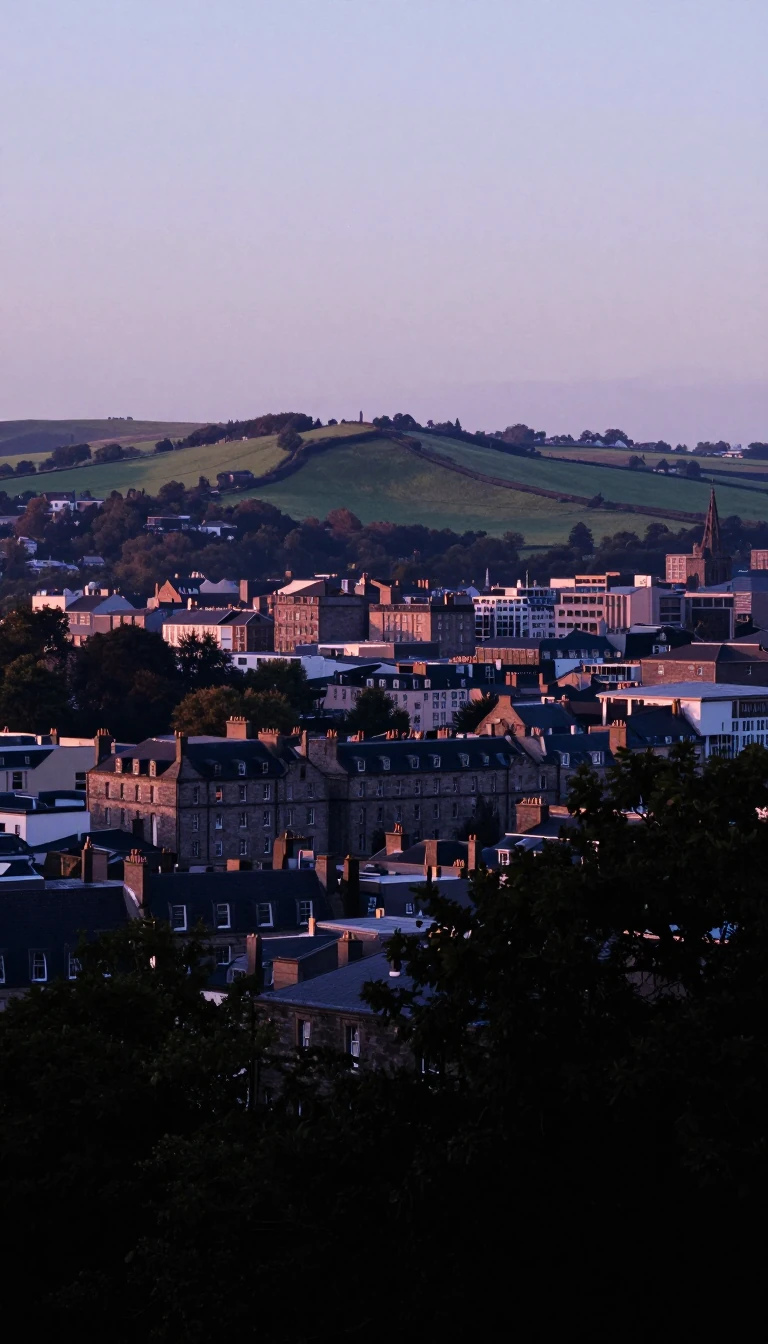 Why Britain's wildlife is a shadow of its former, prehistoric selfBritain’s modern fauna is a fragmented remnant of a much richer past. Separated from the continent after the last ice age and heavily altered by human expansion, the island has lo…
 How Did Tropical Parakeets Become a Permanent Fixture of the British Suburban Landscape?Rose-ringed parakeets are now a common sight in London and beyond, yet their origins remain shrouded in urban legend. While some credit Jimi Hendrix or a film set, the truth invol…
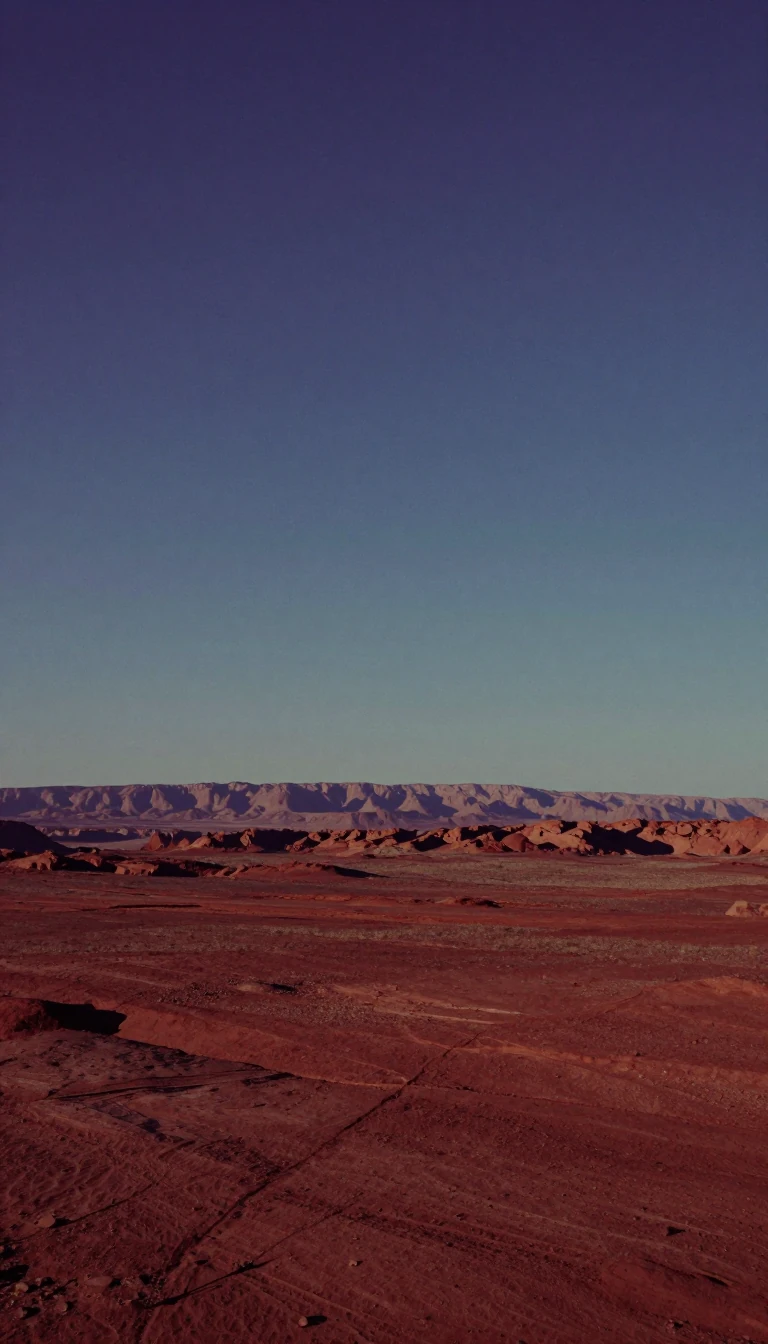 The United Kingdom was once two separate continents drifting near the Antarctic Circle.The British Isles are not a static landmass but a geological jigsaw puzzle. Over hundreds of millions of years, tectonic collisions and shifting latitudes fused two distinct conti…
- Can a magical wish in the Irish countryside really change your romantic destiny?In the 2024 film Irish Wish, a book editor finds her life upended when a spontaneous request to a fairy magically transforms her into the bride of her best friend's fiancé. Starri…
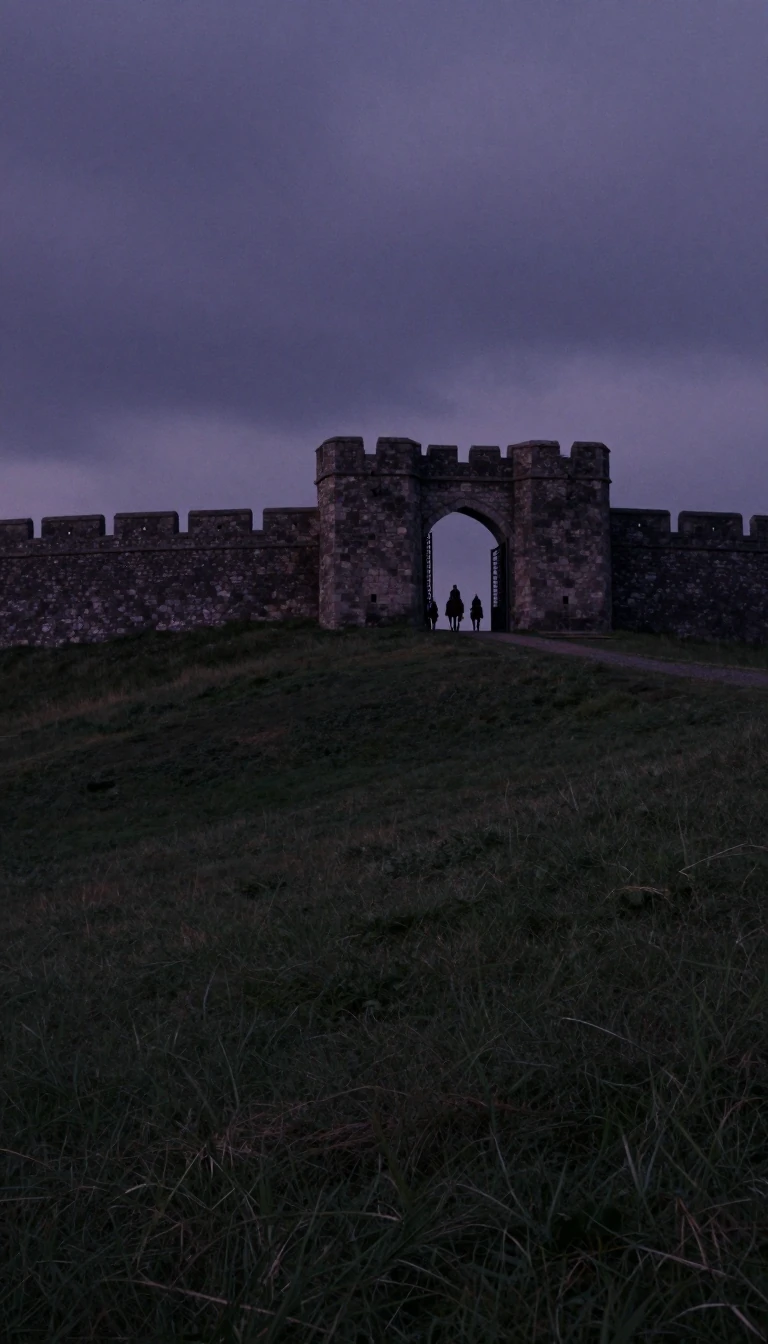 Conwy Castle: The Brutalist Colonial Fortress That Once Housed a King's Private GardenBuilt by Edward I to cement English power in Wales, Conwy Castle is a masterpiece of 13th-century military engineering. Beyond its imposing towers and defensive walls, the fortres…
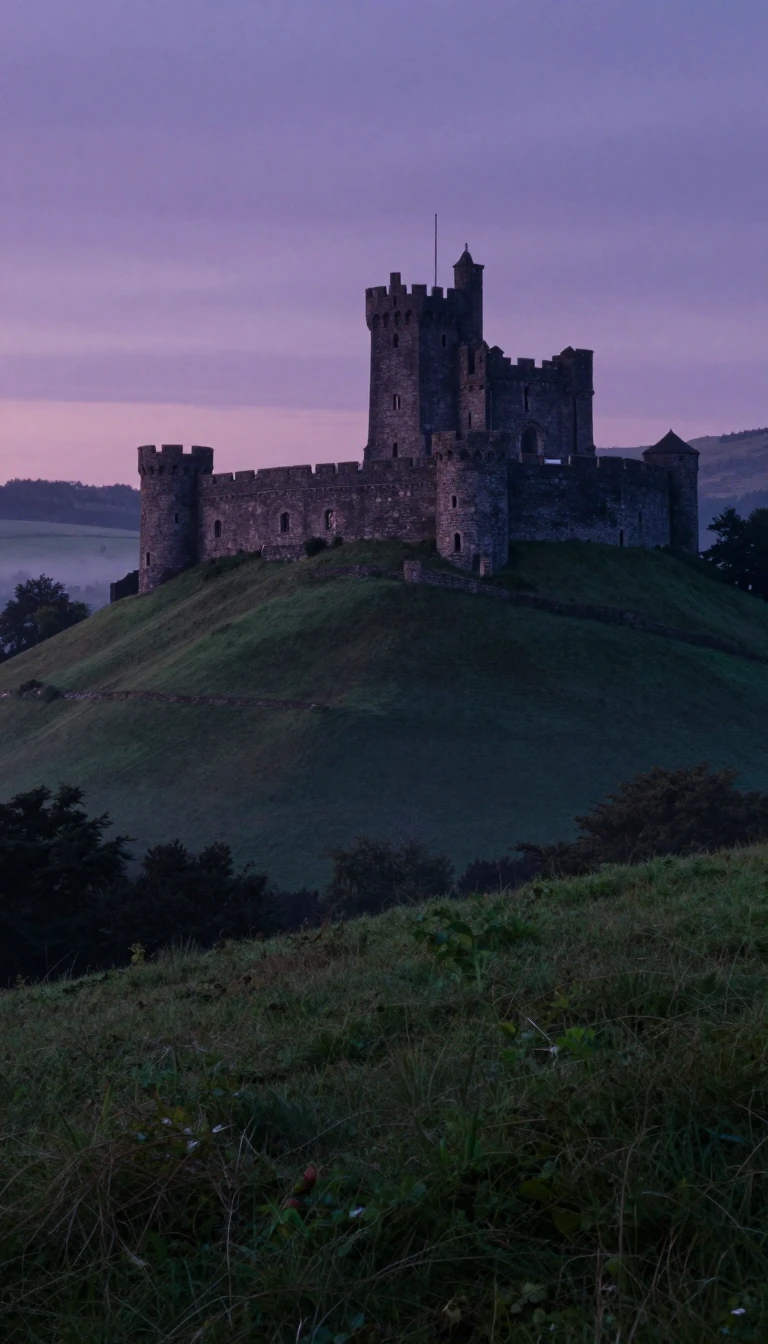 Why Dartmoor's iconic granite tors are actually remnants of deep chemical weatheringDartmoor is a vast upland landscape defined by exposed granite hilltops called tors. While they appear as permanent stone monuments, these formations are actually the result of an…
 How the United Kingdom manages its complex web of diverse electoral systemsThe United Kingdom does not use a single method for its elections. Instead, it employs five distinct electoral systems across various national, devolved, and local contests. From …
- How the United Kingdom’s ethnic landscape has evolved from ancient migrations to modern superdiversityThe United Kingdom is a mosaic of ancient history and recent demographic shifts. While early populations like the Romans and Normans shaped its genetic foundations, modern immigra…
- Once hunted to the brink of extinction, the Eurasian beaver is staging a comeback.The Eurasian beaver was nearly wiped out by the early 20th century, with only 1,200 individuals remaining. Today, thanks to extensive reintroduction programs and protection, the p…
 Why the European hare’s frantic spring boxing matches are not just for malesThe European hare is a master of endurance, built for high-speed flight across open fields. Yet, come spring, these shy, nocturnal creatures engage in a frenzied, daylight ritual …
 Why the humble European hedgehog is a master of survival and a global invader.The European hedgehog is a familiar garden visitor, yet it is a complex creature of contradictions. While it is a beloved symbol of nature in its native range, it has become a des…
- Why did a medieval king build a fortress to mimic the walls of Constantinople?Caernarfon Castle was more than a military stronghold; it was a deliberate architectural statement. By incorporating Roman-inspired design and imperial imagery, King Edward I soug…
 Are heraldic charges merely geometric designs or symbolic representations of the natural world?In the intricate language of heraldry, a charge is any emblem occupying a shield. These range from rigid geometric ordinaries to diverse mobile charges like animals, plants, or le…
 How a small Gloucestershire football club became a master of the comebackFounded in 1887, Cheltenham Town F.C. has spent over a century navigating the volatile tiers of English football. Known as the Robins, the club has survived financial crises, mult…
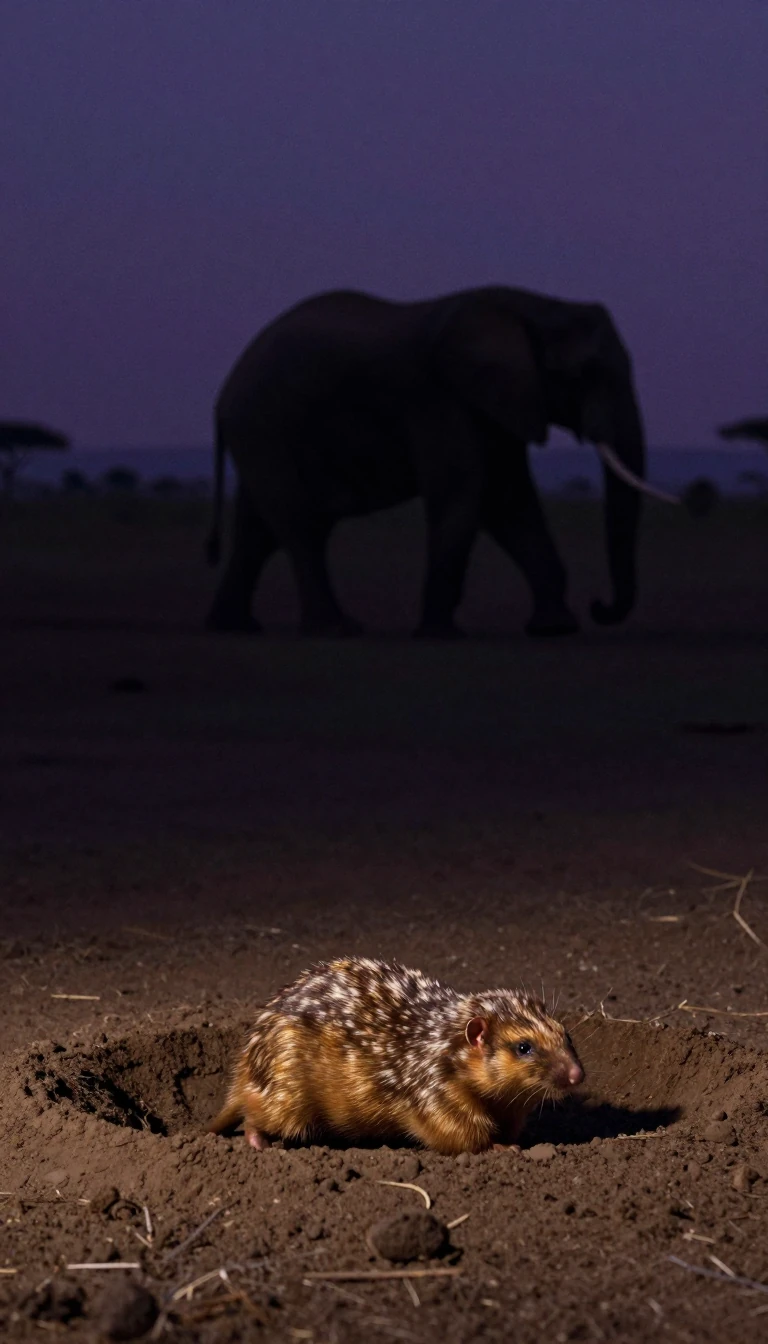 The cave hyena was an apex predator that once dominated the northern Eurasian ecosystems.Larger and more robust than its modern African cousin, the cave hyena was a formidable hunter that shared the landscape with Neanderthals and early humans. While often misundersto…
 Chesil Beach is a natural marvel that sorts its own pebbles by sizeSpanning 29 kilometres along the Dorset coast, this massive shingle barrier is a geological anomaly. Its stones are perfectly graded, shifting from pea-sized at one end to large p…
- The Cliffs of Moher are a 300-million-year-old geologic laboratory hiding in plain sight.Rising over 200 metres above the Atlantic, these iconic Irish cliffs are more than a tourist landmark. They are a preserved record of an ancient delta, where river-borne sediment …
- Why the common wood pigeon is a master of survival in the modern worldThe common wood pigeon is a resilient, large-bodied bird that has successfully adapted to urban environments across Europe. While frequently hunted as an agricultural pest, this g…
- How a green energy scheme triggered the collapse of Northern Ireland's power-sharing governmentArlene Foster, the first woman to serve as First Minister of Northern Ireland, saw her political career defined by both historic milestones and a catastrophic financial scandal. T…
 The complex, flawed, and Machiavellian architect behind the wizarding world's greatest heroAlbus Dumbledore is often remembered as the quintessential wise mentor, yet his life was defined by a tragic, youthful pursuit of power and a deep, lifelong guilt. Far from a simp…
 Barnstaple: How a medieval wool port became a hub for North Devon's modern lifeBarnstaple has evolved from a 14th-century wool-exporting powerhouse into the primary market town of North Devon. Once a contested borough with a silting harbour, it now balances …
 The Aran Islands are a living laboratory of limestone, ancient history, and resilient culture.Off the west coast of Ireland, the Aran Islands defy their barren geology. With no natural topsoil, early settlers engineered a fertile landscape using seaweed and sand. Today, th…
 The Russian Prime Minister is a title that does not officially existWhile the world knows the office as the Prime Minister, the Russian Constitution never uses the term. In a political system dominated by the presidency, the role often functions a…
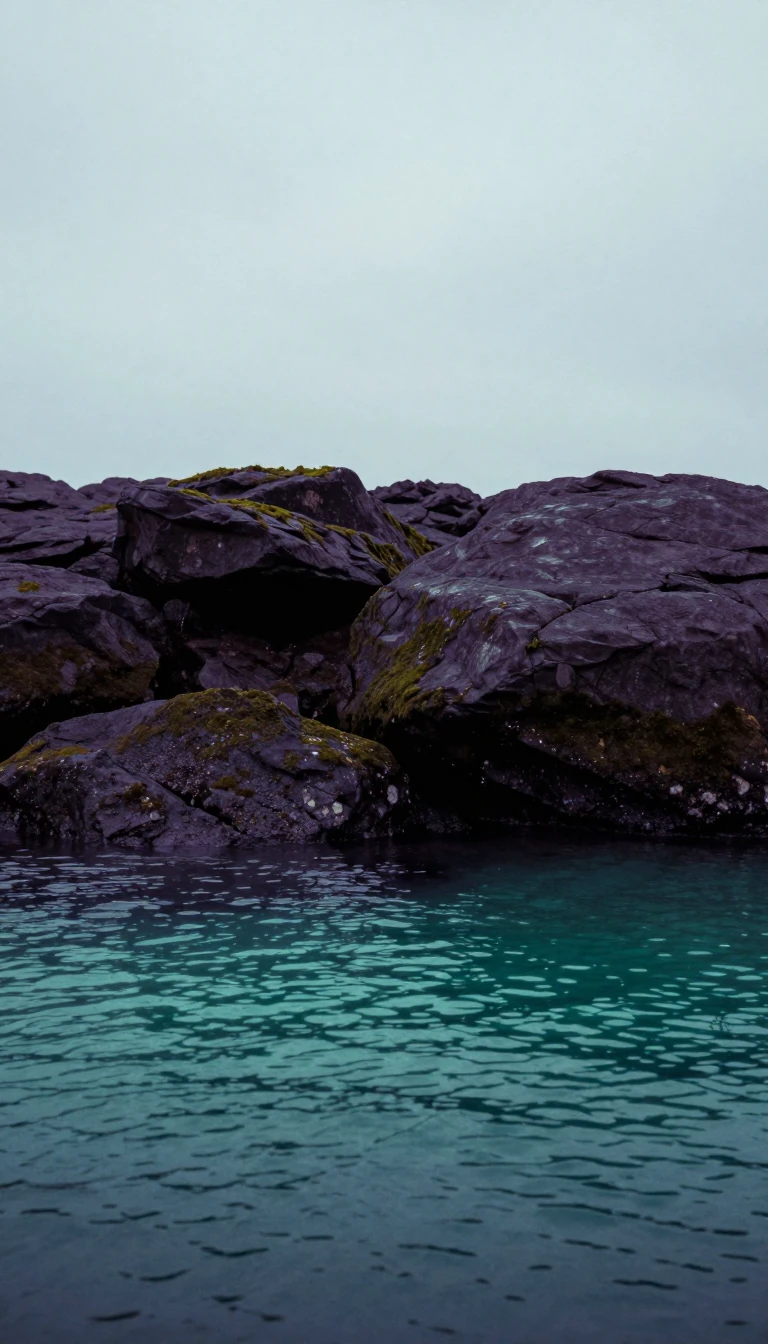 How a Belgian river carved a massive underground cathedral through solid limestone hillsThe Caves of Han-sur-Lesse are not merely a geological curiosity but a subterranean masterpiece carved by the river Lesse. Hidden beneath a limestone hill in Wallonia, this sprawl…
 Ulawun is a towering, active stratovolcano that shapes the landscape of Papua New GuineaRising from the Bismarck arc, Ulawun is one of Papua New Guinea's most prominent and active volcanoes. This symmetrical stratovolcano, located on the island of New Britain, has be…
- Why some birds fly halfway across the globe without stopping for a single breakWaders are masters of endurance, with some species completing staggering non-stop migrations across oceans. These birds, which forage along mudflats and shorelines, have evolved s…
 Vyborg: A Baltic crossroads shaped by centuries of Swedish, Finnish, and Russian rulePerched on the Karelian Isthmus, Vyborg has spent centuries as a strategic prize. Founded as a medieval Swedish fortress, it evolved into a multicultural Finnish hub before being …
 How a Connecticut town traded its onion fields for a global financial powerhouseWestport, Connecticut, began as an isolated colonial farming community that once dominated the American onion market. Today, this Gold Coast town has transformed into a high-earni…
 How a Boston public broadcaster became a powerhouse of American television productionWGBH-TV began as a modest educational station in a repurposed roller rink. Today, it is a national production juggernaut, responsible for over two-thirds of the programming distri…