 Intellect Plus
Nature
11,198 cards. Each one is a 40-second story with a five-minute read behind it. Page 132 of 187.
Subtopics: Ageing · Air · Animal behaviour · Animal breeds and hybrids · Animals · Arthropods · Atmosphere · Big cats · Bilateria, others · Birds · Botany · Cnidarians · Conservation · Coral reefs · Deep sea · Deserts · Dinosaurs · Earth science · Earth science and physical geography · Earth science basics · Earthquakes & tsunamis · Echinoderms · Ecology · Ecosystems · Endangered species · Extinct animals · Farming · Fish · Forests · Fungi · General classifications · Geology · Geomorphology · How Long Can It Live? · Ice · Individual animals · Insects · Lightning · Longevity · Mammals · Marsupials · Migration · Mollusks · Ocean · Organisms · Parasites · Physical geography · Plants · Porifera · Predators · Primates · Rainforest · Reptiles & amphibians · Researched · Sharks & rays · Spiders & arachnids · Symbiosis · Trees · UK & Ireland: nature · Vertebrates · Vision · Volcanoes · Water · Waves · Weather · Whales & dolphins · Zoology
 Did a biblical judge truly sacrifice his only daughter to fulfill a rash vow?Jephthah, a Gileadite warrior, swore to sacrifice the first thing that greeted him upon his return from battle. When his daughter appeared, he felt bound by his word. Was this a l…
 How the 2008 John Adams miniseries blends historical fact with dramatic creative licenseThe HBO miniseries John Adams brought the founding era to life, winning more Emmy awards than any other miniseries in history. Yet, beneath its acclaimed production, the show freq…
 Why Istanbul’s metro network is physically divided by the deep waters of the Bosporus.Istanbul’s rapid transit system is a marvel of modern engineering, yet it remains fundamentally split. Because of the city’s unique geography and the immense depth of the Bosporus…
 James Bay is a massive, icy frontier that shaped the history of modern CanadaLocated at the southern end of Hudson Bay, James Bay is a rugged landscape of boreal forests, muskeg bogs, and powerful rivers. While sparsely populated, this region served as the…
 Interstate 40: A transcontinental artery built through deserts, mountains, and legal battlesSpanning over 2,500 miles, Interstate 40 connects the Mojave Desert to the Atlantic coast. It is more than just a road; it is a complex engineering feat that replaced historic tra…
 Iraqi Kurdistan: A mountainous region defined by millennia of shifting empires and resilienceIraqi Kurdistan is a semi-autonomous mountainous territory in northern Iraq with a history stretching from prehistoric Neanderthal settlements to modern federalism. Long caught be…
 Inca religion was a vast, living map of the cosmos and the natural world.The Inca did not just worship gods; they perceived a universe layered with sacred sites and celestial patterns. From the Sun Temple in Cuzco to the mountain cairns of the Andes, t…
 Why island nations are paradoxically both the most stable and most vulnerable statesIsland countries make up a quarter of the world's sovereign states, yet they occupy a unique geopolitical space. While historically more democratic and stable than continental nei…
 Turkey's ambitious Istanbul Canal project aims to bypass the historic, restrictive Bosporus shipping lanes.Spanning 45 kilometers, the proposed Istanbul Canal would create an artificial island between Europe and Asia. While officials argue it will relieve dangerous maritime congestion …
 Hyōgo Prefecture is a rare Japanese region that touches two different seasSpanning from the Sea of Japan in the north to the Inland Sea in the south, Hyōgo Prefecture is a geographic anomaly. This diverse landscape includes the bustling industrial hub o…
- Is the fluffy South Indian idli a native invention or an Indonesian import?The idli is a staple breakfast of fermented rice and lentil cakes, yet its origins remain a culinary mystery. While ancient Indian texts describe early versions of the dish, some …
 The lost kingdom of Illyria shaped the Roman Empire more than history books admit.Inhabited by fierce tribes from the 10th century BCE, Illyria was a Balkan powerhouse that evolved from a collection of self-governing clans into a vital Roman military bulwark. I…
 Why the Hudson River flows in two directions and defies standard geographyThe Hudson is not a typical river. Because it is a drowned fjord carved by ancient glaciers, the ocean pushes deep into its channel. This creates a tidal estuary where the water f…
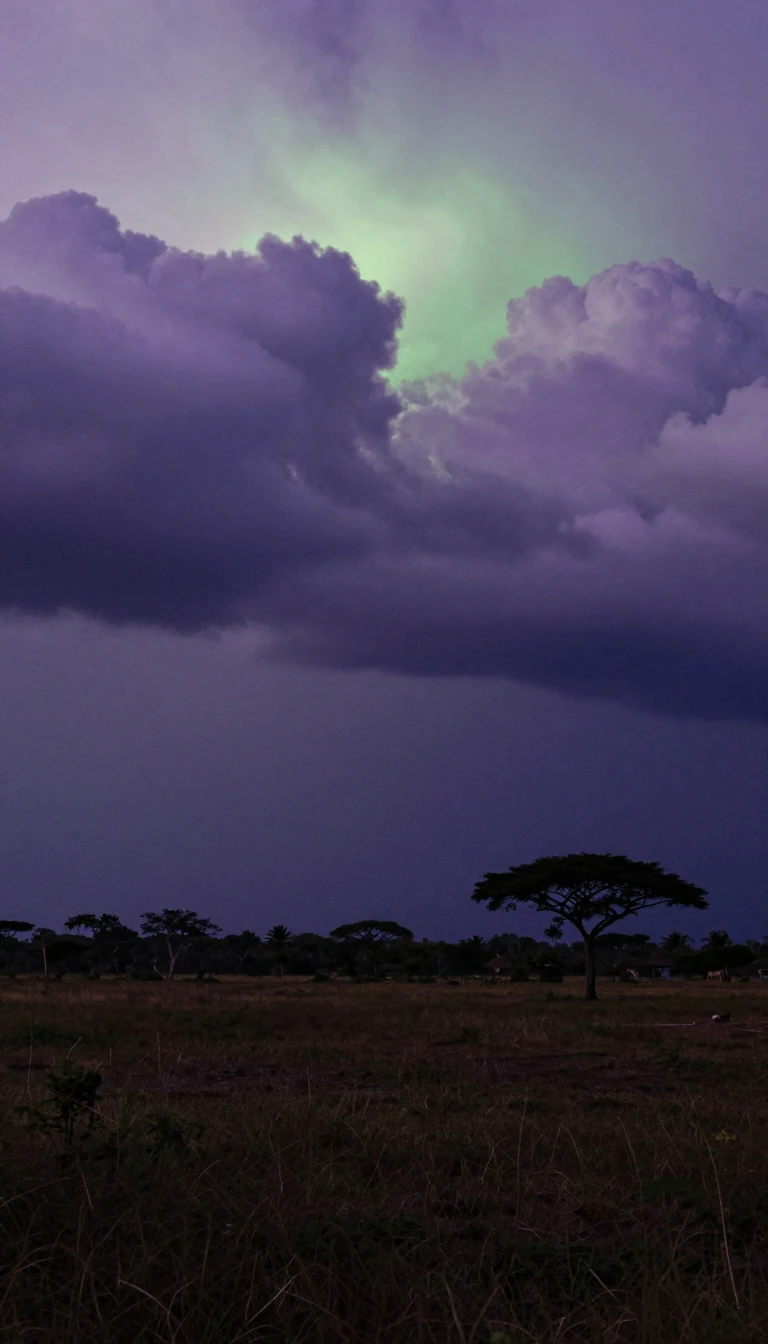 Why the humid subtropical climate is a global powerhouse of vegetation and agricultureFound on the eastern edges of continents, the humid subtropical climate is defined by its high temperatures and consistent rainfall. It acts as a transitional zone between the tro…
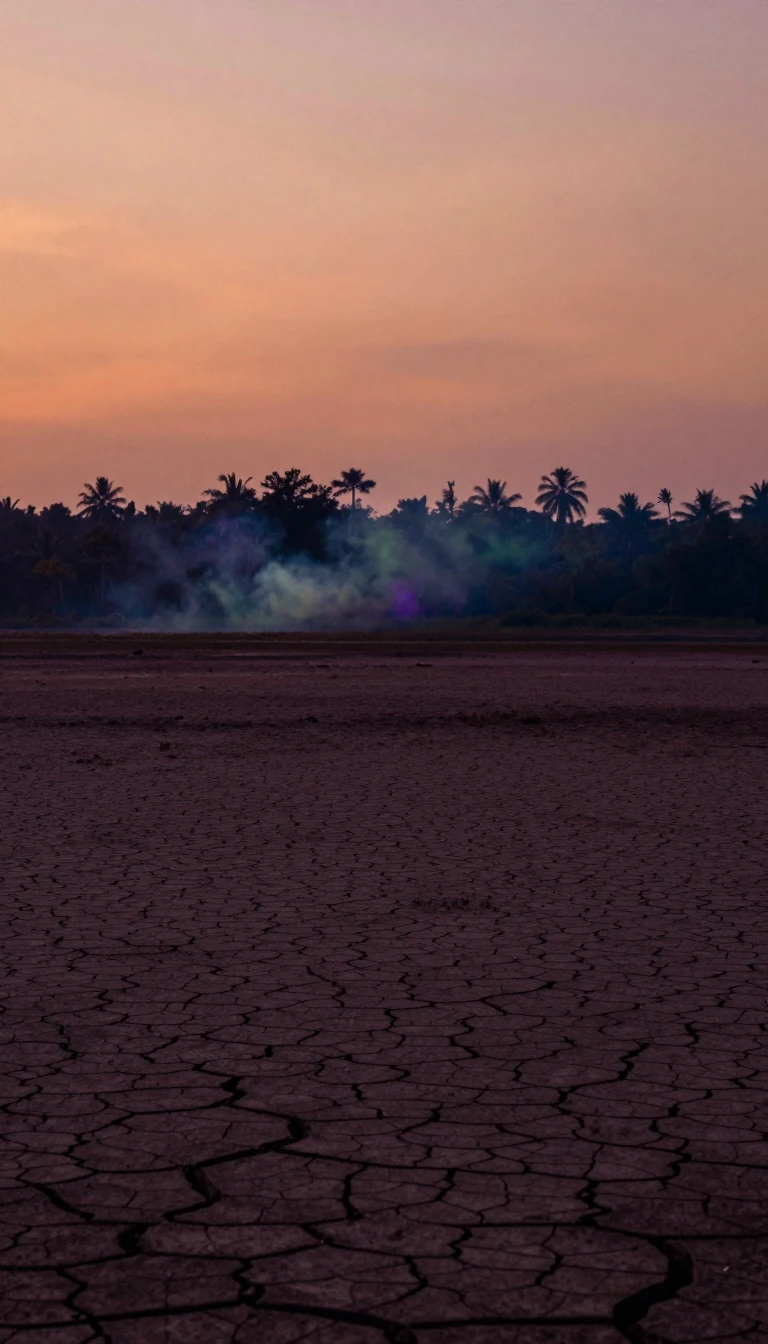 How a New Zealand geothermal valley recovered from decades of human interferenceWhakarewarewa is a geothermal wonder in Rotorua, home to Māori for centuries. Decades of local water extraction nearly silenced its famous geysers, but a bold 1980s intervention r…
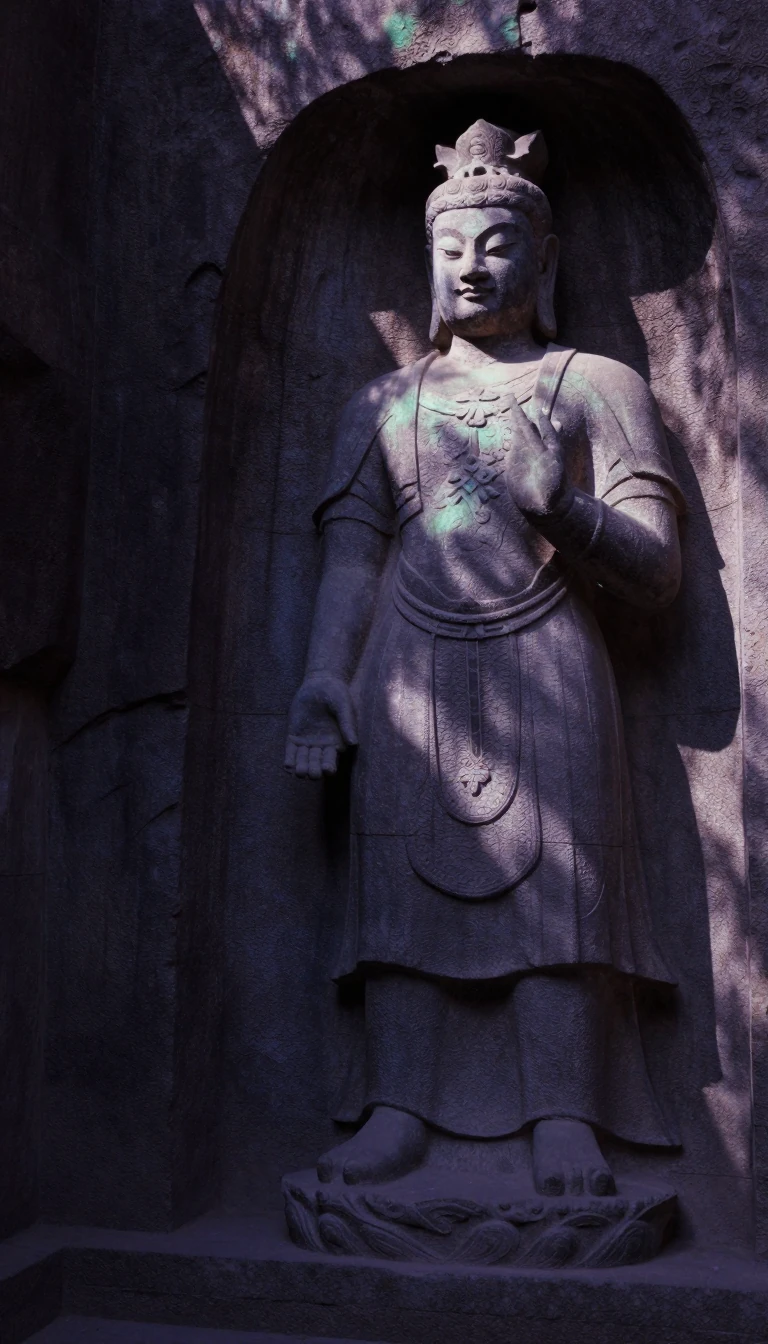 A 12th-century masterpiece carved from soapstone that hardens when exposed to the air.The Hoysaleswara Temple in Halebidu is a twin-shrine marvel of the Hoysala Empire. Built from soft chloritic schist that petrifies over time, its outer walls serve as a massive, i…
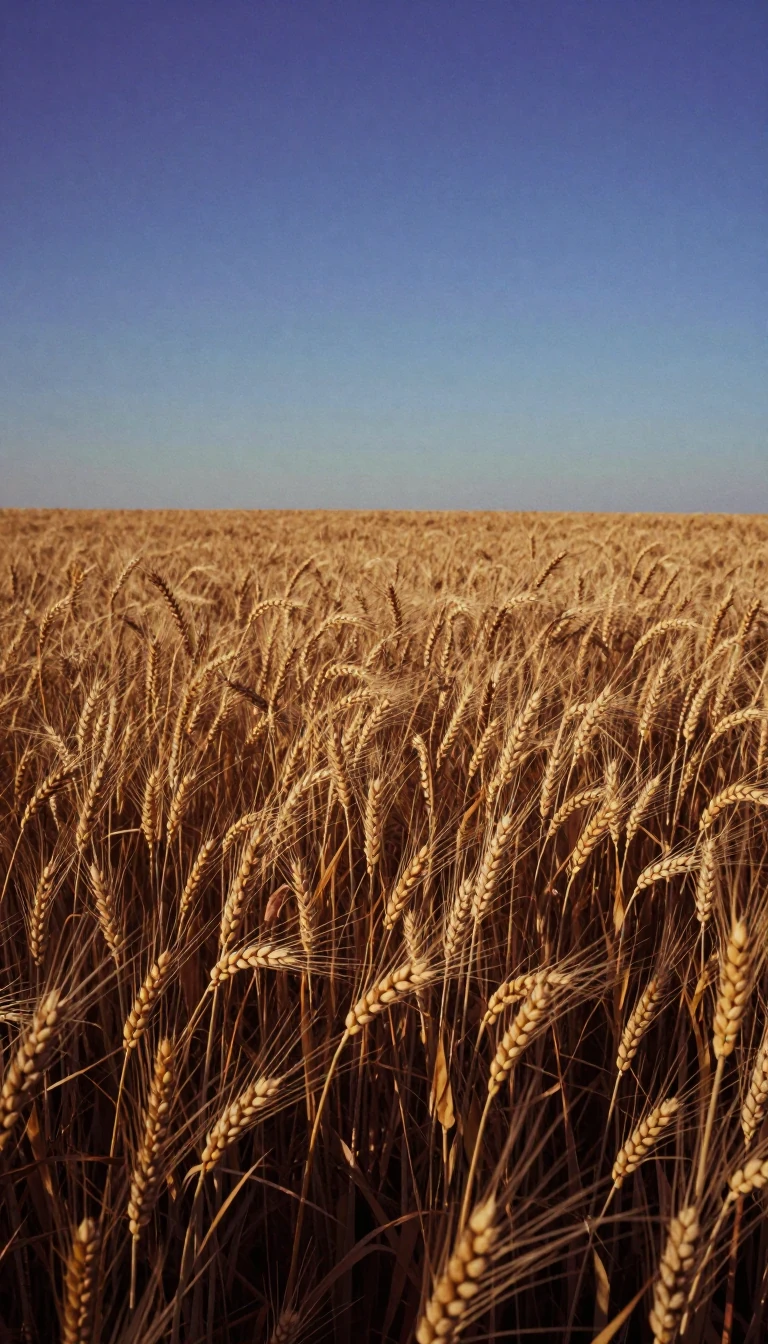 Humanity now consumes 70% more resources than the planet can naturally regenerate each year.Our global footprint has outpaced the earth's capacity to renew itself. From the mass conversion of wild habitats into agricultural land to the staggering loss of 83% of all wild …
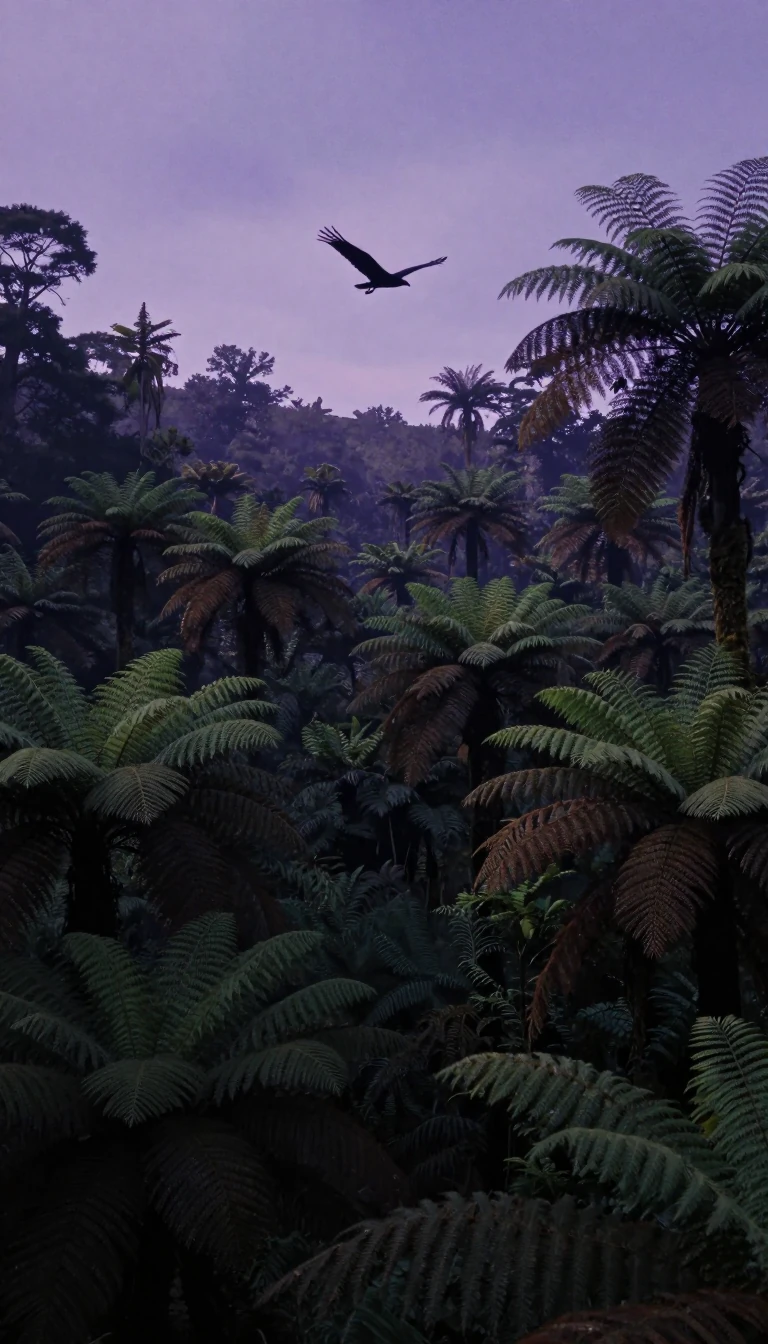 The confusing, overlapping world of the true hawkIs it a hawk, a buzzard, or a falcon? The answer depends entirely on where you stand. From ancient Greek lists to modern taxonomy, the names we use for these predators often refle…
 From nationalist roots to corporate giant: the complex evolution of the Hindustan TimesFounded as a nationalist voice during India's independence movement, the Hindustan Times has transformed into a major media conglomerate. While its early years were defined by pol…
 The word Hispanic has roots in ancient Rome, but its modern usage is fluid.Tracing its origins to the Latin Hispania, the term Hispanic has evolved from a geographic descriptor for the Iberian Peninsula into a complex, often debated, meta-ethnic label. T…
 Why do we accept the status quo as natural, inevitable, and beneficial to everyone?Hegemony is more than just raw power; it is the art of making a ruling group's interests seem like common sense. By shaping our intellectual and moral landscape, dominant powers s…
 Beyond the myths, the name Hercules defines a legacy of strength in nature.The legendary hero Heracles, known for his twelve labors and immense power, has left an enduring mark on human culture. Yet, his influence extends far beyond ancient art and liter…
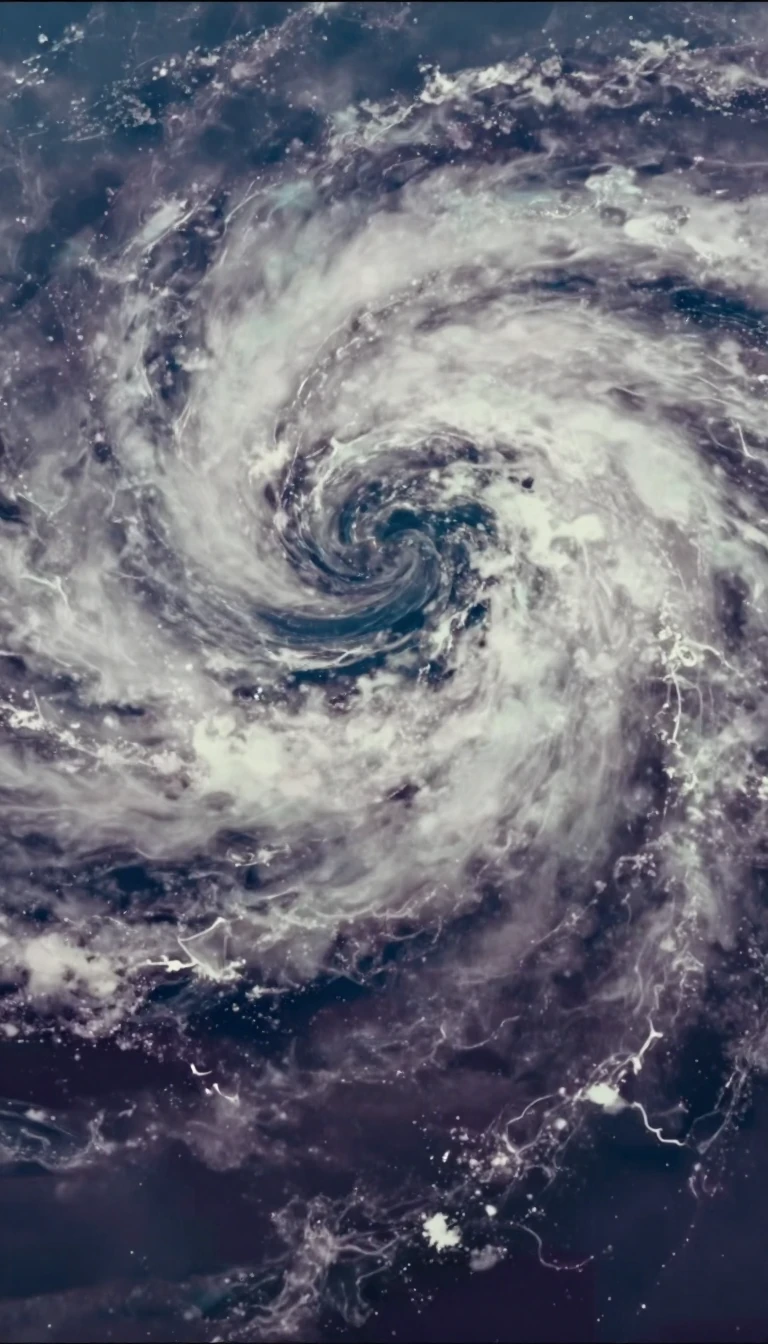 Why did the United States government attempt to rename the Gulf of Mexico?In 2025, a presidential executive order mandated federal agencies refer to the Gulf of Mexico as the Gulf of America. While the change appeared on some digital maps and influenced…
 How small, cheap gunboats once dictated the balance of power on the world's waterways.Designed to carry heavy artillery into shallow rivers and coastal archipelagos where massive warships could not venture, the gunboat became a staple of naval strategy. From the Ag…
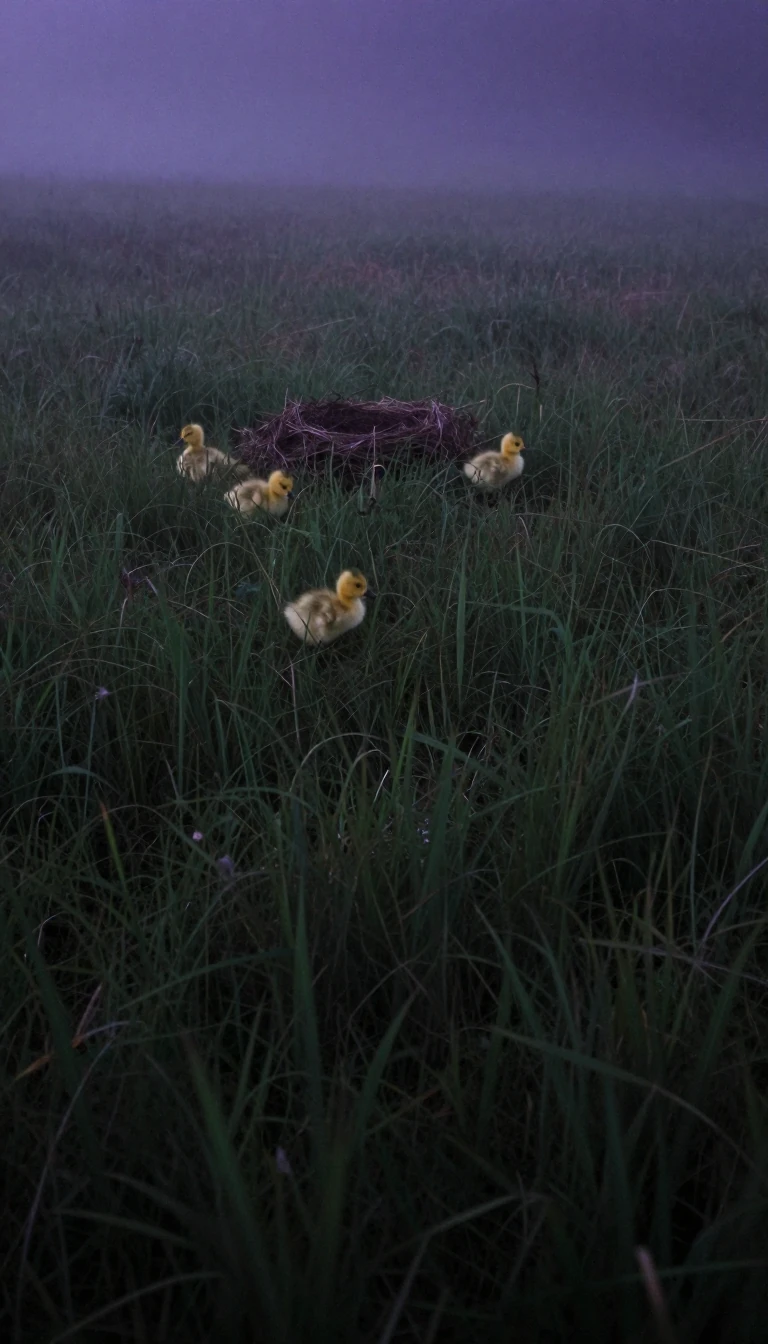 The massive Haast's eagle evolved to hunt giant flightless birds in ancient New Zealand.Before humans arrived in New Zealand, the islands were dominated by birds rather than mammals. Among them was the world's largest eagle, a predator so formidable it evolved to hun…
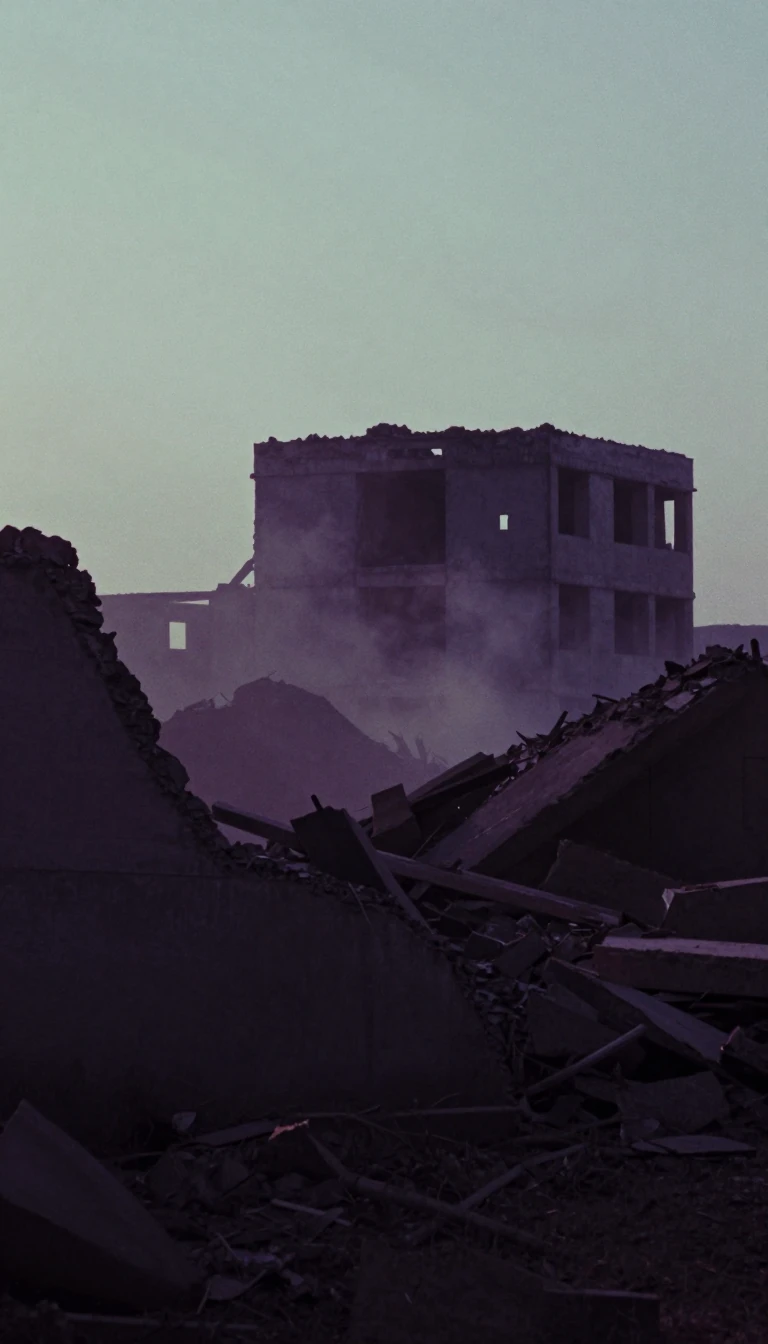 Haiti’s name translates to Mountainous Land, reflecting a rugged, limestone-rich Caribbean landscape.Haiti occupies the western third of Hispaniola, a nation defined by dramatic elevation and complex topography. While its shores are rimmed with cliffs and coral reefs, the country…
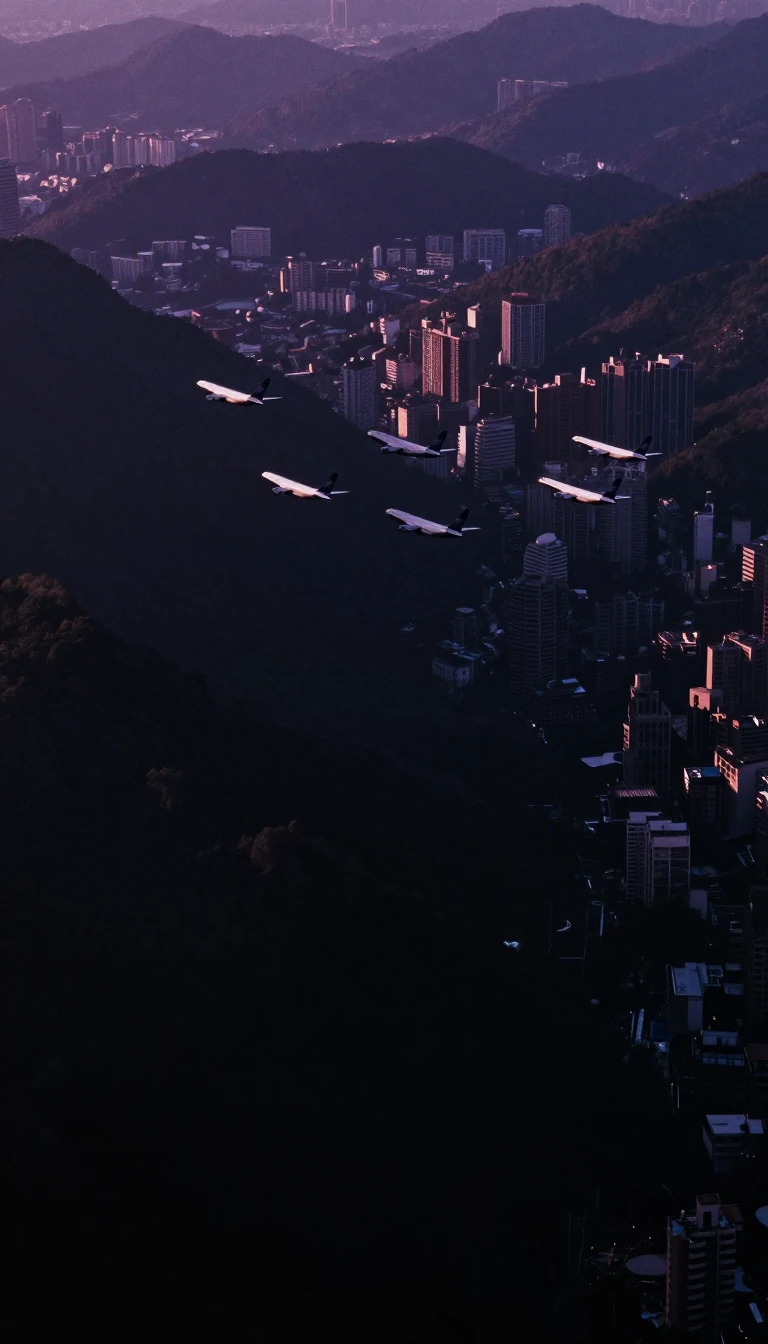 How a former resort and military base became the world's fourth-busiest airportHaneda Airport began as a small patch of reclaimed land for a local shrine, later serving as a military hub during World War II. Today, it stands as a global aviation powerhouse, …
 Why Korean still relies on ancient Chinese characters to clarify its modern vocabularyThough Korea developed its own phonetic alphabet, Hangul, centuries ago, the language remains deeply tethered to Hanja—Chinese characters. Because Korean is full of homophones, th…
 How a three-year blockade of a rocky peninsula shaped the American Revolutionary WarThe Great Siege of Gibraltar was the longest continuous investment in British military history. Lasting over three and a half years, this brutal struggle for a strategic Mediterra…
 The world's largest peatland is a massive, expanding Siberian reservoir of fresh waterSpanning over fifty thousand square kilometers in southwestern Siberia, the Vasyugan Swamp is a geological titan. This vast mire acts as a critical freshwater reservoir for the re…
 How Jacob Grimm proved that language evolution follows strict, predictable mathematical rulesBefore 1822, linguists viewed sound changes as random accidents. Jacob Grimm changed everything by demonstrating that Germanic languages evolved from a common ancestor through sys…
 The Gulf of Finland is one of the world's largest and best-preserved ship cemeteries.Low salinity and cold, oxygen-poor waters have turned this Baltic arm into a time capsule. Thousands of vessels, from ancient merchant ships to World War II warships, rest on the …
 Why the green anaconda is the world's most exaggerated snakeThe green anaconda is the heaviest snake on Earth, yet it is also the subject of more size myths than any other living animal. While legends of 40-foot monsters persist, rigorous …
 The green sea turtle is named for its fat, not its shell color.While their carapaces range from olive to black, the green sea turtle earns its name from the greenish fat stored beneath its shell. This unique coloration is a direct result of t…
- Why Sweden's second city was designed to look like Amsterdam and JakartaFounded in 1621 by King Gustavus Adolphus, Gothenburg was built by Dutch engineers who applied the same urban planning principles used in Amsterdam and Jakarta. This strategic por…
 Once hunted to the brink of extinction, the resilient gray whale has made a comeback.Known as the devil fish for their fierce defense of their young, gray whales undertake one of the longest migrations of any mammal. While commercial whaling nearly wiped them out,…
 Why does this massive North American desert have no path to the sea?Spanning 190,000 square miles, the Great Basin is a landlocked desert defined by its internal drainage. Trapped between the Sierra Nevada and the Wasatch Mountains, its waters nev…
 Why this prehistoric-looking bird intentionally lets its feathers get soaked in the waterThe Great Cormorant is a master of the deep, yet it lacks the waterproof plumage of most waterbirds. Instead of a liability, this sogginess is a strategic advantage, reducing buoy…
 Greater India: How ancient trade routes built a vast, enduring cultural sphere across AsiaGreater India is not a single empire, but a historical cultural sphere spanning South, Southeast, and East Asia. For centuries, trade and religious exchange spread Sanskrit, Buddh…
 The golden jackal is a master of expansion, thriving where wolves are absent.Often mistaken for a mere scavenger, the golden jackal is a highly adaptable predator currently colonizing Europe. While it physically resembles a miniature wolf, its evolutionary…
 The gopher is a master of subterranean engineering, but is it a pest or architect?Pocket gophers are solitary, tunnel-dwelling rodents endemic to the Americas, famous for their fur-lined cheek pouches and destructive gardening habits. While often reviled as agr…
- Why did ancient empires fight for control of this horn-shaped Istanbul waterway?The Golden Horn is more than a scenic inlet; it is a natural harbor that defined the rise of Byzantium, Constantinople, and modern Istanbul. From ancient naval chains to Leonardo …
 Denmark's brief, six-hour defense against Nazi Germany remains a subject of intense historical debate.On April 9, 1940, Denmark faced a sudden German invasion designed to secure supply lines for the conquest of Norway. While the official narrative often suggests a peaceful occupat…
 Taiwan is a rugged, uplifted mountain range rising sharply from the western Pacific Ocean floor.Taiwan is more than an island; it is a massive, tilted crustal block born from the collision of tectonic plates. While its eastern two-thirds are defined by soaring, forest-covere…
 How one British captain systematically renamed the Pacific Northwest, ignoring millennia of Indigenous history.In 1792, George Vancouver arrived on the North American coast with a mission to map the region and assert British imperial control. Over months of exploration, he systematically a…
- The giant anteater is a toothless, knuckle-walking marvel with a two-foot-long tongue.The giant anteater is the largest of its kind, a specialized insectivore that navigates tropical grasslands with a powerful sense of smell. Despite its clumsy appearance, this sol…
- The giant otter is a six-foot-long social predator ruling South American river systems.Known as the water jaguar in Brazil, the giant otter is the largest member of the weasel family. These highly social, vocal creatures hunt in coordinated groups and defend their t…
 Gimli, Manitoba, is a remote Canadian town named after a mythical Norse paradise.Settled by Icelandic immigrants in 1875, this community on the shores of Lake Winnipeg maintains a unique cultural identity. From a massive whisky distillery to a harbour that hos…
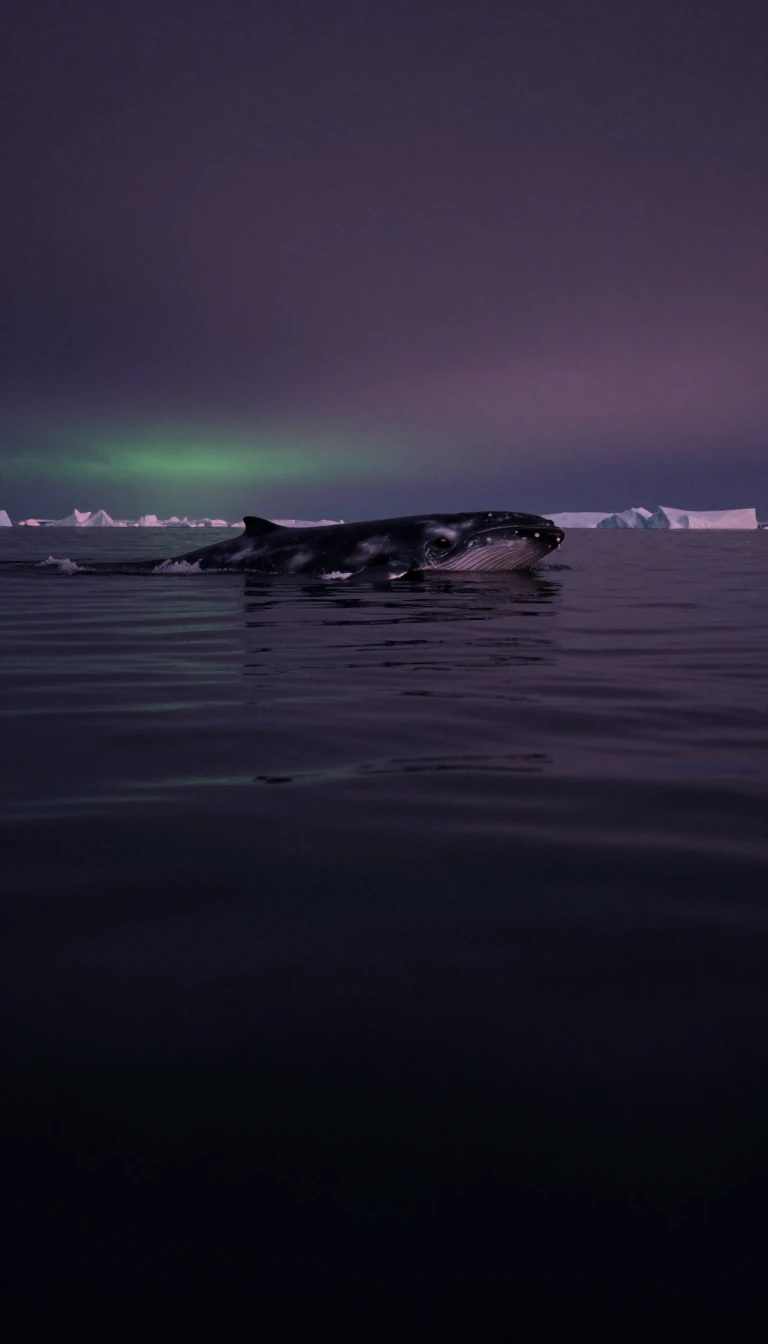 The mammal that can hold its breath for nearly four hoursDeep beneath the ocean surface, Cuvier's beaked whale performs a feat of endurance that pushes the limits of mammalian physiology. These elusive divers can stay submerged for over…
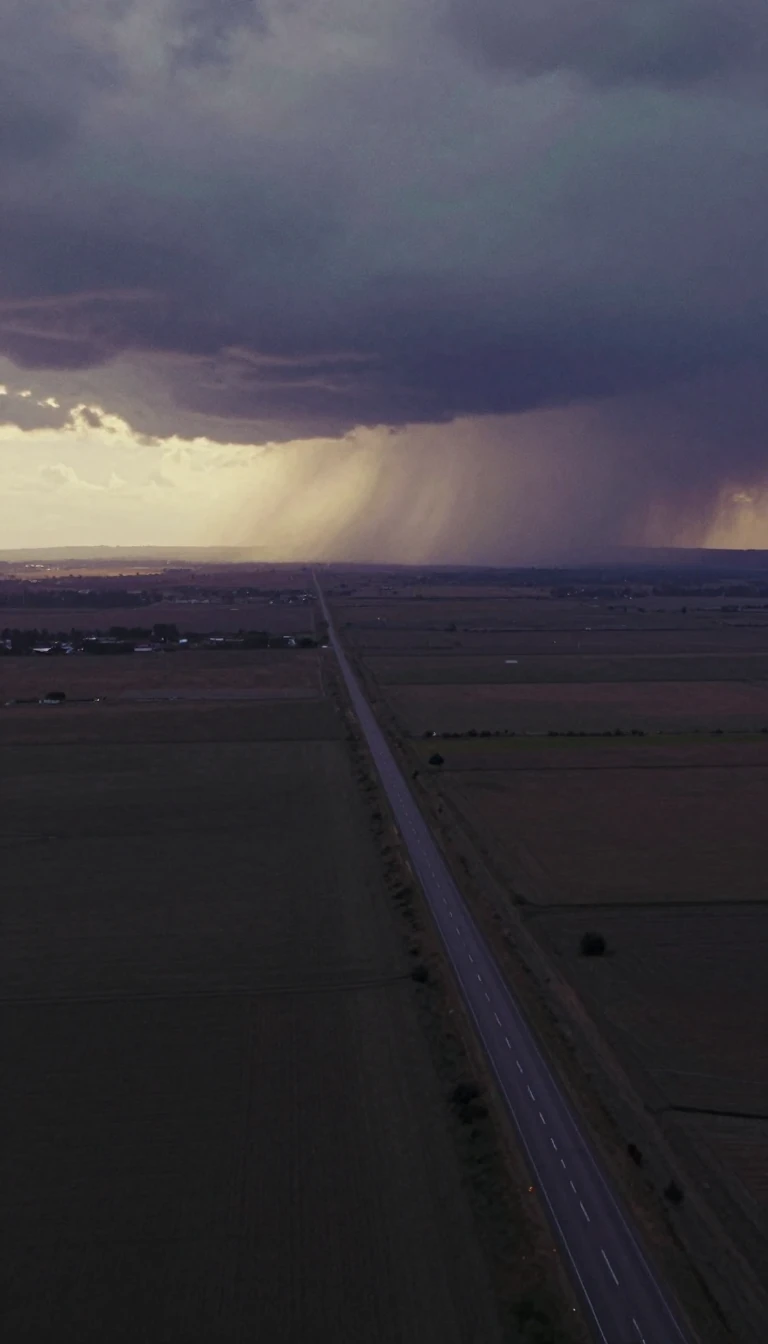 Greenland is a massive, ice-covered island hiding a sunken landscape beneath its frozen surface.As the world’s largest island, Greenland is defined by an immense ice sheet that blankets over four-fifths of its land. This frozen expanse is so heavy it actually depresses the i…
- Garnets are not just red gemstones; they are sophisticated geological recorders of Earth's history.While often associated with deep red jewelry, garnets are a diverse group of silicate minerals used for everything from industrial abrasives to high-tech laser components. Beyond …
 Less than one percent of Earth's water is readily available for human useWater is essential for life, yet the vast majority of our planet's supply is locked away in oceans or frozen in ice. Only a tiny fraction of fresh water is accessible, and we are …
 How a weaver’s son became the most powerful banker in Renaissance EuropeStarting from a modest textile trade in 1367, the Fugger family rose to dominate the European economy. By financing emperors and monopolizing the copper market, they wielded influ…
- Gagauzia: A Turkic-speaking, Orthodox Christian enclave navigating autonomy within the Republic of MoldovaNested within Moldova, Gagauzia is a unique autonomous unit defined by its Turkic roots and Orthodox faith. Despite its small size, this region has carved out a distinct political…
 The Snow Lion Flag: A Symbol of Tibetan Identity and Political ContentionDesigned by the 13th Dalai Lama in 1916, the Tibetan flag is a dense tapestry of Buddhist iconography and ancestral history. Though outlawed in the Tibet Autonomous Region today, …
 How a cost-cutting measure turned a city's water supply into a public health disaster.In 2014, officials in Flint, Michigan, switched the city's water source to the Flint River to save money. The decision triggered a catastrophic public health crisis, exposing tens…
- Why nearly 30 percent of the global population faces a daily struggle for foodEstablished in 1945, the Food and Agriculture Organization remains the United Nations' oldest specialized agency. Despite decades of effort to boost agricultural productivity, rec…
 How a luxury business magazine survived the Great Depression to define corporate cultureFounded just months before the 1929 stock market crash, Fortune magazine defied expectations by charging a premium price for high-quality journalism. It transformed business repor…
 Why France launched a global news network to challenge the BBC and CNNFor decades, French leaders lamented their nation's lack of a powerful international voice. Fearing that English-language media outlets dominated the global narrative, the French …
 The Perito Moreno Glacier creates a spectacular, recurring natural dam and explosive ice rupture.Deep in the Andes, the Perito Moreno Glacier acts as a massive, shifting dam. By pushing against the coast of the Magallanes Peninsula, it bisects Lake Argentino, trapping water t…