 Intellect Plus
Nature
11,198 cards. Each one is a 40-second story with a five-minute read behind it. Page 87 of 187.
Subtopics: Ageing · Air · Animal behaviour · Animal breeds and hybrids · Animals · Arthropods · Atmosphere · Big cats · Bilateria, others · Birds · Botany · Cnidarians · Conservation · Coral reefs · Deep sea · Deserts · Dinosaurs · Earth science · Earth science and physical geography · Earth science basics · Earthquakes & tsunamis · Echinoderms · Ecology · Ecosystems · Endangered species · Extinct animals · Farming · Fish · Forests · Fungi · General classifications · Geology · Geomorphology · How Long Can It Live? · Ice · Individual animals · Insects · Lightning · Longevity · Mammals · Marsupials · Migration · Mollusks · Ocean · Organisms · Parasites · Physical geography · Plants · Porifera · Predators · Primates · Rainforest · Reptiles & amphibians · Researched · Sharks & rays · Spiders & arachnids · Symbiosis · Trees · UK & Ireland: nature · Vertebrates · Vision · Volcanoes · Water · Waves · Weather · Whales & dolphins · Zoology
 The botanical secret behind your morning orange is a mythic golden appleYou might call it a citrus fruit, but botanists classify the orange as a hesperidium. This modified berry features a leathery rind and juice-filled vesicles, a structure named aft…
 The Polish Konik: A hardy horse breed caught between conservation and ethical controversyThe Konik, a small horse breed from Poland, was once thought to be a living remnant of the extinct wild tarpan. While genetic science has debunked this myth, the breed remains a f…
 The Pacific Northwest's most misunderstood tree is a nitrogen-fixing powerhouse and a timber star.Long dismissed as a mere weed that choked out valuable conifers, the red alder is actually a vital ecological pioneer. This fast-growing tree enriches the soil, heals disturbed la…
 The mockernut hickory is a resilient native giant with a deceptive, thick-shelled secret.Known as Carya tomentosa, this tree dominates temperate forests across the eastern United States and Ontario. While it is the most abundant of the hickories, its heavy, four-angle…
 Sundews are carnivorous plants that use sticky dew-like traps to digest their insect prey.With at least 194 species found on every continent except Antarctica, sundews are masters of nutrient-poor soil. These plants lure insects with glistening mucilage, ensnaring them…
 The white spruce is the northernmost tree species on the North American continentSpanning from the Atlantic to the Pacific, the white spruce is a master of extreme survival. It thrives in temperatures as low as -56.5 degrees Celsius and pushes the boundaries o…
 The black spruce is a resilient survivor that thrives in the world's harshest bogs.Across the vast boreal forests of North America, the black spruce stands as a master of survival. From the thawing permafrost of the north to the acidic peatlands of the Great Lak…
 The English oak is a biological powerhouse supporting thousands of distinct living species.Known as the pedunculate oak, this resilient giant is a cornerstone of European ecosystems. Beyond its legendary longevity and timber value, the tree acts as a bustling hub for bi…
- The northern red oak is a fast-growing timber giant that is currently invading Europe.Known for its distinctive bark and rapid growth, the northern red oak is a North American native that has become a major invasive species across Europe. While prized for its high-…
 The webbed foot is a masterclass in evolutionary engineering for both land and water.Webbed feet are far more than simple paddles. These structures, which evolved independently across many species, function as sophisticated coupling systems that manage speed and i…
 Ecology began as a study of household management before becoming a global science.The term ecology comes from the Greek oikos, meaning household. Coined by Ernst Haeckel, it originally described the relationship between animals and their surroundings. What star…
 These Cretaceous predators evolved to lose their arms through a specific genetic defect.Abelisaurids were formidable carnivorous bipeds that dominated the southern supercontinent of Gondwana. While their skulls were heavily ornamented with pits and ridges, their fore…
 The spiny-headed worm is a master of parasitic survival without a gutThese bizarre parasites, known as Acanthocephala, lack a mouth or digestive system entirely. Instead, they use a retractable, hook-covered snout to anchor themselves into the inte…
 Did the earliest tetrapods spend their entire lives as juveniles in the water?New synchrotron microtomography analysis of Acanthostega fossils suggests that a famous mass-death deposit of these stem tetrapods may consist entirely of juveniles. This discover…
 Why these colorful reef fish carry a surgical blade on their tailsKnown as surgeonfishes, tangs, and unicornfishes, the Acanthuridae family is defined by a unique biological weapon: scalpel-like bony plates located on their tails. These sharp sp…
 The hidden world of Acariformes: mites that shape ecosystems and fuel poison frogsMites are far more than household pests. The superorder Acariformes contains hundreds of thousands of species, ranging from ancient soil-dwellers to plant-destroying parasites. So…
 Why the unassuming accentor is a master of the high-altitude shuffleKnown as shufflewings for their peculiar, twitchy movement, accentors are a group of about 13 species of small, drab songbirds. While they resemble common sparrows, these resilien…
 Meet the Achatina, the giant land snails that dominate the African landscapeThe genus Achatina contains some of the largest land snails on Earth. Native to Sub-Saharan Africa, these air-breathing mollusks are known for their striking, ovate shells and imp…
 The Greater Death's Head Hawkmoth is a master of honey-scented infiltration and mimicryWith a wingspan reaching 13 centimeters, the Acherontia lachesis is a formidable nocturnal visitor. Known as the bee robber, this moth possesses a unique ability to mimic the scen…
 The desert antelope that survives by drinking nothing but the moisture in plantsThe addax is a master of extreme survival, thriving in the Sahara where others perish. By excreting dry waste and tolerating massive fluctuations in body temperature, this rare an…
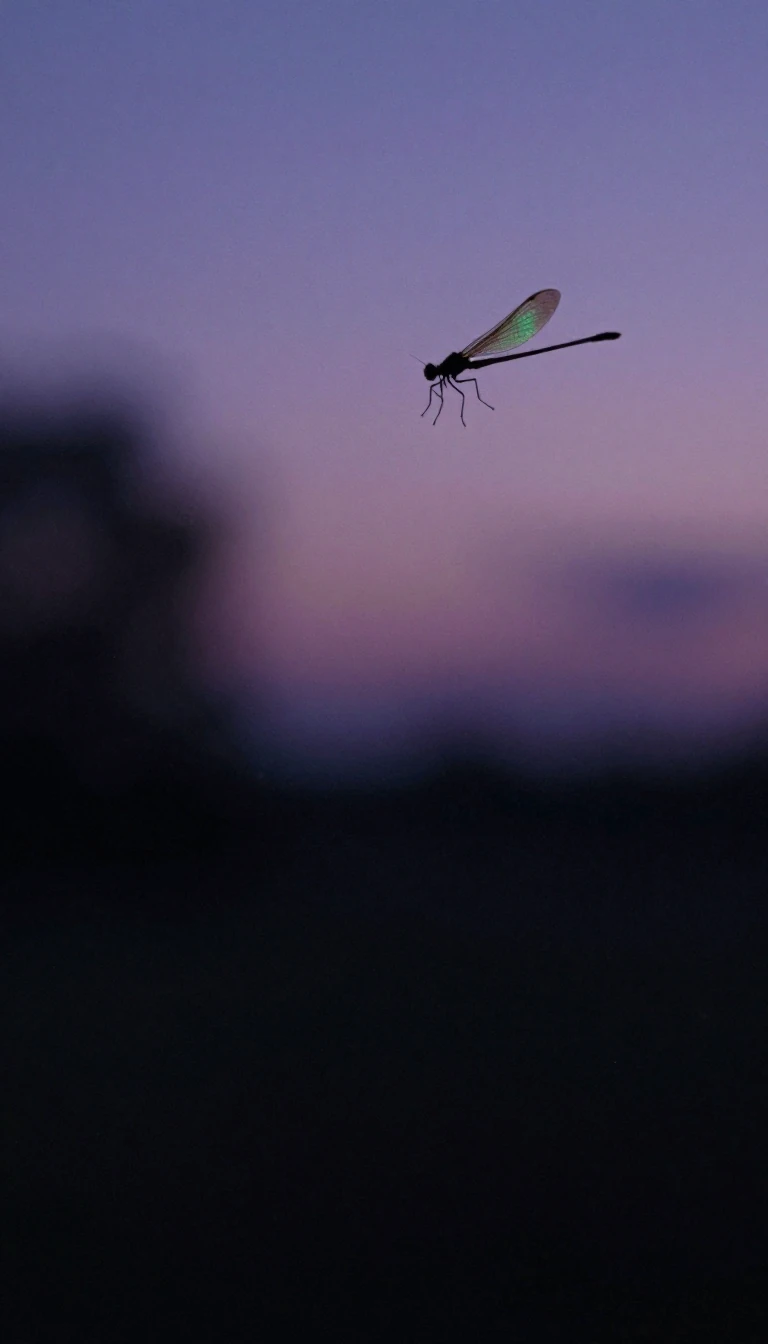 The yellow fever mosquito is a global traveler that thrives in your backyard containers.Known for the distinctive lyre-shaped marking on its thorax, Aedes aegypti is a highly adaptable mosquito that has spread from Africa to tropical and temperate regions worldwide. …
 The North American giraffe camel was a towering giant of the Miocene epochLong before modern giraffes roamed Africa, North America hosted its own version of the long-necked browser. Aepycamelus major, a massive camelid, evolved to reach high tree canopi…
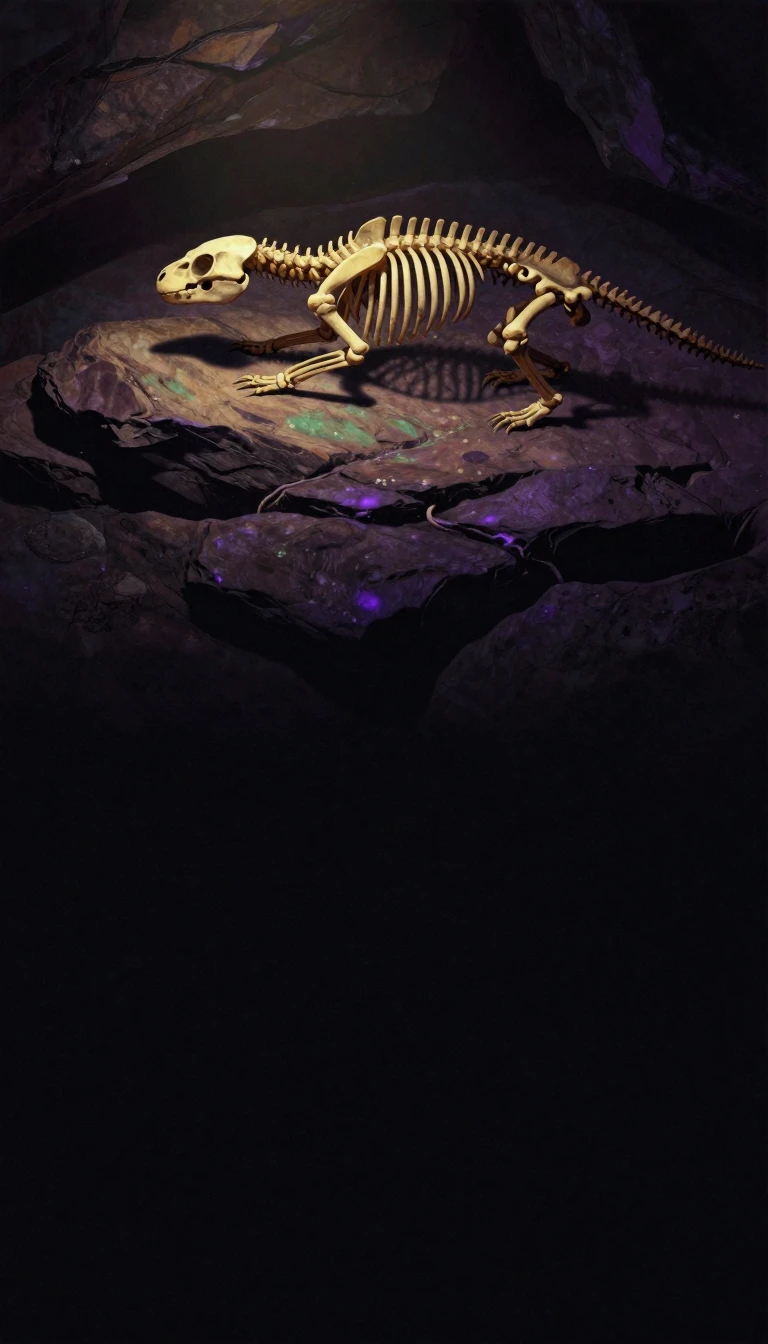 These heavily armored Triassic reptiles were once mistaken for ancient, scaly fish.Aetosaurs were terrestrial, plant-eating archosaurs that dominated the Late Triassic period. Though they are now recognized as relatives of modern crocodiles, early paleontologist…
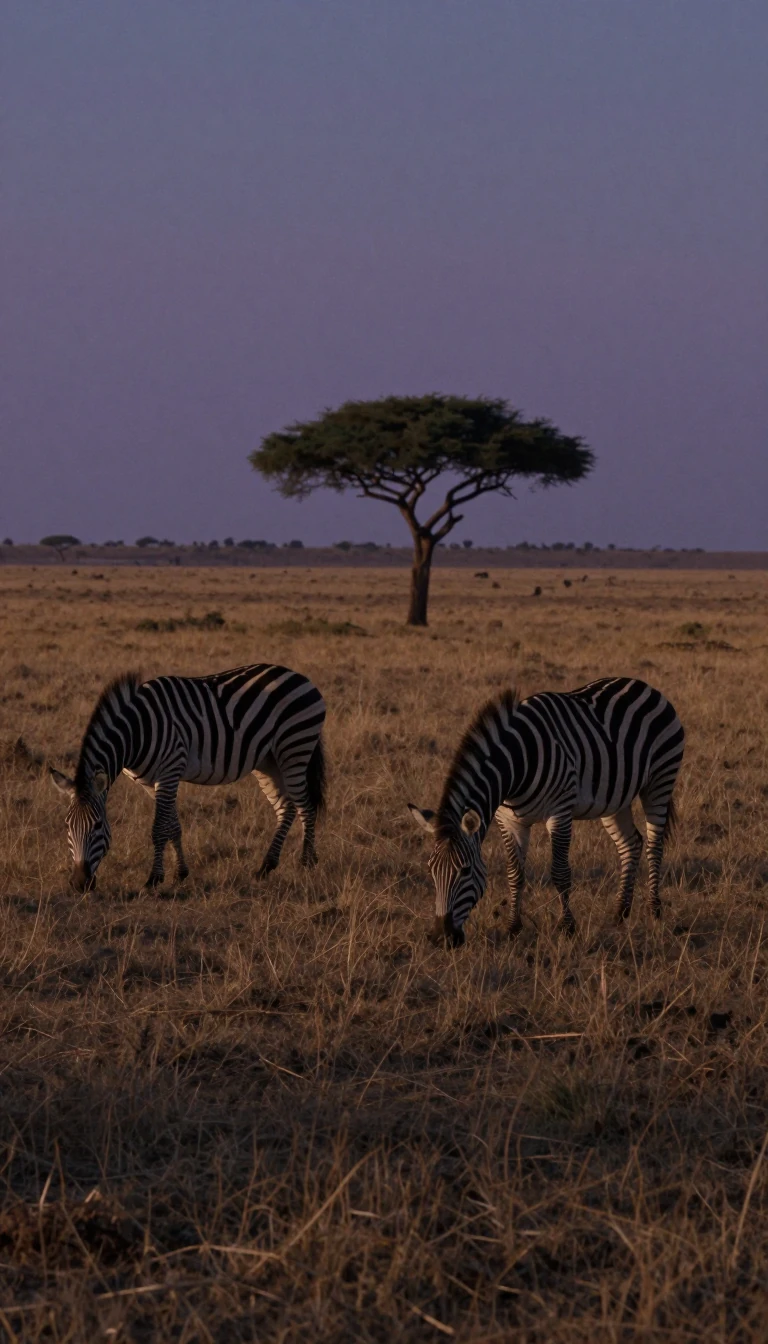 The African bullfrog is a burrowing giant that builds a waterproof skin cocoonAs one of the largest frogs on Earth, the African bullfrog is a formidable predator that spends much of its life buried underground. To survive the harsh dry season, it creates a …
- The African civet is a solitary, nocturnal predator with a surprisingly powerful bite.This elusive, blotchy mammal is the largest of its kind in Africa. While it looks like a raccoon, it is a specialized carnivore capable of eating toxic millipedes. Beyond its cryp…
 The African palm civet is the most genetically isolated carnivoran on our planetThis elusive, nocturnal mammal is a biological outlier, standing as the sole member of its entire superfamily. While it resembles other civets, it diverged from its closest relati…
 The sacred bird of Ancient Egypt is now a global invasive speciesVenerated by pharaohs and mummified by the thousands, the African sacred ibis was once a symbol of divine wisdom. Today, this wading bird has escaped its historical boundaries, es…
 The African wolf is a master of disguise hiding in plain sightLong mistaken for a simple jackal, the African wolf is actually a distinct species with a complex evolutionary history. Genetic analysis reveals it is a distant cousin of the gray…
- The Arboreal Architects of the Neotropics: Meet the Genus AgalychnisHigh within the dense canopies of Mexico, Central America, and northwestern South America lives the genus Agalychnis. These slender, tree-dwelling amphibians are masters of their …
 The tropical rodent that can crack a Brazil nut without any toolsAgoutis are nimble, long-legged rodents native to the Americas that resemble miniature hoofed animals. Beyond their surprising speed and ability to swim, these creatures possess t…
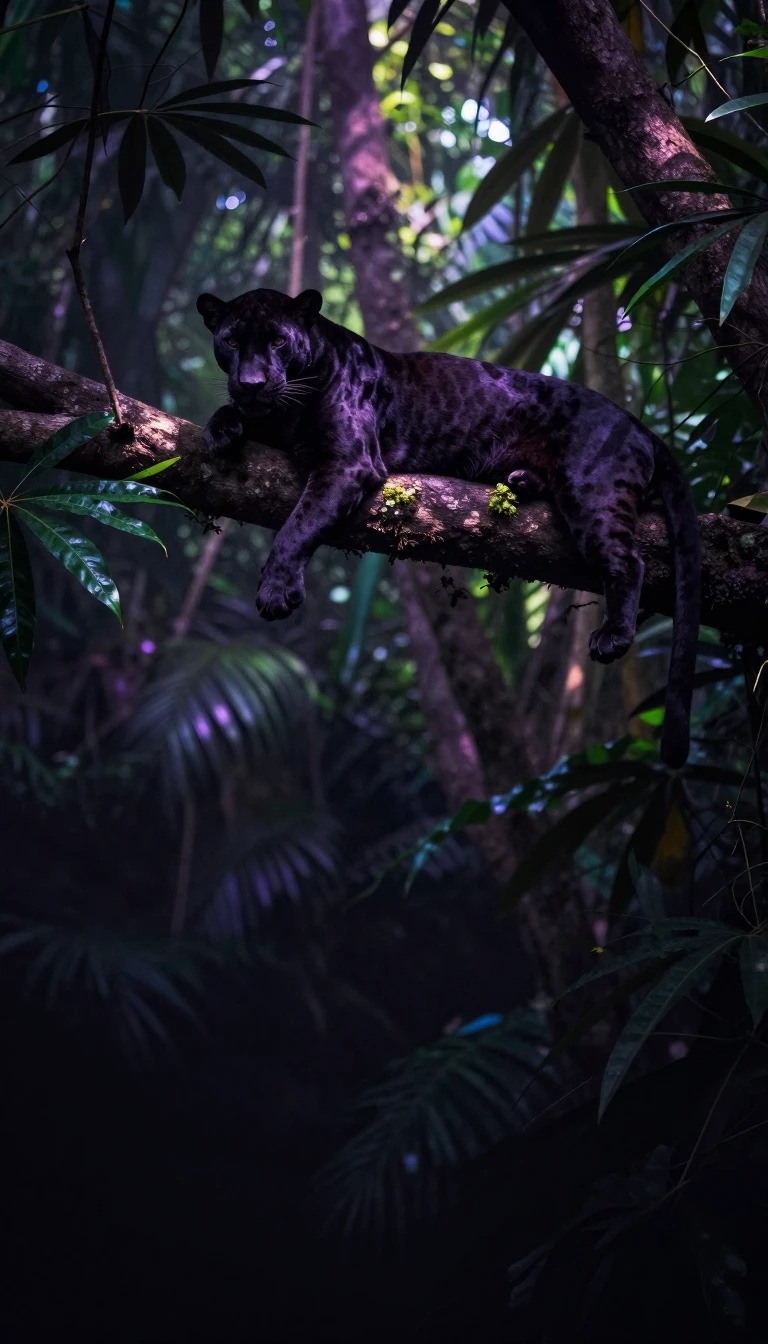 Why did 17th-century travelers believe these slender snakes were hunting human eyes?The genus Ahaetulla, known as Asian vine snakes, carries a name derived from Sinhalese terms meaning eye plucker. This unsettling reputation, documented by Portuguese traveler Joã…
 Soft corals are chemical factories producing life-saving compounds from the ocean floorLacking the rigid skeletons of their stony cousins, soft corals rely on chemical warfare to survive. These sessile invertebrates produce unique metabolites to deter predators and …
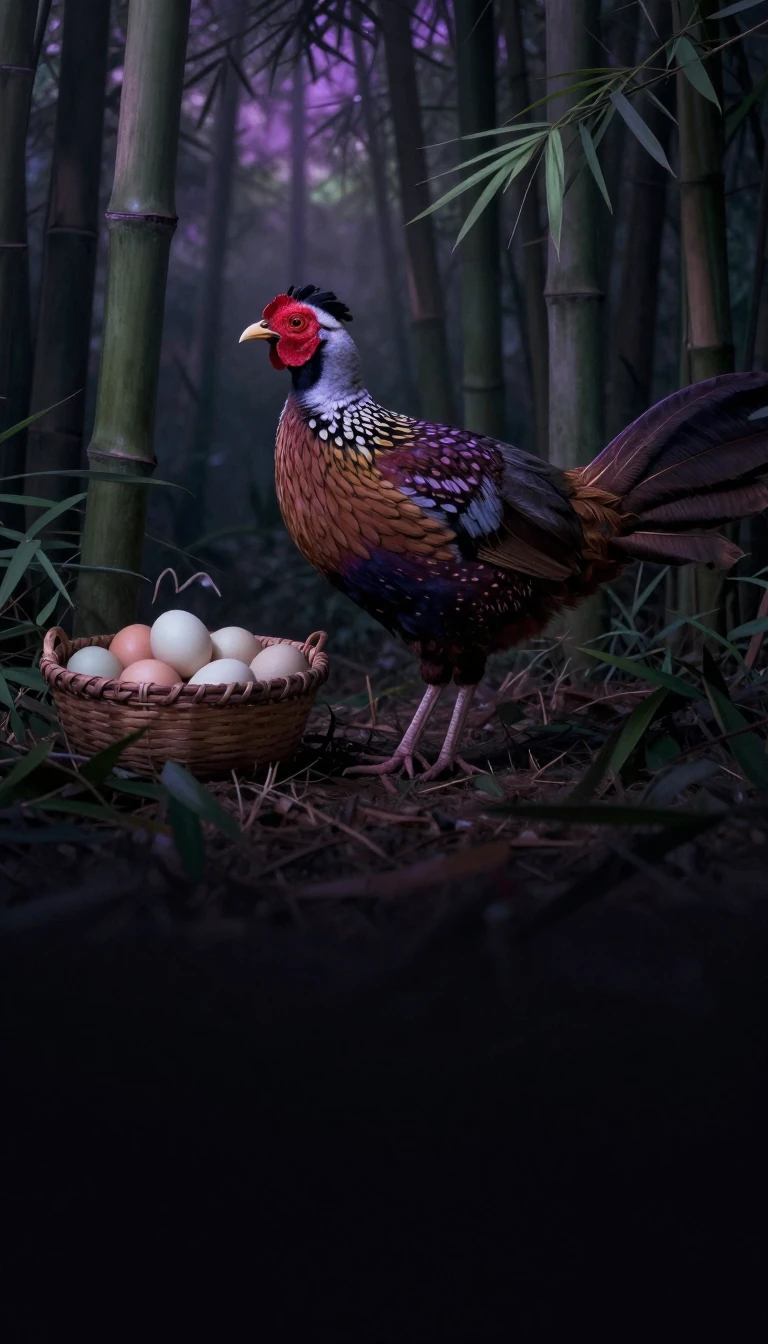 Were these bizarre, long-legged dinosaurs specialized termite eaters or expert egg thieves?Alvarezsaurids were strange, bird-like dinosaurs with tiny, powerful arms and massive claws. Once mistaken for flightless birds, these creatures remain a subject of intense debate…
 Why the midwife toad is a masterclass in evolutionary survival and ancient lineageKnown as painted frogs or midwife toads, the Alytidae family represents a primitive lineage of amphibians. While once widespread, these creatures now inhabit specific pockets of E…
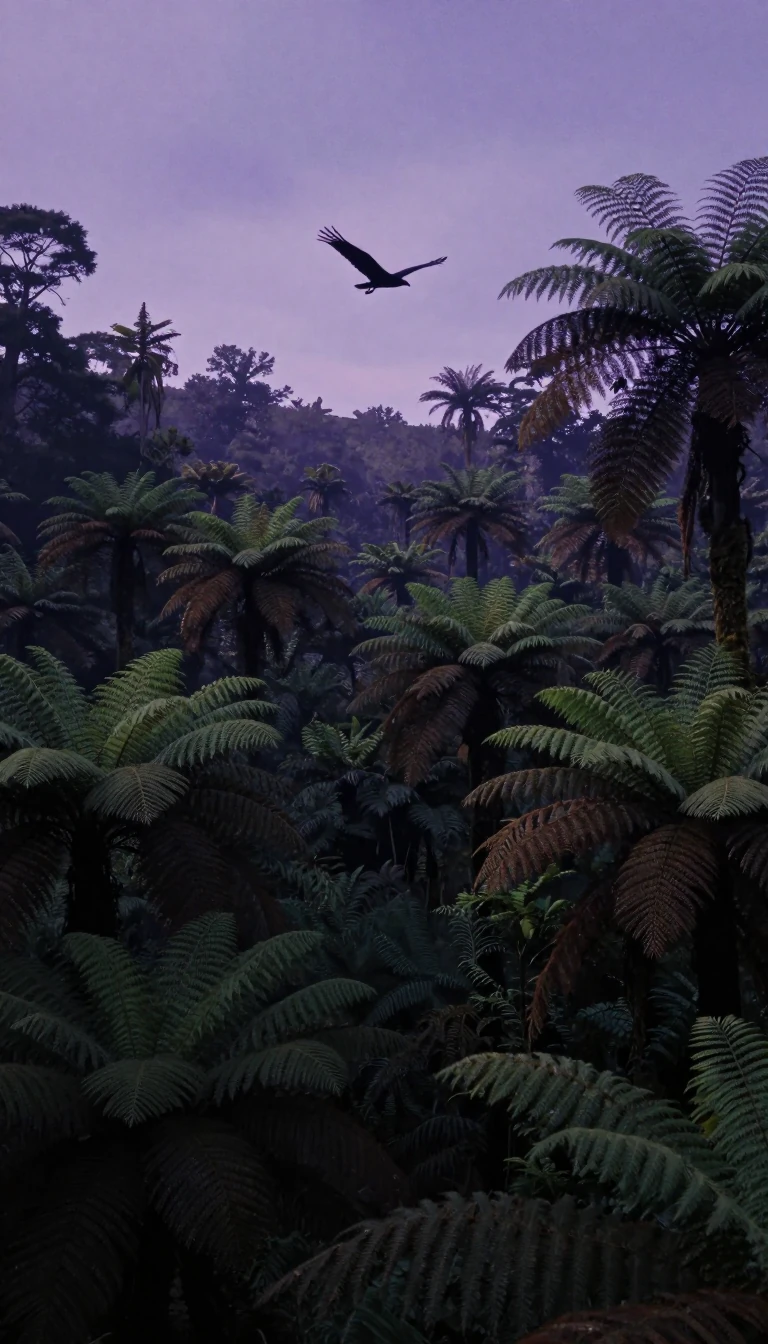 This Cretaceous dinosaur sported a double row of massive, mysterious neck spinesAmargasaurus was a small, long-necked sauropod from Argentina that defied expectations. While most sauropods are known for their immense size, this creature stood out for the stri…
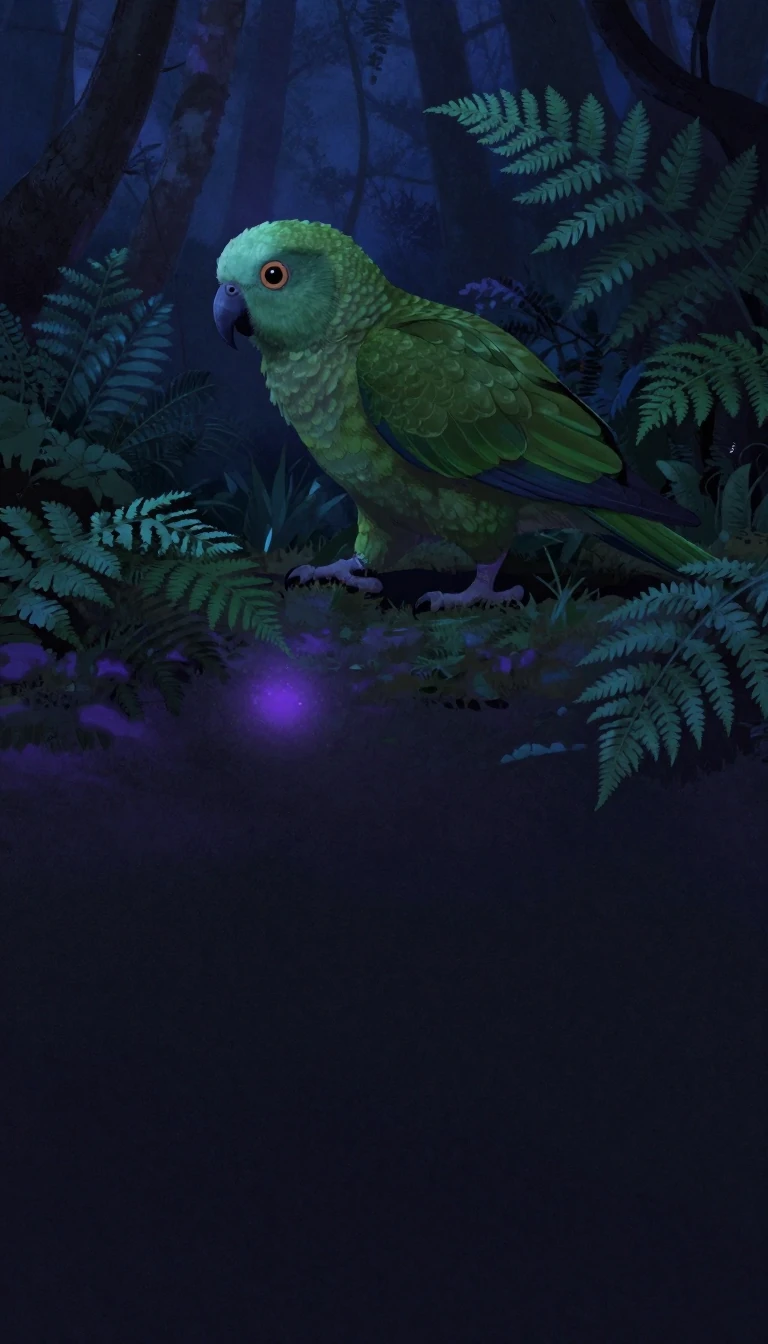 Amazon parrots possess complex vocal dialects that function much like human languages or regional accents.Beyond their famous ability to mimic human speech, wild Amazon parrots communicate through stable, geographically distinct vocal dialects. These birds are not just repeating sound…
 The walking whale that hunted like a crocodile in the Eocene tropicsAmbulocetus natans was a bizarre, amphibious predator that bridged the gap between land mammals and modern whales. Discovered in Pakistan, this creature possessed functional legs …
- The American Crow is a master of tool use, cooperation, and complex social lives.Beyond their reputation as scavengers, American Crows are highly intelligent birds with brain-to-body ratios comparable to humans. They live in intricate family units, solve probl…
- The American lion was a massive apex predator that once ruled North American landscapes.Long before modern lions roamed the African savanna, a significantly larger cousin dominated the Americas. Weighing up to 523 kilograms, this formidable cat thrived from Canada to…
 The American pickerel is a modest predator hiding in North America's quiet, vegetated waters.Often overshadowed by their larger, more aggressive cousins like the northern pike, American pickerels are small but voracious freshwater predators. Comprising two distinct subspe…
- The American red squirrel is a territorial, cone-hoarding mammal with a complex social life.Beyond their frantic energy, American red squirrels are master architects of survival. They maintain exclusive territories centered on massive food caches called middens, navigate…
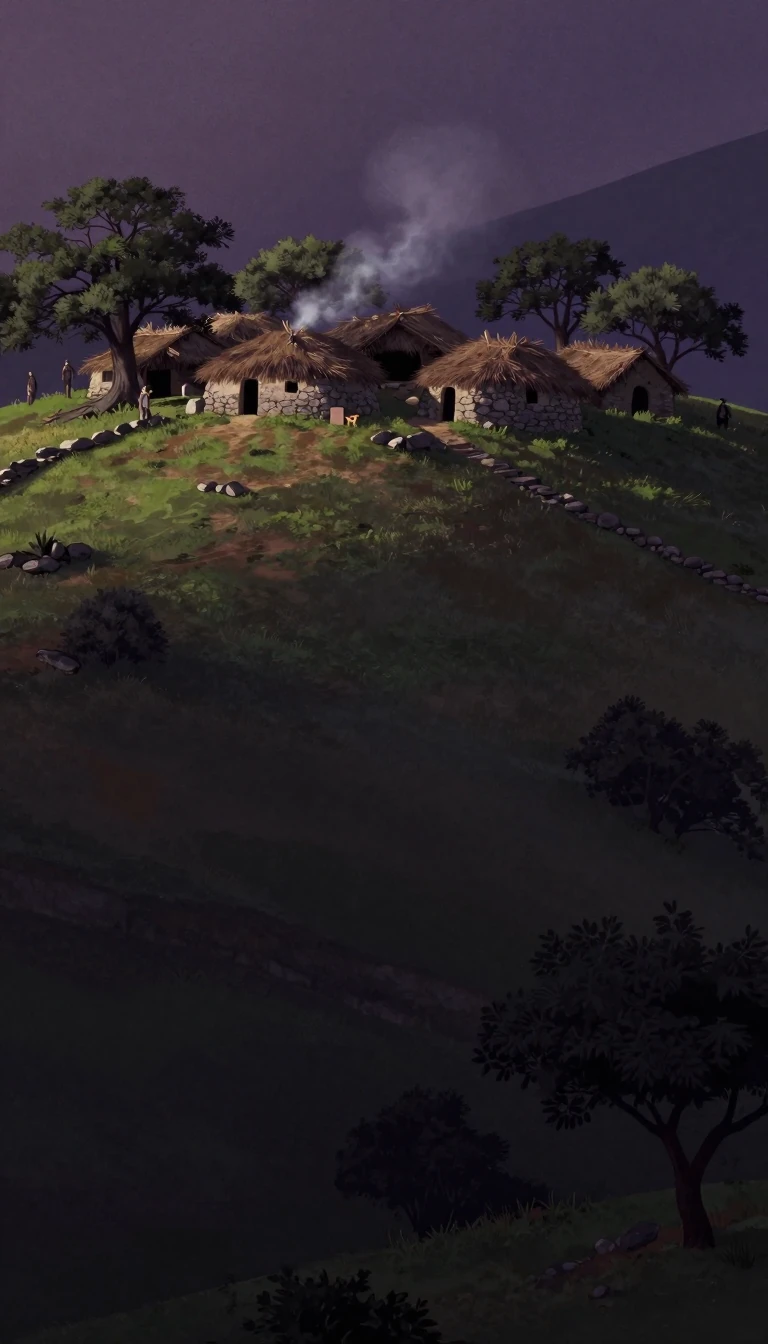 The bear-dog: A formidable Miocene predator that roamed across three continentsKnown as bear-dogs for their unique blend of ursine and canine features, the extinct genus Amphicyon dominated prehistoric landscapes from North America to Africa. These top preda…
- The bear-dogs were neither bears nor dogs, but an ancient, vanished evolutionary experiment.Colloquially known as bear-dogs, the extinct Amphicyonidae family represents a unique lineage that predates both modern bears and dogs. These versatile predators once dominated di…
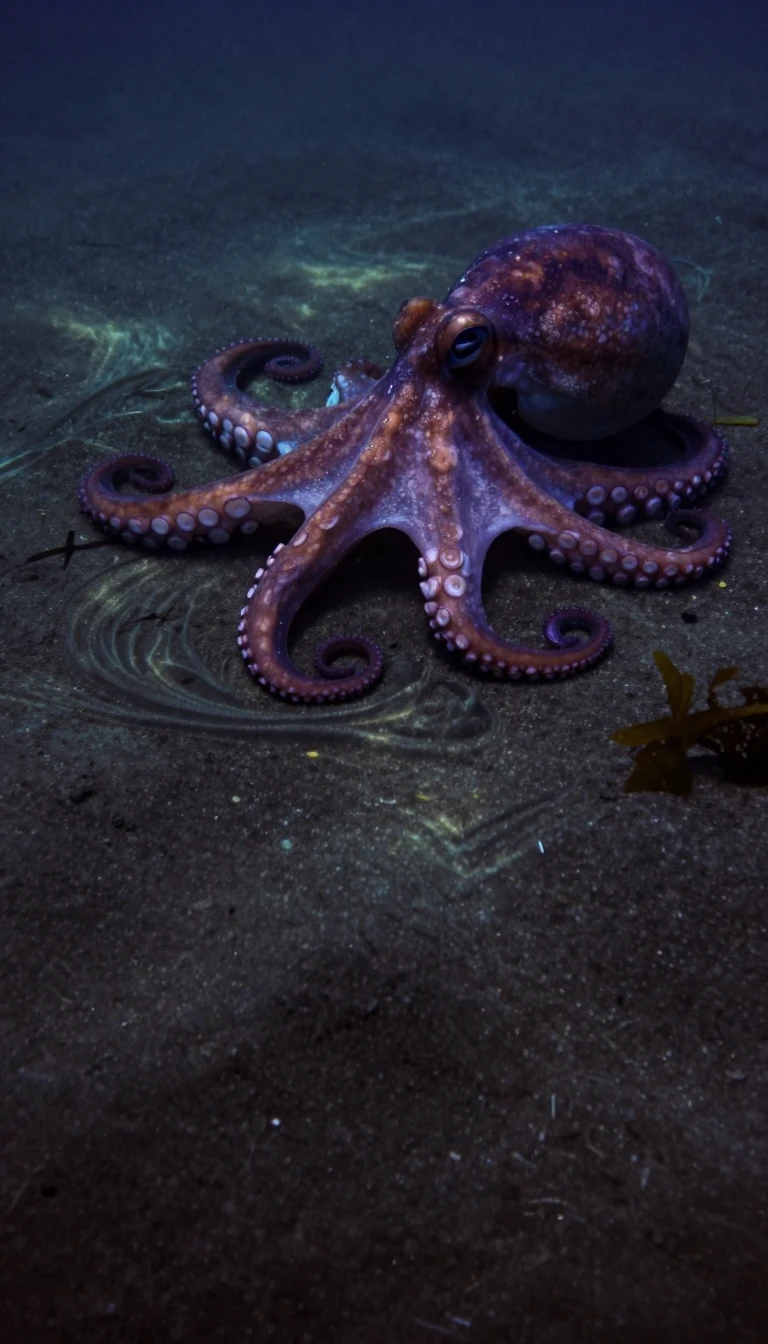
- The coconut octopus is a master of disguise that walks on two legsIn the sandy depths of the tropical Pacific and Indian Oceans, the coconut octopus performs feats once thought impossible for an invertebrate. It is one of the few creatures capab…
 Worm lizards are not worms, but they might be the world's most successful stowaways.Amphisbaenians are subterranean reptiles that look like earthworms but possess powerful, interlocking teeth and a unique accordion-like movement. Despite their small size and stri…
 The shieldless wonders: why these ancient jawless fish defy simple classificationAnaspida, or shieldless ones, were small marine fish that thrived from the early Silurian to the late Devonian. Unlike their armored contemporaries, they lacked heavy plating, opt…
 This crow-sized dinosaur was a four-winged, shaggy-feathered creature that likely could not fly.Discovered in China's Tiaojishan Formation, Anchiornis huxleyi is a pivotal dinosaur that bridges the gap between ancient reptiles and modern birds. With four wings and a distinct…
 The deceptive biology of Ancylostoma: from parasitic worms to the rare bowmouth guitarfishThe name Ancylostoma appears in two vastly different corners of the natural world. It identifies a genus of parasitic hookworms that plague domestic animals and occasionally human…
 Was the massive predator Andrewsarchus a wolf, a pig, or a hidden whale relative?For a century, paleontologists have struggled to classify Andrewsarchus, a giant carnivore with a skull over two feet long. Once hailed as the world's largest land predator, its t…
 The angelshark is a master of disguise that has been hunted to near extinction.Resembling a ray more than a typical shark, the common angelshark is a sedentary ambush predator that spends its days buried in the seafloor. Once abundant across the Mediterranea…
 Why these legless lizards are named after glass and how they conquered the worldThe Anguinae subfamily, known as glass lizards, earned their brittle reputation from tails that snap off with alarming ease. Far from being simple snakes, these legless reptiles h…
 Do animals think, or are they just reacting to their environment?For decades, scientists debated whether animals possess complex minds or simply respond to external rewards. While early behaviorists argued that animal actions were purely reflex…
- The armored tank of the dinosaur world was a slow, low-slung herbivoreAnkylosaurs were the living fortresses of the Jurassic and Cretaceous periods. Encased in a mosaic of bony plates and often armed with a massive tail club, these quadrupedal herbi…
- Why these tiny lizards are the ultimate masters of territorial display and survivalAnoles are a diverse family of lizards native to the Americas, famous for their vibrant throat flaps called dewlaps. Beyond their striking appearance, these creatures are masters …
 Was this bizarre Cambrian predator actually a fearsome hunter or a gentle scavenger?Anomalocaris was once considered the apex predator of the Cambrian seas, a metre-long terror with spiked arms and compound eyes. Yet, recent debates over its soft mouthparts and l…
- The flashlight fish uses living bacteria to light up the dark ocean depthsDeep in tropical waters, the Anomalopidae family navigates the night with bioluminescent organs beneath their eyes. These flashlight fish host colonies of luminous bacteria, creat…
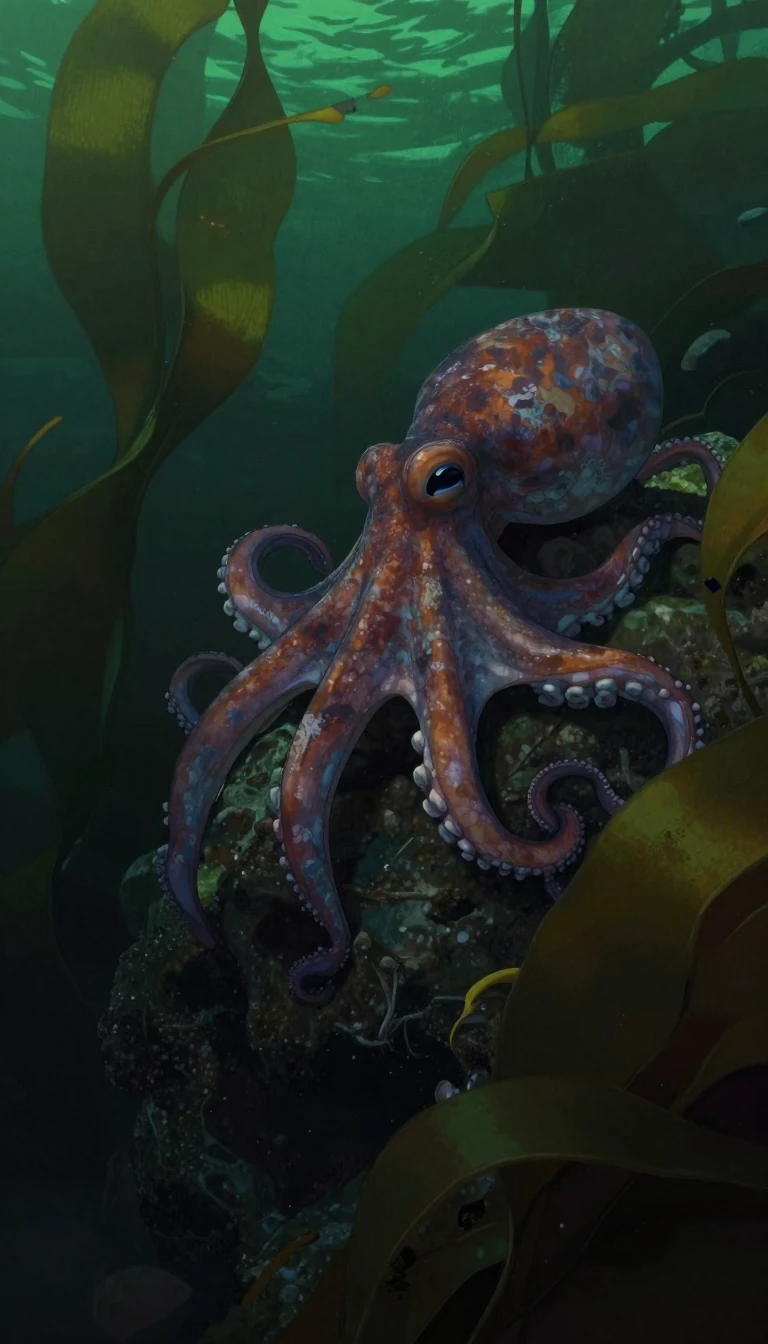 Why nature keeps reinventing the crab: the strange evolutionary phenomenon of carcinisationIf you see a crab with only eight visible legs, you are likely looking at an Anomuran. While true crabs belong to the Brachyura, Anomurans are a diverse group that repeatedly evol…
- The Anopheles mosquito is the only genus capable of transmitting human malaria parasitesWhile thousands of mosquito species exist, only the Anopheles genus carries the malaria parasite to humans. Named for the Greek word for useless, these insects have evolved unique…
 The bizarre, bipedal, three-toed beasts that once roamed the islands of ancient EuropeLong before modern mammals dominated, a unique family of artiodactyls called Anoplotheriidae thrived across the subtropical archipelago of Eocene Europe. These creatures, which in…
- The Unarmed Beast That Pioneered Our Understanding of Ancient LifeAnoplotherium was a massive, long-tailed herbivore that once roamed the isolated archipelago of Western Europe. Its discovery in 1804 by Georges Cuvier did more than just reveal a…