 Intellect Plus
Nature
11,198 cards. Each one is a 40-second story with a five-minute read behind it. Page 83 of 187.
Subtopics: Ageing · Air · Animal behaviour · Animal breeds and hybrids · Animals · Arthropods · Atmosphere · Big cats · Bilateria, others · Birds · Botany · Cnidarians · Conservation · Coral reefs · Deep sea · Deserts · Dinosaurs · Earth science · Earth science and physical geography · Earth science basics · Earthquakes & tsunamis · Echinoderms · Ecology · Ecosystems · Endangered species · Extinct animals · Farming · Fish · Forests · Fungi · General classifications · Geology · Geomorphology · How Long Can It Live? · Ice · Individual animals · Insects · Lightning · Longevity · Mammals · Marsupials · Migration · Mollusks · Ocean · Organisms · Parasites · Physical geography · Plants · Porifera · Predators · Primates · Rainforest · Reptiles & amphibians · Researched · Sharks & rays · Spiders & arachnids · Symbiosis · Trees · UK & Ireland: nature · Vertebrates · Vision · Volcanoes · Water · Waves · Weather · Whales & dolphins · Zoology
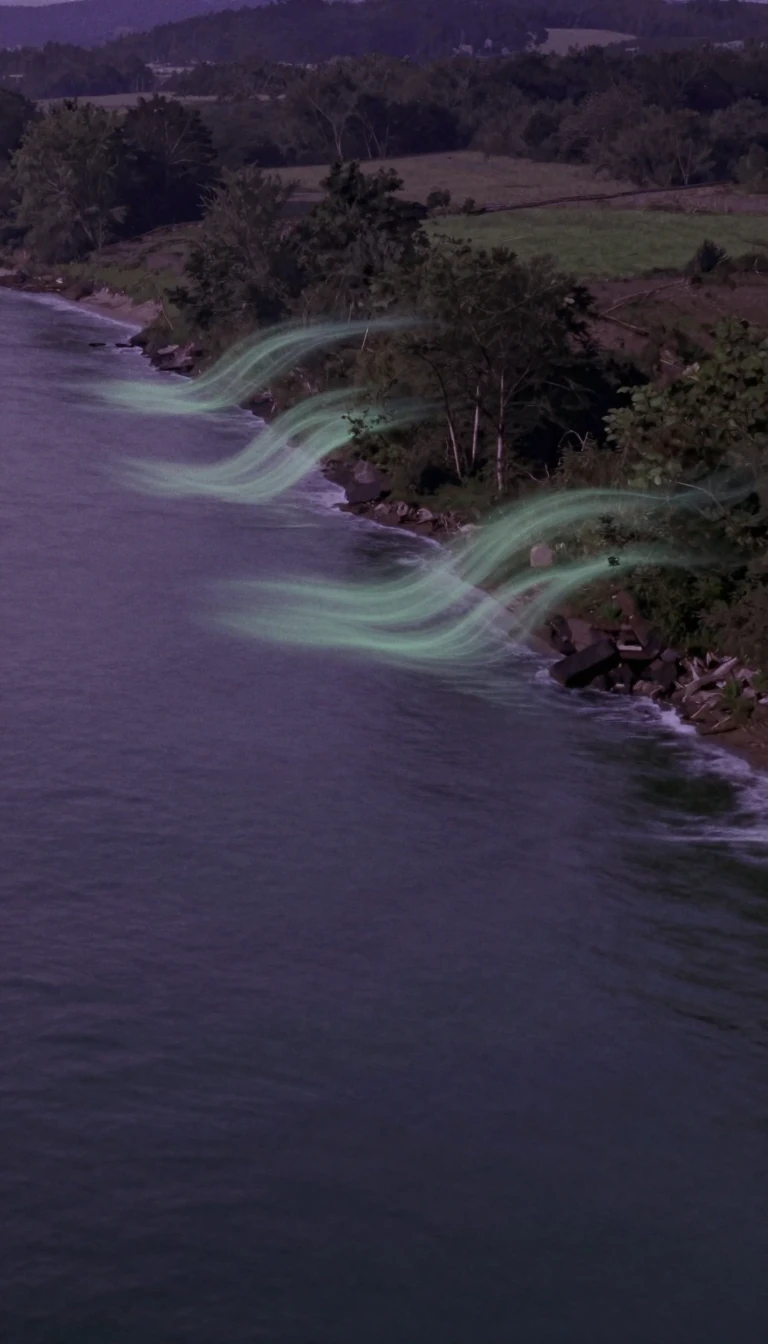 England’s largest carbon store is hidden in plain sight beneath our feetPeatlands are vital national assets that filter water, prevent floods, and capture carbon. Yet, most of England’s peat is in poor condition, often drained or covered by dry-land v…
 Beyond the garden path: how pebbles reveal the history of Earth and MarsPebbles are more than decorative stones; they are geological time capsules. From the shingle beaches of England to ancient streambeds on Mars, these rounded clasts tell stories of…
 Soil is not just dirt; it is a complex, living record of Earth's history.Pedology, the study of soil, reveals that the ground beneath us is a dynamic, evolving system. Far from being a static medium for plants, soil acts as a critical interface between…
 Pegmatites are igneous rocks that grow crystals so large they weigh thousands of tons.While most igneous rocks cool into fine-grained textures, pegmatites defy the norm by producing gargantuan, interlocking crystals. These geological oddities form from the final, v…
 The pelagic zone is Earth's largest habitat, spanning the entire open ocean water column.Imagine a vast, three-dimensional cylinder of water stretching from the sunlit surface to the crushing depths of the abyss. This is the pelagic zone, an ecological realm that hold…
 Pentlandite is the primary source of the nickel that powers our modern industrial world.This yellowish bronze mineral is the Earth's most significant nickel ore. Often found alongside pyrrhotite, it is the bedrock of stainless steel production and essential for moder…
 Peridot is one of only two gemstones formed in the Earth's molten mantleMost gemstones originate within the Earth's crust, but peridot is a rare exception. Born in the intense heat of the upper mantle, this olive-green gem is often carried to the surf…
 Could this mineral-inspired material finally make solar power cheaper than silicon?Perovskites are a versatile family of compounds that could revolutionize solar energy. By mimicking the crystal structure of a 19th-century mineral, these materials offer high eff…
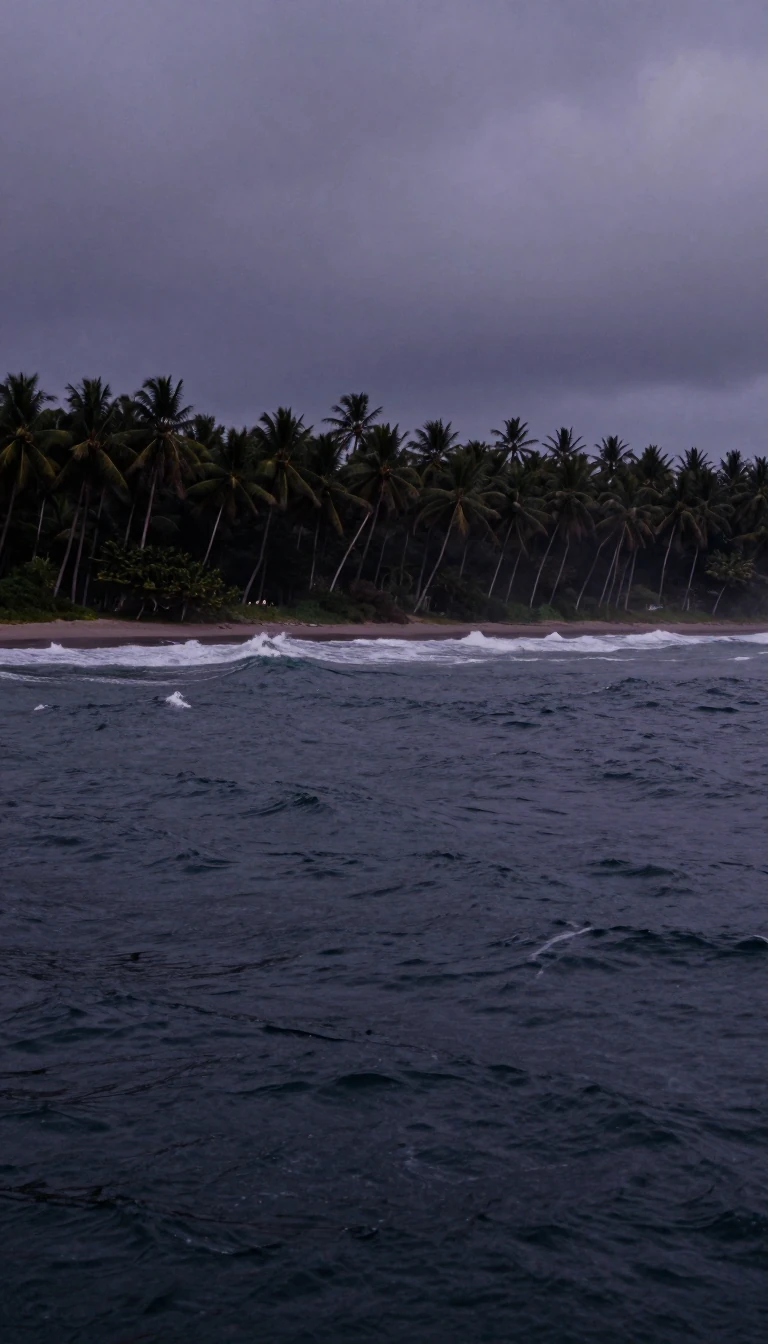 The Philippine Sea plate is Earth's most well-traveled tectonic record of the Cenozoic eraAs one of the largest marginal sea plates in Southeast Asia, the Philippine Sea plate has migrated over 2,000 kilometers northward from equatorial latitudes. This massive journey …
 Phosphate minerals are the unsung chemical workhorses of modern agriculture and industrial technologyBeyond their geological complexity, phosphate minerals are essential to human survival. While they form a vast, diverse class of crystalline structures, we rely heavily on a few s…
 The essential rock beneath our feet that fuels global food production and technologyPhosphorite is a sedimentary rock that powers modern life. From the fertilizers sustaining global agriculture to the rare earth elements critical for advanced technology, this una…
- Phosphorus is the silent architect of life, yet it moves at a glacial pace.Unlike carbon or nitrogen, phosphorus rarely enters the atmosphere. It is a stubborn, earthbound element essential for your DNA, bones, and energy storage. Because its natural cyc…
- Why the ocean's thinnest layer is the most vital for life on EarthThough it represents only about 2 to 3 percent of the total ocean volume, the sunlit zone is the engine of the marine world. This thin, upper layer sustains the vast majority of a…
- This elusive mineral acts as a high-temperature thermometer for cooling volcanic magmaPigeonite is a rare, fleeting mineral that reveals the thermal history of igneous rocks. Because it only remains stable at high temperatures, its presence in volcanic stone serves…
 Plagioclase is the most common mineral group building the crust of our planet.Look closely at a piece of igneous rock and you are likely staring at plagioclase. This glassy, brittle mineral is not a single substance but a shifting spectrum of chemistry. It …
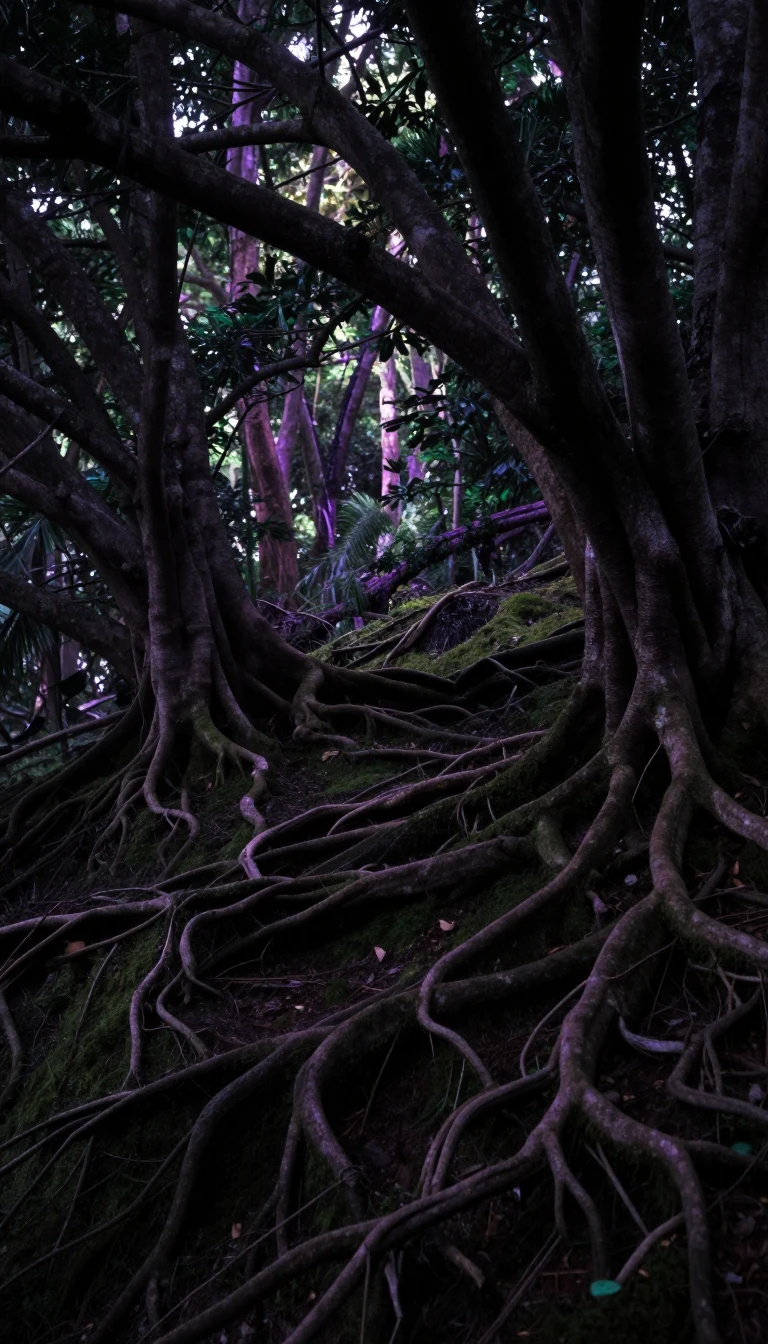 The thin layer of dead leaves on the forest floor is an ecosystem engine.Often overlooked as mere debris, plant litter is a vital biological machine. This accumulation of fallen leaves, twigs, and bark acts as a nutrient recycler, a moisture-retaining …
 Why Russian peasants named this soil after the ash hidden beneath the surfaceThe term podzol translates to under-ash, a name coined in 1875 by Vasily Dokuchaev. It describes the striking, bleached-grey layer that appears when farmers first plow virgin soil…
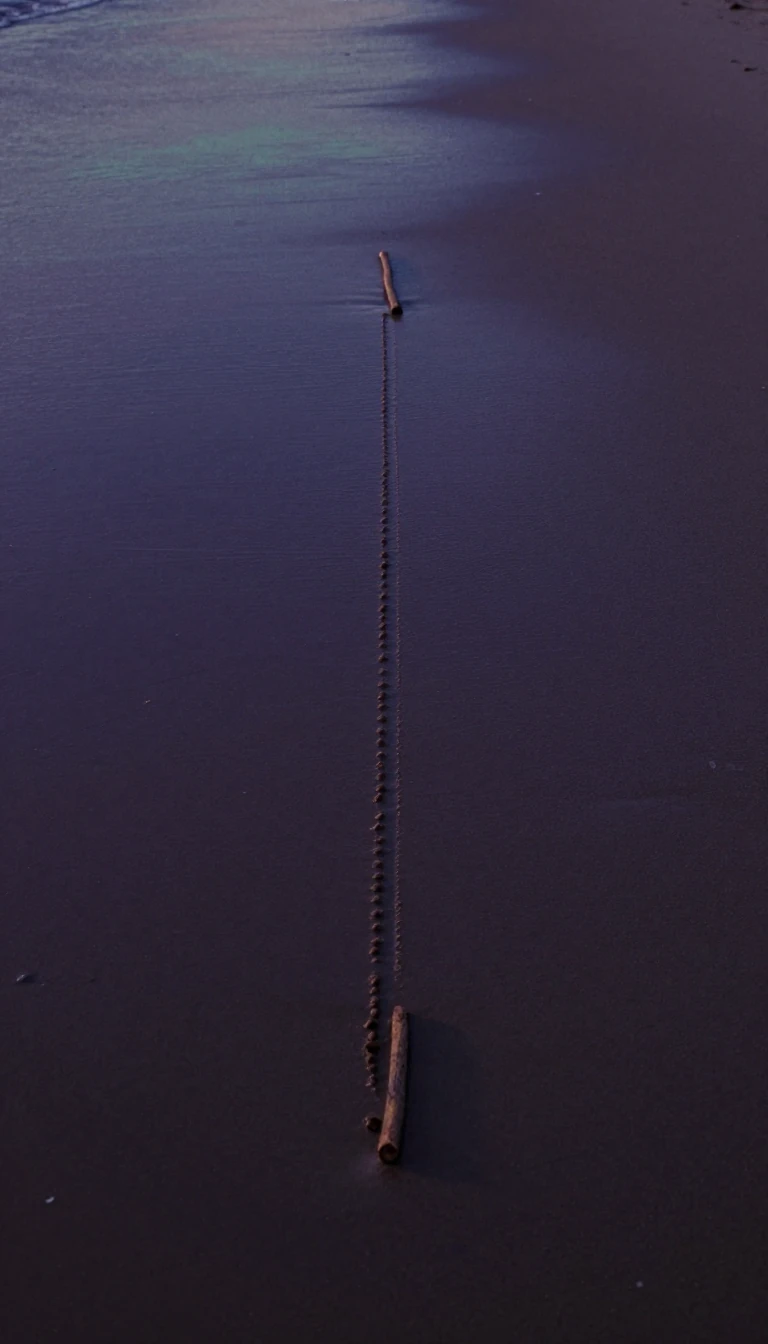 Why river bends create land, not just erosion, through hidden underwater vortexesYou might think river bends are shaped by water slowing down and dropping its sediment. That is a common fallacy. In reality, point bars—those crescent-shaped beaches on the insid…
 Why the coldest places on Earth are defined by a lack of summer heatPolar climates cover over one-fifth of our planet, yet they are defined not by their extreme winter lows, but by their inability to sustain a true summer. From the ice-locked expa…
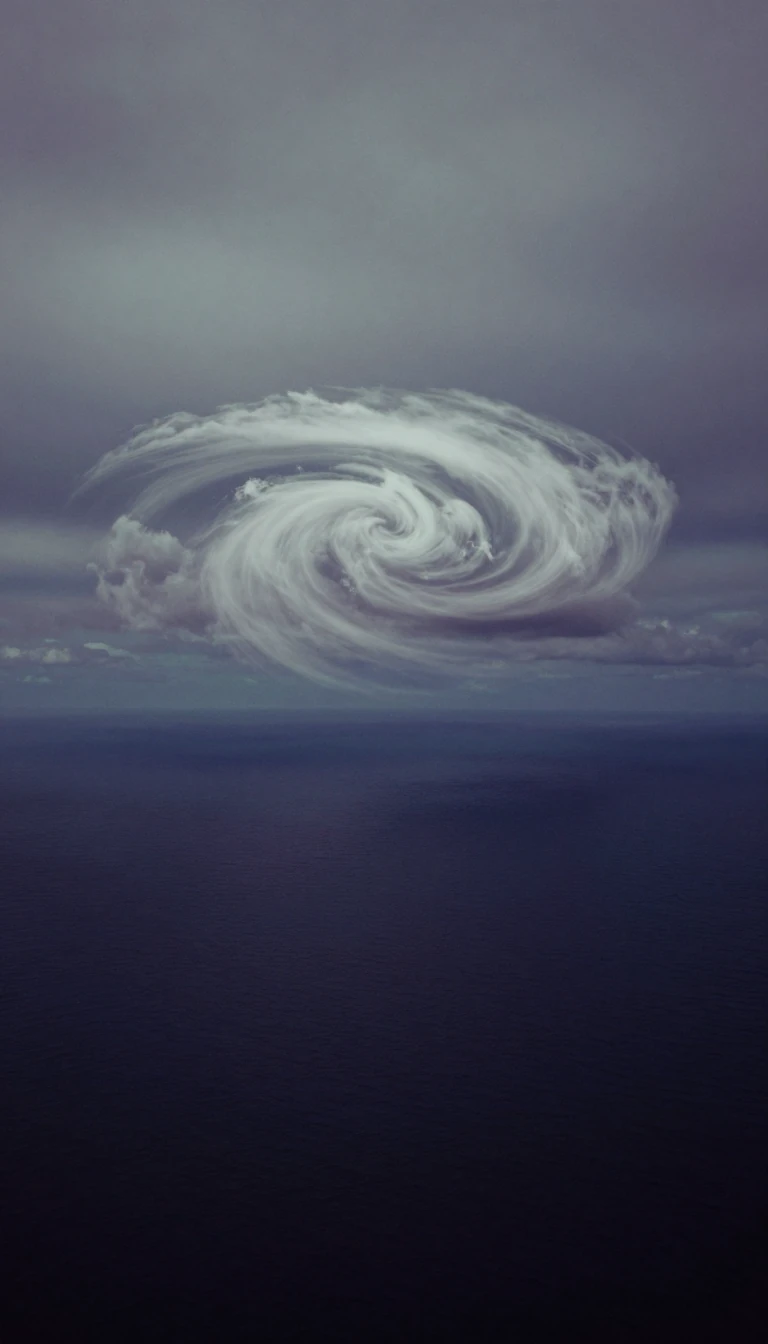 These shimmering polar clouds are the silent architects of our planet's ozone destructionHigh above the poles, rare clouds form in the extreme winter cold. While they appear beautiful, these structures act as chemical factories. They provide surfaces for reactions tha…
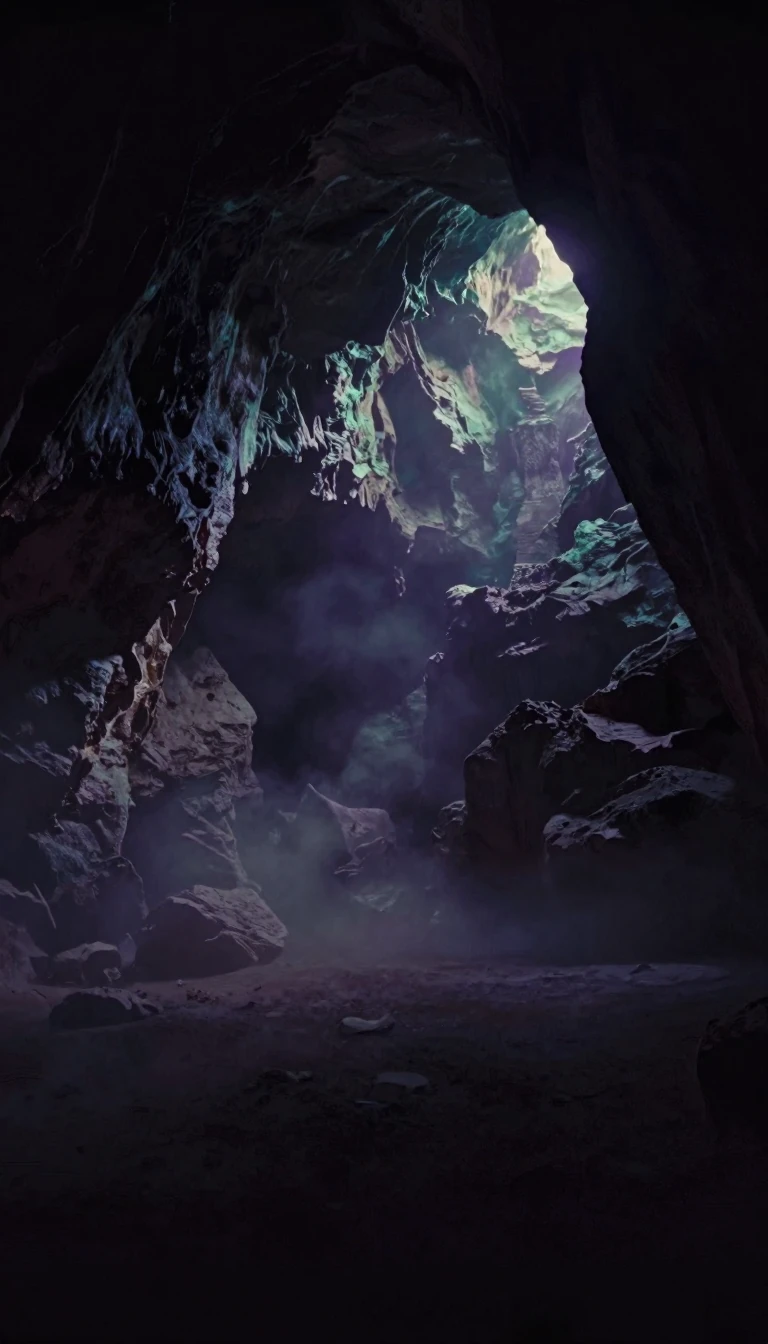 Porphyry is not a specific rock type, but a story of two-stage cooling.Porphyry is defined by its texture, not its chemistry. It features large, conspicuous crystals known as phenocrysts embedded in a fine-grained groundmass. This dual-sized structur…
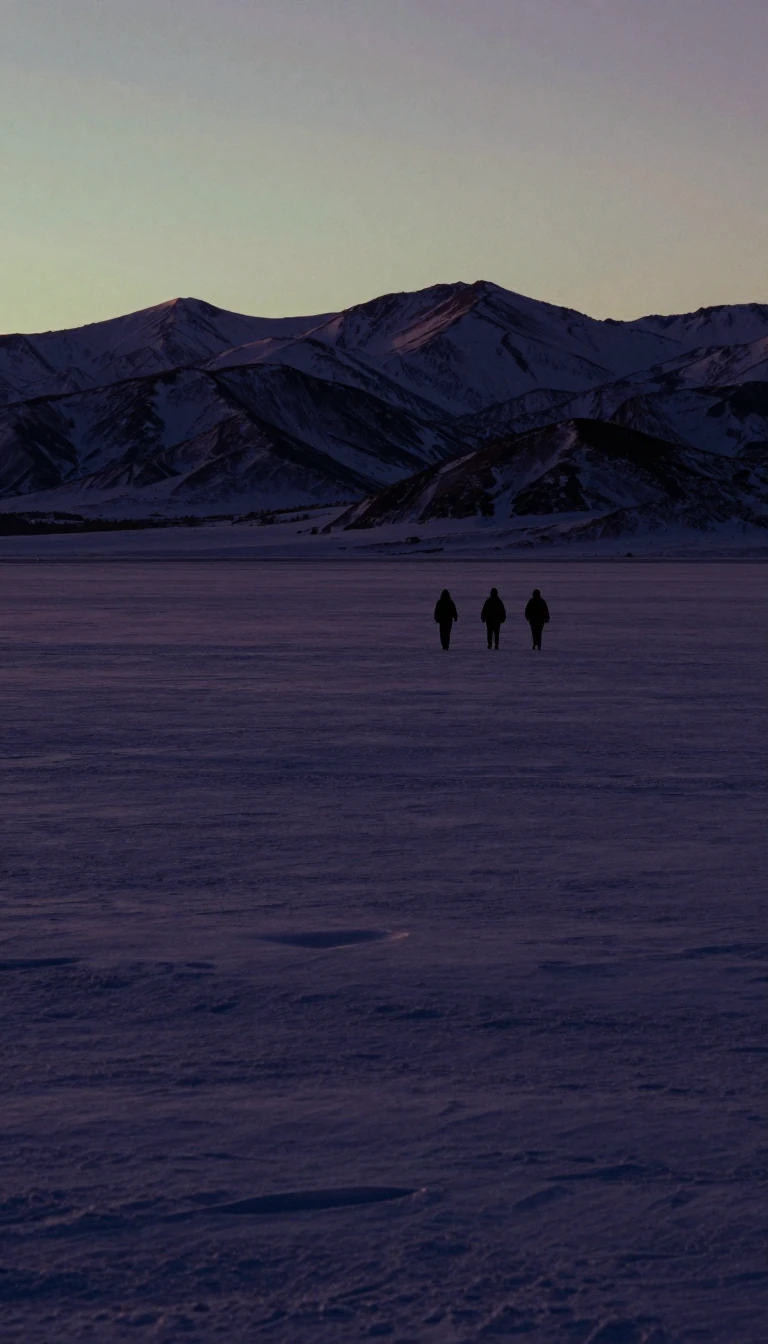 Why the Earth is still reacting to ice sheets that melted thousands of years agoThe Earth behaves like a mattress, deforming under pressure and slowly returning to its original shape. Even though the last ice age ended millennia ago, the planet is still adjus…
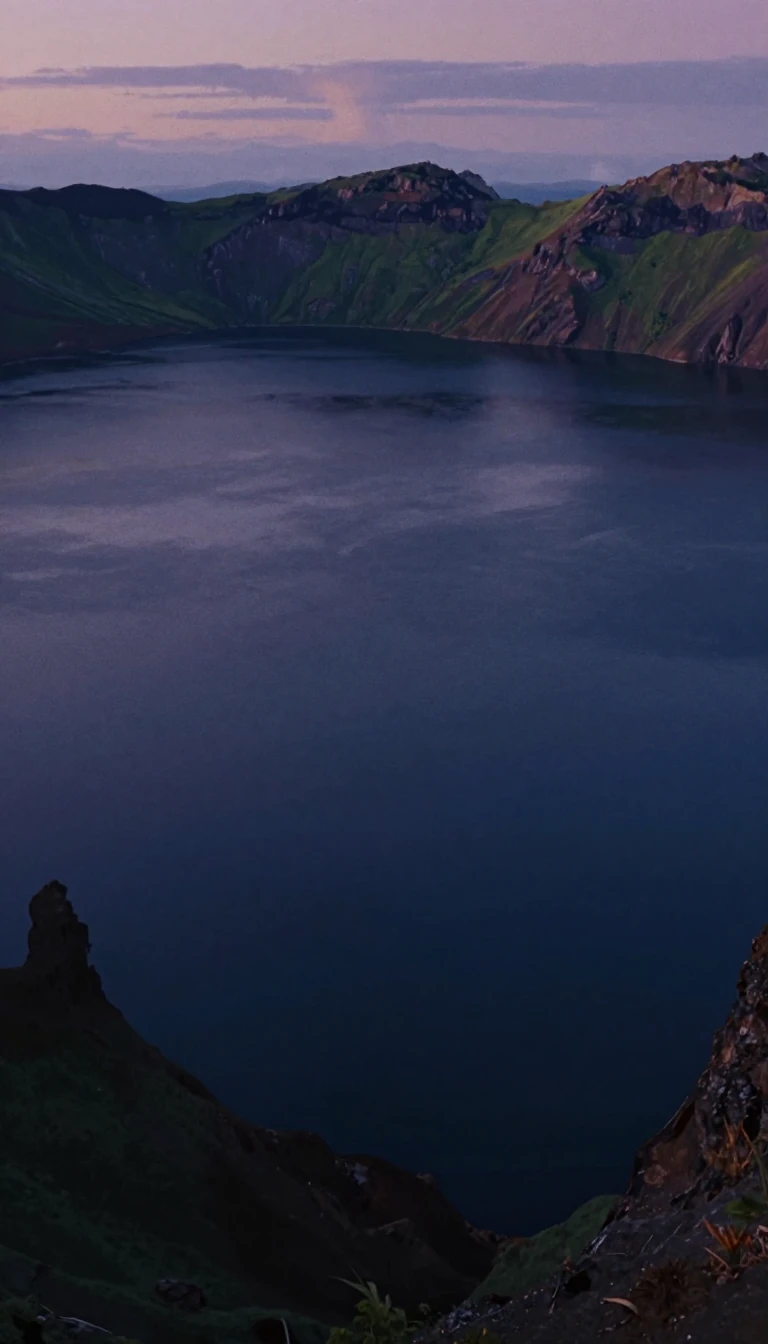 When glaciers act as dams, they create lakes that can vanish in catastrophic floods.Proglacial lakes form when melting ice blocks rivers or traps water against a glacier. While some evaporate slowly, others burst through their icy barriers, unleashing massive flo…
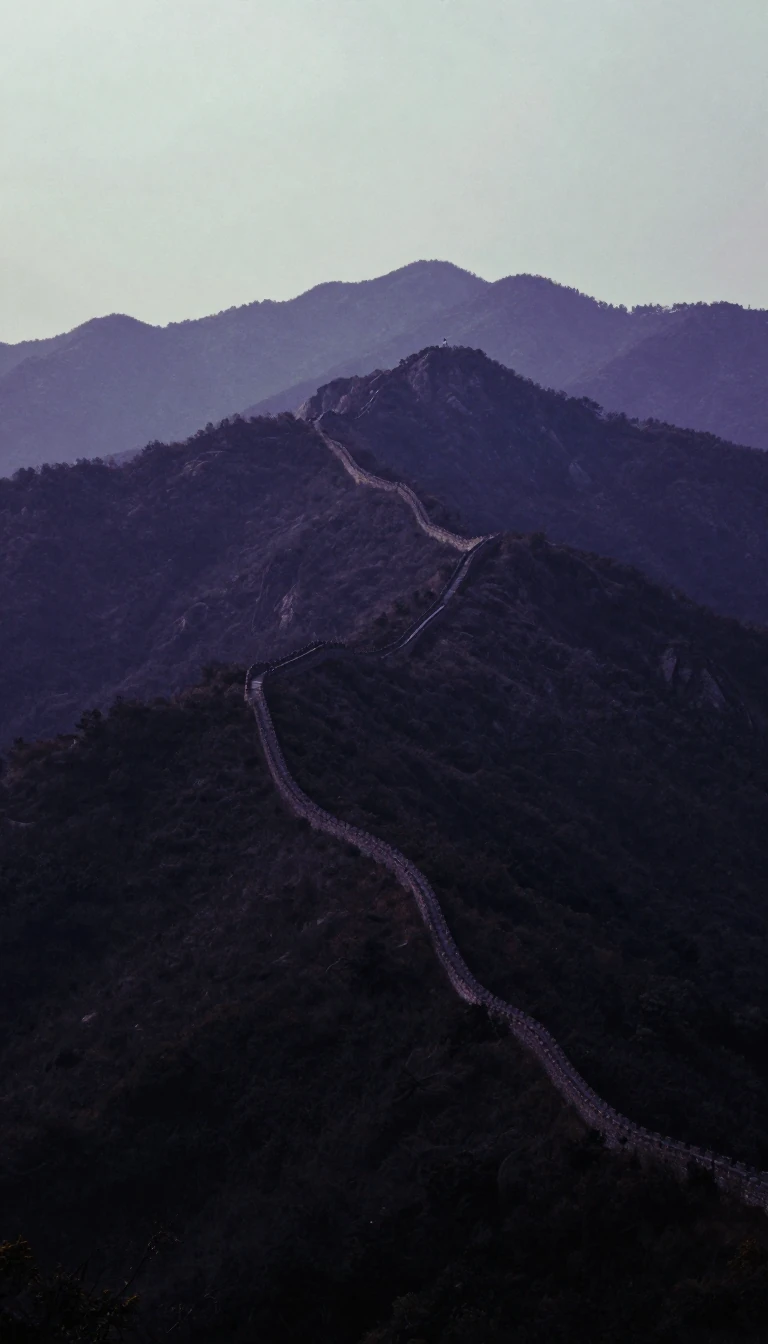 Why ancient civilizations built their most formidable fortresses on jagged, isolated rocky outcrops.A promontory is more than just a scenic projection of land; it is a masterclass in natural defensive engineering. By occupying high ground surrounded by water or river confluences…
 More than just a nuisance: why the humble puddle is a vital ecosystemA puddle is far more than a simple collection of water on the ground. Beyond the annoyance of splashing pedestrians or creating slippery ice, these ephemeral pools serve as essent…
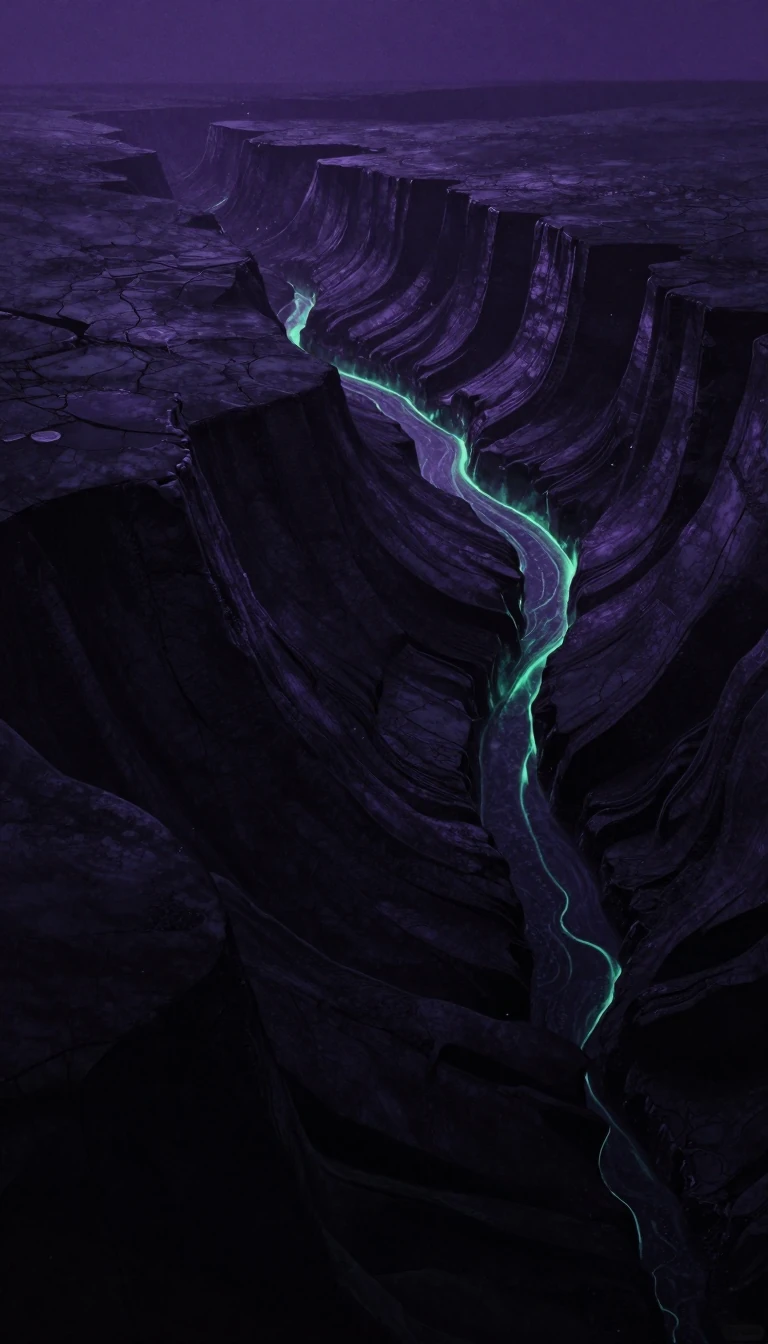 How horizontal crustal movement creates deep, resource-rich depressions in the Earth's surfaceWhen tectonic plates slide horizontally past one another, they rarely move in perfectly straight lines. These jagged paths create step-overs and bends that literally pull the crus…
 This unassuming black mineral has been essential to human survival for tens of thousands of years.Pyrolusite, a common manganese dioxide ore, is more than just a modern industrial workhorse. While it is vital for steelmaking and battery production today, evidence suggests Nean…
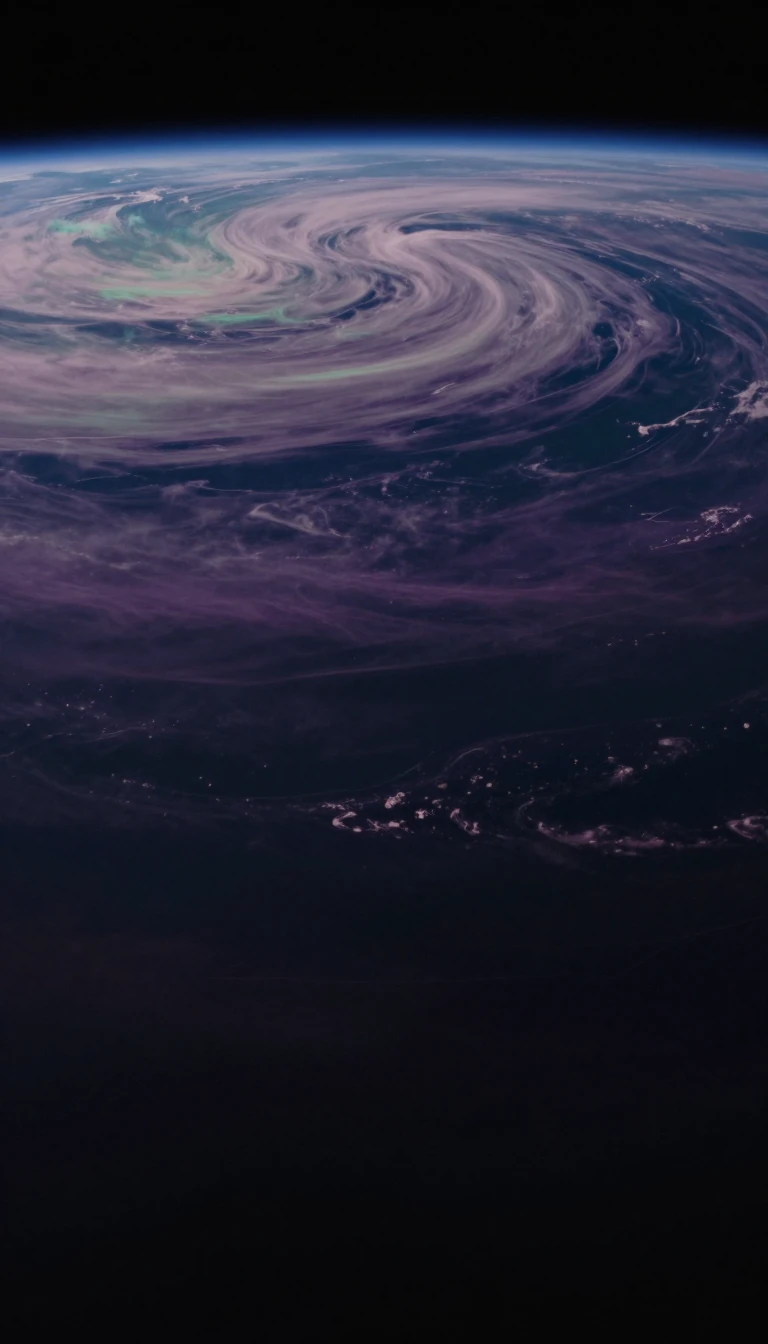 Why the Earth is heating up: the delicate physics of incoming and outgoing energyRadiative forcing is the fundamental metric scientists use to measure the Earth's energy imbalance. When the energy entering our atmosphere from the sun exceeds the heat escaping …
 How scientists use the predictable decay of unstable atoms to clock Earth's ancient historyRadiometric dating turns radioactive decay into a precise geological stopwatch. By measuring the ratio of unstable parent isotopes to their stable daughter products, researchers c…
 Radium and its gaseous offspring radon are silent, naturally occurring hazards in our environment.Radium is a radioactive metal found in trace amounts in almost all soil and rock. As it decays, it transforms into radon, a gas that can accumulate in buildings and poses a signif…
- Why that slushy mix falling from the sky is a meteorological balancing actEver wonder why winter precipitation sometimes hits the ground as a soft, translucent slush rather than crisp flakes or hard ice? This fleeting state is a delicate transition phas…
 A ravine is more than just a ditch: it is a landscape in transitionRavines are deep, steep-sided landforms carved by the relentless power of running water. Sitting between the scale of a small gully and a vast canyon, these features are often the…
- Realgar: The beautiful, toxic mineral that turns into dust in the lightKnown historically as ruby of arsenic, this vibrant orange-red mineral has been used for centuries as a pigment, medicine, and pesticide. Yet, its beauty is deceptive. Exposure to…
 How intense heat and pressure transform ordinary rocks into durable, crystalline masterpiecesDeep beneath the Earth's surface, rocks undergo a silent, solid-state metamorphosis. Without ever melting, minerals reorganize their internal structure to adapt to extreme environ…
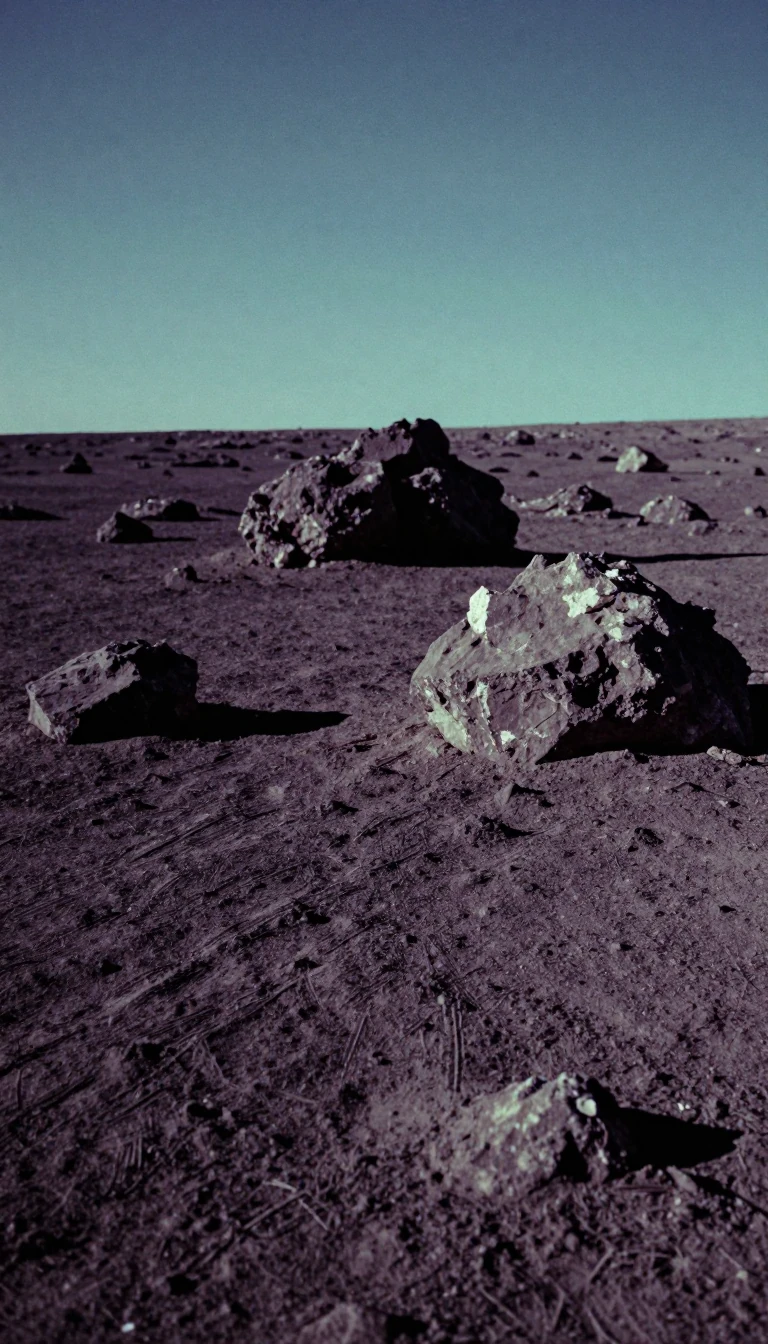 Regolith is the planetary blanket that makes life possible and hides vast mineral wealth.Derived from the Greek for blanket rock, regolith is the layer of loose dust and broken material covering solid bedrock. While we often call it soil on Earth, this geological mant…
 Before we could measure time in years, we mapped Earth's history through rock layers.Relative dating allows geologists to reconstruct the sequence of Earth's past events without needing numerical ages. By analyzing the relationships between rock strata and fossils…
- Remineralisation is the invisible engine that recycles life back into the ocean's food web.Every living thing eventually breaks down into its simplest inorganic parts. In the ocean, this process is called remineralisation. It is the vital mechanism that transforms organ…
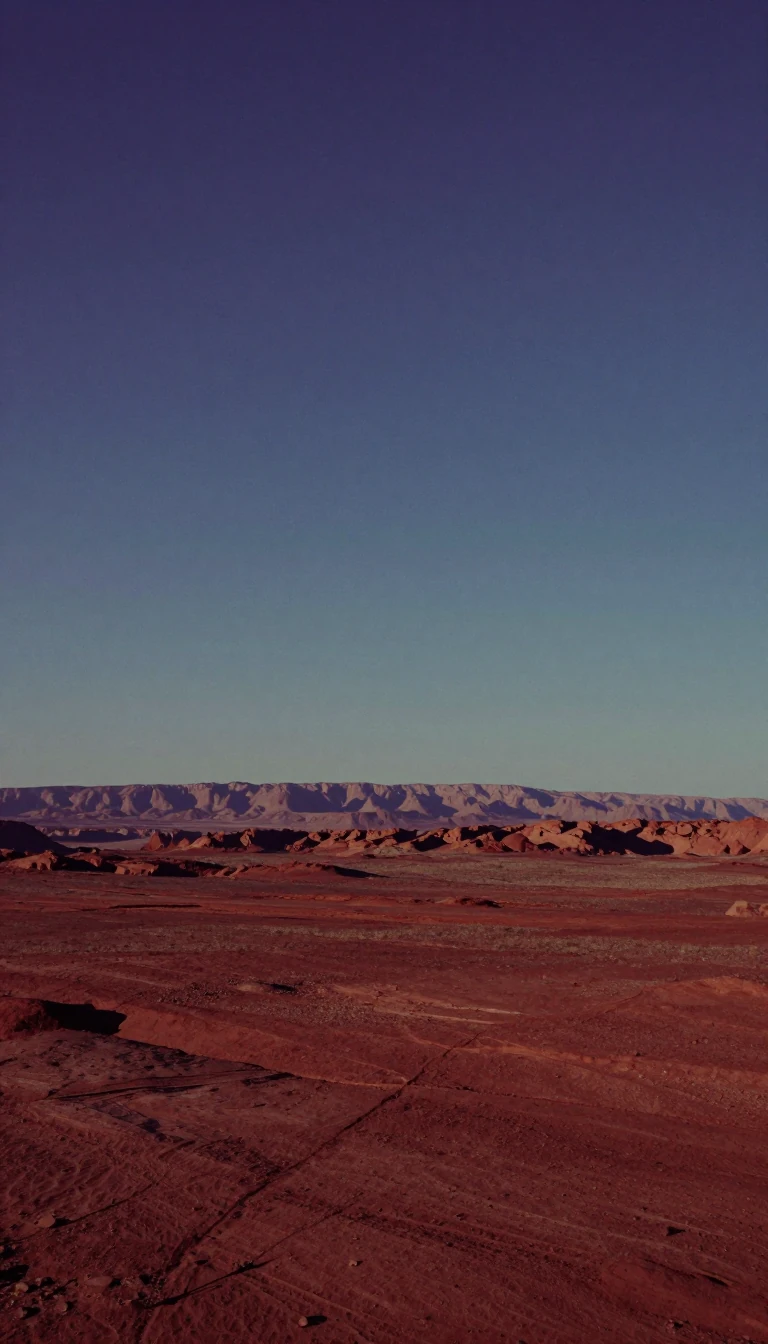 The lost ocean that once separated the continents and built the supercontinent PangaeaBefore the Atlantic existed, the Rheic Ocean dominated the Paleozoic world. Stretching across the globe, its birth and eventual closure reshaped Earth's geography, triggered massi…
 Why this rose-colored mineral was once discarded as trash by silver minersRhodochrosite is a striking manganese carbonate known for its vibrant rose-red hues. While prized today as a decorative stone and a national symbol in Argentina and Colorado, this…
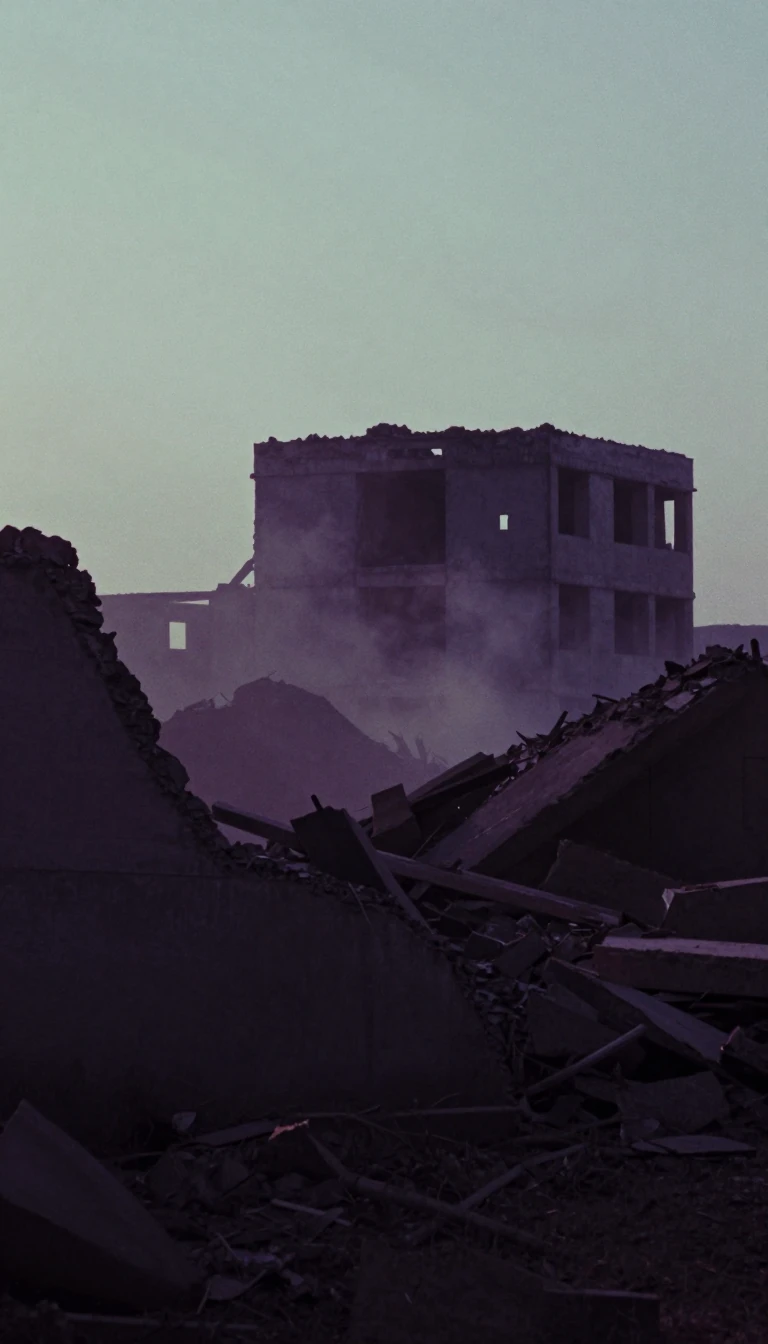 Why the Richter scale is a scientific ghost that still haunts modern news reportsThe Richter scale is a household name, yet it has been obsolete for decades. Devised in 1935 to compare moderate earthquakes in California, it fails to measure the world's largest…
 Beyond the medical practice, the ridge is a fundamental, diverse, and shifting geological feature.While the name often denotes a local medical center, a ridge is fundamentally a long, narrow, elevated landform defined by steep sides. From wind-swept sand dunes to glacial remna…
- Rifts are the Earth's way of pulling itself apart to create new landscapes.A rift is a linear zone where the lithosphere stretches and breaks, forming deep valleys or even new oceans. These geological scars are not just tectonic curiosities; they are the…
- Rift lakes are deep, tectonic scars that hold the secrets of Earth's shifting crust.When continental crust pulls apart, the ground subsides to create massive, often incredibly deep basins. These rift lakes are not just bodies of water; they are geological markers…
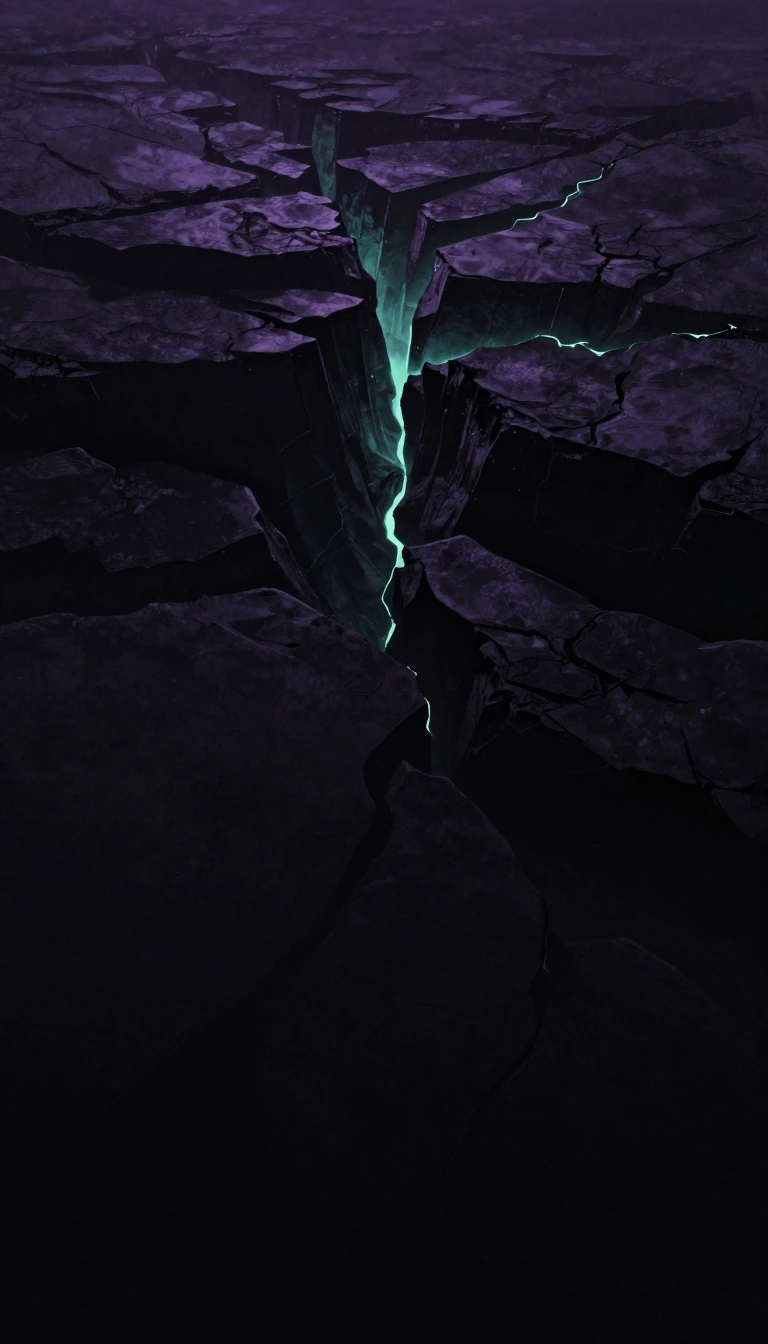 Rift valleys are the scars left behind as tectonic plates tear the world apart.A rift valley is a linear lowland formed when the lithosphere is pulled apart by extensional tectonics. These geological wounds can appear anywhere from the ocean floor to high mo…
 Ripple marks are nature's ancient shorthand for recording the movement of wind and water.Look closely at a sandy beach or a dry riverbed and you might see rhythmic, wave-like patterns. These are ripple marks, sedimentary structures that act as geological fossils. By a…
- Rivers are not just passive pipes, they are the world's most active carbon reactors.For decades, scientists viewed rivers merely as conduits carrying water to the sea. Today, we know they are complex metabolic engines. These ecosystems actively process organic an…
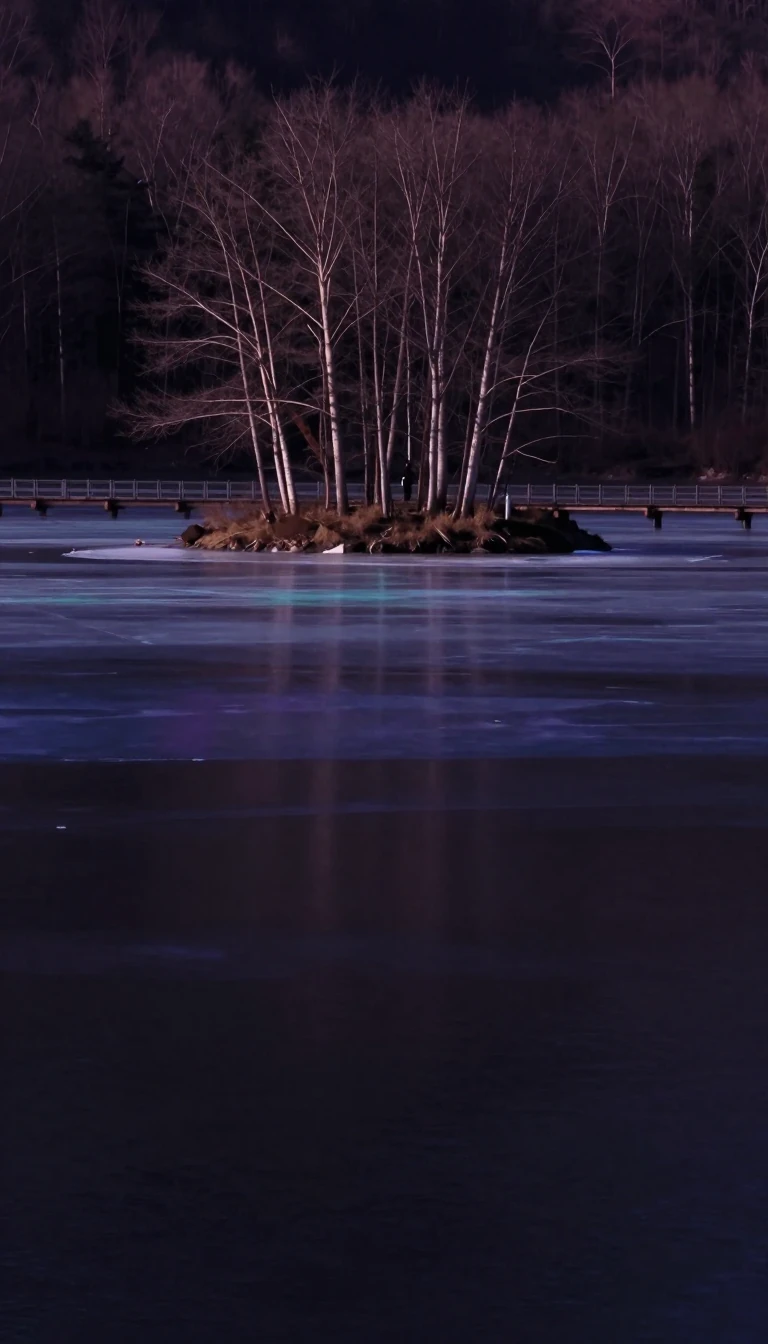 What defines a river island, and why do some geologists argue about their size?A river island is more than just land surrounded by water; it is a dynamic feature shaped by the constant tug-of-war between erosion and deposition. From tiny, tree-covered towhea…
 How Artificial Intelligence Is Finally Mapping the World's Rivers at a Global ScaleFor decades, river classification was limited to local studies or qualitative descriptions. Now, researchers are using deep neural networks and satellite imagery to categorize glo…
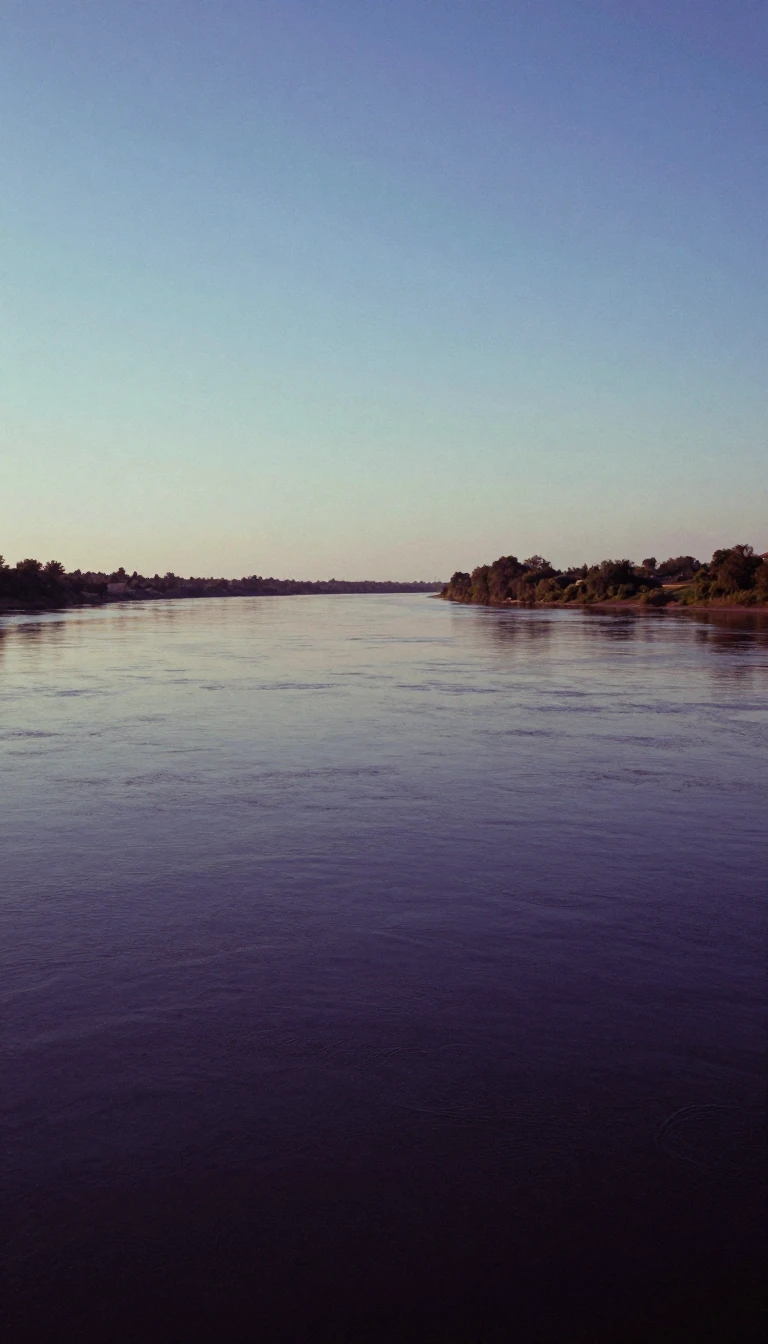 Why the world's greatest cities are built where rivers meet the seaA river mouth is far more than a simple exit point for water. It is a dynamic geological crossroads where sediment settles, landforms emerge, and human history takes root. By unde…
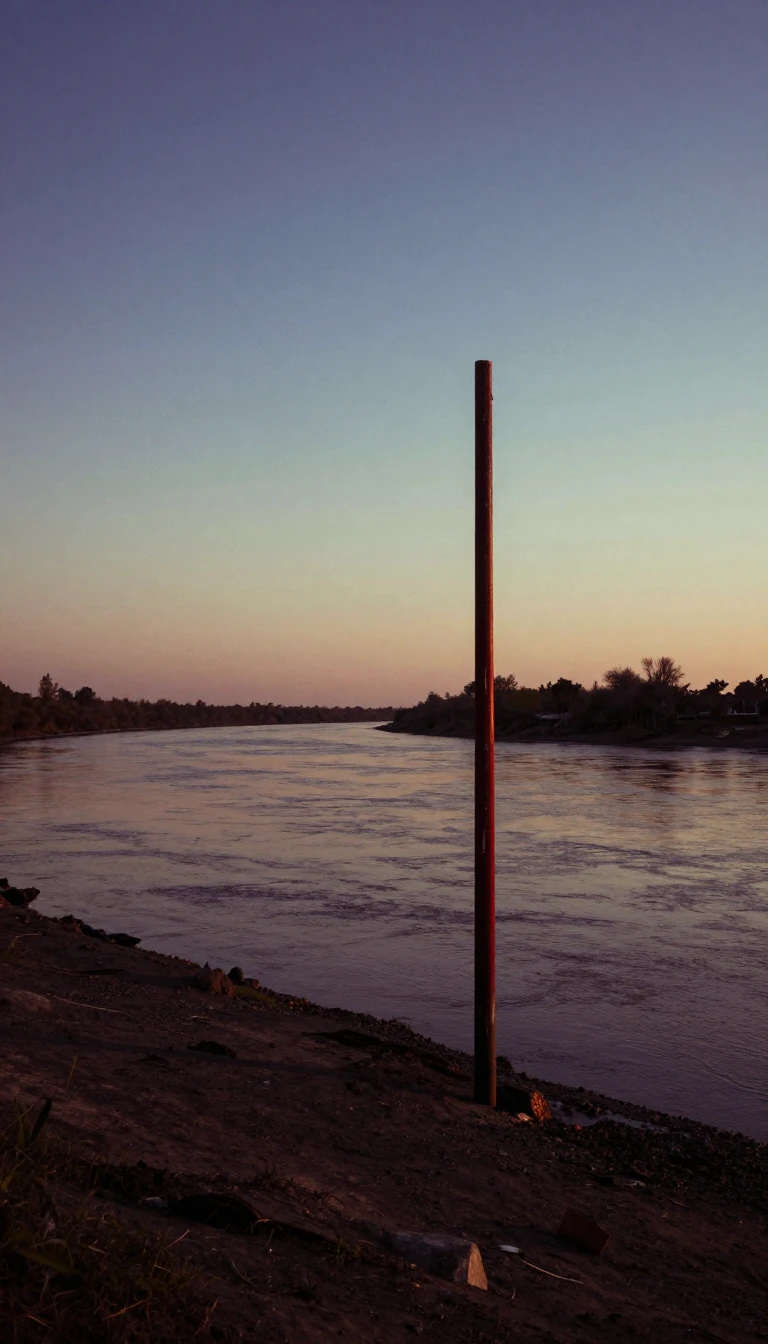 Why the true source of a river is rarely where you think it isWe often assume a river begins where it is named or where a lake ends. Yet, geographers define a river's source by the most distant point in its drainage basin. This technical sta…
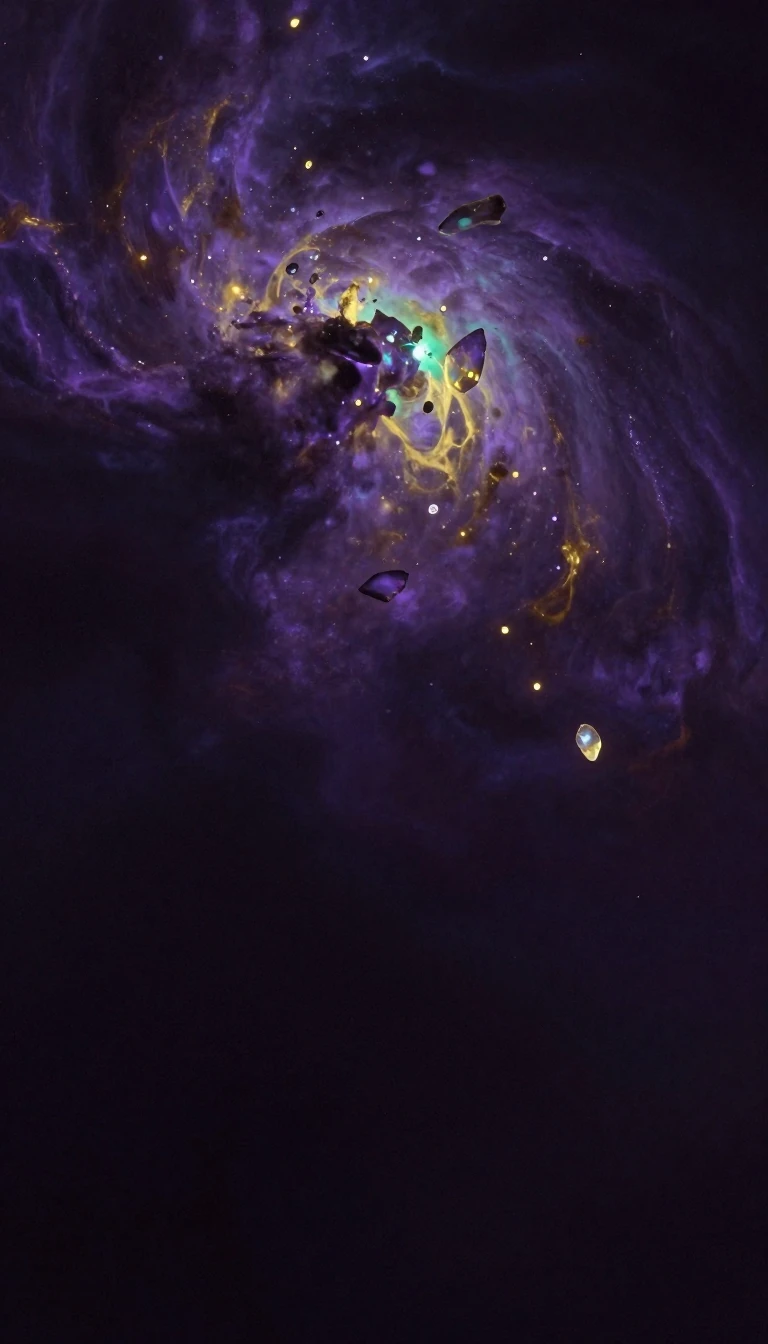 The rock cycle is not just a terrestrial loop but a cosmic, interstellar process.For centuries, geologists viewed the rock cycle as a closed, Earth-bound system. Modern science reveals a far grander reality: rocks are part of a universal evolution, linking ste…
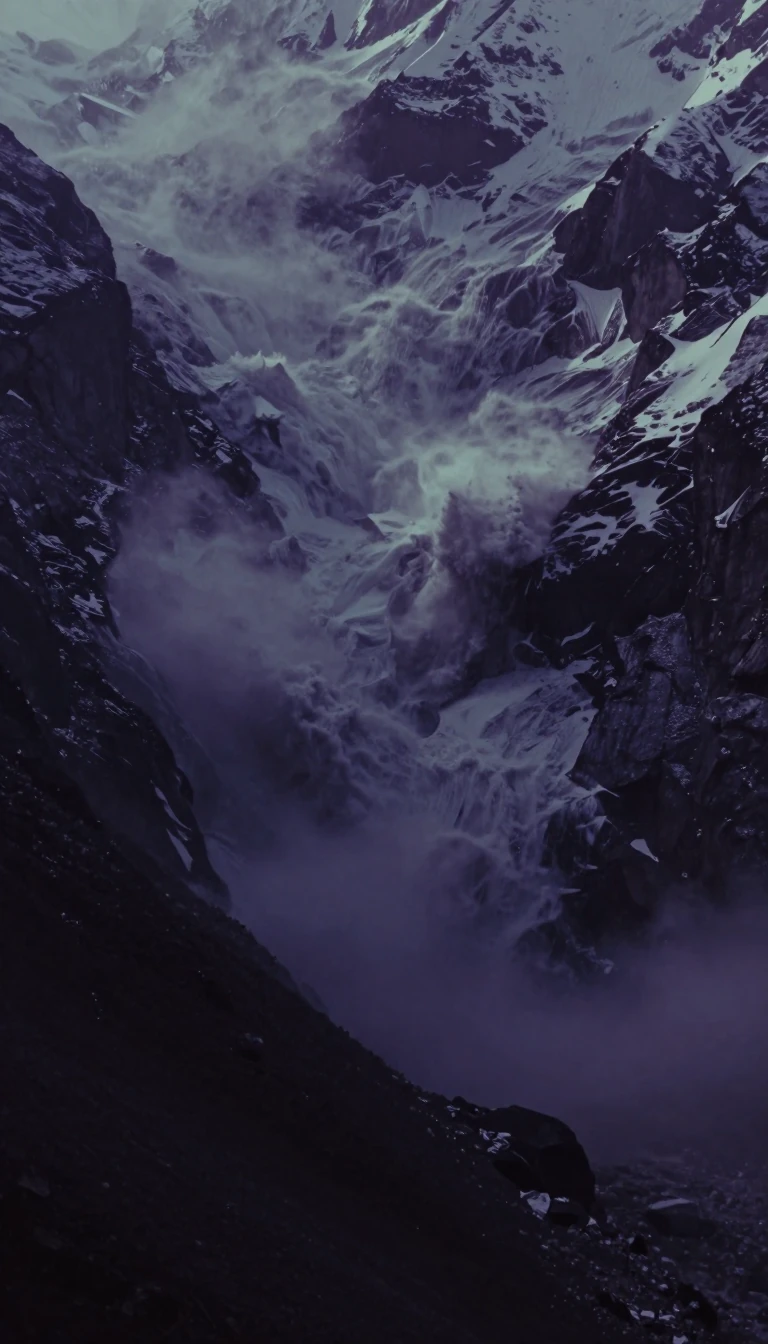 Why rockslides are the most dangerous form of mass-wasting on EarthUnlike common landslides involving loose dirt, a rockslide is a sudden, high-speed release of solid bedrock. These events move along uniform planes of weakness, often behaving lik…
 Why this humble titanium mineral is the secret behind the world's most brilliant gemsRutile is more than just a common titanium ore; its microscopic needles create the mesmerizing star-like patterns in rubies and sapphires. While often hidden within other rocks, t…
 Why S waves are the ultimate gatekeepers of the Earth's hidden interiorSecondary waves, or S waves, are seismic body waves that travel through solid rock by oscillating particles perpendicular to their path. Because they rely on shear stress, they ca…
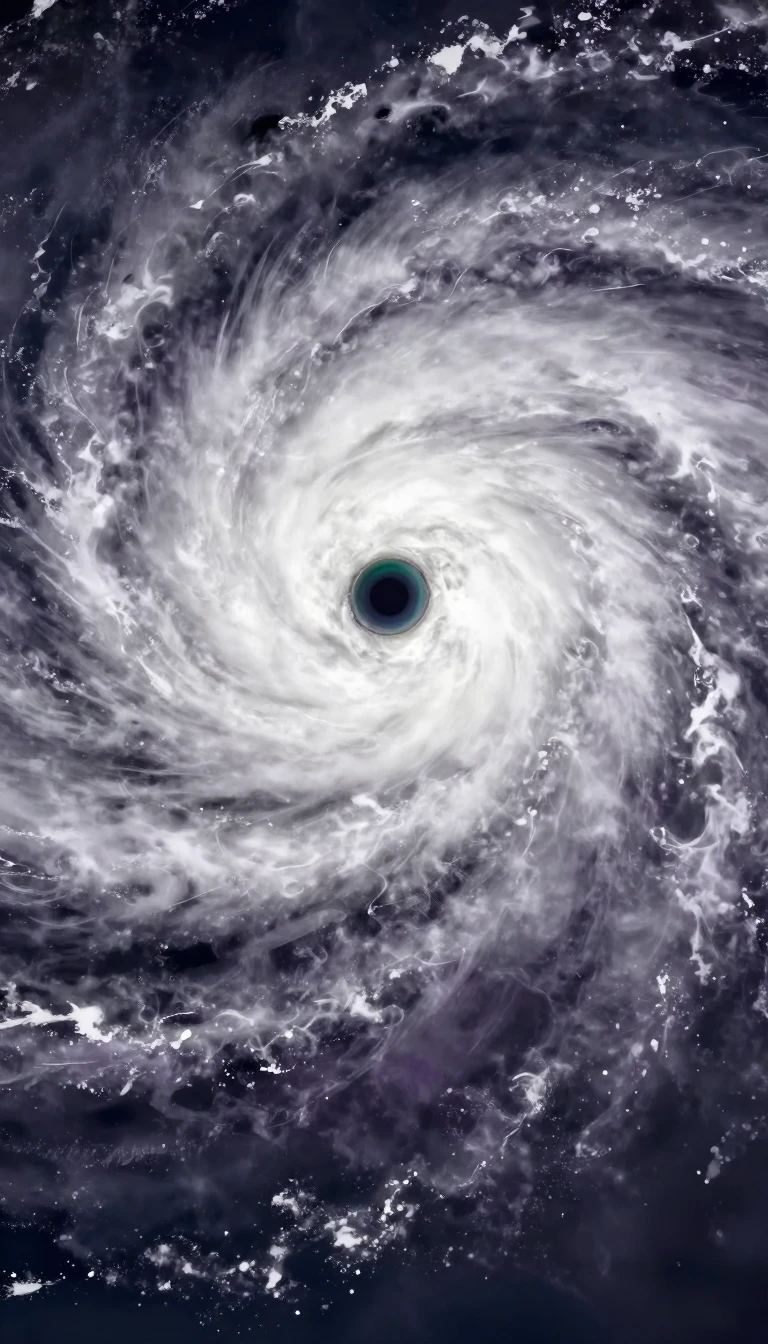 Why the Saffir–Simpson scale measures wind speed but ignores the true power of stormsThe Saffir–Simpson scale is a household name for hurricane intensity, yet it is often misunderstood. Designed as a simple tool to gauge potential structural damage, it focuses exc…
 Why the world's largest salt flat is essential for calibrating our satellitesSalt flats are more than just blindingly white desert expanses. These ancient, mineral-rich basins are formed when water evaporates faster than it falls, leaving behind vast, flat…
 Scheelite: The heavy mineral that paved the way for modern light and industryNamed after a Swedish chemist, scheelite is a calcium tungstate mineral that became a vital industrial resource in the 20th century. Beyond its role as a primary ore for tungsten,…
 How a Scottish mountain helped scientists weigh the entire planet in 1774In 1774, the Royal Society sent the Astronomer Royal to a remote peak in Perthshire to conduct an experiment of attraction. By measuring how a mountain pulled a plumb line, they a…
 The Scotia plate is a submerged tectonic puzzle connecting South America and AntarcticaHidden beneath the Southern Ocean, the Scotia plate is a minor tectonic feature that once formed a continuous land bridge between continents. Its complex history of formation and …
- Why the afternoon breeze at the coast is a thermal engine in disguiseA sea breeze is more than a cooling relief on a hot day. It is a localized weather system driven by the unequal heating of land and water. This daily thermal cycle creates moving …