 Intellect Plus
Nature
11,198 cards. Each one is a 40-second story with a five-minute read behind it. Page 84 of 187.
Subtopics: Ageing · Air · Animal behaviour · Animal breeds and hybrids · Animals · Arthropods · Atmosphere · Big cats · Bilateria, others · Birds · Botany · Cnidarians · Conservation · Coral reefs · Deep sea · Deserts · Dinosaurs · Earth science · Earth science and physical geography · Earth science basics · Earthquakes & tsunamis · Echinoderms · Ecology · Ecosystems · Endangered species · Extinct animals · Farming · Fish · Forests · Fungi · General classifications · Geology · Geomorphology · How Long Can It Live? · Ice · Individual animals · Insects · Lightning · Longevity · Mammals · Marsupials · Migration · Mollusks · Ocean · Organisms · Parasites · Physical geography · Plants · Porifera · Predators · Primates · Rainforest · Reptiles & amphibians · Researched · Sharks & rays · Spiders & arachnids · Symbiosis · Trees · UK & Ireland: nature · Vertebrates · Vision · Volcanoes · Water · Waves · Weather · Whales & dolphins · Zoology
 Sea caves are not just holes in cliffs; they are dynamic, living marine ecosystems.Sea caves are more than simple geological voids. These rare, submerged environments act as vital refuges for specialized marine life, from rare algae to deep-water corals. Shaped …
 The ocean's skin is a massive, living chemical reactor covering most of our planet.Spanning 70% of Earth's surface, the sea surface microlayer is far more than just water. This thin, biofilm-rich interface acts as a global gatekeeper, regulating how the ocean an…
 Why the ocean's surface temperature is a moving target for global climate scientistsSea surface temperature is not a single, fixed measurement. Depending on the technique, it captures water from a few micrometres to 20 metres deep. This variability makes it a com…
- Hidden underwater prairies are essential to our planet's climate and marine healthSeagrass meadows are not seaweed; they are true flowering plants that thrive in shallow coastal waters across every continent except Antarctica. These dense underwater ecosystems …
 Why some tropical forests shed their leaves while others remain lush and greenUnlike the evergreen rainforests that stay perpetually verdant, seasonal tropical forests operate on a rhythmic pulse. Driven by the shifting Intertropical Convergence Zone, these…
 How underwater avalanches of sand and mud shape the deep ocean floorSediment gravity flows are the primary architects of the deep sea, transporting massive quantities of sand and debris downslope. These flows, ranging from turbulent currents to co…
 The movement of sand, rock, and dust is the silent architect of Earth's surface.Sediment transport is the fundamental geological process of moving surface material via wind, water, or ice. From the formation of massive sand dunes to the erosion of riverbeds, …
 Sedimentary structures are the three-dimensional physical fingerprints of ancient environments preserved in rock.Geologists read sedimentary rocks like a history book, using physical features to reconstruct vanished landscapes. From ripple marks left by ancient tides to mud cracks formed und…
 Why earthquake intensity scales matter more than magnitude for understanding local destructionMagnitude tells you how much energy an earthquake released at its source, but it does not predict what you will experience on the ground. Intensity scales provide a qualitative, h…
- Why the Richter scale is no longer the gold standard for measuring earthquakesWhile the Richter scale is famous, it often fails to capture the true power of massive or distant quakes. Modern seismology relies on a suite of specialized scales, each designed …
 How geologists use ancient sea level shifts to map the history of the EarthSequence stratigraphy transforms our understanding of the Earth by linking sedimentary rock layers to time rather than just composition. By mapping unconformities caused by sea le…
 Why this common, snake-like mineral can create both beautiful jewelry and toxic landscapesSerpentine is not just one mineral, but a diverse subgroup of hydrous magnesium silicates. Named for its scaly, snake-like appearance, this material is as versatile as it is compl…
 How Salty Water Dictates the Pace of Earth's Deepest Geological TransformationsSerpentinization is a vital process that reshapes the ocean floor and potentially fuels life on distant moons. Yet, scientists have long struggled to measure its speed. Recent exp…
 Why seismic shadow zones are the key to unlocking Earth's hidden liquid heartWhen an earthquake strikes, it sends waves through the planet, but some regions remain eerily silent. These seismic shadow zones are not just gaps in data; they are the primary ev…
- Why the Earth's crust behaves like both a brittle fracture and flowing hot metal.Deep beneath our feet, the Earth's crust undergoes a dramatic transformation. While surface rocks shatter under pressure, deeper layers flow like heated metal. These shear zones a…
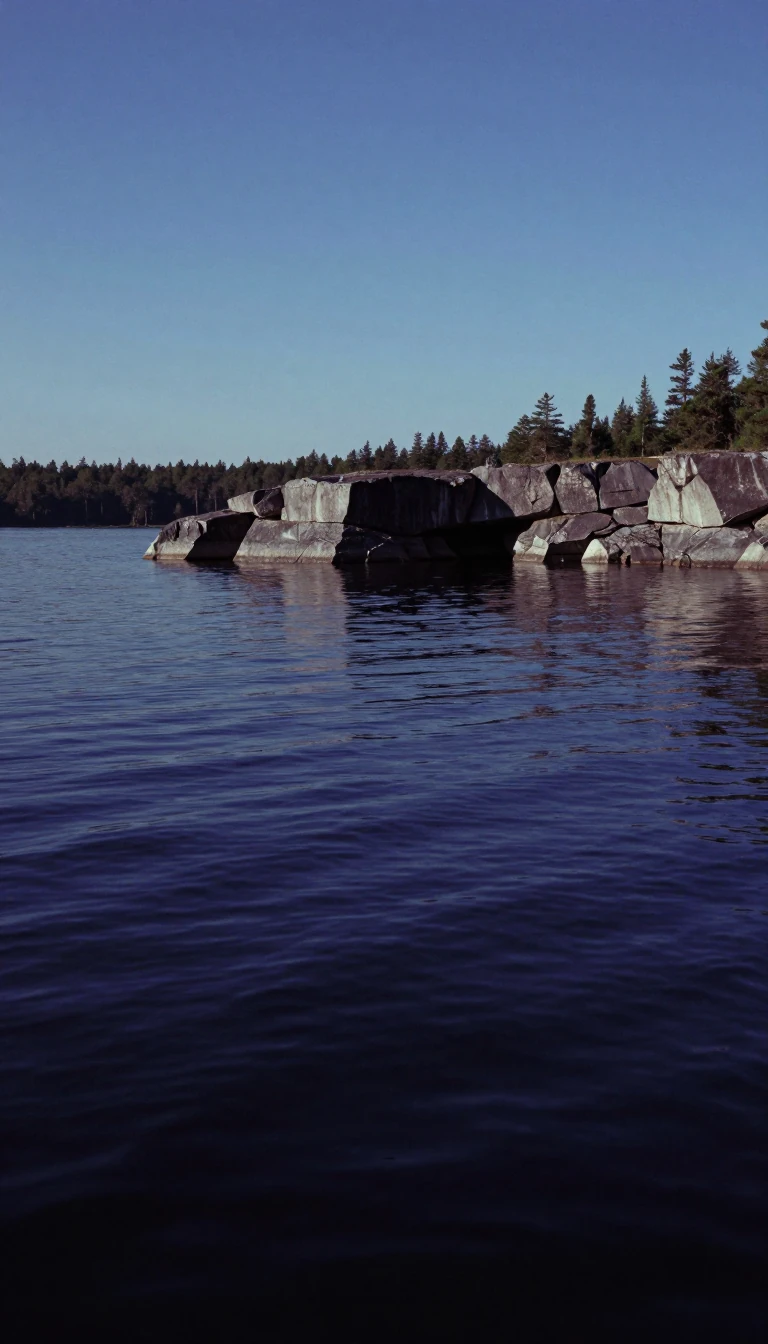 Why the oldest parts of Earth's crust are called continental shieldsBeneath the shifting surface of our planet lie vast, ancient foundations known as shields. These stable, low-relief regions are composed of crystalline rocks formed billions of ye…
 Why the world's largest volcanoes look more like gentle hills than fiery peaksShield volcanoes are the giants of the volcanic world, yet they lack the dramatic, steep cones of popular imagination. Named for their resemblance to a warrior’s shield resting on…
 Why do some beaches slope so steeply while others remain flat and wide?Most beaches are composed of fine sand, but shingle beaches are built from coarse, rounded gravel. These unique formations, common in Great Britain, rely on porous surfaces to res…
 A shoal is more than a navigation hazard; it is a dynamic coastal architect.Often dismissed as a mere nuisance for ships, a shoal is a complex, shifting ridge of sediment that shapes our coastlines. These submerged banks act as natural prisms for ocean wa…
 The ocean floor is blanketed in the skeletal remains of microscopic, glass-like organismsDeep beneath the waves, vast stretches of the seafloor are covered in siliceous ooze. Composed of the opal-like skeletons of tiny creatures like diatoms and radiolarians, these se…
 Why these flat sheets of frozen magma are often mistaken for lava flowsDeep beneath the Earth's surface, magma forces its way between existing rock layers to create sills. These tabular intrusions run parallel to the surrounding stone, often mimickin…
 Why siltstone is the gritty, misunderstood cousin of common shaleSiltstone is a durable, clastic sedimentary rock often confused with shale. While both form from fine particles, siltstone lacks the distinct, thin layers that allow shale to spli…
 The massive slabs of rock sinking into our planet drive the tectonic engineDeep beneath the surface, massive sections of oceanic crust are constantly diving into the Earth's mantle. These sinking slabs are not just passive debris; they are the primary en…
- Why do tectonic plates move? It is not a conveyor belt beneath your feet.For decades, scientists imagined tectonic plates riding atop mantle convection cells like luggage on a conveyor belt. Modern research reveals a more powerful engine: the plates th…
- Beneath Canada's North lies a 4-billion-year-old fragment of Earth's earliest continental crust.The Slave Craton is a geological time capsule containing some of the oldest rocks ever discovered. Spanning 300,000 square kilometers, this ancient block of the Canadian Shield of…
- Beneath our feet, massive tectonic plates are shifting in slow motion without a sound.Regular earthquakes topple buildings in seconds, but slow earthquakes can last for months. These imperceptible events shift tectonic plates as much as a magnitude 7 quake, yet the…
 Why a sudden snow squall can be more dangerous than a massive blizzardSnow squalls strike with little warning, turning clear roads into blinding whiteouts in minutes. Unlike sprawling blizzards, these intense, localized bursts of heavy snow and gust…
 Why the popular image of a perfectly symmetrical snowflake is a scientific mythWhile we imagine snowflakes as perfectly symmetrical, six-pointed stars, empirical studies show that fewer than 0.1 percent actually achieve this ideal. Most are irregular, shaped…
 Sodalite is a royal blue mineral that hides a complex, cage-like atomic structure.Known for its deep blue hue and historical use in ancient trade, sodalite is more than just an ornamental gemstone. Beneath its surface lies a sophisticated aluminosilicate cage n…
 Geological scars reveal the liquid history of Earth's ancient, unsolidified landscapesBefore sediment turns to stone, it behaves like a liquid. When rapid deposition or seismic tremors strike these loose layers, they warp into bizarre, complex shapes. These soft-se…
 Why your garden might need a chemistry lesson to thrive in acidic soilSoil pH is the silent conductor of your garden's health, dictating which plants flourish and which wither. While many gardeners fear acidity, some plants demand it. Mastering the …
- Soil is not just dirt; it is a complex chemical reactor managing our waste.Soil chemistry is the study of the mineral compounds and reactions occurring beneath our feet. While once focused solely on agriculture, the field now plays a critical role in env…
 Why the six-inch layer of soil beneath our feet is our greatest natural assetWe owe our existence to a thin layer of topsoil and the rain. Now, England and Wales have opened their most comprehensive soil data to the public. This shift promises to transform…
 Soil erosion is a natural sculptor, but human activity has accelerated it twenty-eightfold.Soil erosion is a fundamental geological process that shapes our landscapes, yet it often goes unnoticed until it becomes catastrophic. While nature moves soil at a steady, manage…
- Beneath your feet lies a complex, layered history of the Earth's surfaceSoil is not just dirt; it is a structured record of geological and biological time. By identifying specific layers known as horizons, scientists can decode the history of a landsc…
 When the ground beneath your feet suddenly turns into a viscous, flowing liquidDuring earthquakes, solid ground can behave like a liquid, causing buildings to tilt, sink, or collapse. This phenomenon, known as soil liquefaction, occurs when water-saturated, …
- Beneath your feet lies a complex, layered history written in color and texture.Soil is not just dirt; it is a dynamic, natural body with a unique biography. By analyzing its horizons, color, and structure, scientists can decode the climate, biological activi…
- Beneath your feet lies a complex, dynamic engine of solids, liquids, and gases.Soil physics is far more than dirt under your fingernails. It is the rigorous study of how soil components interact to govern water flow, gas diffusion, and structural stability. …
- Is your soil sand, silt, or clay? The answer dictates how your garden grows.Soil texture is the defining physical characteristic of the earth beneath our feet, determined by the ratio of sand, silt, and clay particles. This simple composition dictates how…
 Why scientists struggle to agree on a single way to classify the earth beneath usSoil type is more than just dirt; it is a formal taxonomic unit used by scientists to categorize the ground. Yet, there is no universal agreement on how to define these categories…
- How rainwater and acid slowly carve the world's most expansive underground labyrinthsMost of the world's caves are not hollowed out by rushing rivers, but by the slow, chemical dissolution of rock. Rainwater and groundwater, charged with weak acids, seep through b…
 The Somali Plate is slowly peeling away from the rest of the African continentDeep beneath the surface of the Eastern Hemisphere, a massive tectonic shift is underway. The Somali plate is gradually detaching from the African plate, creating a rift that stre…
 The South Magnetic Pole is constantly on the move, drifting away from the continent.Earth's magnetic south pole is not a fixed point on the map. It is a shifting location where magnetic field lines point vertically downward. Currently, this pole is migrating nort…
- Speleology is the rigorous scientific study of the hidden, evolving systems beneath our feet.While many know caving as a rugged sport, speleology is the cross-disciplinary science that maps these fragile underground worlds. By blending geology, biology, and chemistry, res…
- These subterranean mineral sculptures are actually precise, ancient archives of our planet's climate history.Speleothems are more than just cave decorations. These geological formations, ranging from delicate soda straws to massive flowstones, act as natural data loggers. By trapping iso…
 Why this common mineral earned a name meaning treacherous in ancient GreekSphalerite is the primary source of zinc, a metal essential to life and modern industry. Yet, for centuries, its dark, opaque appearance caused it to be frequently misidentified b…
 For centuries, history's most famous rubies were actually a different, brilliant mineral called spinel.Spinel has long been mistaken for ruby, gracing royal crowns under false pretenses. Beyond its historical identity crisis, this mineral is a geological chameleon, found in meteori…
 Beyond the Gemstone: How Spinel Minerals Power Modern Technology and Advanced PhysicsSpinel is more than a historical ruby lookalike. These minerals, defined by a unique cubic crystal structure, are essential to modern industry. From protecting metals against corr…
 Spodumene is the primary mineral source for the lithium powering our modern electric world.This lithium aluminum silicate mineral is the backbone of the battery revolution. Found in granite pegmatites, spodumene is a high-grade ore that requires intense heat to unlock i…
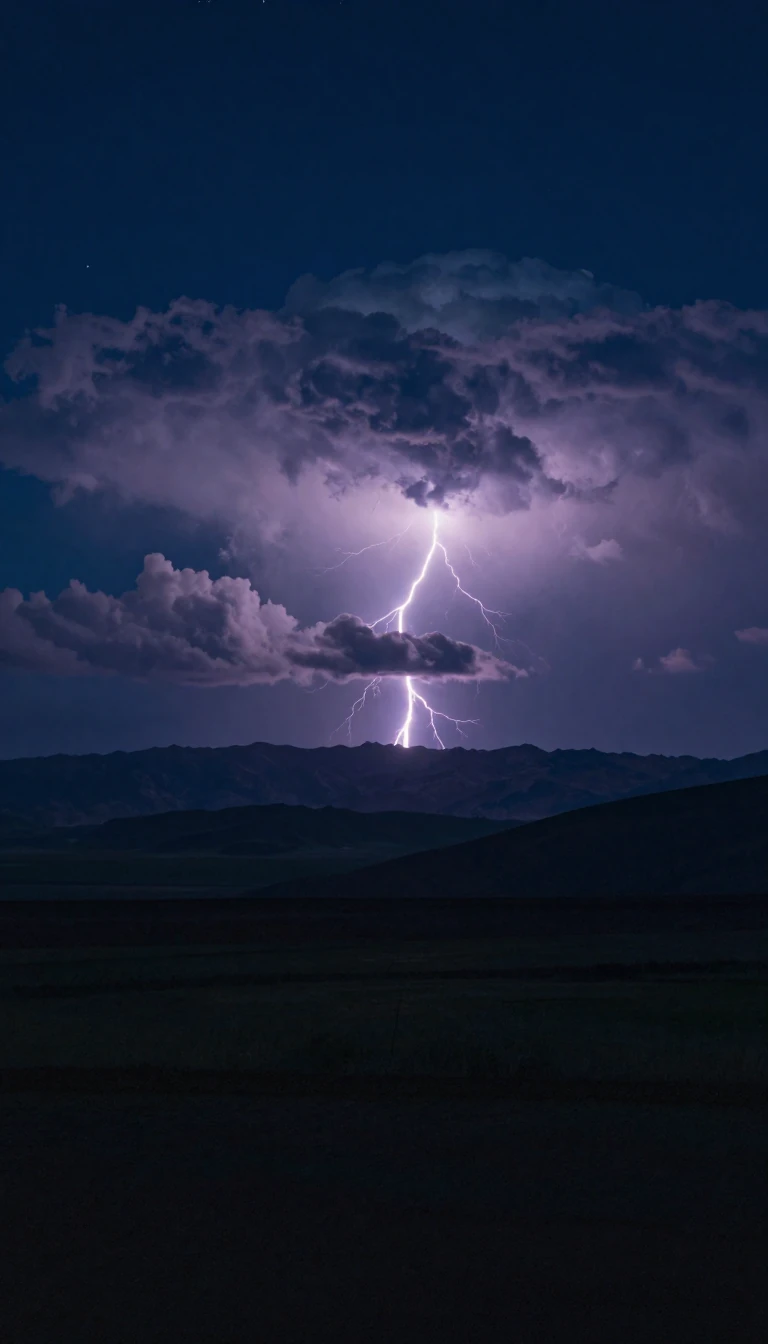 That eerie blue glow on ship masts is actually a form of atmospheric plasmaSailors once saw St. Elmo's fire as a divine omen, but this luminous phenomenon is purely electrical. It occurs when high-voltage fields ionize air molecules around pointed object…
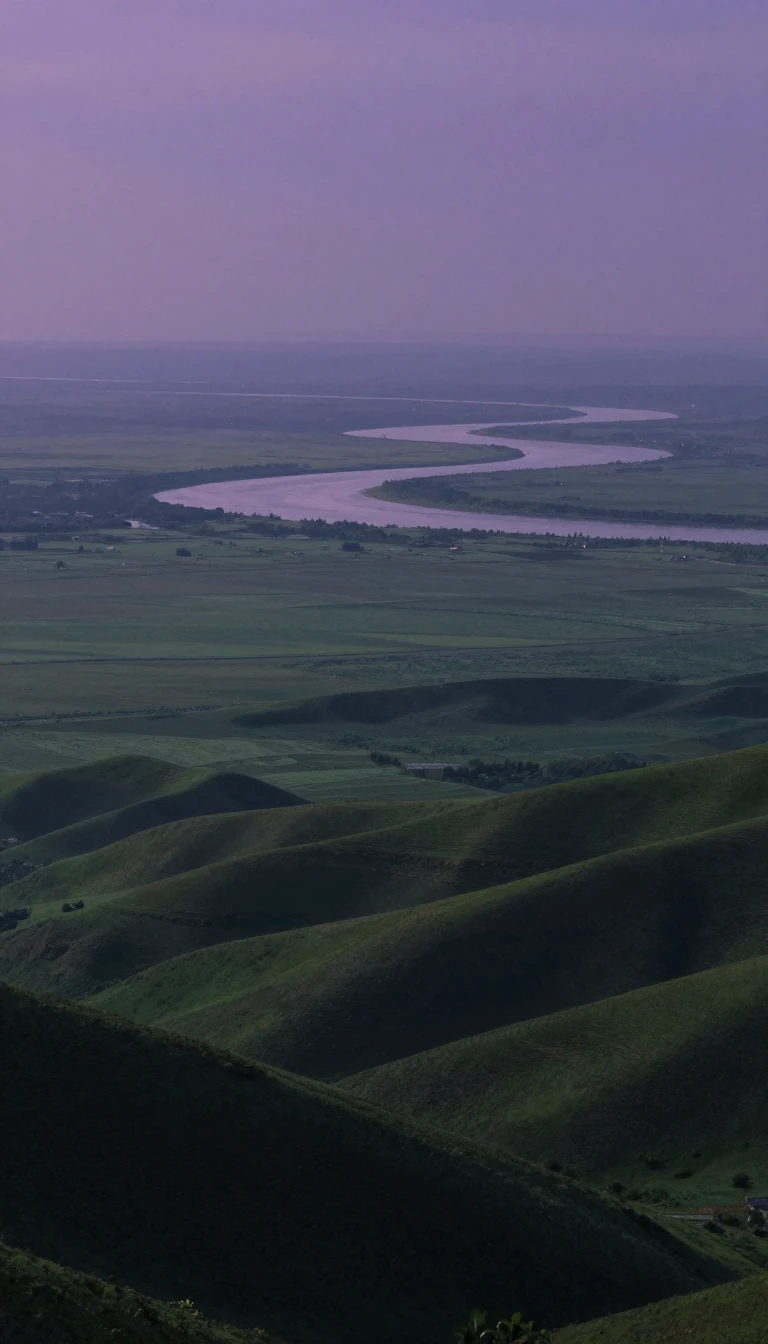 How geologists use ancient fossils to define the boundaries of deep timeA stage is a fundamental unit of geologic time, representing millions of years of rock deposition. By identifying specific index fossils or magnetic signatures within these layers…
- Stalagmites are not just limestone; they can be made of lava, ice, or concrete.While we often picture limestone formations rising from cave floors, stalagmites are defined simply by gravity-driven accumulation. From the crystallized urine of pack rats to the…
 Why this humble mineral is known as the cross-shaped stone of the earthStaurolite is a fascinating mineral that frequently forms in distinct, cross-shaped twins. Its name, derived from the Greek words for cross and stone, perfectly captures its iconi…
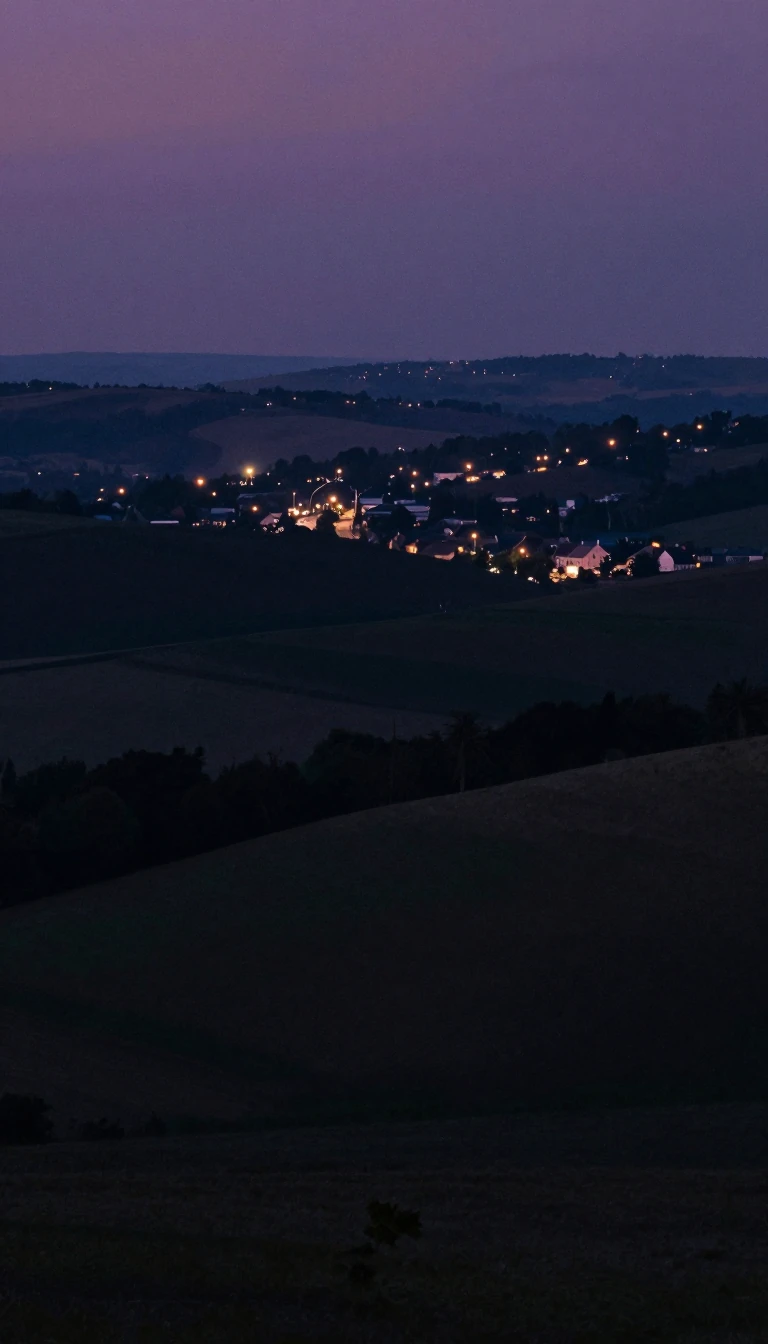 What are the swirling, ghostly vortices that dance above freezing lakes and hot springs?Known as steam devils, these rare, short-lived whirlwinds form when cold, dry air rushes over warm water. Unlike powerful tornadoes, these gentle vortices draw up fog to become vi…
 This ancient metallic ore melts in a candle flame and defines modern industry.Stibnite, a lead-gray mineral, has been prized since antiquity for everything from Egyptian eye makeup to alchemical experiments. Today, this primary source of antimony is essenti…
 Why this shimmering mineral is a master of molecular architecture and industrial filtrationStilbite is more than a collector's curiosity with its signature bow-tie crystals. This versatile zeolite acts as a sophisticated molecular sieve, capable of separating hydrocarbo…
- How geologists slice the Earth into a readable, layered history bookTo make sense of the Earth's crust, geologists divide rock into stratigraphic units. These volumes of rock are defined by their unique physical or fossil characteristics, allowing…
 Why the stratosphere is the calm, protective shield for life on EarthAbove the turbulent weather of our daily lives lies the stratosphere, a stable, dry layer of the atmosphere. By absorbing lethal ultraviolet radiation, it creates a temperature in…
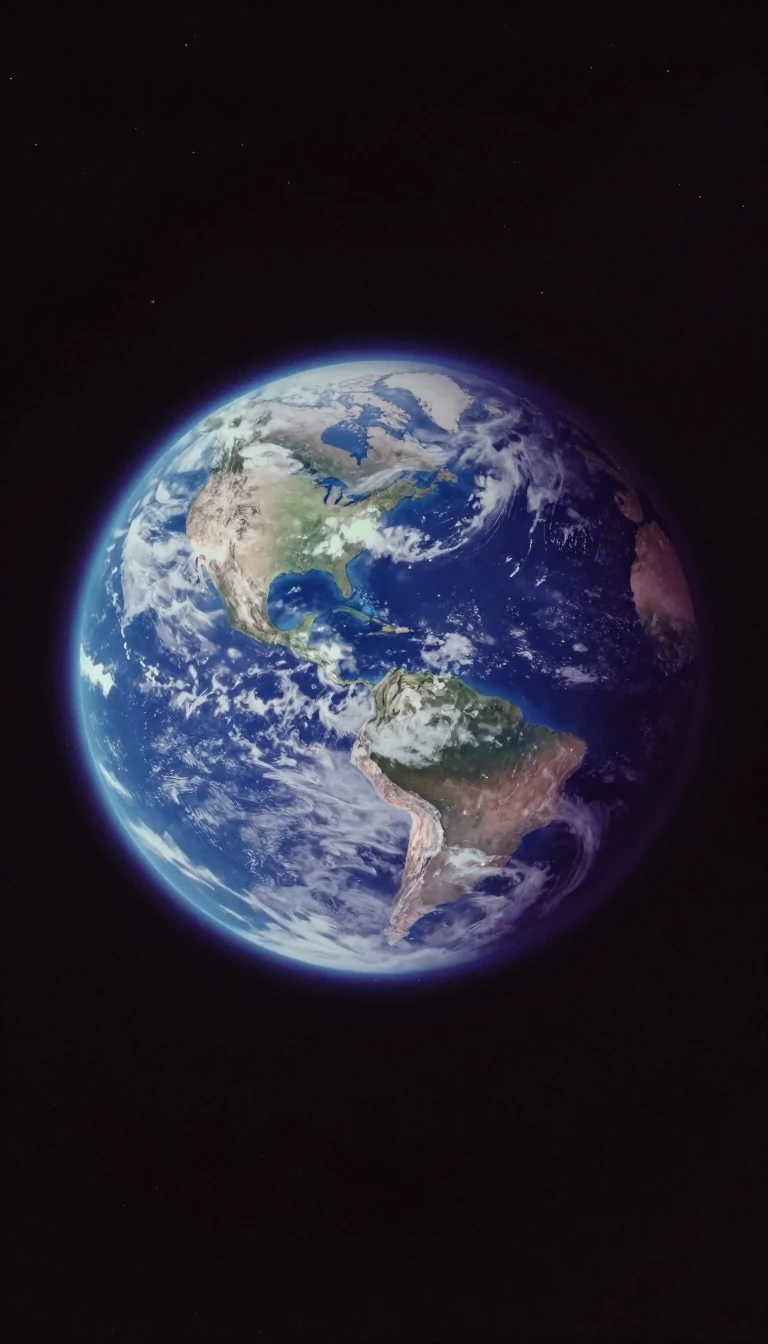 The Earth is a giant layered cake of geological history waiting to be readLook at a cliffside and you see more than just rock; you see a chronological record of our planet. Strata are the distinct, parallel layers that stack up over eons, each band capt…
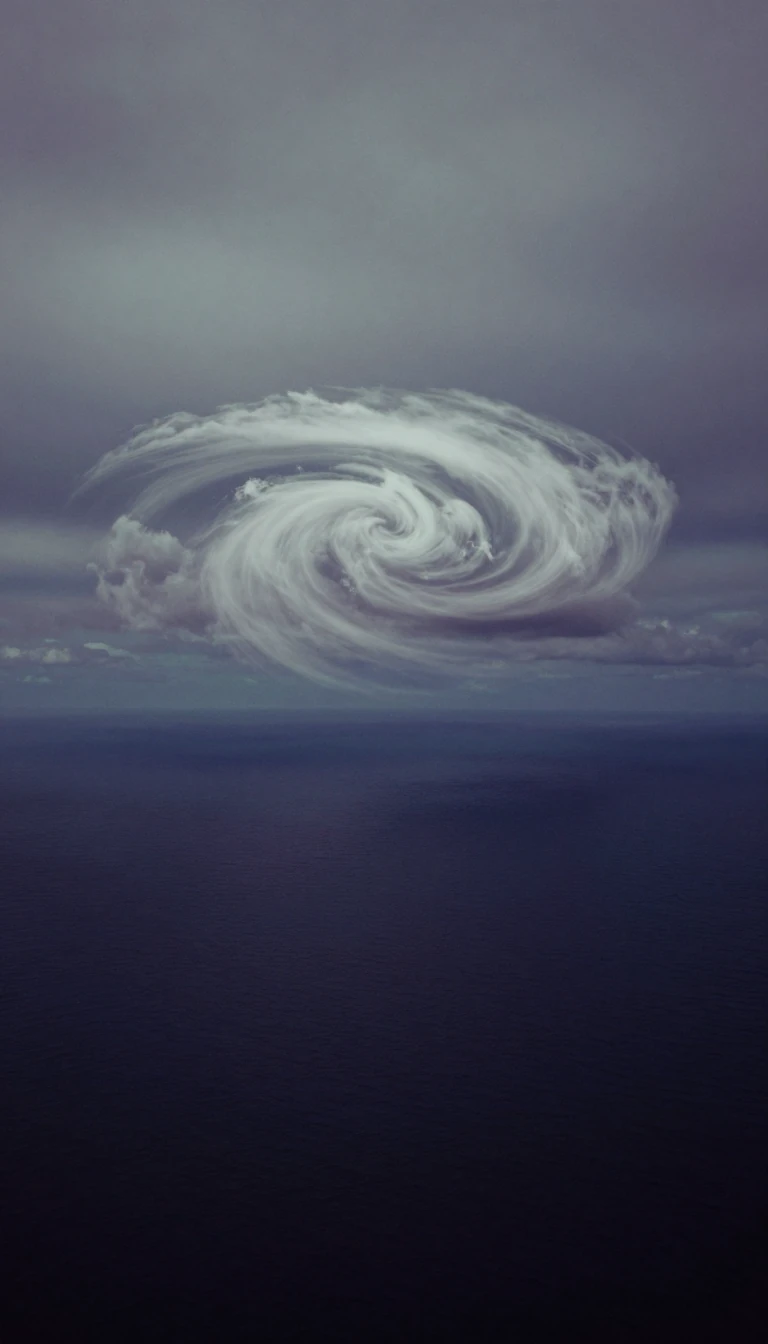 Stratus clouds are essentially ground-level fog that blankets the sky in uniform grey.Often dismissed as the culprit behind dull, overcast days, stratus clouds are the lowest-lying clouds in our atmosphere. These featureless, layered sheets form in calm conditions …